


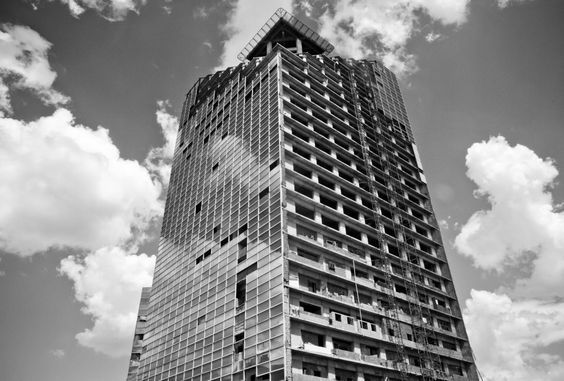
The Tower of David (Torre de David), officially the Centro Financiero Confinanzas, is an unfinished 45-storey office tower in central Caracas, Venezuela, about 171 metres tall. Construction began in 1990 and stopped in 1994 during the country’s banking crisis. From 2007, squatters turned the empty concrete frame into homes for thousands of people, making it known as the world’s tallest slum, until the government relocated them in 2014 and 2015. This article tells the story of the Tower of David in Venezuela, from banker’s dream to vertical community to damaged ruin, with a dated timeline and sources.
A financial centre that was never finished
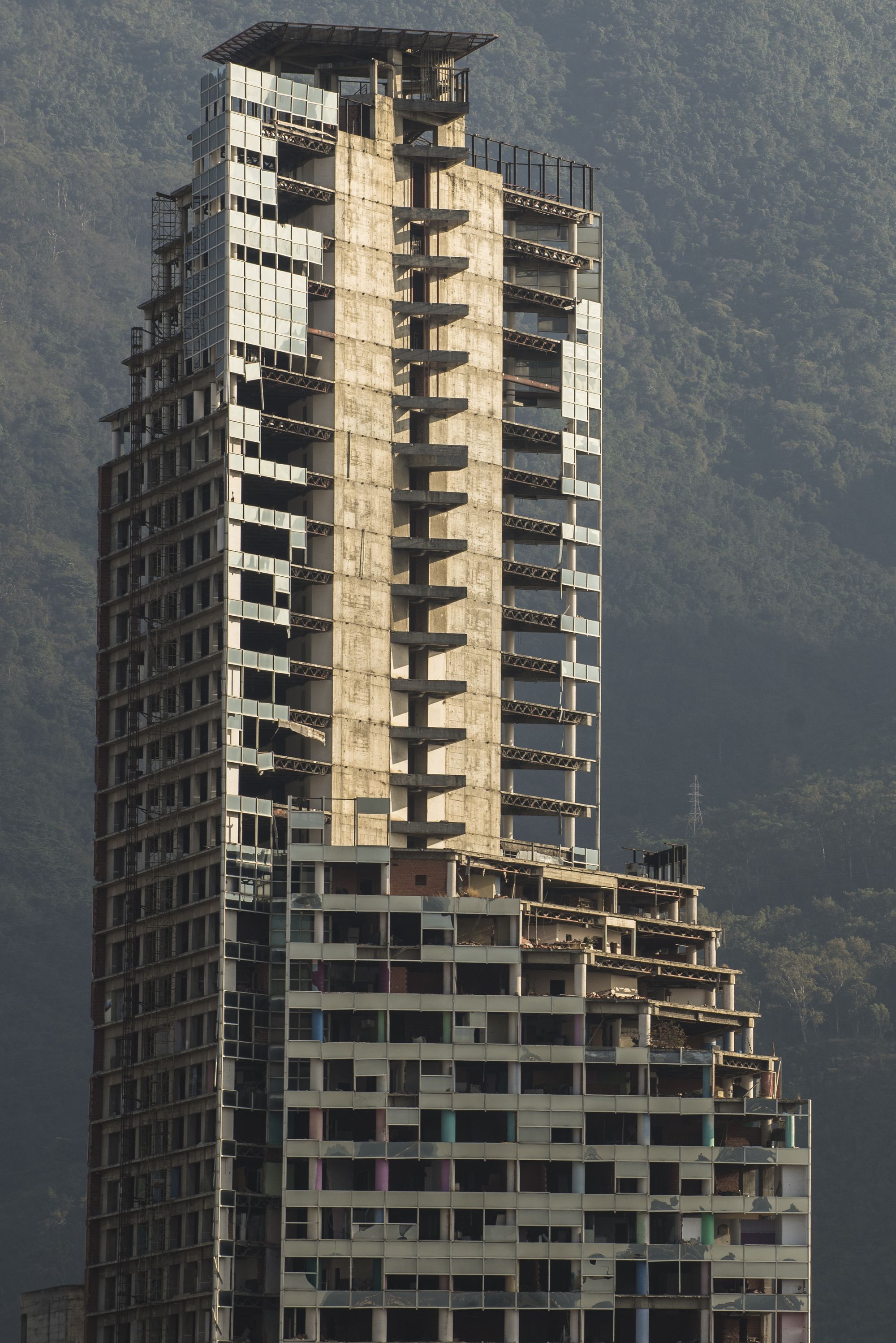
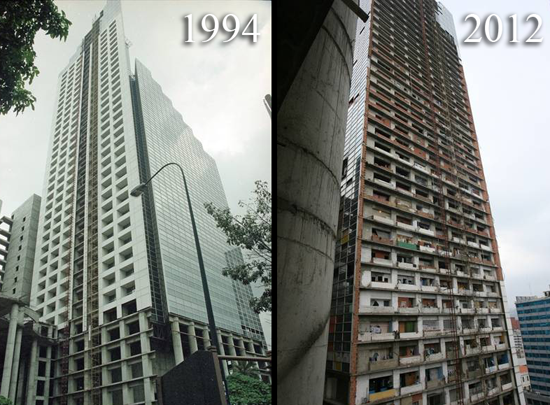
The tower was the dream of David Brillembourg, a banker who wanted a landmark for a Latin American “Wall Street” in Caracas; it is named after him. Designed by the office of the Venezuelan architect Enrique Gómez, it rose during the early 1990s. Brillembourg died in 1993, and in 1994 Venezuela suffered a severe banking crisis. The state took over the failed banks and their assets, including the tower, and work stopped with the building only partly complete: a concrete frame, partly clad in glass, with no lifts, no electrics and no finishes. An attempt to auction the complex in 2001 failed.
Tower of David The World’s Tallest Slum in Venezuela
How the Tower of David became a vertical community
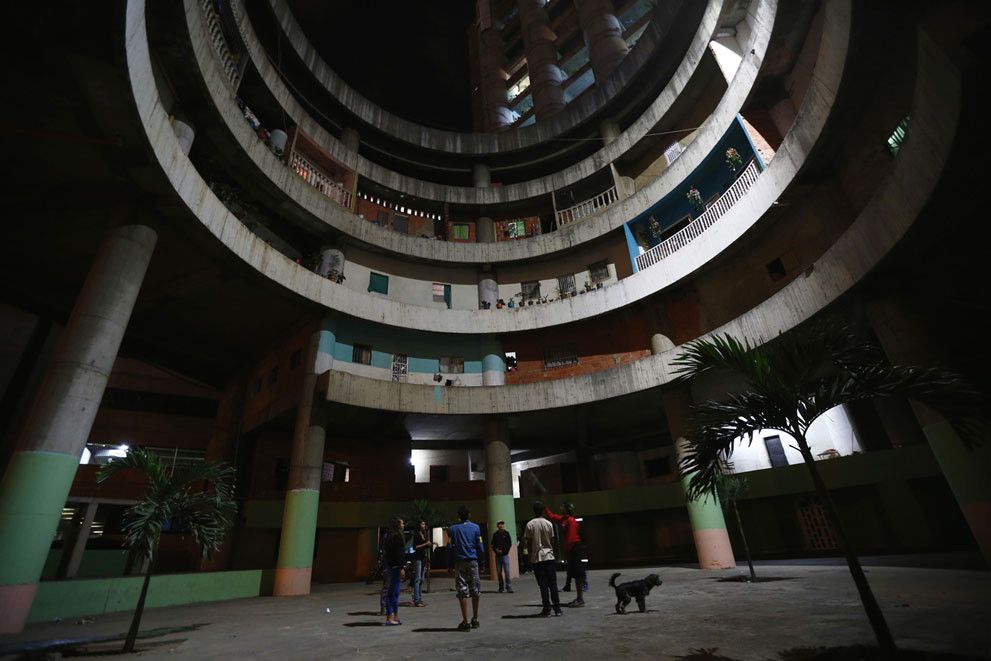
In October 2007, a group of families, led by former prisoners, occupied the empty Torre David during Caracas’s severe housing shortage. Others followed, floor by floor. Estimates of the population vary: around 700 families (more than 2,500 people) were reported by 2011, some accounts give peaks of up to 5,000, while the government counted 1,156 residents when relocation began in 2014.
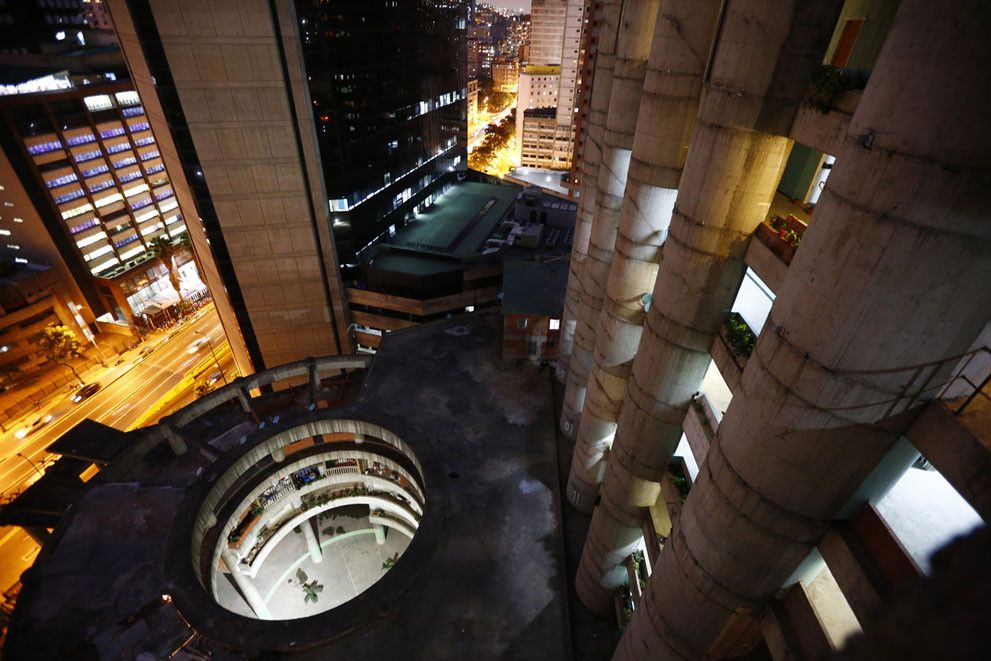
The residents built homes into the bays between the raw concrete columns, adding brick partitions for privacy, windows and doors, and connecting to improvised water and electricity supplies. A single controlled entrance served the whole building, and the residents ran their own security and rules. Where lifts should have been, there were open shafts.
Tower of David The World’s Tallest Slum in Venezuela
Did people climb the stairs to the 44th floor?
Many did: with no lifts or escalators, the tower was essentially a 45-storey walk-up. Residents shortened the climb by using the ramps of the adjoining multi-storey car park to reach the lower floors, with motorbikes carrying people and goods up the ramps, and then continued on foot.
The tower became a small city. On many floors there were shops and services, from grocery stalls to hairdressers, and on the 30th floor a gym whose weights were made from the unused lift equipment. The Dutch photographer Iwan Baan, who documented life in the tower for months, described these details in his 2013 TED talk on homes in unexpected places.
Tower of David The World’s Tallest Slum in Venezuela
In 2012, the architecture practice Urban-Think Tank (Alfredo Brillembourg and Hubert Klumpner), the curator Justin McGuirk and Iwan Baan won the Golden Lion for best project at the Venice Architecture Biennale for “Torre David/Gran Horizonte”, an installation that recreated one of the tower’s restaurants and showed Baan’s photographs. The award was controversial in Venezuela, where critics argued that it romanticised an illegal and unsafe occupation. The building also reached a wider audience in 2013, when an episode of the American television series Homeland was set there (it was filmed in Puerto Rico).
Tower of David The World’s Tallest Slum in Venezuela
Eviction and relocation
On 22 July 2014, the Venezuelan government launched “Operation Zamora 2014” to move the families out of the tower. Over the following months, residents loaded their belongings, from televisions and stoves to mattresses and pets, and moved to government housing outside Caracas, mainly in Ciudad Zamora in Cúa, south of the city. By June 2015, the last residents had been relocated, ending about eight years of life in one of the world’s best-known informal settlements.
Tower of David The World’s Tallest Slum in Venezuela
What happened to the Tower of David in Venezuela after 2015?
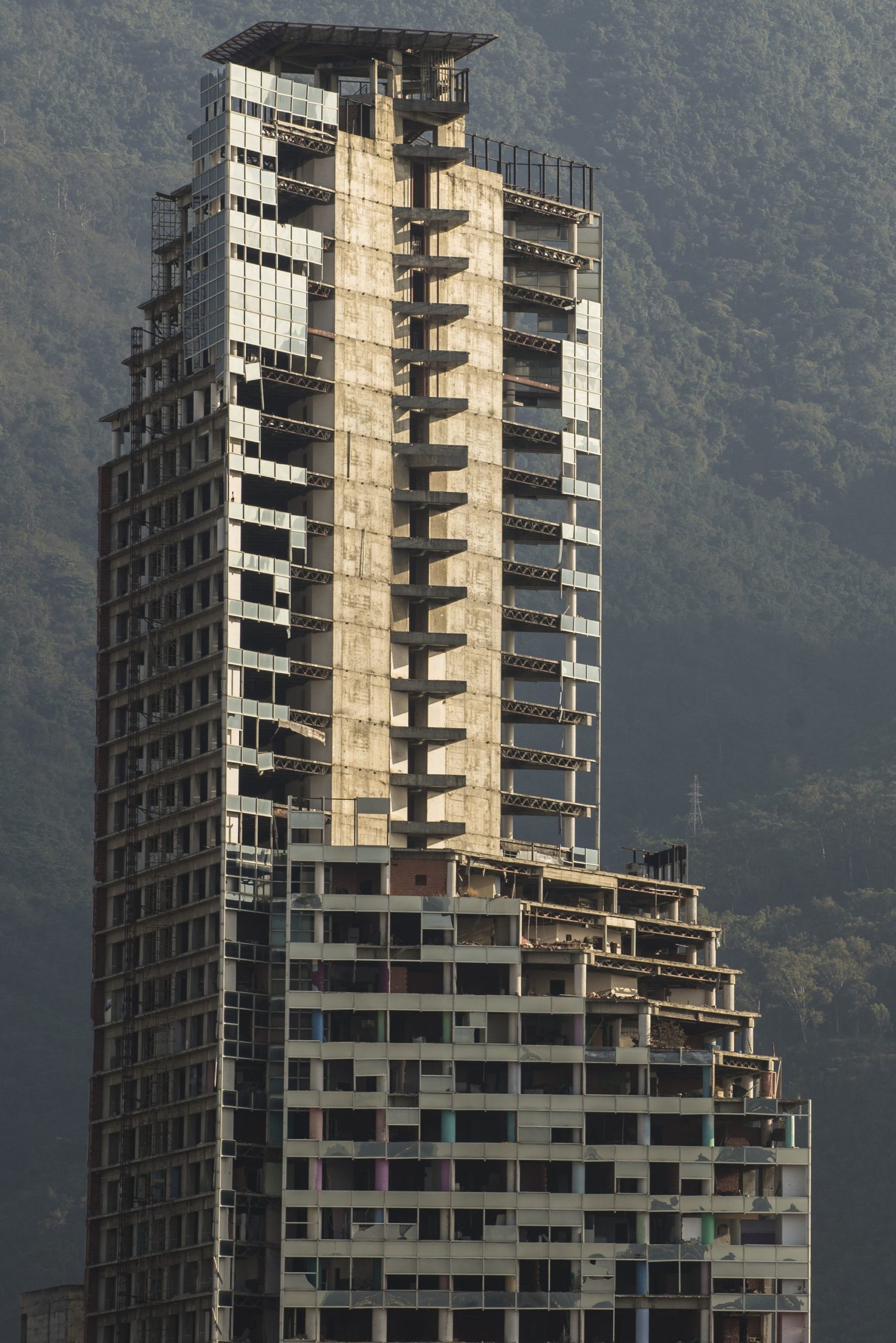
The building has remained empty and unfinished. A proposal by a Chinese bank to buy and renovate it fell through in 2016. On 21 August 2018, a strong earthquake in Venezuela partly collapsed the top five floors, which have leaned outward ever since. In August 2022, a group of families briefly entered the tower to demand housing before leaving after mediation with the city authorities. Two earthquakes on 24 June 2026 caused more damage, with concrete from the top floors falling to the pavement, and the city authorities have since ordered work to remove dangerous elements. The tower of David in Venezuela still stands on the Caracas skyline as a reminder of the country’s economic crises and of the ingenuity of the people who lived in it.
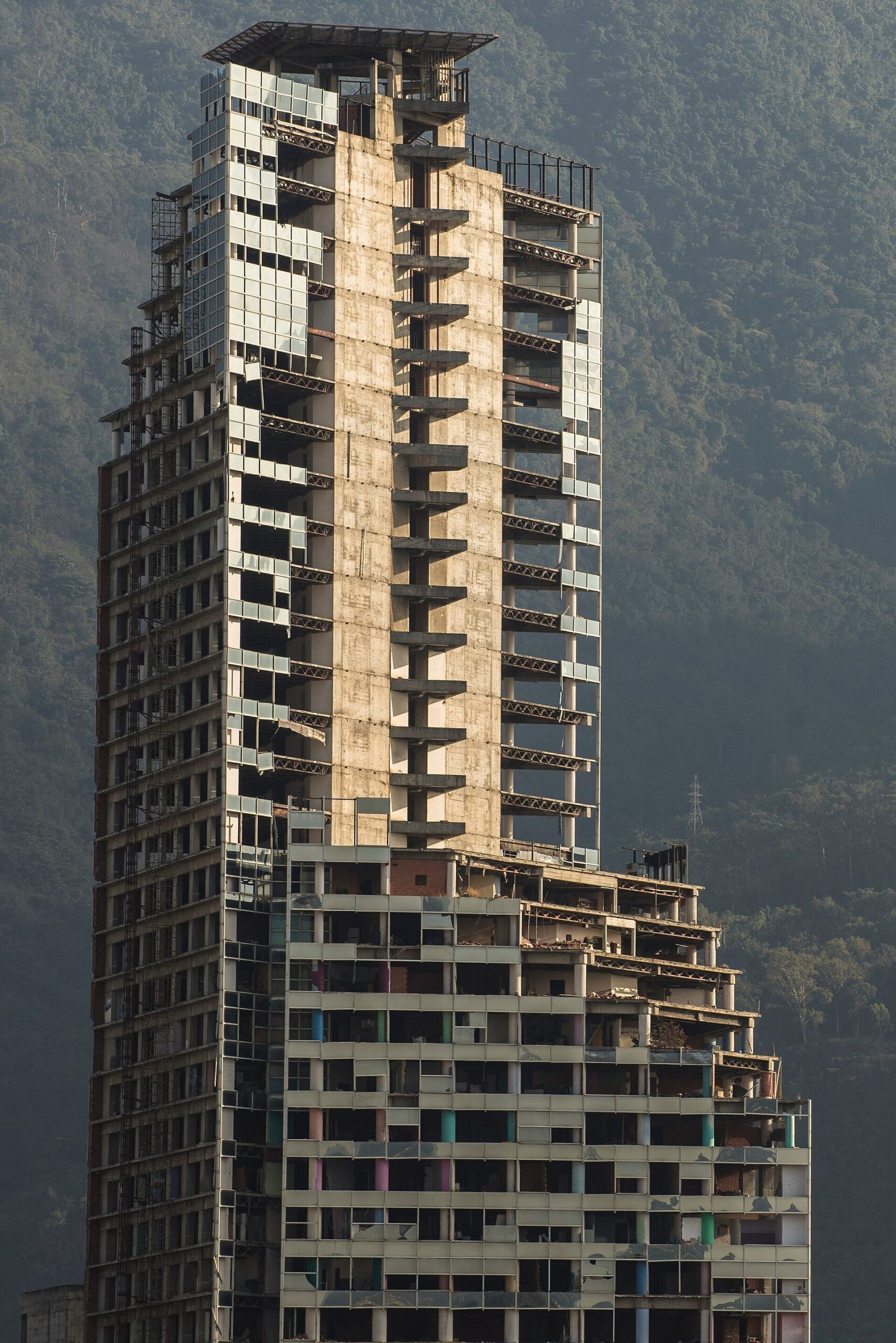
The Torre de David (Centro Financiero Confinanzas) in Caracas, photographed before the 2018 earthquake damaged its top floors. Photo: EneasMx, CC BY-SA 4.0, via Wikimedia Commons. EneasMx, source, CC BY-SA 4.0
Timeline of the Tower of David
The table lists the key dates from the sources below, as of October 2026.
| Date | Event | Source |
|---|---|---|
| 1990 | Construction of the Centro Financiero Confinanzas begins (architect: Enrique Gómez and Associates) | El Diario; overview |
| 1993 | Developer David Brillembourg dies | Overview |
| 1994 | Banking crisis; the state takes over the bank and the unfinished tower; work stops | El Diario |
| 2001 | Attempt to auction the complex fails | El Diario |
| October 2007 | Families occupy the empty tower | Overview |
| 2011 | About 700 families (over 2,500 people) reported living there | Overview |
| 2012 | Torre David/Gran Horizonte wins the Golden Lion at the Venice Architecture Biennale | Domus; Detail |
| 22 July 2014 | Operation Zamora 2014: relocation of residents begins (1,156 residents counted) | Overview; El Diario |
| June 2015 | Last residents relocated | Overview |
| 2016 | Chinese bank's purchase and renovation plan falls through | Overview |
| 21 August 2018 | Earthquake partly collapses the top five floors, which lean outward | Overview; El Diario |
| 3 August 2022 | Families briefly enter the tower to demand housing, then leave after mediation | El Diario |
| 24 June 2026 | Two earthquakes cause further damage; concrete falls from the top floors | Overview |
Source: Centro Financiero Confinanzas overview (Wikipedia, with its sources); El Diario, 3 Aug 2022; Domus, 2012 (as of 24 October 2026).
Compared with the tallest buildings in the world, the Tower of David is modest in height, but few towers have such a remarkable story. It may be the world’s first “slumscraper”, and perhaps also its last.
Written by Ekshikaa S; updated October 2026.

Sources and further reading
- Centro Financiero Confinanzas (overview with sources)
- El Diario (Caracas): the 2022 occupation attempt and the building’s history (in Spanish)
- Al Jazeera: Inside Venezuela’s tower of neglect (2015)
- TED Ideas: Iwan Baan, communities in unexpected places (2013)
- Domus: Torre David/Gran Horizonte (2012)

Blueprints and Brownies - reason enough to stay humble and hopeful, for why must I barely live, when one can laugh, learn, design and give?