

UN-Habitat and the Climate Prediction and Applications Centre (ICPAC) of the Intergovernmental Authority on Development (IGAD) have launched a short El Niño preparedness guide for cities, aimed at city governments facing the upcoming season. The two organisations released it on November 5, 2026, as El Niño, a natural climate pattern that brings floods, droughts, heat waves and storms to different regions, is expected to peak from October 2026 through March 2027. The guide aims to offer actionable guidance that improves urban resilience, protects vulnerable communities and reduces the impact of climate-related hazards.
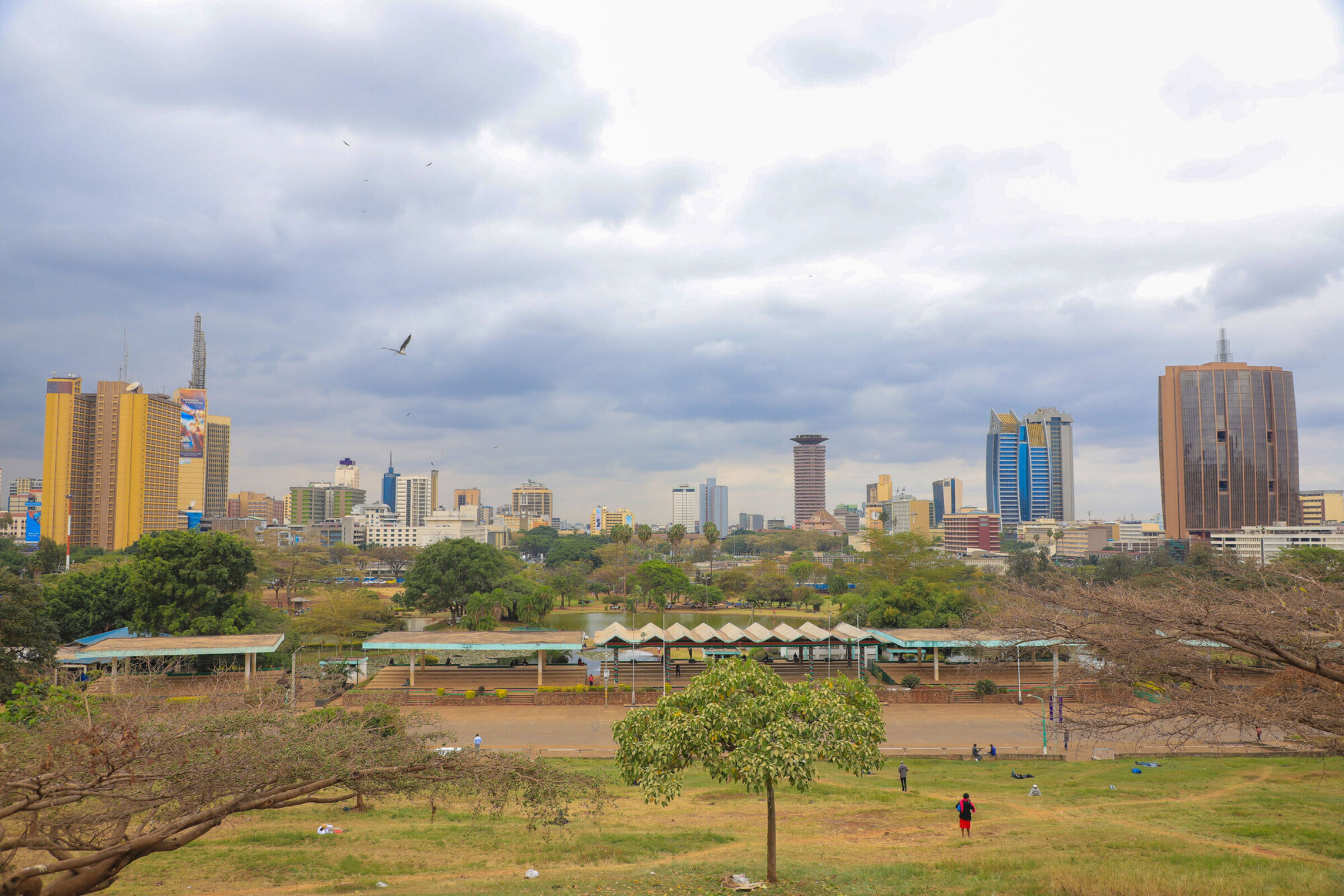
Uhuru Park in Nairobi, Nairobi County, Kenya. Image © Justin Brian via Pexels
Although the guide offers considerations that apply to different climate regions, IGAD frames it around preparedness, anticipatory action and resilience in the Horn of Africa, which covers Djibouti, Eritrea, Ethiopia, Kenya, Somalia, South Sudan, Sudan and Uganda. Titled “El Niño Preparedness: An Anticipatory Action Framework for City Leaders,” it rests on two premises. The first is that urban preparedness is a governance function, and the second is that climate forecasts can be translated into local action at the scale of cities and municipal governments.
From ICPAC’s perspective, a climate forecast is only as valuable as the action it enables, because a forecast can trigger solid protocols before El Niño-driven rains arrive. The guide therefore encourages cities to use the forecast lead time to make decisions on the ground and turn early warnings into early action. It proposes a protocol structure and checklists that convert climate forecasts into risk information based on pre-agreed thresholds, so that a city does not have to debate what to do once the water is already rising.
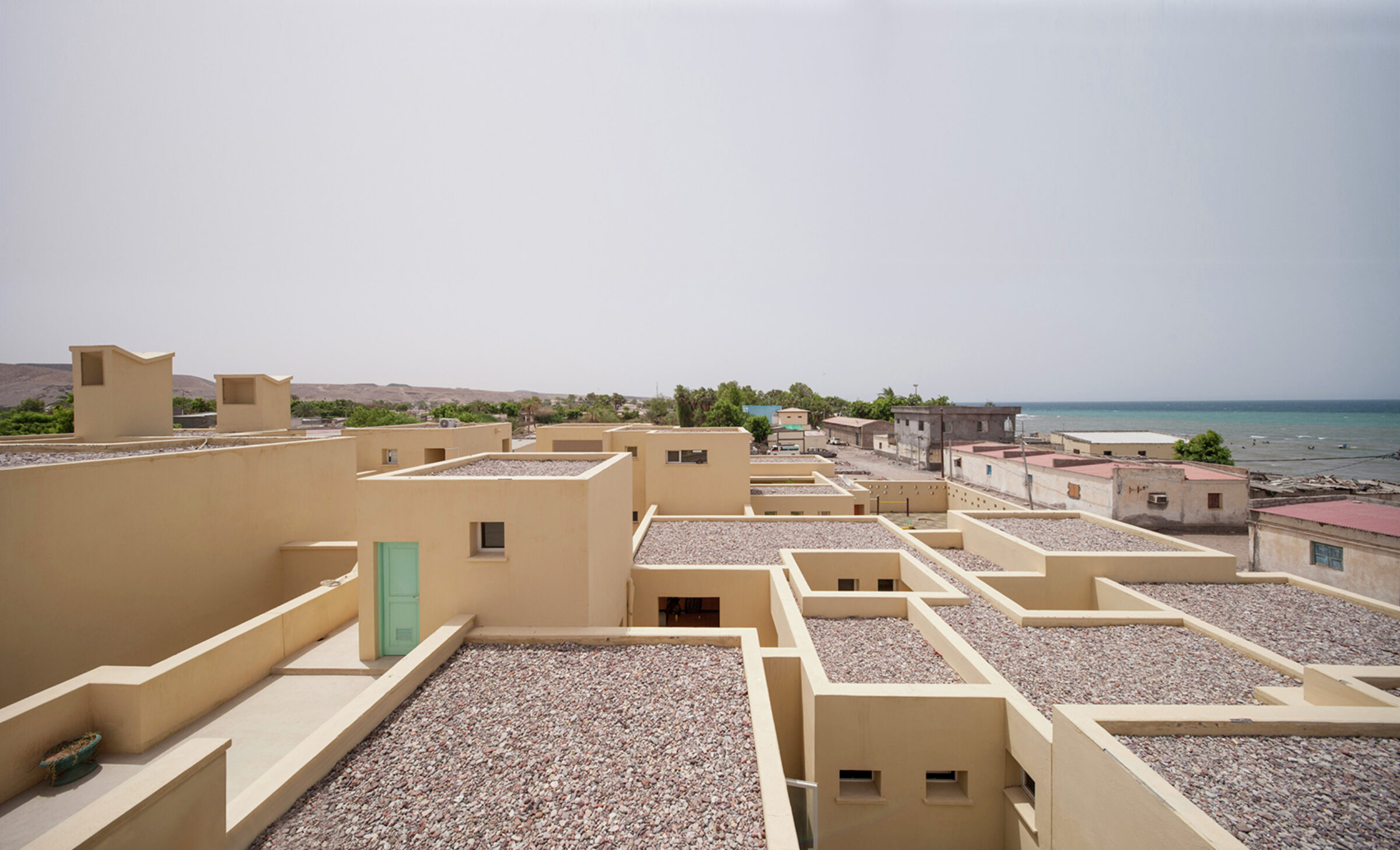
SOS Children’s Village In Djibouti by. Tadjoura, Djibouti Urko Sanchez Architects. Image © Javier Callejas
Once a seasonal forecast crosses one of those thresholds, preventive actions follow automatically. Some are administrative, such as releasing funding and warning households, while others are practical, such as clearing drains and pre-positioning emergency supplies. The guide rests on the view that climate-related humanitarian crises are not caused by natural events themselves, but by their consequences in informal settlements, clogged infrastructure and fragmented institutions. That is why it places so much weight on agreements that city leaders make in advance.
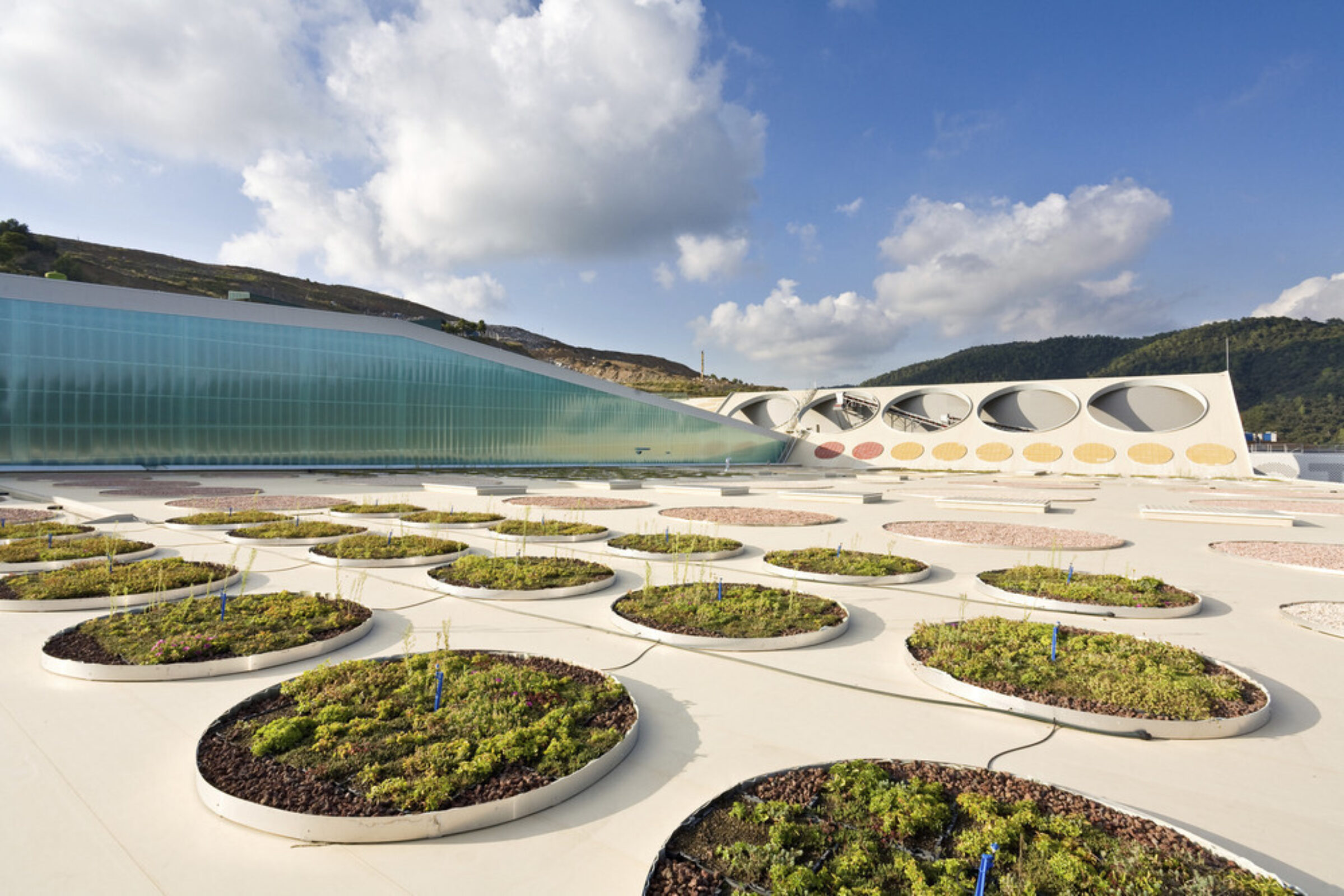
Waste Treatment Facility by Batlle & Roig Architects. Somalia. Image © Francisco Urrutia
To organise and prioritise these actions, the guide defines three scenarios, moderate, severe and worst case, drawing on UN-Habitat’s experience in urban emergencies. Each scenario is defined by a quantified trigger, a set of anticipatory actions and a projected urban impact. The quantification depends on prior institutional agreements, built on an action checklist that city leaders settle on beforehand. Together, these elements give municipal teams a clear sequence to follow from the moment a forecast arrives.
Read more:
- Solutions in Action: WAFX 2023 Award-Winners Spearhead Climate Emergency Responses
- The Complete Guide to Sustainable Landscape Architecture: From Climate Action to Performance Metrics
The methodology is of general interest but was developed around local concerns in the Horn of Africa. ICPAC, the institution working with UN-Habitat, is a specialised branch of IGAD and a World Meteorological Organization (WMO) Regional Climate Centre for Eastern Africa, which provides climate services, seasonal forecasts and early warning information across the Greater Horn of Africa. According to ICPAC, communities that face a rapid shift from dry conditions to heavy rains are at heightened risk of flash and riverine floods, landslides, displacement and outbreaks of human and transboundary animal diseases. They also face livestock concentrating around water and grazing resources, rangeland degradation and disruption of established pastoral mobility routes.

The ET-302 Memorial by Alebel Desta Consulting Architects and Engineers. Ethiopia. Image © Aron Simeneh
ICPAC’s August forecast expects heavy rainfall in the coming months over southern Ethiopia, central and southern Somalia and northeastern Kenya, along with wetter conditions over the Lake Victoria Basin, Burundi, western Rwanda and western Tanzania. These conditions could escalate into urban emergencies where administrative and infrastructural capacities are inadequate. The guide gives direction on six elements:
- Early warning and forecast uptake through formal data sharing
- Impact-based scenarios that plan against consequences
- Pre-agreed triggers and anticipatory financing
- Contingency planning with clear institutional roles
- Sector- and infrastructure-specific preparedness
- Safe havens and community mobilization
The relevance of the initiative lies in these definitions, which can be applied to climate resilience protocols in different climates and regions of the world. Recent months have shown why such protocols matter. In late August, a lower section of a Himalayan glacier collapsed and sent an ice and rock avalanche down the Lhende River valley, triggering severe flash floods on the Nepal-Tibet border. Severe wildfires across northern Algeria in the same period put residential areas, agricultural land and critical transport corridors in the path of rapidly spreading flames.
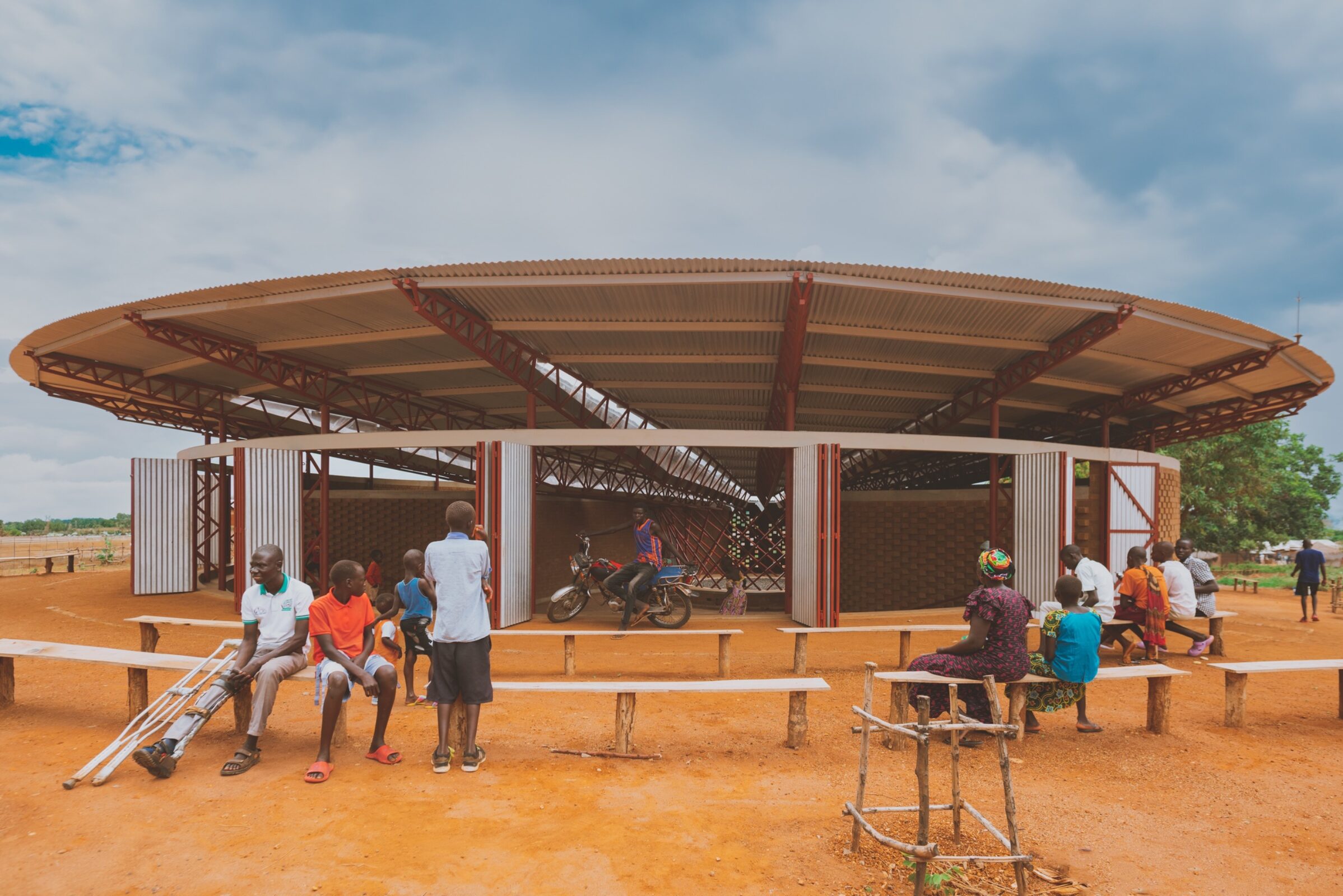
Bidi Bidi Performing Arts Centre by To.org + Hassell + Localworks + Arup Architecture Office. Yumbe, Uganda. Image © Mutua Matheka
Earlier this year, a magnitude 7.4 earthquake damaged historic architecture across Colombia, and two major earthquakes struck northern Venezuela within seconds of one another. The recurrence of these events underscores the need to address urban informality and strengthen heritage protection tools, to keep natural phenomena from turning into disasters. For city leaders in the Horn of Africa, the guide’s checklists and thresholds are now available ahead of the El Niño season, which is expected to run through March 2027.

Olivia Bennett is a seasoned American news editor at Arch2O, born in the UK and a proud alumna of UCLA, where she studied Architecture and Media Studies. With a strong editorial background and a passion for design storytelling, she excels in translating complex architectural ideas into engaging narratives. Olivia focuses on contemporary trends, sustainability, and emerging talents in the field, offering readers a fresh, global perspective on the built environment.