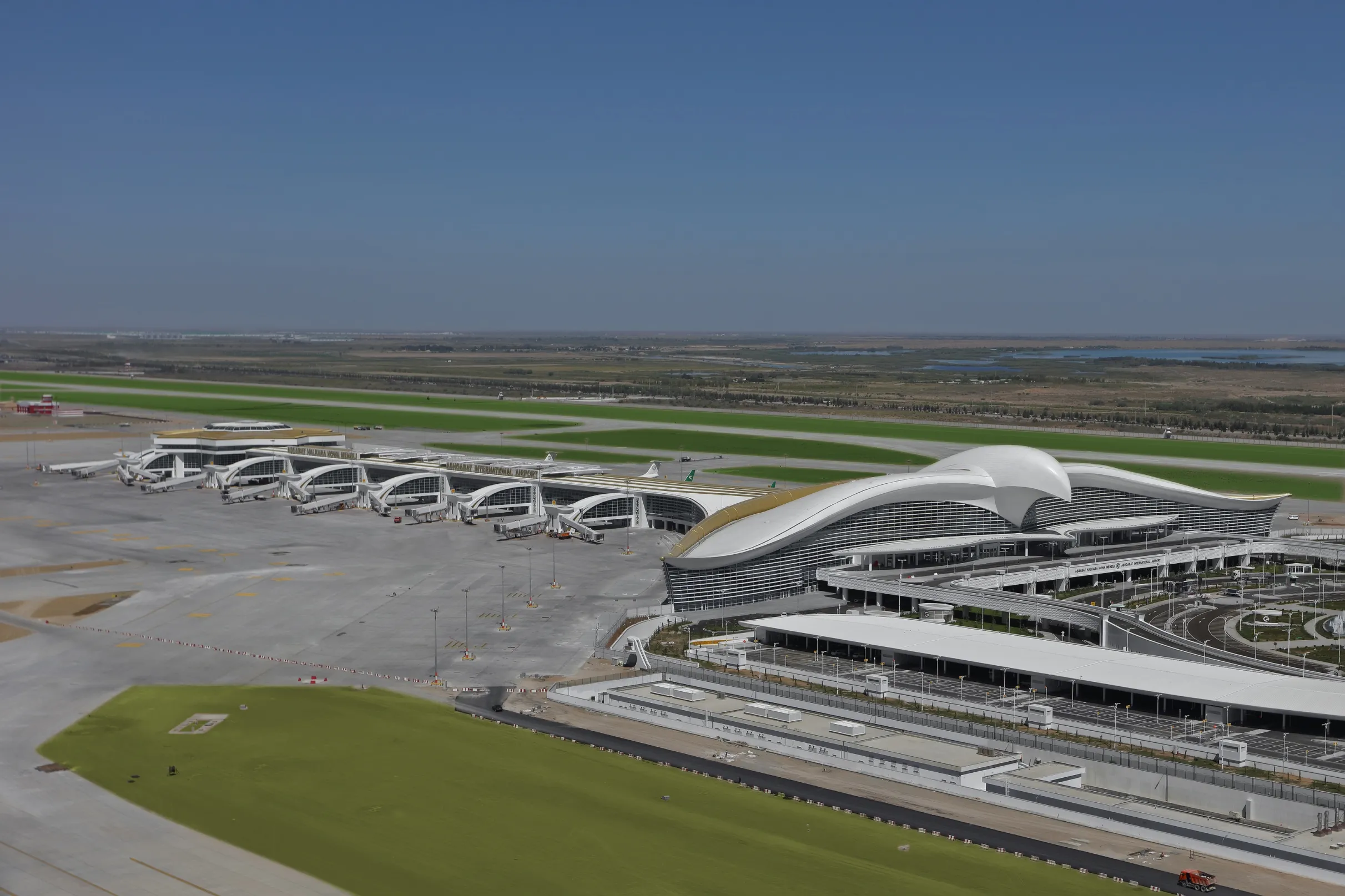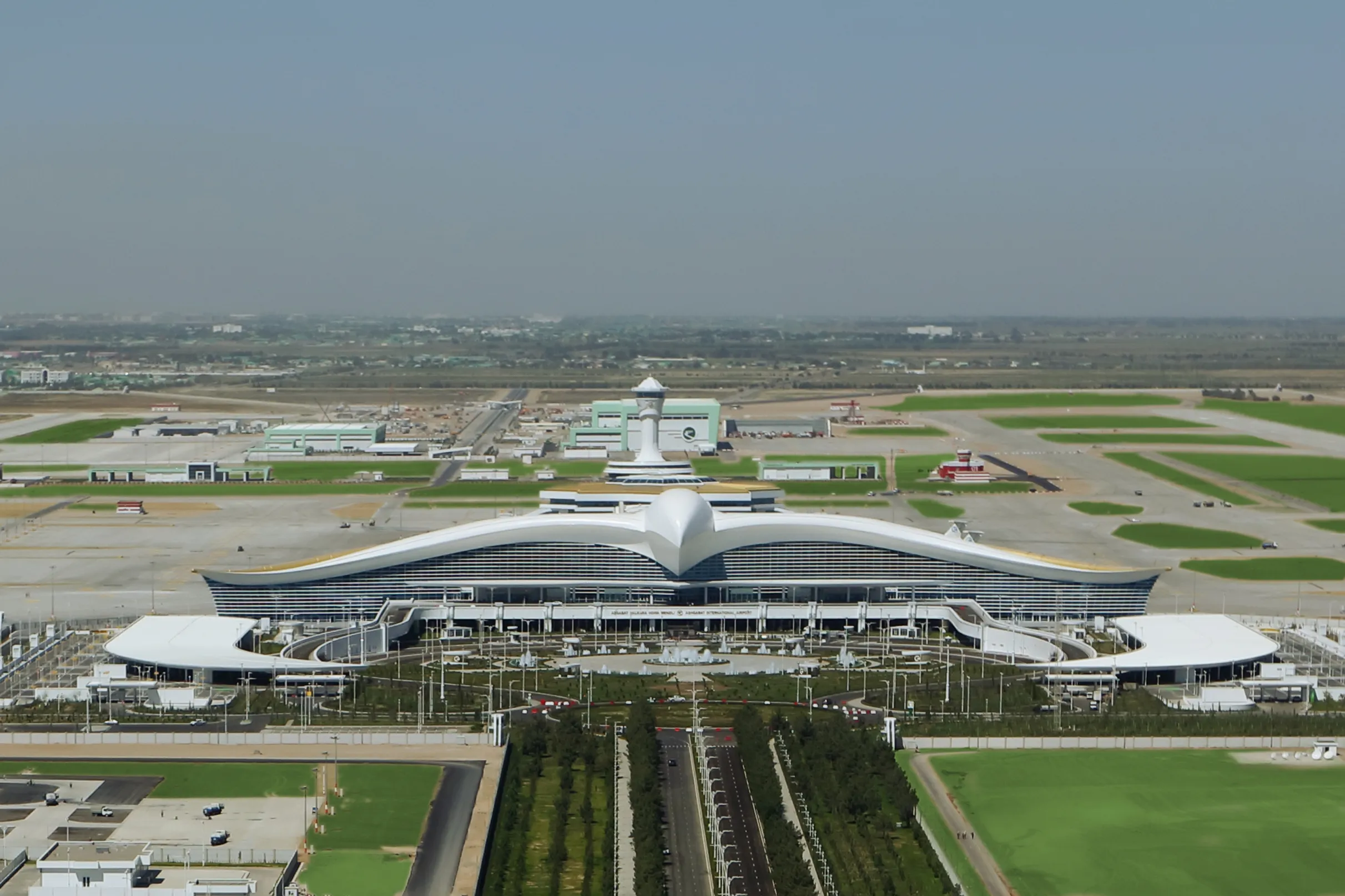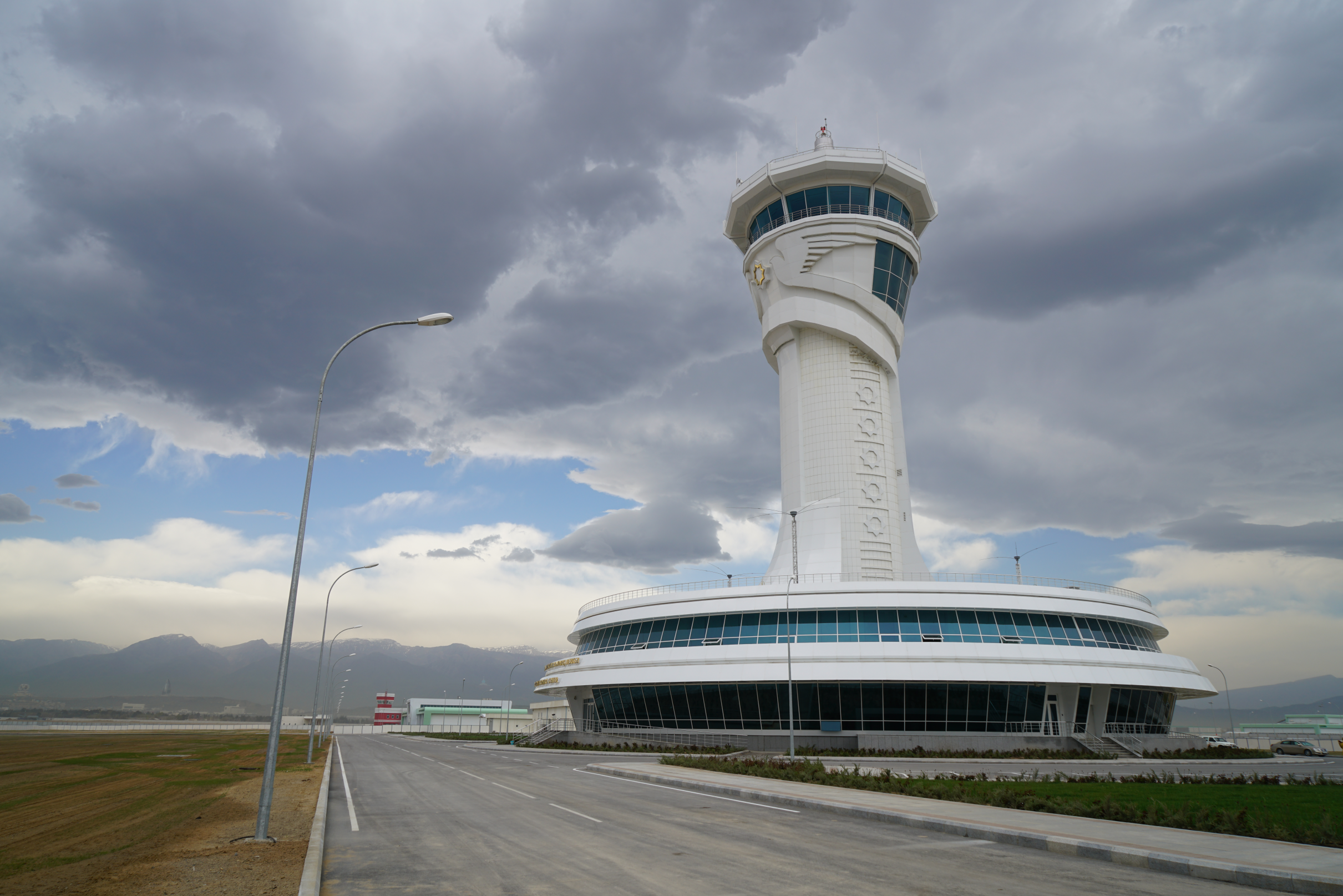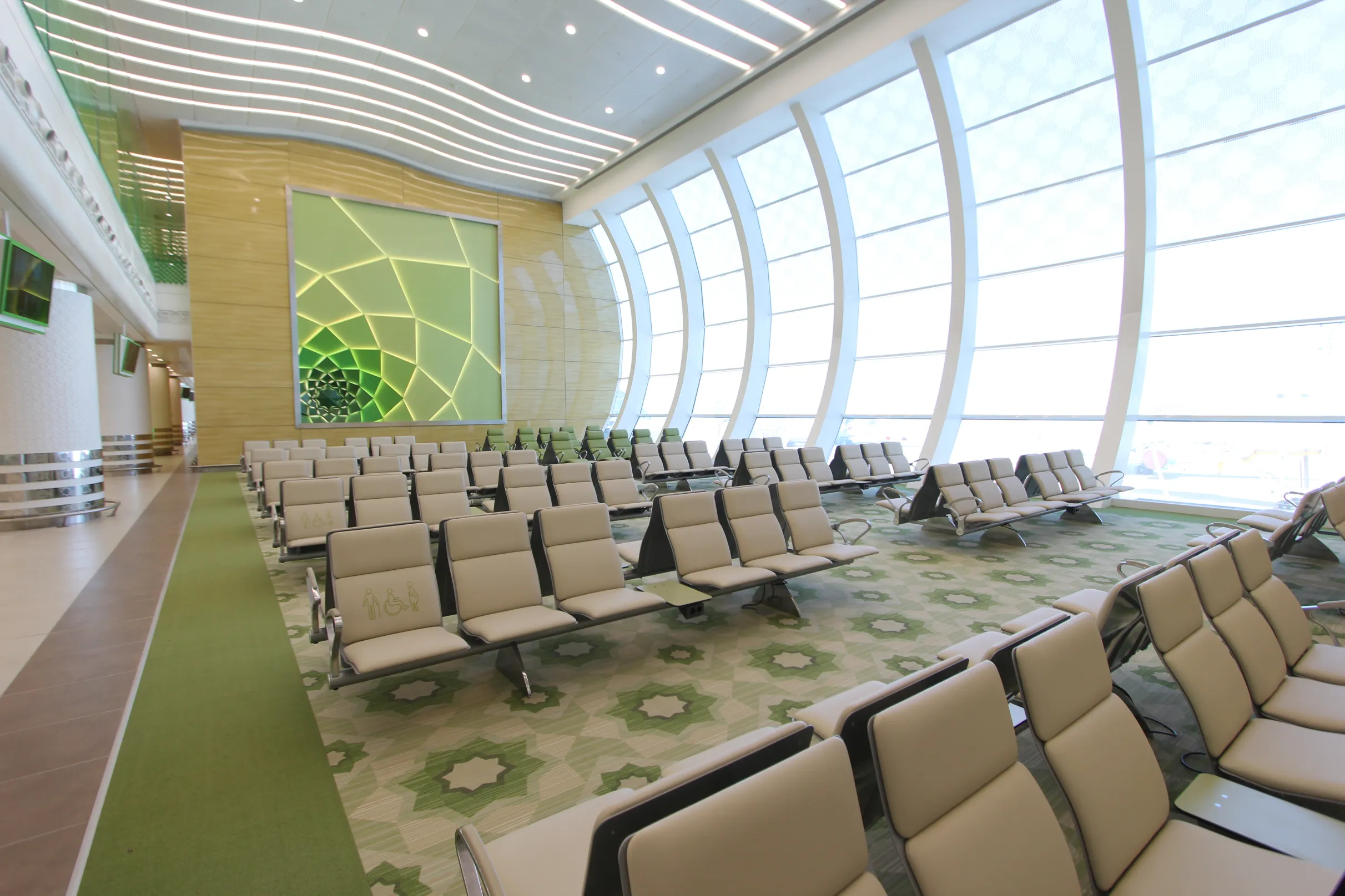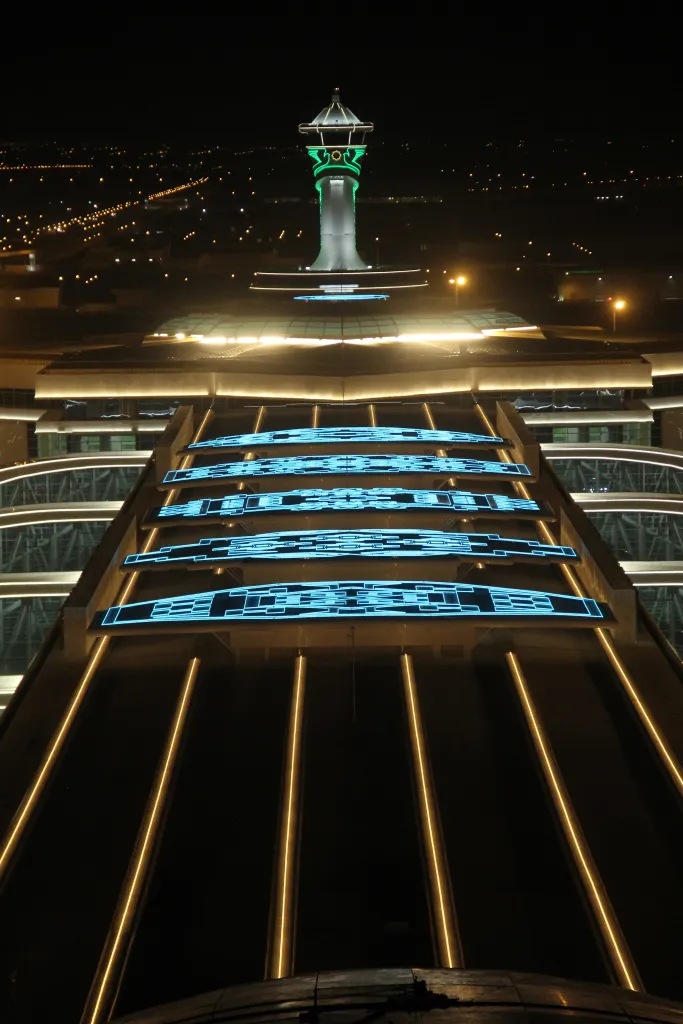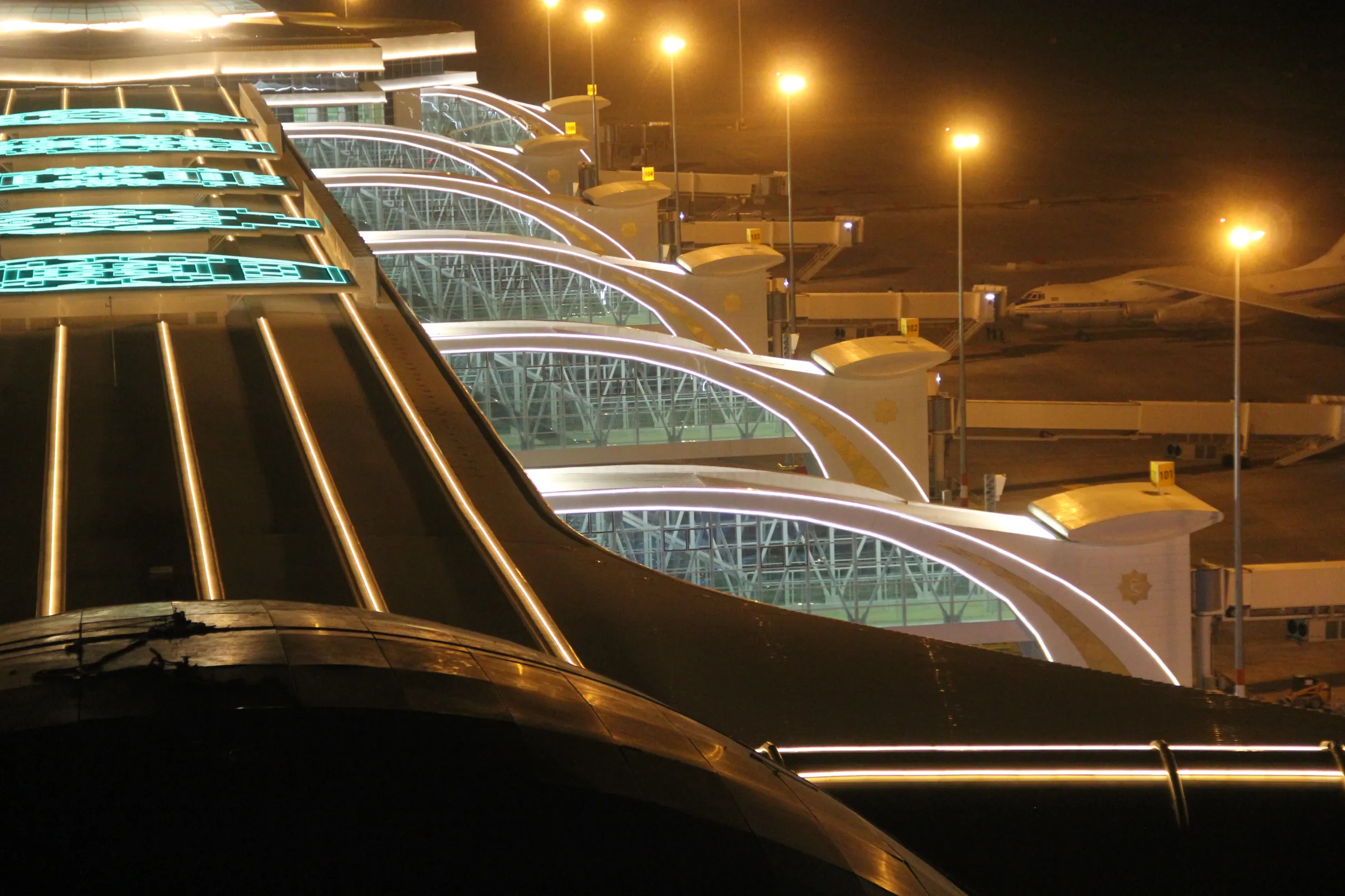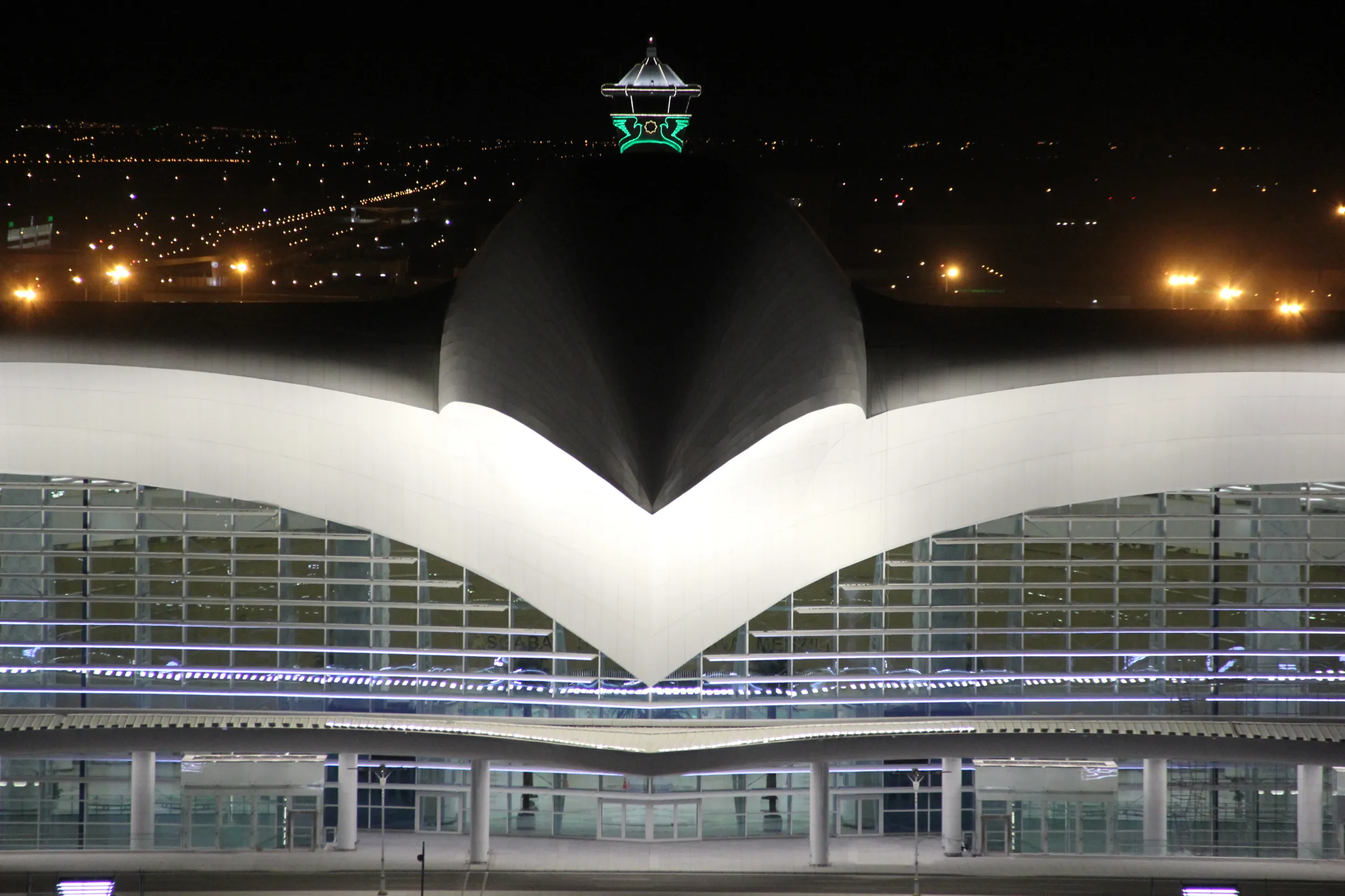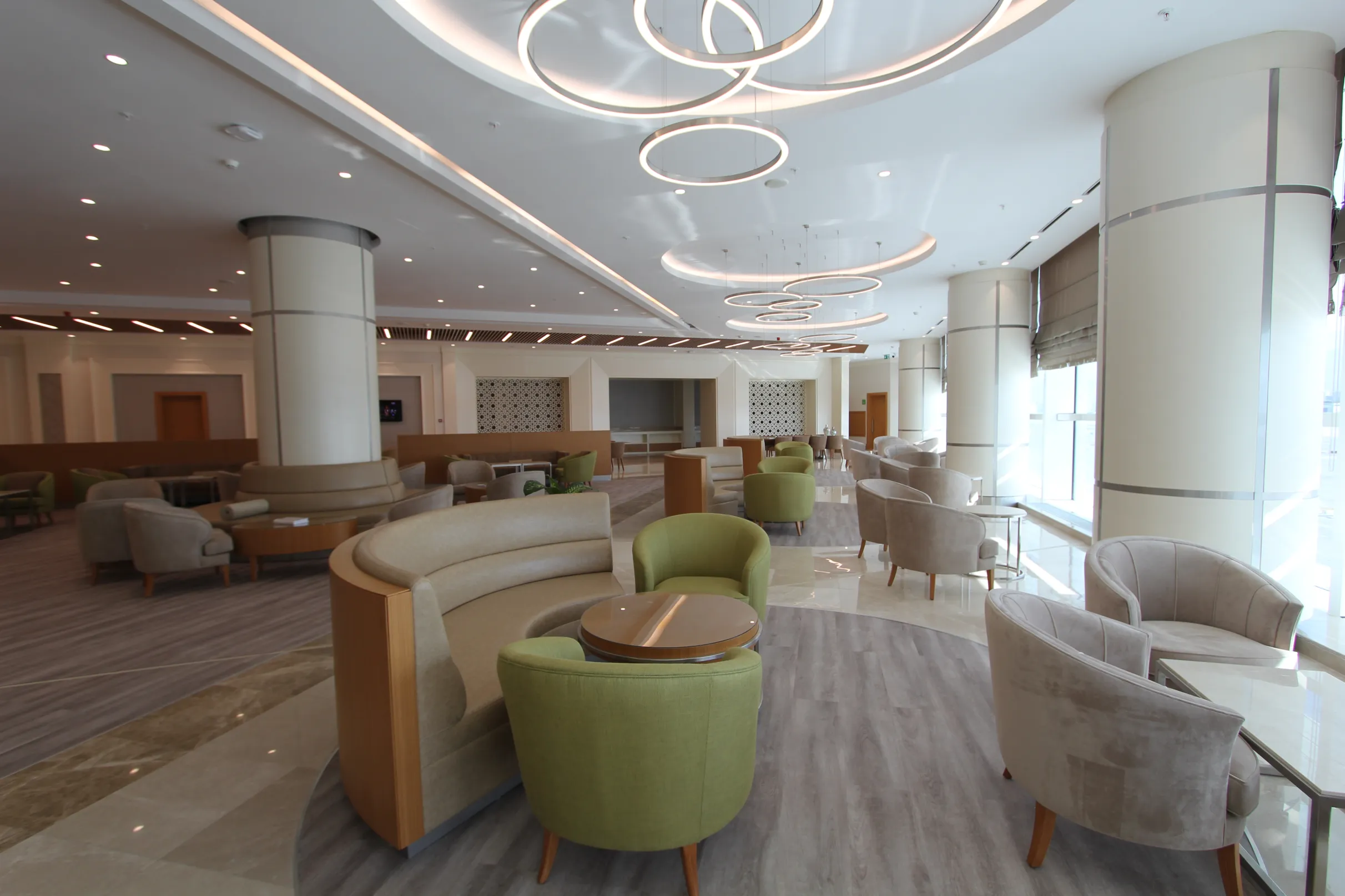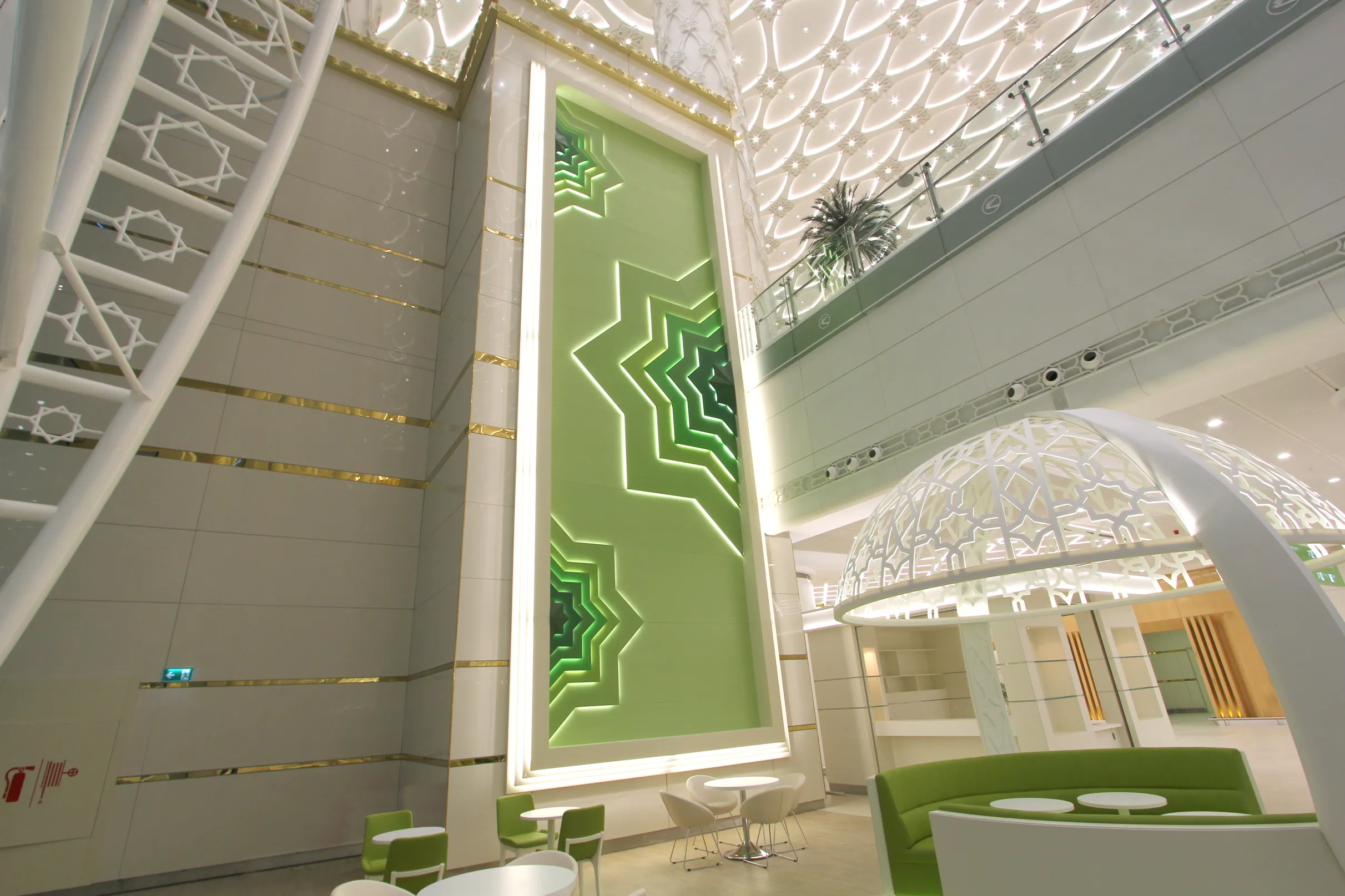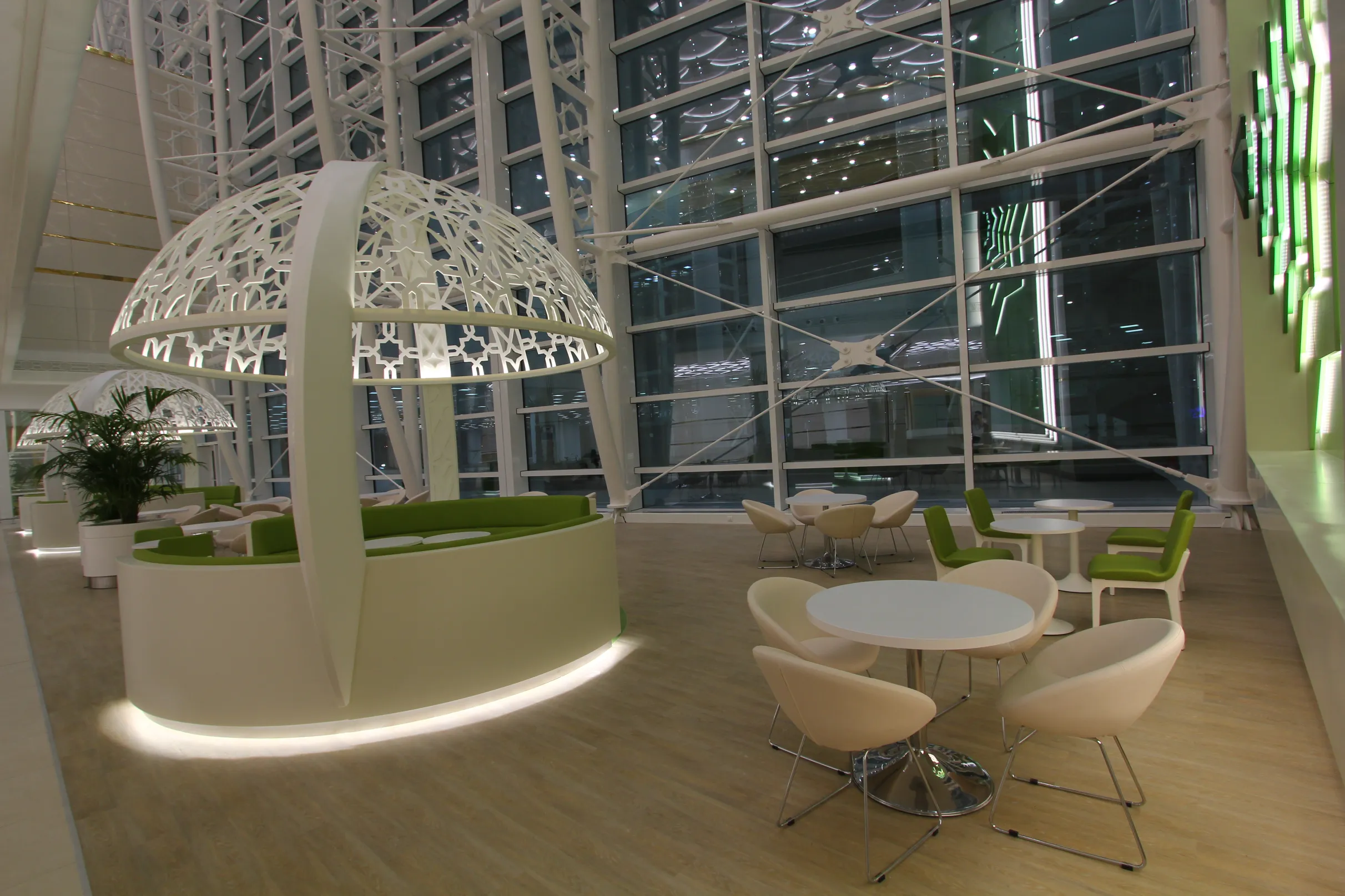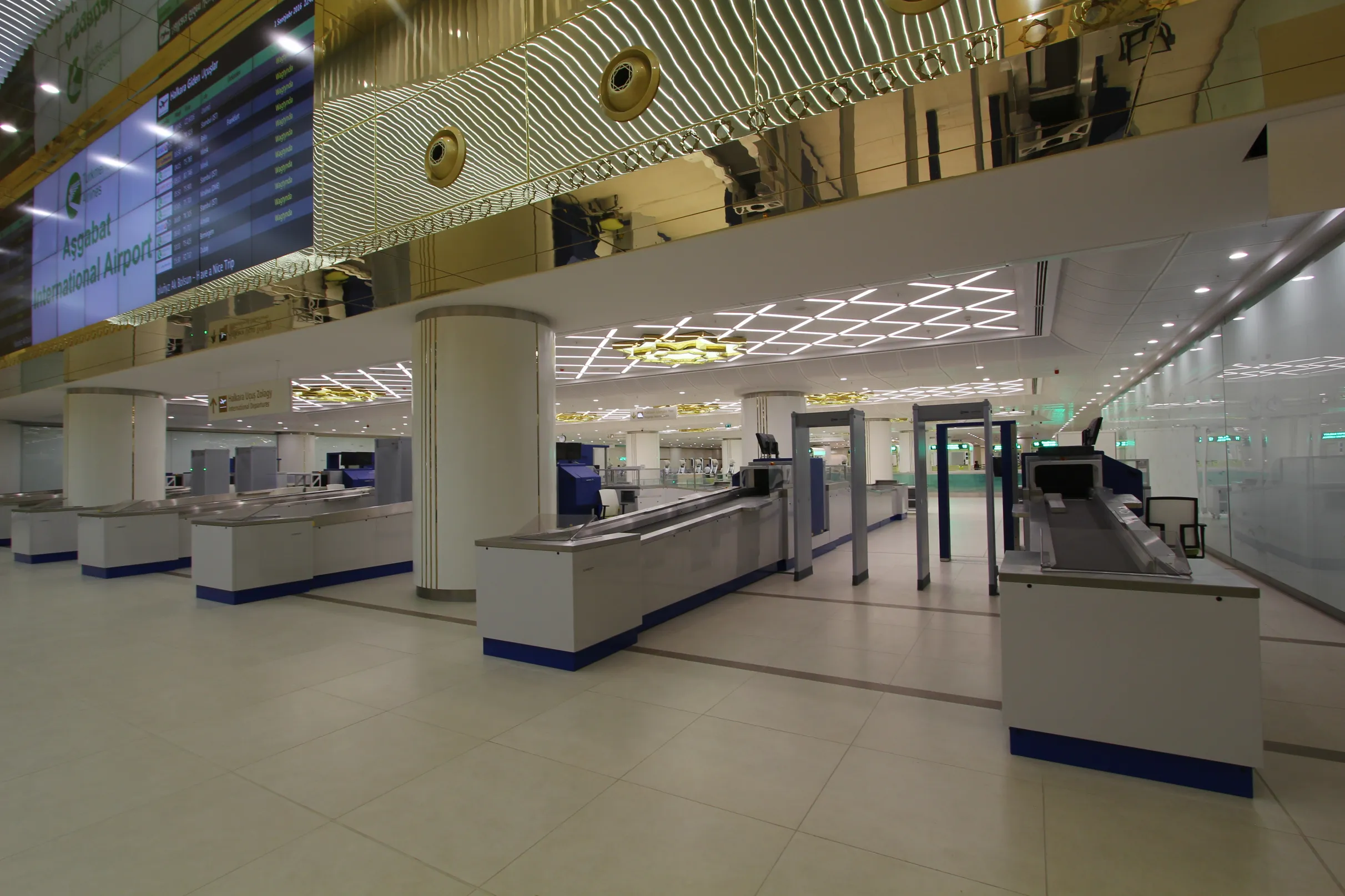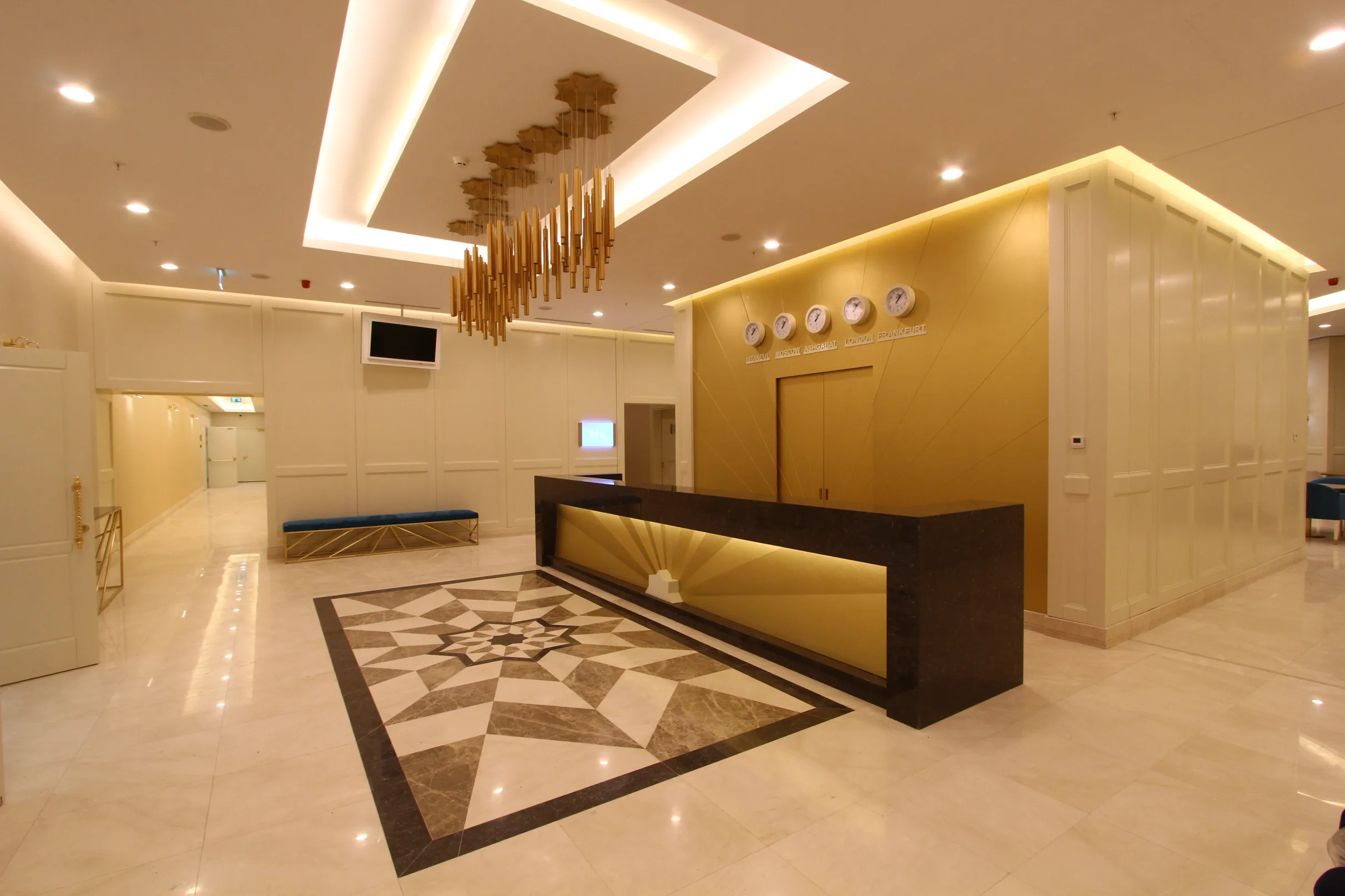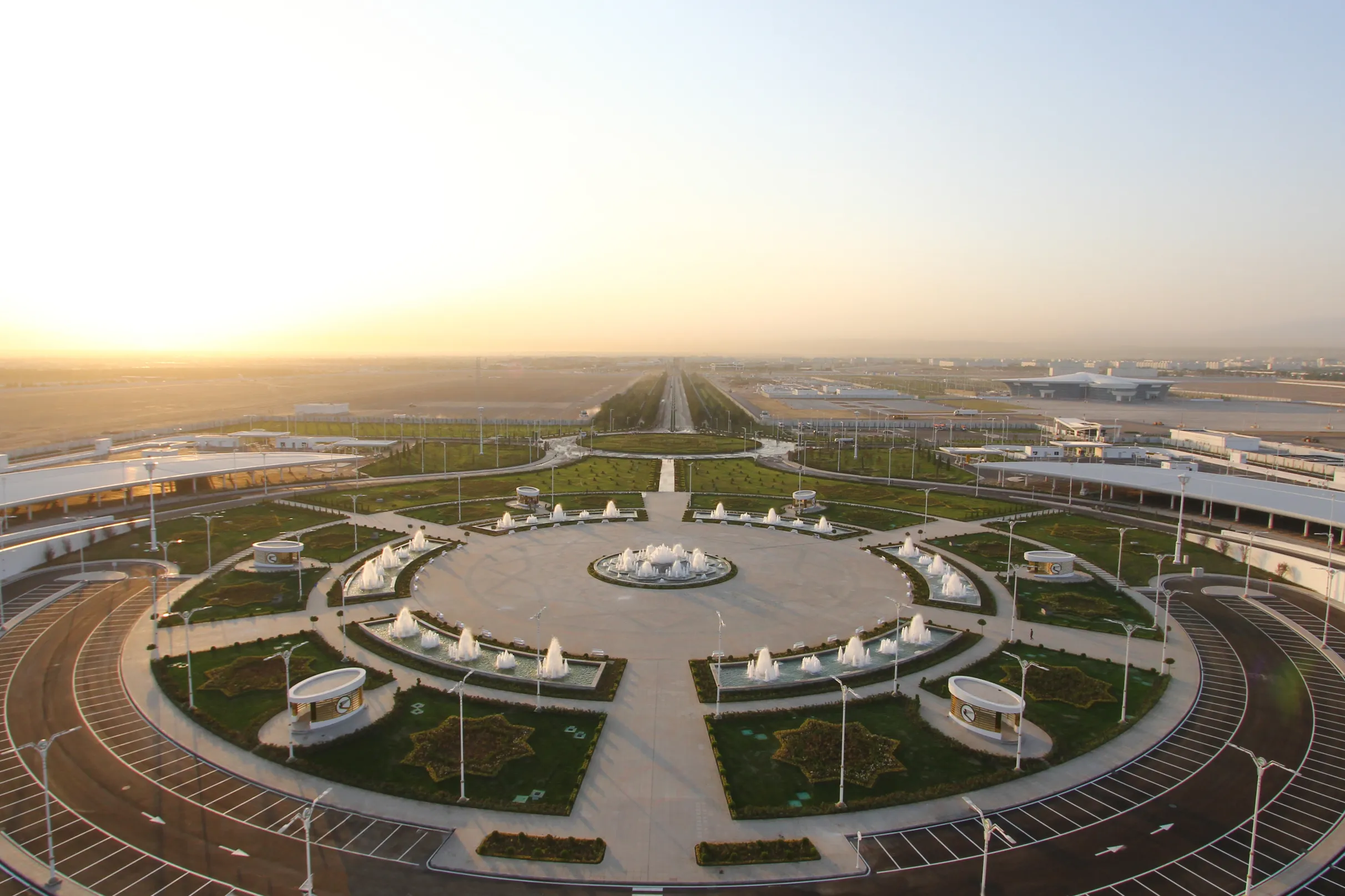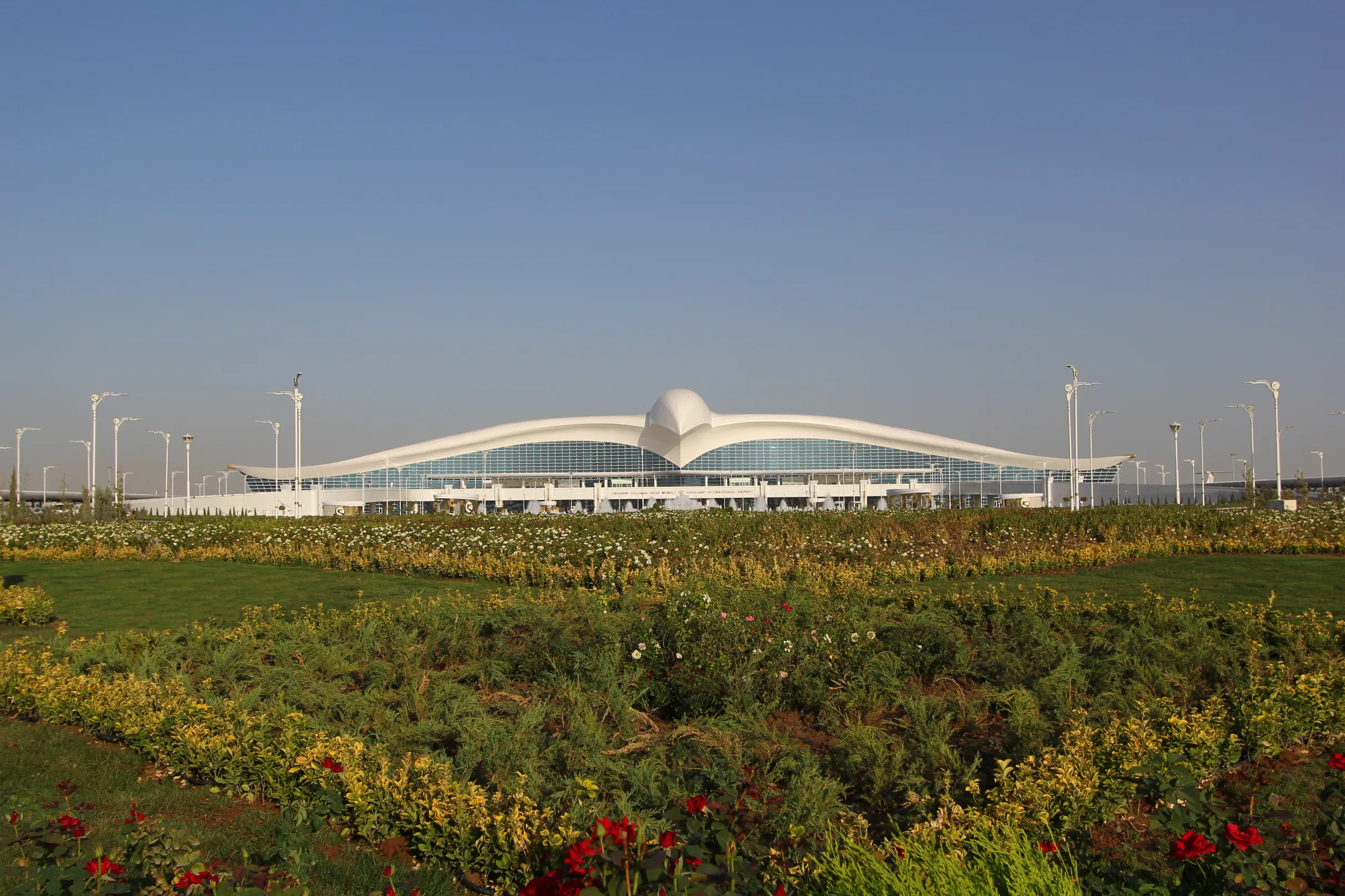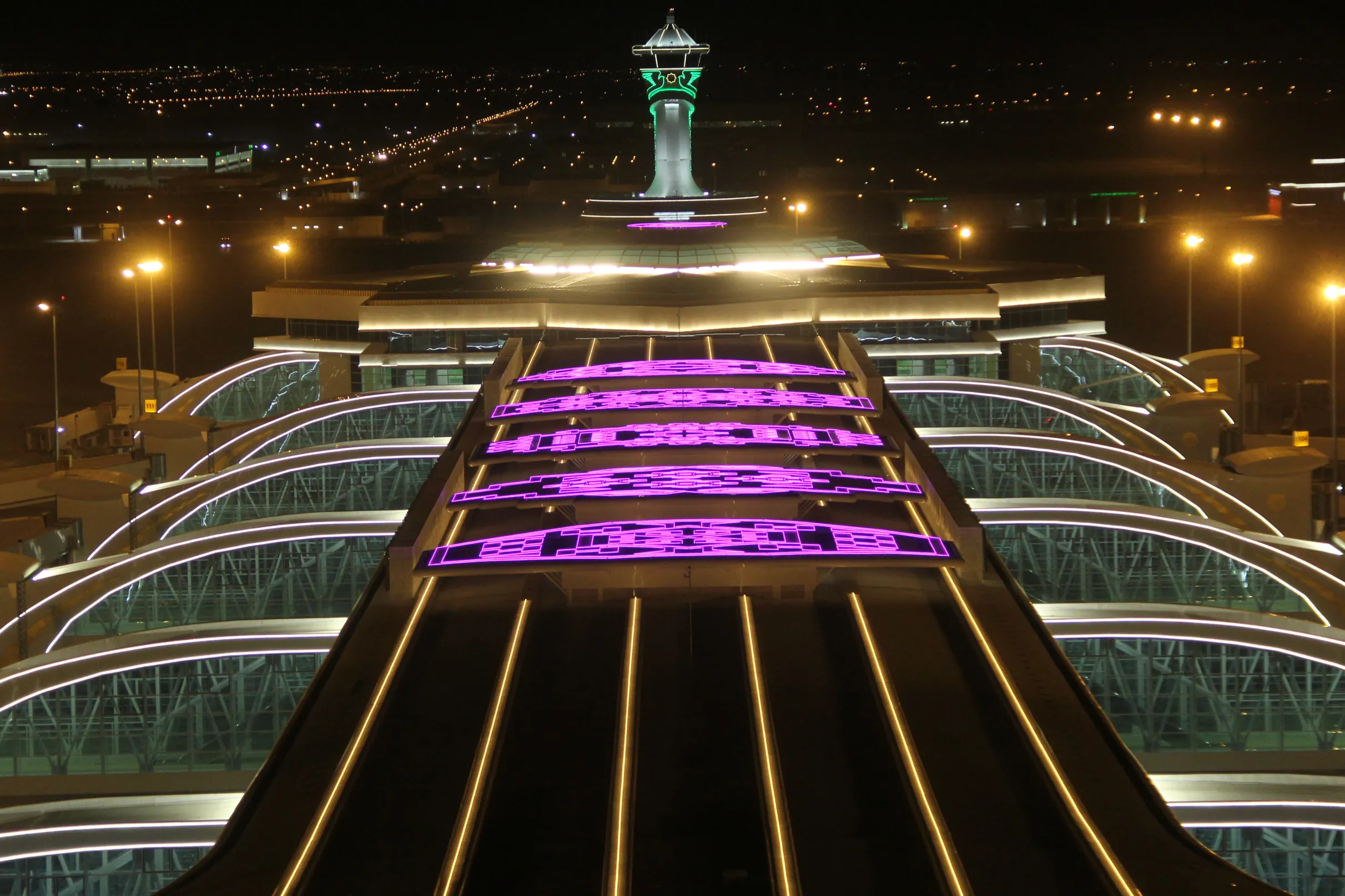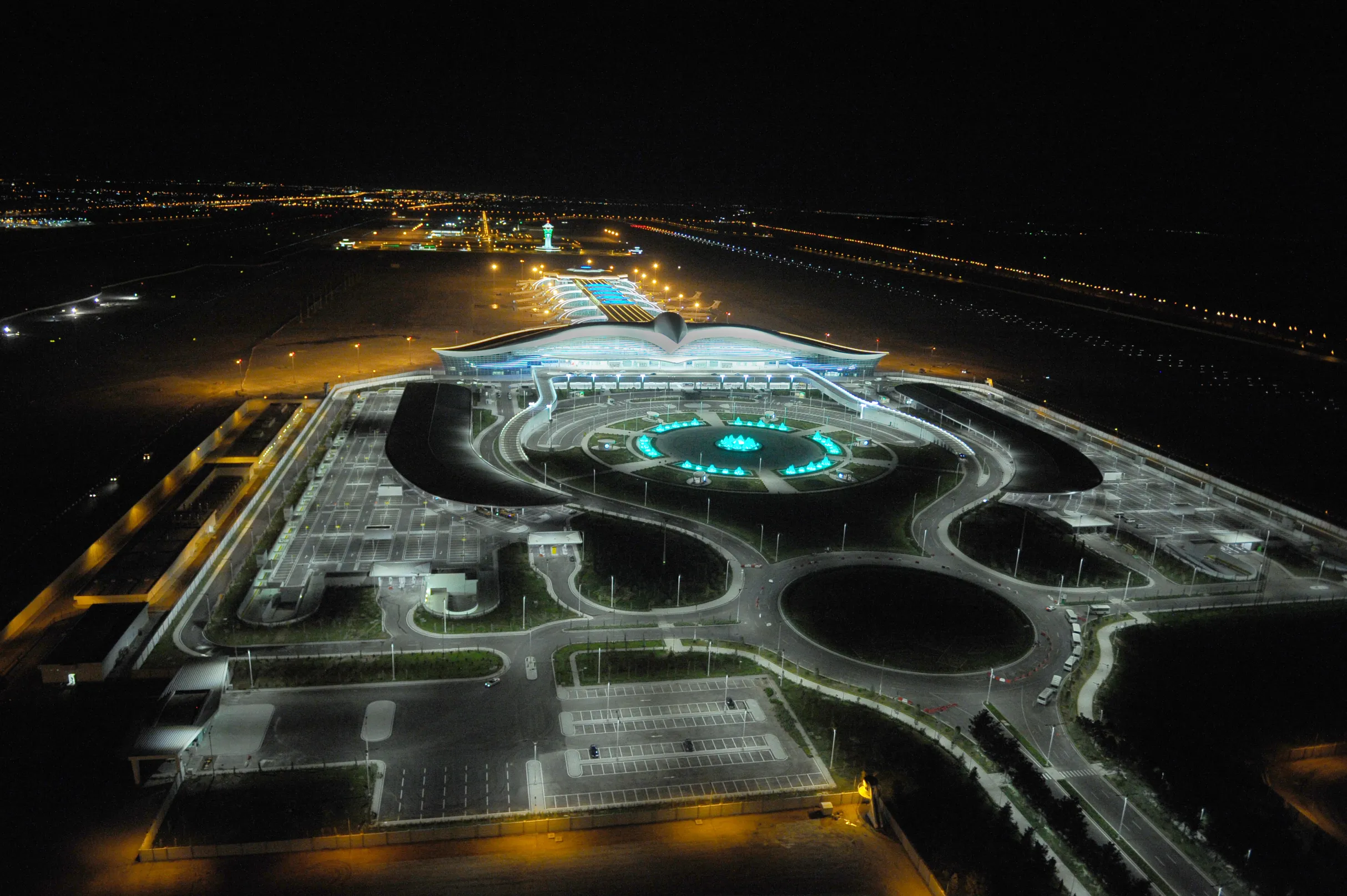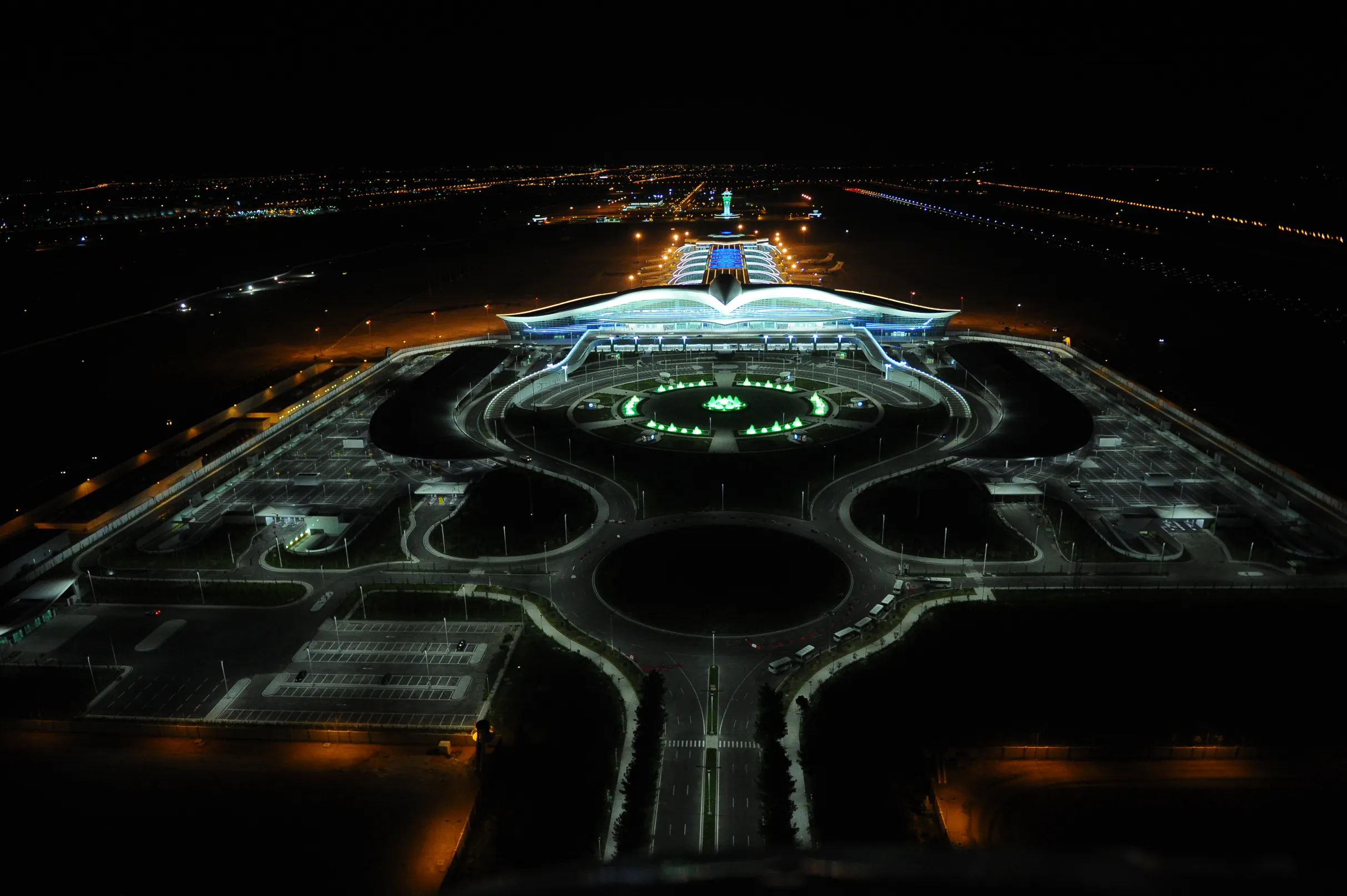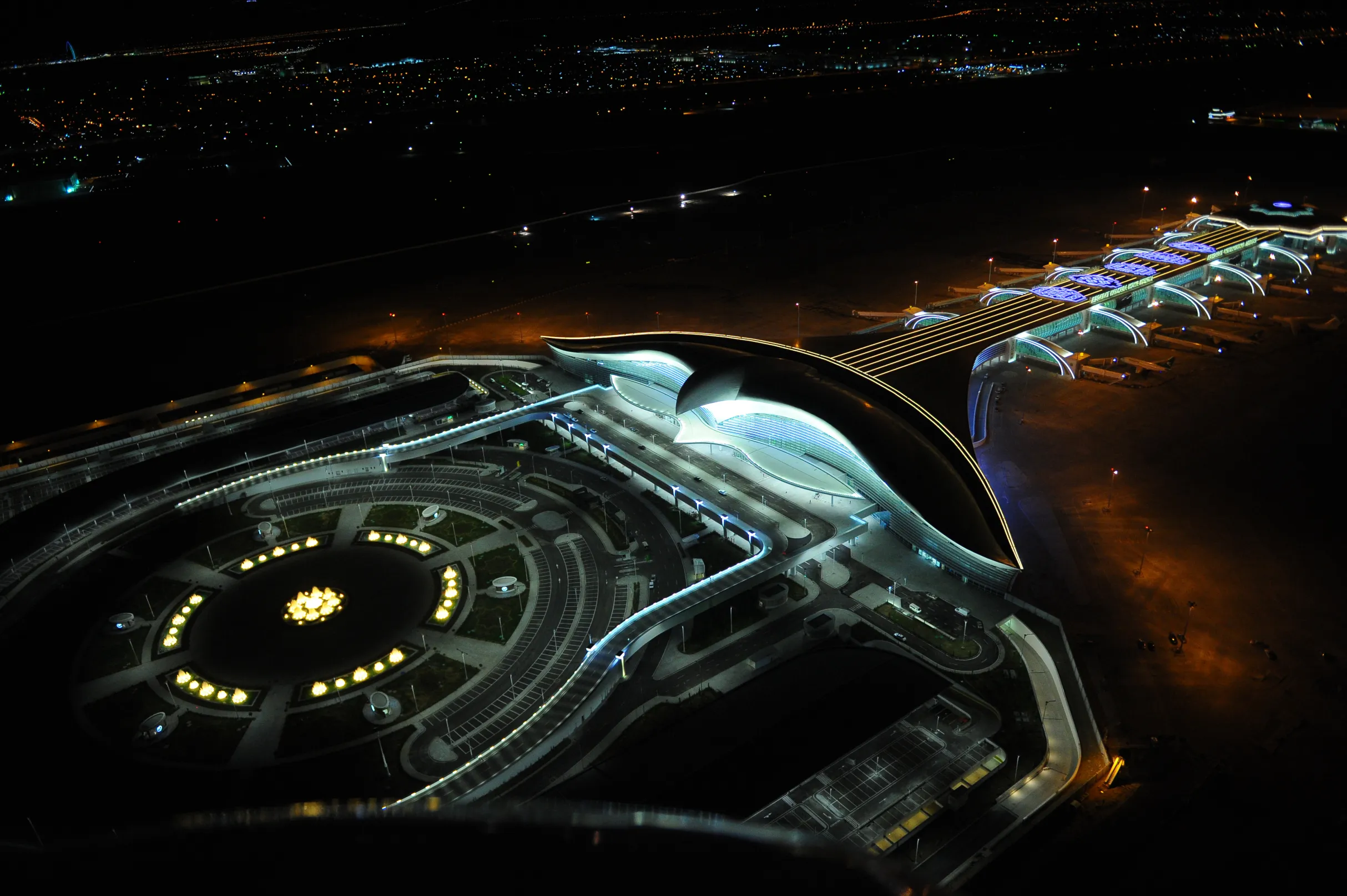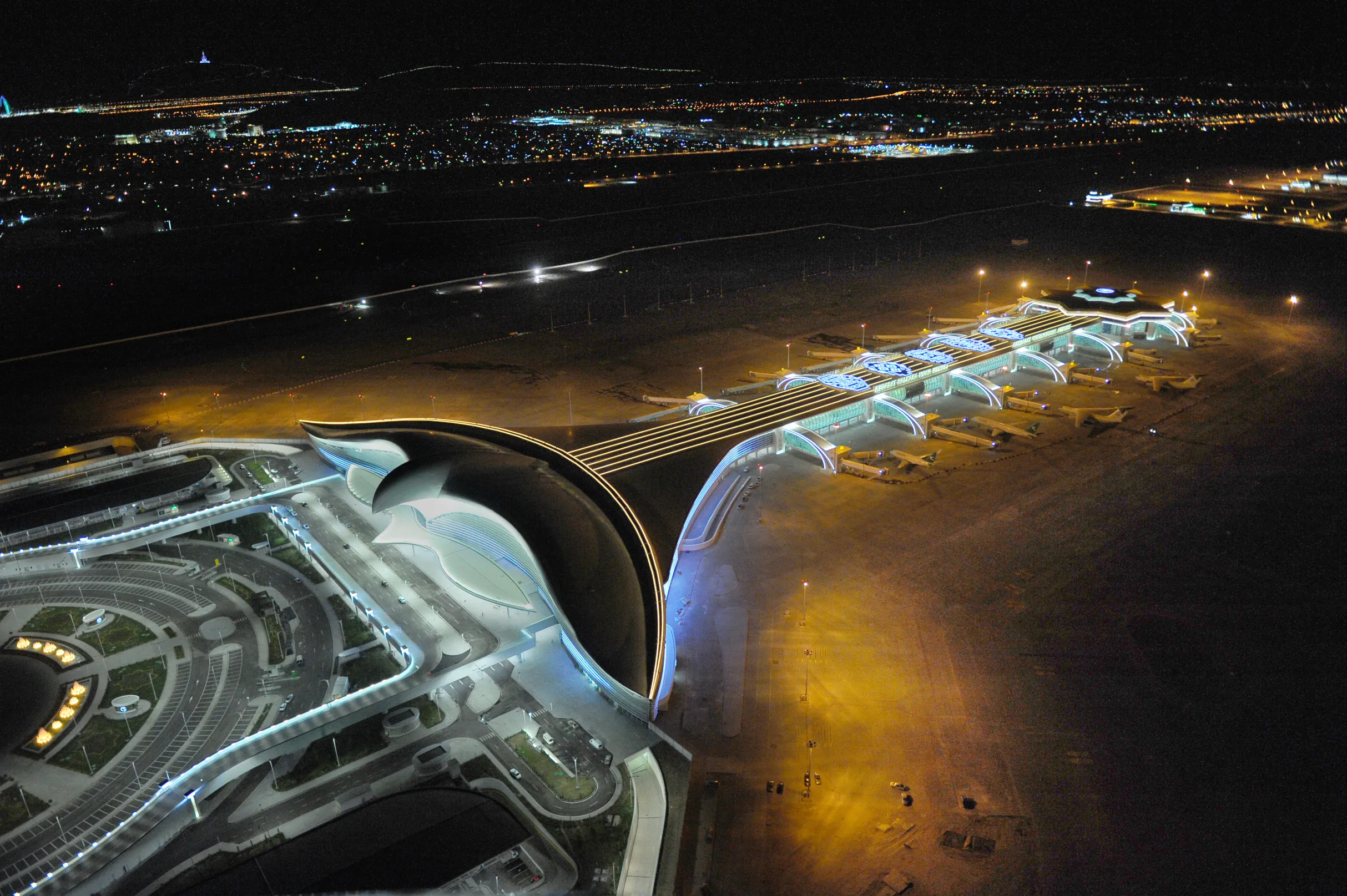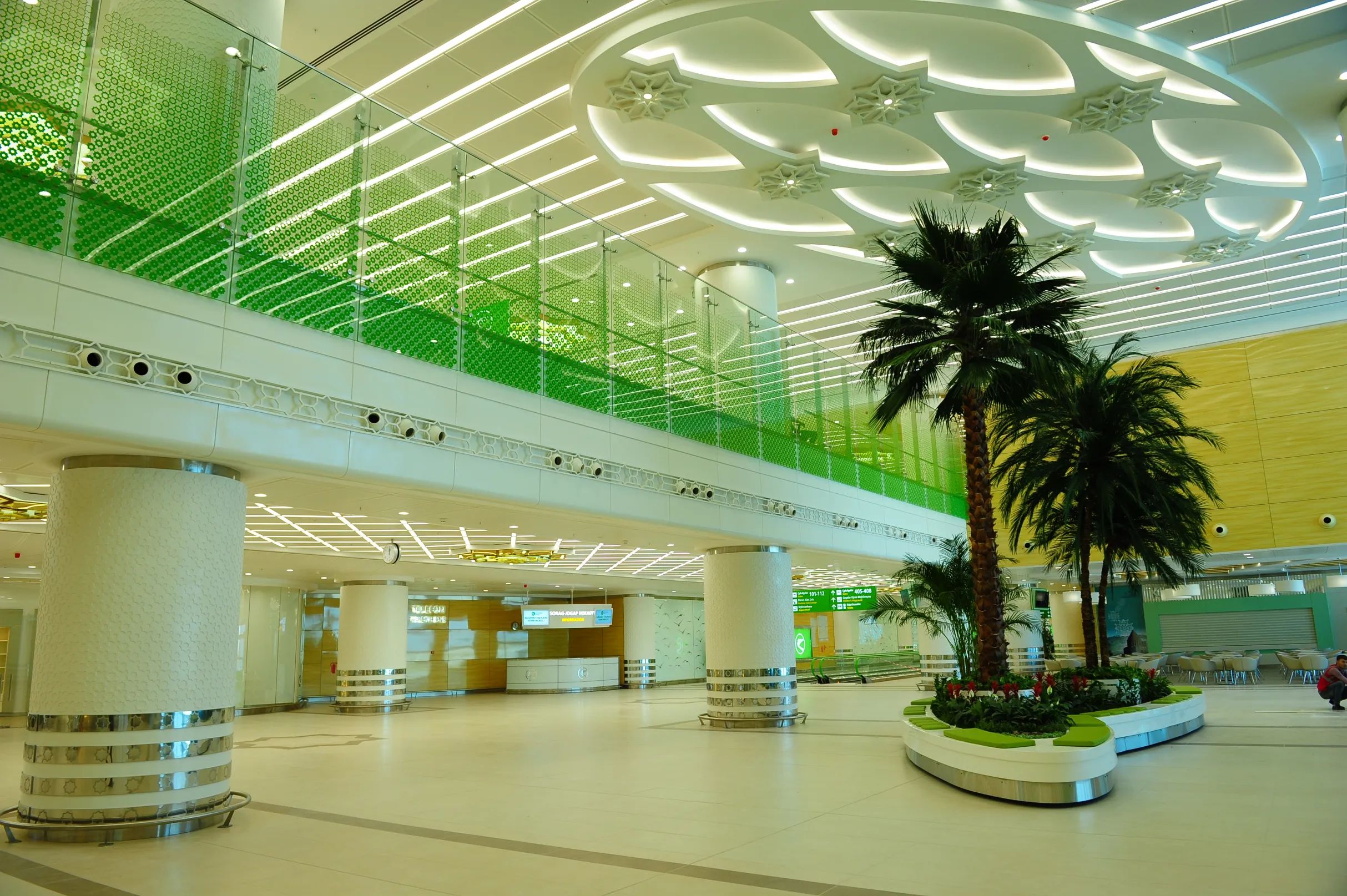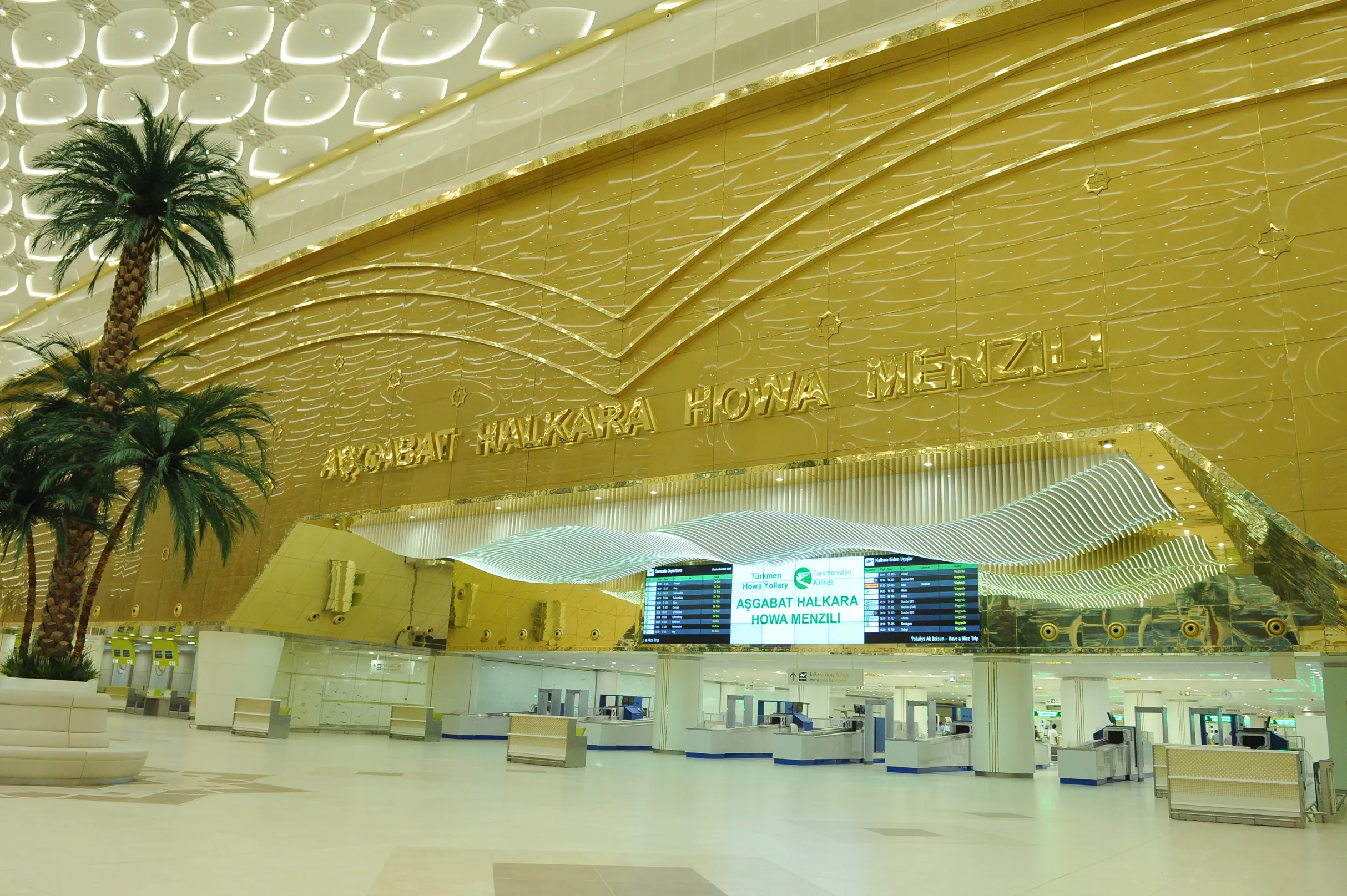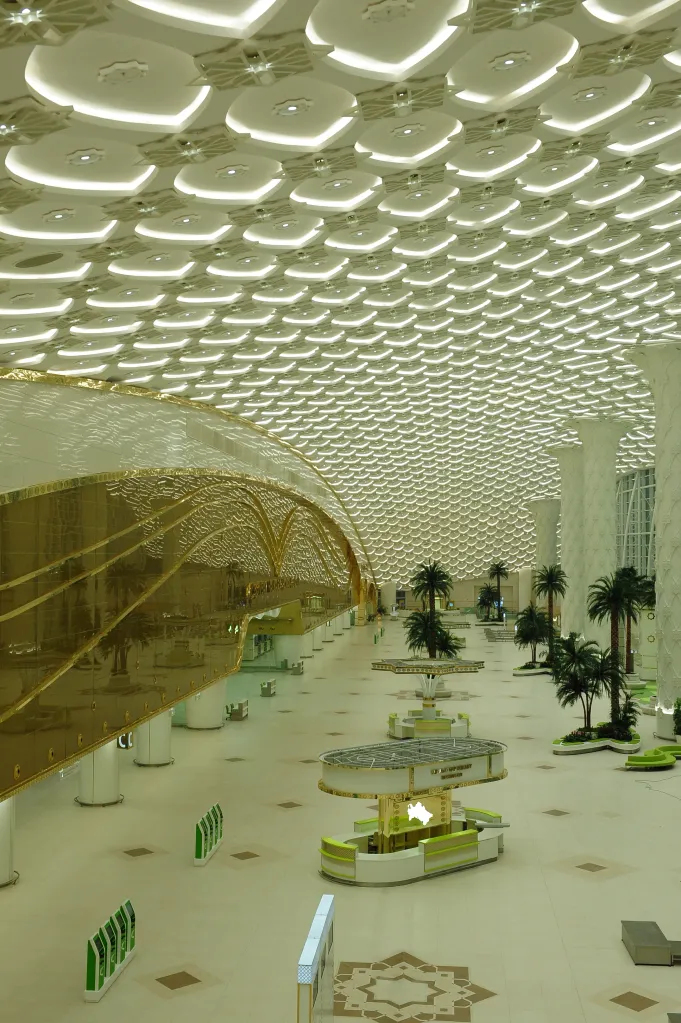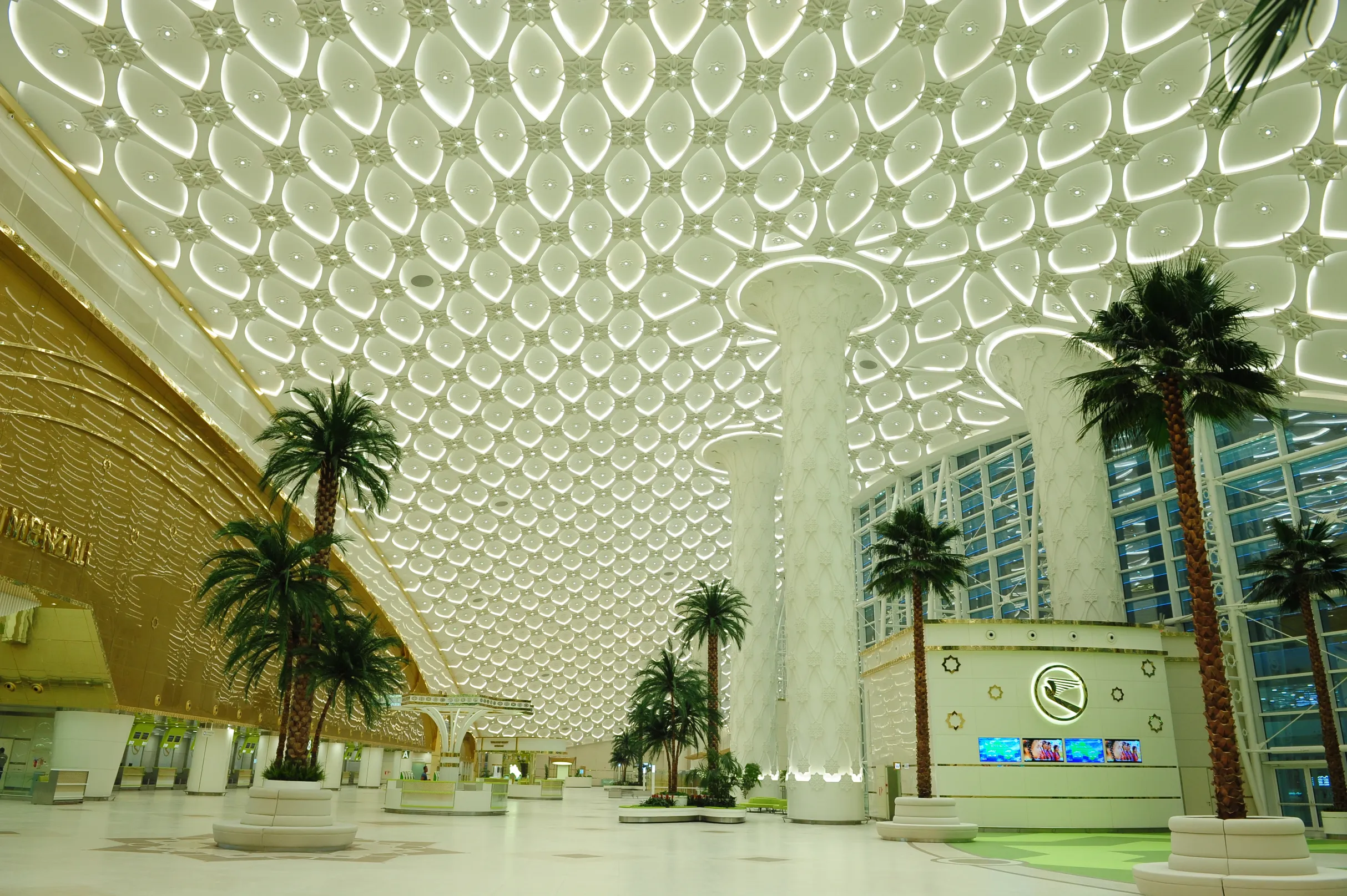


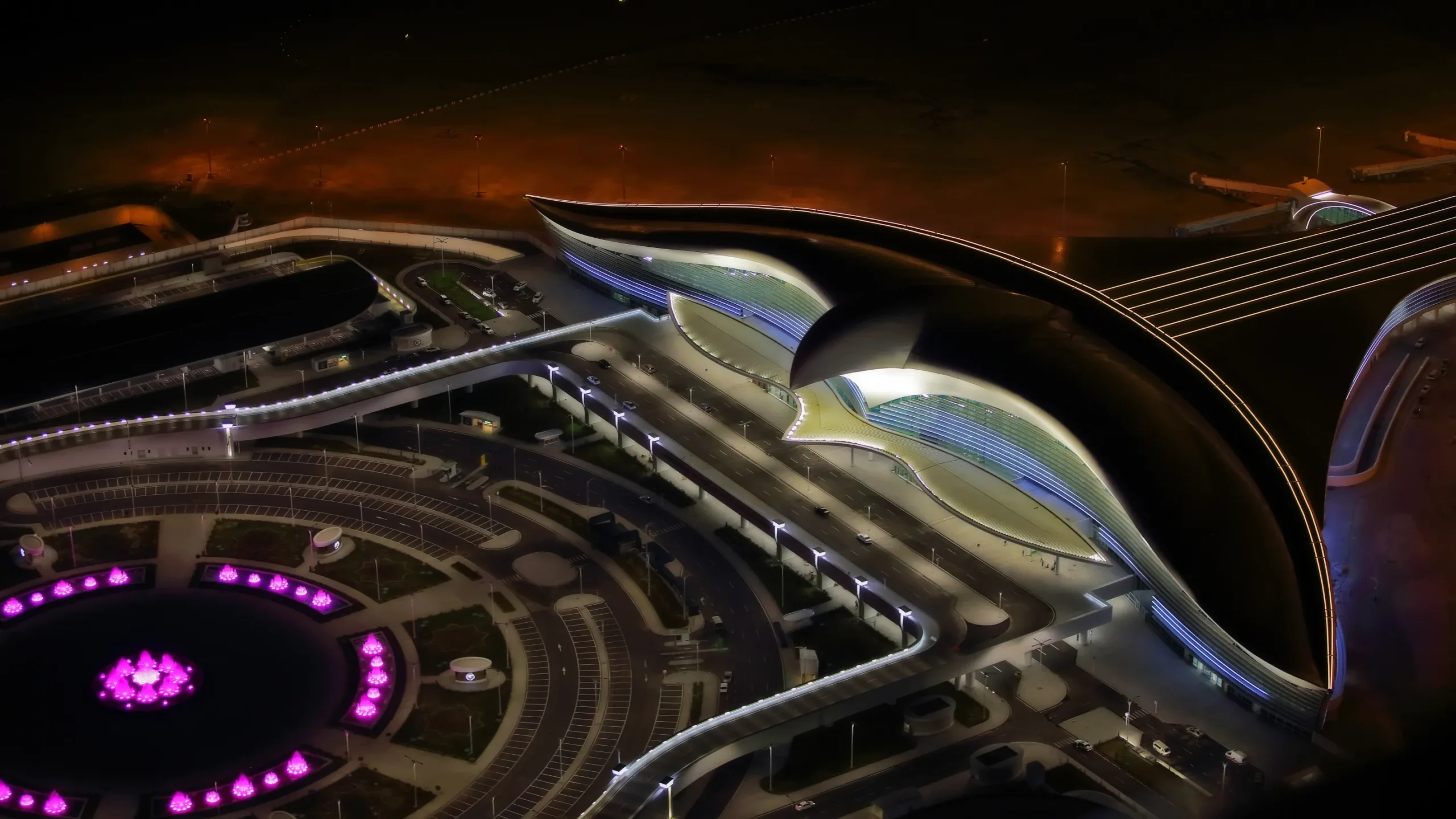
Bird-Shaped Airport, Turkmenistan’s President Gurbanguly Berdymukhamedov hailed his country’s “solid transit potential” as he unveiled an international airport (Bird-Shaped Airport) worth over $2 billion in the capital Ashgabat.
Courtesy of Polimeks construction
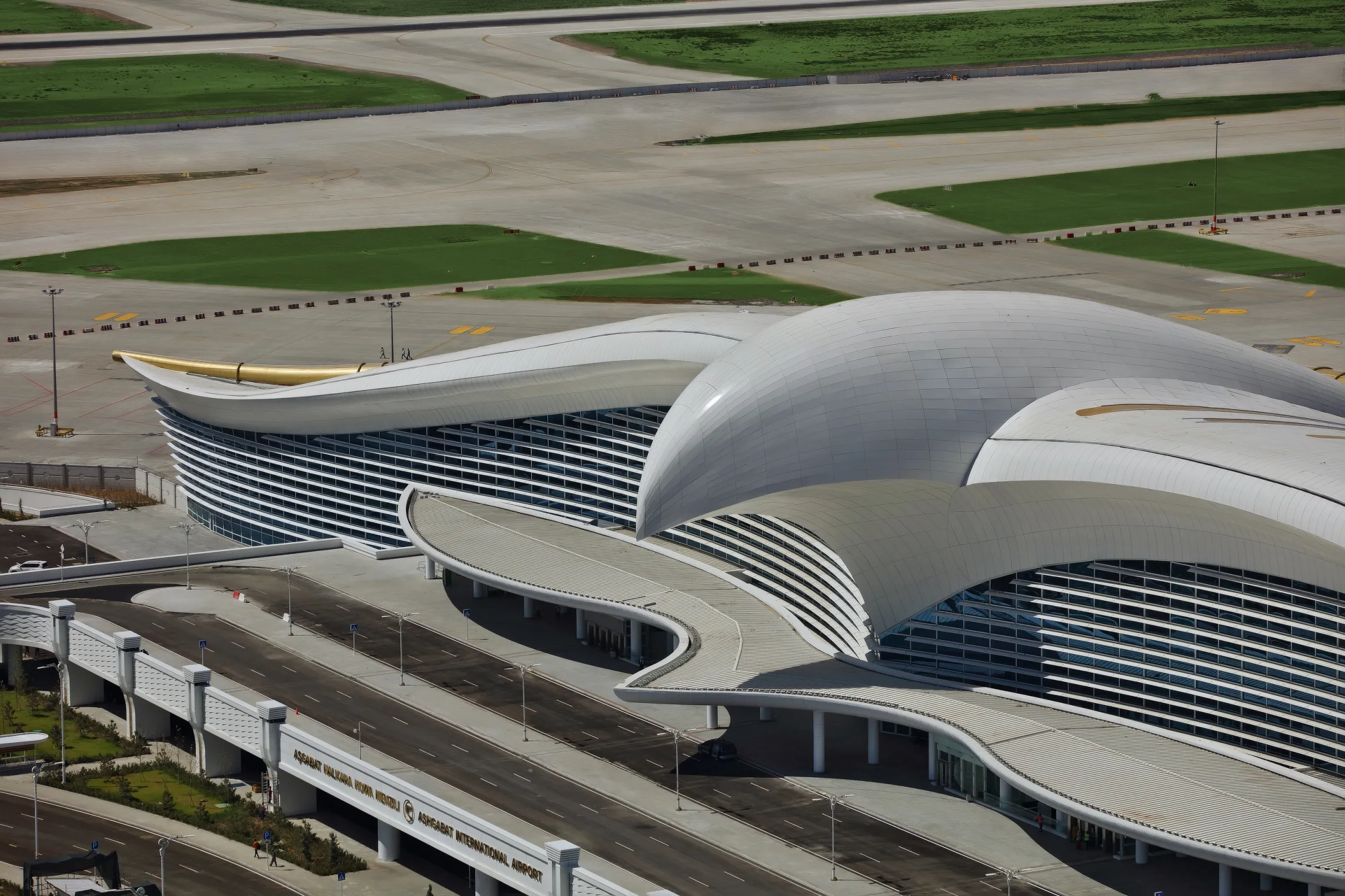
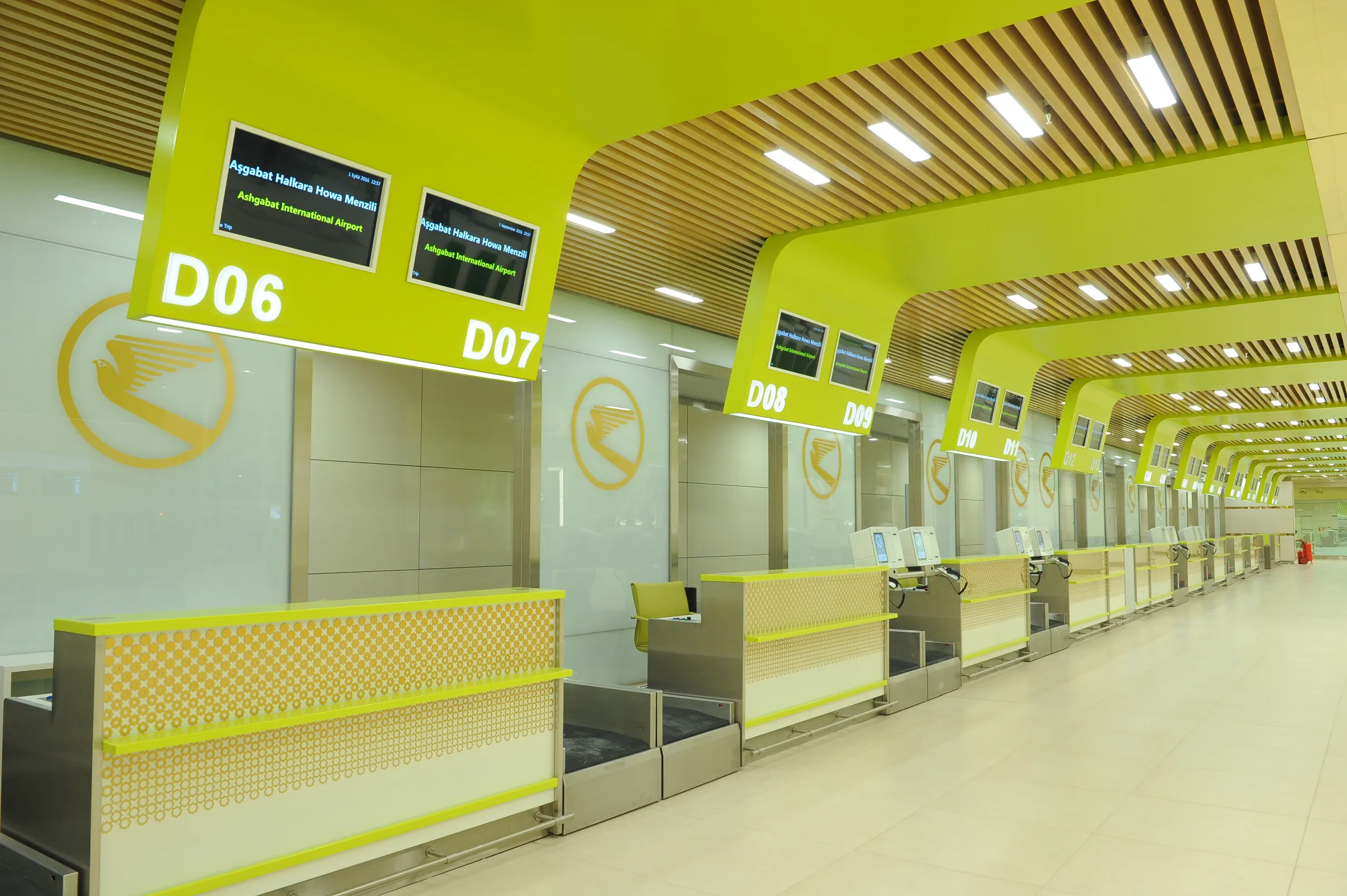
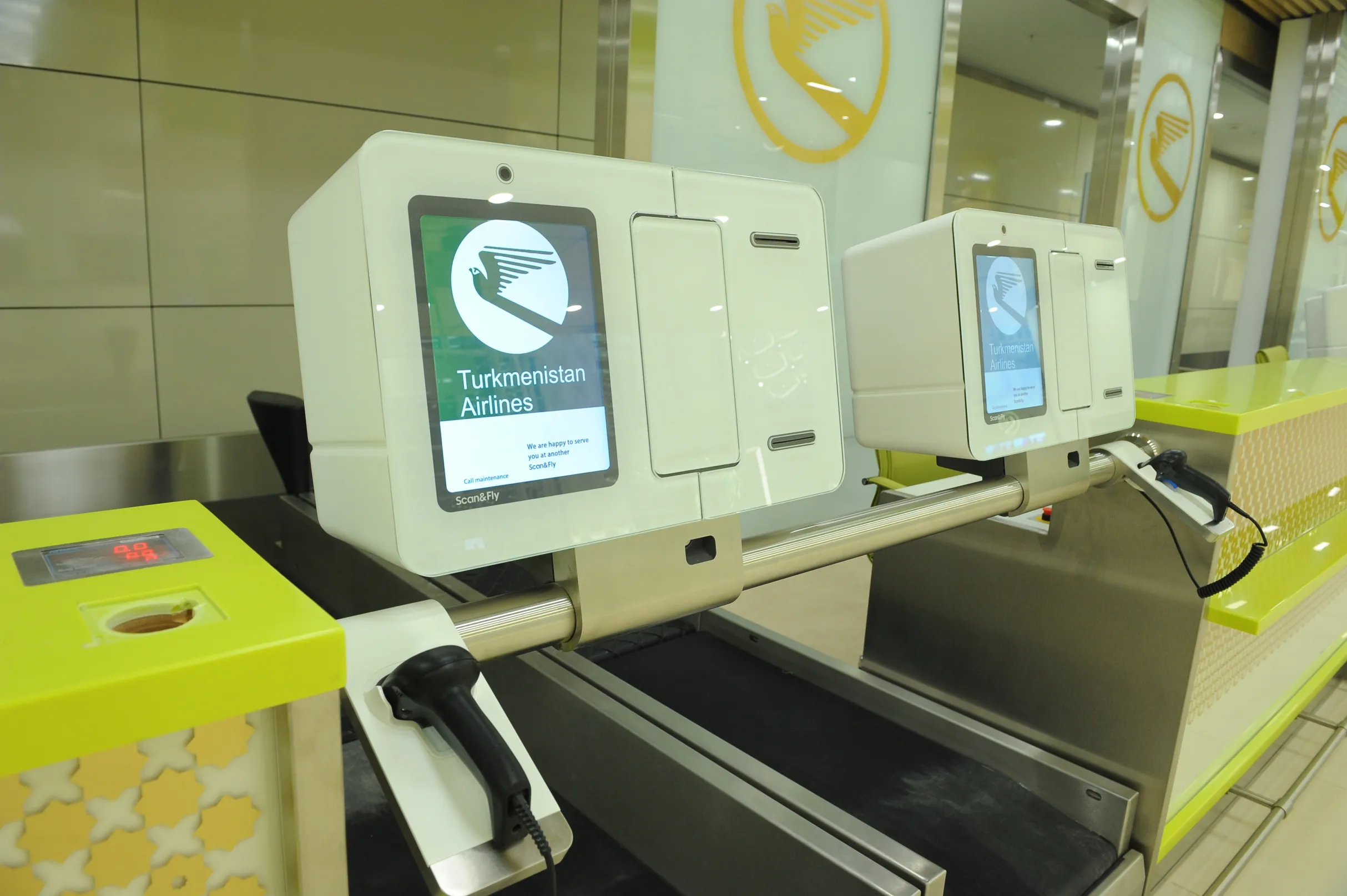
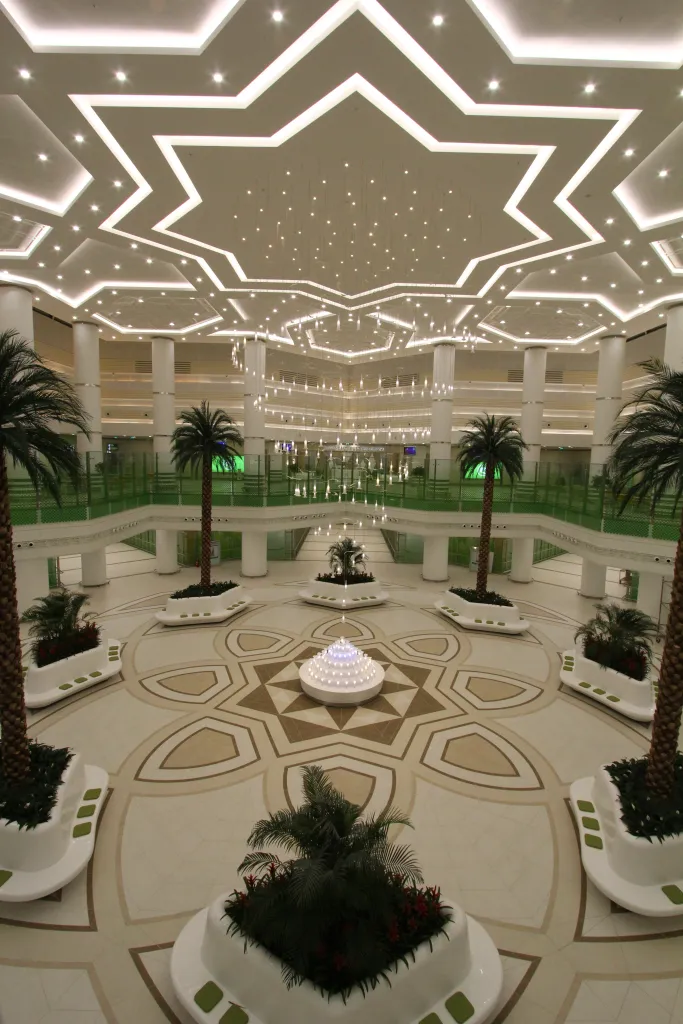
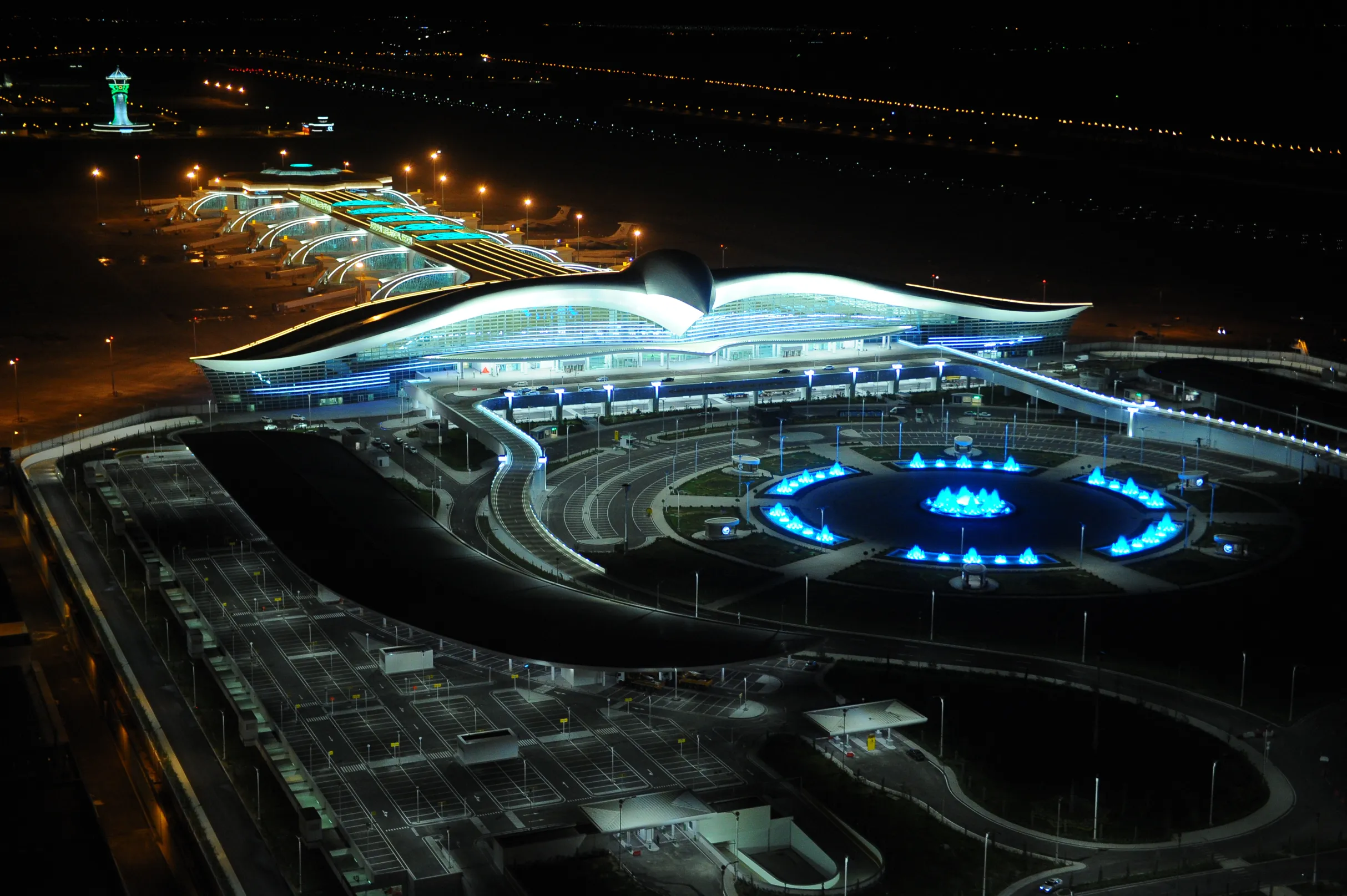
Turkmenistan has unveiled a gleaming new international airport with a roof in the shape of a flying falcon, according to the BBC. The design reportedly echoes the mascot of its national carrier.The five-floor airport is built in the shape of a giant bird – echoing the logo of the Central Asian state carrier Turkmenistan airlines – by Turkish Polimeks construction who won a USD 2 billion contract in 2013.
Courtesy of Polimeks construction
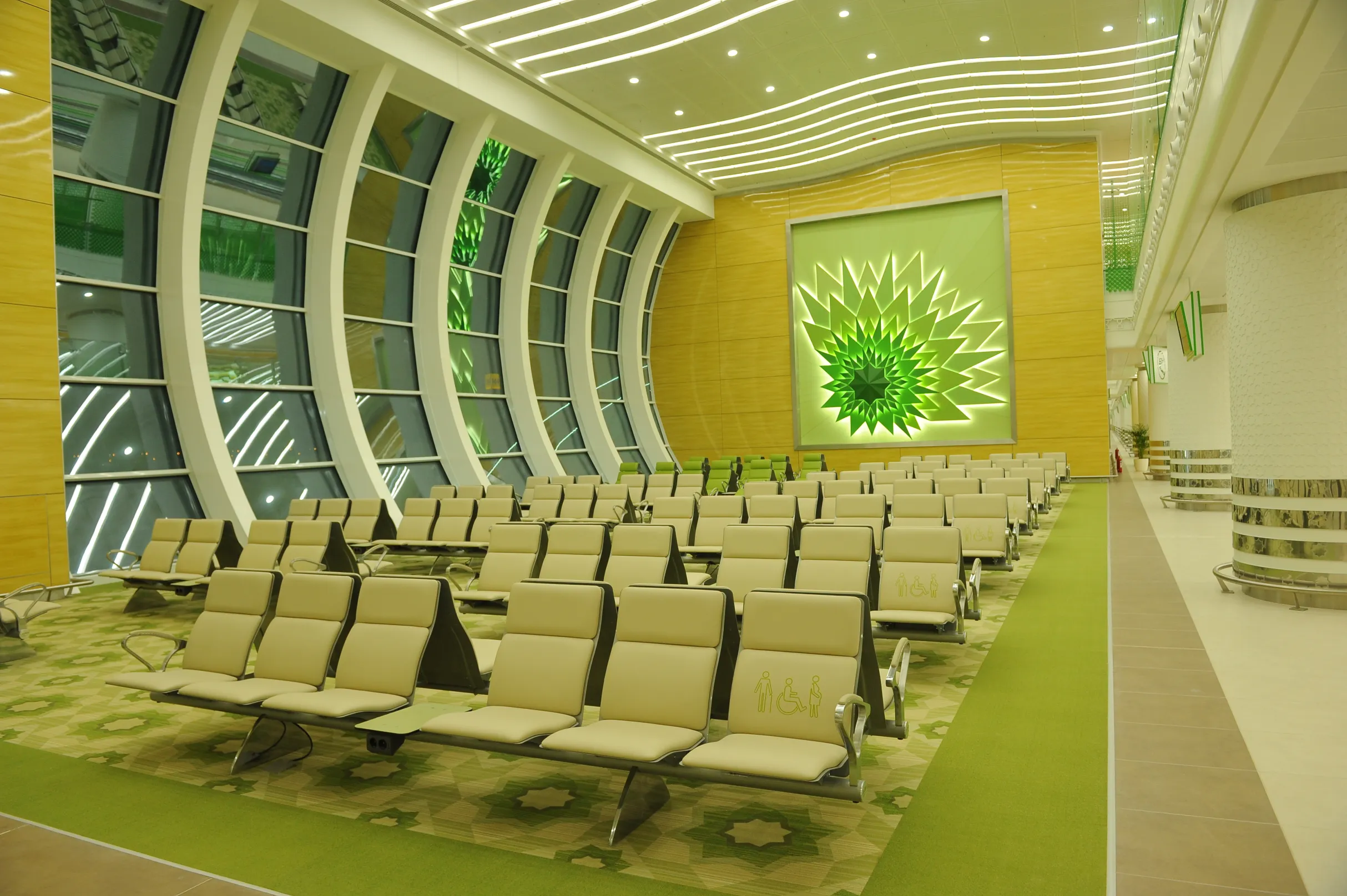
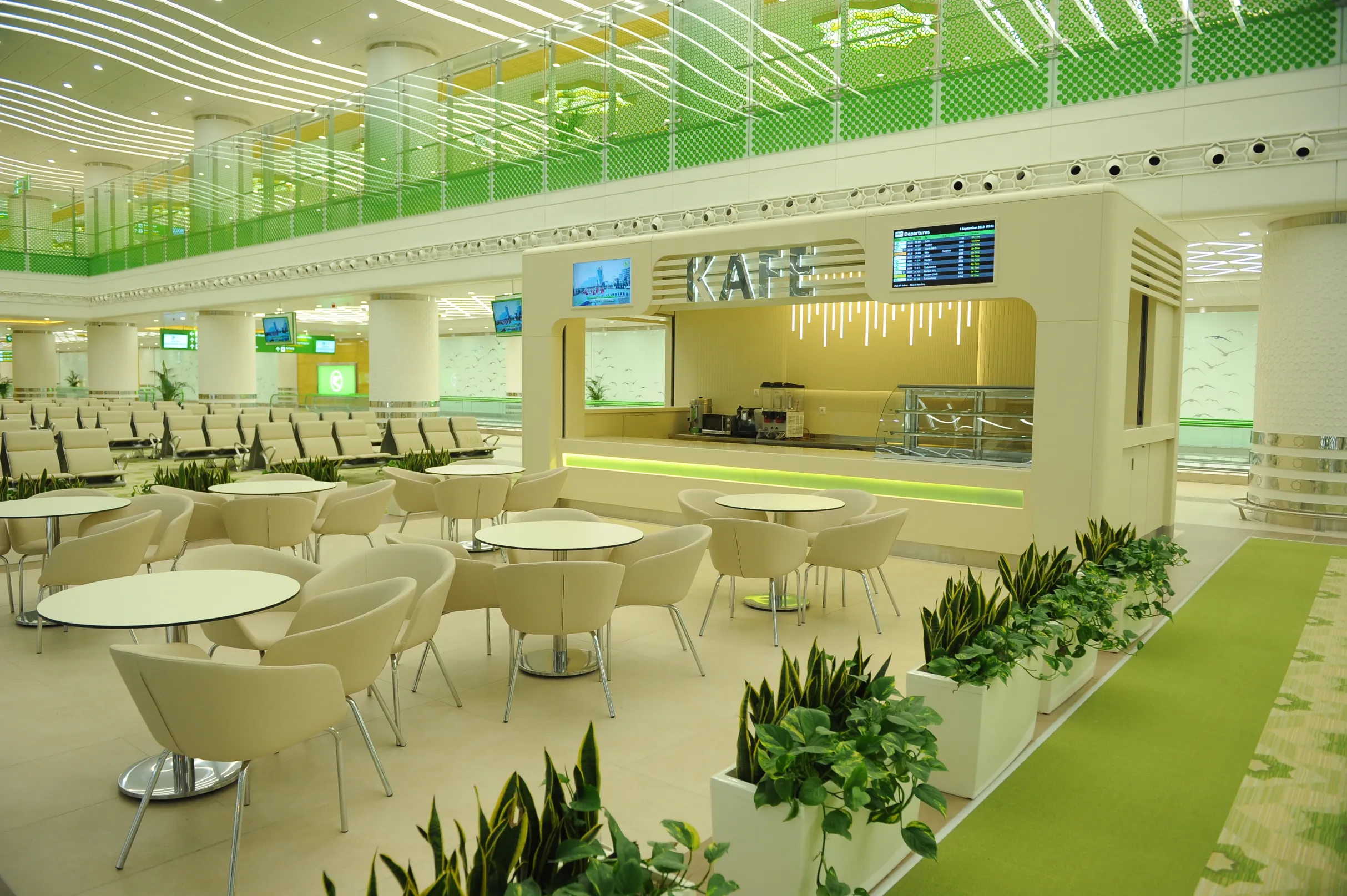
The $2.3 billion airport is located in Ashgabat, the capital, and has the capacity to process more than 1,600 passengers an hour. But few foreigners visit the isolated Central Asian country, known for its autocratic leadership and vast energy reserves. Just 105,000 tourists visited in 2015, government figures show, and it is difficult to get a visa.
Courtesy of Polimeks construction
President Gurbanguly Berdymukhammedov touted his country’s “solid transit potential.” Ashgabat boasts several other unique structures, including a publishing house in shape of an open book. The city also has two giant golden statues of both Mr. Berdymukhammedov and his late predecessor Saparmyrat Niyazov.
Project info:
Architects: Polimeks construction
Country: Turkmenistan, Ashgabat
Year: 2016
Photographs: Courtesy of Polimeks construction
Wingspan: 364,418 mm
Lenght: 40,026 mm
Height: 47,200 mm
Surface area : 23,250 m²
Bird head top elevation: 47.20 m