


The word home evokes comfort, security, and personal sanctuary. For most people, home is measured by emotional value rather than square footage. However, for the world’s wealthiest billionaires—those who top the Forbes richest lists—a home represents something entirely different: a canvas for displaying unprecedented wealth, technological innovation, and architectural ambition.
12 Most Expensive Houses in the World 2025 | Billionaire Mansions & Luxury Estates
Billionaire homes like Donald Trump’s house showcase nearly everything in gold, while Bill Gates’ house features custom screens displaying priceless artwork that cost $150,000 alone. These are not simply residences—they are architectural masterpieces born from extravagance, exclusivity, and the relentless pursuit of luxury.
Interestingly, human nature tends toward extremes: we either embrace really small houses that maximize minimalist living, or we pursue sprawling mega-mansions that showcase maximalist luxury. In fact, exploring why tiny houses are this generation’s big dream reveals how the wealthy and the modest often share the same design philosophy—intentionality and purpose—just expressed at opposite ends of the spectrum. Billionaire estates occupy the latter category, and they serve a dual purpose—inspiring aspirational wealth while providing laboratories for cutting-edge architectural and technological innovation.
Below, we explore the 12 most expensive houses in the world, examining what makes each property extraordinary and what design lessons they offer about luxury real estate.
What Makes the Most Expensive Houses in the World So Costly?
Before diving into individual properties, it’s worth understanding what drives the astronomical price tags of billionaire mansions. Factors include:
-
Location scarcity: Prime addresses like London’s Kensington Palace Gardens command $107,000+ per square meter.
-
Architectural significance: Custom-designed homes by renowned architects (Perkins and Will, Rogers Stirk Harbour + Partners) add millions.
-
Rare materials and finishes: Makrana marble, bulletproof glass facades, and bespoke automation systems dramatically increase costs.
-
Cutting-edge technology: Smart home systems, underwater music pools, and mood-adaptive lighting systems represent luxury innovation.
-
Land size and exclusivity: Multi-acre estates with privacy, security infrastructure, and ancillary buildings (helipads, theaters, spas) justify premium pricing.
1. Antilia, Mumbai, India, owned by Mukesh Ambani
FRANK BIENEWALDGETTY IMAGES
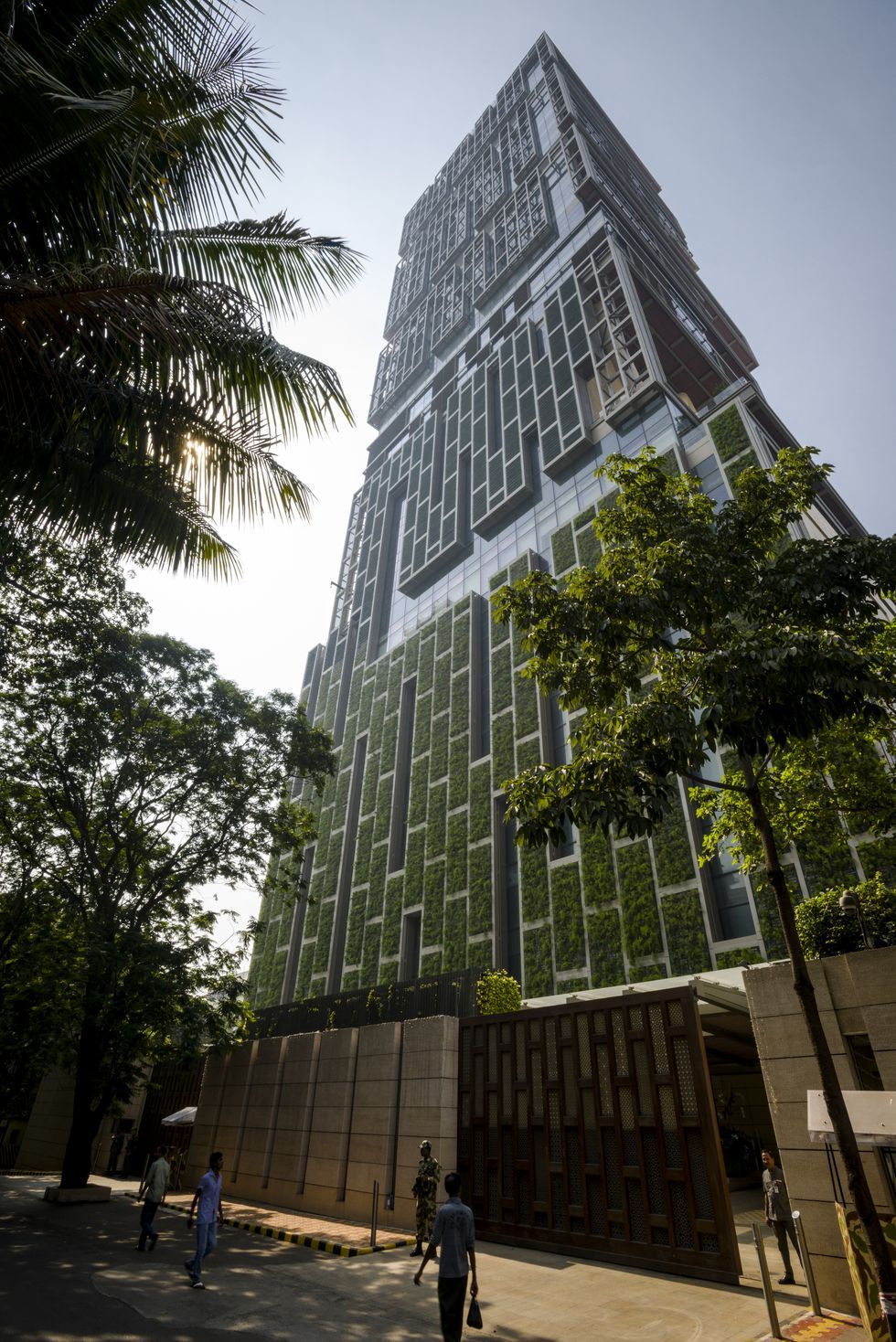
Antilia represents perhaps the world’s most ambitious residential project. Named after a mythical Atlantic island, this 27-floor tower was designed by the architectural firm Perkins and Will and required four years to construct at a cost exceeding $1 billion.
Spanning 400,000 square feet—surpassing the Palace of Versailles in sheer area—Antilia features an audacious program of luxury amenities:
Six underground parking levels with capacity for multiple vehicles, Three private helipads for helicopter access, Health spa and wellness center, Full-service salon, 50-seat private cinema, Multiple swimming pools and water features, Dedicated yoga and dance studios, and Climate-controlled ice cream room
Maintaining this property requires a permanent staff of approximately 600 people, making Antilia not just a residence but a self-contained luxury ecosystem. Its bold presence in Mumbai‘s urban landscape—surrounded by densely populated neighborhoods—creates stark architectural and social contrast.
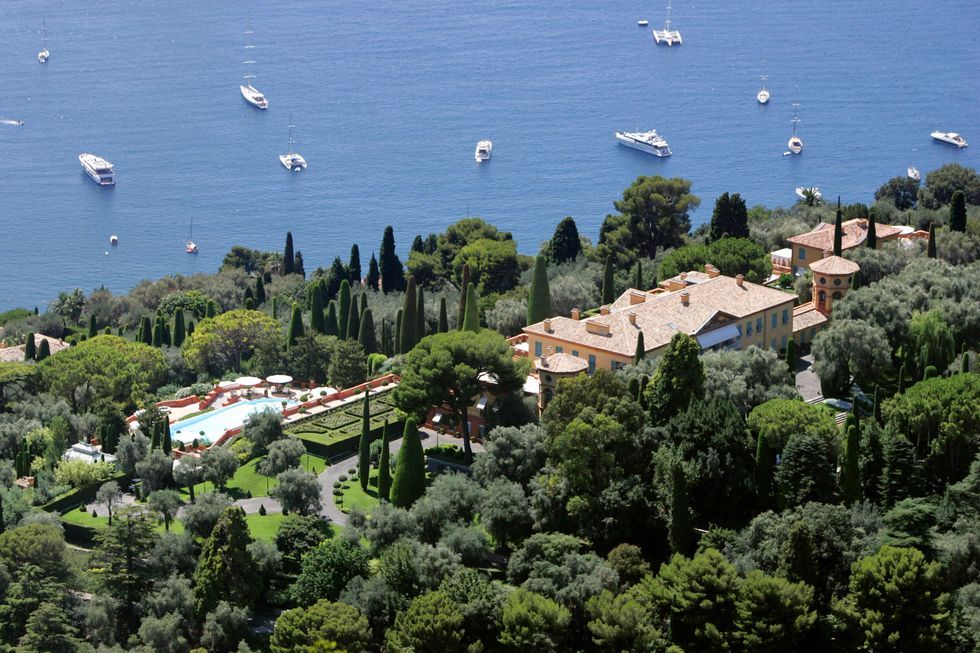
2. Villa Leopolda, Villefranche-sur-mer, France, owned by Lily Safra
Photos via: agents4stars.com
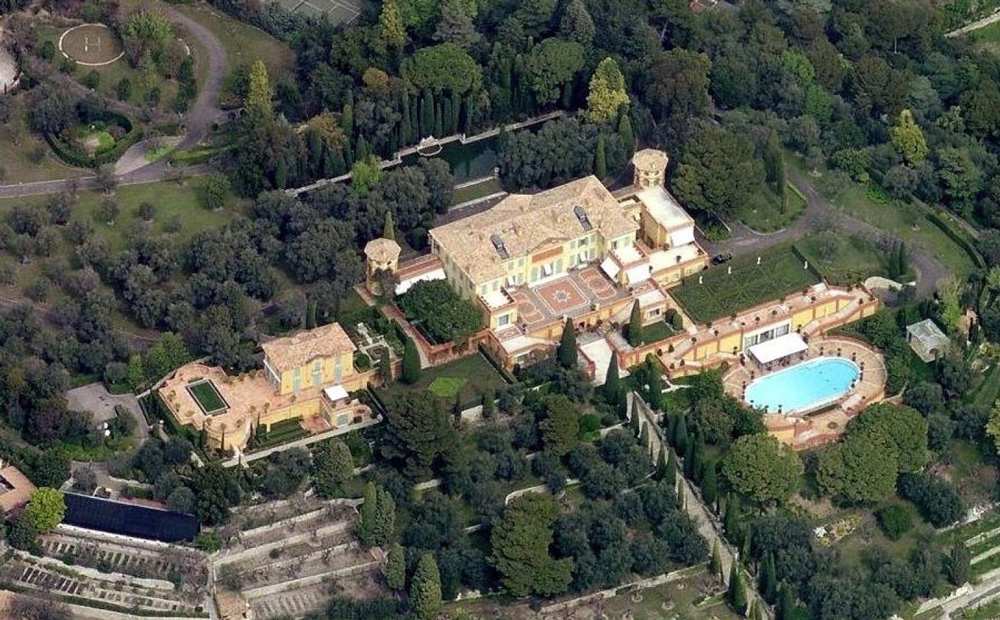
Perched on the glamorous French Riviera, Villa Leopolda epitomizes classical European luxury. This palatial villa spans 20 acres of cascading terraces in Alpes-Maritimes and represents Belle Époque architectural style—a period of refined elegance and artistic flourishing.
Originally designed by American architect Jr. Ogden Codman on an estate once owned by King Leopold II of Belgium, the villa has hosted legendary owners including Gianni and Marella Agnelli (Fiat heirs) and Izaak Killam. Swiss banker Edmond Safra acquired it in 1987, and it later passed to his widow, Lily Safra.
The property exemplifies old-world European sophistication, where heritage, craftsmanship, and manicured landscape design take precedence over technological innovation—a stark contrast to modern mega-mansions.
3. Fair Field, Sagaponack, N.Y, owned by Ira Rennert
COURTESY OF JEFF CULLY/EAST END FINE ARTS SERVICES
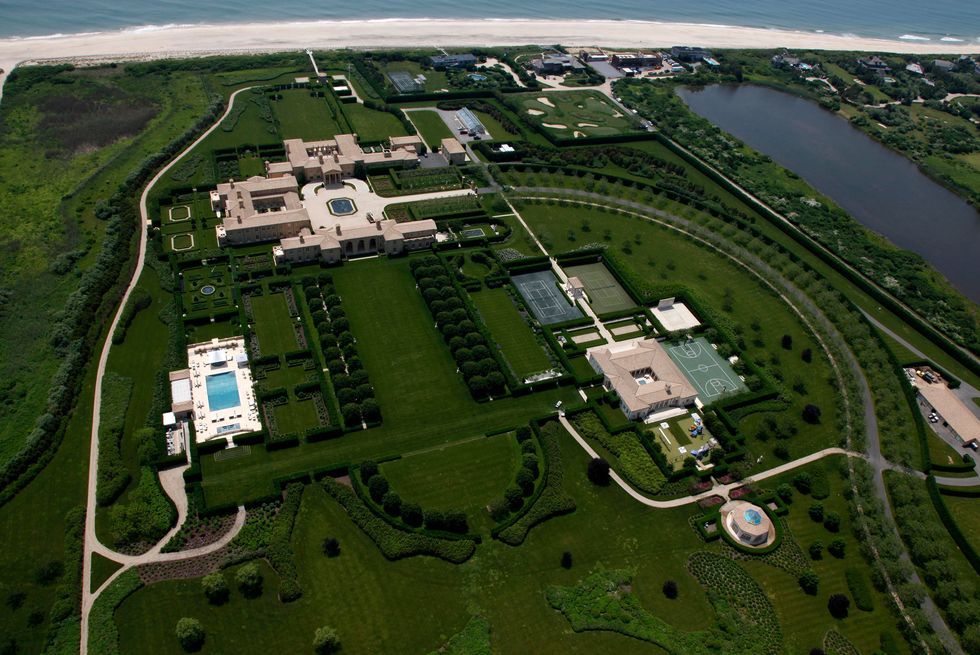
American billionaire Ira Rennert owns Fair Field, one of the largest private estates in the United States. This sprawling 63-acre compound in Sagaponack, in New York’s exclusive Hamptons region, showcases residential luxury on an American scale.
The main mansion features:
29 bedrooms and 39 bathrooms, Three separate dining rooms, Three swimming pools, A 164-seat private theater
Beyond the main residence, the estate includes extensive recreational facilities:
Recreation pavilion with full basketball court and gymnasium, Two bowling alleys, Two tennis courts, Two squash courts, and Additional support buildings and structures
The estate’s infrastructure demands are staggering: Fair Field operates its own on-site power plant to supply the enormous electricity requirements for such a sprawling complex.
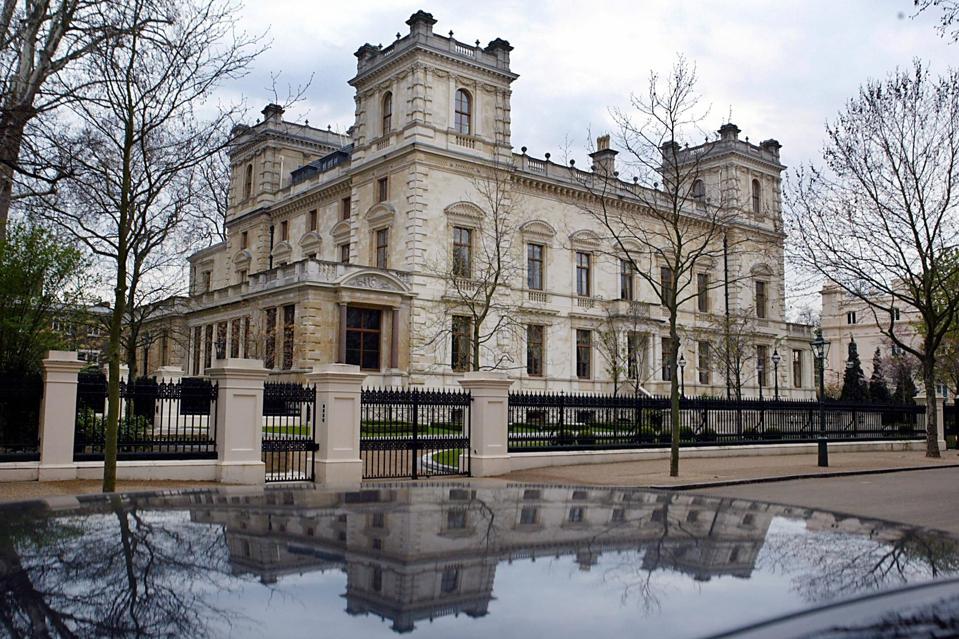
4. 18-19 Kensington Palace Gardens, London, U.K, owned by Lakshmi Mittal
MALKALIOR/WIKIMEDIA COMMONS
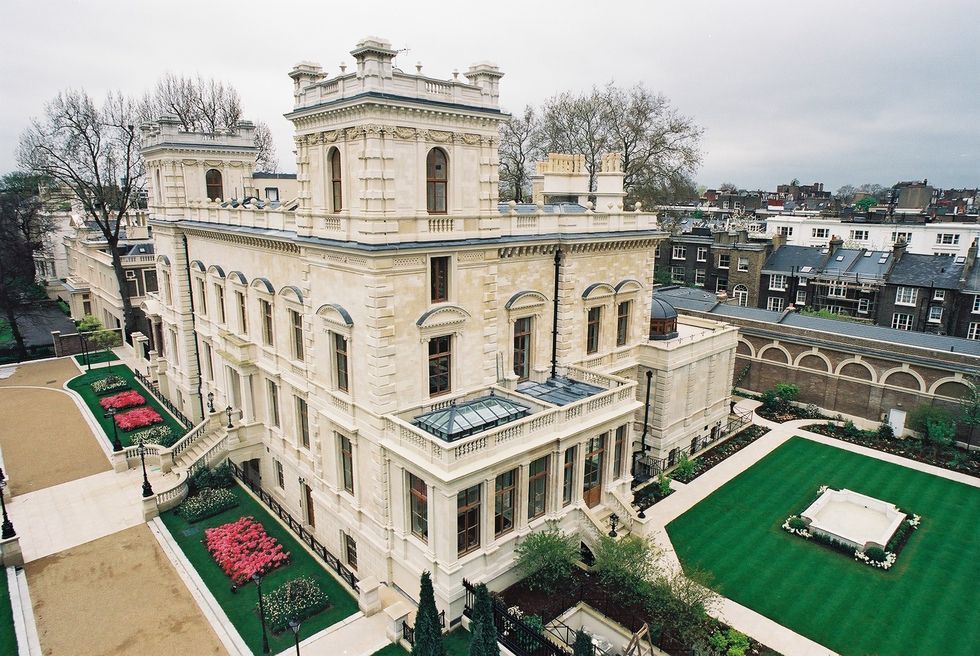
Steel magnate Lakshmi Mittal resides on London‘s most prestigious and priciest address: Kensington Palace Gardens, often called “Billionaire’s Row.” This street commands an average price of $107,000 per square meter—the world’s second most expensive residential address.
Mittal owns not one, but three palatial properties on this coveted street (numbered 9a and 18-19). His primary residence was originally designed by renowned architect Sir Charles Barry in 1845 as a pair of semi-detached Palazzo-style villas. Mittal invested millions transforming this Renaissance-styled mansion into “Taj Mittal,” a tribute to his Indian heritage and business empire.
Key features include:
12 bedrooms, Private swimming pool, Makrana marble throughout (sourced from India, a nod to his origins), and Classical European architecture with bespoke modern updates
This property exemplifies how billionaires repurpose historic architecture, blending heritage with personal identity and cultural expression.
5. An apartment in One Hyde Park, London, the U.K, owned by Rinat Akhmetov
ERIC ESTRADEGETTY IMAGES
Ukrainian oligarch and billionaire Rinat Akhmetov set a record by purchasing two of the world’s most expensive apartments in Knightsbridge’s One Hyde Park for a combined £136.4 million—a price-per-square-foot benchmark that stood unmatched for years.
Designed by renowned architect Richar Rogers and his firm Rogers Stirk Harbour + Partners, these 25,000-square-foot apartments represent the pinnacle of urban luxury living. The project showcases several innovations:
-
360-degree bulletproof glass facades providing uncompromising security and panoramic views
-
Bespoke interior design by luxury specialists Candy & Candy
-
Sophisticated lighting systems designed by artist James Turrell, which dynamically shift ambiance from sunset to sunrise, creating an ever-changing sensory experience
One Hyde Park demonstrates how ultra-wealthy urbanites prioritize security, privacy, and artistic innovation within high-density luxury developments.
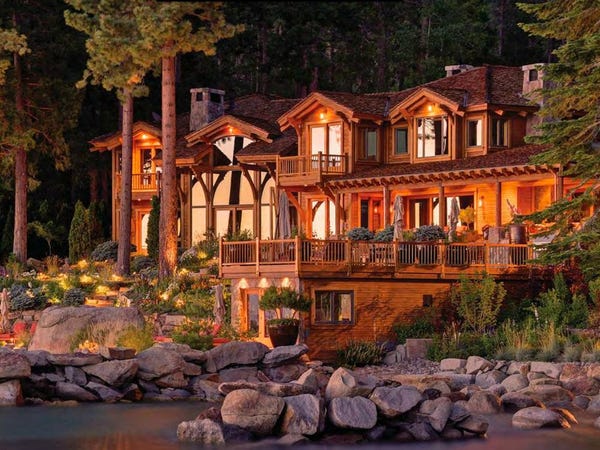
6. Ellison Estate, Woodside, California, owned by Larry Ellison
Courtesy of business insider
The Ellison Estate blends Japanese architectural traditions with modern luxury. Image: Courtesy of Business Insider
Larry Ellison, co-founder of Oracle and one of the world’s wealthiest individuals, devoted nine years to constructing his Japanese-inspired masterpiece in Woodside, California, which was completed in 2004. Designed by Paul Driscoll, a Zen Buddhist teacher and architect, the estate replicates a 1600 CE Japanese emperor’s palace.
This architectural undertaking encompasses:
Main palace residence, Three separate guest cottages, Eight traditional Japanese bridges, Two private gardens designed in authentic Japanese aesthetic, Five-acre man-made lake with koi pond, Traditional Japanese bathhouse, and Full gymnasium and wellness facilities
The landscape includes carefully curated plantings: cherry blossoms, Japanese maples, complemented by native California pines, oaks, and coastal redwoods. This property exemplifies how billionaire estates can function as cultural and artistic expressions, showcasing architectural traditions from around the world.
7. 16 Kensington Palace Gardens, London, U.K, owned by Roman Abramovich
via: GETTY IMAGES
Russian oligarch and Chelsea Football Club owner Roman Abramovich maintains a grand residence at 16 Kensington Palace Gardens—another property on London’s prestigious Billionaire’s Row.
Despite its high price tag, Abramovich felt the mansion lacked sufficient recreational amenities and space, prompting ambitious expansion plans. He commissioned a comprehensive subterranean leisure complex that will include:
Underground tennis court, Full health and wellness center, Private automotive museum showcasing his vehicle collection, and Additional entertainment and spa facilities
This expansion demonstrates how ultra-wealthy owners continuously reimagine their properties, adding layers of luxury and functionality that rival entire resort facilities.
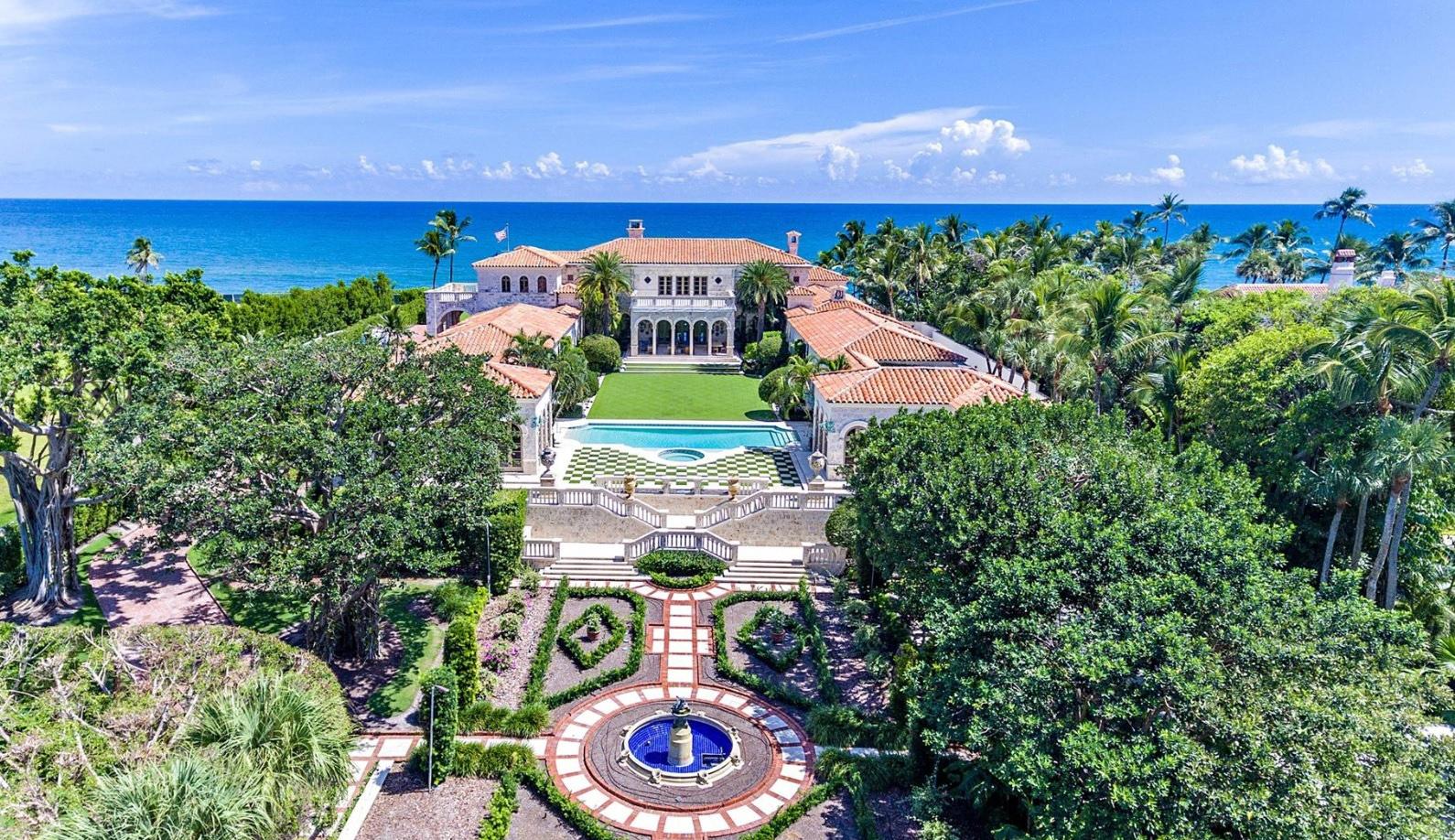
8. Blossom Estate, Palm Beach, Florida, owned by Kenneth Griffin
Courtesy of palm beach post
Kenneth Griffin, founder of hedge fund Citadel LLC and one of America’s wealthiest entrepreneurs, assembled Blossom Estate by acquiring four adjacent waterfront properties in exclusive Palm Beach, Florida, for a combined total of nearly $130 million.
This consolidated estate features:
Multiple main residences and pavilions, Six separate kitchens (accommodating extended family and entertaining on a grand scale), Extensive library, Full-service guest house with independent amenities, and Oceanfront location with private beach access
The property showcases the American luxury real estate strategy of land consolidation—acquiring multiple adjacent parcels to create unprecedented privacy and scale in sought-after coastal locations.
9. Xanadu 2.0, Seattle, WA, owned by Bill Gates
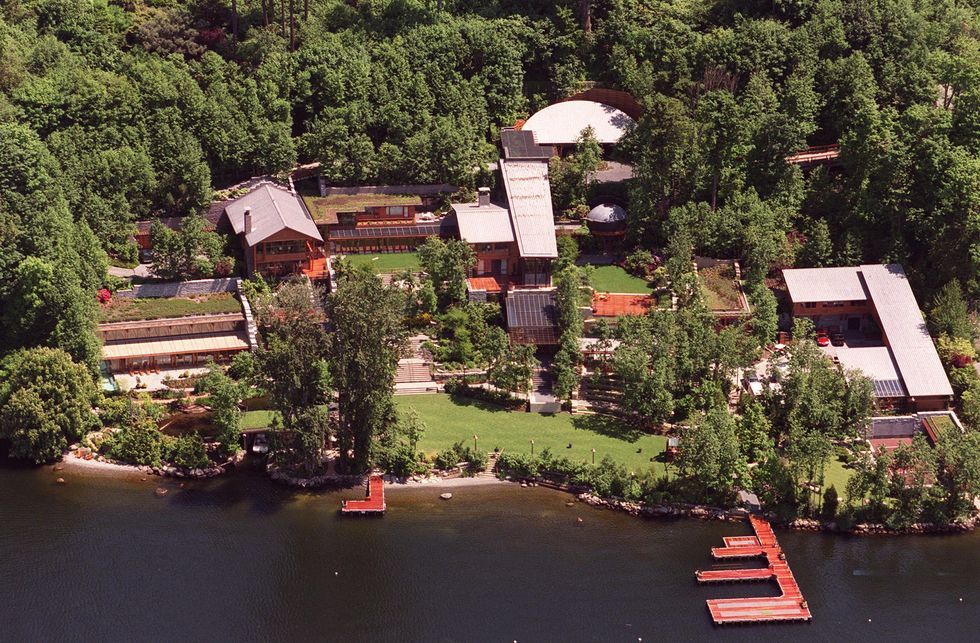
DAN CALLISTER/GETTY IMAGES
Bill Gates, the world’s wealthiest individual during its construction, owns Xanadu 2.0—an earth-sheltered mansion overlooking Lake Washington near Seattle. As detailed in an in-depth tour inside Bill Gates’ house, this residence showcases cutting-edge innovation at every turn. Designed collaboratively by Bohlin Cywinski Jackson and Cutler Anderson Architects, this 66,000-square-foot residence took seven years to complete and pioneered sustainable luxury design principles.
Xanadu 2.0’s groundbreaking features include:
Earth-sheltered design reducing heating and cooling loads while maximizing energy efficiency, High-tech sensory systems that adapt lighting and ambiance based on time of day and occupant mood, Advanced smart home automation controlling virtually every environmental variable, Underwater music system integrated into the swimming pool, 2,500-square-foot gymnasium with 20-foot ceilings, 24 bathrooms and six kitchens, and Full library and independent guest house
Xanadu 2.0 represents the modern billionaire mansion archetype: blending sustainability, technology, and luxury seamlessly—proving that environmental responsibility and extravagant comfort are not mutually exclusive.
10. Silicon Valley Mansion, Los Altos Hills, CA, owned by Yuri Milner
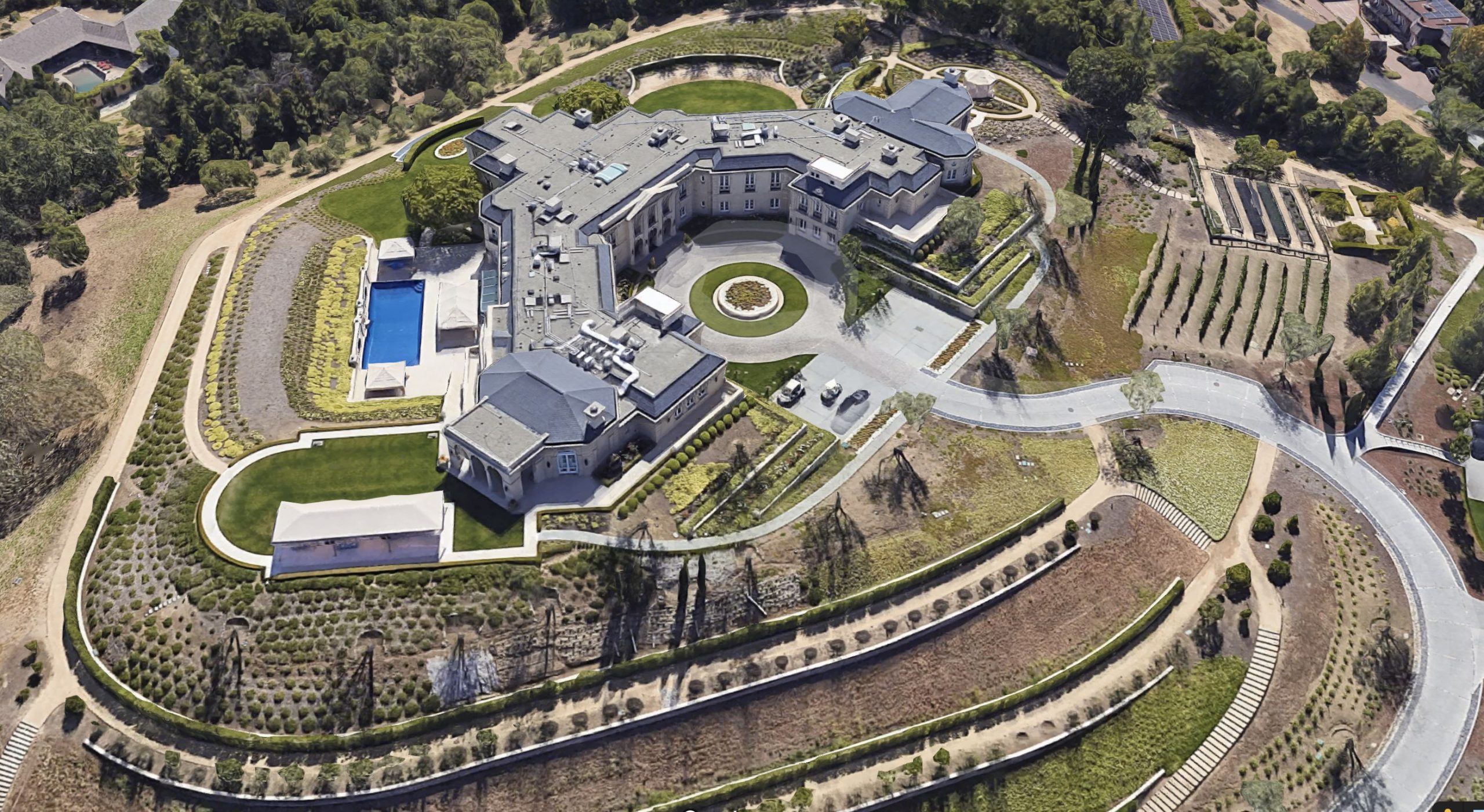
Imagery ©Google, Imagery
Russian technology investor and Facebook early backer Yuri Milner owns this palatial retreat in Los Altos Hills, overlooking Silicon Valley’s tech empire. The mansion’s design draws inspiration from French château architecture, creating a European grandeur aesthetic within California’s high-tech landscape.
Notable amenities include:
Multiple indoor and outdoor swimming pools, Luxurious ballroom for entertaining, Expansive living areas framing panoramic views of San Francisco Bay, and State-of-the-art technology infrastructure supporting a tech entrepreneur’s sophisticated needs
This property illustrates how billionaire founders blend Old World architectural references with New World technology ambitions.
11. Broken O Ranch, Augusta, Montana, owned by Stanley Kroenke
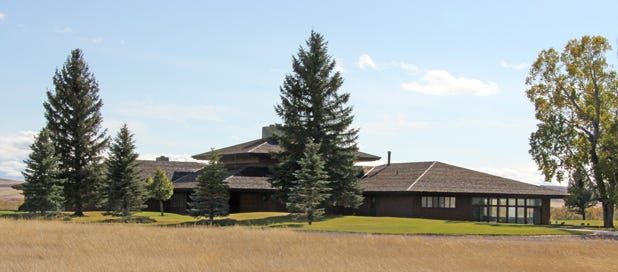
Courtesy Bates Land Co.
Billionaire Stanley Kroenke, owner of multiple sports franchises and real estate conglomerate, acquired Broken O Ranch in Augusta, Montana, for $132.5 million—one of the most expensive land purchases in the United States.
This sprawling rural estate encompasses:
10,000-square-foot luxury main residence, Indoor swimming pool, Multiple horse stables and equestrian facilities, Approximately 4,500 head of cattle, Extensive agricultural property and rangeland, andSignificant water rights (crucial in the arid American West)
Broken O Ranch represents a different billionaire real estate category: not urban or coastal luxury, but vast land holdings combining agricultural operations with luxury residential amenities. This model appeals to wealthy individuals seeking privacy, self-sufficiency, and investment diversification.
12. 15 Kensington Palace Gardens, London, U.K, owned by Tamara Ecclestone
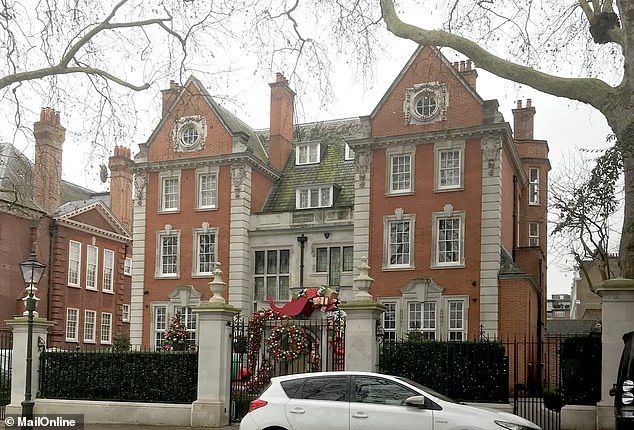
©Mailonline
Heiress and philanthropist Tamara Ecclestone invested substantially in her 55-room mansion at 15 Kensington Palace Gardens on London’s exclusive Billionaire’s Row. She comprehensively renovated the property, adding contemporary luxury features including:
Amazonian crystal bathtub (custom-designed statement piece), Private nightclub with full entertainment systems, Bowling alley for recreational entertainment, Subterranean swimming pool (creating privacy and maximizing interior space), Full-service beauty salon, Dedicated pet spa, and Automated car lift system for vehicle storage and access
Ecclestone’s mansion demonstrates how contemporary billionaires blend personal wellness, entertainment, and lifestyle amenities into a single residential package—transforming a traditional London townhouse into a comprehensive luxury resort.
What makes billionaire mansions so expensive?
Beyond the purchase price, billionaire mansions command premium valuations due to location scarcity (Kensington Palace Gardens averages $107,000/sq meter), renowned architects (Perkins and Will, Rogers Stirk Harbour), rare materials (Makrana marble, bulletproof glass), and cutting-edge technology (smart home systems, mood-adaptive lighting). Land size, privacy infrastructure, and ancillary buildings (helipads, theaters, spas) also justify astronomical costs.
What is the most expensive house in the world?
Antilia in Mumbai, India, owned by Mukesh Ambani, is widely considered the world’s most expensive residence, valued at over $1 billion. This 27-floor, 400,000-square-foot tower surpasses even the Palace of Versailles in total area and requires a staff of approximately 600 to maintain.
How much does it cost to maintain a billionaire mansion?
Maintenance costs vary dramatically depending on property size and amenities. Fair Field and Antilia, for example, require permanent staff of hundreds and operate independent power plants. Annual maintenance, staffing, insurance, and utilities easily reach millions of dollars—often exceeding the cost of luxury homes in other markets.
Why do billionaires invest in expensive real estate?
Billionaire real estate investments serve multiple purposes: tangible asset diversification, architectural expression, lifestyle amenities, cultural heritage preservation, and wealth display. Properties like Villa Leopolda represent historical significance, while Xanadu 2.0 showcases technological innovation and sustainability leadership.
What are common features in the world’s most expensive houses?
Recurring amenities across billionaire mansions include: private cinema/theater systems, multiple swimming pools (including underground variants), helicopter pads, wellness spas, state-of-the-art gyms, wine cellars, private museums, smart home automation, security systems featuring bulletproof glass, and staff quarters. These properties essentially function as self-contained resort communities.
Where are the most expensive houses located?
Geographic clustering occurs in: London’s Kensington Palace Gardens (Billionaire’s Row), coastal California (Malibu, Los Altos Hills, Woodside), New York’s Hamptons, Miami and Palm Beach (Florida), the French Riviera, and Mumbai’s central business district. Prime location commands 40-60% of total property valuation.
Design Lessons from Billionaire Mansions
These extraordinary residences offer valuable insights for luxury real estate professionals and architecture enthusiasts:
-
Layered luxury amenities create self-sufficient ecosystems rather than simple residences—theaters, spas, gyms, and dining facilities reduce reliance on external services.
-
Smart home technology and mood-adaptive systems (like James Turrell’s lighting designs at One Hyde Park) represent the future of residential experience design.
-
Sustainability and luxury are compatible—Xanadu 2.0 proves that environmental responsibility need not compromise extravagance.
-
Location scarcity commands premium valuations—geographic prestige (Kensington Palace Gardens, French Riviera) often outweighs square footage.
-
Architectural heritage meets modern expression—properties like “Taj Mittal” and the Ellison Estate demonstrate how billionaires blend cultural identity with luxury design.
Conclusion
The world’s most expensive houses represent more than architectural extravagance—they are laboratories of design innovation, cultural expression, and technological advancement. From Antilia’s 27-floor Mumbai tower to Xanadu 2.0’s sustainable smart home systems, these residences push the boundaries of what residential architecture can achieve.
Whether through Japanese aesthetic philosophy, French Riviera heritage, or Silicon Valley technological ambition, billionaire mansions inspire our understanding of luxury, design, and the built environment. They remind us that for the world’s wealthiest individuals, home transcends shelter—it becomes a personal statement, cultural artifact, and architectural masterpiece.

With her avid interest for architectural inquiry through literary aspects, Khushboo loves exploring experimental domains; via academic and practical endeavors. Her interests include architectural theory, phenomenology, vernacular/indigenous technologies, sustainability and conservation. Along with her architectural practice, she's affiliated with Posi+tive Magazine as a Contributing Editor and also a faculty at the School of Environmental Design and Architecture, Navrachana University, India.