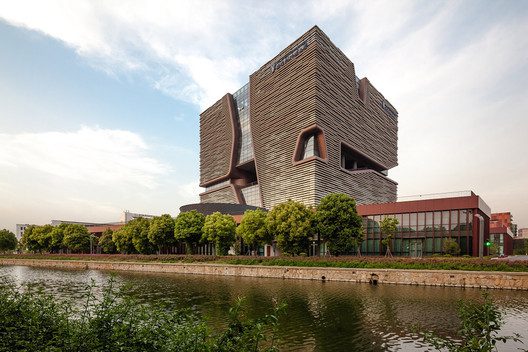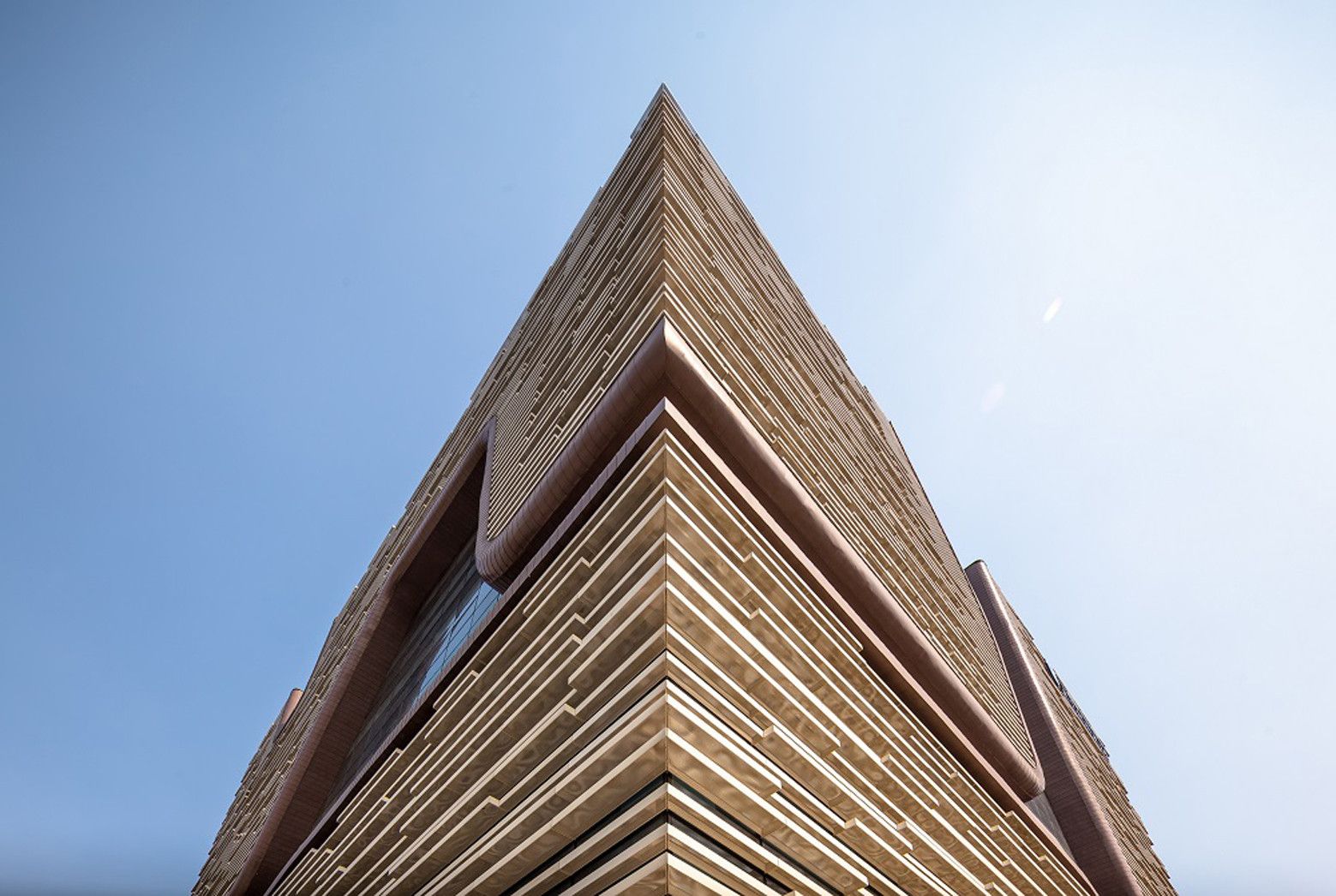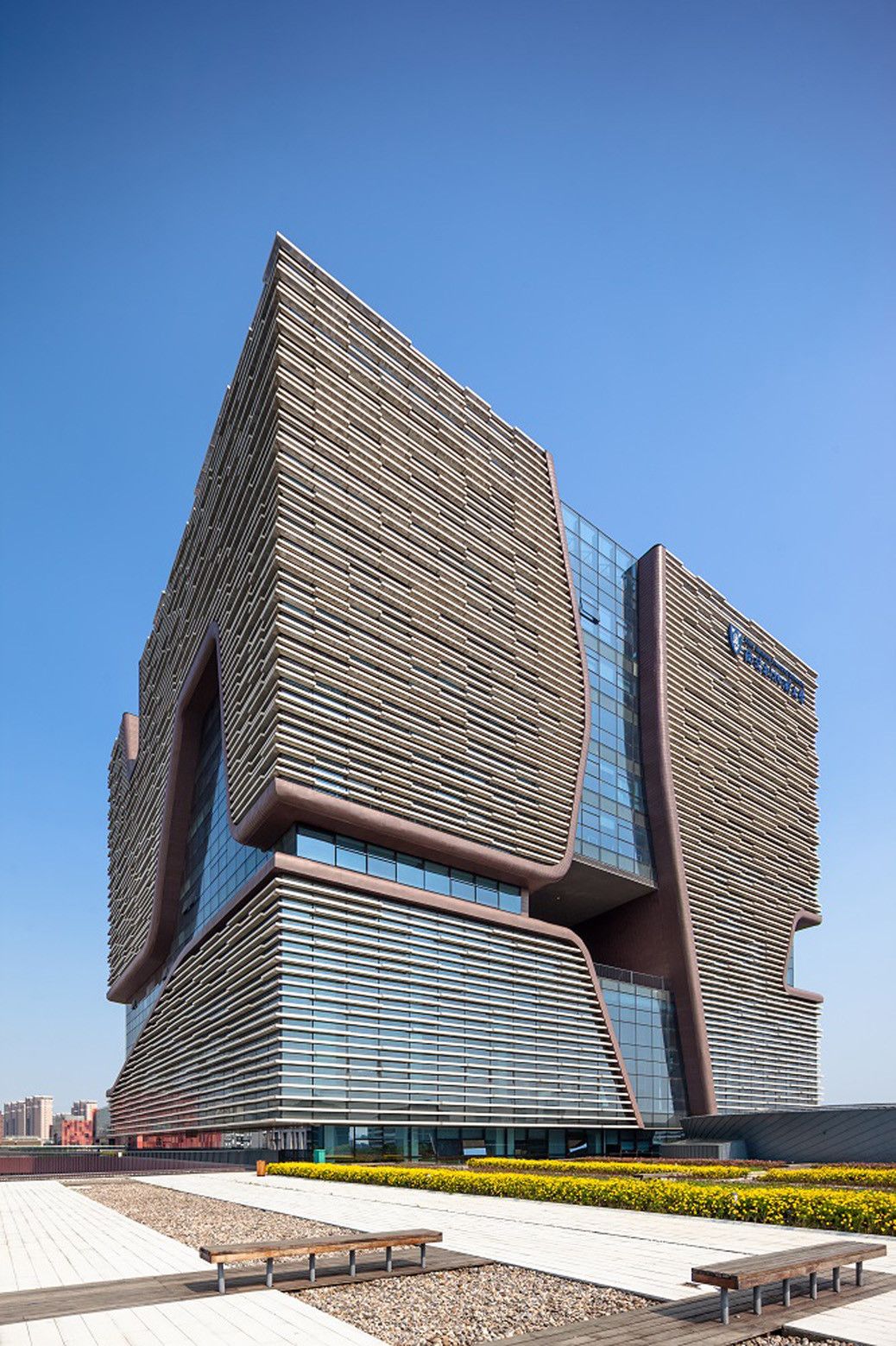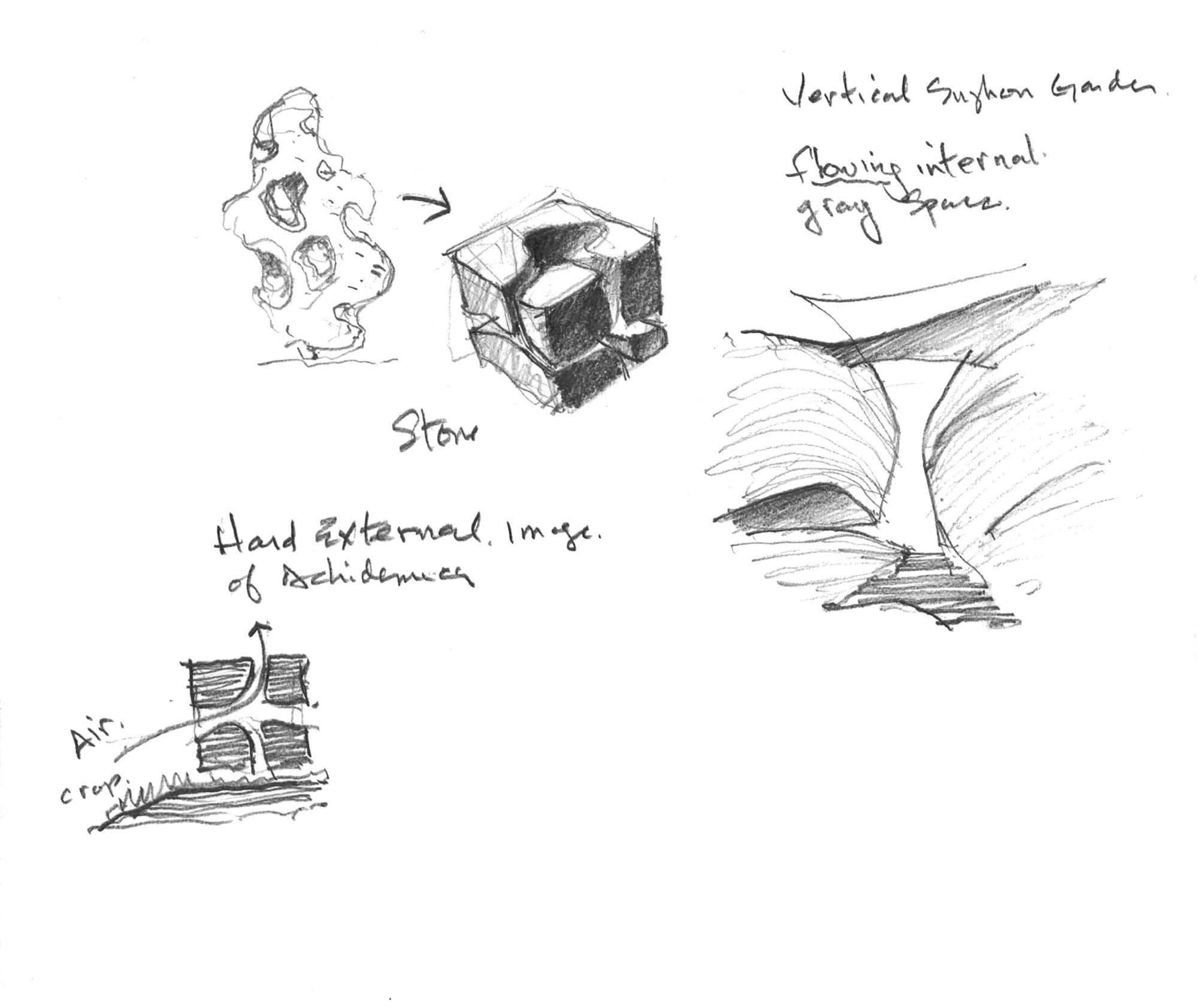

A first look at the Xi’an Jiao tong-Liverpool University gives one flashbacks to the Taihu Stone, the ubiquitous limestone natural sculpture found in traditional Chinese gardens.
Courtesy of Aedas
The Taihu stone is naturally sculptured by wind and running water, hence the irregular voids carved in the sides give it a serene natural look.

Courtesy of Aedas
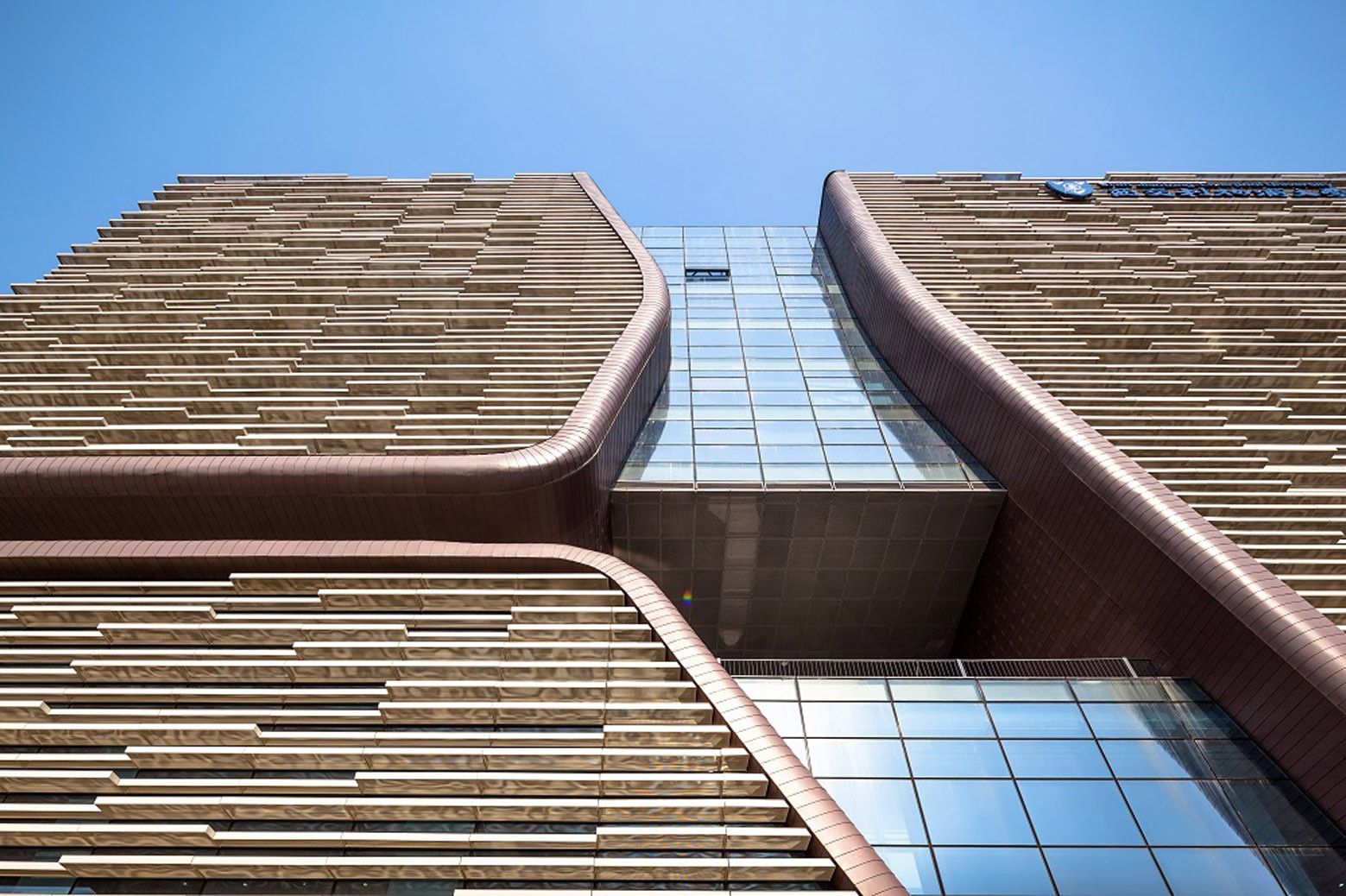
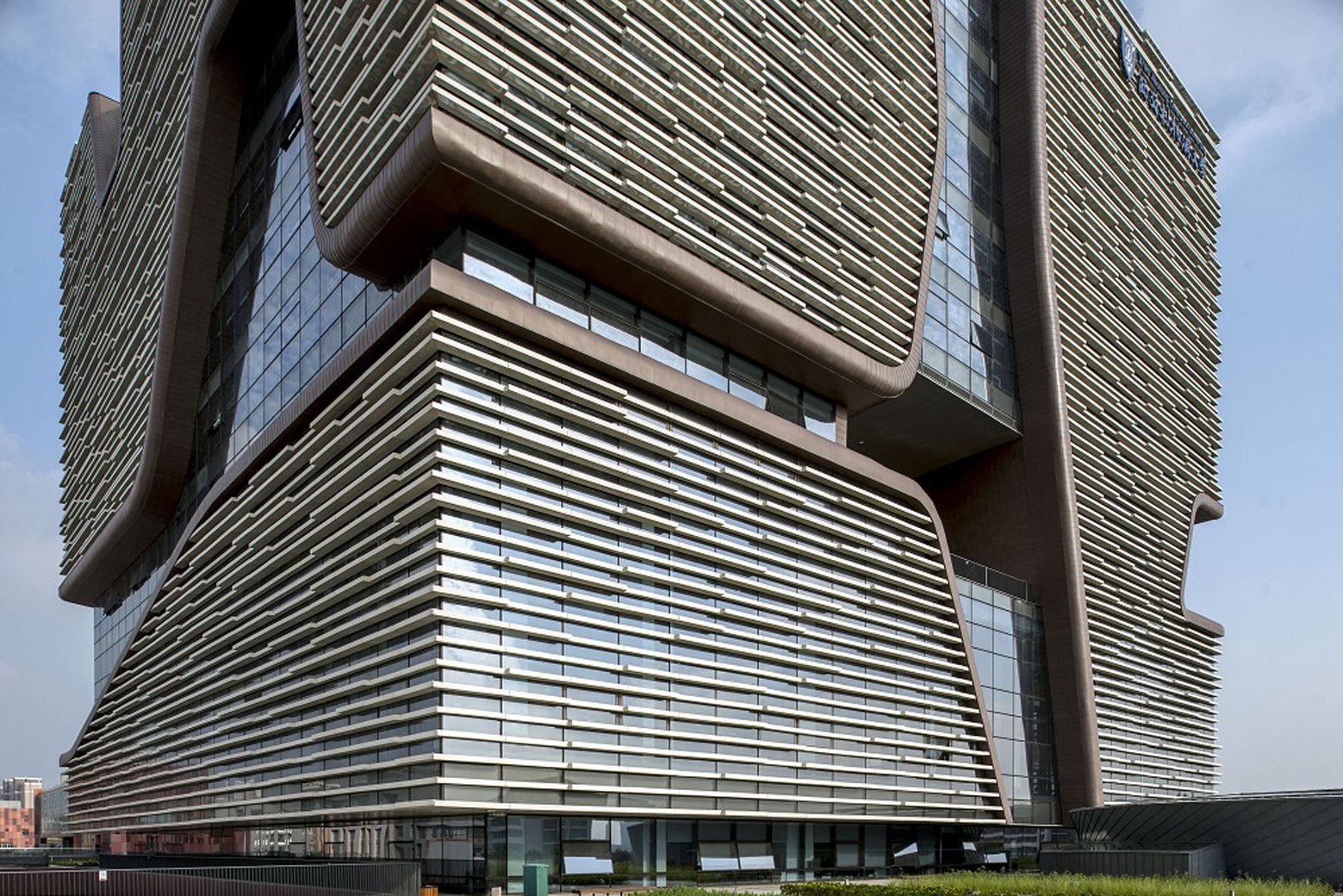
The Xi’an Jiao tong-Liverpool University seeks its formal inspiration from this concept of voids within a whole albeit in this context as a result not of forces of nature but of man.
Courtesy of Aedas
The university is located in the Suzhou Industrial Park with a vision to build a world-class facility to train highly professional experts. The site is located at a convergence point of beautiful natural environment in harmony with the city of Suzhou’s rich cultural heritage and the rapid economic development.
Courtesy of Aedas
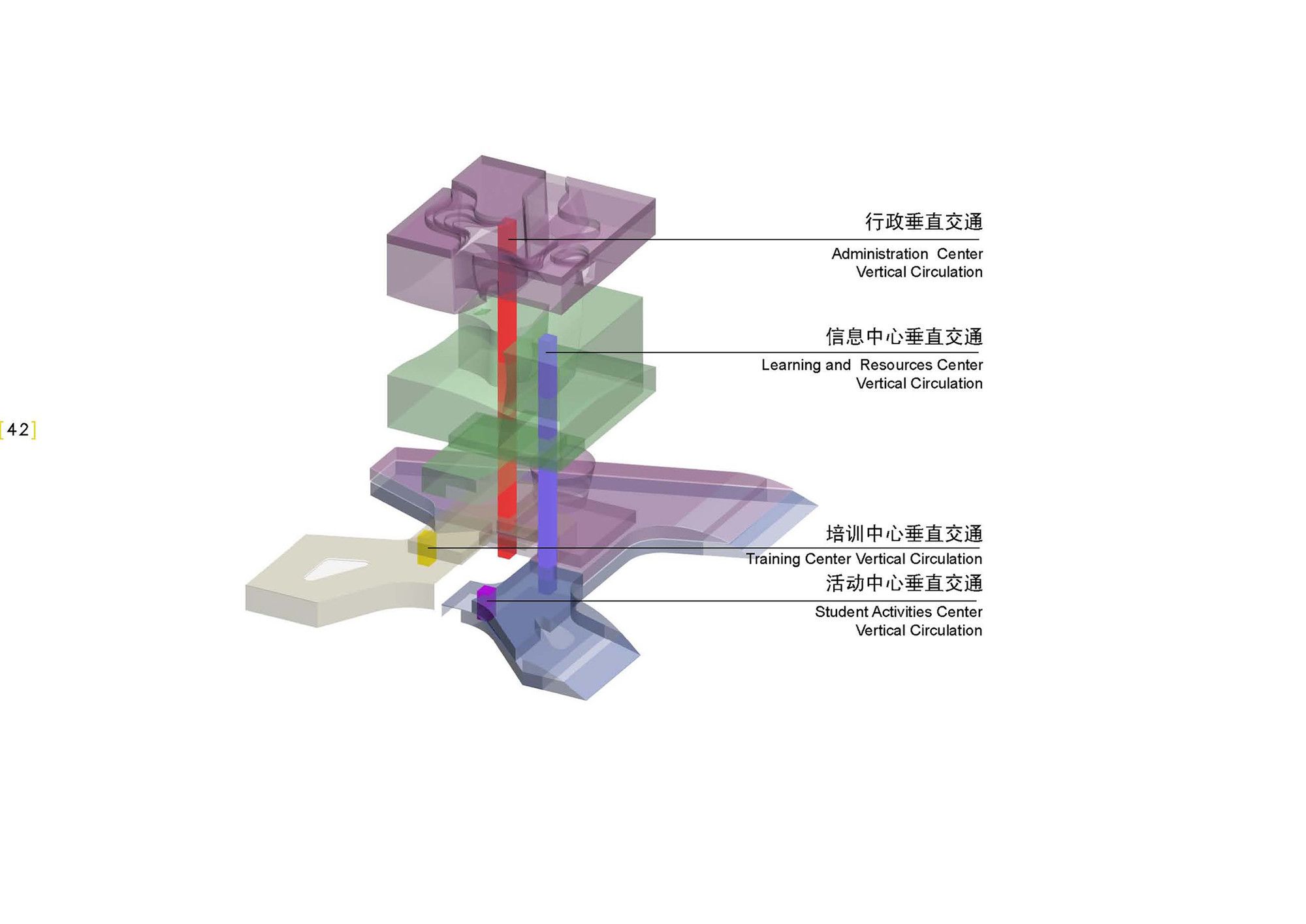
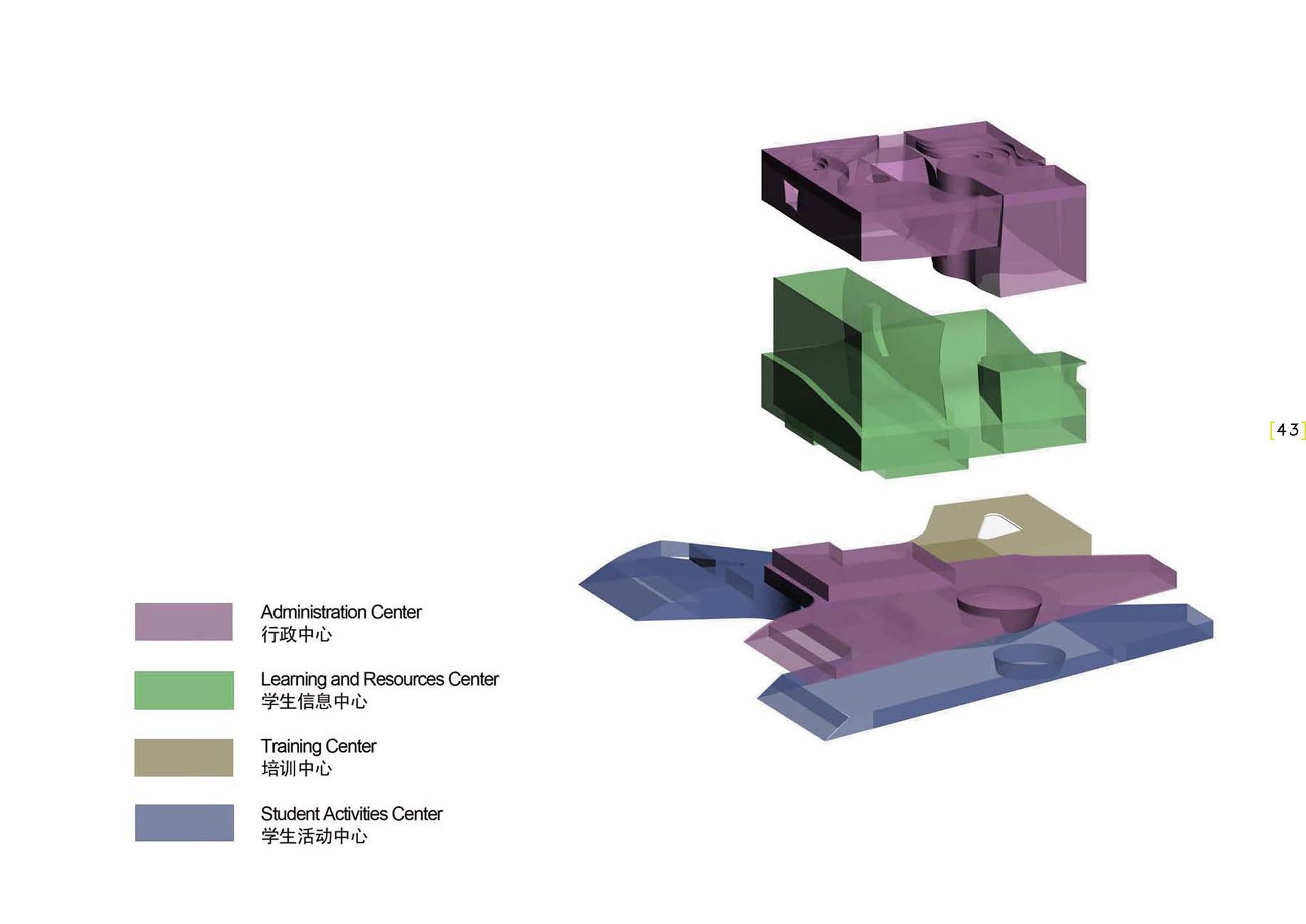
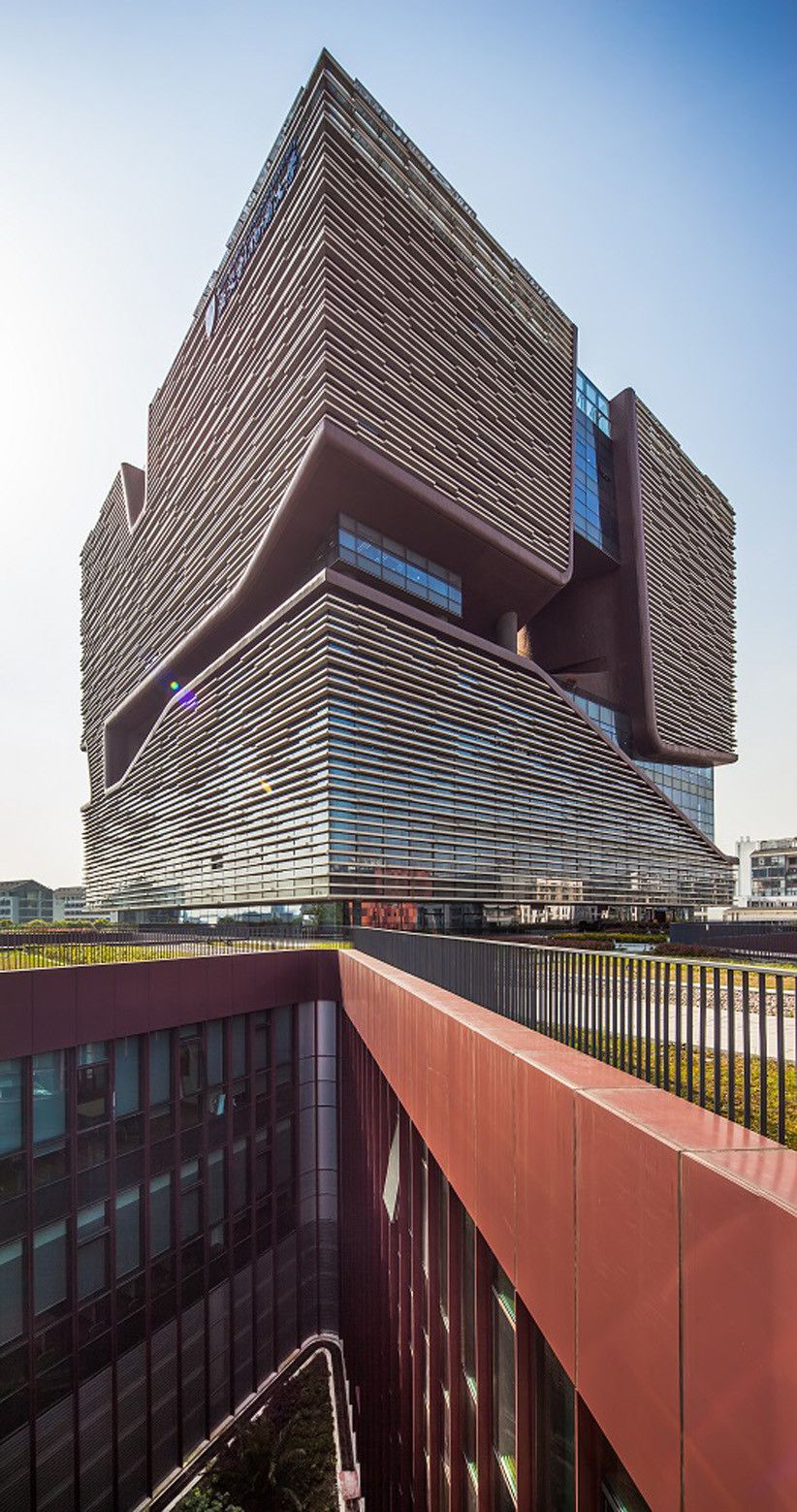
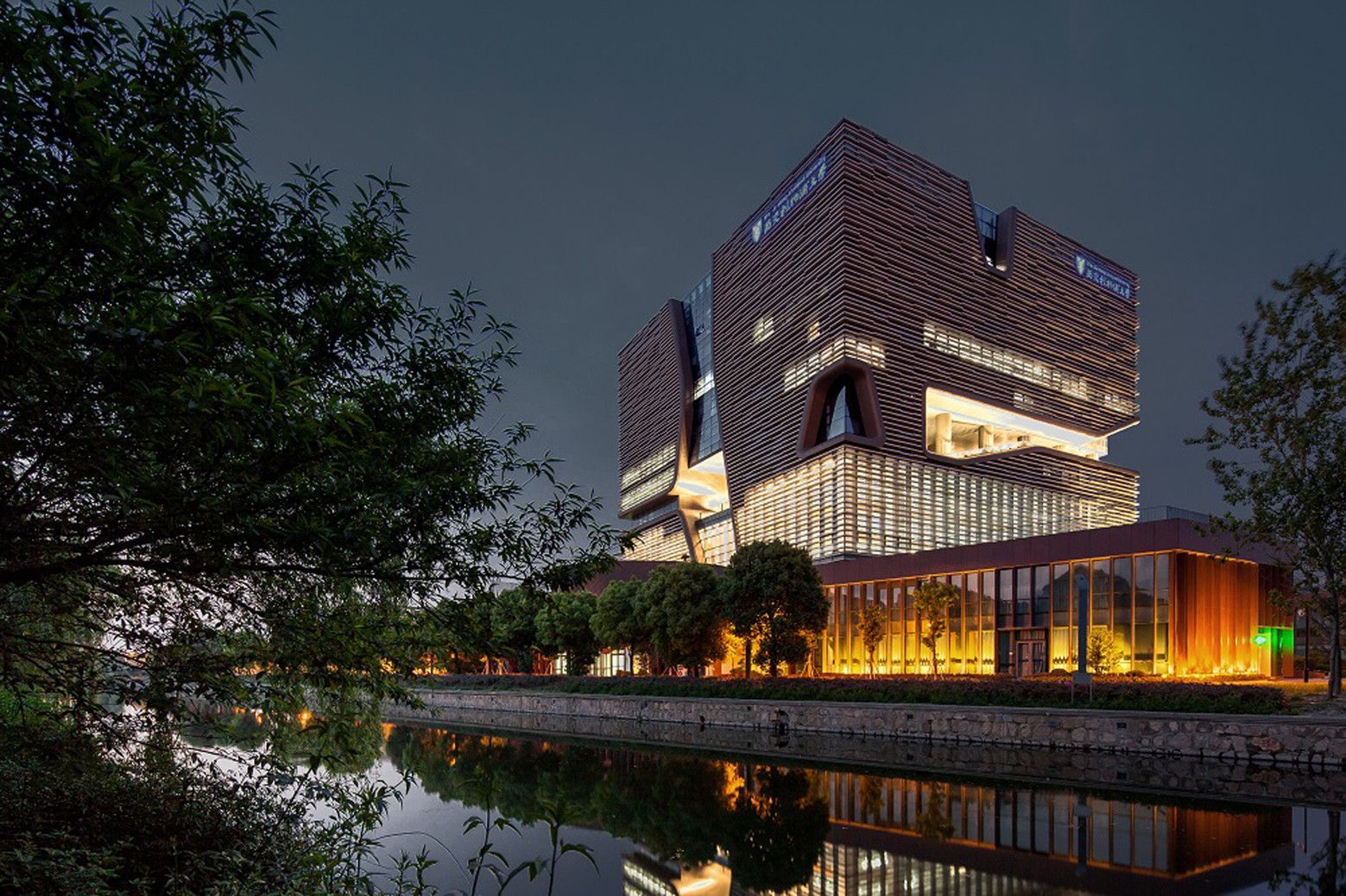
The building will house the Administration and information centre of the university providing spaces for an administration centre, learning and resources centre, training centre and student activities centre. All these spaces are linked together by the voids creating a unique whole.
Courtesy of Aedas
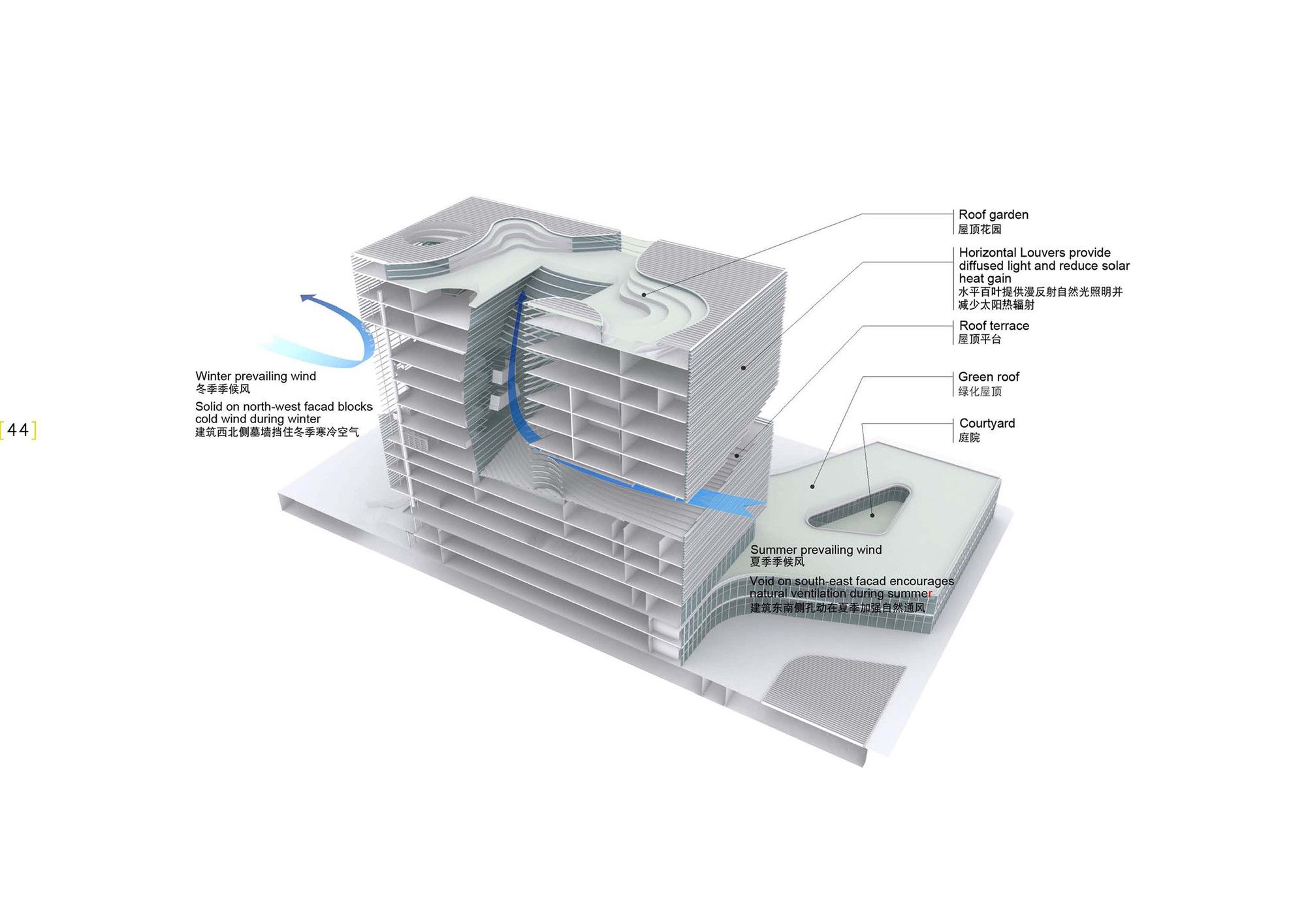
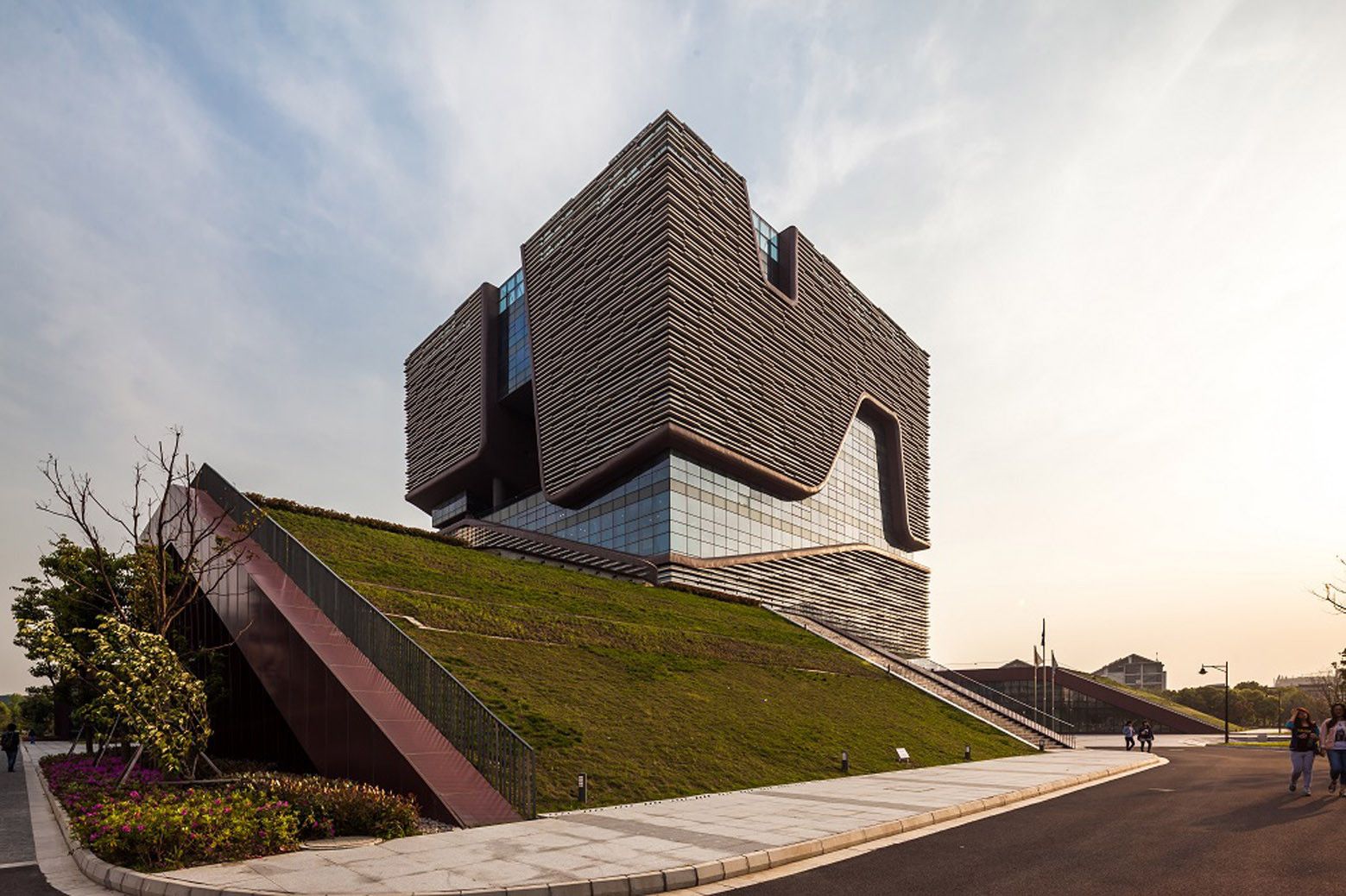
The voids not only serve as a link within the building but also without as they are functional. The interior spaces of the building interact with the south summer winds through the void on one of its southeast side. This interaction provides for natural ventilation during these hot summers. The green roof system is also a sustainable strategy employed with horizontal louvres on the facades to control light and solar gain.
Courtesy of Aedas
Like the Taihu stone the building sits on a raised platform, which will house the student activities centre dominating the landscape.
Project info:
Architects: Aedas
Country: China, Suzhou
Area: 59893 m²
Year: 2013
Photographs: Courtesy ofAedas