


Stop. Before you read another word about gothic cathedrals as simple expressions of medieval faith, ask yourself this: What if these towering monuments weren’t primarily about reaching God? What if they were about something far more human—power, wealth, and showing off? The race to build higher was medieval Europe’s first architectural competition. It makes today’s skyscraper competitions look small by comparison. The truth about cathedral construction reveals a story that challenges everything we think we know about medieval motivations, sustainable building practices, and why humans build monuments.
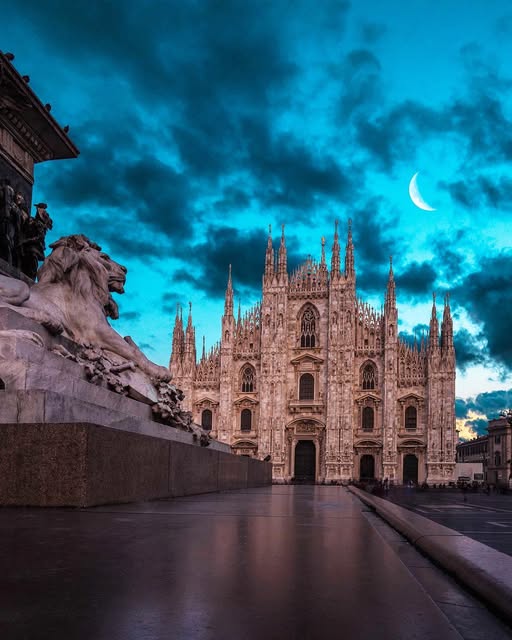
@saaggo Instagram
For centuries, architectural historians have told us a clean story. Gothic cathedrals reached skyward purely as expressions of spiritual devotion. This romantic view ignores an uncomfortable reality—these buildings were as much about earthly competition as heavenly aspiration. When we examine gothic cathedral construction through the lens of politics rather than religion, a different picture emerges. One that reveals medieval society’s obsession with building bigger and taller. It’s a story that sounds surprisingly familiar today.
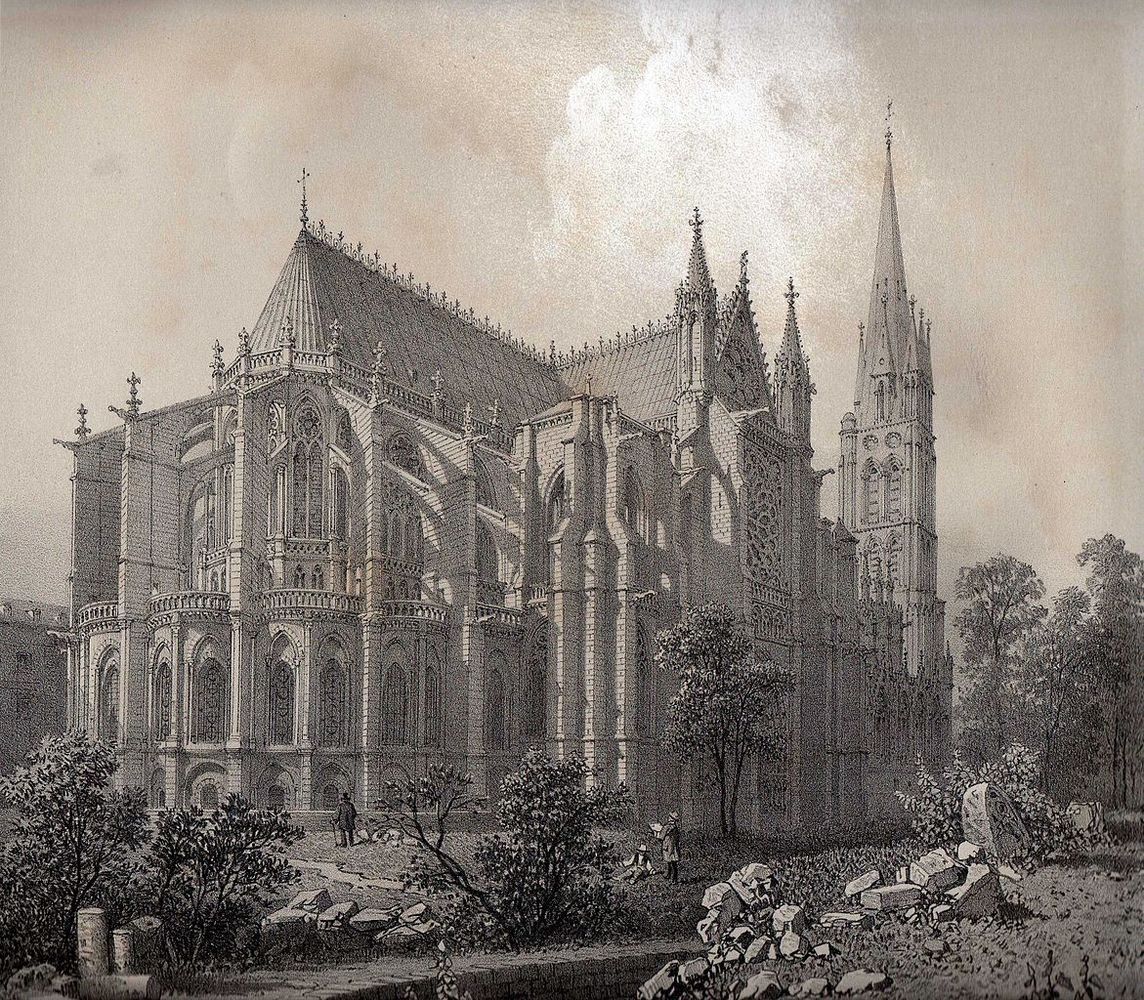
Basilica of Saint Denis, © Felix Benoist
What Are the 5 Characteristics of Gothic Architecture That Enabled This Vertical Madness?
Gothic architecture didn’t emerge from divine inspiration. It came from practical problems that needed solving. Medieval builders wanted to go higher than anyone had before. They needed new techniques to make that happen. The five defining characteristics of gothic architecture weren’t just aesthetic choices—they were engineering breakthroughs that made the impossible possible.
1. Pointed Arches: The Foundation of Height
Pointed arches were the first innovation that changed everything. Unlike the round arches of Romanesque buildings, pointed arches distributed weight more efficiently. They could handle the enormous loads that came with extreme height. This wasn’t about beauty—it was about preventing catastrophic structural failure. The pointed arch became the foundation for every other gothic innovation.
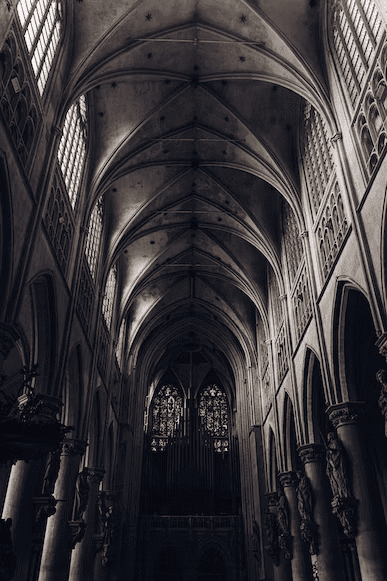
© Jonas Jaeken
2. Ribbed Vaults: Creating Skeletal Frameworks
Ribbed vaults created skeletal frameworks that carried loads with mathematical precision. Think of them as the medieval equivalent of steel beams. They allowed builders to create vast open spaces while supporting massive weights overhead. The ribs themselves became decorative elements, but their primary purpose was structural. They turned the ceiling into a sophisticated load-bearing system.
3. Flying Buttresses: Cheating the Laws of Physics
Flying buttresses were perhaps the most ingenious solution. These external supports transferred the enormous lateral forces generated by extreme height away from the main structure. They essentially allowed builders to cheat physics. The weight that would normally push walls outward was redirected down into the ground through these graceful stone arcs. Without flying buttresses, gothic cathedrals would have collapsed under their own ambition.
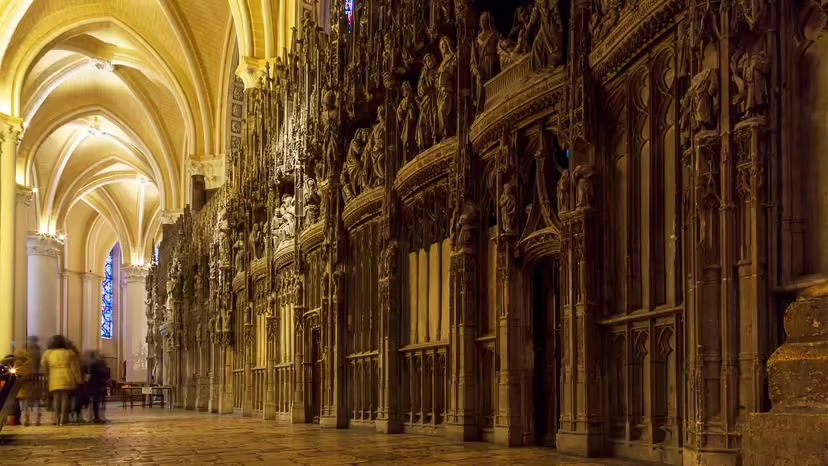
Centre-Val-de-Loire region, were built as part of the church in 1145, Yann Guichaoua-Photos/Getty Images
4. Enlarged Windows and Stained Glass: Showing Off Wealth
Enlarged windows filled with stained glass weren’t just about bringing divine light into sacred spaces. They were technological showcases. They demonstrated a community’s wealth and access to the most skilled craftsmen of the age. The glass itself was expensive. The techniques for creating it were closely guarded secrets. These windows were status symbols as much as spiritual features.
5. Vertical Lines and Proportions: The Psychology of Power
The emphasis on vertical lines and proportions created a visual language of aspiration. Every element drew the eye upward. This wasn’t accidental—it was psychological manipulation. The builders understood that extreme height triggers specific responses in human brains. Awe, submission, and a sense of transcendence. These proportions reinforced the building’s primary message: “Look how high we can build. Look how powerful we are.”
Here’s what architectural historians rarely discuss: these gothic design elements emerged from intense competition between cities, bishops, and monarchs. Each innovation was driven by the need to build higher than the neighboring diocese. The technology followed the ambition, not the other way around. Master builders shared techniques through networks of craftsmen who moved from project to project, constantly pushing each other toward more daring heights.
Why Were Gothic Cathedrals Built So Tall? The Uncomfortable Truth About Medieval Competition
The conventional answer—”to reach closer to God”—is architectural propaganda. It obscures the real motivations behind these death-defying construction projects. Gothic cathedrals were built tall for the same reasons we build supertall skyscrapers today: competition, prestige, and the intoxicating challenge of pushing technological boundaries. Medieval cities engaged in what we can only call “spire envy.” Each community tried to outdo their rivals in vertical achievement.
The Beauvais Disaster: When Ambition Exceeded Engineering
Consider the evidence: Beauvais Cathedral, begun in 1225, aimed to be the tallest church in Christendom. Its choir vault reached 157 feet—a height that proved structurally disastrous when portions collapsed in 1284. Rather than accepting defeat, the builders rebuilt even more ambitiously. This wasn’t pious devotion—this was architectural hubris. The project consumed the city’s resources for centuries and was never finished.
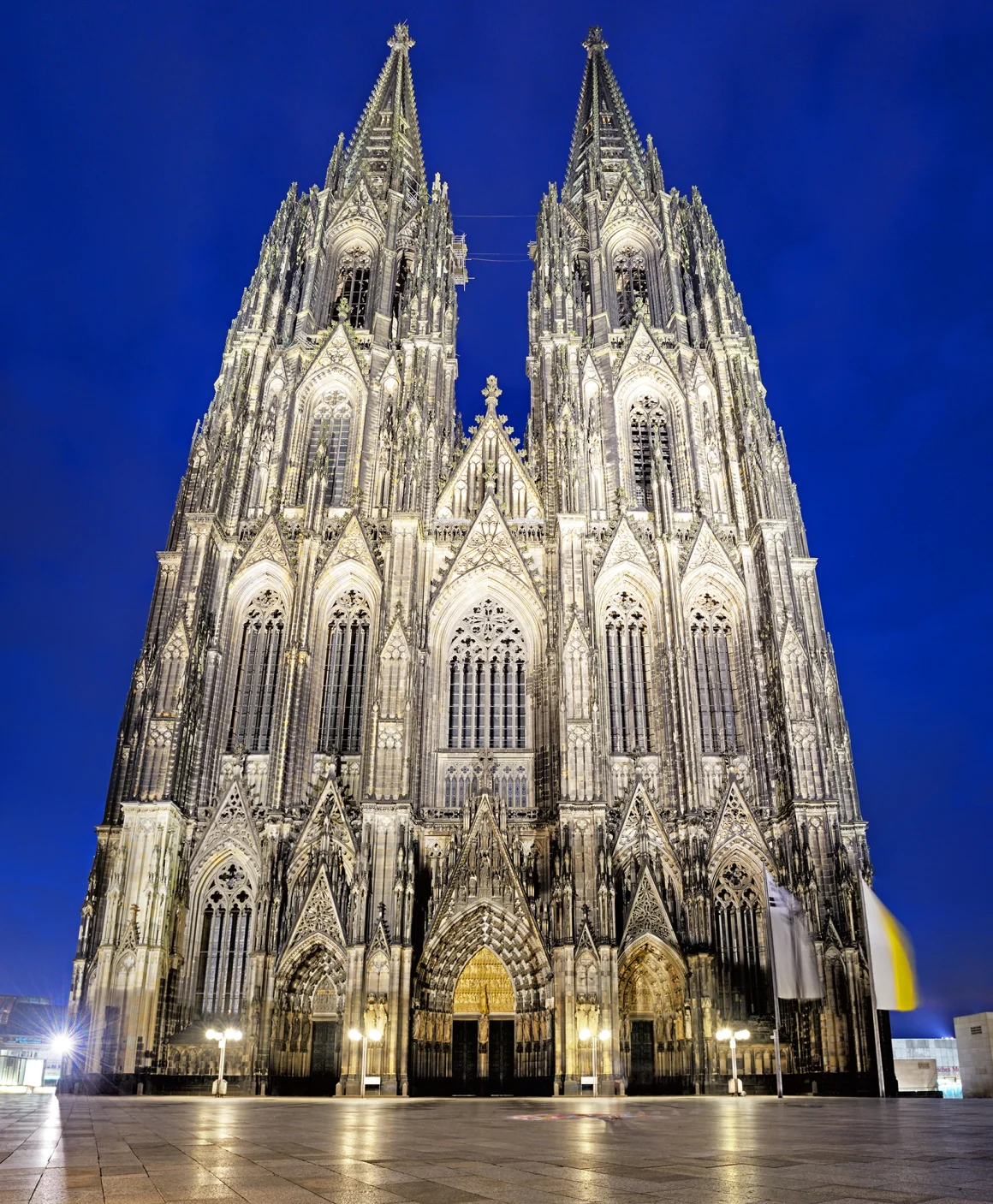
Cologne Cathedral, Germany. © alxpin/E+/Getty Images
Construction Espionage and Secret Techniques
The height competition was so intense that it spawned what we might recognize today as construction espionage. Master masons guarded their structural secrets jealously. Yet innovations spread rapidly across Europe through networks of specialist craftsmen. Each master pushed the others toward increasingly audacious heights. The cathedral construction boom created Europe’s first international community of architect-engineers, all competing to build higher than their rivals.
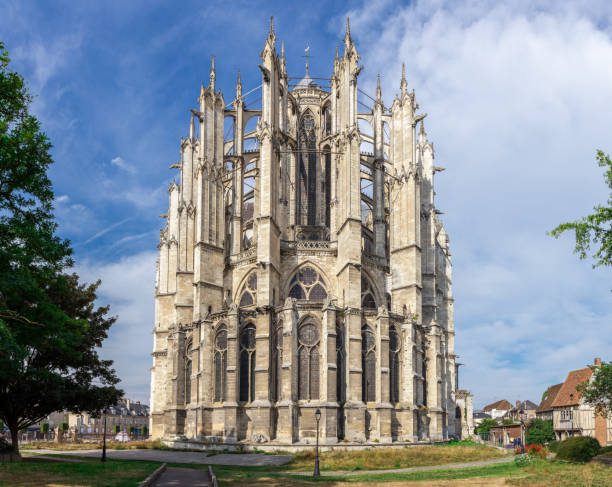
The beck side of St. Pierre Cathedral in Beauvais, Oise, Hauts de France, © Cristain Gheorghe
What Makes Gothic Cathedrals Unique? The Birth of Architectural Spectacle
What makes gothic cathedrals unique isn’t their spirituality—every age builds religious structures. What makes them extraordinary is their unapologetic embrace of architectural spectacle as a form of soft power. These buildings were medieval Europe’s equivalent of space programs: massively expensive, technologically ambitious projects that demonstrated a society’s organizational capability and engineering sophistication to both citizens and foreign rivals.
From Conservative Craft to Progressive Science
The uniqueness lies in how gothic cathedral construction transformed architecture from a conservative craft into a progressive science. Master builders like Villard de Honnecourt documented their innovations in technical treatises. They created the first architectural pattern books. They experimented with proportional systems, structural analysis, and material science in ways that wouldn’t look out of place in a contemporary engineering firm.
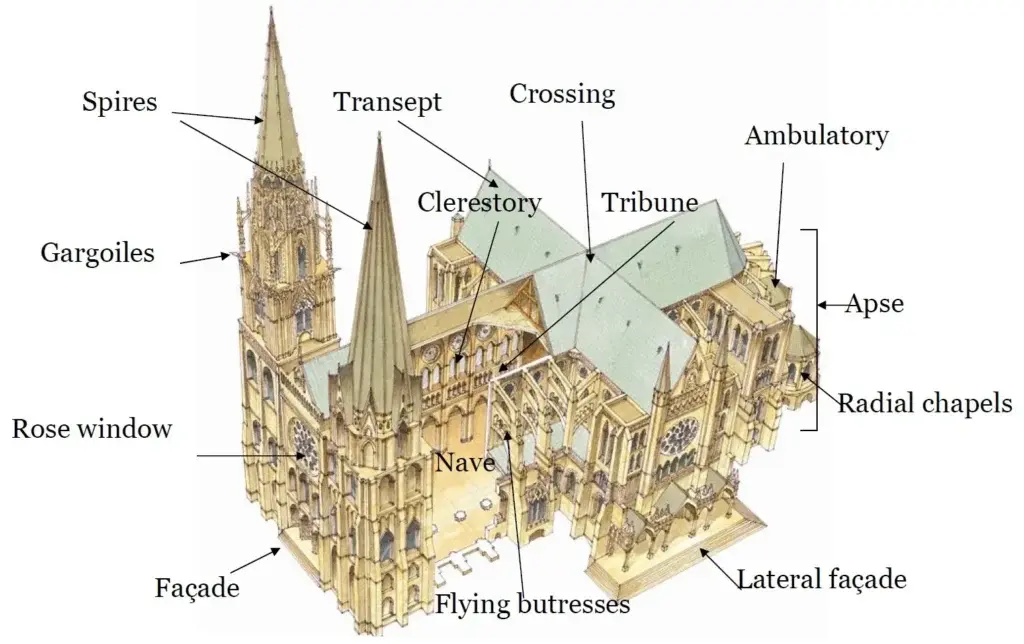
gothic architecture characteristics
Designed to Overwhelm Human Perception
Most uniquely, gothic cathedrals represent the first architectural projects designed specifically to overwhelm human perception. The extreme verticality creates a disorienting psychological effect that medieval builders clearly understood and deliberately exploited. Modern neuroscience confirms what they intuited: extreme vertical spaces trigger specific neurological responses associated with awe, submission, and transcendence. These weren’t accidental byproducts—they were calculated effects designed to psychologically dominate anyone who entered the space.
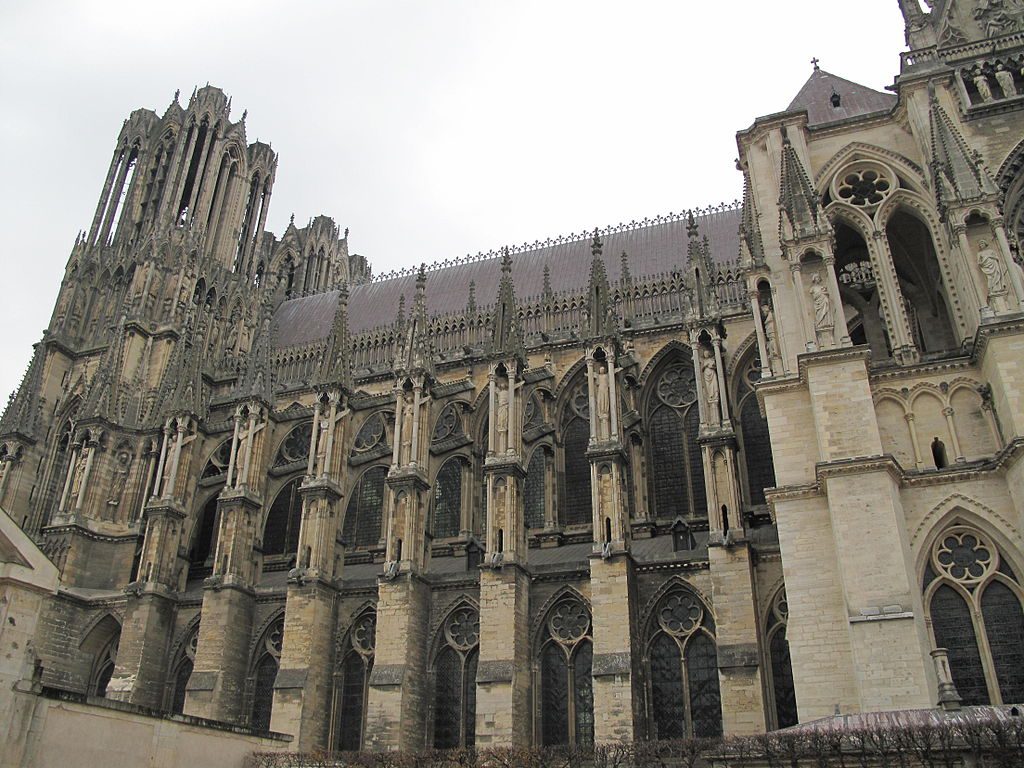
Side of Reims Cathedral
The Dark Side of Medieval Architectural Ambition
Here’s the question that makes architectural historians uncomfortable: What was the human cost of this vertical obsession? Gothic cathedral construction projects routinely consumed entire city budgets for generations. Citizens were taxed, sometimes to the point of rebellion, to fund these architectural vanity projects. The construction sites were notoriously dangerous, with workers falling from extreme heights or being crushed by massive stones. Yet communities continued building, driven by a competitive fever that put prestige over human welfare.
The Social Cost of Vertical Ambition
The social implications are even more disturbing. While cities bankrupted themselves building ever-taller churches, basic infrastructure remained primitive. Sewage systems, hospitals, schools—all took a back seat to monument building. Resources that could have improved daily life for thousands were instead channeled into single buildings designed to impress visitors and intimidate rivals. Sound familiar? We’re still making the same choices today, just with different building types.
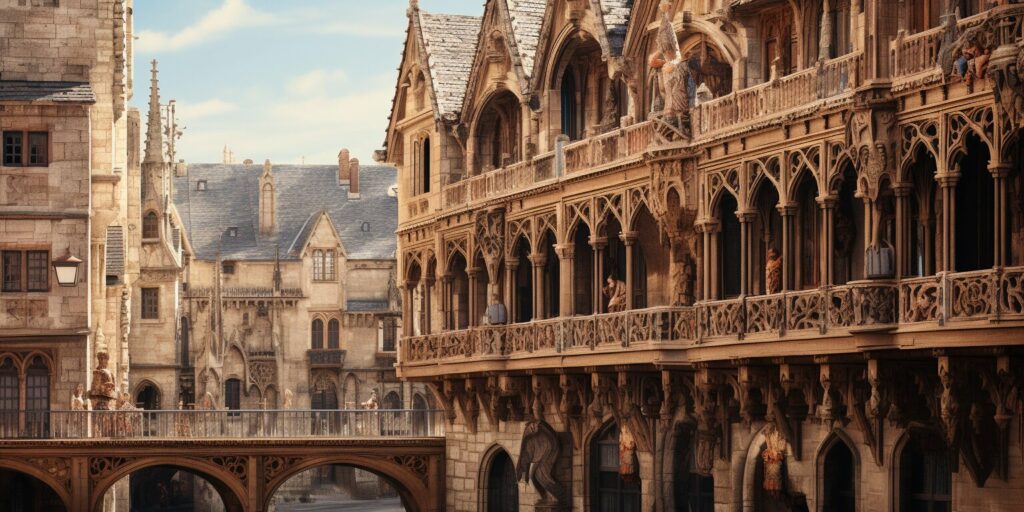
The Technological Legacy: How Gothic Innovation Shaped Modern Construction
The irony is that the gothic design elements developed for these medieval megaprojects laid the groundwork for modern skyscraper construction. The principles of skeletal framing, load distribution, and curtain wall systems that define contemporary high-rise architecture can be traced directly back to innovations first tested in medieval cathedrals.
The Flying Buttress as Steel Framework Predecessor
The flying buttress was essentially an external structural system that prefigured the steel frameworks that would make the Chicago School possible centuries later. Gothic builders understood that you could move structural loads outside the main building envelope. This insight became fundamental to modern skyscraper design, where external steel frames carry most of the building’s weight while interior spaces remain open and flexible.
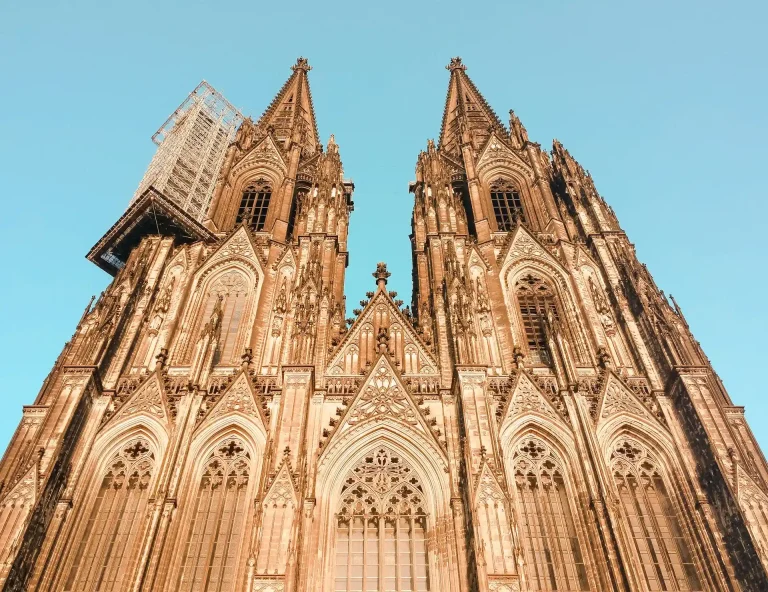
Cologne Cathedral
Prefabrication and Standardization
Even more importantly, the gothic emphasis on prefabrication and standardization established construction methods that remain relevant today. Master masons developed sophisticated systems for quarrying, cutting, and assembling stone components with tolerances that approached industrial precision. The organizational structures they created to manage complex, multi-generational projects became templates for large-scale construction management that we still use today.
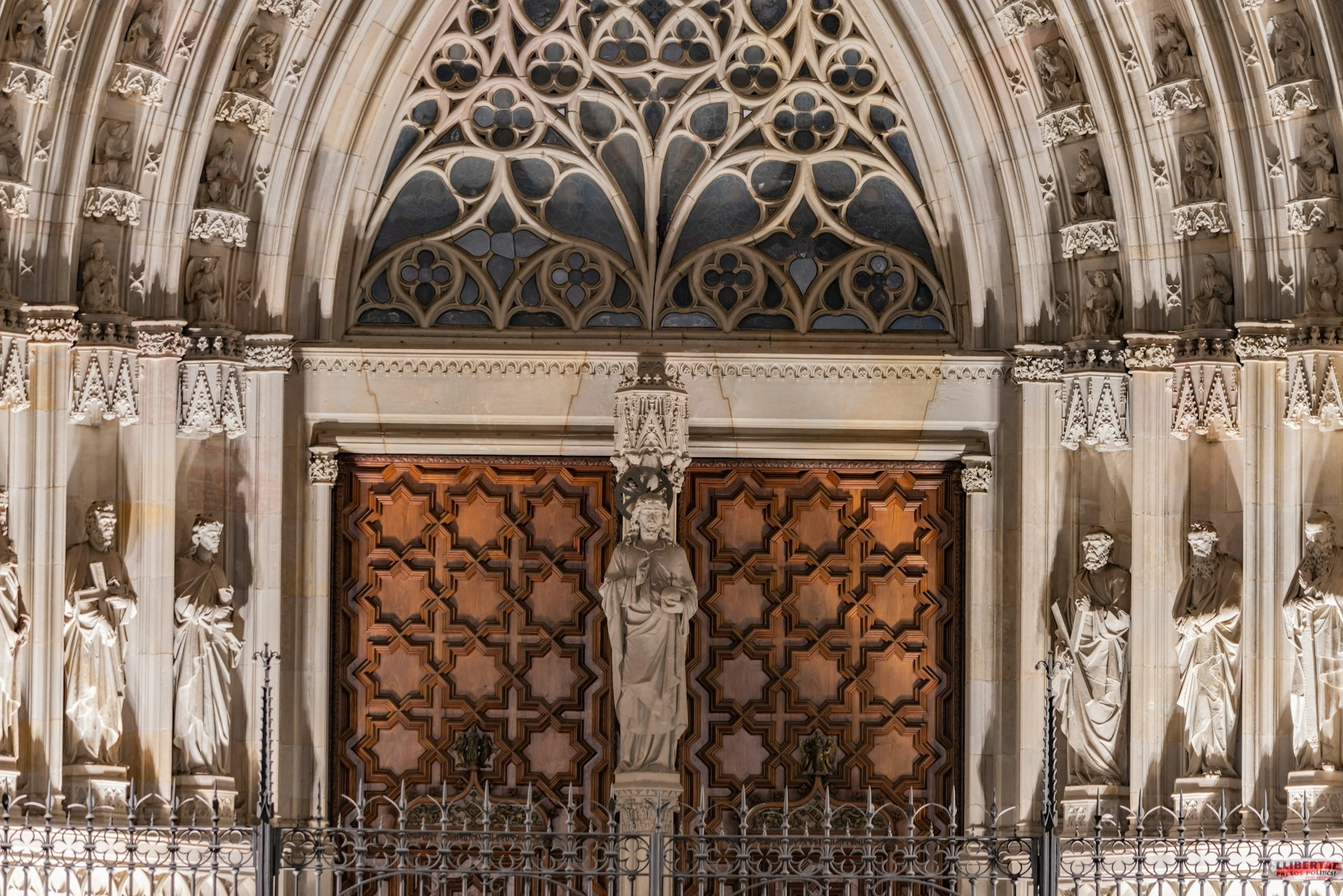
© Carlos Felipe Ramírez Mesa
Why This Matters: Lessons for Contemporary Architecture
The gothic cathedral phenomenon offers uncomfortable parallels to contemporary architectural culture. Our cities engage in their own height competitions, justified by economic arguments that sound suspiciously similar to medieval claims about divine mandate. We build supertall residential towers that house dozens of people on sites that could accommodate hundreds in mid-rise developments. We prioritize architectural spectacle over functional efficiency, just as medieval builders did.
Are We Still Building Monuments to Ego?
The question isn’t whether we should stop building tall—height can be functionally justified in dense urban contexts. The question is whether we’re honest about our motivations. Are we building up because it’s the most efficient use of urban land, or because we’re still driven by the same competitive impulses that motivated medieval cathedral builders? The gothic precedent suggests that architectural ambition often masks less noble motivations.
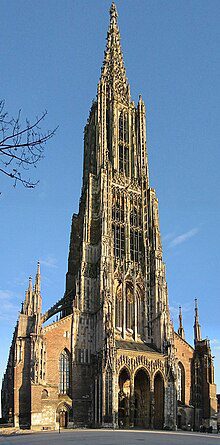
Before we celebrate the next record-breaking skyscraper or architectural landmark, we might ask: Who benefits from this vertical display? What resources are being diverted from more pressing urban needs? Are we building monuments to human ingenuity, or monuments to human ego?
The Enduring Psychology of Vertical Ambition
Gothic cathedrals succeeded because they understood something basic about human psychology: we are wired to be impressed by scale and height. The builders of Chartres, Notre-Dame, and Cologne created architectural experiences that remain emotionally overwhelming eight centuries later. This wasn’t accident—it was sophisticated psychological manipulation rendered in stone and glass.
Spatial Psychology and Human Response
Modern architects who dismiss gothic cathedrals as irrelevant historical curiosities miss the point entirely. These buildings demonstrate principles of spatial psychology, structural innovation, and construction management that remain applicable today. They reveal how architectural ambition can become detached from human need, creating monuments that serve institutional power rather than community welfare.
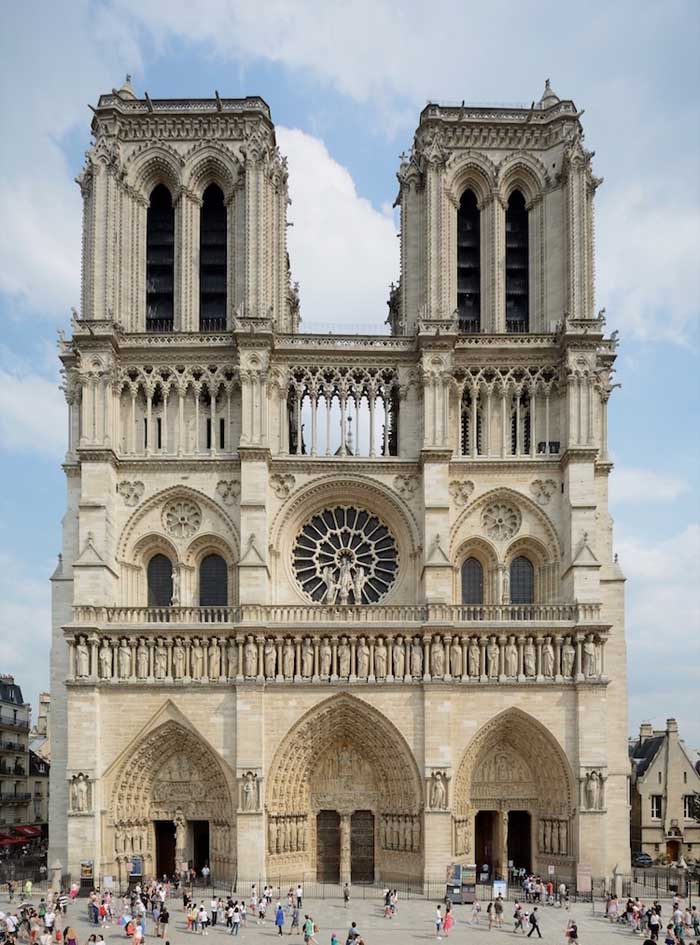
Notre Dame, Photo by Peter Haas / CC BY-SA 3.0, via Wikimedia Commons
Learning from Medieval Honesty
The vertical ambition that drove cathedral construction in medieval Europe continues to shape our cities today. Until we acknowledge the psychological and political forces that drive our contemporary height obsession, we’ll continue building monuments to architectural ego rather than environments that genuinely serve human needs. The gothic cathedral builders were honest about their competitive motivations—they built to impress, to intimidate, and to demonstrate technological superiority. Perhaps it’s time for contemporary architects to be equally honest about why we still feel compelled to build toward the sky.
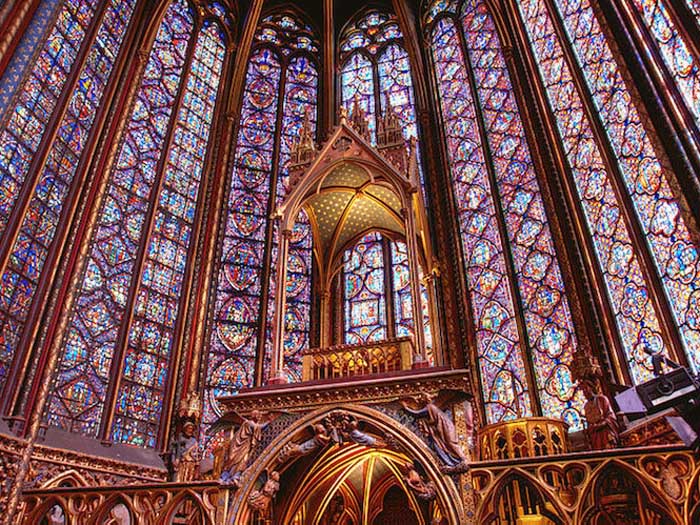
Photo: Jean-Christophe BENOIST (Own work) [CC BY 3.0], via Wikimedia
Gothic architecture teaches us that the impulse to build tall is deeply human. It’s not just about function or faith—it’s about competition, status, and the desire to leave a mark on the world. Cathedral construction in medieval Europe created some of humanity’s most beautiful buildings. But it also reveals the costs of unchecked architectural ambition. Understanding this history helps us make better choices about the buildings we create today. The question isn’t whether we should build tall, but whether we’re building for the right reasons.

Daniel Mercer is a Coffee Break section editor at Arch2O, currently based in Berlin, Germany. With a background in architectural history and design journalism, Daniel holds a Master’s degree from the University of Edinburgh, where he focused on modern architecture and urban theory. His editorial work blends academic depth with a strong grasp of contemporary design culture. Daniel has contributed to several respected architecture publications and is known for his sharp critique and narrative-driven features. At Arch2O, he highlights innovative architectural projects from Europe and around the world, with particular interest in adaptive reuse, public infrastructure, and the evolving role of technology in the built environment.