


Urban growth has exploded beyond anything architects imagined fifty years ago. When you look at what constitutes the largest city in the world, you’re seeing humanity pack itself into spaces that would have seemed impossible. The city with most population in world today—Tokyo’s Greater Area with 37.4 million people—is just the start of something massive. After decades of watching urban planning methodologies evolve, we’re hitting a point where population density will completely change how architects design for megacities.
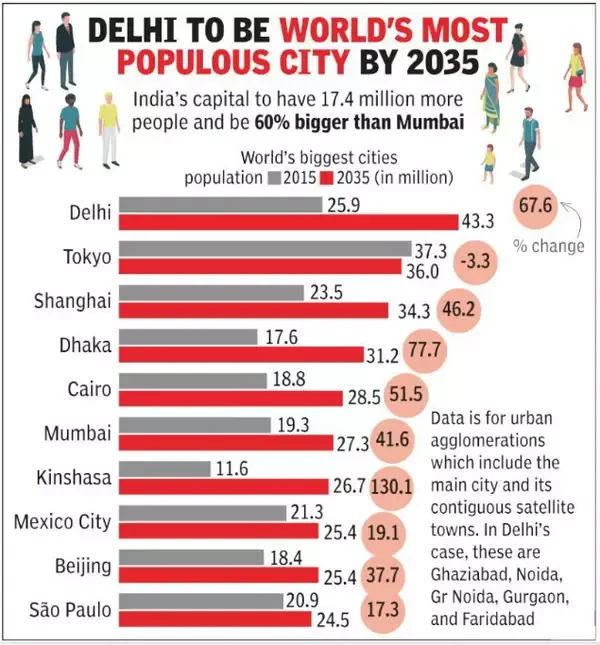
The current rankings show something interesting: Asia owns the list of most populous cities. Delhi, Shanghai, Dhaka, and São Paulo trail Tokyo in metropolitan area populations. But these numbers are snapshots. Looking at the largest city dynamics since 2021, and projections for 2030 show changes that will challenge every assumption about urban architecture and infrastructure design.
Which Is the Largest City in the World by Population?
From a design perspective, this question gets complicated fast. Tokyo’s Greater Metropolitan Area currently holds the title as the most populous city in the world, but how you measure matters. Administrative boundaries, metropolitan statistical areas, and urban agglomerations each tell different stories about where people actually live.
Tokyo’s Population Density Solutions
Tokyo shows how to handle density through smart design. The city’s mixed-use zoning laws from the 1960s created neighborhoods where residential, commercial, and light industrial uses sit side by side. This approach lets Tokyo support nearly 40 million people in a relatively compact area. The architectural results go beyond zoning: Tokyo’s building codes require earthquake resistance while maximizing space efficiency, creating flexible, multi-story structures that adapt to changing demographics.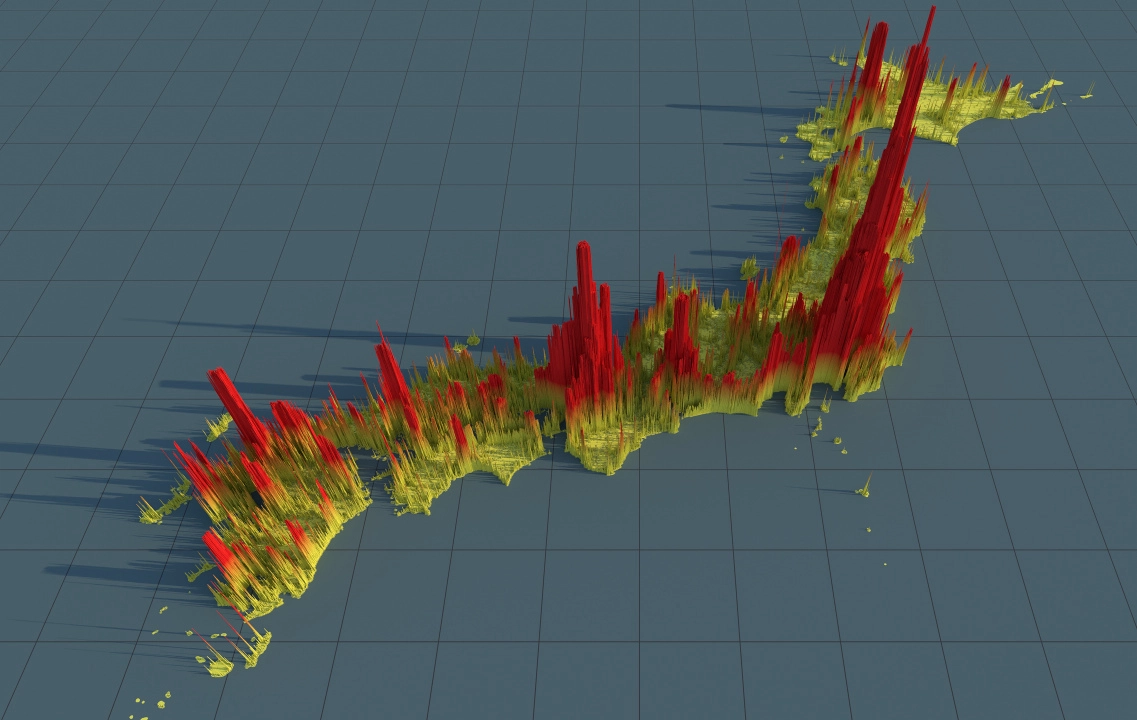
Delhi’s Growth Challenges
Delhi might overtake Tokyo by 2028, but its growth story differs completely. The city’s expansion reflects post-colonial urban planning challenges, where formal and informal settlements create complex spatial relationships. Delhi’s architecture shows how historical preservation intersects with explosive population growth—the city must house millions while preserving Mughal and British colonial architecture that defines its character. The question of which city holds the largest population also shows how metropolitan governance shapes architectural outcomes.
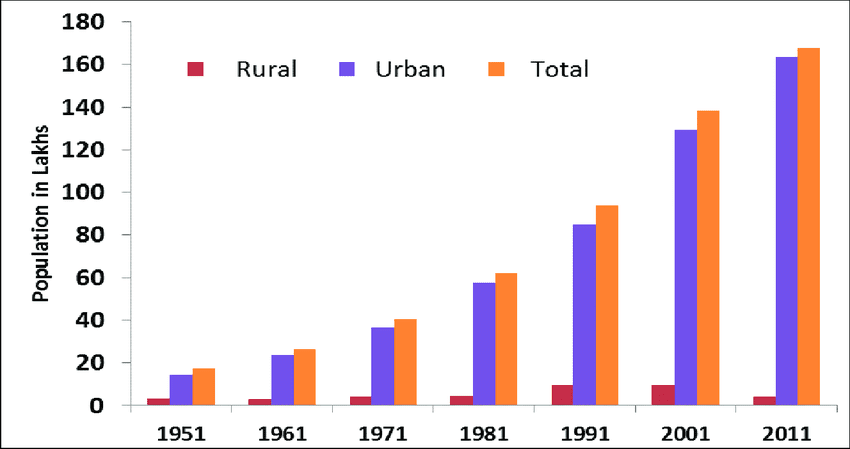
Decadal Population growth in Delhi Because of acute shortage of affordable shelter many
Population Measurement Complexities
Different measurement methods create different winners. City proper populations differ from metropolitan areas, which differ from urban agglomerations. Tokyo’s 37.4 million includes surrounding prefectures that form one massive urban area. Delhi’s numbers vary depending on whether you count the National Capital Territory or the broader National Capital Region. These distinctions matter because they shape how architects and planners approach infrastructure needs.
How Do Megacities Impact Urban Planning?
Megacities have completely changed how architects work. Traditional urban planning, designed for cities of one to two million residents, breaks down when you’re dealing with populations over 10 million. The scale demands new approaches to everything from transportation to housing.
Vertical Slum Innovation
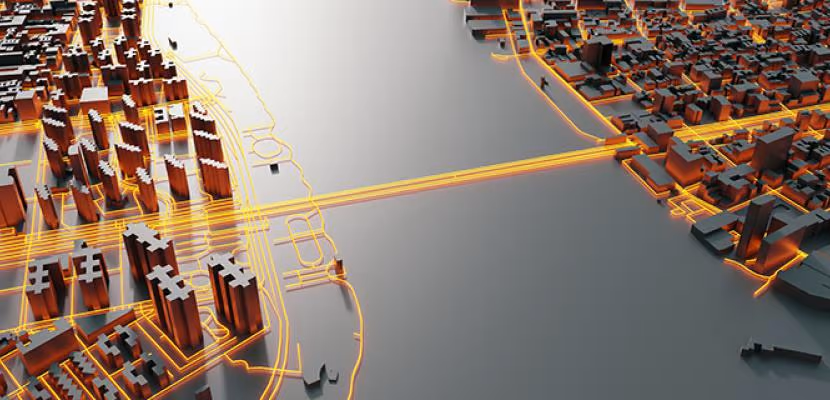
Mumbai’s response to extreme density shows innovation born from necessity. The city developed vertical slum typologies where informal settlements stack multiple stories, creating complex three-dimensional communities. These structures lack formal architectural design but demonstrate space-saving techniques that trained architects now study and adapt. The phenomenon shows how megacities urban planning often emerges from necessity rather than traditional design processes.
Transportation-Integrated Architecture
Transportation infrastructure creates the biggest architectural challenges in megacities. Tokyo’s integrated rail network required architectural solutions that blur boundaries between transportation and urban development. Stations become mixed-use complexes that include retail, office, and residential components—a typology that emerged from population pressure but now influences urban design globally. You can’t separate transportation from architecture in cities this size.
Micro-Housing Evolution
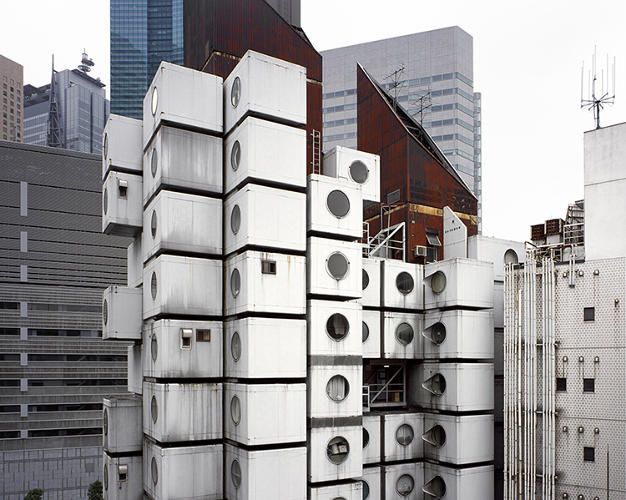
Megacities pioneered micro-housing solutions that maximize functionality within minimal square footage. Tokyo’s capsule hotels evolved into architectural prototypes for urban living in space-constrained environments. These design innovations, born from necessity in the world’s largest cities architecture, now inform residential architecture in cities worldwide facing similar density pressures.
Infrastructure at Scale
Water, power, and waste systems in megacities operate at scales that dwarf entire countries. A single water treatment plant in São Paulo serves more people than live in entire European nations. This scale demands architectural solutions that integrate infrastructure into building design. You can’t add infrastructure later—it must be built into the urban fabric from the beginning.
Which Cities Will Be Largest by 2030?
The projected metropolitan area rankings for 2030 show a geographic shift that will reshape global architectural practice. Delhi is positioned to become the world’s most populous urban area with an estimated 39 million residents, followed by Tokyo, Shanghai, and Dhaka. These projections carry serious architectural implications.
Delhi’s Path to 39 Million
Delhi’s journey to becoming the city with most population in world by 2030 will require infrastructure investments that dwarf previous urban development projects. The city’s architectural challenges include managing air quality through building design and creating adequate housing for rapidly growing populations. Current growth rates mean Delhi adds the equivalent of a medium-sized city every year.
Lagos’s Explosive Growth
Lagos represents perhaps the most dramatic transformation ahead. The city’s current population of approximately 15 million is projected to grow by 60% within the decade. This growth rate demands architectural solutions that can be implemented rapidly while maintaining quality and sustainability standards. Lagos is pioneering prefabricated housing systems and modular infrastructure approaches that could become templates for other rapidly growing African cities.
Shanghai’s Continued Evolution
Shanghai’s continued growth trajectory shows how established megacities adapt to ongoing population increases. The city’s architectural evolution demonstrates sophisticated planning integration: new residential districts incorporate commercial, educational, and recreational facilities within walking distance. Shanghai proves that megacities can grow smartly, not just quickly.
Emerging Megacity Opportunities
The emergence of new megacities creates opportunities for architectural innovation. Cities like Dhaka and Karachi, projected to join the 30+ million population category by 2030, represent relatively blank canvases for implementing next-generation urban design principles. These cities can avoid the mistakes of earlier megacities while building on their successes.
Architectural Implications of Future Urban Giants
The transformation ahead requires reconceptualizing architectural practice itself. Traditional project scales—individual buildings or small complexes—become insufficient when addressing megacity challenges. Architects increasingly work on district-scale interventions that integrate multiple building types, transportation systems, and infrastructure networks.
Sustainability at Megacity Scale
Sustainability assumes critical importance in these projections. The sustainable architecture megacities movement recognizes that cities with 30+ million residents cannot rely on resource-intensive building approaches used in smaller urban areas. This reality drives innovation in building materials, energy systems, and water management approaches. A single inefficient building type, multiplied across millions of units, can create environmental disasters.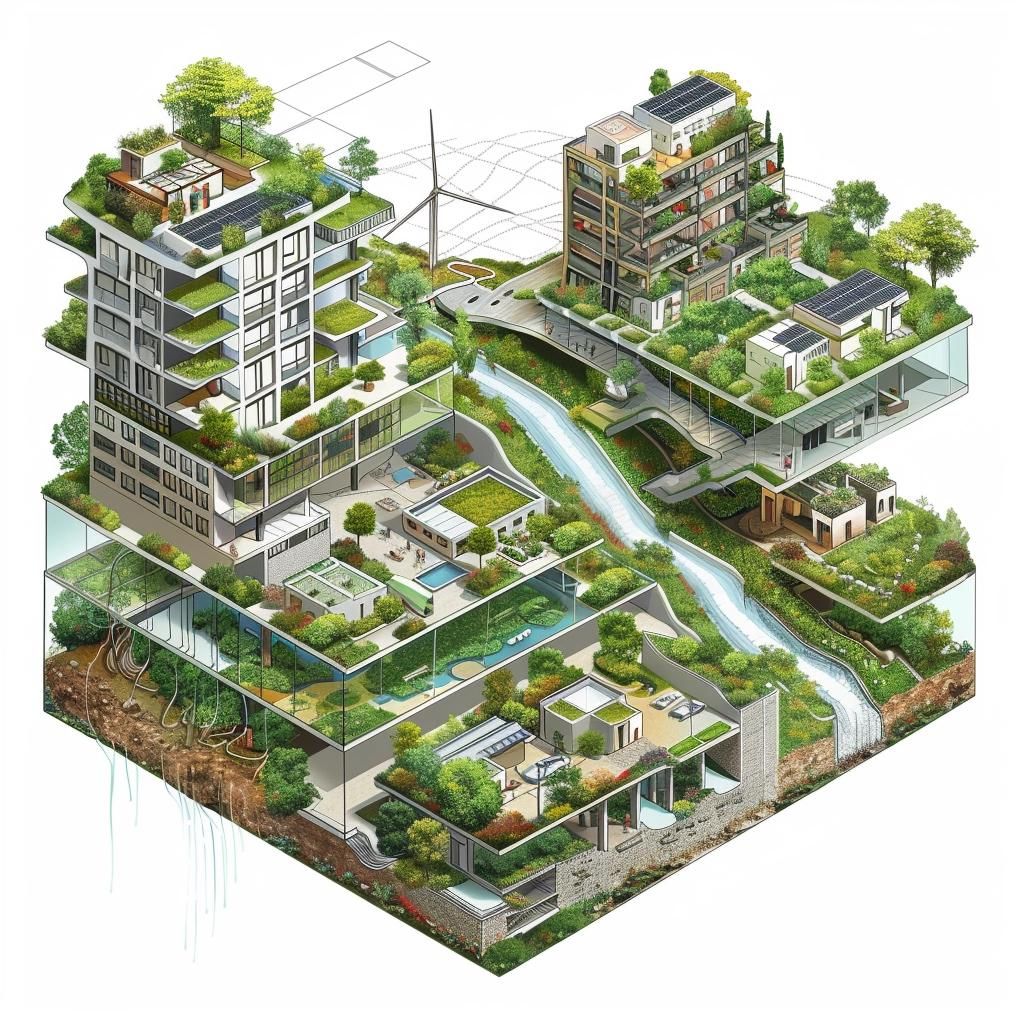
Social Architecture for Diverse Populations
The social dimensions of megacity architecture demand attention. Cities with populations exceeding 35 million must accommodate diverse economic classes, cultural groups, and lifestyle preferences within coherent urban frameworks. This challenge requires architectural solutions that provide dignity and functionality across economic spectrums. You can’t design megacities for just one type of resident.
Technology Integration Requirements
Technology integration becomes essential rather than optional in these projections. Smart building systems, automated infrastructure management, and data-driven design decisions transform from architectural luxuries to operational necessities. Cities approaching 40 million residents cannot function without technological systems that optimize resource distribution and monitor structural performance. Manual management becomes impossible at this scale.
Reshaping Architectural Practice
Megacities also reshape architectural education and practice. Firms working in these environments must develop new competencies in data analysis, infrastructure coordination, and community engagement at scales previously unimagined. Traditional architectural training focuses on individual buildings, but megacities demand systems thinking.
New Markets for Architectural Services
The projected urban growth creates new markets for architectural services. Firms specializing in megacity design will find expanding opportunities in Asia, Africa, and Latin America where the most dramatic urban growth is anticipated. This geographic shift may reshape the global architecture profession’s center of gravity, moving from established practice centers in Europe and North America toward emerging megacities.
District-Scale Design Thinking
The path toward 2030 presents both unprecedented challenges and remarkable opportunities for architectural innovation. The cities that will house over 30 million residents each represent laboratories for urban design approaches that could influence global practice for generations. These urban giants demand architecture that serves not just functional needs but creates dignified, sustainable, and culturally meaningful environments for populations larger than many countries.
The most population in world will soon live in cities that didn’t exist as major urban centers fifty years ago. This shift demands architects who can think beyond individual buildings to entire urban ecosystems. The challenge isn’t just housing 40 million people—it’s creating places where those people can live, work, and thrive. The cities that get this right will set the template for urban living for the next century.

Sofia Klein is a Projects Editor at Arch2O, originally from Germany, with a Master’s in Architecture and Urban Design from the Technical University of Munich. Since joining Arch2O in October 2023, she has helped shape the platform’s editorial direction, focusing on sustainability, cultural relevance, and urban innovation. With nearly a decade of experience in architecture and editorial work, Sofia brings clarity and depth to every project she curates. Her ability to transform complex ideas into accessible narratives bridges the gap between professionals and the public, strengthening Arch2O’s role in global architectural discourse.