

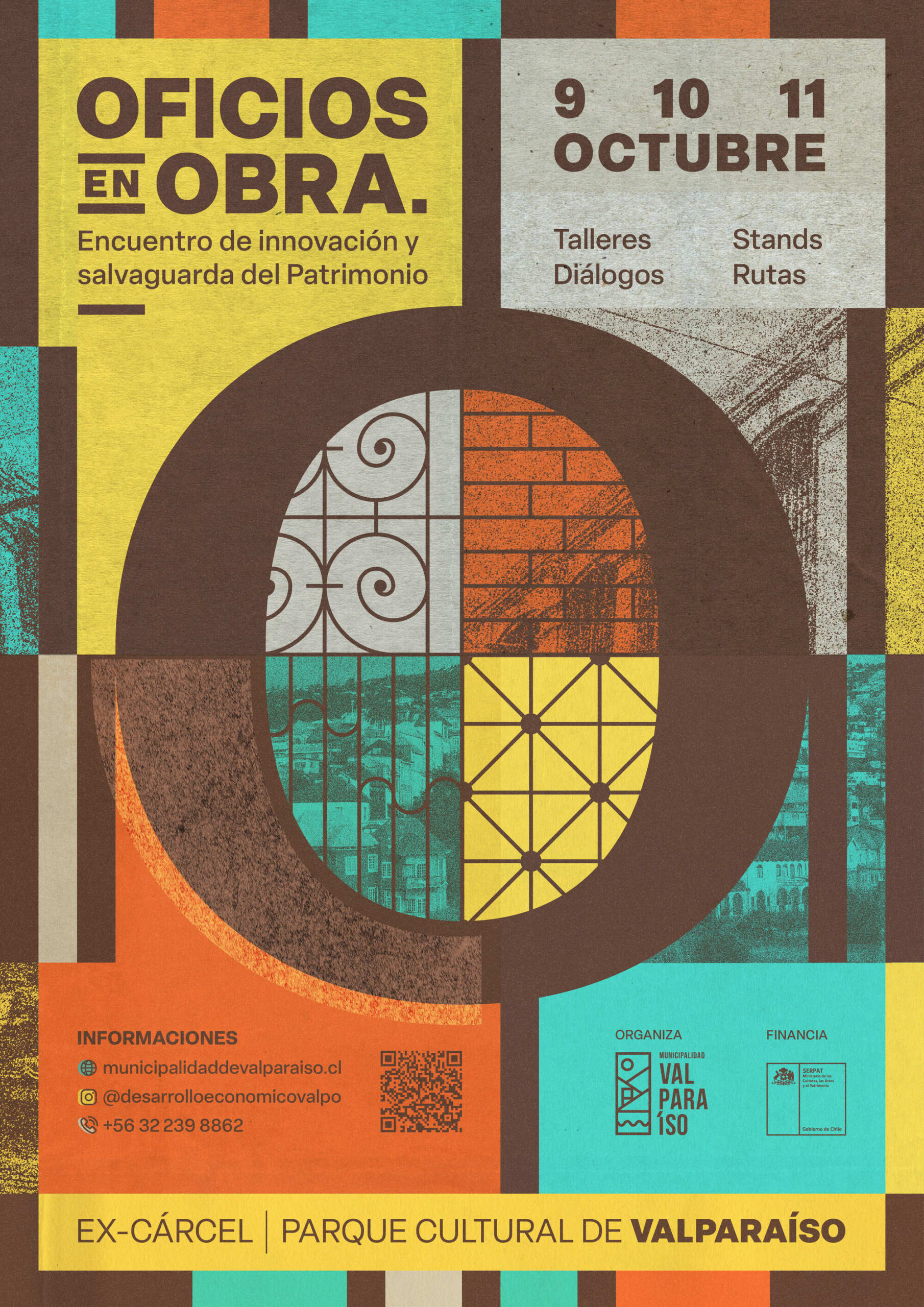
From October 9 to 11, the Parque Cultural de Valparaíso in Chile will host “Oficios en obra,” meaning Trades at Work, a free public event built around the city’s traditional construction trades. The Municipality of Valparaíso organized this heritage trades gathering to highlight and preserve building techniques tied to the port city’s history, while helping pass them to new generations. Every activity is open to the public at no cost.
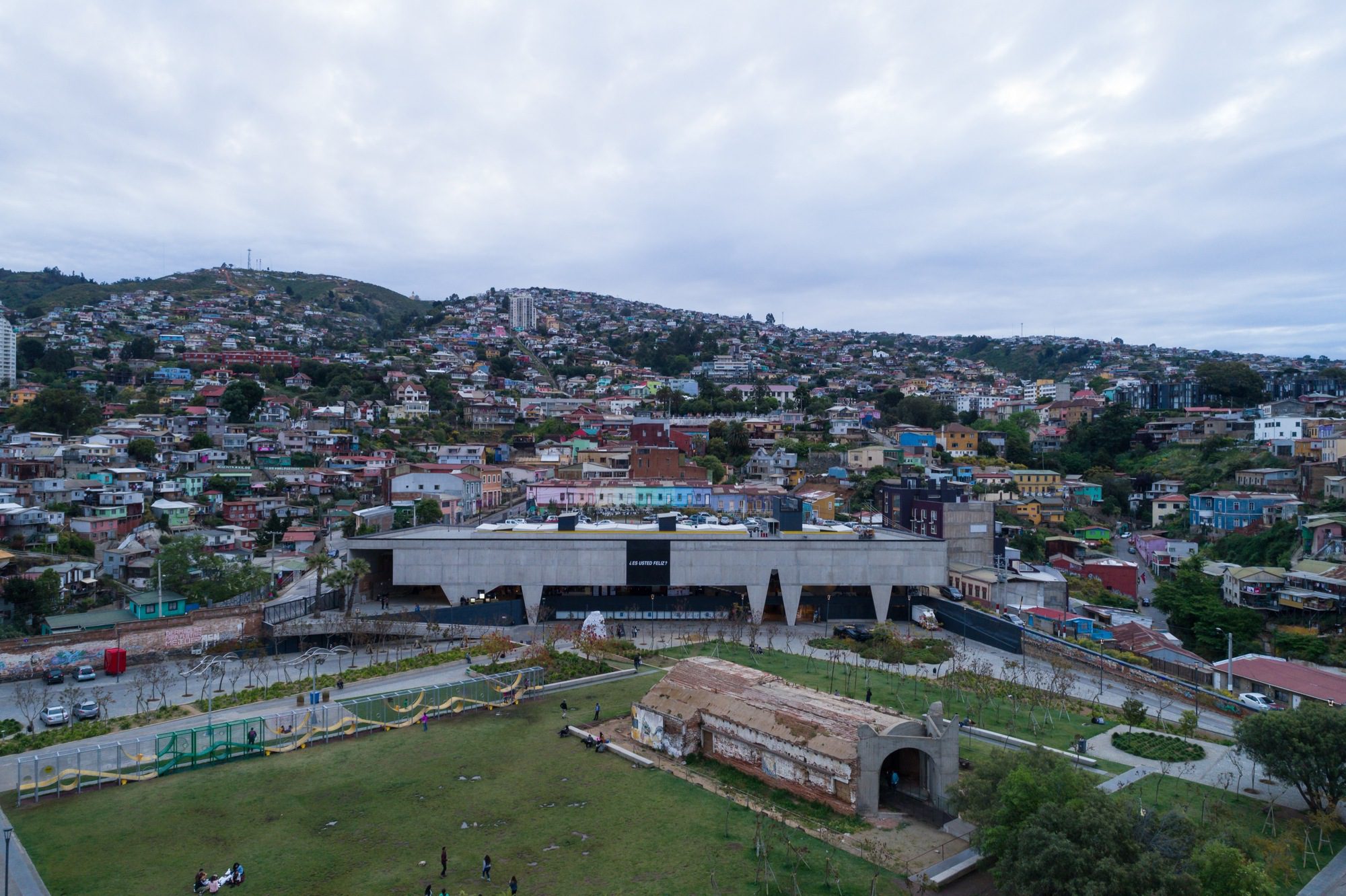
Aerial view of the Valparaíso Cultural Park featuring an installation by Alfredo Jaar. 20th Chilean Architecture Biennial, “Diálogos Impostergables,” 2017. Image © Pablo Blanco
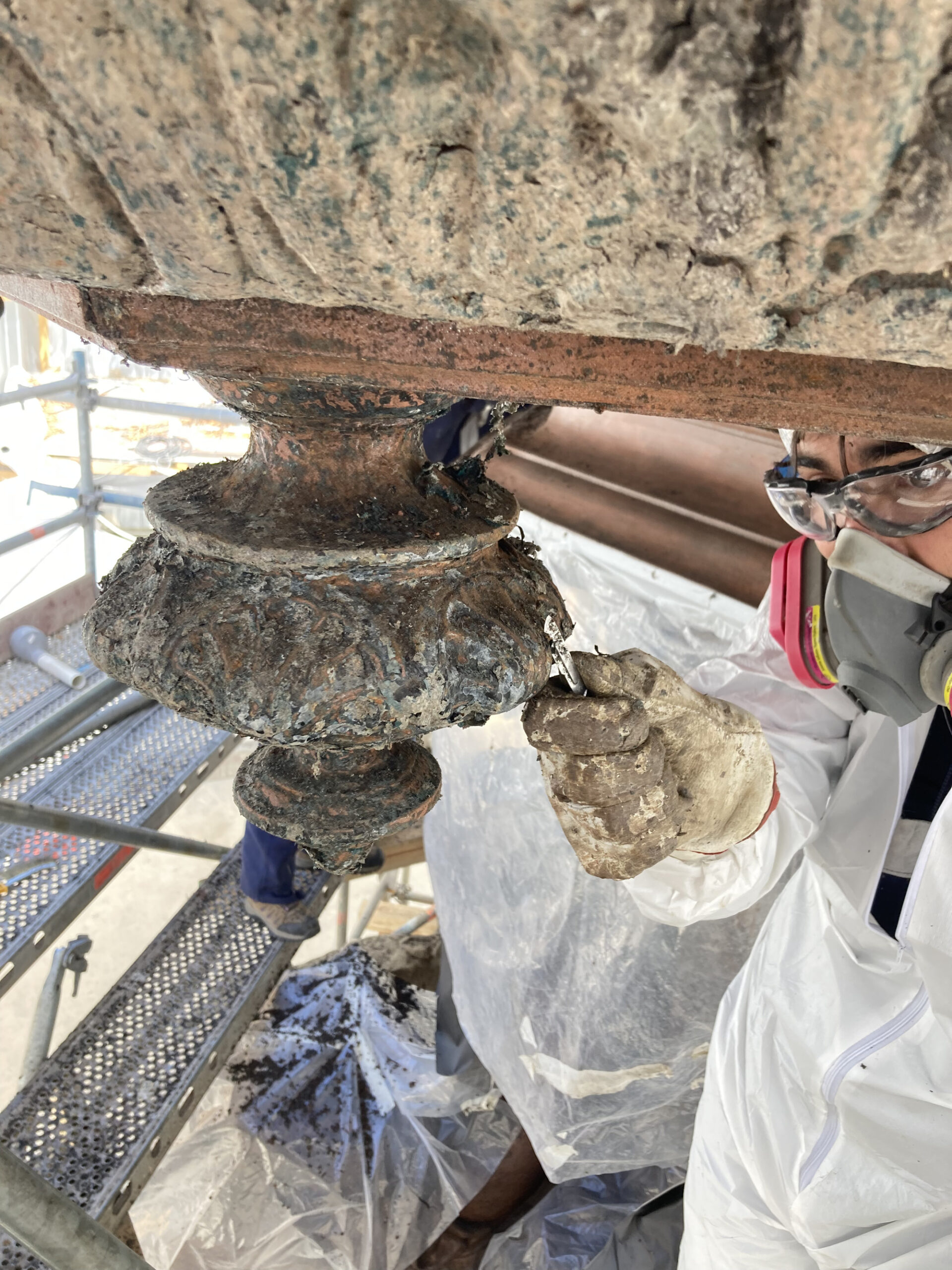
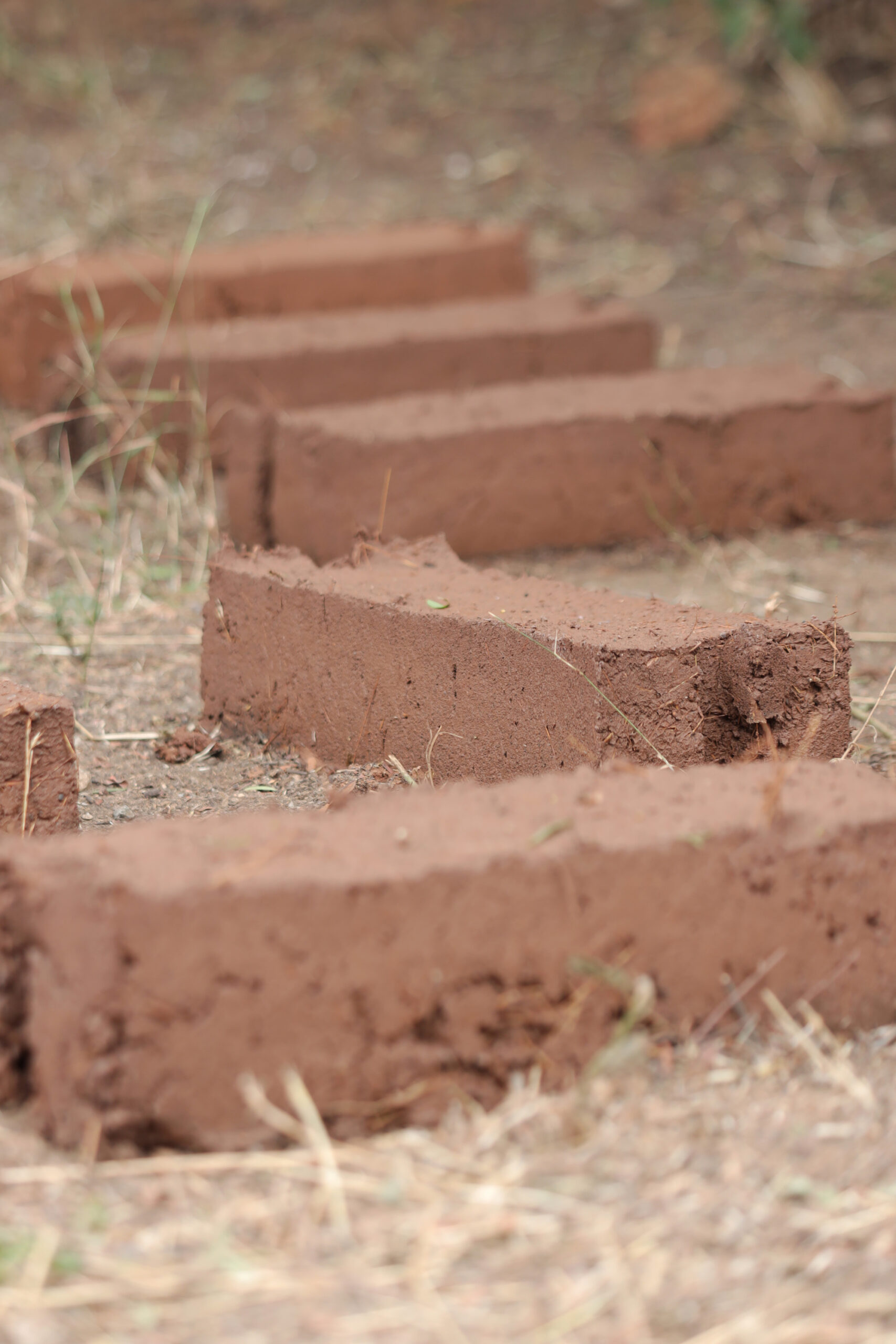
The setting explains why these trades matter, because Valparaíso was once the most important port on the South Pacific. Its architecture records diverse uses of structural timber, rammed earth, meaning walls built from compacted soil, and industrial technologies imported during the 19th century. Those older methods are being revalued today as climate and economic pressures push builders to look for alternatives, which makes the city a living case study.
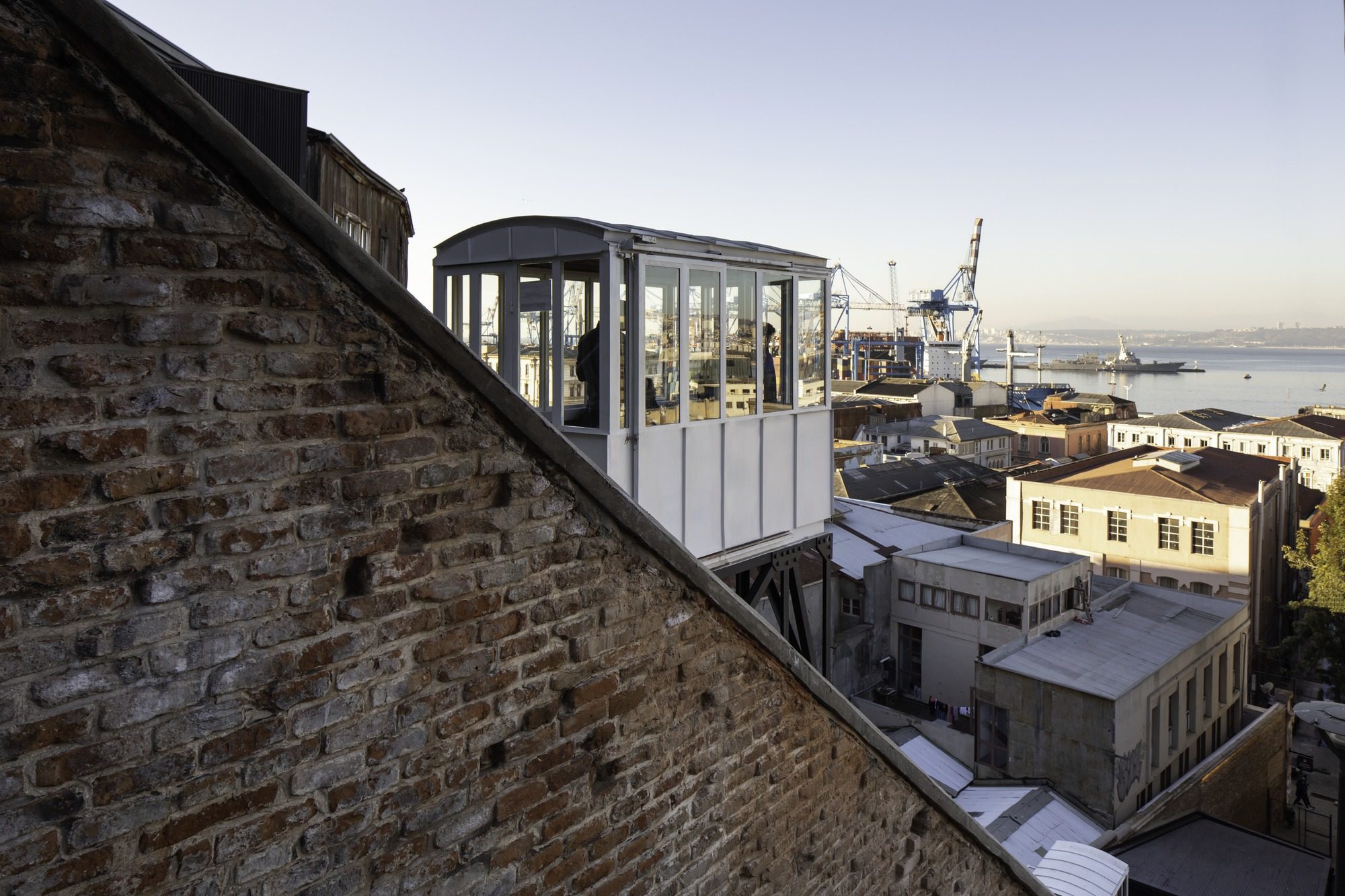
Restauración 3 Ascensores de Valparaíso / BBATS + TIRADO. Image © Aryeh Kornfeld
Over three days, the program creates a space for exchange, learning, and collaboration around the city’s tangible and intangible heritage. It brings together master tradespeople, practitioners, training institutions, sector businesses, heritage organizations, and the wider community. The schedule includes two days of music, dialogue panels, keynote talks, hands-on workshops, live demonstrations, knowledge-sharing sessions, heritage routes, and trade stands, all organized so visitors can move between talking and making.
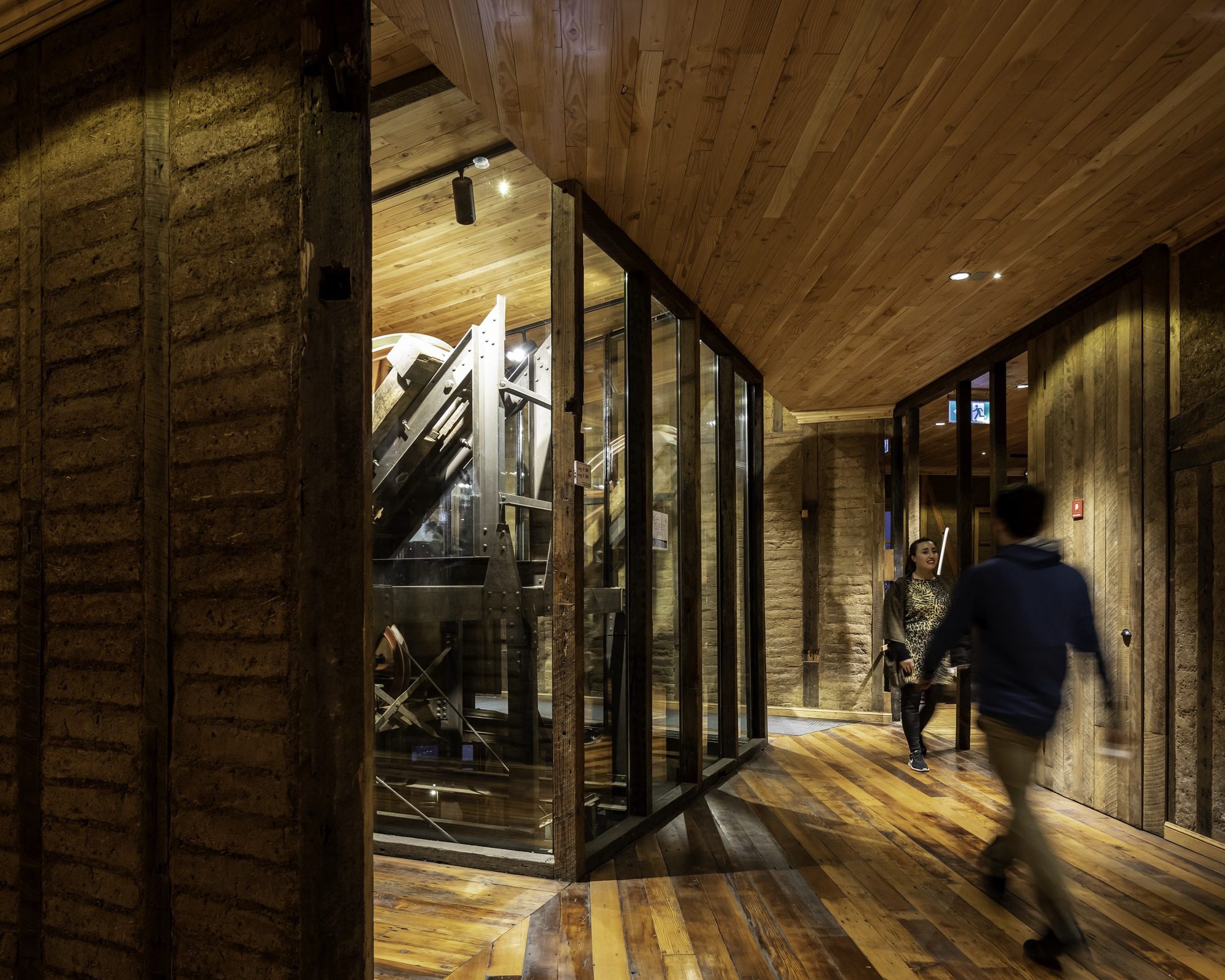
Restauración 3 Ascensores de Valparaíso / BBATS + TIRADO. Image © Aryeh Kornfeld
The organizers built the whole event around five thematic areas that address the challenges these forms of knowledge now face. The first explores the relationship between tradition and innovation, considering how new technologies can enter heritage construction, meaning building that uses traditional methods or local materials. This opening theme sets the frame for everything that follows, because it treats old trades as compatible with current tools.
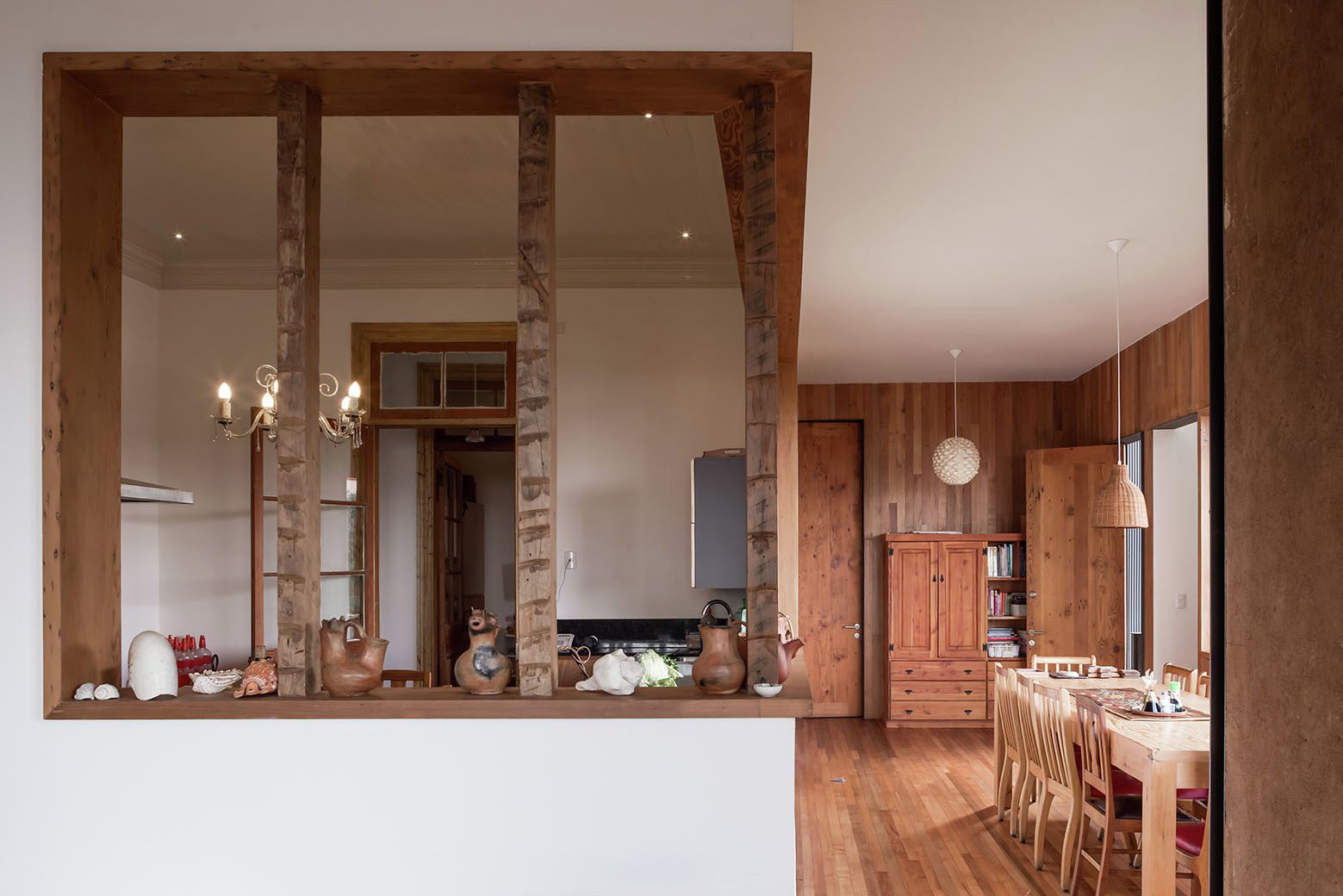
El Manzano House Refurbishment / Fantuzzi + Rodillo Arquitectos. Image © Pablo Blanco
The second theme carries the gathering’s core objective, which is safeguarding knowledge and passing it on. It examines the ties between practitioners, restorers, and companies, the role of specialized master tradespeople, the growth of trade schools, and the identification of trades at risk of disappearing. The third theme puts traditional knowledge to work in more sustainable building, linked to local materials, efficient resource management, and heritage conservation approached from an environmentally responsible view.
The fourth theme turns to people who have long been left out, because it addresses the gaps, barriers, and challenges facing women and gender-diverse individuals in a historically male-dominated sector. It brings a gender lens to the study of heritage trades, which few events in the region have done. This focus gives the program a timely angle alongside its concern for materials and methods.
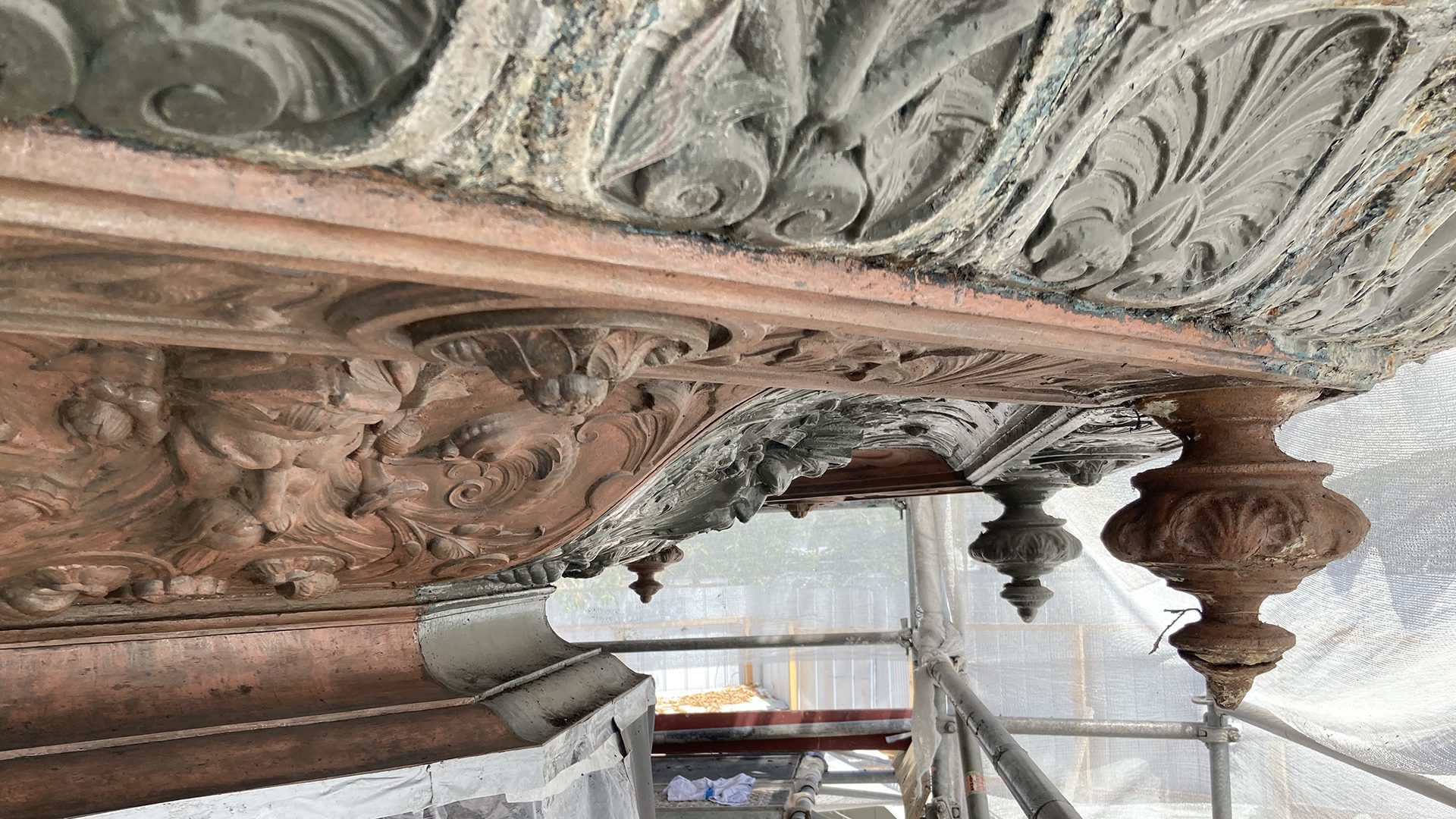
© Municipalidad de Valparaíso
The fifth and final theme focuses on Valparaíso itself and the material, regulatory, and economic challenges of conserving its built heritage. In 2003, UNESCO inscribed the historic quarter of Valparaíso on the World Heritage List for its outstanding universal value, one that transcends borders and generations. The decision rested on criterion (iii), naming the city “an outstanding testimony to the early phase of globalization at the end of the 19th century, when it became the leading merchant port on the sea routes of the Pacific coast of South America.”
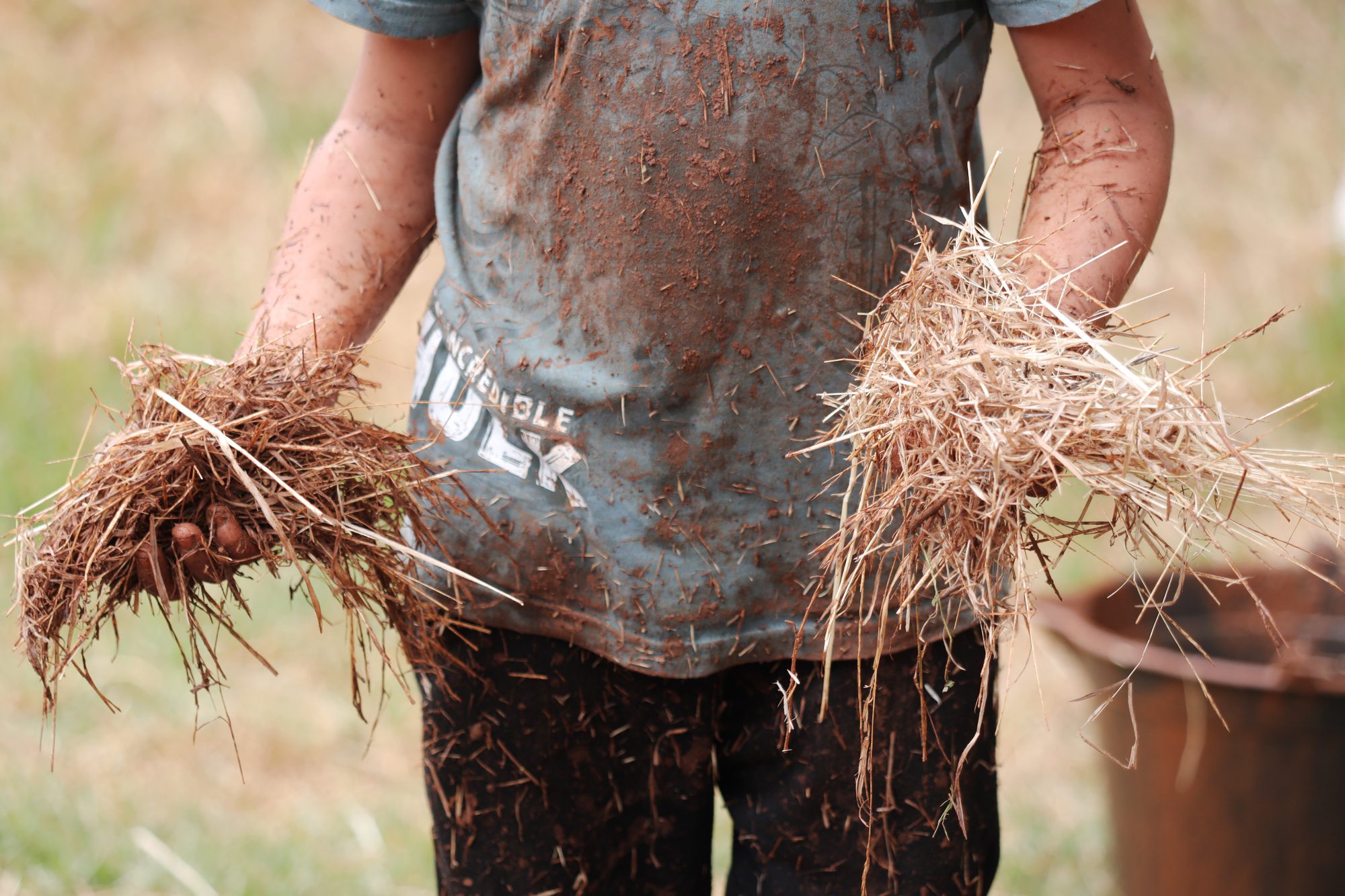
© Municipalidad de Valparaíso
That World Heritage status frames the final theme’s practical questions, which the event proposes to examine directly. Participants will discuss the implementation of the World Heritage Site’s Management Plan, the restoration of heritage housing, disaster and risk management, and the recovery of public space as a common good. These are the daily problems of keeping a historic port city standing and usable.
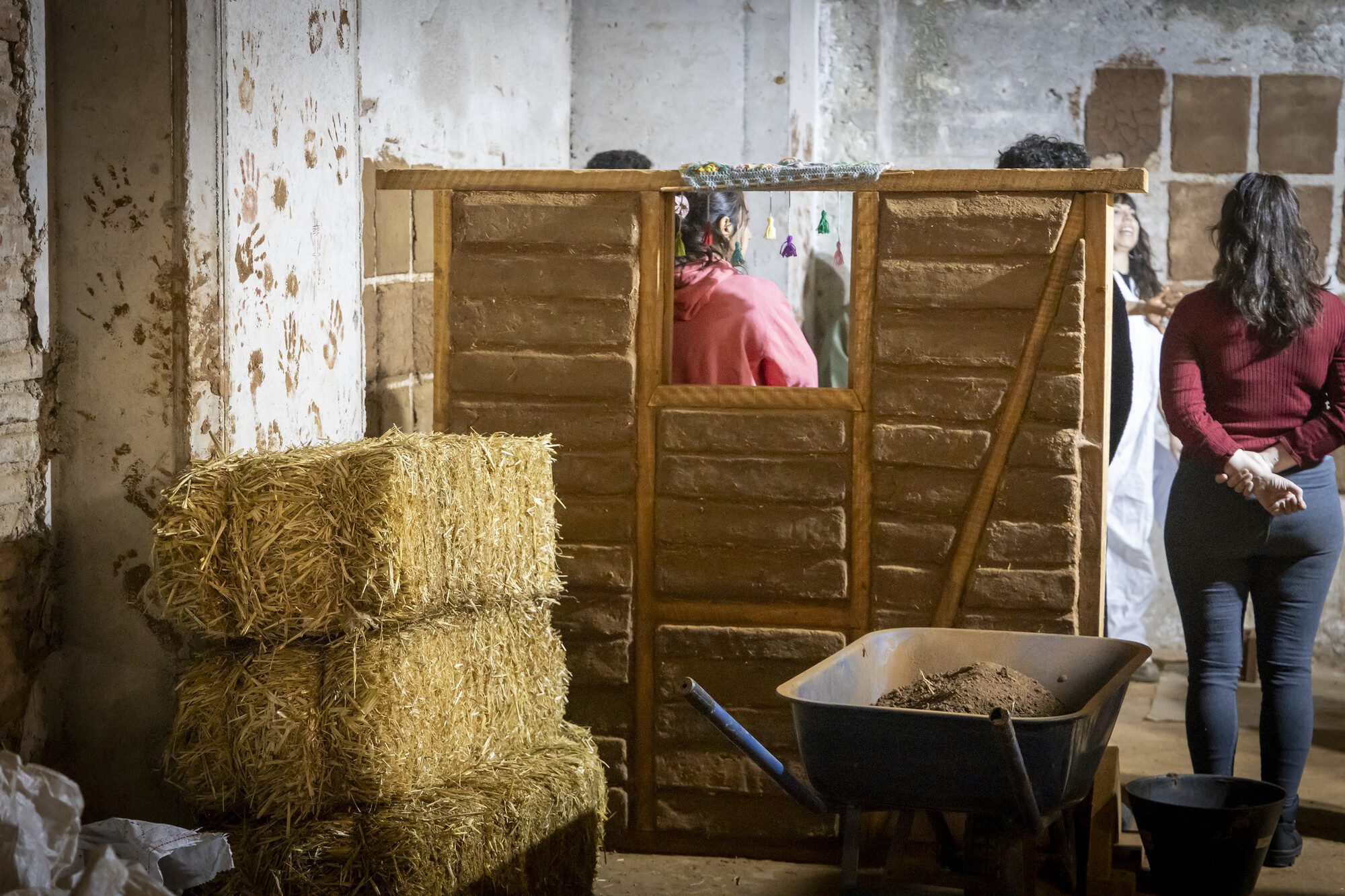
© Municipalidad de Valparaíso
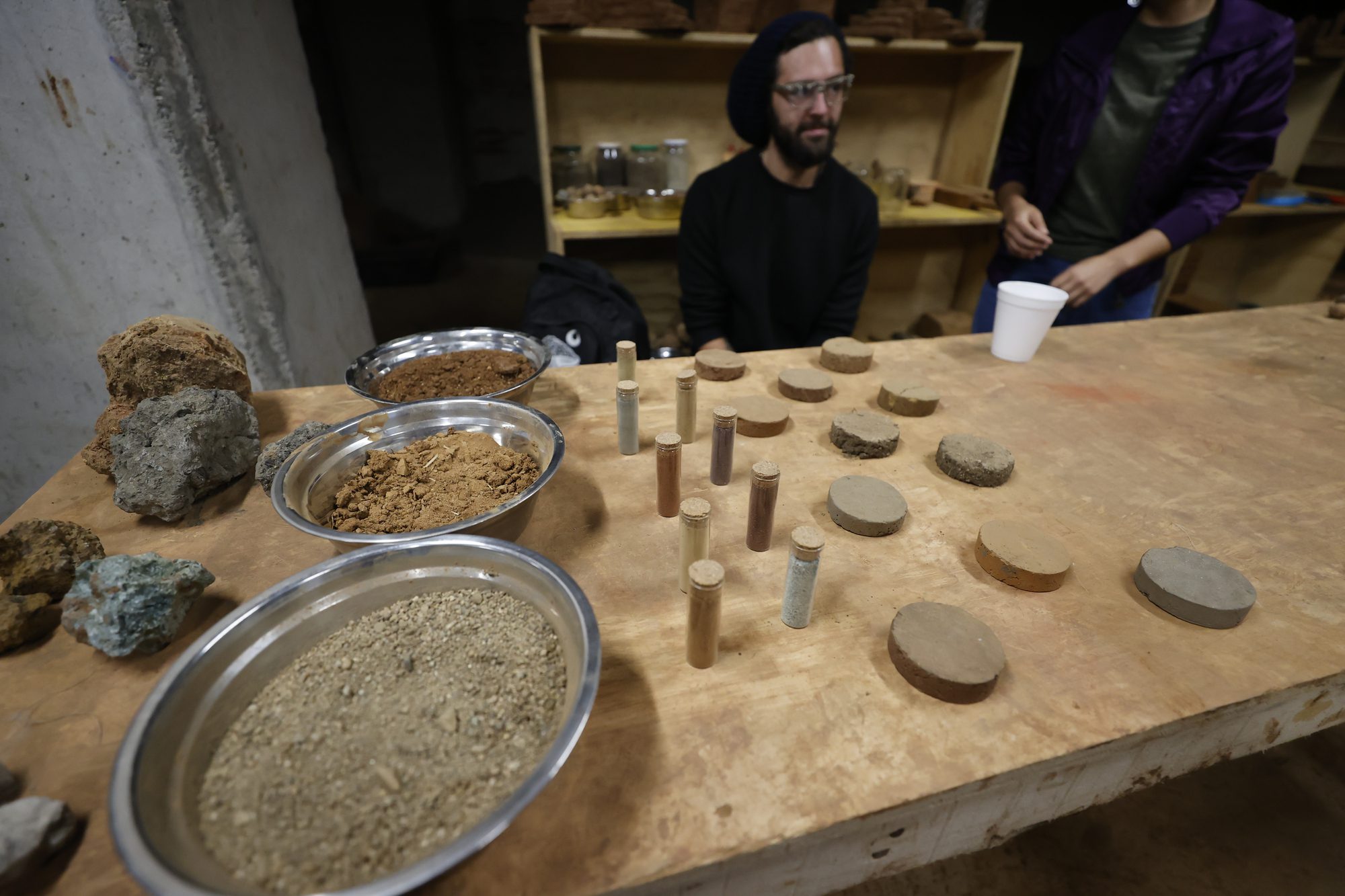
This first edition joins other local efforts that treat conservation as a way of doing things and sustaining them, not only as built form. Over the past three years, the Municipality of Valparaíso has run a Heritage Trades School that offers free courses to the community through an application system. The training cycles cover carpentry, mold-making, rammed-earth construction, and public statuary restoration, all focused on the techniques and materials found in the city’s buildings and public spaces.
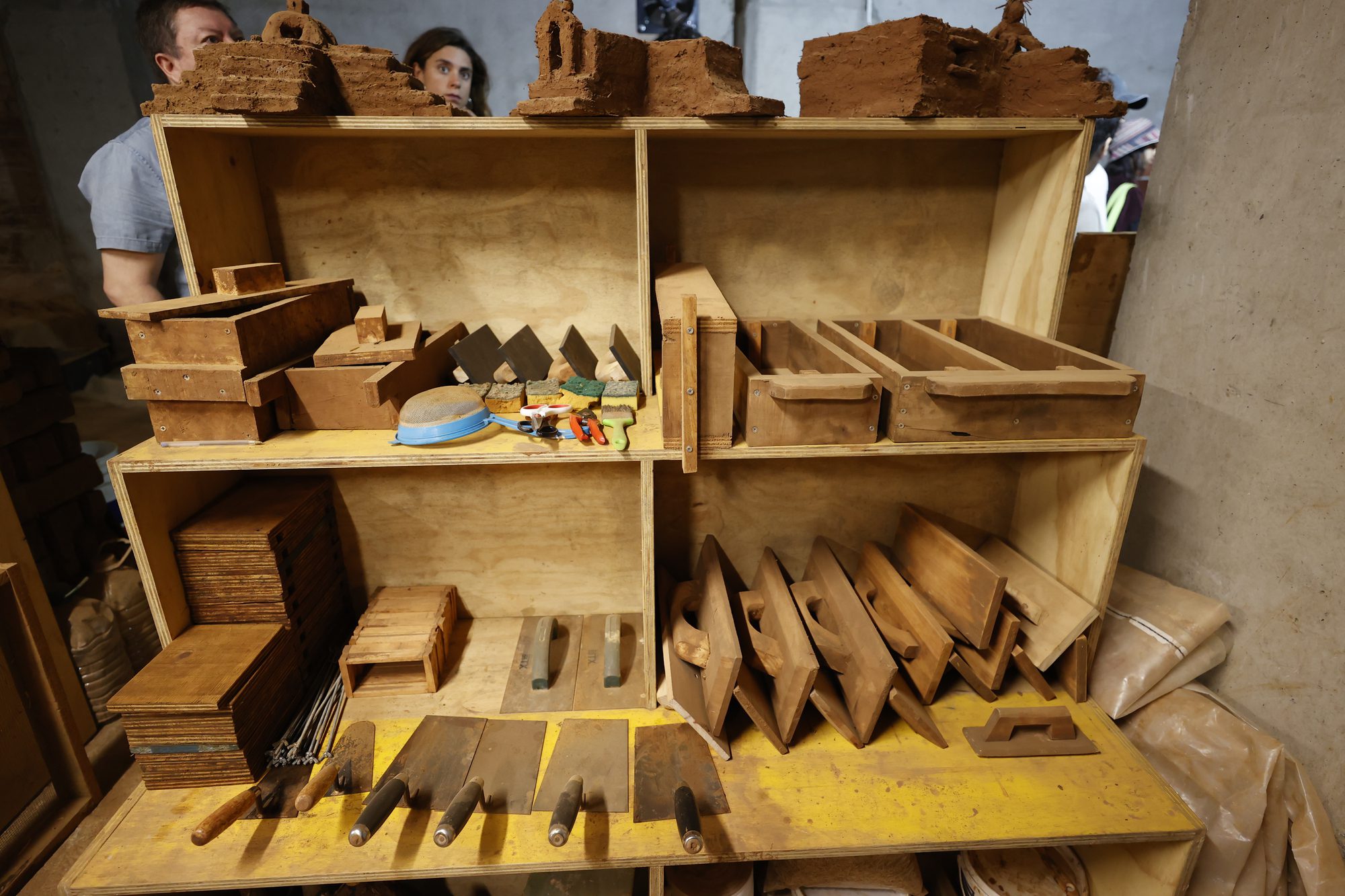
© Municipalidad de Valparaíso
Like “Oficios en obra,” that school aims to build shared knowledge about construction trades while giving residents more tools to understand and develop heritage restoration projects. The article was written by Antonia Piñeiro and published on September 16, 2026. Both efforts point in the same direction, because they treat skilled hands as heritage worth protecting.
© Municipalidad de Valparaíso
Valparaíso’s gathering arrives beside other heritage news from around the world worth noting for context. In London, the art, architecture, and design collective Assemble is transforming a Grade II*-listed building into a new creative and light industrial workspace, continuing the work it has done since 2010 to build a community around craft and making. The studio provides creative and light industrial spaces resilient to market forces, working as a platform for ecologically and socially engaged work.
Aerial view of the Valparaíso Cultural Park featuring an installation by Alfredo Jaar. 20th Chilean Architecture Biennial, “Diálogos Impostergables,” 2017. Image © Pablo Blanco
Two other recent developments round out the wider picture of heritage work. In early August, the Getty Foundation’s Conserving Black Modernism program, which preserves the architectural contributions of African American architects in the Modernist movement across the United States, announced five new grantee sites. Around the same time, the UNESCO World Heritage Committee announced 25 new inscriptions to the World Heritage List during its 48th session.
Aerial view of the Valparaíso Cultural Park featuring an installation by Alfredo Jaar. 20th Chilean Architecture Biennial, “Diálogos Impostergables,” 2017. Image © Pablo Blanco
Those UNESCO inscriptions break down into clear categories that show the scope of the committee’s session:
- Cultural properties: 19
- Natural sites: 5
- Mixed property: 1
Aerial view of the Valparaíso Cultural Park featuring an installation by Alfredo Jaar. 20th Chilean Architecture Biennial, “Diálogos Impostergables,” 2017. Image © Pablo Blanco
For anyone tracking the future of heritage trades in Chile, the dates to mark are October 9 to 11 at the Parque Cultural de Valparaíso, where three days of workshops, panels, and stands will put these skills back in front of the public.
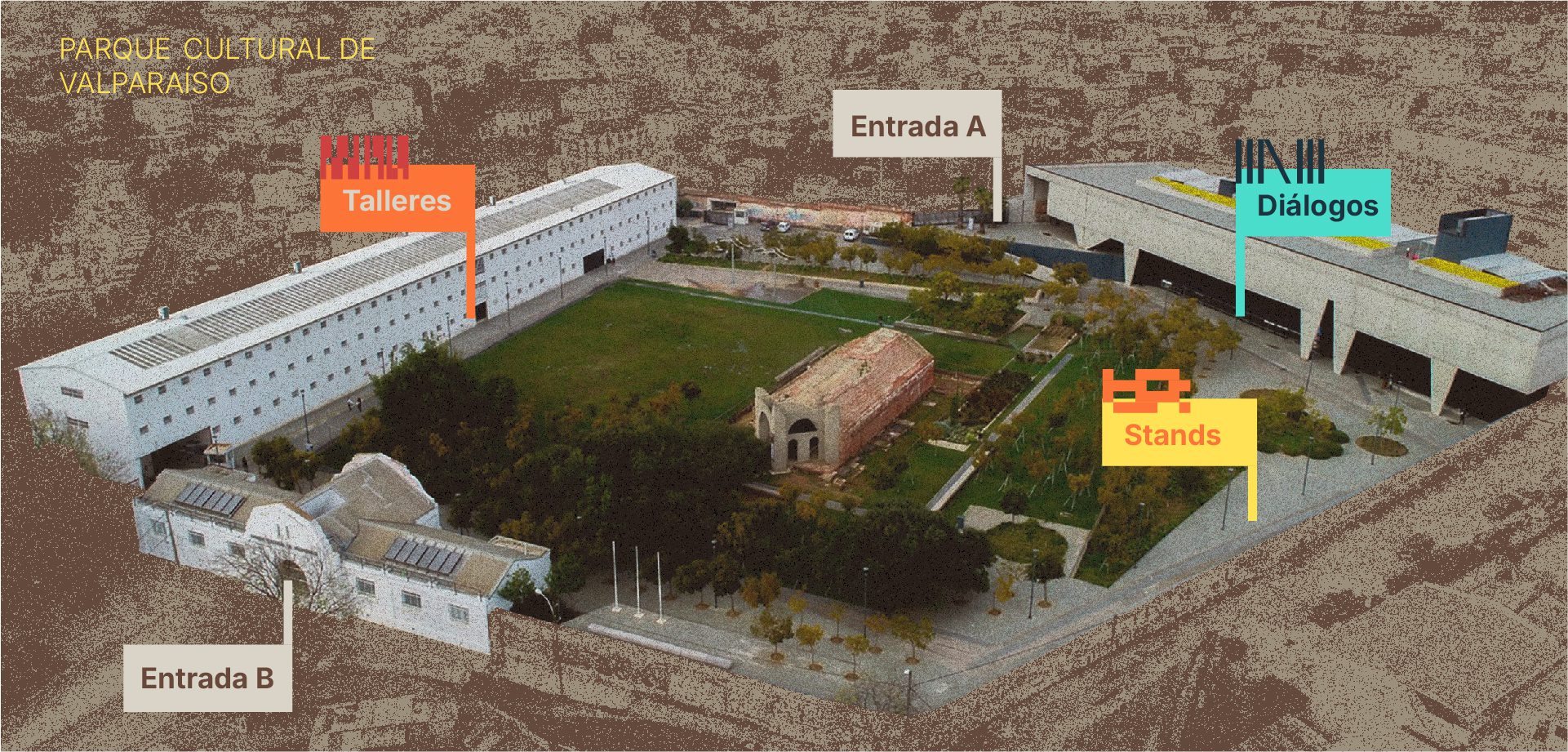
Aerial view of the Valparaíso Cultural Park featuring an installation by Alfredo Jaar. 20th Chilean Architecture Biennial, “Diálogos Impostergables,” 2017. Image © Pablo Blanco

Nora is an architect and editor with a degree from Pratt Institute. She bridges design practice and architectural criticism, documenting contemporary urban transformations through compelling visual narratives.