


In this age of global warming awareness, timber towers are returning to the scene, but in a modern, cutting-edge style, as architects face the need for appropriate, ecological design. Even though timber is among the most eco-friendly building materials, it has only recently been weighed for use in skyscrapers. Although concrete and steel have long dominated the construction industry, innovations in wood construction have led to the rise of increasingly high timber towers in many parts worldwide.
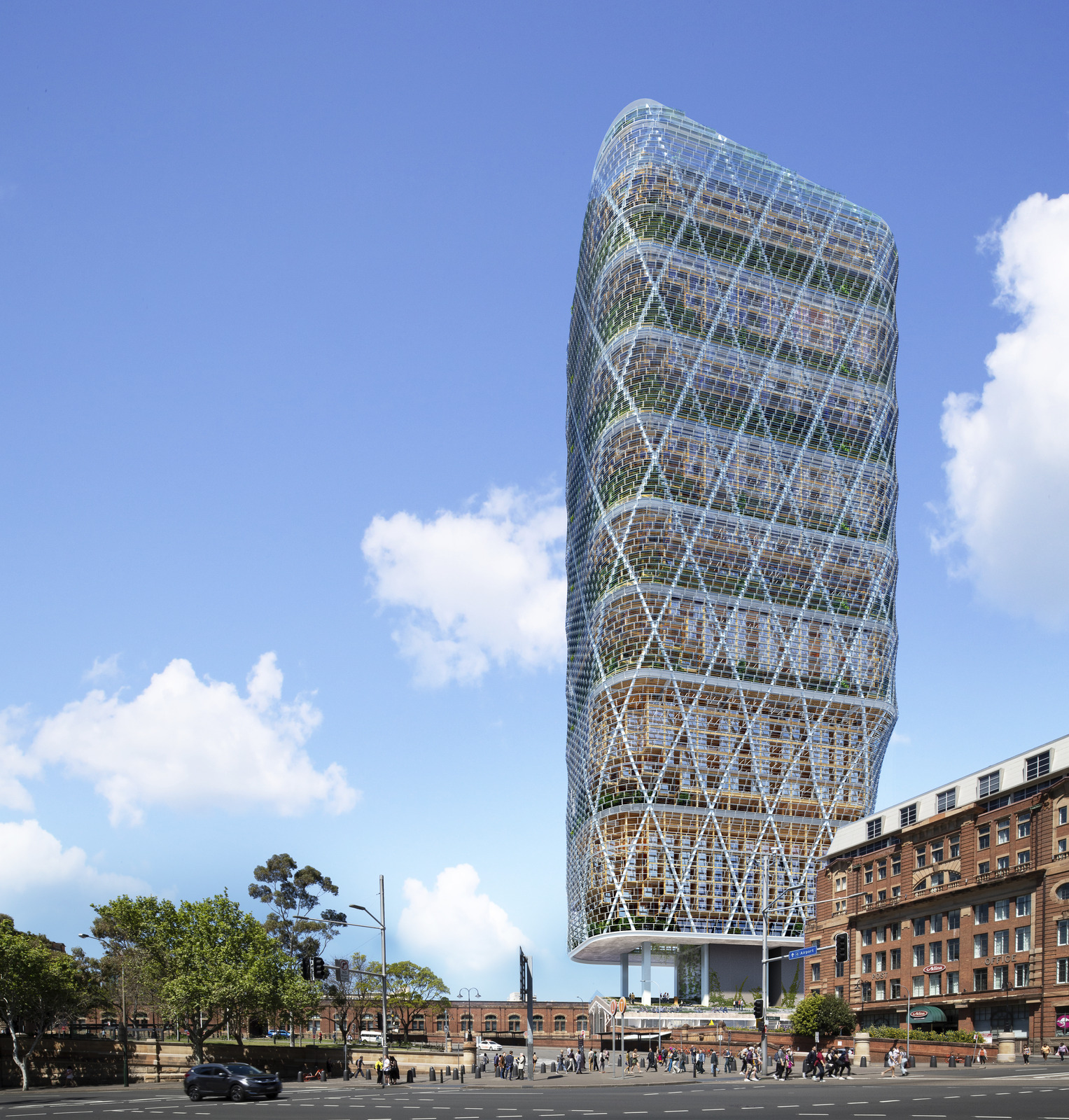
The Atlassian Headquarters in Sydney. ©SHoP / BVN
What are Timber Towers?
Timber towers or mass timber buildings are gaining popularity as sustainable and innovative construction solutions. These buildings use large, solid wood panels instead of traditional materials such as concrete and steel. The use of mass timber can significantly reduce the carbon footprint of a building, as wood is a renewable resource that sequesters carbon dioxide from the atmosphere.
Additionally, timber towers have been found to be more resistant to fire and earthquakes than traditional buildings, making them a safe and practical choice for construction. With the demand for sustainable construction practices rising, mass timber buildings are becoming an increasingly important solution for the future of architecture and building design.
Timber Towers Examples
We’ve compiled ten global initiatives that are expanding the use of wood to highlight the development and promise of mass timber. These models, from Norway’s Mjstrnet tower to timber towers in Australia, Vancouver, and the Netherlands, illustrate how mass timber may reimagine future architecture and replace conventional building materials.
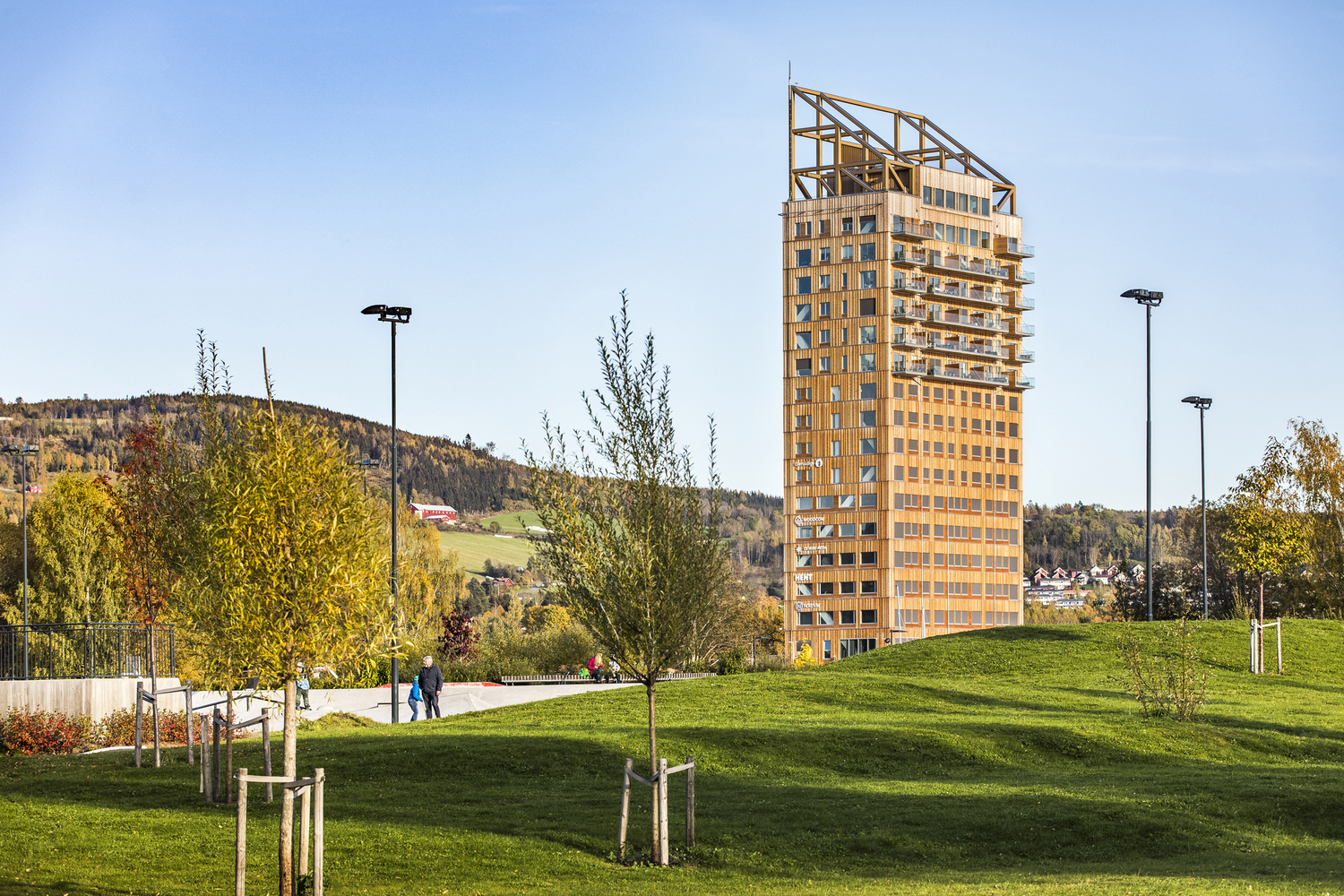
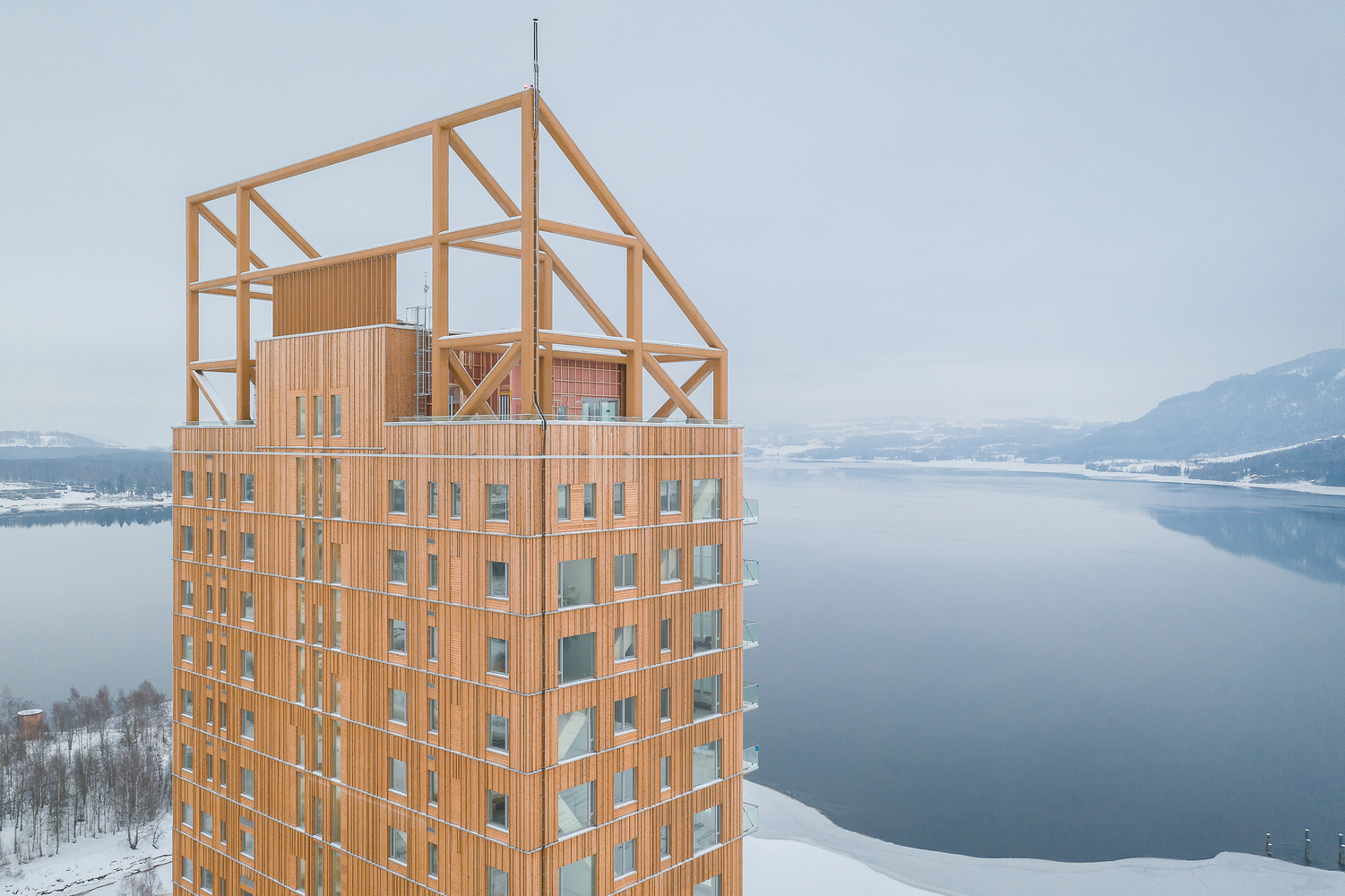
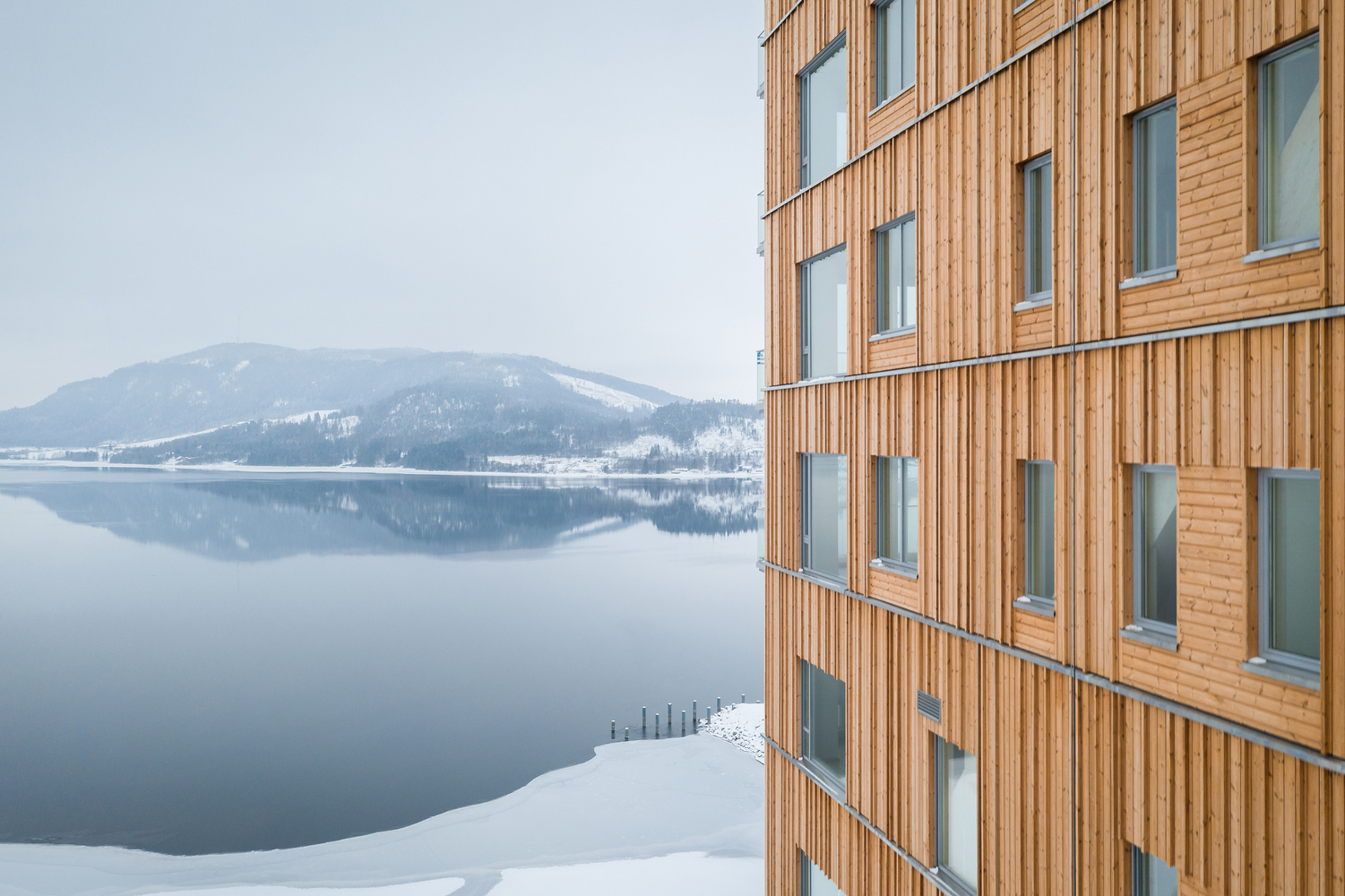
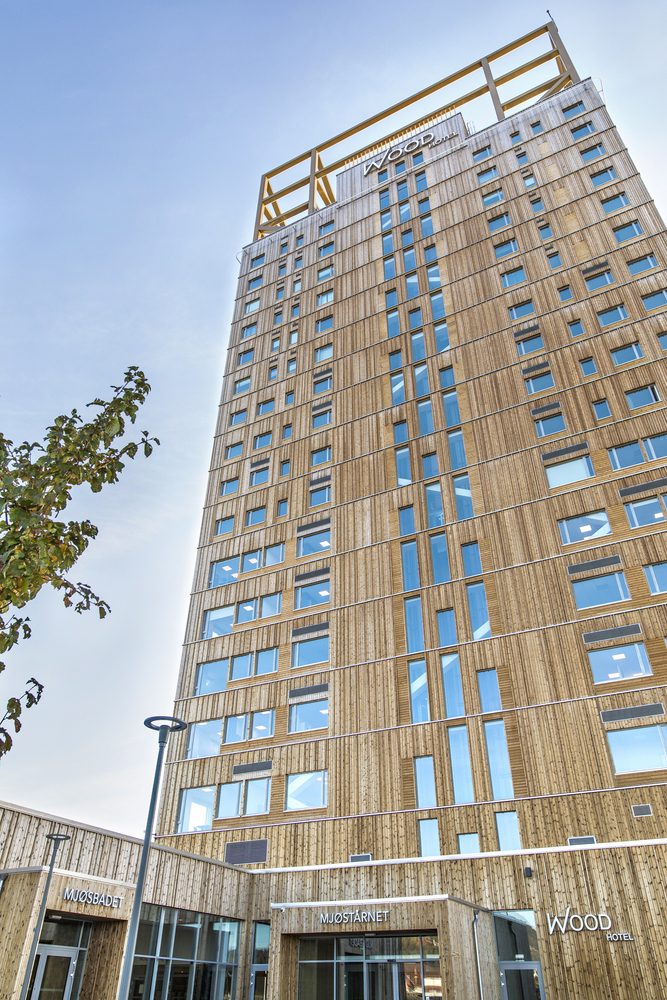
1) Mjøstårnet The Tower of Lake Mjøsa / Voll Arkitekter (Brumunddal, Norway)
©Ricardo Foto
The 85.4-meter-tall Mjøstårnet skyscraper, designed by Norwegian firm Voll Arkitekter, and constructed entirely of cross-laminated timber (CLT), was officially recognized as the world’s highest timber structure upon its grand opening in 2019. Mjøstårnet was constructed using lumber harvested in the area of Brumunddal, Norway, which is home to a well-established timber-processing industry.
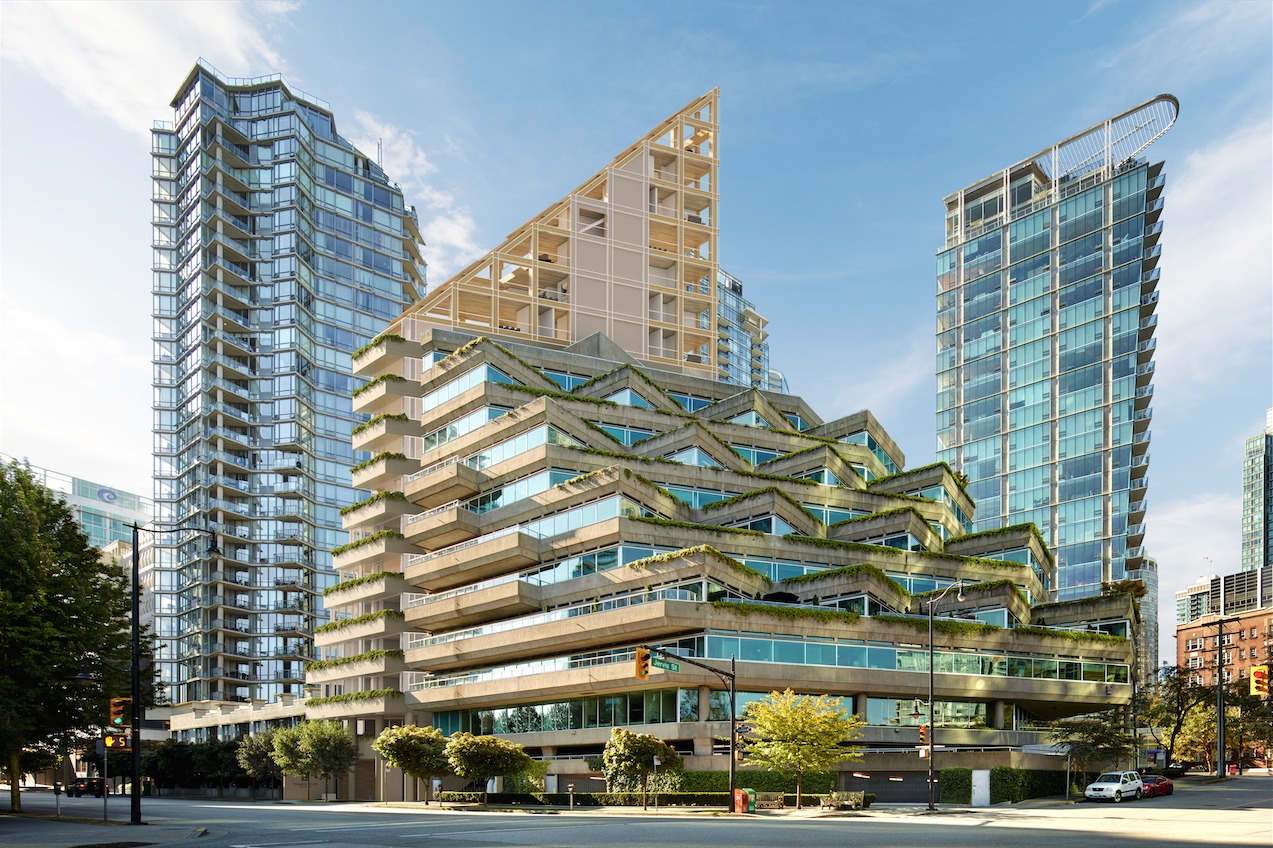
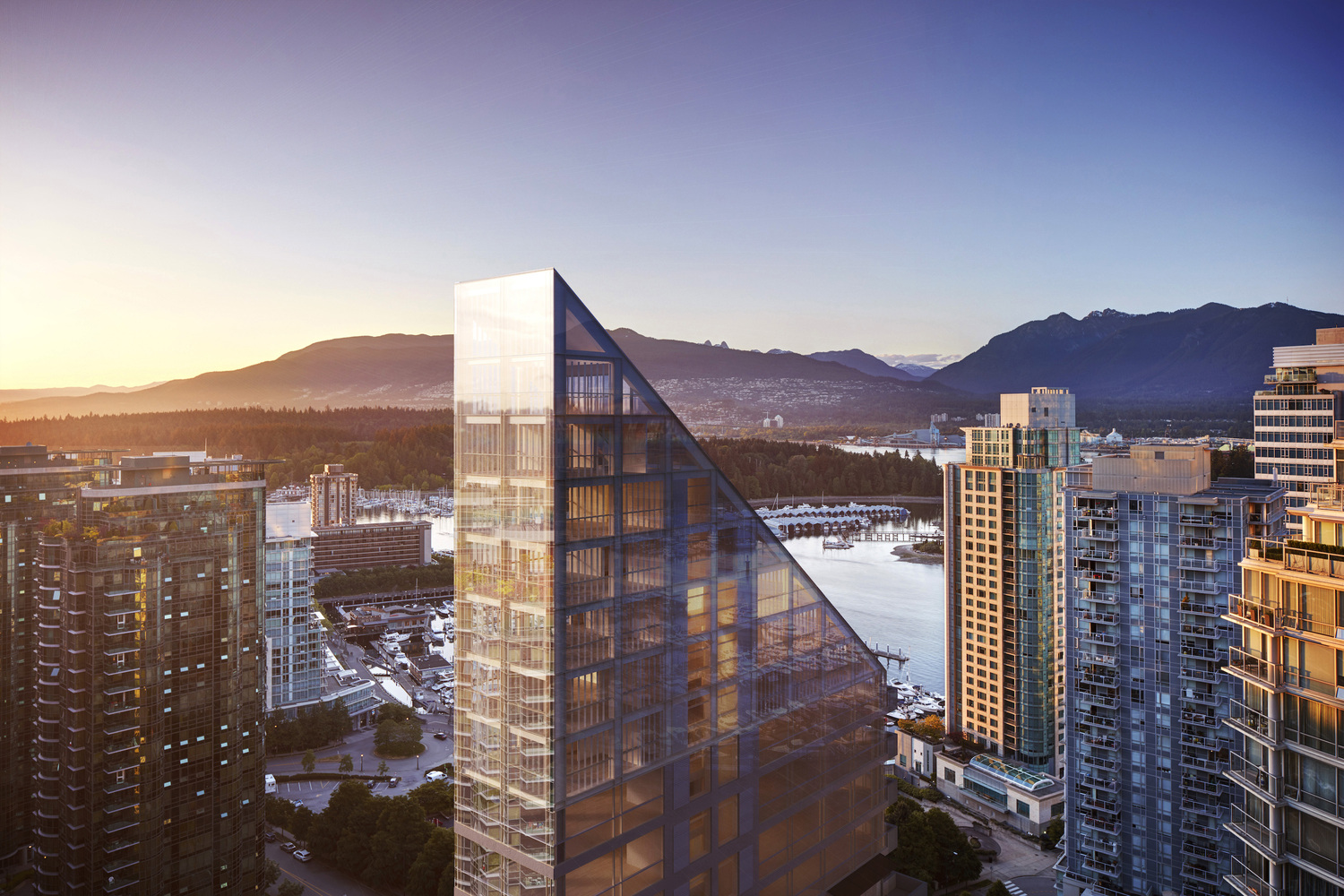
2) Terrace House / Shigeru Ban Architects (Vancouver, British Columbia, Canada)
©PortLiving
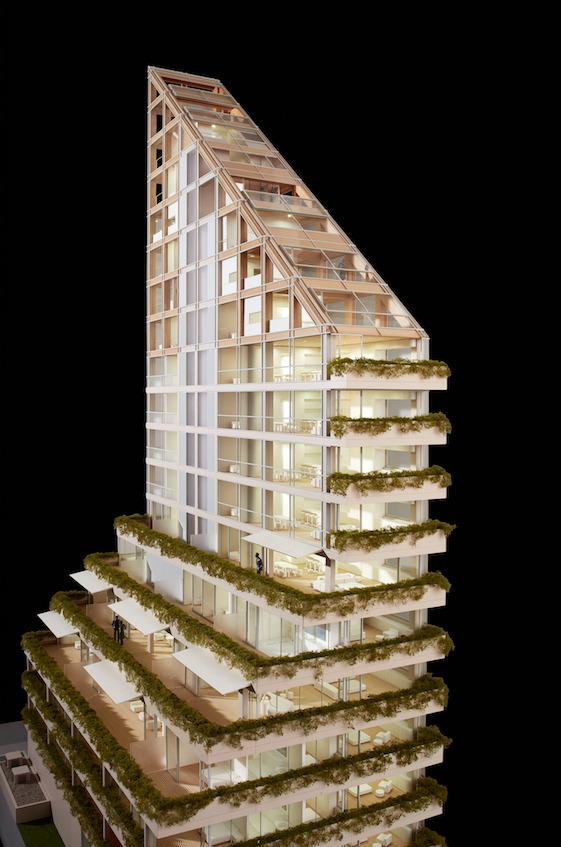
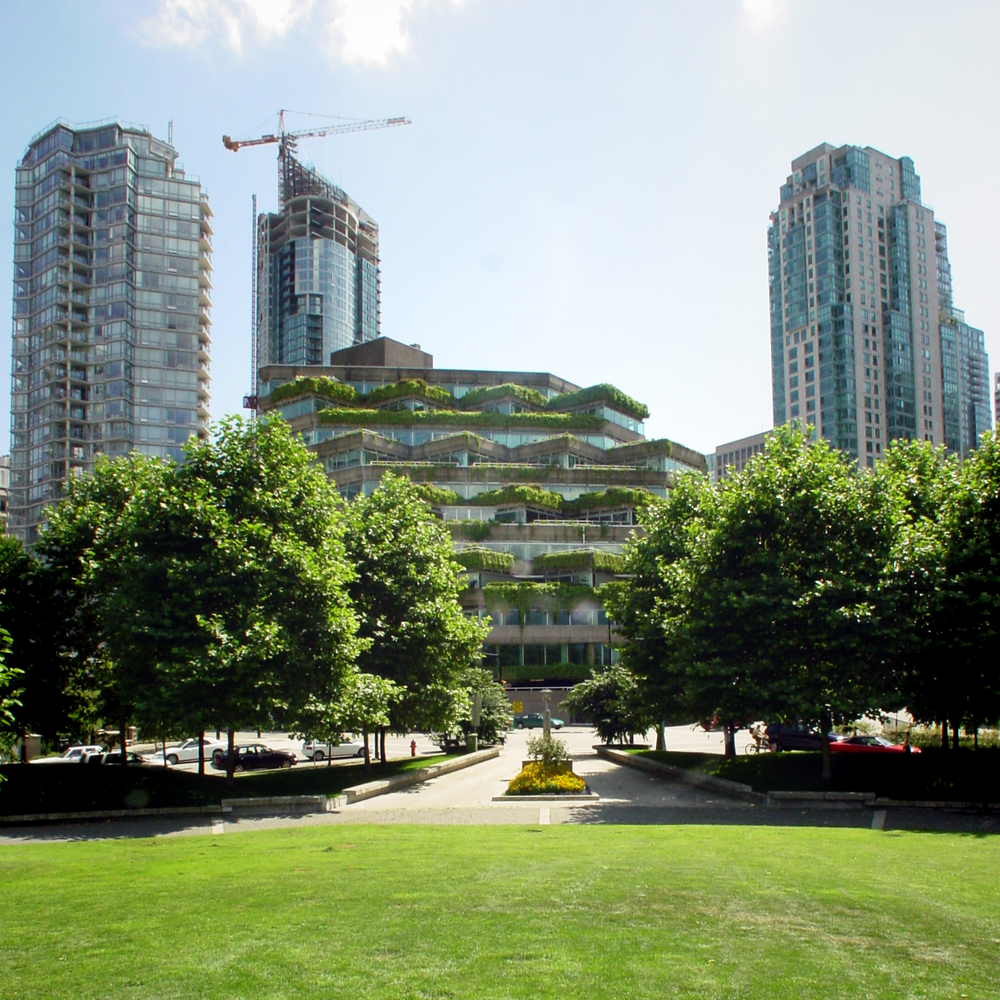
The 19-story Terrace House is a mass timber residential development mix with 20 units. The building’s shape directly reacts to three principal site circumstances: the adjacent landmarked structure, designed by Canadian architect Arthur Erickson; the need to avoid casting a shadow over a nearby park; and the goal to maintain existing view lines toward the ocean and the mountains. The building’s triangular peak is made of timber, while the lower levels (including the platform and tower) are made of concrete. Once constructed, Terrace House will be the world’s tallest hybrid mass timber building.
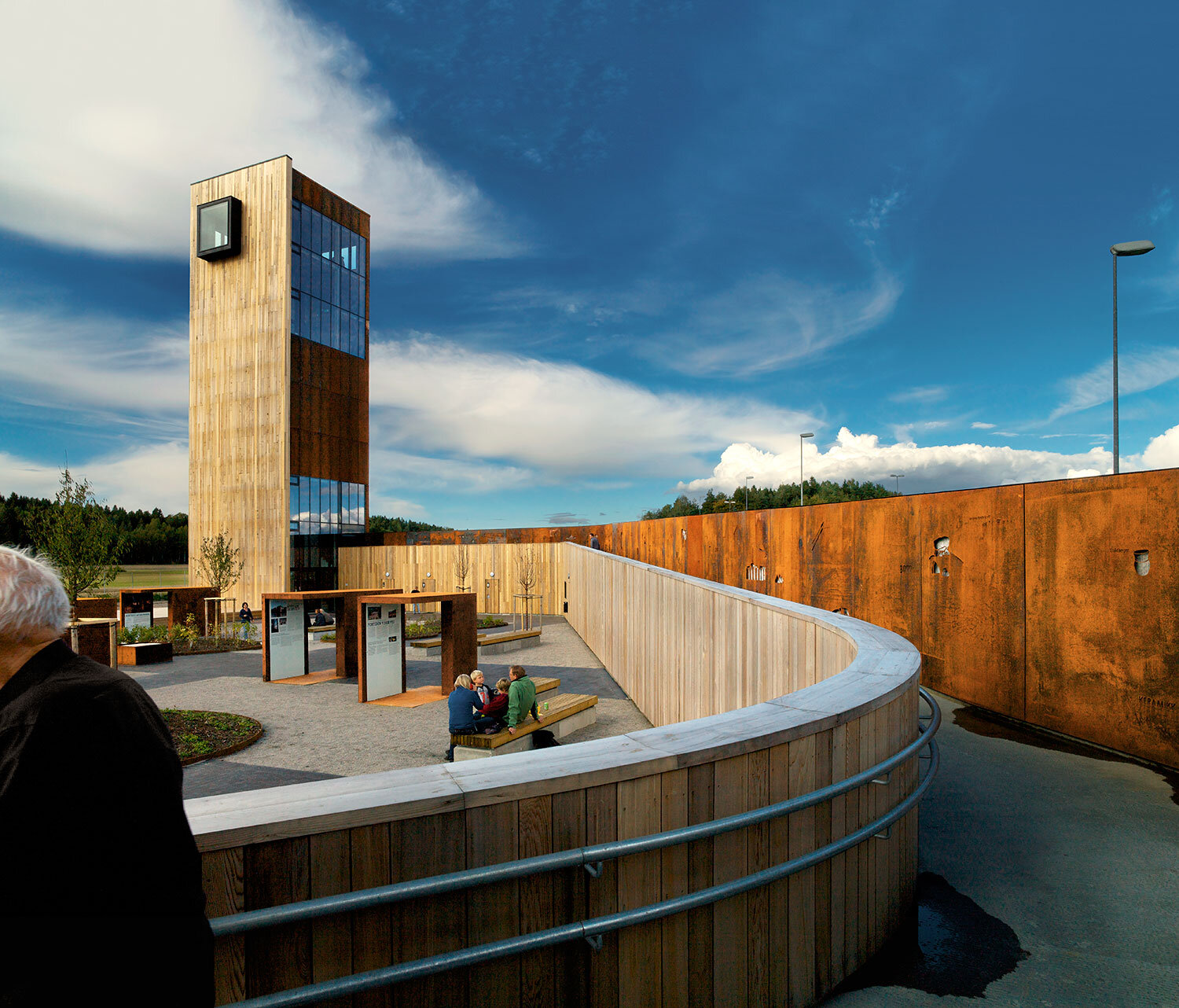
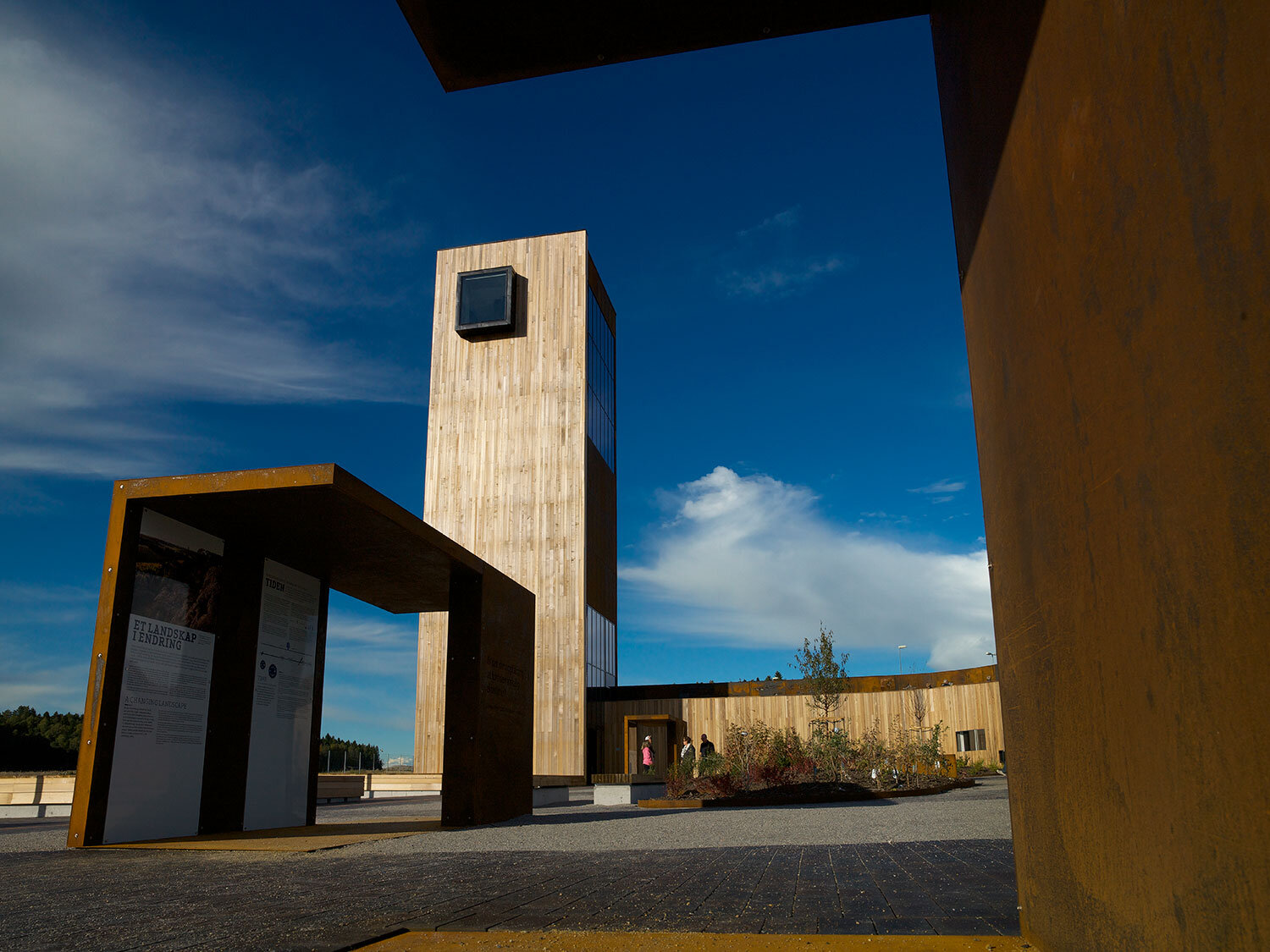
3) Solberg Tower / Saunders Architecture (Sarpsborg, Norway)
©Bent René Synnevåg
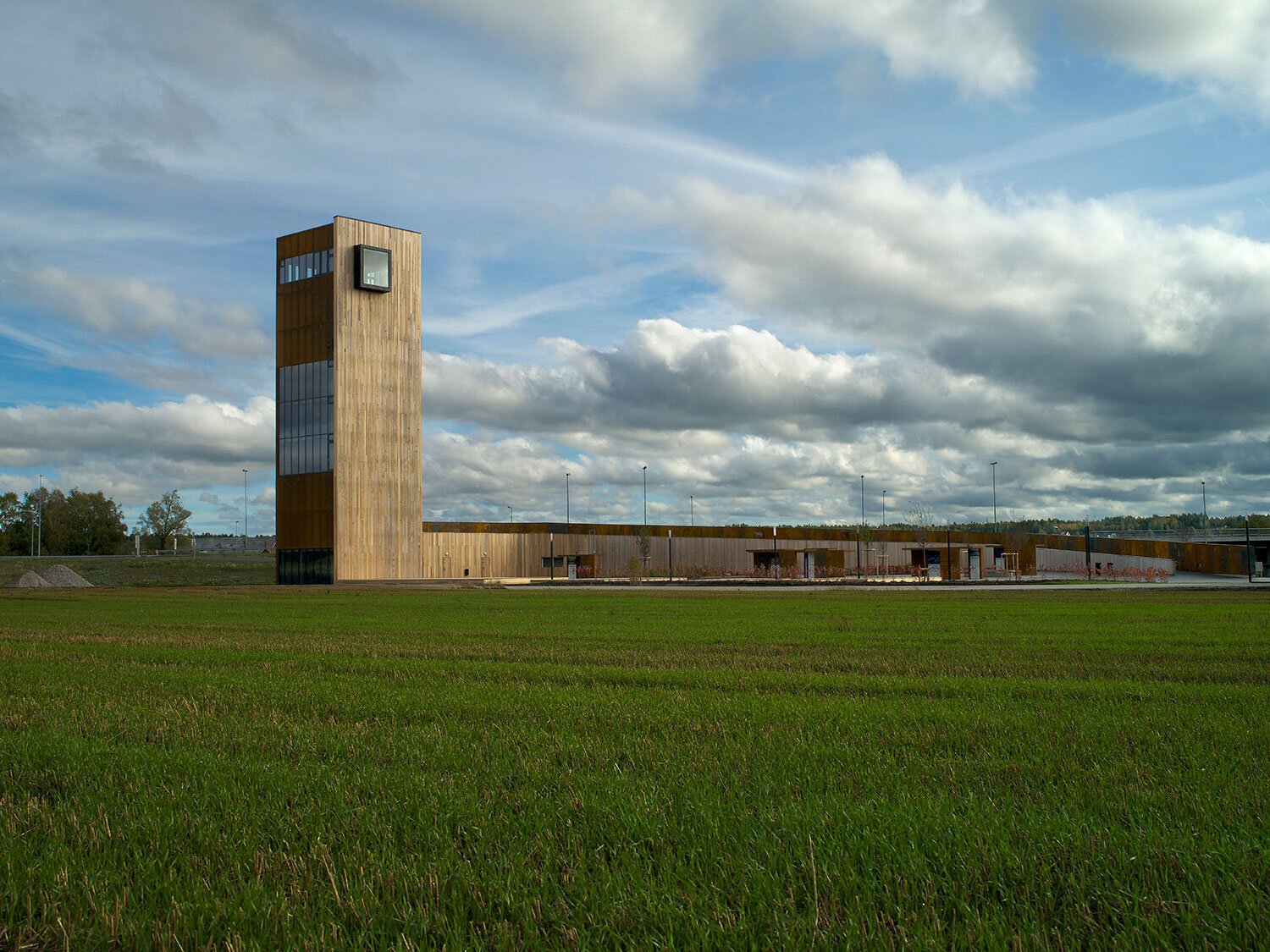
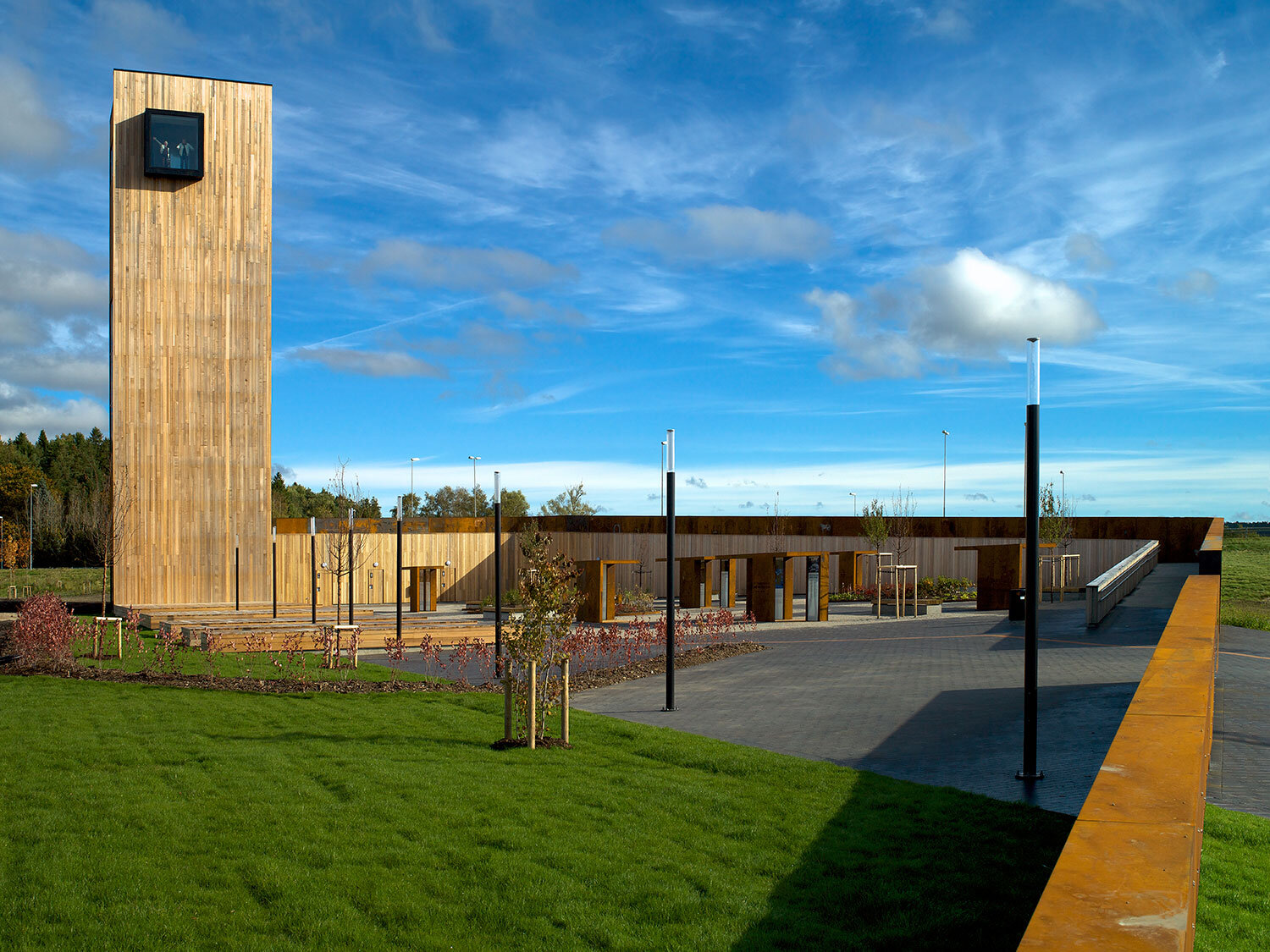
Saunders Architecture was commissioned to build a park along the border between Norway and Sweden, one of the first locations visitors would see when entering Norway. A long wall, with corten steel on the exterior and wood on the inside, encloses the park on all sides. The wall surrounds an area of about 2,000 square meters, turning it into a serene park. The wall extends to encompass the park on all sides and culminates in a tower 30 meters high. A mere set of stairs constitutes the tower. From the peak, you can see out across the Oslo fjord.
4) HAUT Residential Building / Team V Architecture (Amsterdam, The Netherlands)
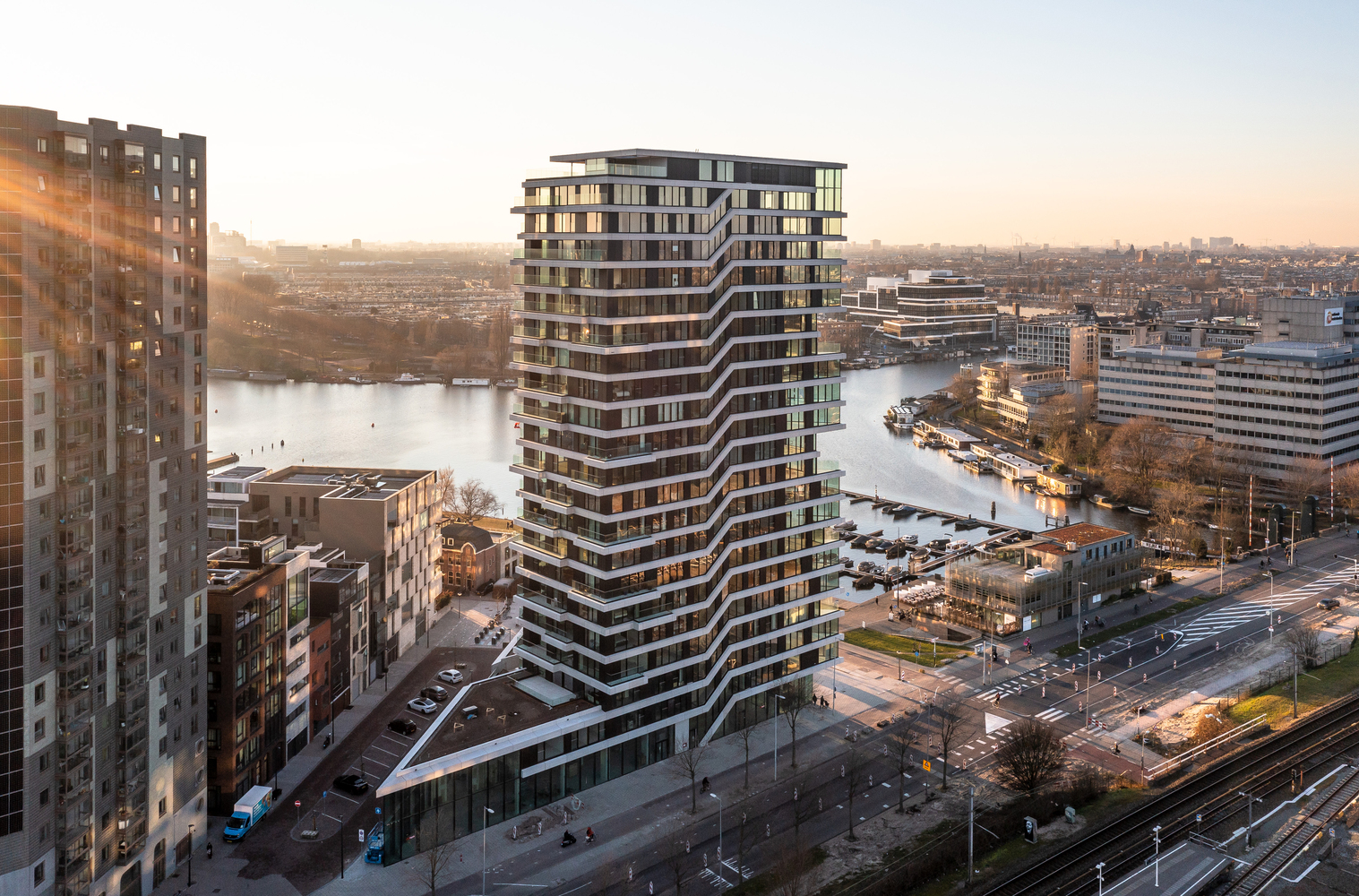
©Jannes Linders
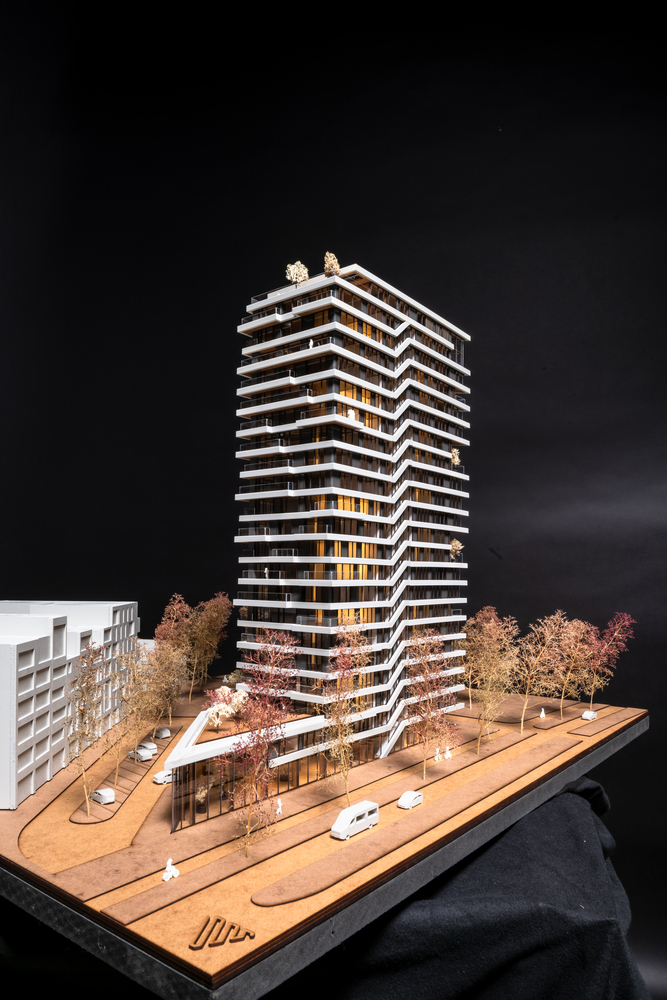
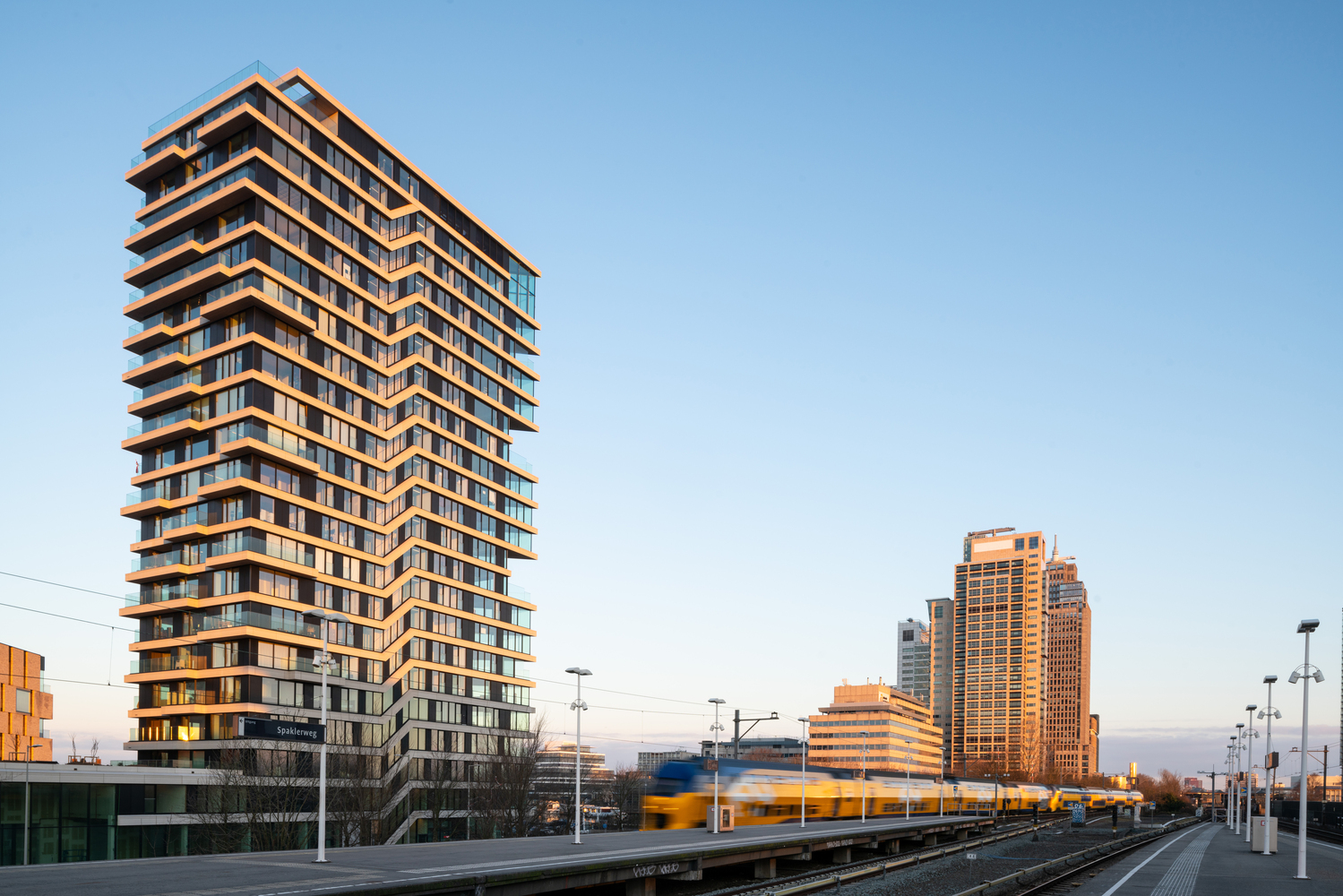
Dutch firm Team V Architecture designed the 21-story Haut residential skyscraper. It has a mostly glass front, CLT floors, load-bearing interior walls, a concrete foundation, a basement, and a substructure. The 73-meter-tall building uses 1,500 square meters of photovoltaic cells on its roof and façade and a green roof with stormwater storage to get a BREEAM Outstanding Sustainability certification.
Also Read: Amsterdam Architecture: 27 Awe-inspiring Places to Soothe Your Inner Architecture Geek.
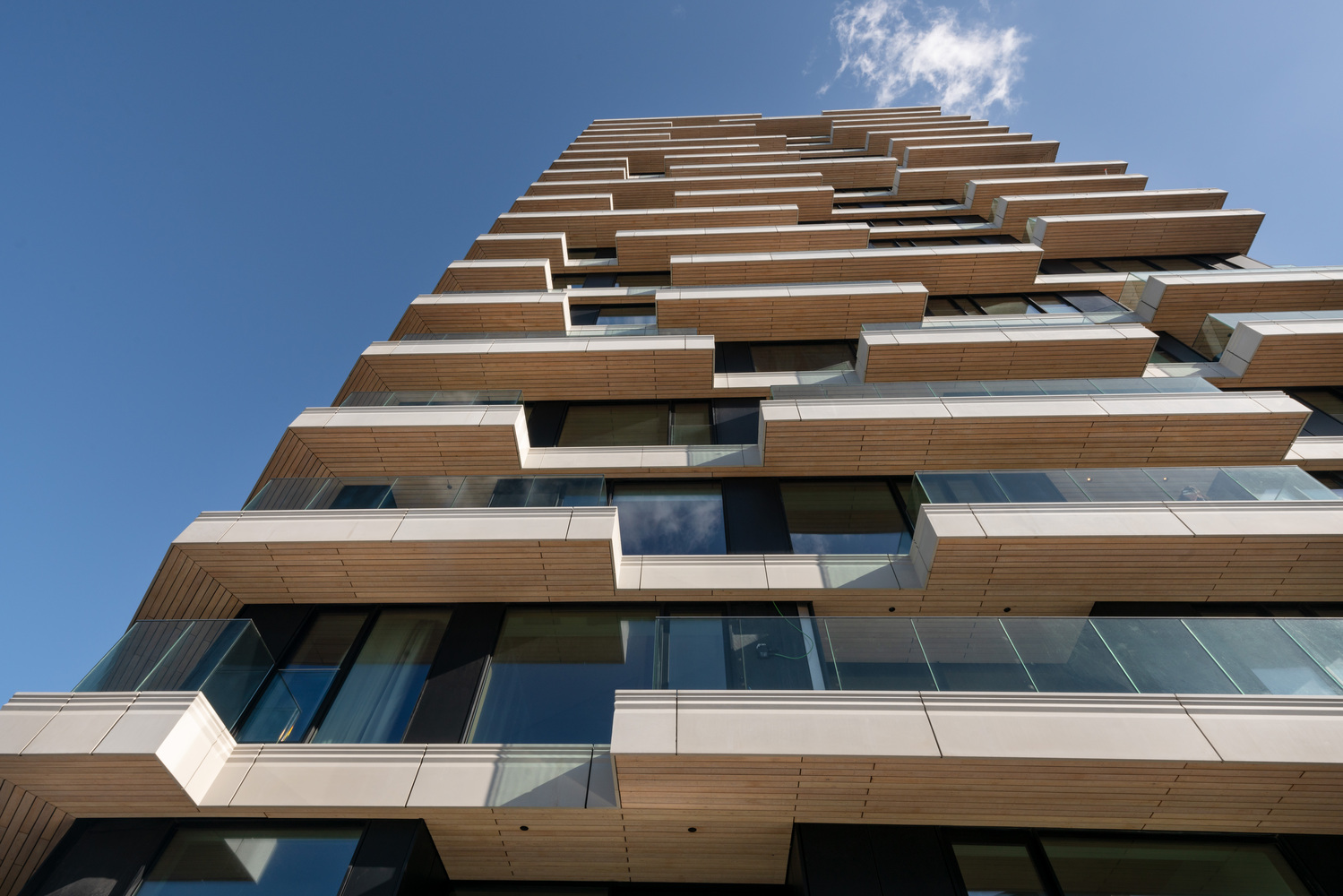
5) Tree Tower Toronto / Penda (Toronto, Canada)
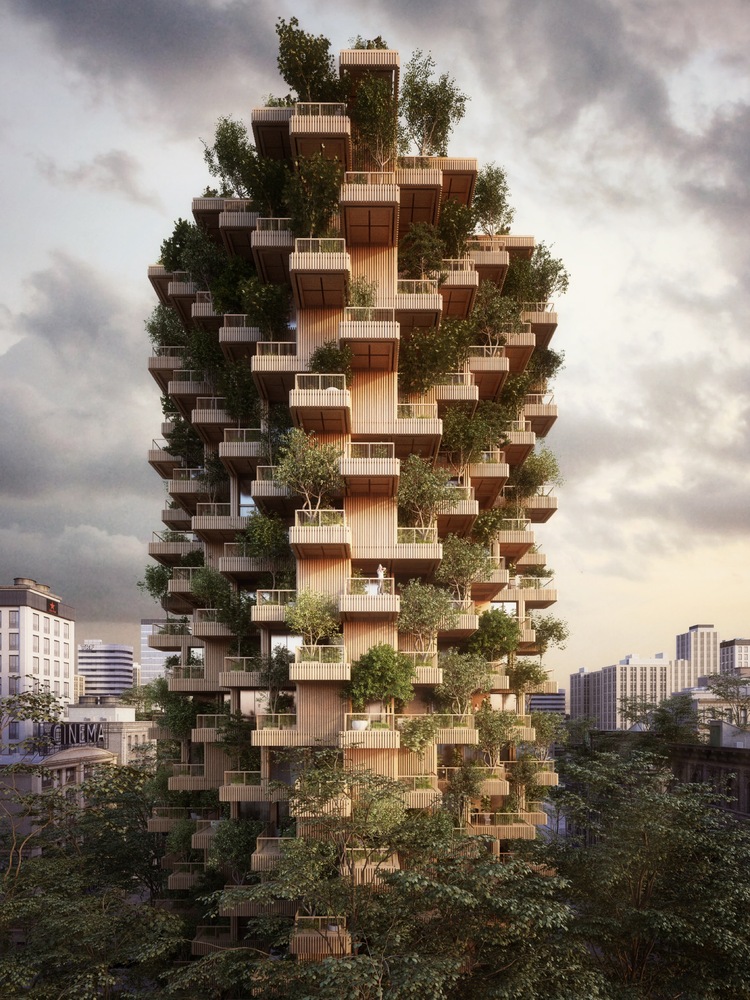
©Penda
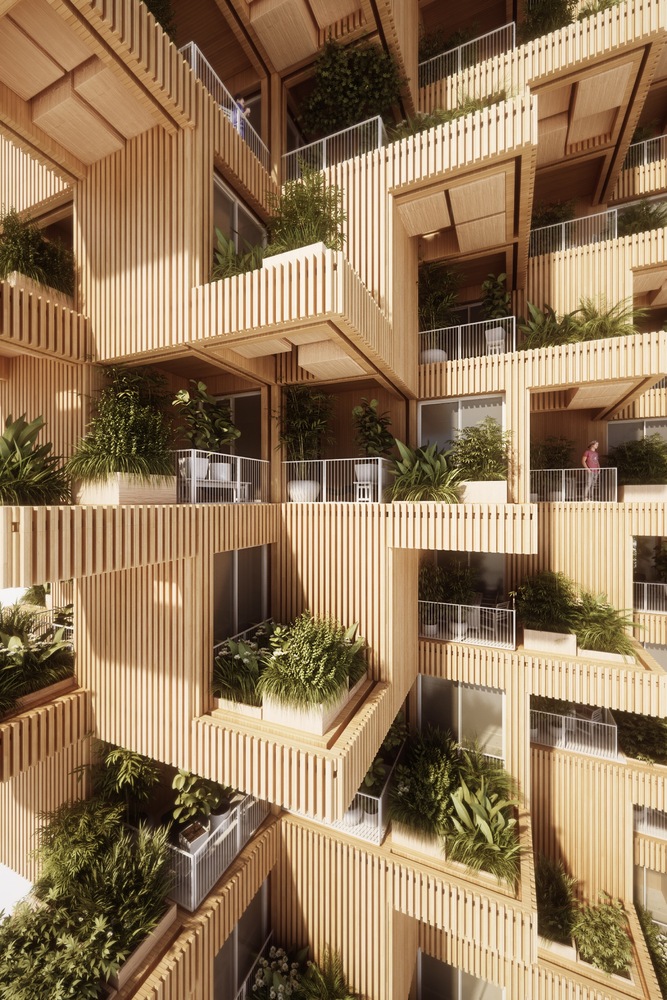
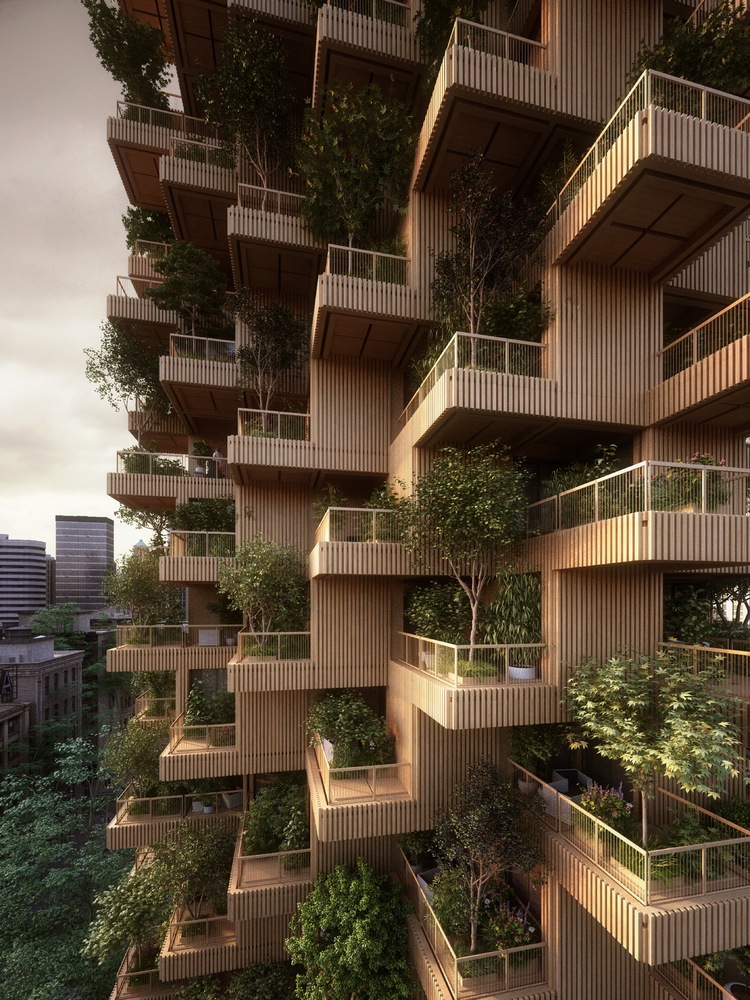
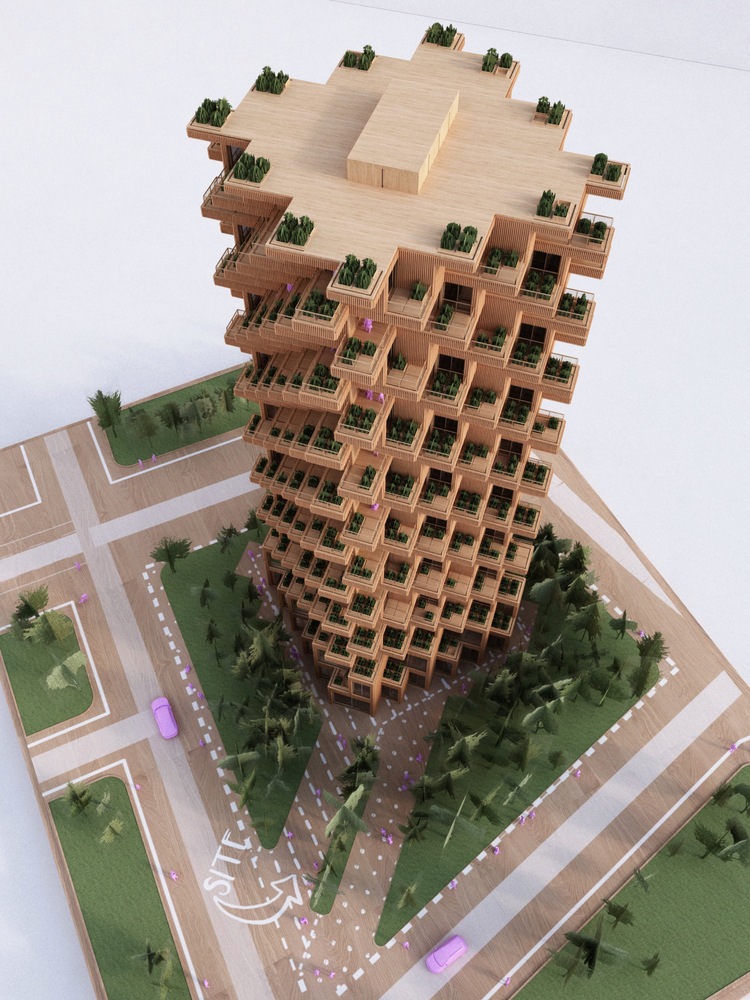
The ‘Tree Tower Toronto,’ designed by architecture company Penda and wood consultants from CLT-brand Timber, is a wood-frame skyscraper that rises to a height of roughly 203 feet and takes design cues from Moshe Safdie’s renowned Habitat 67, also located in Toronto.
The tower’s apartments occupy most of the building, with the remaining area serving as public areas. The building is a paradigm for environmentally friendly expansions and ecological expansions of our urban landscape, thanks to the wood’s pleasant natural appearance and the plants blossoming on its façade.
6) De Karel Doorman / Ibelings van Tilburg Architecten (Rotterdam, The Netherlands)
©Ossip van Duivenbode
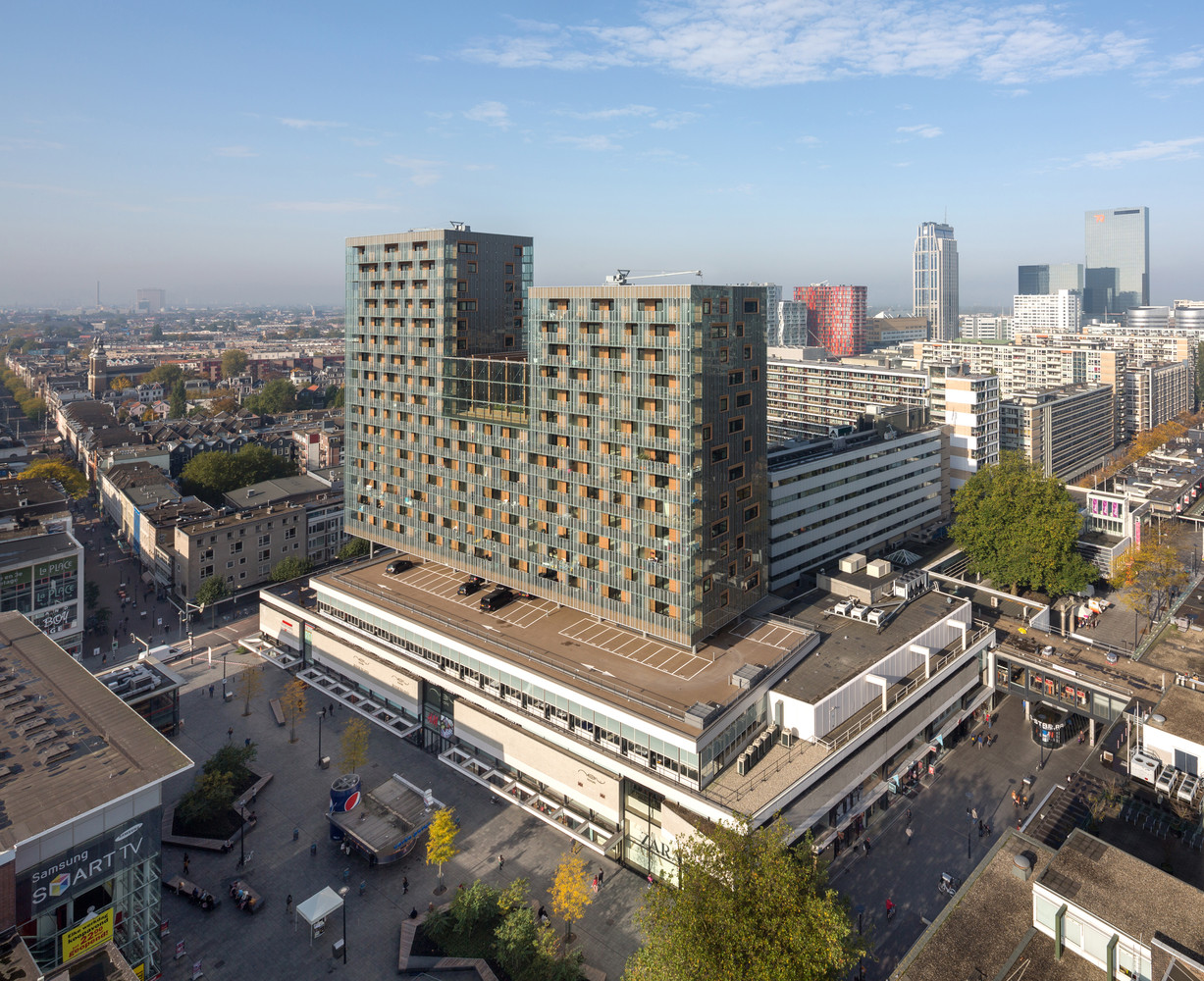
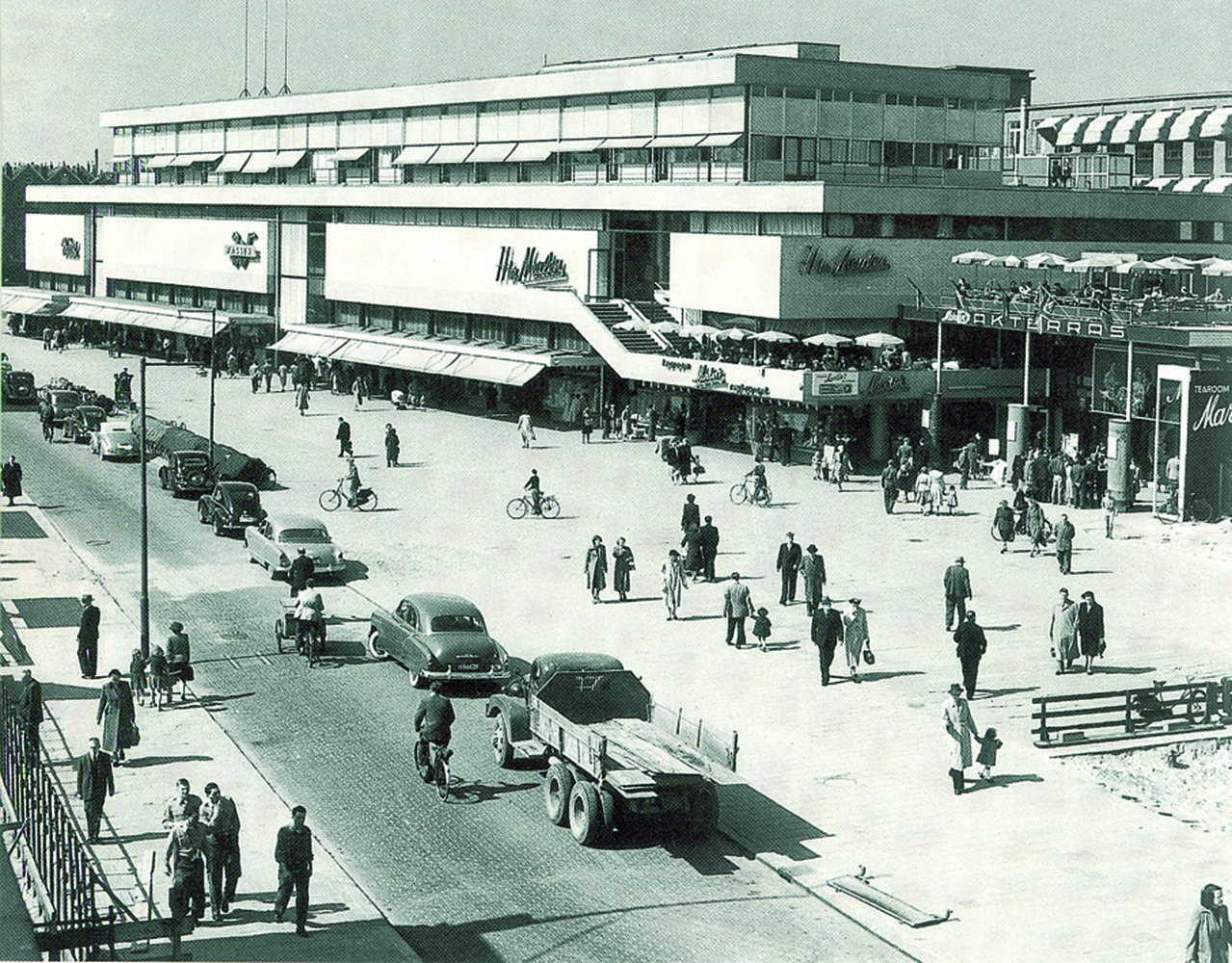
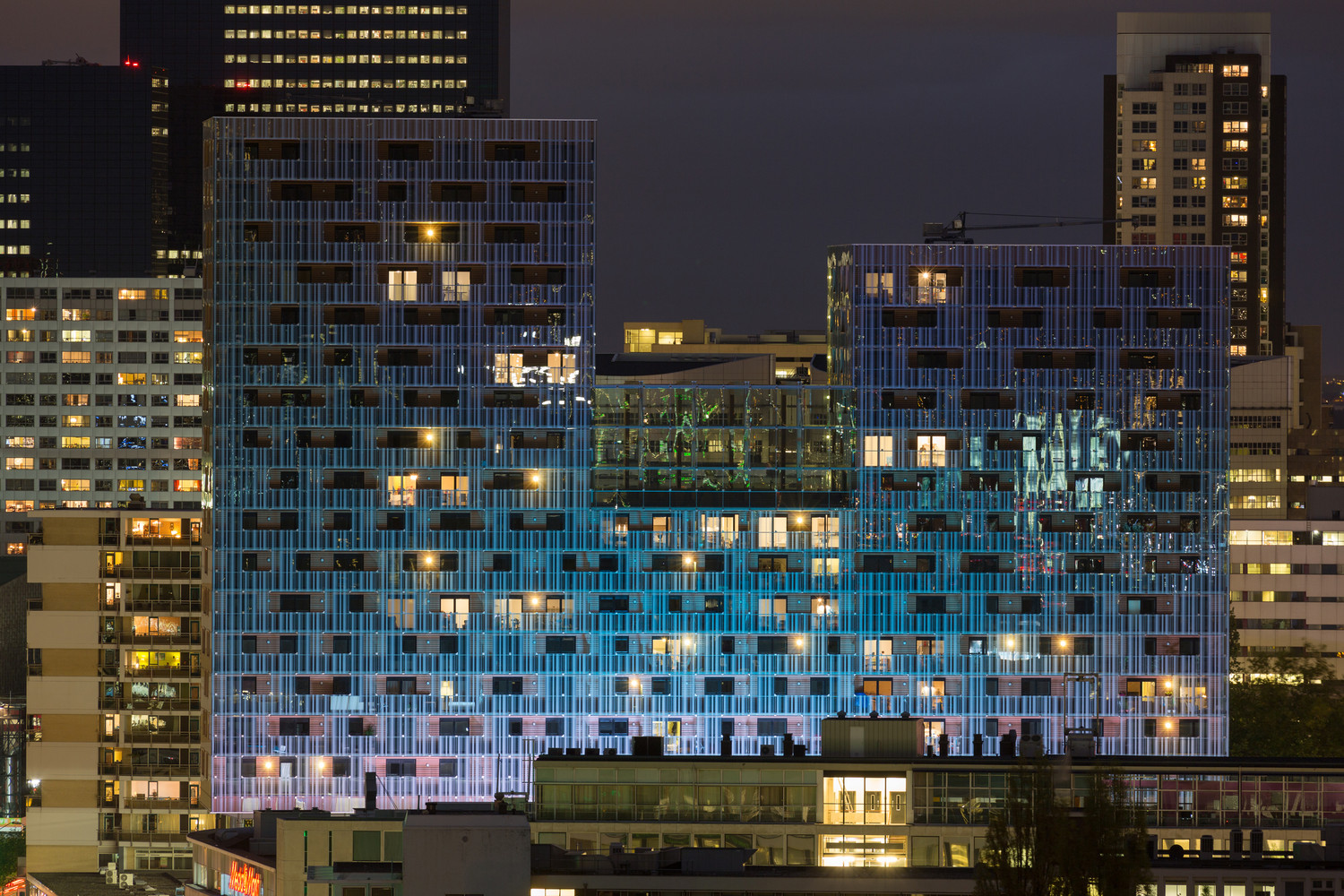
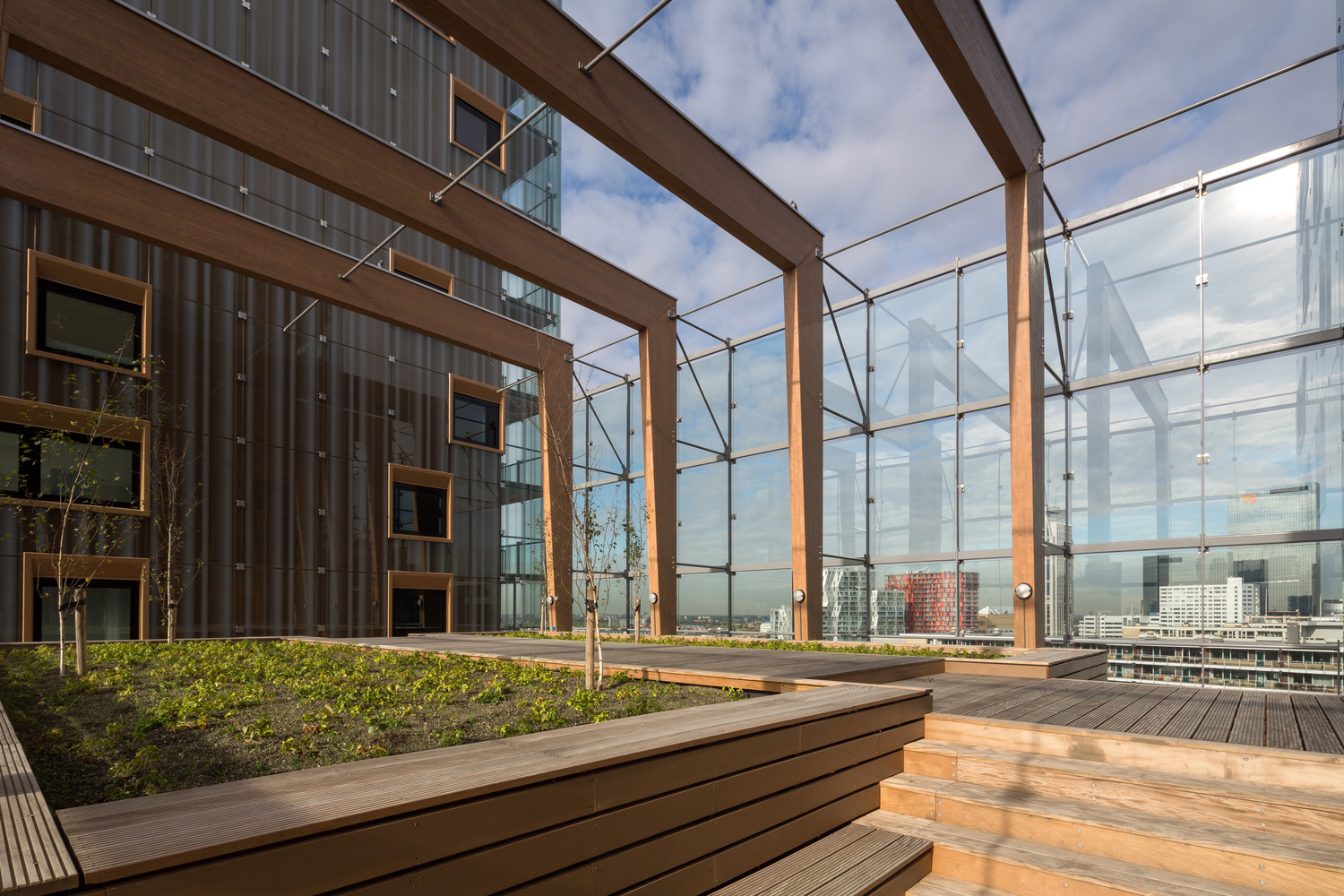
Rotterdam’s historic 1940s shopping center was renovated by Dutch firm Ibelings van Tilburg Architecten, who added a wood-and-steel mixed structure on top to house 114 residences. The studio’s addition, which stands atop the concrete columns and foundations of the original commercial center and raises it by 70 meters, saved it from collapse.
7) Seljord Watchtower / Rintala Eggertsson Architects (Bjørgeøyan, Seljord, Norway)
©Dag Jenssen
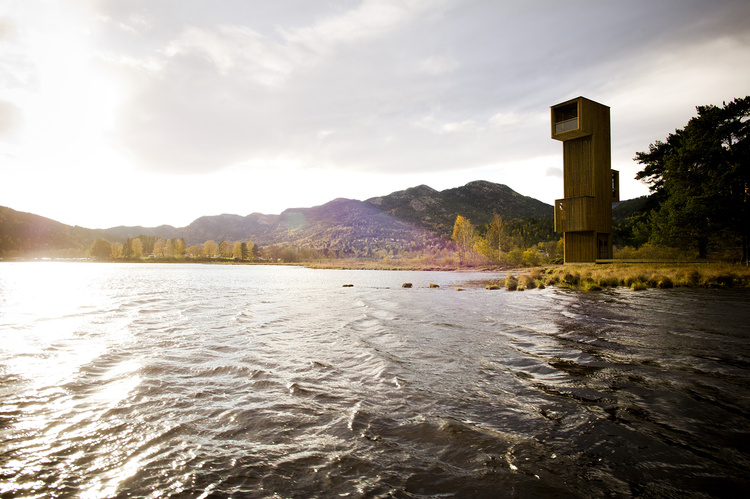
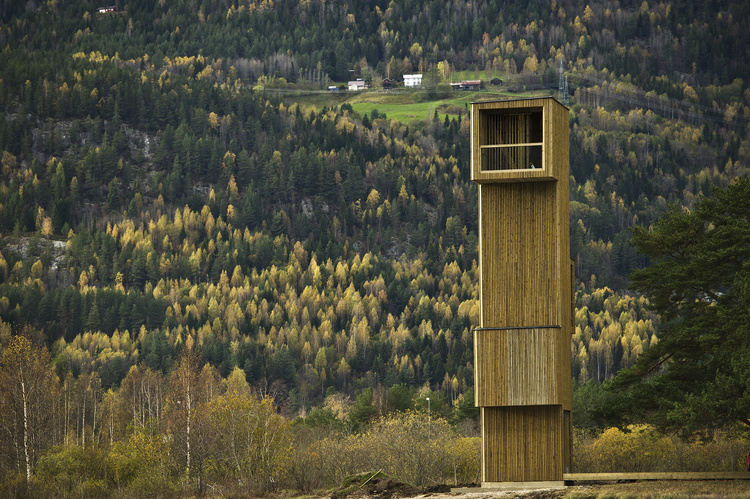
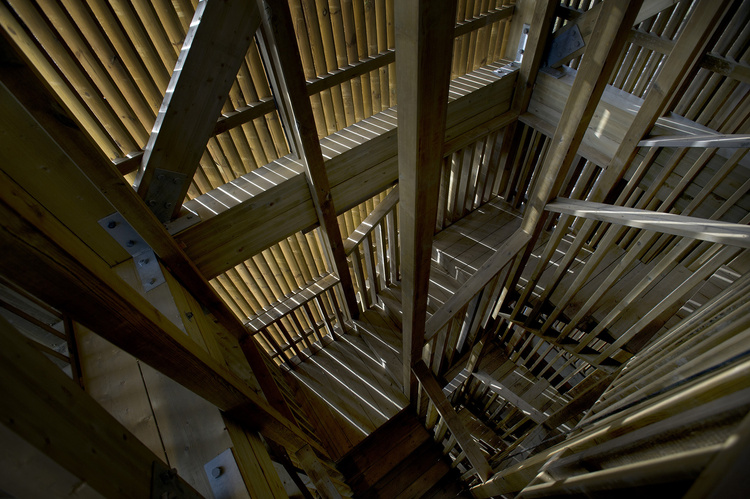
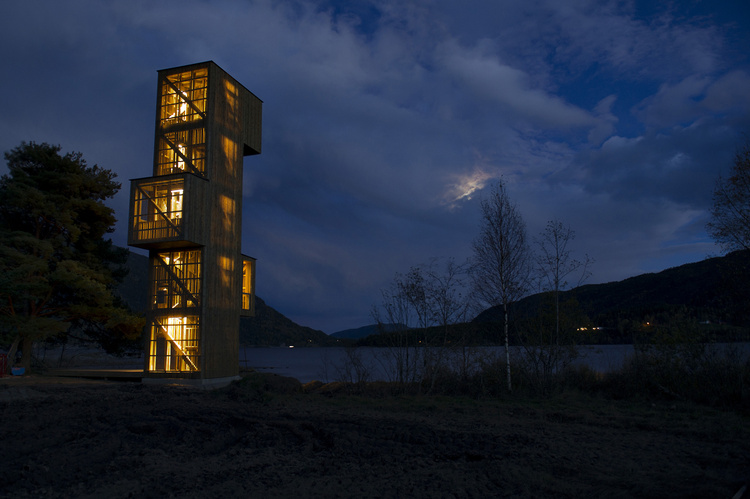
The Seljord lookout tower was commissioned to build a viewing platform for day trippers, picnicking residents, and wildlife enthusiasts. The architectural merits of this small but captivating building are unquestionable, even in the face of some rather odd occurrences. The 12-meter-tall tower sticks out of the waterside bushes like a wooden periscope, providing unobstructed views along an extensive stretch of water. The tower has a meandering wooden stairway leading to three different vantage points. It is encased in tightly packed timber slats that make it sparkle when lit inside after dark.
8) Oakwood Timber Tower / PLP Architecture (London, UK)
©PLP Architecture
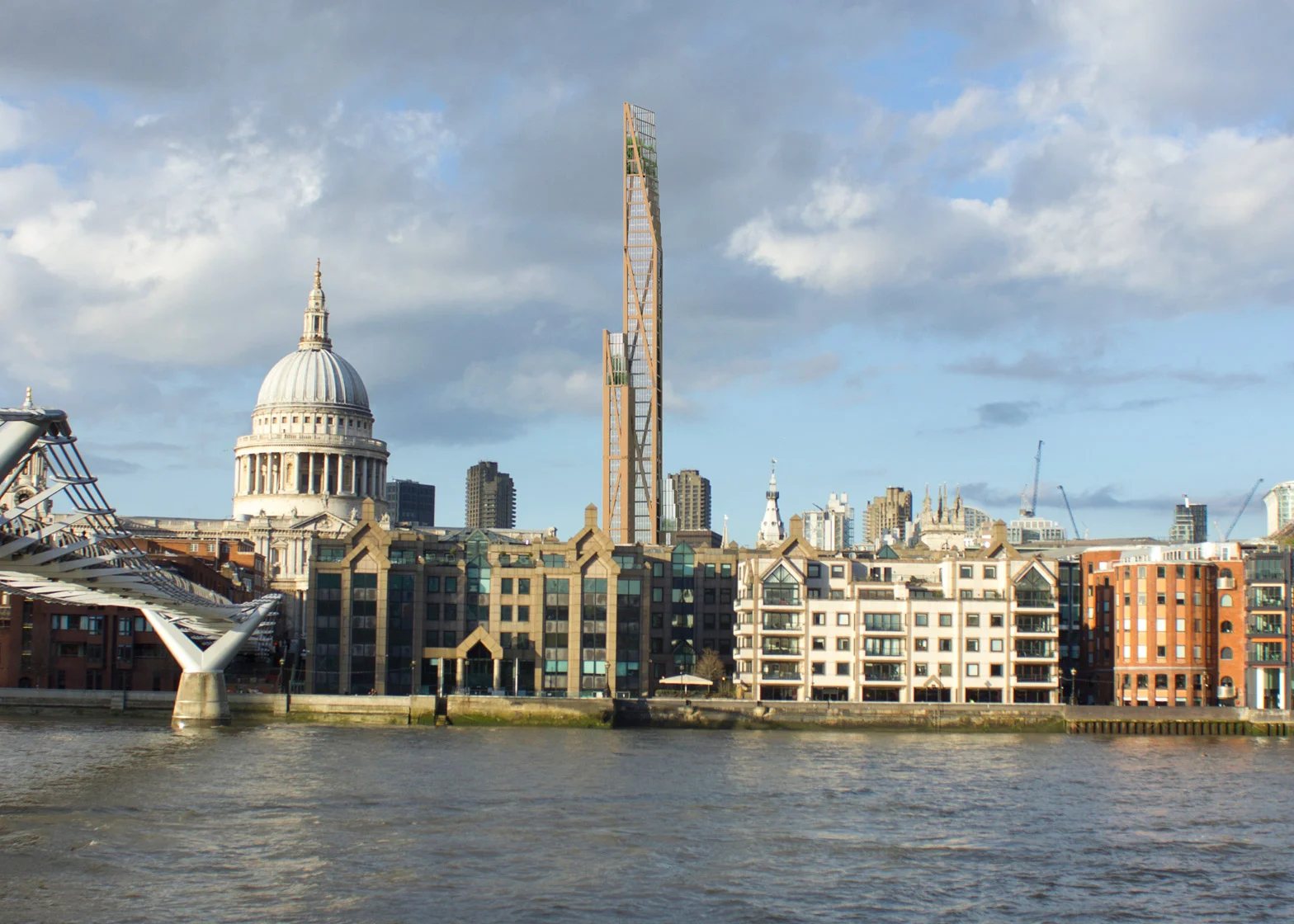
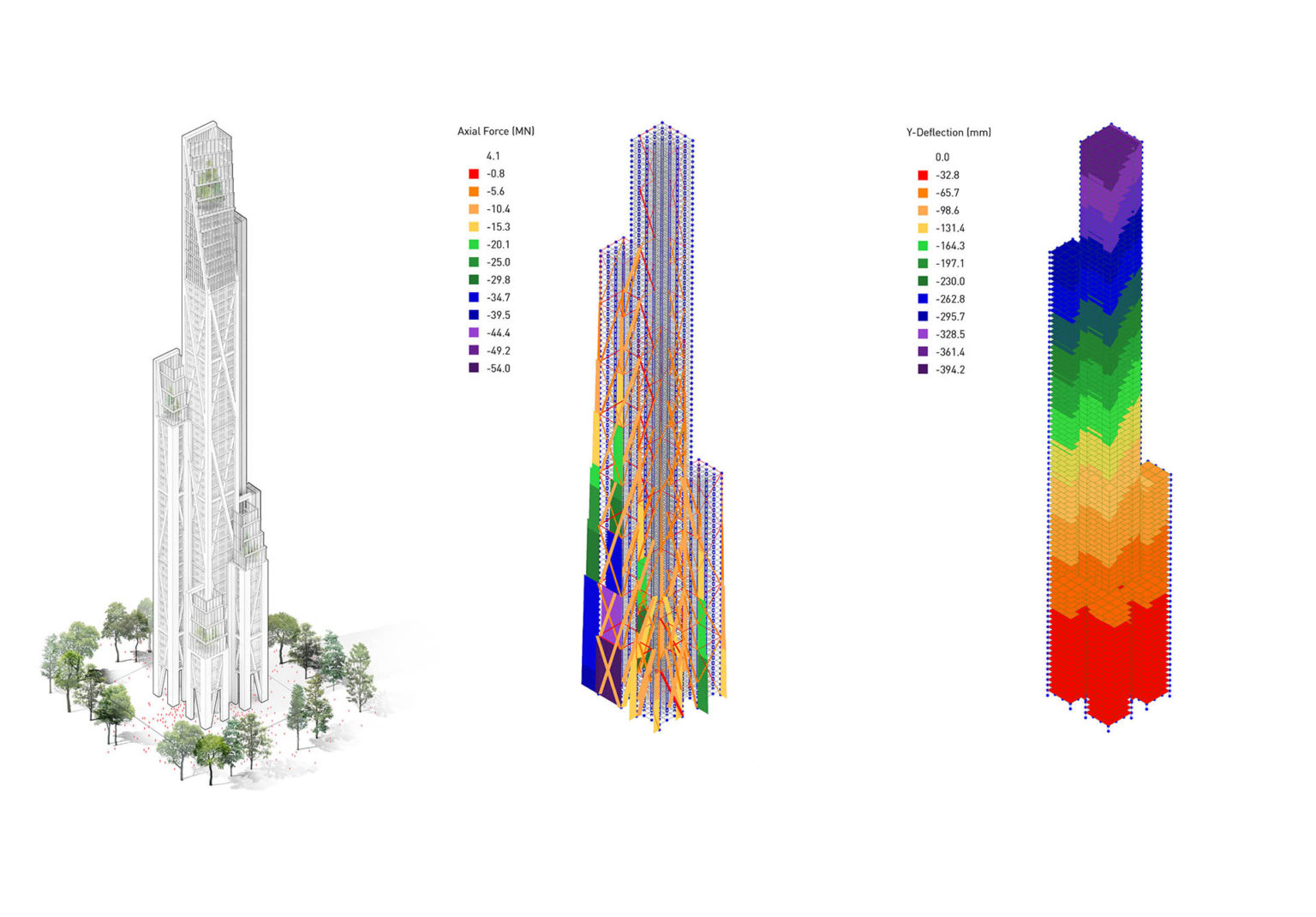
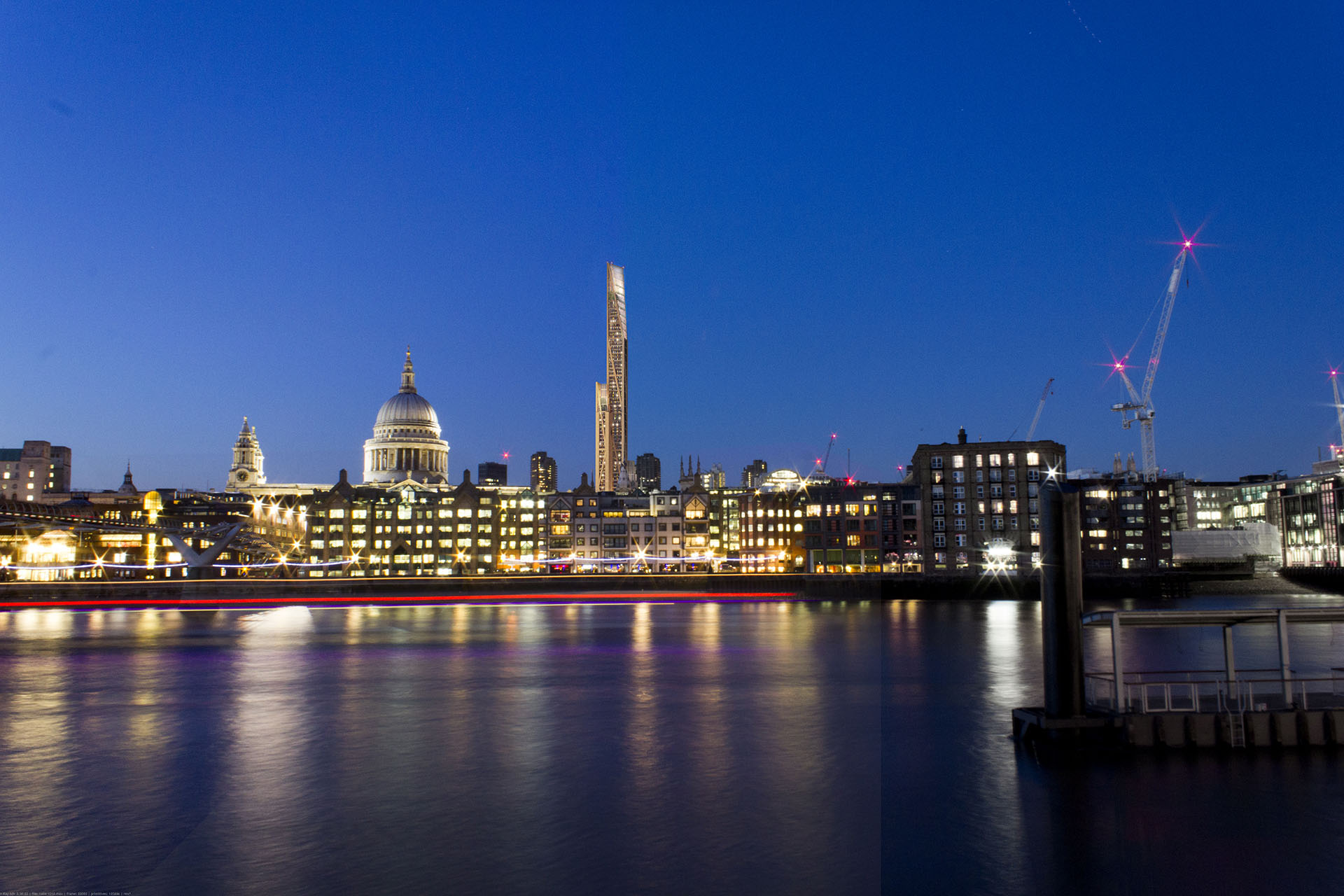
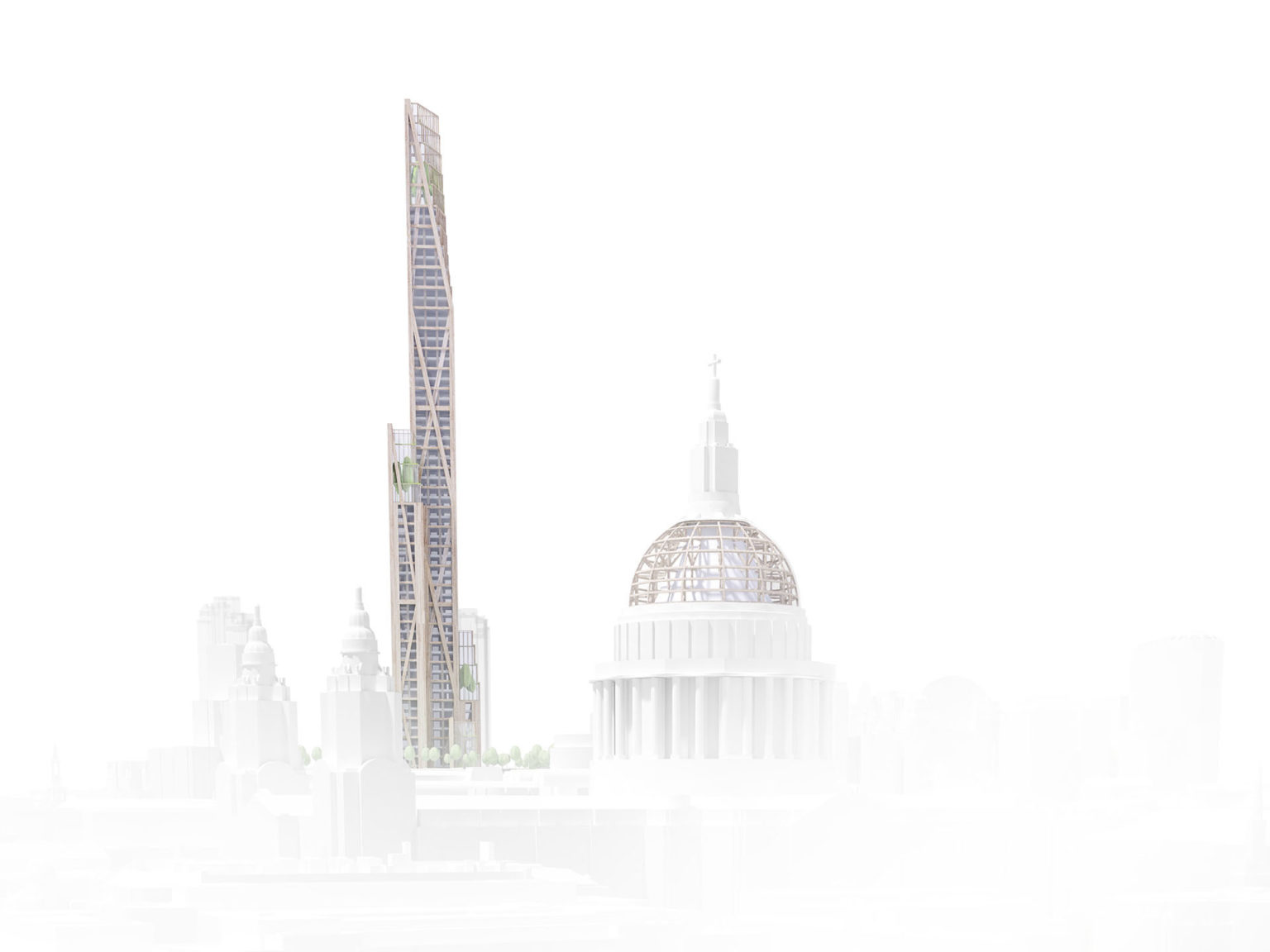
Oakwood Tower, slated to emerge from the Brutalist concrete Barbican housing estate, has already been dubbed “The Toothpick” by a city that loves to label its renowned architecture. PLP Architecture and students from the University of Cambridge designed the 984-foot-tall, 80-story building with a timber frame and 1,000 apartments. After completion, it will be London’s second-tallest structure, after only The Shard.
9) 55 Southbank Boulevard / Bates Smart (Melbourne, Australia)
©Peter Clarke, Bison United
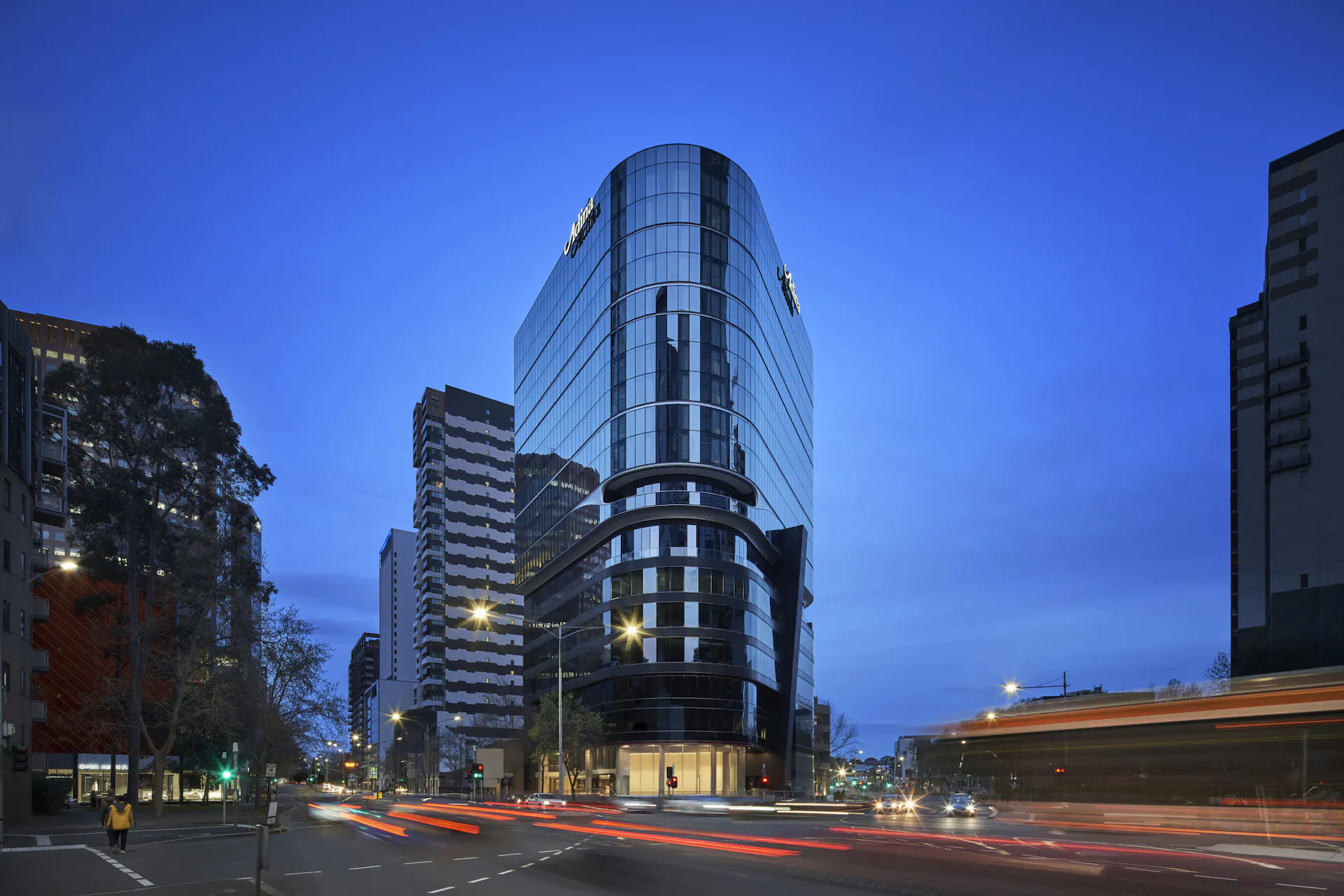
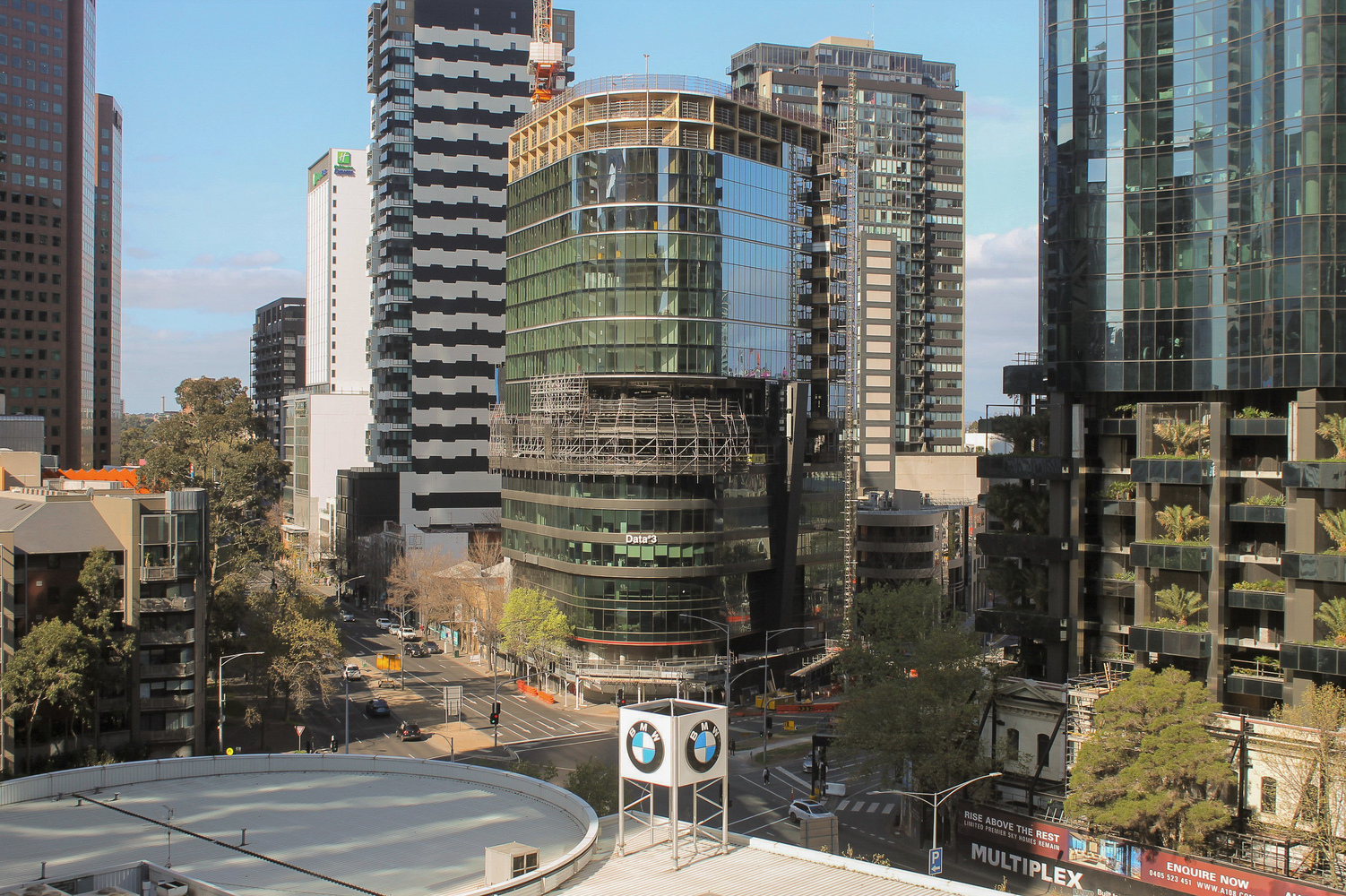
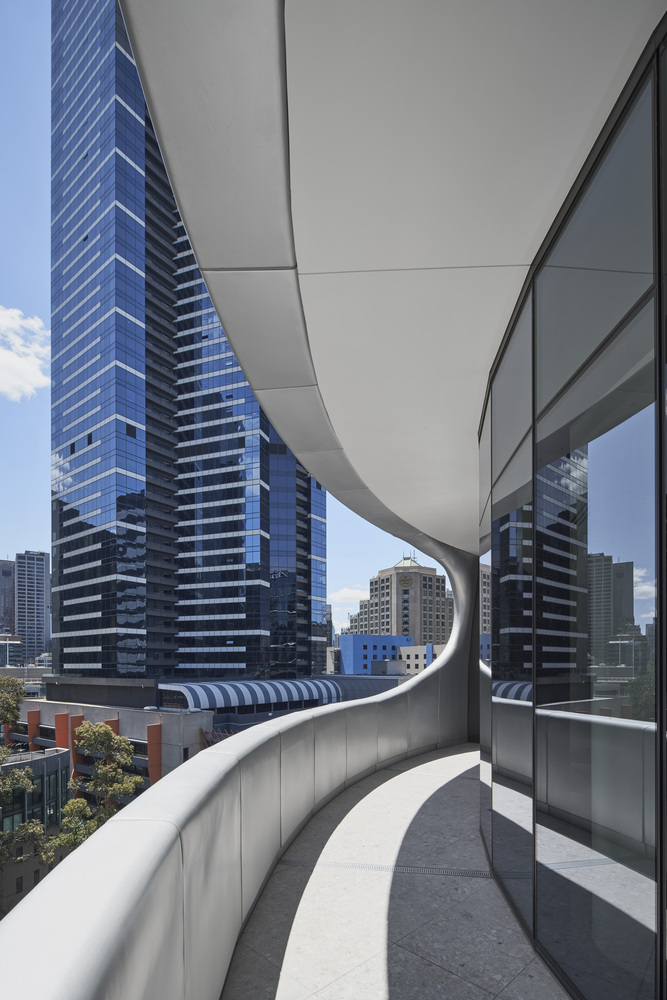
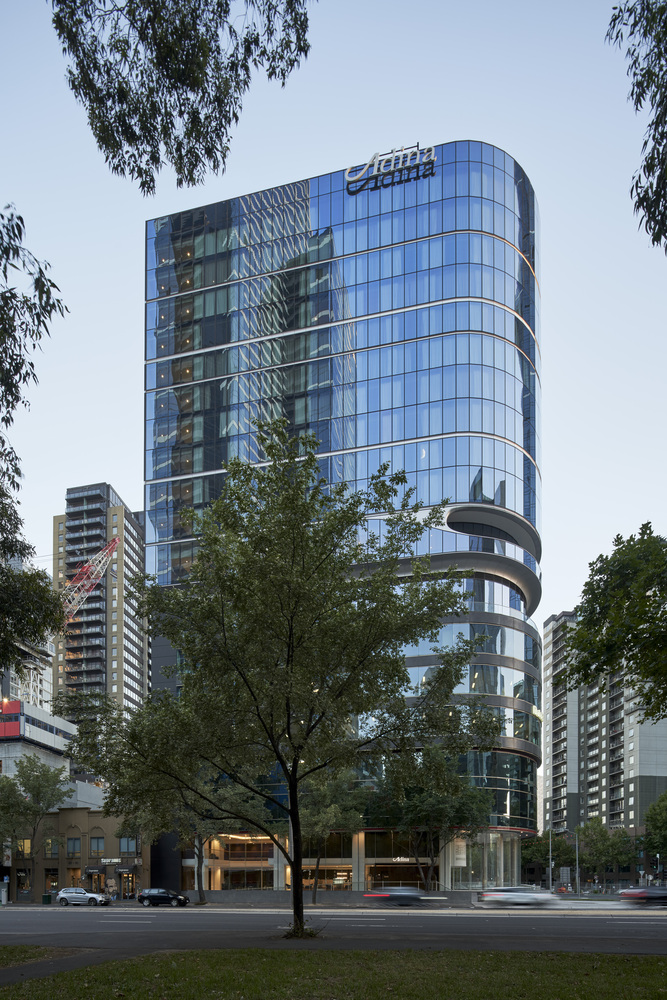
By erecting a 10-story CLT structure on top of an existing concrete building in Melbourne, Australian architectural firm Bates Smart created a 69.7-meter-tall hotel. Timber, at just 20% the weight of concrete, allows for extending 10 stories, resulting in 15,000 square feet of floor area and 220 hotel rooms. However, the original concrete building was only planned to hold five. The project debuted in 2020; the studio believes it’s the first CLT addition in Australia.
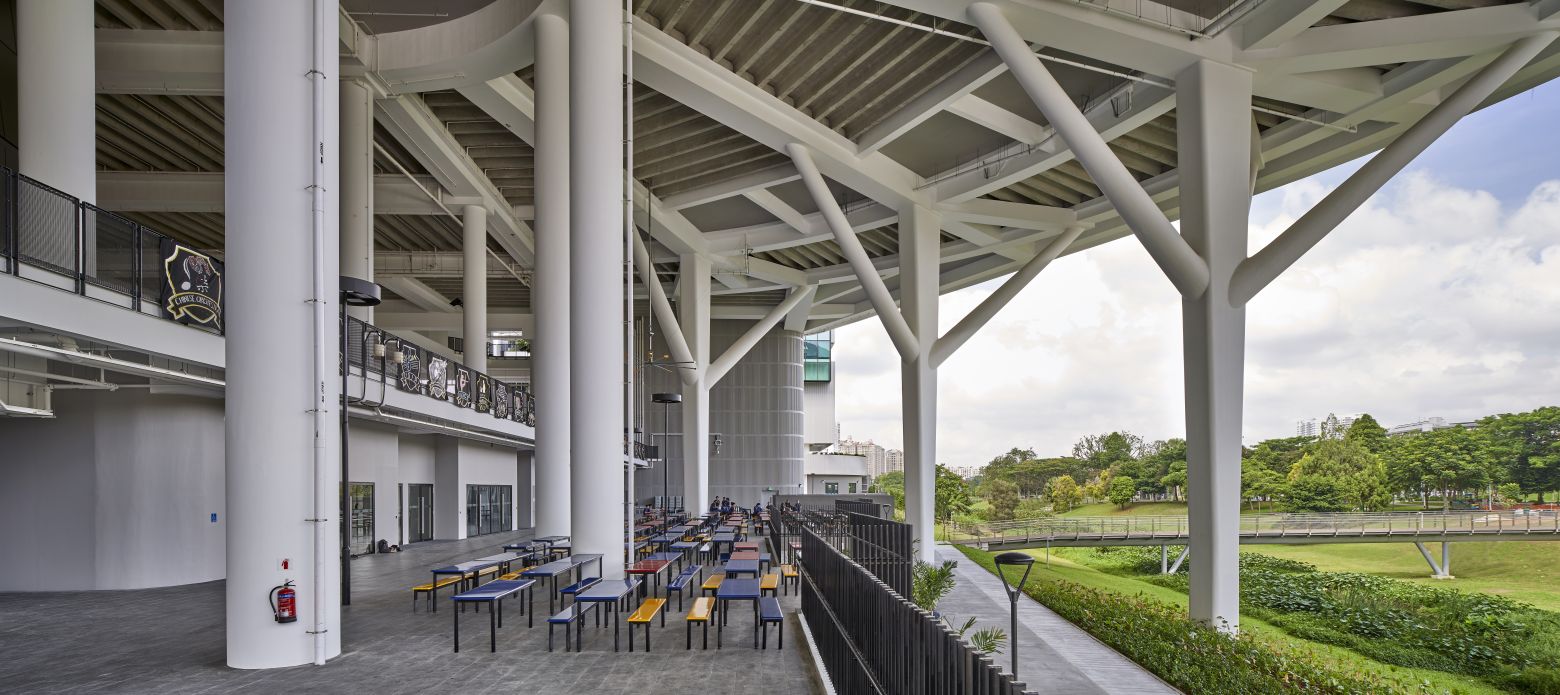
10) Eunoia Junior College / CPG Consultants (Singapore)
©CPG Consultants
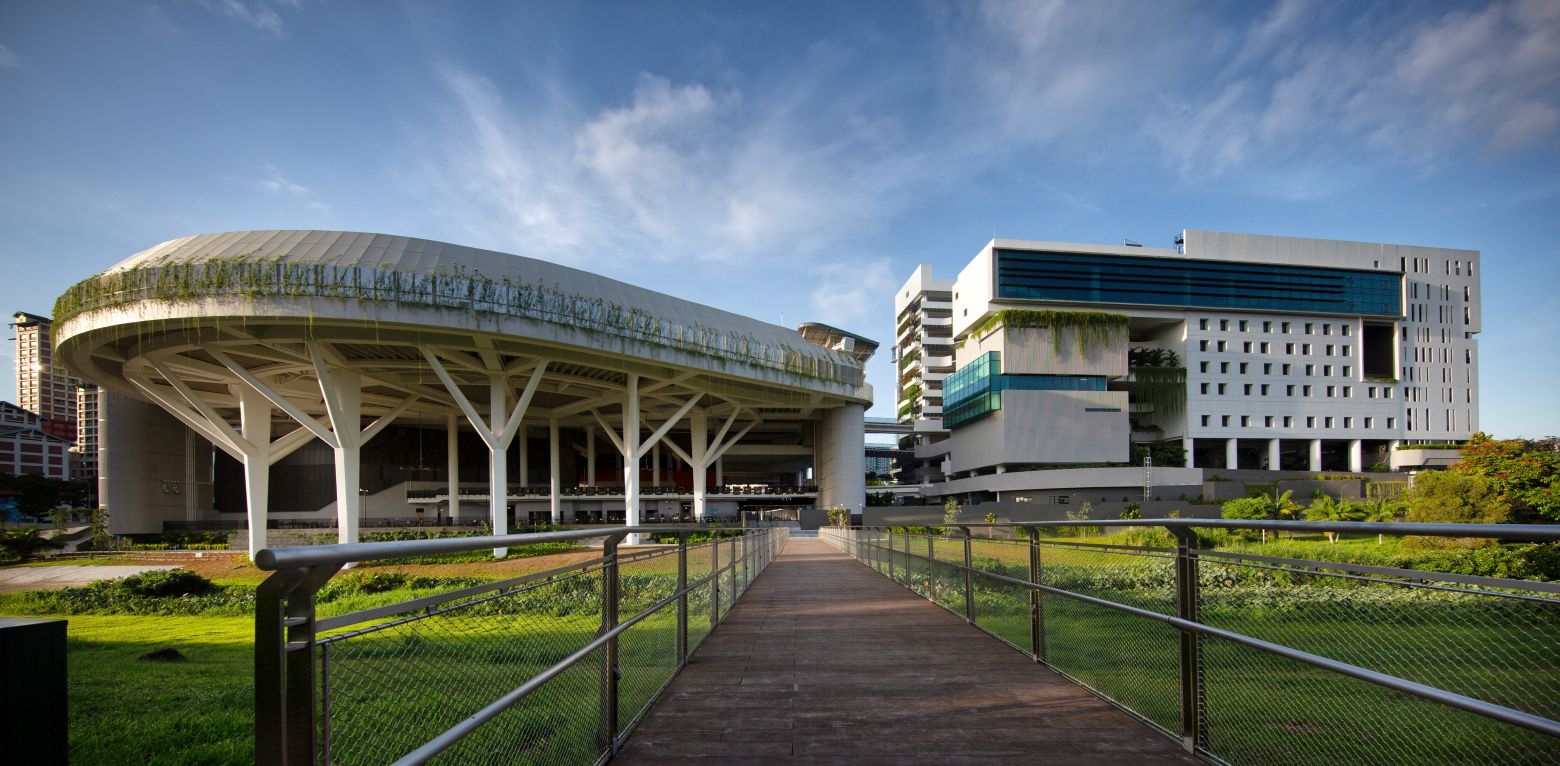
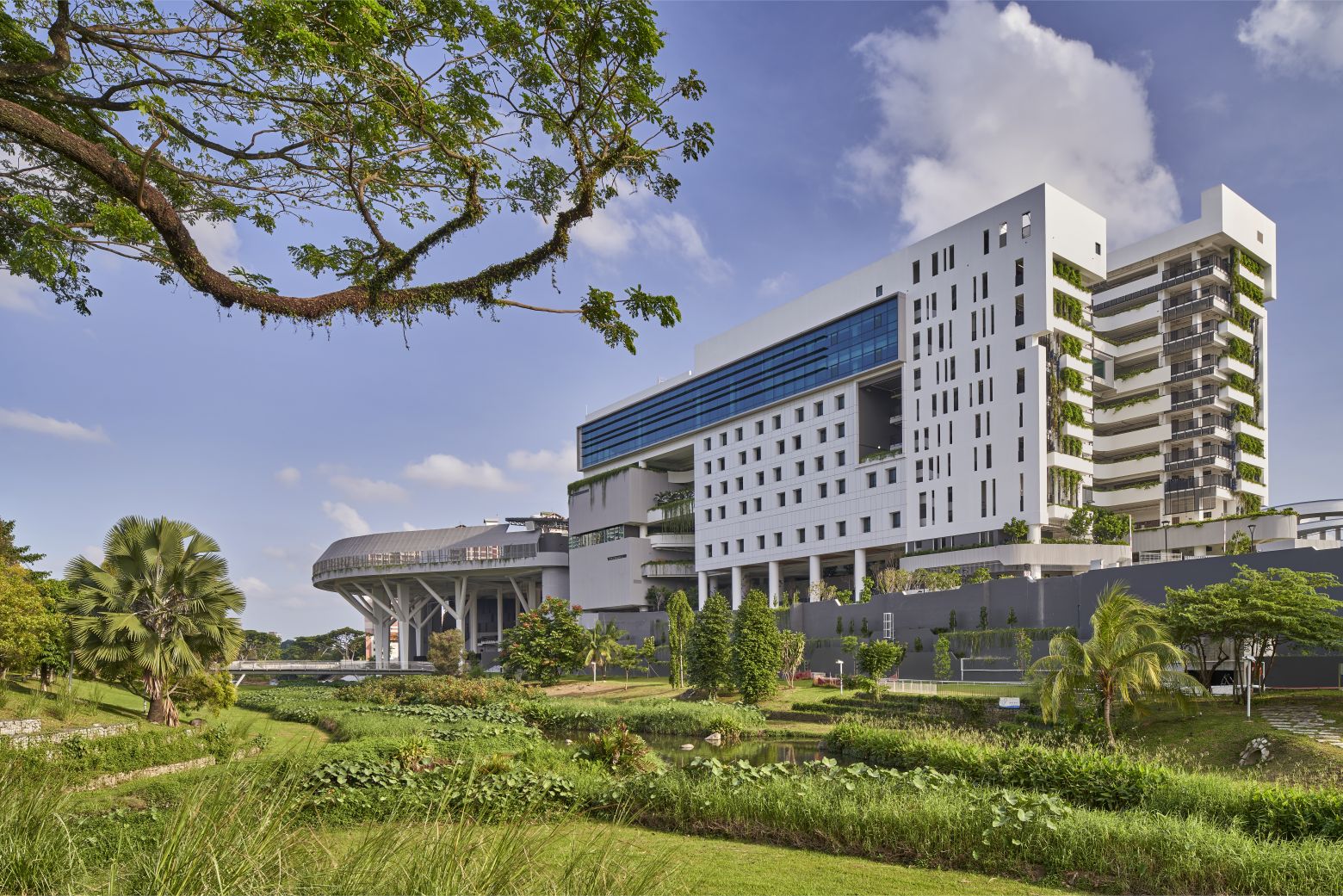
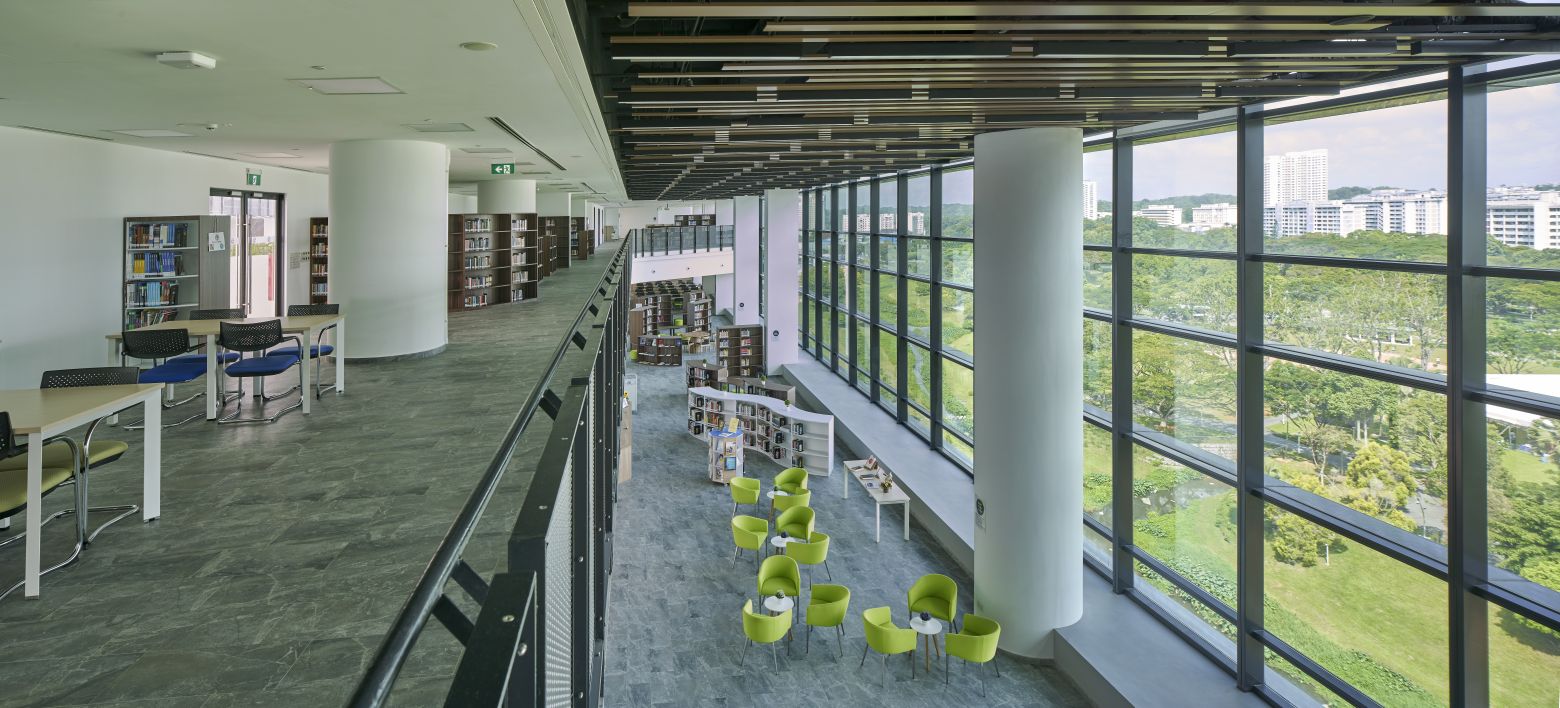
In 2019, CPG Consultants, a company specializing in building management, will have finished constructing three buildings for Eunoia Junior College: a 10-story tower, a 12-story tower, and a 5-story facility crowned with an athletic arena. It reaches a height of 56 meters at its peak. The school’s outside is composed of CLT and covered in aluminum; the inside is made from concrete footings and glulam beams, and it is being billed as Singapore’s first towering junior college.
11) Devil’s Corner / Cumulus Studio (Apslawn, Australia)
©Tanja Milbourne
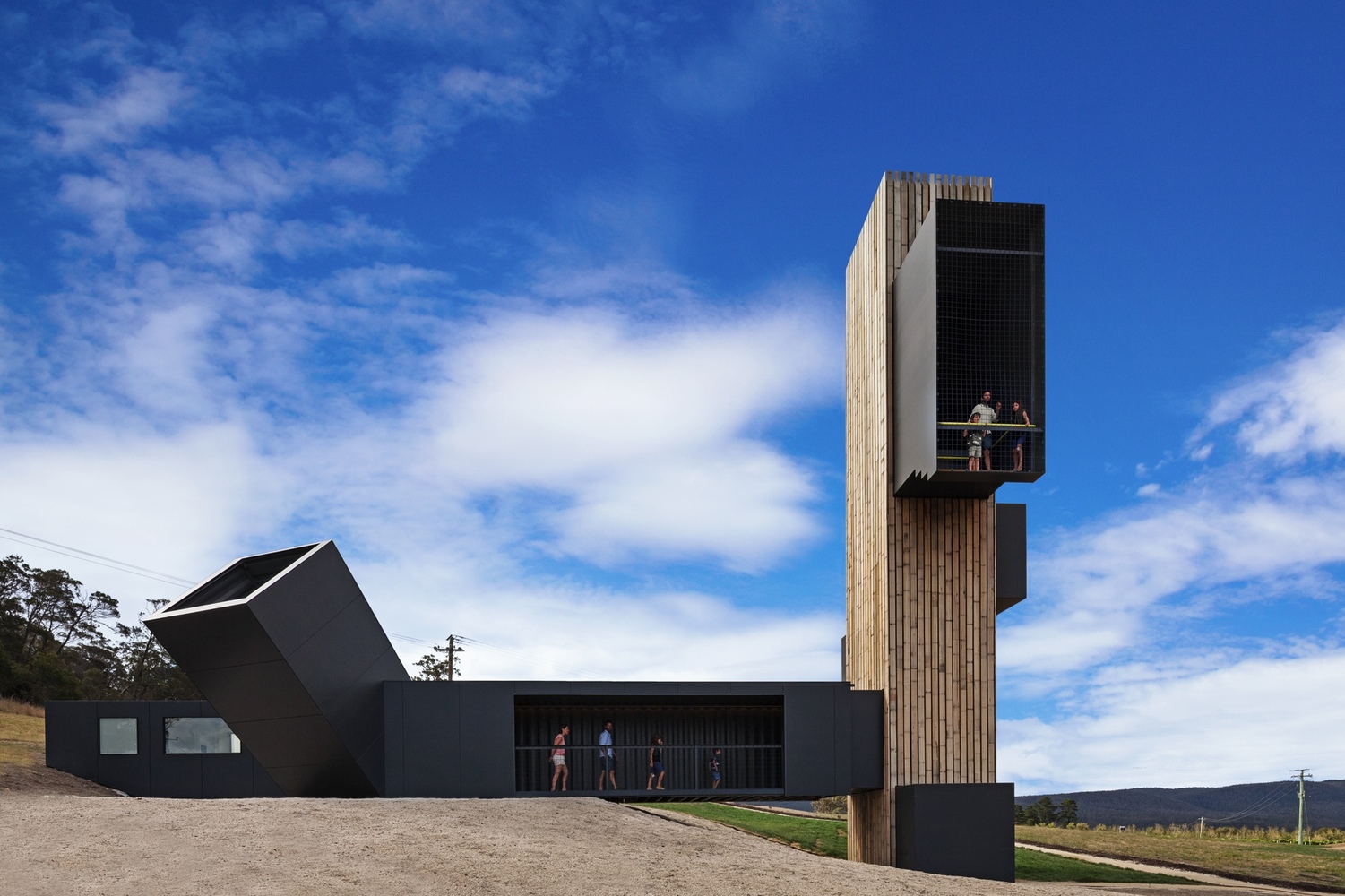
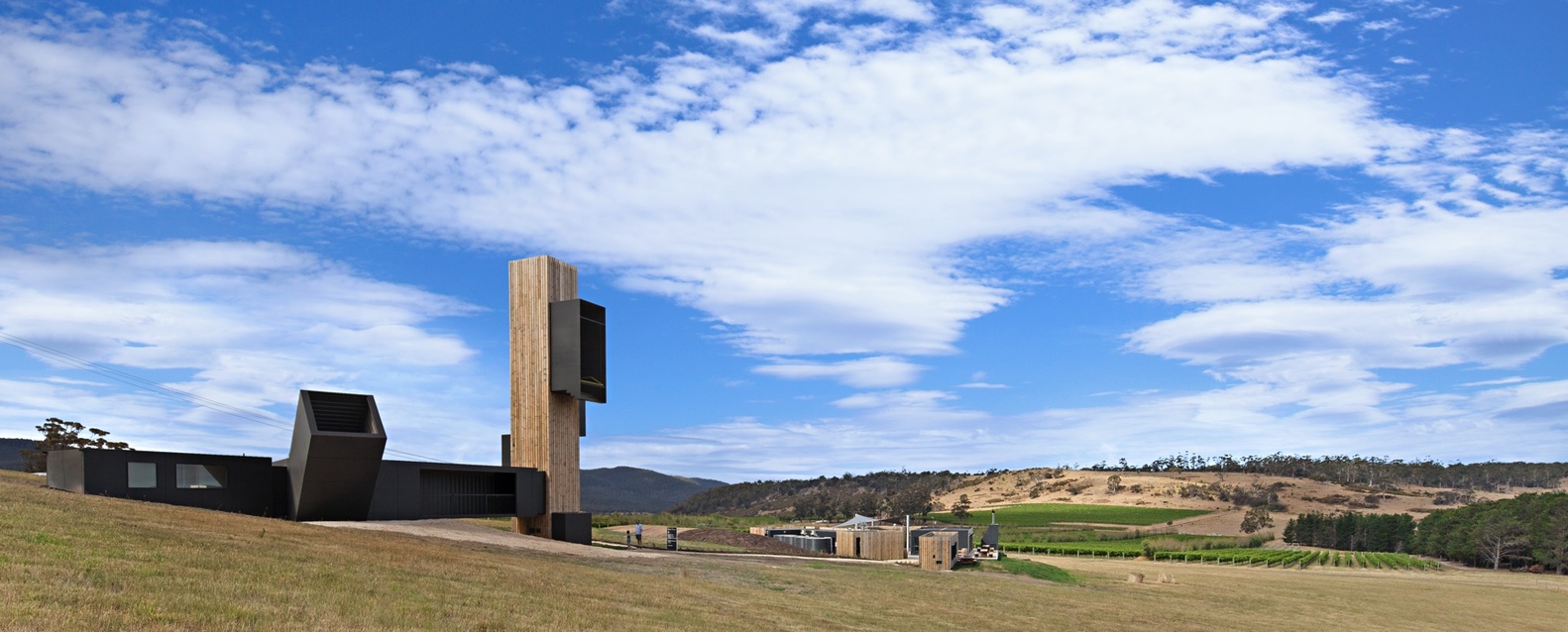
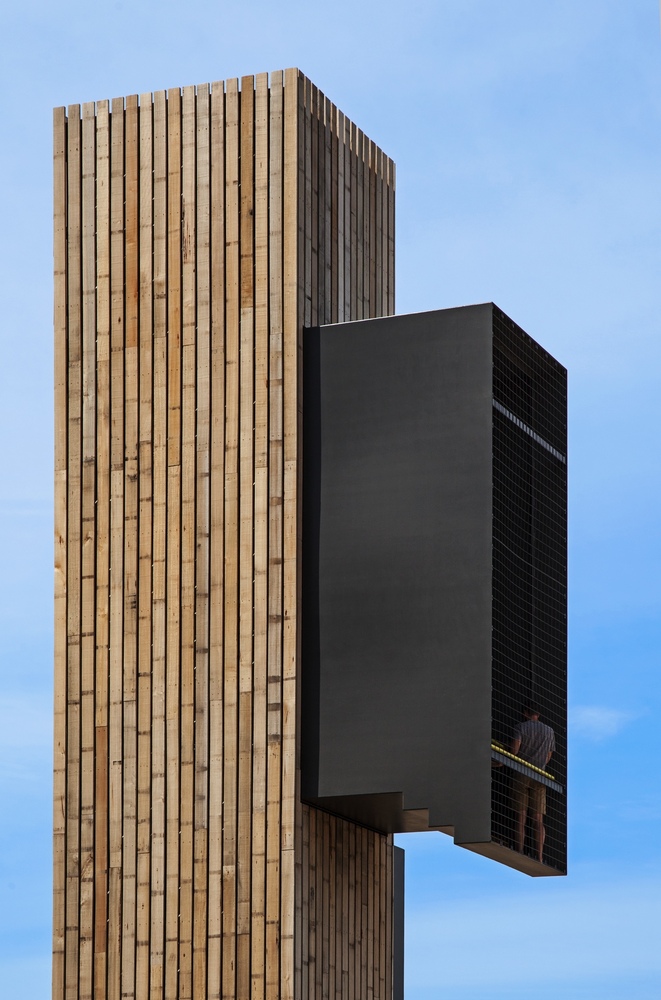
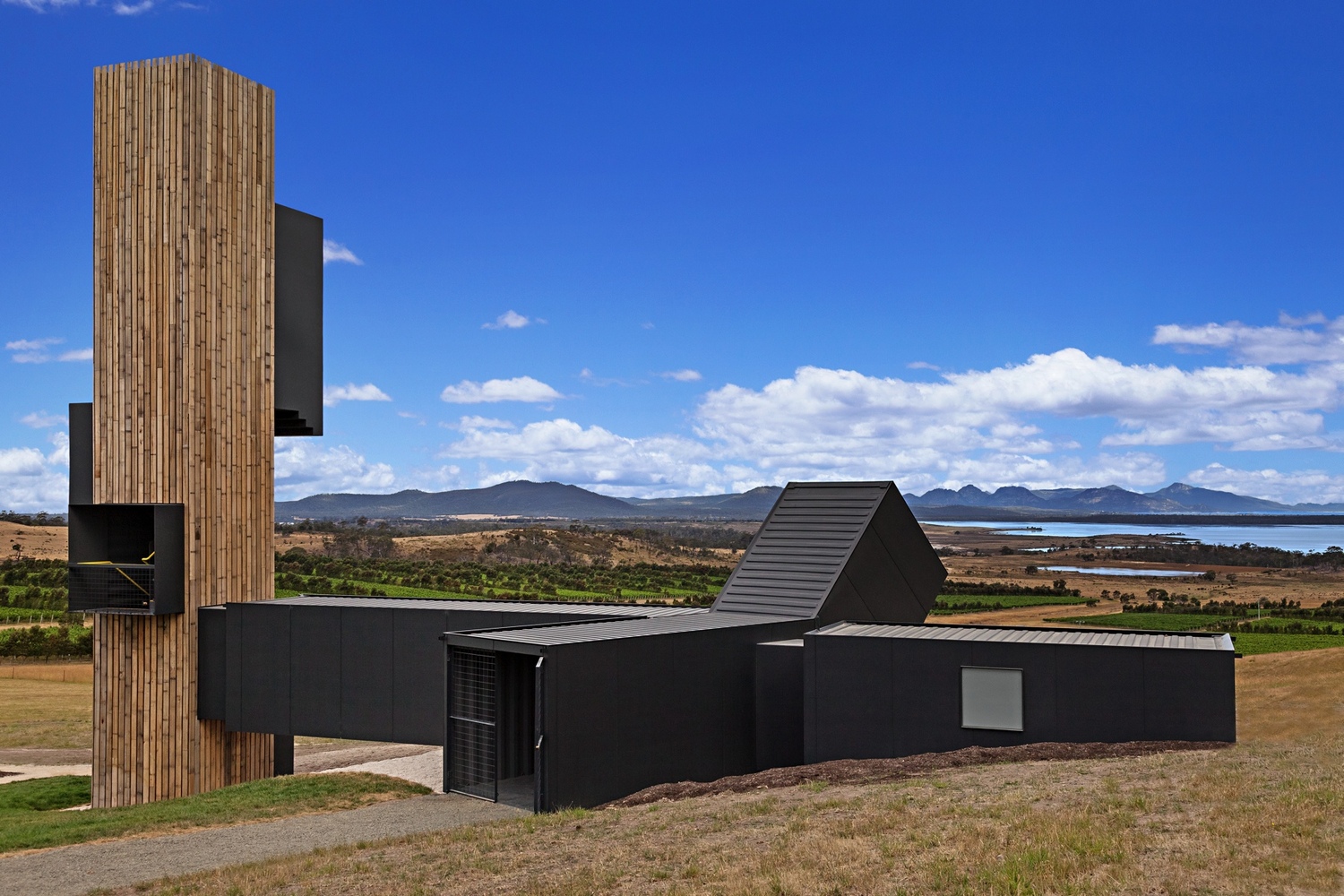
The Devil’s Corner Cellar Door and Viewpoint is located amid one of Tasmania’s most prominent vineyards on the East Coast road, and it offers stunning views of Freycinet Bay. This project, completed by Brown Brothers and reopened in December 2015, is an attempt to improve the East Coast of Tasmania’s tourism industry by capitalizing on the region’s most recognizable landmark.
Once a modest portable structure, the Cellar Door has been renovated into a larger venue with a vista and complementary dining options to serve as a stage for special events throughout the year. Both the Cellar Door and the Lookout were envisioned as part of a larger cluster of timber-clad structures that, when taken together, offer a fresh take on the classic farm/rural community.
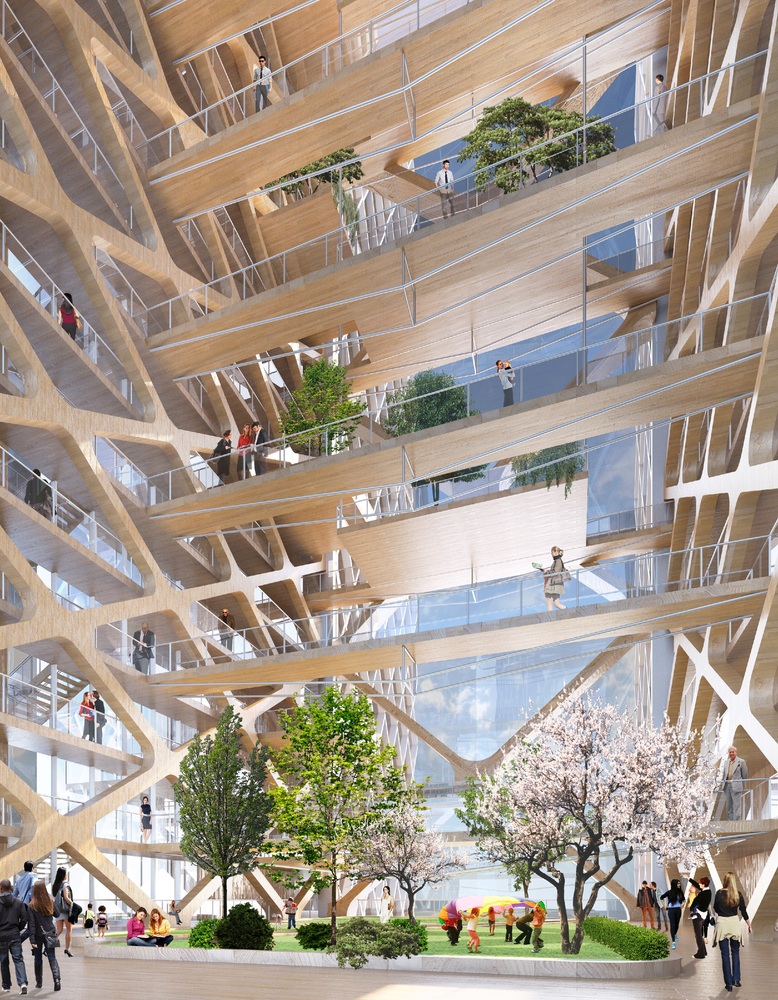
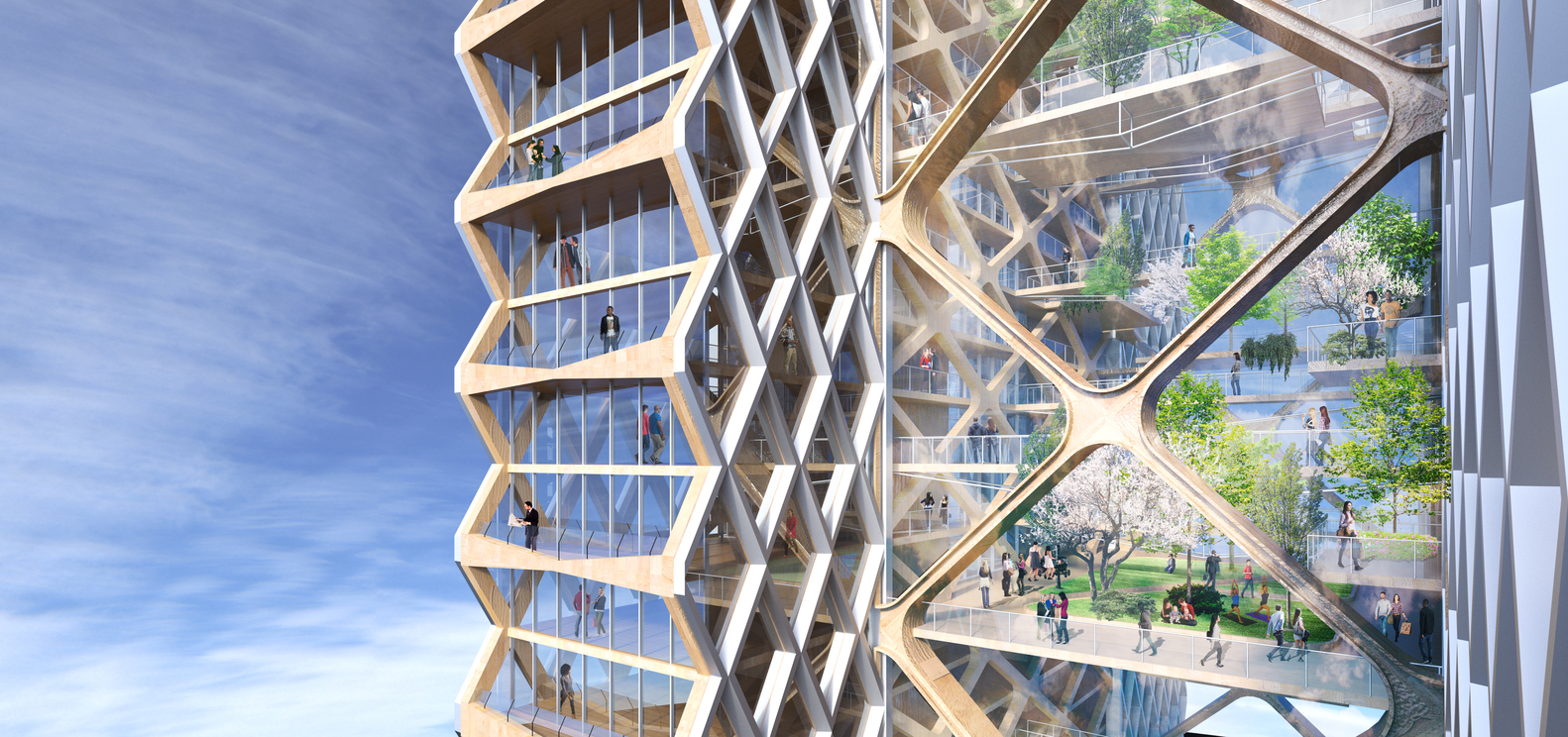
12) River Beech Tower / Perkins & Will (Chicago, Illinois, U.S)
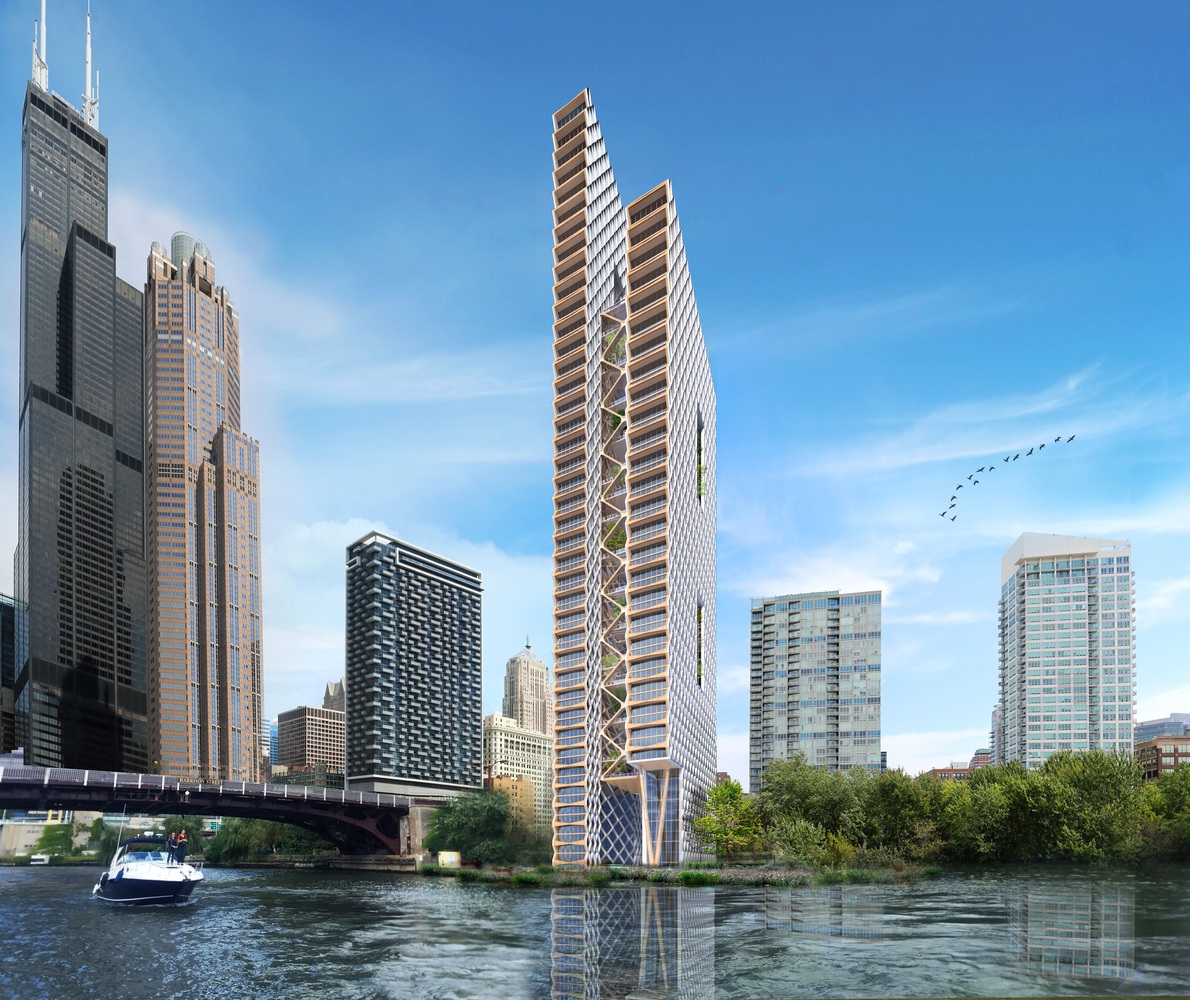
©River Beech Tower
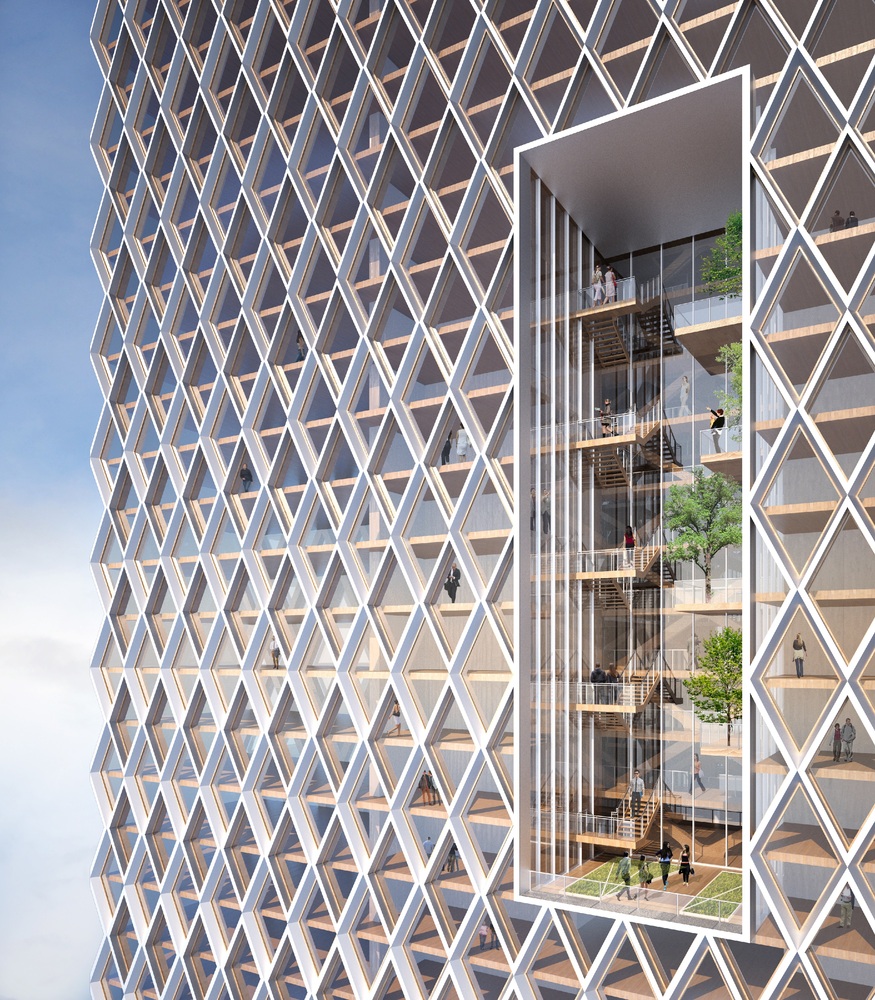
In conclusion, Mass Timber is the future of construction materials due to its numerous advantages over traditional building materials. It is sustainable, environmentally friendly, cost-effective, and provides excellent structural integrity. Mass Timber also offers architects and designers a wide range of design possibilities and flexibility, making it an attractive option for construction projects. Mass Timber is poised to become the next go-to construction material as the demand for sustainable and eco-friendly building materials increases. Its benefits cannot be ignored, and we expect to see more timber towers in the coming years.

Aly Bayoumi is an editor with a sharp eye for detail and a deep commitment to clarity and precision. Passionate about architecture and design, he sees every project as an opportunity to shape compelling narratives that bring creative visions to life. With a focus on accuracy and engaging storytelling, Aly combines editorial expertise with a dedication to elevating the voices and ideas that shape the built environment.