

Tile grout is the material that fills the joints between tiles, locking them together, keeping dirt and water out of the joints, and giving the finished surface its pattern. There are three main types: cementitious grout (sanded or unsanded), the cheapest and most common; epoxy grout, the hardest and most stain- and chemical-resistant; and urethane grout, a ready-mixed, flexible and stain-resistant option. This guide compares the three on strength, stain resistance, water resistance and ease of use, explains which tile grout to choose for each location, and covers joint width, colour and maintenance.
It is written for architects, specifiers and homeowners choosing grout for kitchens, bathrooms, floors, pools and façades.
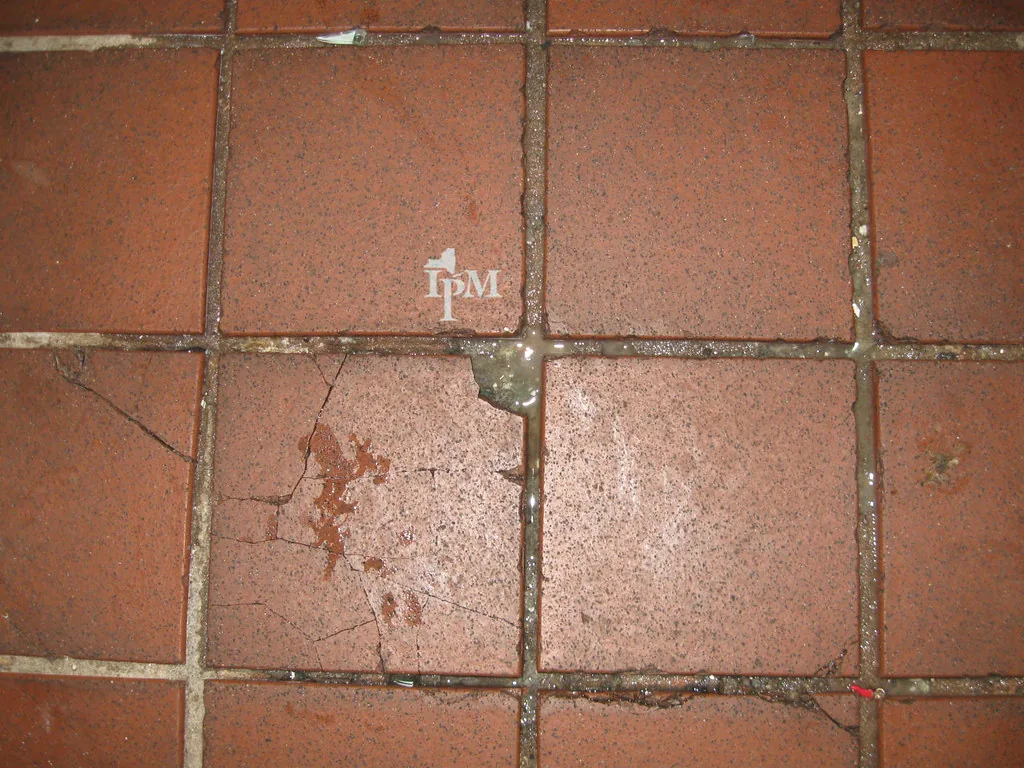
What grout does
Grout is not just filler. In a tiled surface it:
- Locks tiles in place and spreads loads between them, protecting tile edges from chipping.
- Keeps debris and water out of the joints. Note that most grout is not waterproof: in showers and wet rooms the waterproofing is the membrane beneath the tile, not the grout.
- Accommodates small size variations between tiles, which is why joints exist at all.
- Defines the look: grout colour and joint width change how the tile pattern reads, from seamless to graphic.
Grouts are classified in Europe by EN 13888 (and internationally by ISO 13007-3): CG for cementitious grouts, with CG1 for normal and CG2 for improved grouts, plus extra letters for reduced water absorption (W) and high abrasion resistance (A); and RG for reaction resin grouts such as epoxy. In North America, ANSI A118.6 covers standard cement grouts, A118.7 high-performance cement grouts and A118.3 epoxy grouts. Check the classification on the product data sheet, as in manufacturers’ grout ranges, rather than relying on marketing names.
| Type | Classification | Stain resistance | Water / chemical resistance | Ease of use | Best for |
|---|---|---|---|---|---|
| Cementitious, unsanded | EN 13888 CG1/CG2; ANSI A118.6/A118.7 | Low (needs sealing) | Low–medium; damaged by acids | Easy | Narrow joints (< ~3 mm), walls, delicate surfaces |
| Cementitious, sanded | EN 13888 CG1/CG2; ANSI A118.6/A118.7 | Low–medium (needs sealing) | Low–medium | Easy | Floors, joints ~3 mm and wider |
| Polymer-modified CG2 W A | EN 13888 CG2 WA | Medium | Medium; reduced water absorption | Easy | Bathrooms, busy floors |
| Epoxy | EN 13888 RG; ANSI A118.3 | High; no sealing | High; resists most chemicals | Difficult; short working time | Kitchens, pools, labs, showers |
| Ready-mixed resin grout | Product-specific; confirm resin and classification | Check product performance | Use only in approved exposures | Follow curing and cleaning instructions | Home kitchens and bathrooms |
Source: Product classification example checked against LATICRETE SPECTRALOCK PRO PREMIUM TRANSLUCENT technical page; other choices require their own data sheets (as of 21 October 2026).
Cementitious tile grout: sanded and unsanded
Cement-based grout is a mix of Portland cement, fine fillers, pigments and, in modern products, polymers that improve strength, flexibility and water resistance. It is mixed with water on site.
Sanded grout
Sanded grout contains fine sand, which gives it bulk and resists shrinkage and cracking in wider joints. It is the standard choice for floor tiles and joints of roughly 3 mm (1/8 inch) and wider. The sand can scratch soft or polished surfaces such as polished marble, some glass tiles and high-gloss finishes, so test first.
Unsanded grout
Unsanded grout is smoother and stickier, suited to narrow joints below about 3 mm, vertical wall tiles and delicate surfaces. In wide joints it is prone to shrinking and cracking.
Pros of cementitious grout: low cost, easy to apply and clean, widely available colours, easy to repair. Cons: porous, so it stains and harbours mould unless maintained appropriately; seal only where the product manufacturer recommends it, and it can be etched by acidic cleaners. Polymer-modified CG2 grouts with W and A ratings perform considerably better than basic products.
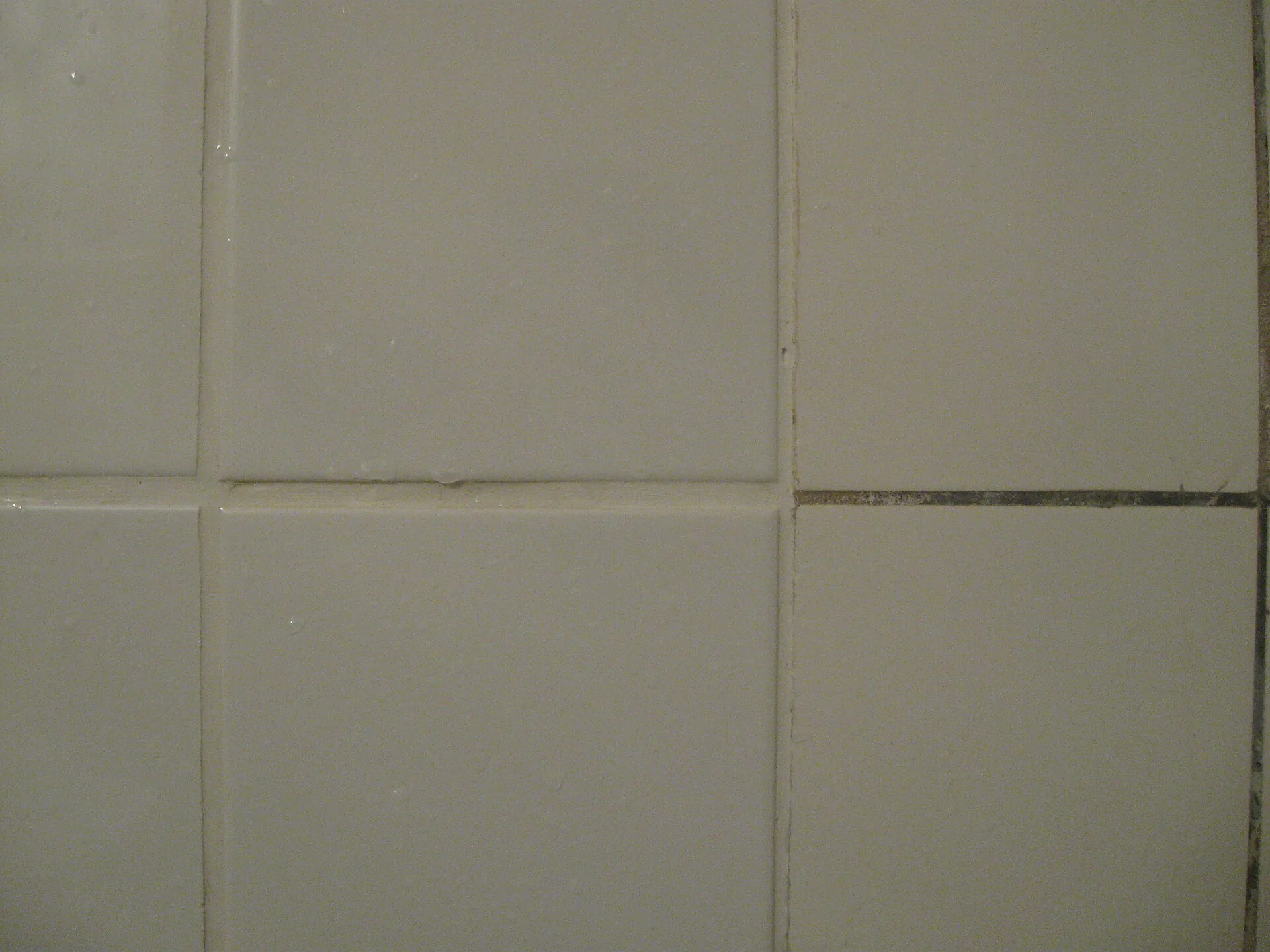
Epoxy grout
Epoxy grout is a two- or three-part system of epoxy resin, hardener and filler. Once cured, it is hard, dense and almost non-porous, so it resists stains, water and most chemicals without sealing. Manufacturers’ high-performance epoxy grouts are typically tested to both EN 13888 RG and ANSI A118.3, and some are designed for joints from about 1.5 to 12 mm.
Where it suits: commercial kitchens, food processing, laboratories, swimming pools, showers, kitchen worktops and splashbacks, and anywhere with acids, fats or frequent cleaning. Coloured and translucent epoxy grouts are also used for glass mosaic.
Watch-outs: epoxy is harder to apply; it has a limited working time and must be cleaned from the tile face before it cures, or it leaves a haze that is very hard to remove. It costs more than cement grout, and it is less forgiving for DIY. Classification and clean-up requirements must come from the exact product data sheet; a cement-grout class must not be applied to all epoxy products.
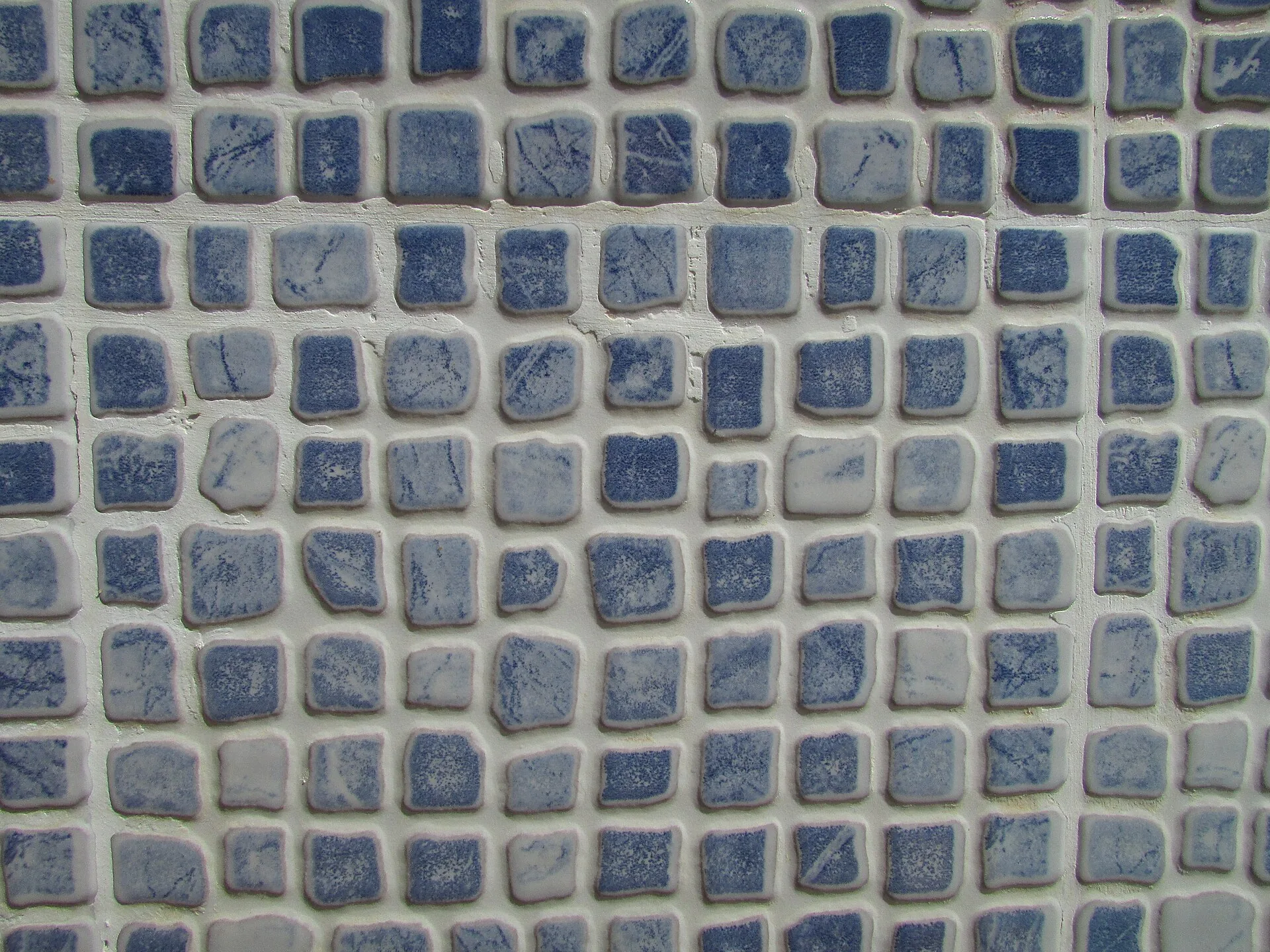
Urethane tile grout
Urethane grouts are pre-mixed in a tub, based on the resin formulation identified by the manufacturer; acrylic ready-mixed products are not automatically urethane grouts. They are applied like cement grout but need no mixing, are more flexible, resist staining and usually require no sealing. Use them only in the exposures and joint widths approved by the manufacturer. Their formulation does not make them a substitute for movement joints.
Watch-outs: urethane grouts cure more slowly, can be sensitive to moisture and temperature during curing, and cost more than cement grout. Follow the manufacturer’s instructions closely, as products vary widely.
Choosing tile grout by location
- Dry walls and living-area floors: polymer-modified cementitious grout (CG2) is usually sufficient.
- Bathrooms and showers: CG2 W cement grout with a waterproof membrane beneath, or epoxy or urethane grout for low maintenance. Use flexible sealant, not grout, in internal corners and at changes of plane.
- Kitchen splashbacks and worktops: epoxy or urethane for stain resistance against oil, wine and sauces.
- Commercial kitchens, laboratories and pools: epoxy (RG) for chemical resistance and hygiene.
- Exterior terraces and façades: cement grouts rated for exterior use and freeze-thaw, with movement joints designed into the layout; see our guide to facade cladding materials for the broader choice of façade finishes.
- Natural stone and polished surfaces: unsanded or fine grout, tested on a sample to avoid scratching or staining porous stone.
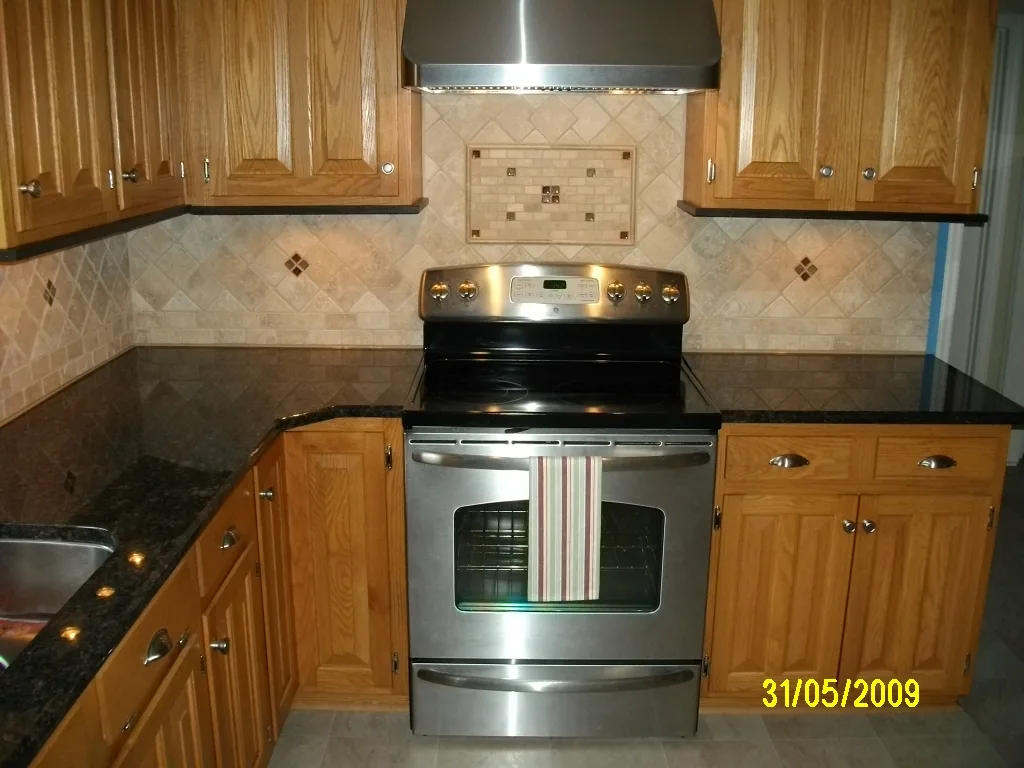
Joint width and colour
Joint width
Joint width depends on the tile’s size, its dimensional accuracy (rectified tiles have precisely cut edges and allow narrower joints), the substrate and the location. Very narrow joints look seamless but leave no tolerance for tile variation or movement; wider joints suit handmade and rustic tiles. Large-format floor tiles still need joints and movement joints at perimeters and across large areas, according to the tile and adhesive manufacturers’ guidance and the relevant installation standard.
Colour
Grout colour changes the character of a tiled surface:
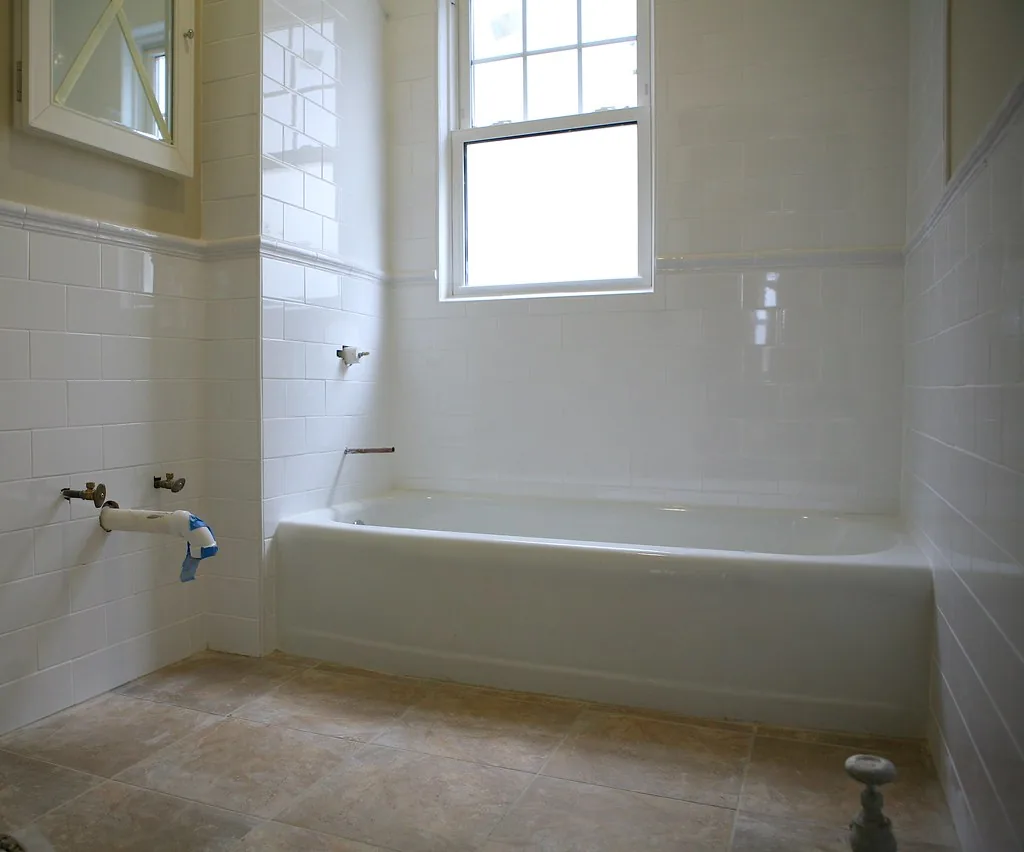
- Matching grout makes the surface read as one plane and hides minor irregularities.
- Contrasting grout emphasises the tile shape and pattern, as with white subway tiles and dark grout, but shows every imperfection in the setting.
- Mid-tone greys hide dirt better than pure white on floors.
Coloured cement grouts can vary between batches and may lighten as they cure; epoxy and urethane grouts generally hold colour more consistently. For seamless floor finishes without visible joints, compare with poured alternatives such as terrazzo floors.
Maintenance and repair
- Seal cementitious grout if the manufacturer recommends it, and reseal periodically in wet or high-traffic areas.
- Clean with pH-neutral cleaners; acidic and bleach-based products can damage cement grout and some sealers.
- Replace cracked or crumbling grout early by raking out the joint and regrouting, and investigate the underlying movement or moisture problem. Grout is not the waterproofing layer: a wet-area assembly still needs the specified waterproofing and drainage.
- Replace failed sealant at movement joints and corners rather than filling them with grout.
Read the joint specification with the tile specification
Match the grout to the joint width, tile surface, exposure and cleaning regime stated by the manufacturer. Make a sample panel to check whether pigments, aggregates or cleaning products mark the tile. Movement joints are a separate part of the design and must not simply be filled with rigid grout. Follow the full system instructions for preparation, mixing, working time and curing. A generic rule about sanded and unsanded grout can be misleading for modern proprietary formulations.
For the wider specification process, our guide to selecting architectural building materials explains how to compare requirements before choosing a product.
Summary: which tile grout should you choose?
For most dry walls and floors, a polymer-modified cementitious tile grout (CG2) offers the best balance of cost and performance: sanded for joints of about 3 mm and wider, unsanded for narrower joints and delicate surfaces. Choose epoxy grout where stains, chemicals, hygiene or water are serious concerns, and urethane grout for a ready-mixed, flexible, low-maintenance option at home. Always check the product’s EN 13888 or ANSI classification, match the joint width to the tile, and design movement joints with sealant.
Choosing tile grout: a quick decision guide
Choose tile grout by asking four questions. Where is it? Showers, kitchen worktops, pools and commercial kitchens need low-absorption, stain-resistant grout, usually epoxy or a high-performance cement grout with additives. How wide are the joints? Unsanded grout suits very narrow joints, sanded or fine-aggregate grout wider ones; always follow the manufacturer’s joint-width range. What are the tiles? Polished stone and some glazes can be scratched by sanded grout or stained by dark pigments, so test first. Who will maintain it? Cement grout needs sealing and periodic cleaning, while epoxy still needs appropriate cleaning and inspection but is harder to install and repair. Finally, remember that movement joints at perimeters and changes of plane should be filled with flexible sealant, not grout.

Luca Moretti is a content strategist with a foundation in urban design and architecture. Based in Milan, he focuses on writing that bridges aesthetics, material culture, and everyday spatial experiences.