


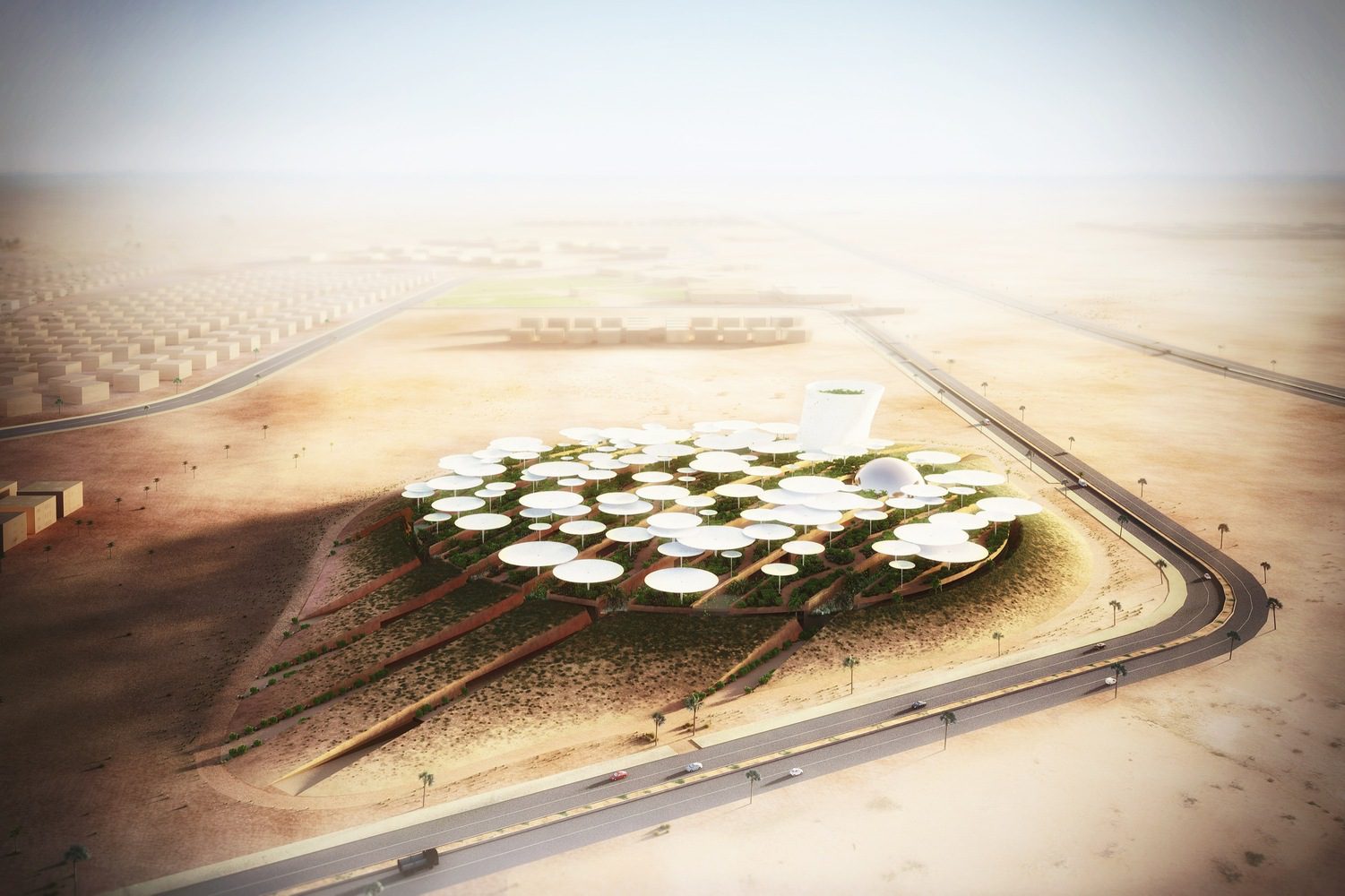
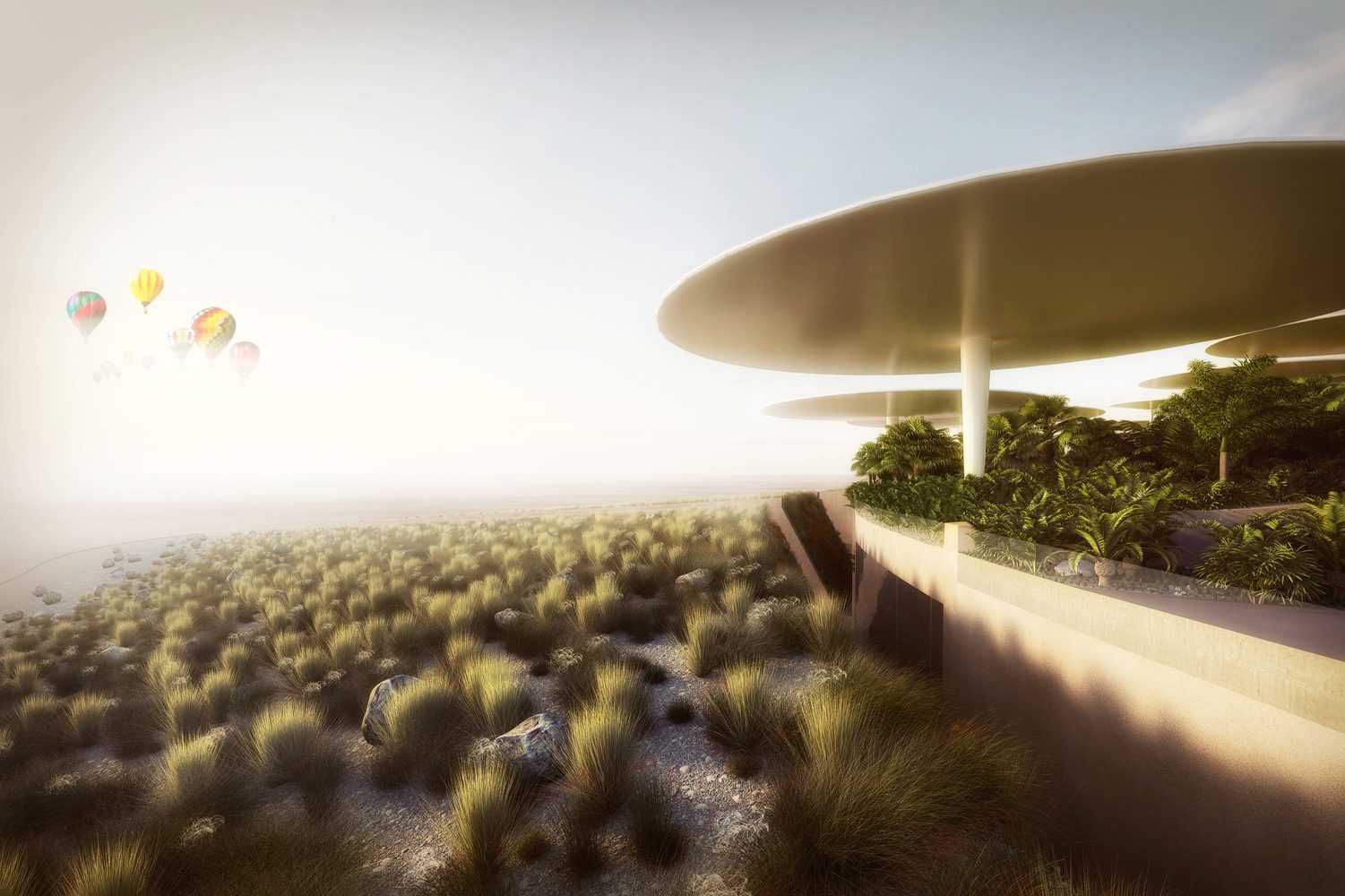
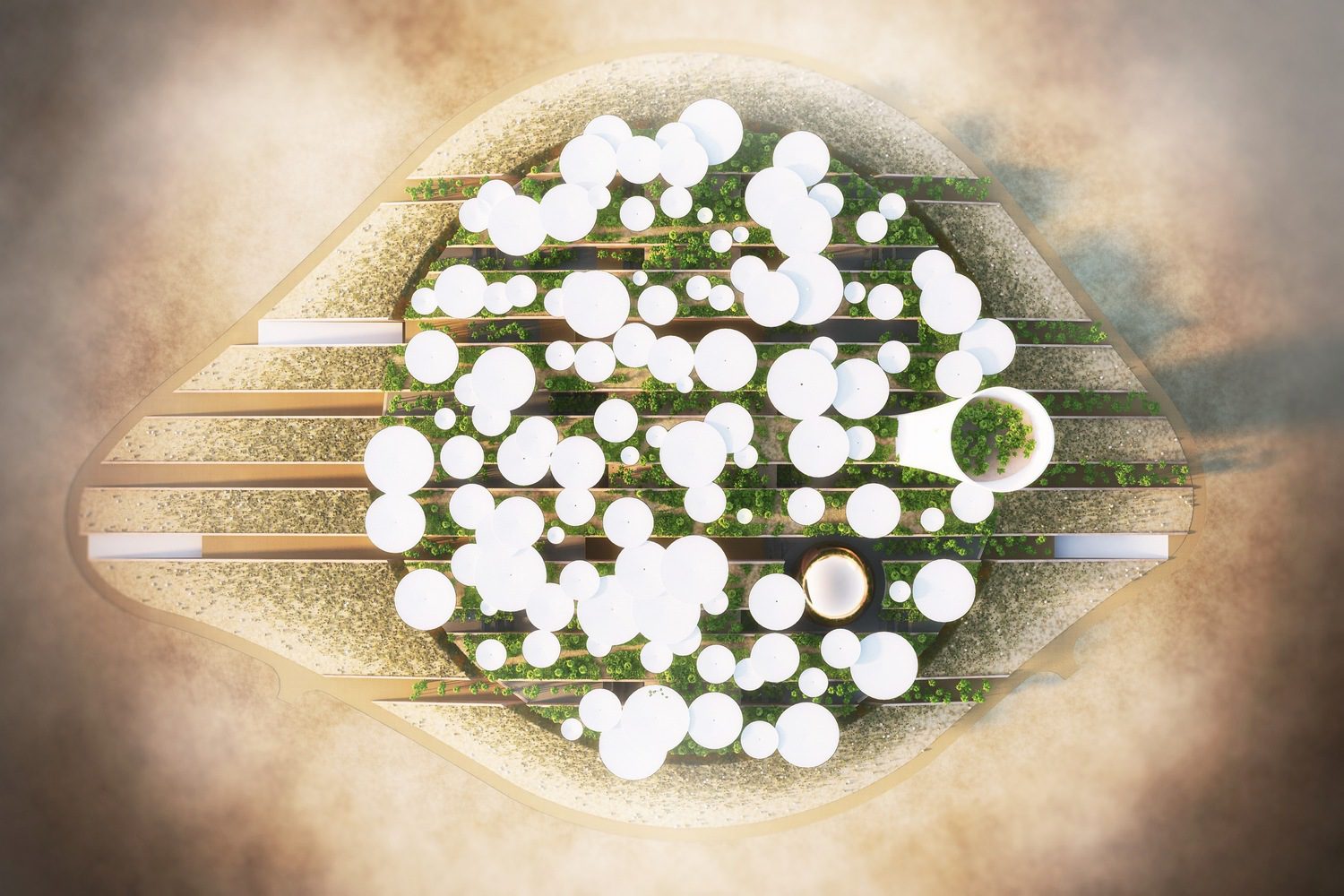
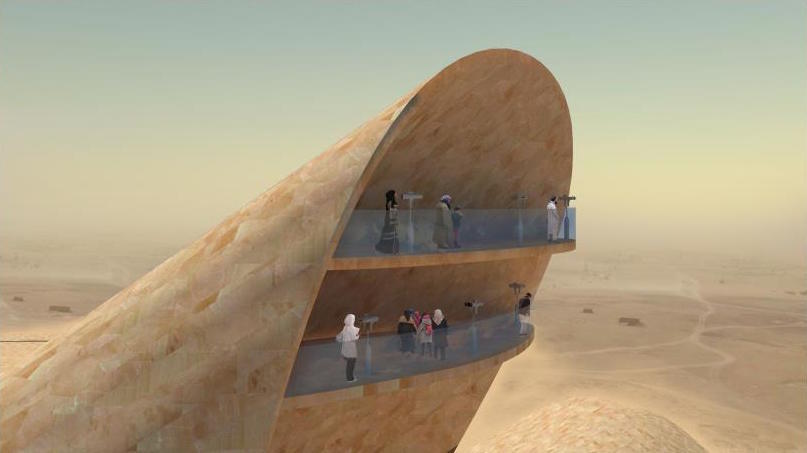
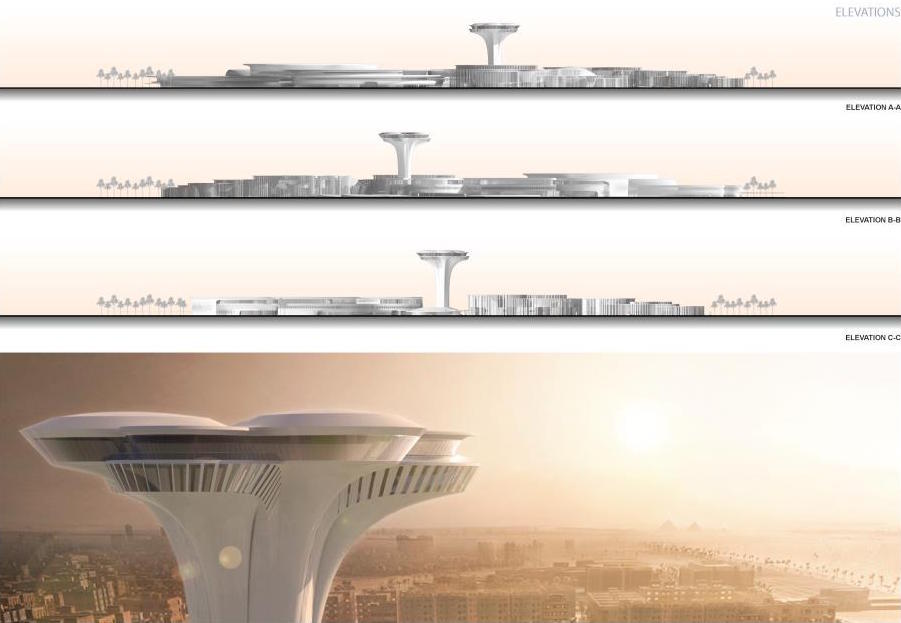
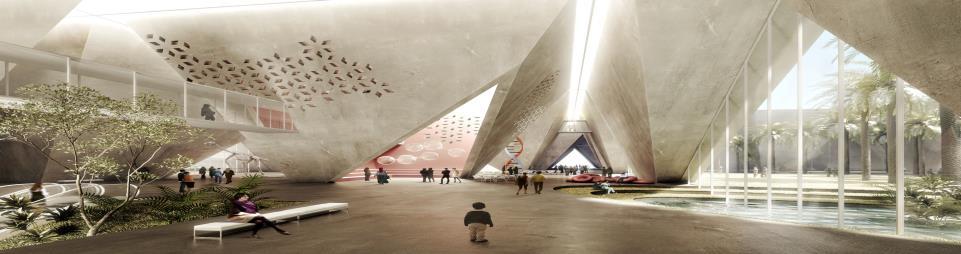
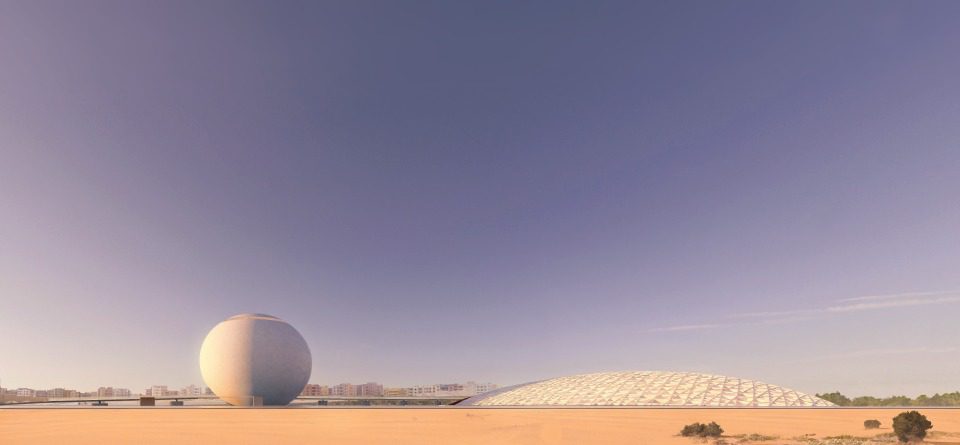
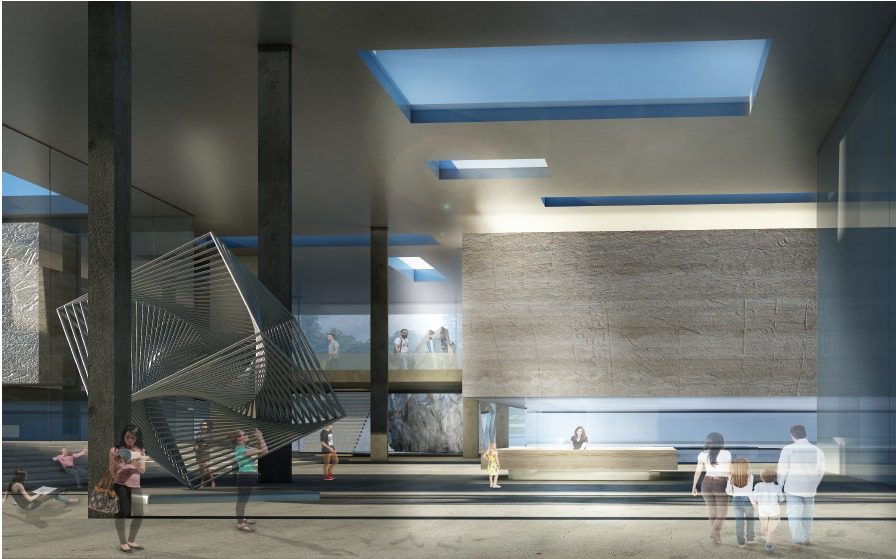
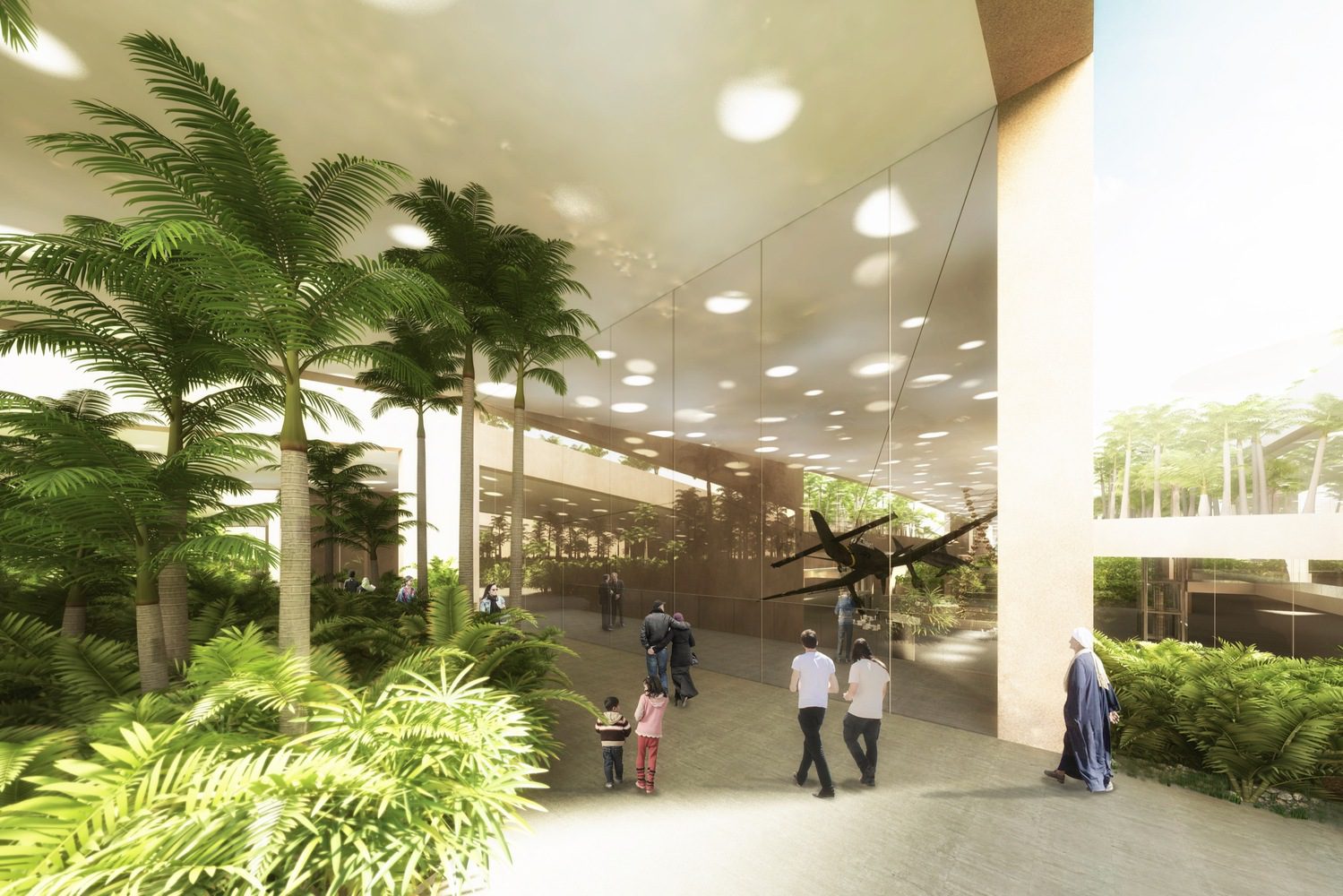
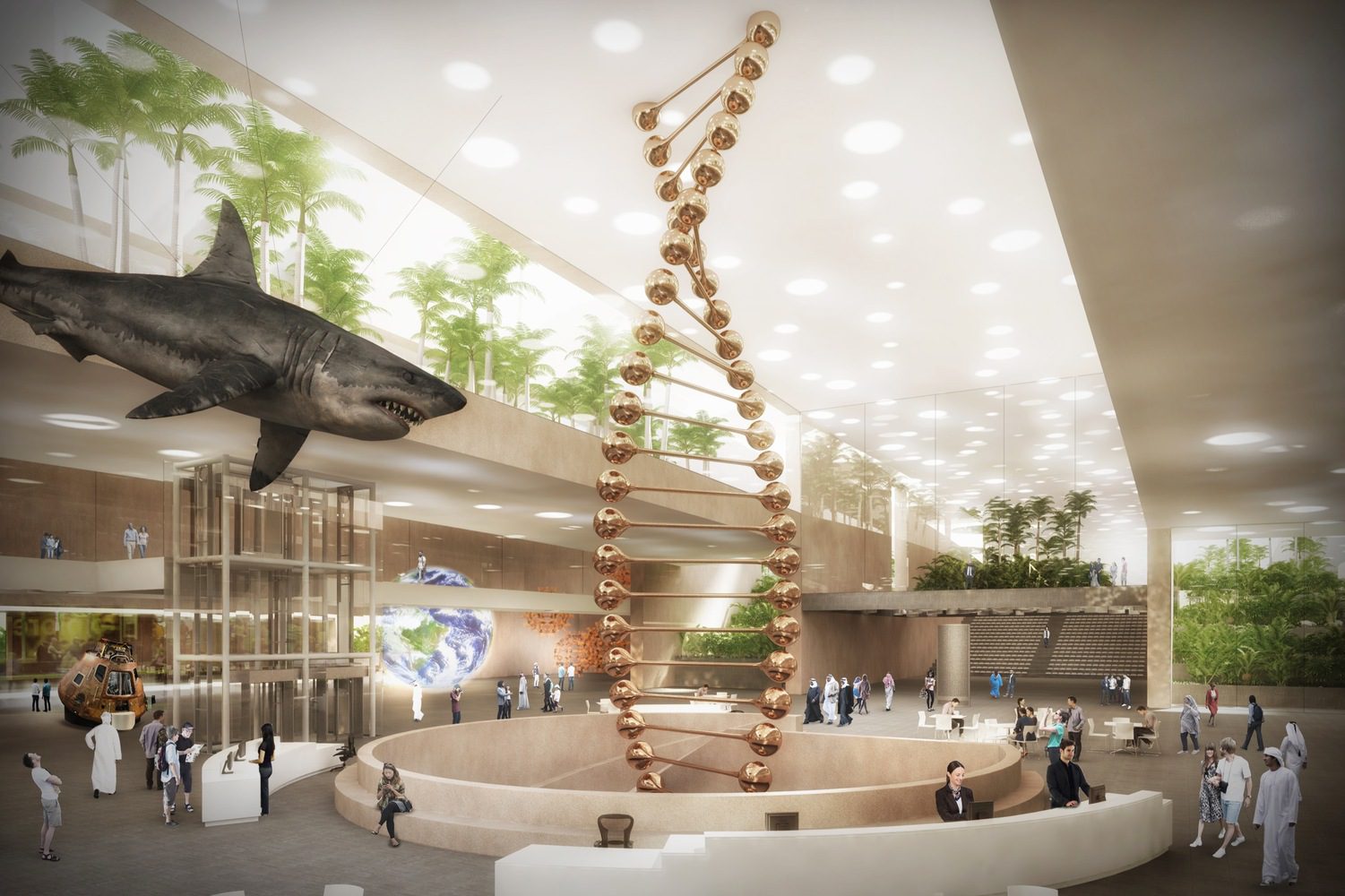
Last April, the Library of Alexandria has endorsed a science city project by organizing an open, one stage international architectural competition for the comprehensive master plan and conceptual design. The Bibliotheca Alexandrina aspired to implement a landmark honoring the enterprise of science. This new complex will ultimately create the first 21stcentury science museum, learning and research facility in Egypt. The main approach of design of science city was to create a set of buildings and spaces that can be inspiring on the outside and motivating and exciting on the inside to visitors and employees alike. It should have expressed a particular vision of the search for knowledge and the pursuit of science. The new “Science City” complex is expected to be built on the western edge of Cairo, in the heart of the 6th of October City.
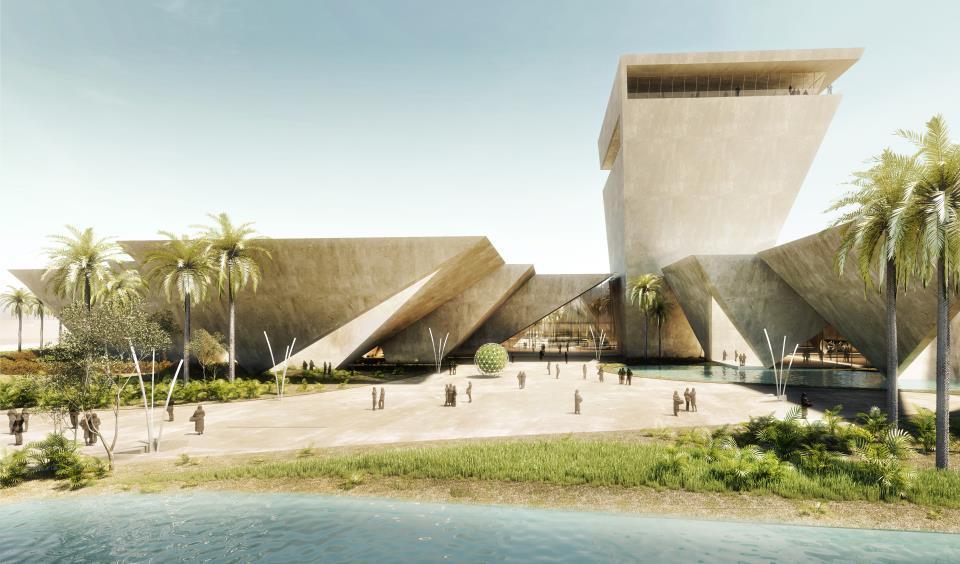
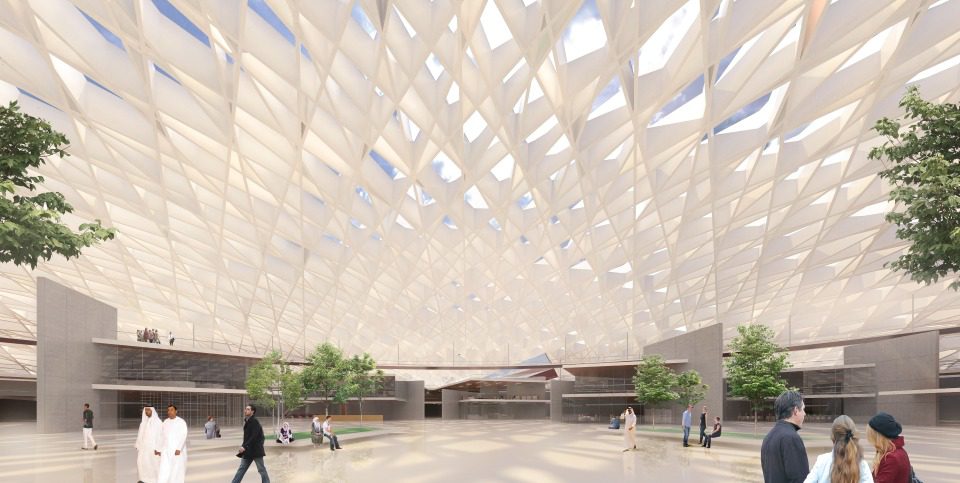
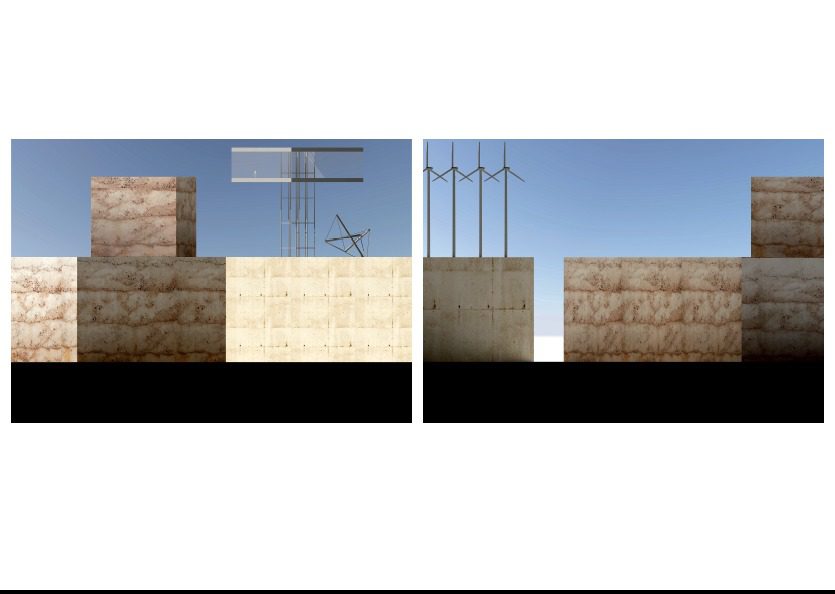
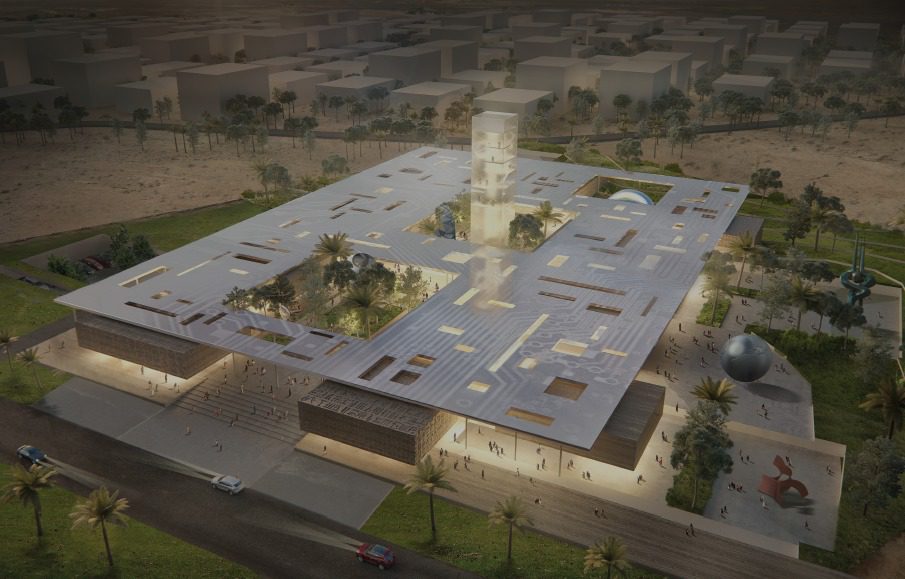
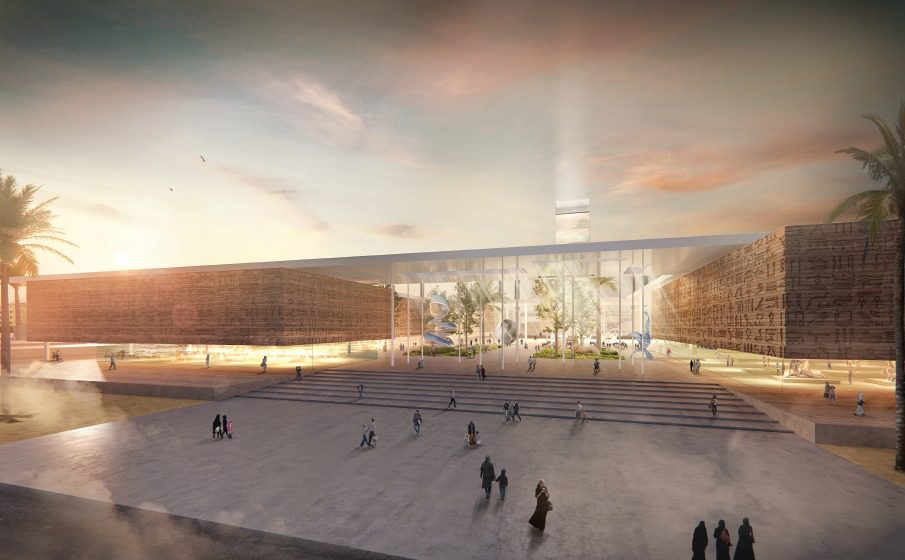
1st prize – WestonWilliamson + Partners
The jury members for the competition were: Ismail Serageldin, Director of Bibliotheca Alexandrina, (Egypt), Odile Decq, Award-winning French Architect and Academic, (France), Seif Allah A. Alnaga, UIA Egyptian National Section President, (Egypt), Nikos Fintikakis, UIA Representative and UIA Council member, (Greece), Suha Ozkan, Founder and President “World Architecture Community”, (Turkey), Mohsen Mostafavi, Professor at the Harvard Graduate School of Design, (USA), Neil MacGregory, British Art Historian and Former Director of British Museum, (UK). The jury board has announced the winners of the Science City International Architectural Competition today, together with the press conference and opening the exhibition for the public till 30 August.

Ibrahim Abdelhady is an architect, academic, and media entrepreneur with over two decades of experience in architecture and digital publishing. He is the Founder and CEO of Arch2O.com, a leading platform in architectural media, renowned for showcasing innovative projects, student work, and critical discourse in design. Holding dual PhDs in Architecture, Dr. Abdelhady combines academic rigor with industry insight, shaping both future architects and architectural thought. He actively teaches, conducts research, and contributes to the global architecture community through his writing, lectures, and media ventures. His work bridges the gap between practice and academia, pushing the boundaries of how architecture is communicated in the digital age.