


Ring of Life – China
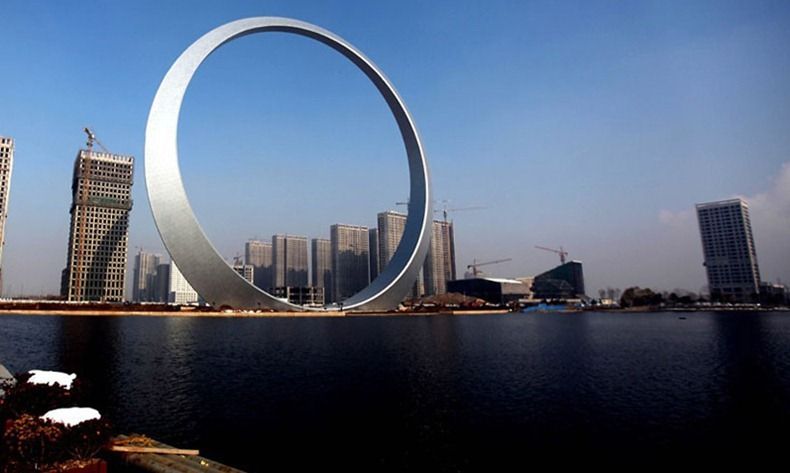
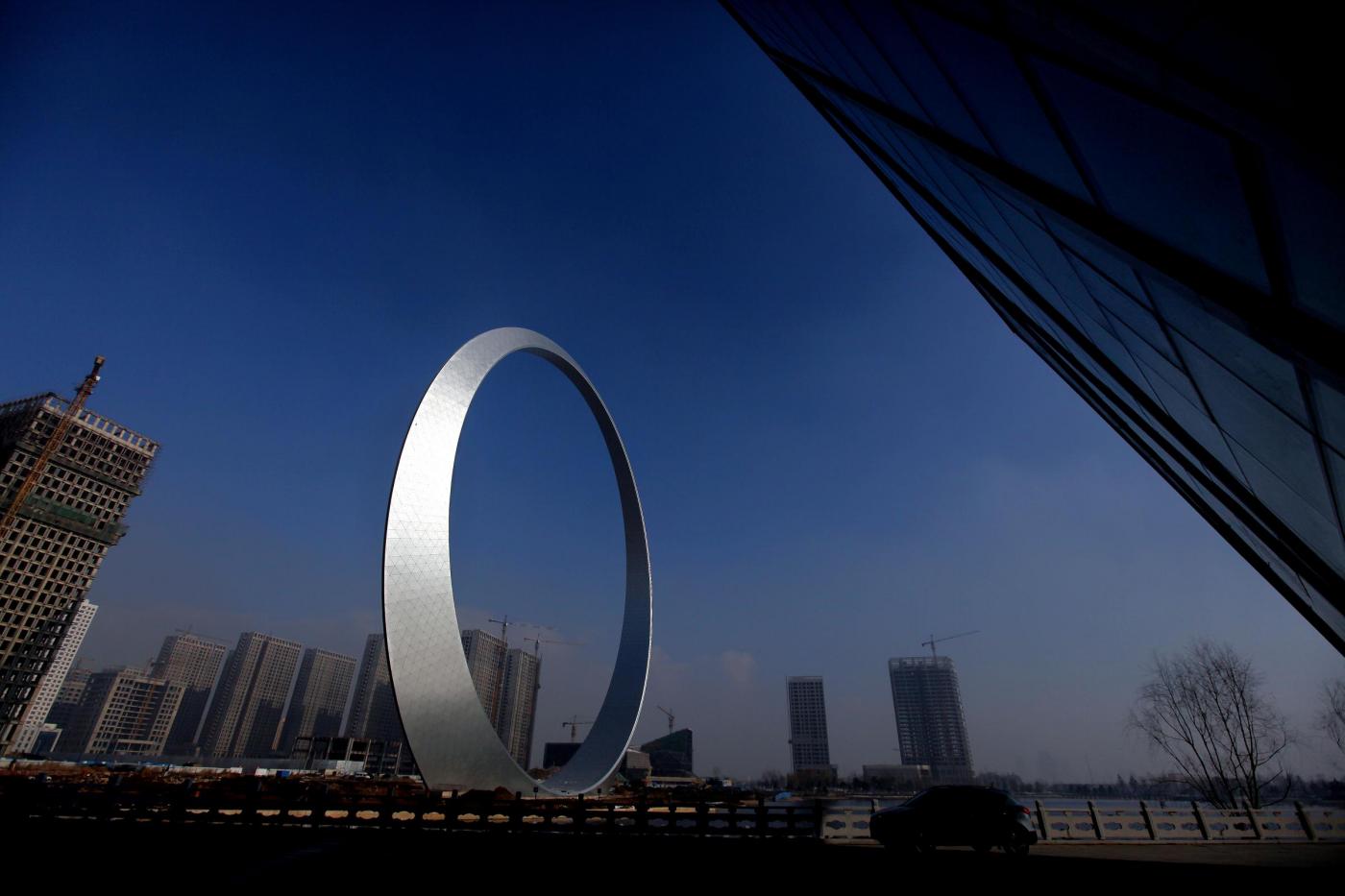
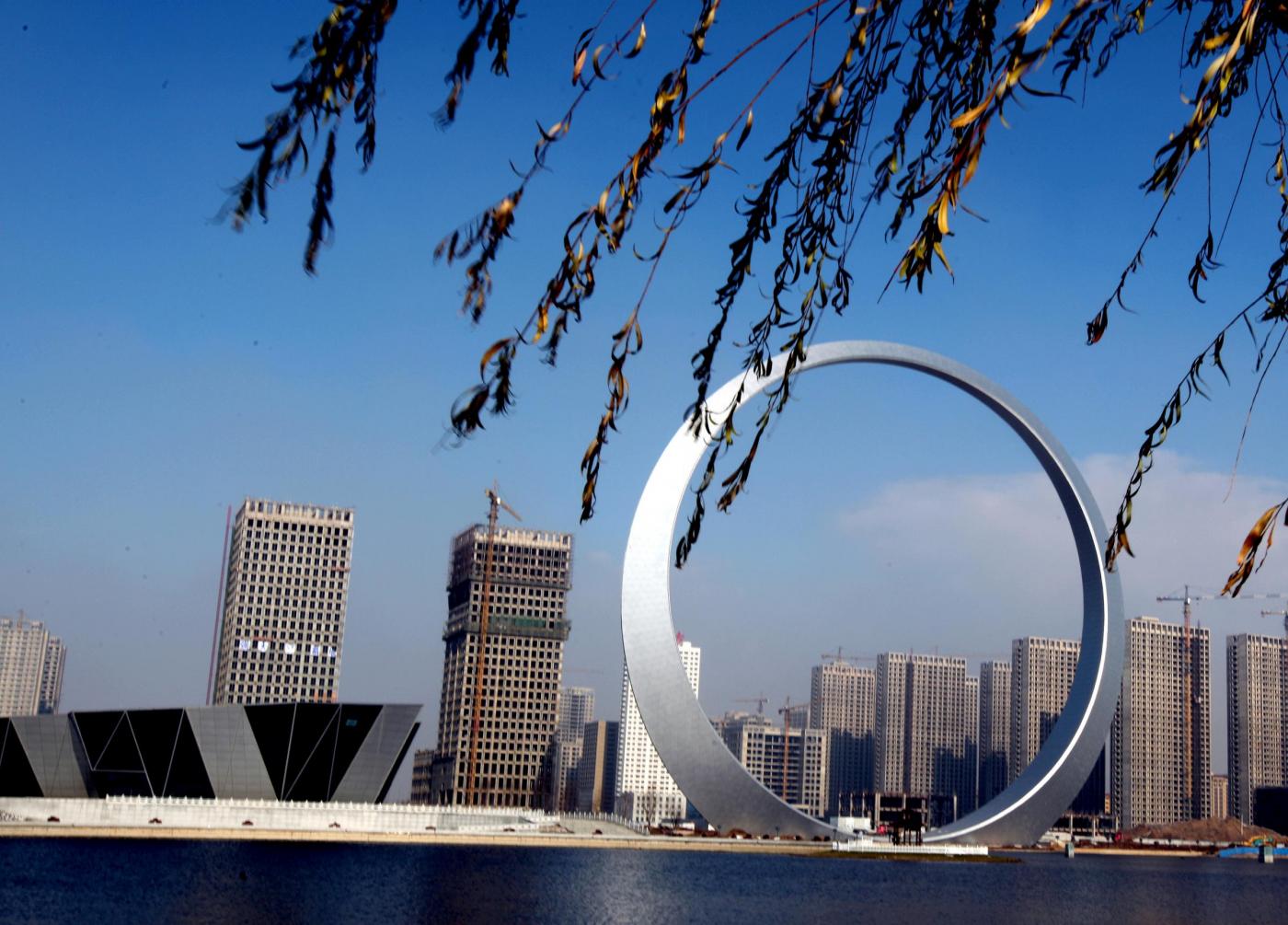
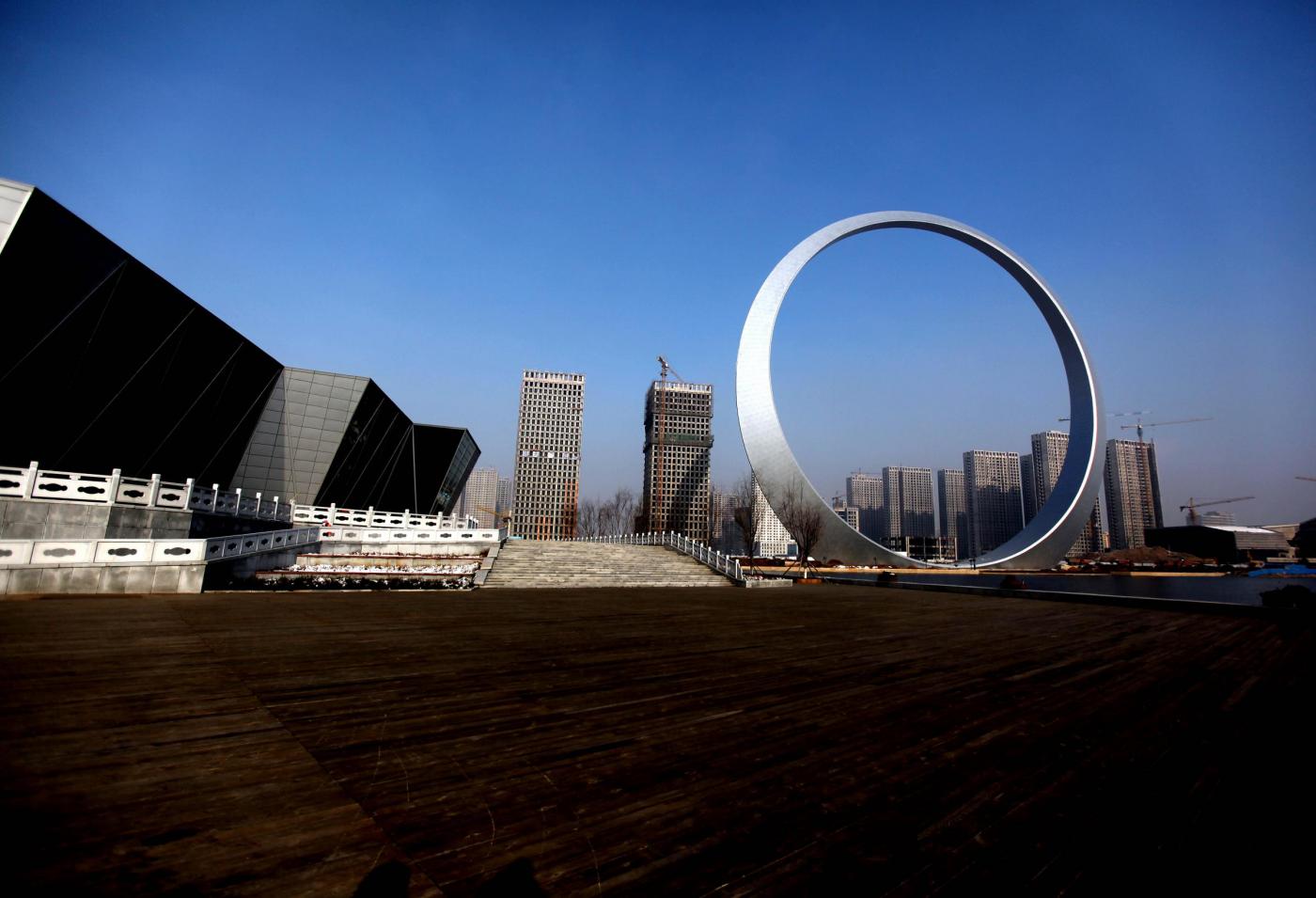
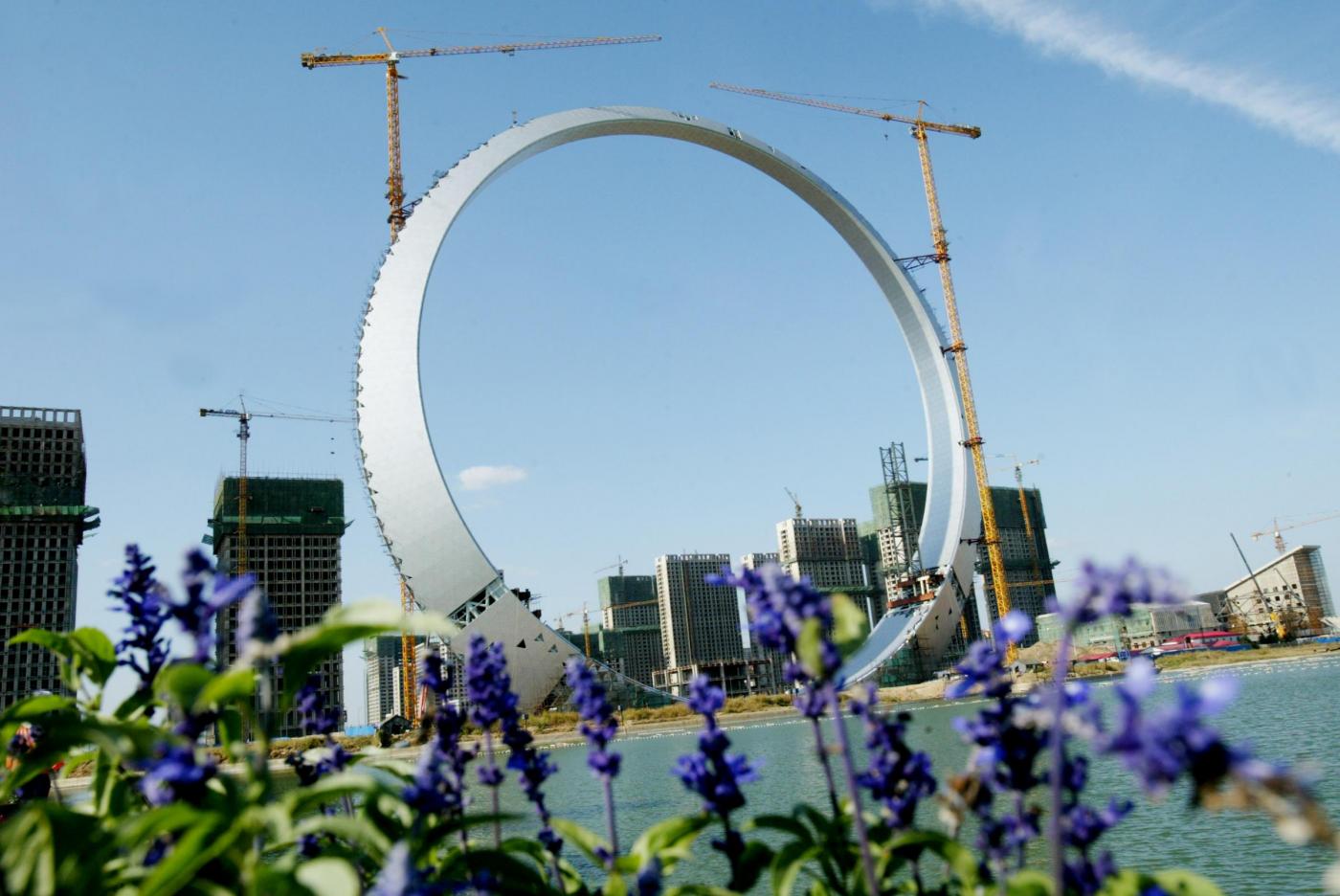
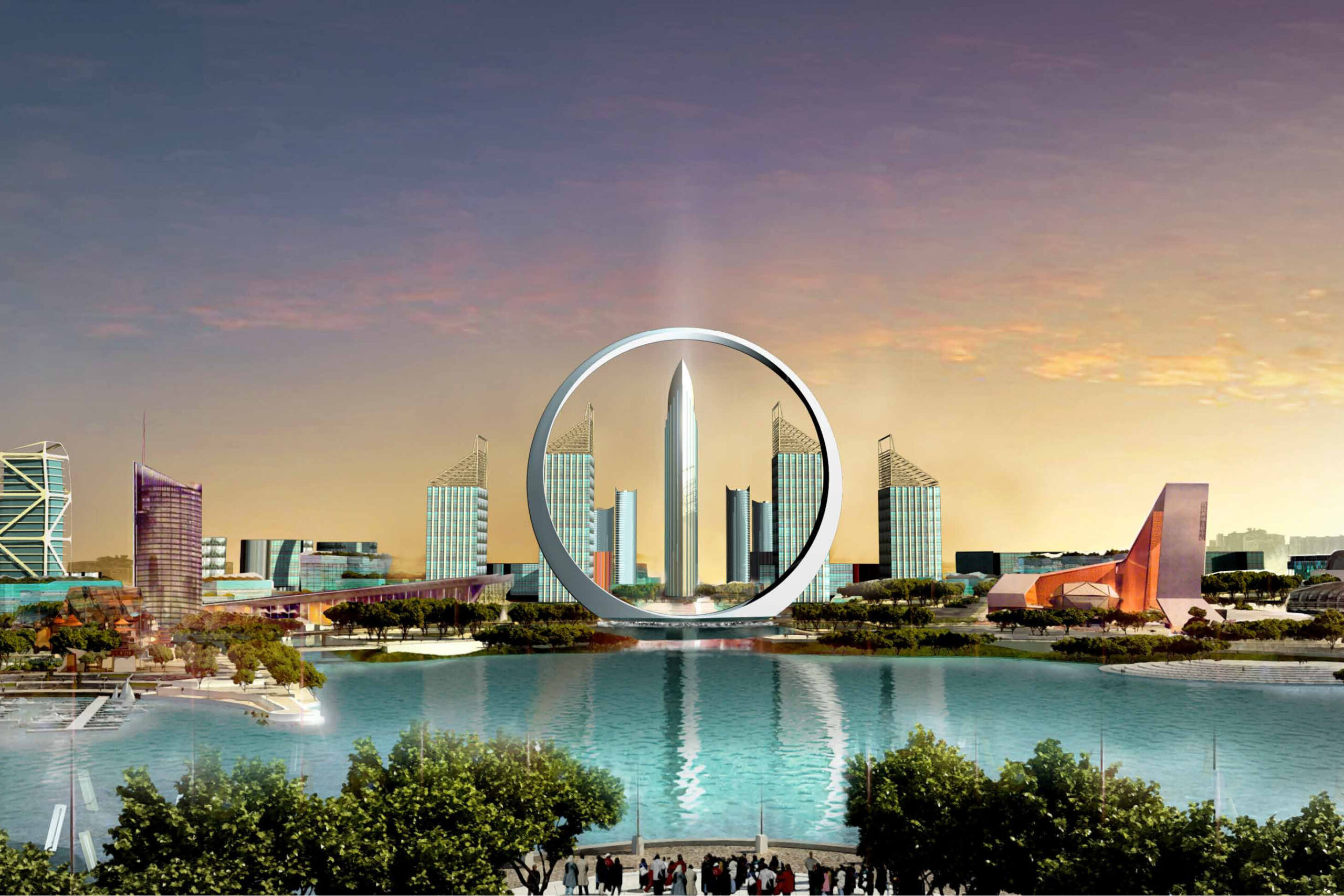
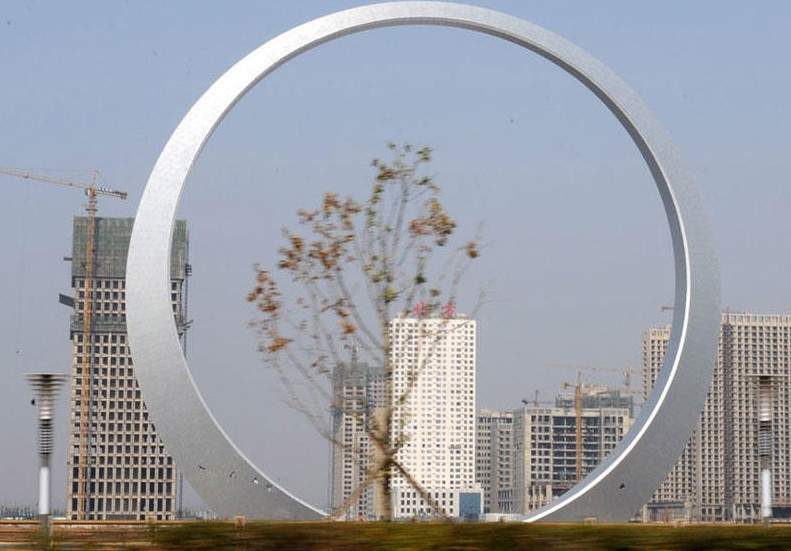
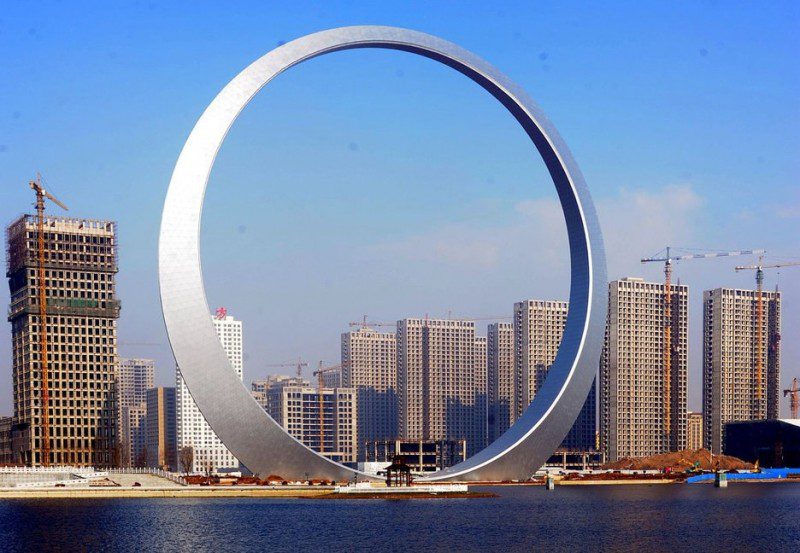
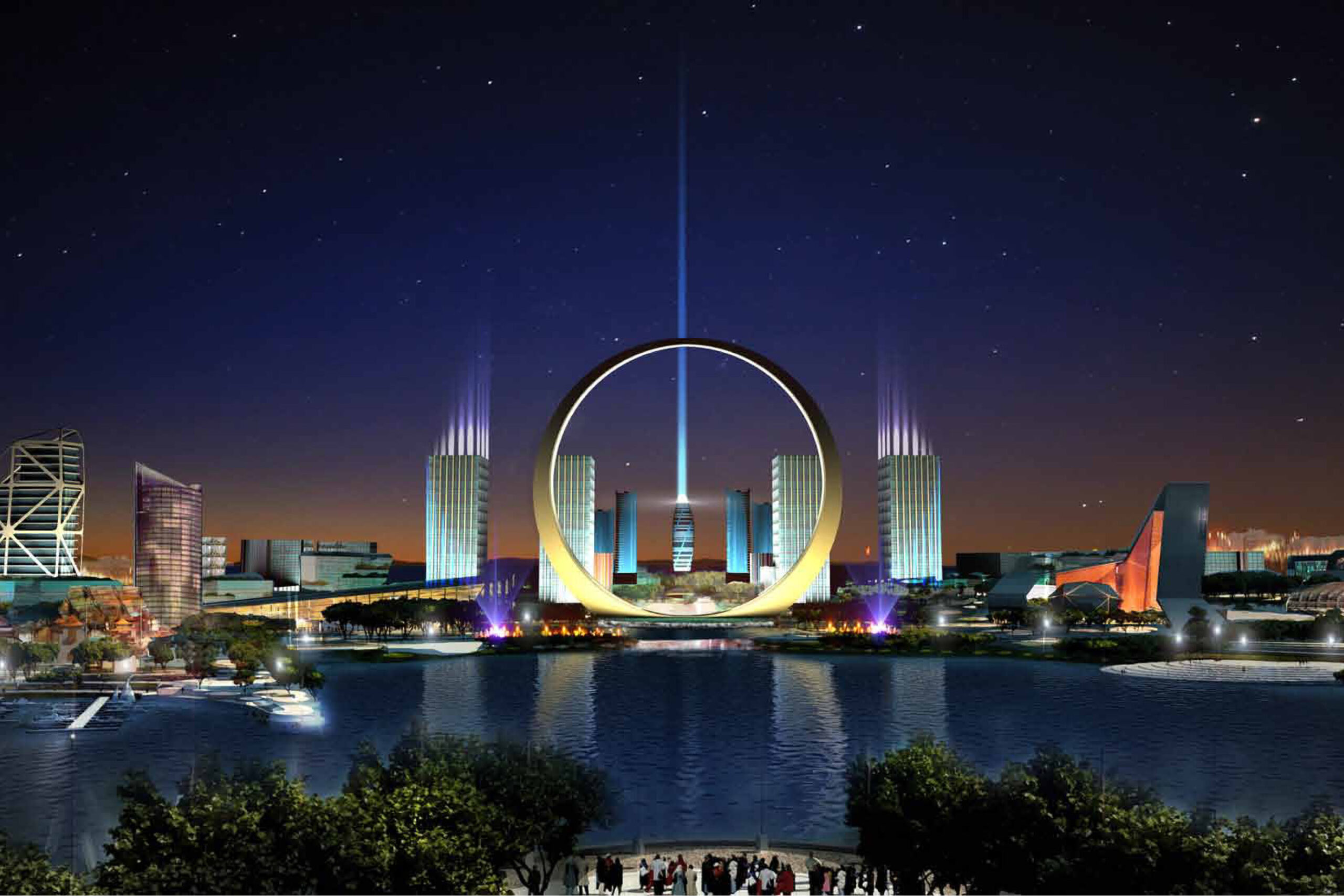
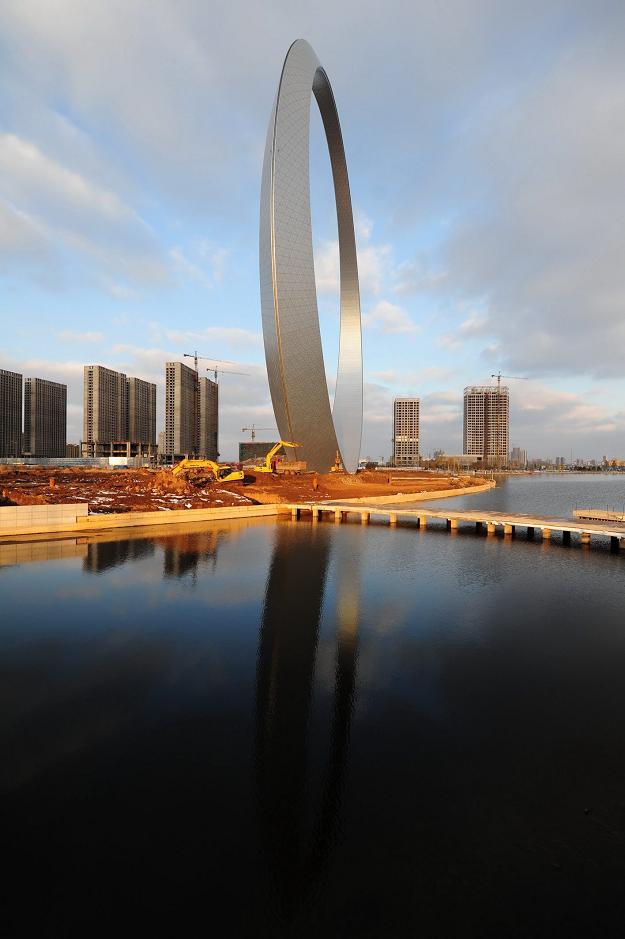
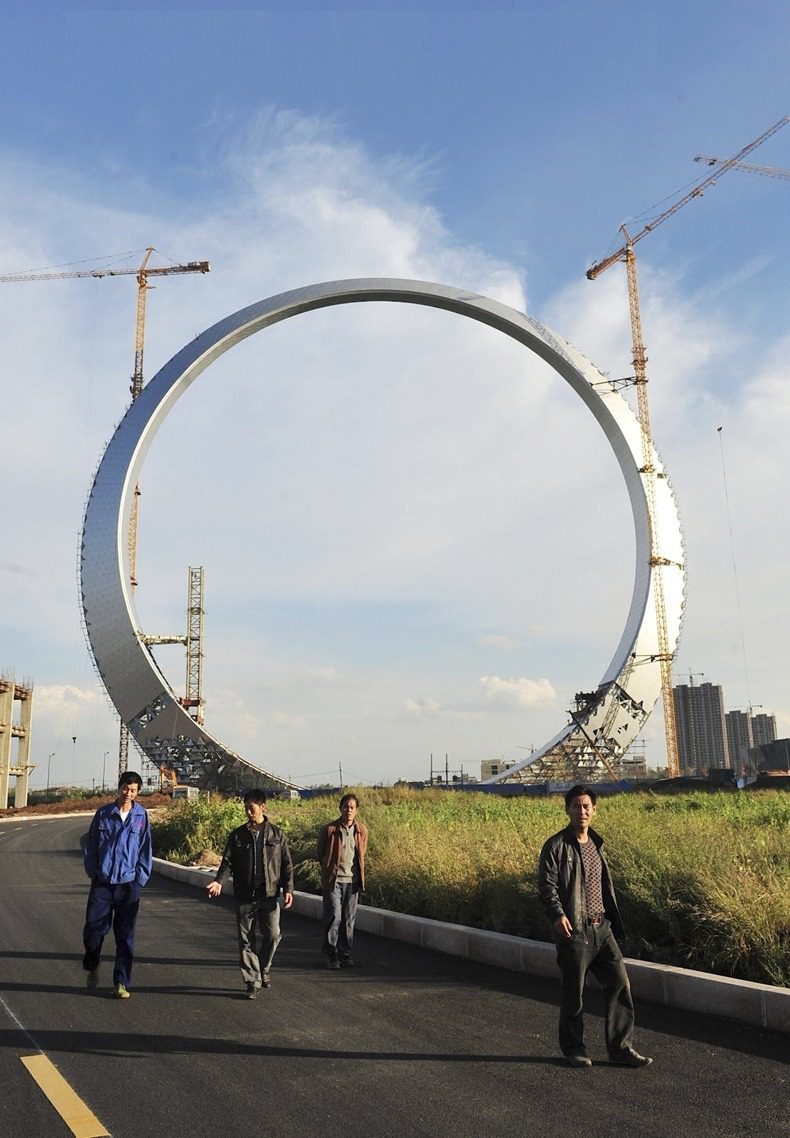
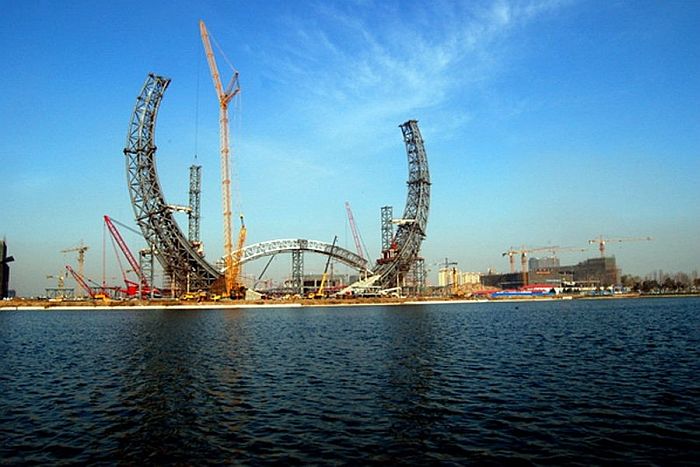
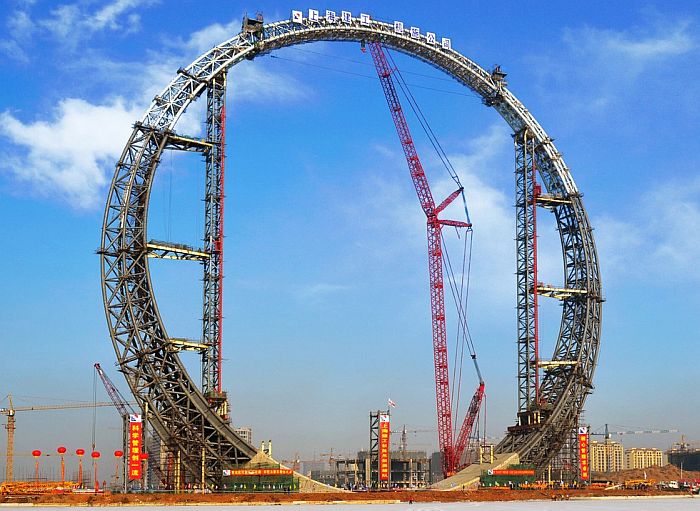
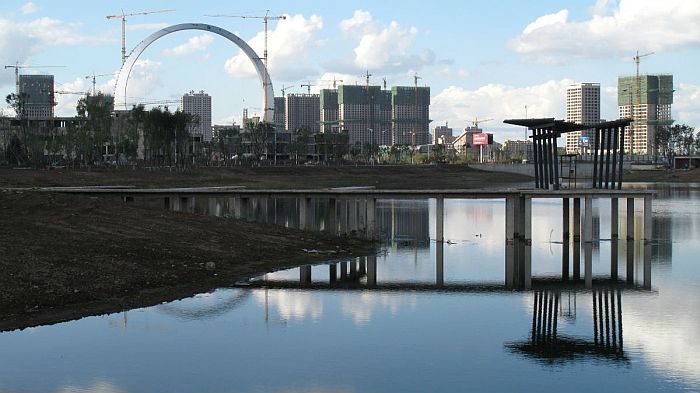
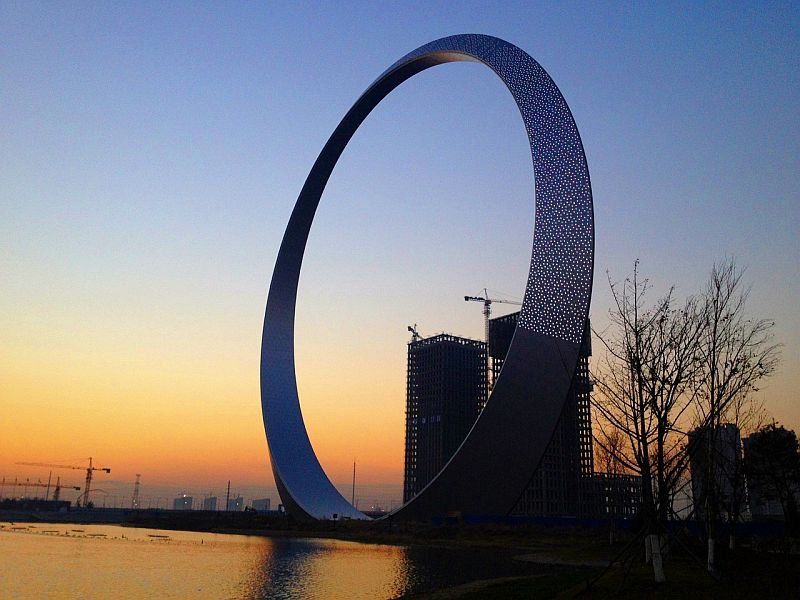
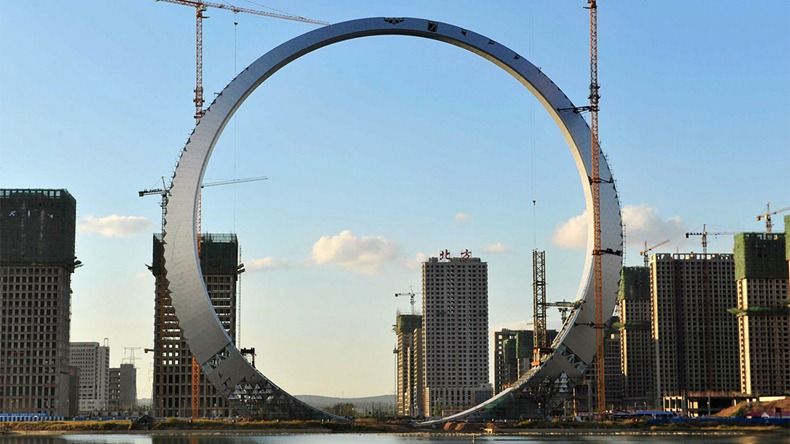
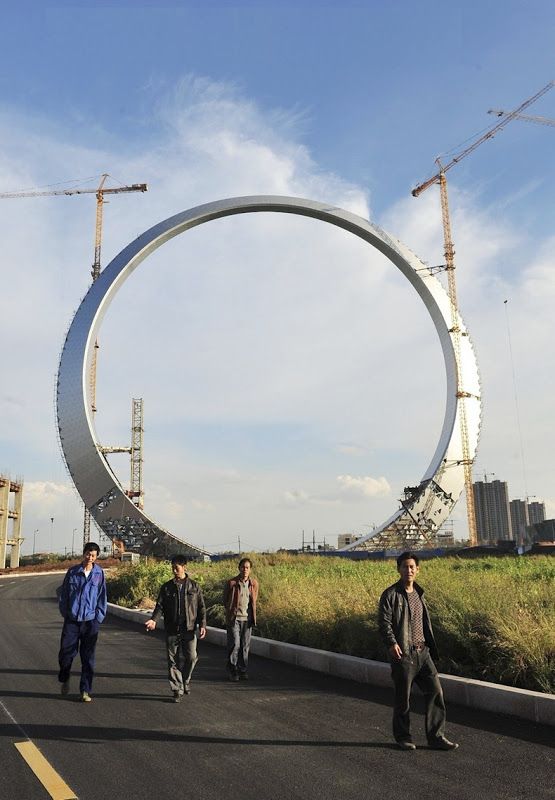
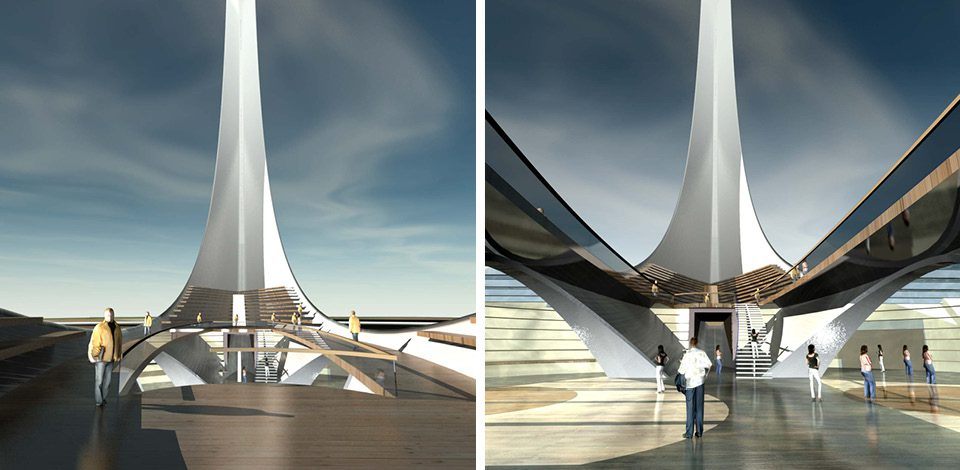
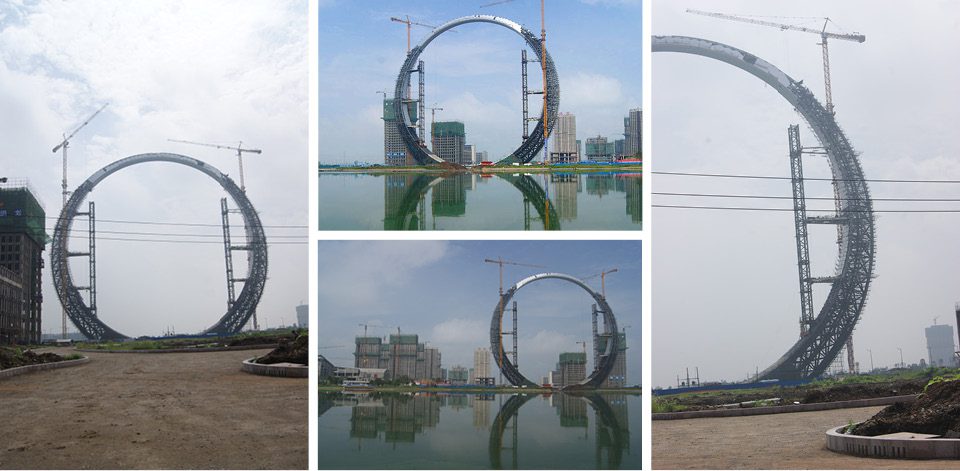
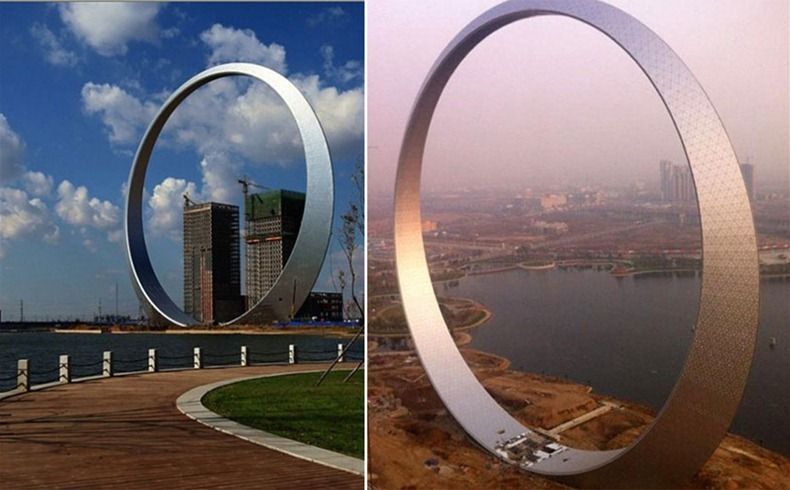
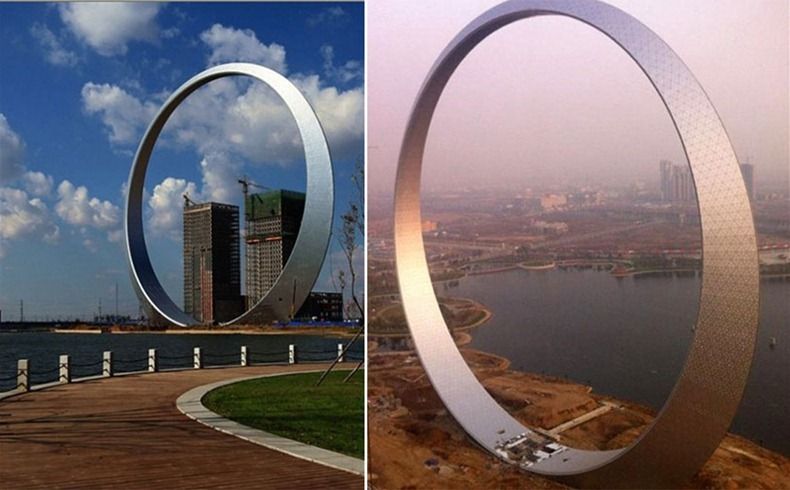
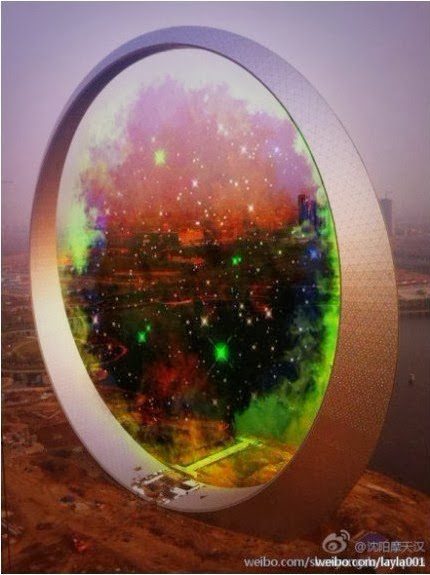
Amazing ! The Huffington Post called it “stunning”, and National Geographic listed a photo of it amongst their “Best of September (2012)”. Meanwhile, England’s Daily Mail declared it “Orient Excess”. Its the “Ring of Life”, just another example of the China’s building craze. They claim it is pretty “landscape architecture”—like the Eiffel Tower. It uses four elevators to take people to the top !

Courtesy of Gary Goddard’s
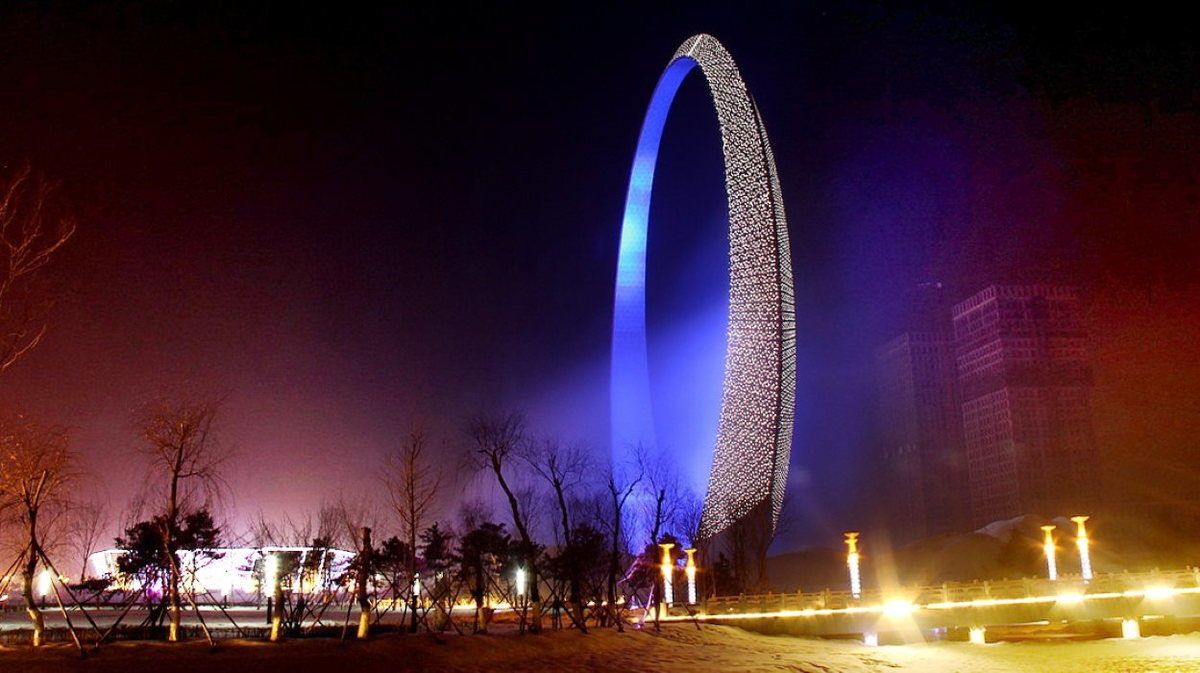
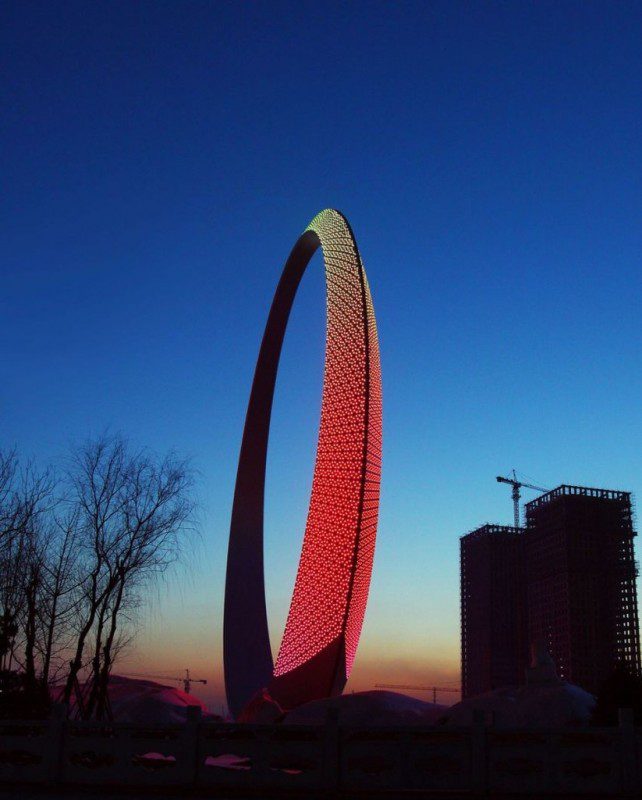
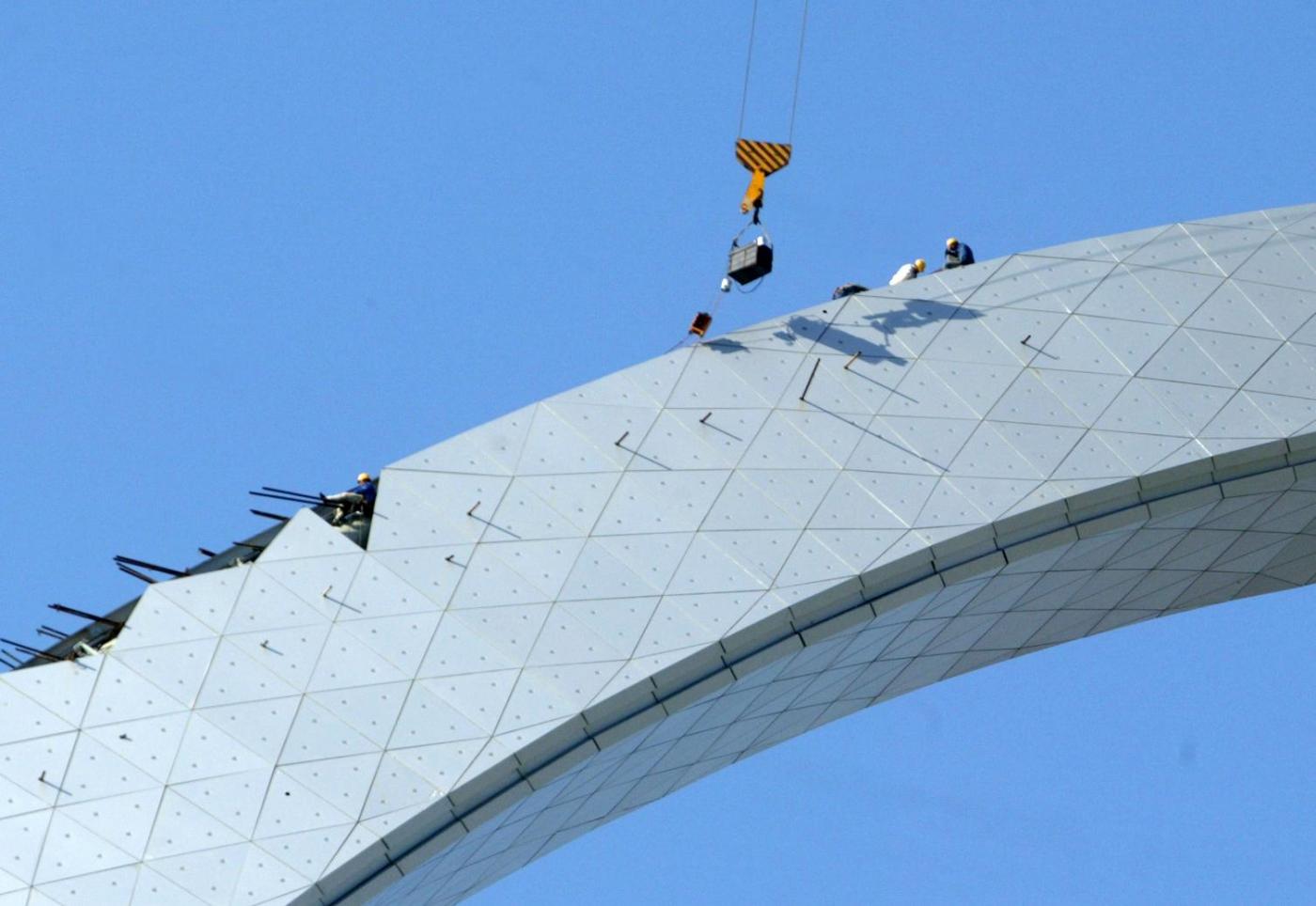
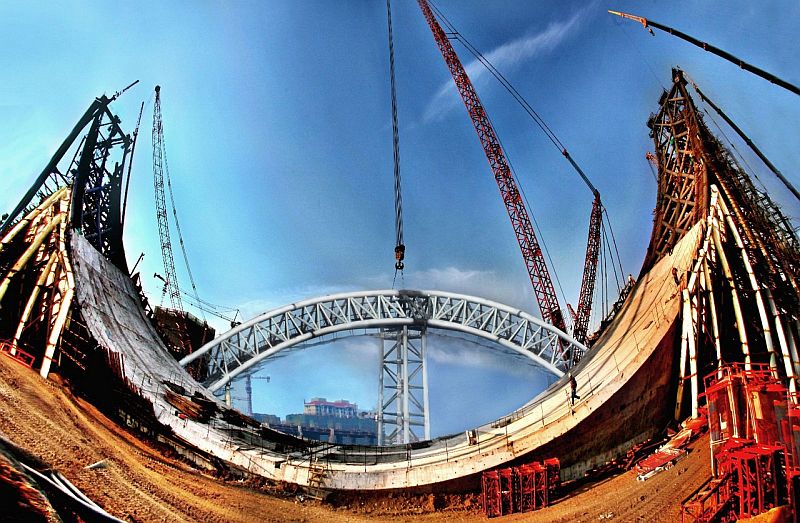
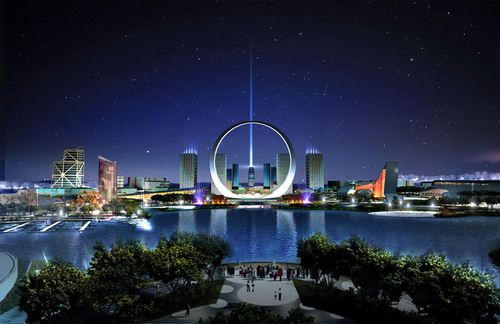
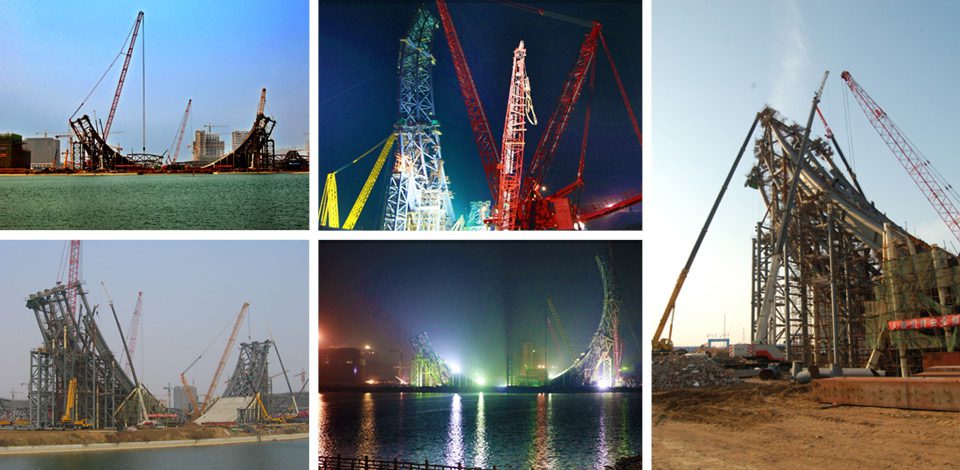
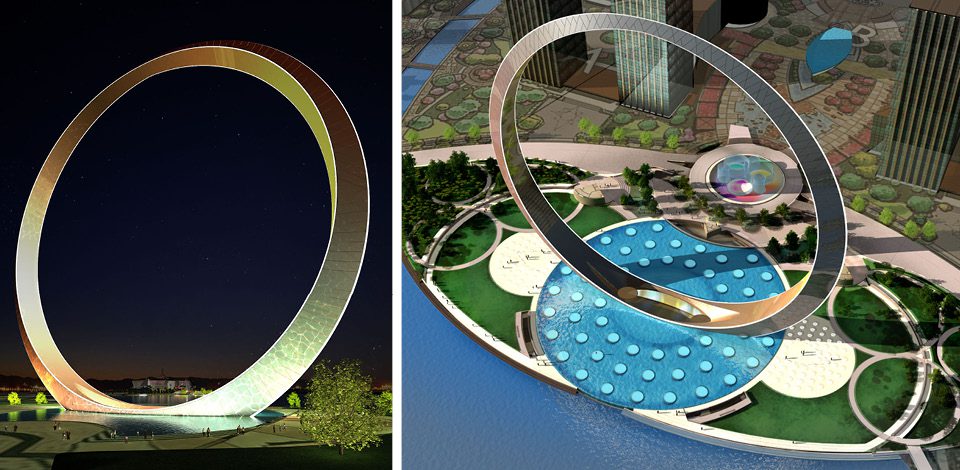
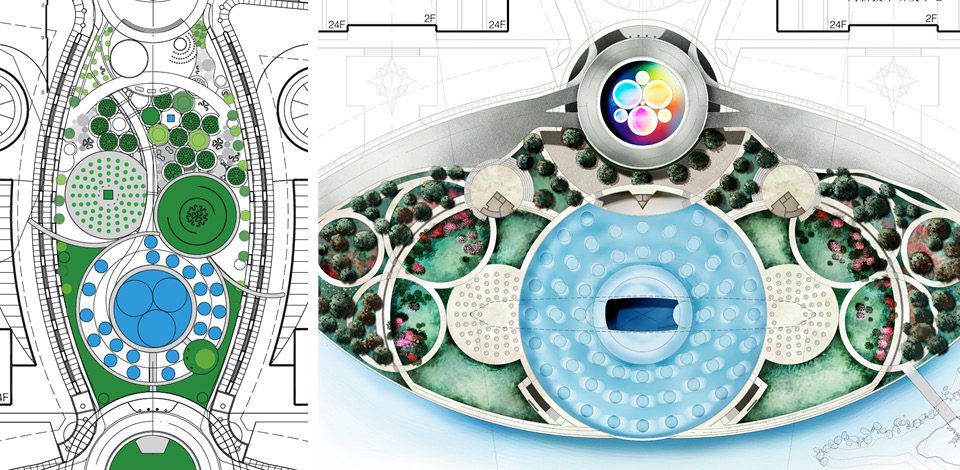
The ring is made of an astounding 3,000 tons of steel and it will glow at night—decorated with 12,000 LED lights. According to Fushun Municipal Government’s officials, this titanic structure does absolutely nothing except serve as an elevated sighting position. They claim it is pretty “landscape architecture”—like the Eiffel Tower. It uses four elevators to take people to the top.
Courtesy of Gary Goddard’s
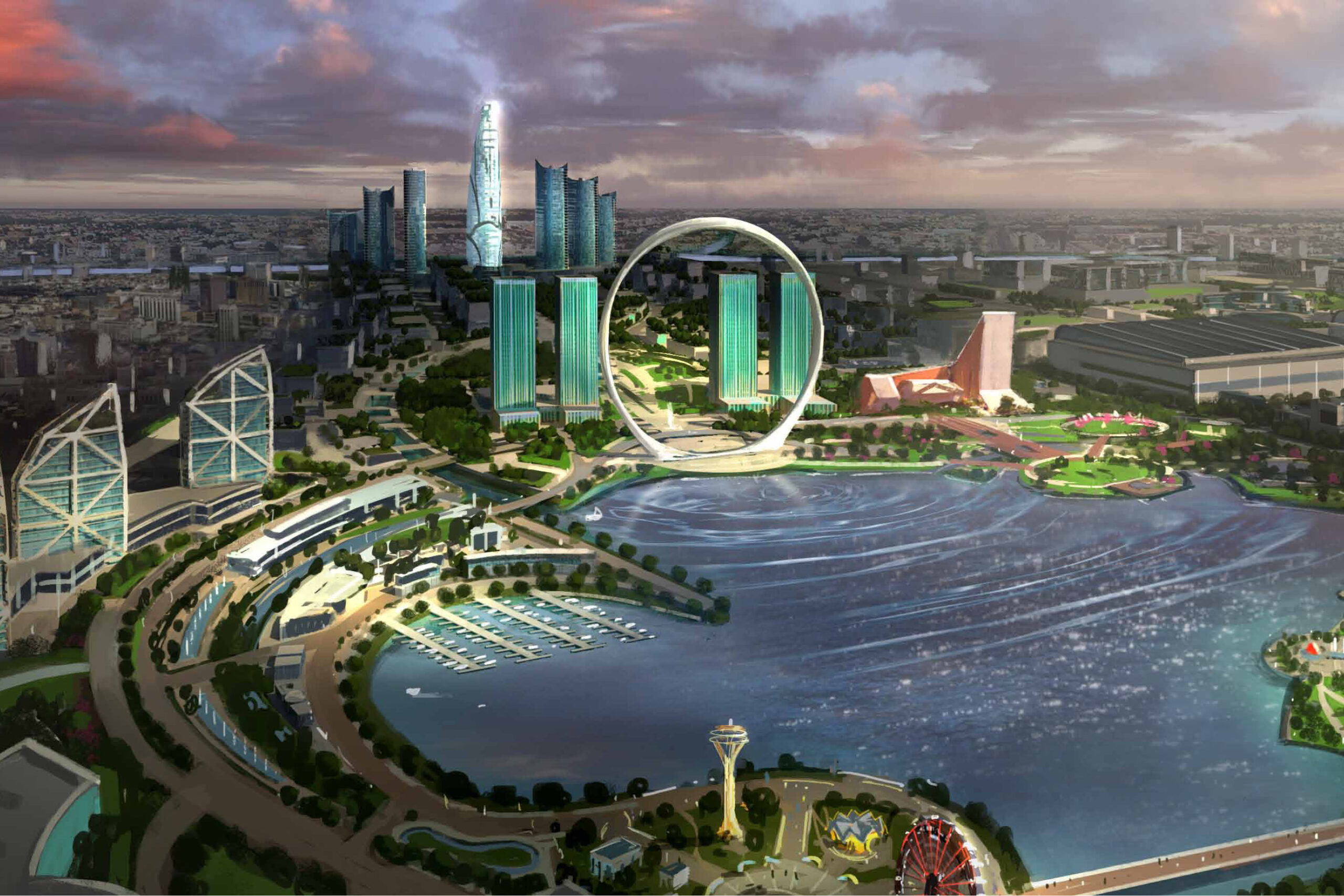
What is the actual function of the building? Some say it’s merely a tourist attraction meant to compete with the Gateway Arch in the United States, others claim it’s a death star being disguised as a mundane building ! Japanese site China Explosion reports that there were even initial plans to allow bungee jumping off the ring, but those were shelved over safety concerns.
Image via telegraph.
Courtesy of Gary Goddard’s
Project info :
Project: Ring of life
Location: Fushun, China
Height: 157-meter
Year: 2012
















Ibrahim Abdelhady is an architect, academic, and media entrepreneur with over two decades of experience in architecture and digital publishing. He is the Founder and CEO of Arch2O.com, a leading platform in architectural media, renowned for showcasing innovative projects, student work, and critical discourse in design. Holding dual PhDs in Architecture, Dr. Abdelhady combines academic rigor with industry insight, shaping both future architects and architectural thought. He actively teaches, conducts research, and contributes to the global architecture community through his writing, lectures, and media ventures. His work bridges the gap between practice and academia, pushing the boundaries of how architecture is communicated in the digital age.