


The LEGO World Nathan Sawaya
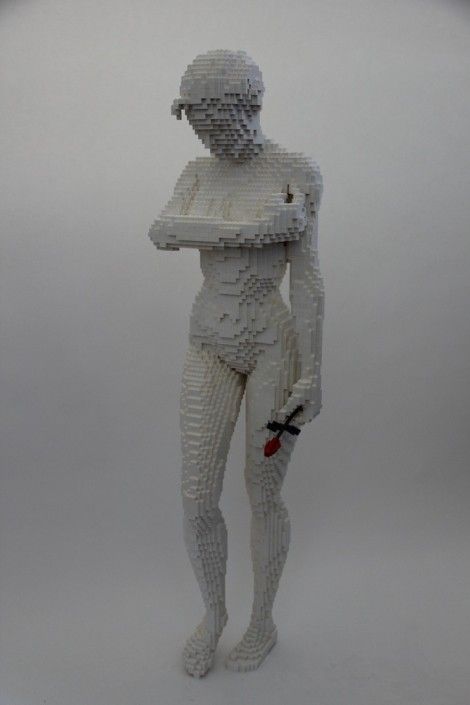
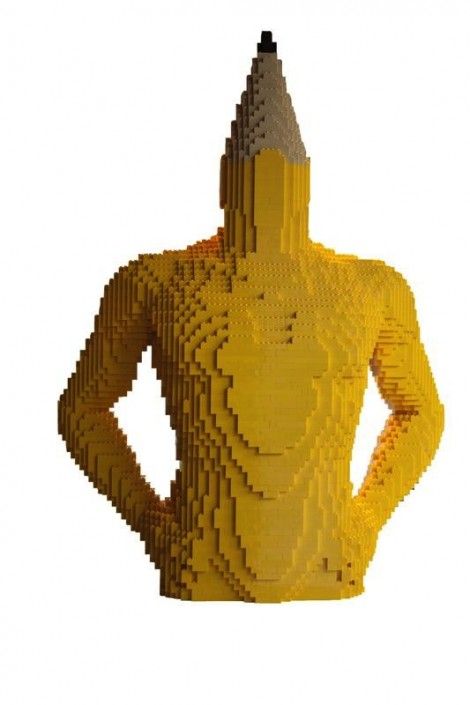
Nathan Sawaya, a 36-year-old former lawyer has stunned the world with his incredible LEGO artworks.
If giving up a successful career in law that paid a six figure salary, to follow a childhood dream doesn’t spell passion, then I don’t know what does. That’s exactly what Nathan Sawaya did, but he managed to build himself another career brick by brick and now he sells his LEGO masterpieces for thousands of dollars.
Right now, Nathan has an inventory of 1.5 million LEGO bricks to use on his sculptures, at his New York studio and says his largest artwork was made up of about half-a-million bricks. His LEGO works are now as valuable as they are beautiful, selling for more than $10,000 each

Courtesy of Nathan Sawaya
The Franklin Institute for The Art of the Brick–the world’s largest gallery of LEGO® brick art and a “top 10 must-see exhibit” according to CNN! This art gallery features over 100 creations, assembled from more than one million LEGO® bricks, and it’s all from the mind of famed contemporary artist Nathan Sawaya, who left his job as a corporate attorney in order to follow his dreams of being a full-time artist and to work exclusively with the world’s most popular toy.
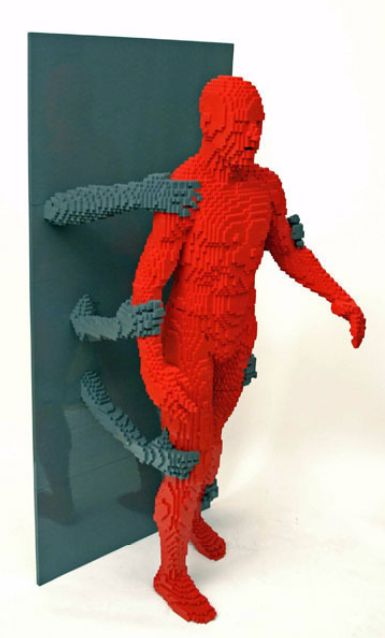
Courtesy of Nathan Sawaya
Yellow Sculpture
His most iconic piece shows a man in yellow bricks ripping open his chest to reveal a torrent of LEGO® bricks tumbling out from his thoracic cavity. Nathan now thinks of the piece, originally imagined to represent death, as “opening yourself up to the world without fear or reserve…
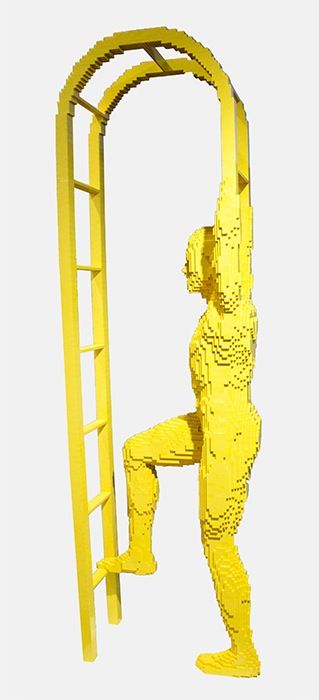
Courtesy of Nathan Sawaya






Ibrahim Abdelhady is an architect, academic, and media entrepreneur with over two decades of experience in architecture and digital publishing. He is the Founder and CEO of Arch2O.com, a leading platform in architectural media, renowned for showcasing innovative projects, student work, and critical discourse in design. Holding dual PhDs in Architecture, Dr. Abdelhady combines academic rigor with industry insight, shaping both future architects and architectural thought. He actively teaches, conducts research, and contributes to the global architecture community through his writing, lectures, and media ventures. His work bridges the gap between practice and academia, pushing the boundaries of how architecture is communicated in the digital age.