

The most sustainable roofing options are the ones that last longest, can be reused or recycled at the end of their life, keep the building cool or warm with little energy, and suit the local climate: typically standing-seam metal, clay or concrete tile, natural slate, cool reflective membranes on flat roofs, roofs that carry solar panels, and green roofs. No single material wins everywhere. A white membrane that saves cooling energy in Riyadh may add heating demand in Oslo, and a slate roof that lasts a century is a poor choice on a structure that cannot carry its weight. This guide sets out the criteria, compares the main sustainable roofing options in one lifecycle table, and explains where each one works and where it does not.
It is written for architects, students and clients who want to compare roofs on evidence rather than marketing claims.
Criteria for comparing sustainable roofing options
A roof is sustainable when it performs well across its whole life, not only on the day it is installed. Five criteria matter most:
- Lifespan. The longer a roof lasts, the less material, energy and waste over the life of the building. Repeated replacement adds production and disposal impacts, but the total depends on what is replaced and how the materials are recovered.
- Embodied carbon. The emissions from extracting, manufacturing and transporting the material. Compare products using environmental product declarations (EPDs) where available, and always per square metre over the same service life.
- End of life. Can the material be reused (slate and clay tiles often can), recycled (metal is widely recycled), or does it go to landfill?
- Thermal performance. How the roof affects heating and cooling: its reflectance, its emittance, and the insulation beneath it.
- Extra functions. Whether the roof also generates energy, holds rainwater, supports biodiversity or provides usable space.
Solar reflectance describes how much incident solar energy a surface reflects; thermal emittance describes how readily it radiates heat. Surface ageing, soiling and maintenance affect the result. Compare current product ratings and the locally adopted energy requirements; an archived ENERGY STAR draft or an old state-code summary is not evidence that a roof meets today’s rules.
Comparison table: sustainable roofing options over their life cycle
The table compares decisions and evidence to request rather than assigning a universal service life or price to a material. Product grade, supporting layers, exposure, installation and maintenance control performance. Obtain comparable local quotations and a documented service-life scenario before calculating whole-life cost or carbon.
| Roof option | Potential advantage | Main qualification | Evidence to request |
|---|---|---|---|
| Asphalt shingles | Lightweight, readily available covering in some markets | Replacement frequency and recovery route vary | Product warranty, service-life scenario and local recovery options |
| Cool membrane or coating | Reduced absorbed solar heat | Climate, aged performance and maintenance determine the benefit | Current reflectance/emittance ratings and local energy model |
| Standing-seam metal | Repairable covering with potential metal recovery | Alloy, coating, corrosion, movement and support matter | Product-specific EPD, system details and actual recycling route |
| Clay tile or slate | Individual units may be repaired and reused | Transport, fixings, underlay and structural weight count | Supply provenance, salvage suitability and complete roof specification |
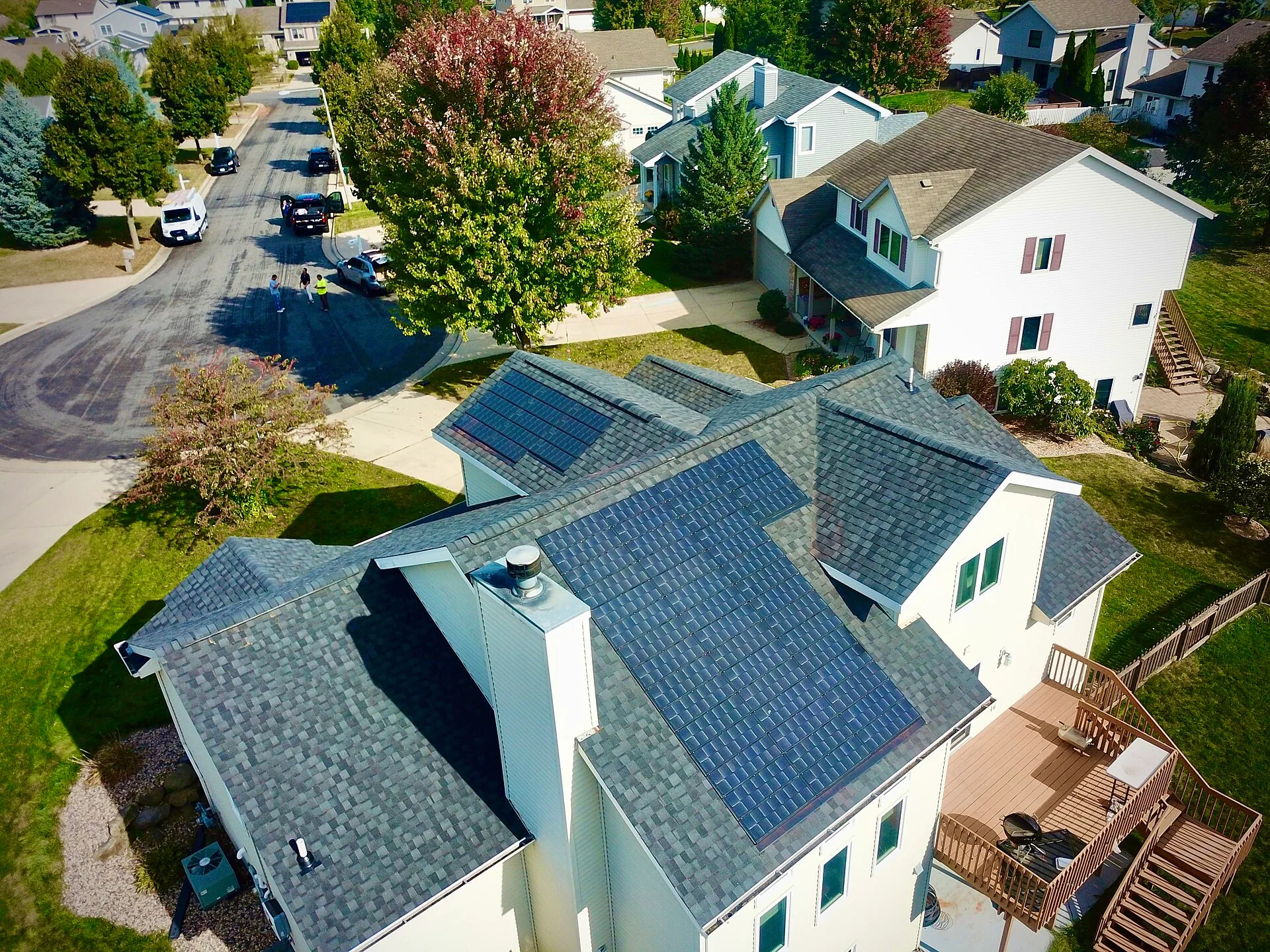
| Solar-integrated roof | Electricity generation within the roof covering | Replacement cycles, electrical safety and roof performance must align | Energy yield assessment and separate component warranties |
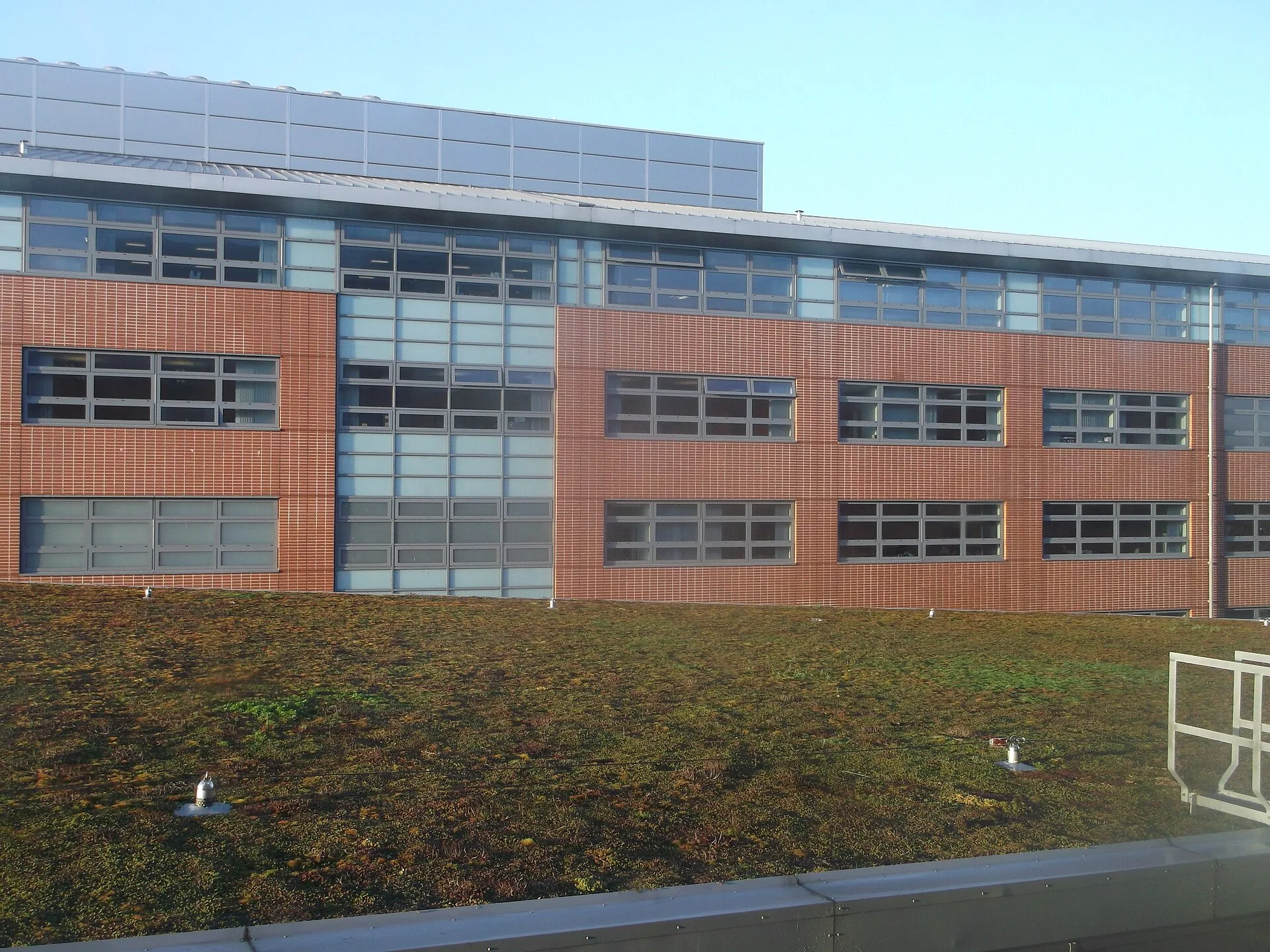
| Green roof | Potential runoff, habitat and amenity benefits | Water, loading and maintenance are project-specific | Saturated load data, waterproofing design and maintenance plan |
Source: Arch2O decision framework; compare technically equivalent assemblies rather than universal cost/lifespan bands (as of 21 October 2026).
Cool roofs: sustainable roofing options for hot climates
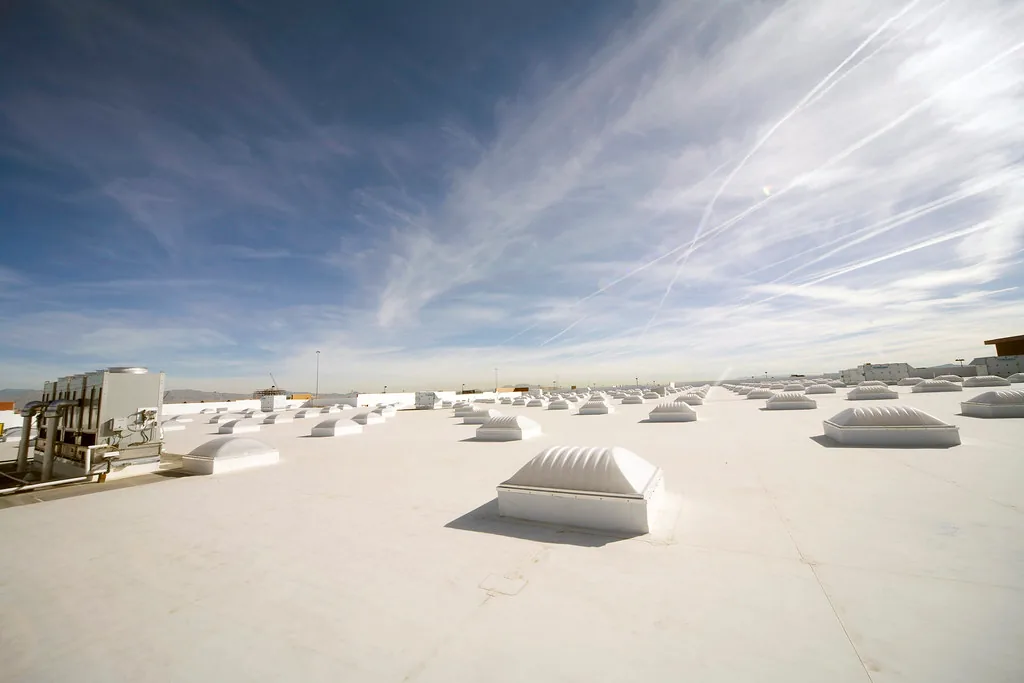
A cool roof uses a light-coloured or specially pigmented surface with high solar reflectance and high thermal emittance, so it absorbs less of the sun’s heat and releases what it does absorb quickly. On flat and low-slope roofs this usually means a white single-ply membrane (such as TPO or PVC) or a reflective coating over an existing roof; on pitched roofs, light-coloured tiles, metal with reflective paint, or “cool-coloured” shingles with special pigments.
Where it suits: hot, sunny climates with high cooling loads, such as the Gulf, North Africa and the southern United States, and large flat roofs on warehouses, schools and shopping centres, where the roof is a large share of the building envelope. At city scale, many cool roofs together can also reduce the urban heat island.
Where it does not: in cold climates, a reflective roof can slightly increase heating demand in winter, and in well-insulated buildings the benefit is smaller because less heat passes through the roof anyway. Coatings also need cleaning and recoating to keep their performance. Combine cool roofs with insulation and shading; for the broader strategies, see our guide to passive cooling systems.
Metal roofing
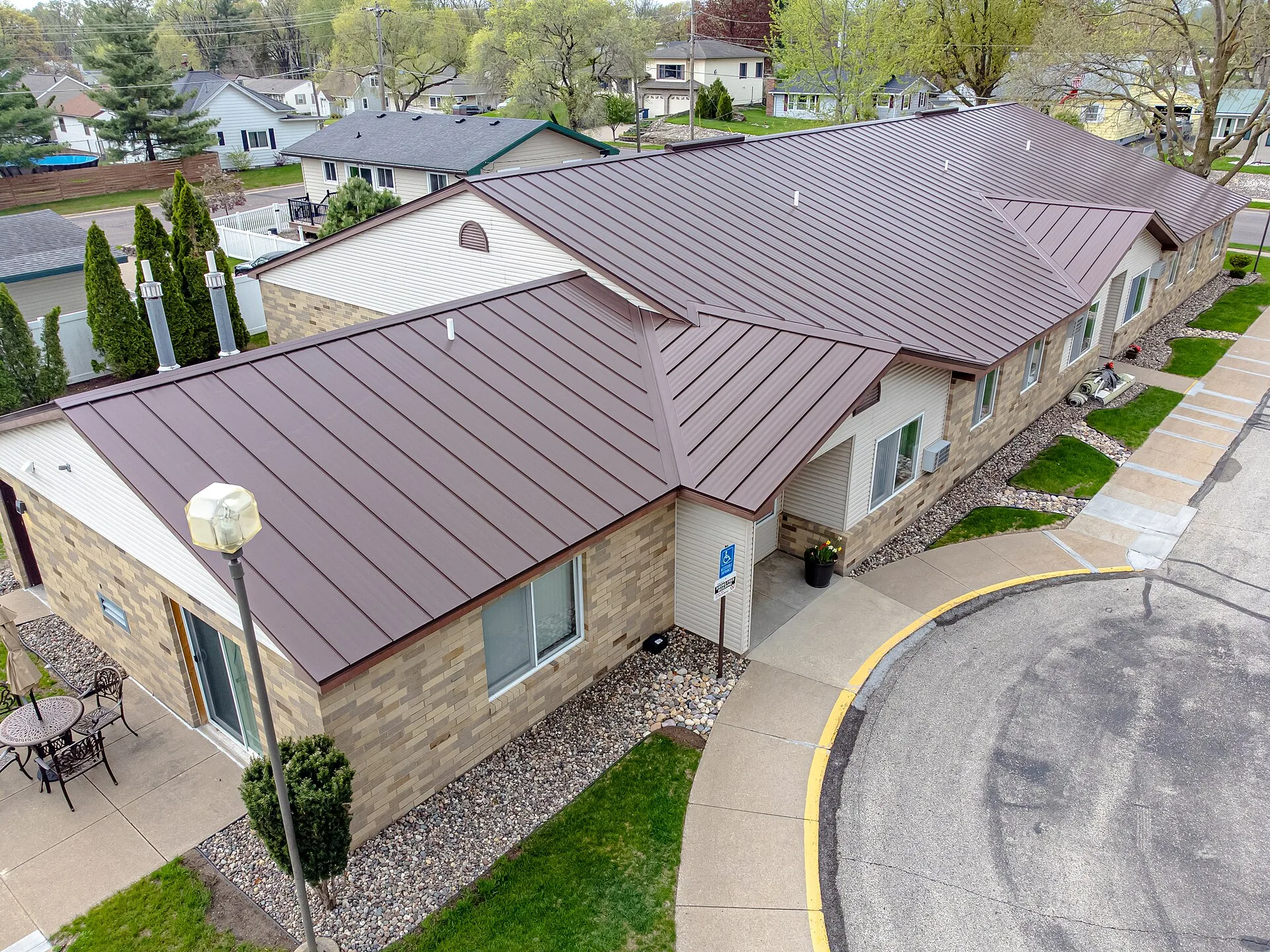
Among pitched sustainable roofing options, metal is the most versatile. Standing-seam steel, aluminium, zinc and copper roofs are long-lasting, light and almost fully recyclable at the end of their life, and they often contain recycled content already. Metal has a high embodied energy per kilogram, but because roofs are thin and long-lived, the impact per year of service can be competitive. Metal also sheds rain cleanly for harvesting and suits mounting solar panels with clamps that do not puncture the roof.
Watch for noise in heavy rain on lightweight construction, thermal movement in long panels, and corrosion in coastal environments, which affects the choice of alloy and coating. Light-coloured or reflective paint finishes turn a metal roof into a cool roof.
Clay tile and slate
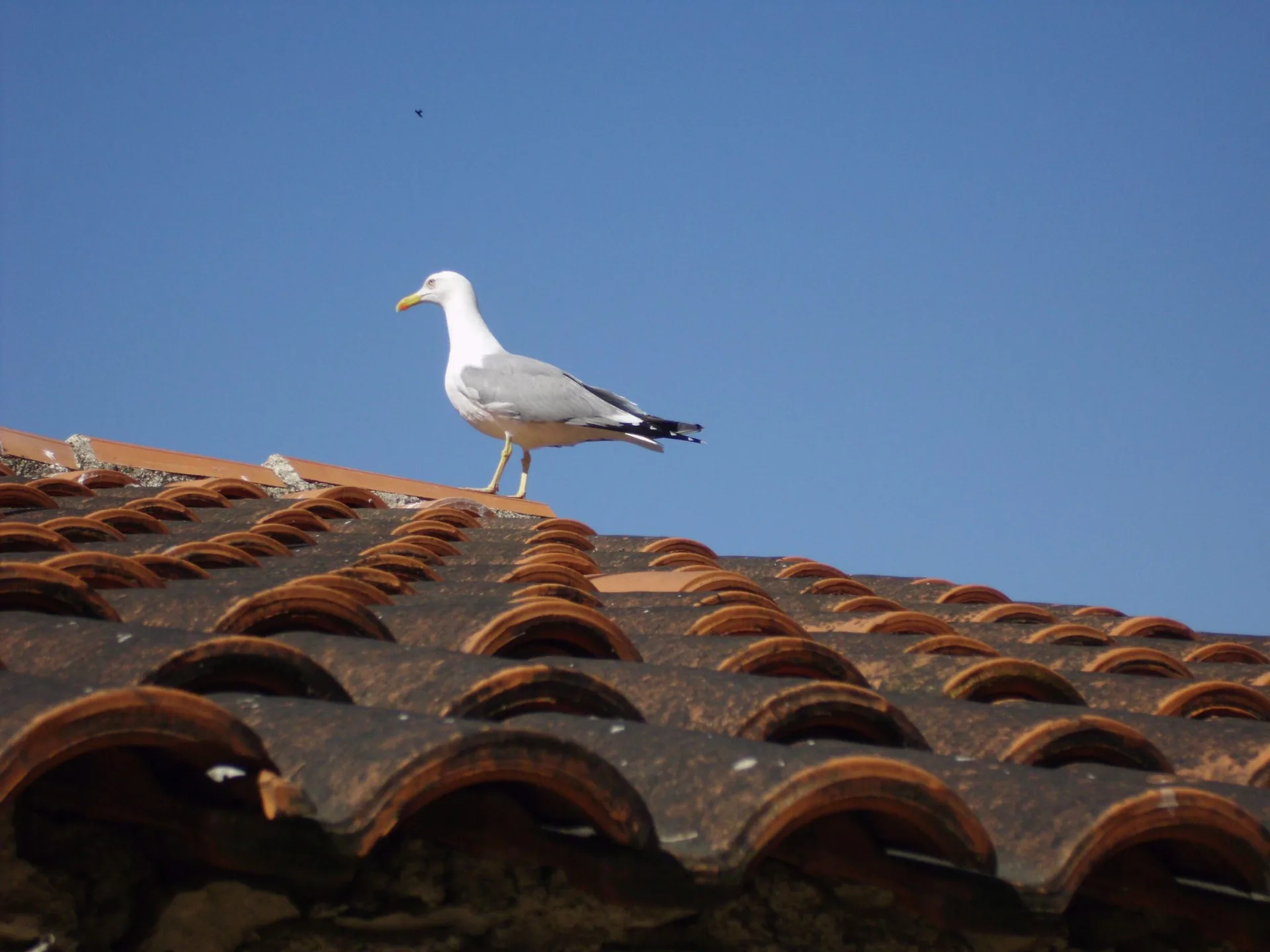
Clay tiles are fired at high temperature, which gives them significant embodied energy, but they can last half a century or more, do not rot or burn, and are often salvaged and reused. Their colour and the air gap under each tile help shed heat in hot climates, which is why they are traditional around the Mediterranean.
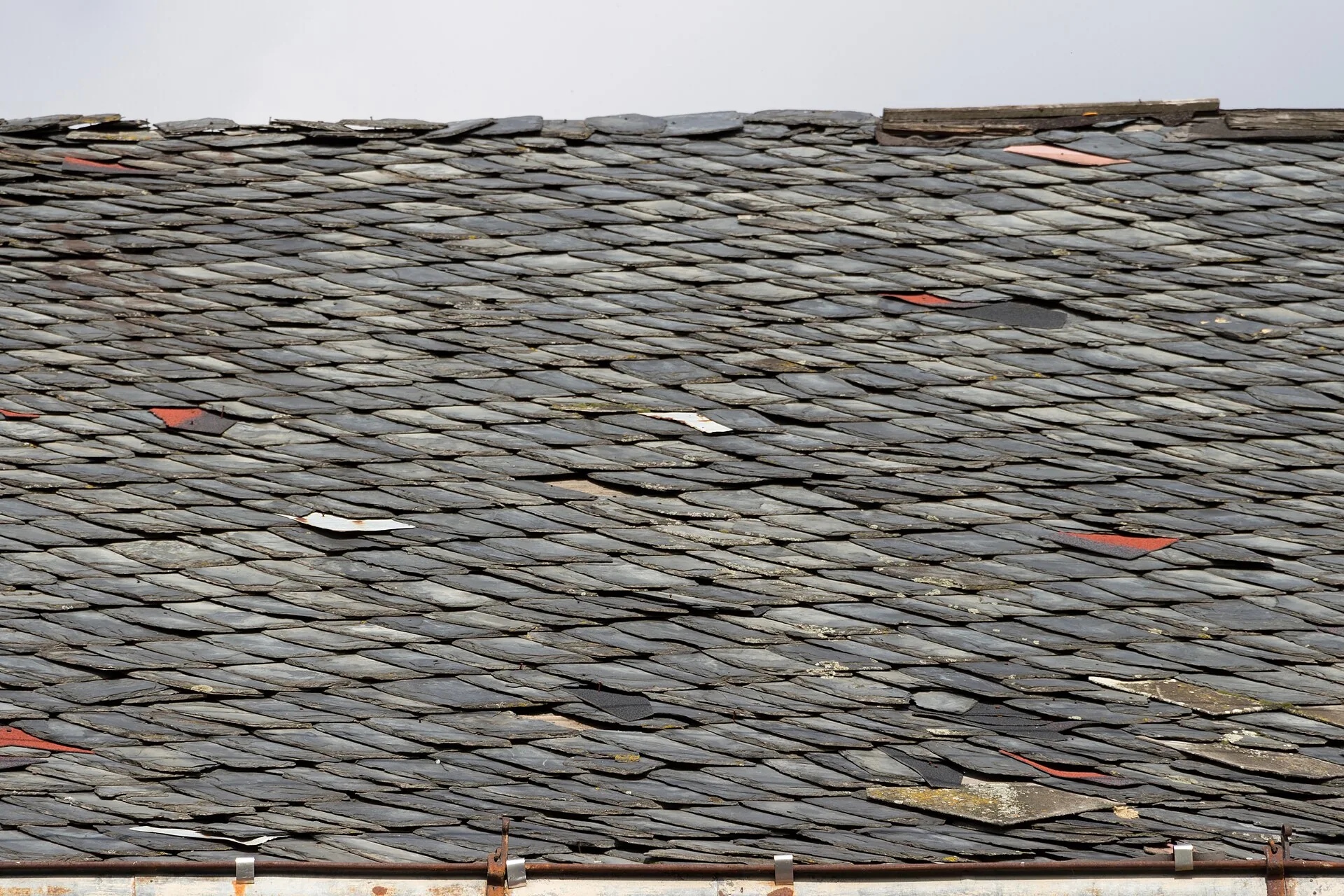
Natural slate is split from quarried stone with little processing. The best grades can last a century or more, and sound slates are routinely reclaimed and reused on new or repaired roofs. Its main sustainability cost is transport: imported slate shipped across the world carries a much larger footprint than local stone. Both slate and clay are heavy, so check the structure, especially when replacing a lighter roof.
Solar-integrated roofs
Roofs that generate electricity turn a cost into an asset. There are two main approaches: conventional solar panels mounted on top of any durable roof, and building-integrated photovoltaics (BIPV), such as solar tiles or solar standing-seam panels, which replace part of the roof covering. Mounted panels are generally cheaper per kilowatt and easier to replace; integrated systems are neater and avoid a second layer, but can be more expensive and harder to repair. In both cases, the roof beneath should outlast the panels’ typical warranty period, so that the roof does not need replacing while the panels are still working.
Green roofs
Green roofs cover the waterproofing with growing medium and plants. They protect the membrane from ultraviolet light and temperature swings, retain rainwater, cool the roof surface through evapotranspiration and support biodiversity. Extensive green roofs (thin substrate, sedums and grasses) are light and low-maintenance; intensive green roofs (deep soil, shrubs and trees) can become usable gardens but need a much stronger structure and irrigation. Their main limits are cost, weight and the need for water in arid climates.
Choosing among sustainable roofing options
- Hot, sunny climate, flat roof: cool membrane or coating over good insulation, with solar panels where possible.
- Hot climate, pitched roof: light-coloured clay or concrete tiles, or reflective-finish metal, ventilated beneath.
- Cold or temperate climate: durable metal, slate or tile over high insulation; surface colour matters less than insulation and airtightness.
- Urban flat roof where water management matters: extensive green roof, possibly combined with solar (biosolar).
- Heritage building: repair with matching reclaimed slate or tile rather than replacing the whole roof.
For a broader overview of roof coverings, including materials not covered here, see our guide to roofing materials and the spectrum of options, and for the bigger picture, what sustainable architecture means in practice.
Compare roof systems over the same service period
Include the deck, insulation, membranes, fixings, surface finish, maintenance and expected replacements. A long-lived outer covering does not guarantee that concealed components will last as long. Check local weather exposure and whether repair materials and competent installers are available. Separate recycled content from an established recycling route at the end of life. For a specific building, compare assemblies that meet the same fire, wind, water and thermal requirements; an apparently low-impact material is not an equivalent option if it cannot meet them.
For the wider specification process, our guide to selecting architectural building materials explains how to compare requirements before choosing a product.
Summary
The best sustainable roofing options combine a long life, a clear reuse or recycling route at the end, and the right thermal behaviour for the climate. Metal, clay tile and slate win on durability and end of life; cool roofs win on cooling energy in hot climates; solar roofs add generation; and green roofs add water management and biodiversity. Compare products on EPDs and lifespan per square metre over the same period, and always design the roof together with its insulation and structure.

Luca Moretti is a content strategist with a foundation in urban design and architecture. Based in Milan, he focuses on writing that bridges aesthetics, material culture, and everyday spatial experiences.