


Does anyone remember Tatlin’s Monument to the Third International? For me, it has been a subliminal fixture from the moment I saw it in my History of Architecture class. The lean, the spiral, the Eiffel-esque base. They accent each other in such a way that just cannot be fully described. It is as if the whole structure is coiled, waiting to spring into the future. And it was never built. Damn.
courtesy of Djuric Tardio Architectes + NEST Design
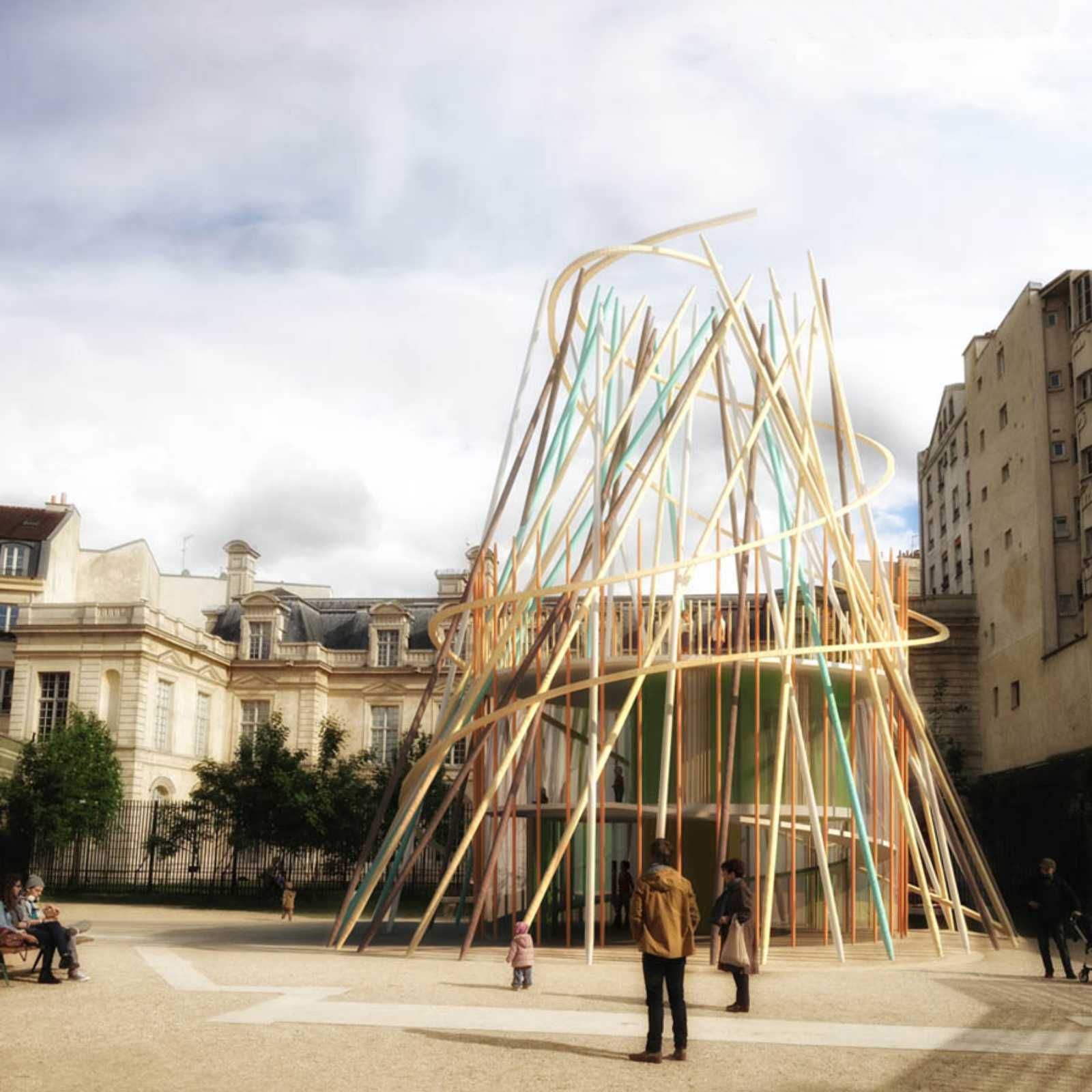
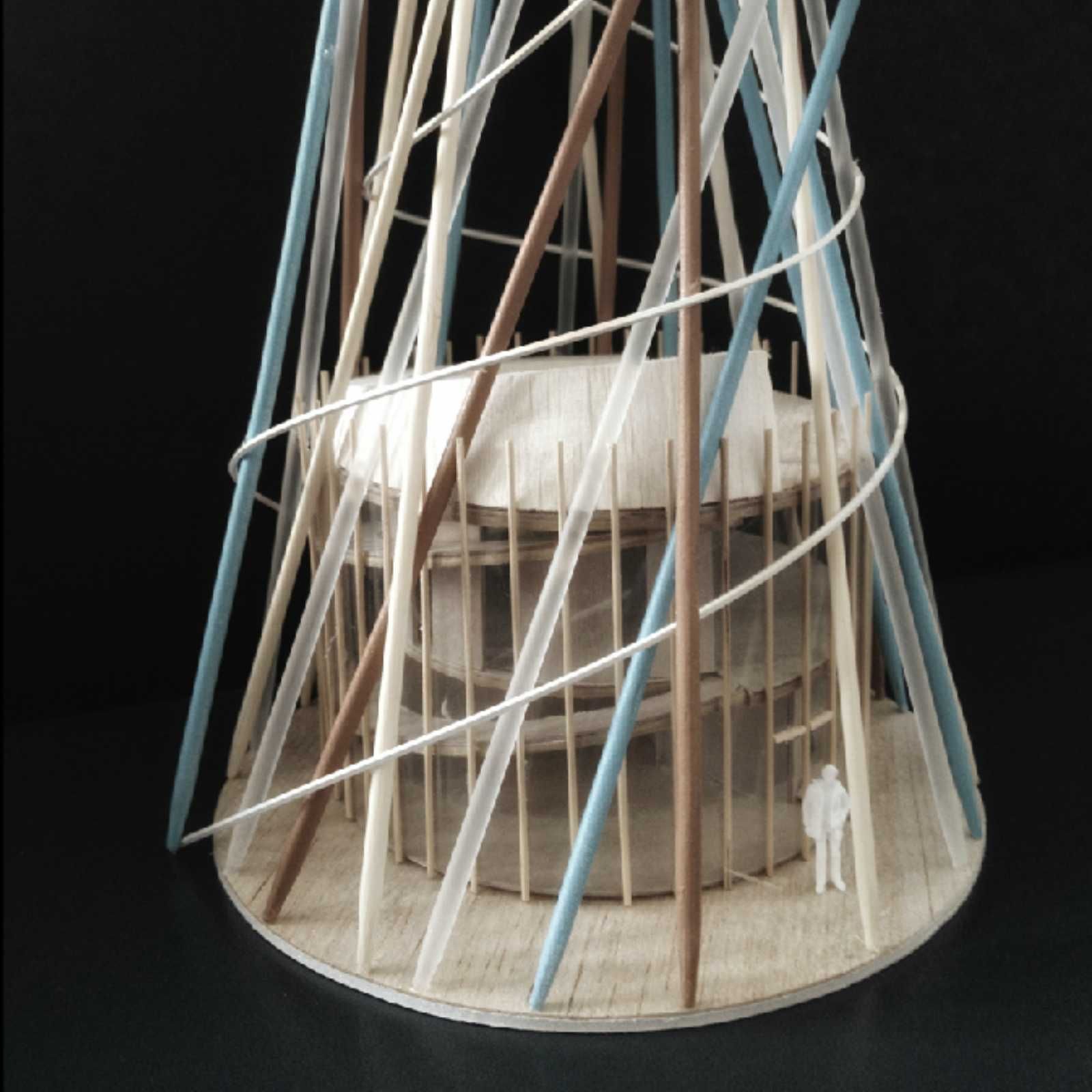
When I first saw ‘Sticks, Crèche Urban’ by Djuric Tardio Architectes (www.djuric-tardio.com) & NEST Design, my thoughts immediately went to Tatlin’s tower- how could they not. Okay, so there is not really much of the ‘lean’ or the ‘Eiffel’ but the resemblance is unmistakable. And I think that this is probably not because of any sort of plagiarism. Instead, it seems that perhaps there is some little bit of the Jungian archetype involved. Many primitive dwellings share key characteristics of this form- it is just something which makes sense to us.
courtesy of Djuric Tardio Architectes + NEST Design
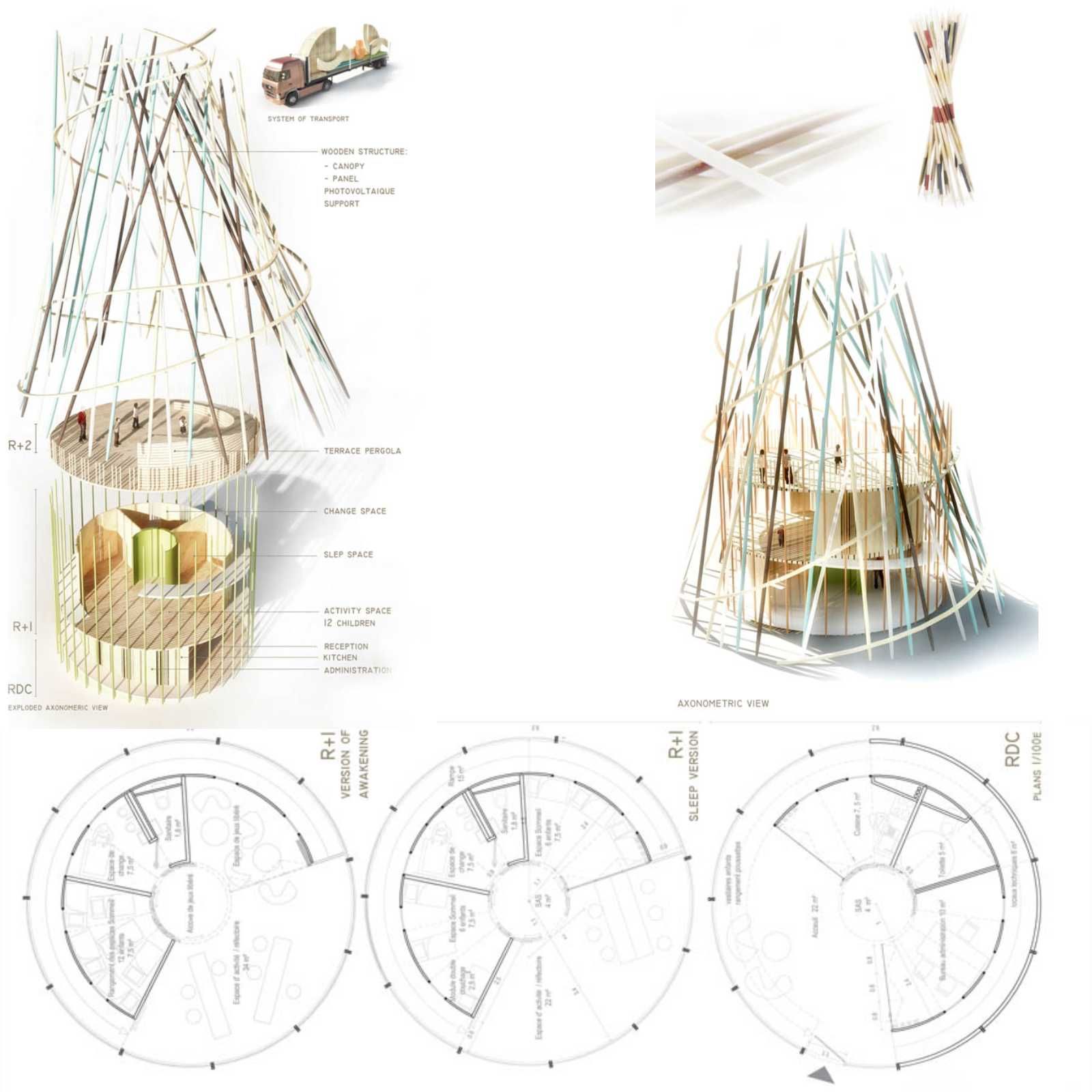
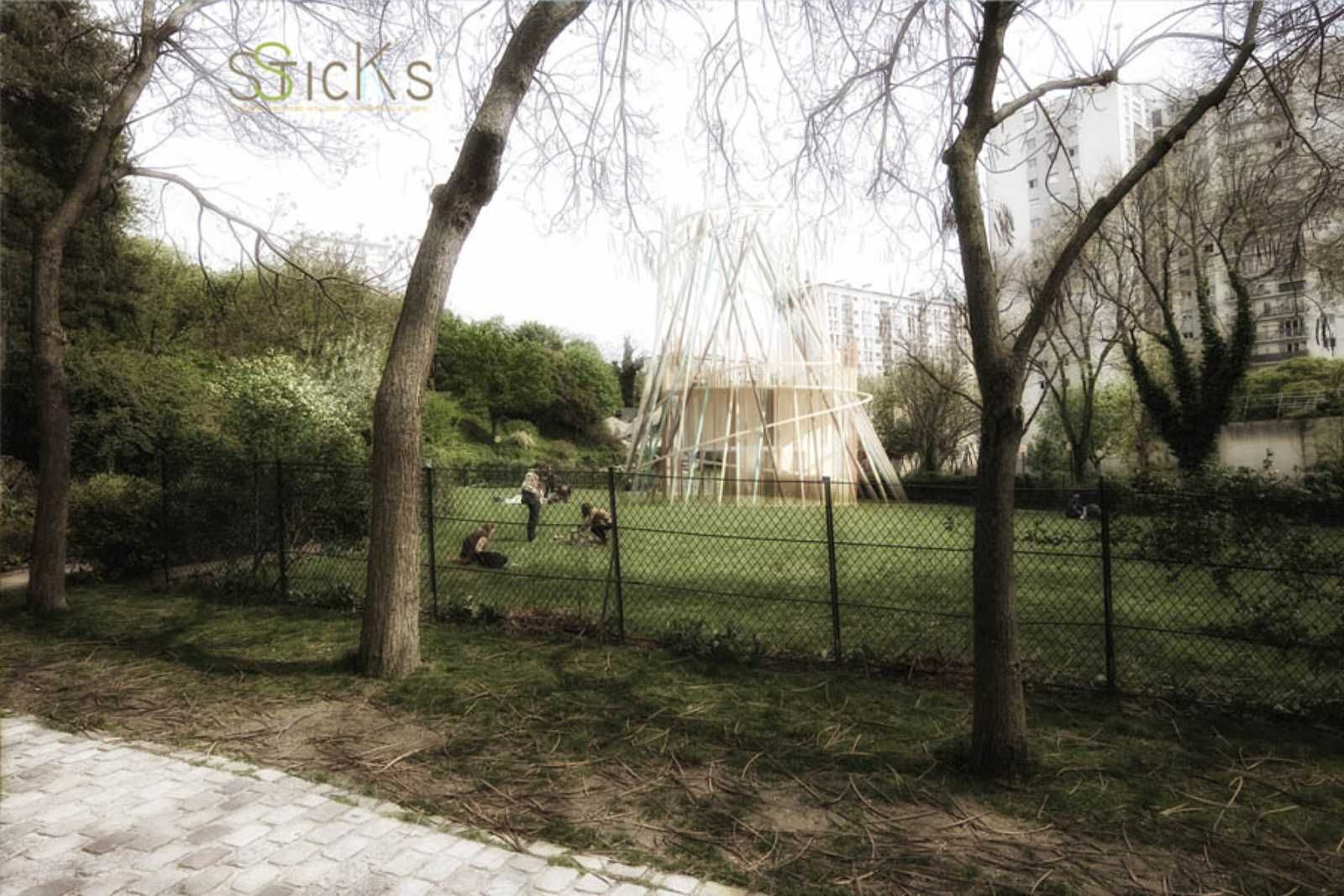
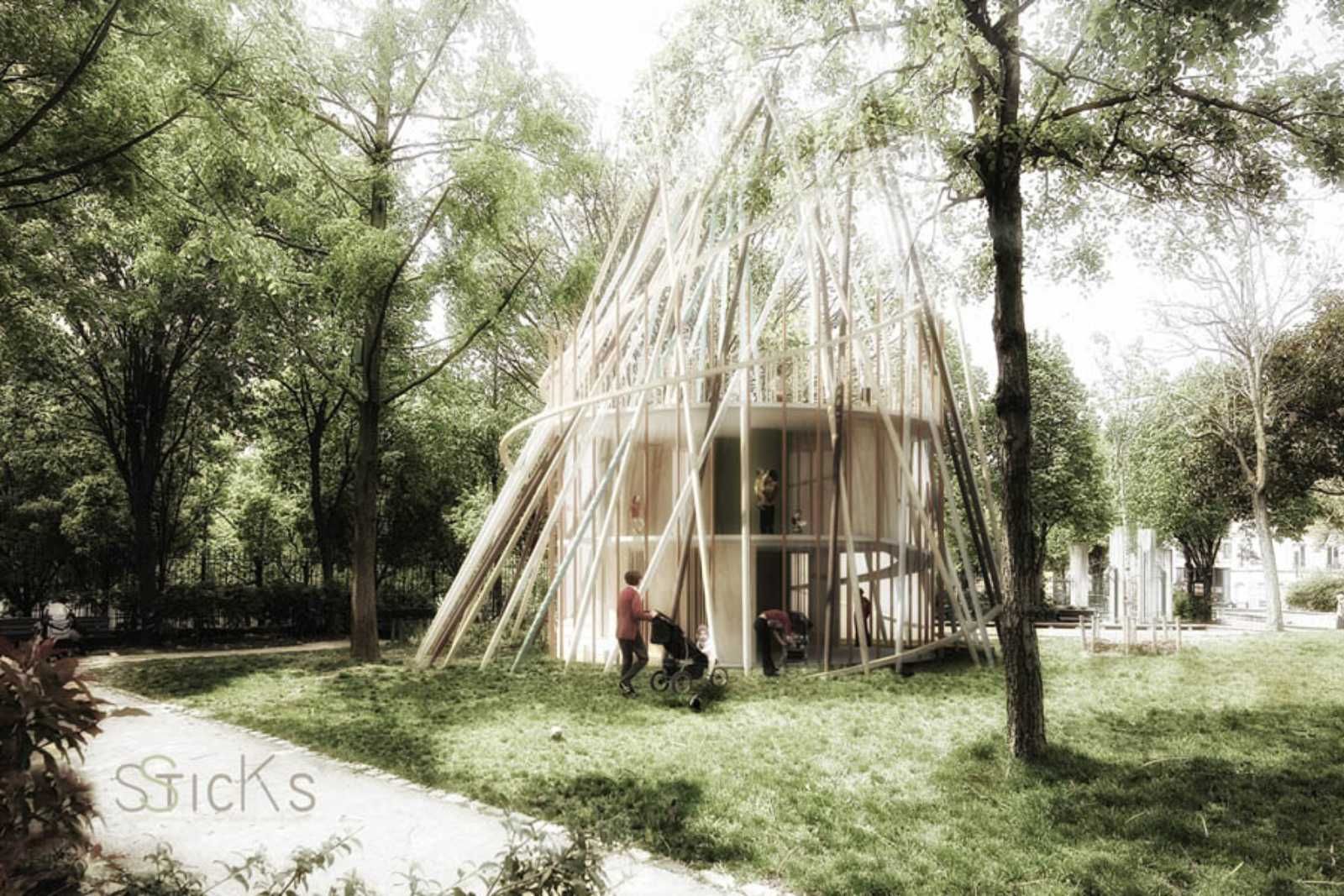
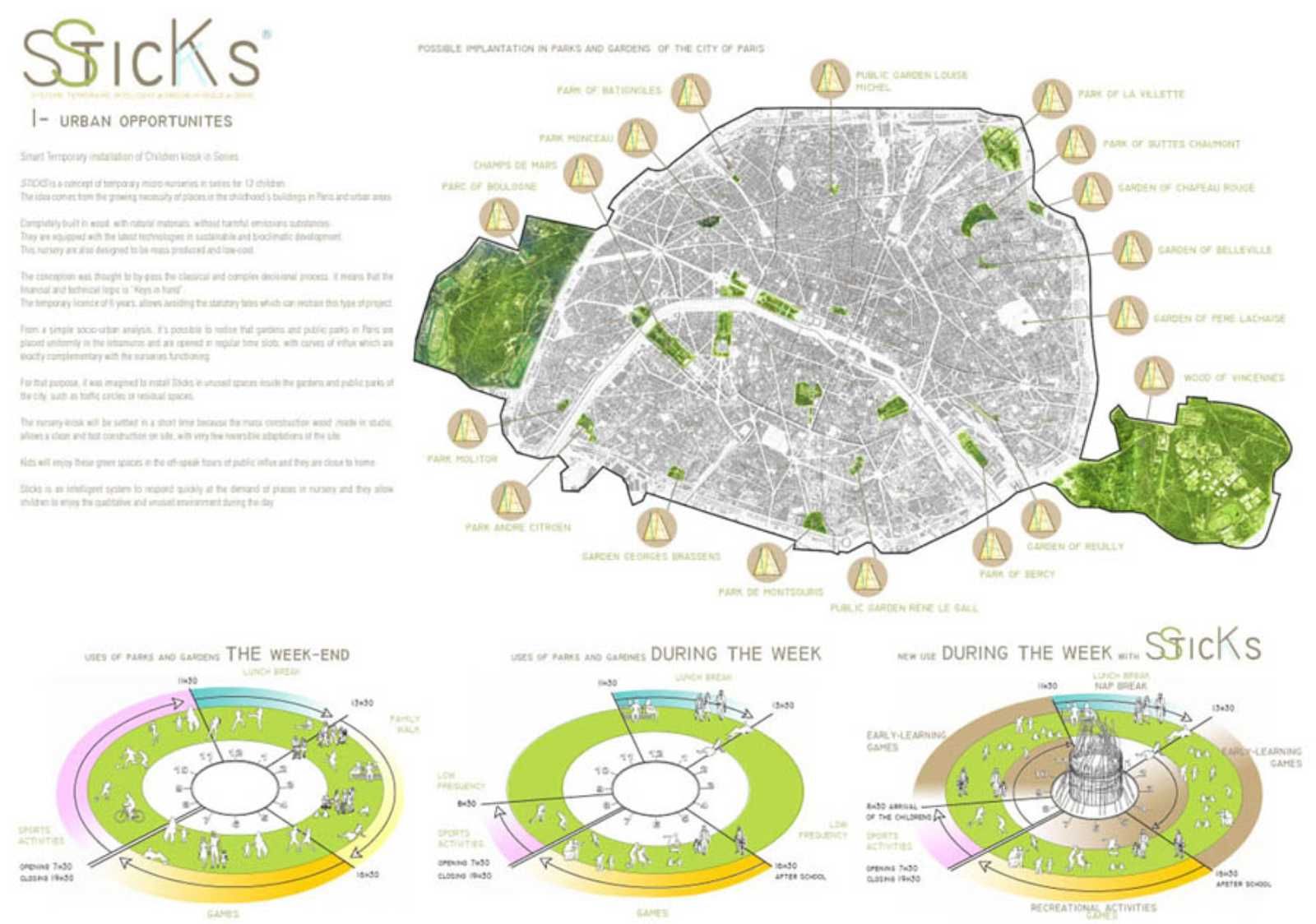
Crèche Urban means ‘Urban Nursery’. These forms are meant to be affordable, easy-to-mass-produce, ‘cribs’ for plant life and youthful interaction. It is proposed that they be placed throughout the parks and public gardens of Paris, occupying left-over space. Here they would stand for a maximum of six years. This six year timescale enables a circumvention of large amounts of ‘red tape’ and building permits. With this short-term lifespan and the quickness of construction for these basic wooden structures, Sticks, Crèche Urban is a clean, green solution to the ever marching impermeasation and greyification (yes, now they are words) of cities everywhere.
courtesy of Djuric Tardio Architectes + NEST Design



© Djuric Tardio Architectes + NEST Design

Matt Davis is a Virginia Tech graduate and one of the founding editors behind Arch2O. Launching the platform in mid‑2012 alongside fellow Hokies, he helped shape its identity as an international hub for design innovation and critical dialogue . With a foundation in architectural education and a passion for uncovering unconventional design approaches, Matt has contributed significantly—both editorially and strategically—to Arch2O’s growth, ensuring that emerging architects, academics, and creatives have a space to question, explore, and elevate the built environment.