


Spacer Fabric Architecture
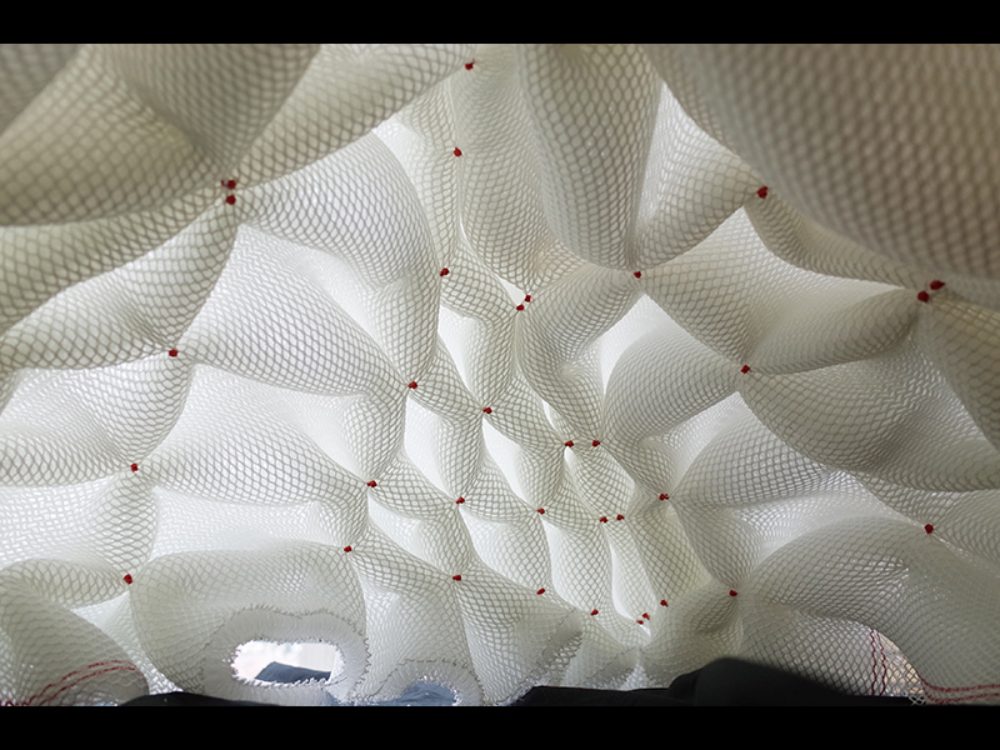
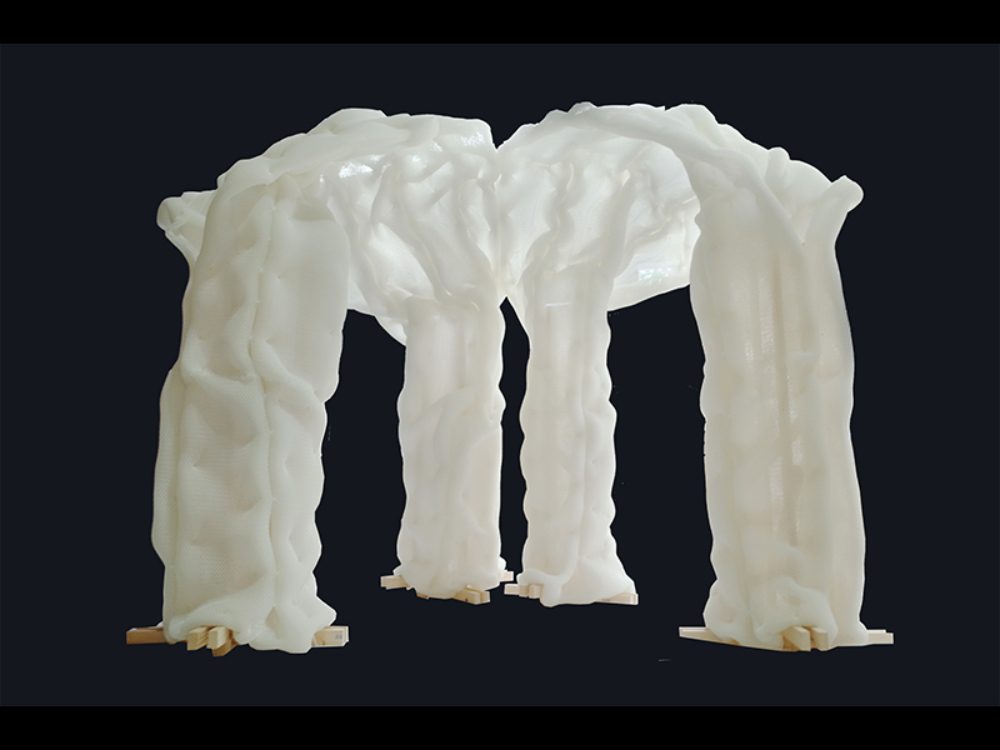
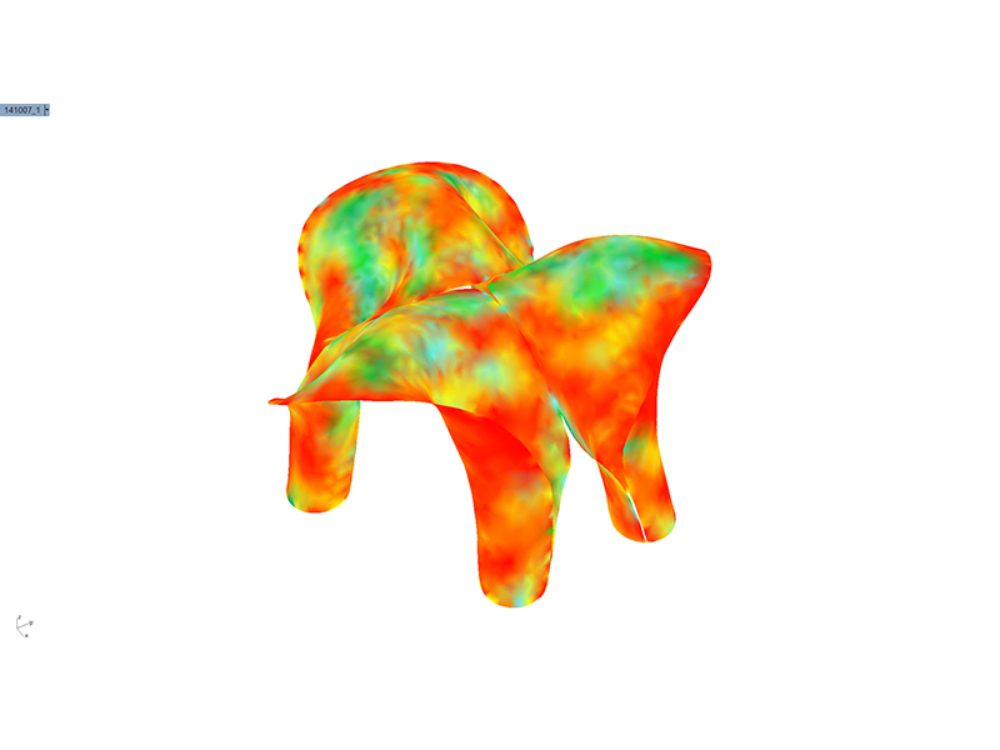
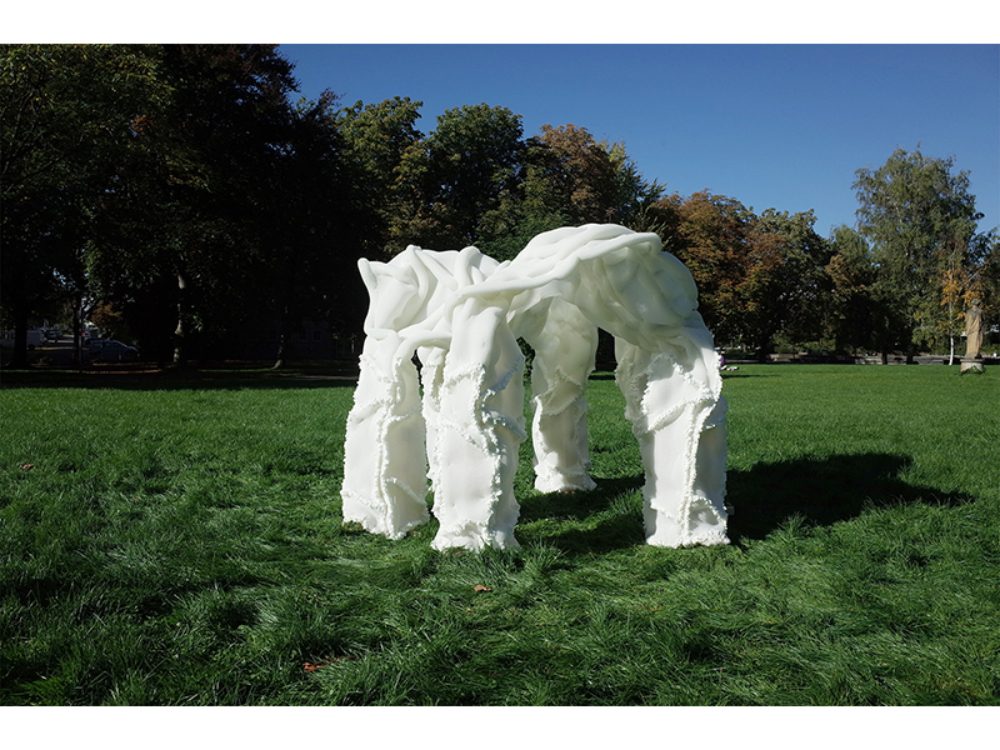
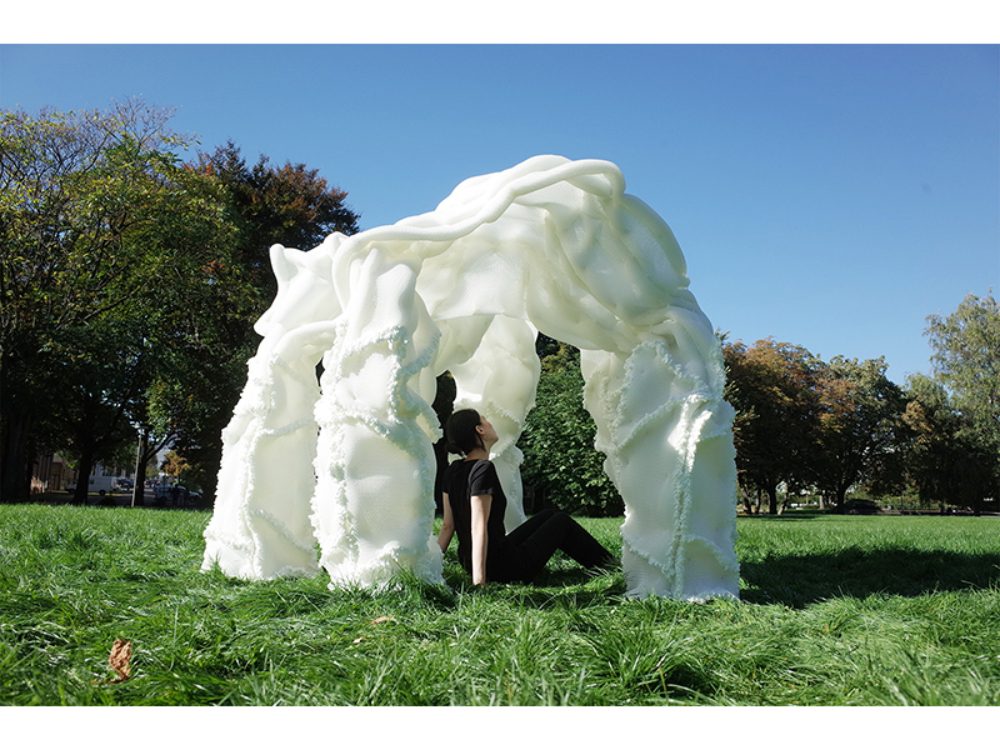
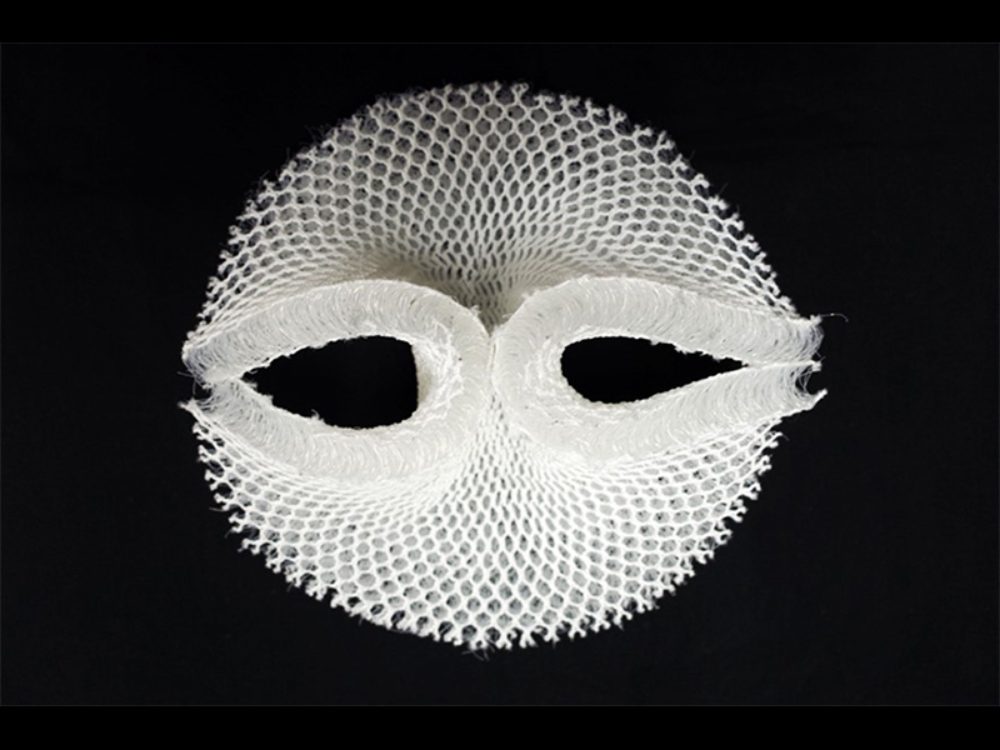
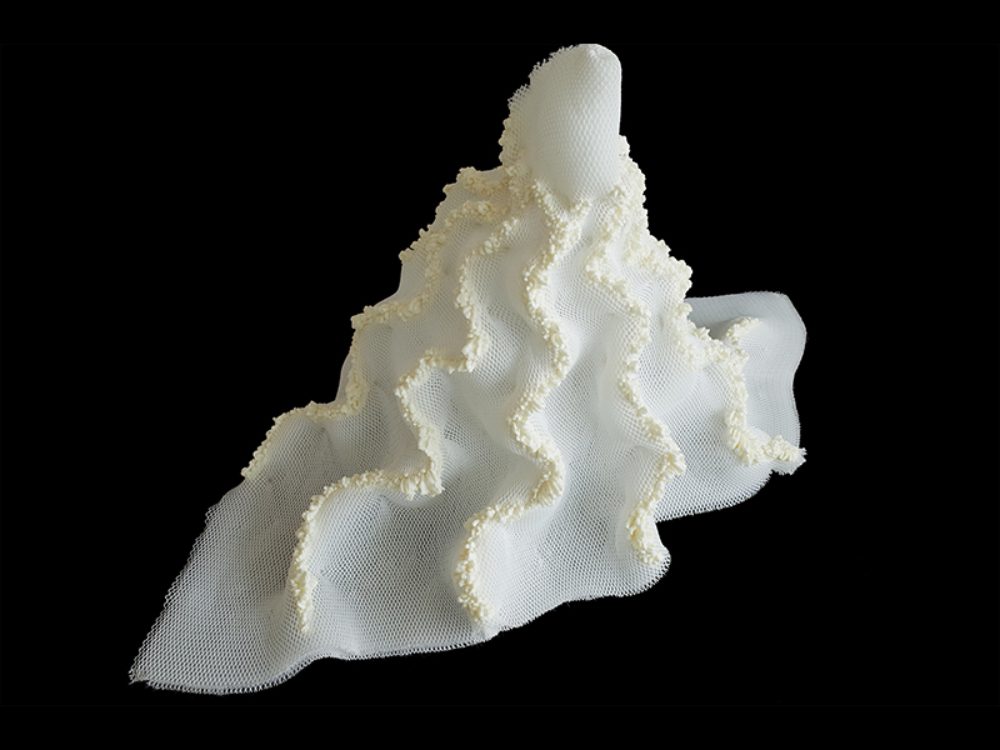
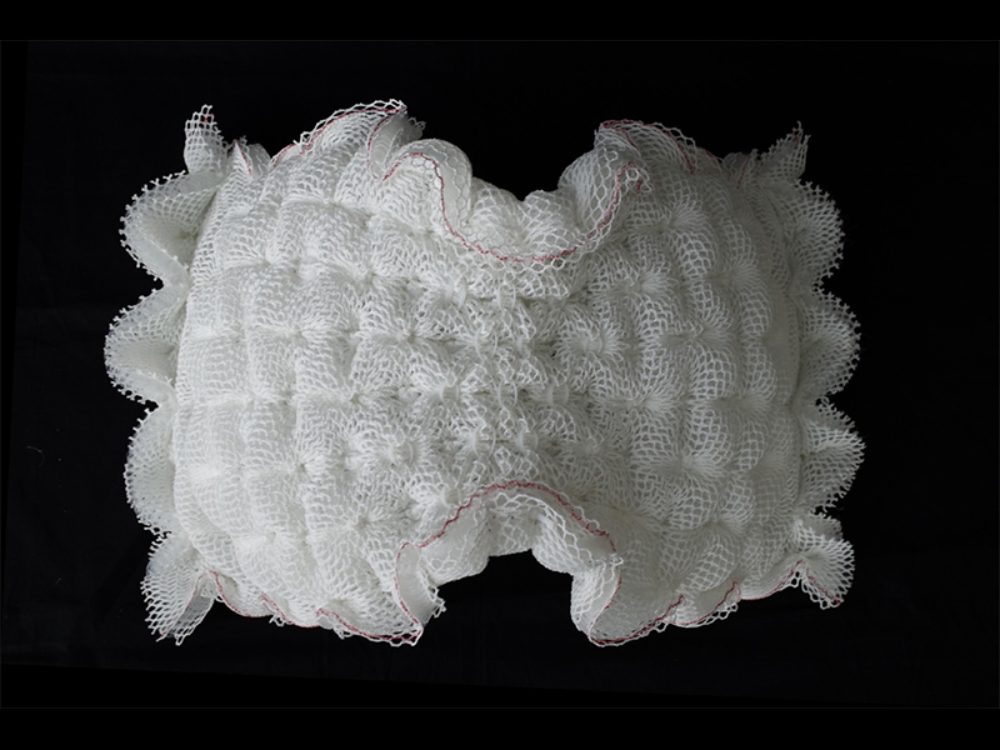
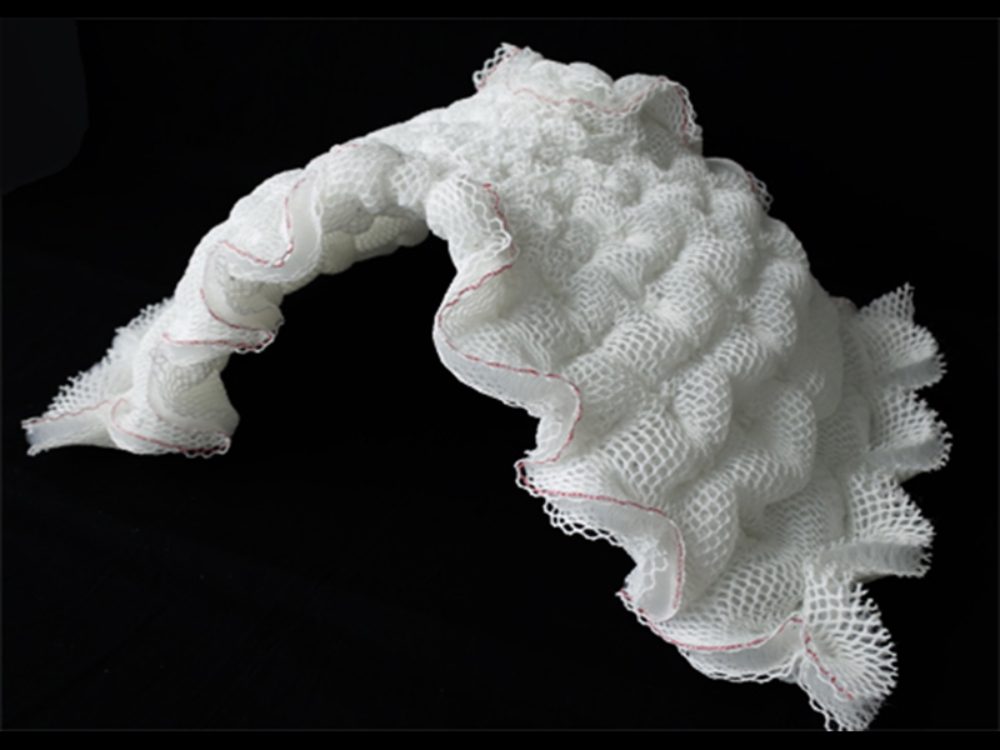
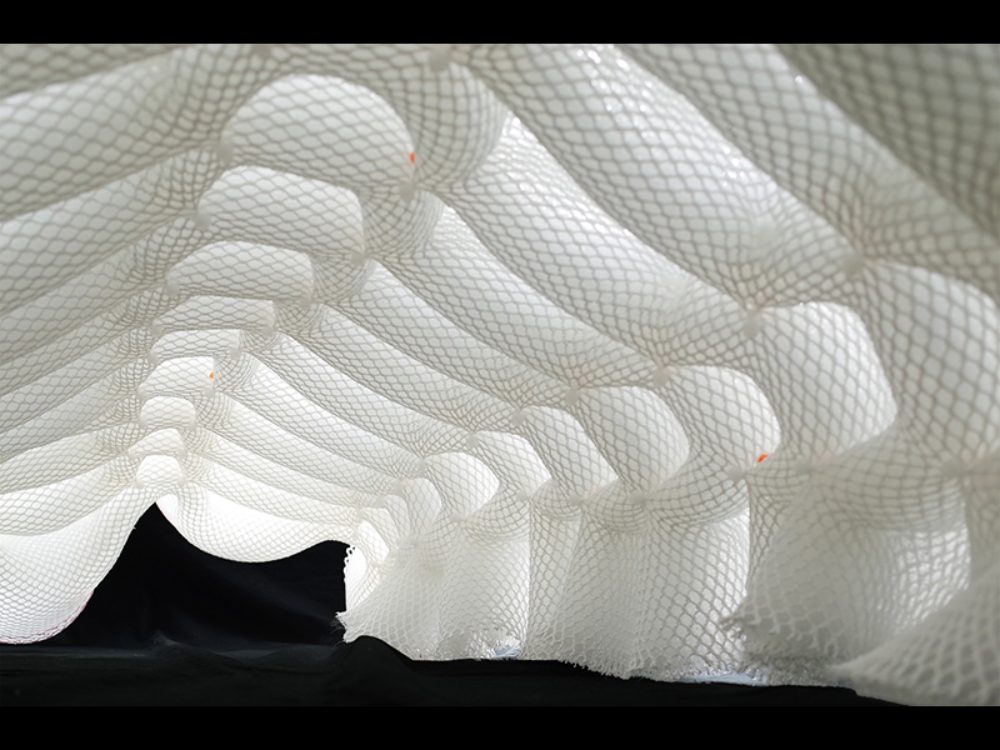
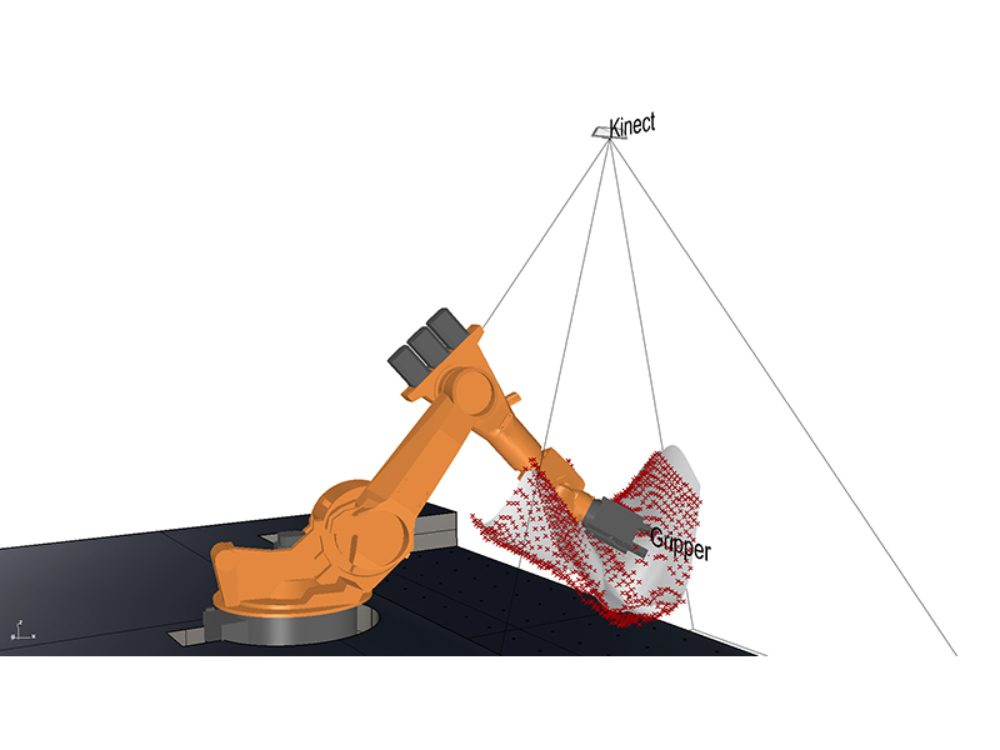
The labs of Stuttgart University have produced a fabric that could finally justify the change of the design process, from a linear design-to-implementation process, to an experimental method that is being implemented during the design process. Taichi Kuma, a science master holder in the university, with the advisory of several professors of his university, successfully developed this spacer fabric for architecture, a fairly big breach of the world of architectural technology.
© ICD/ITKE University of Stuttgart, Images: Kuma
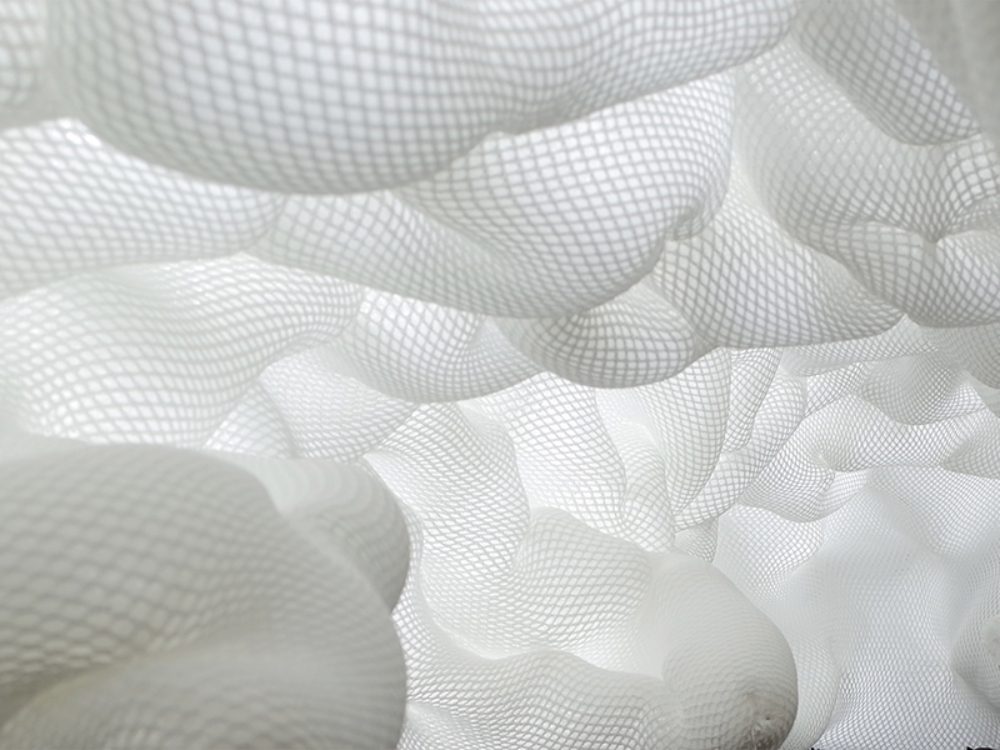
The final product could be manipulated with and formed in three main scales: an overall scale letting designers form the curve or shape they desire, a more detailed scale that would allow designers to form ornaments and/or functional partitions of the shape, and a minimal scale resulting with extra functionality and a more complex after-all form. The material is one of the most economic approaches of the implementation of elastic fiber in the field of architecture, and it opens the door for a wide range of complex designs. When asked about the most important aspect of the project, Taichi Kuma explained “I want to explore the possibility of the elastic material for architectural material. “Spacer fabric” is usually used for bed or mattress material, but it has certain stiffness because of its 3D knitting pattern. This is why we can create complex and characteristic geometry without using any formwork.”
By: Hazem Raad

Hazem Raad is an editor at Arch2O with a keen interest in the intersection of urban planning, politics, and technology in the Middle East. Holding a Master of Science in Urban Planning from The Bartlett's Development Planning Unit at University College London, his editorial lens is shaped by critical inquiry into contestation, border-making practices, and the role of big data in urban governance. Hazem’s writing explores how spatial dynamics and digital infrastructures intersect with socio-political realities, bringing analytical depth and regional nuance to Arch2O’s urban discourse.