


Space Suite At The Kameha Grand
Recent advance in space exploration technology have made it possible for a few lucky individuals to spend months at a stretch on the International Space Station. The Kameha Grand Hotel in Zurich, Switzerland has taken upon itself to bring the space station experience down to earth for the general public, that is if the general public can afford $2000 a night.
Courtesy of Kameha Grand Zürich
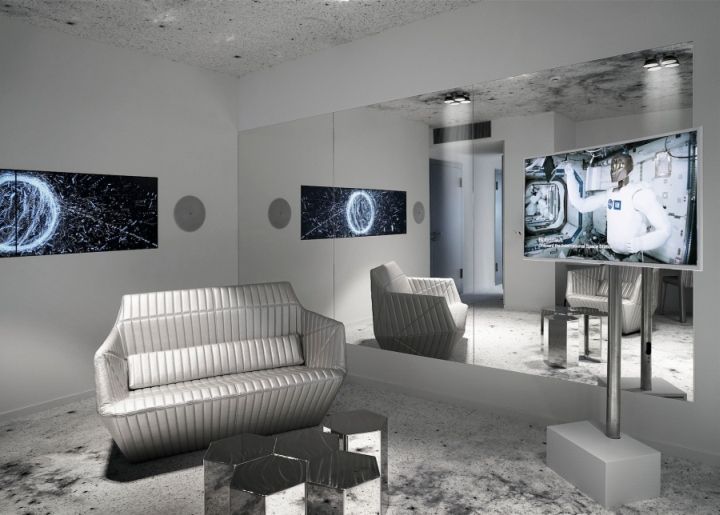
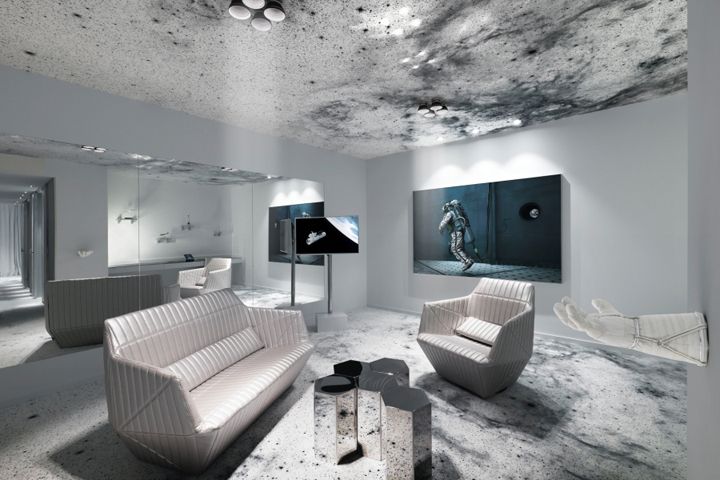
Designed by German designer Michael Najjar, the ‘space suite’ leaves no stone unturned to make the guests or ‘crew members’ have an out of the world experience.
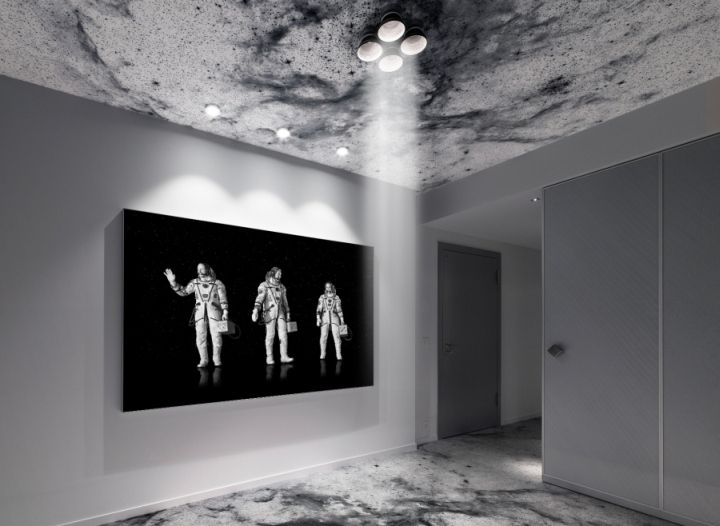
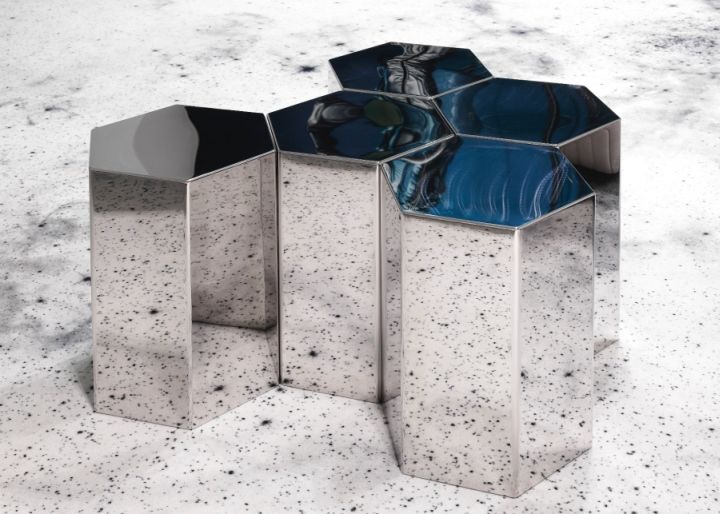
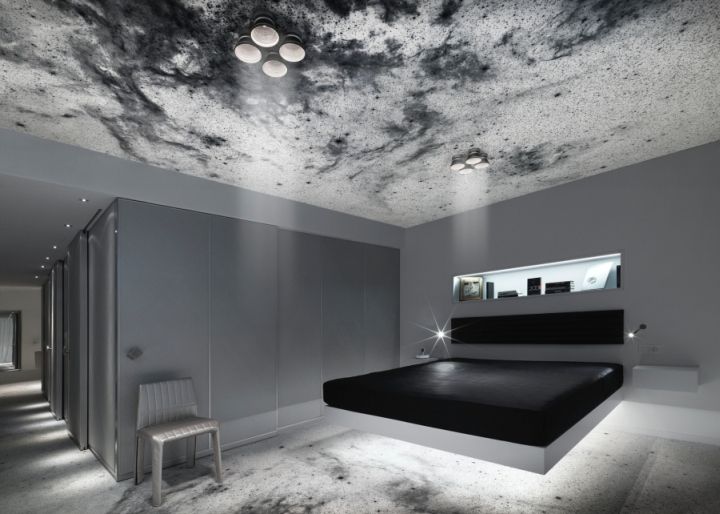
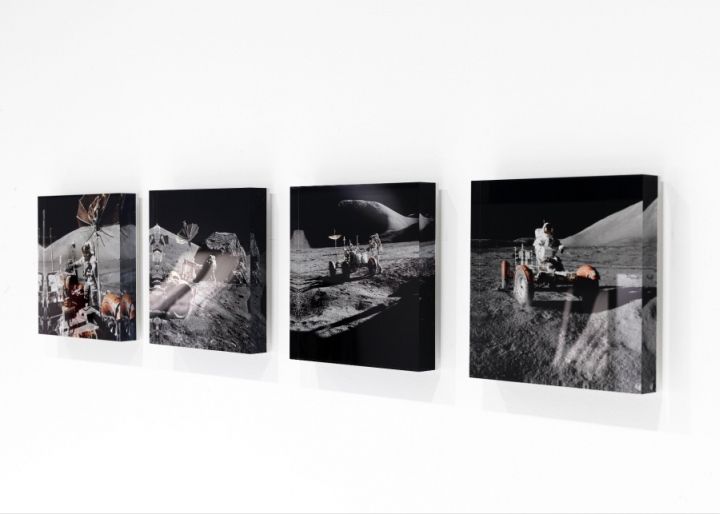
The lighting and decor of the room is done in a way that instills within the guests a reasonably authentic sense of being in outer space. The bed is what Micheal calls a ‘zero gravity bed’ which seems to be floating above the floor which is coloured and textured to give the illusion of surfaces on a celestial body millions of miles away.
Courtesy of Kameha Grand Zürich
The space station theme is also incorporated in the steam shower where one can take a shower while gazing into the depths of the universe.
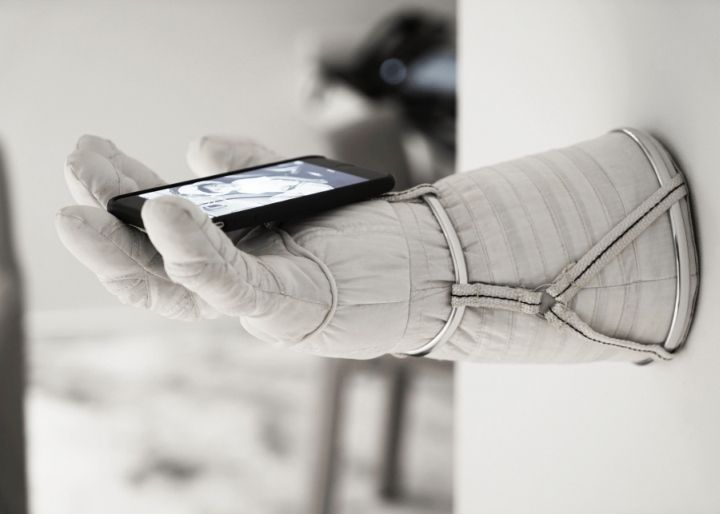
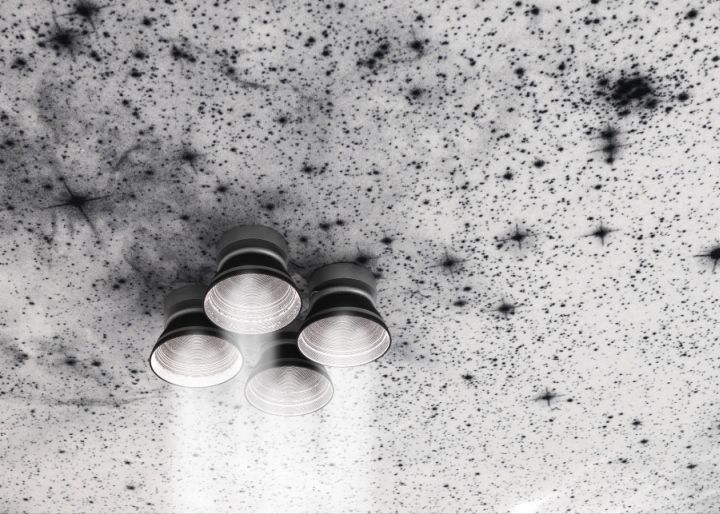
Tiny details like the space glove mounted to the wall where guests can keep their phones,wallets and keys, or ceiling lights that resemble rocket engines, further add to the immersive environment created inside the suite.
The 2 night galaxy getaway package offered by the Kameha Grand also includes 1.5 hours of body flying/1 hour of flight simulation on an A320 which makes it a must try for any space enthusiast.
Courtesy of Kameha Grand Zürich

Ibrahim Abdelhady is an architect, academic, and media entrepreneur with over two decades of experience in architecture and digital publishing. He is the Founder and CEO of Arch2O.com, a leading platform in architectural media, renowned for showcasing innovative projects, student work, and critical discourse in design. Holding dual PhDs in Architecture, Dr. Abdelhady combines academic rigor with industry insight, shaping both future architects and architectural thought. He actively teaches, conducts research, and contributes to the global architecture community through his writing, lectures, and media ventures. His work bridges the gap between practice and academia, pushing the boundaries of how architecture is communicated in the digital age.