


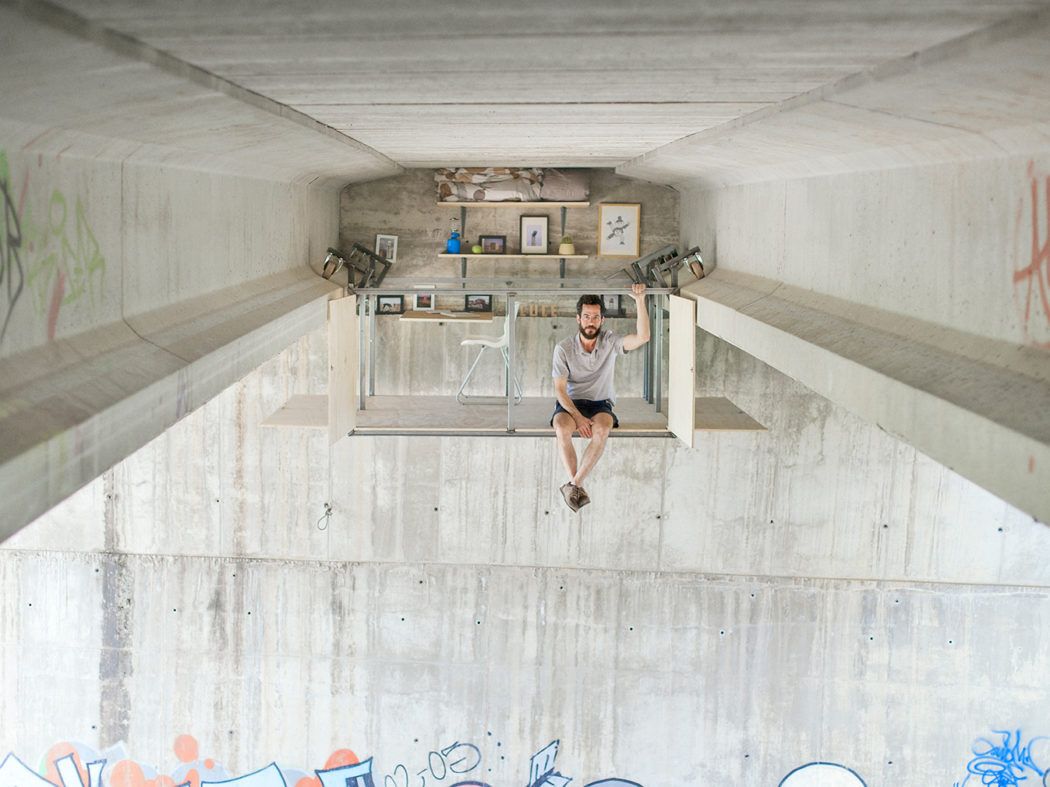
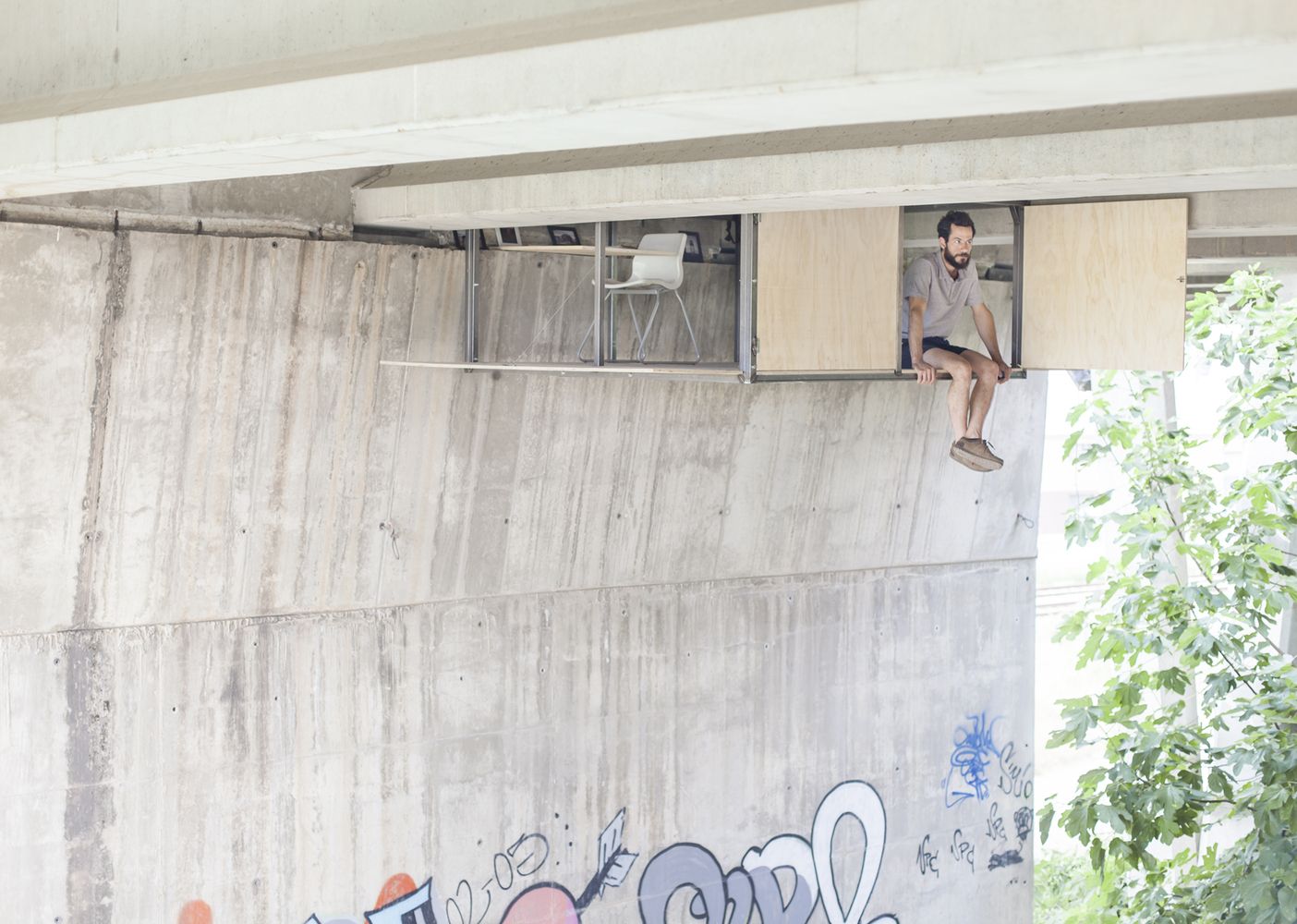
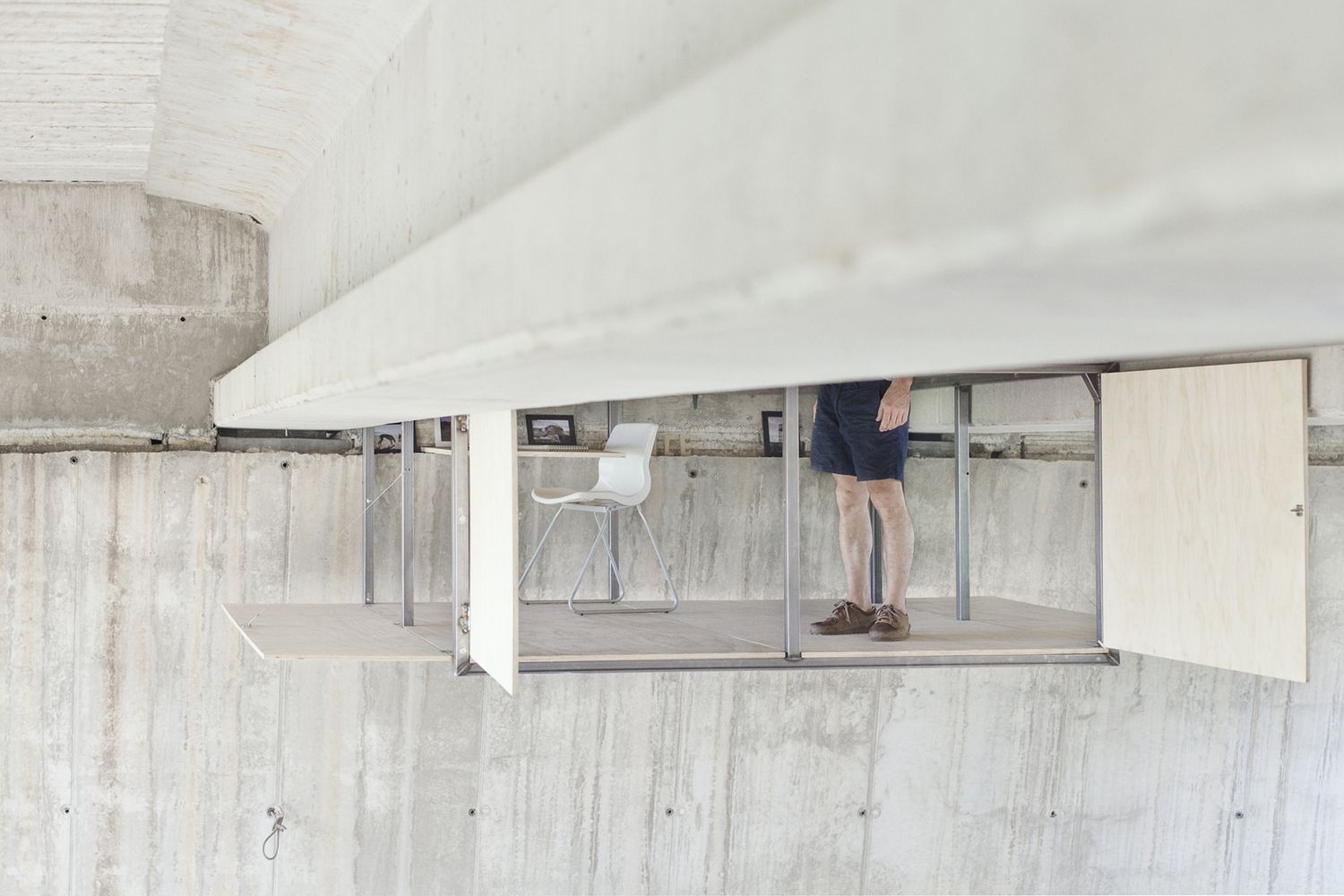
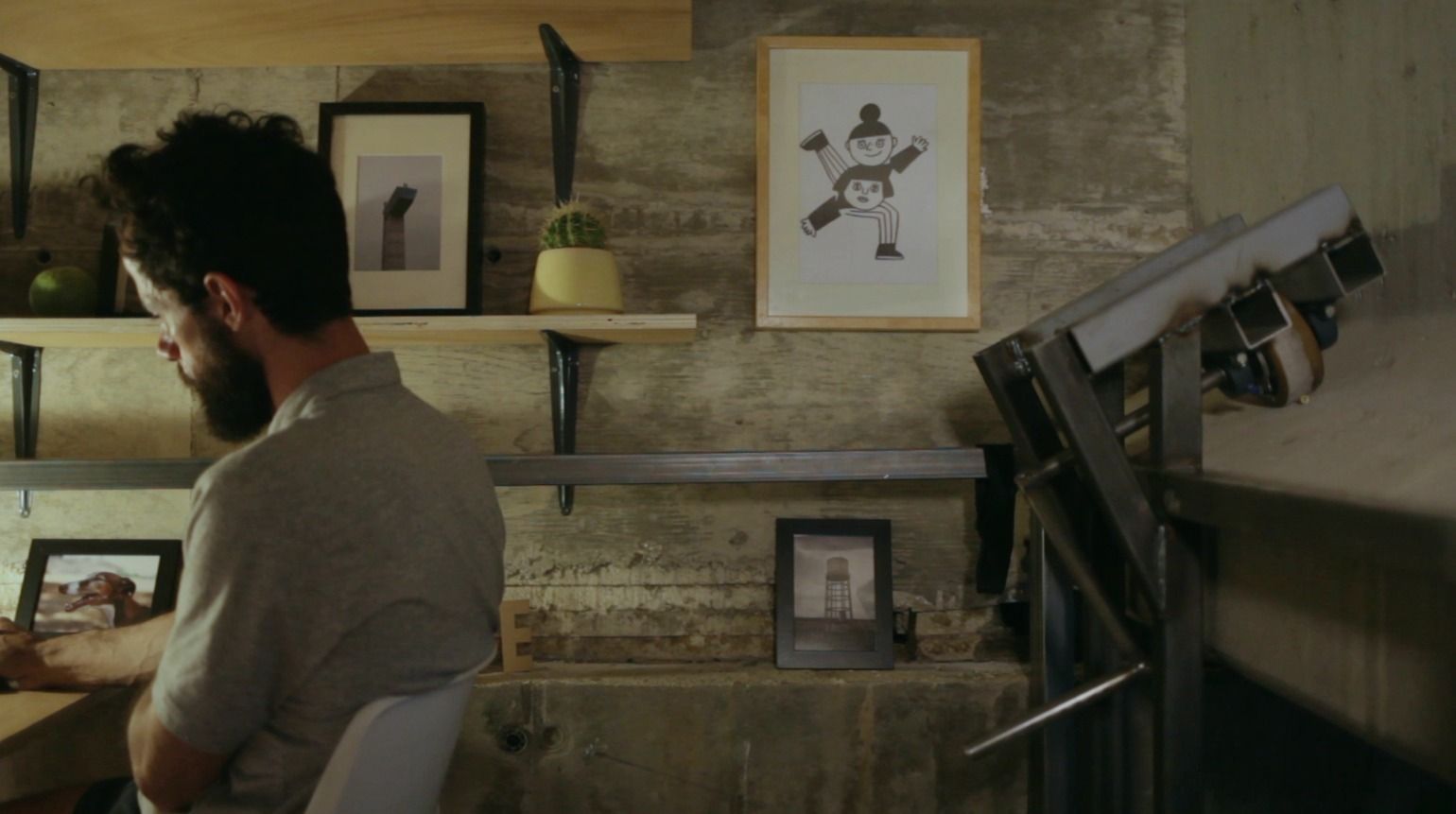
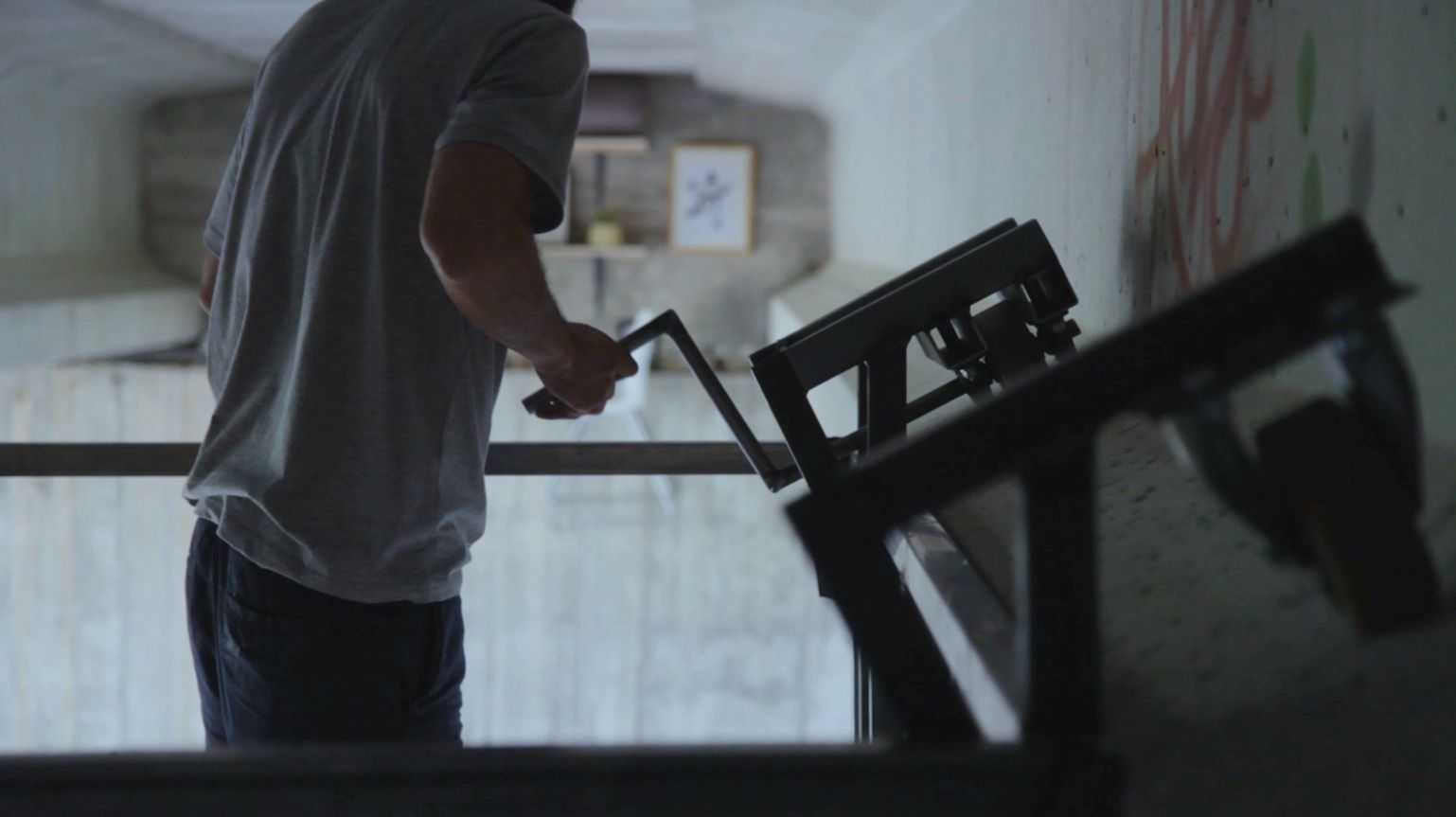
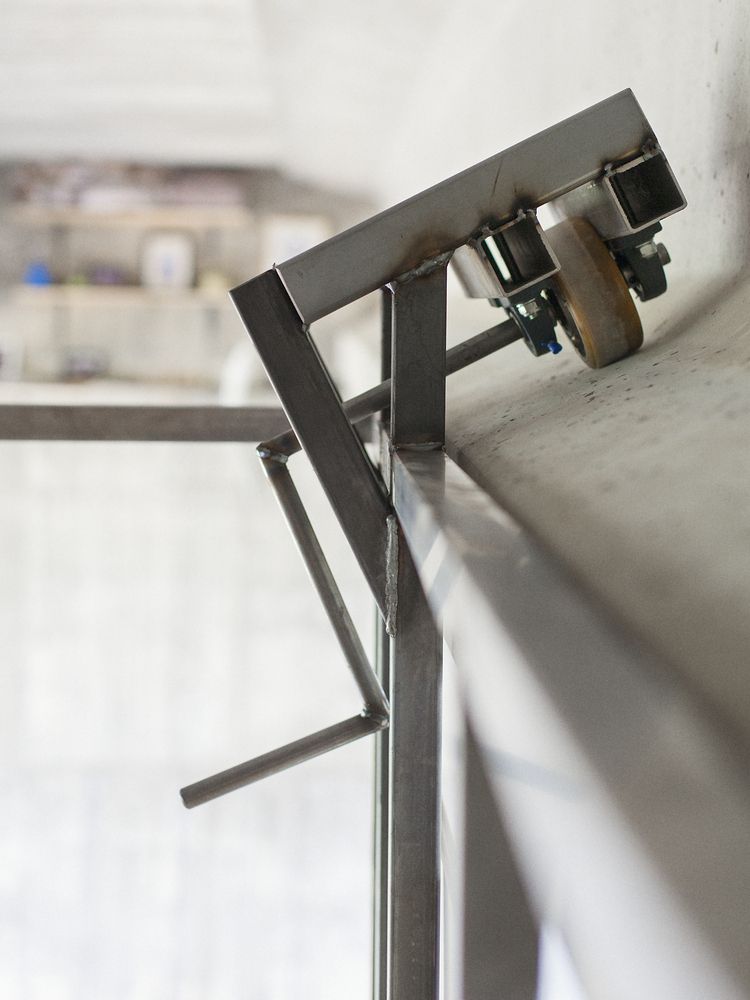
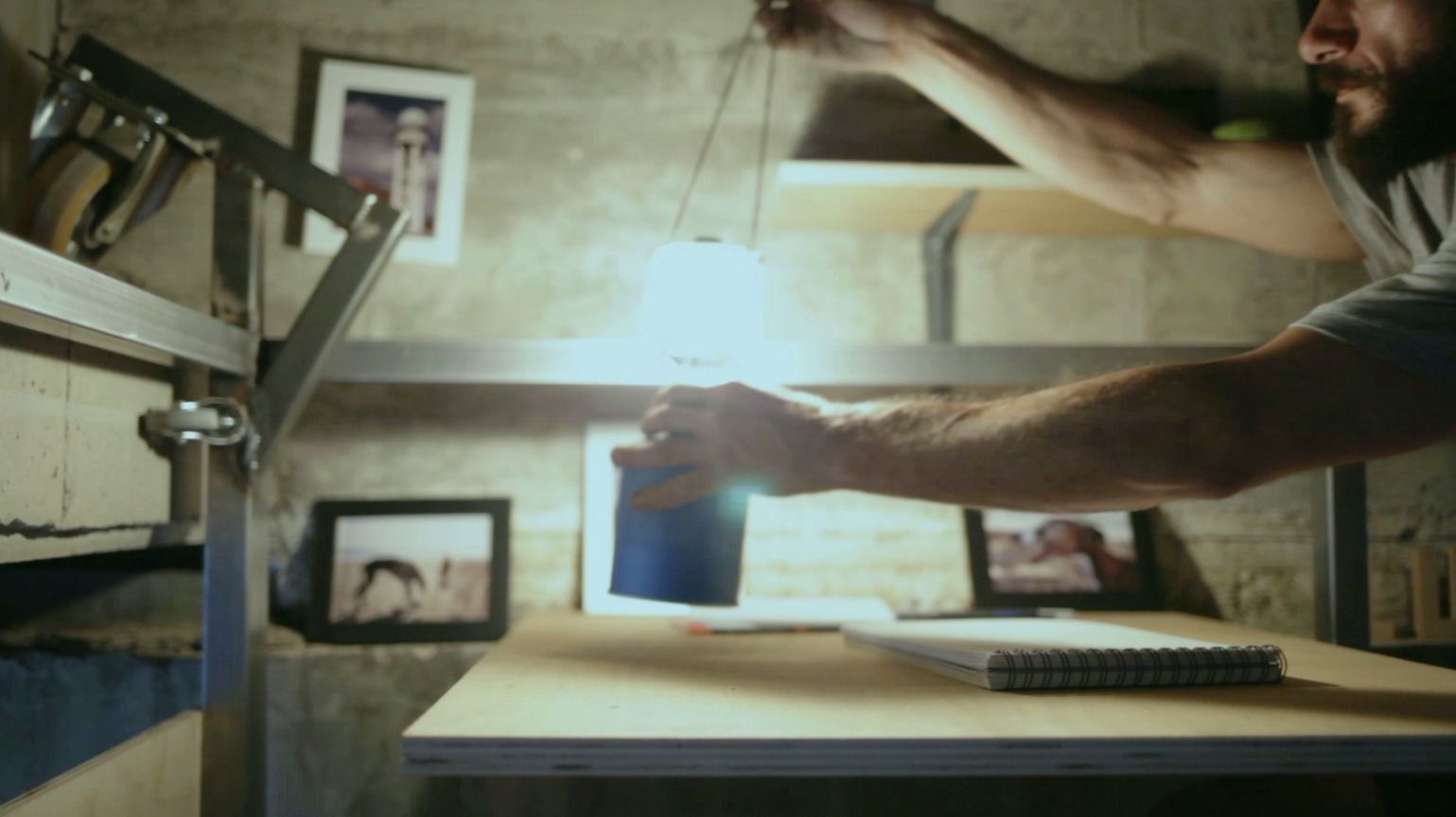
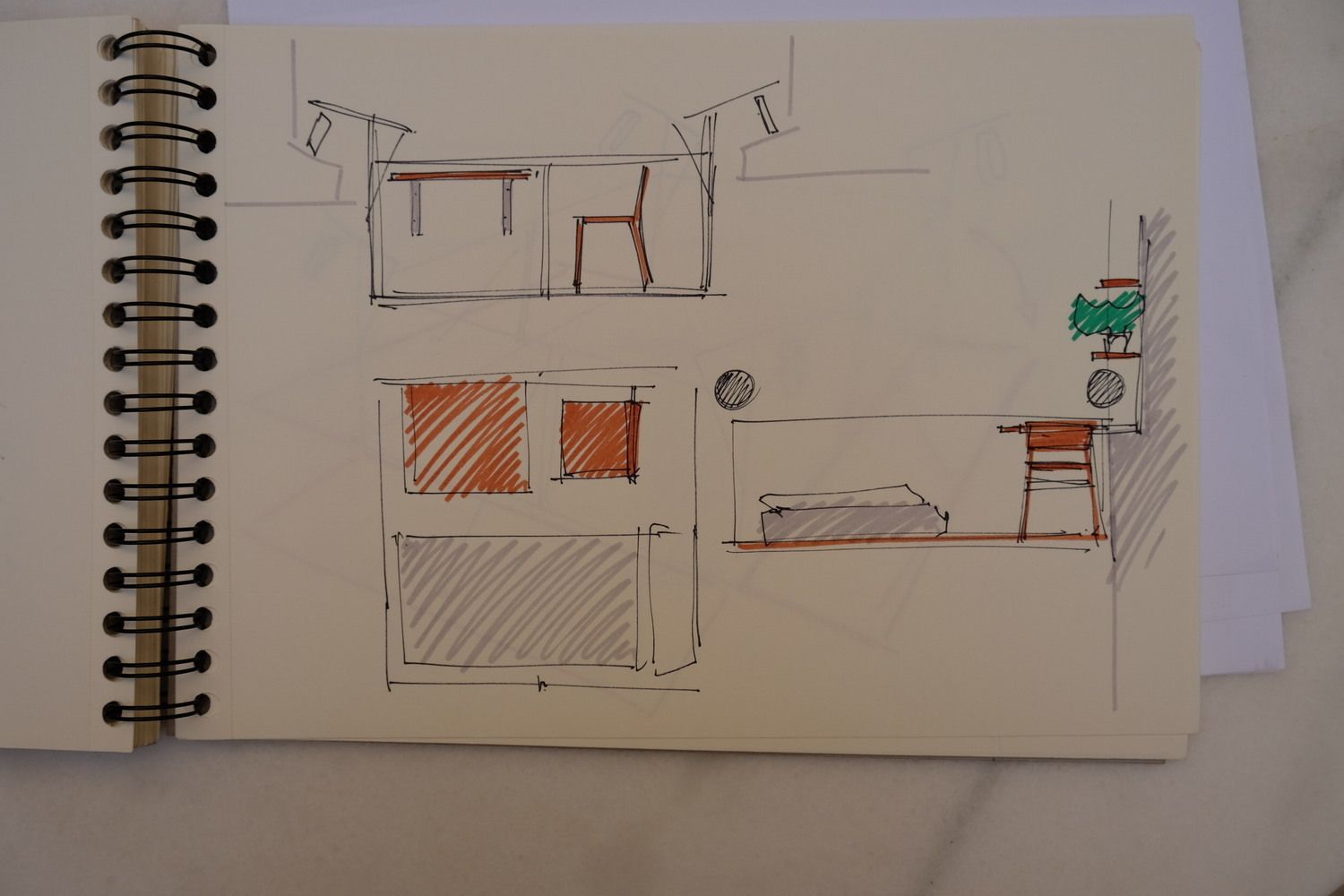
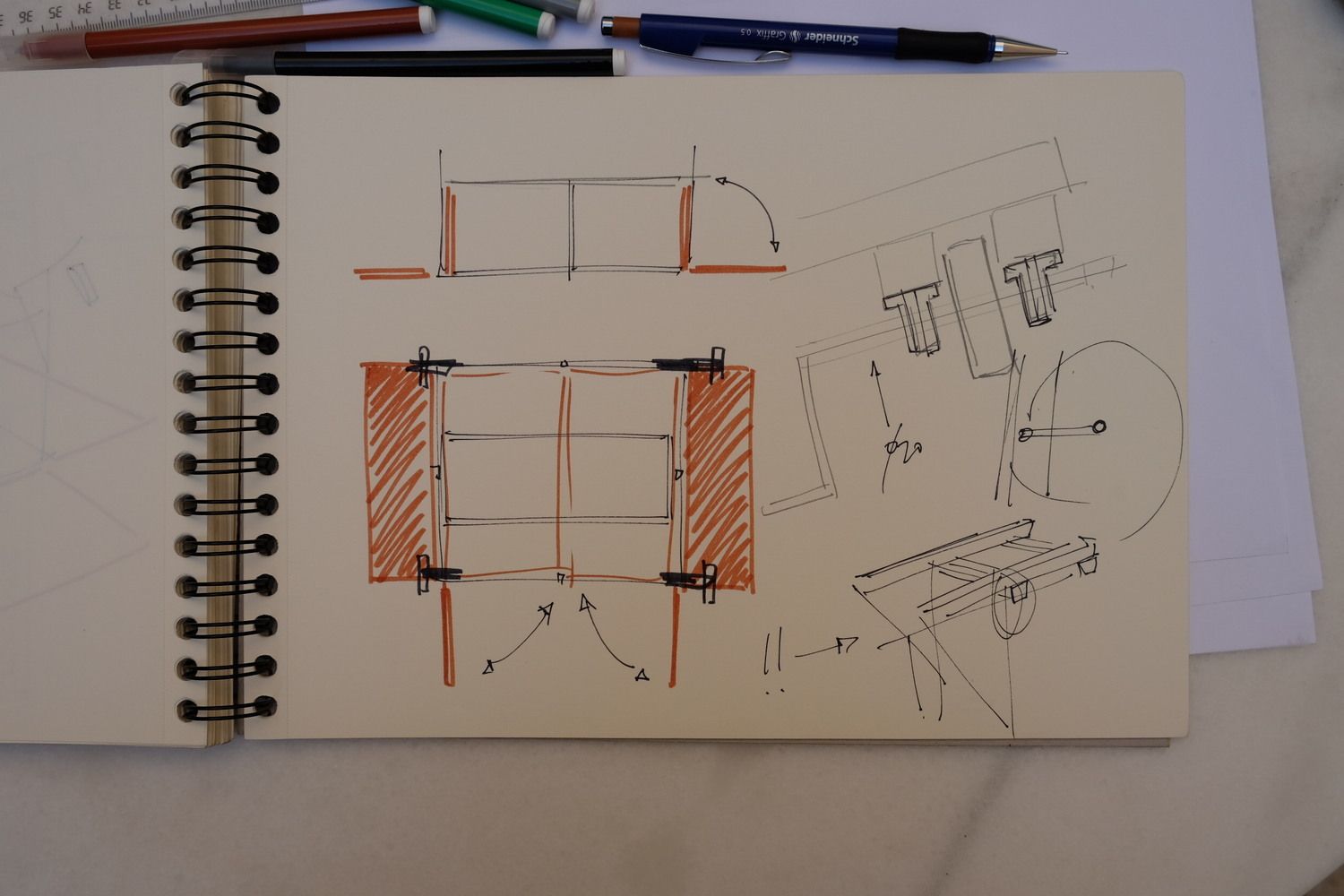
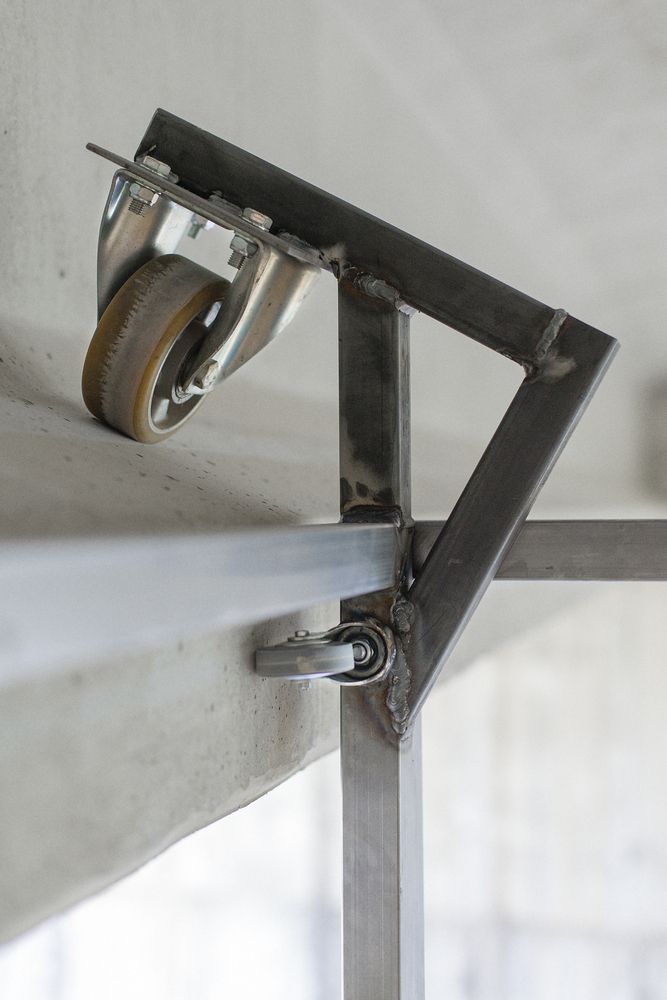
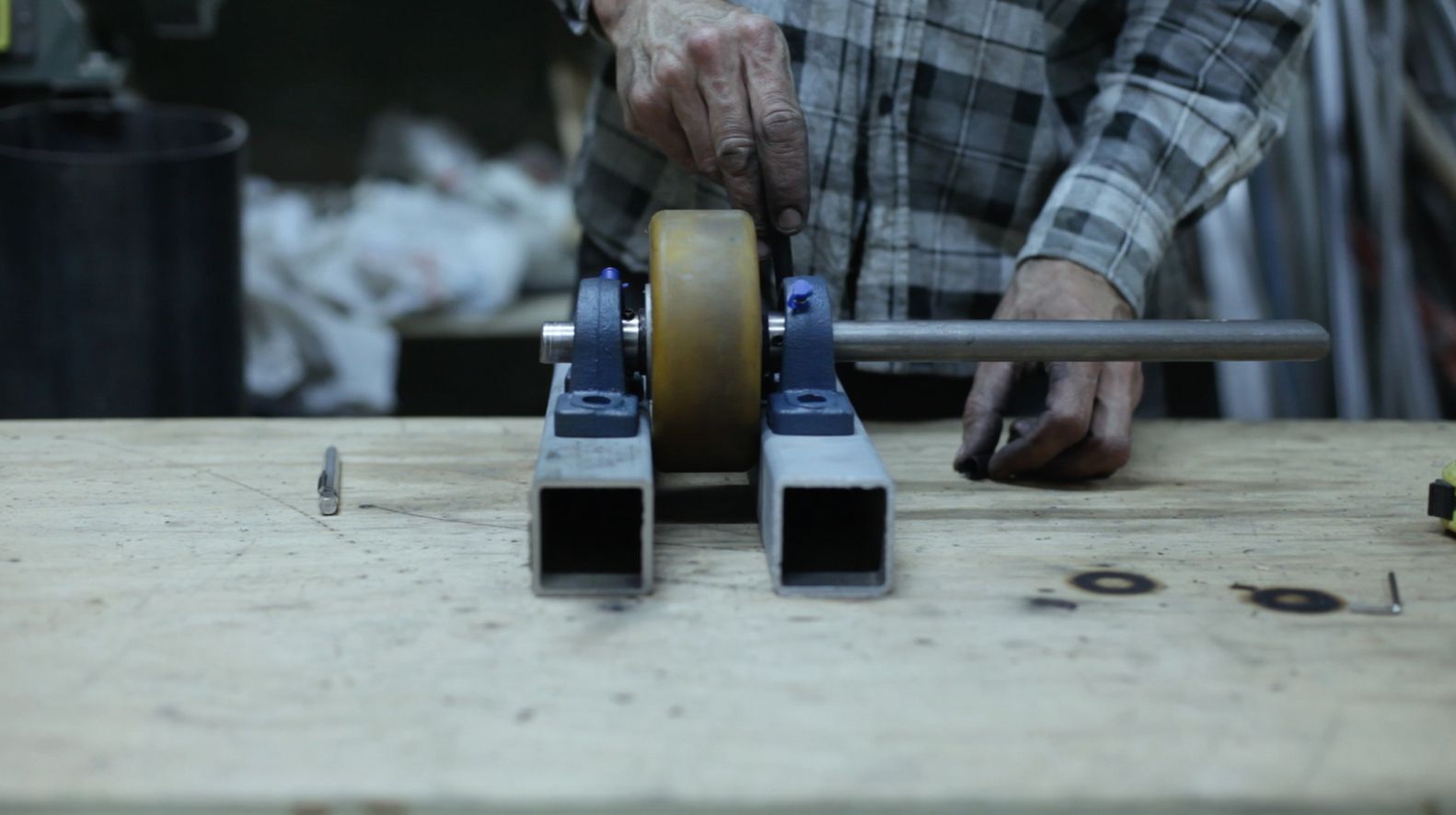
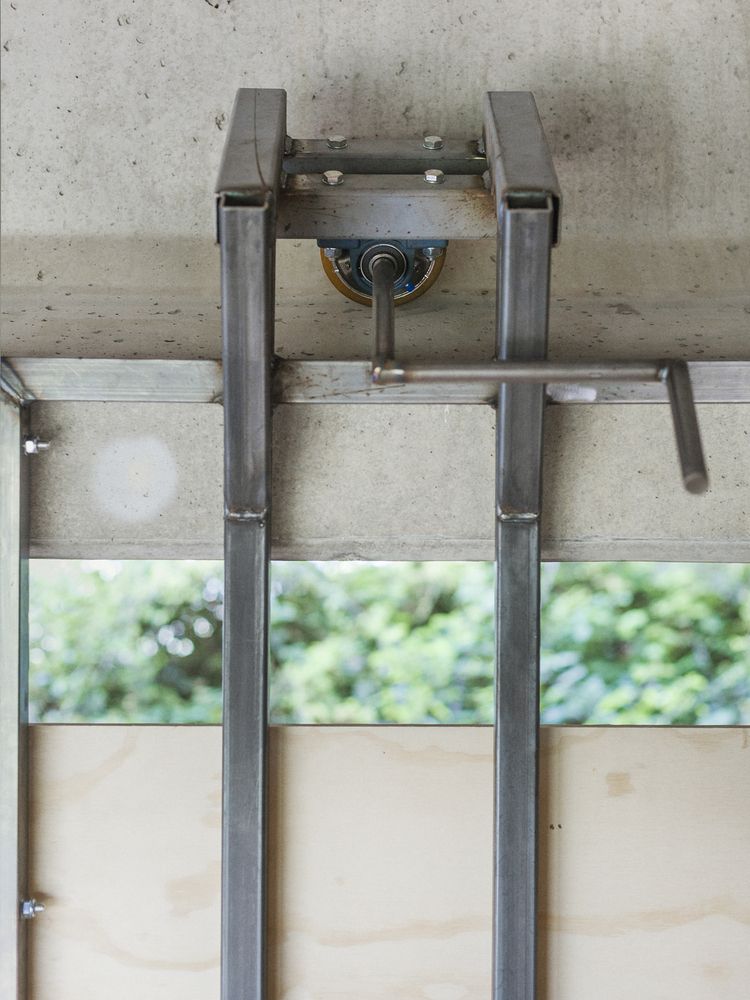
Fernando Abellanas, a craftsman, and a vocational designer from Valencia (Spain), designed a tiny moveable and hidden Secret Studio underside of a traffic bridge. The design came up in response to the urban space shortage in Valencia – slot a pop-up studio into the underside of a traffic bridge. Its metal base is moved from one side of the bridge to the other by a hand crank along rails, where a shelf, chair, and desk have been bolted to the bridge’s concrete wall.
The studio’s exact location is a secret and is part of a collection of spaces Abellanas is creating. ‘The project is an ephemeral intervention, [it will remain] until someone finds it and decides to steal the materials, or the authorities remove it,’ he adds.
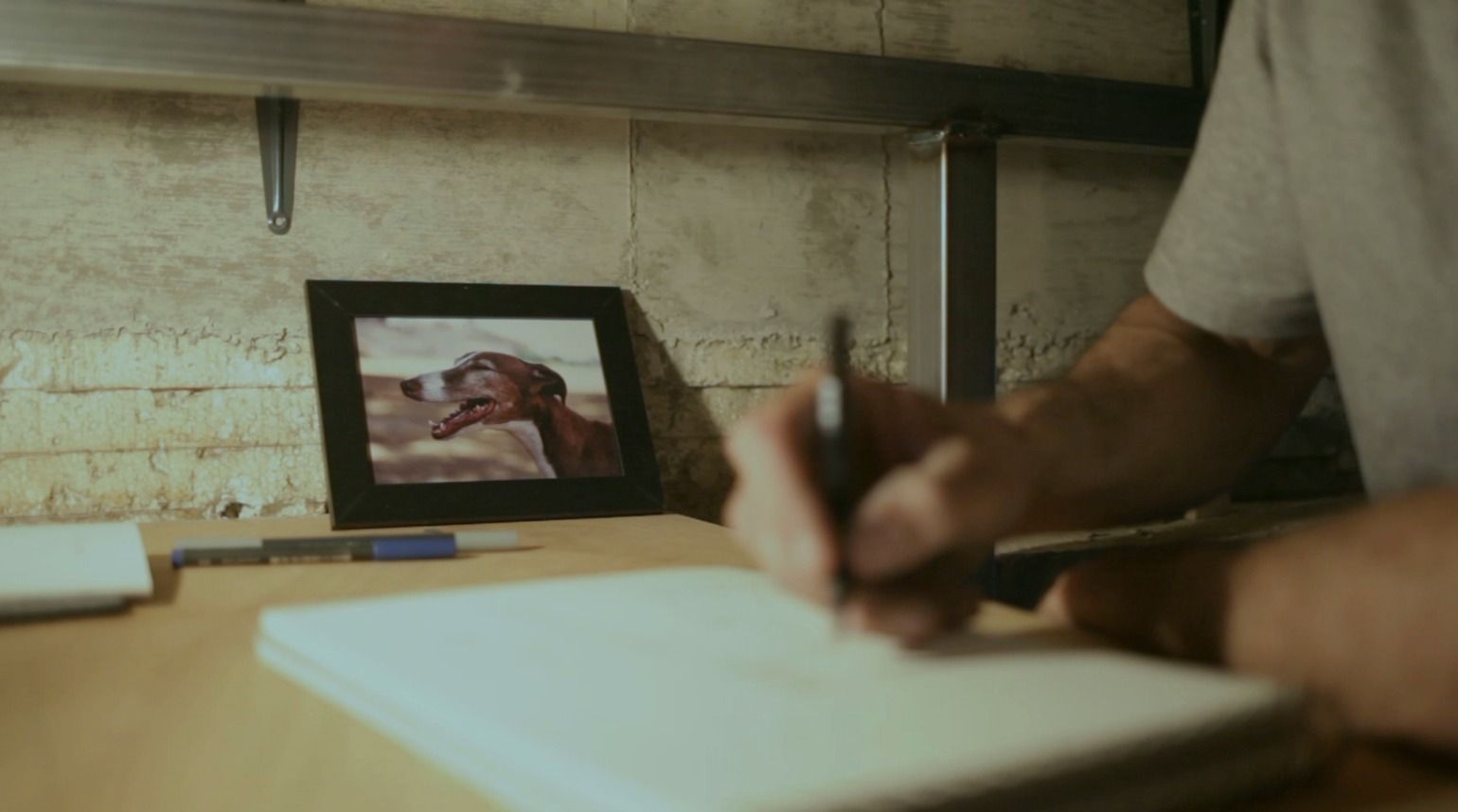
Abellanas’ secret cabin replicates the childhood experience of hiding under a table or in a closet – ‘The feeling kept hidden while still being able to hear and see what happens around us,’ he says. ‘Observing passing cars and trains with no one seeing me gives me great sense of peace.’ via The Spaces
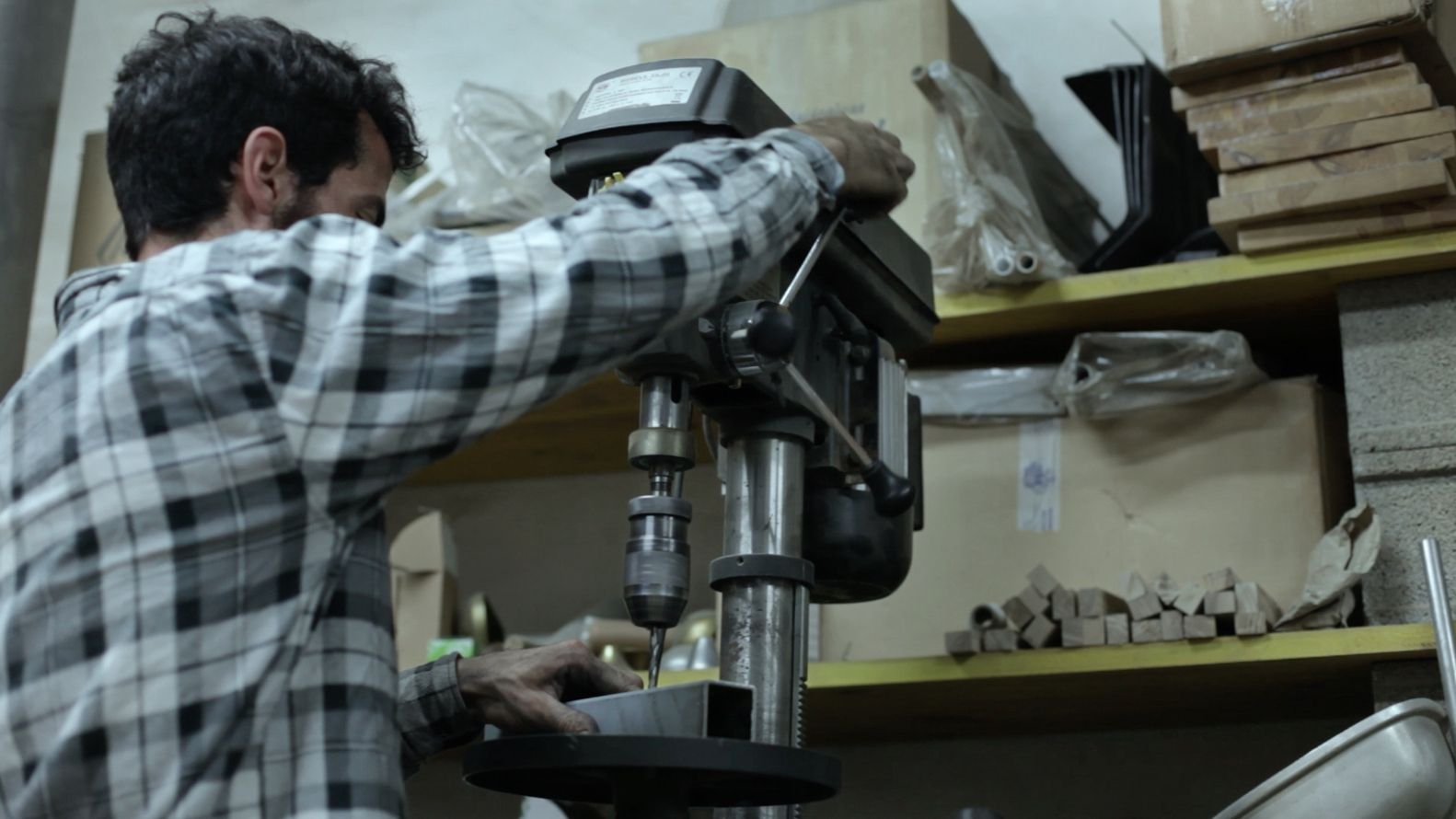
Since he started in design, Fernando has been limited to look for the essentials in forms, materials, and colors. Also for production, he designs based on his own resources. For him, this means that he must continually think about how to achieve the highest quality by simplifying the construction process, “more with less.”
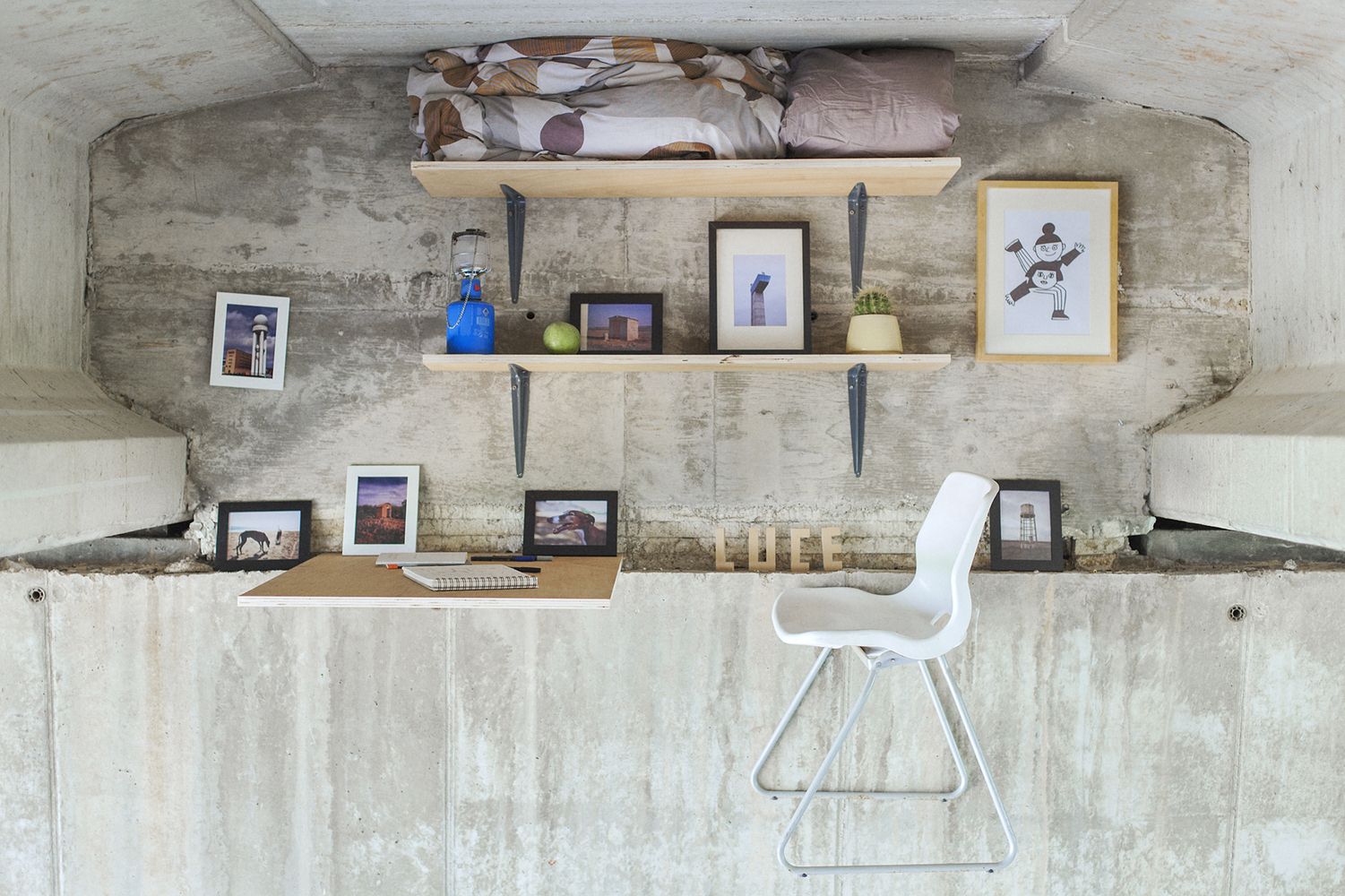
photography by © Jose Manuel Pedrajas


Ibrahim Abdelhady is an architect, academic, and media entrepreneur with over two decades of experience in architecture and digital publishing. He is the Founder and CEO of Arch2O.com, a leading platform in architectural media, renowned for showcasing innovative projects, student work, and critical discourse in design. Holding dual PhDs in Architecture, Dr. Abdelhady combines academic rigor with industry insight, shaping both future architects and architectural thought. He actively teaches, conducts research, and contributes to the global architecture community through his writing, lectures, and media ventures. His work bridges the gap between practice and academia, pushing the boundaries of how architecture is communicated in the digital age.