


RESHAPE – or renewal?
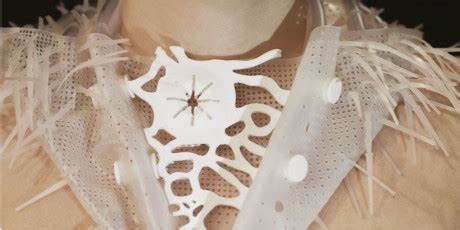
I don’t think architecture is architecture anymore. And while we’re at it, fashion is not fashion, cars are not cars, nothing is nothing and everything is everything – sounds like I am philosophizing, but I’m just observing. The boundaries between arts and technology have become so blurry that it’s almost in bad taste to create “traditional” pieces anymore. Reshape, an online platform promoting research, education, and production of digital ideas, focusing on innovative processes of design and fabrication organizes an early competition regarding a different topic. In 2015, they proposed to “explore a peculiar mix between fashion and computation which is incredibly fertile and inspiring”. So, a new fashion. Or new ways of creating fashion. But how? The winners of the competition, Pinar Guvenc, InancEray, Gonzalo Carbajo, and Marco MattiaCristofori proposed the SPONGESUIT, a piece of swimwear that is environmentally proactive, economically sustainable, and intelligently manufactured combining cutting edge 3D printing and nano-scale clean-tech material (super-hydrophobic carbon-based material called the Sponge) research. Selina Reiterer and Constantinos Miltiadis, winners of the second prize, have imagined JOHN PAUL GEORGE & ME, a project aiming to bring to children an interactive musical game, encouraging and stimulating their musical interest as well as their collaboration with each other to perform music. Emmanouil Vermisso, Mate Thitisawat, Boutros Bou-Nahra, and Heather Akers have suggested the CAROTID THERMO-REGULATOR, a project that is about reinventing the traditional neck Ruff as a liquid translator of bodily emotion. The idea resulting from the transformation of thermal data into graphic becomes an inherent ornamental quality of the piece.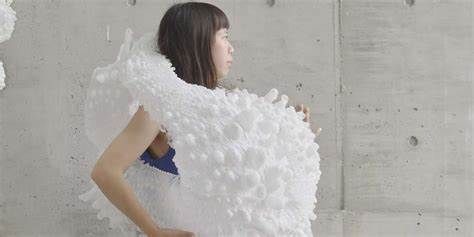
Reshape – reshape the way we think, reshape the way we use, and reshape the way we design.







Lidia Ratoi is a Romanian architect, educator, and researcher, currently serving as Assistant Professor at the University of Hong Kong’s Department of Architecture. With a background in both architectural design and theory, her work explores the intersections of technology, media, and politics in the built environment. Ratoi’s research focuses on the aesthetics of power, surveillance, and virtuality, with a strong interest in critical and speculative design. She has practiced internationally and exhibited in venues across Europe and Asia. Passionate about challenging conventional narratives, Ratoi integrates digital tools with philosophical inquiry, encouraging experimental approaches to architecture. Her contributions continue to shape emerging discourses in design and architectural pedagogy.