


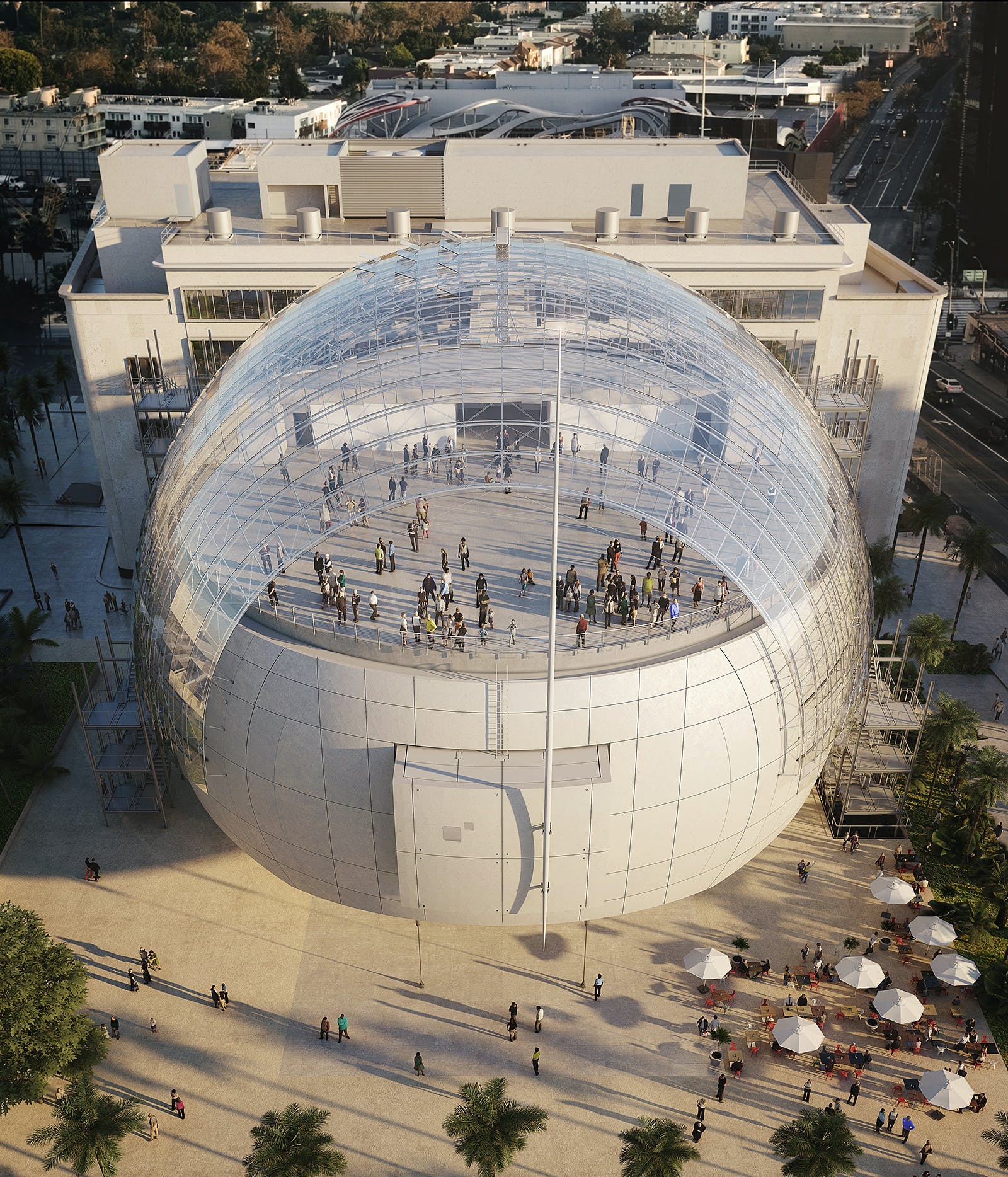
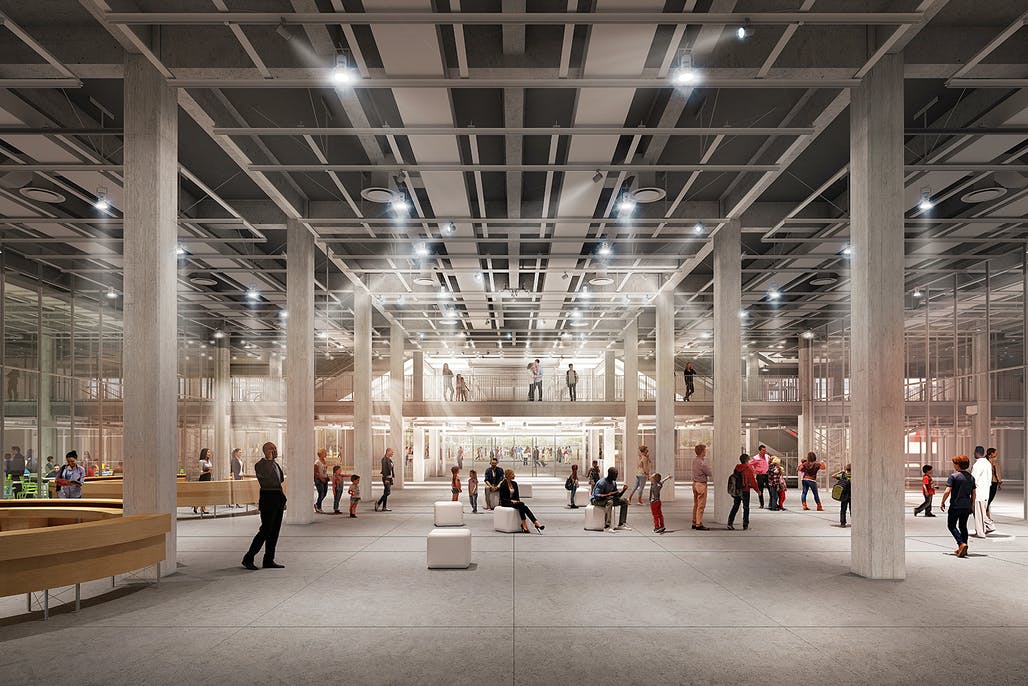
New renderings were released of the Renzo Piano Building Workshop-designed museum for the Academy of Motion Picture Arts and Science (AMPAS). The project, which is expected to be completed in 2019, resides in the Miracle Mile in Los Angeles. It is expected to be “the world’s premier institution dedicated to the art and science of movies“.
Courtesy of RPBW Architects and AMPAS. Image from L’Autre Image
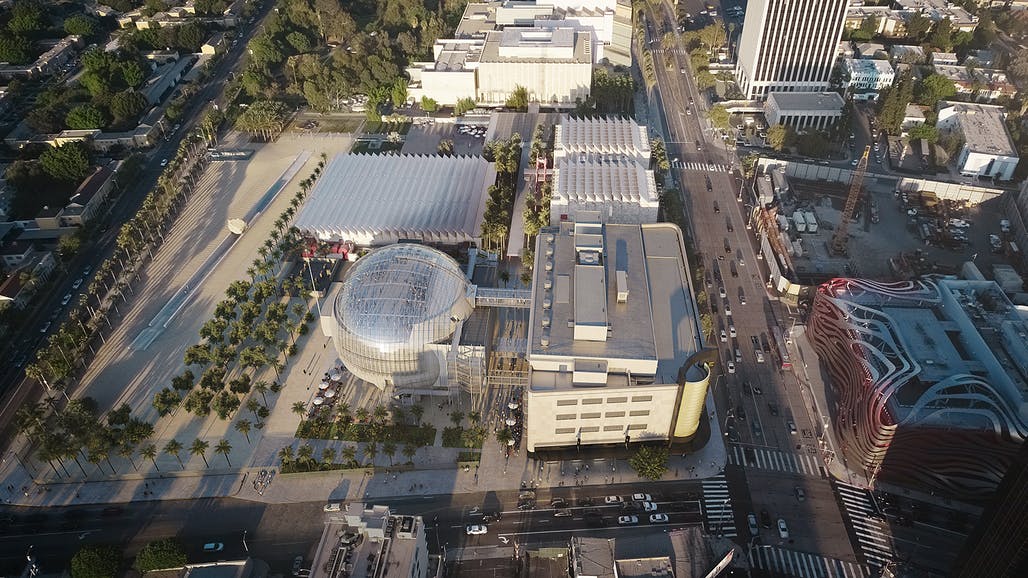
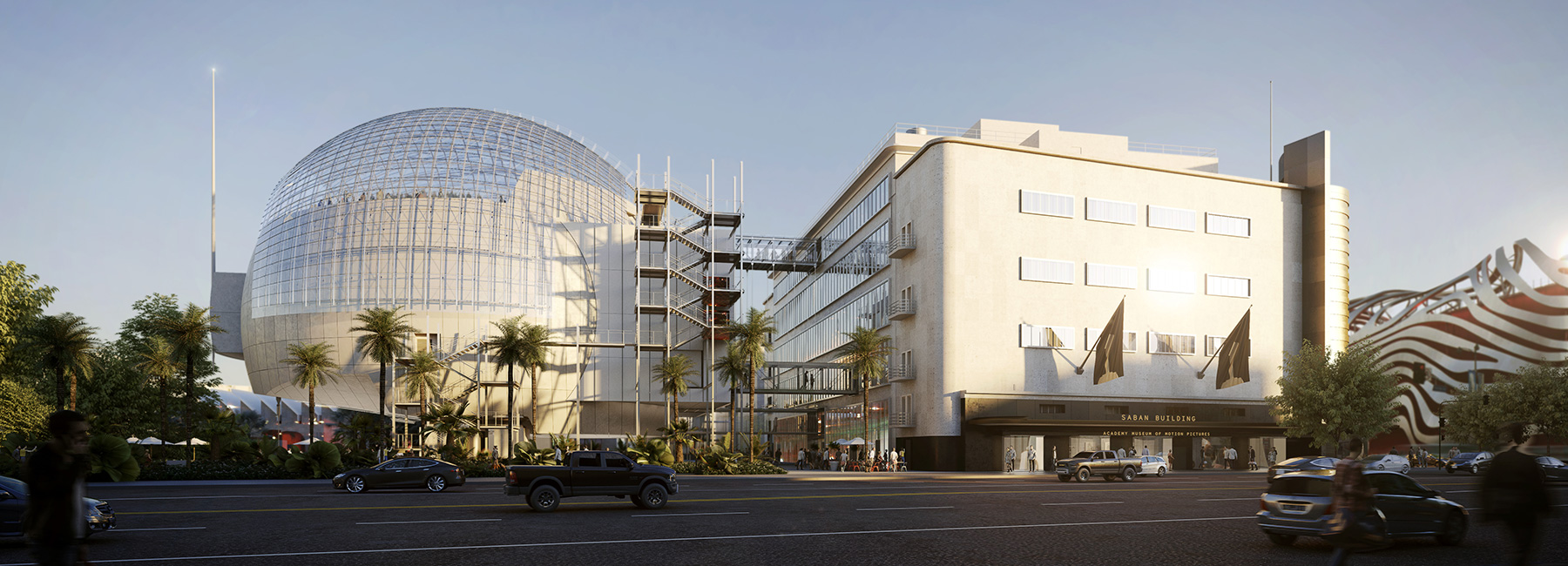
The collaboration of Renzo Piano with Gensler resulted in new expansions and some renovations of the May Company department store. The store is located at the corner of Wilshire and Fairfax.
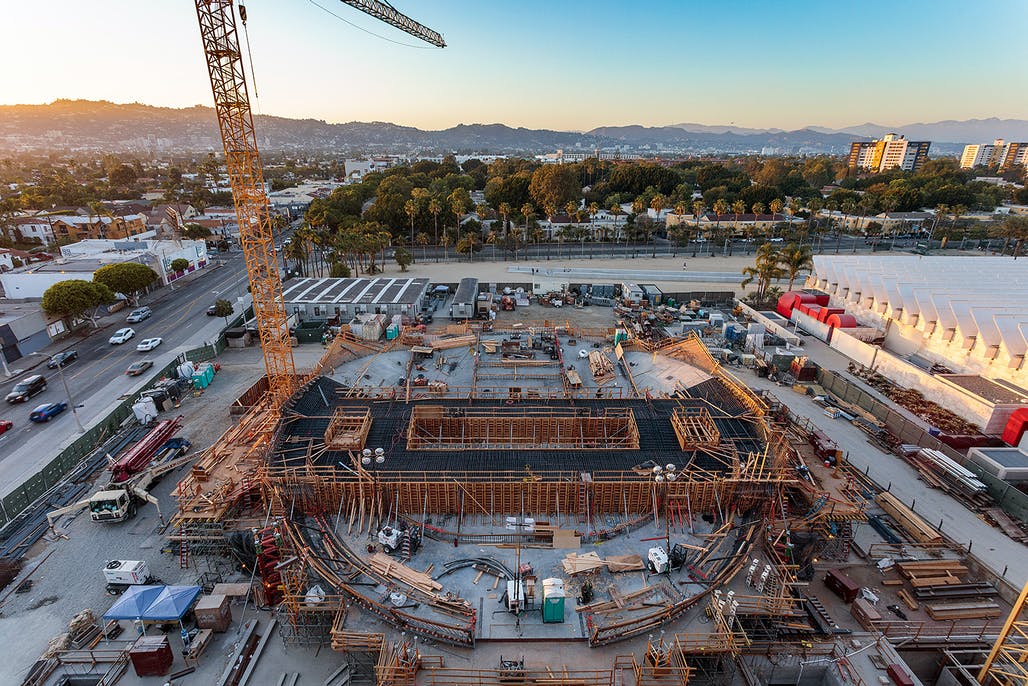
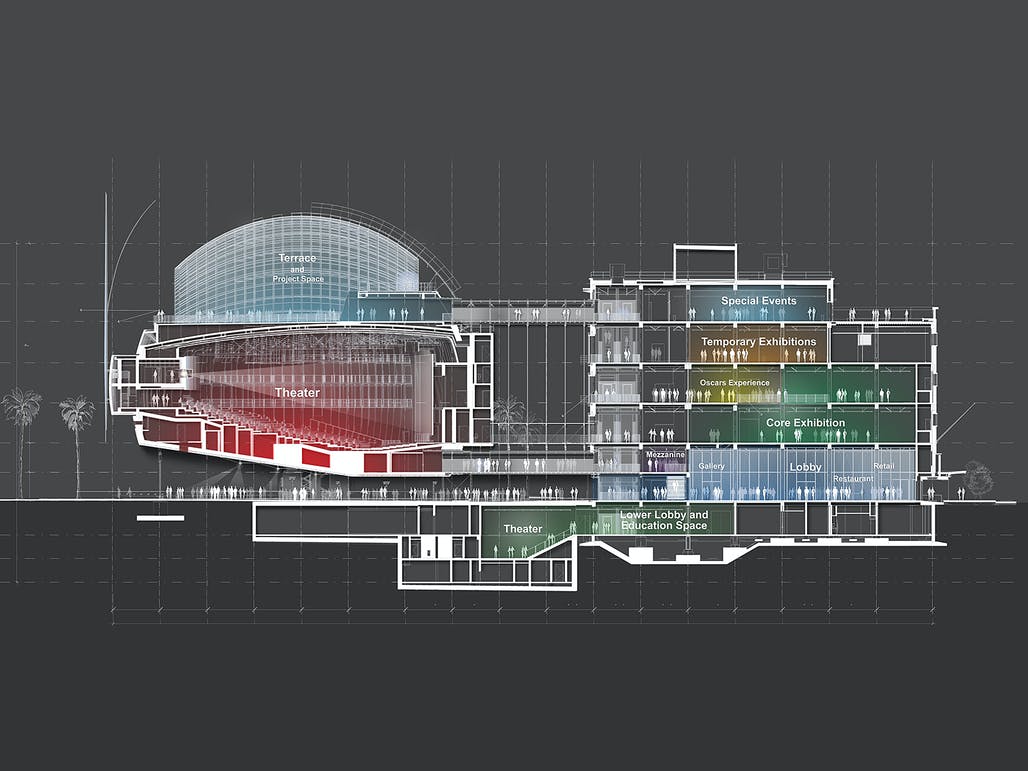
Having its name changed to the Saban building, the structure is composed of 6 floors and over 50,000 square feet of space assigned for exhibitions. The building will additionally include an educational studio, a theater that can host up to 288 spectators, a restaurant, and a store. Moreover, it will contain a cafe, a restaurant, as well as several spaces for events. The most prominent part of the project is its glass sphere that will house the David Geffen Theater, with a capacity of 1000 seats. The theater will house premiers, screenings, and performances.
Courtesy of RPBW Architects and AMPAS. Image from L’Autre Image
The Renzo Piano-designed institution is LA’s first museum assigned for motion pictures. The previous difficulties of raising the necessary fund ($388 million) for the project have been mostly overcome. The fund raised until now covers three-quarters of the museum’s cost.

Jane Doe is an American architectural editor with a deep-rooted passion for design and the built environment. She holds a degree in Architecture from Columbia University, where she developed a strong foundation in both architectural theory and urban studies. With over a decade of editorial experience, Jane specializes in shaping content that bridges architecture, urbanism, and cultural discourse. Her work spans leading design publications, exhibition texts, and digital platforms, where she is known for her clear, engaging narratives and her ability to translate complex spatial ideas for a broad audience. Jane is particularly interested in issues of equity, sustainability, and the evolving role of cities in a changing world.