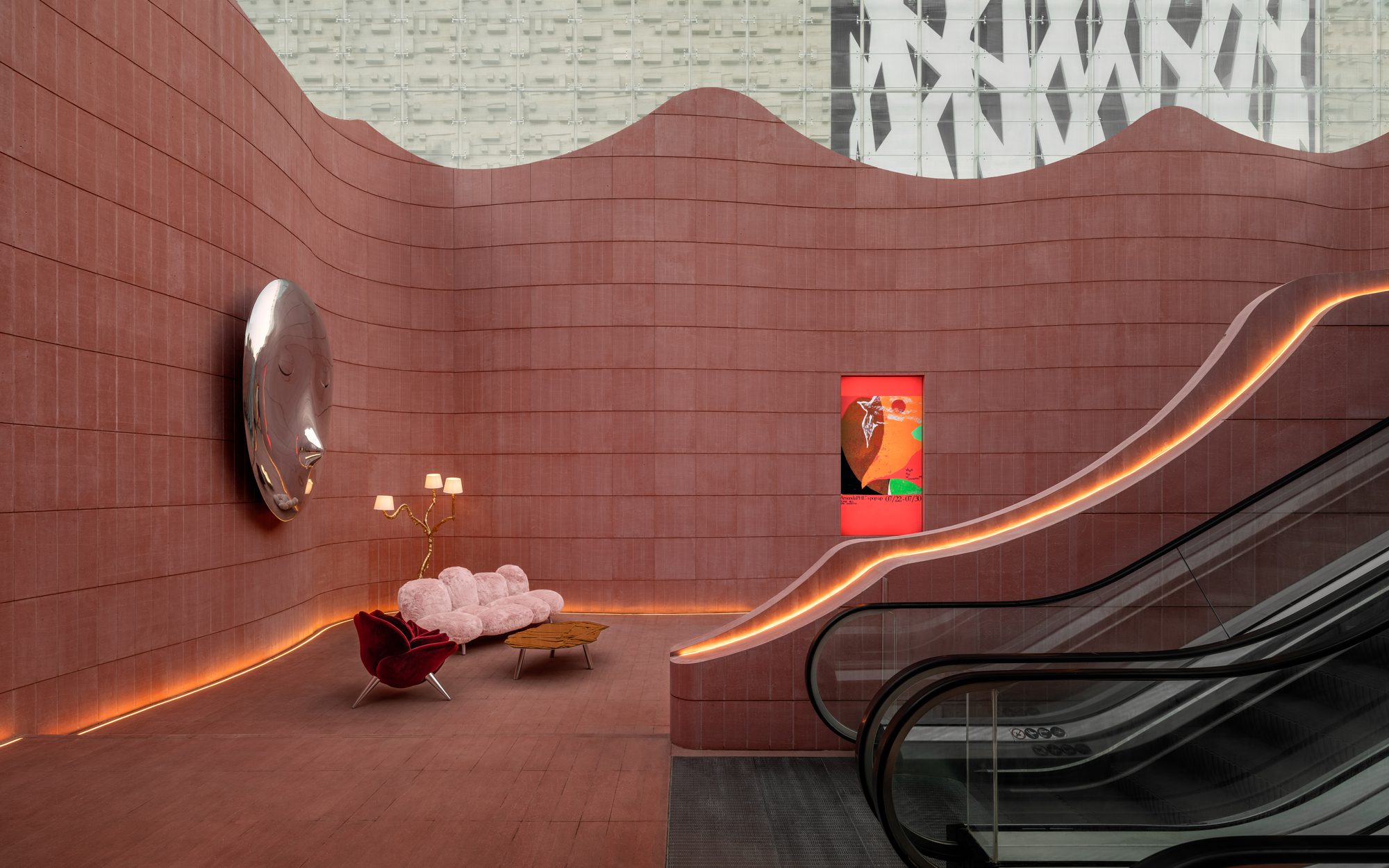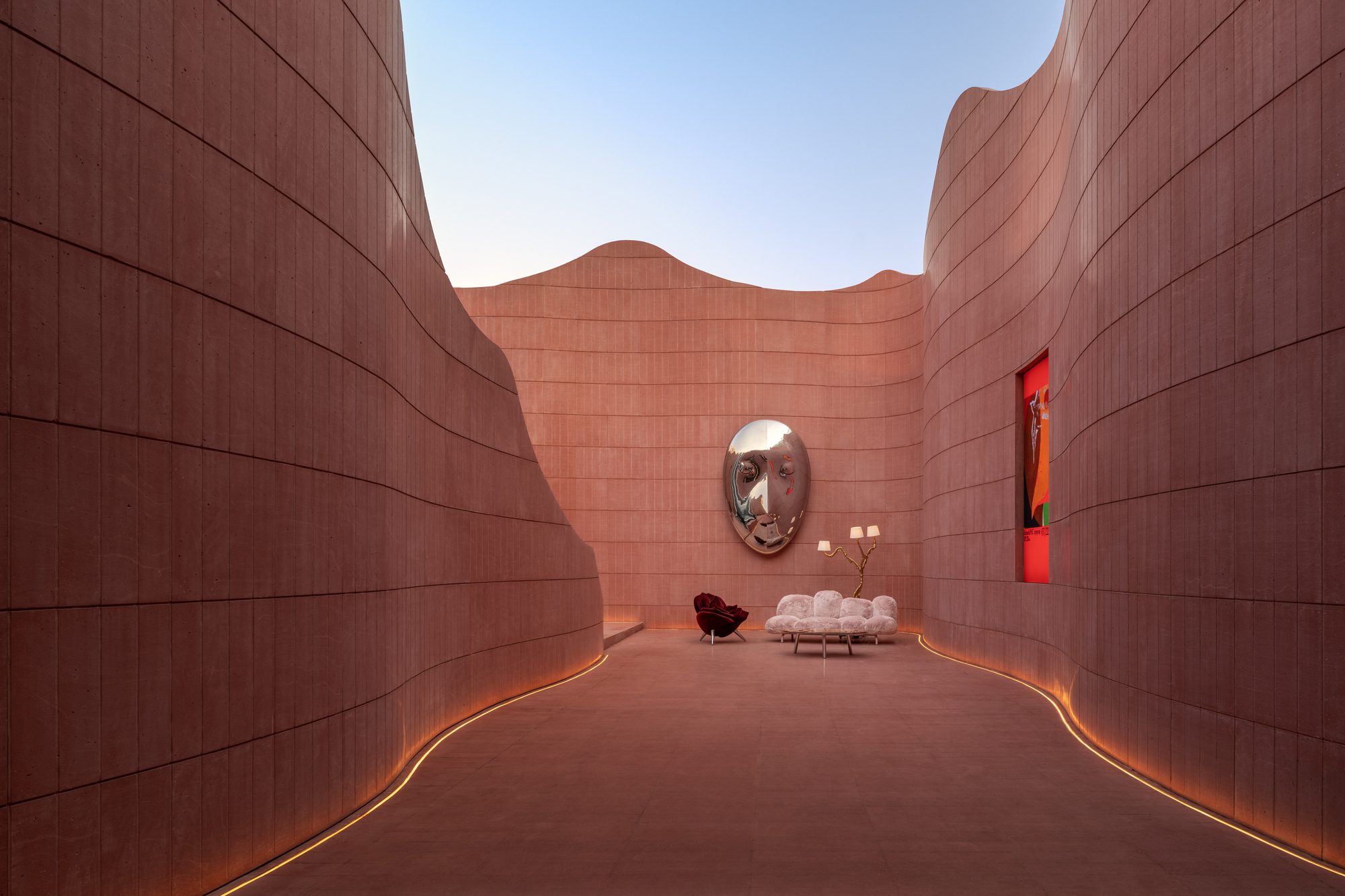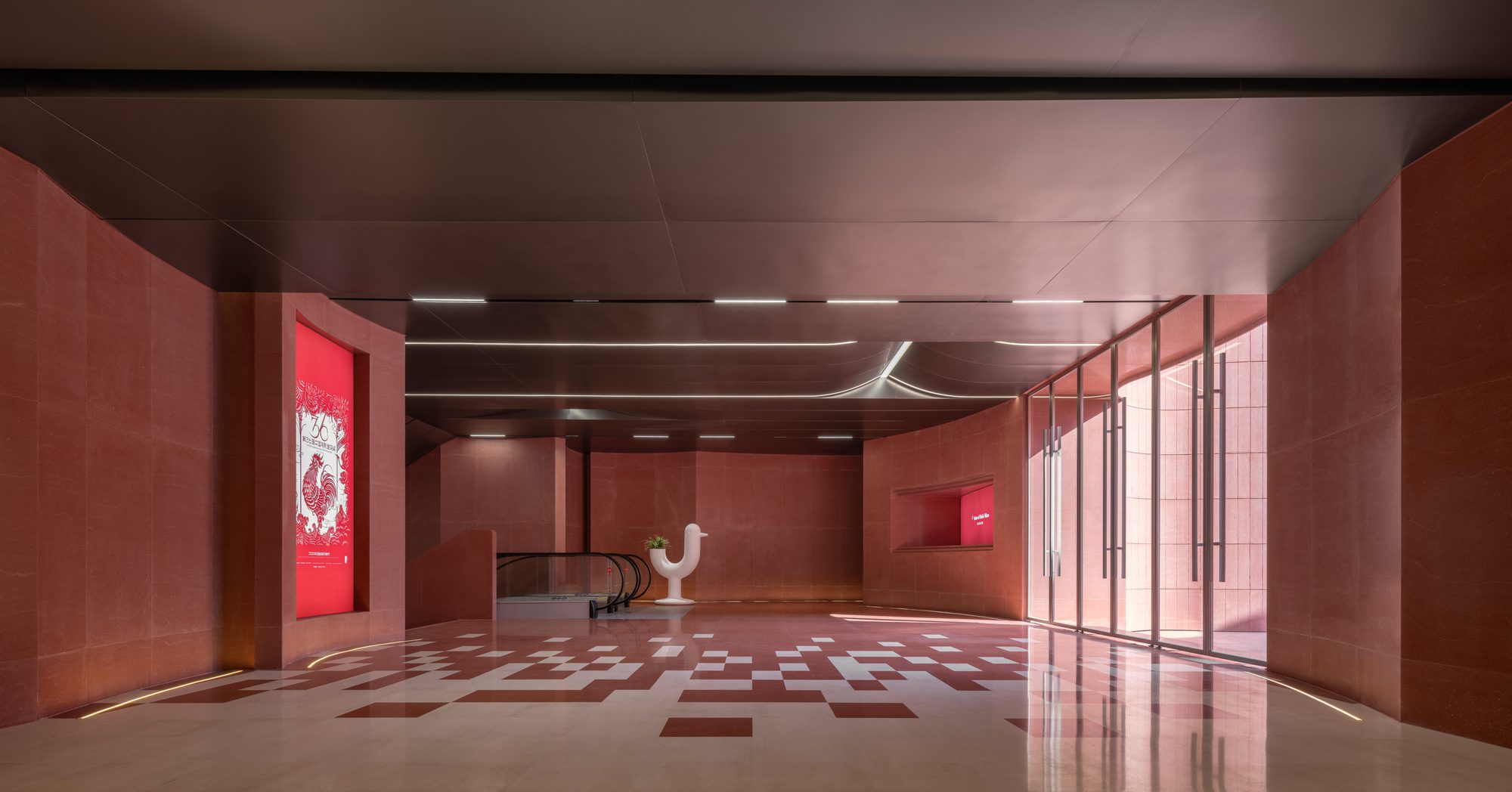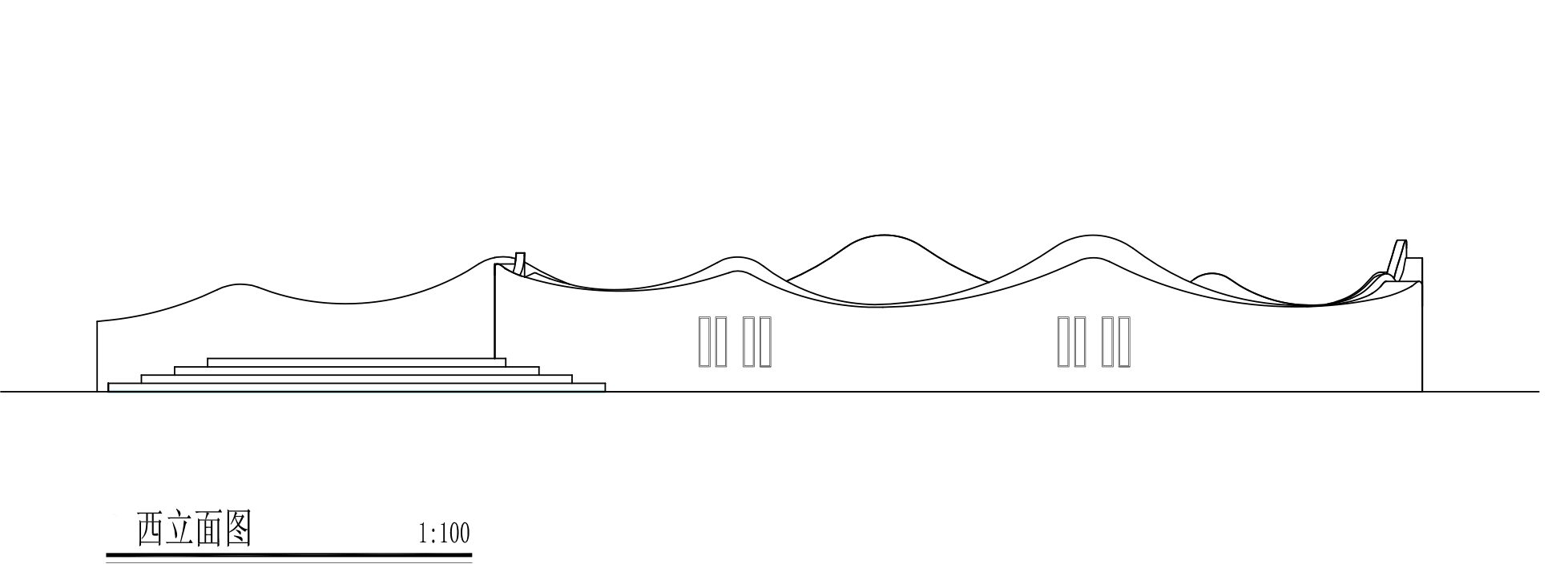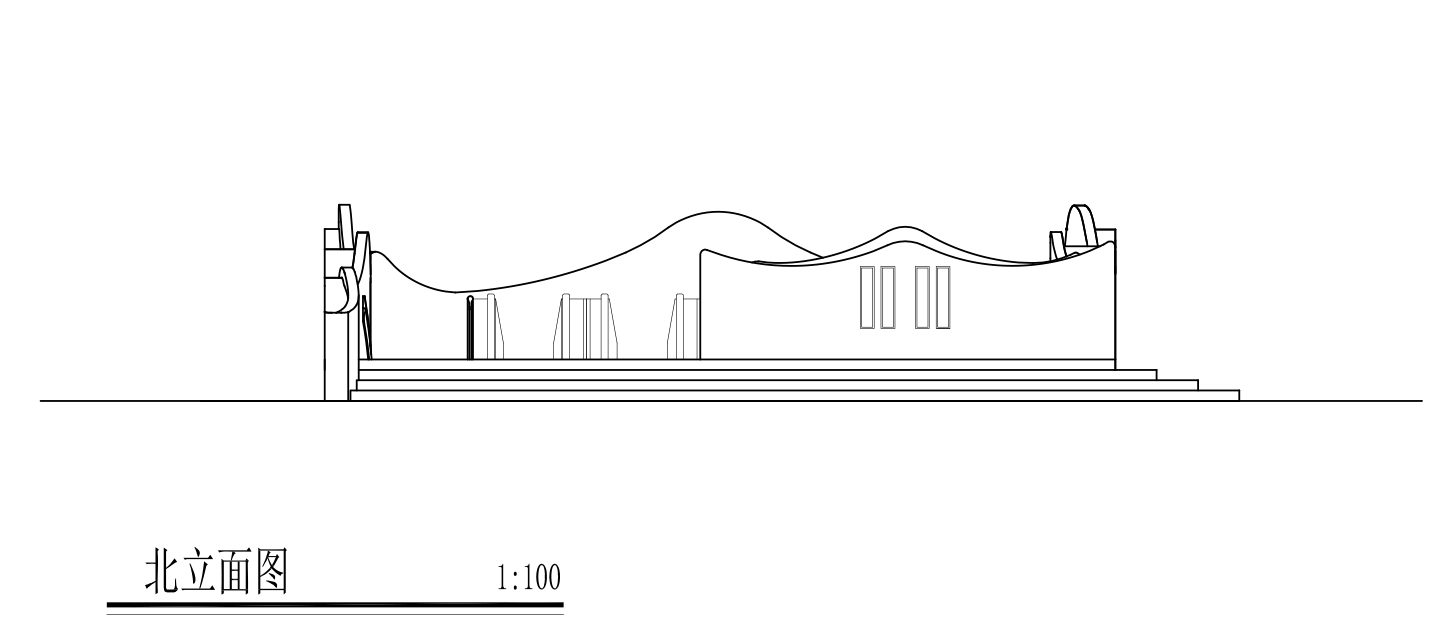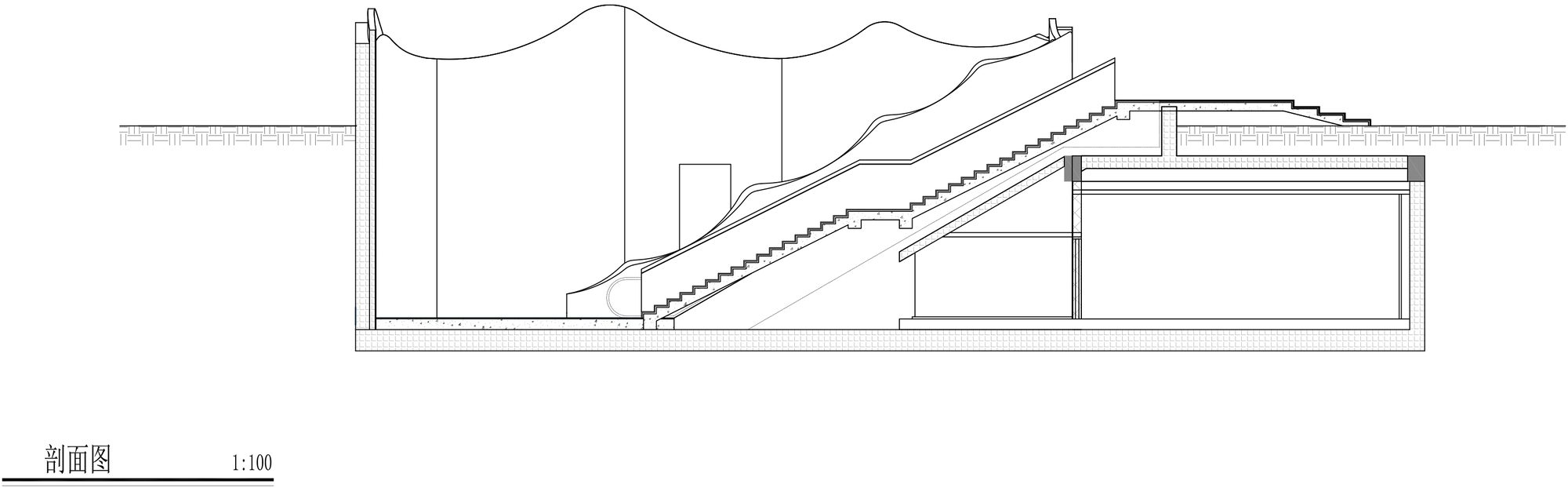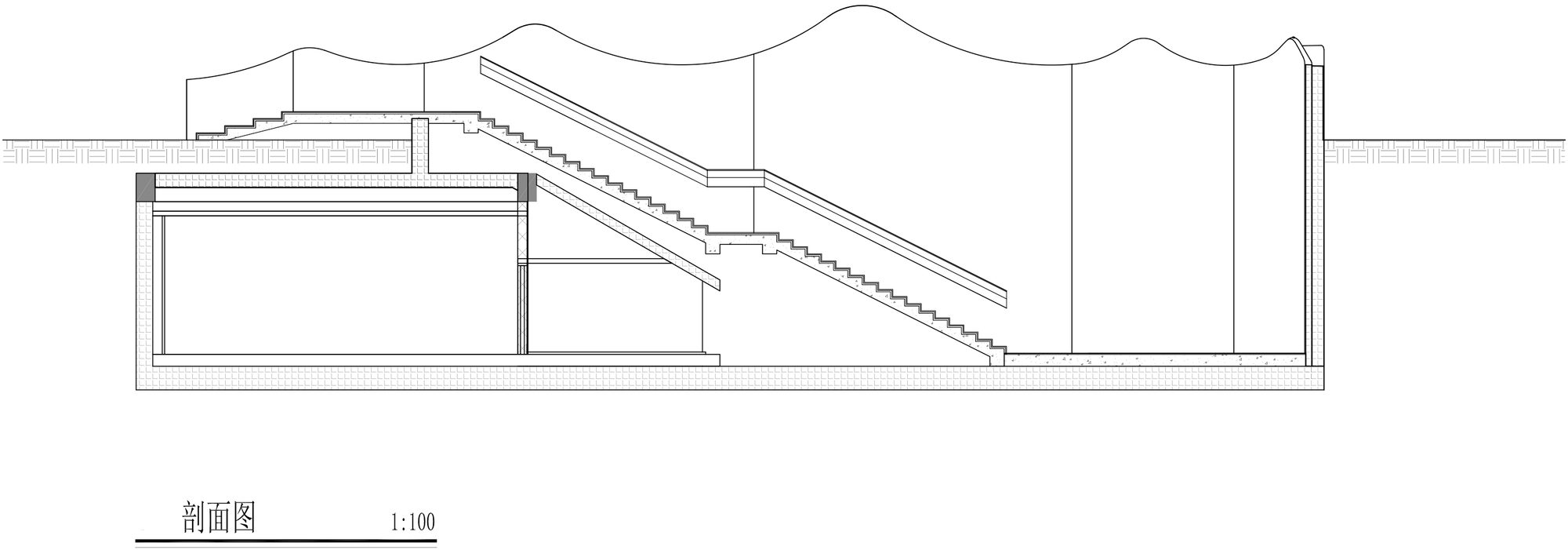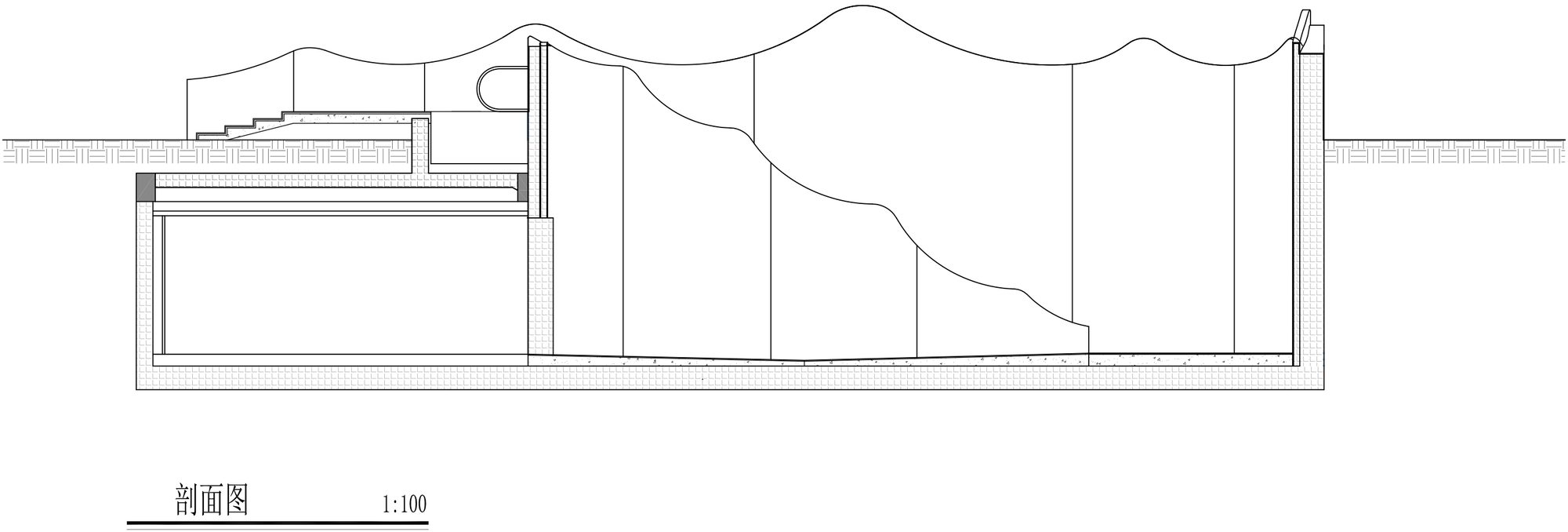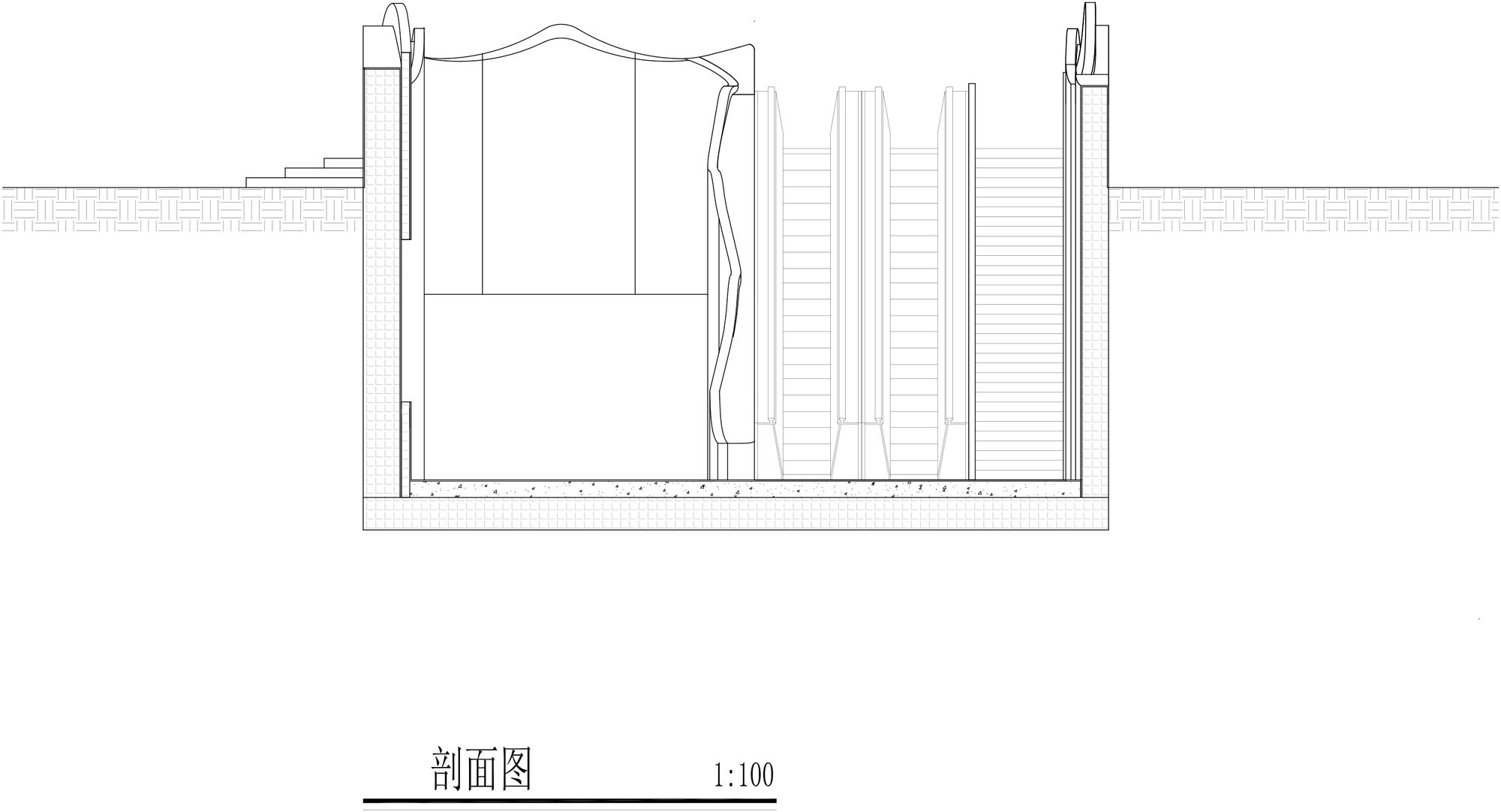


Renovation of Wuyuanwan Subway Station, The theatrical nature of the space. Subway station is an important spatial node of the city. People transition through underground and surface spaces, traveling from home to work, social places, and consumer spaces. The beginning and end of urbanites’ days are connected to this place, serving as the optimal link between starting point and destination. This link is like a theater, where stories are constantly unfolding.
© Sicong Sui
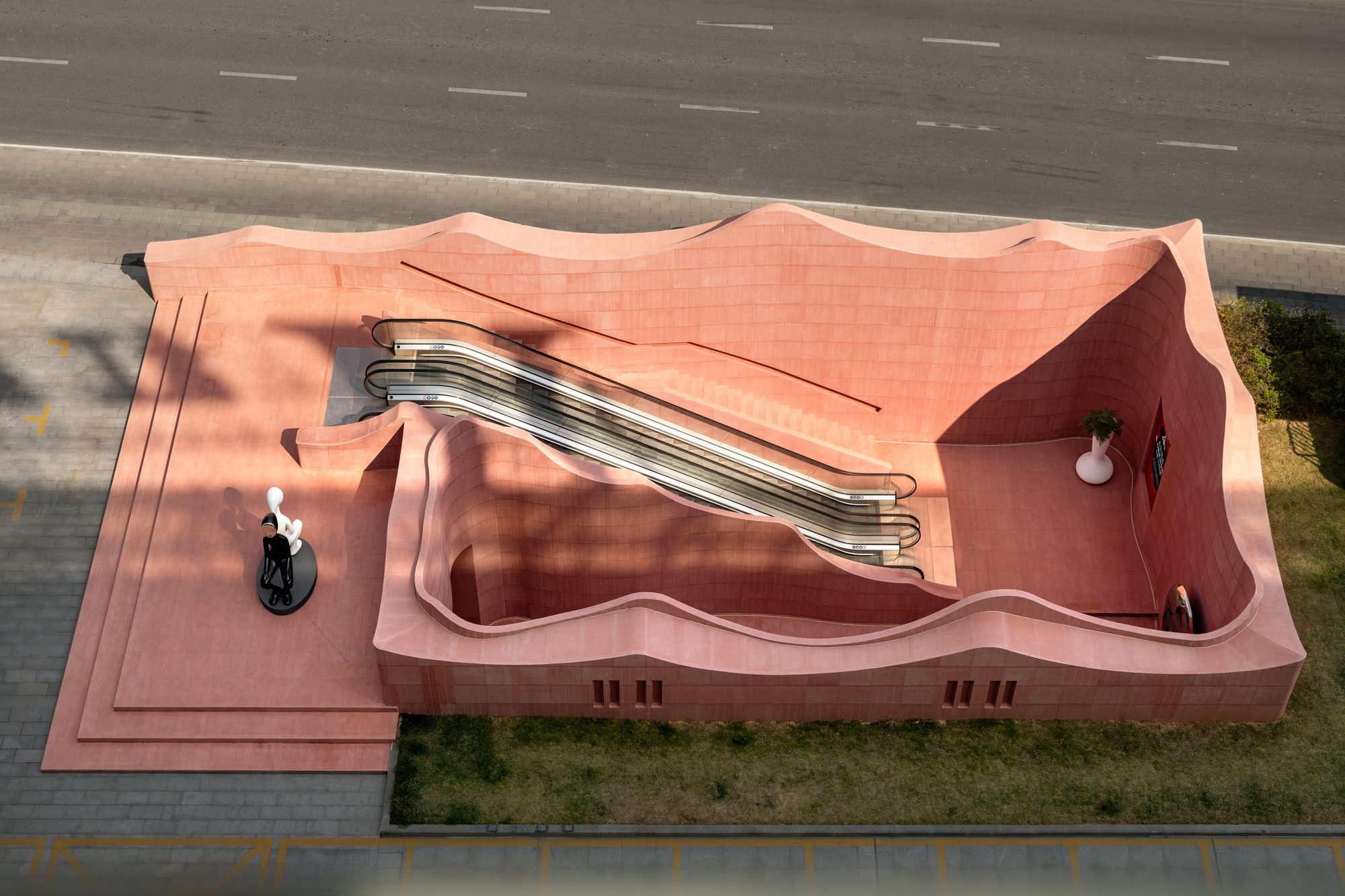
Narrative definition of space. We define this space not only as a transitional transportation node but also imbue it with narrative and richer expressions. Apart from carrying local expressions, there are also different connections and collisions between people and scenes, resulting in new stories and new cultures.
© Sicong Sui
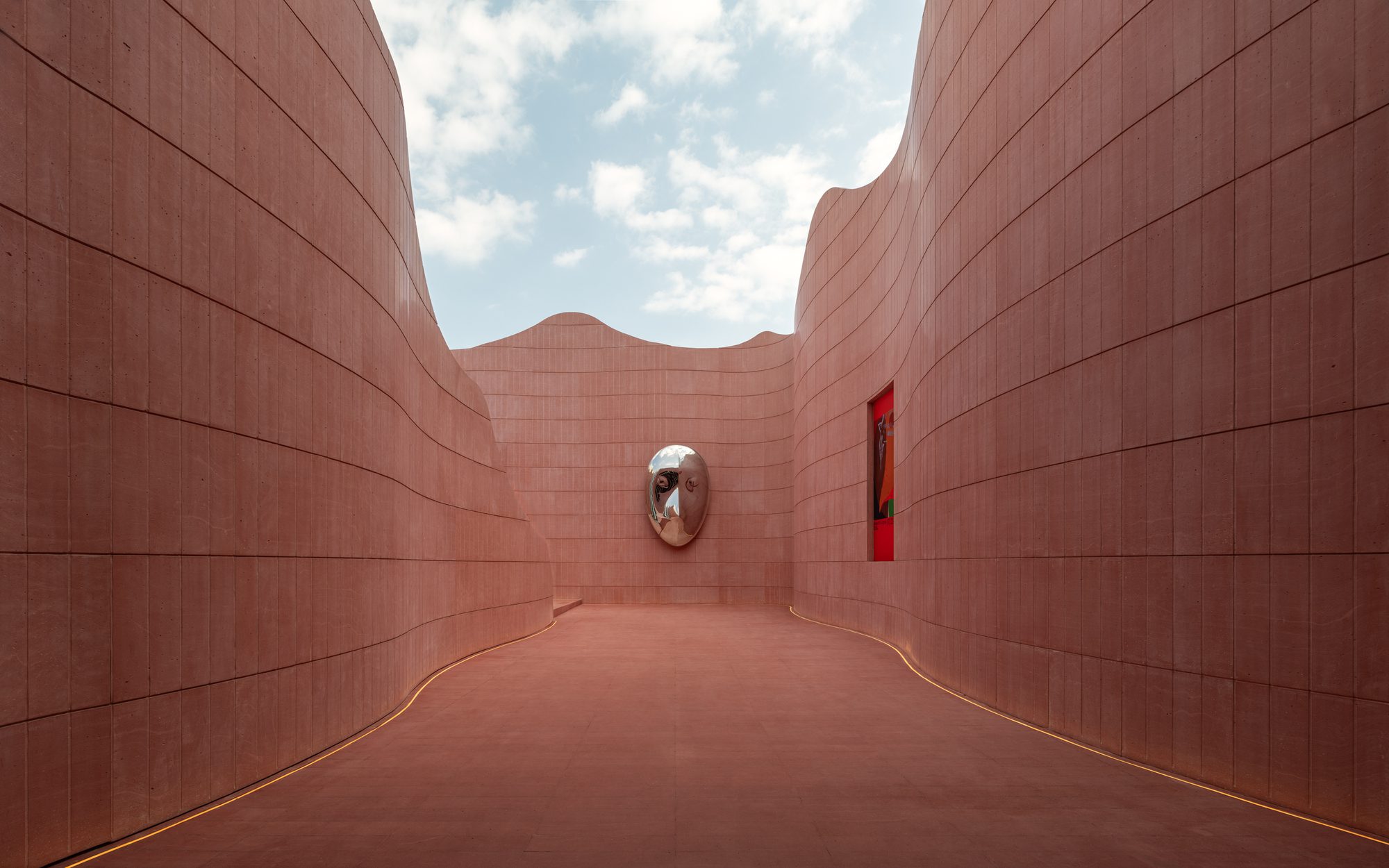
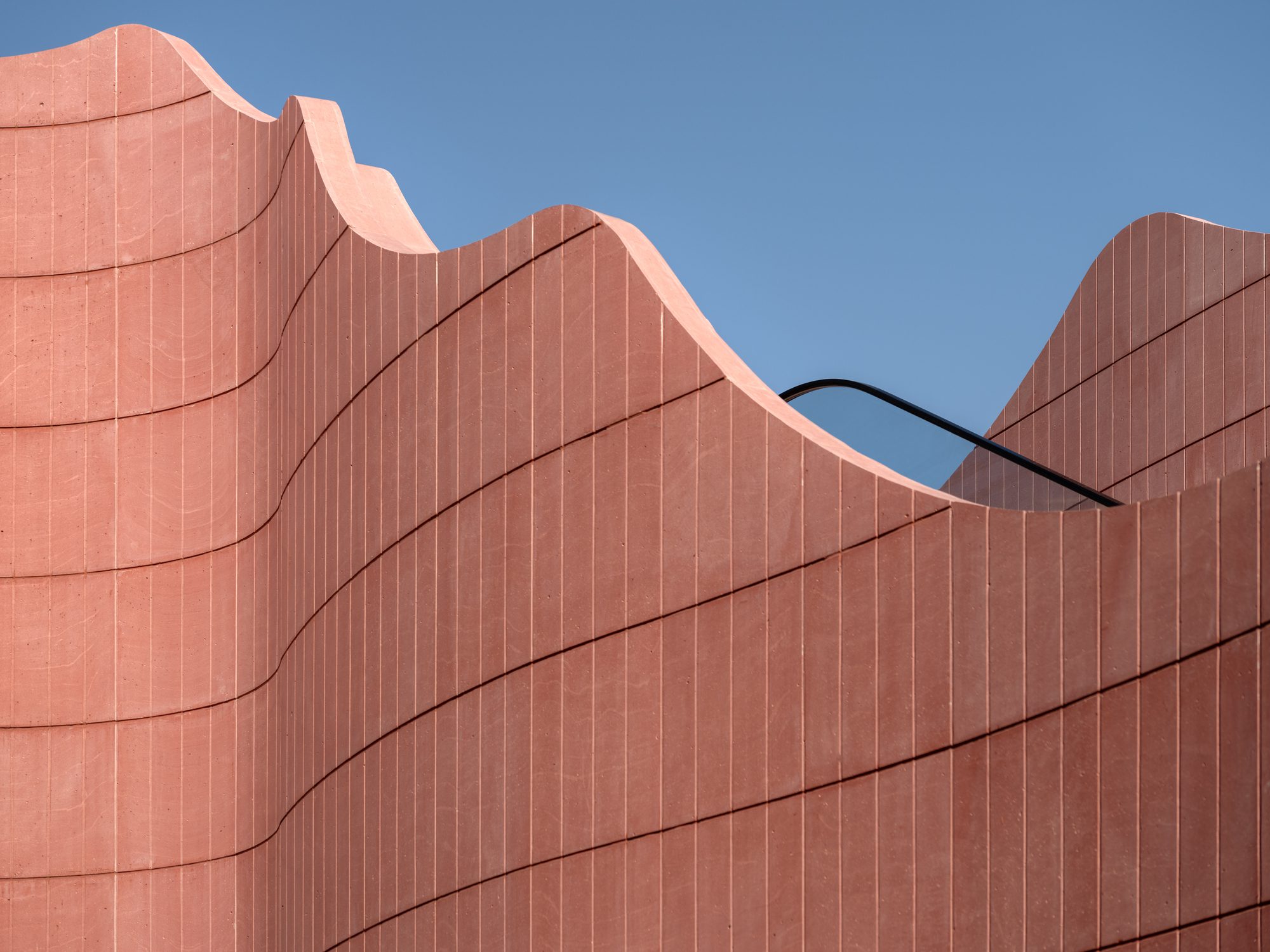
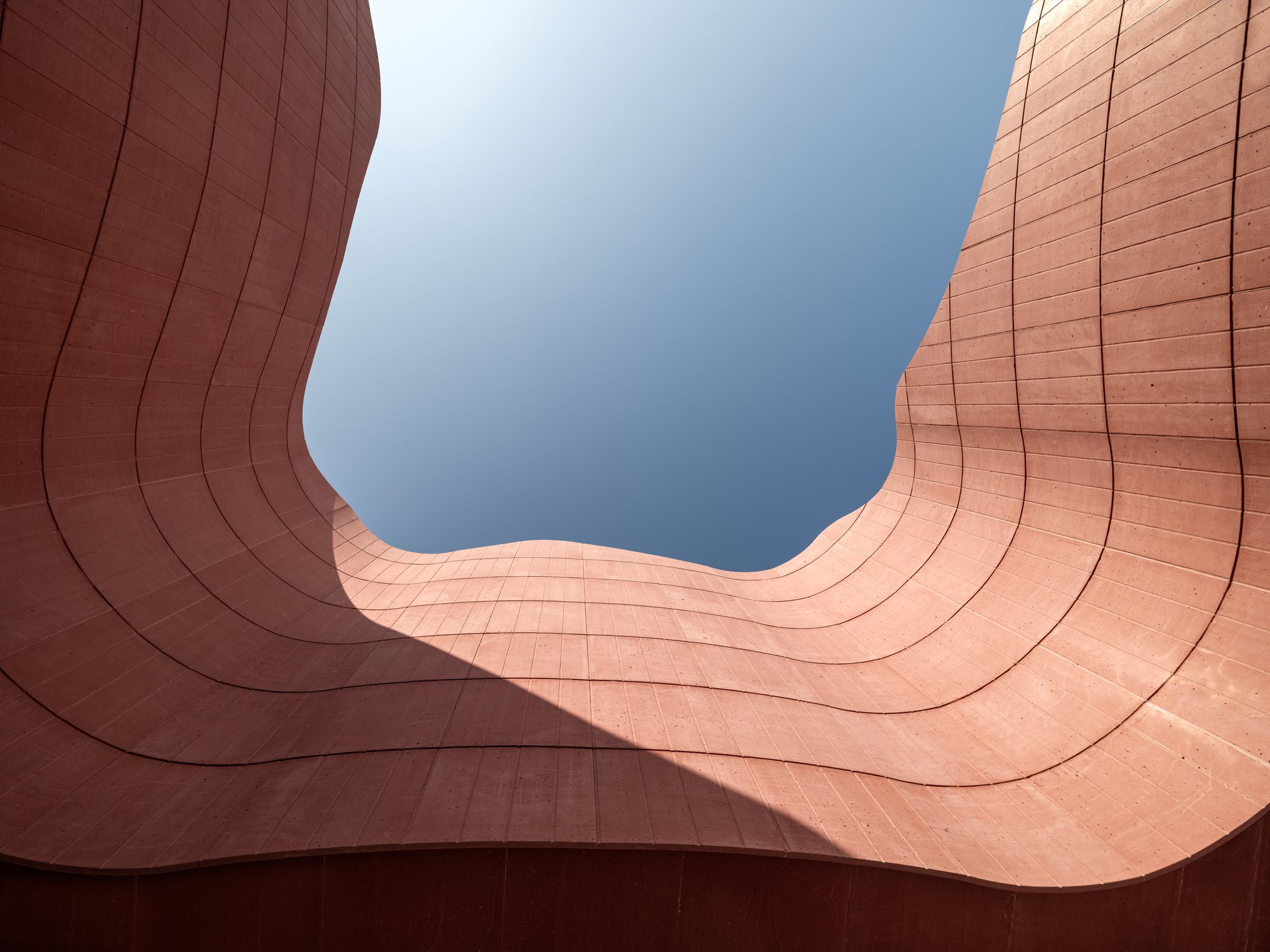
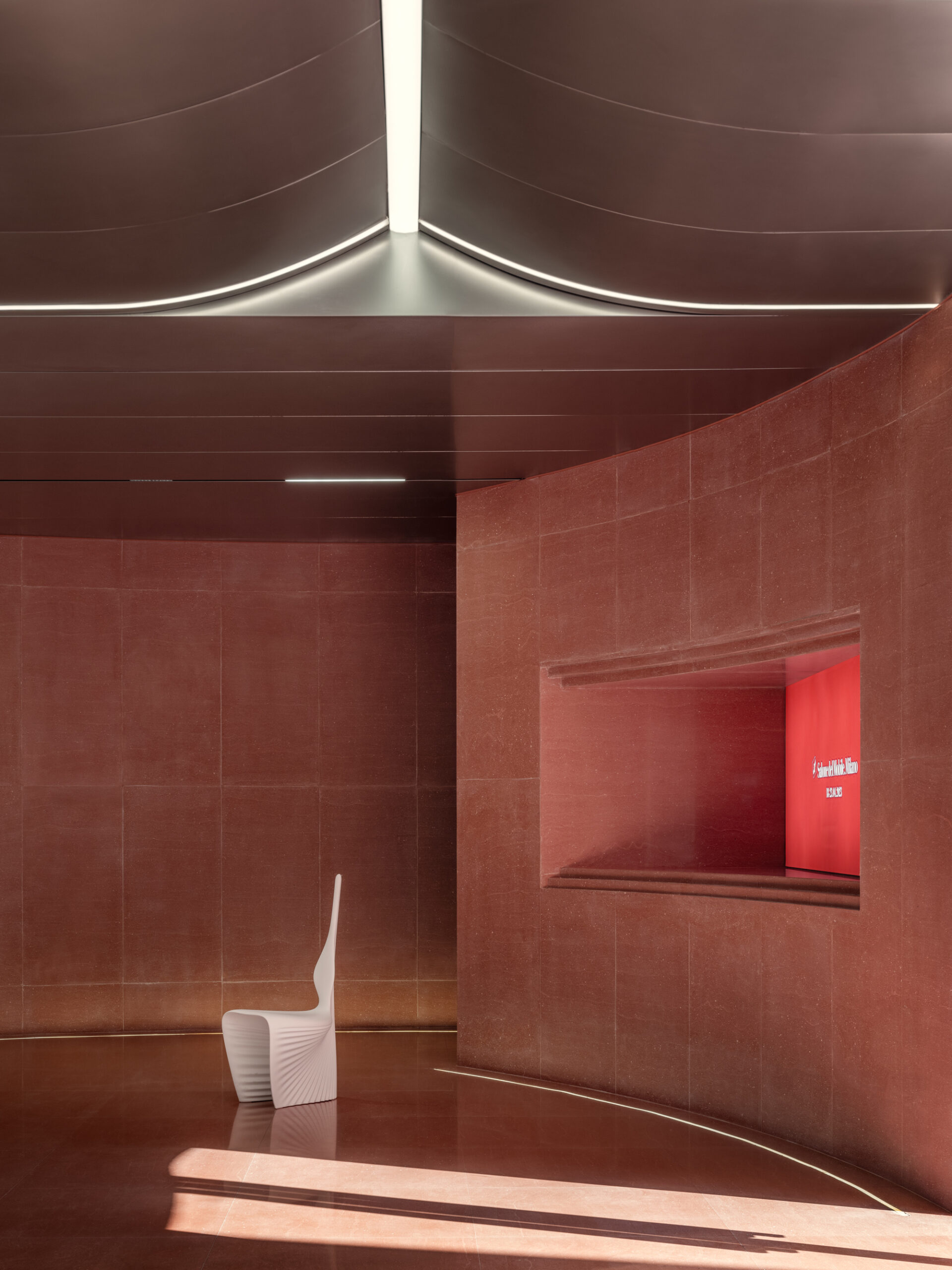
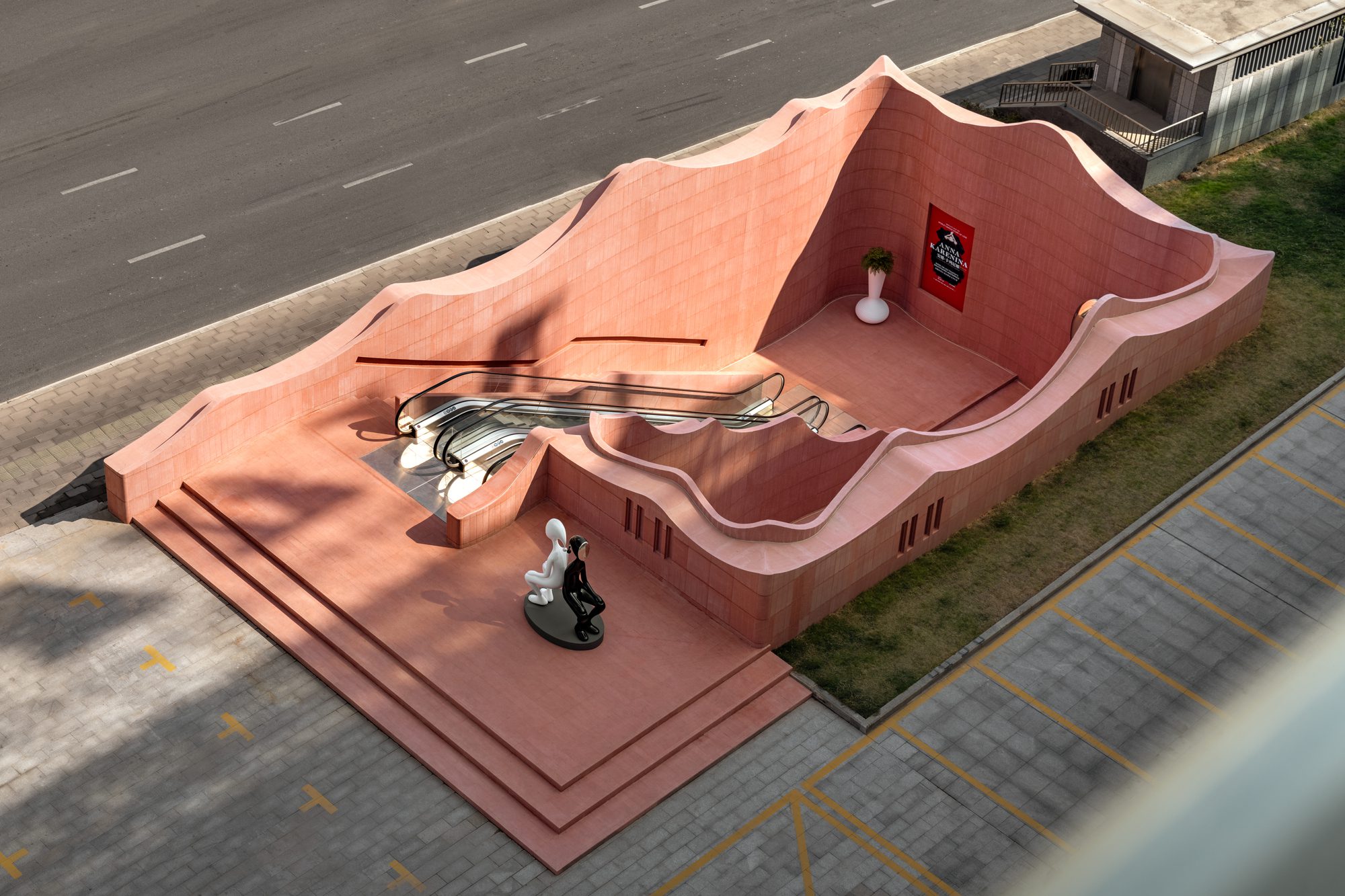
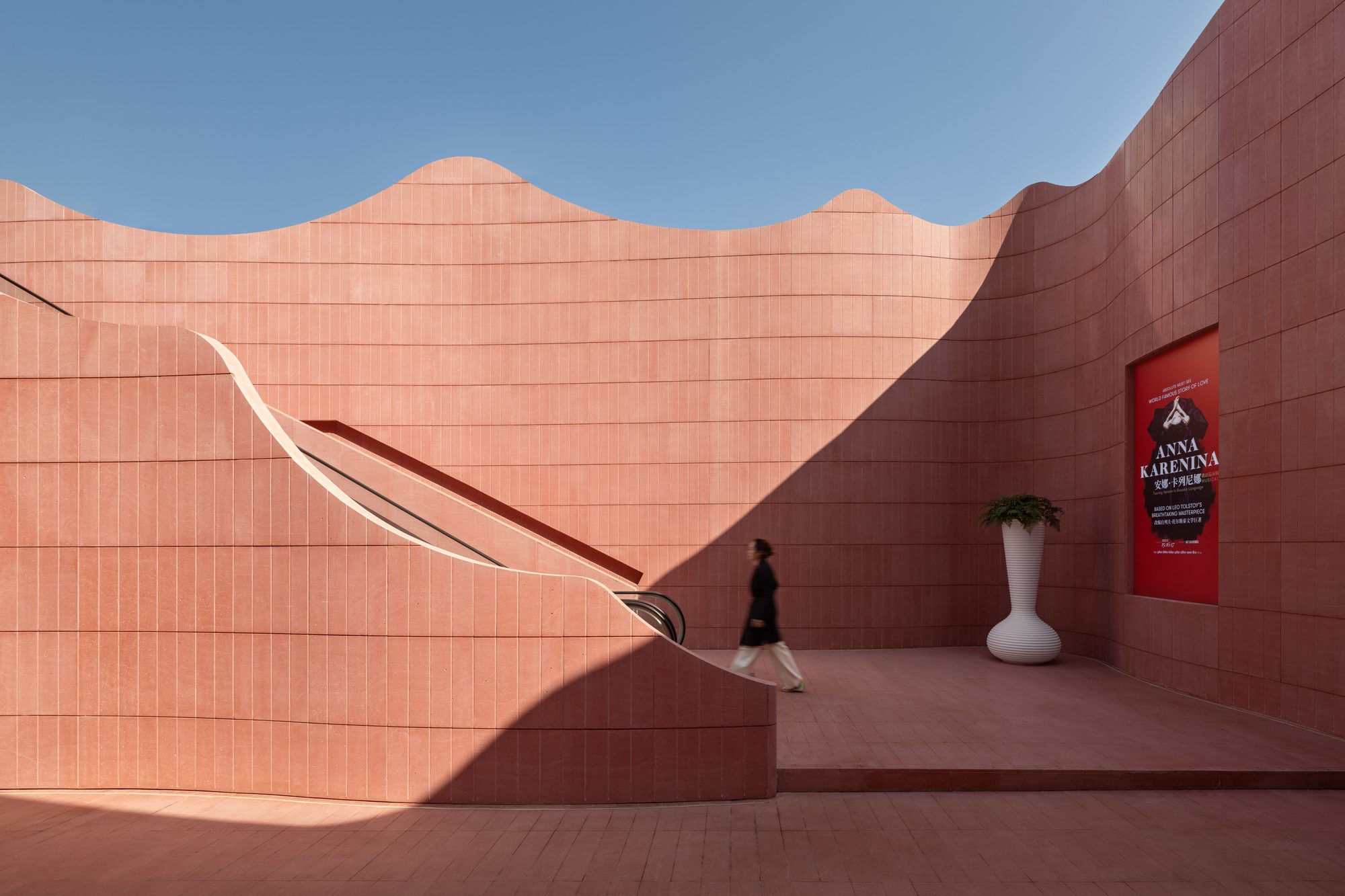
Inspiration. The design inspiration comes from the impression of Minnan red brick architecture, using contemporary and dramatic techniques to transform local elements into characteristics of the bay. Thus, there are continuous waves and the form of a red gulf stream.
© Sicong Sui
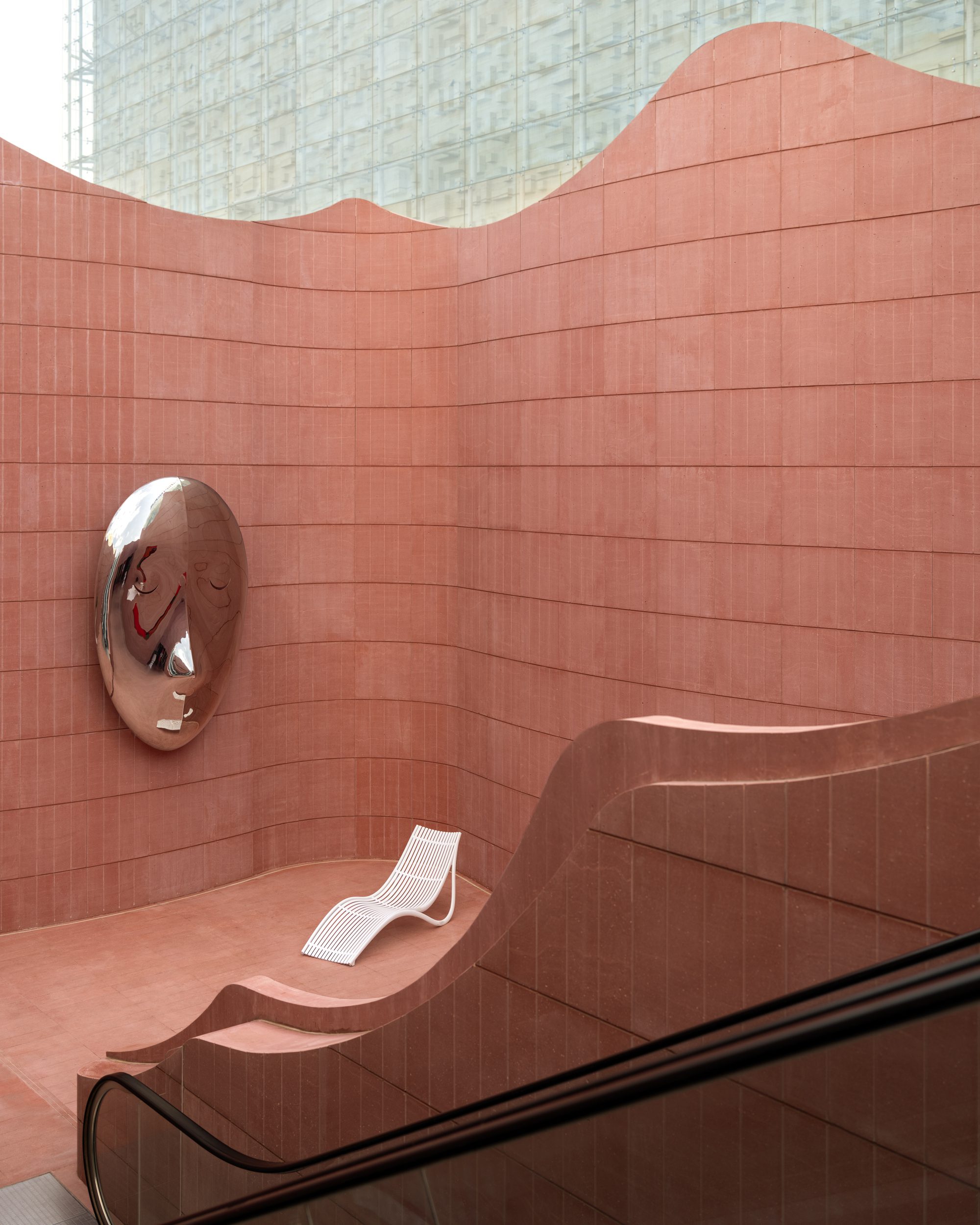
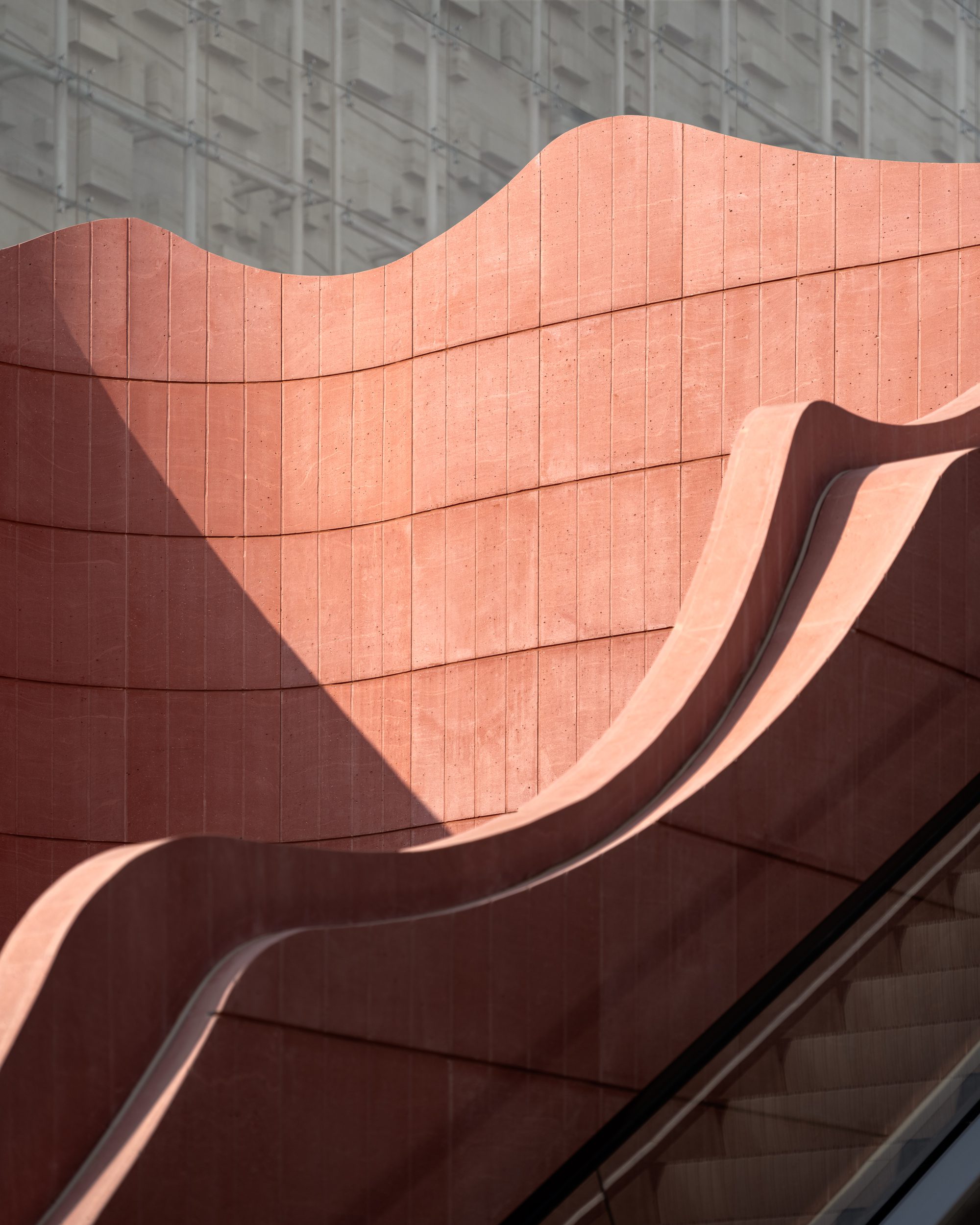
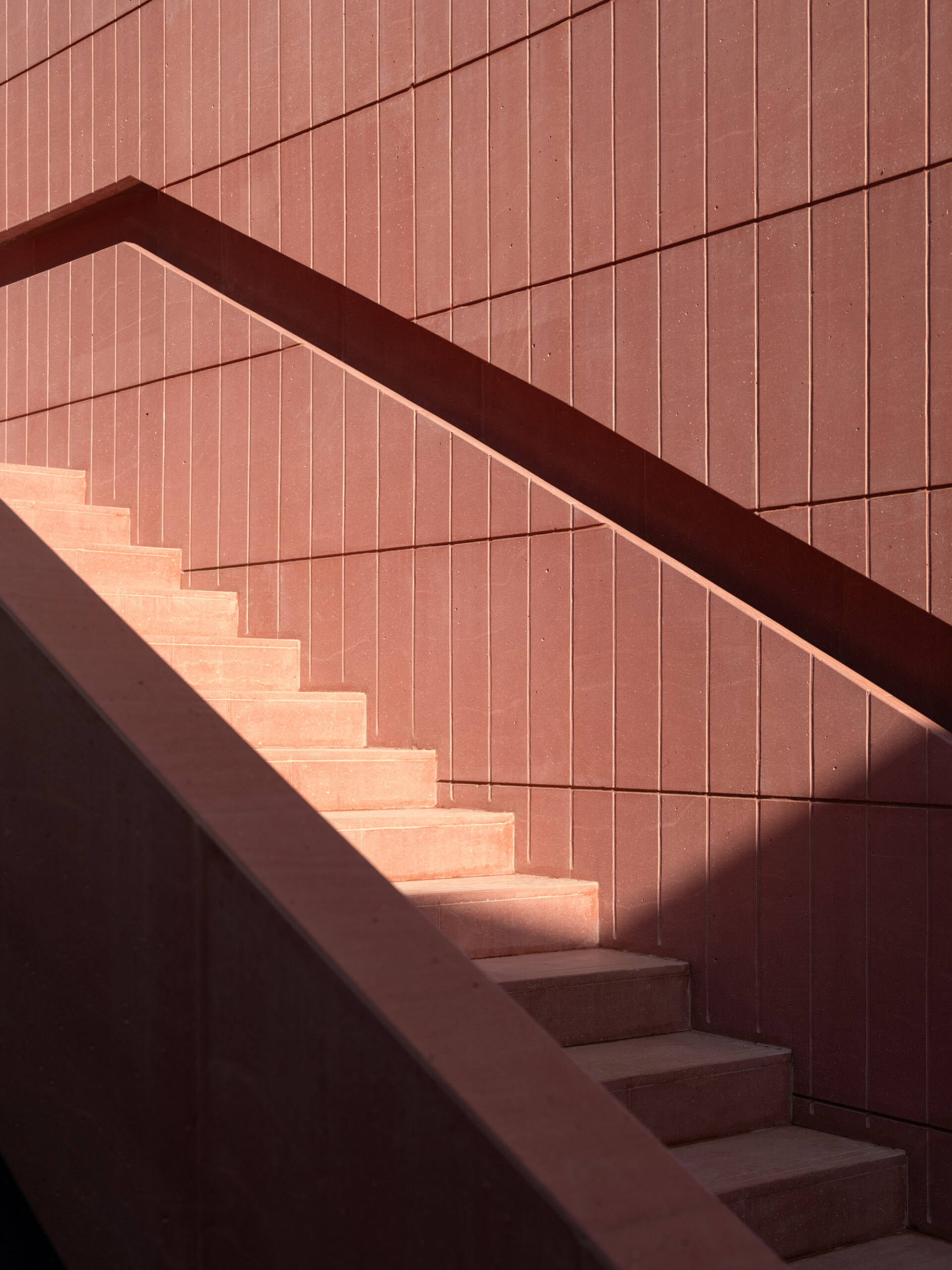
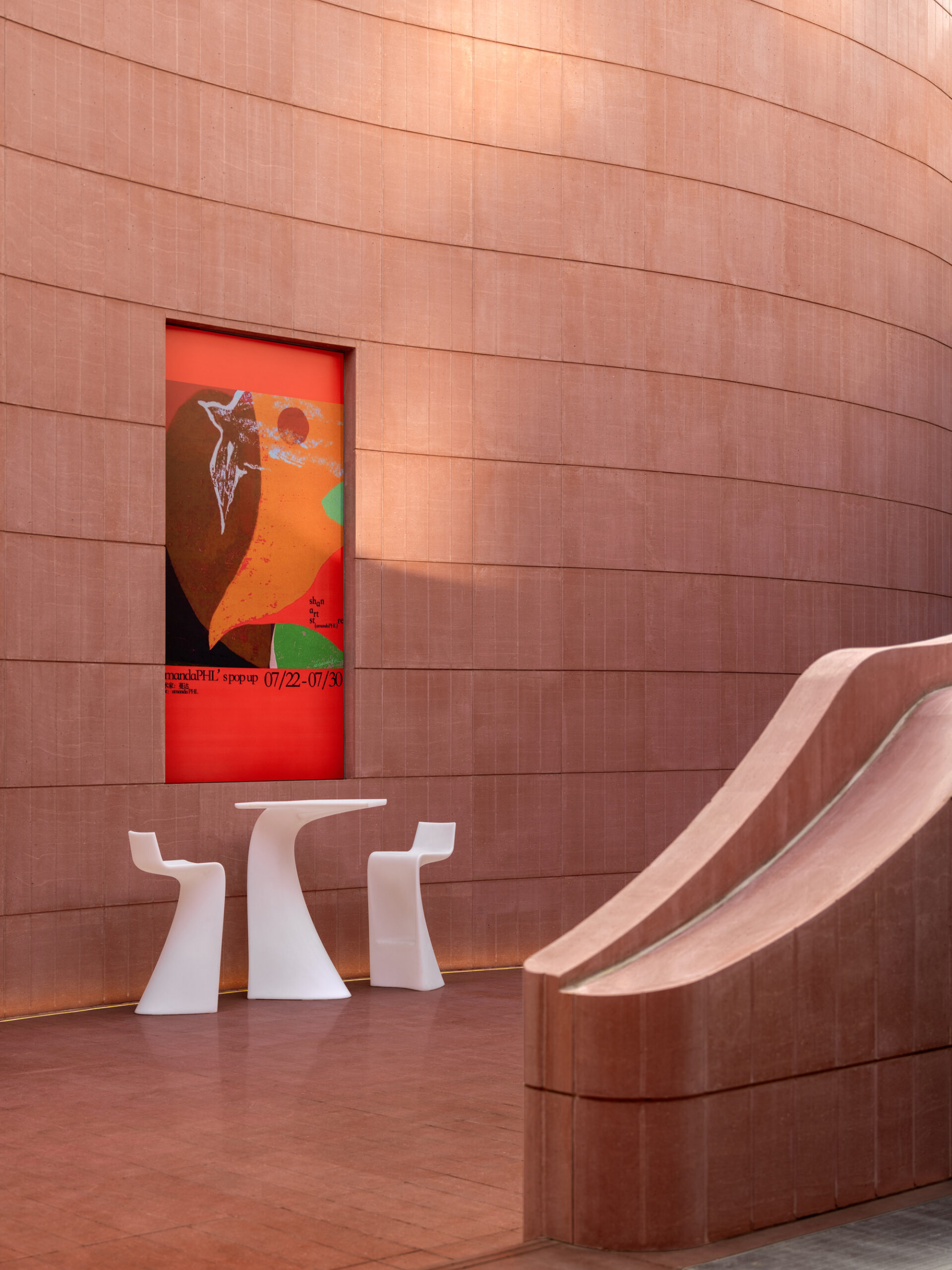
Materials. The materials used are neither natural stone nor traditional red bricks of ancient houses but a new type of red raw concrete panel. The color is specially formulated, and through the interpretation of the raw concrete panel, it embodies both contemporary and local characteristics. The form and stylistic language are presented in the simplest way possible.
© Sicong Sui
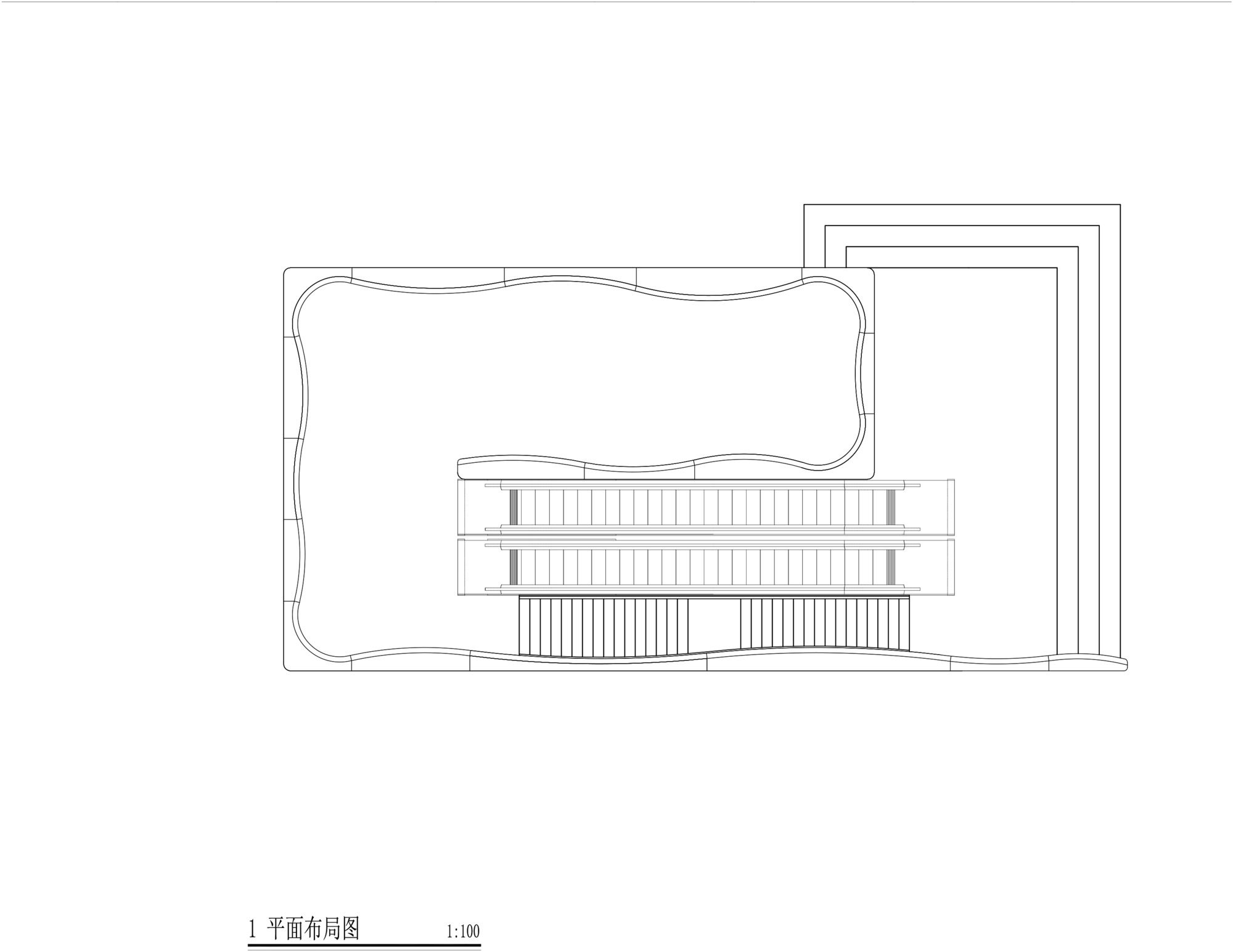
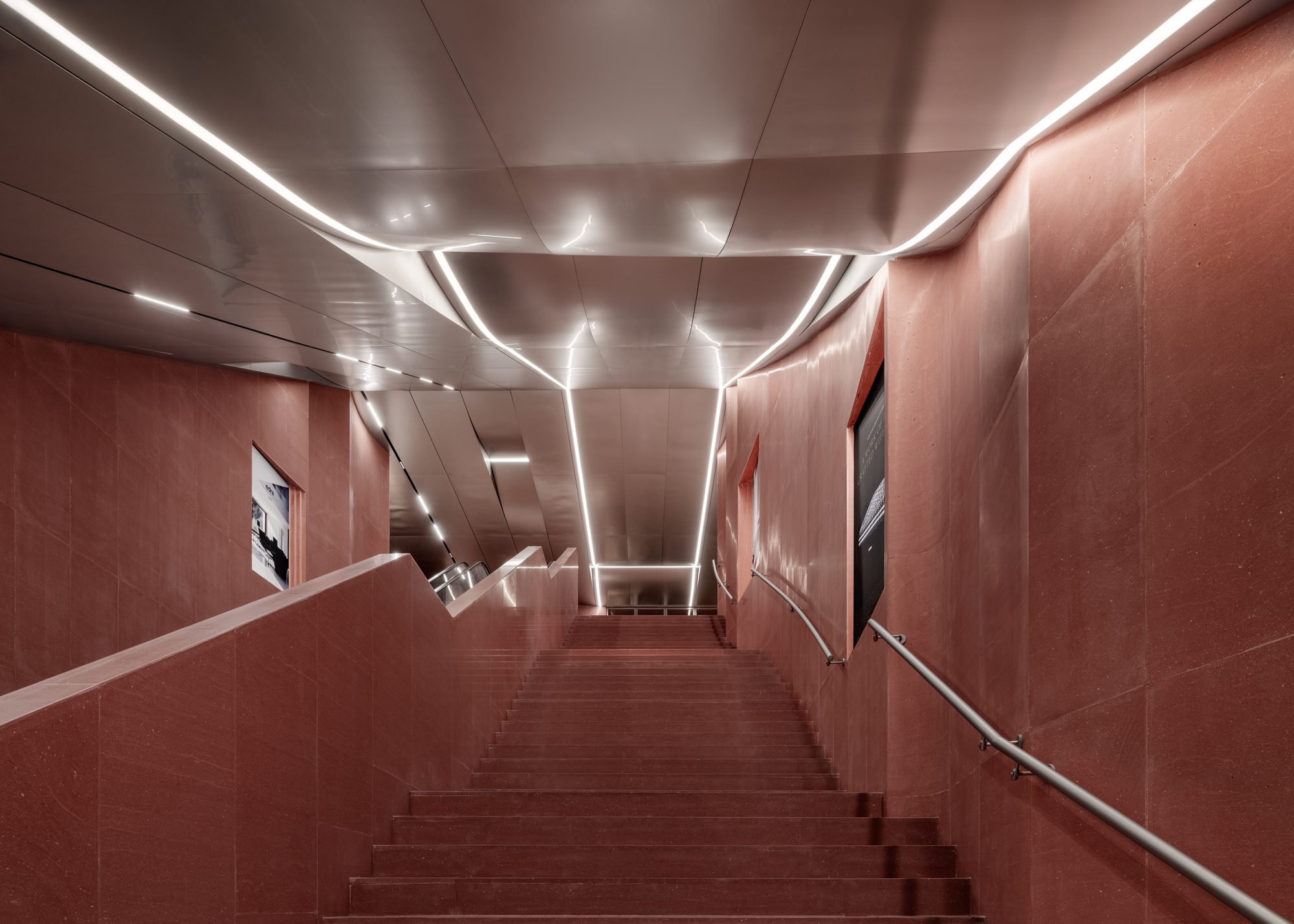
Technology. If natural stone is used, there are difficulties and challenges from an engineering perspective. The design considers the possibility of cost and process implementation, using 3D modeling technology to modularize both the planar and vertical aspects of the water-clear panel wave form. While allowing for artistic freedom, this also forms a curve pattern. Calculate three types of panels with different specifications and curvatures, making unit installation possible. After the rigid material assembly is completed, it forms a seamless curved surface and curve, presenting an artistic shape.
© Sicong Sui
Curves. Curving the architectural space of a city’s public subway entrance can also be integrated into our approach and philosophy towards product design in many aspects.
© Sicong Sui
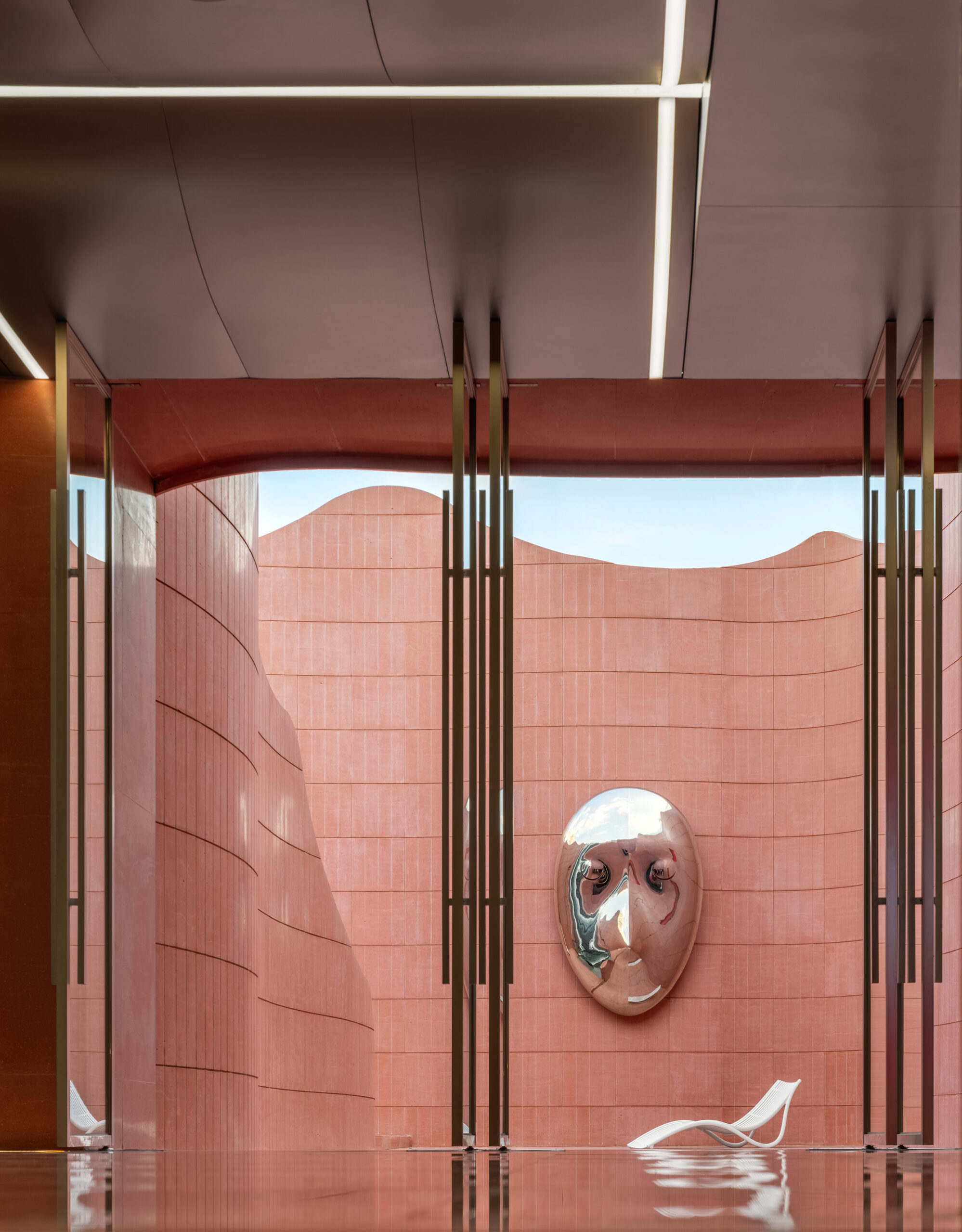
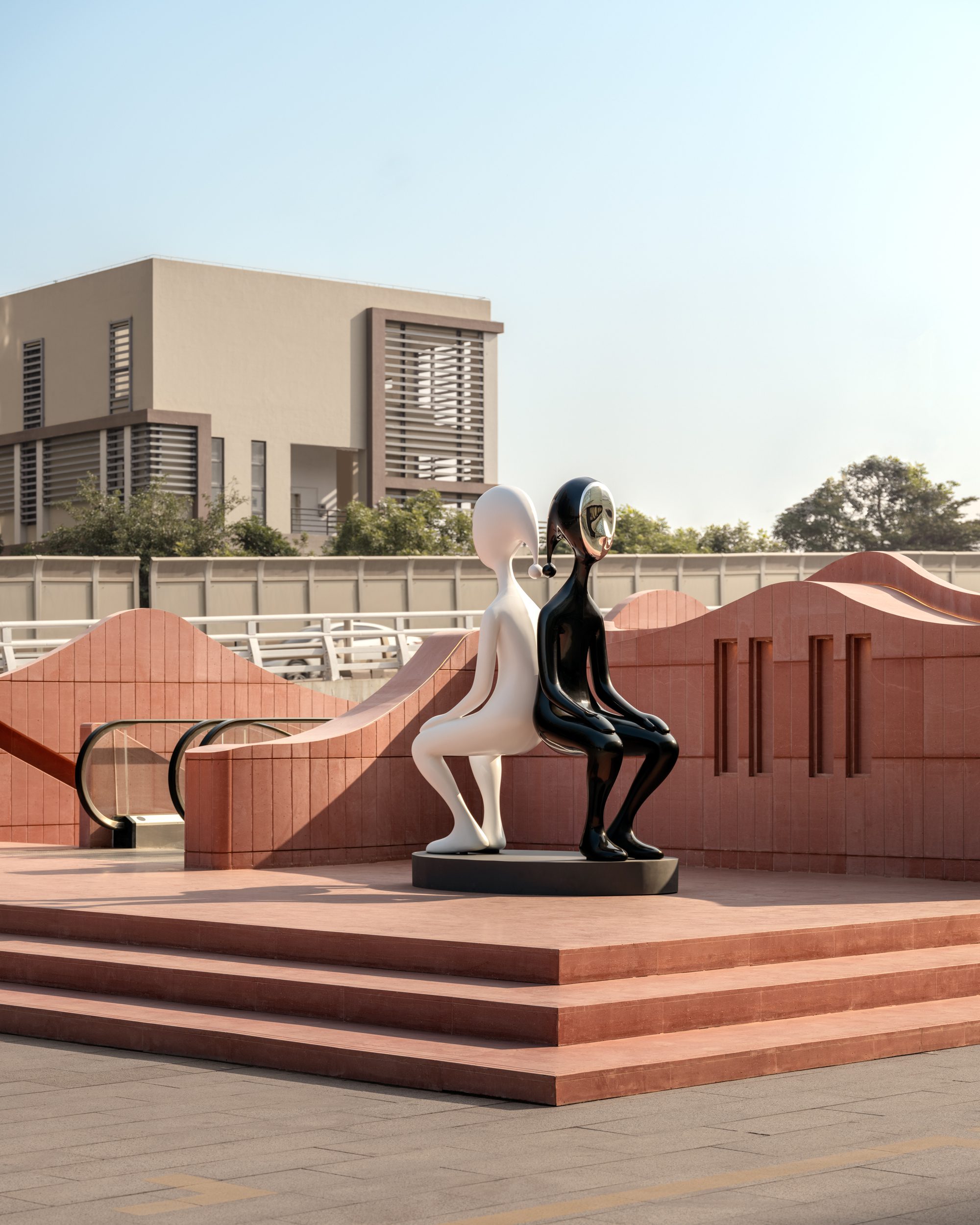
Art. The designer chose the sculpture series of masks by the artist Su Wu. Urban dwellers encounter each other every day on their journeys, passing by one another. In the subway and bus spaces, each person’s face is a singular, authentic individual yet also a blurred impression of the collective. The masks reflect a subtle influence between the collective and individual, presenting a fixed image that can also be altered by the changing light, clouds, surrounding environment, and passing pedestrians. After undergoing secondary reflections from the environment, new impressions and images are formed, aligning with the design concept. The black-and-white clown turns left and turns right, which is also the norm for every person’s relationships in the subway. The surrounding environment and people may seem unchanged, but in reality, they are constantly changing with each passing moment.

© Sicong Sui
The localization of design. Digging into local contemporary values is a consideration that designer Sun Jianhua consistently incorporates into every project. In this particular project, breaking away from the conventional image of urban subway entrances while simultaneously creating a showcase of residential living scenes for the area, and establishing a connection with the characteristics of Wuyuan Bay Station, represents a deeper reflection and exploration of local values.
Project Info
Architects: ATENO
Area: 471 m²
Year: 2023
Country: Xiamen, China
Photographs: Sicong Sui
Manufacturers: Red Fair-faced concrete
Lead Architects: Troy Sun
Design Team: Keqin Cao &Chenni Zhu &Zhipan Ma
Clients: Hai Tian Dong Hua Investment Co.Ltd