

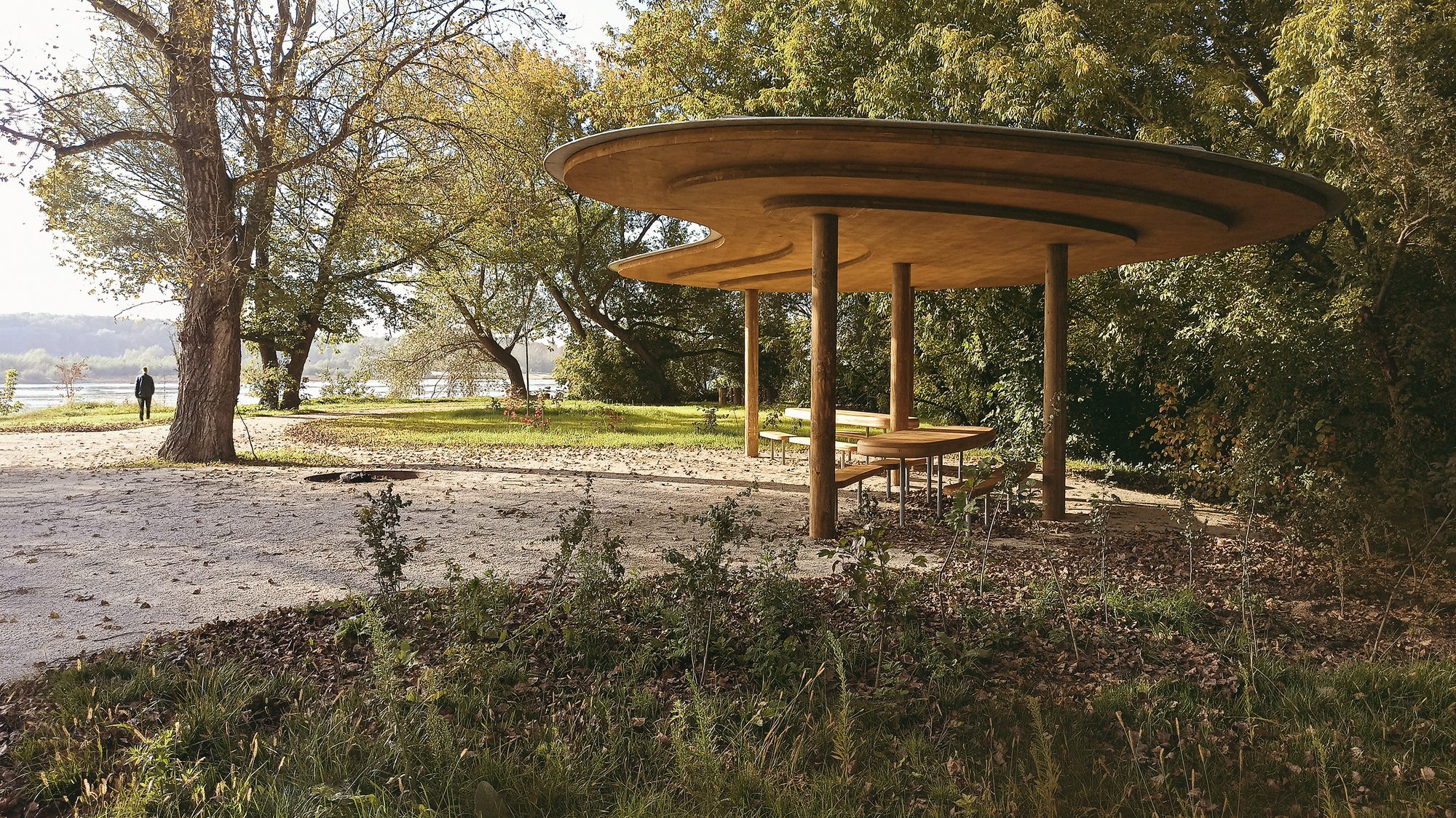
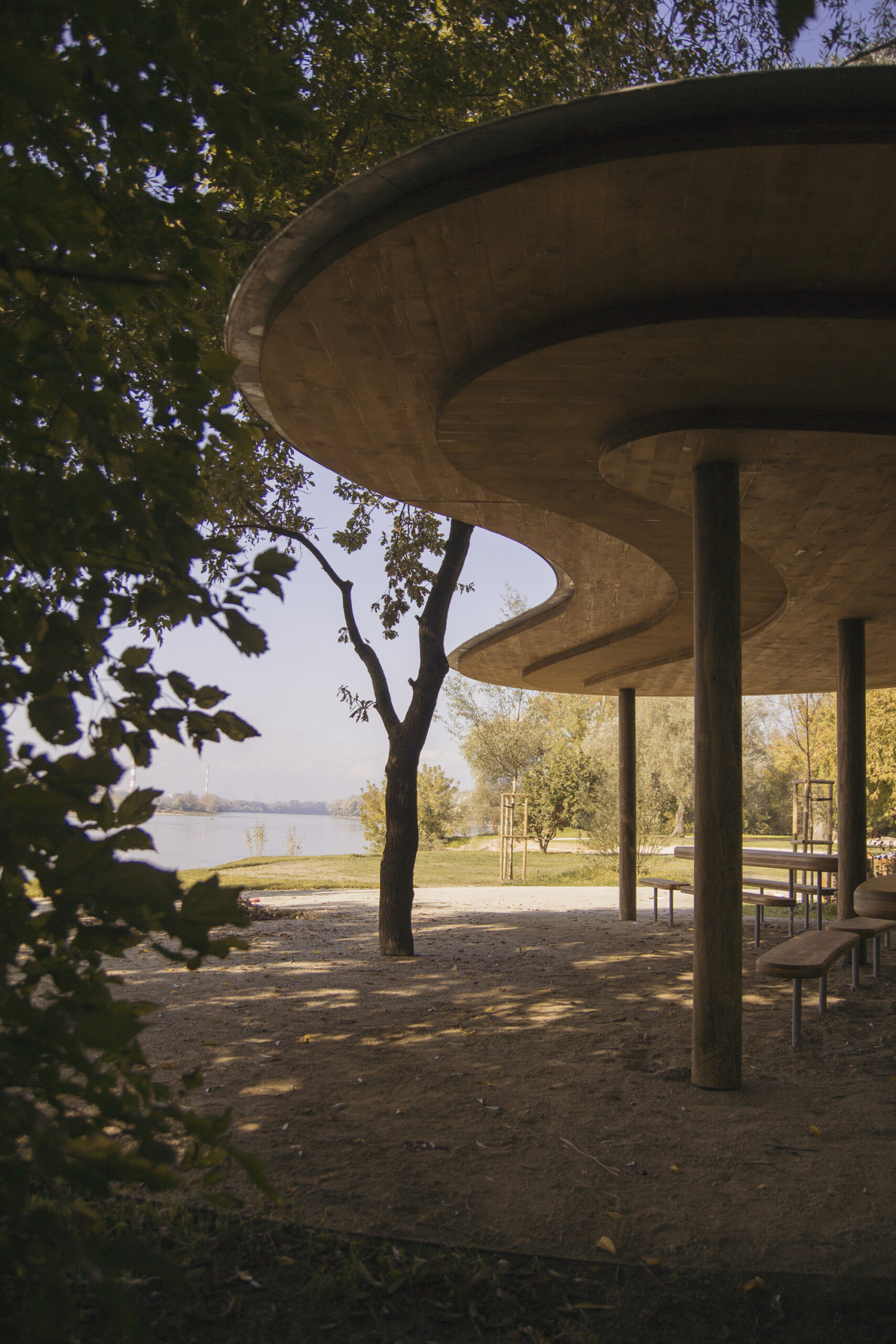
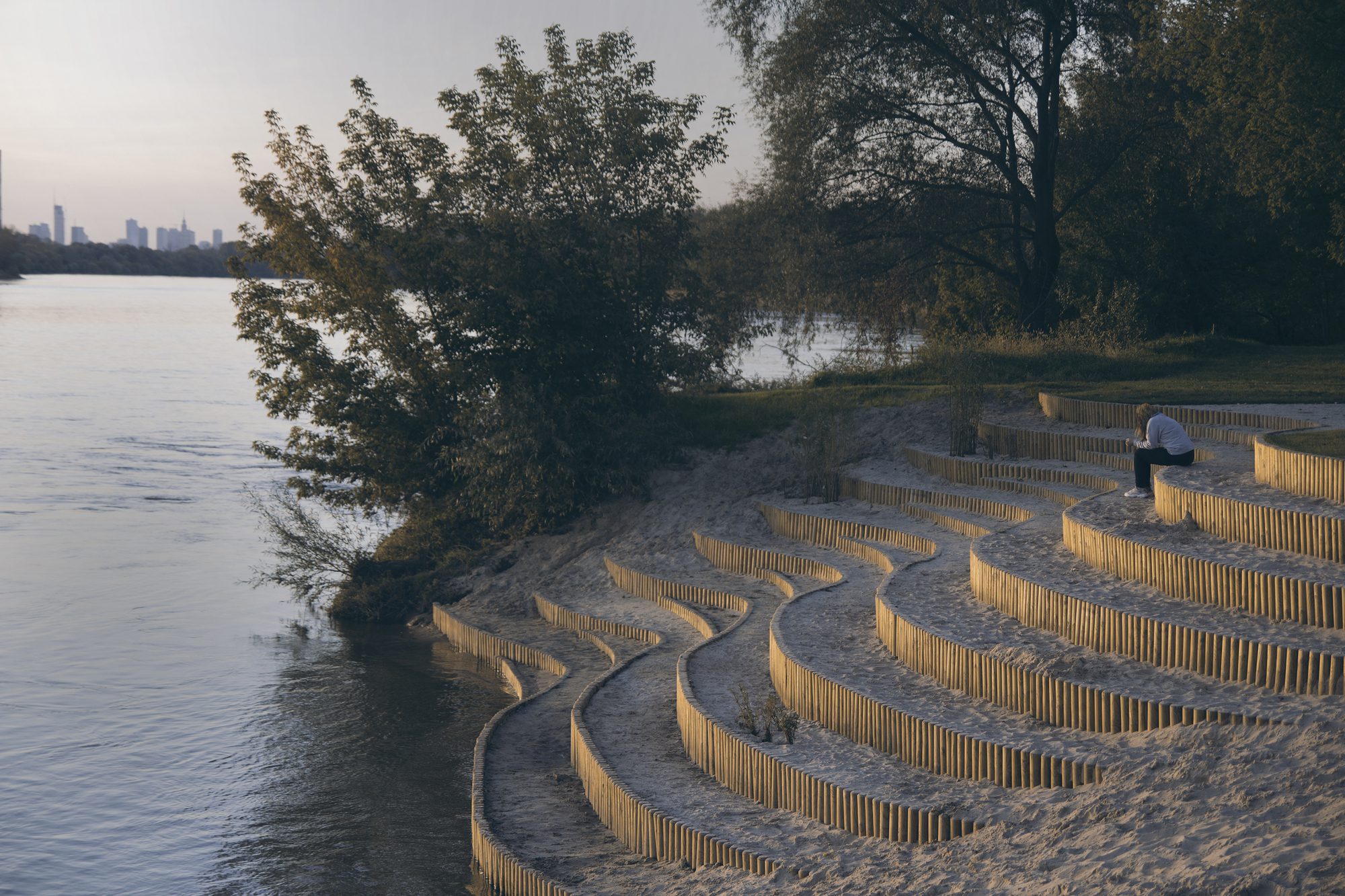
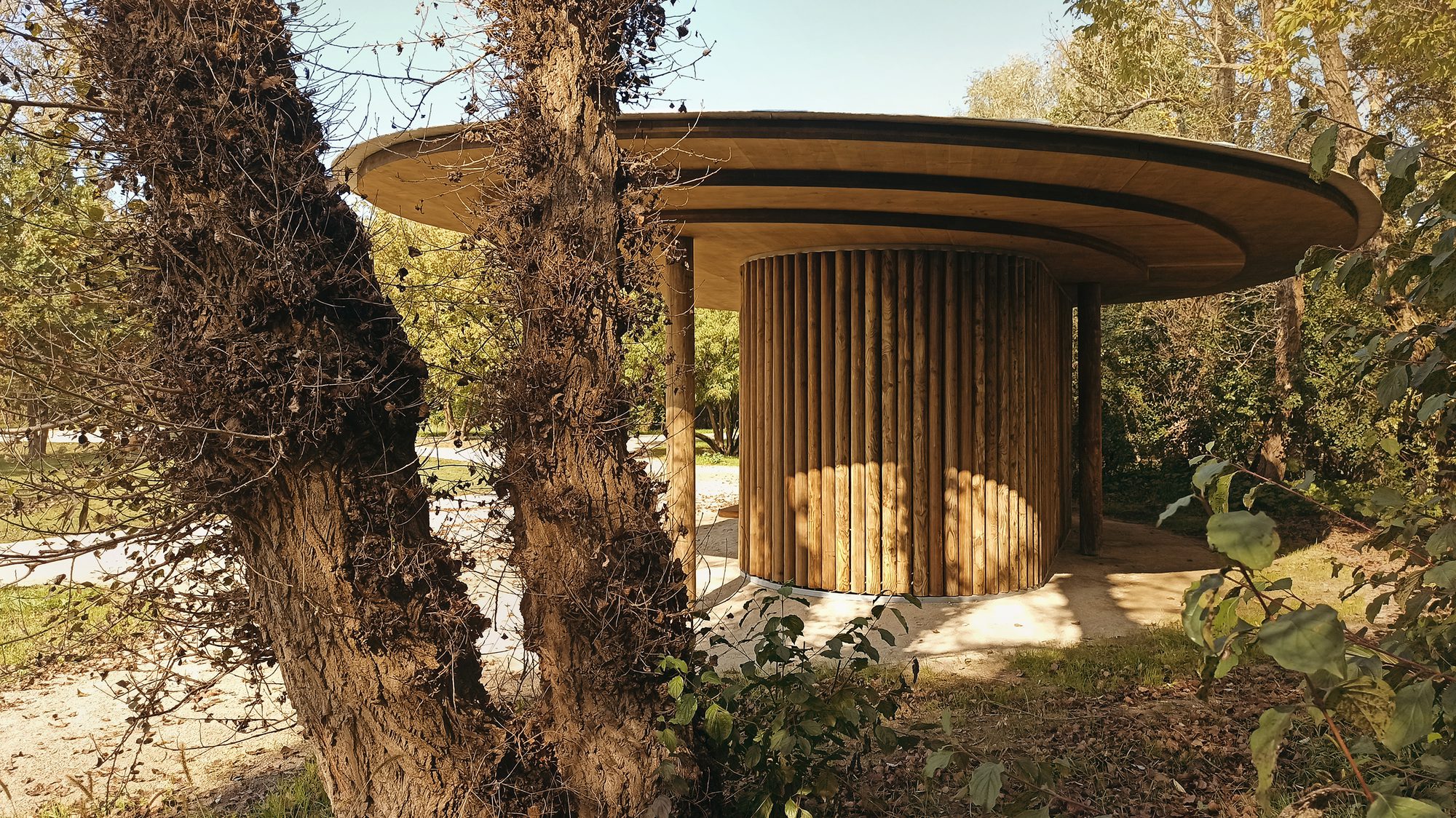
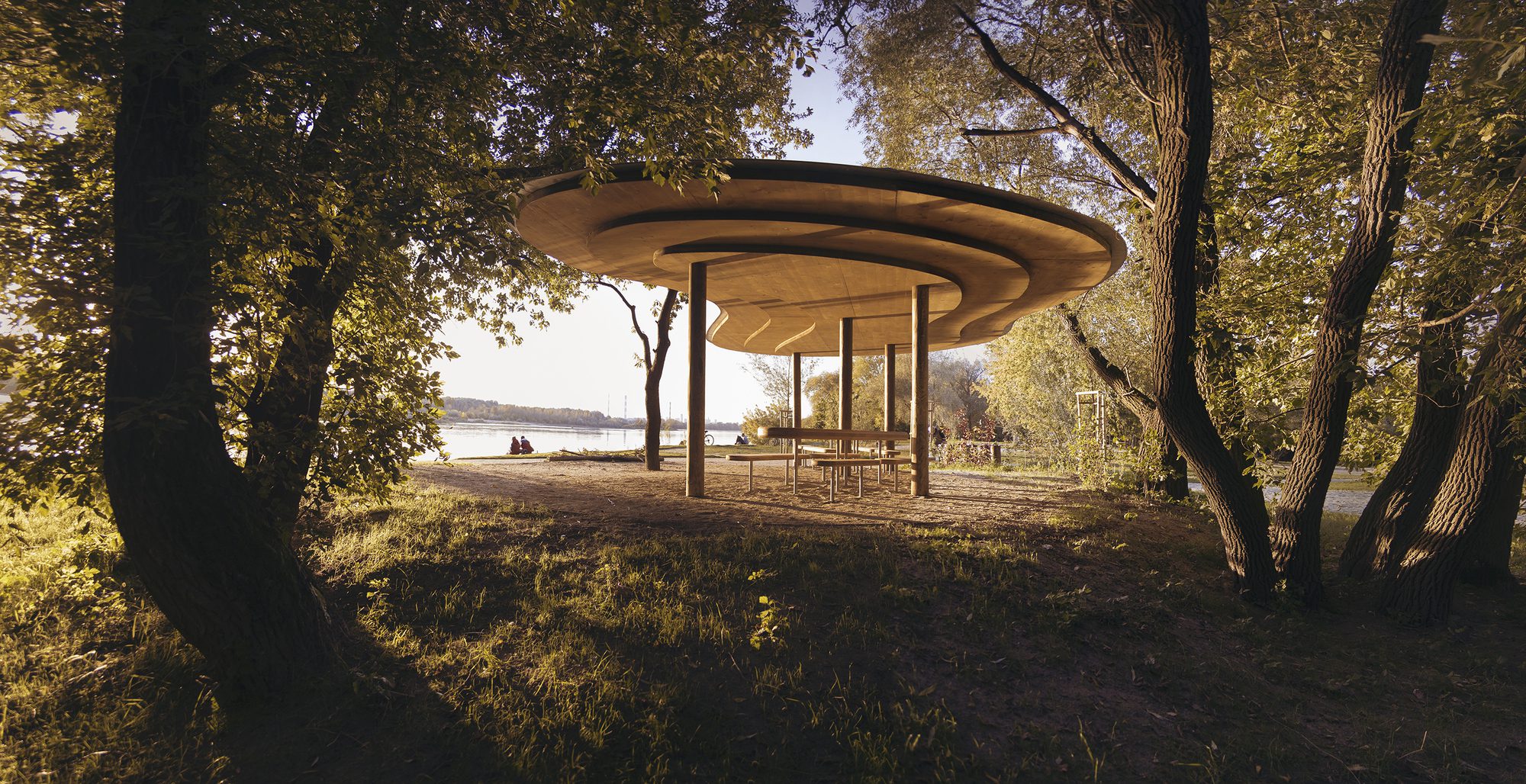
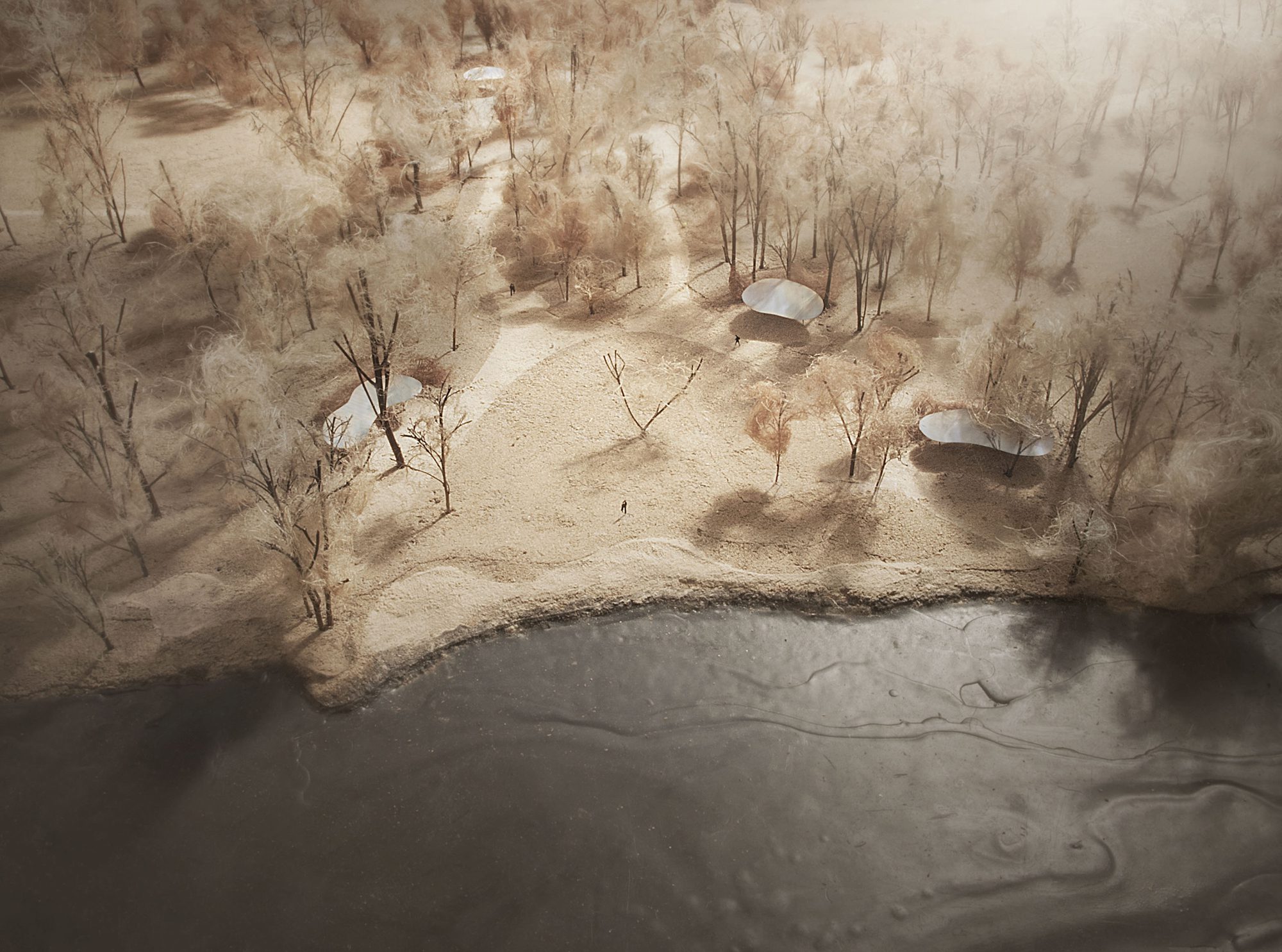
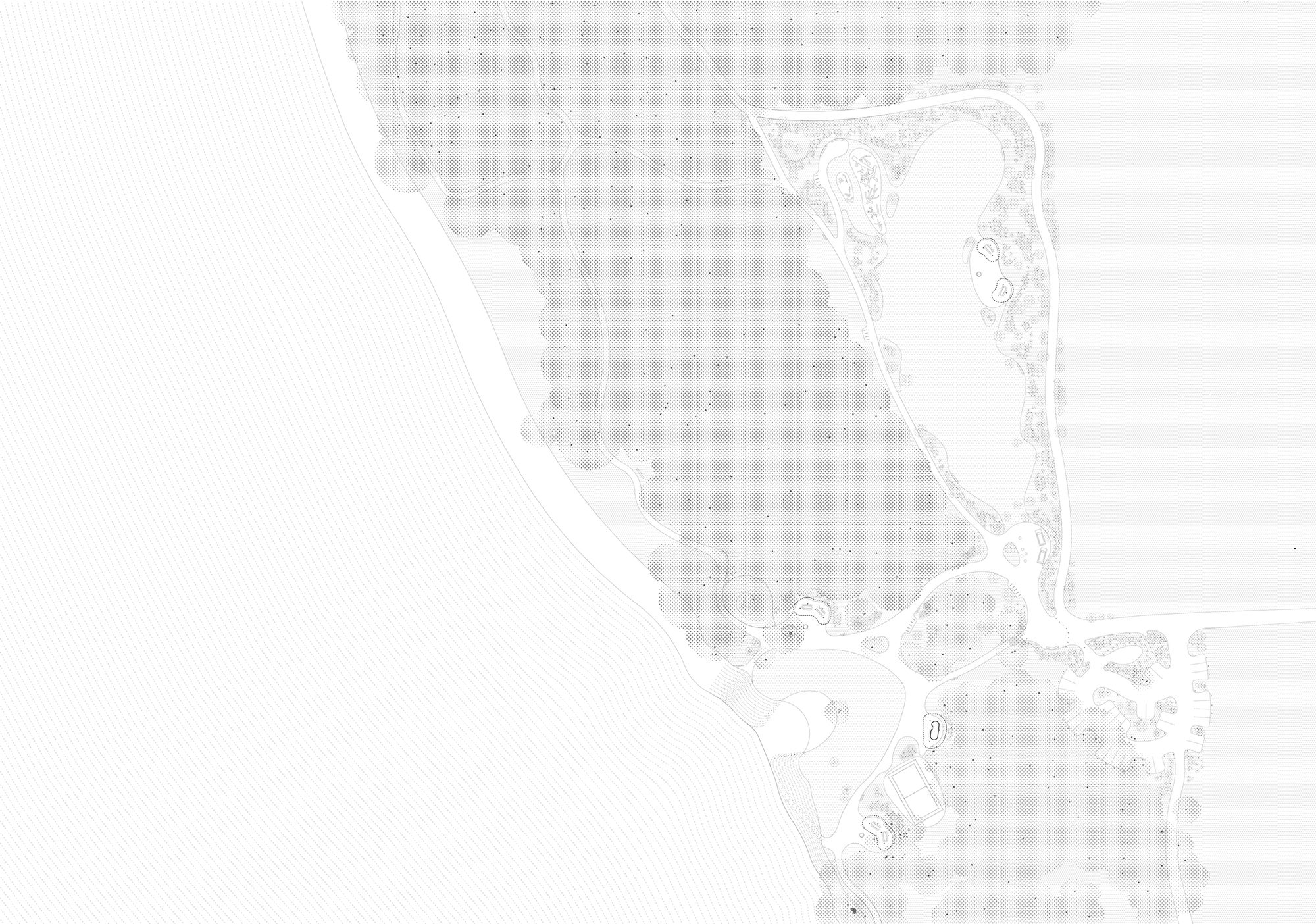
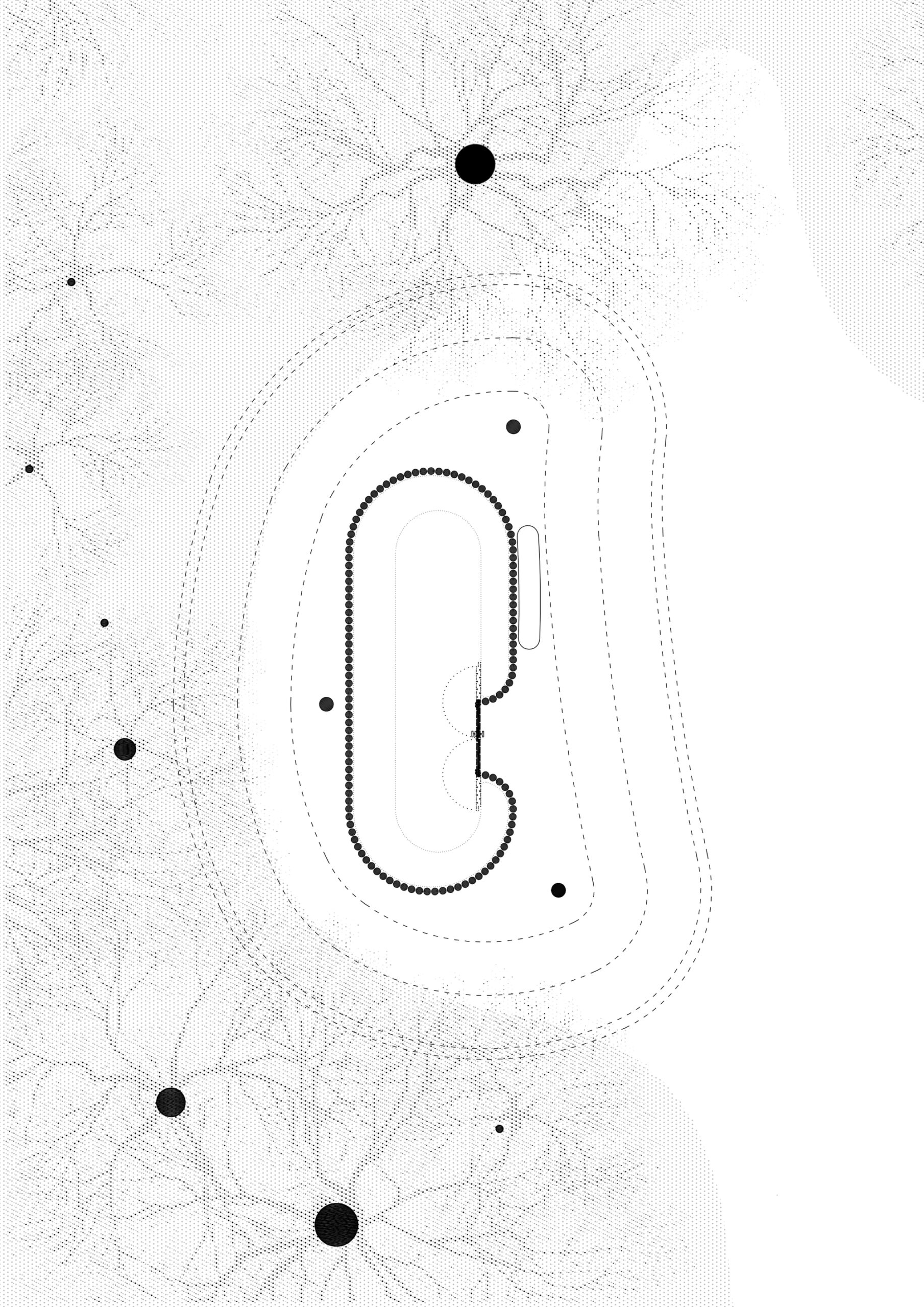
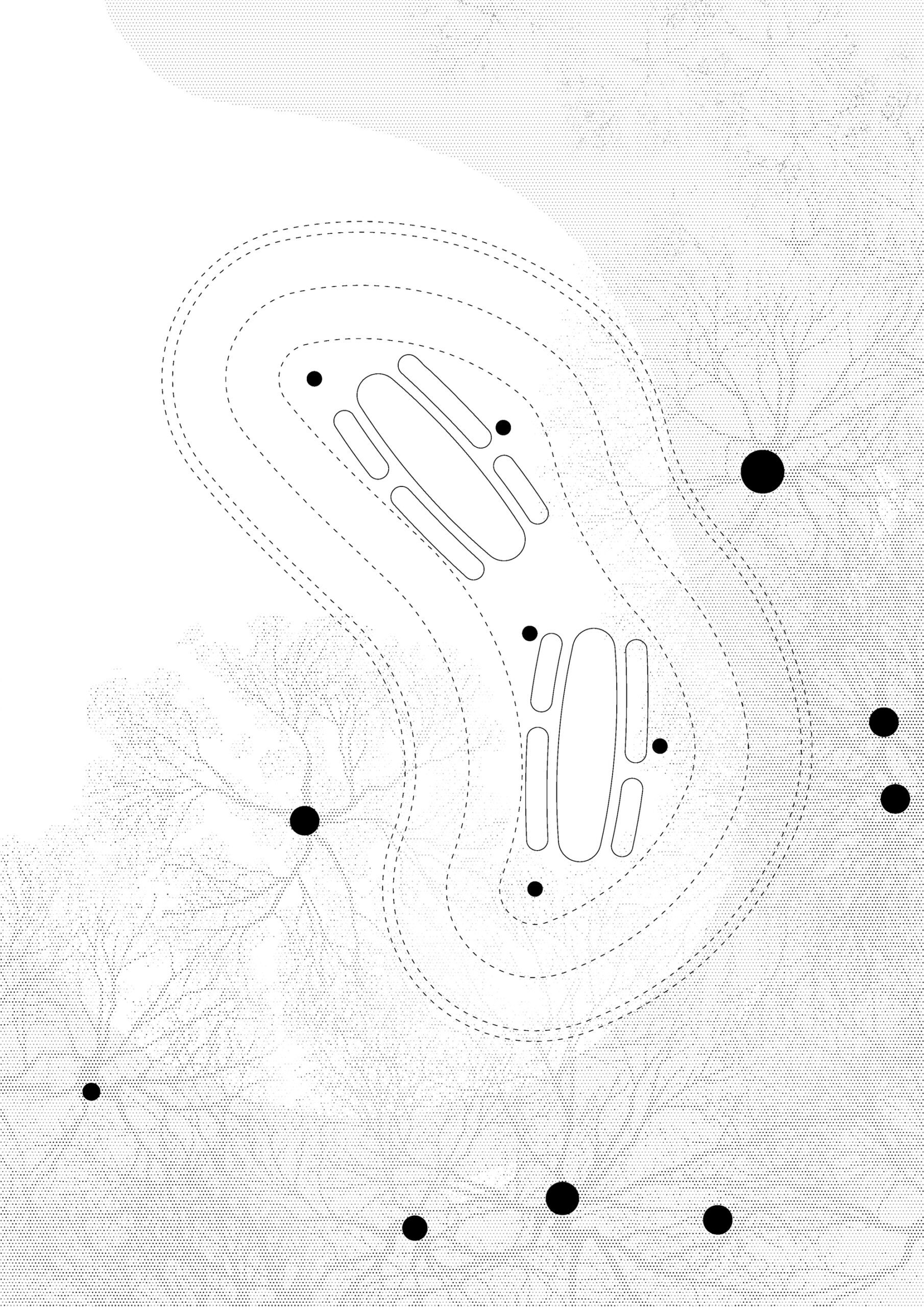
Recreational Area at the Vistula Riverside, The project was carefully integrated into the local Vistula natural context and adapted to the very specific nature of the site, which is a floodplain. All of the canopies could be submerged. For this reason, the shape of the canopies was made soft and streamlined, so that when the river is flooded they offer as little resistance as possible to the force of the flowing river.
© Karol Żurawski
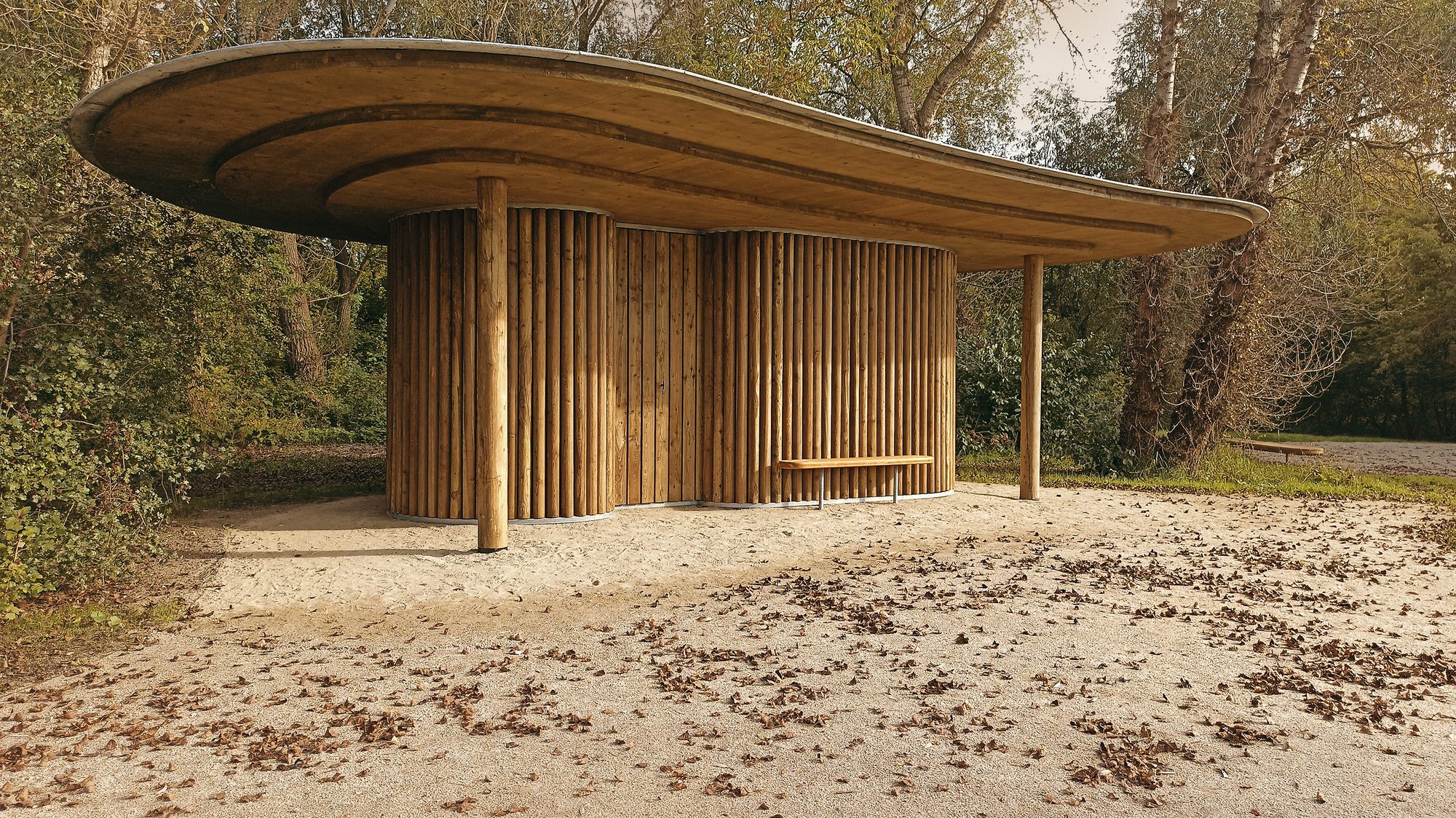
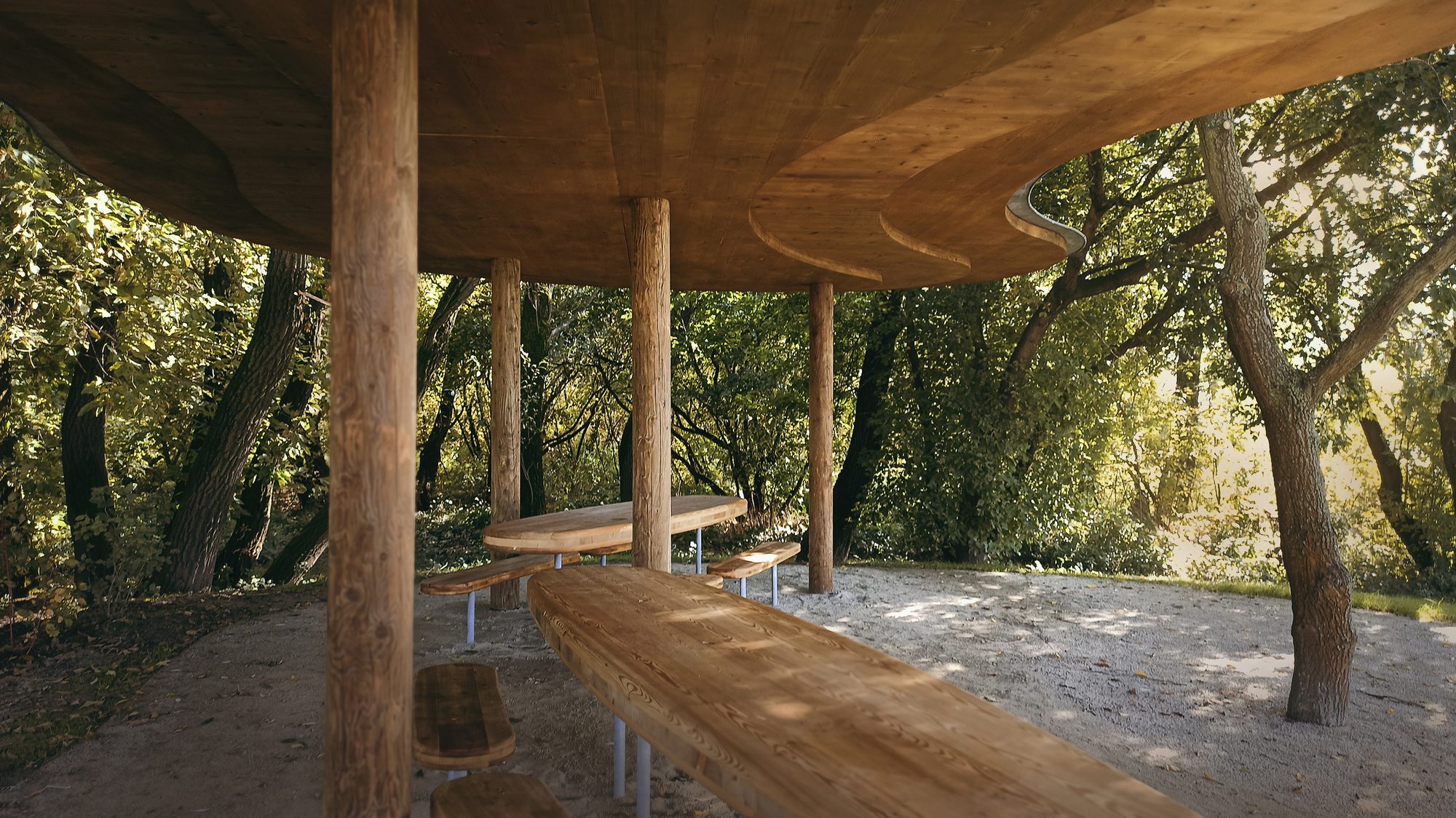
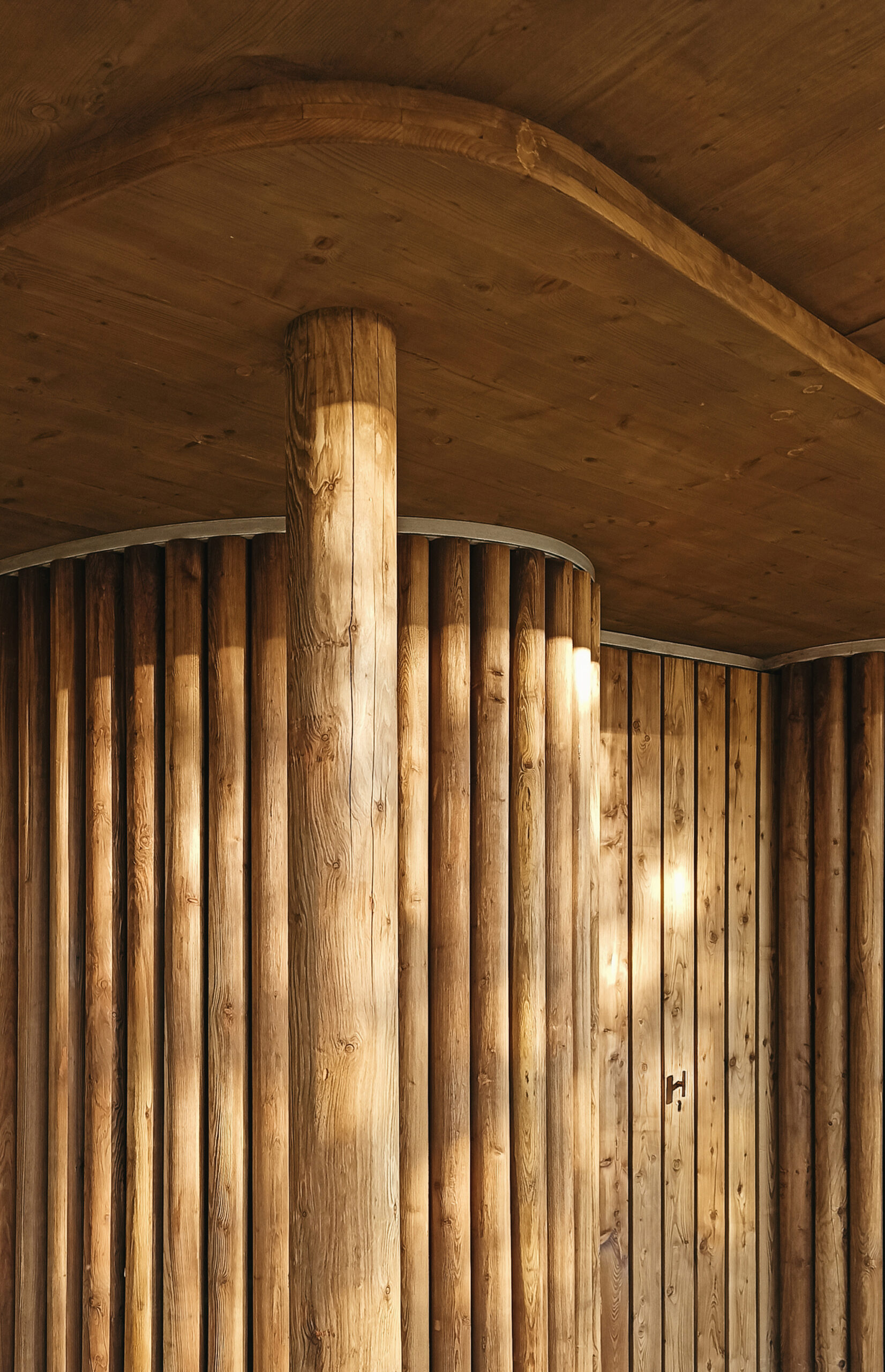
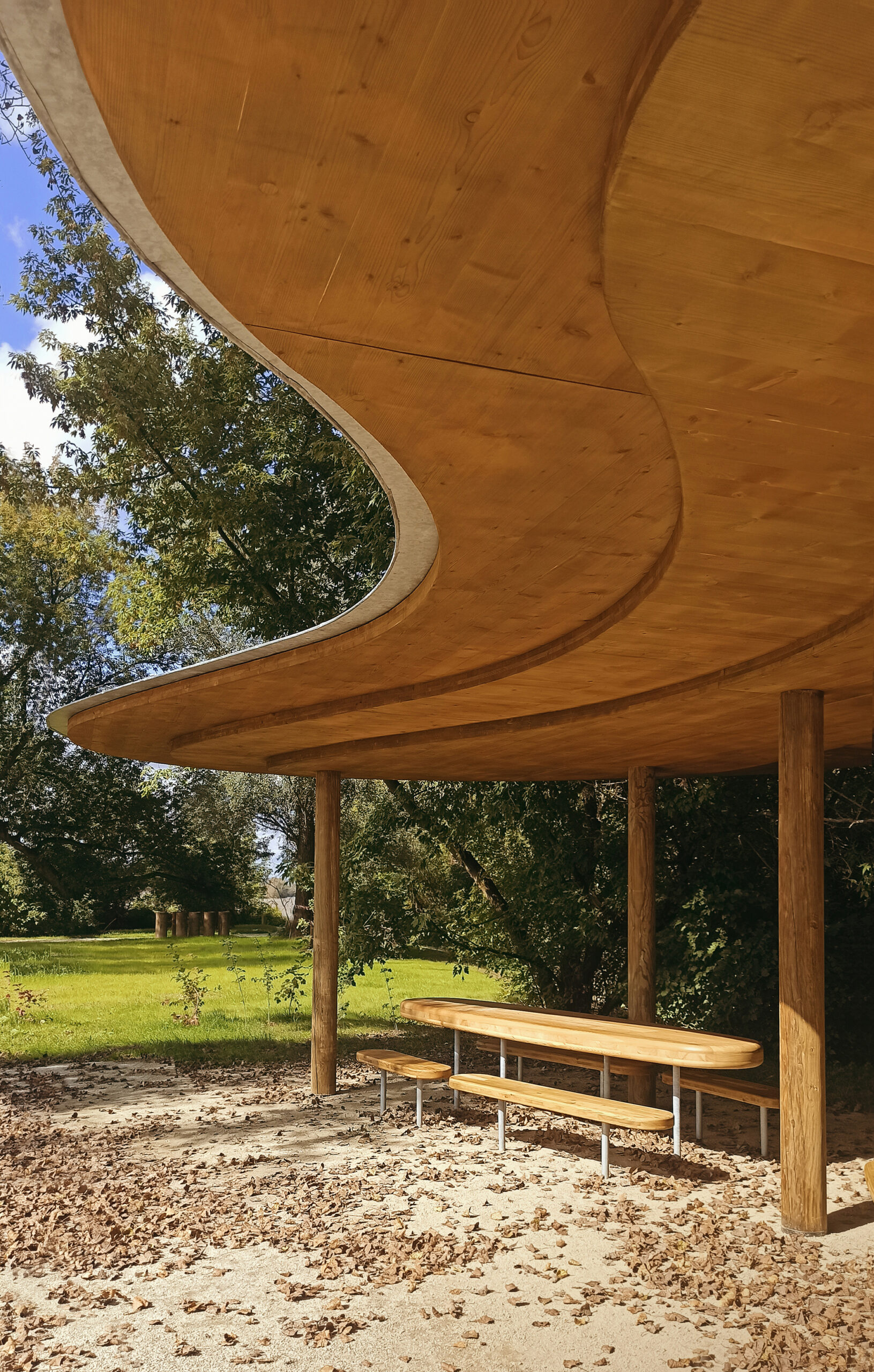
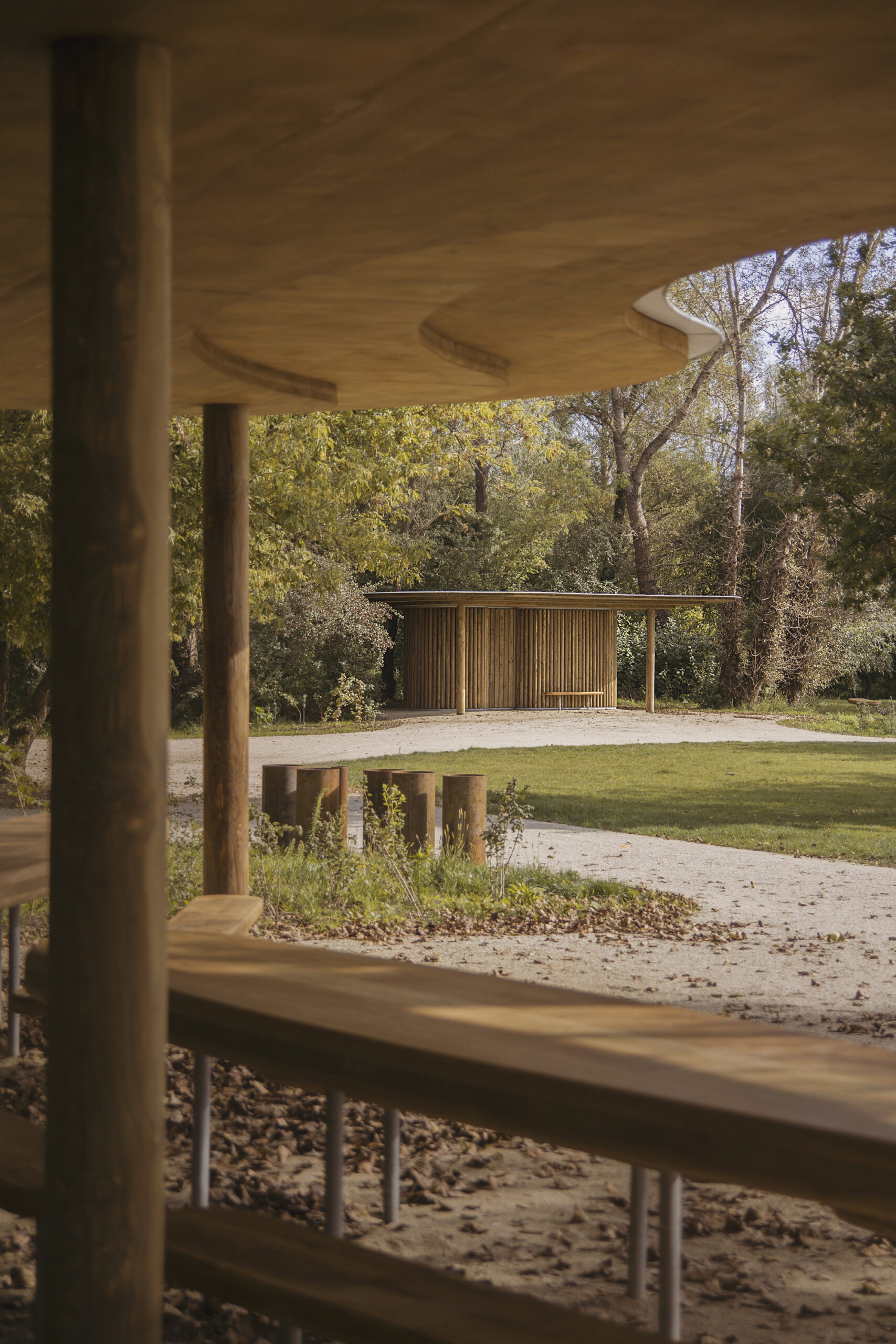
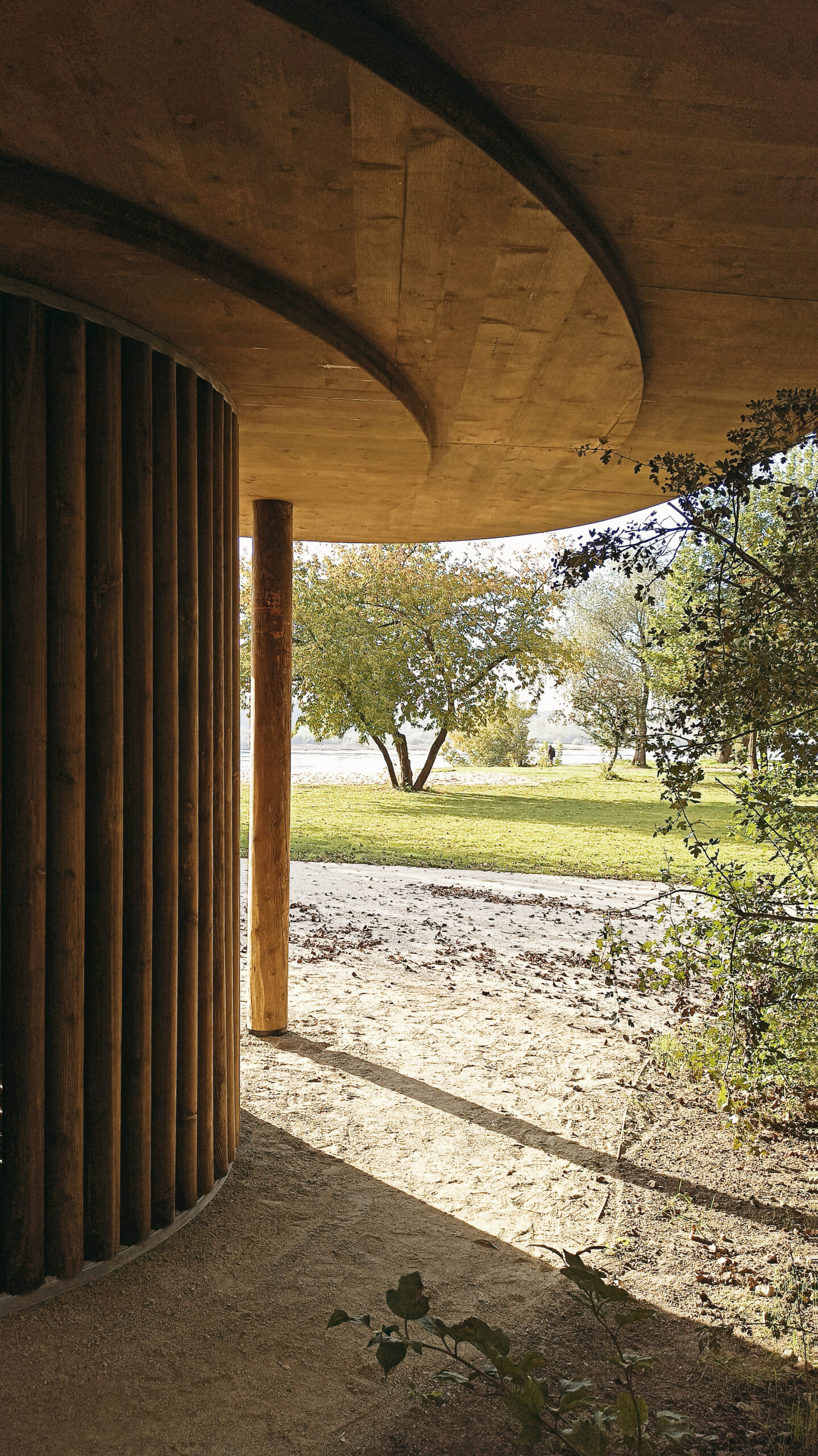
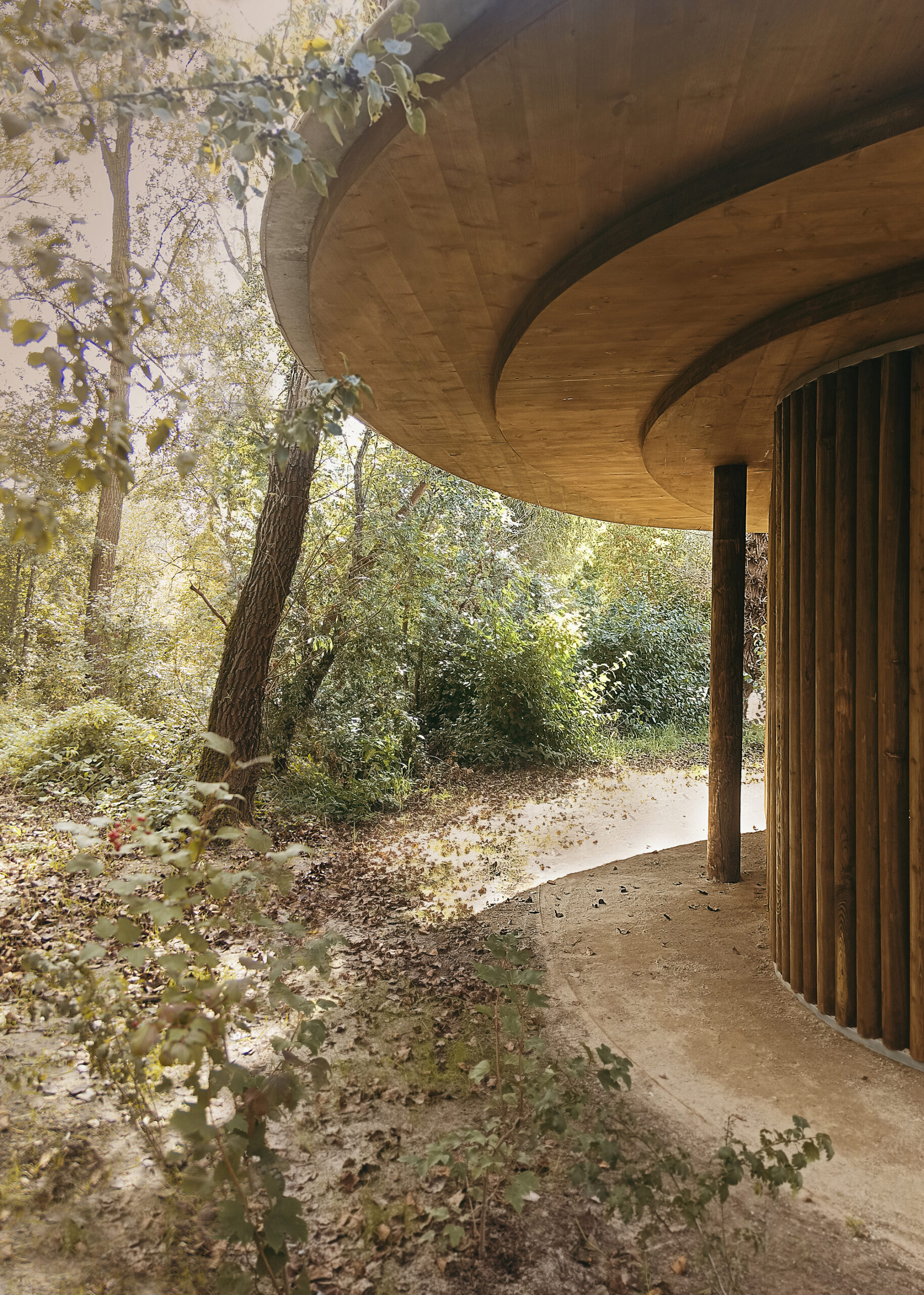
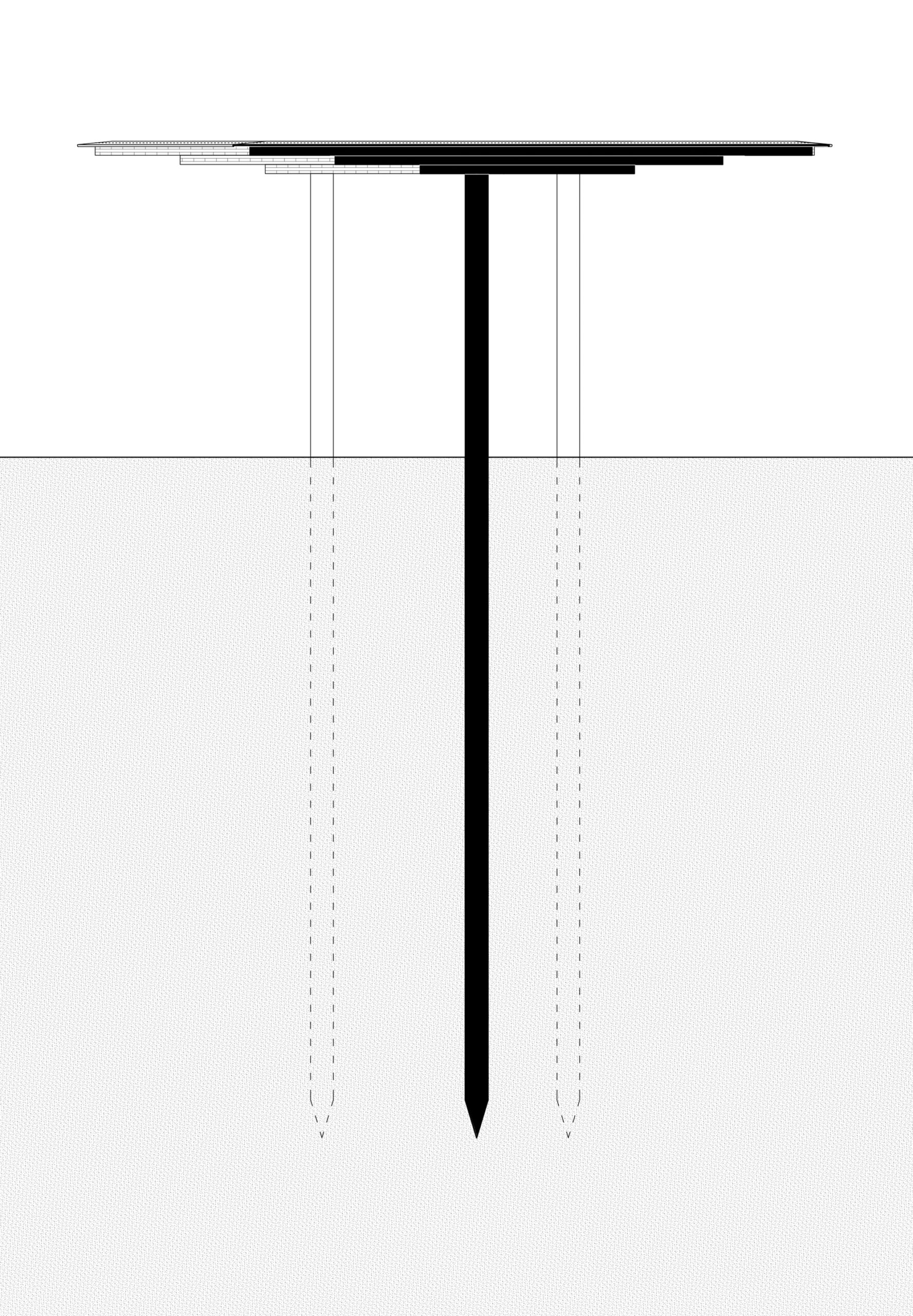
The canopies were designed using a modern ecological alternative to concrete – Cross concrete-laminated timber. Plates of the canopies extend far beyond the wooden uprights to protect them and the picnic tables and benches beneath them from driving rain.
© Karol Żurawski
The construction of the canopies is largely cantilevered – the forces are distributed centrally around the uprights, hence the circular shape of the canopy and the division of the board into layers: the further away from the uprights, the less forces act in the ceiling and thus the thickness of the board can be reduced.
© Karol Żurawski
Having ecology in mind no concrete was used for foundations. Wooden piles were hammered into the ground as in the construction of a pier or breakwater. They were placed at a considerable depth of up to 6 meters so that they would be firmly embedded in the ground and provide sufficient resistance to the buoyancy force of the canopies if they were to go underwater.
Project Info
Architects: Karol Zurawski
Country: Poland, Warszawa
Area: 25000 m²
Year: 2020
Photographs: Karol Zurawski
Architect: Kacper Karpiński, Karol Perkowski, Tomasz Podniesiński, Dawid Roszkowski
Landscape Architect: Łukasz Kowalski
Local Structural Engineer: Wojciech Kapela
Structural Engineer: Neven Kostic
Hydrology: Piotr Kuźniar
Program / Use / Building Function: Public green area

Isabelle Laurent is a Built Projects Editor at Arch2O, recognized for her editorial insight and passion for contemporary architecture. She holds a Master’s in Architectural Theory from École Nationale Supérieure d’Architecture de Paris-Belleville. Before joining Arch2O in 2016, she worked in a Paris-based architectural office and taught as a faculty adjunct at the École Spéciale d’Architecture in Paris. Isabelle focuses on curating projects around sustainability, adaptive reuse, and urban resilience. With a background in design and communication, she brings clarity to complex ideas and plays a key role in shaping Arch2O’s editorial