


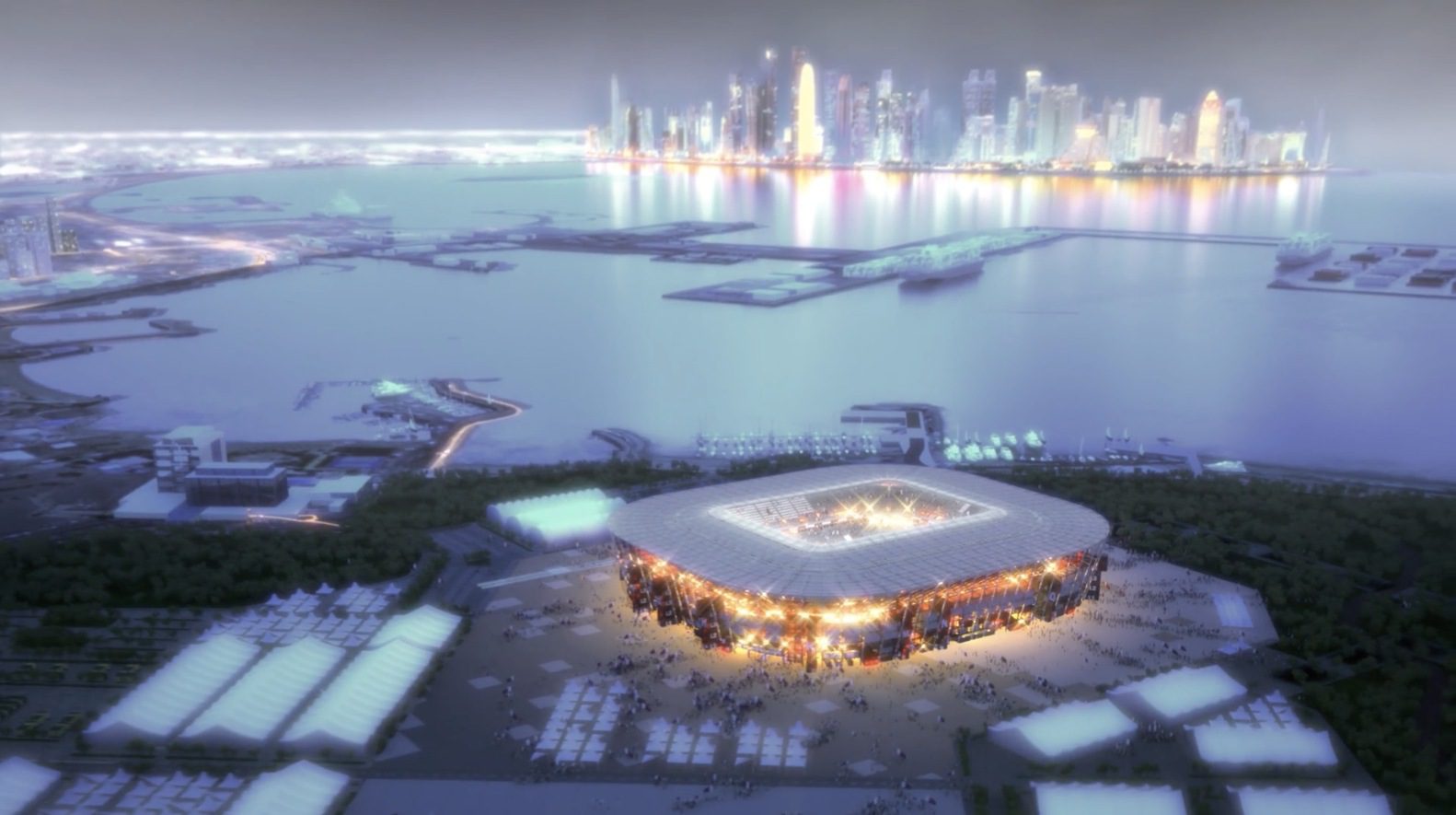
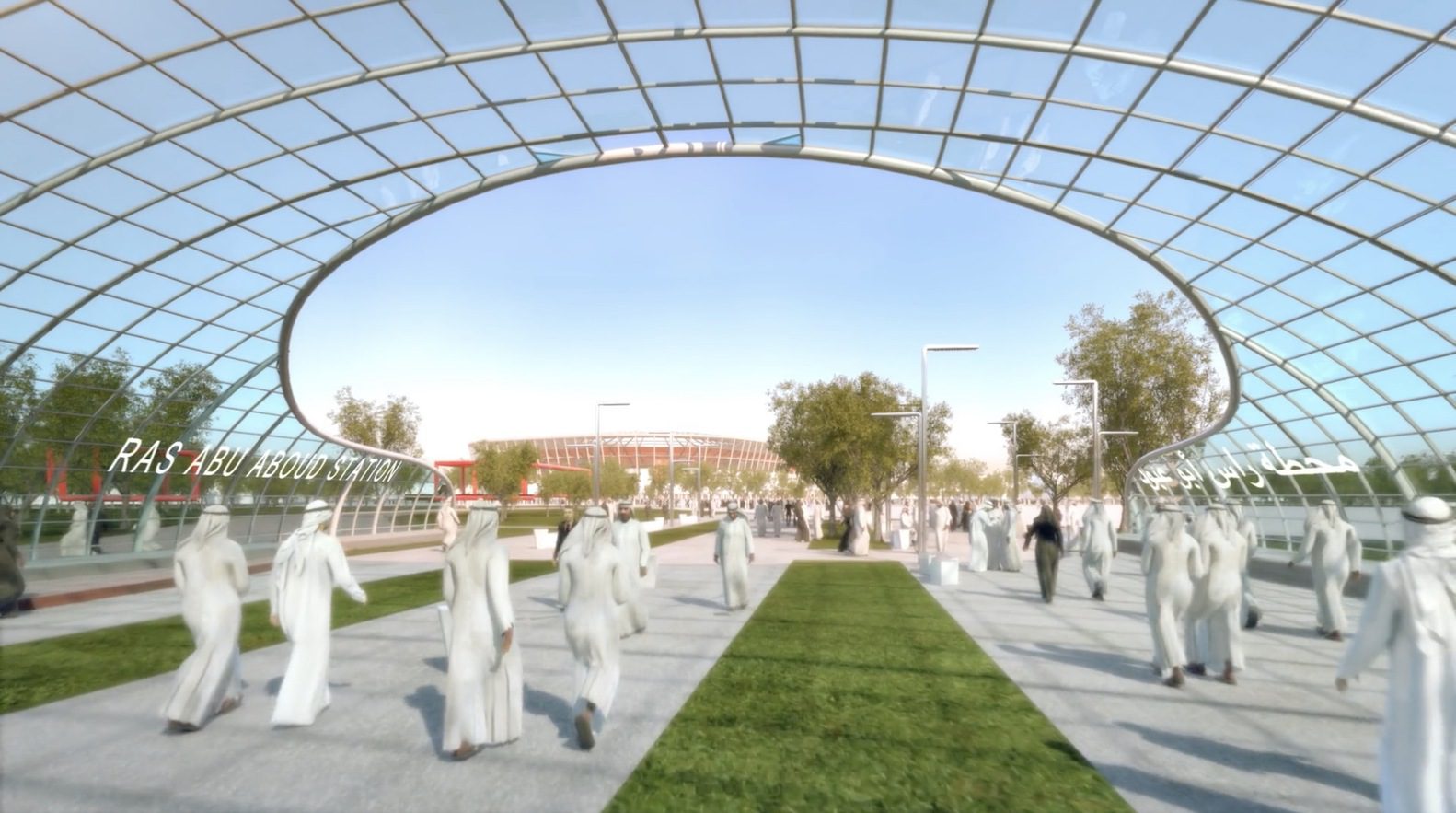
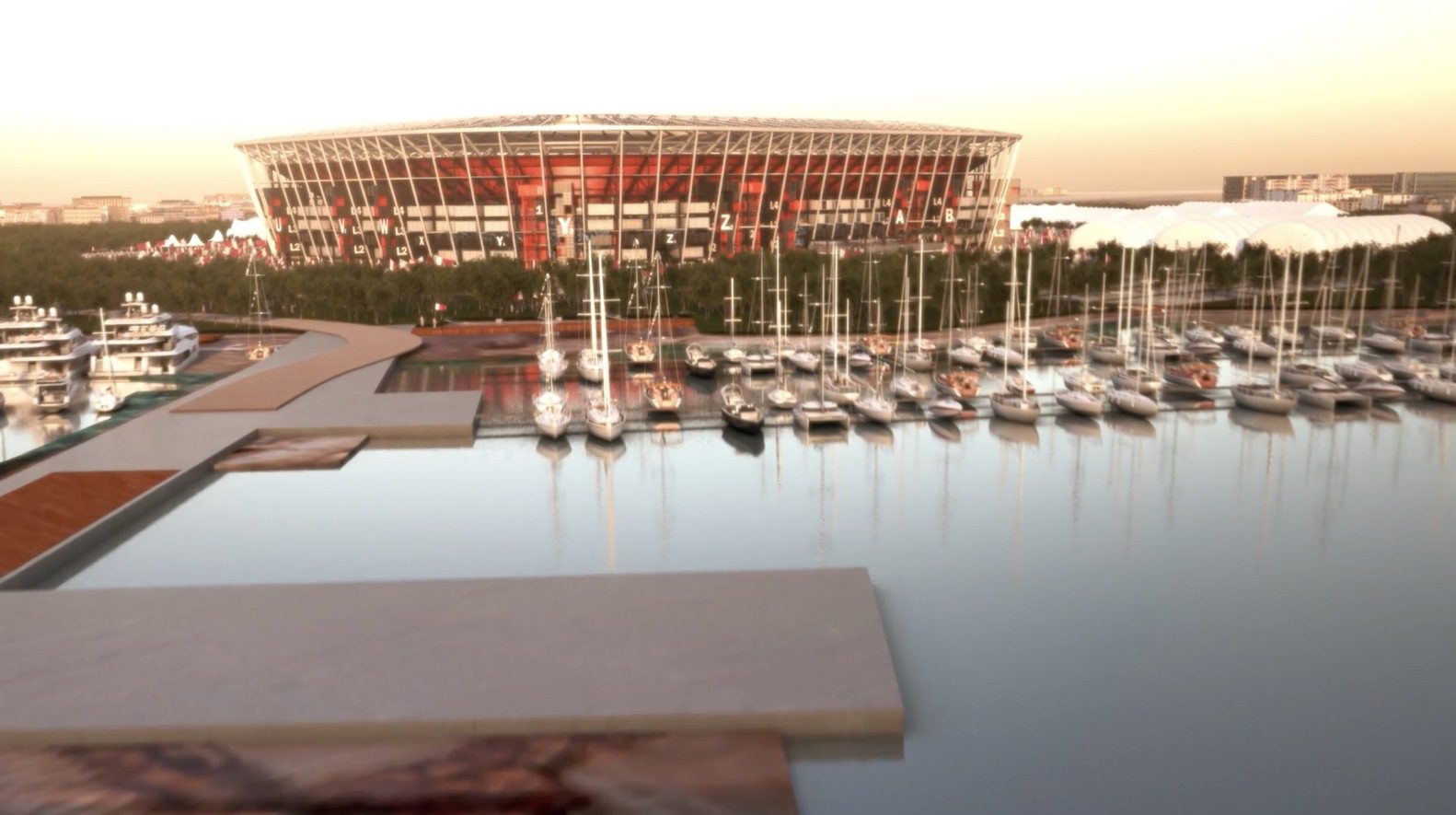
Plans have been revealed for a movable stadium, which will be constructed in Doha, the capital of Qatar, for the FIFA World Cup 2022. The Qatari Supreme Committee for Delivery and Legacy has unveiled the project which is the 7th stadium announced to be housing the World Cup games.
Courtesy of The Supreme Committee for Delivery & Legacy
Read more about Qatar’s other stadiums for FIFA World Cup 2022
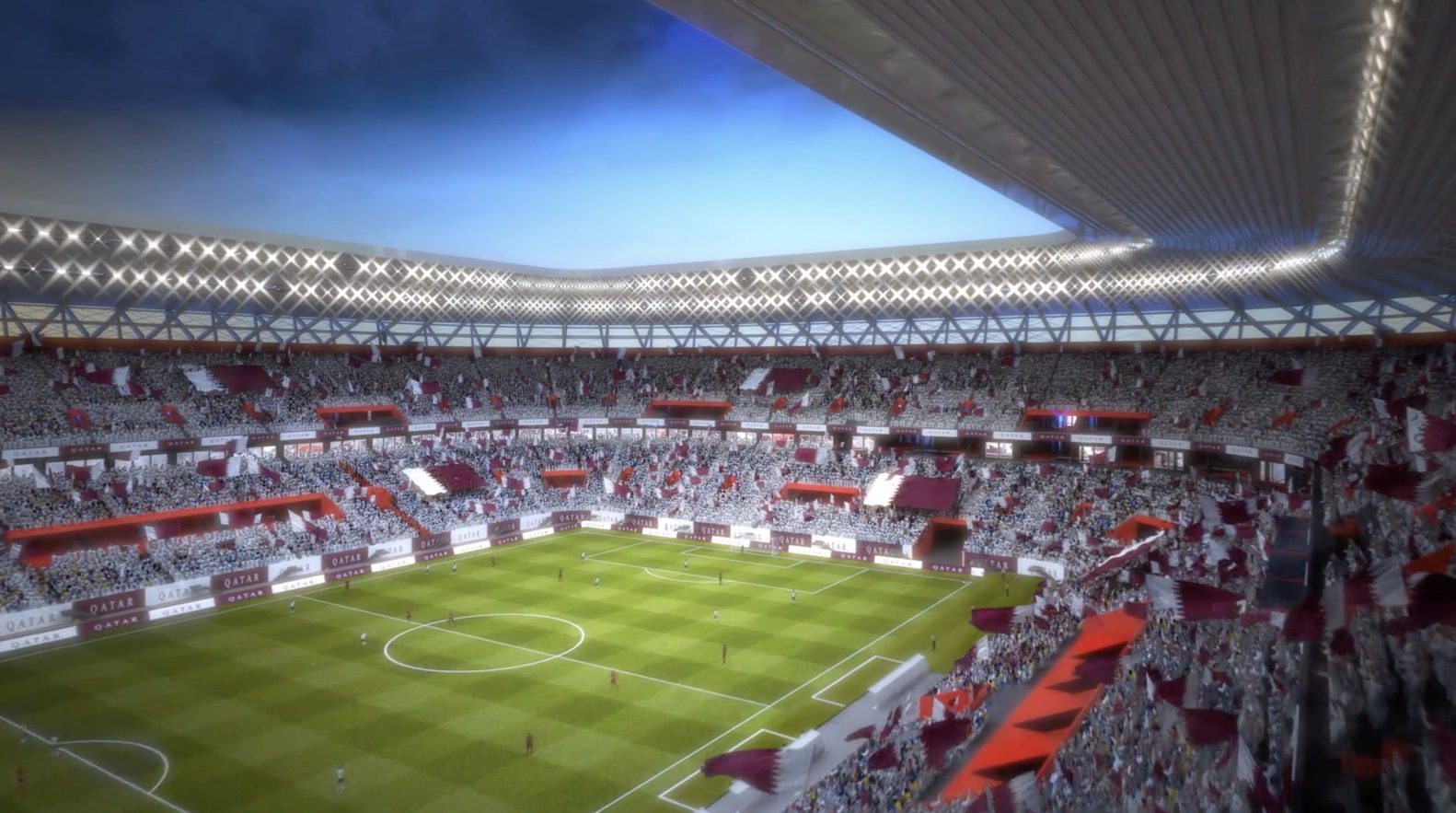
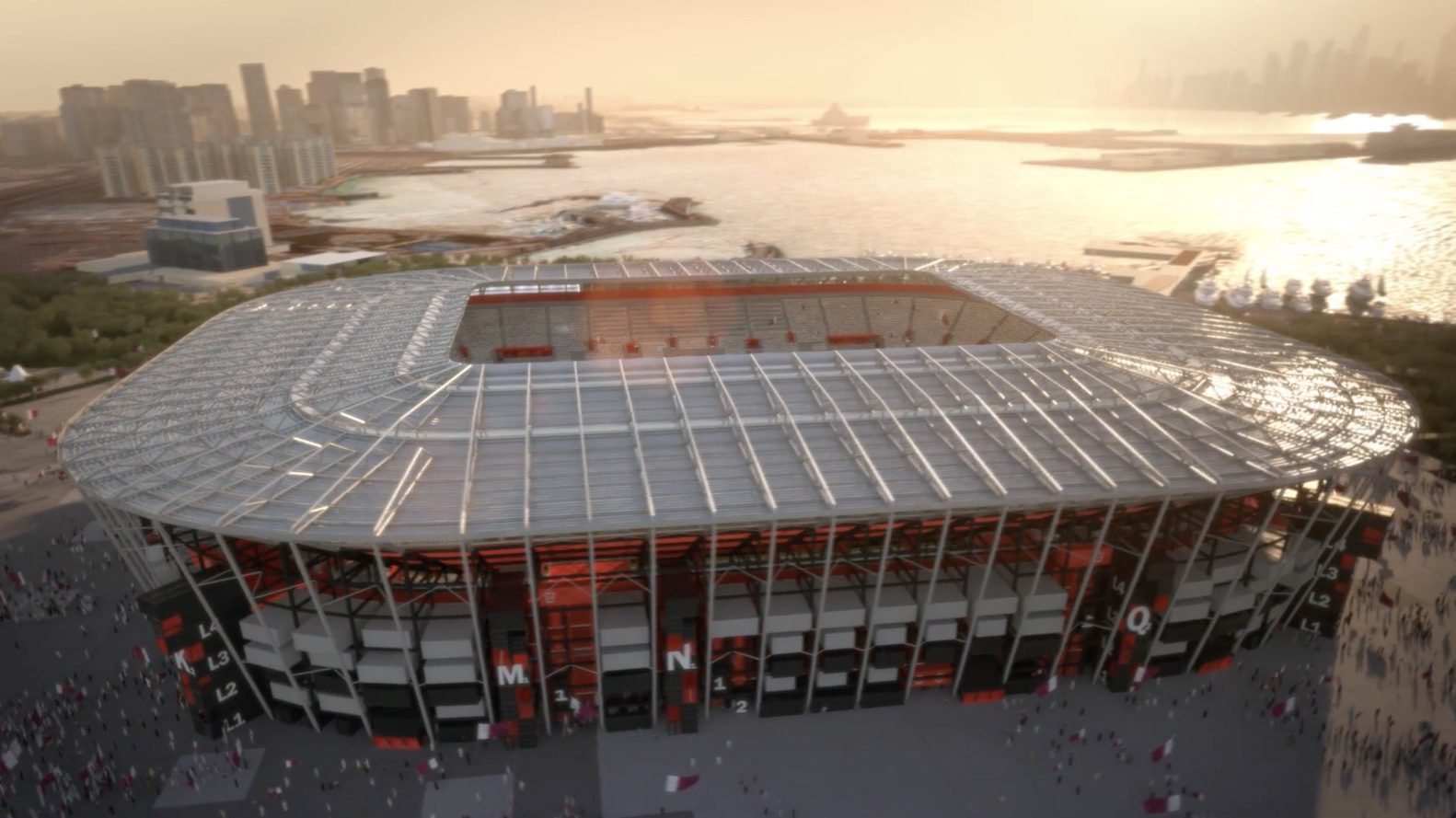
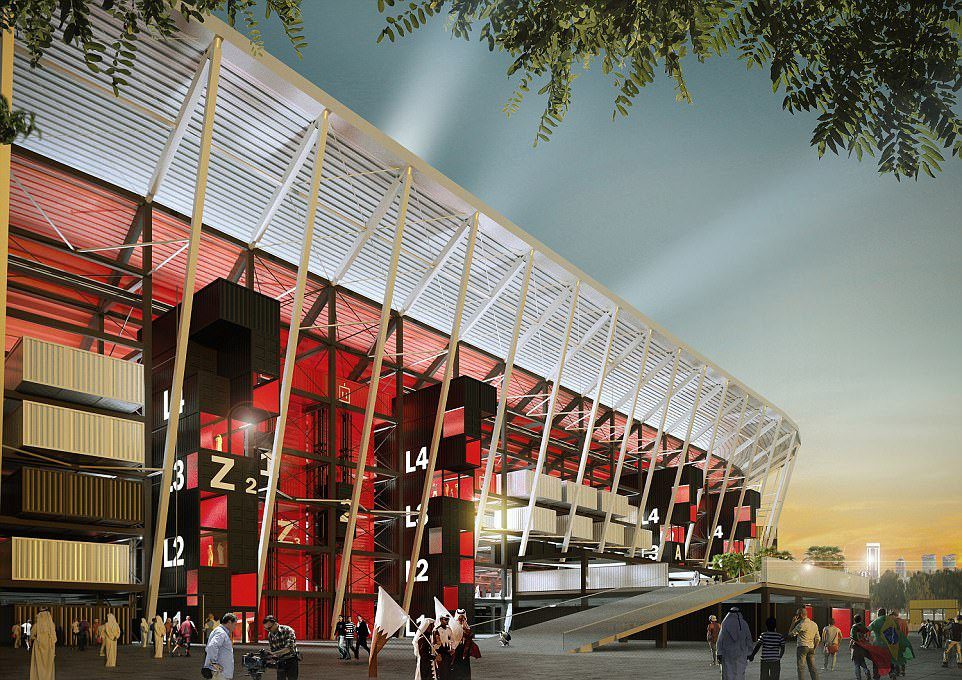
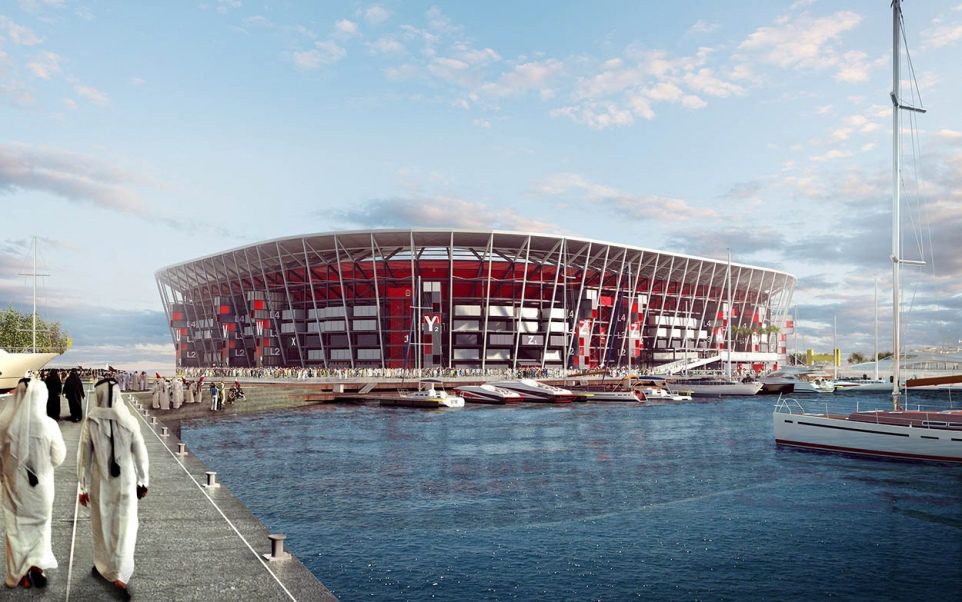
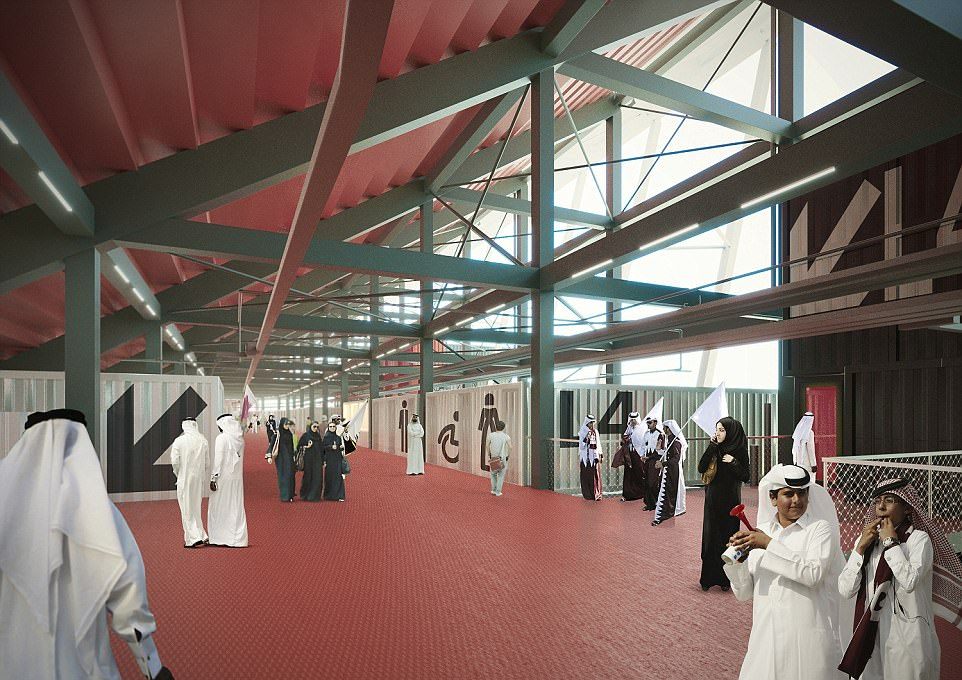
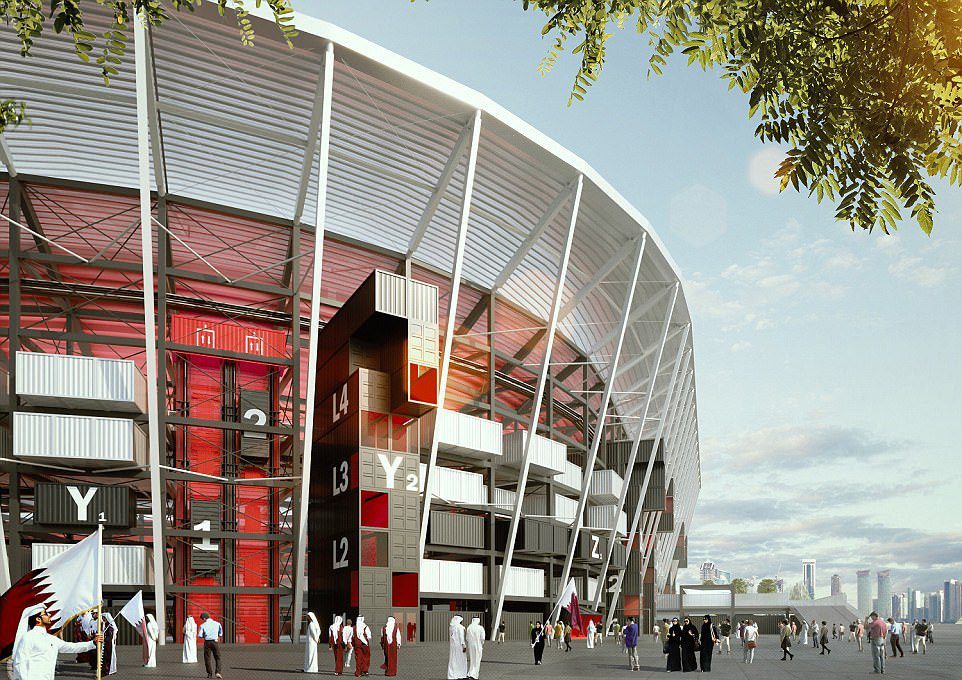
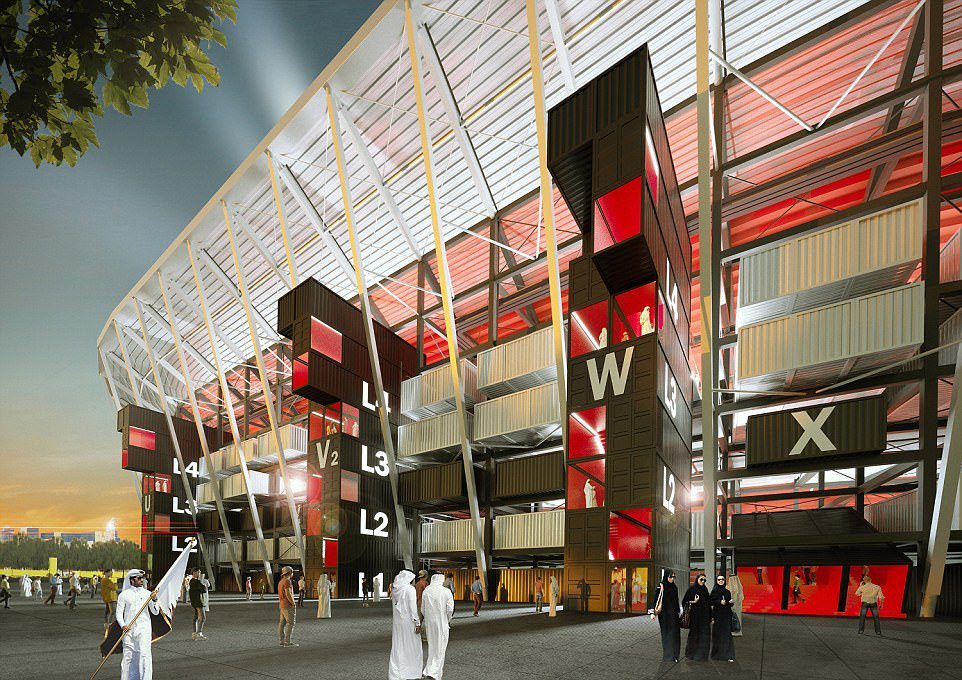
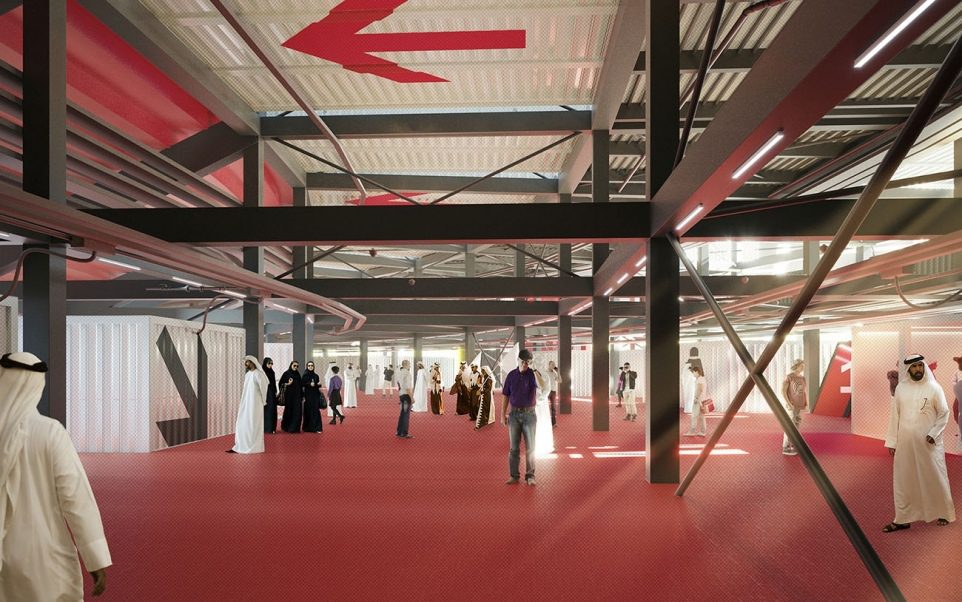
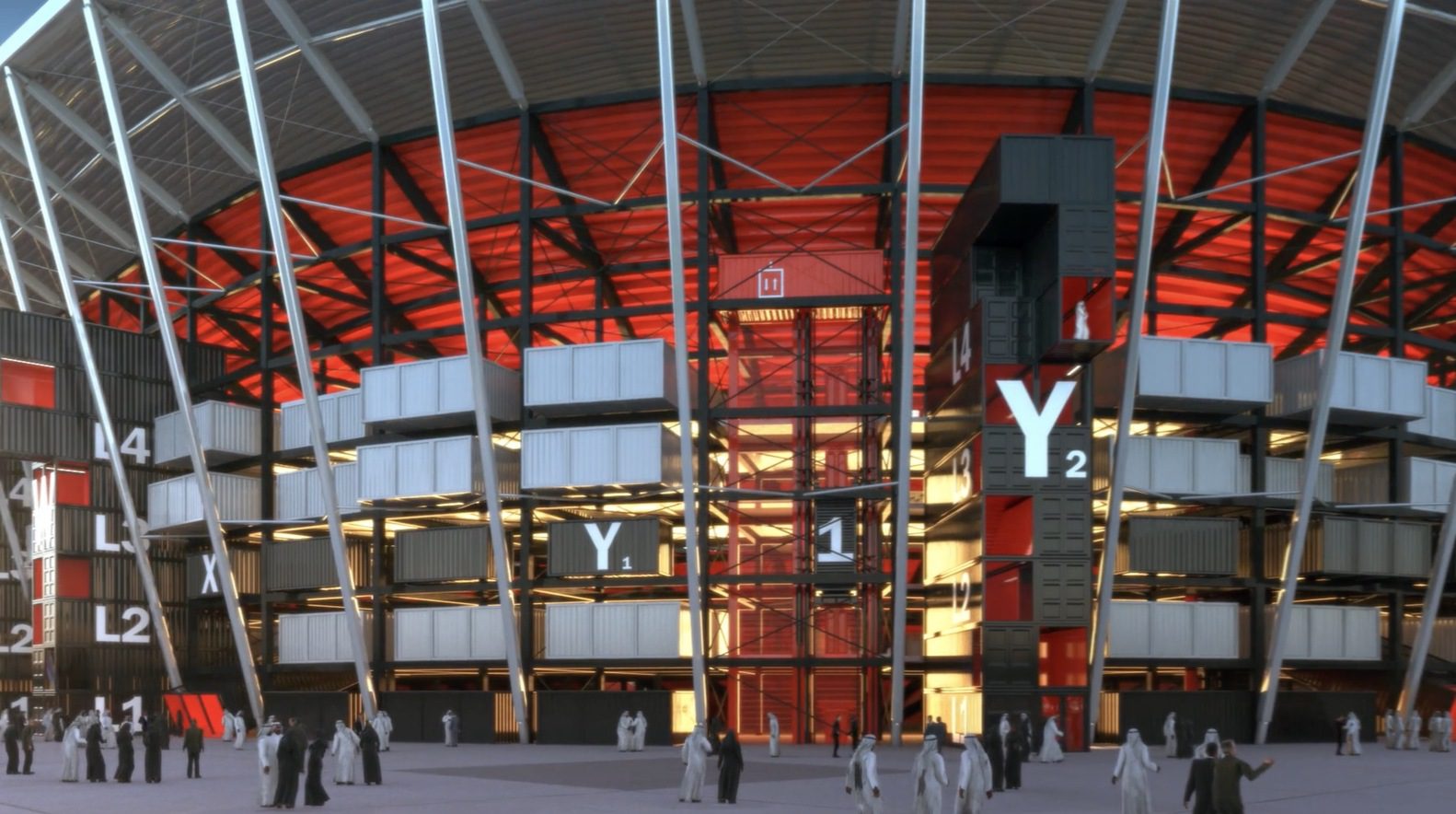
The stadium will be constructed utilizing modular blocks and shipping containers. Every module will comprise mobile seats, restrooms, and multi-purpose stands. The demountable sports structure can be reconstructed at another location or even divided into smaller sports arenas.
Courtesy of The Supreme Committee for Delivery & Legacy
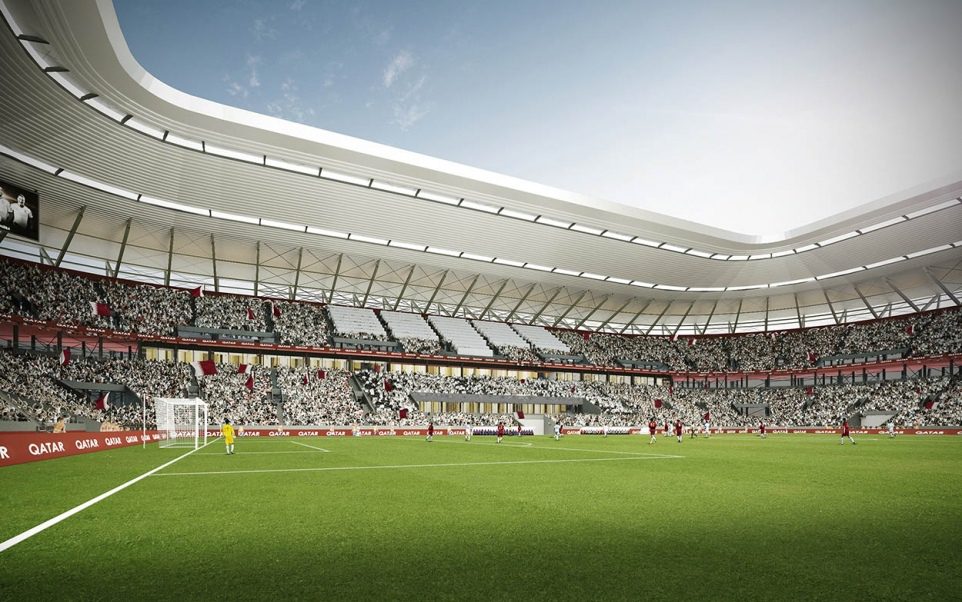
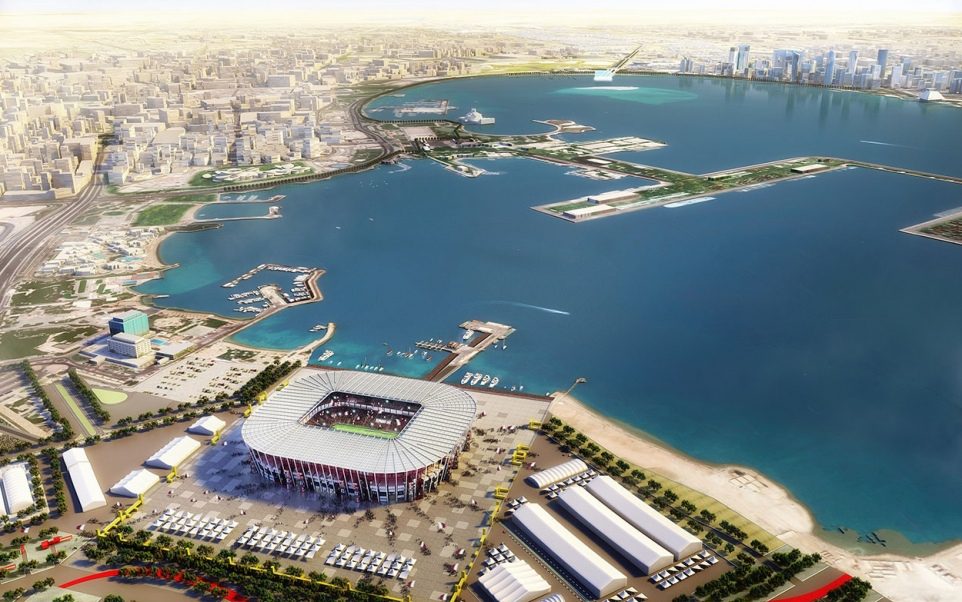
The project, which was designed by the Spanish firm Fenwick Iribarren Architects can accommodate up to 40,000 spectators, and it is located by the Arabian Gulf.
Courtesy of The Supreme Committee for Delivery & Legacy
“Innovation has always been central to our plans for delivering a historic FIFA World Cup 2022 that leaves a legacy for Qatar and the world, and there is no better example of this than the design of Ras Abu Aboud Stadium,” commented Hassan Al Thawadi, SC secretary general. “This venue offers the perfect legacy, capable of being reassembled in a new location in its entirety or built into numerous small sports and cultural venues.”
Courtesy of The Supreme Committee for Delivery & Legacy
Also dubbed the ‘Ras Abu Aboud Stadium’, the venue’s modular design renders it sustainable. Sustainability is manifested in decreasing the stadium’s carbon emissions, requiring fewer construction materials, and diminishing waste production.
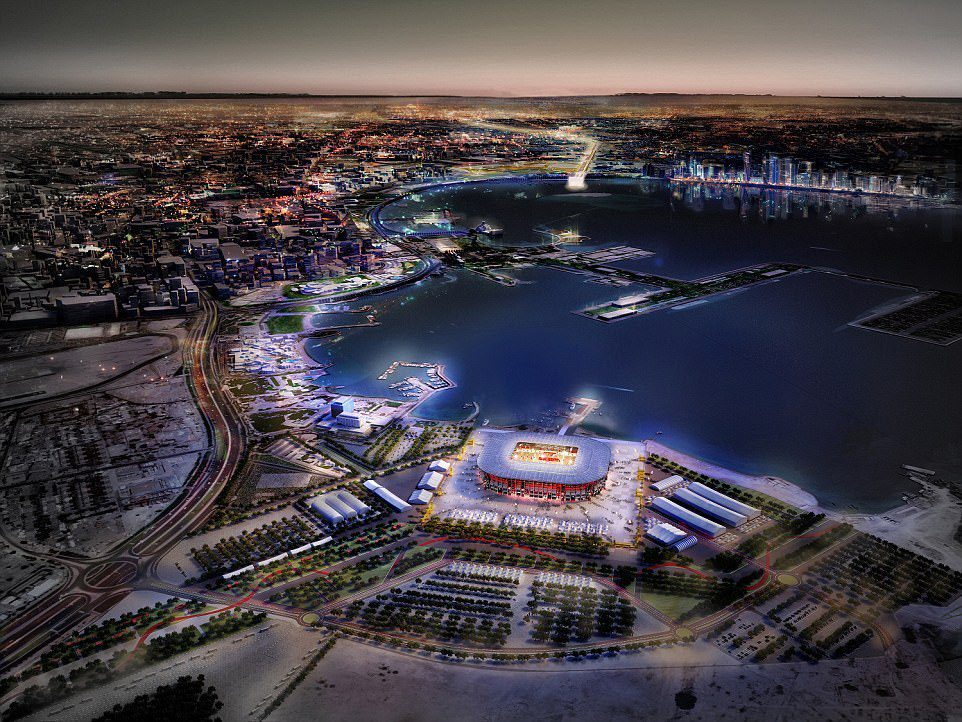
Courtesy of The Supreme Committee for Delivery & Legacy
The construction process has started recently and is planned to be finished in 2020, two years before the event.

Jane Doe is an American architectural editor with a deep-rooted passion for design and the built environment. She holds a degree in Architecture from Columbia University, where she developed a strong foundation in both architectural theory and urban studies. With over a decade of editorial experience, Jane specializes in shaping content that bridges architecture, urbanism, and cultural discourse. Her work spans leading design publications, exhibition texts, and digital platforms, where she is known for her clear, engaging narratives and her ability to translate complex spatial ideas for a broad audience. Jane is particularly interested in issues of equity, sustainability, and the evolving role of cities in a changing world.