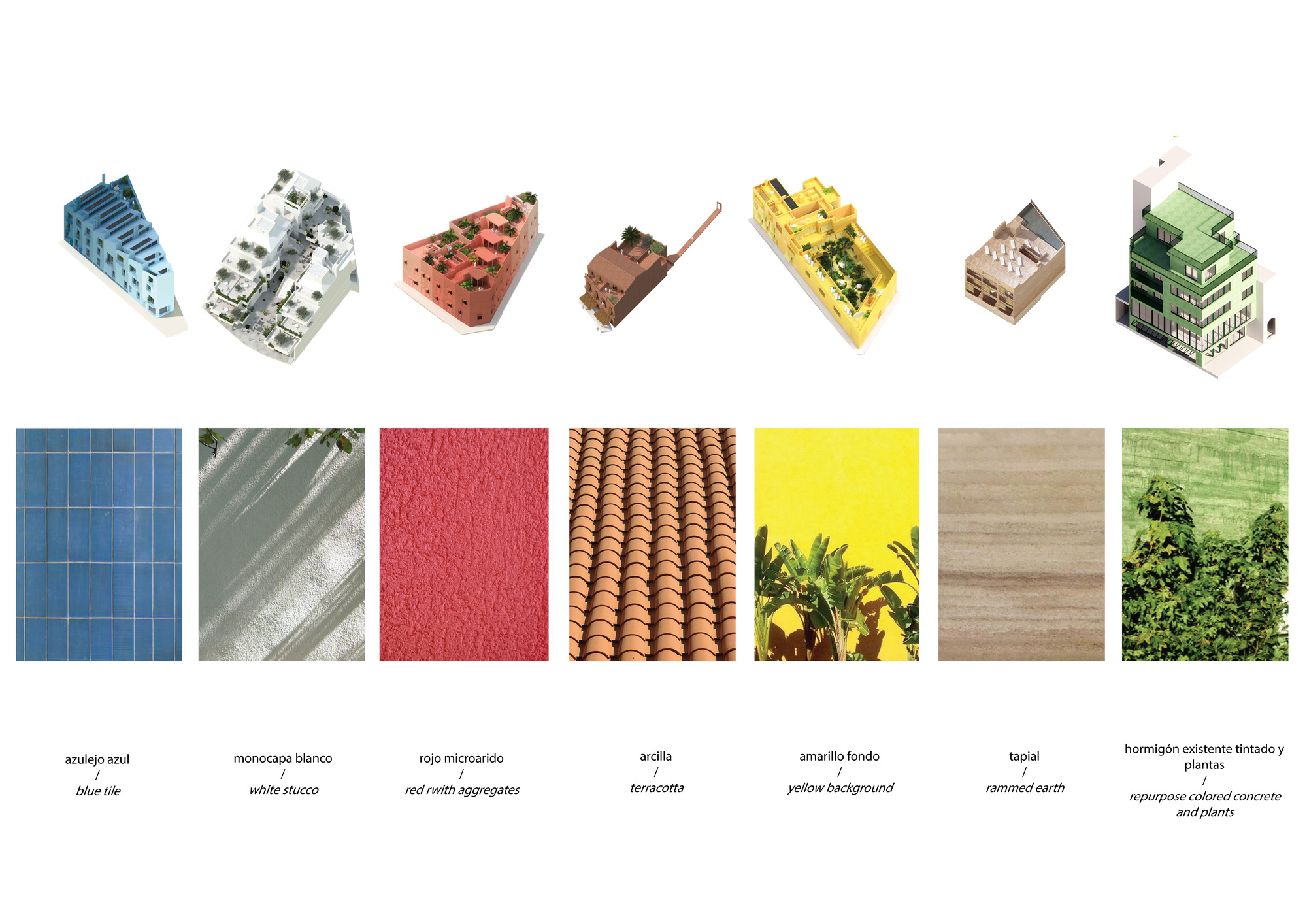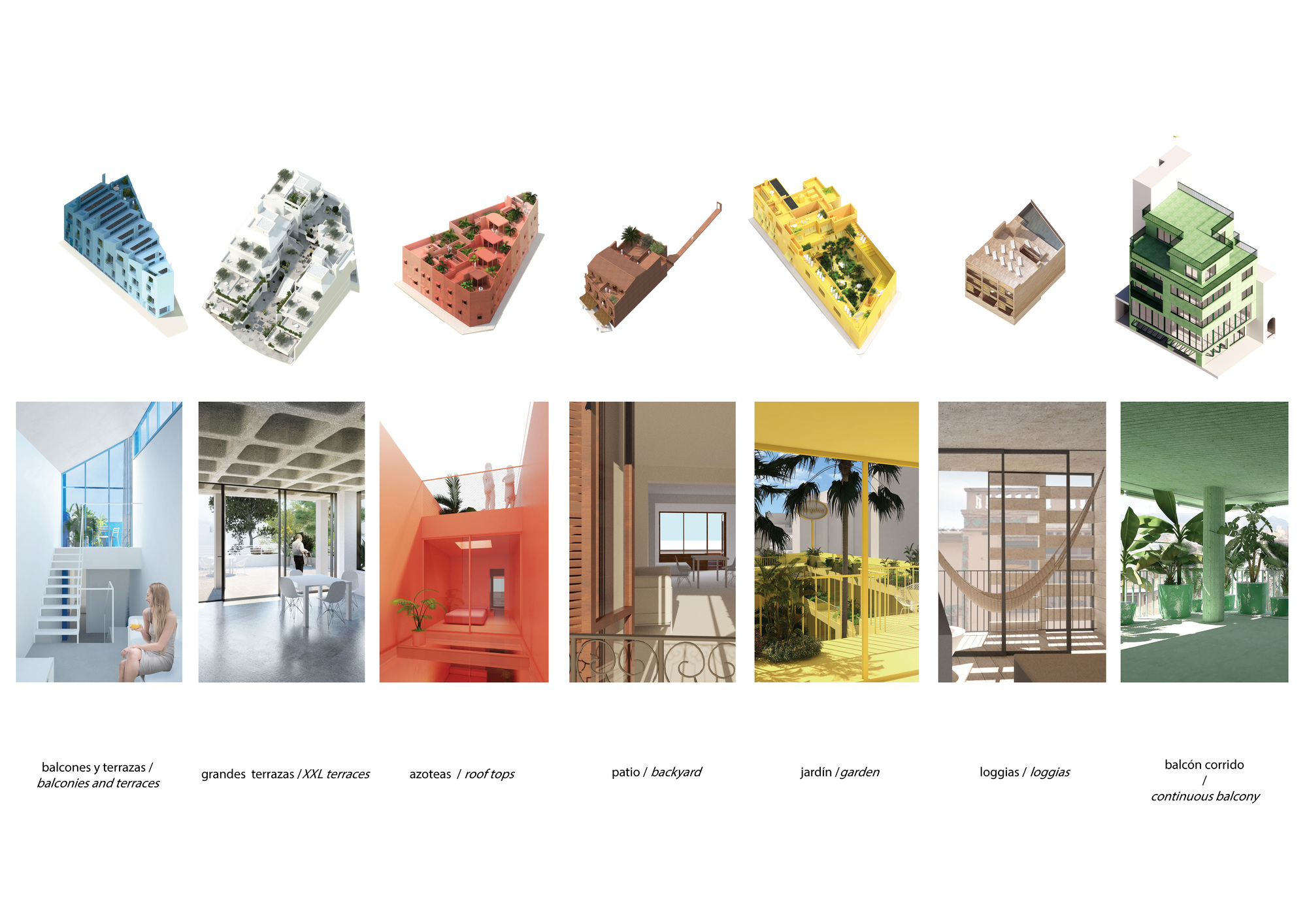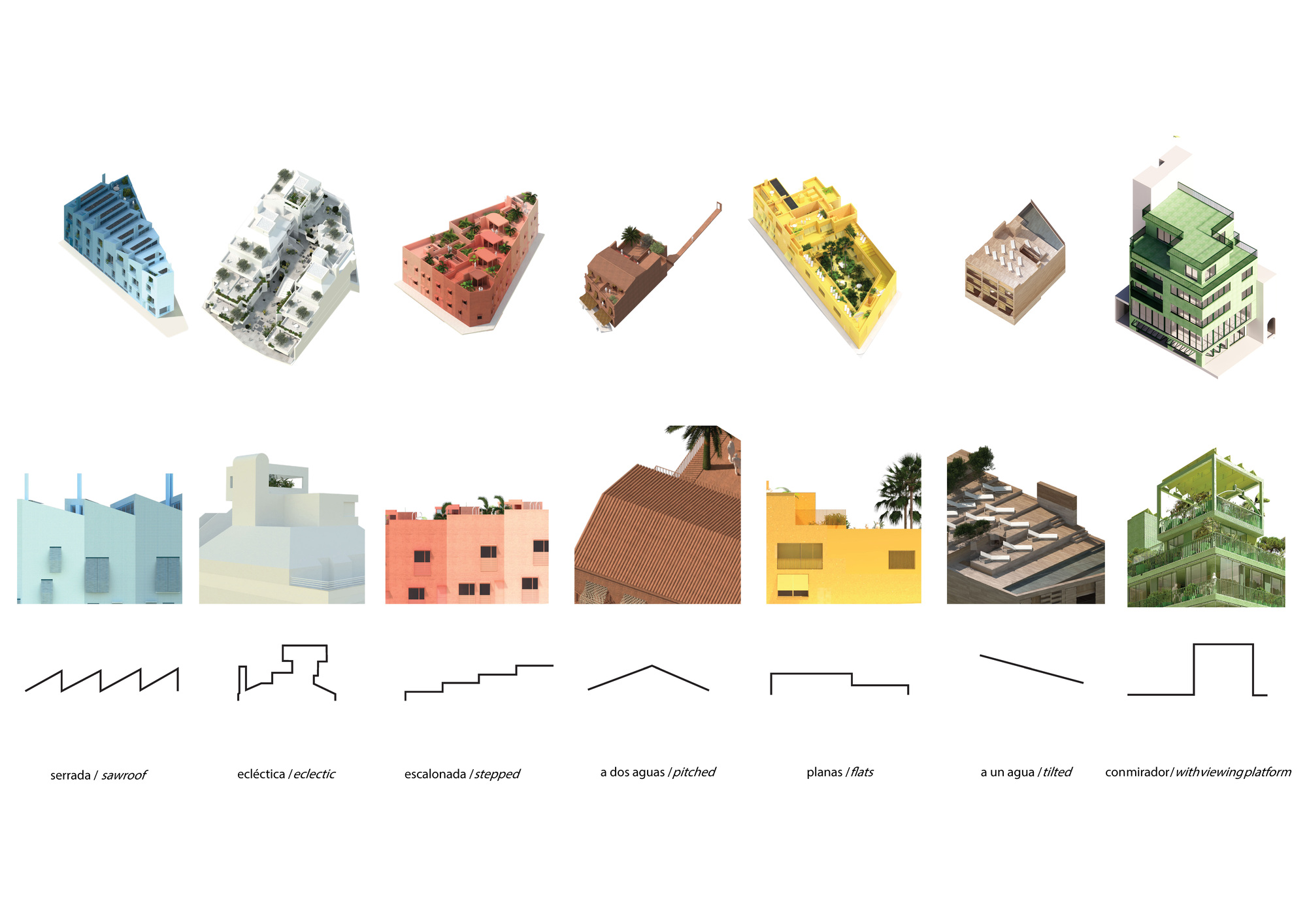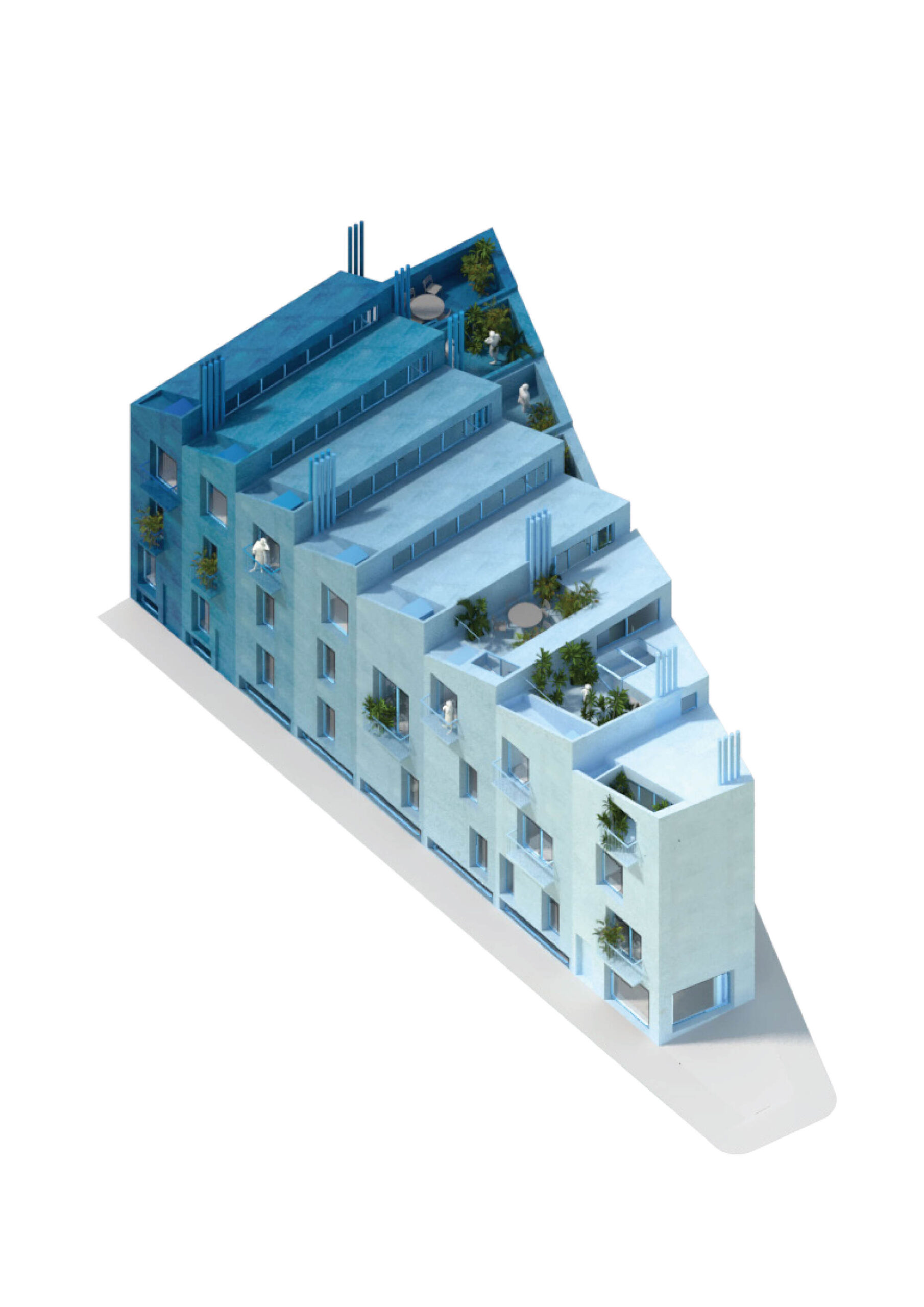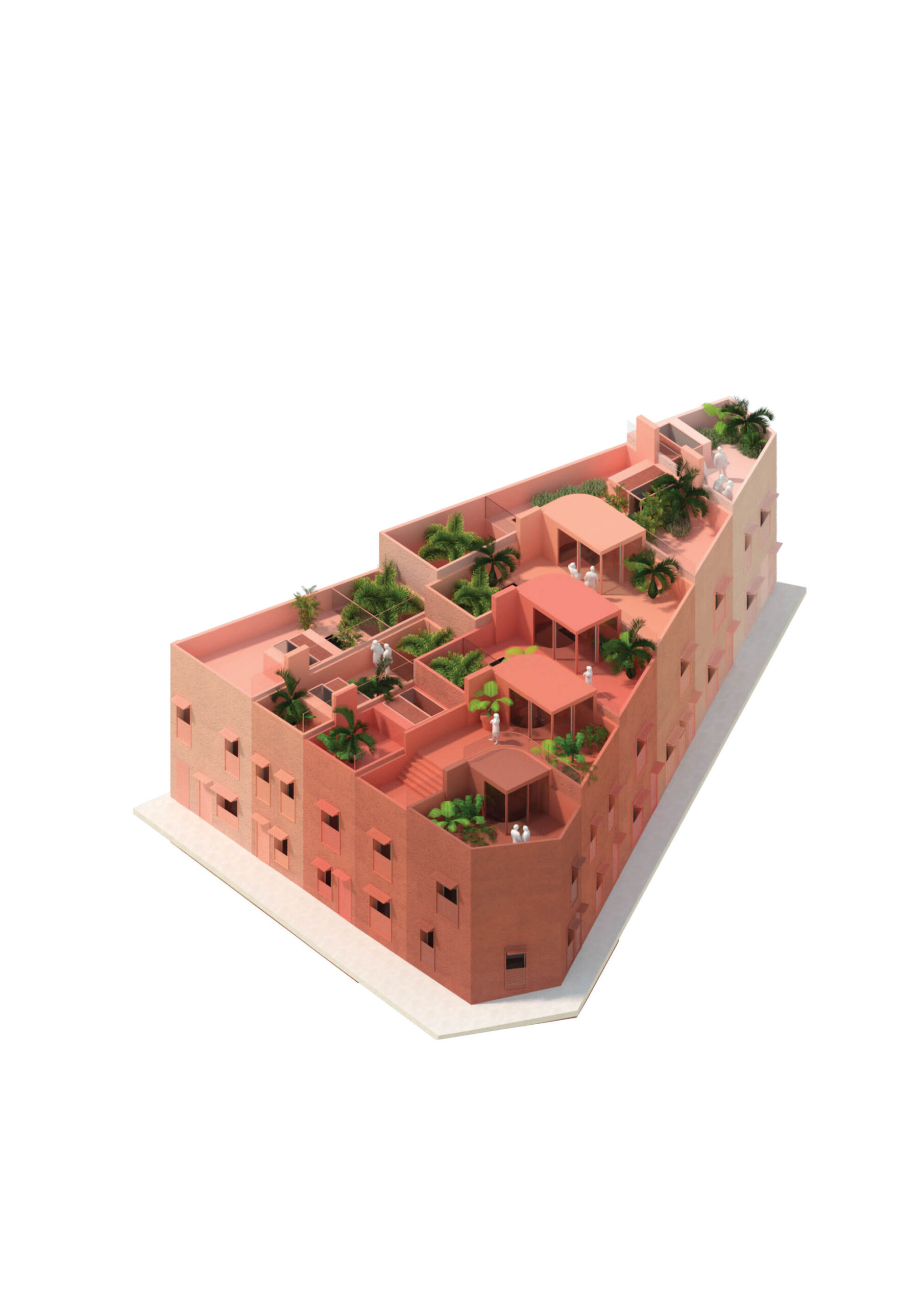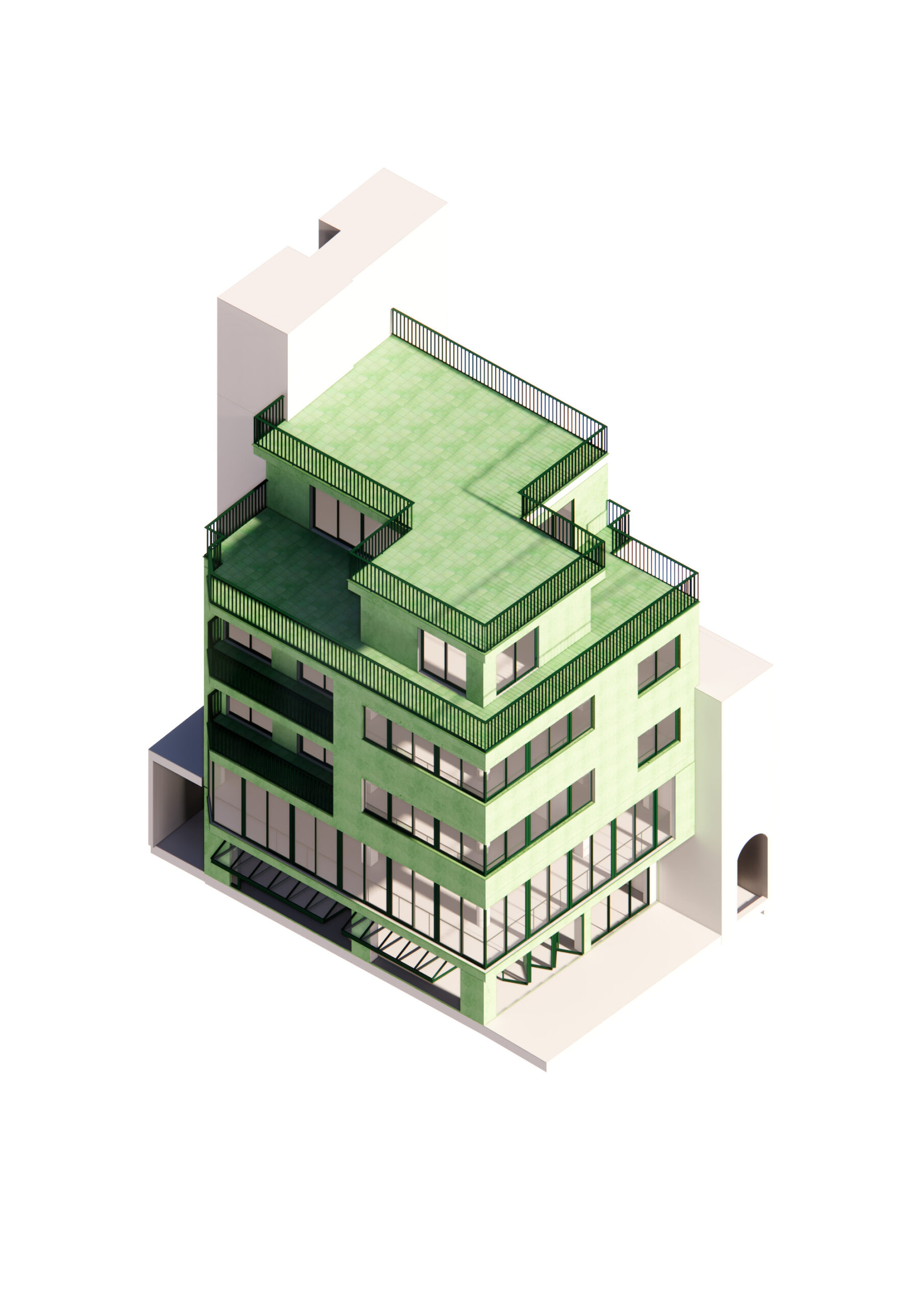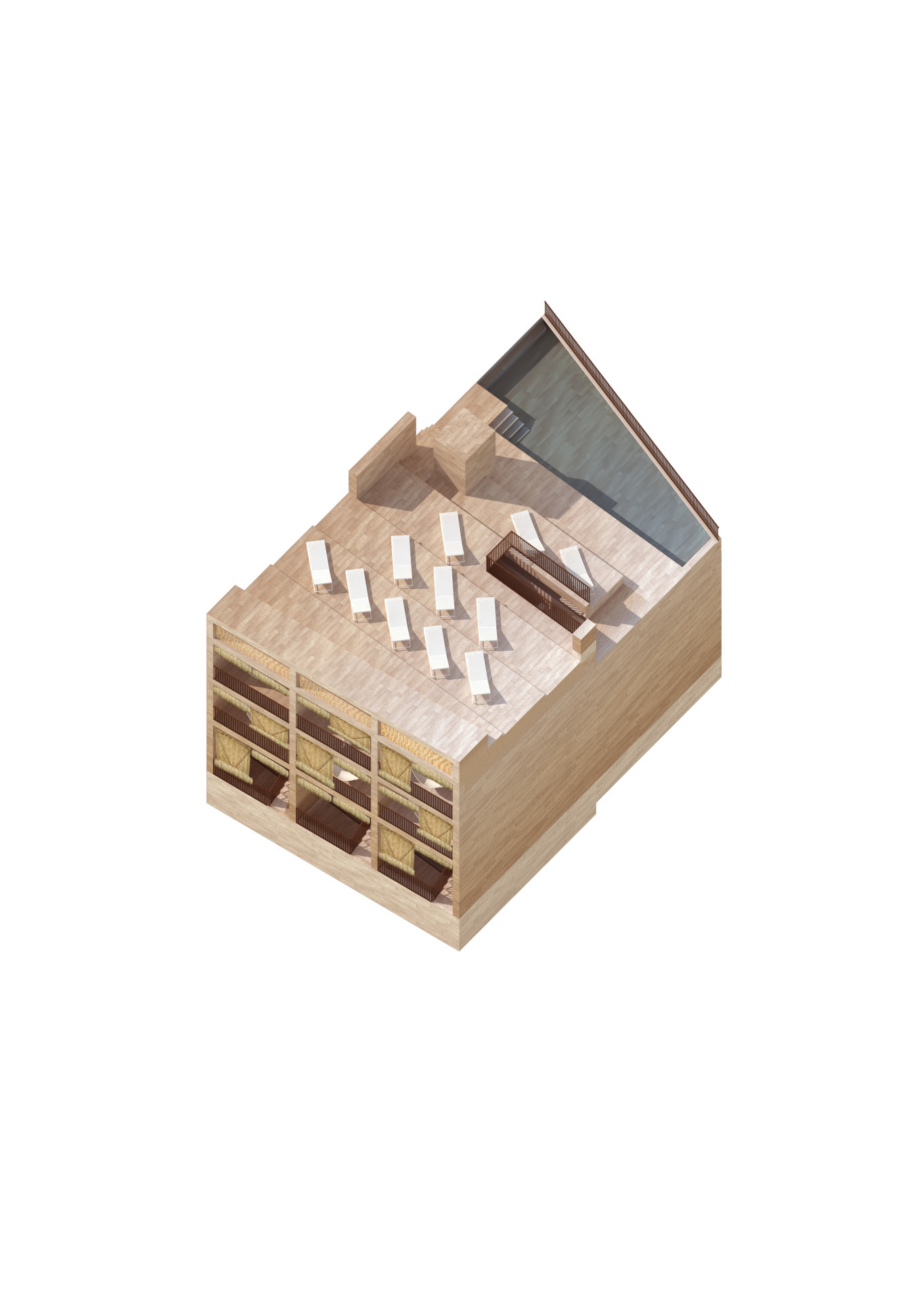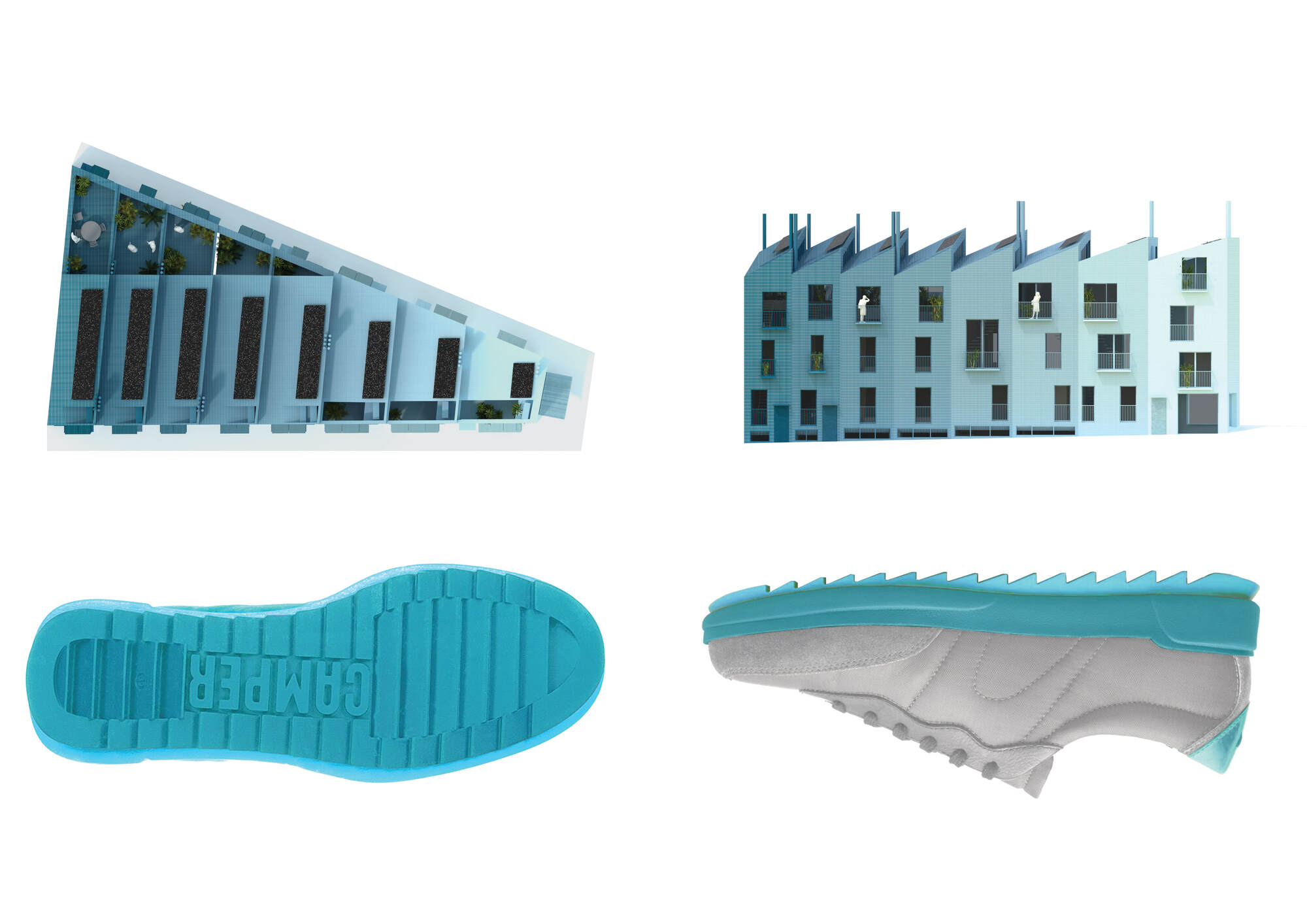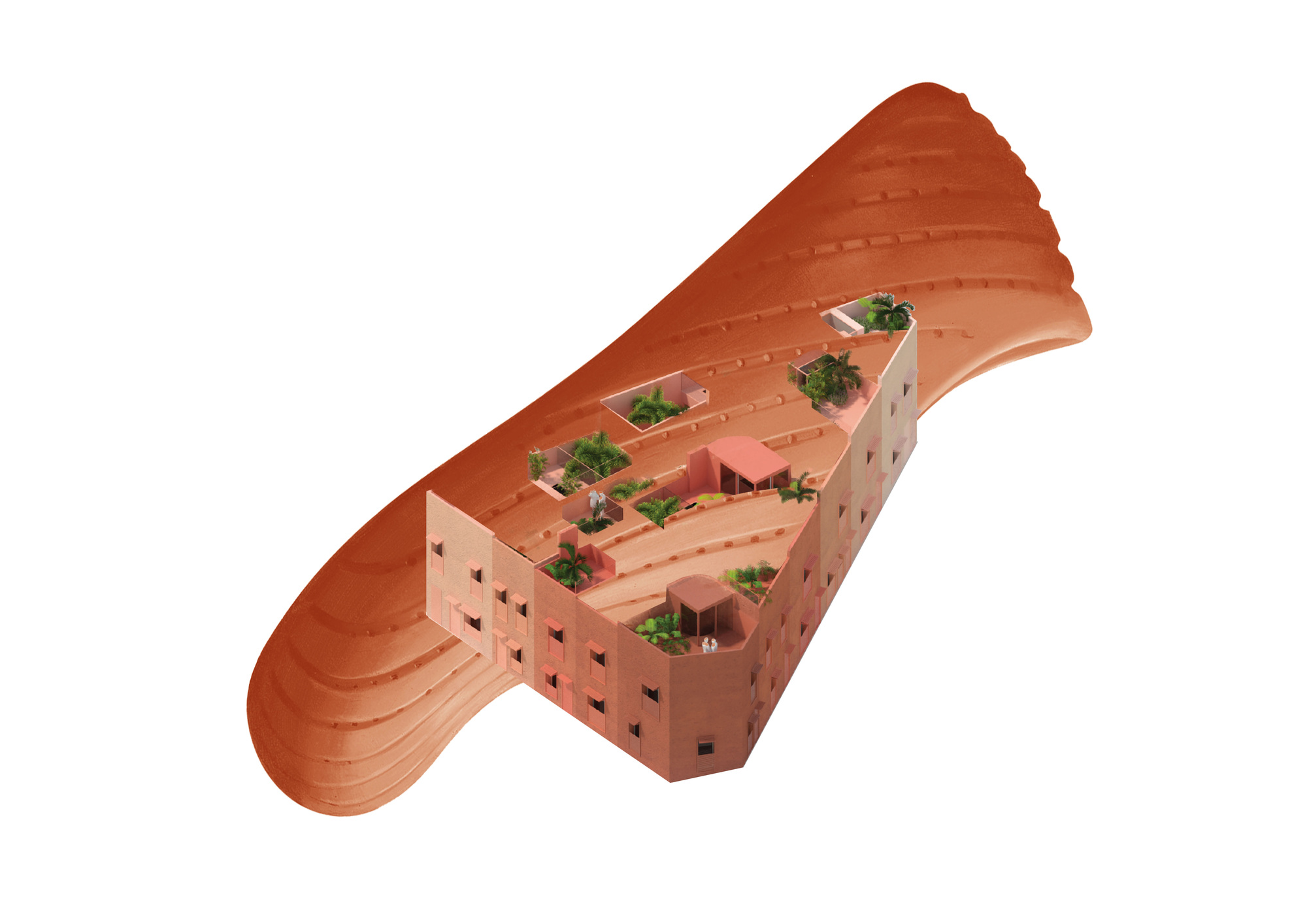

Project Gomila, The construction of the first five out of the seven buildings that make up Project Gomila in Palma de Mallorca is complete. Designed by MVRDV and GRAS Reynés Arquitectos, Project Gomila is a collection of buildings, each with their own individual character derived from their colors, materials, and rooflines, that is transforming the area around Plaza Gomila in the neighborhood of El Terreno. Adding a total of 60 new dwellings of various sizes and types, as well as new commercial spaces, after one phase Project Gomila is already well on the way to reviving El Terreno as a vibrant, green, sustainable residential neighborhood.
© Daria Scagliola
Centered around Plaza Gomila, close to the city’s harbor, El Terreno is a historic neighborhood of Palma that in the ‘60s and ‘70s was known for its nightlife, with famous performances by musicians such as Jimi Hendrix, Ray Charles, and Tom Jones in its bohemian nightclubs. After a long period of neglect and decline, the Fluxà Family, owners of the Mallorca-based Camper shoe brand, purchased a series of neighboring plots around the Plaza, initiating a renewal plan that echoed Camper’s philosophy of combining heritage with innovation and creativity.
© Daria Scagliola
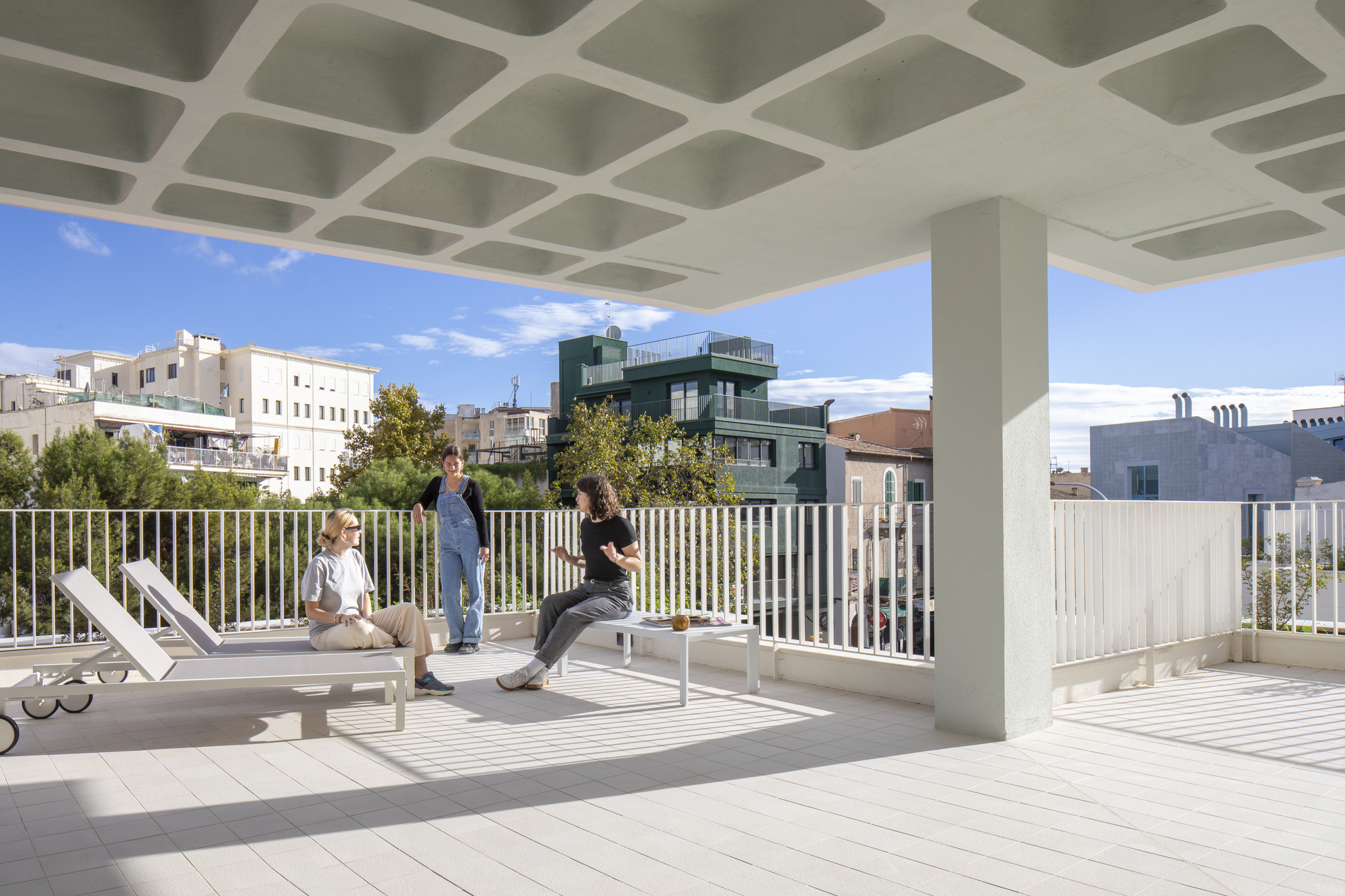
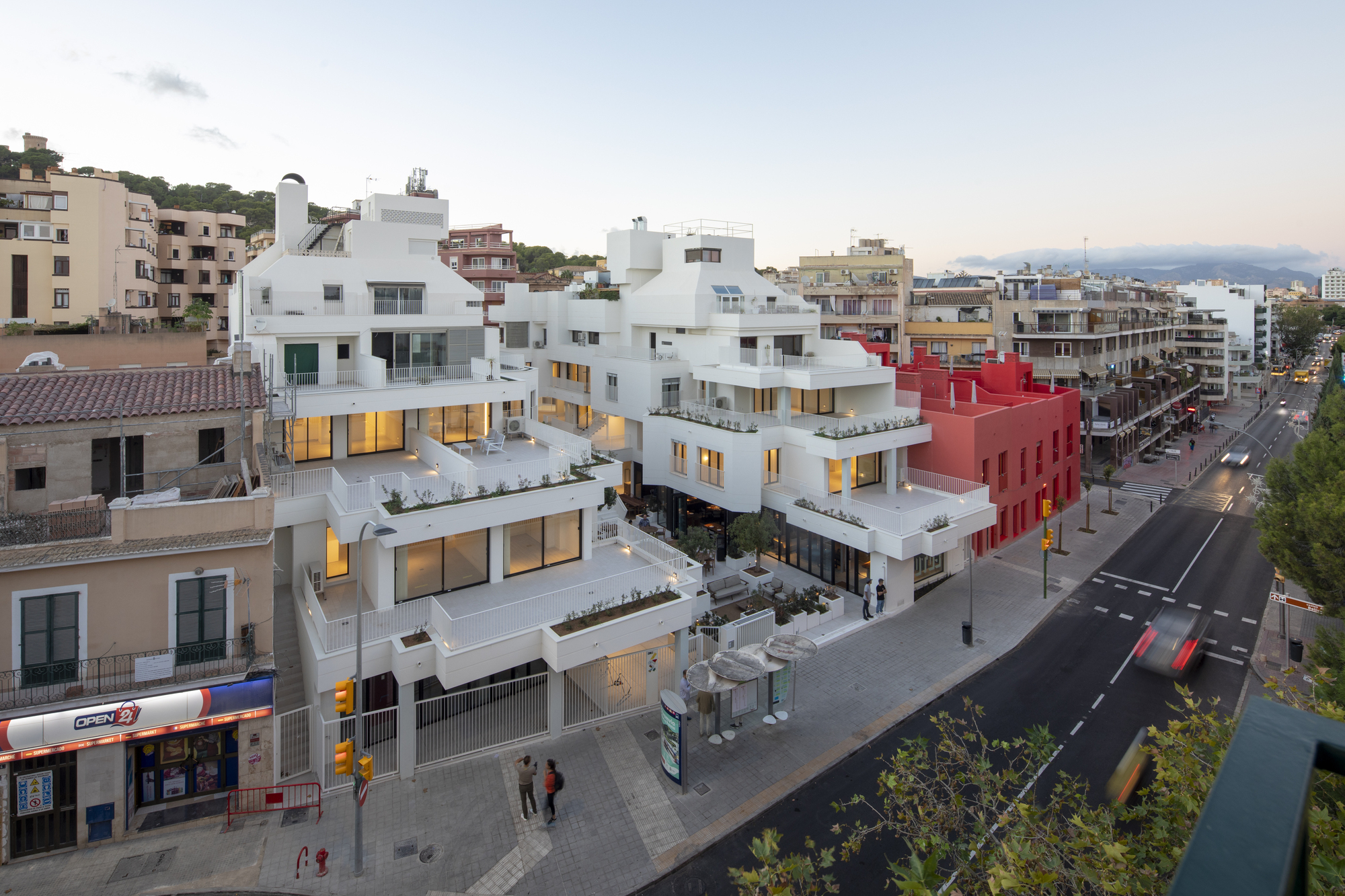
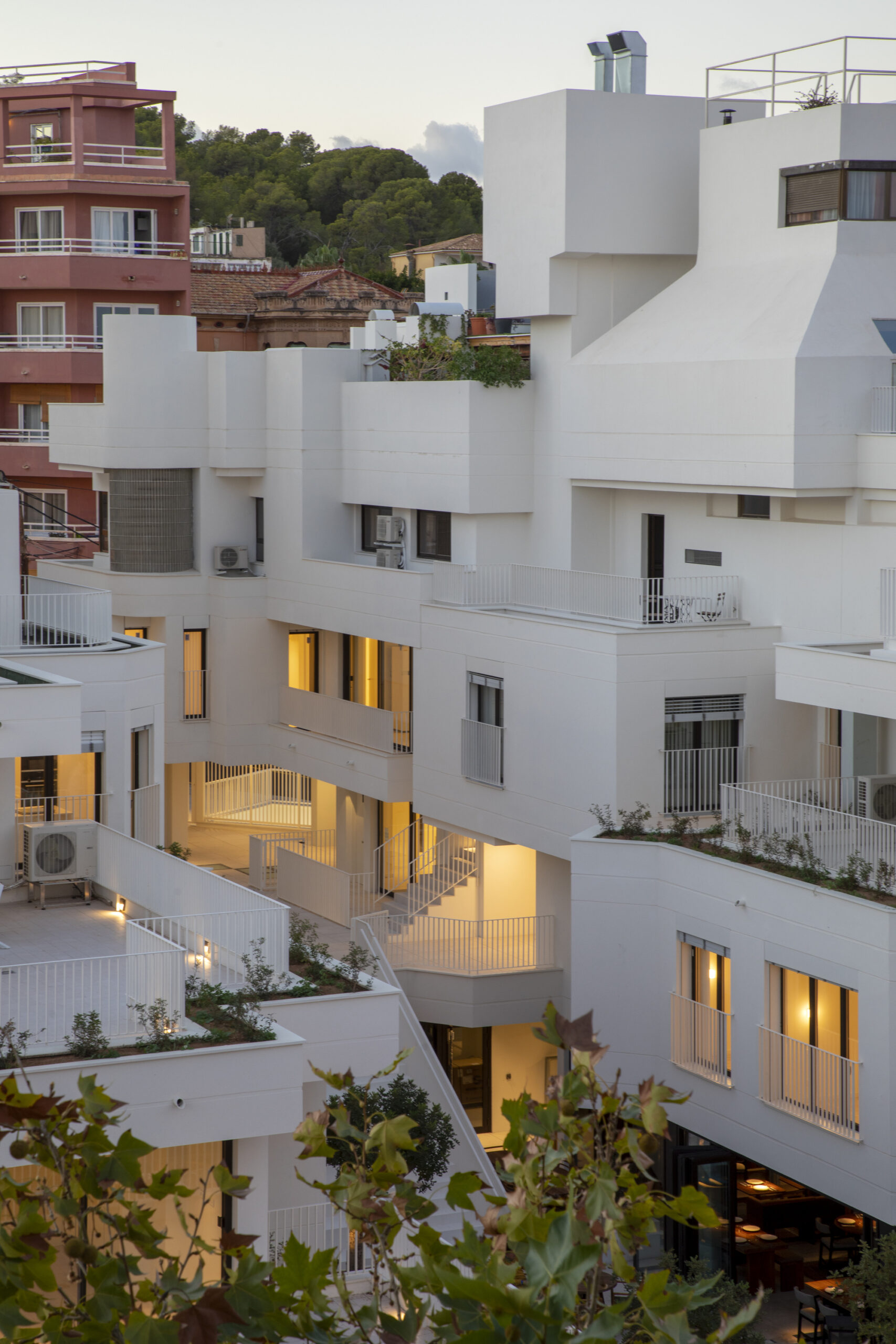
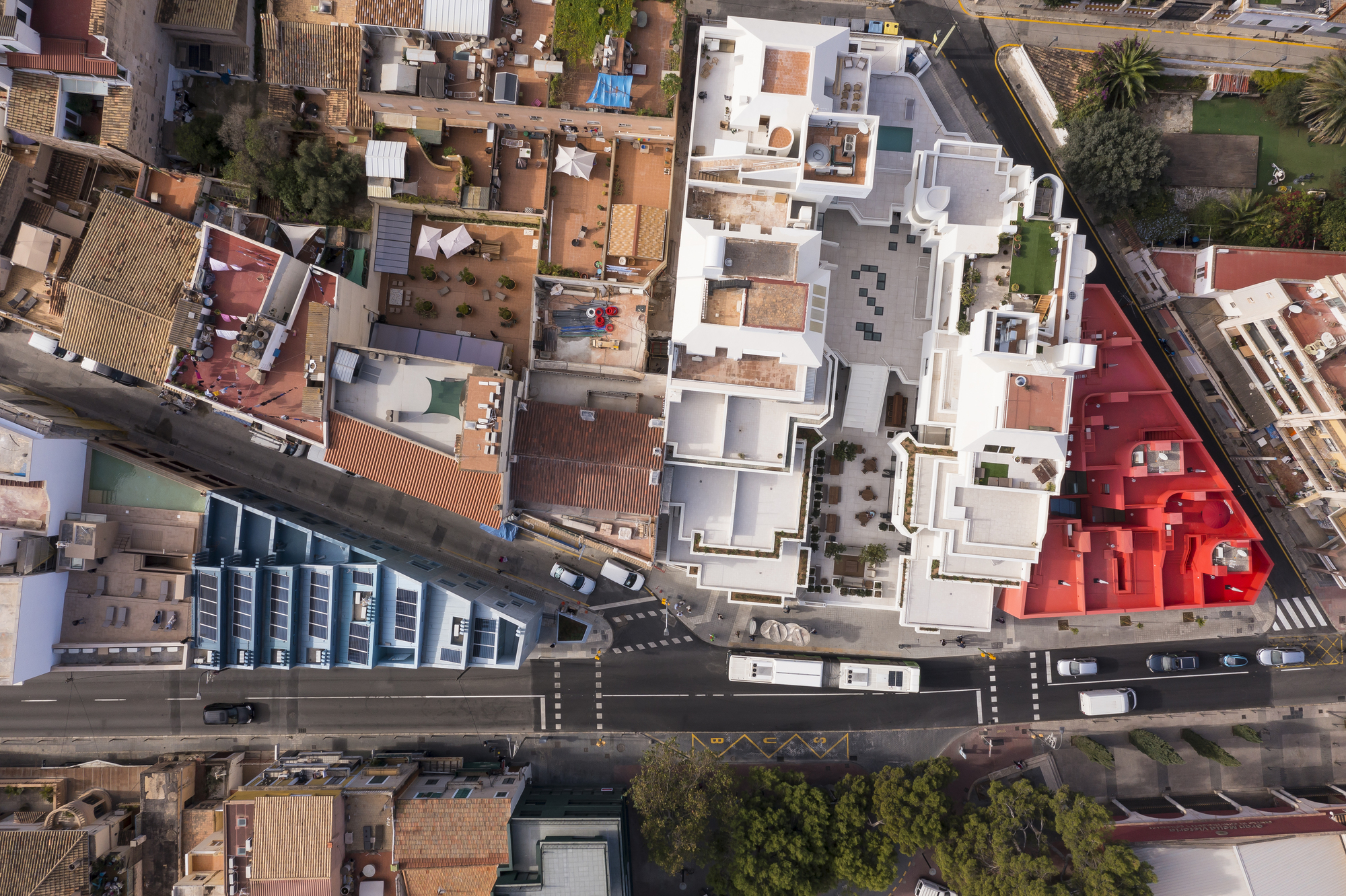
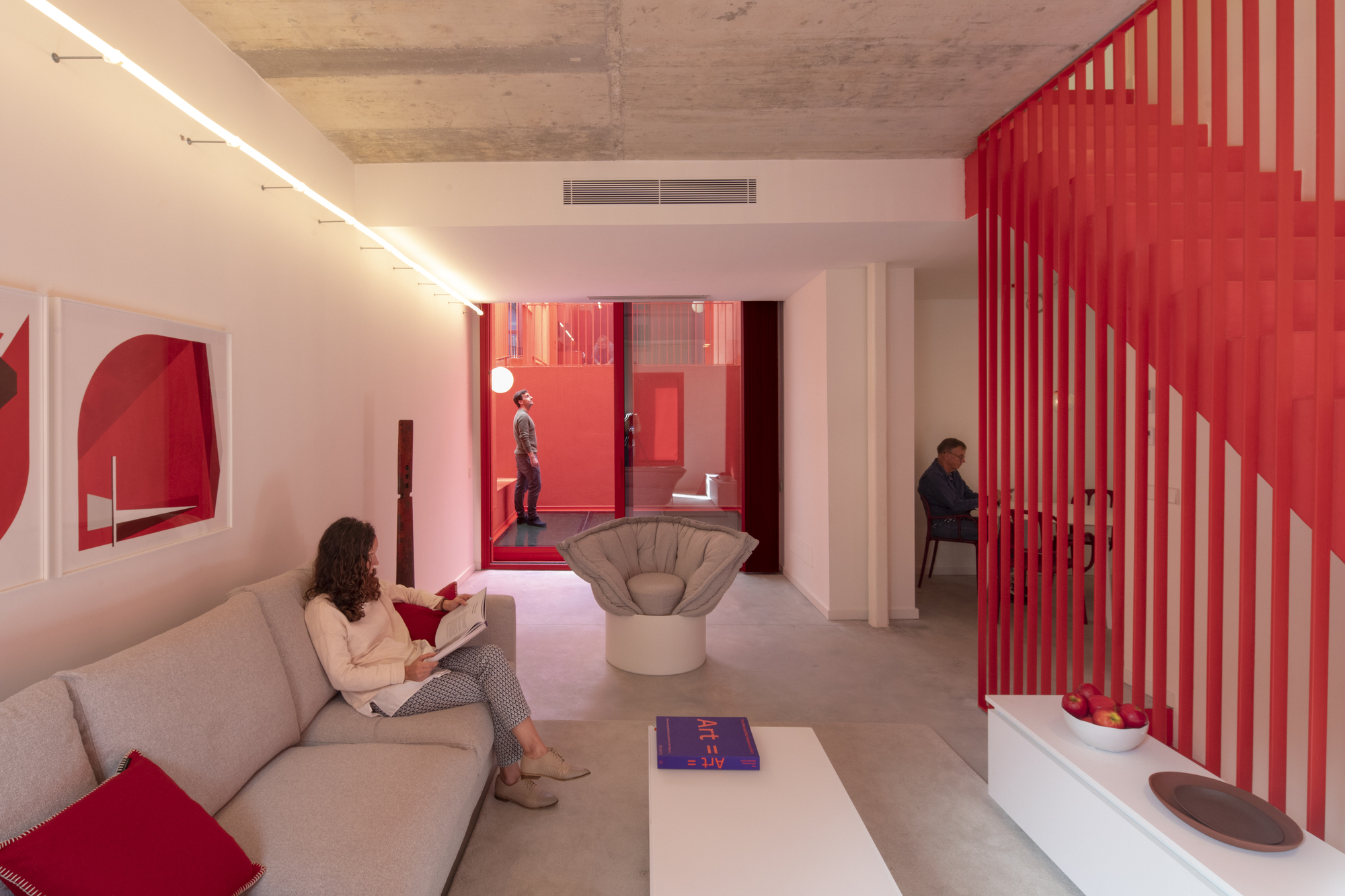
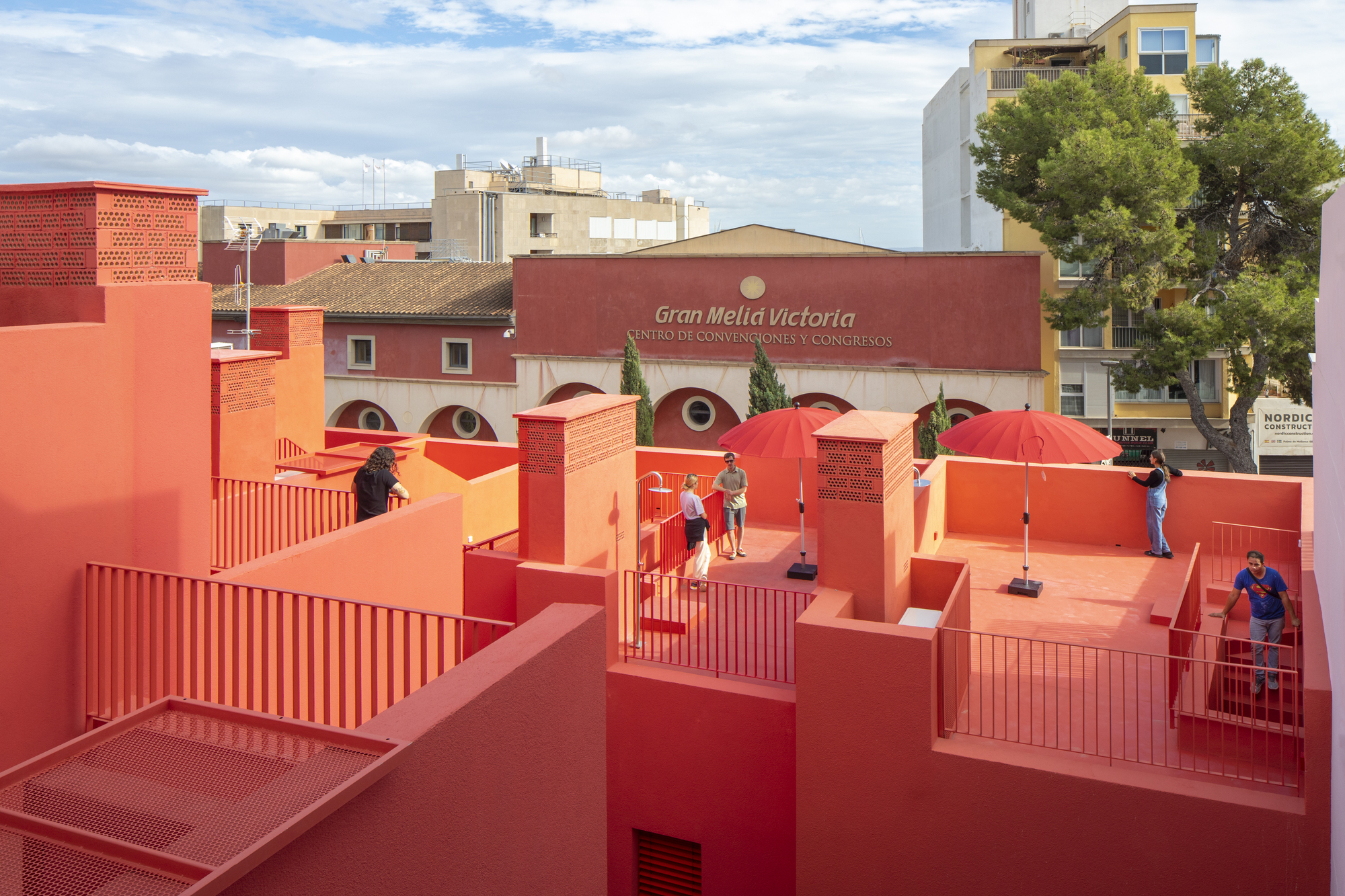
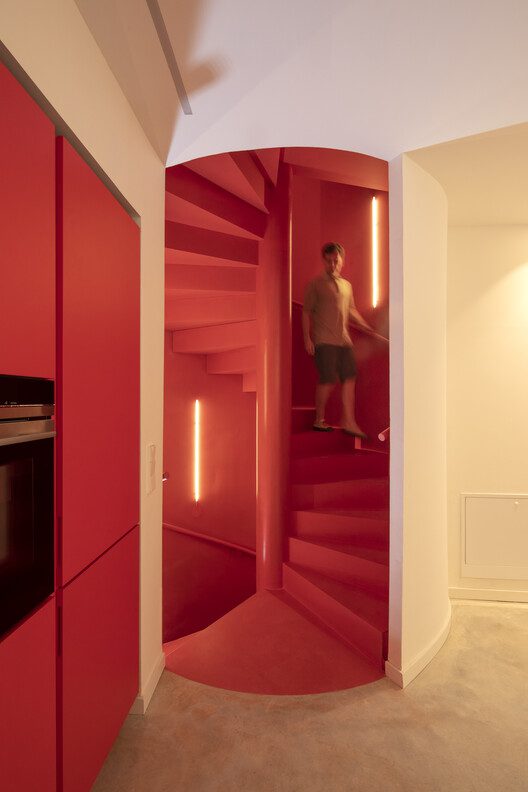
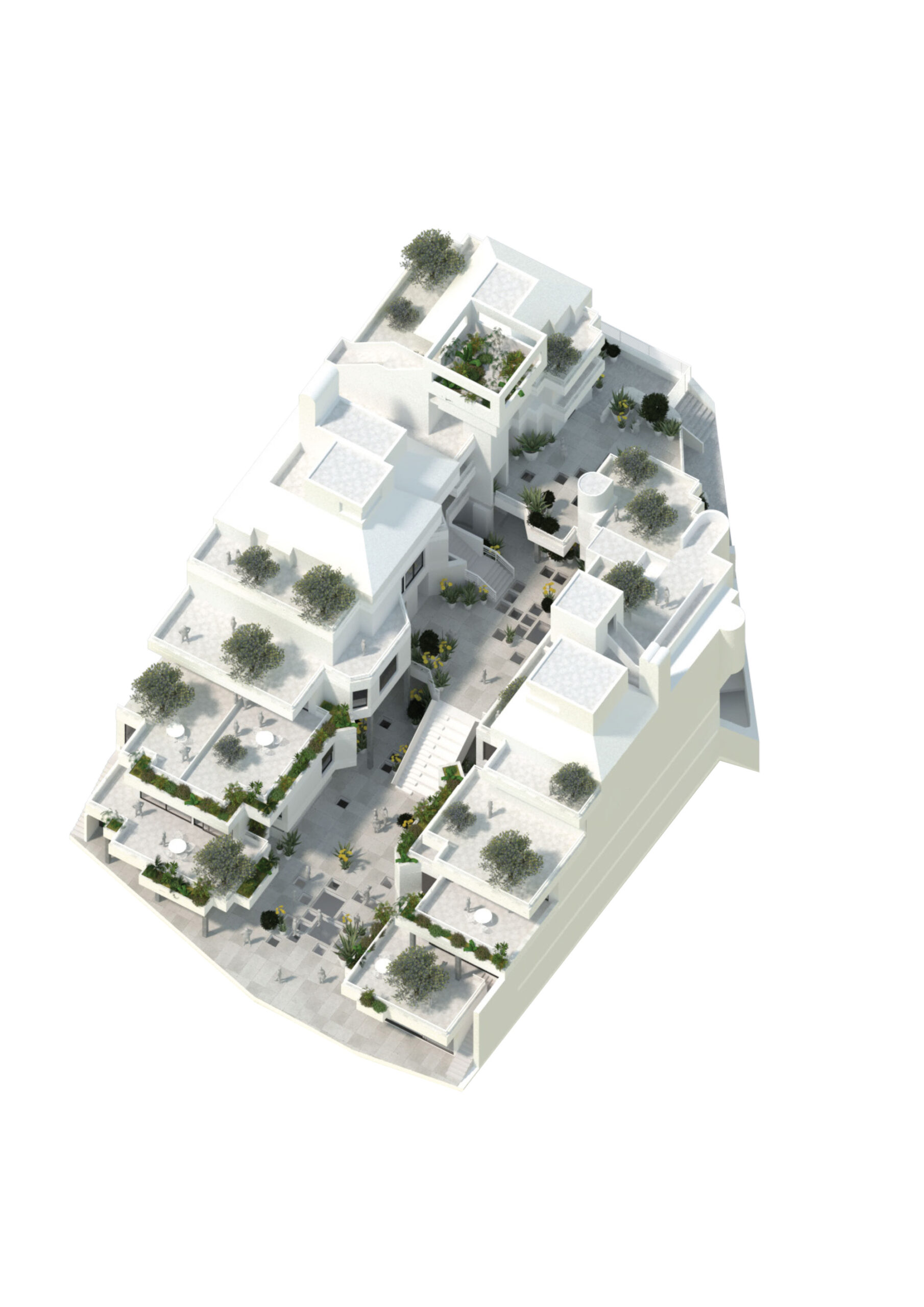
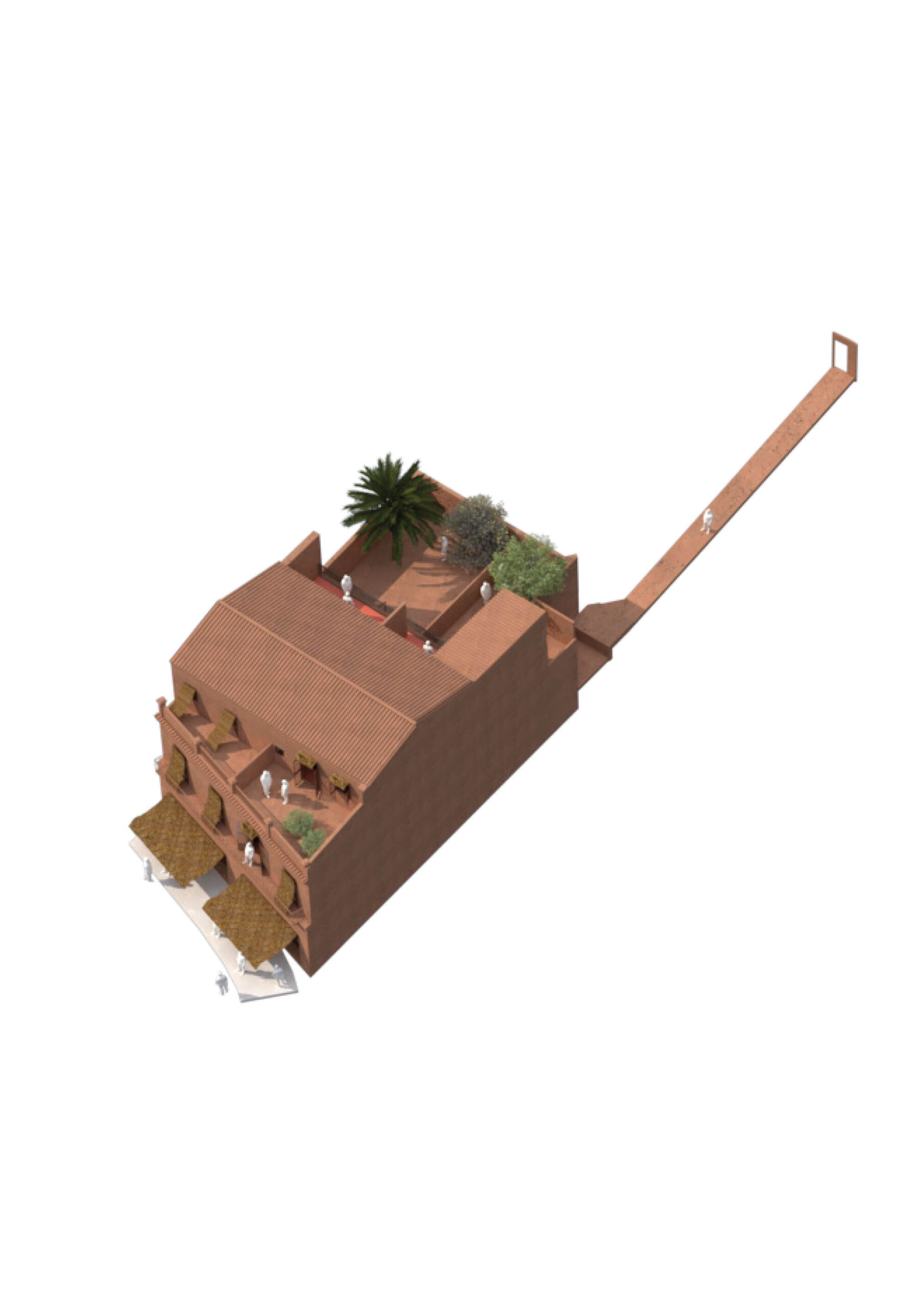
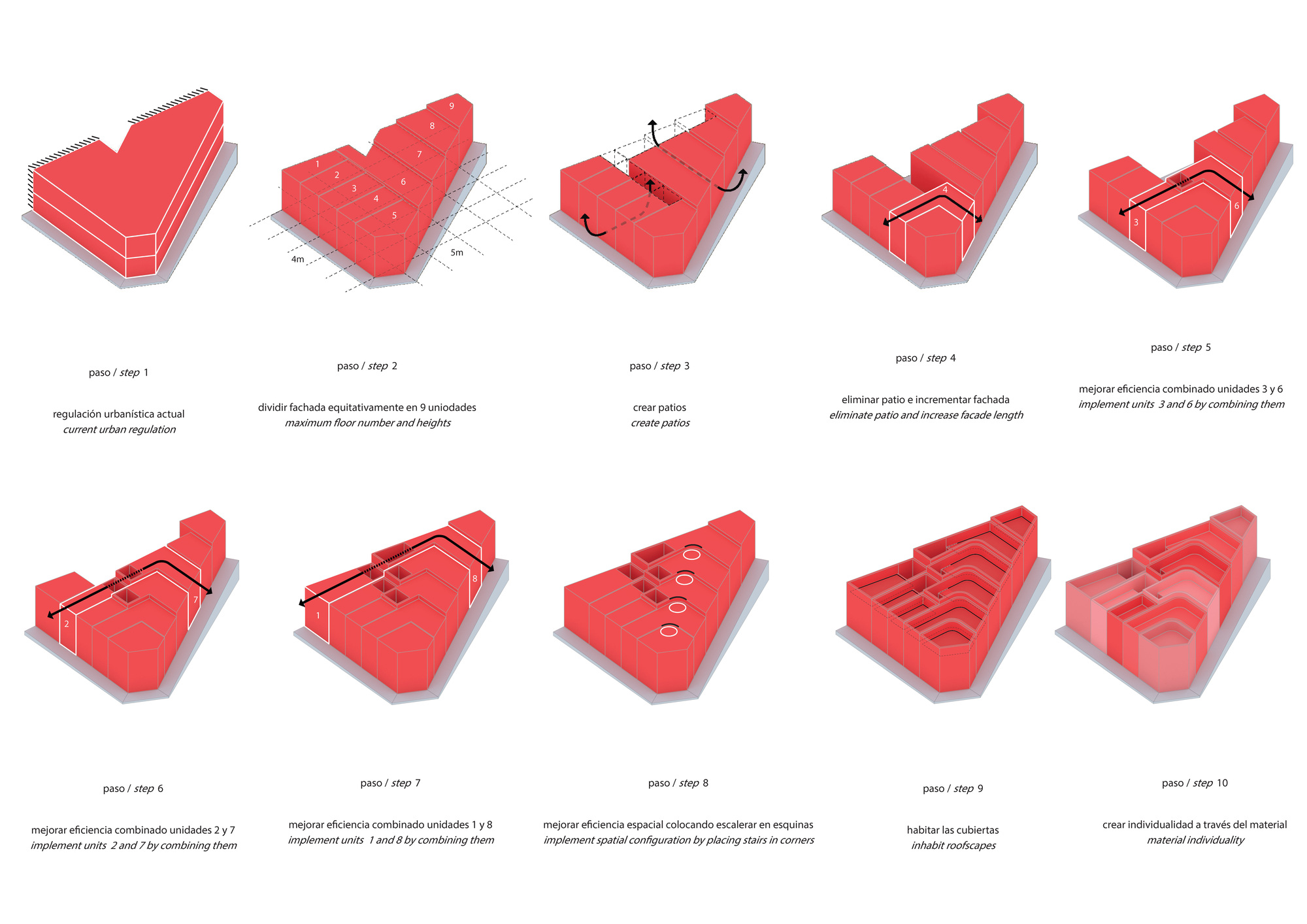
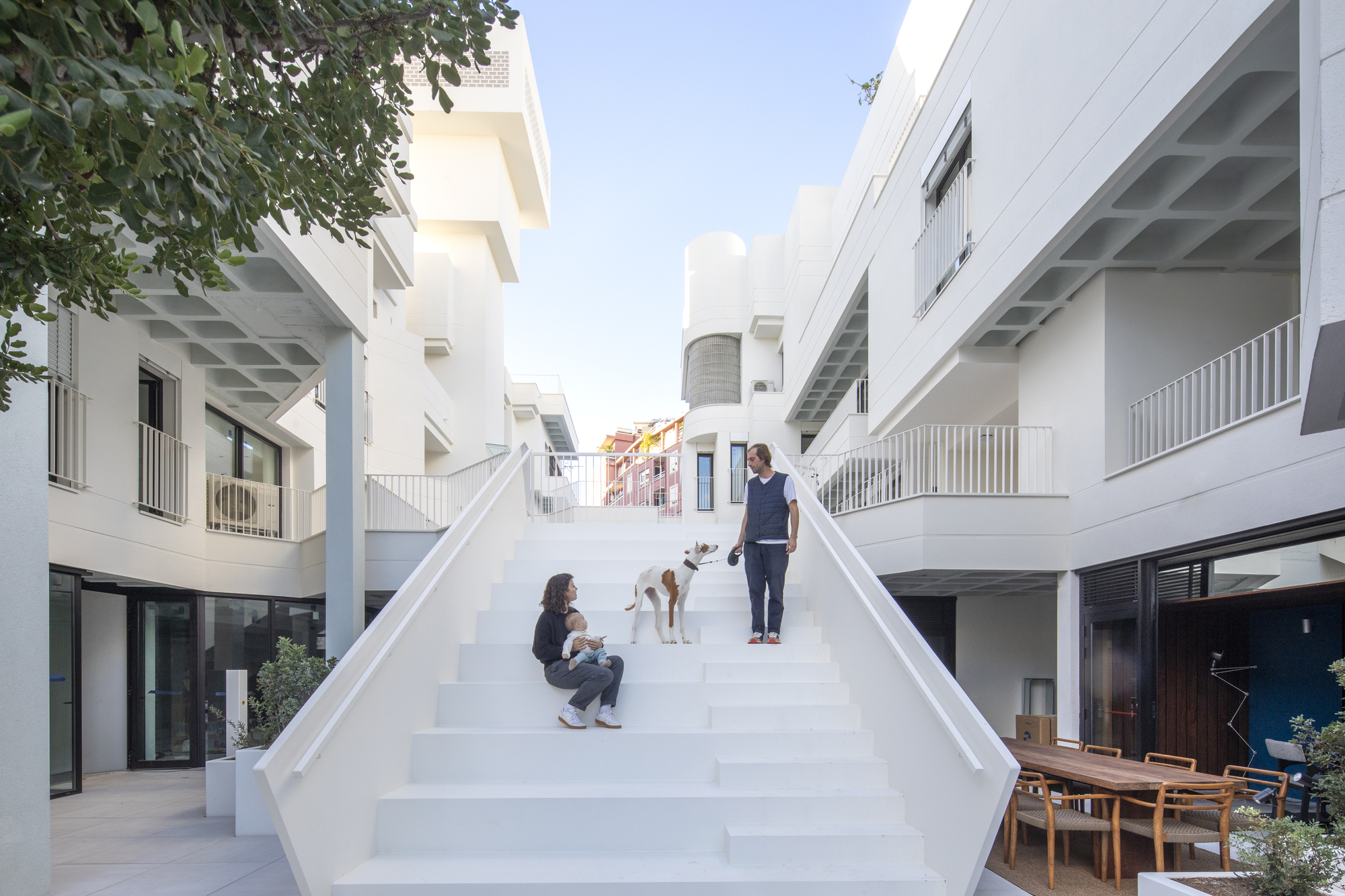
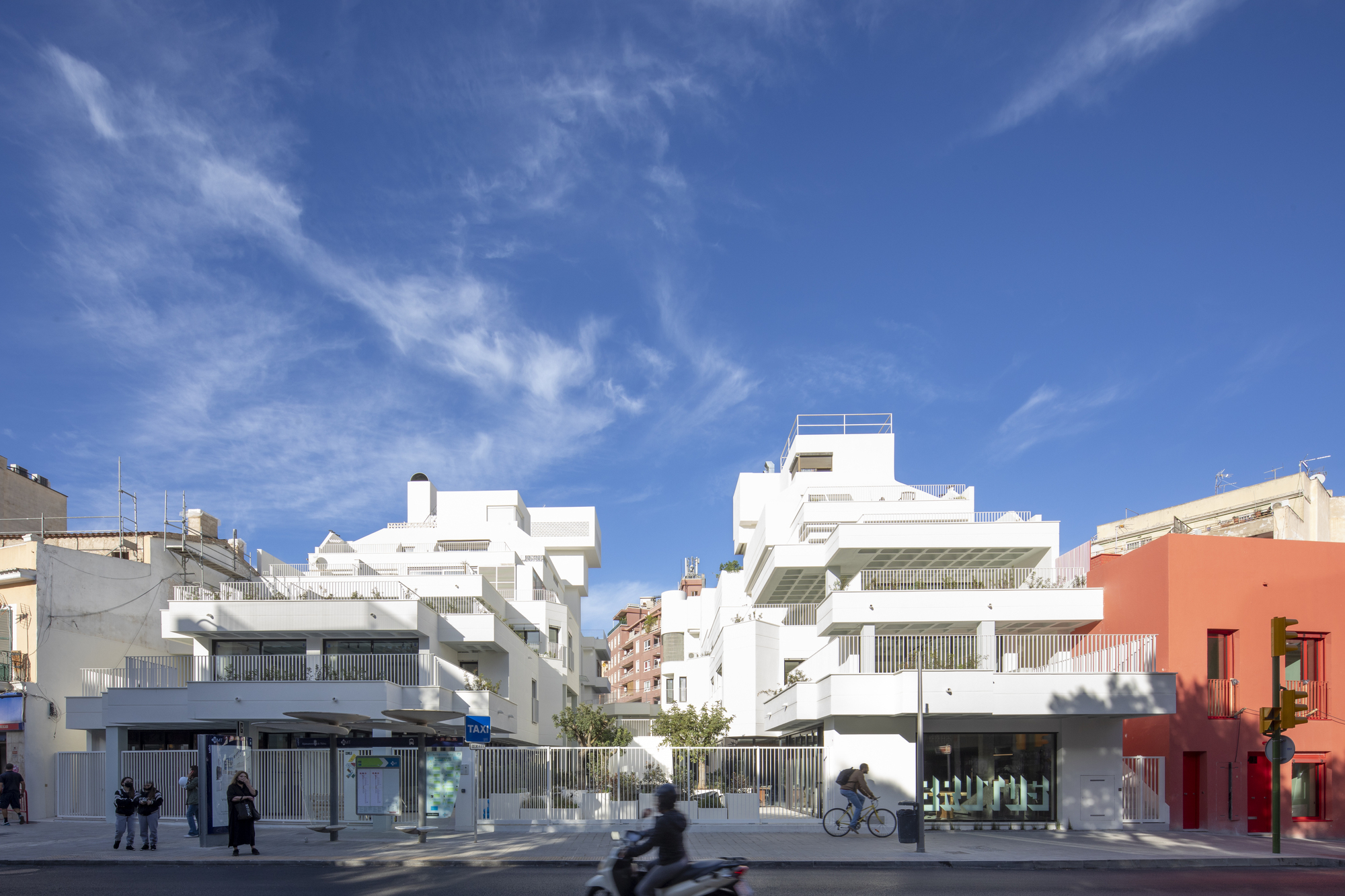
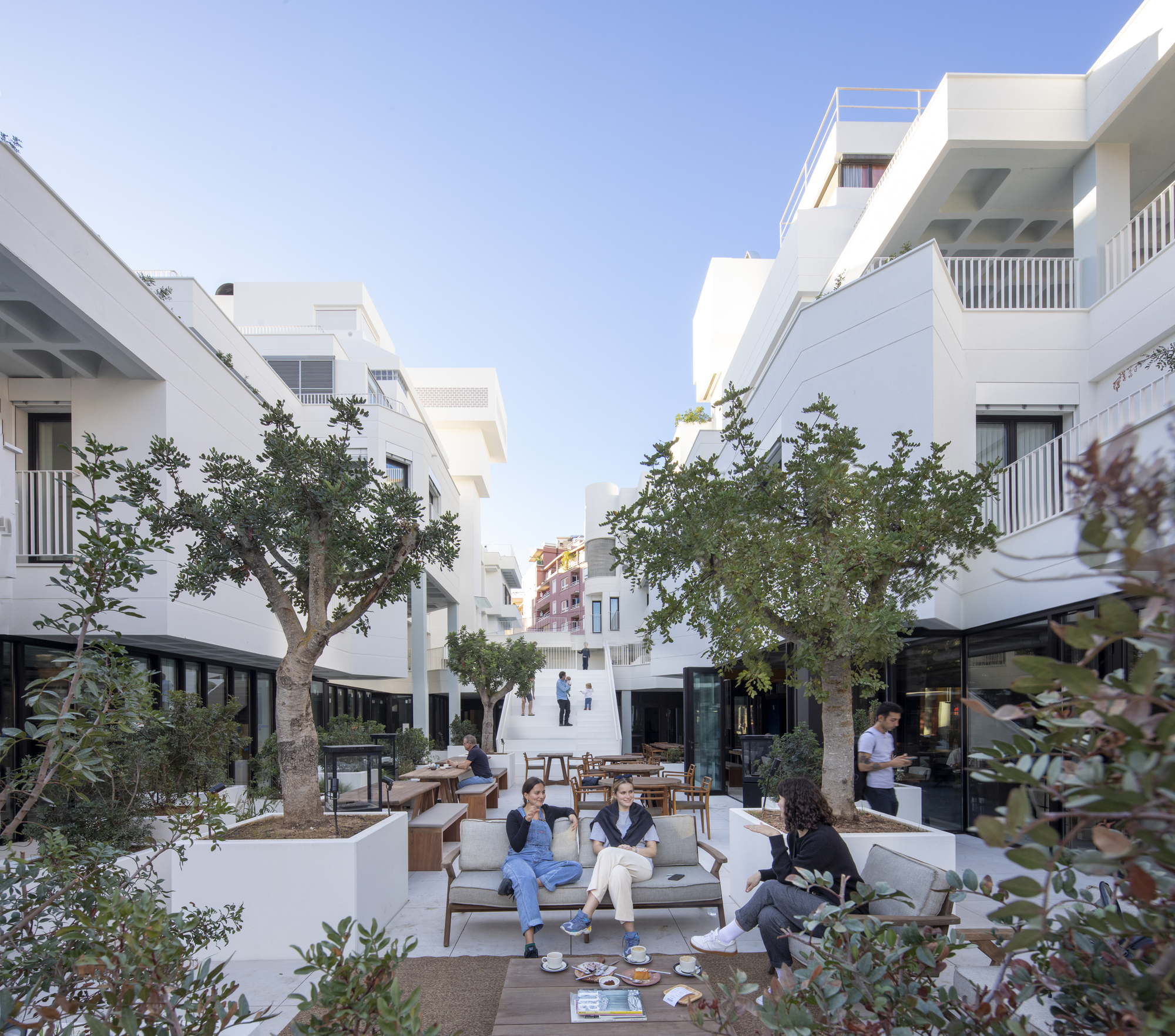
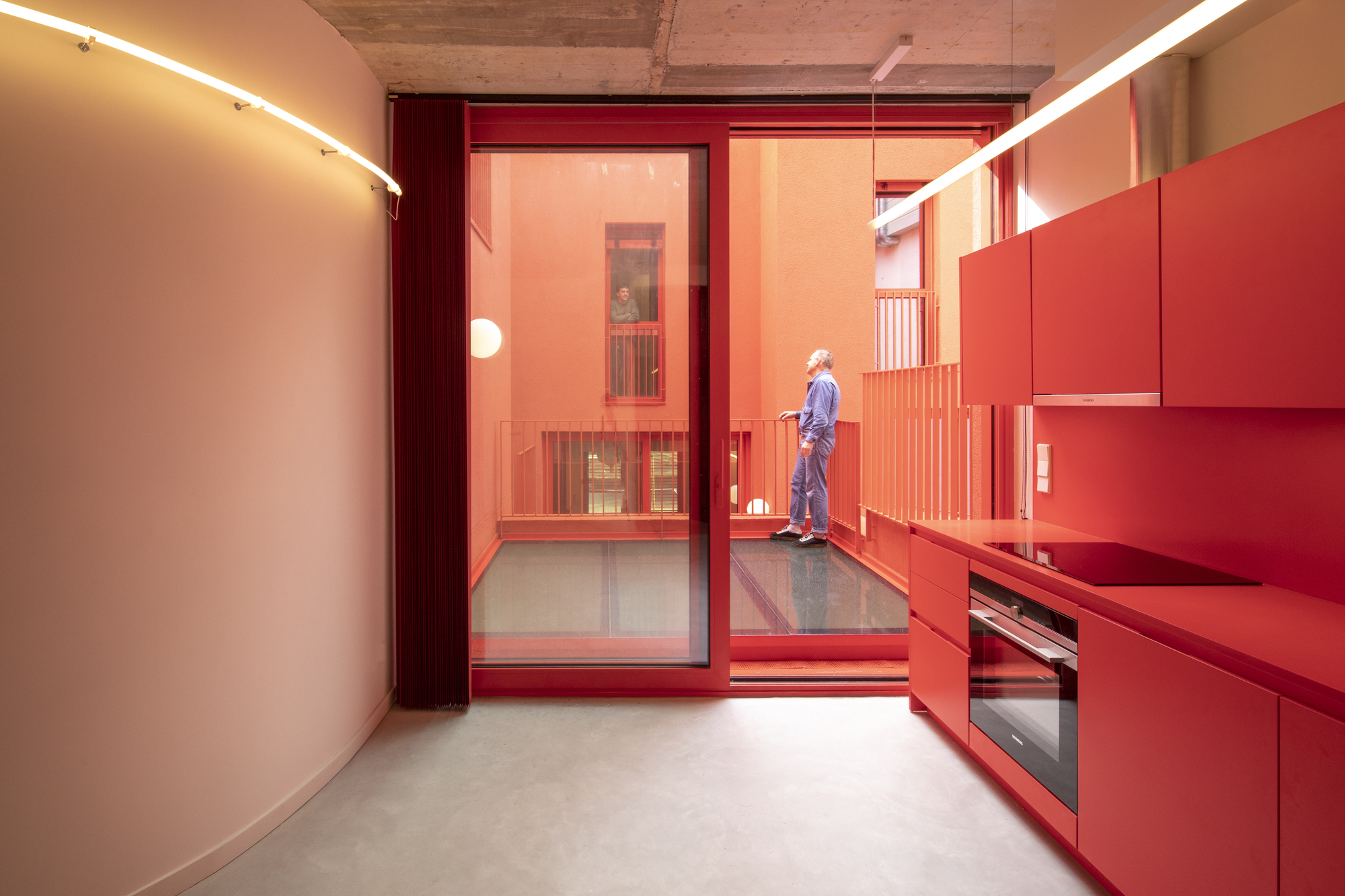
The five buildings completed in phase one include the Gomila Center, which forms the heart of the neighborhood. A renovation of a 1979 design by architect Pere Nicolau, on the ground floor this white building features a spacious patio, with a restaurant, office spaces, and apartments rising around this central feature in a series of stepping terraces and balconies. Next to the Gomila Centre are the red townhouses known as Las Casitas, which are topped by a landscape of rooftop terraces allowing neighboring residents to socialize together.
© Daria Scagliola
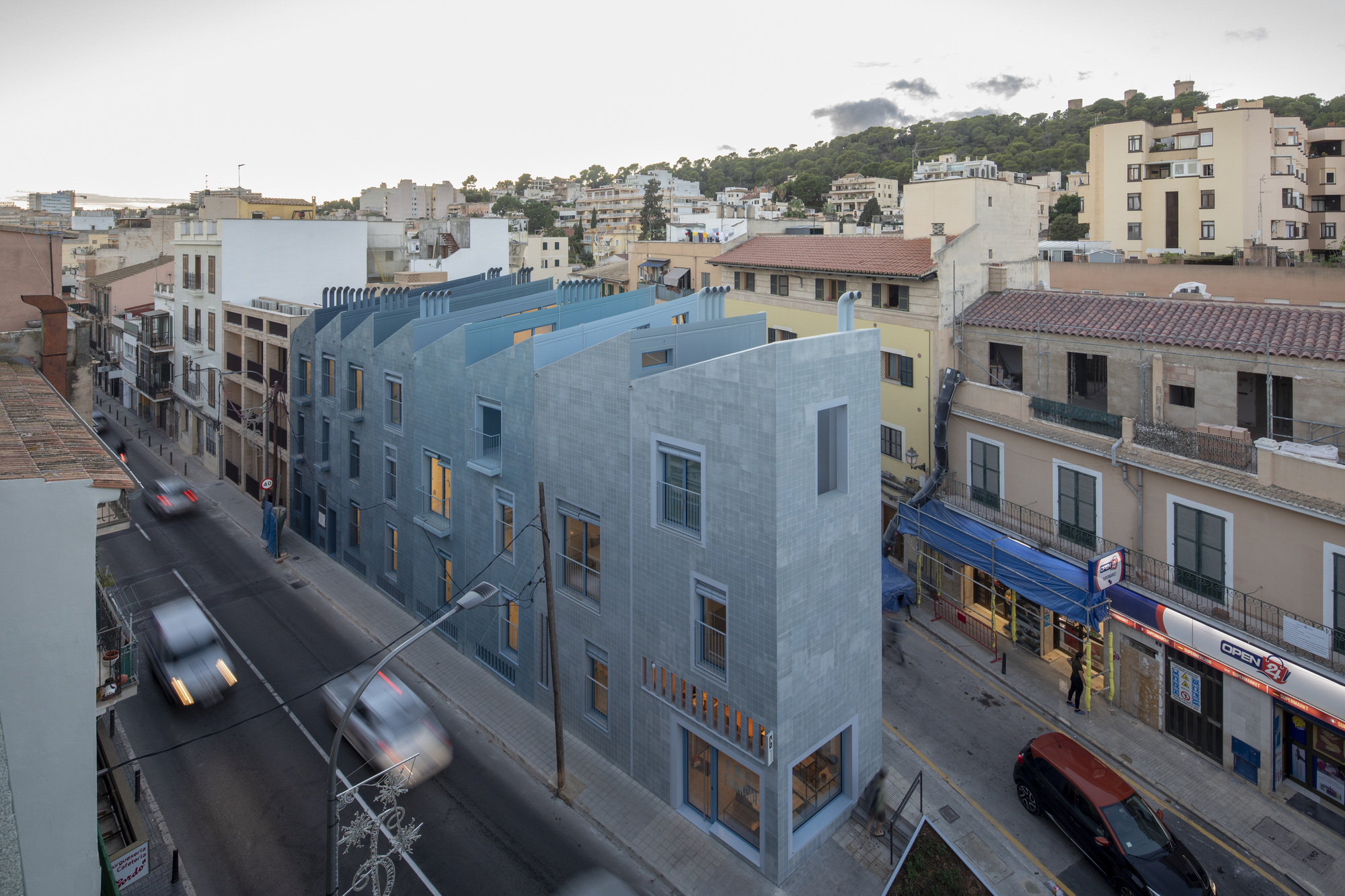
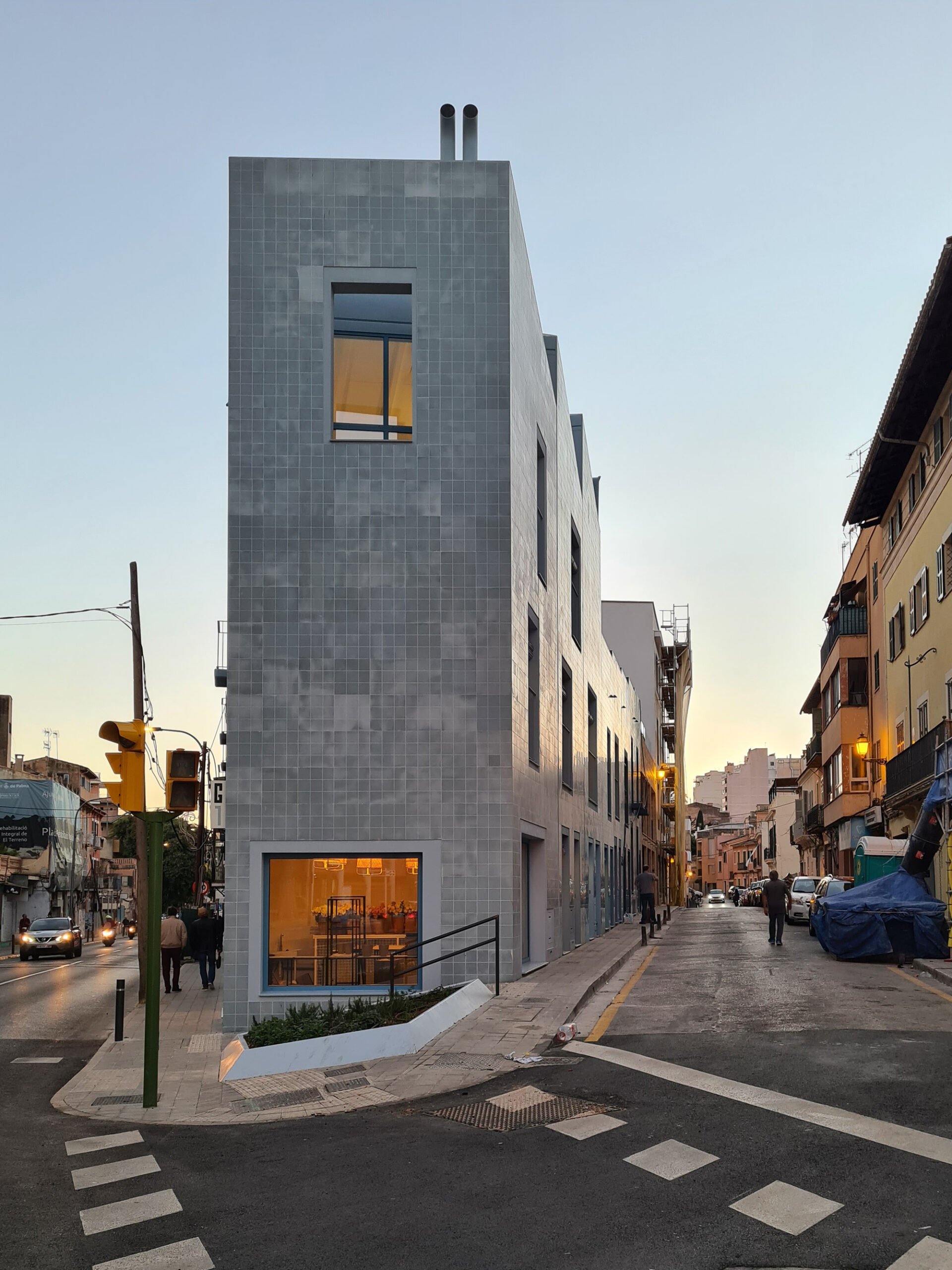
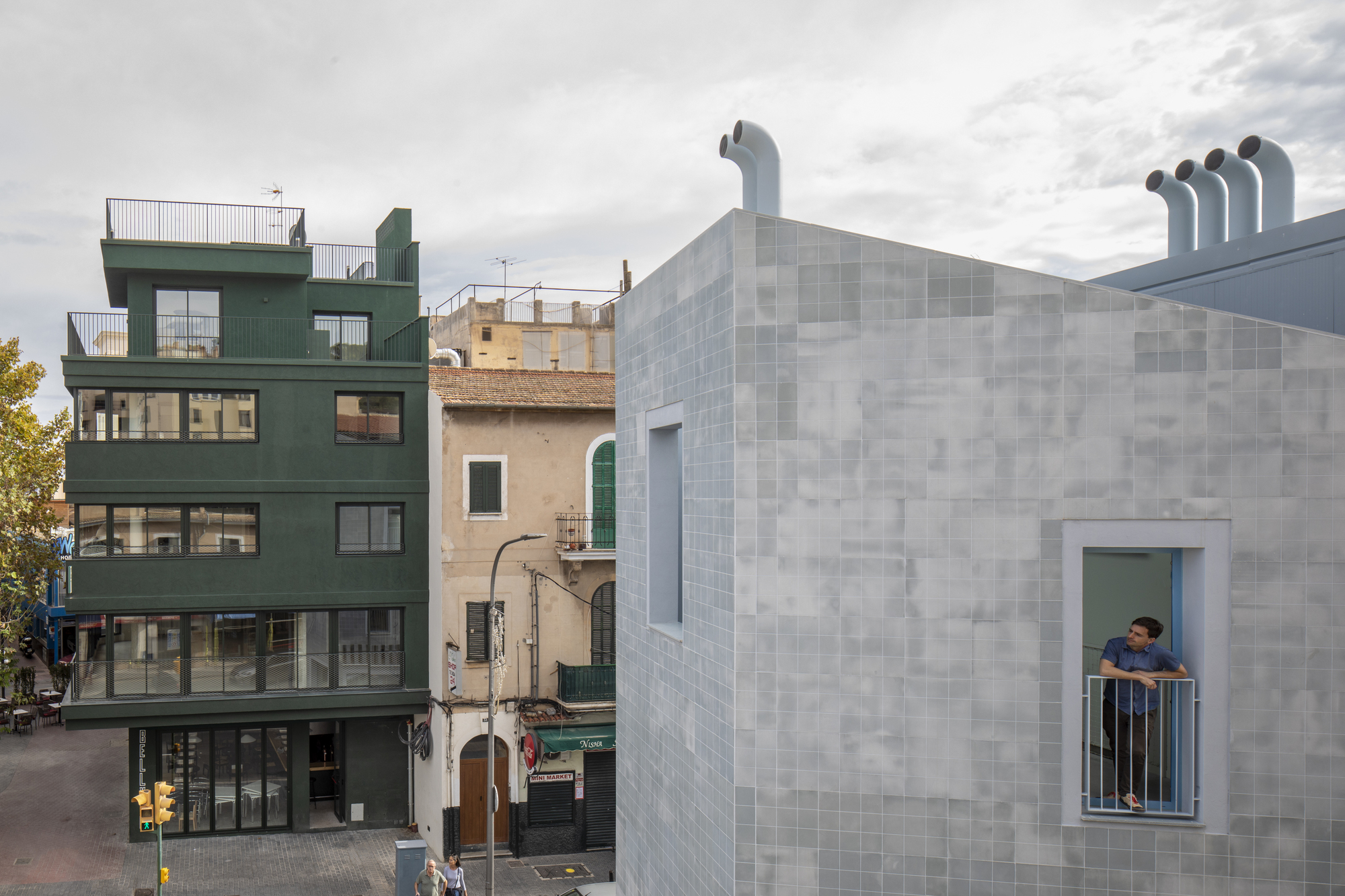
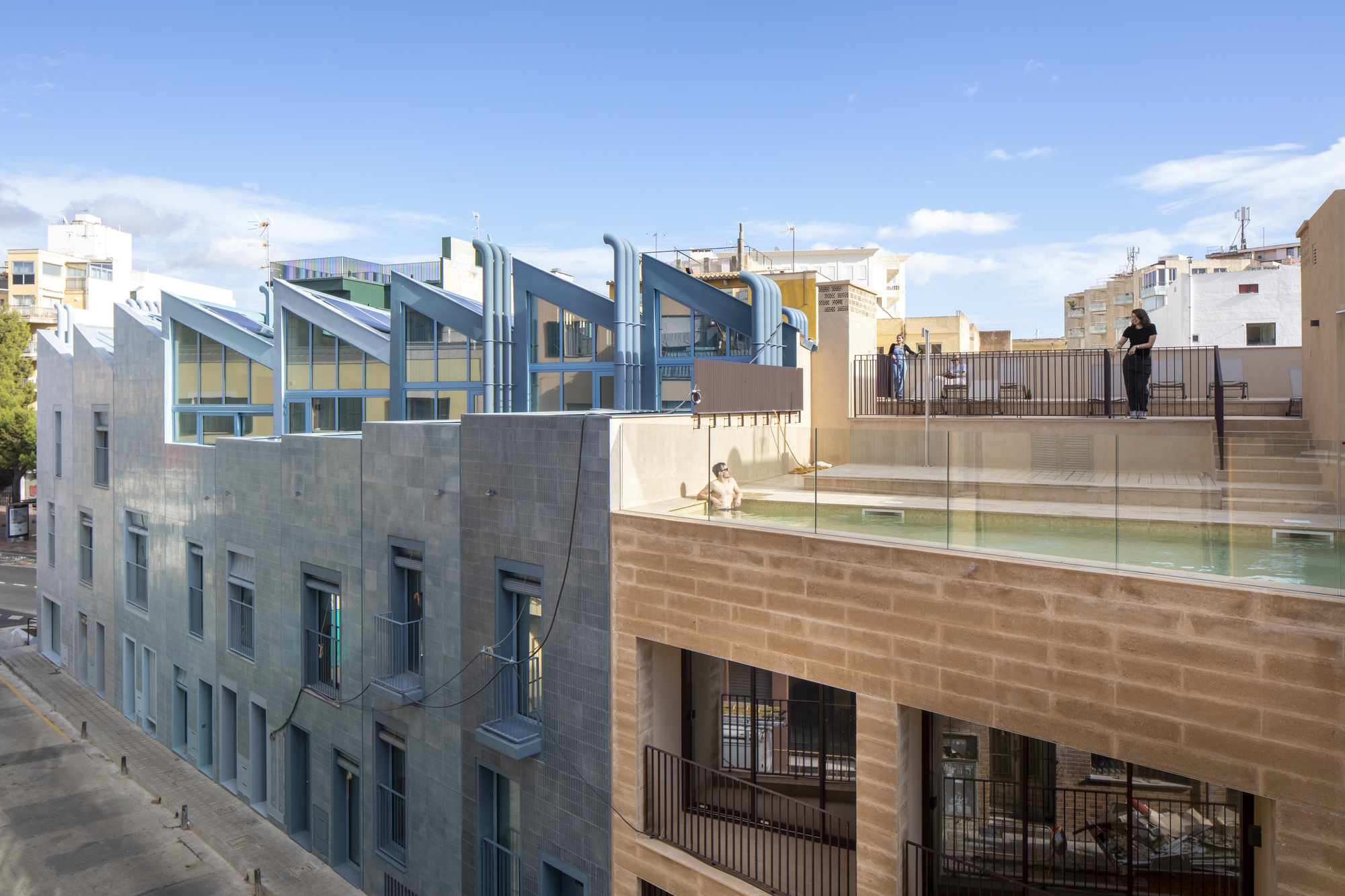
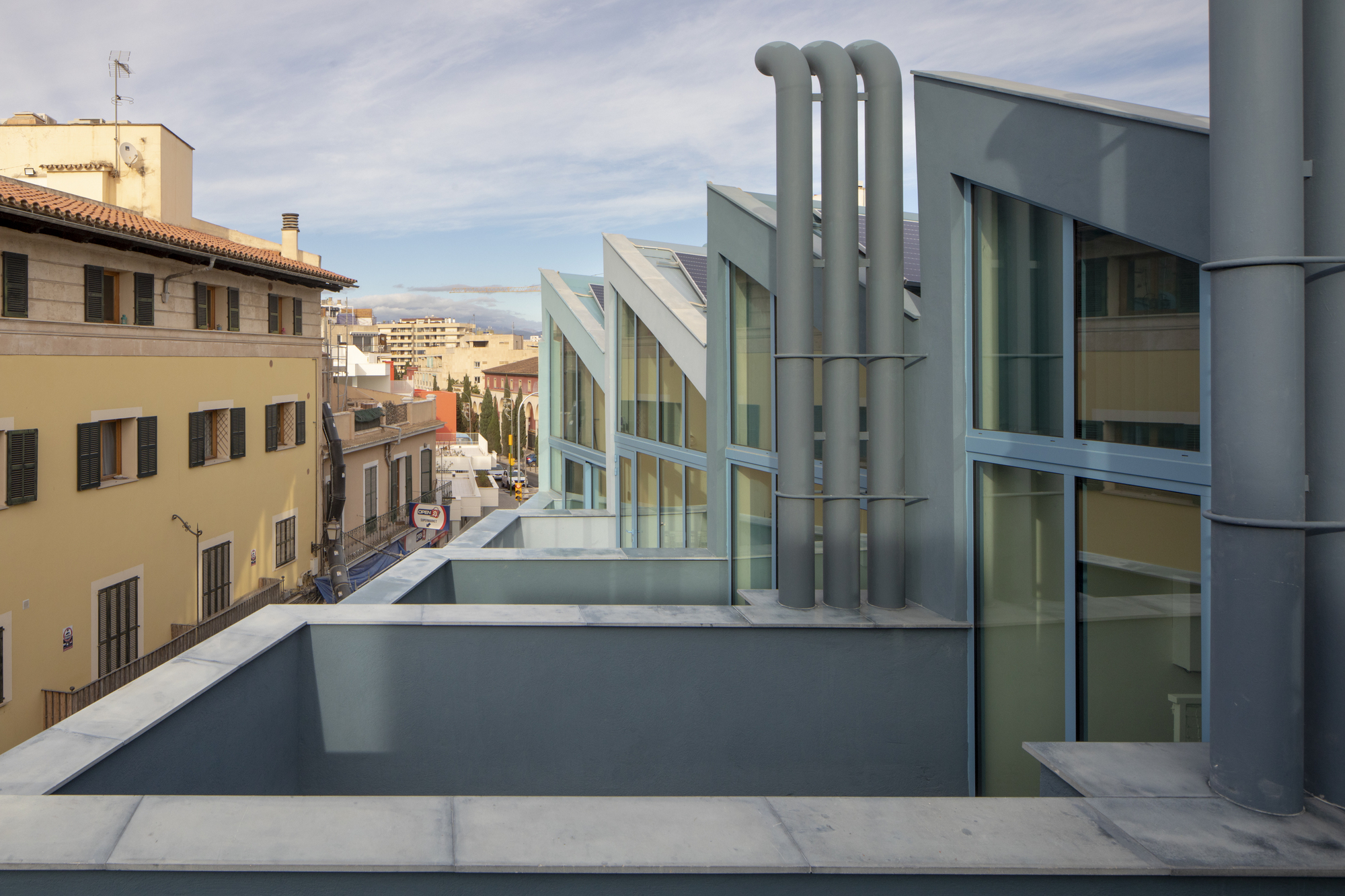
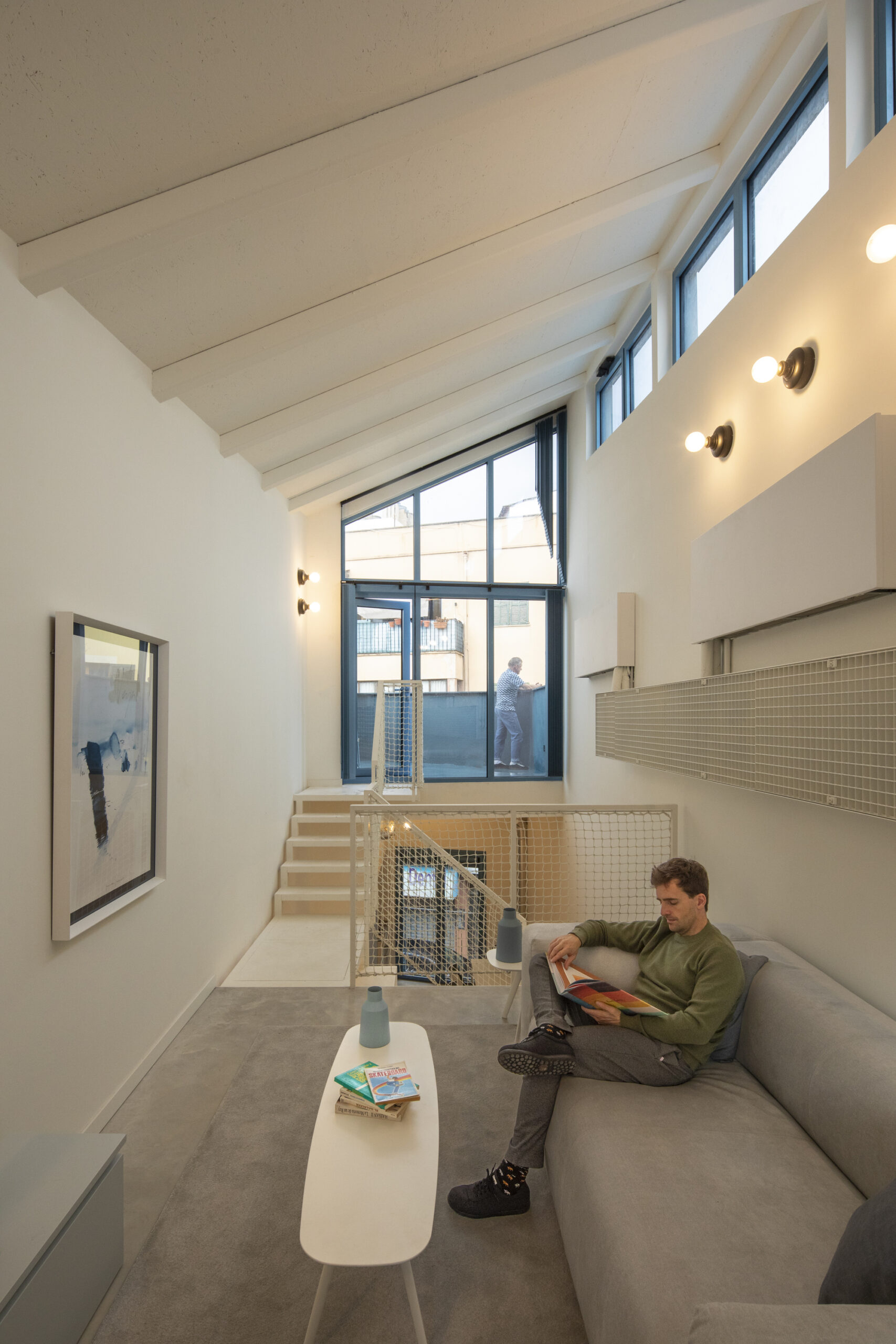
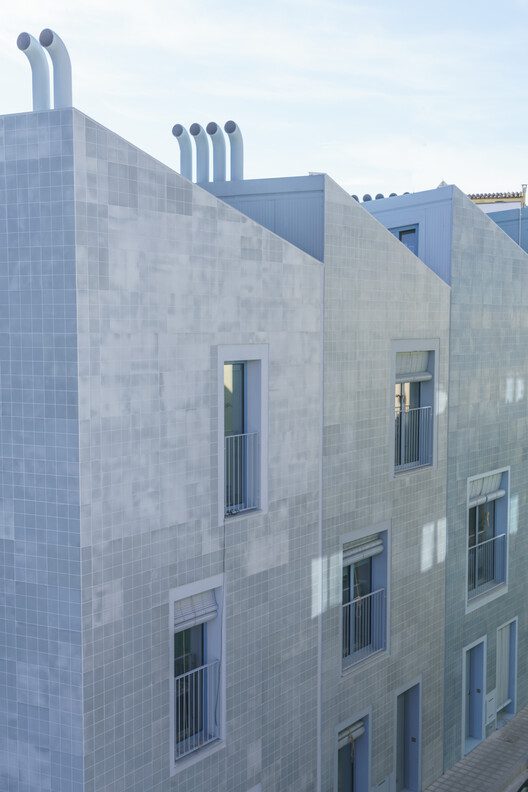
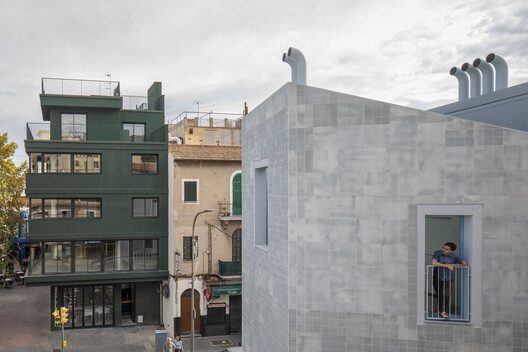
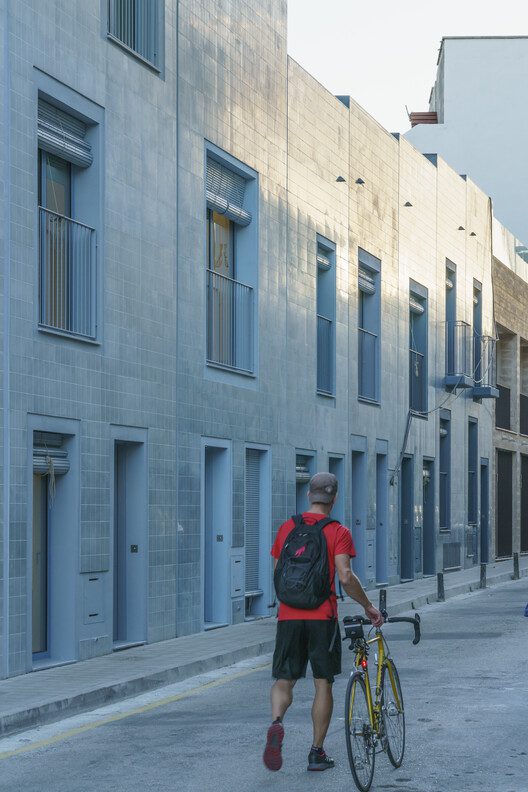
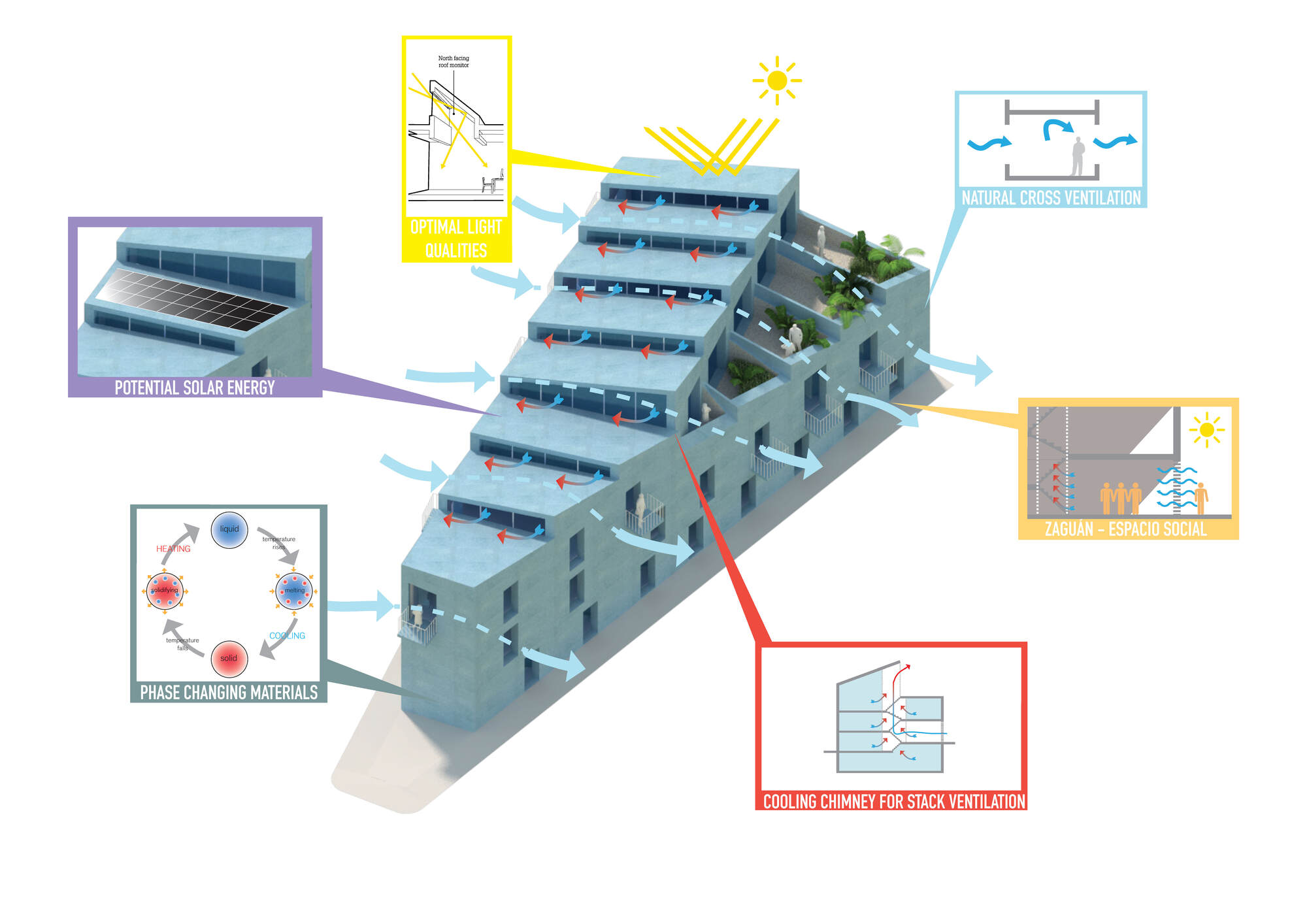
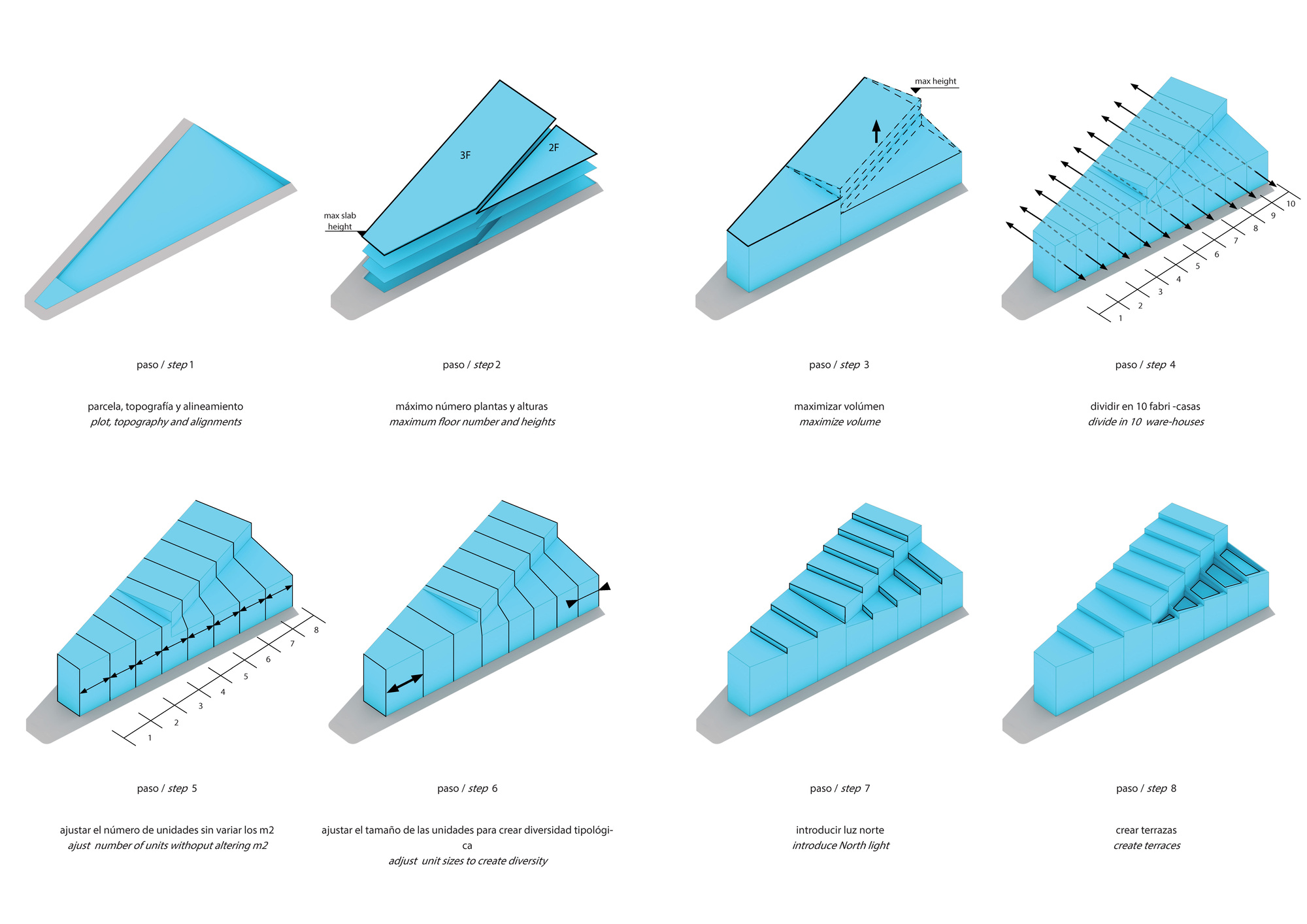
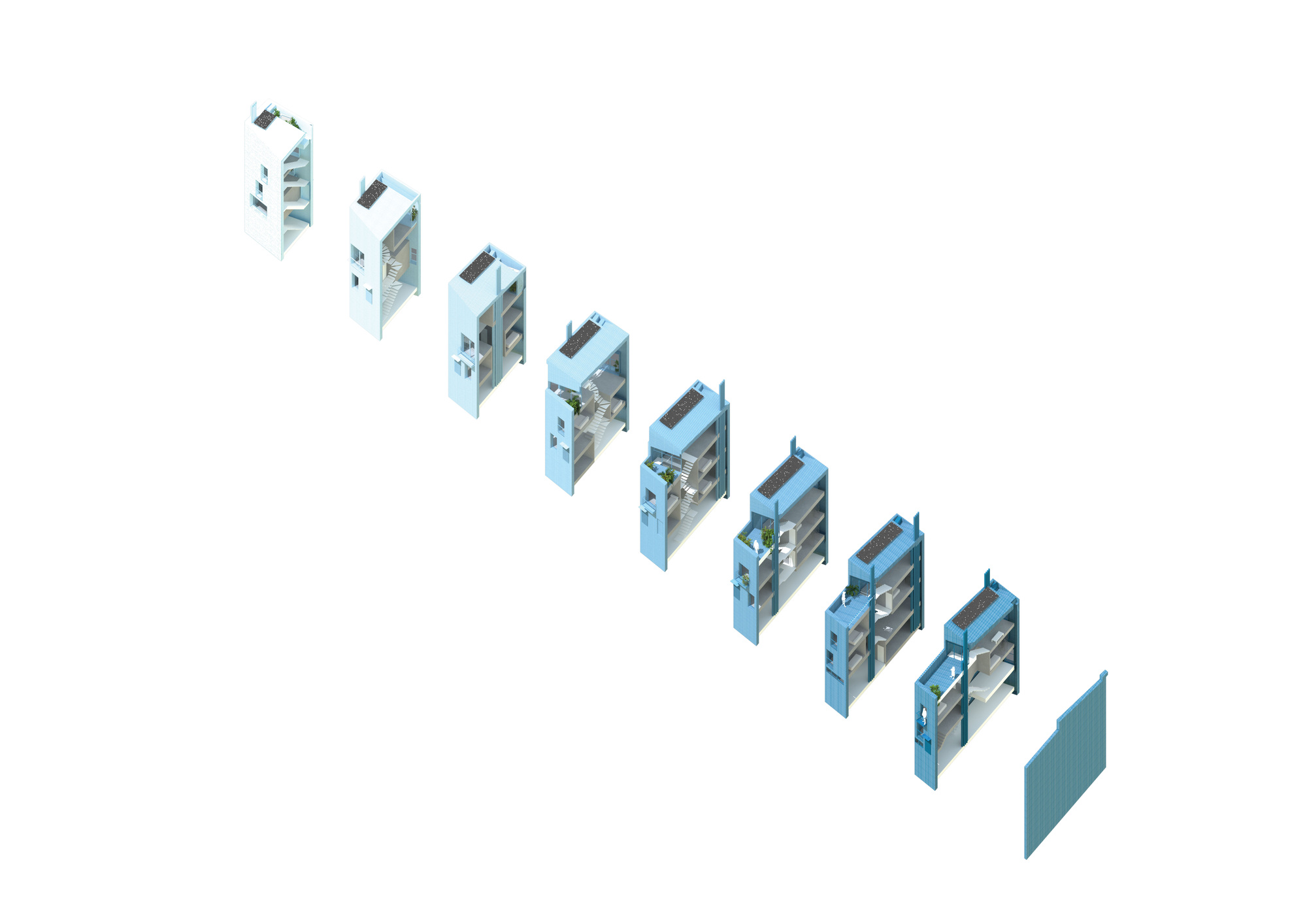
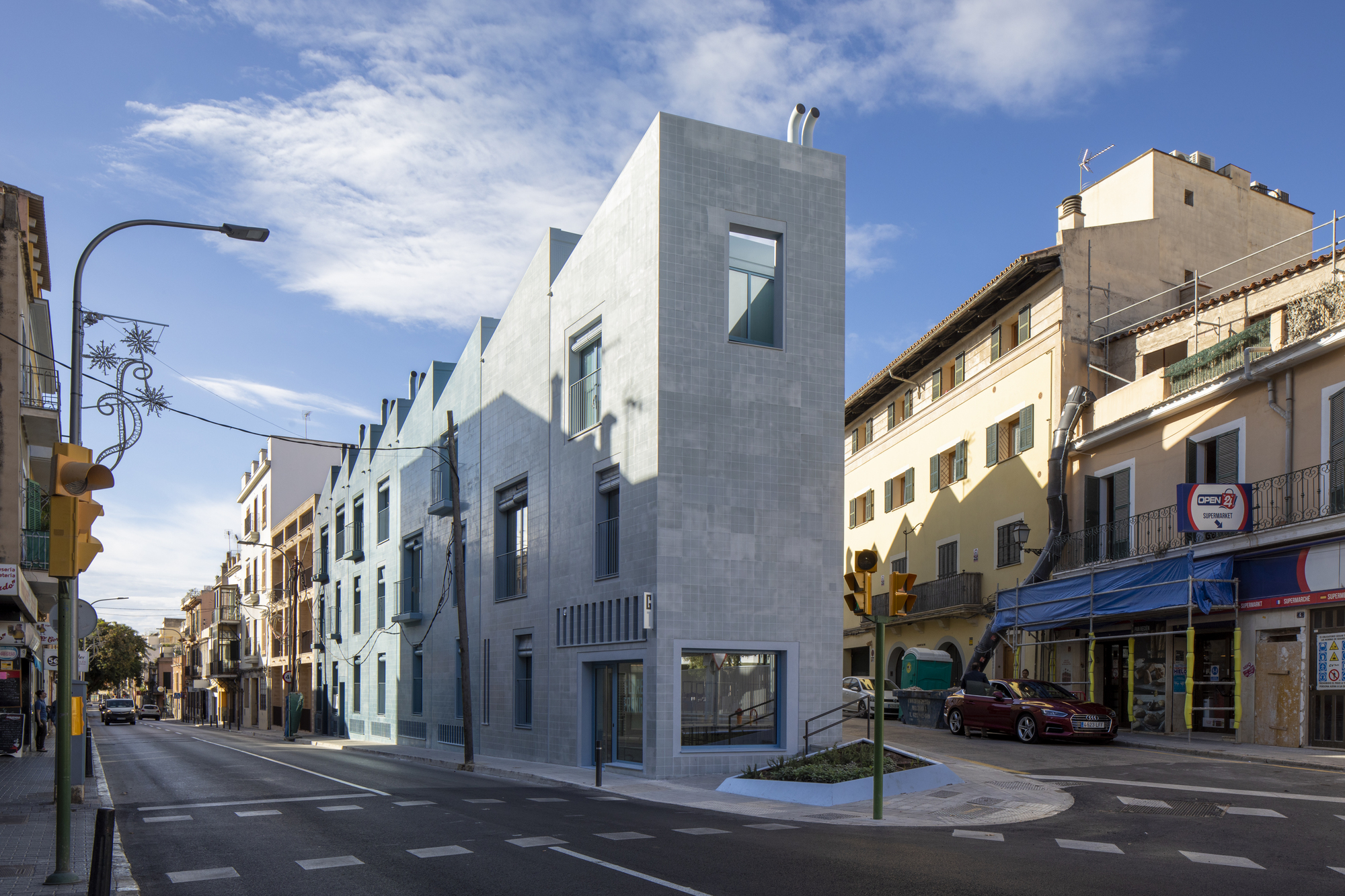
On the other side of the Gomila Center, located on a prominent street corner, is Las Fabri-Casas, a set of row houses with a saw-tooth roof completed with blue ceramic façades. Tucked behind this is a low-carbon apartment building constructed of compressed earth blocks, with a communal rooftop swimming pool that offers views towards the nearby Bellver Castle. Finally, across the street on the Plaza Gomila itself is the green building La Plaza, a transformation of an existing building that hosts a revival of the historic bar Bellver, offices, and a communal rooftop with views of the bay and the cathedral.
© Daria Scagliola
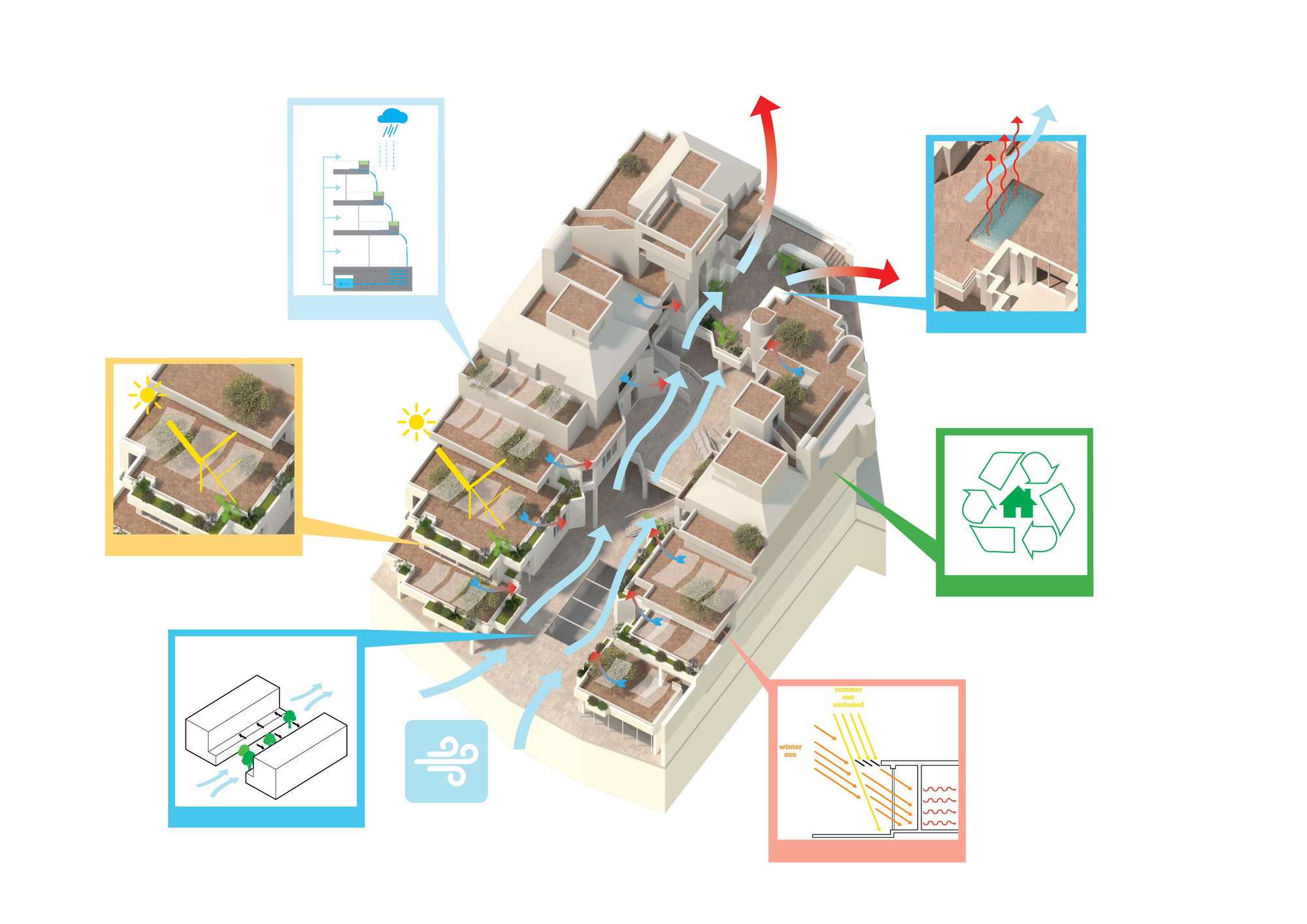
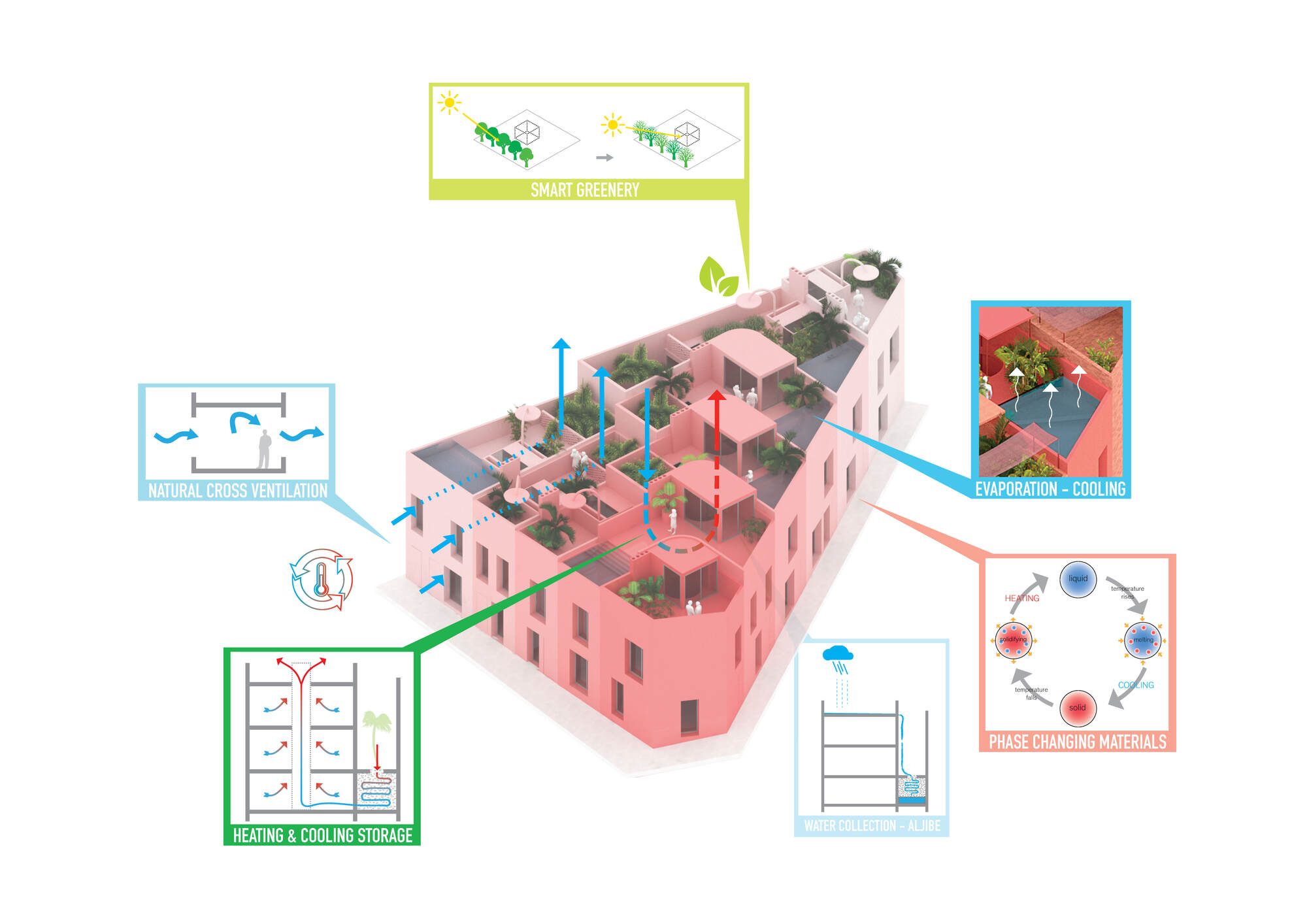
The Gomila buildings are energy neutral, using many of the same principles developed for the Passivhaus standard including high thermal efficiency and passive climate control measures such as shutters and cross ventilation to reduce energy needs. To utilize the many sun hours of Mallorca, the rooftops host solar panels while heat recovery systems further reduce the buildings’ energy consumption. Many of the materials have been sourced locally, reducing the carbon produced by the construction.
© Daria Scagliola
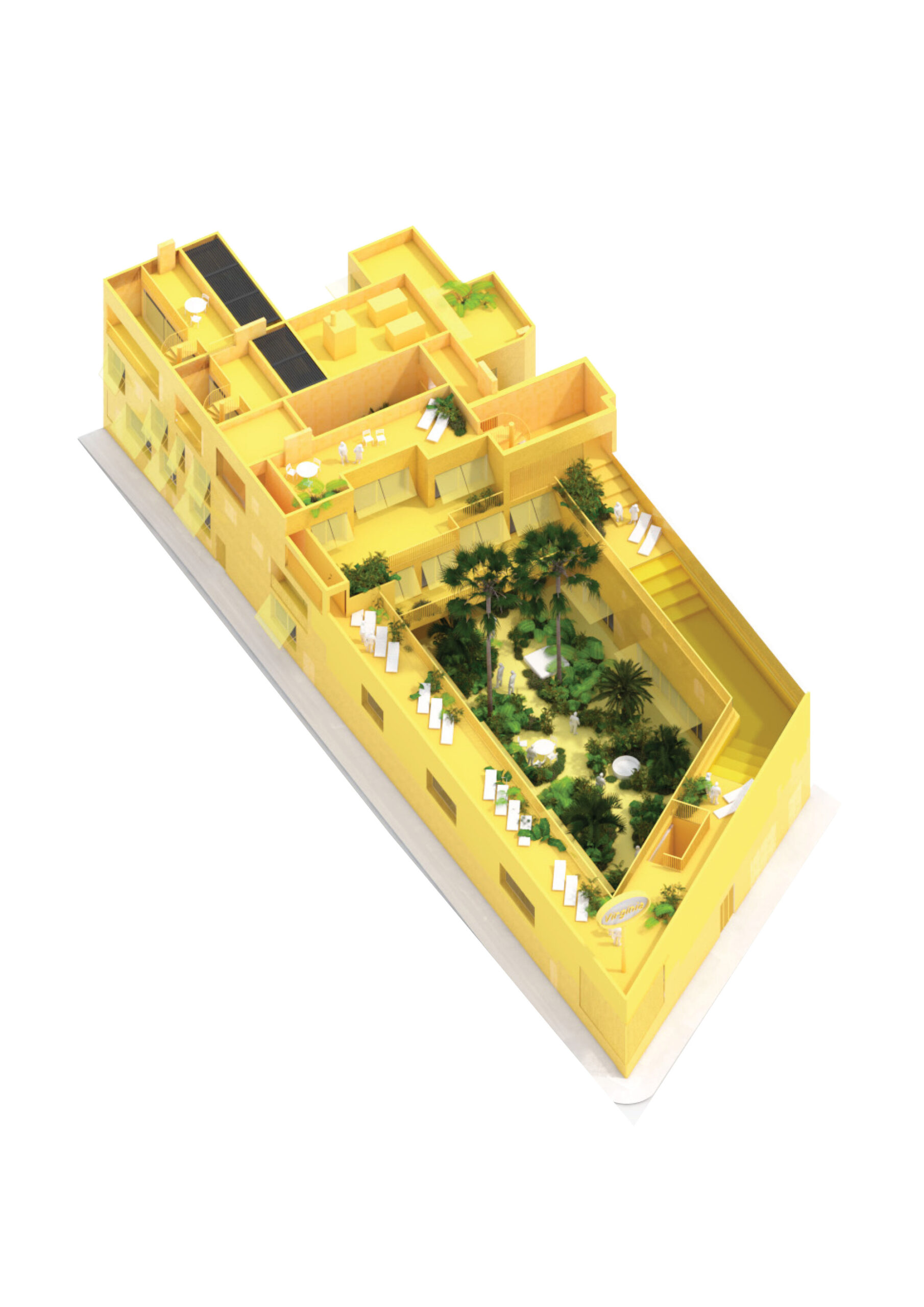
The following phases of the project will add two further buildings to the ensemble: the yellow Casa Virginia, and a small villa next to the Gomila Center, both renovations of existing neighborhood buildings.
Project Info
Architects:GRAS Arquitectos, MVRDV
Country: Spain, Palma
Area: 15000 m²
Year: 2022
Photographs: Daria Scagliola,Jannes Linders
Manufacturers BANDALUX: BANDALUX
Partners In Charge: Winy Maas, Jacob van Rijs, Nathalie de Vries