


‘Plywood,’ explained Popular Science in 1948 ‘is a layer cake of lumber and glue.’ In the history of design, plywood is also an important modern material that has given 20th-century designers of everyday objects, furniture, and even architecture greater flexibility in shaping modern forms at an industrial scale.
Photography by © Jason Mandella
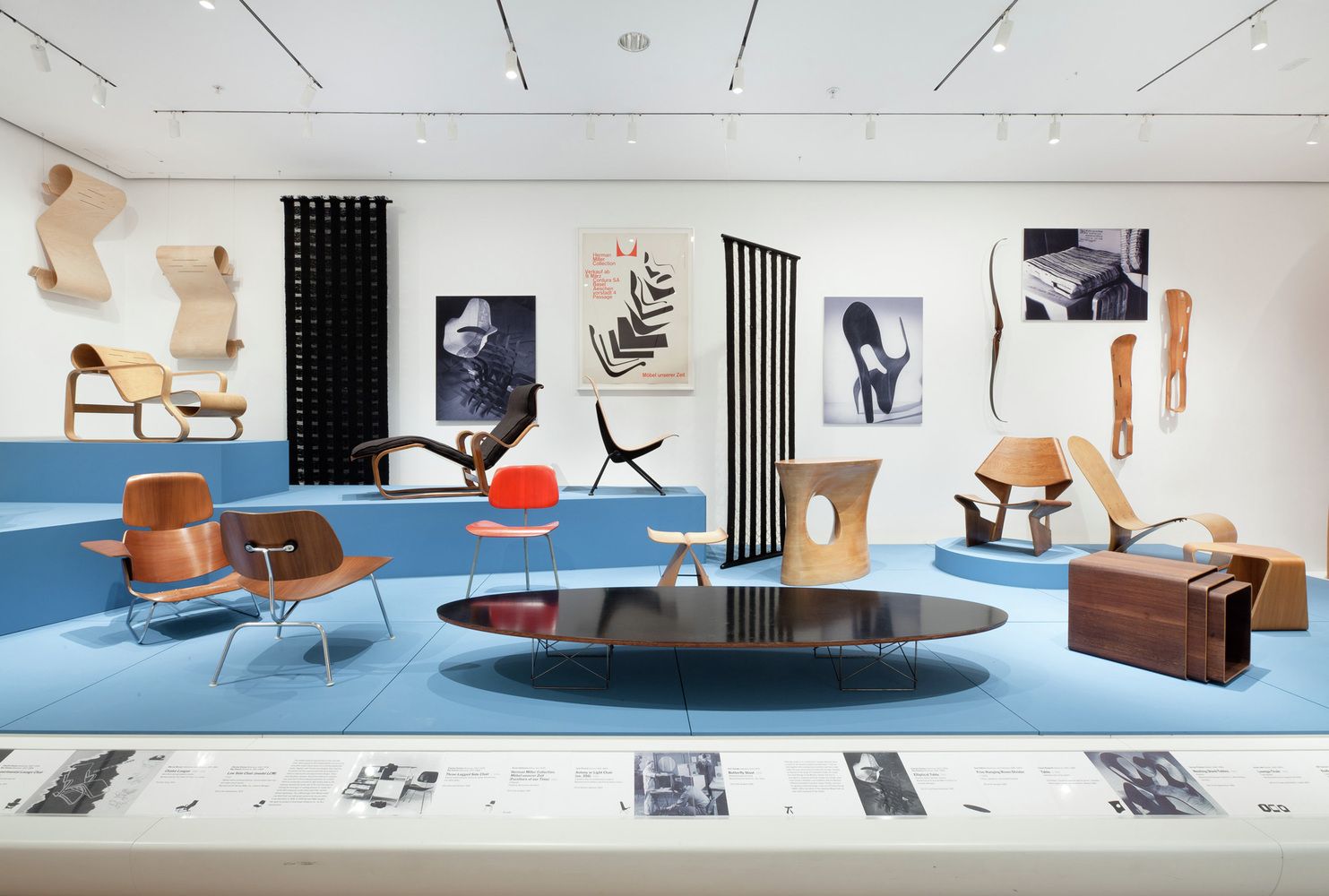
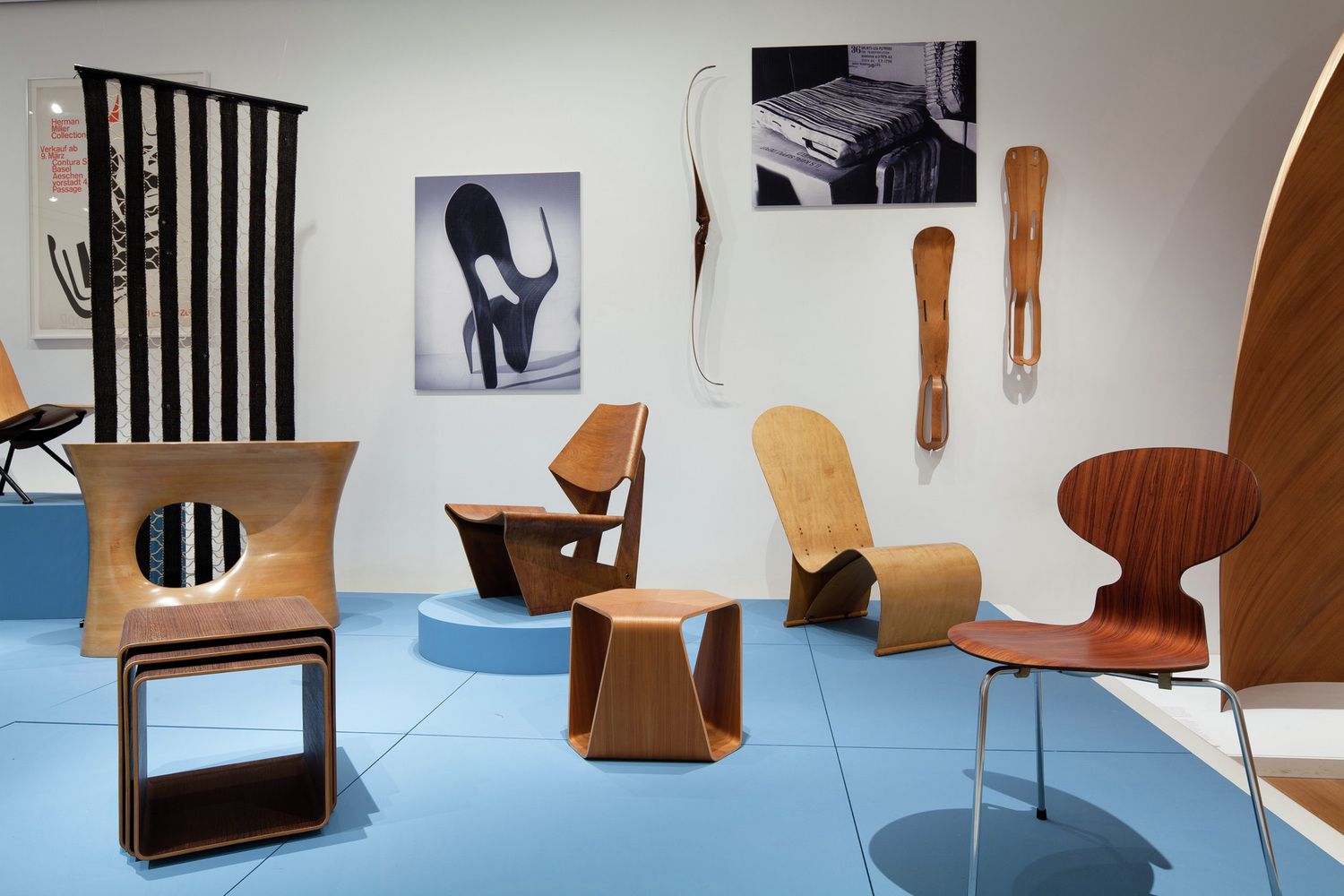
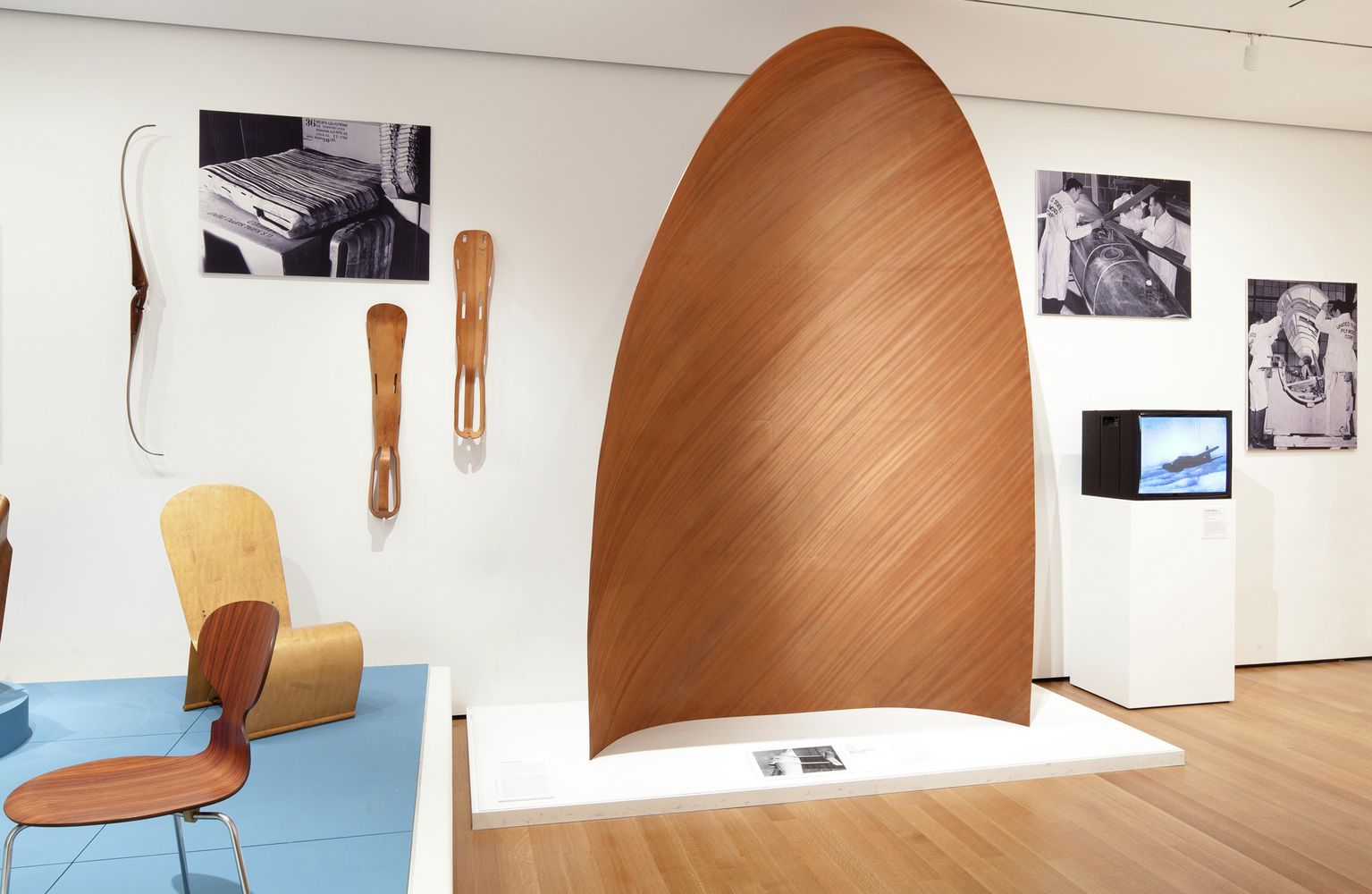
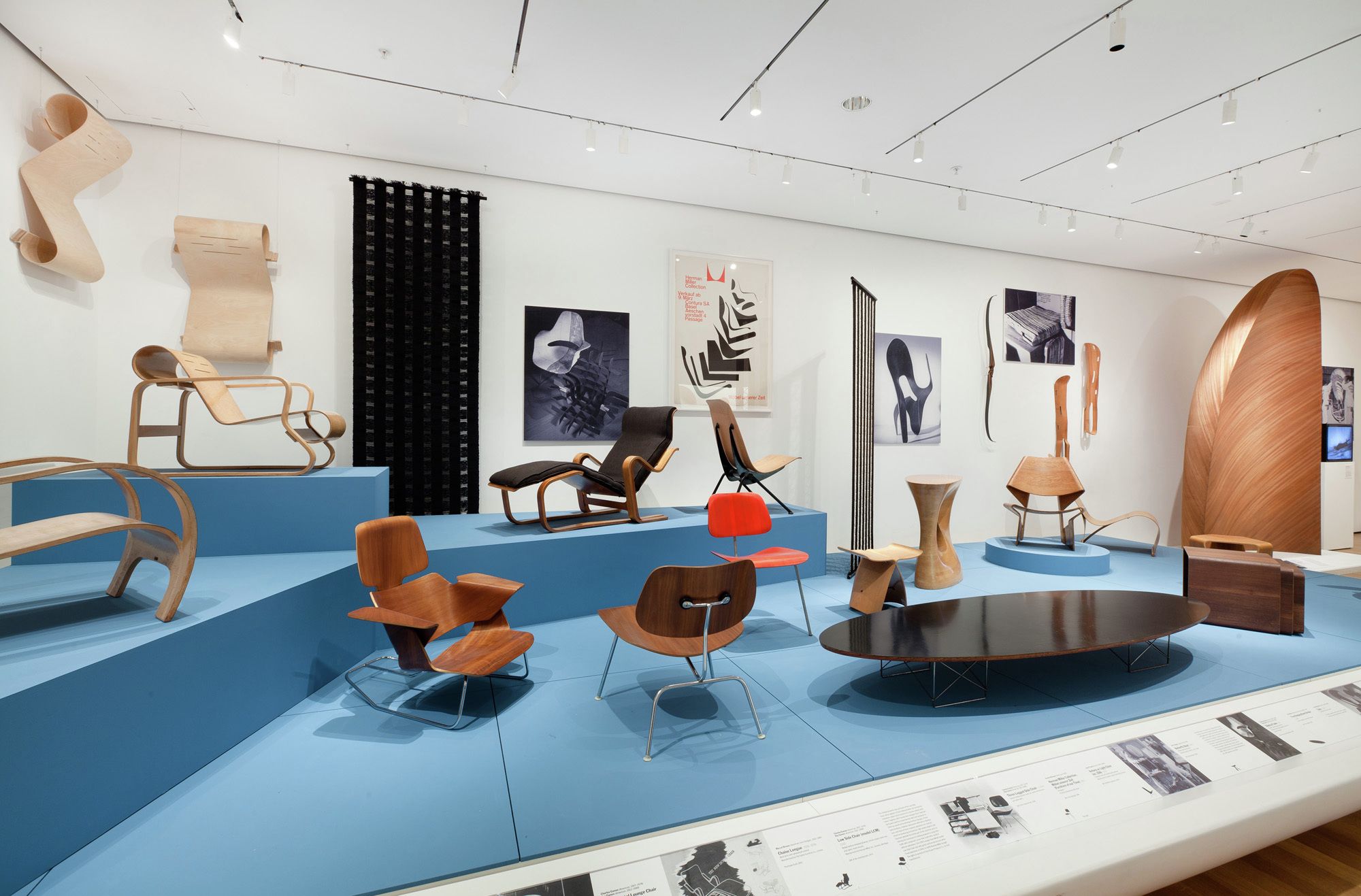
Plywood: Material, Process, Form, and installation in MoMA’s Philip Johnson Architecture and Design Galleries, features examples from MoMA’s collection of modern designs that take advantage of the formal and aesthetic possibilities offered by plywood, from around 1930 through the 1950s. Archival photographs illuminate the process of design and manufacture in plywood.
Photography by © Jason Mandella
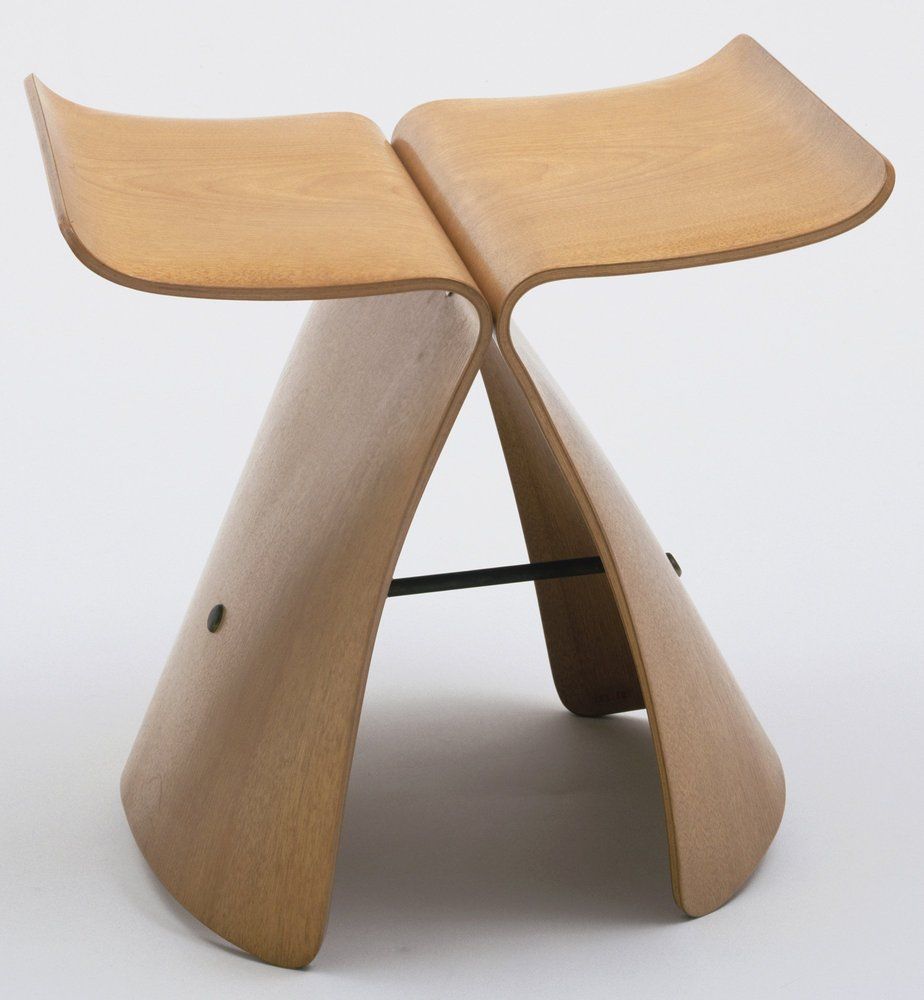
Iconic furniture by Alvar Aalto, Charles and Ray Eames, Eero Saarinen, and Arne Jacobsen appear alongside organic platters by Tapio Wirkkala (1951), Sori Yanagi’s Butterfly Stool (1956), an architectural model for a prefabricated house by Marcel Breuer (1943), and experimental designs for plywood in the aeronautics industry. The installation is organized by Juliet Kinchin, Curator, and Aidan O’Connor, Curatorial Assistant, Department of Architecture and Design, The Museum of Modern Art.

Jovana Milovic is a Serbian architect whose early contributions to Arch2O showcased her innovative approach to design and sustainability. Graduating with a master's degree in architecture, her thesis on a multifunctional sports arena emphasized sustainable principles and environmental consciousness. Beyond architecture, Jovana's creative pursuits include photography, graphic design, and crafting handmade jewelry, reflecting her multifaceted artistic vision. Her work at Arch2O highlighted her commitment to blending functionality with aesthetic appeal, leaving a lasting impact on the architectural community.