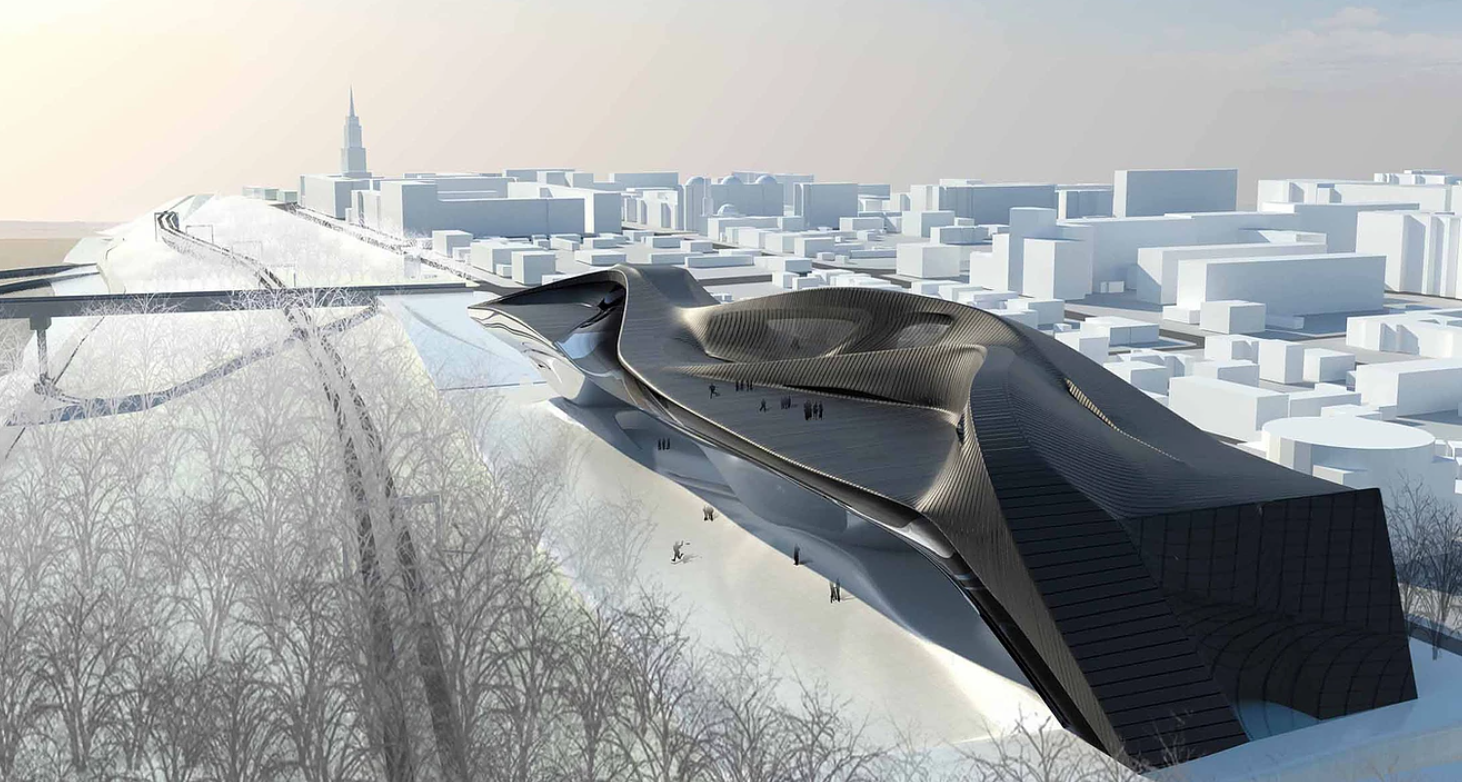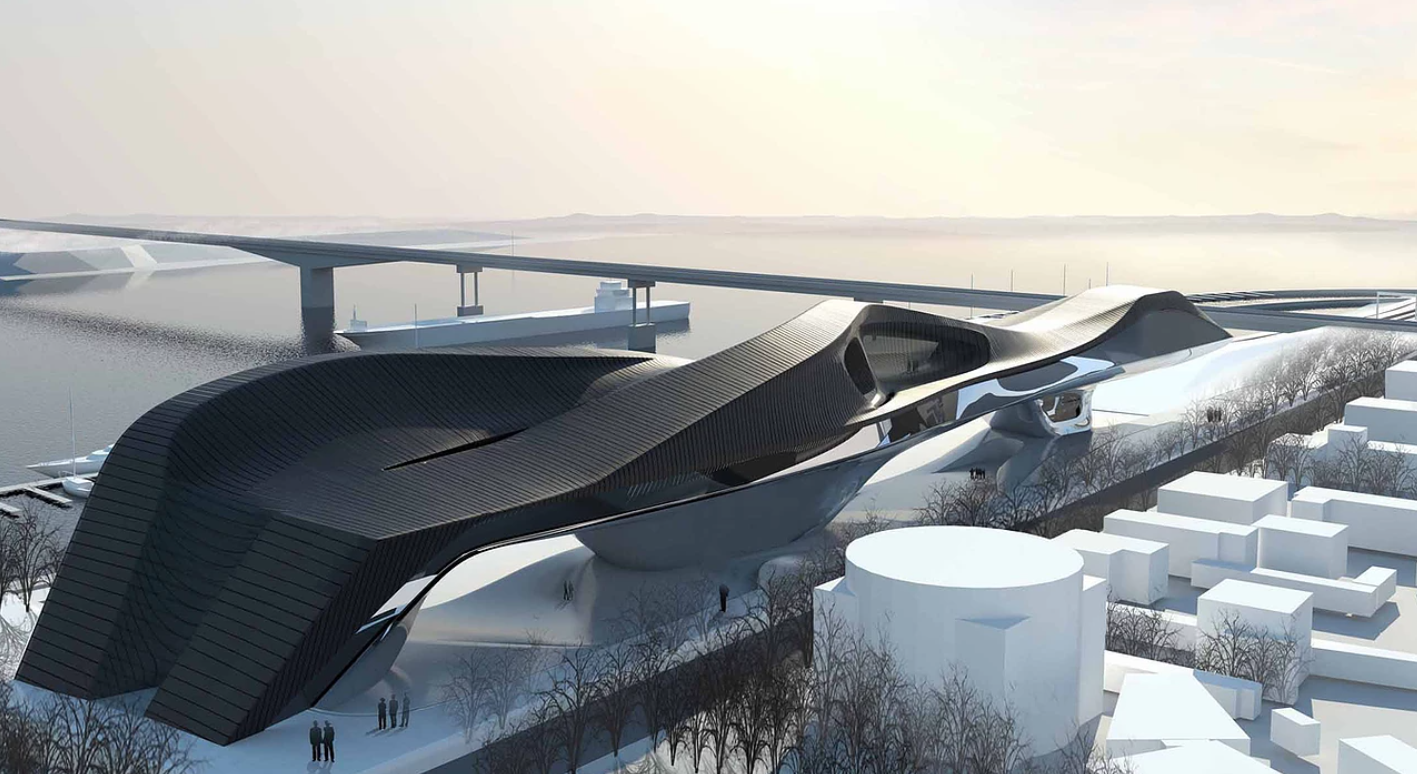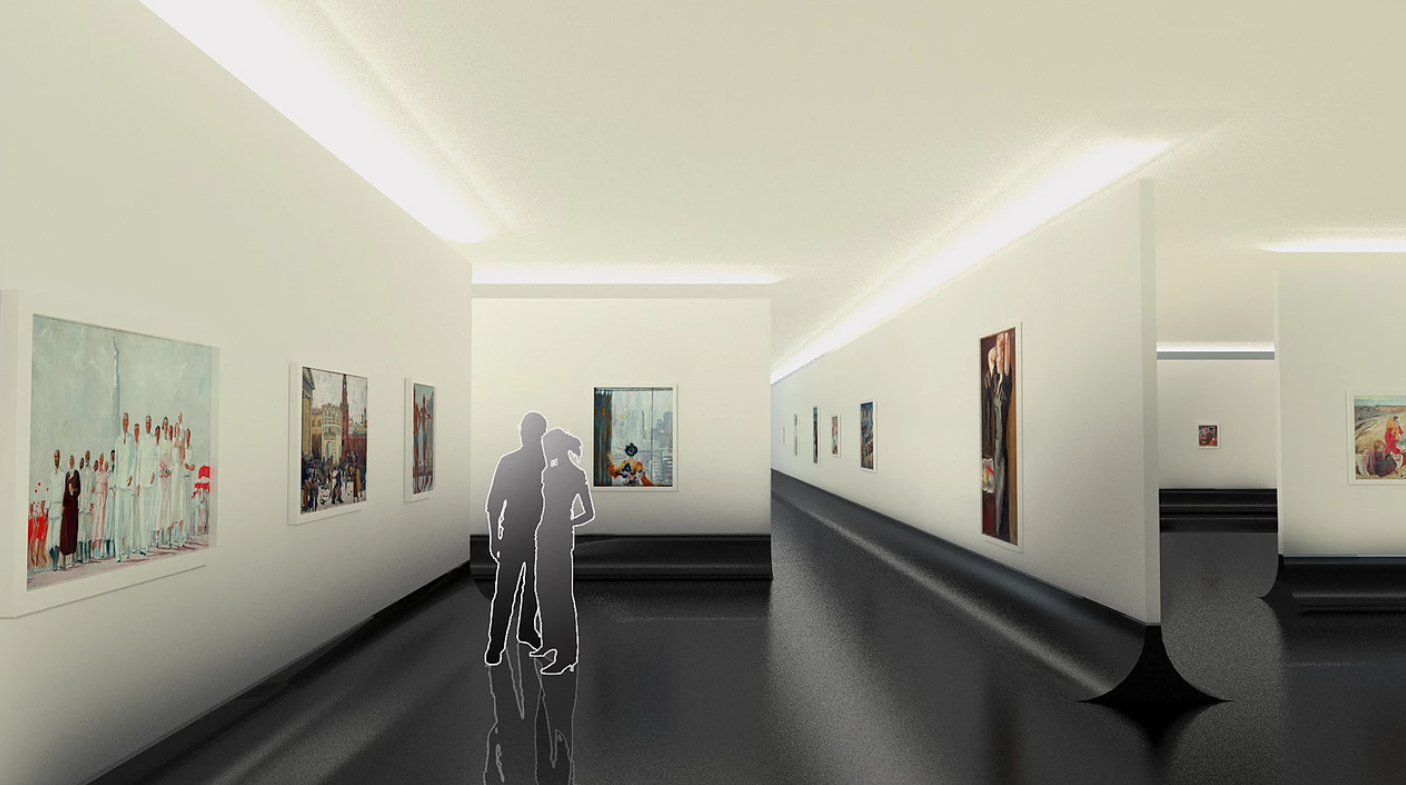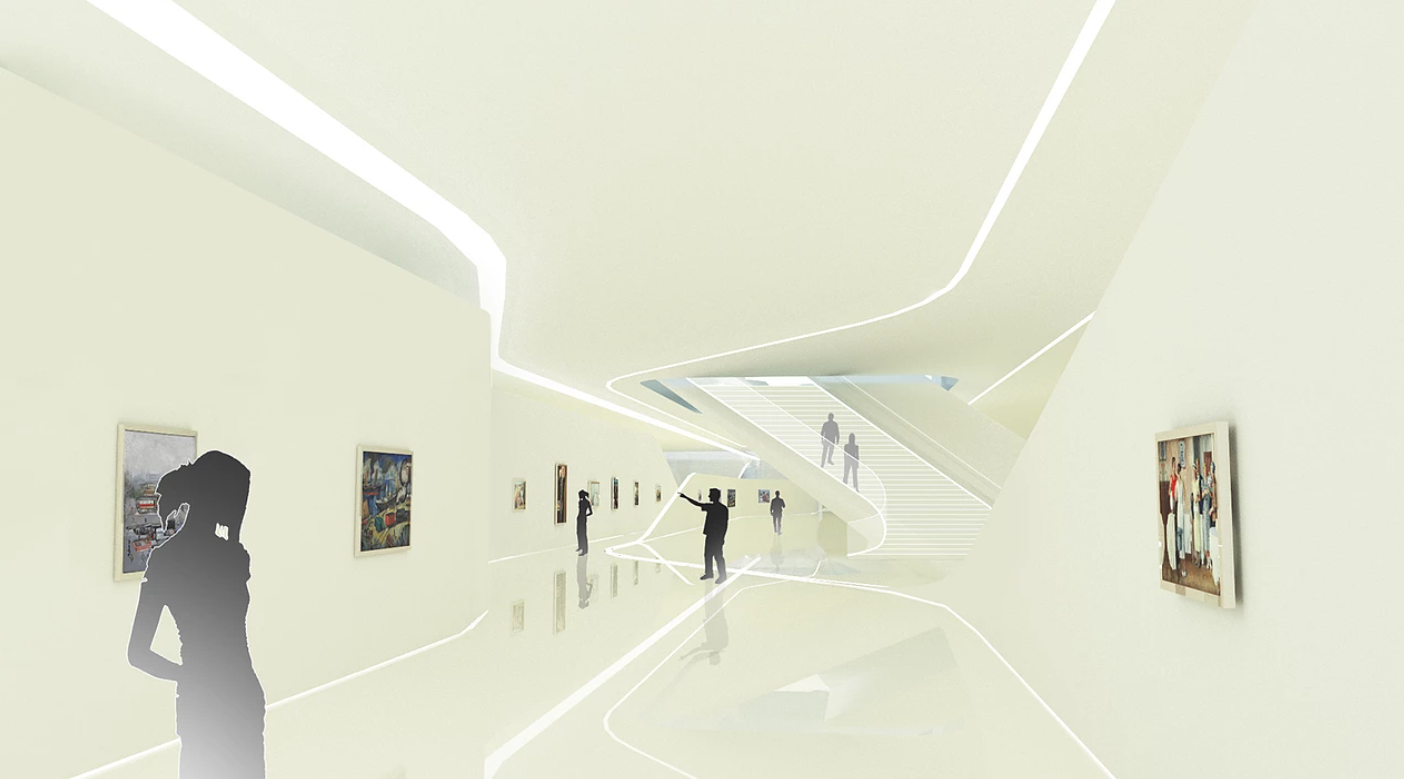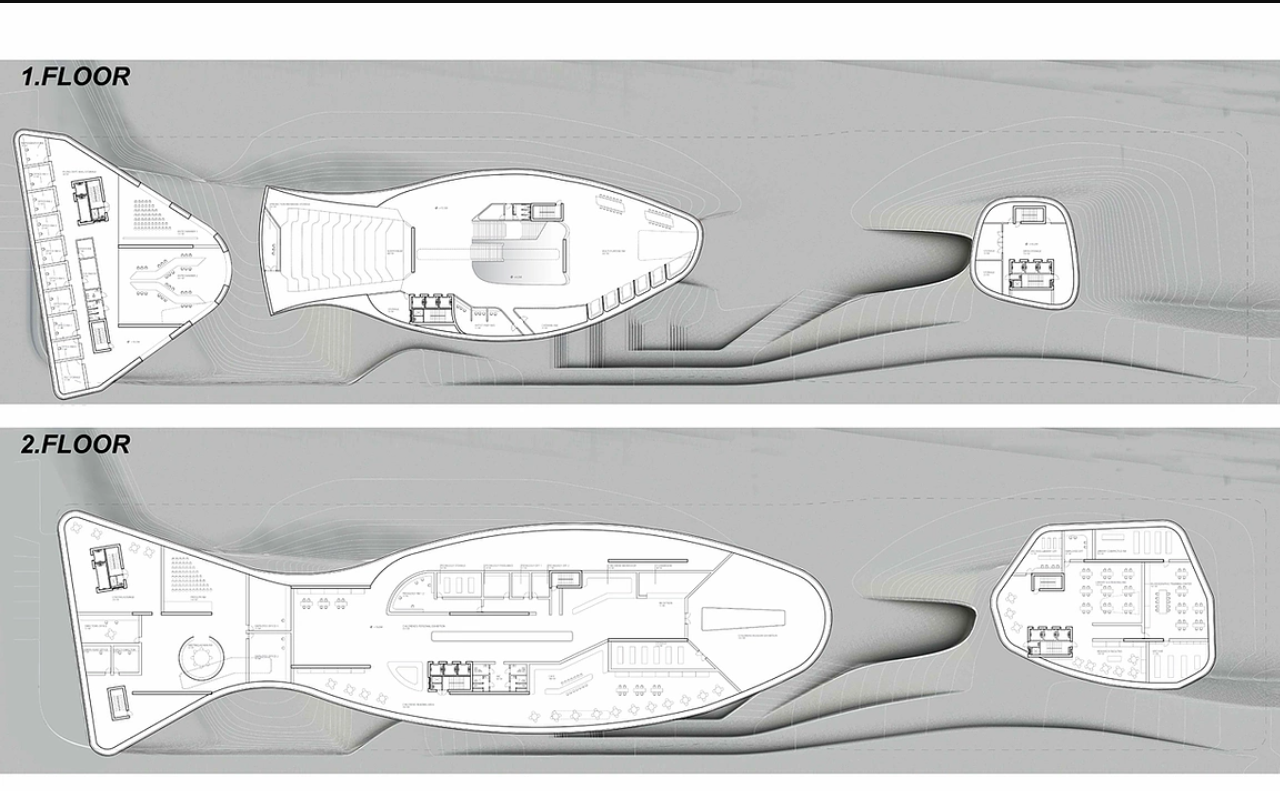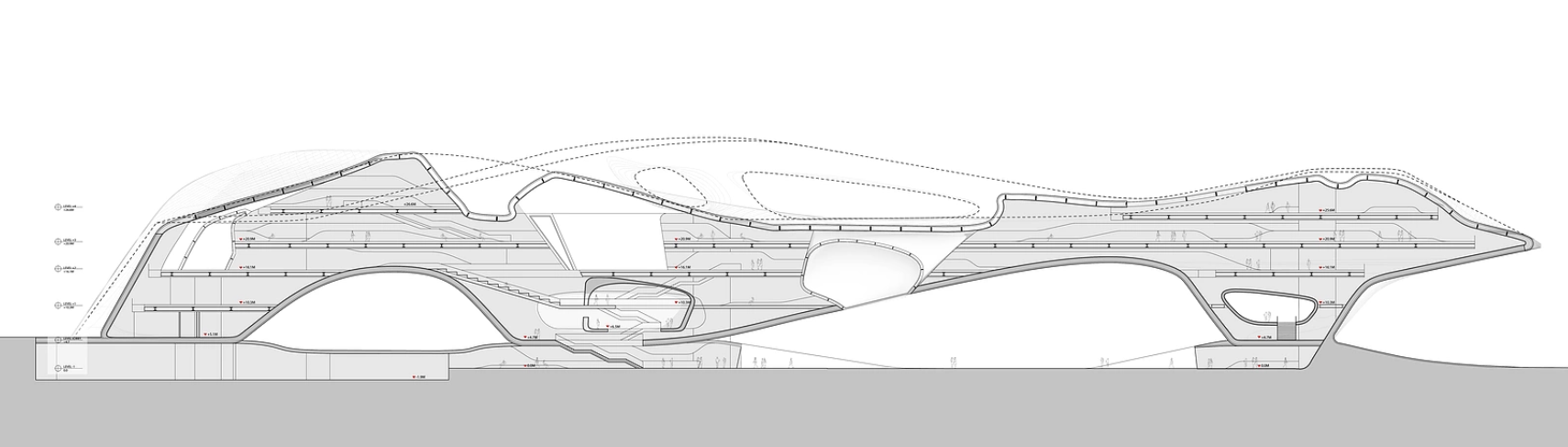


In 2007, Ministry of Culture and Youth of Perm Region in Russia hosted a competition for the museum center Perm Museum XXI as a new building for Perm Art Gallery. At this time, this museum was the first to be built to meet the needs of the 21st century. Also, the building was to be an exceptional work of contemporary architecture and an icon to the Perm region and as the same brand as the Guggenheim in Bilbao by Frank Gehry.The competition had 25 invited participants, and the Jury lasted two days in an intense environment, which ended up sharing the first and second place between two firms.
Courtesy of Asymptote
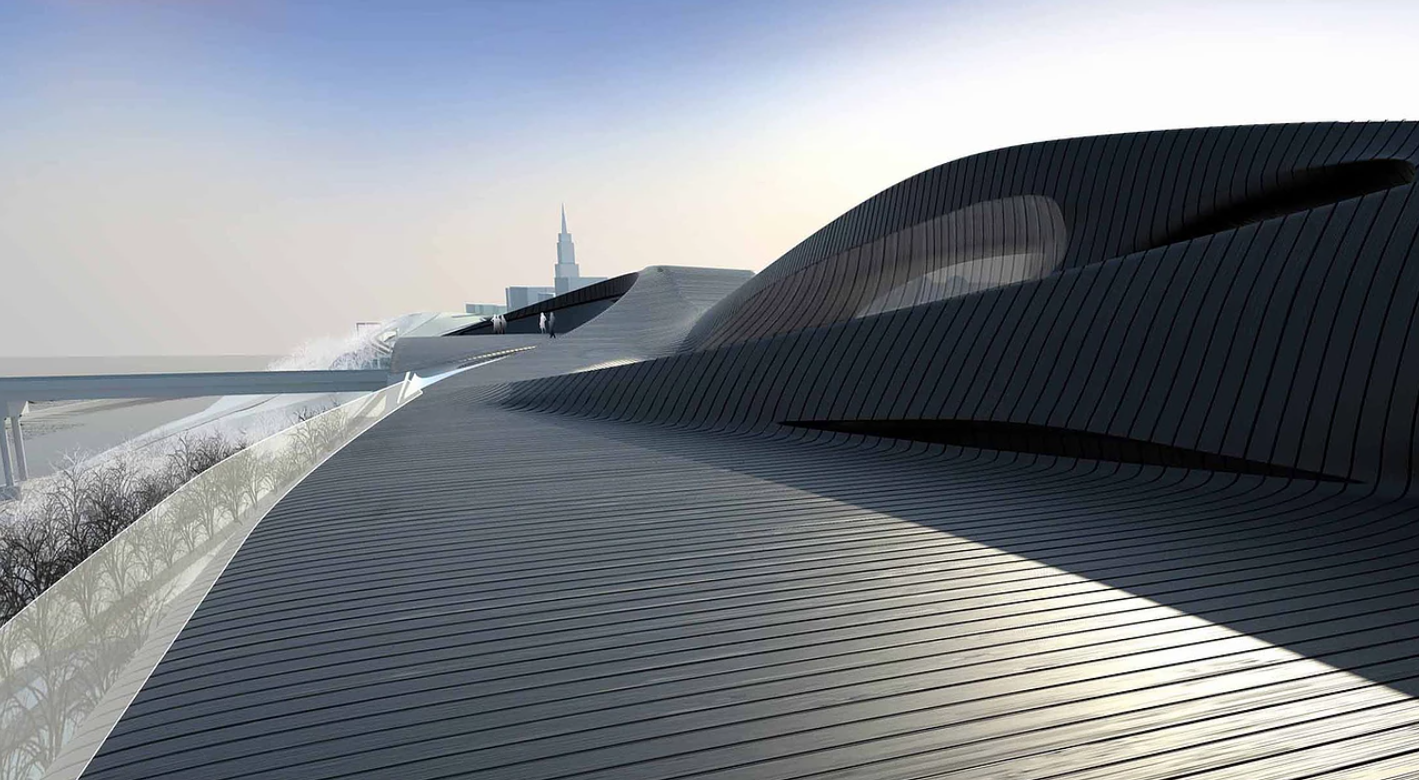
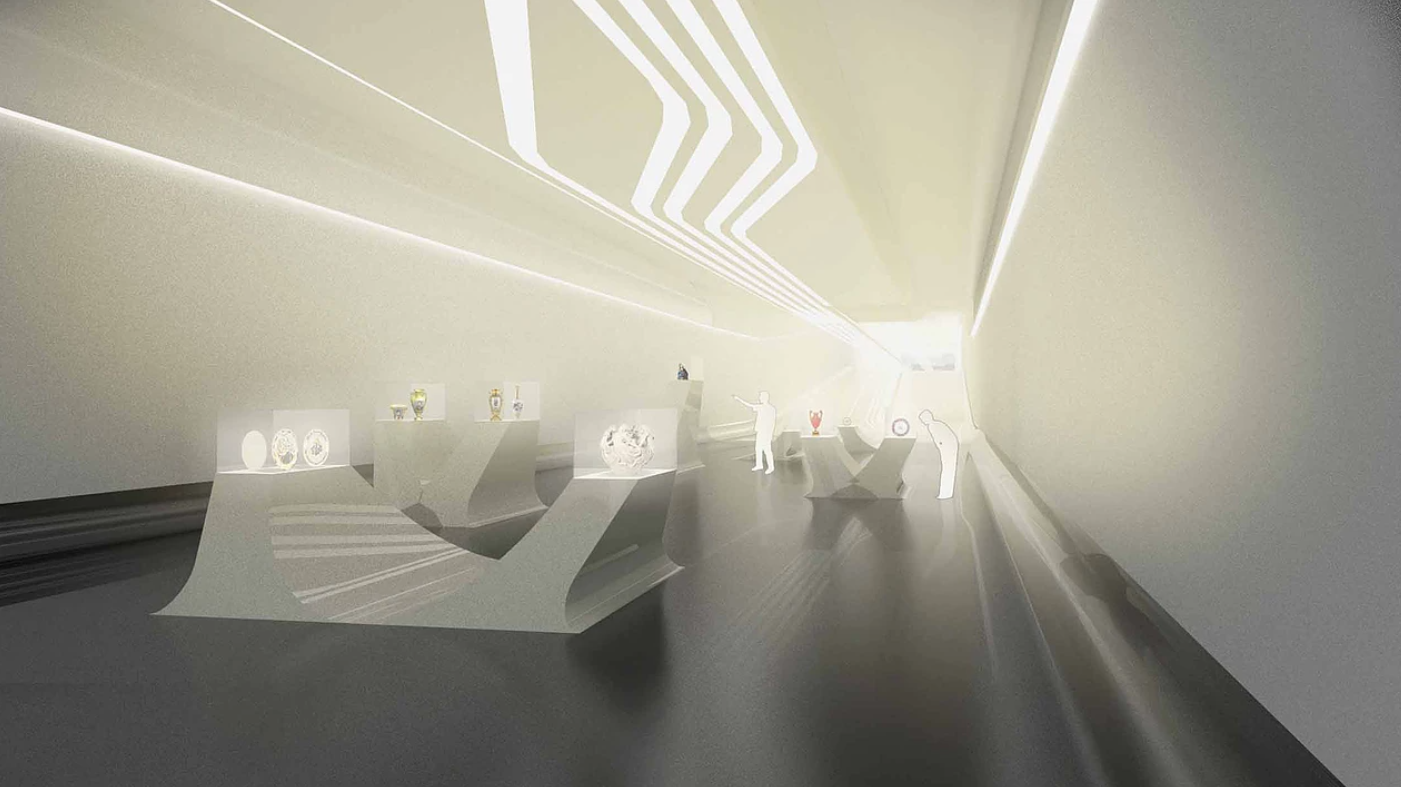
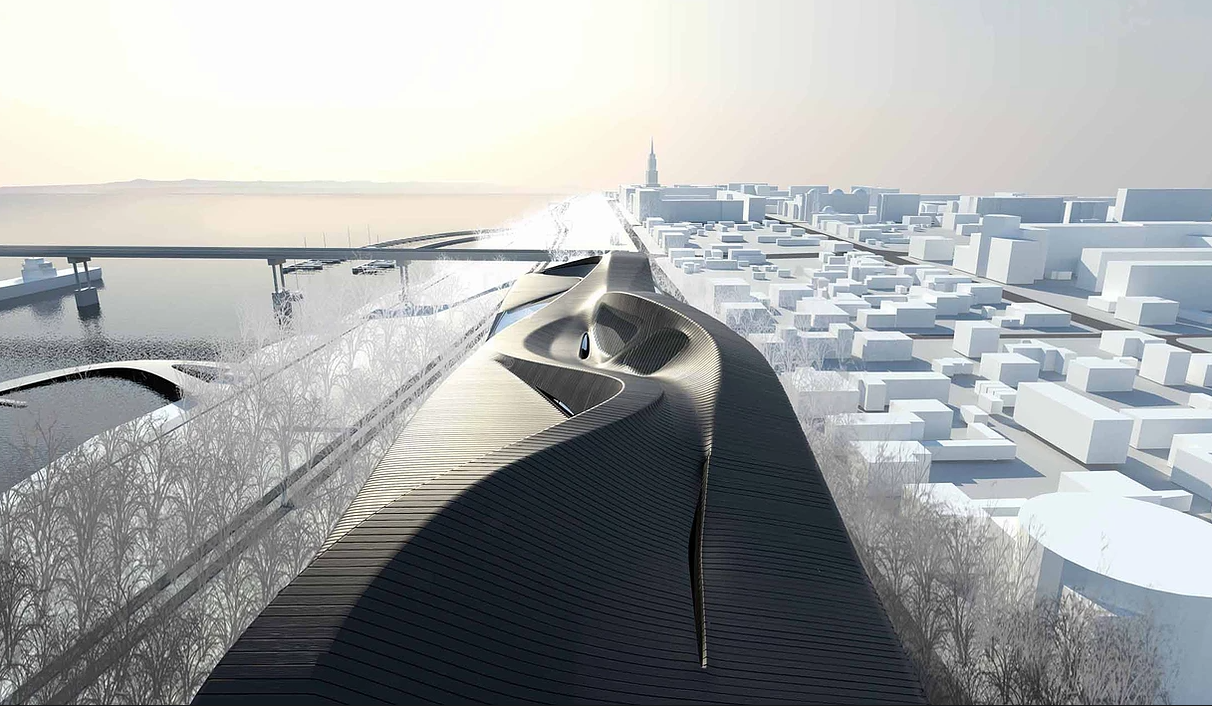
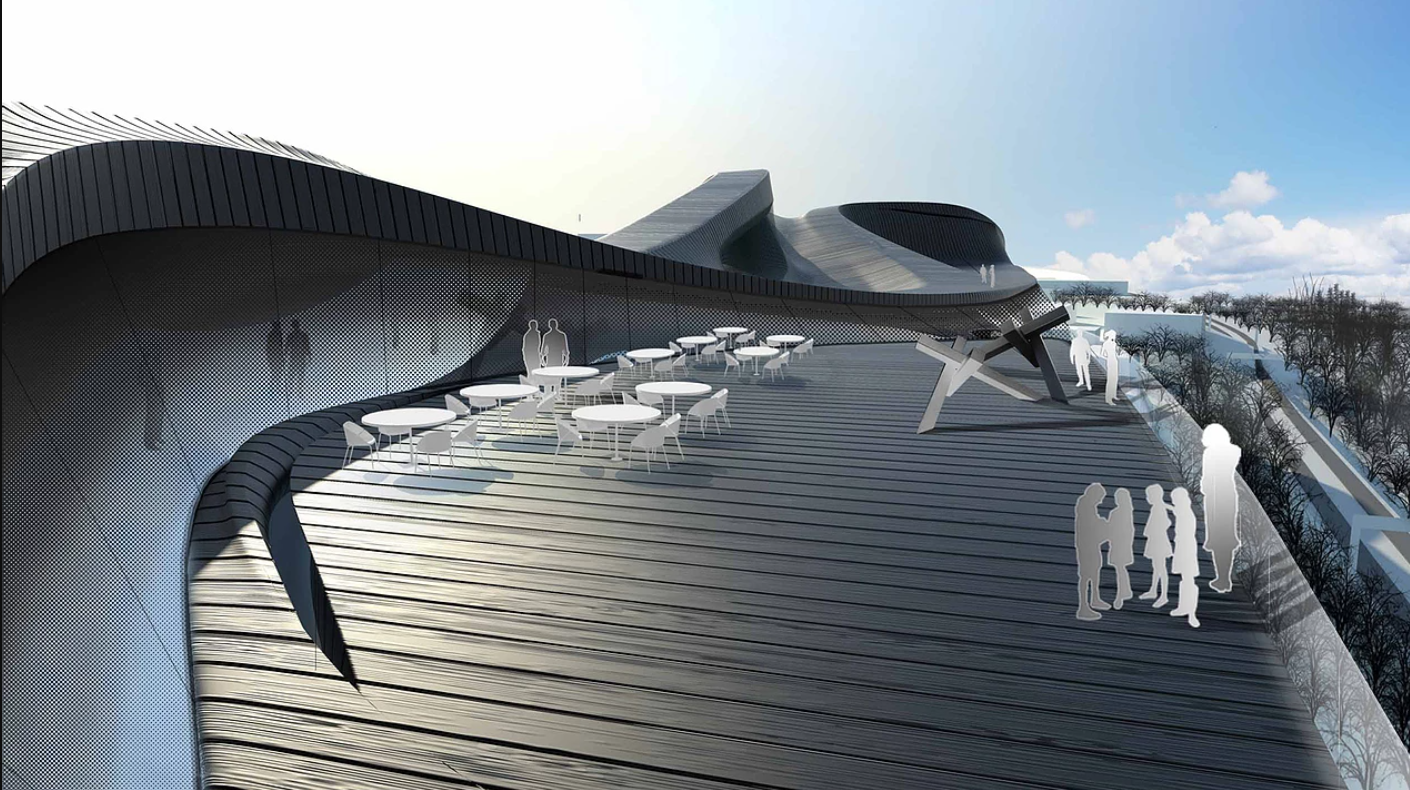
Between those 25 entries, Asymptote was awarded an Honorable Mention in the competition for their design originality and timeliness. Their concept focused on a building with two components—a chromed underside and an expansive, ebony landscape above—that form a provocative union of materials. Moreover, the design proposed a final investment landscape by building both organic cover and interior layout. The building was also an area of gestures that move above the organic control that occurs in all areas, the dialectic of two dialectic terrains that effectively create a unique building powerful.
Courtesy of Asymptote
LOCATION: Perm, Russia
SIZE: 18,000 sq. m
DATE: 2007
Credits,
CLIENT: Ministry of Culture and Youth of Perm Region
ARCHITECT :Asymptote Architecture
CONSULTANTS:
MEP & STRUCTURAL ENGINEER: Arup
SUSTAINABILITY DESIGN: Arup
LIGHT ENGINEER: Arup