

Architect and educator Joseph Choma opens a solo exhibition at the Morikami Museum and Japanese Gardens in Delray Beach, Florida, on December 12. Titled Foldable Structures: Origami x Architecture, the origami architecture exhibition in Florida brings together four large-scale folded fiberglass structures. Alongside them, visitors will find paper models, drawings, and videos that document how Choma develops his designs. The show places a working architect’s research inside a museum devoted to Japanese culture, which gives the folding techniques a natural setting.
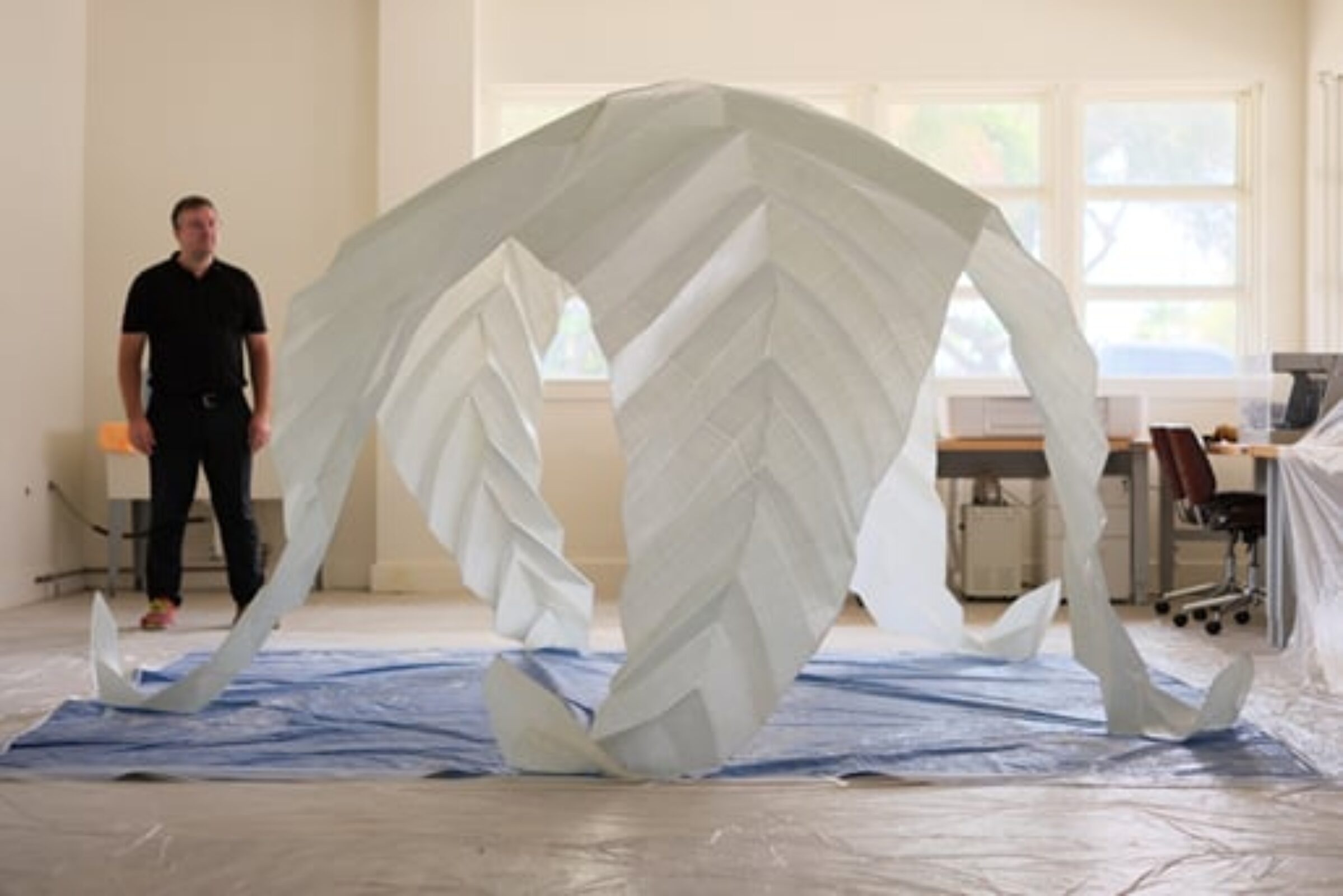
Kraken (2026). Image courtesy of Joseph Choma
Choma directs the School of Architecture at Florida Atlantic University and founded Design Topology Lab. Before this exhibition, he explored ideas for foldable shelters with students at Clemson University, so the new installations build on teaching and research he has pursued for some time. The outdoor pieces were created specifically for the exhibition, and each one tests how folding principles can inform architectural structures rather than only sculpture. The paper models and drawings on display show the earlier steps that lead to these larger forms.
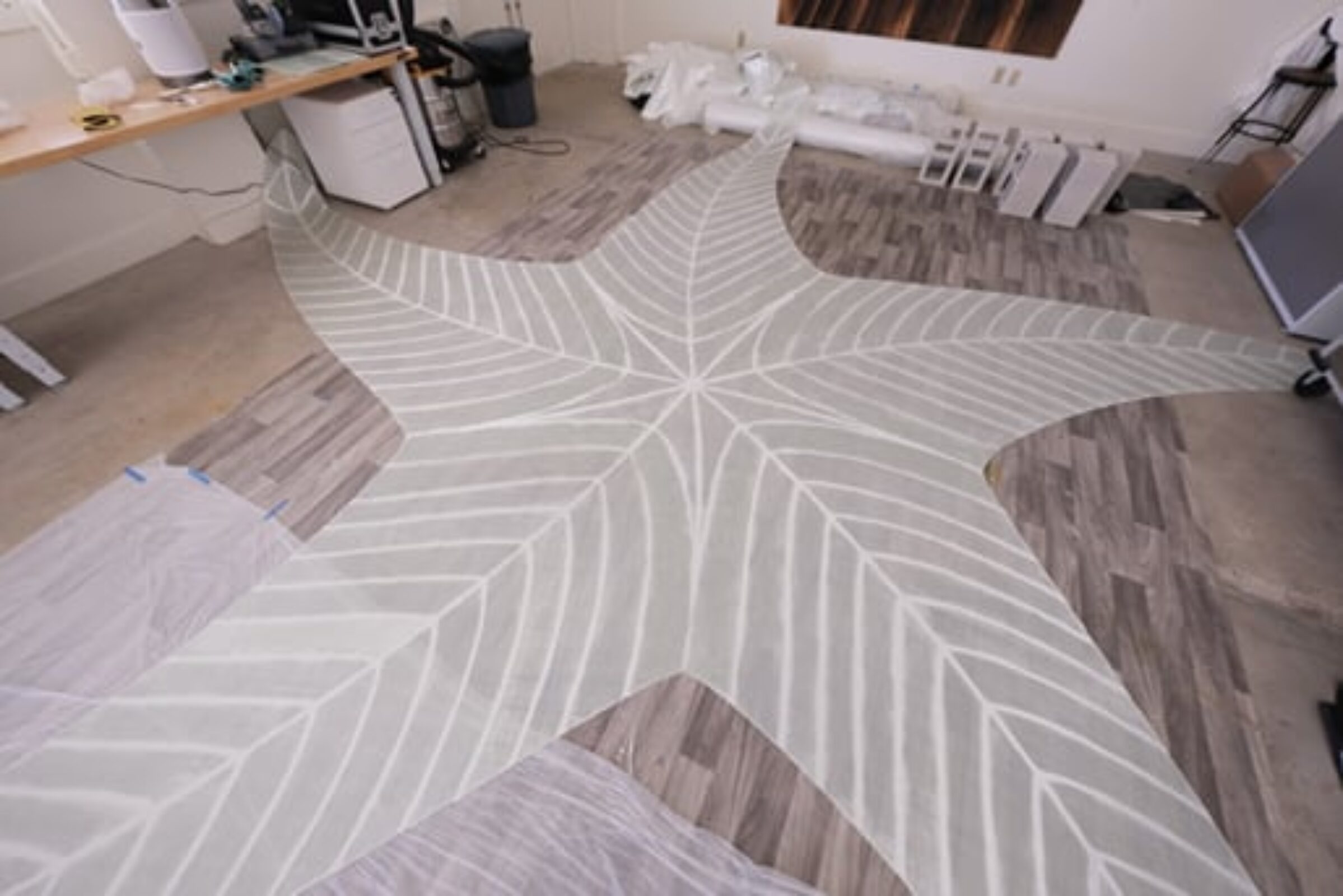
Image courtesy of Joseph Choma
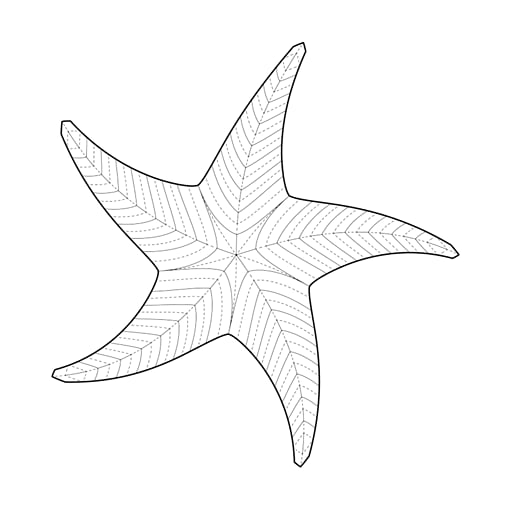
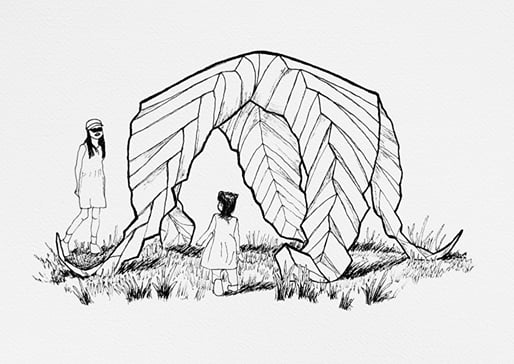
The most prominent installation is Kraken (2026), a sculptural vault developed from a starfish-like, two-dimensional crease pattern. Its five spiralling legs are each shaped to rest on the ground, and subtle variations between the legs are intended to give the structure an organic appearance. Because the vault grows out of a flat pattern, the geometry of the sheet determines the shape of the final object. That logic runs through the whole exhibition, which treats the crease pattern as the starting point for a building.
Read more:
- Herzog & de Meuron and EHDD Turn Novato Warehouse into Eames Institute Museum
- London Museum Opens in Restored Smithfield General Market on November 28
- The Douban Museum | CSWADI
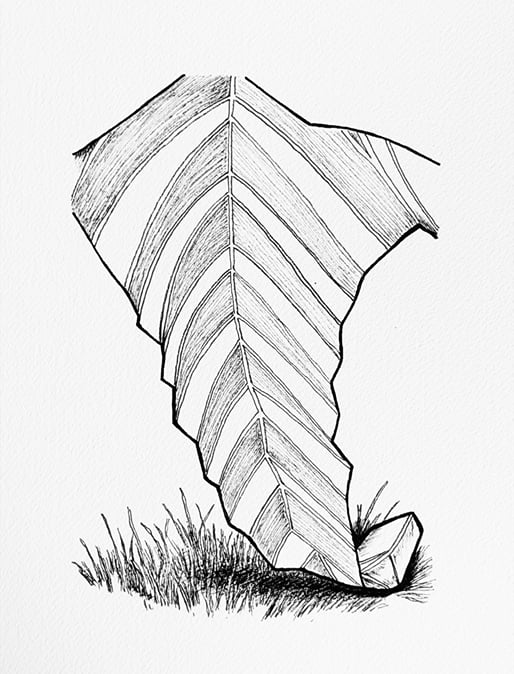
Choma’s method differs from conventional folded-plate construction, which joins rigid planar elements at angles. His structures rely instead on controlled buckling, a deliberate bending of the material that lets a thin sheet hold a three-dimensional form. Closely spaced folds give the structure its strength, and the Miura Fold informs the geometry of the legs of Kraken. The Miura Fold is a repeating parallelogram-based crease pattern developed in 1970 by the Japanese astrophysicist Kōryō Miura.
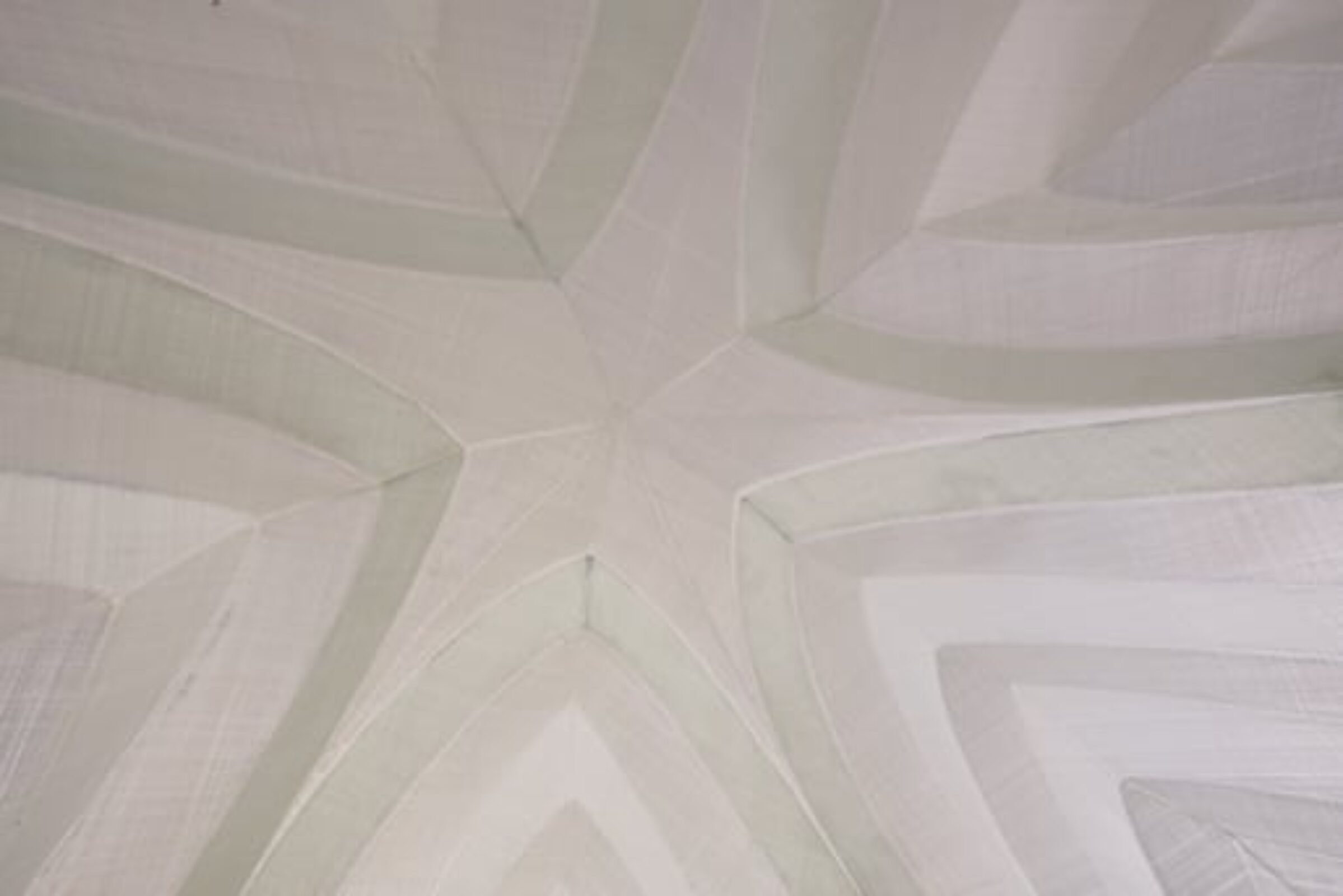
Image courtesy of Joseph Choma
The museum frames the work as a preview of a possible building method. “Imagine a future where an entire architectural structure is flat-packed, carried to a construction site, and folded by hand into a rigid three-dimensional shelter,” the museum notes. “This is the kind of future Dr. Joseph Choma is turning into a reality. His work explores art, design and architecture at the intersection of folding, mathematics, structure and material innovations.” The exhibition opens December 12 at the Morikami Museum and Japanese Gardens in Delray Beach.

Jane Doe is an American architectural editor with a deep-rooted passion for design and the built environment. She holds a degree in Architecture from Columbia University, where she developed a strong foundation in both architectural theory and urban studies. With over a decade of editorial experience, Jane specializes in shaping content that bridges architecture, urbanism, and cultural discourse. Her work spans leading design publications, exhibition texts, and digital platforms, where she is known for her clear, engaging narratives and her ability to translate complex spatial ideas for a broad audience. Jane is particularly interested in issues of equity, sustainability, and the evolving role of cities in a changing world.