


New York’s busiest transit hall, Pennsylvania Station, is finally getting a makeover after many attempts to fix it. The transportation hub has been looked down into ever since its Beaux-Arts predecessor when Farley building and the demolished train hall designed by architects at McKim Mead & White were torn down in 1963 to make way for Madison Square Garden. The demolishing retreated the station into cramped dark passageways, and like how critic and Yale University Professor Vincent Scully once described it in an epigram: “One entered the city like a god. One scuttles in now like a rat.”
Courtesy of SOM | Volley
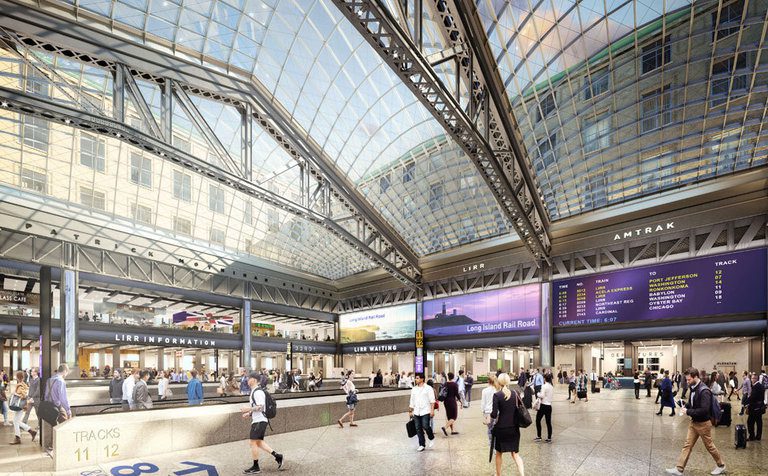
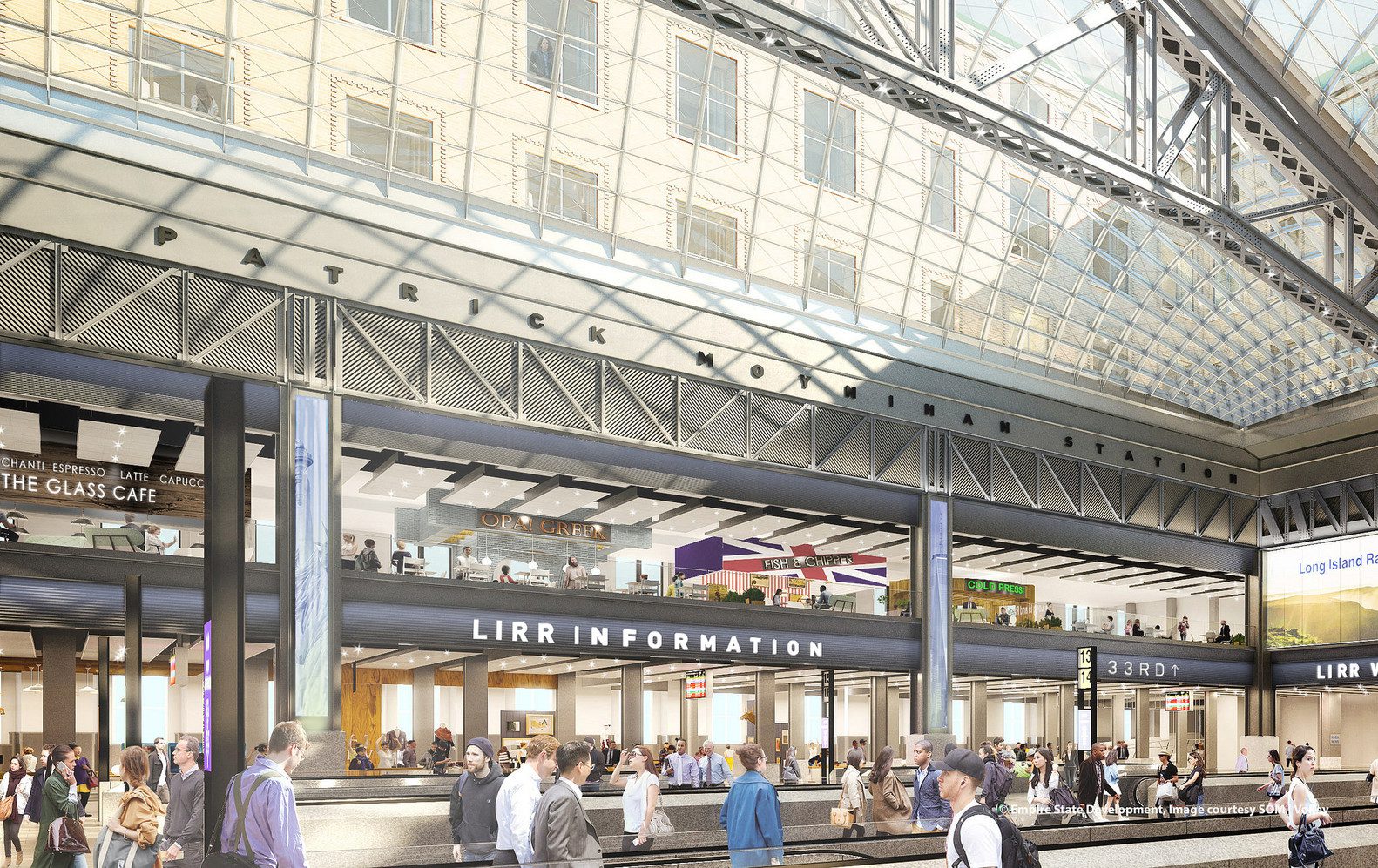
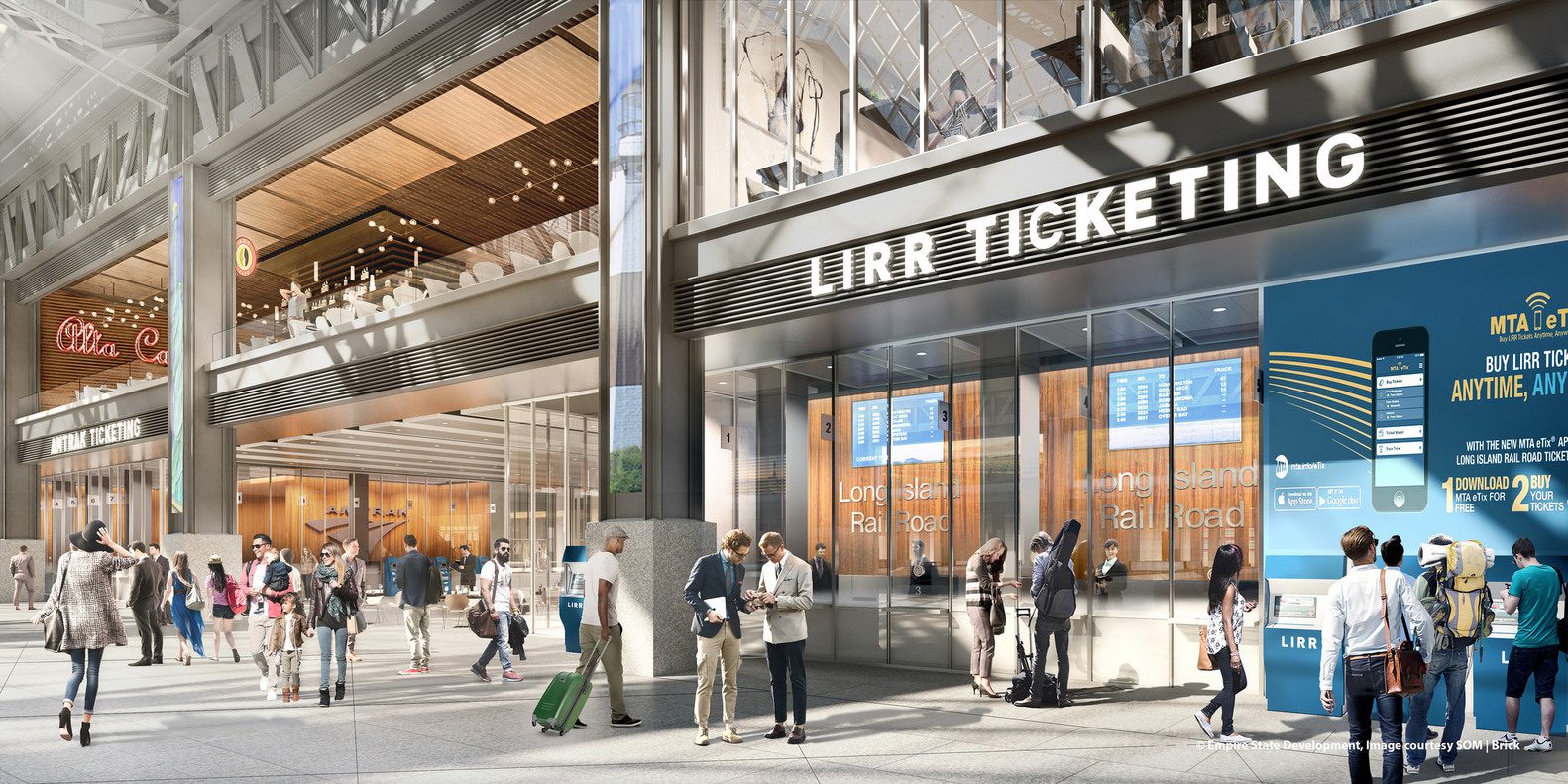
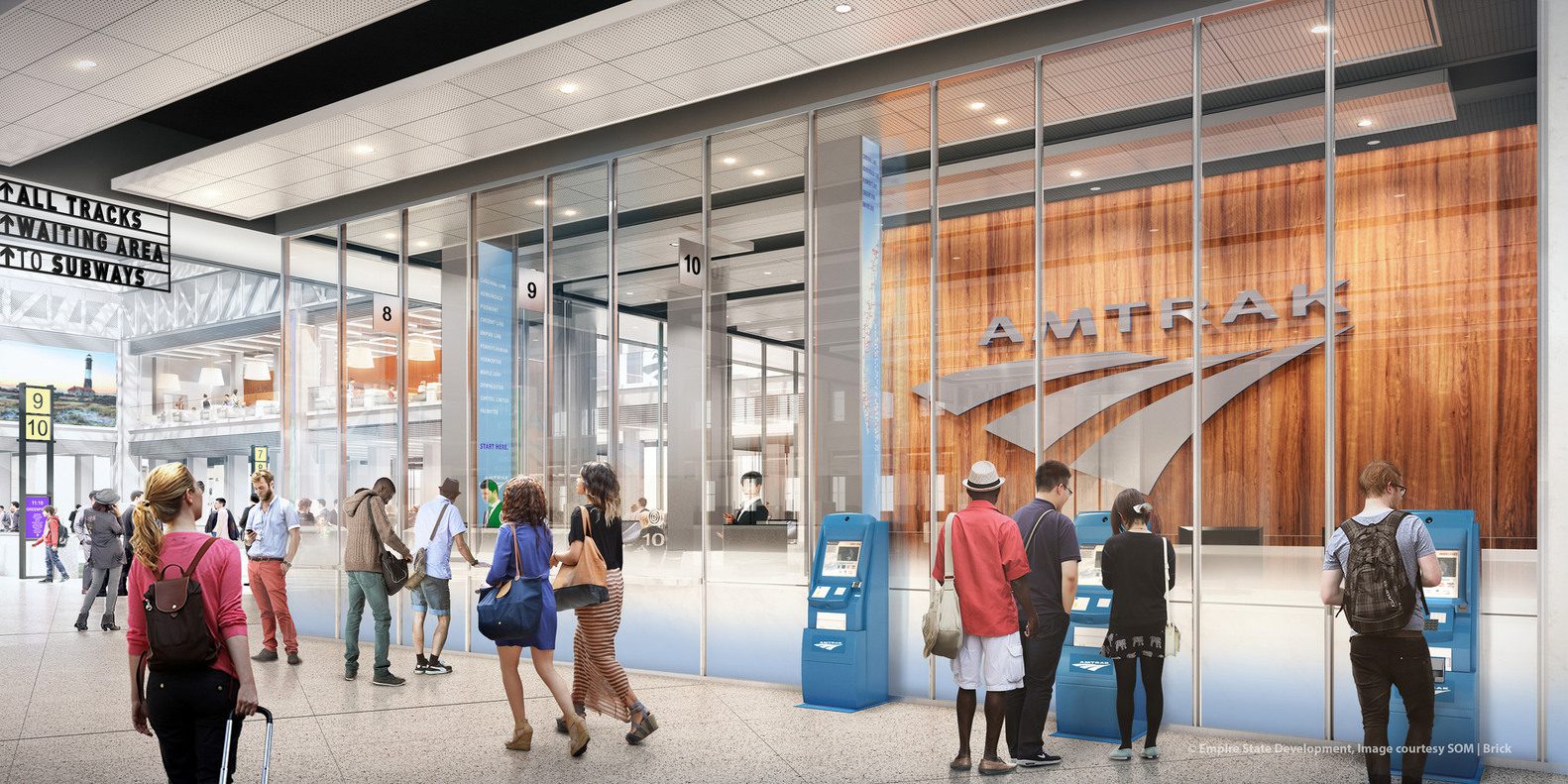
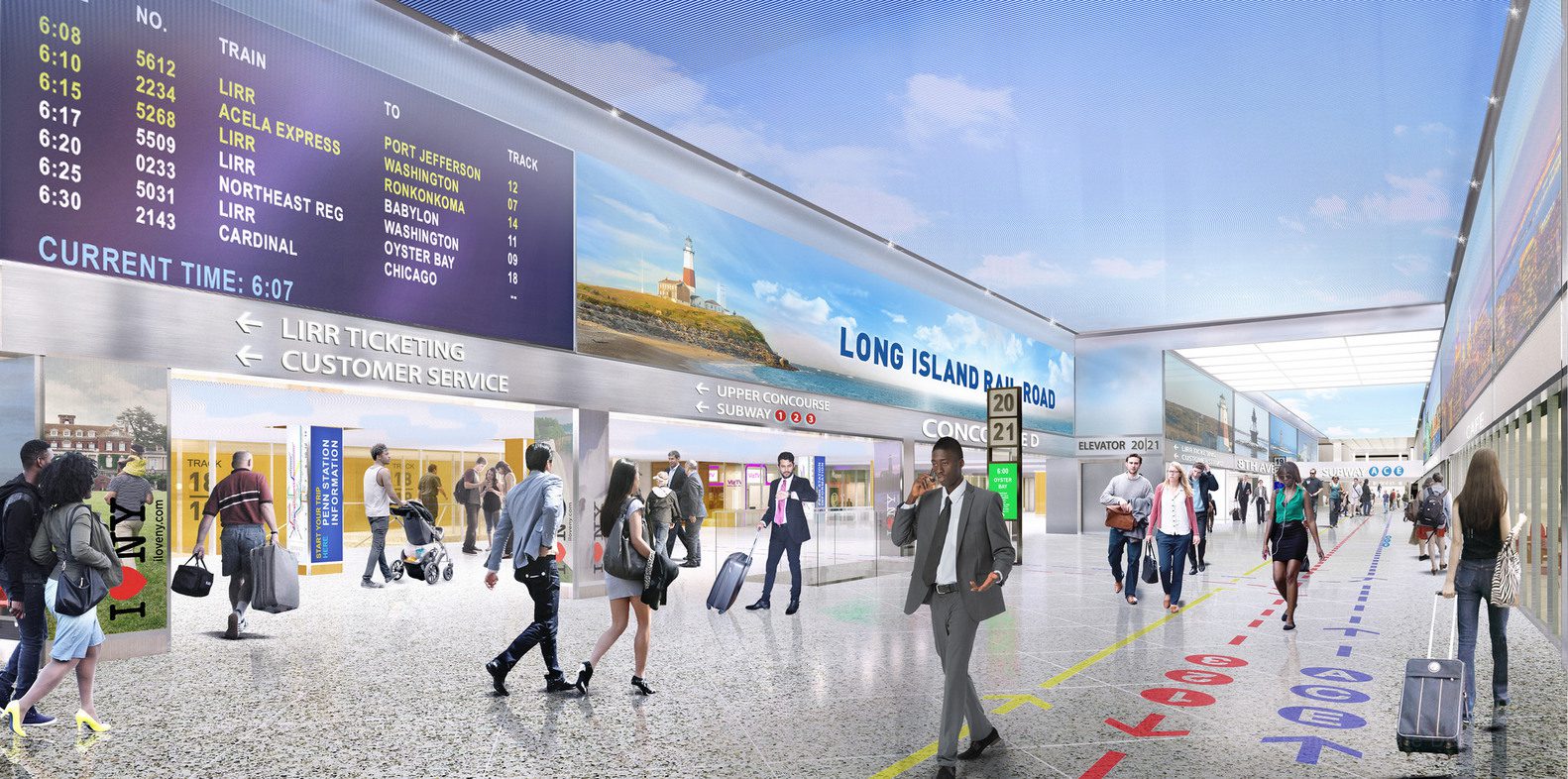
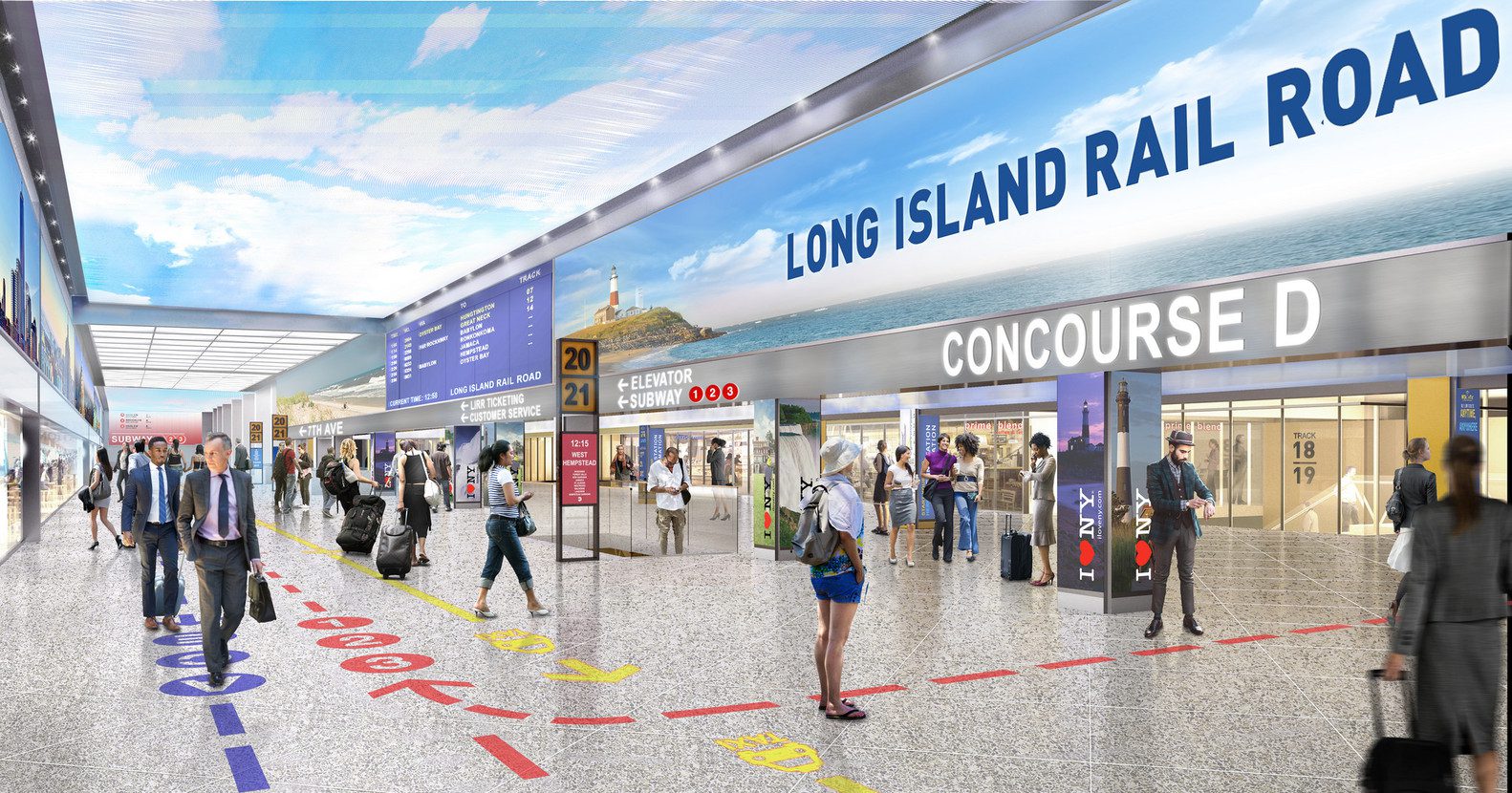
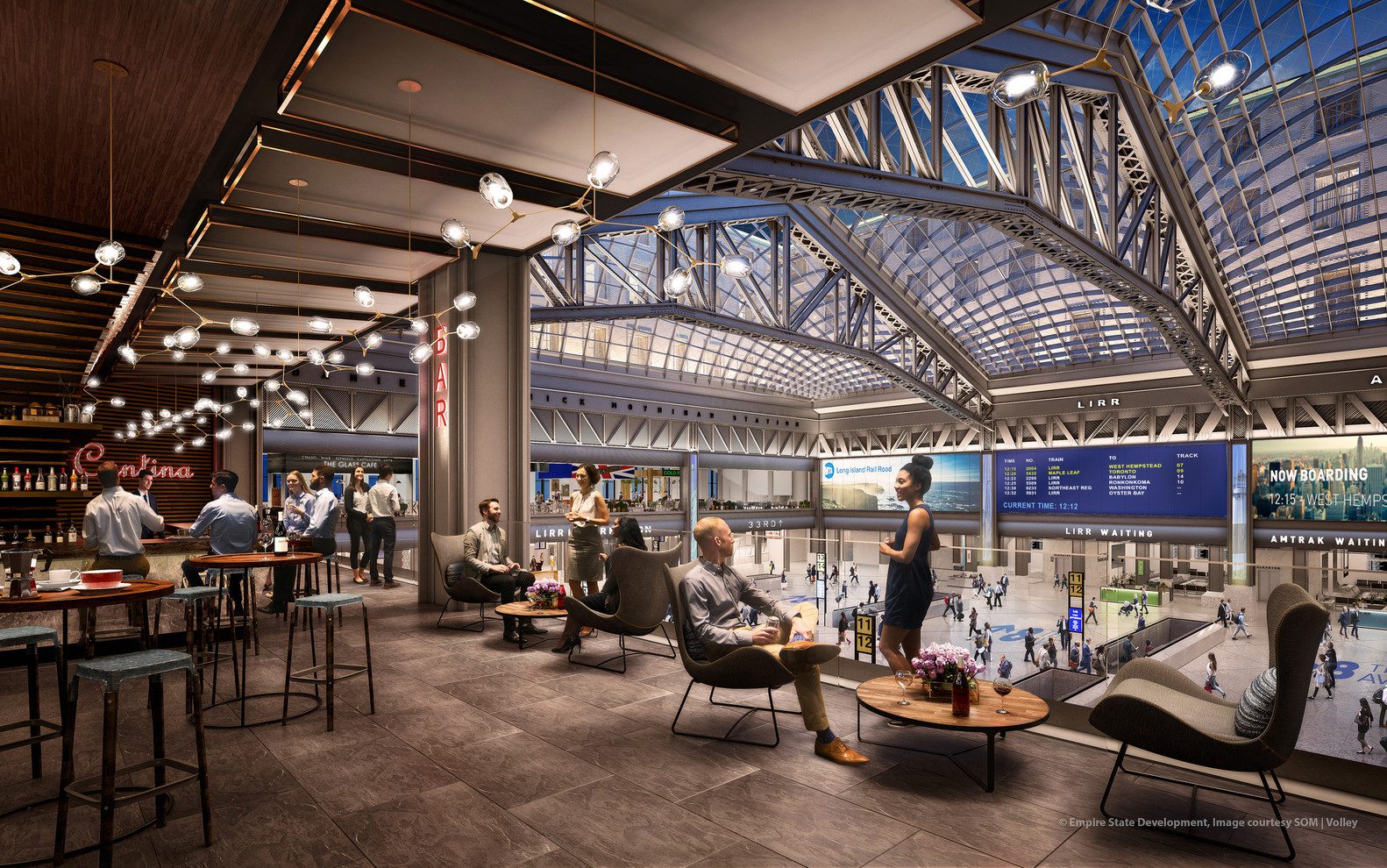
But finally, after long years of stymied attempts to fix Penn Station, New York Governor Andrew Cuomo revealed a plan that will give the station a push forward and will give New York’s visitors and commuters some room to breathe by year 2020. The station’s design is led by Skidmore, Owings & Merrill (SOM) and calls for a new train hall and retail space on 255,000 square foot in James A. Farley Building, also known as the General Post Office, across 8th Avenue from Madison Square Garden and the current Penn Station entrance.
Courtesy of SOM | Volley
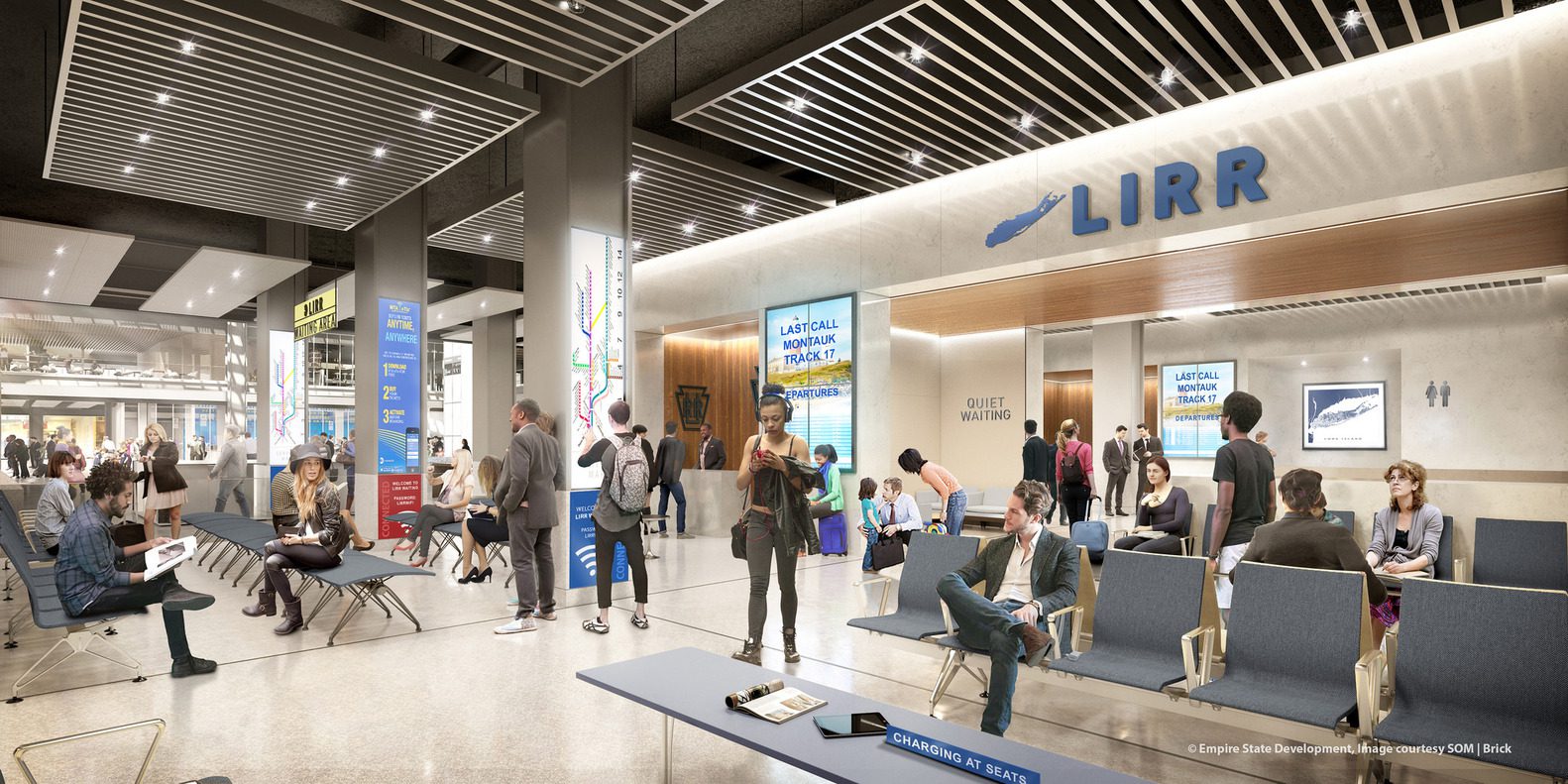
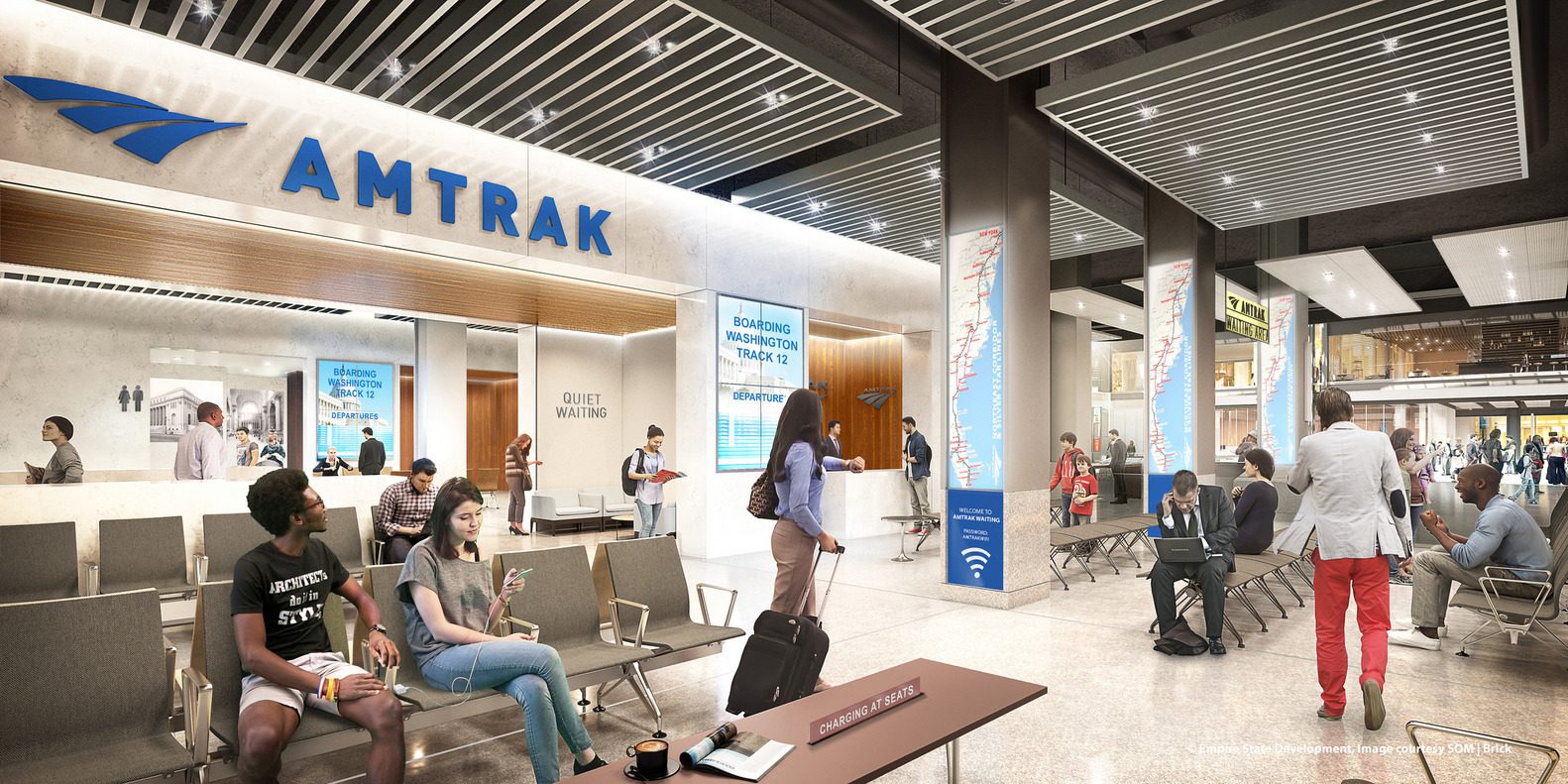
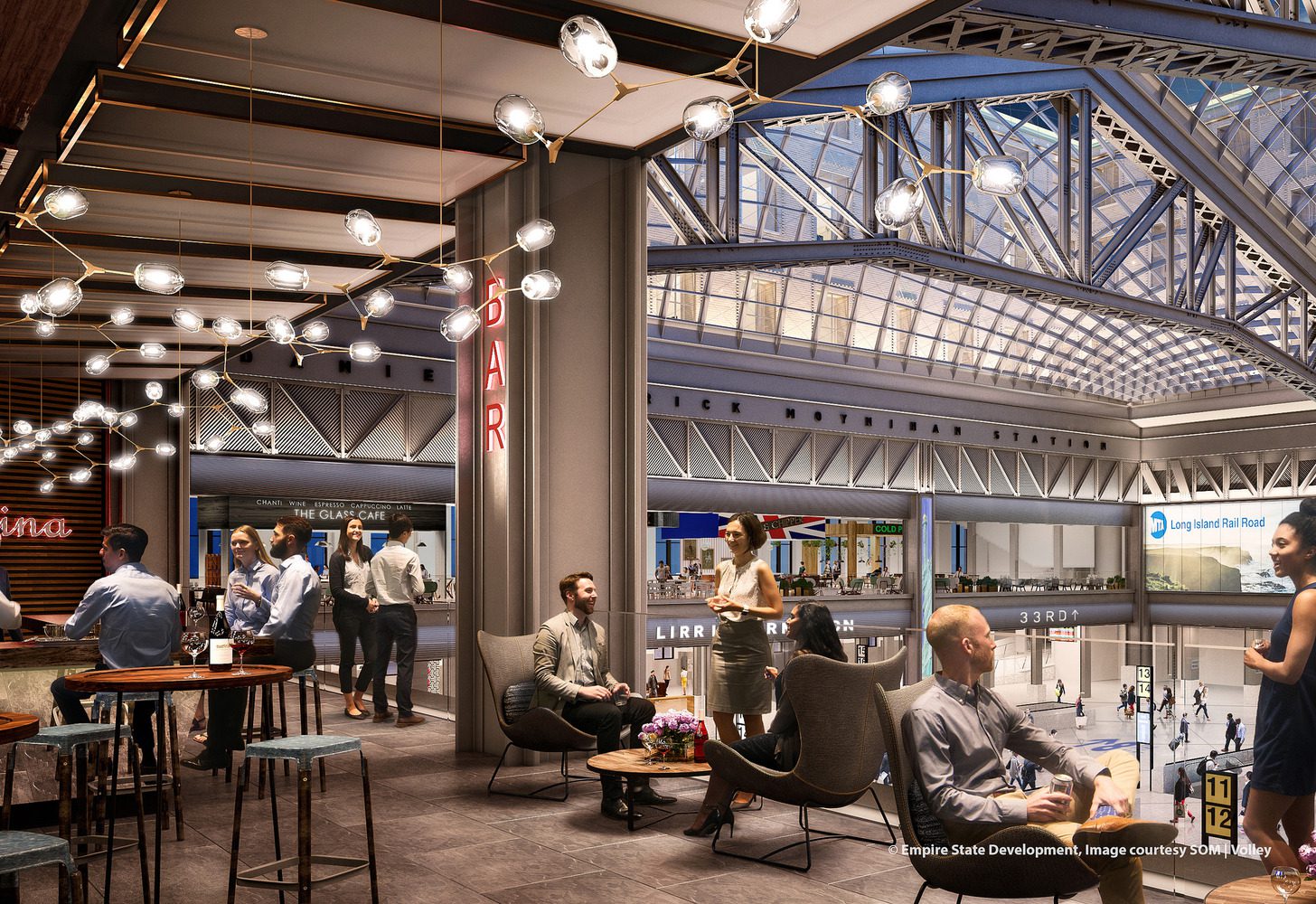
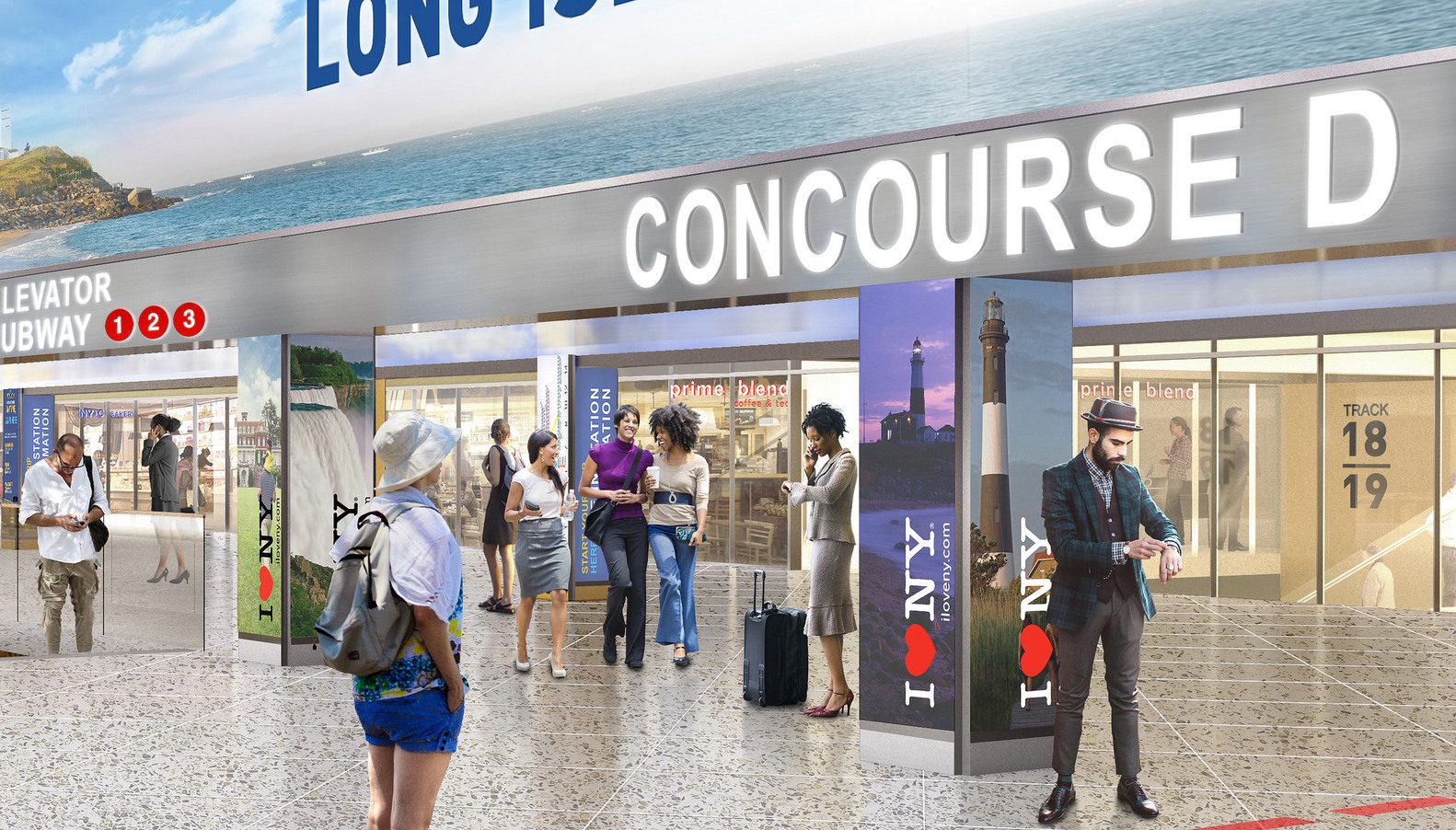
While the plan includes the refurbishment of the deteriorating underground passageways and platforms that currently serve nearly three times as many users as they were designed for, the new train hall and retail space will contain 112,000 square feet of retail space and 558,000 square feet of office space. It will also contain both ticketing and waiting areas in Amtrak and Long Island Railroad.

Isabelle Laurent is a Built Projects Editor at Arch2O, recognized for her editorial insight and passion for contemporary architecture. She holds a Master’s in Architectural Theory from École Nationale Supérieure d’Architecture de Paris-Belleville. Before joining Arch2O in 2016, she worked in a Paris-based architectural office and taught as a faculty adjunct at the École Spéciale d’Architecture in Paris. Isabelle focuses on curating projects around sustainability, adaptive reuse, and urban resilience. With a background in design and communication, she brings clarity to complex ideas and plays a key role in shaping Arch2O’s editorial