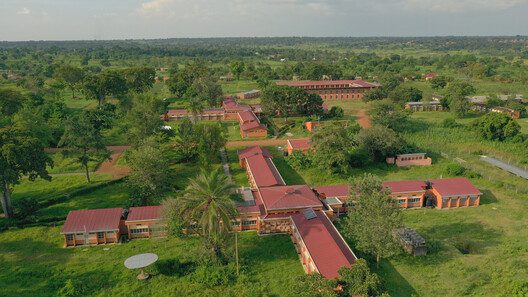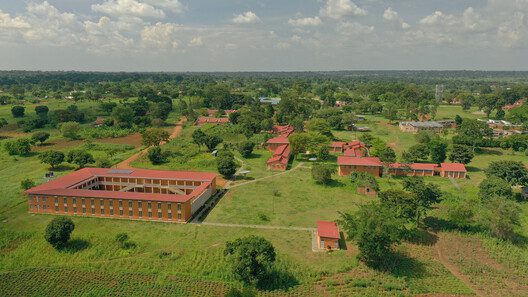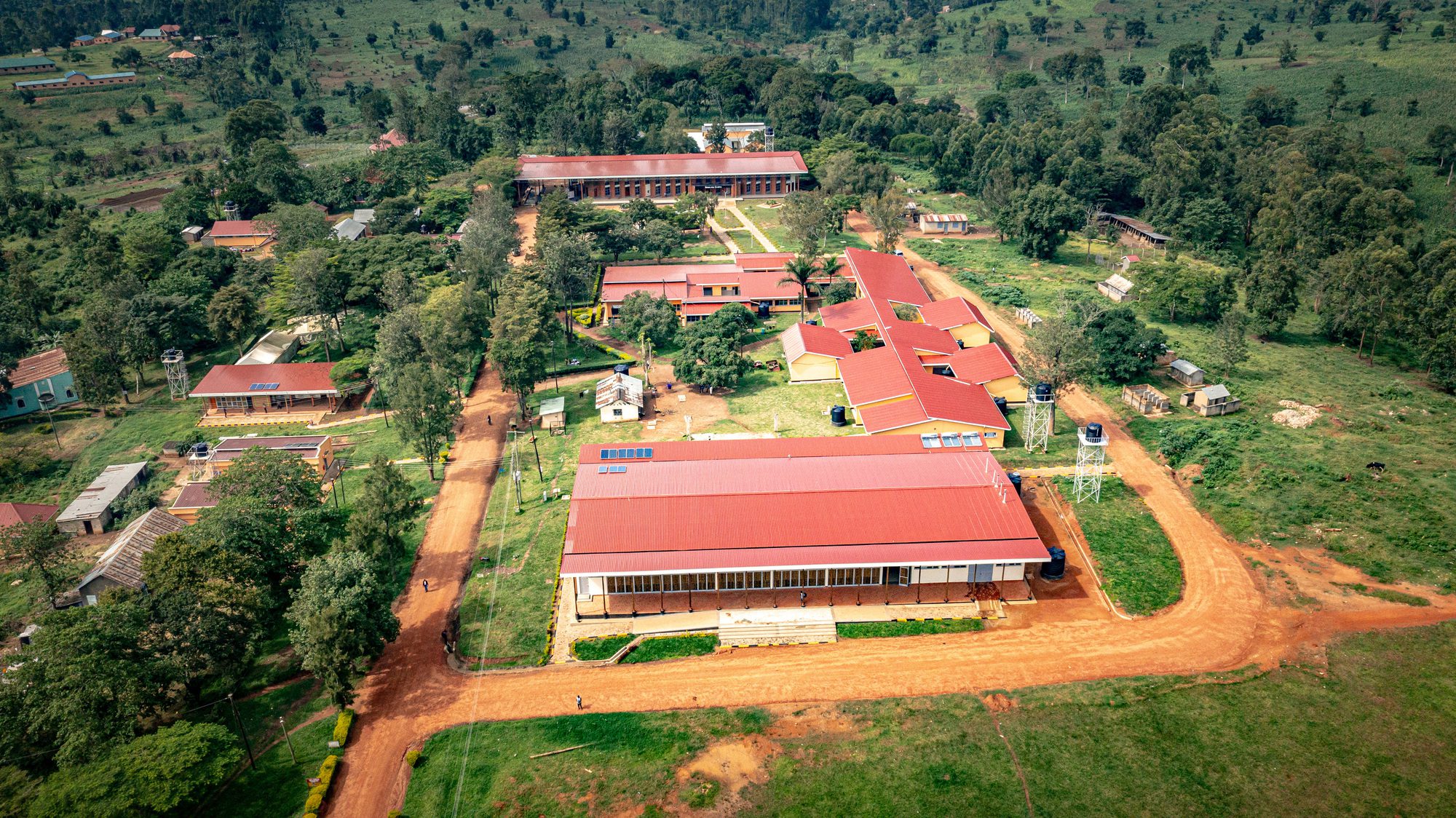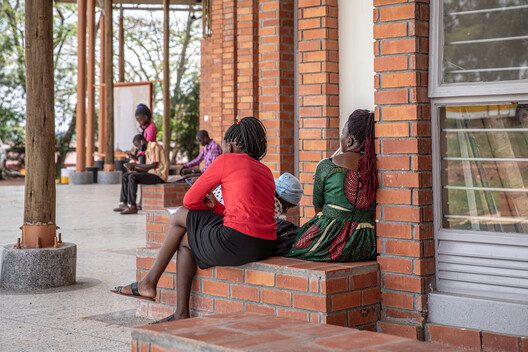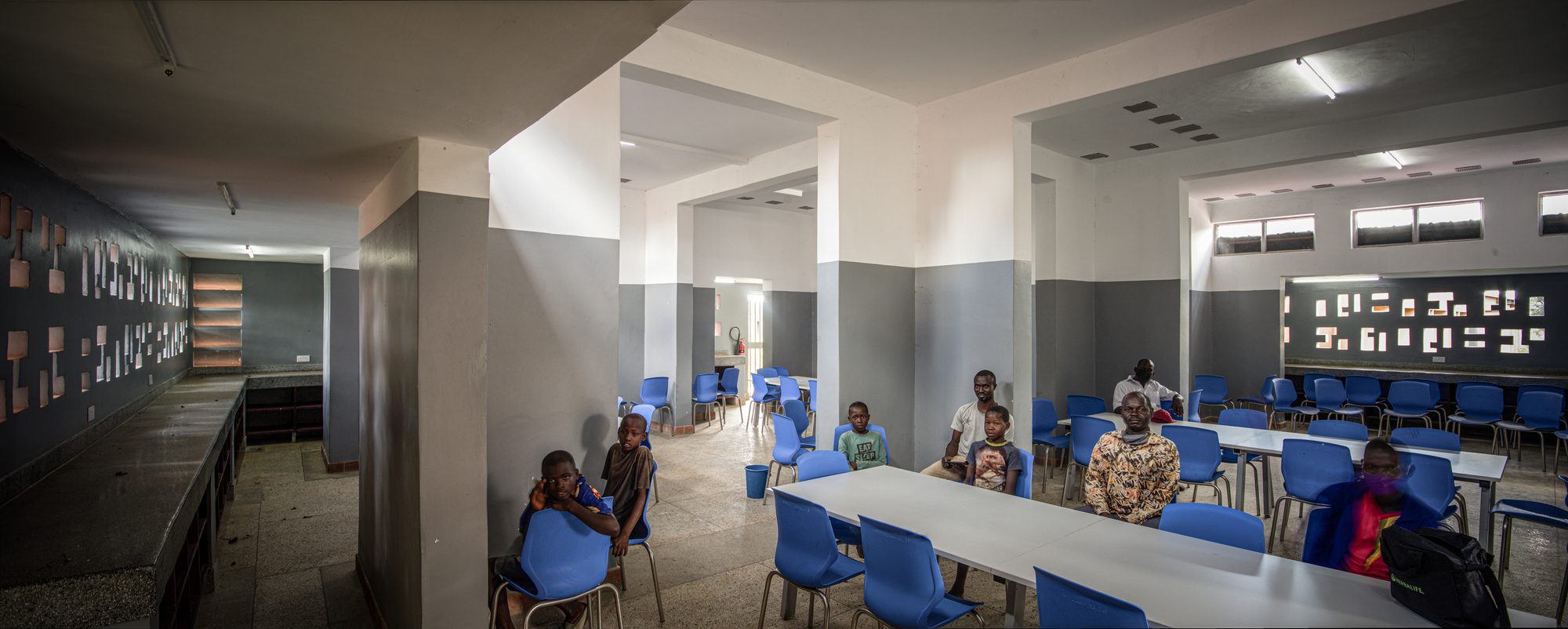

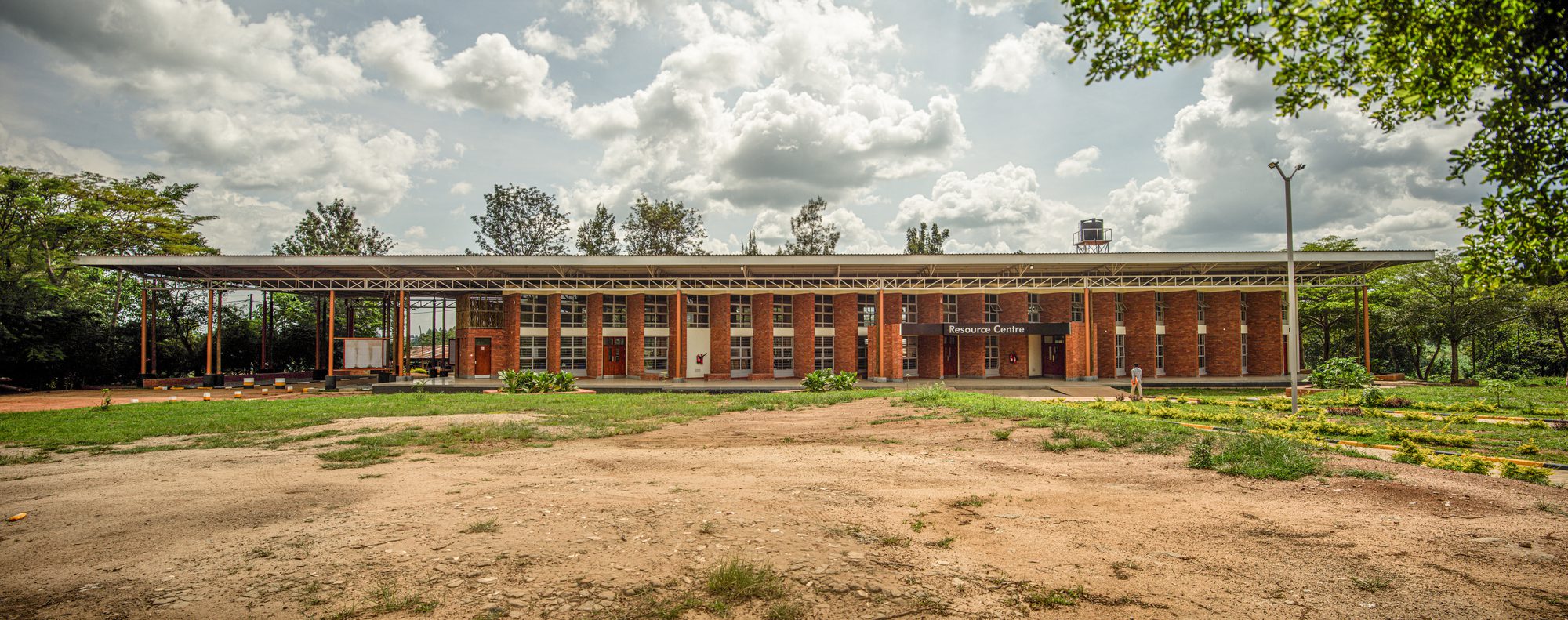
National Teachers Colleges Uganda, Winners of the Architizer A+ Awards 2022 are announced by the Architizer organization from New York on Monday 6th of June 2022. The public award in the category ‘Architecture for Good’ is awarded to the project National Teachers Colleges (NTC) Uganda. It is about large-scale campus renovation and newly built facilities at 2 education locations near the towns of Kaliro and Mubende in Uganda. The built project for approximately 2000 students totalling 24 renovated and 8 new buildings. It consists of student and teacher housing, classroom buildings, energy-efficient kitchens, sports facilities, sustainable energy facilities, waste recycling, and food production.
© Eppo Karsijns – Red Pixl Media
Enabel Country Representative Tom Vanneste said the initiative ensured the creation of a safer and more conducive learning environment for over 2000 learners and their teachers. The project is realised in a joint venture collaboration between Oubuntu Consulting, DASUDA en bkvv architects. The clients of this large-scale project are the Ministry of Education and Sports in Uganda and the Belgium Development Agency. The project is funded by the Belgian Government. NTC is part of an ambitious national program to improve education in Uganda. The approach for NTC is that future teachers become the example for a better Uganda. Living and learning at the NTC campus reflects just that.
© Eppo Karsijns – Red Pixl Media
The design for National Teachers Colleges started in 2019 and construction was recently completed. The buildings were recently handed over during a well-visited inauguration ceremony in December 2021. The Minister of State and Ambassador of Belgium signed the Manifesto for Climate Responsive Design during the inauguration ceremony. NTC is as first project in Uganda acknowledged as a best practice example of Climate Responsive Design. The project is poised to become a reference for institutional developments in the country.
© Eppo Karsijns – Red Pixl Media
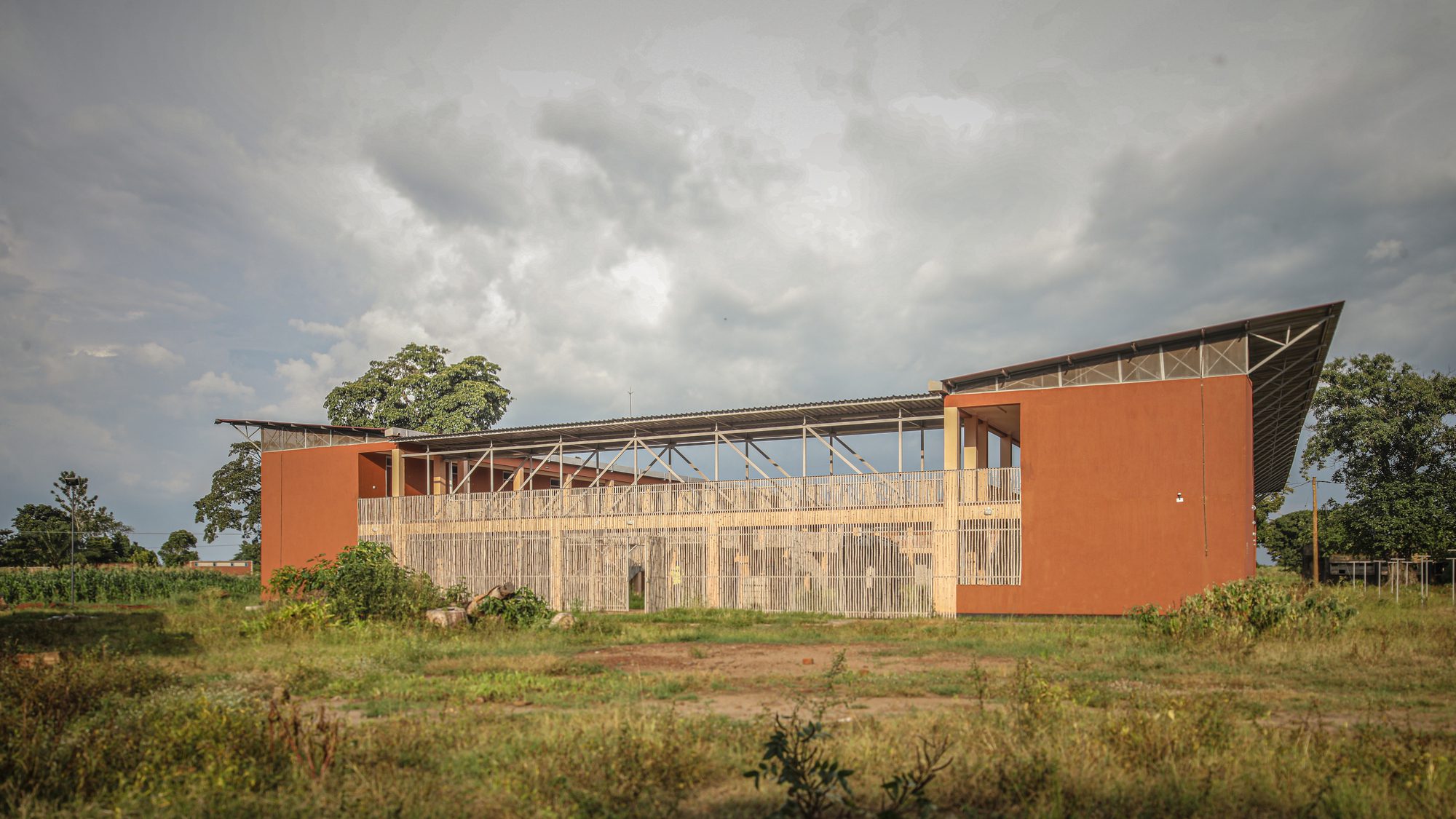
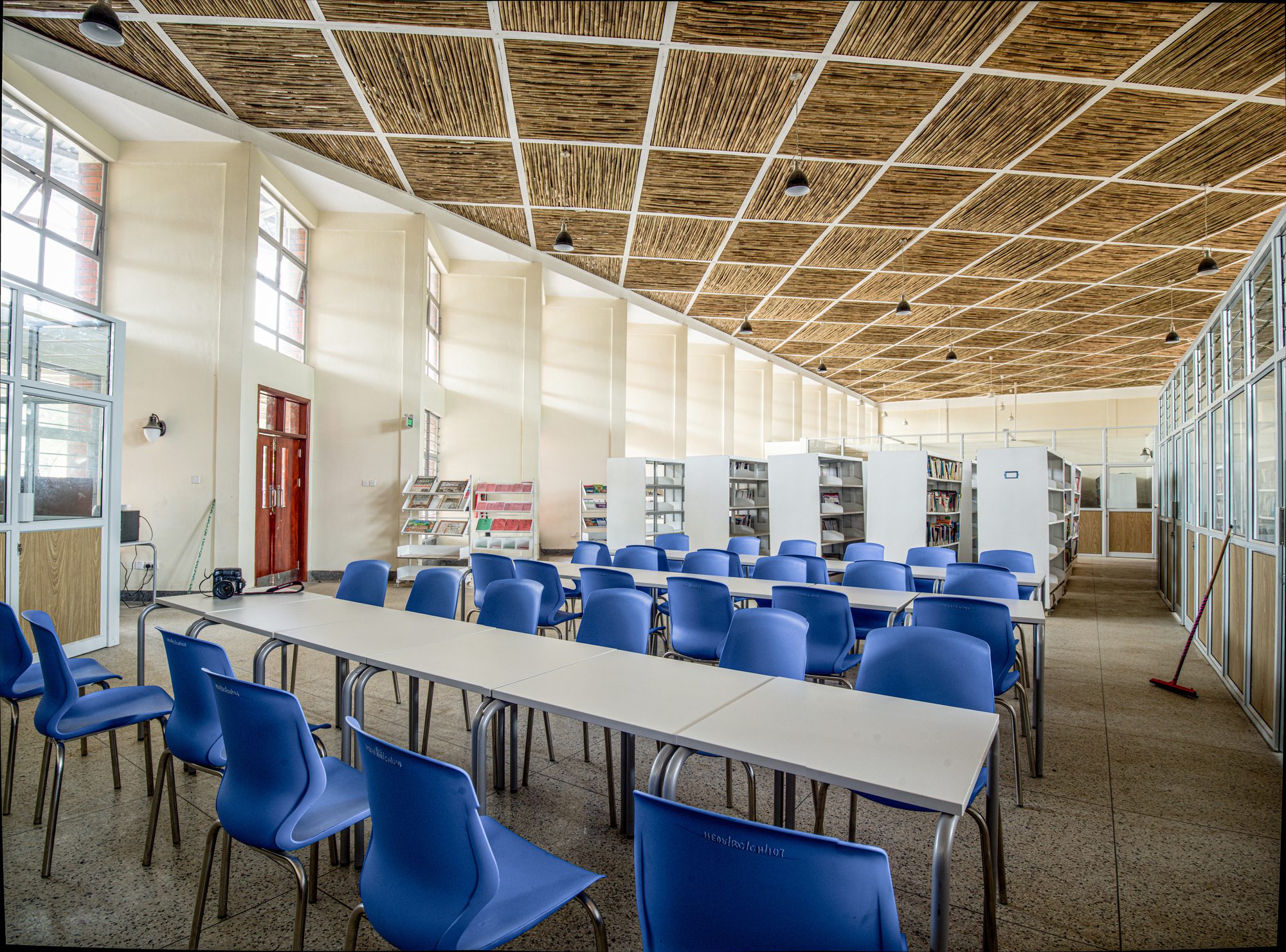
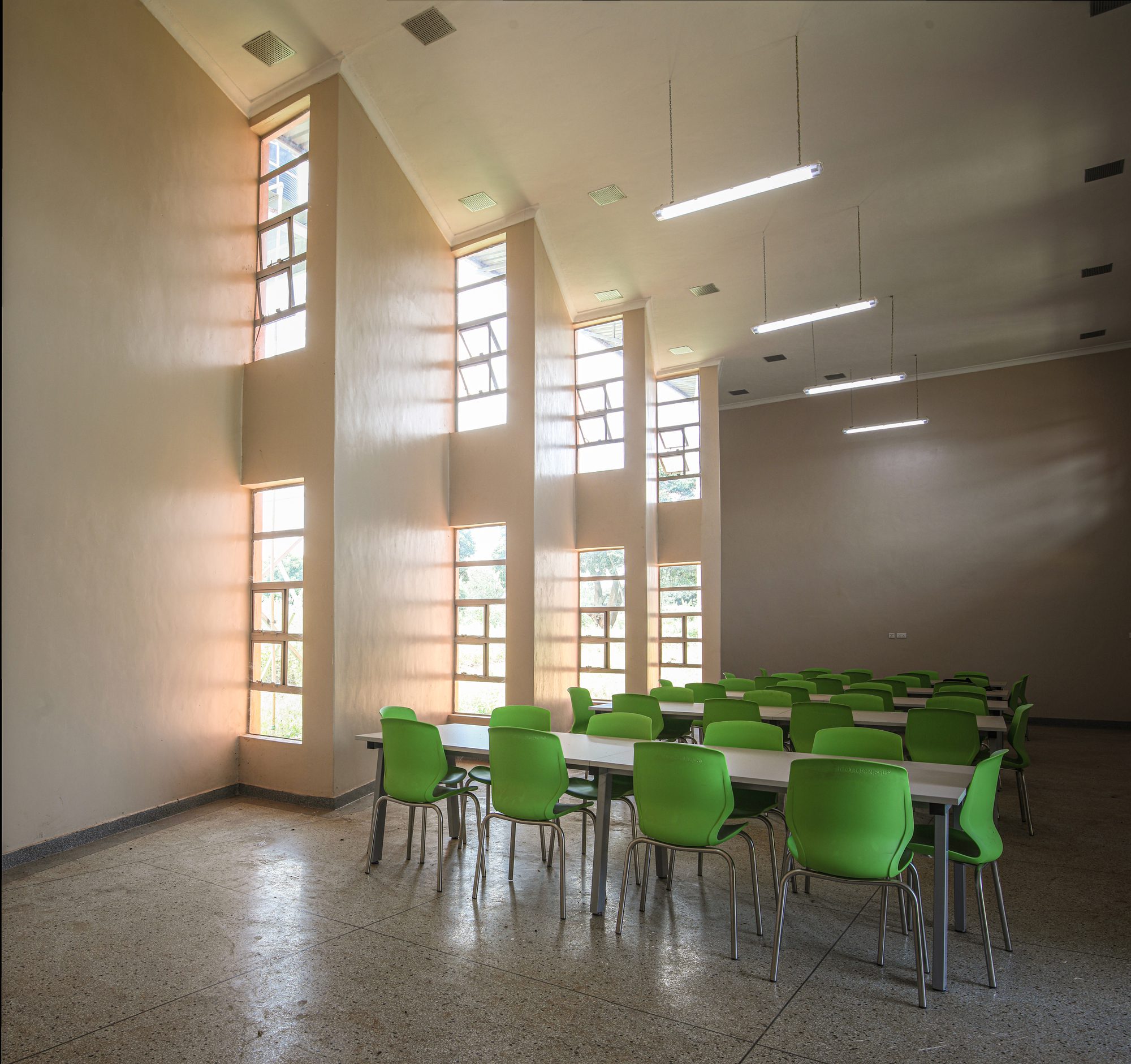
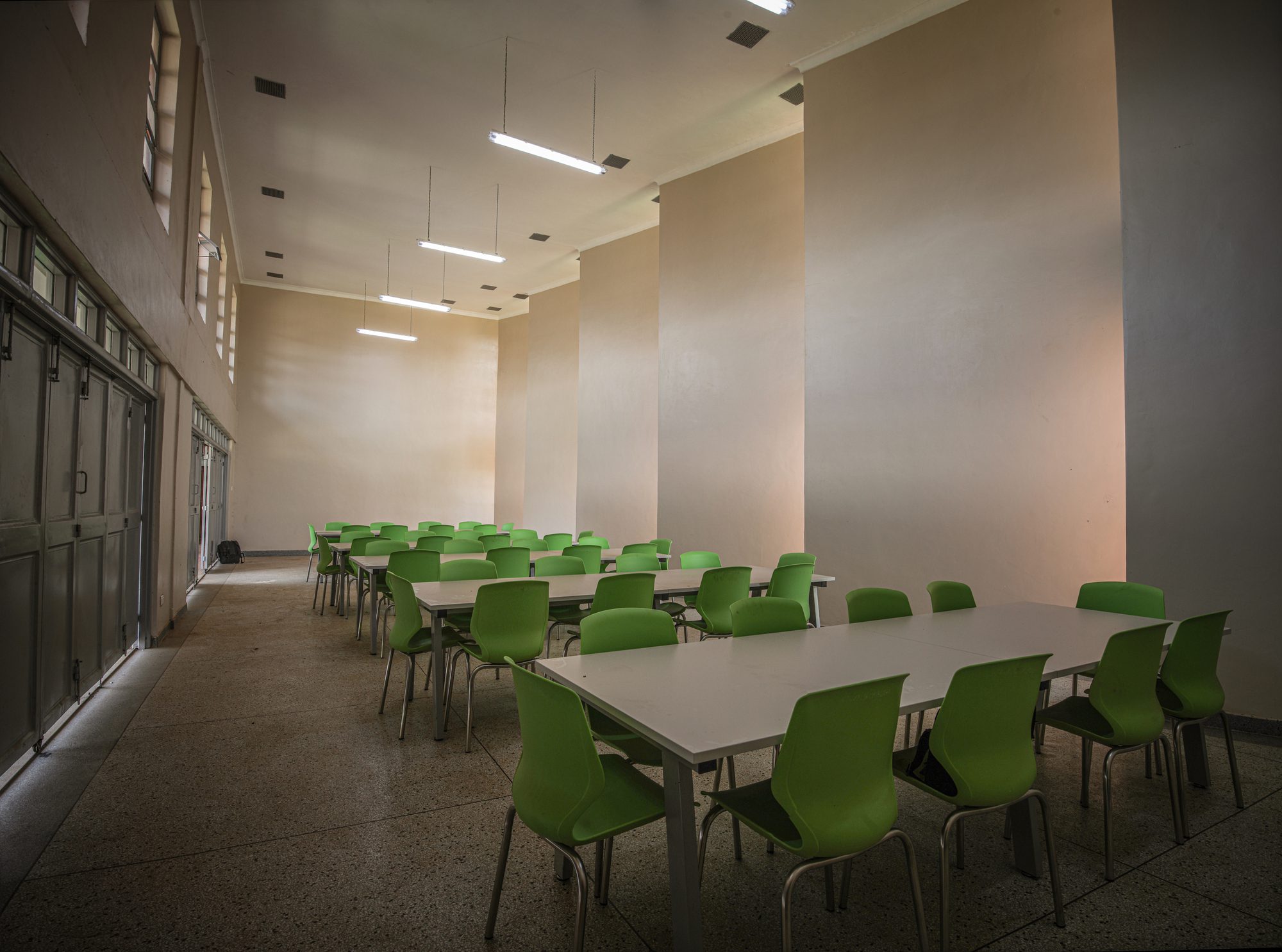
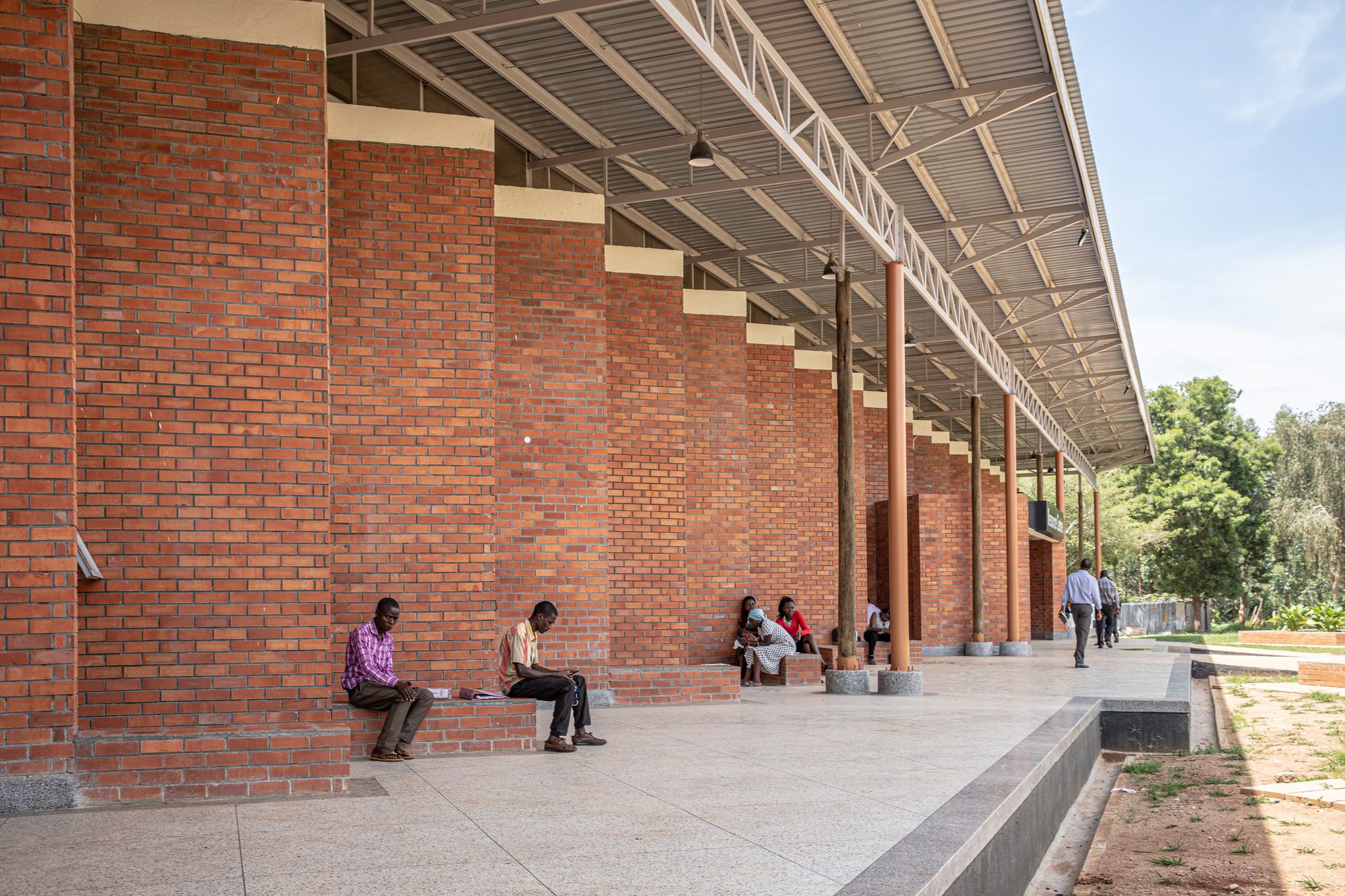
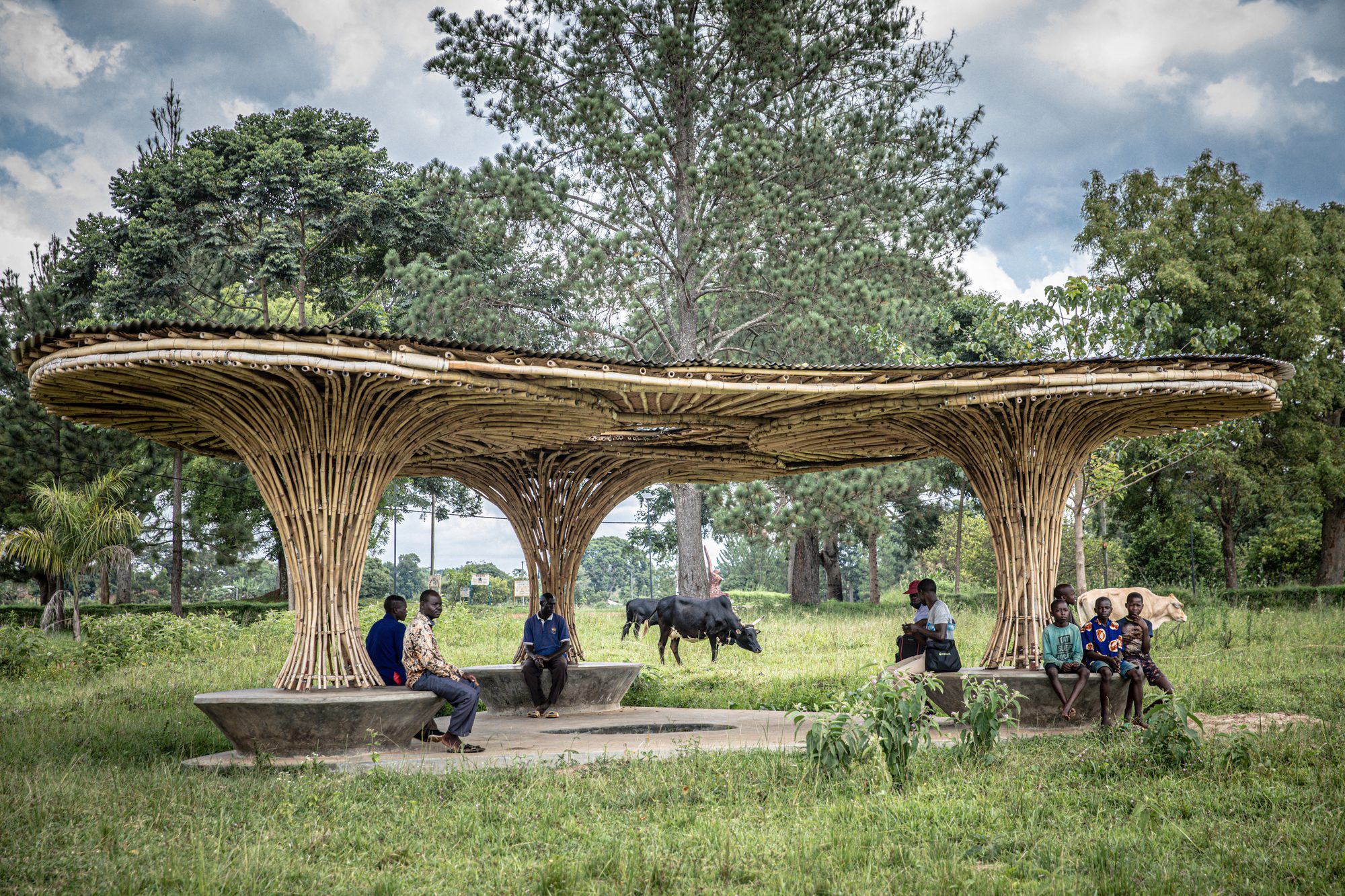
It has indoor and outdoor spaces and local artisan technology applications. It also focuses on the enhancement of the green environment through local-bio diversity safeguards and water protection. It uses locally available materials such as bamboo and earth bricks that promote community participation. Simple but pleasant architecture optimizes, natural lighting and ventilation, passive cooling. Resulting in thermal comfort spaces with a relatively low indoor temperature. At the same time, it has low-cost maintenance, as well as a reduction in project cost and implementation period. No air conditioning is required, and buildings still have a cool feeling temperature inside.
Project Info
Architects: bkvv architects
Country: Uganda
Year: 2021
Photographs: Eppo Karsijns – Red Pixl Media,Nambasa Sabrina – Frame Media
Local Collaborators: Oubuntu Consulting
Collaborative Collective: DASUDA – Dutch Alliance for Sustainable Urban Development in Africa