

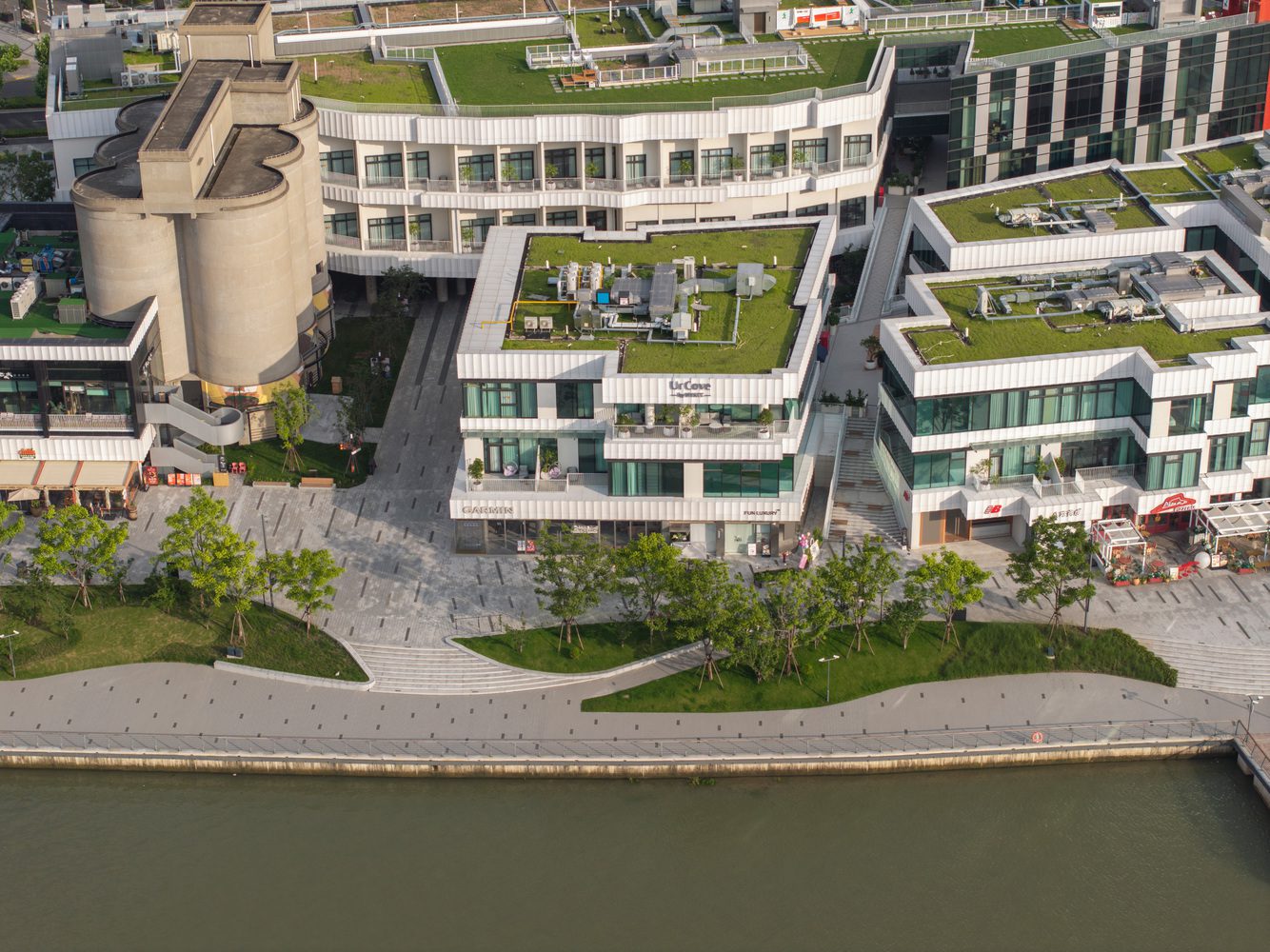
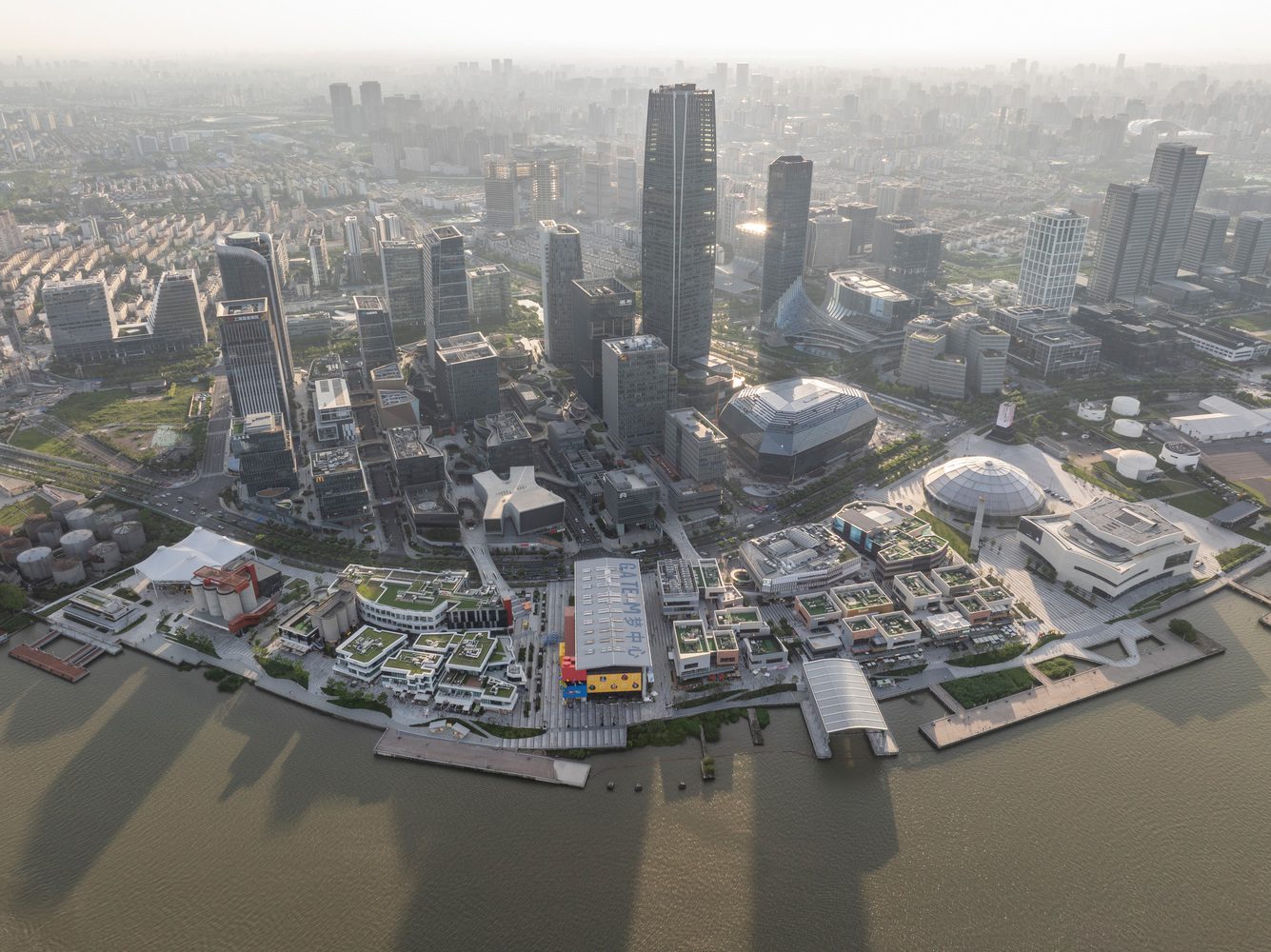
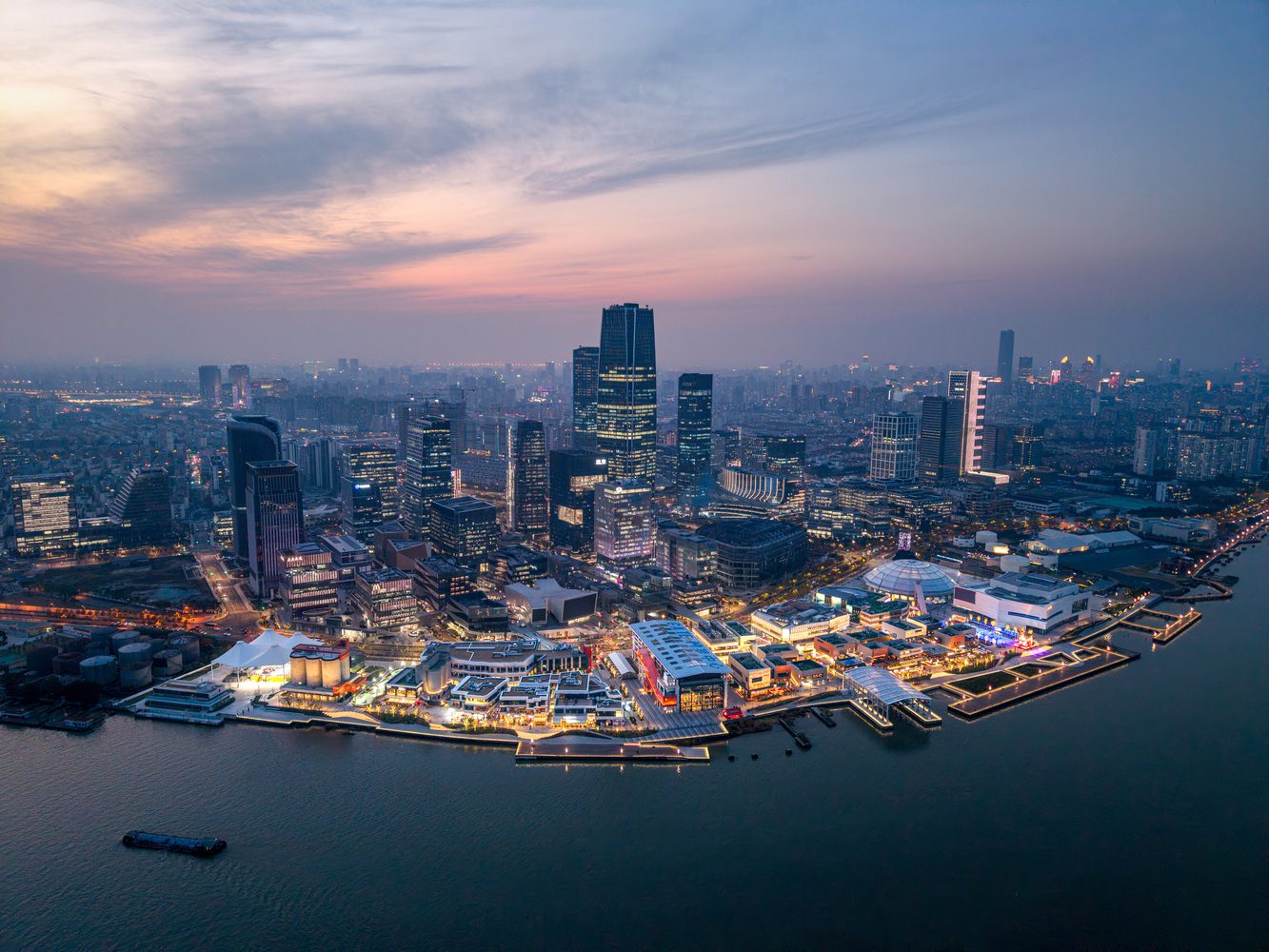
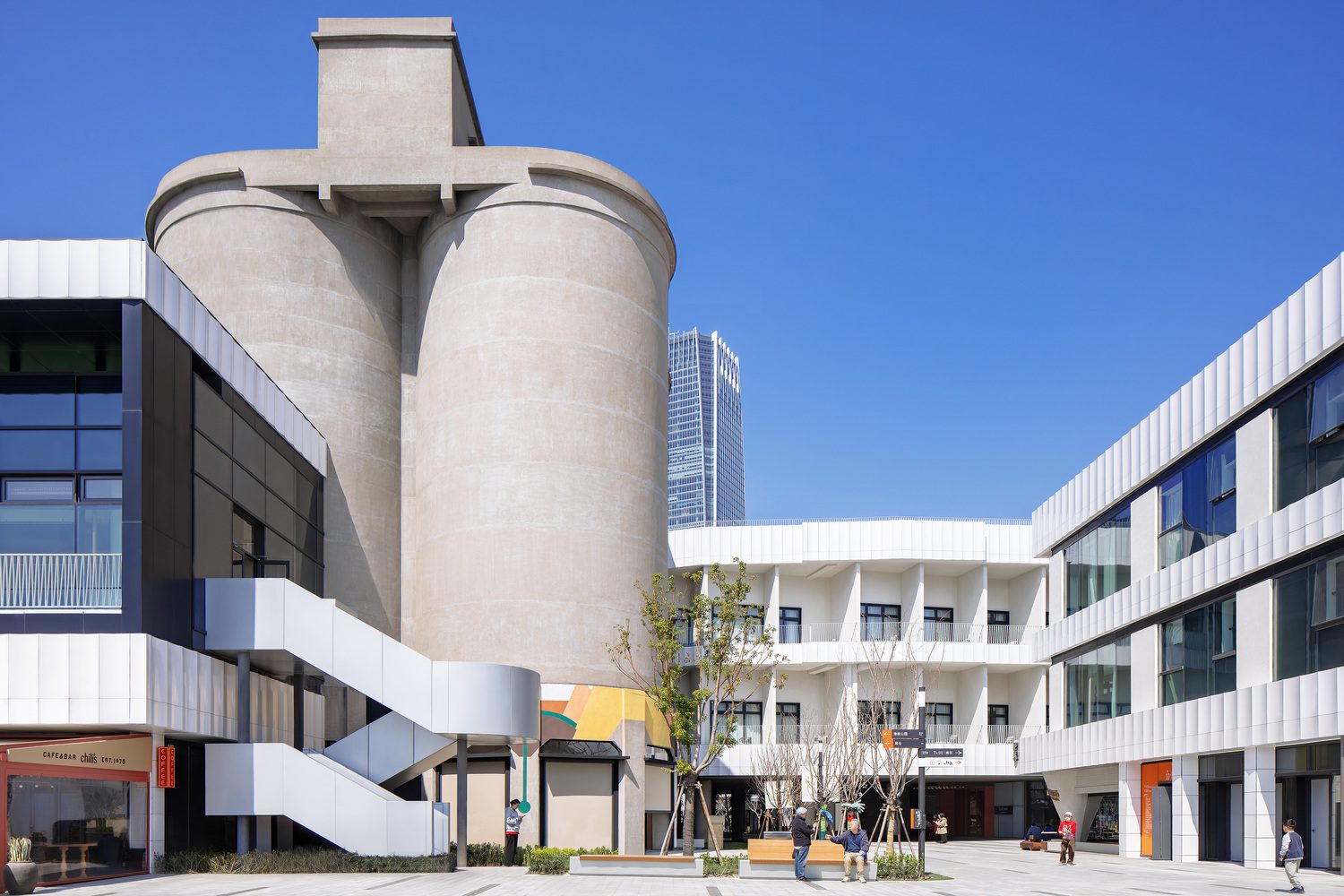
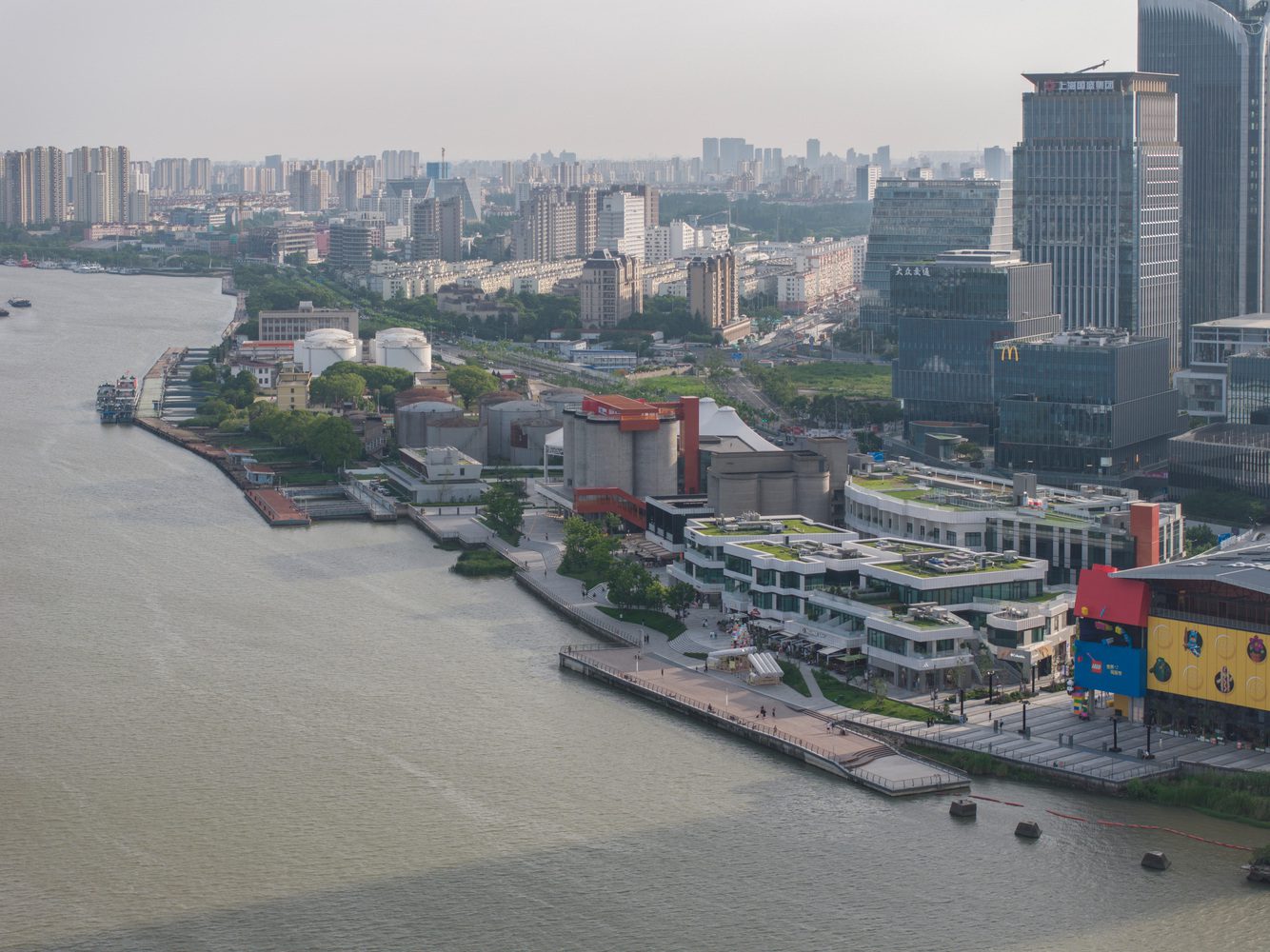
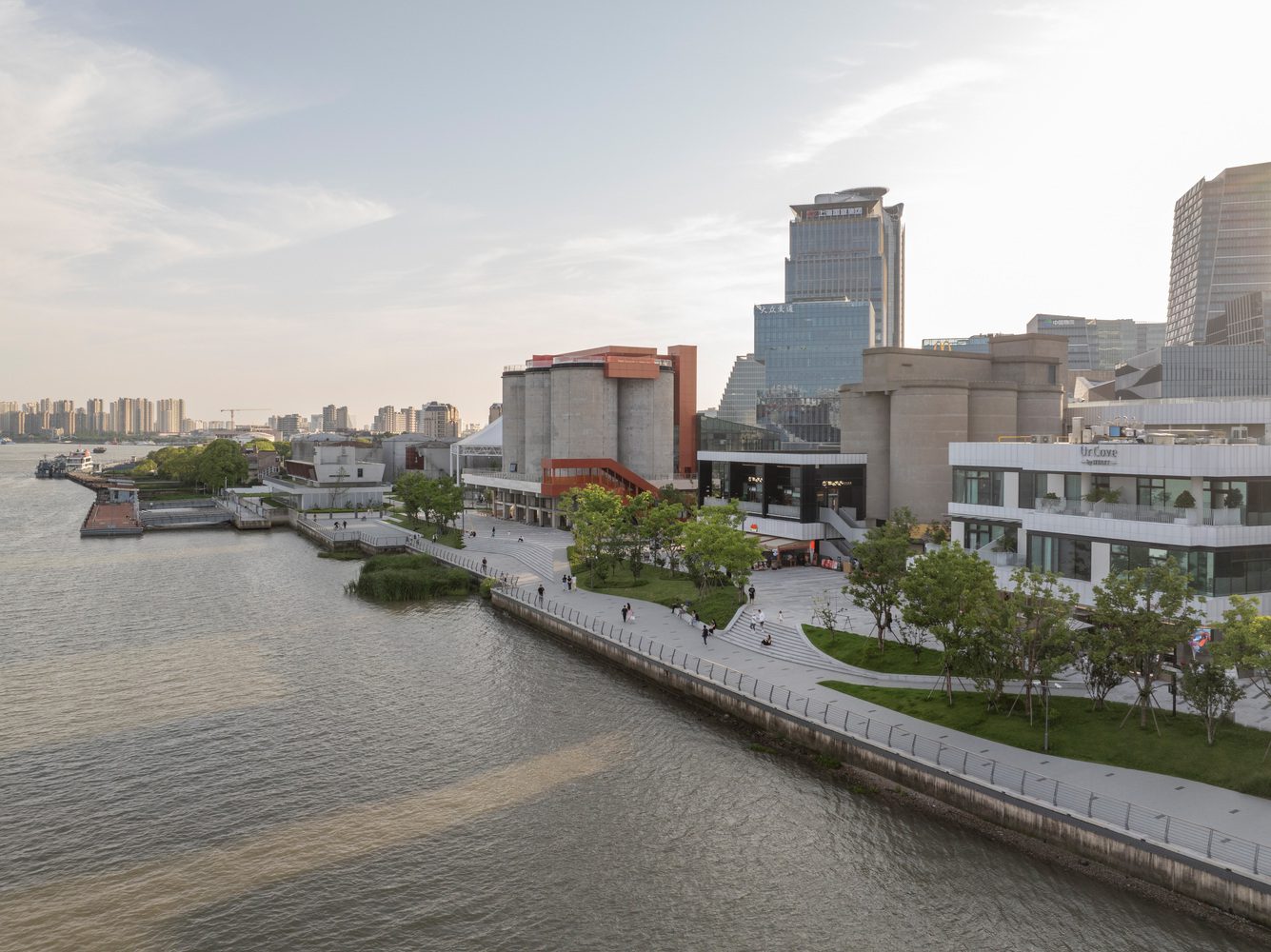
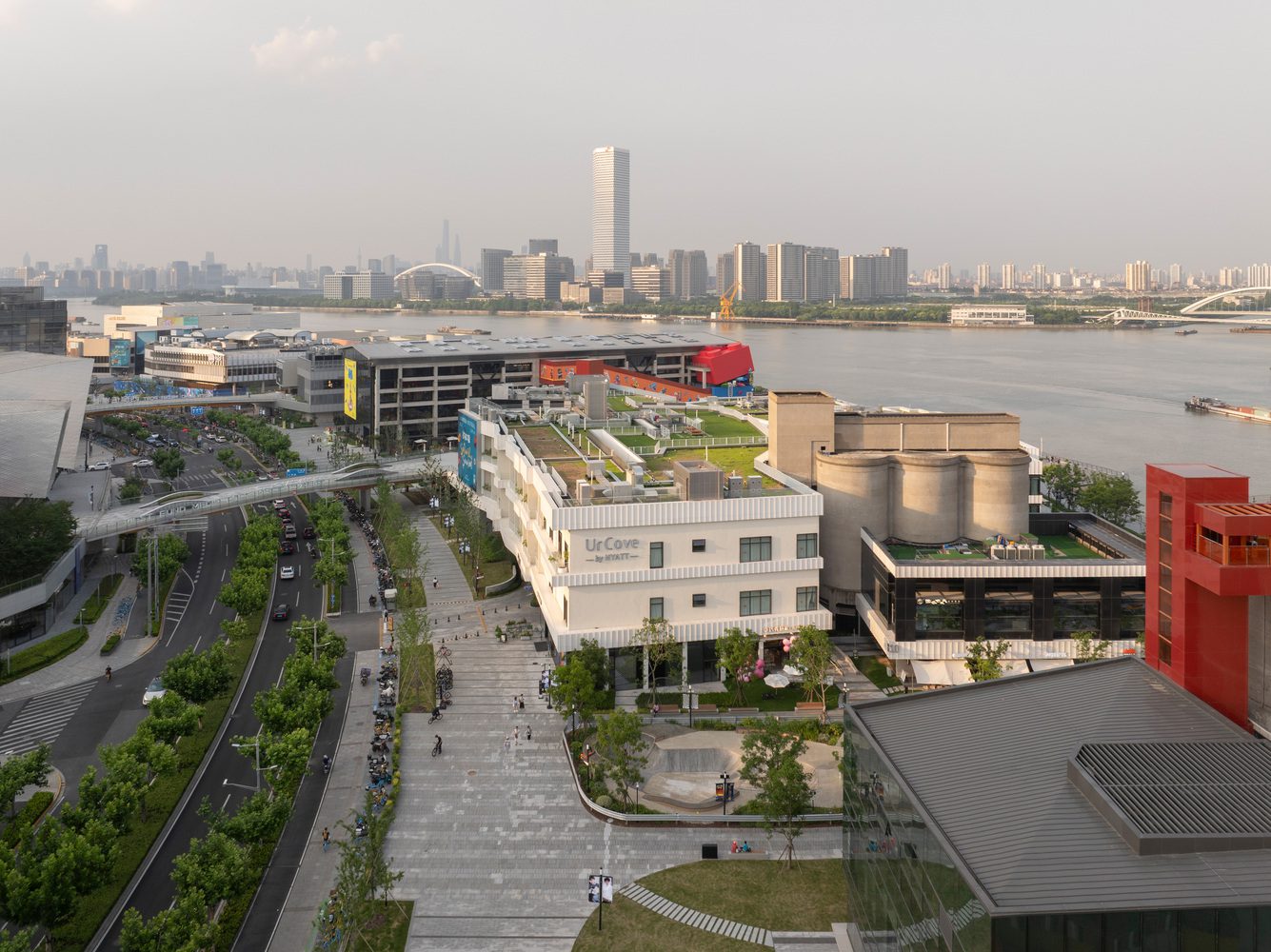
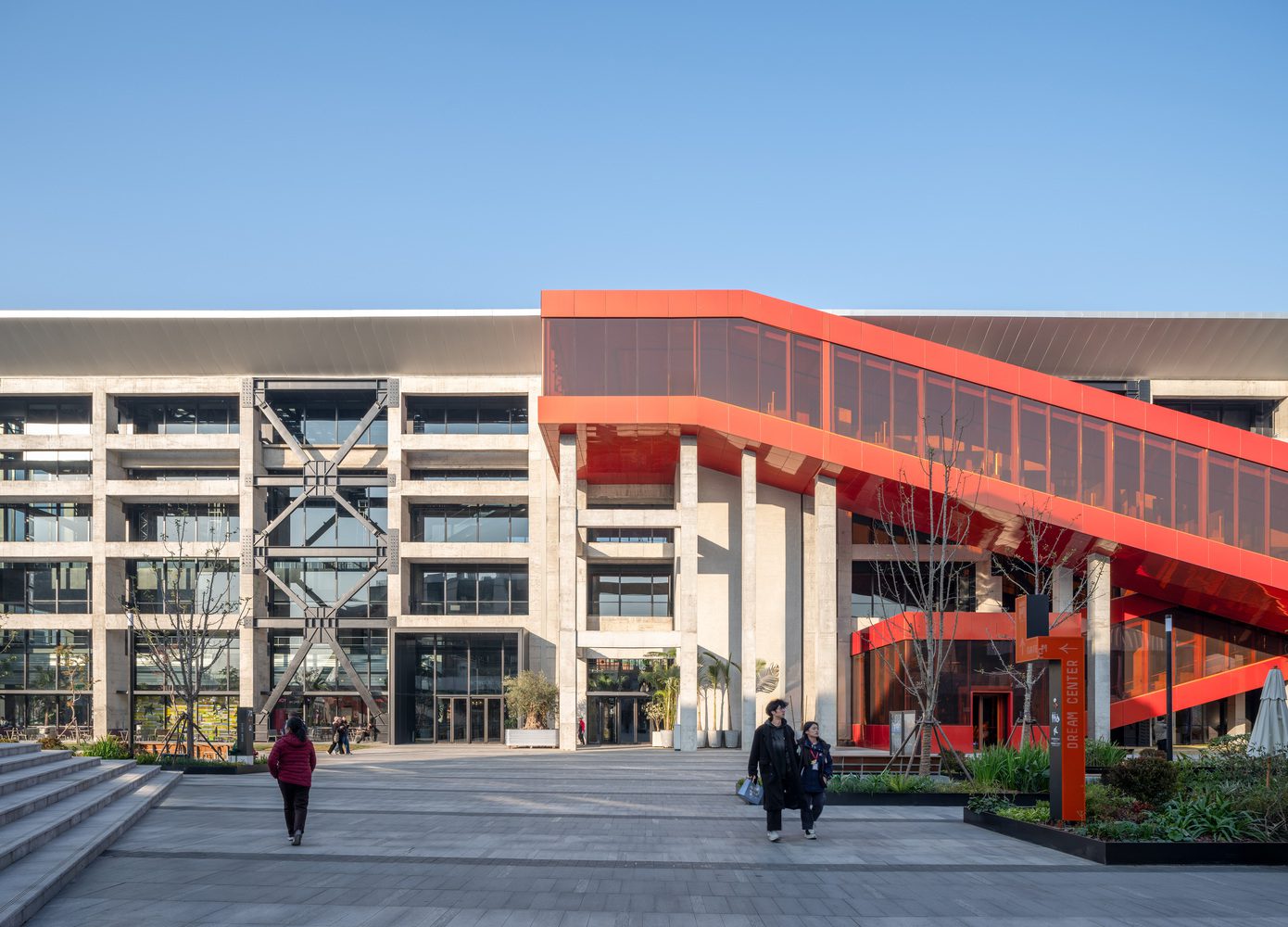
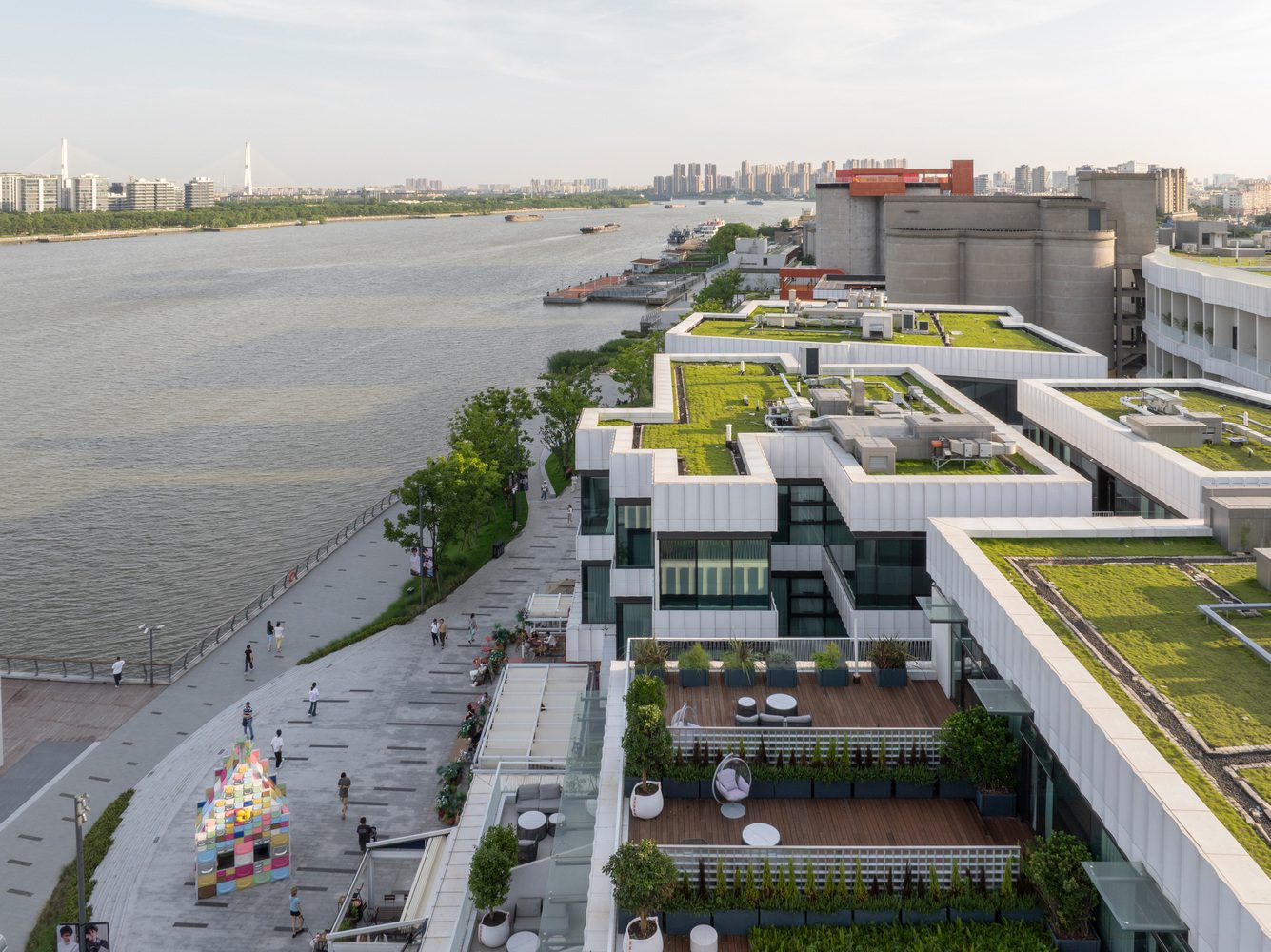
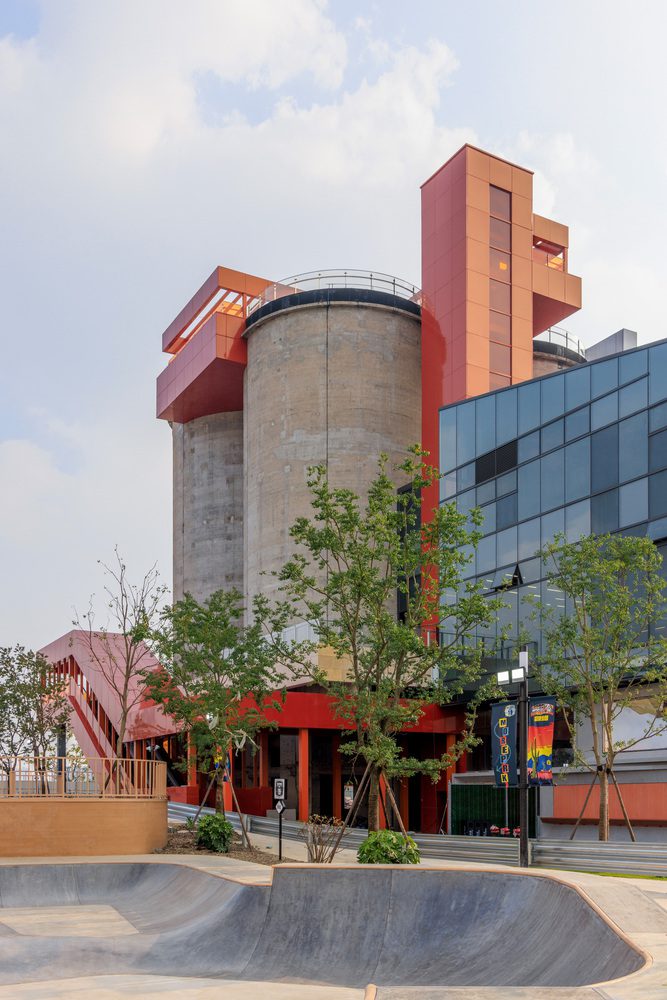
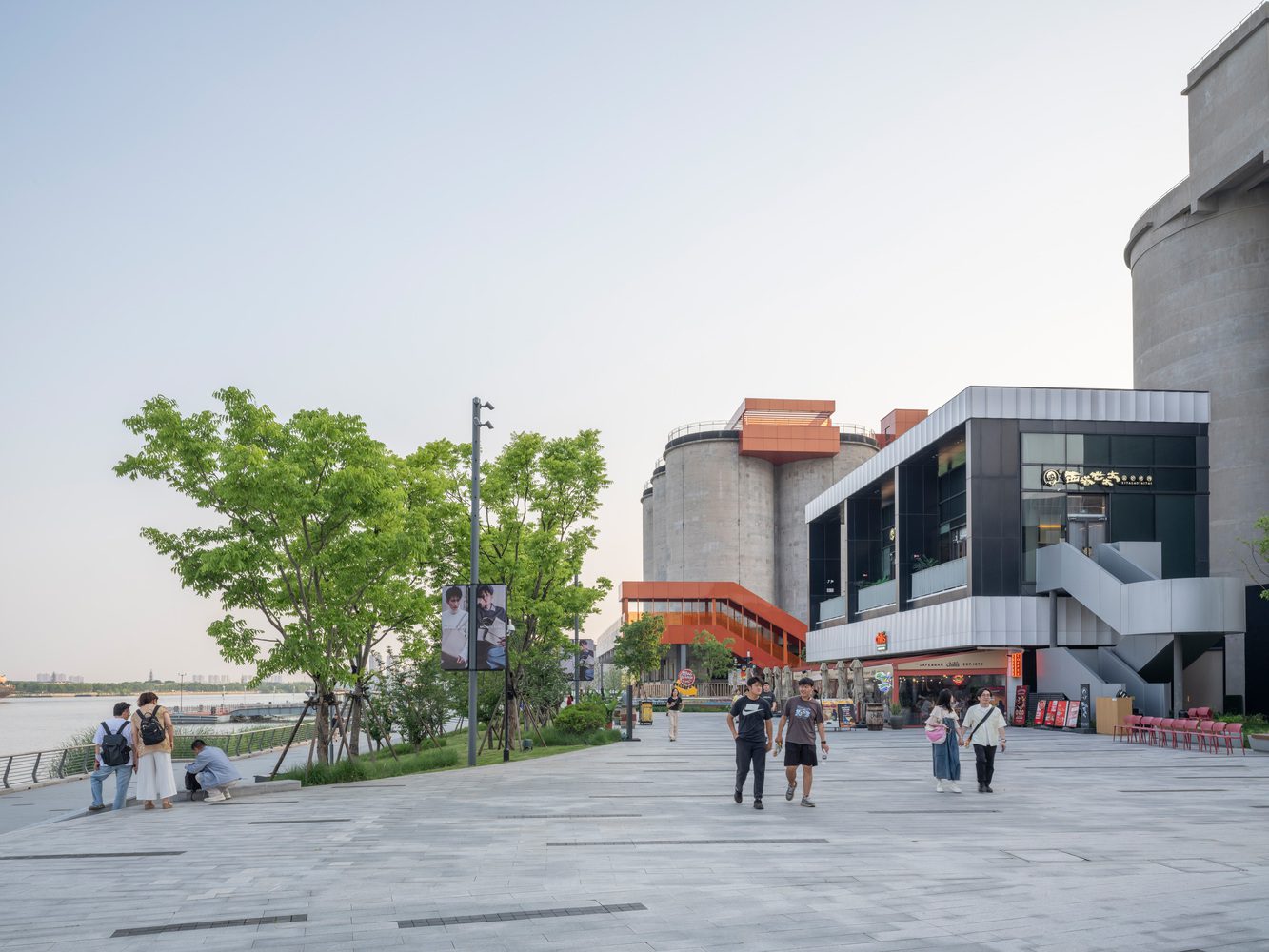
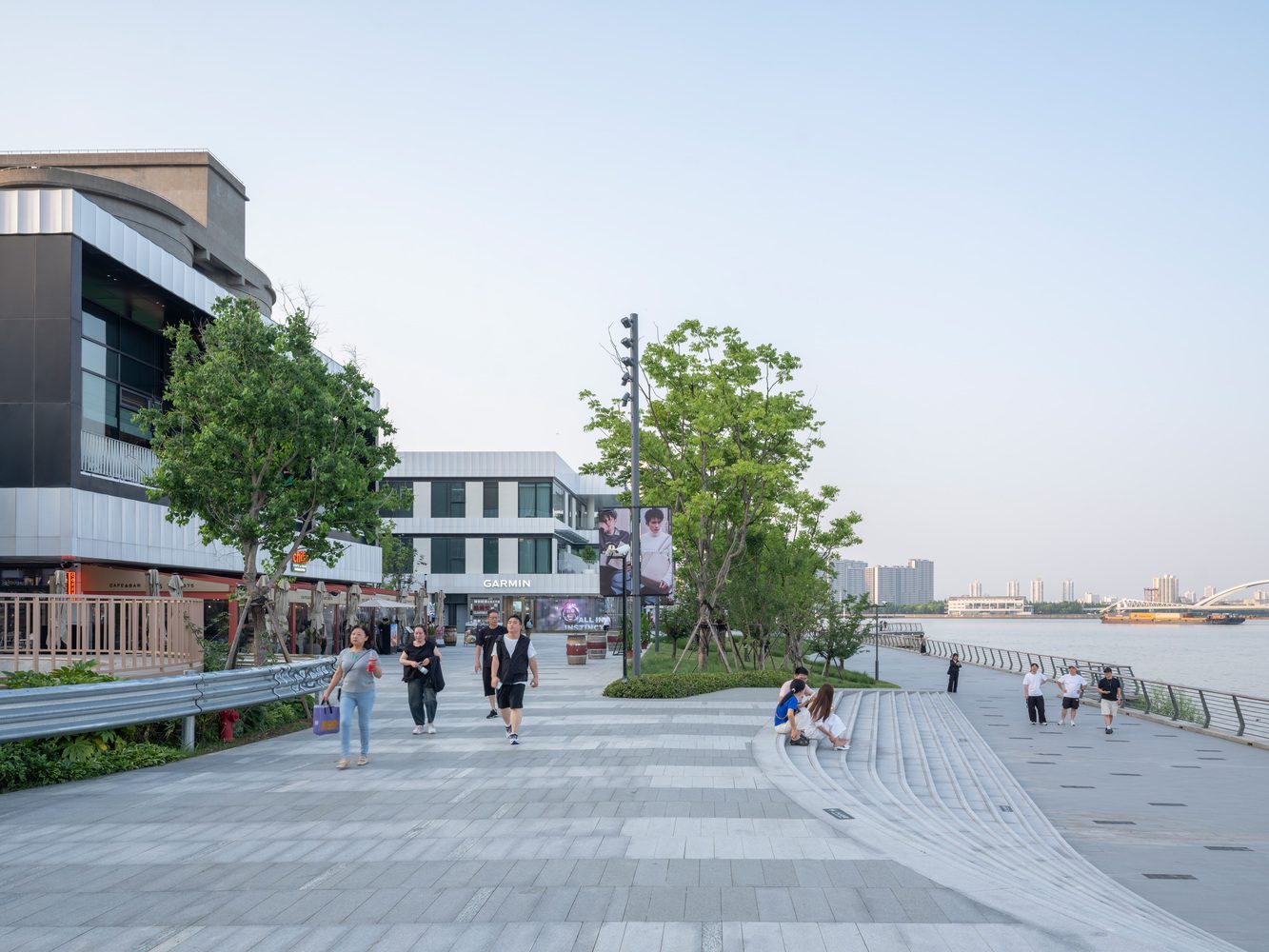
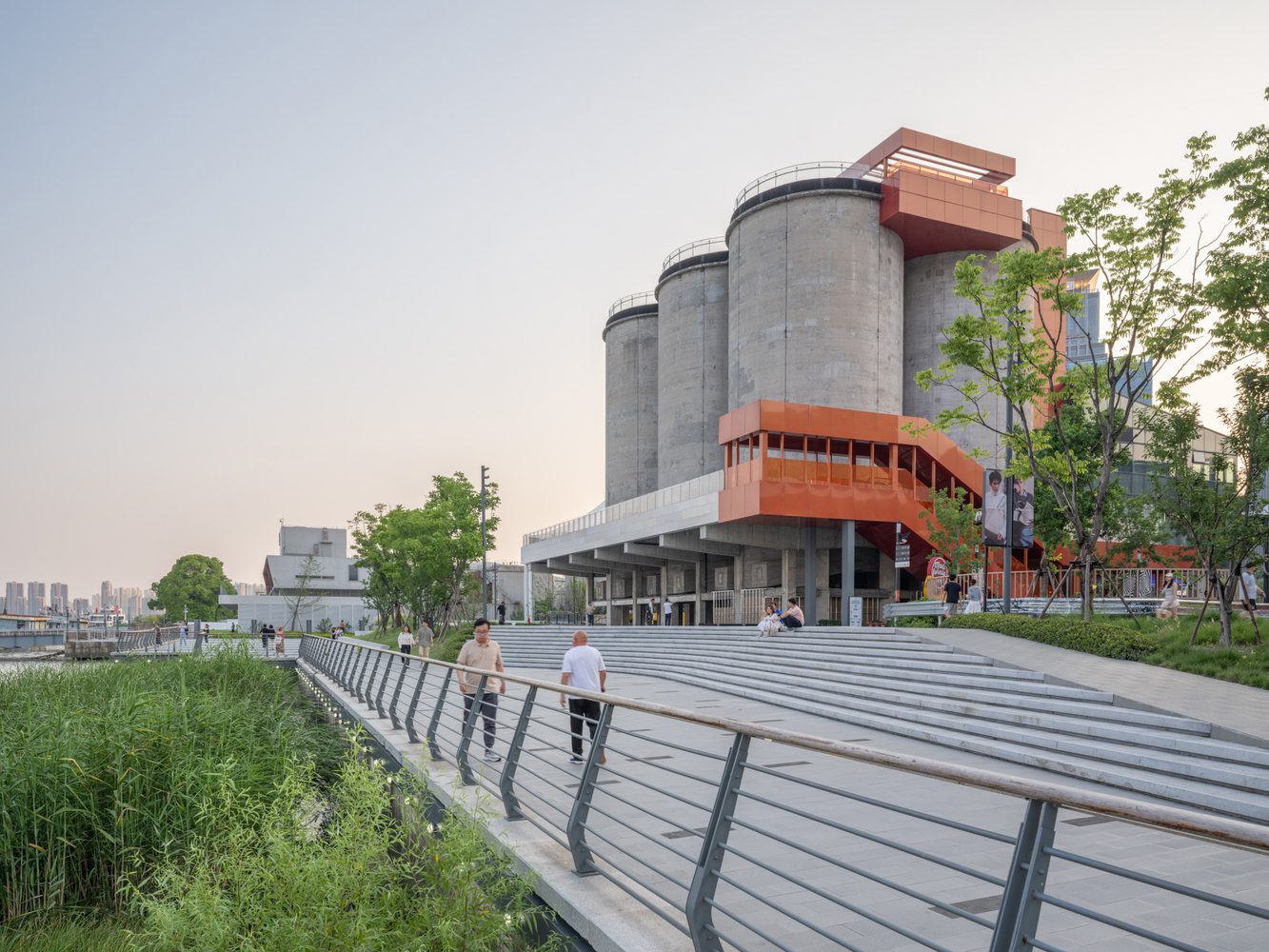
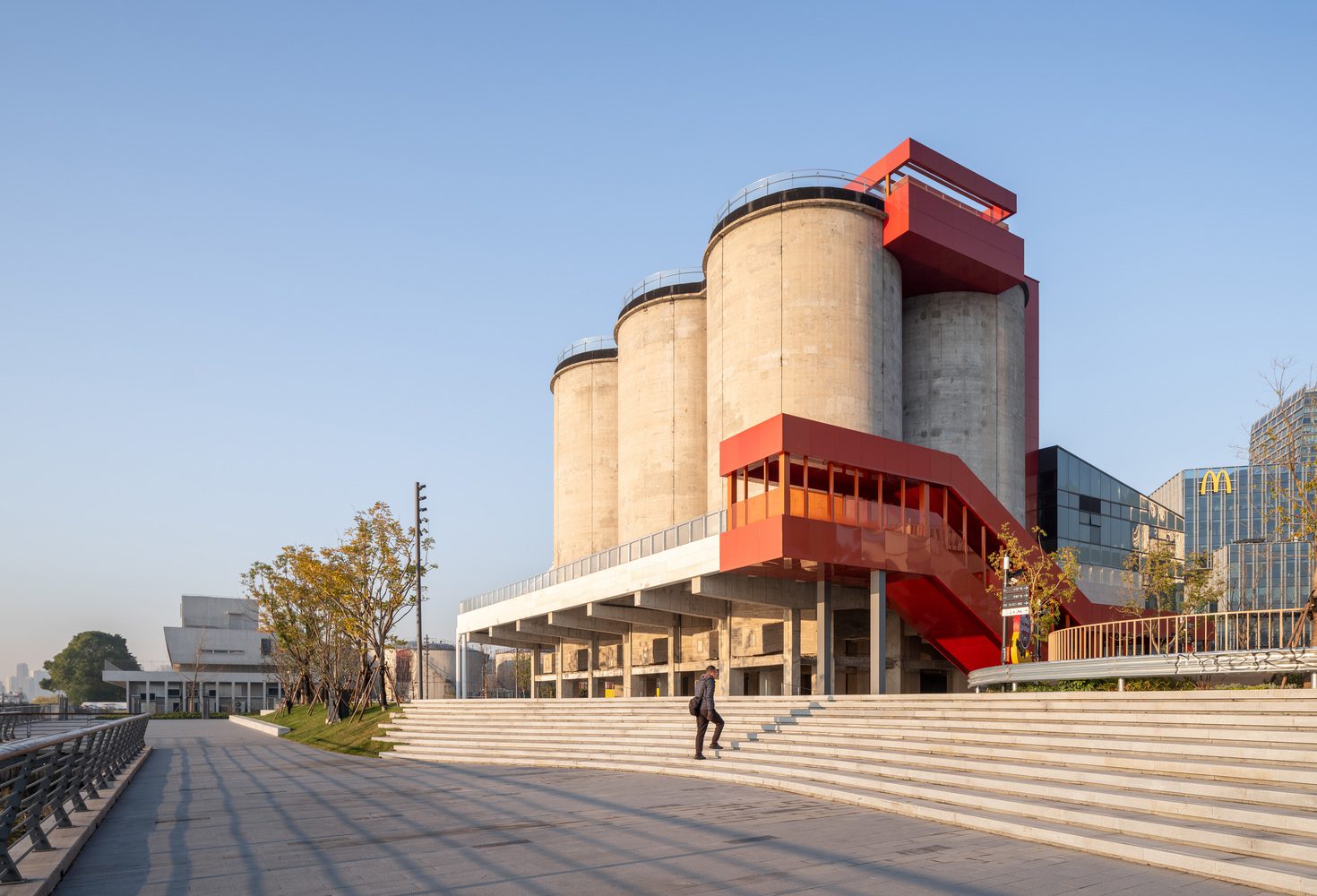
Standing on the banks of the Huangpu River, you’re looking at what was once Asia’s largest cement factory. MVRDV has completed the GATE M West Bund Dream Center, turning this historic cement factory into a vibrant cultural destination.
© Tian Fangfang
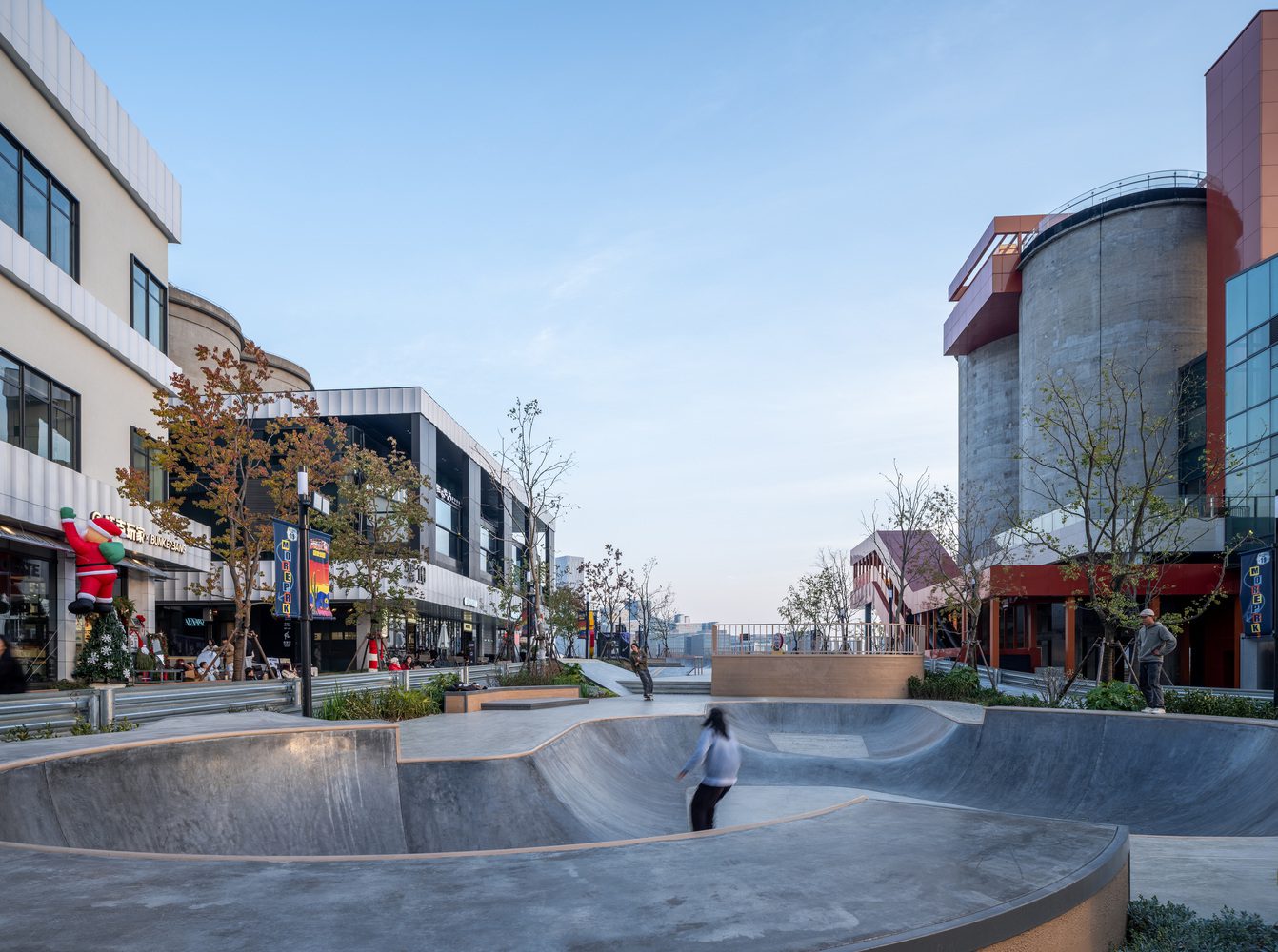
The Dutch architecture firm orchestrated an urban transformation that honors industrial heritage while creating something genuinely fresh. The 45,000-square-meter project has won multiple awards and become a popular destination for Shanghai residents and visitors alike.
© Xia Zhi
The Bold Orange Thread
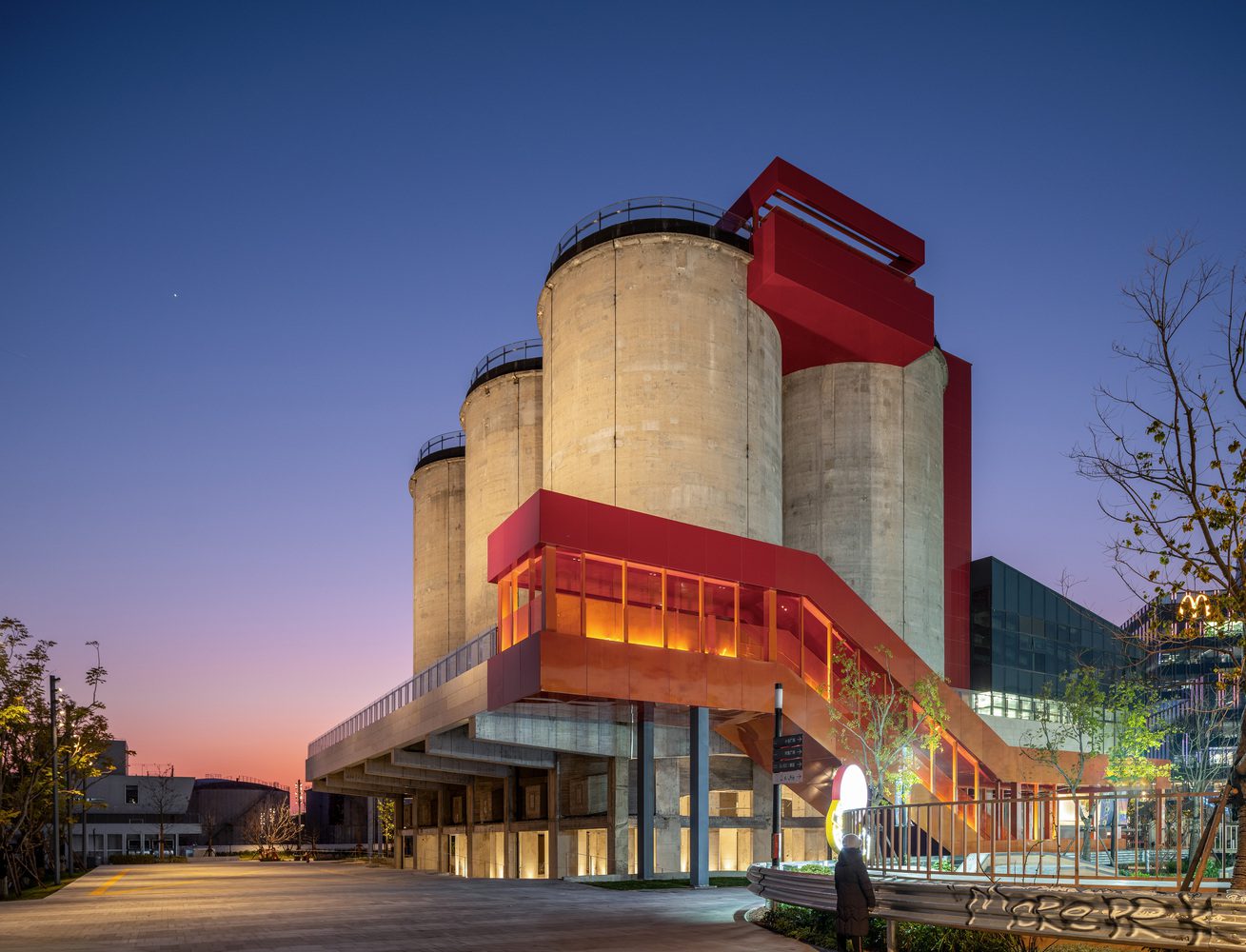
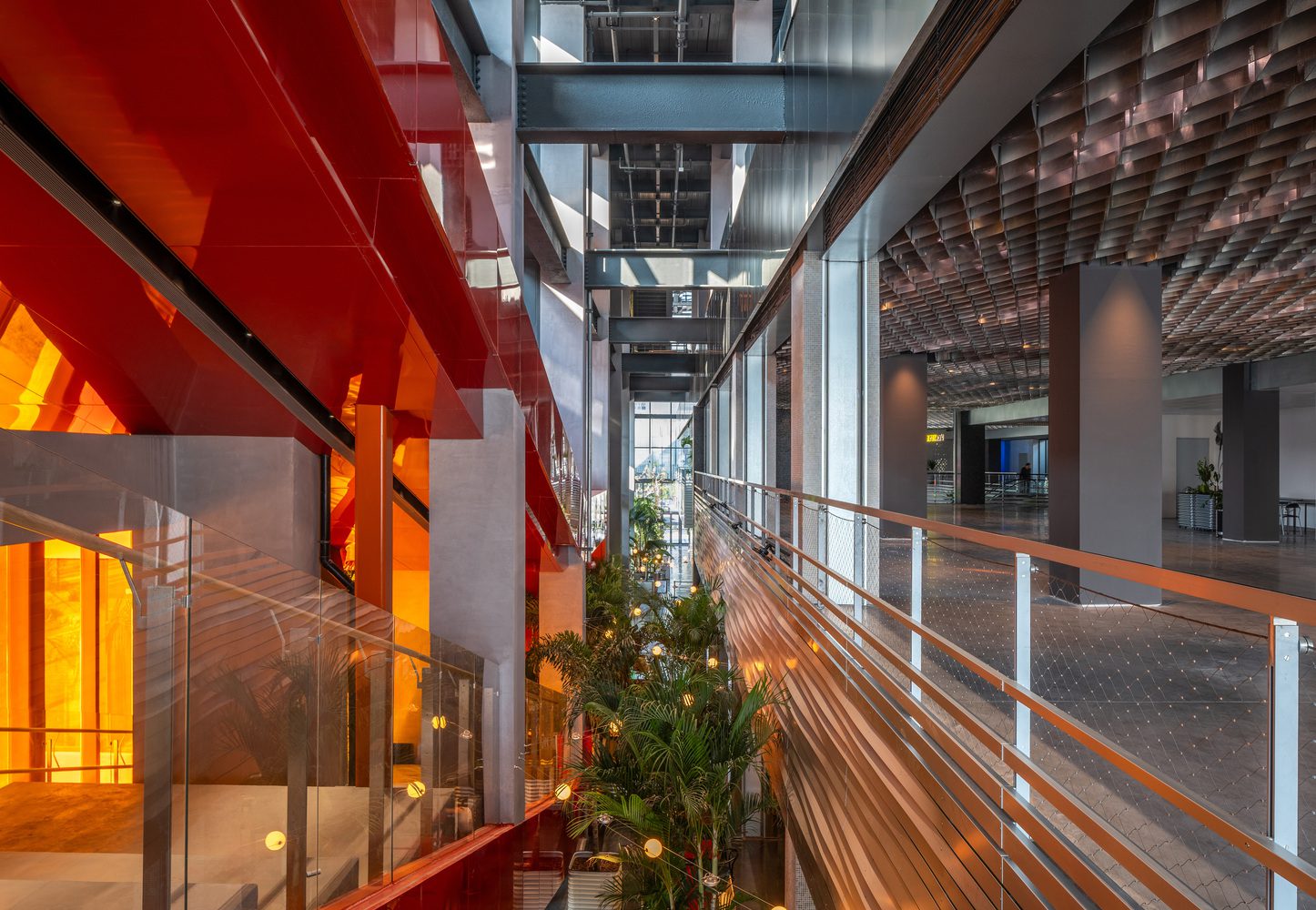
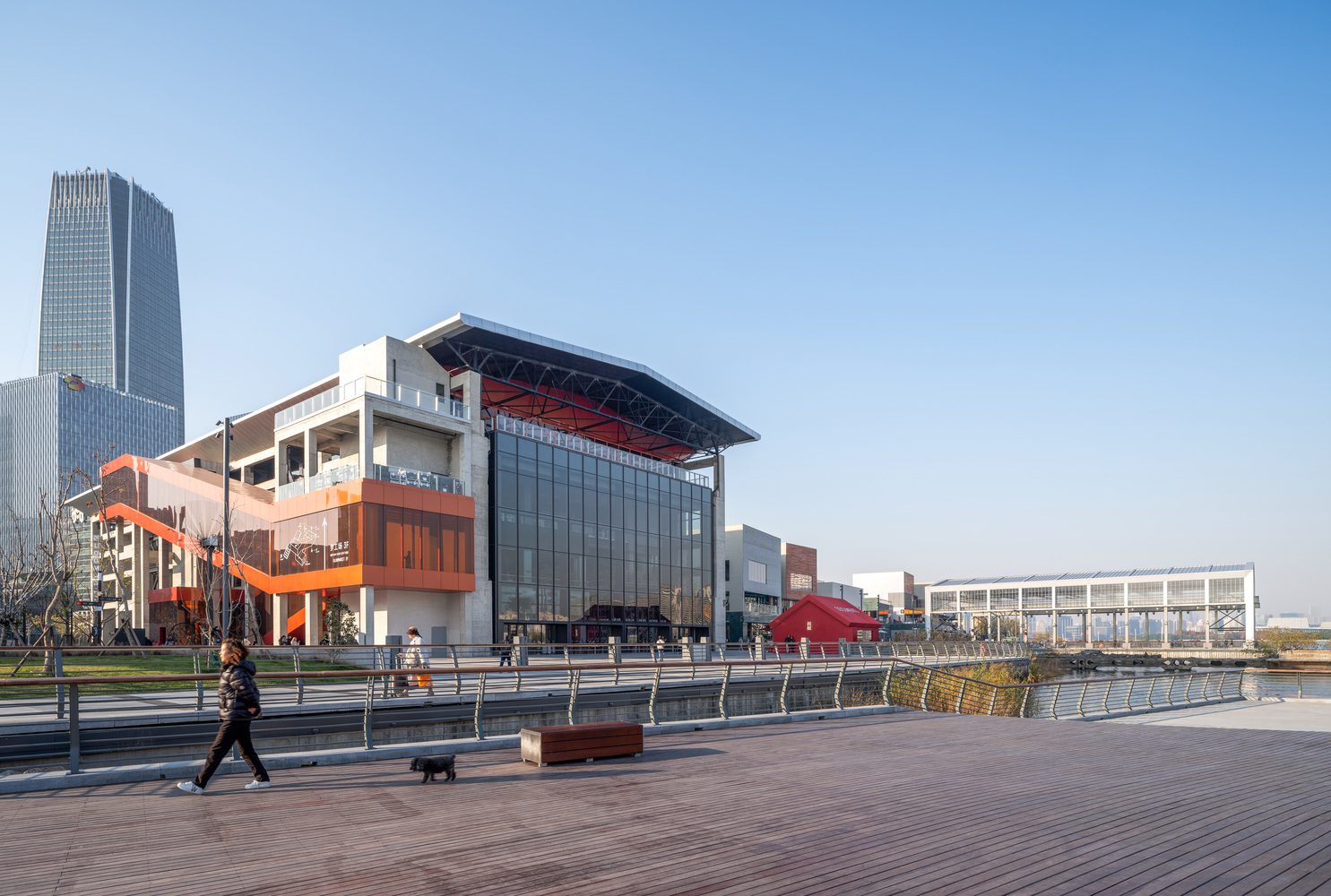
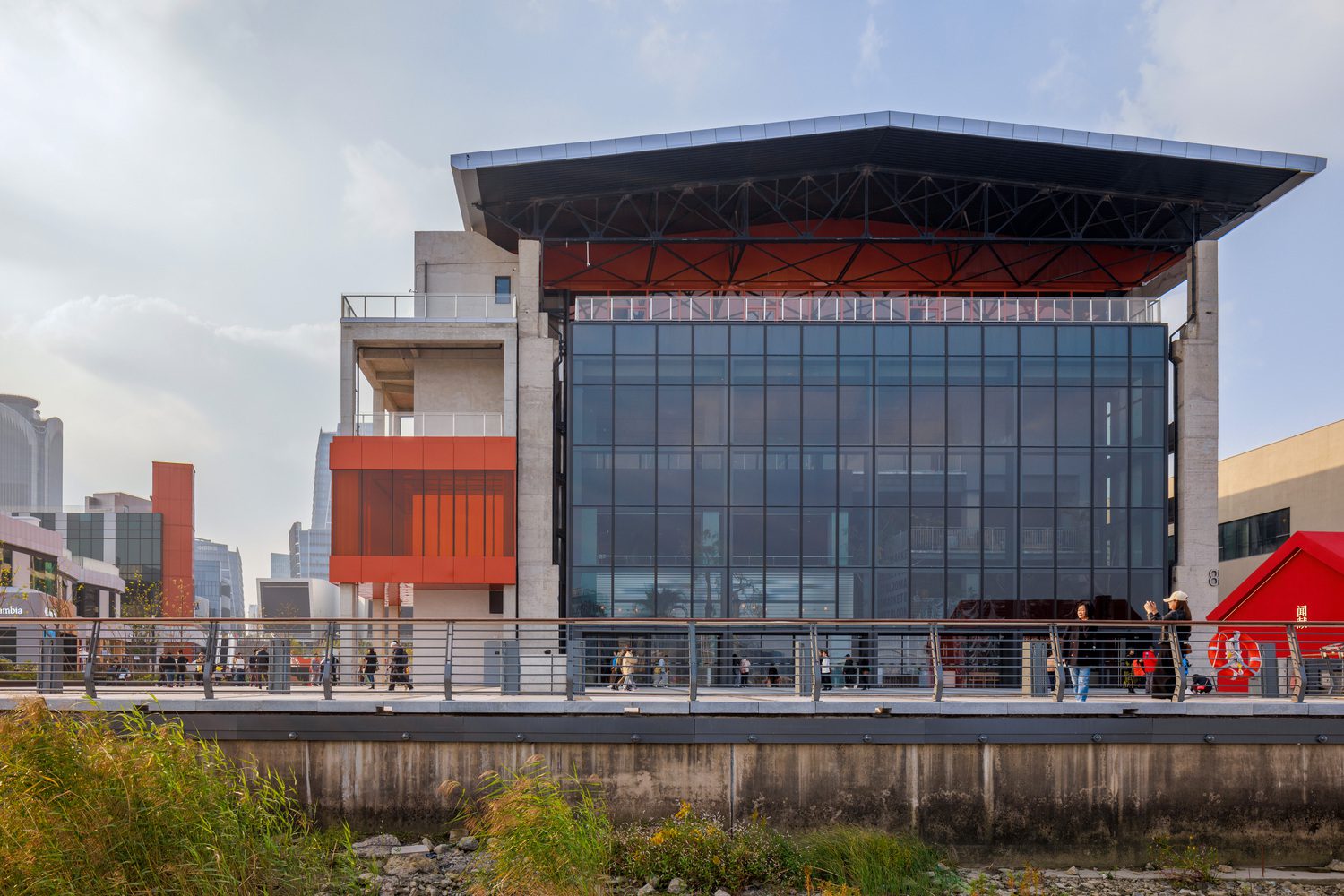
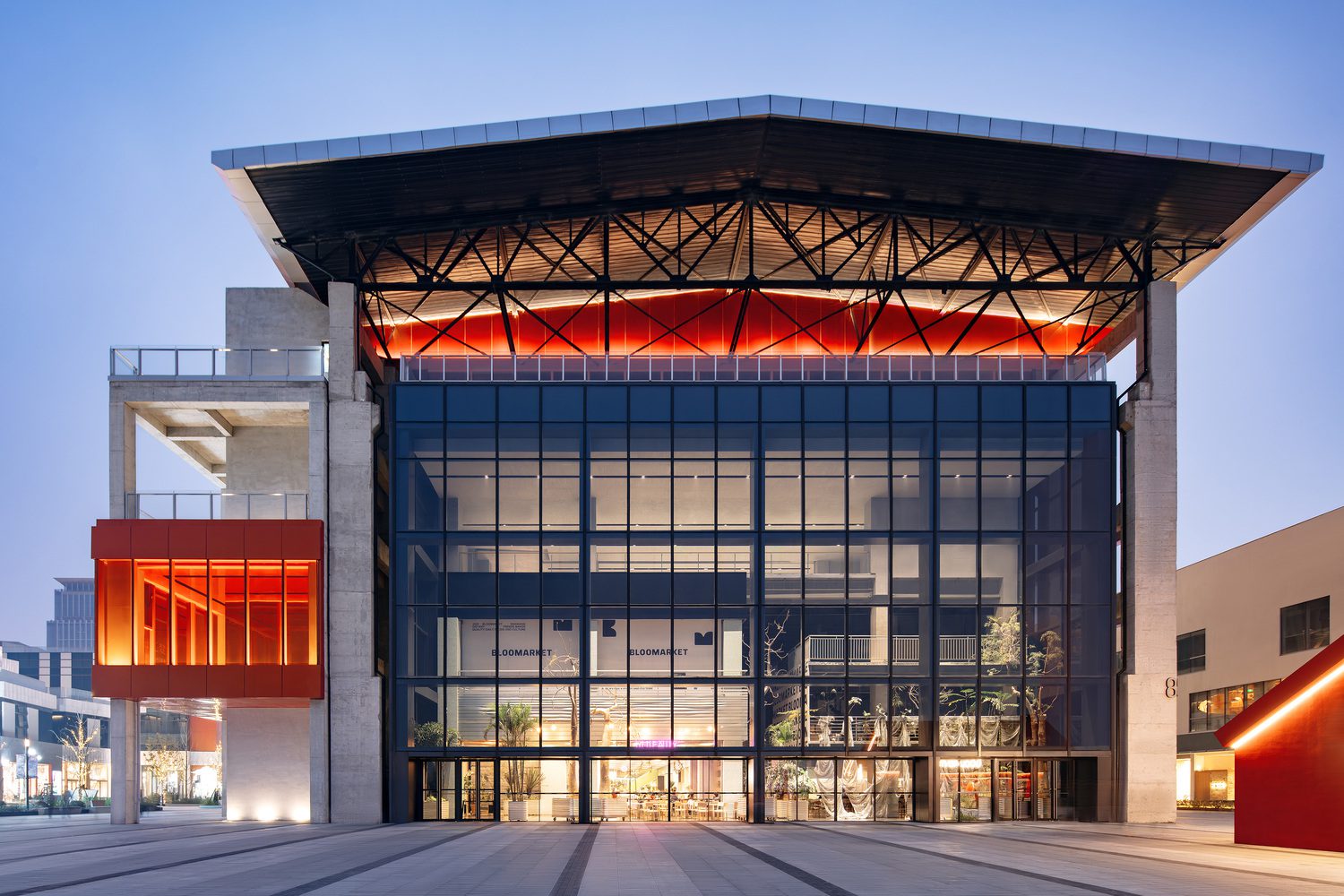
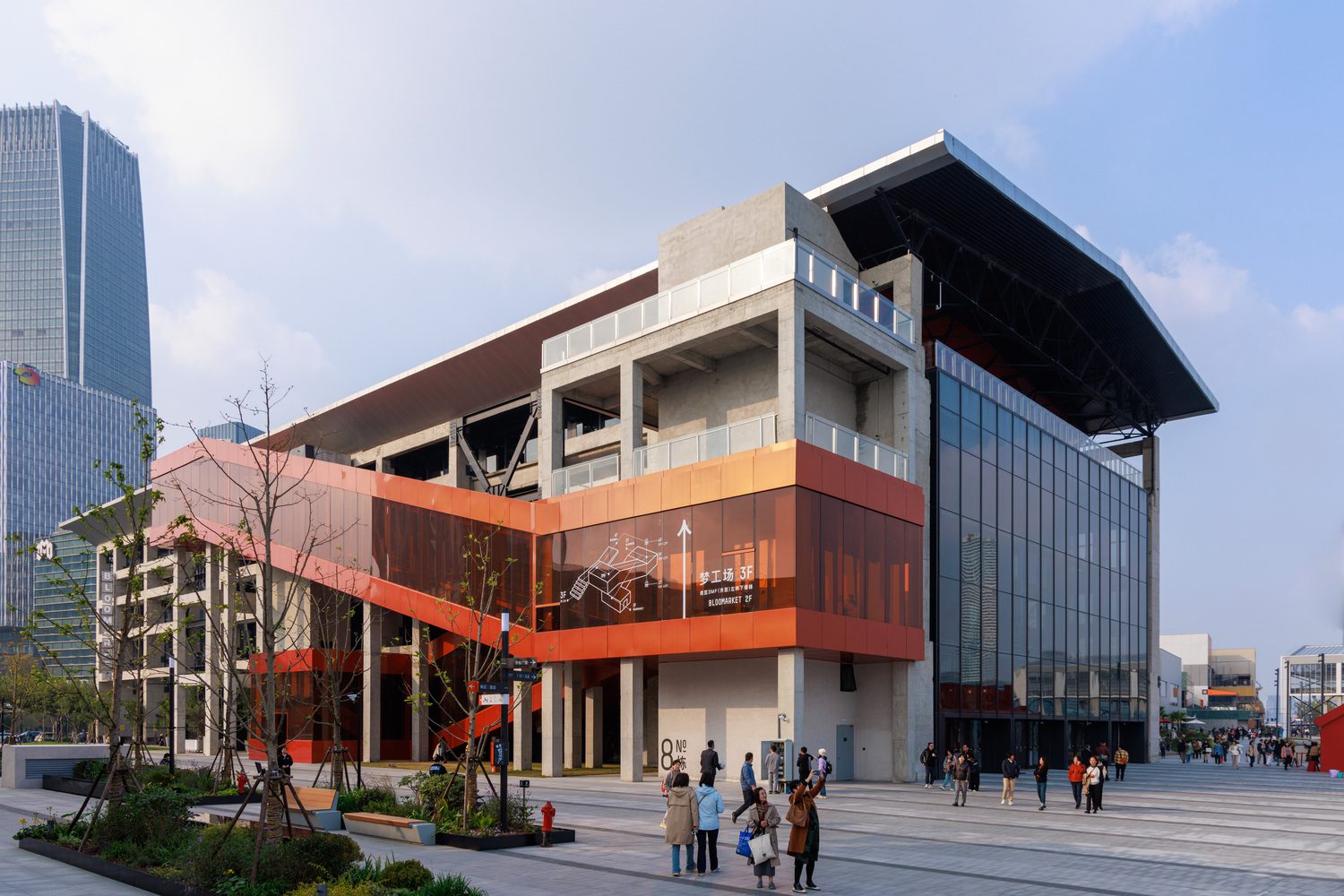
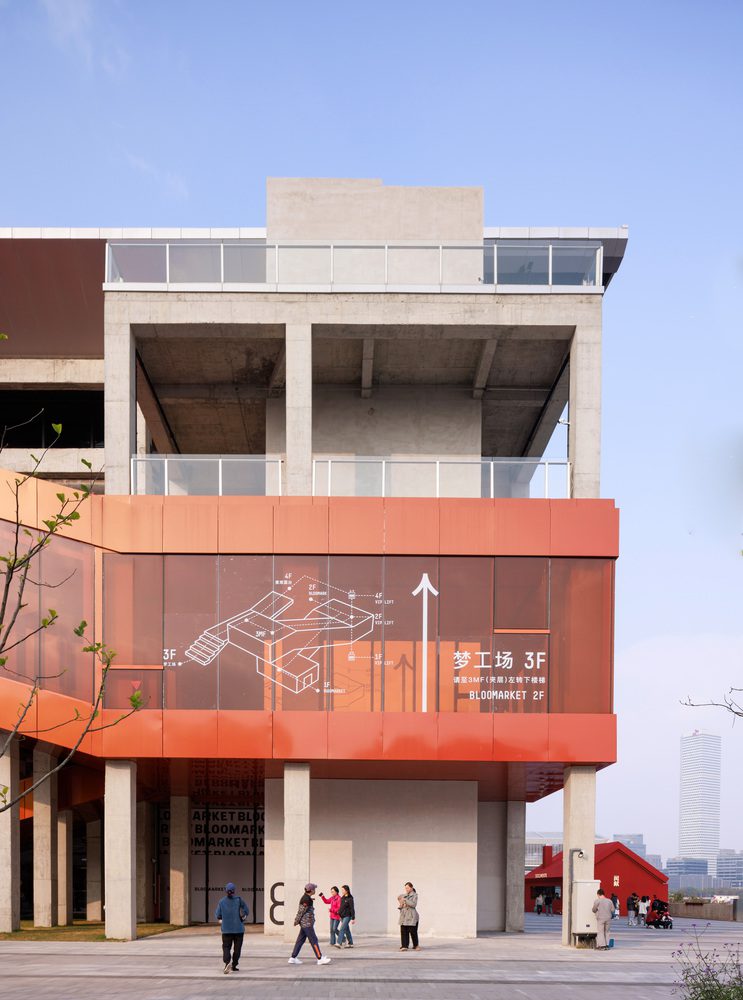
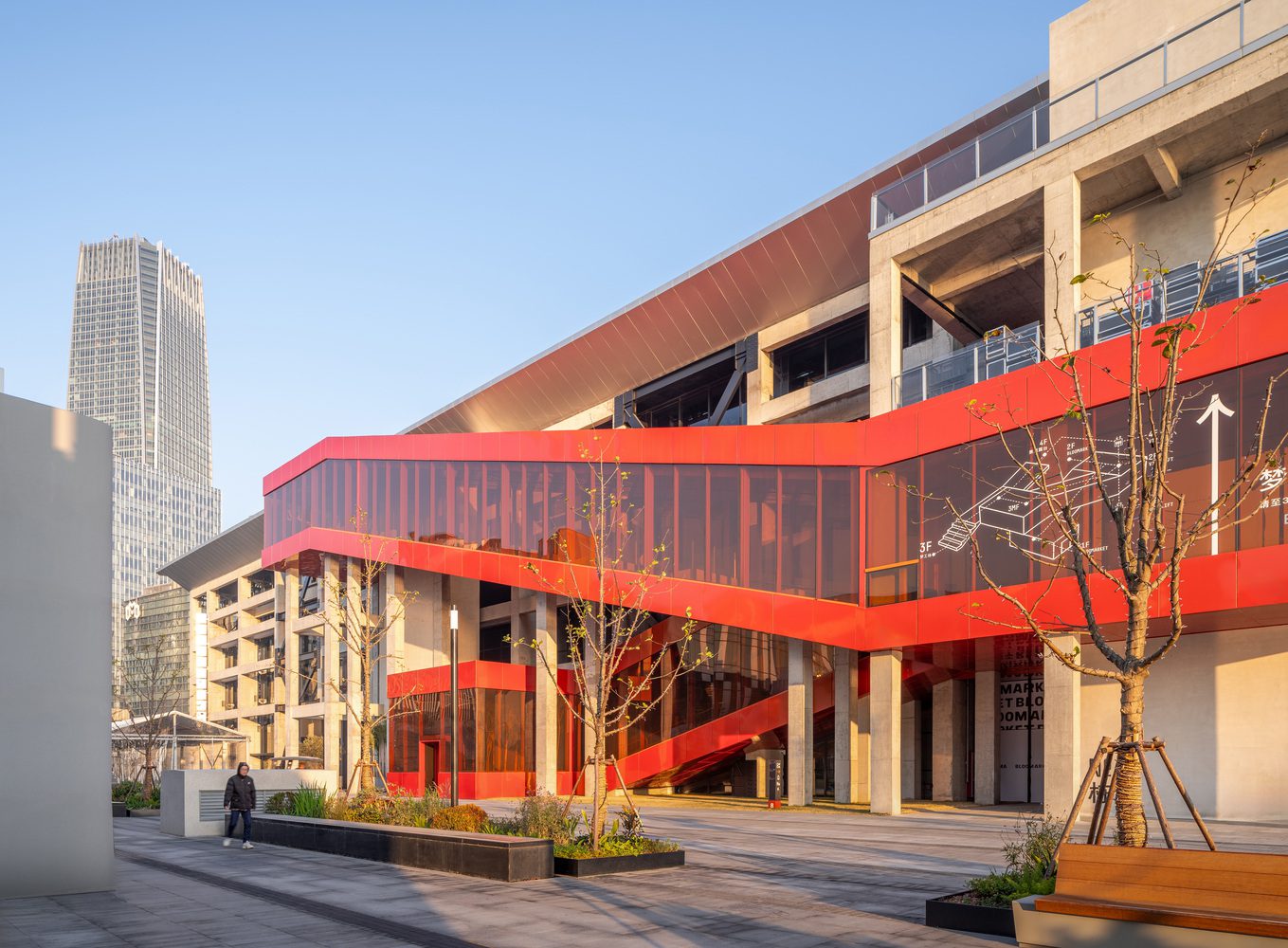
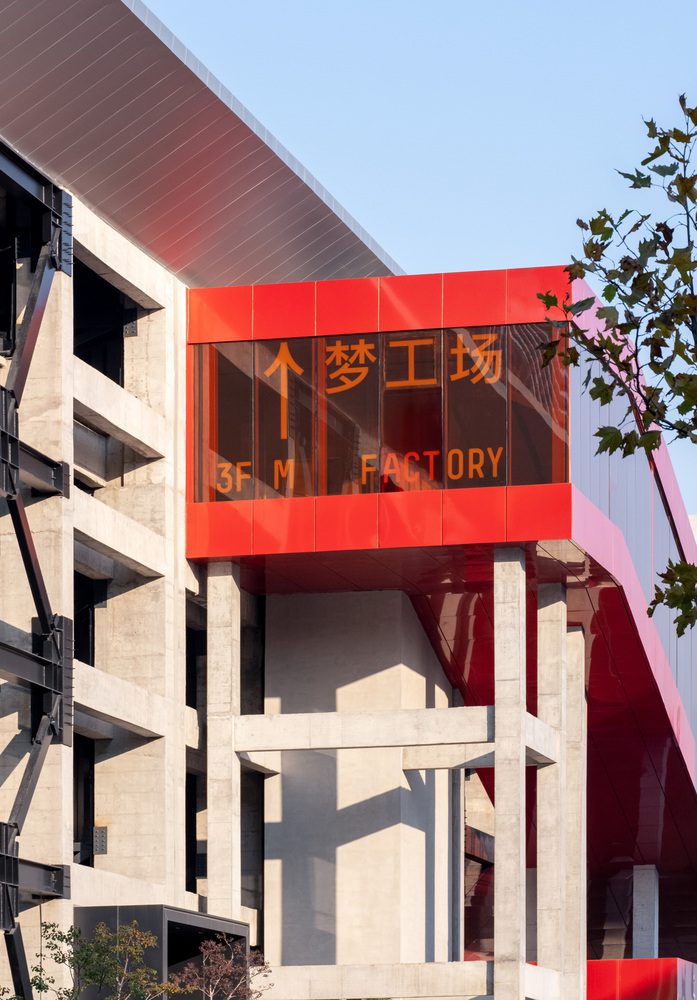
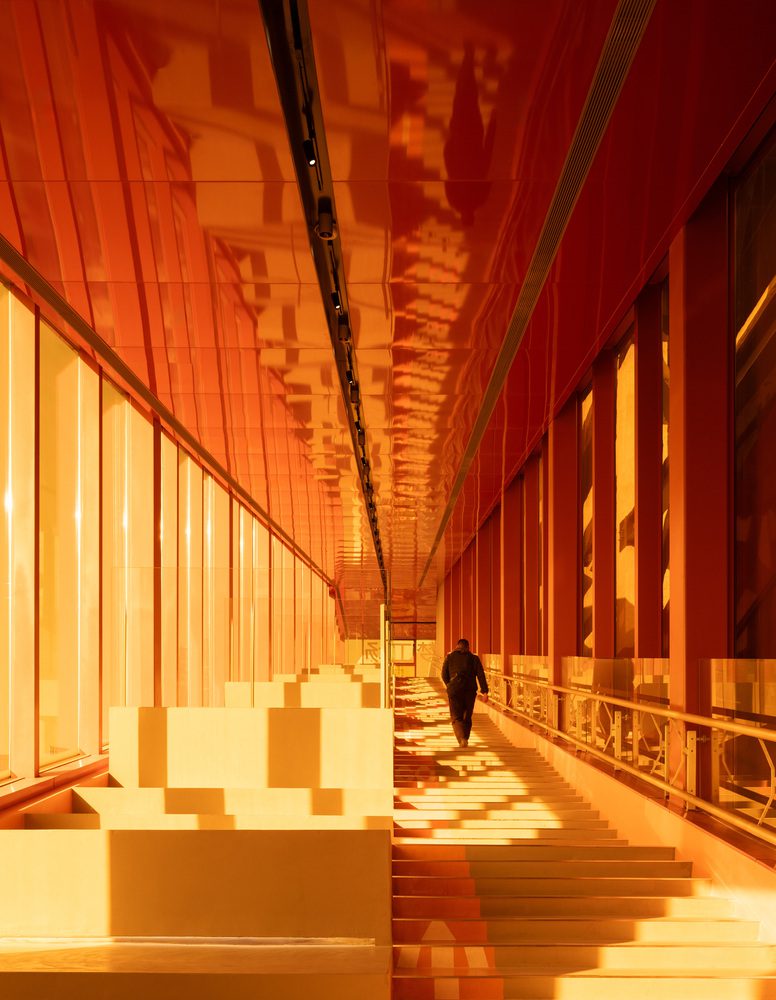
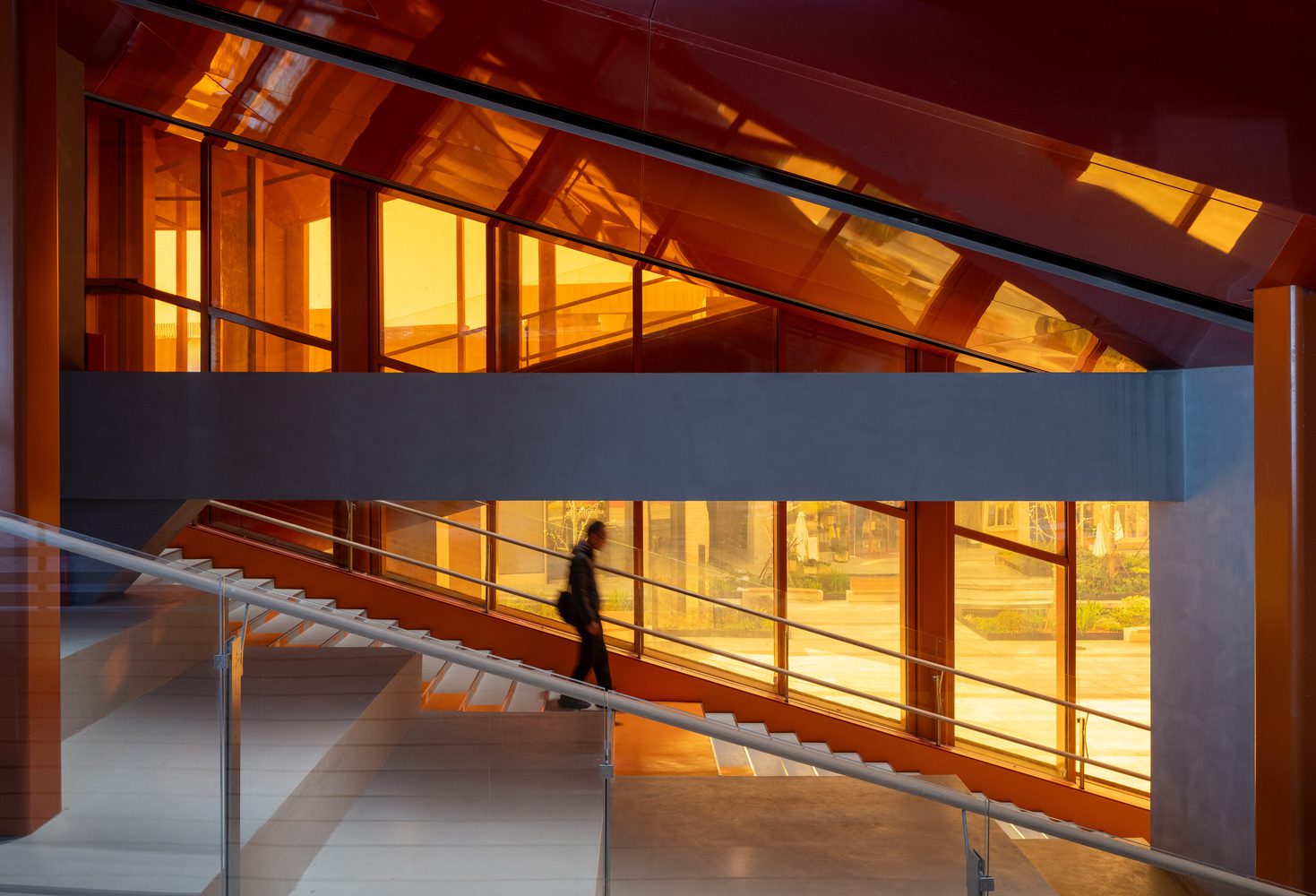
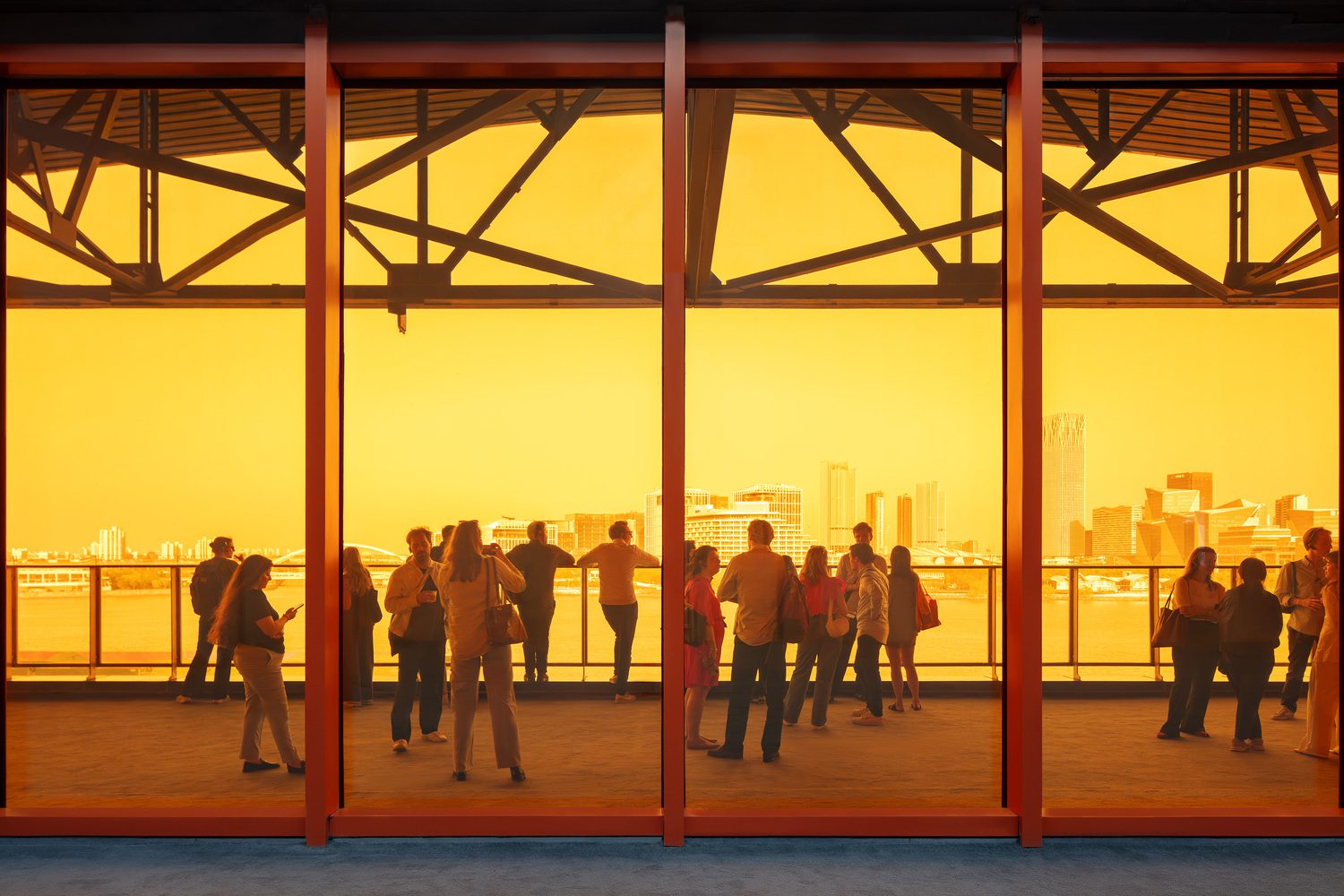
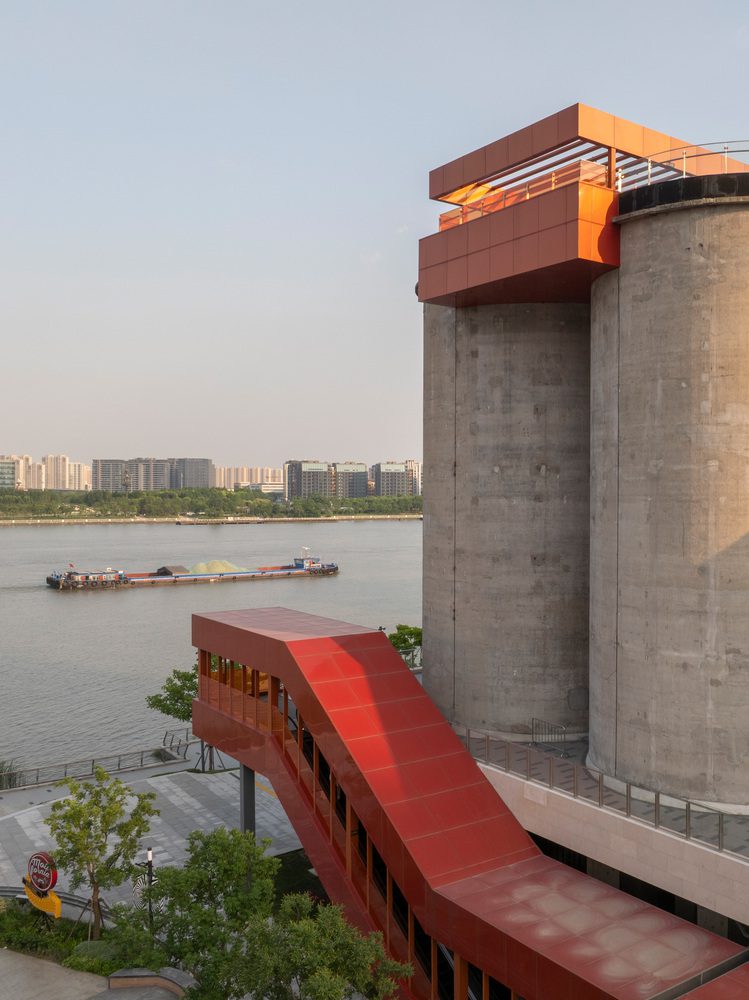
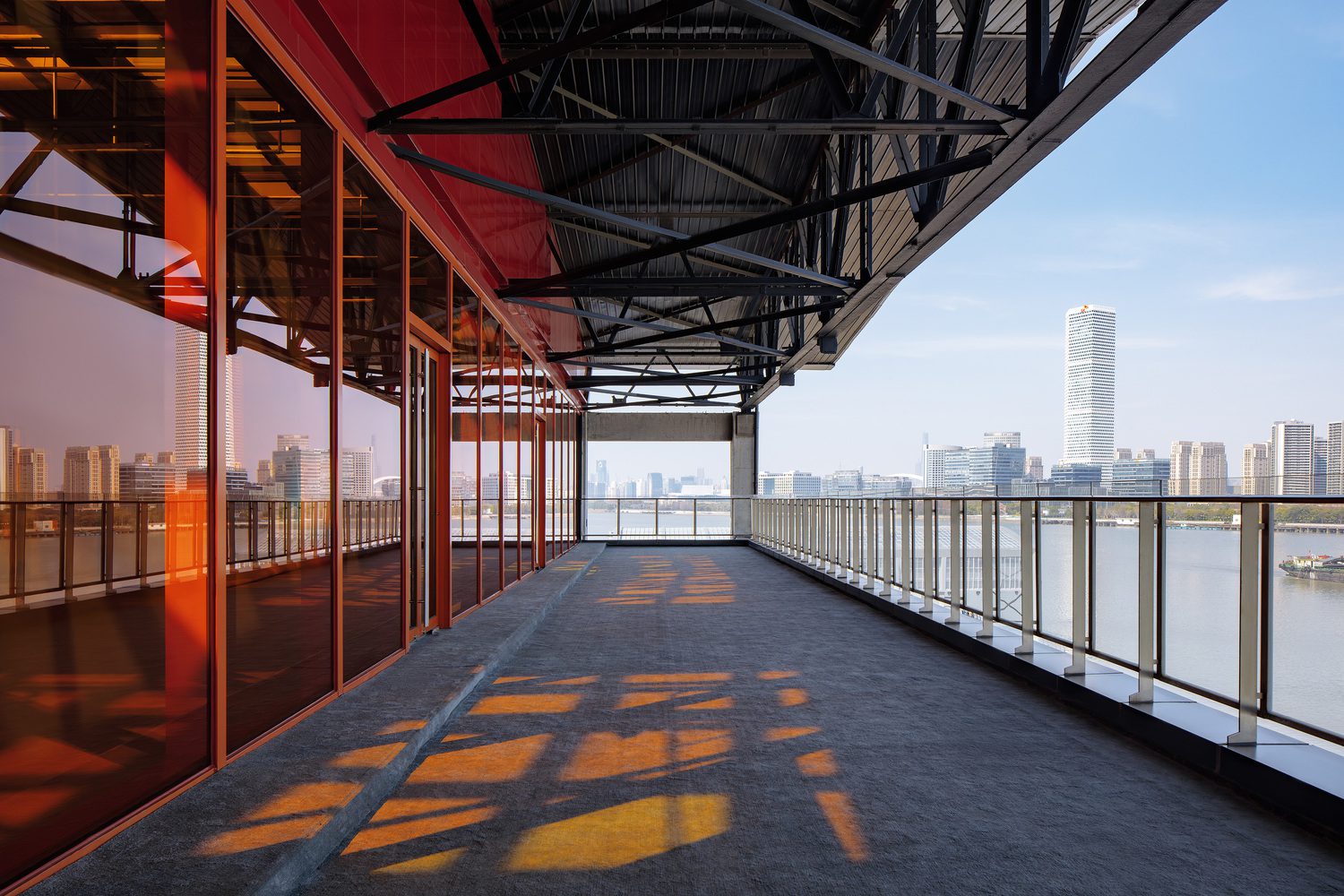
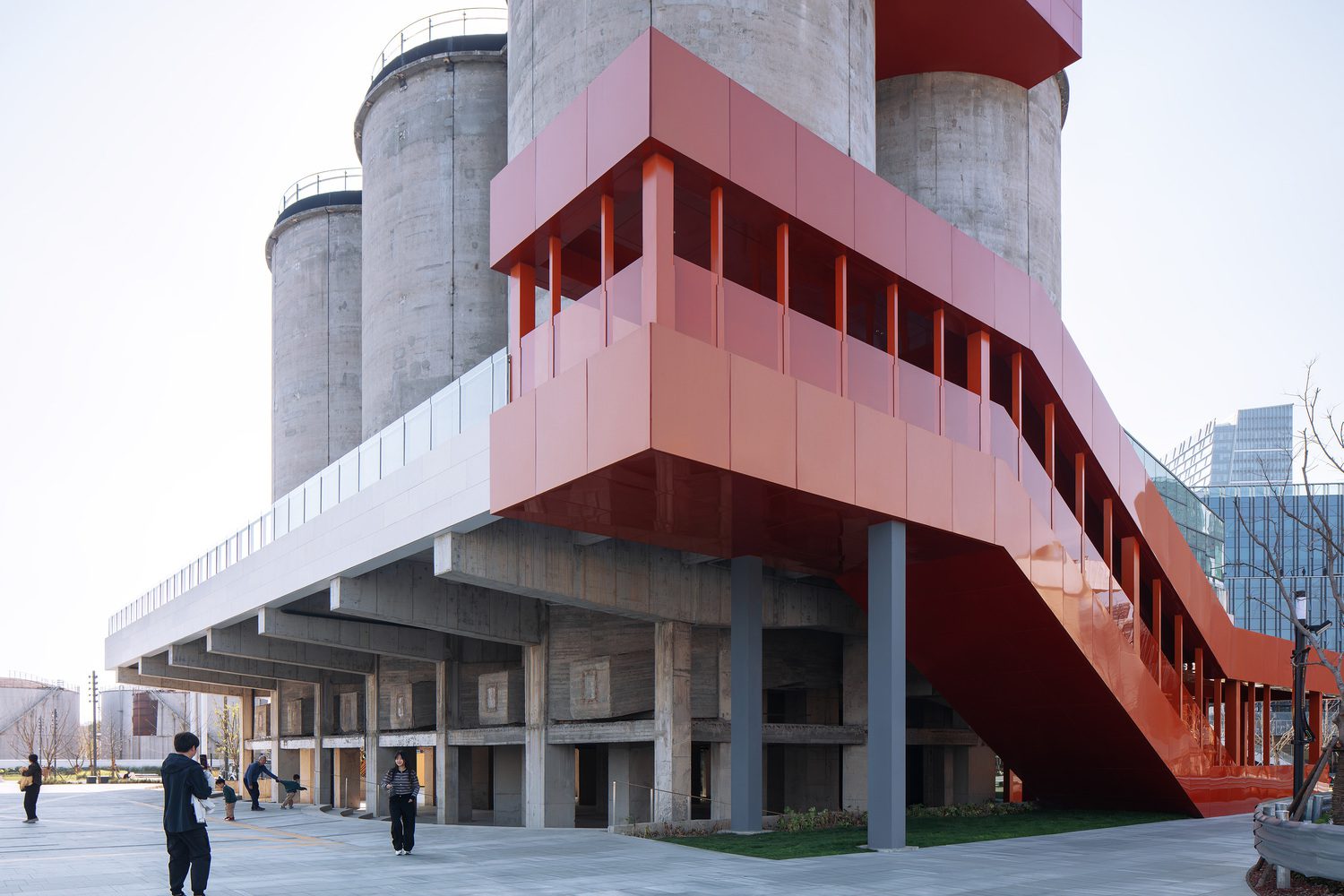
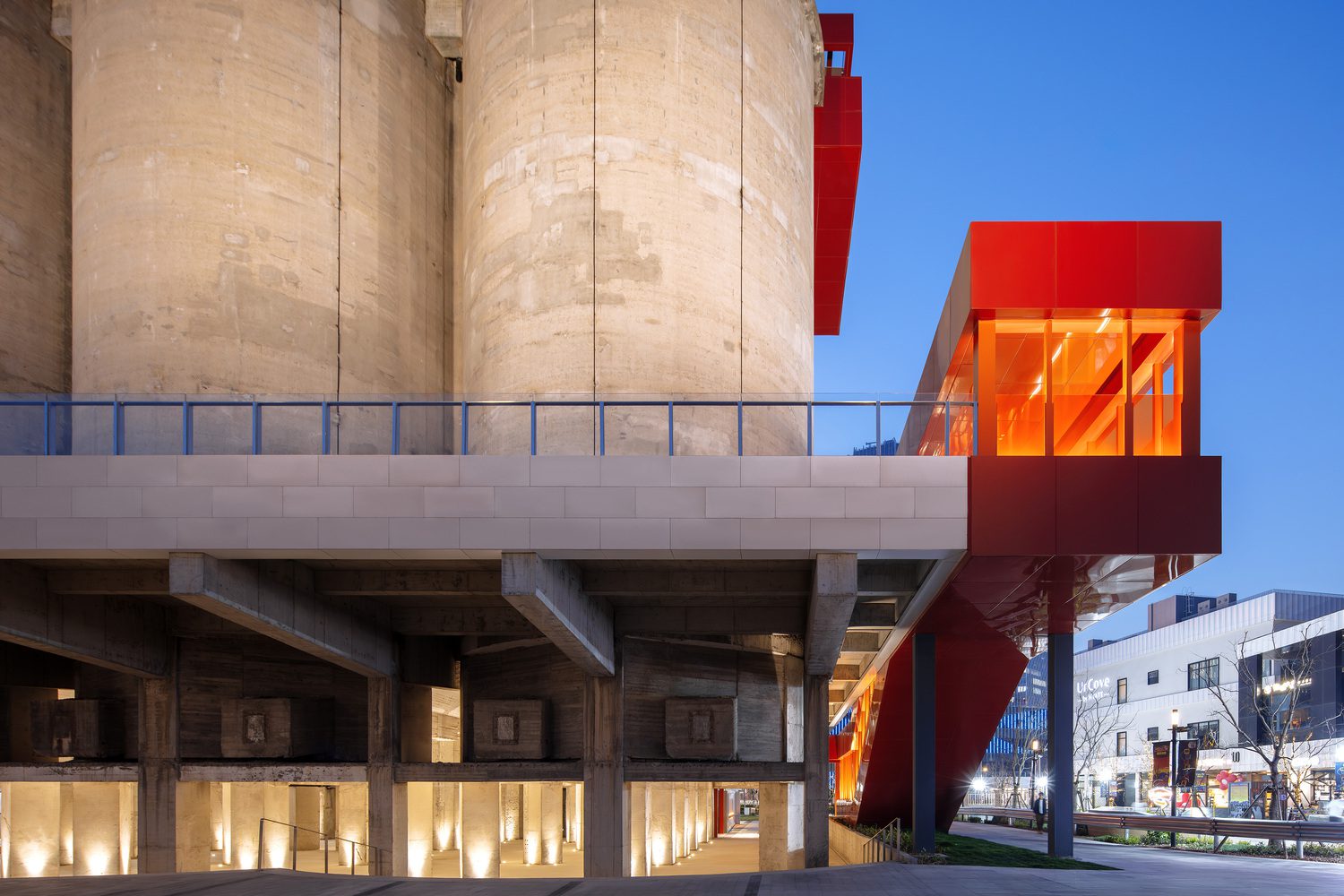
MVRDV connects the complex through bright orange circulation elements that weave through the site like arterial veins.
© Sanqian Visual Image Art
Visual Continuity Through Color
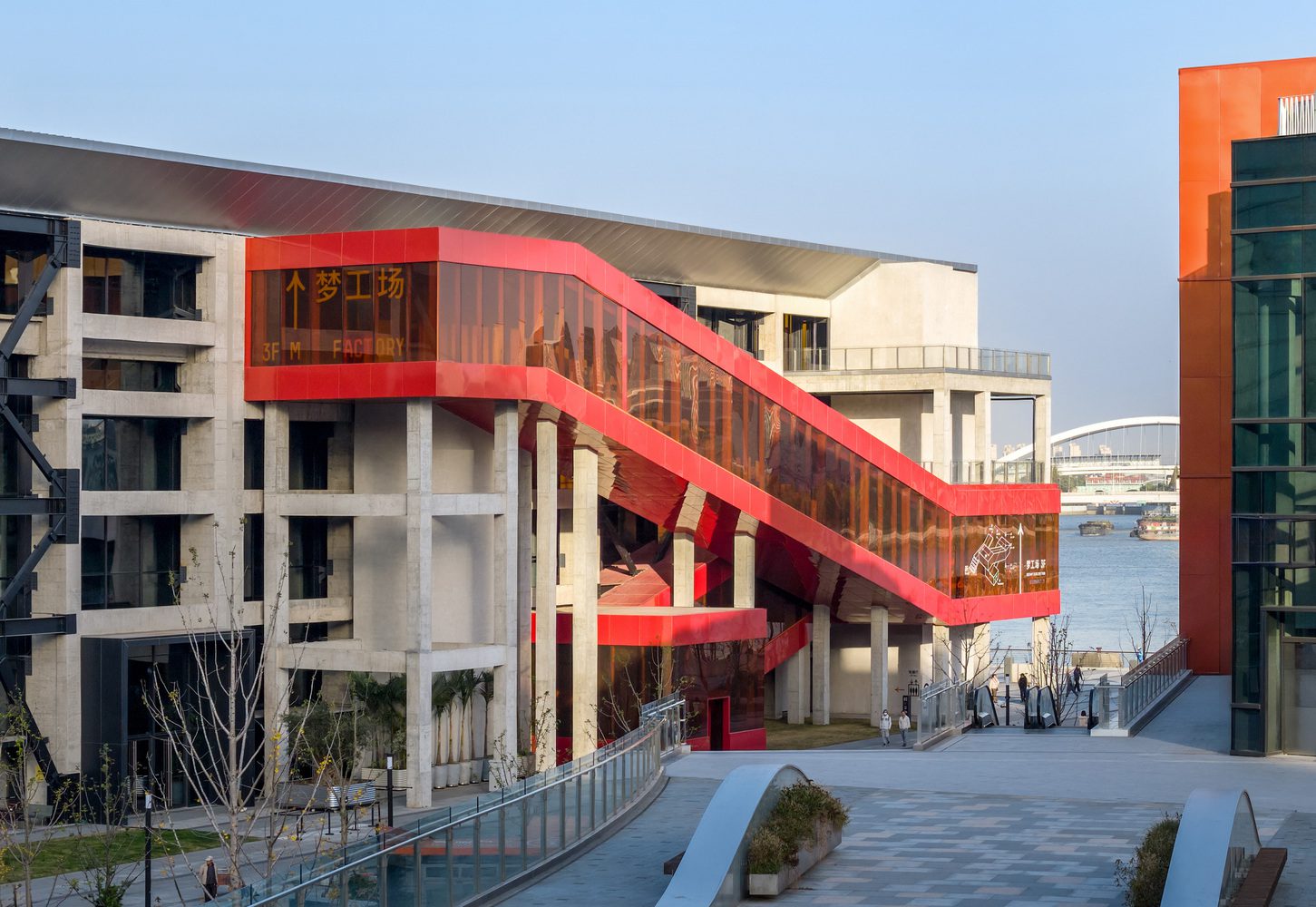
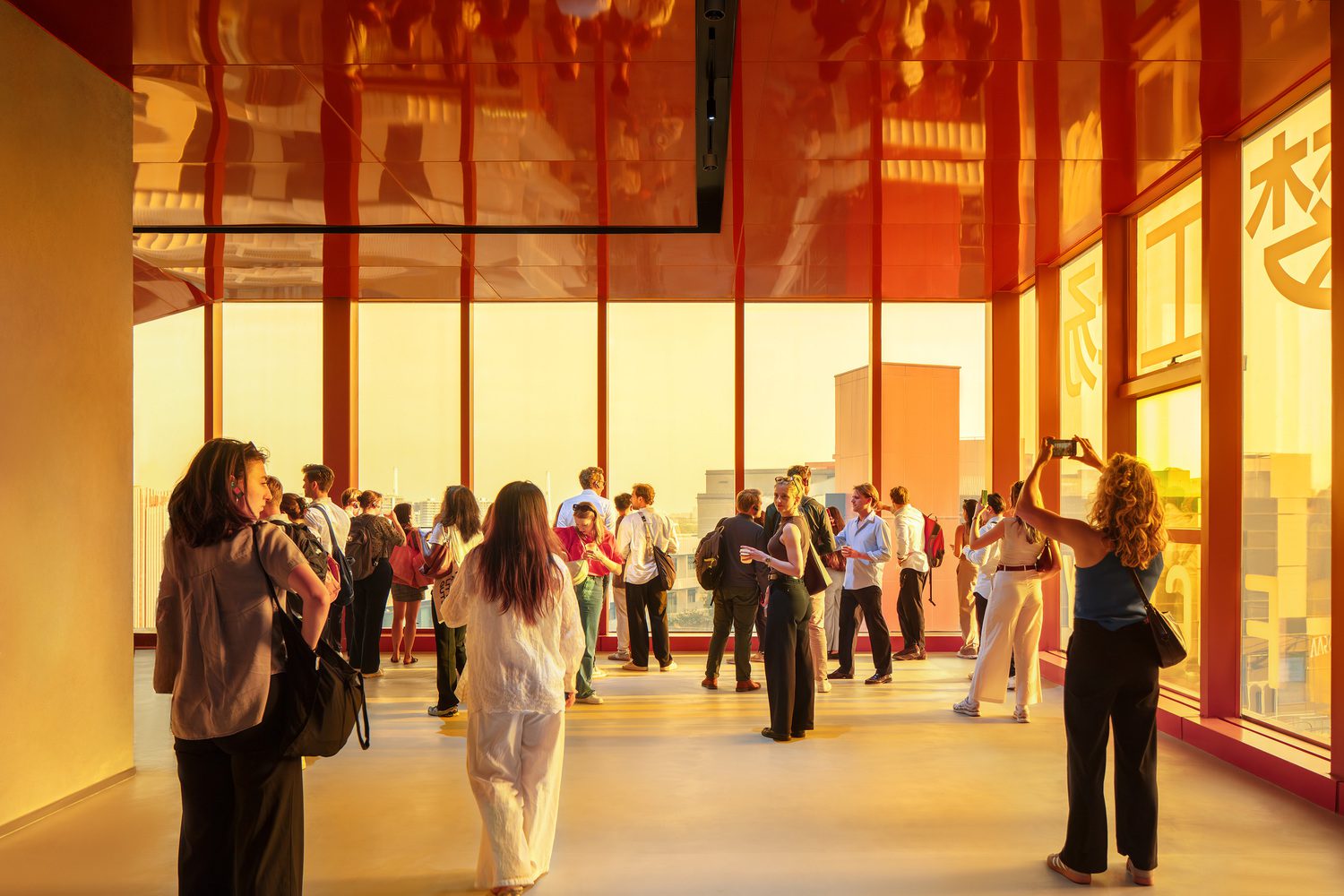
These aren’t aesthetic flourishes. They’re functional infrastructure that helps visitors navigate what could be a confusing maze of industrial remnants. The orange walkways, staircases, and bridges create an “unmistakable identity.”
© Sanqian Visual Image Art
Strategic Preservation
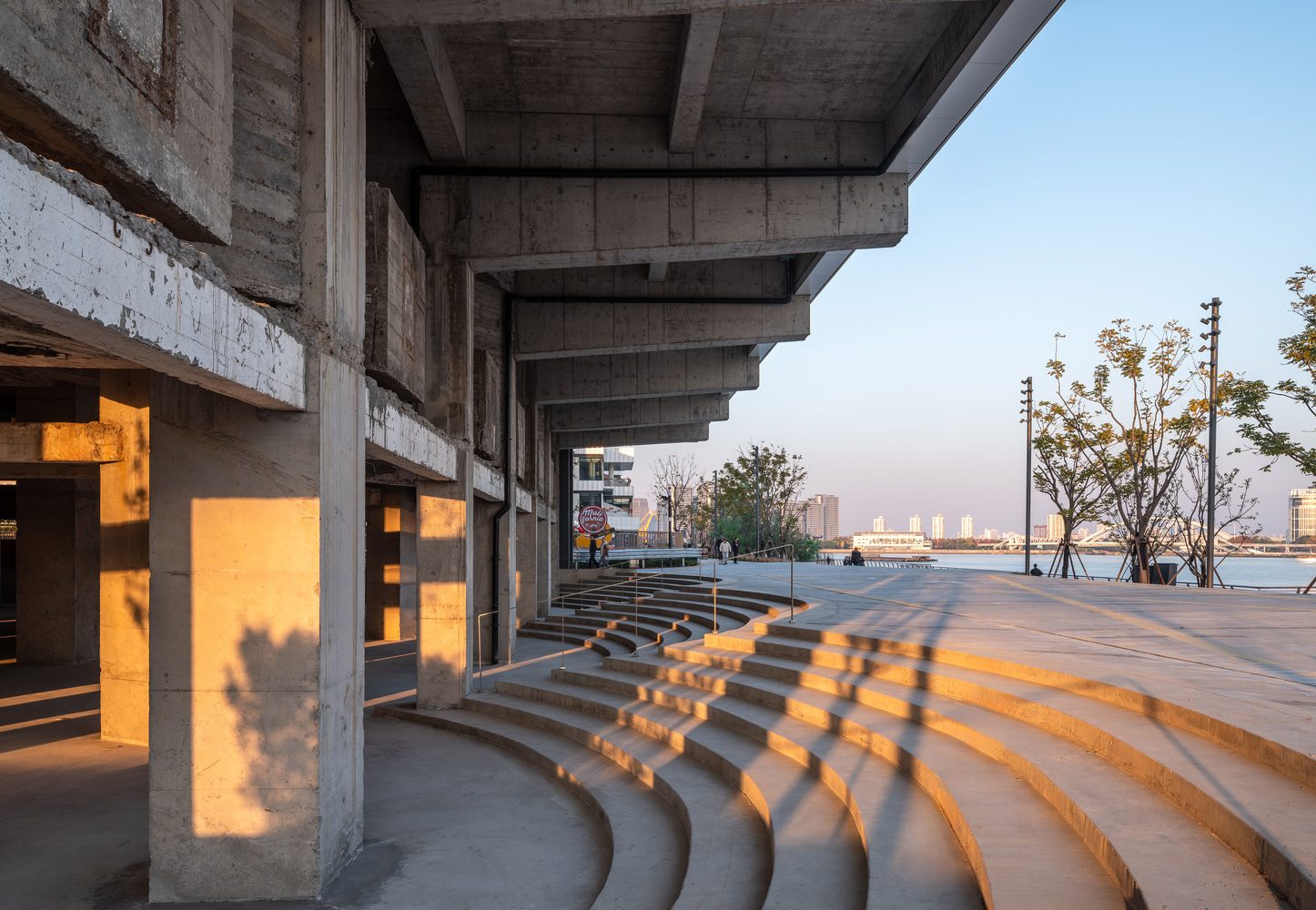
Rather than gutting everything, MVRDV analyzed what was worth keeping and what needed transformation.
New Life for Industrial Icons
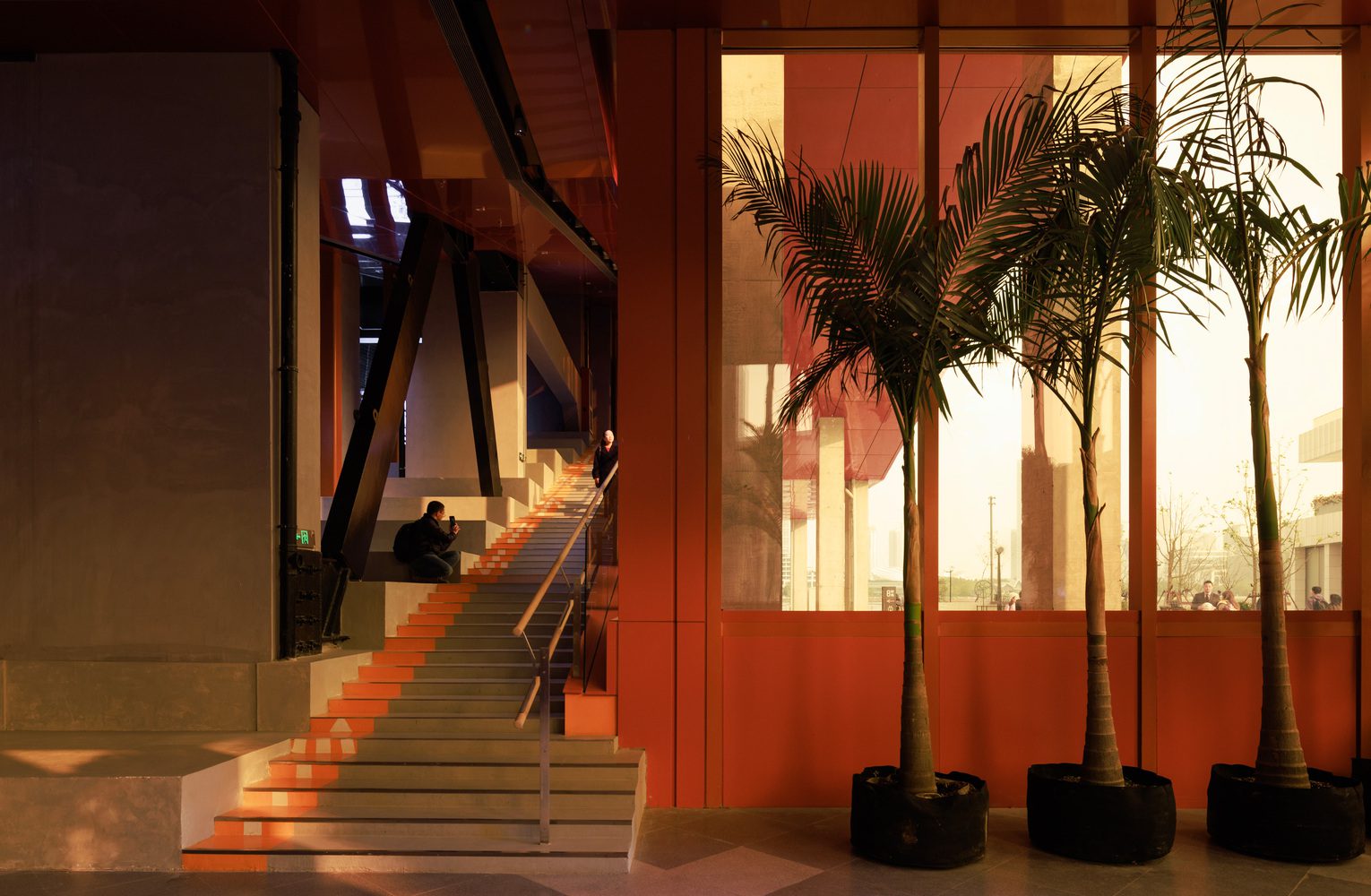
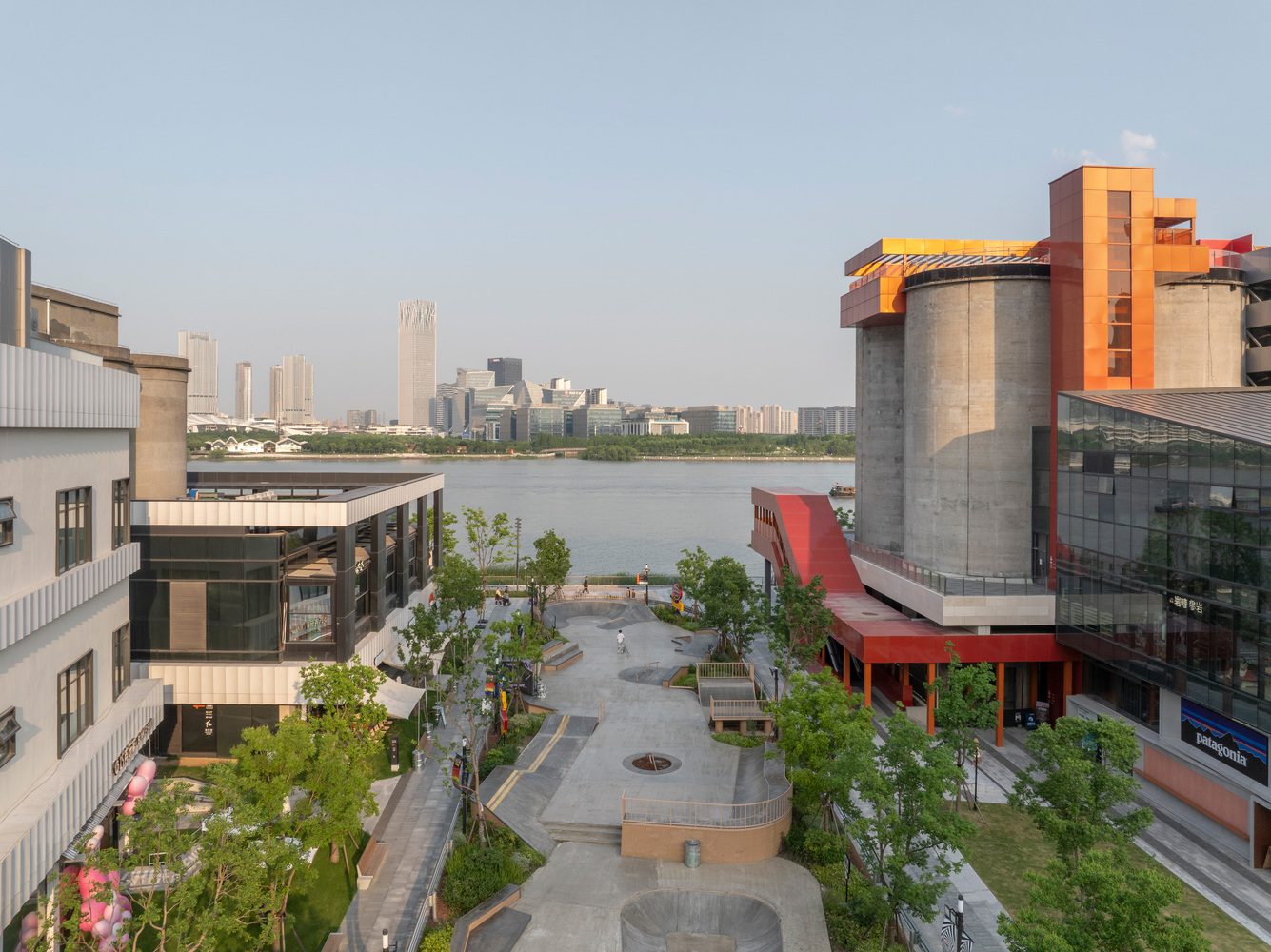
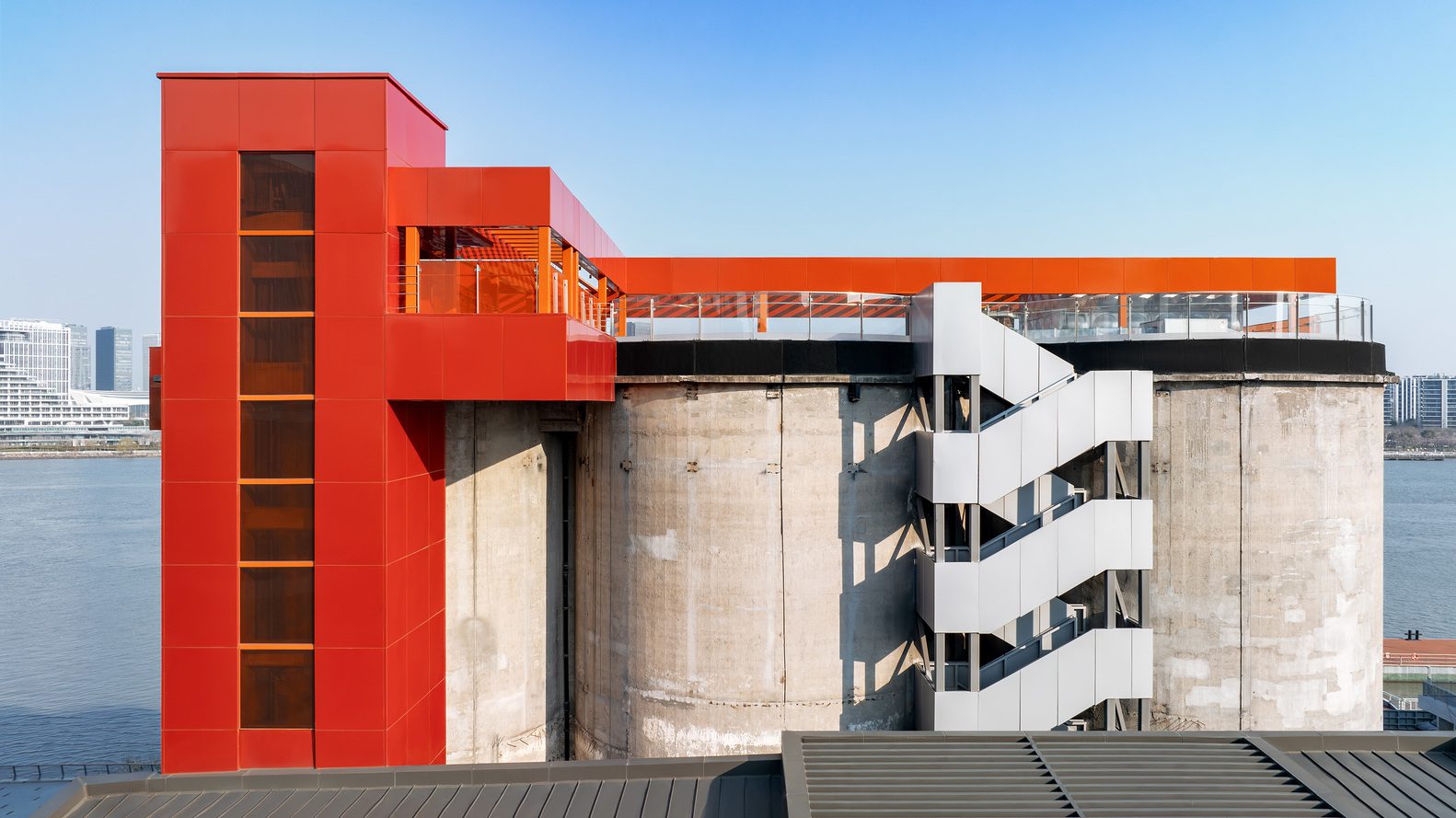
The massive concrete silos now serve as a rock-climbing center. The main factory building hosts BLOOMARKET food market on the ground floor, with a column-free cultural space above accessible via an orange staircase created from the old conveyor belt.
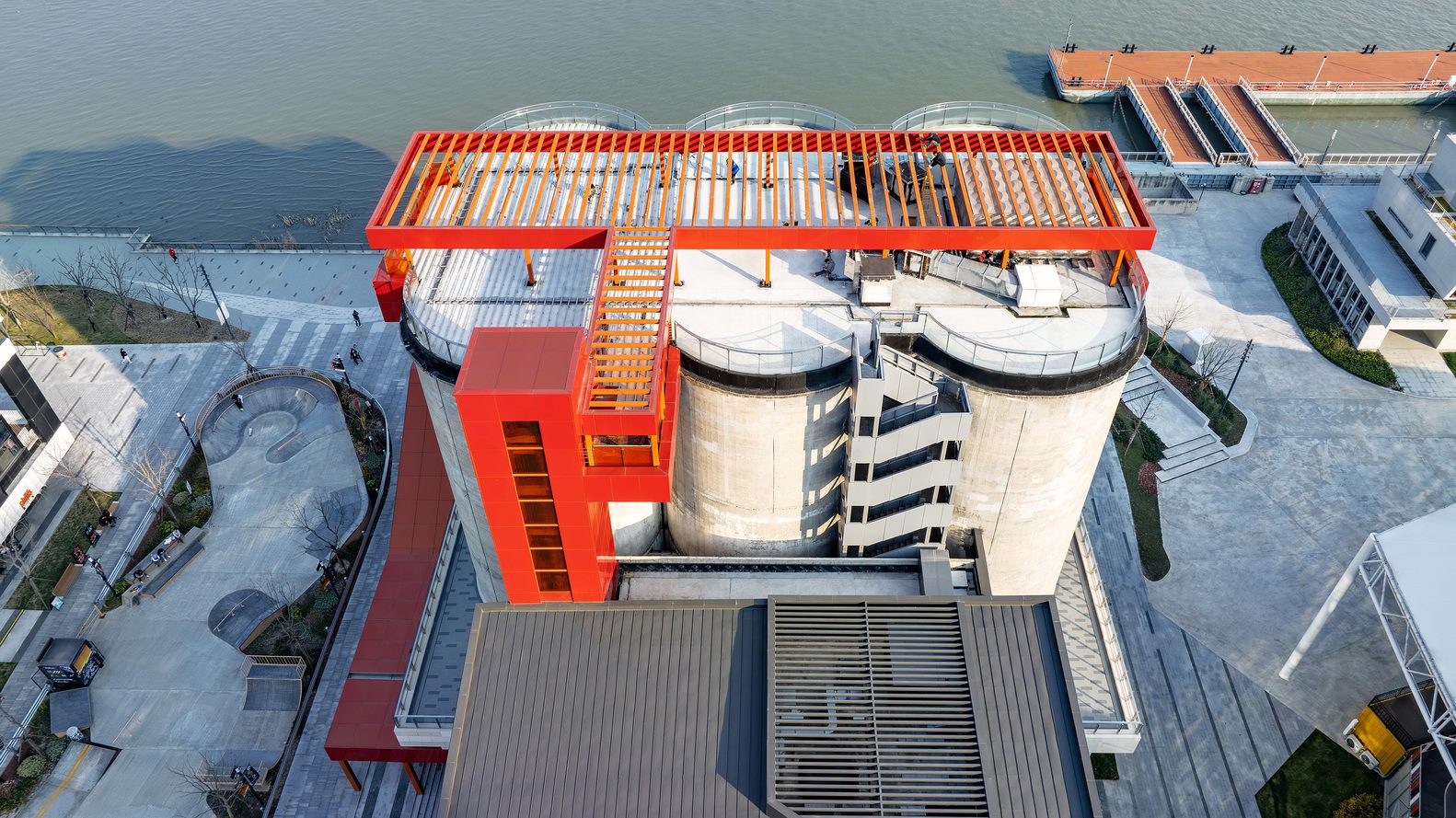
© Xia Zhi
By retaining existing structures, they reduced carbon emissions by up to 75% compared to new construction. This isn’t preservation for preservation’s sake—it’s strategic heritage reuse that maximizes spatial potential and environmental benefits.

© Liu Guowe
The GATE M West Bund Dream Center demonstrates how thoughtful design can honor industrial heritage while creating contemporary urban spaces. MVRDV has created something that feels both inevitable and surprising—the mark of truly successful design.



Sophie Tremblay is a Montreal-based architectural editor and designer with a focus on sustainable urban development. A McGill University architecture graduate, she began her career in adaptive reuse, blending modern design with historical structures. As a Project Editor at Arch2O, she curates stories that connect traditional practice with forward-thinking design. Her writing highlights architecture's role in community engagement and social impact. Sophie has contributed to Canadian Architect and continues to collaborate with local studios on community-driven projects throughout Quebec, maintaining a hands-on approach that informs both her design sensibility and editorial perspective.