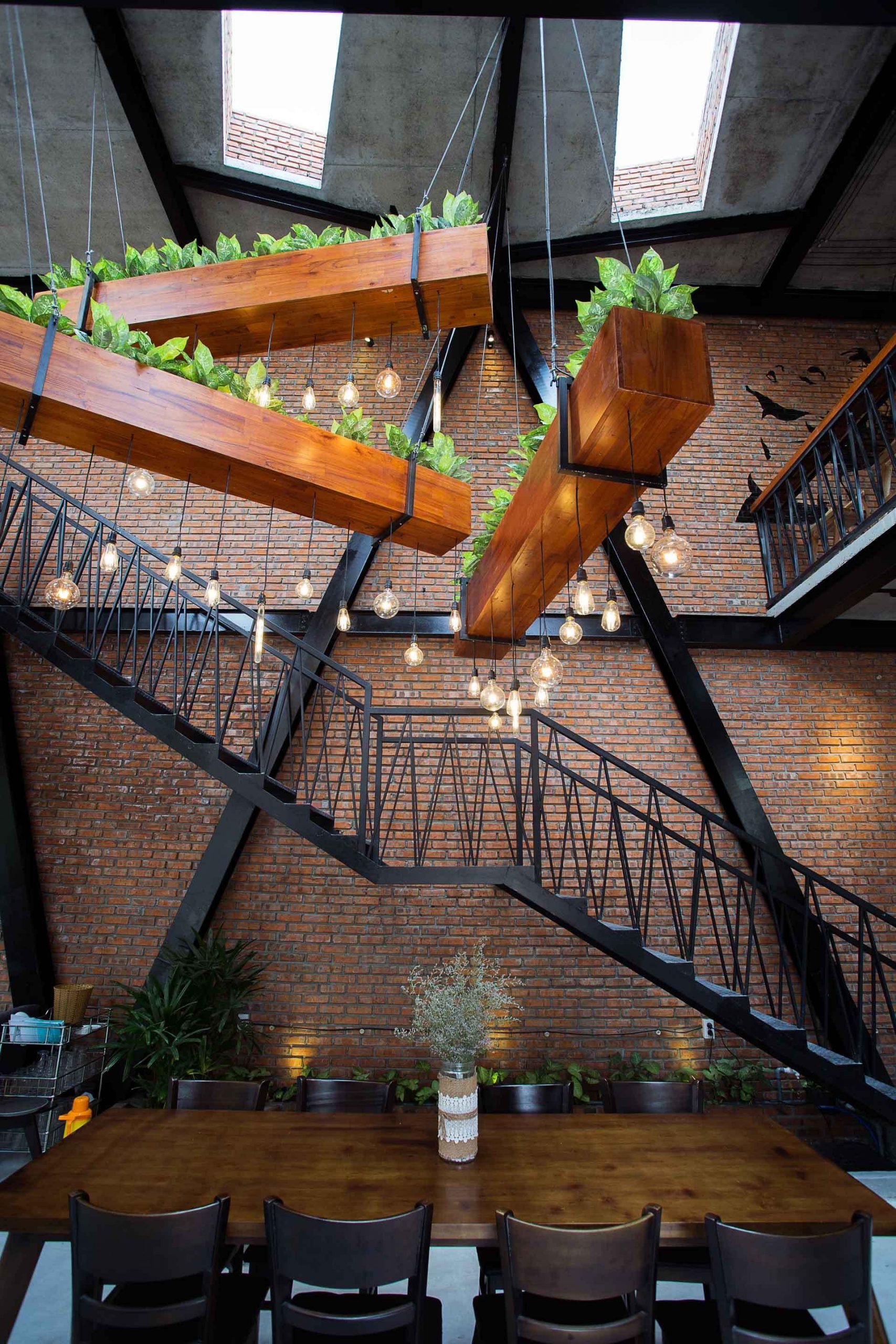
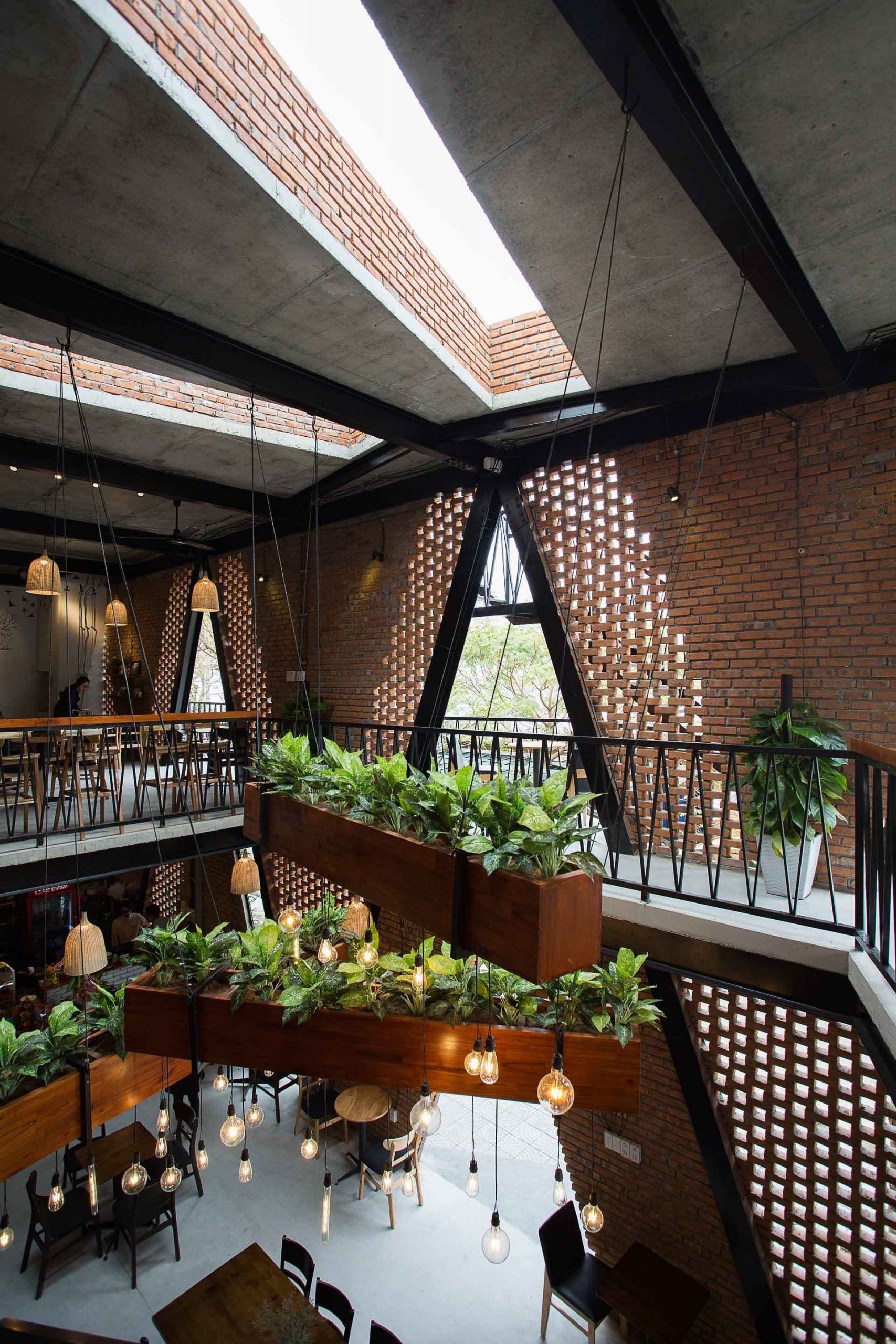
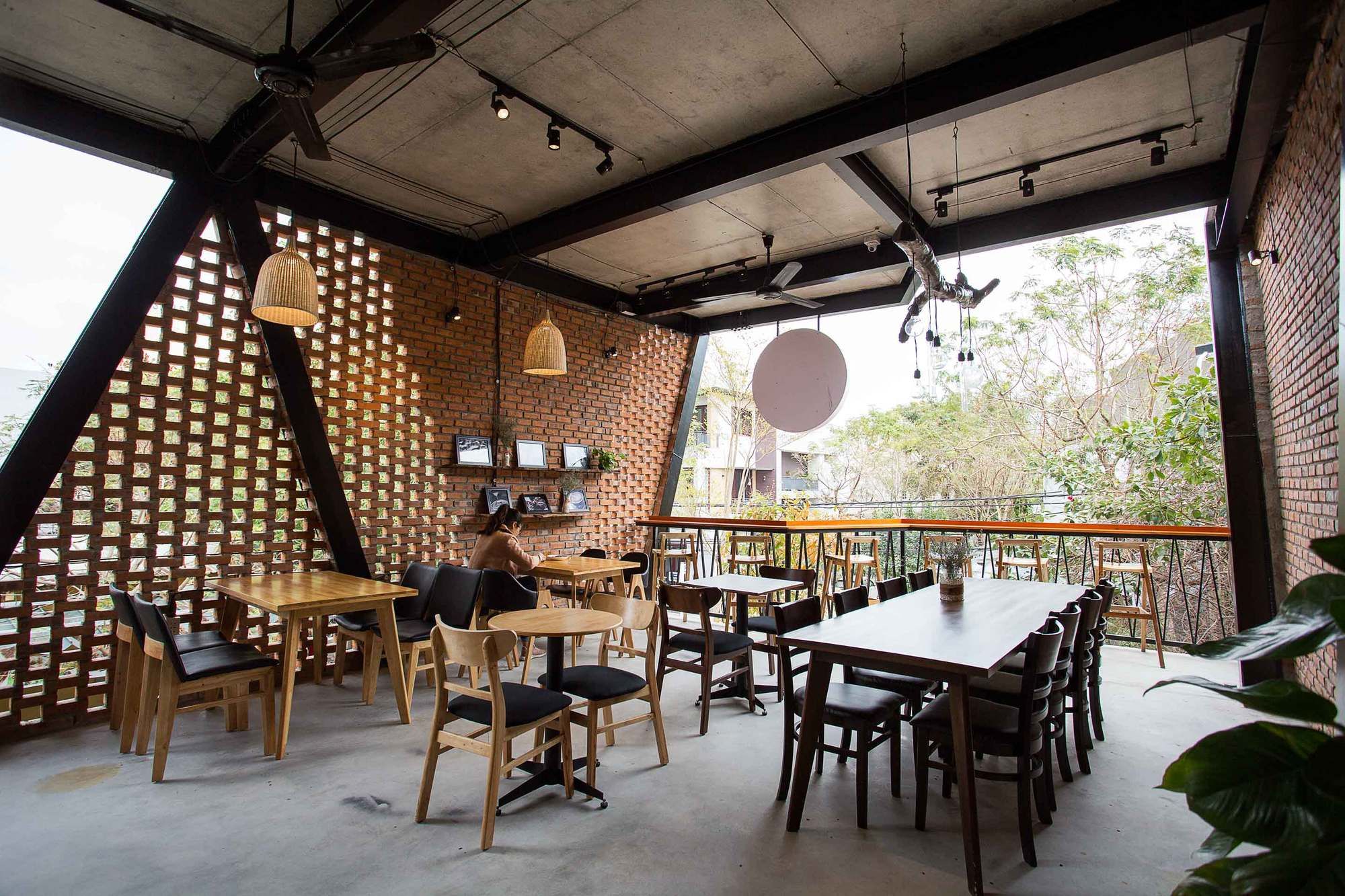
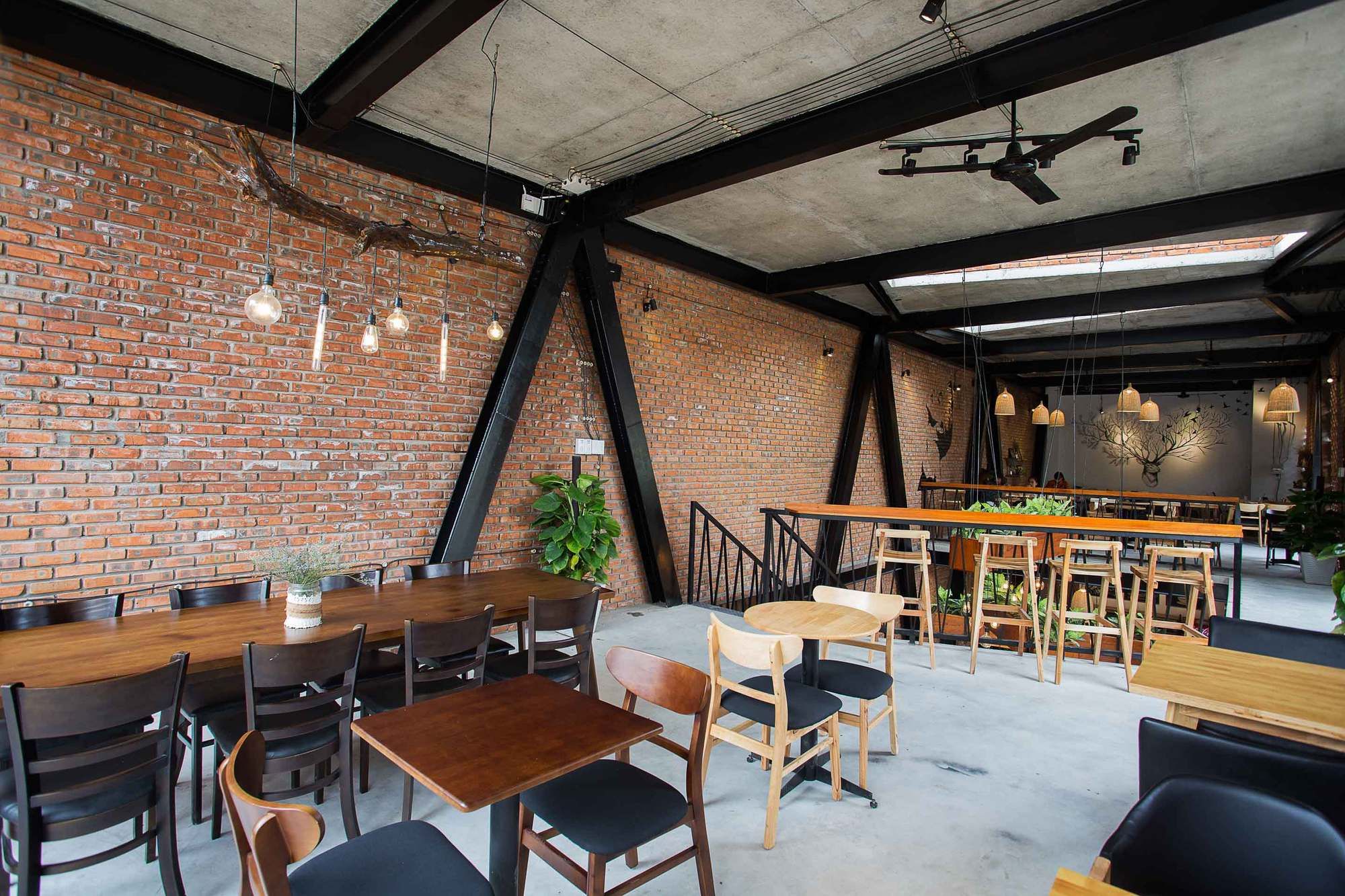
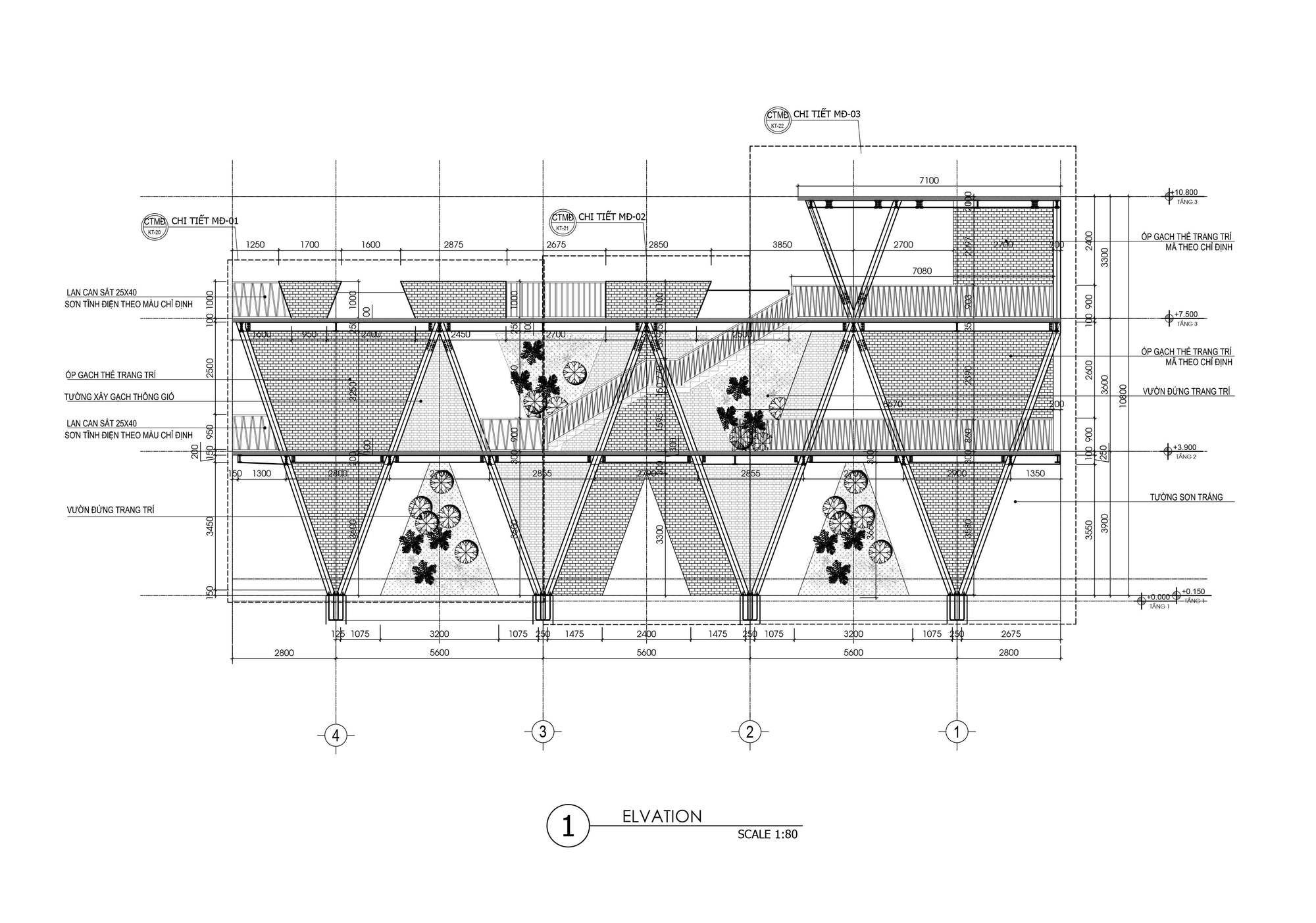
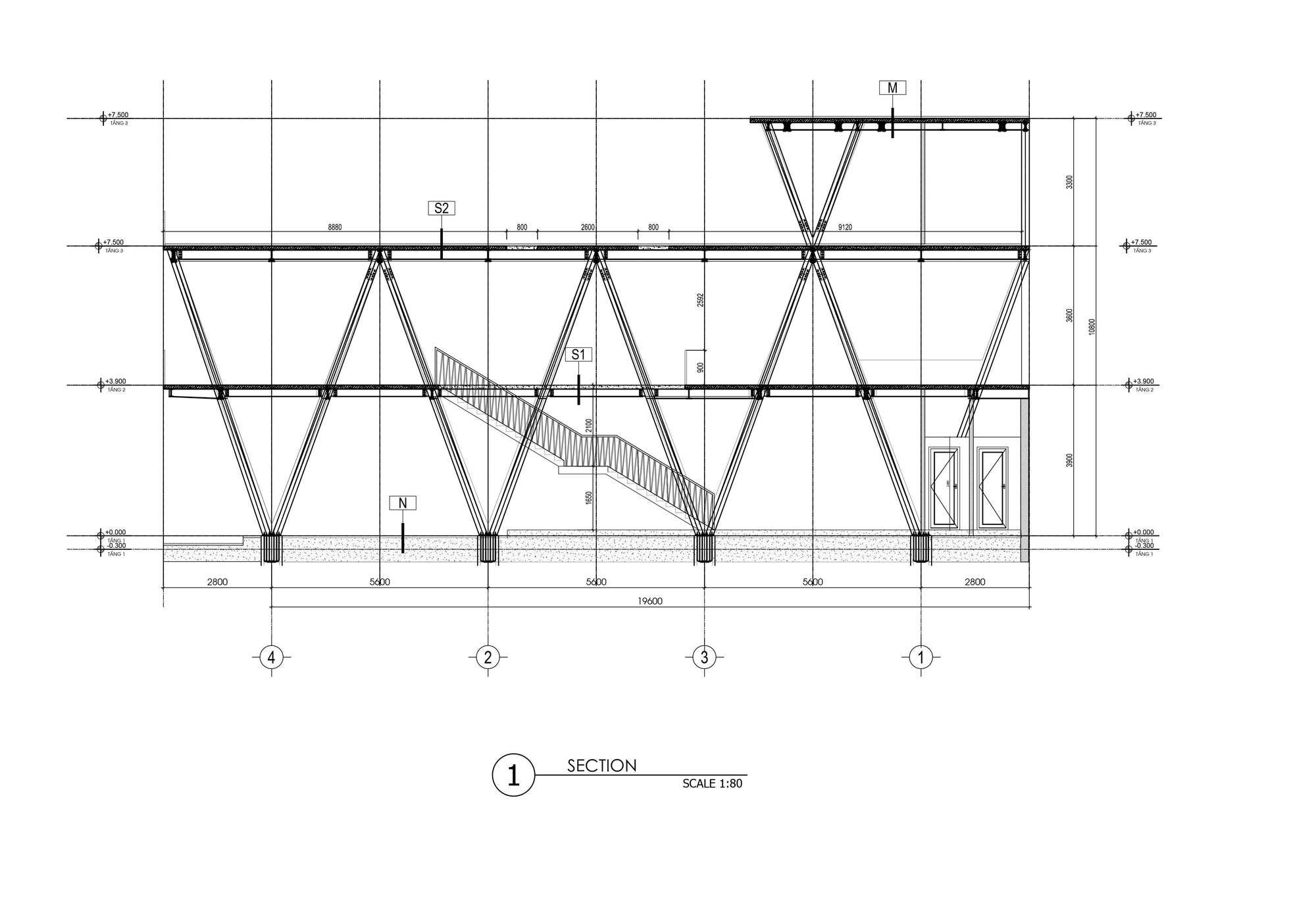
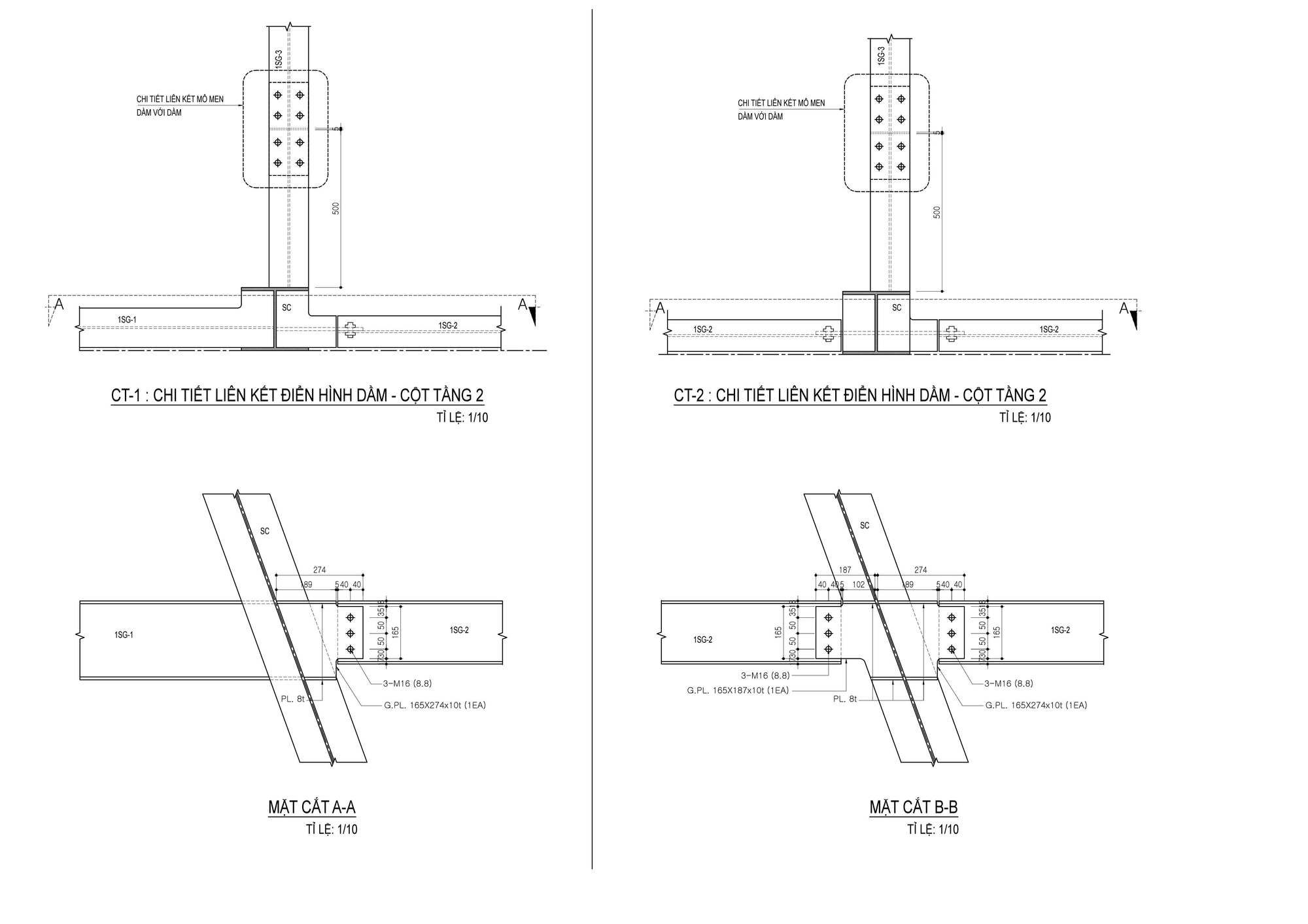
MƯA Coffee Shop
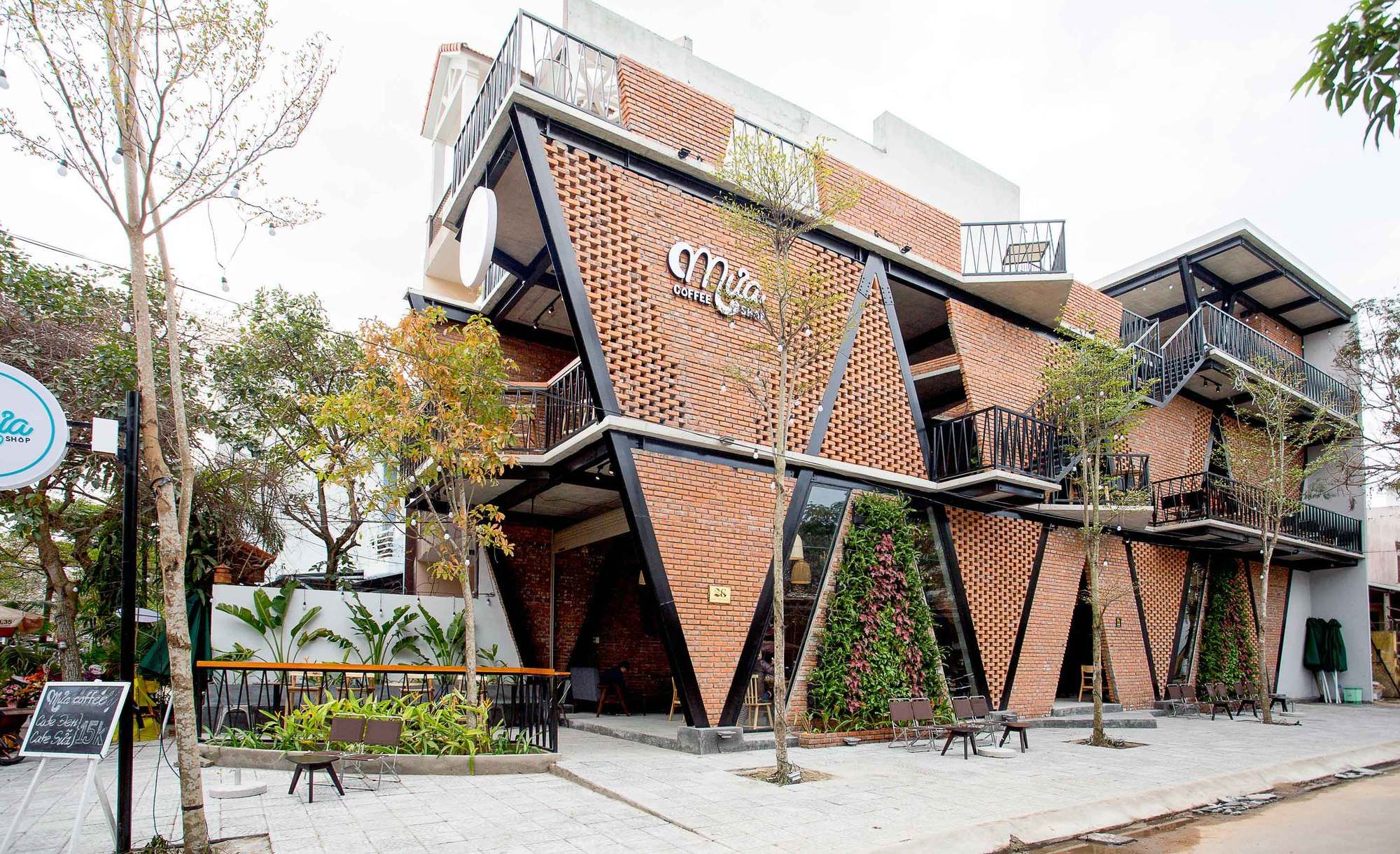
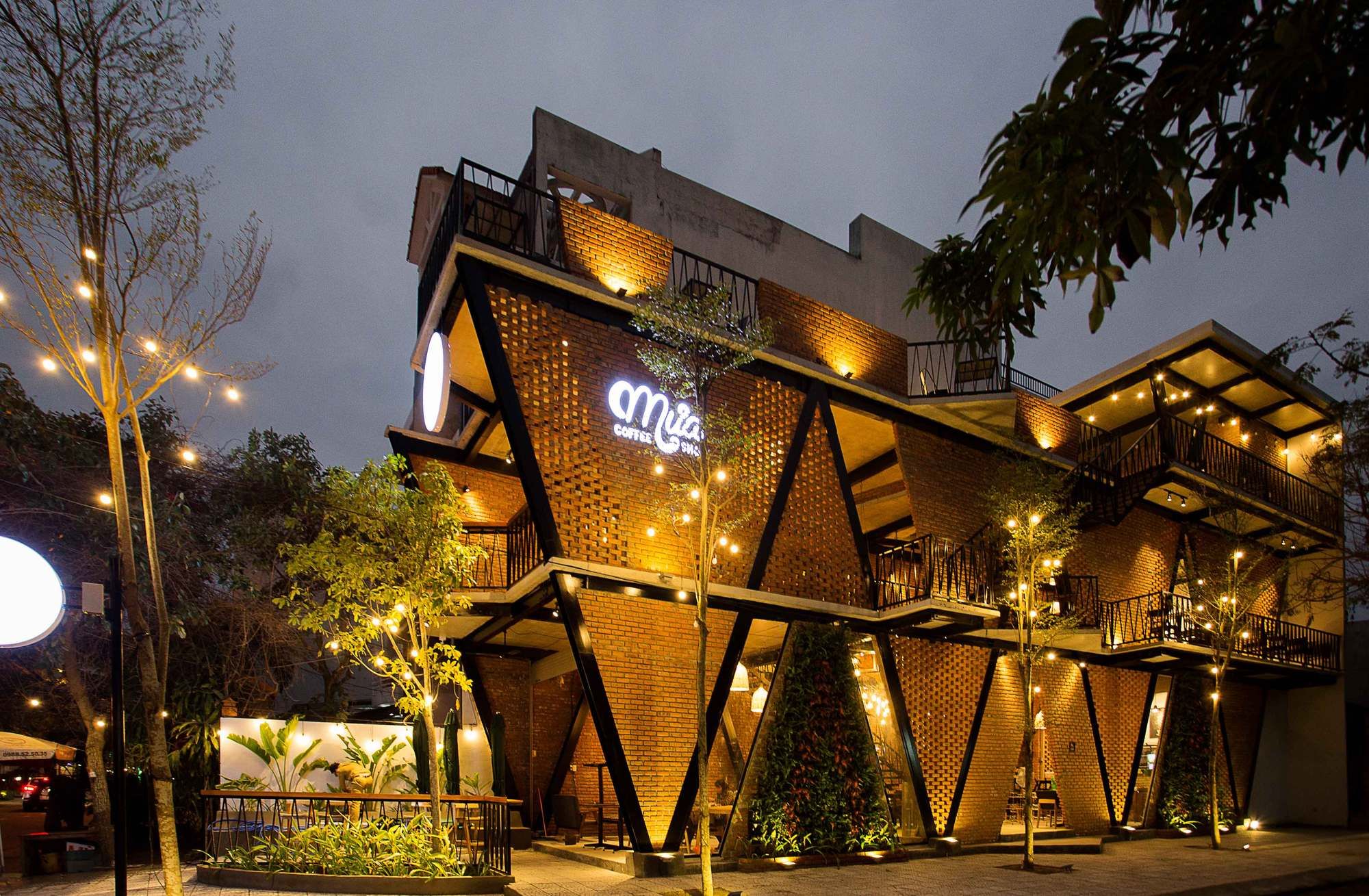
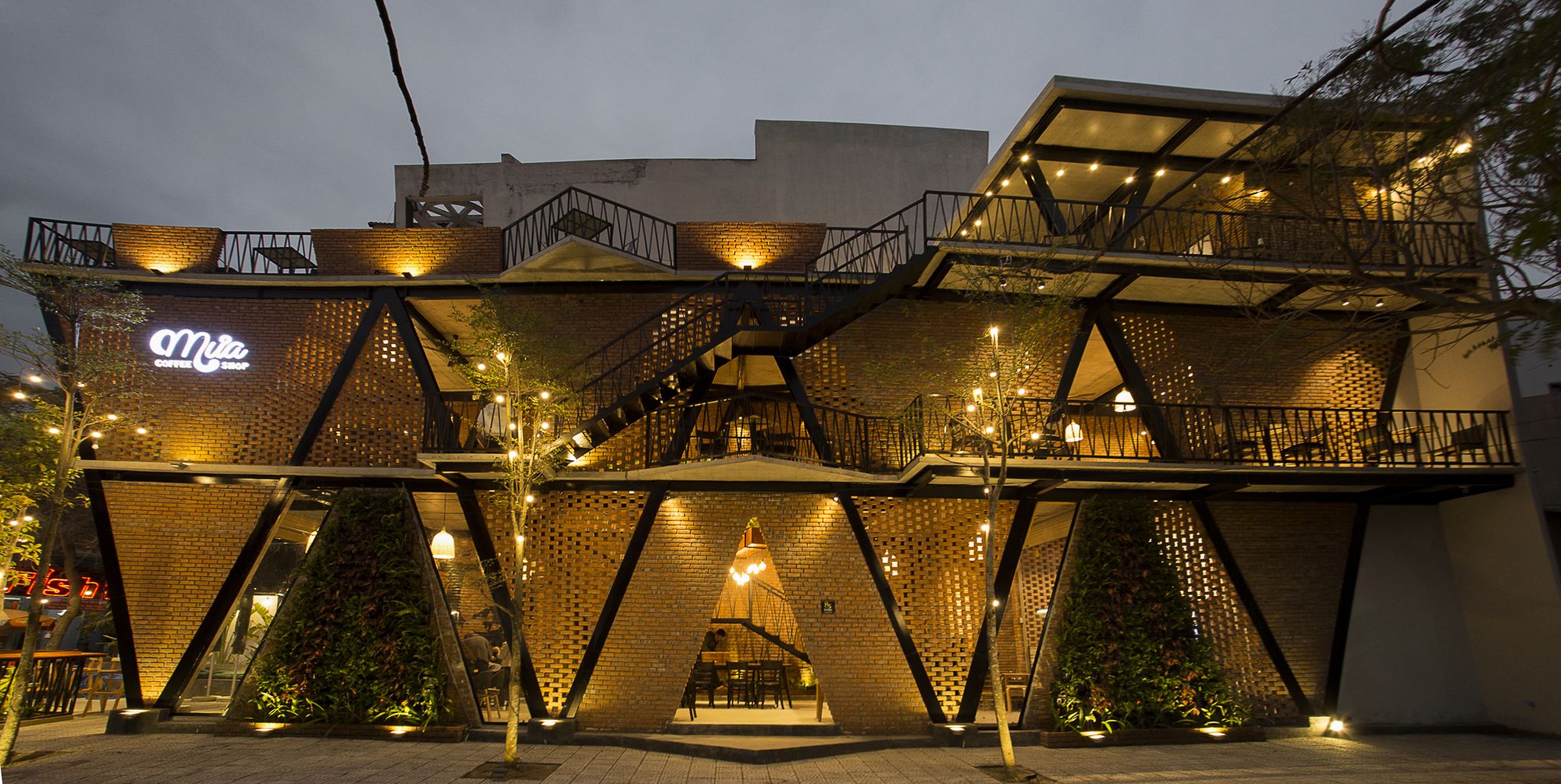
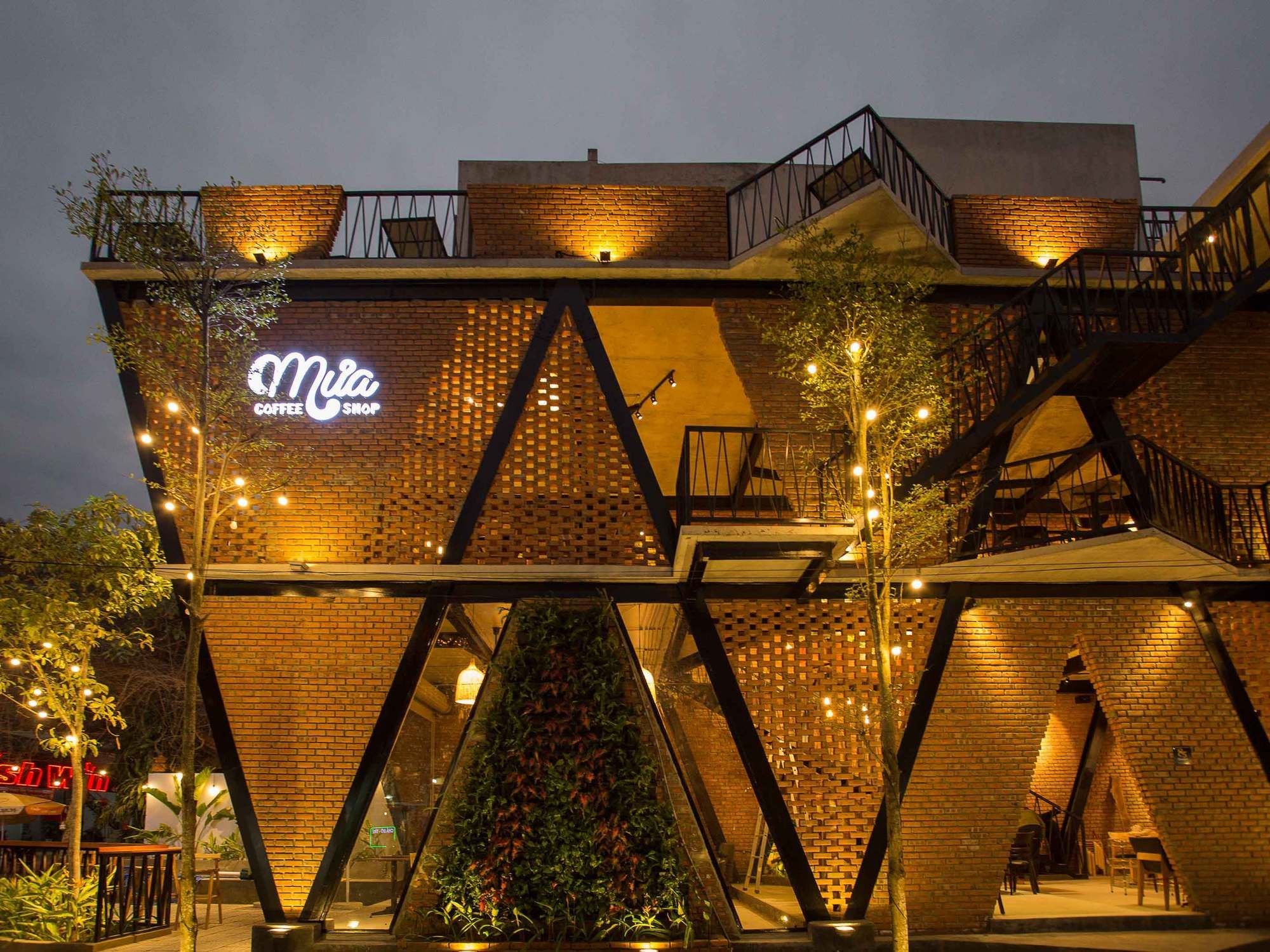
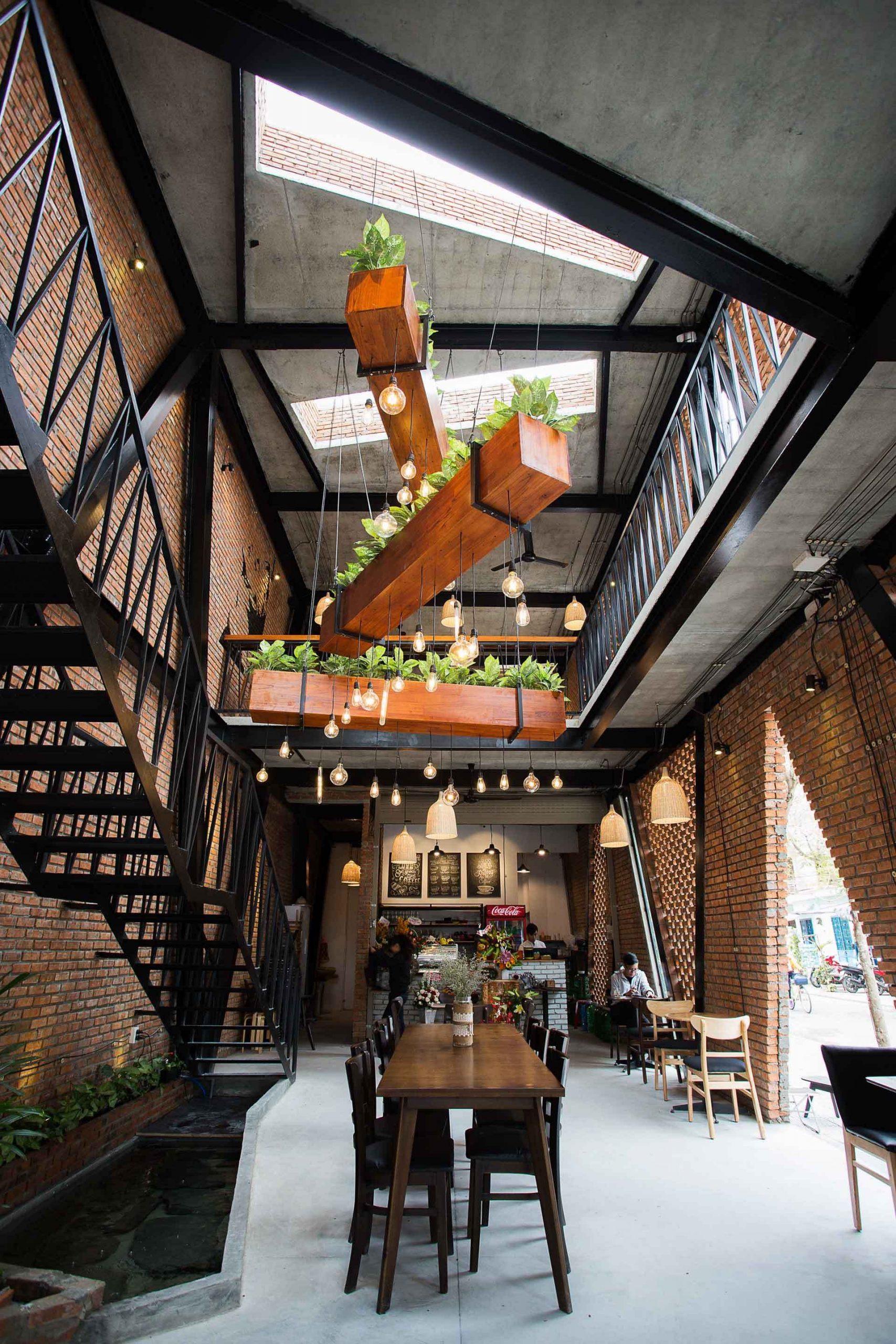
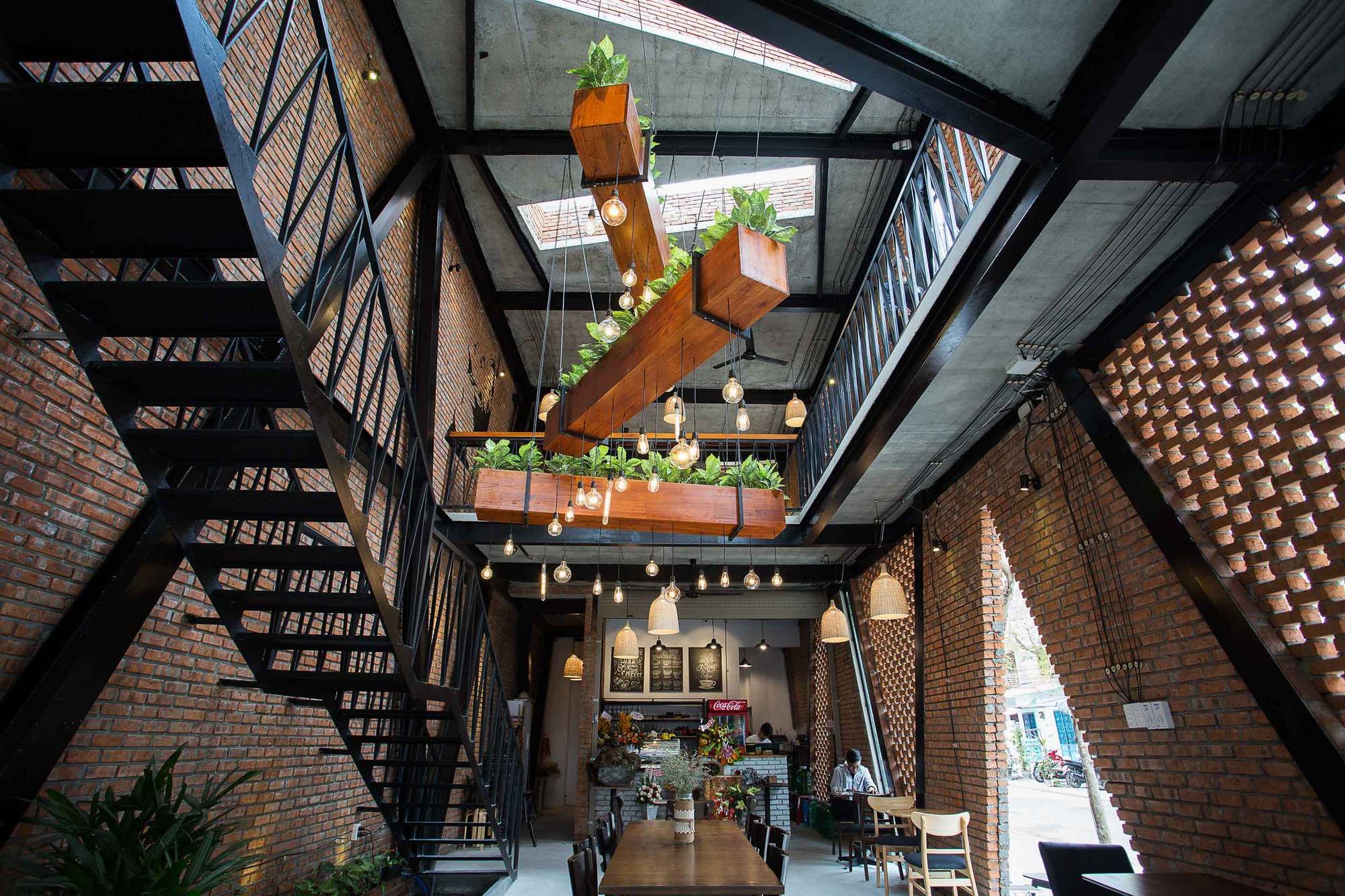
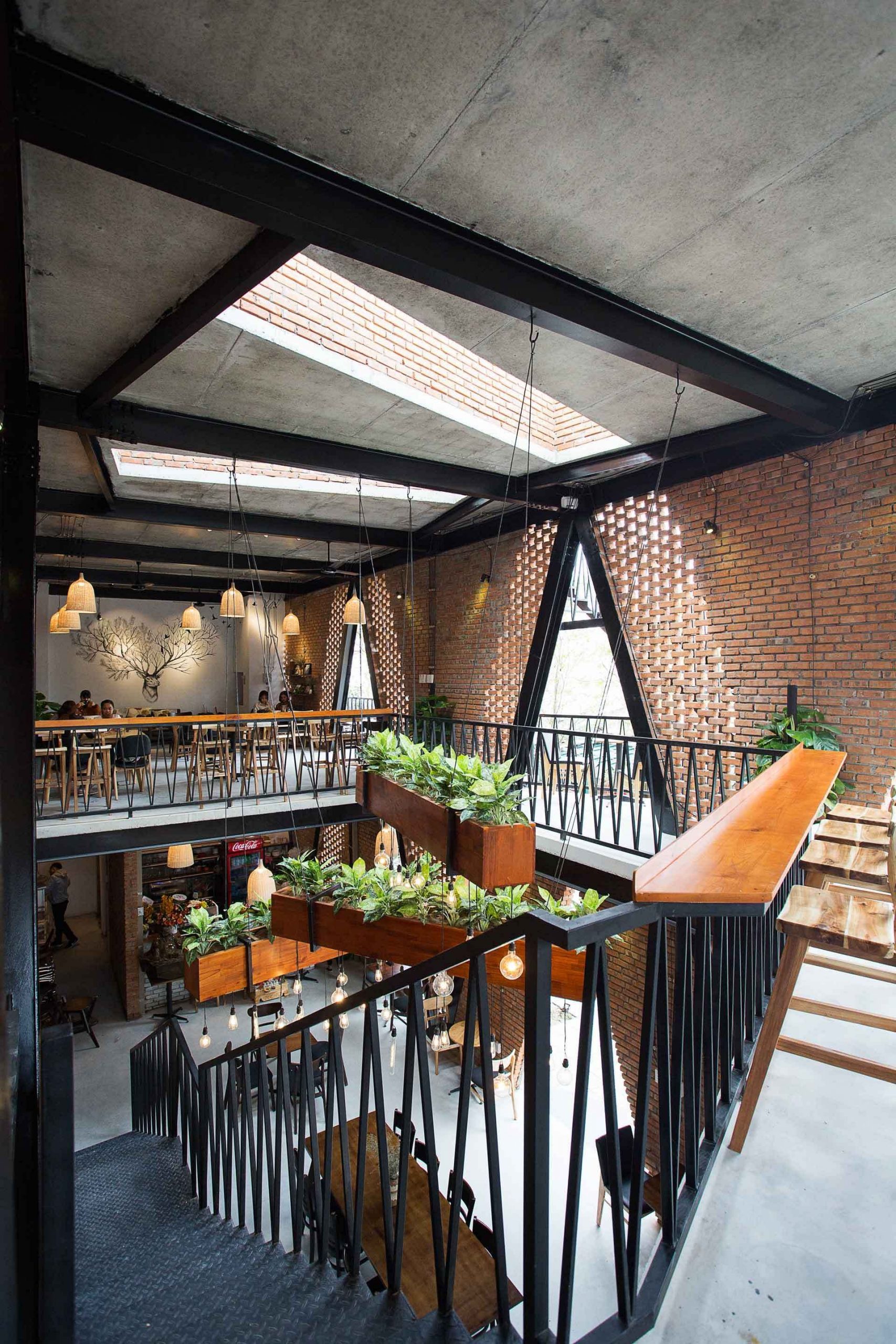
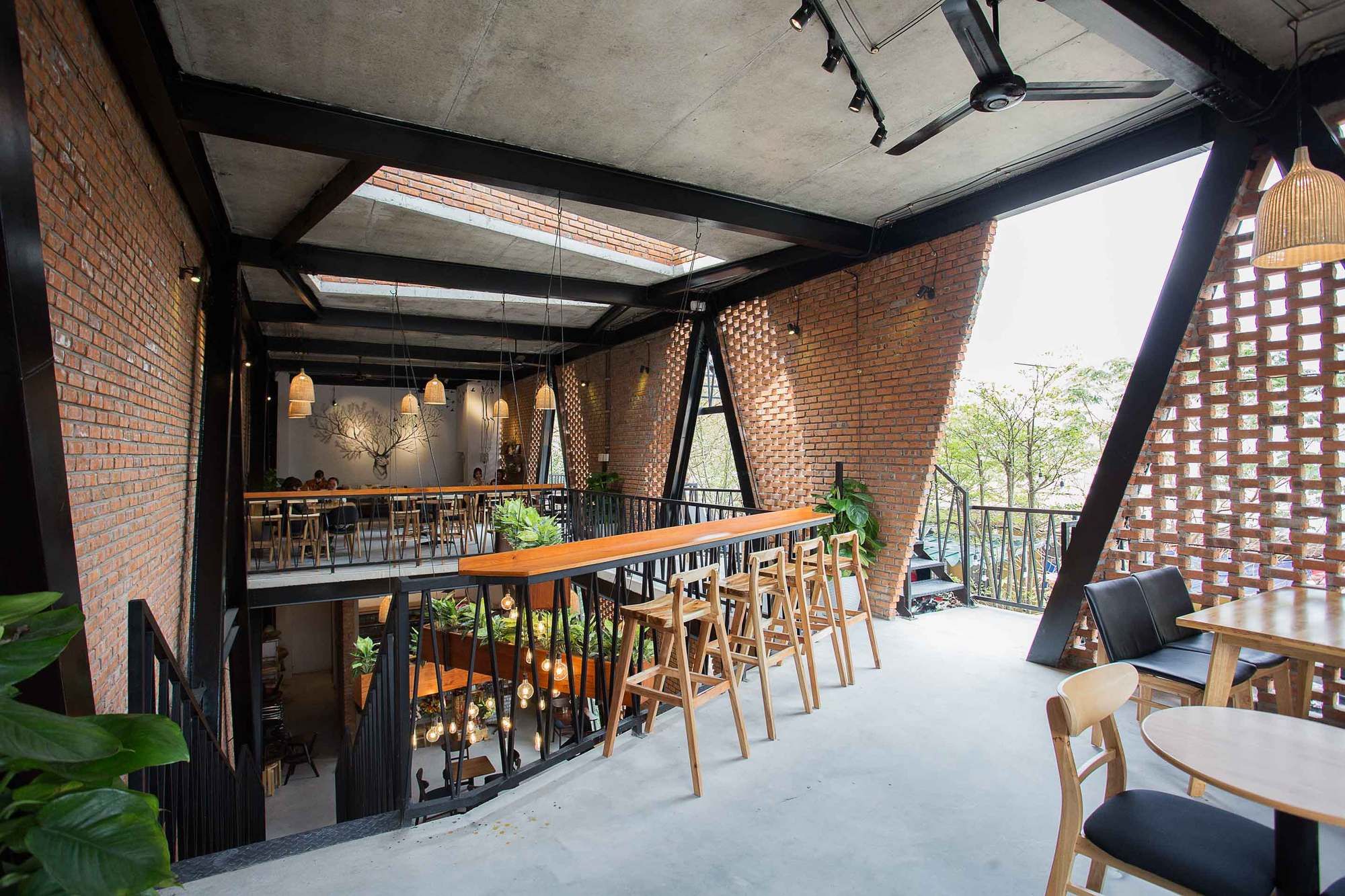
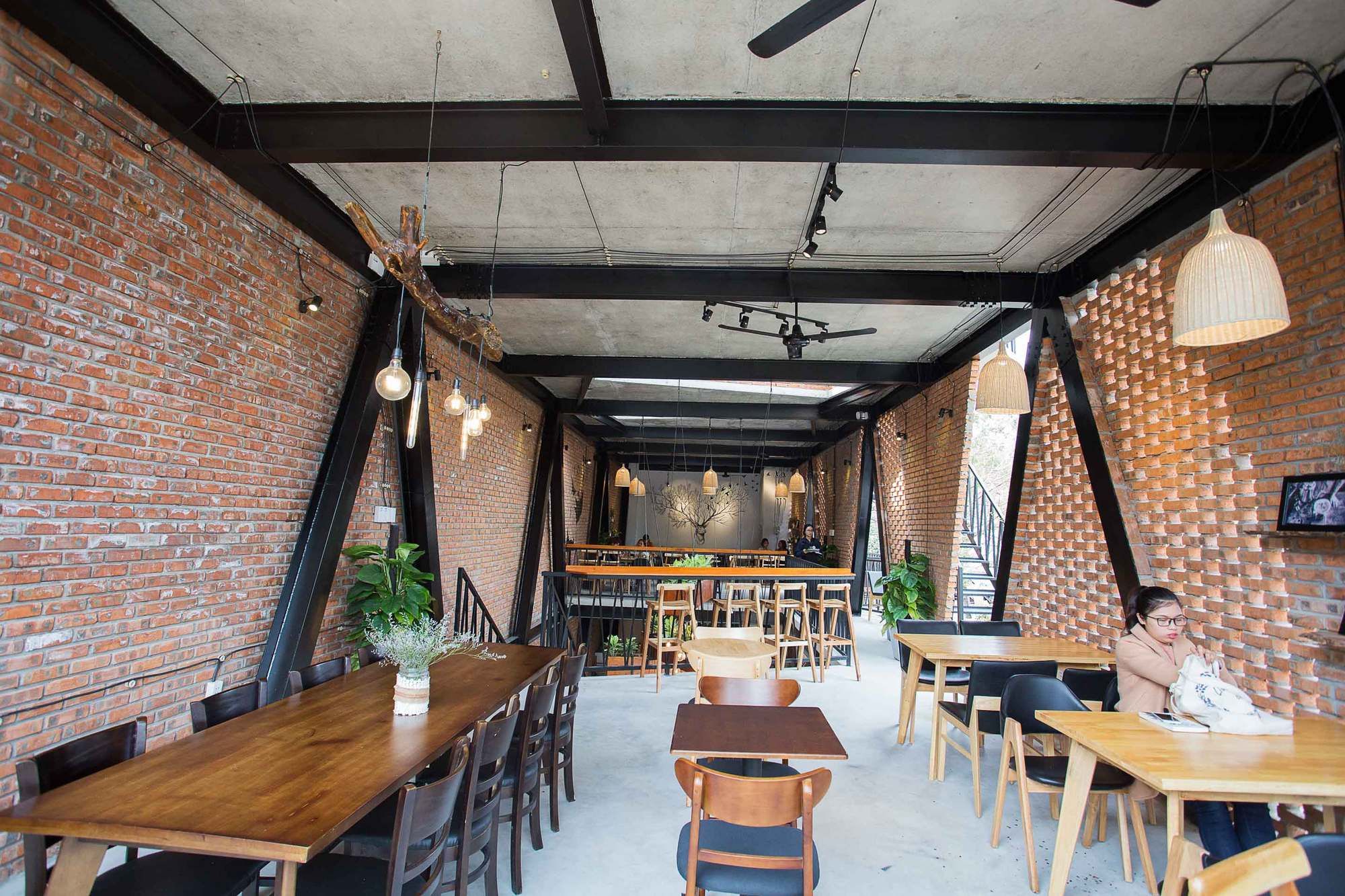
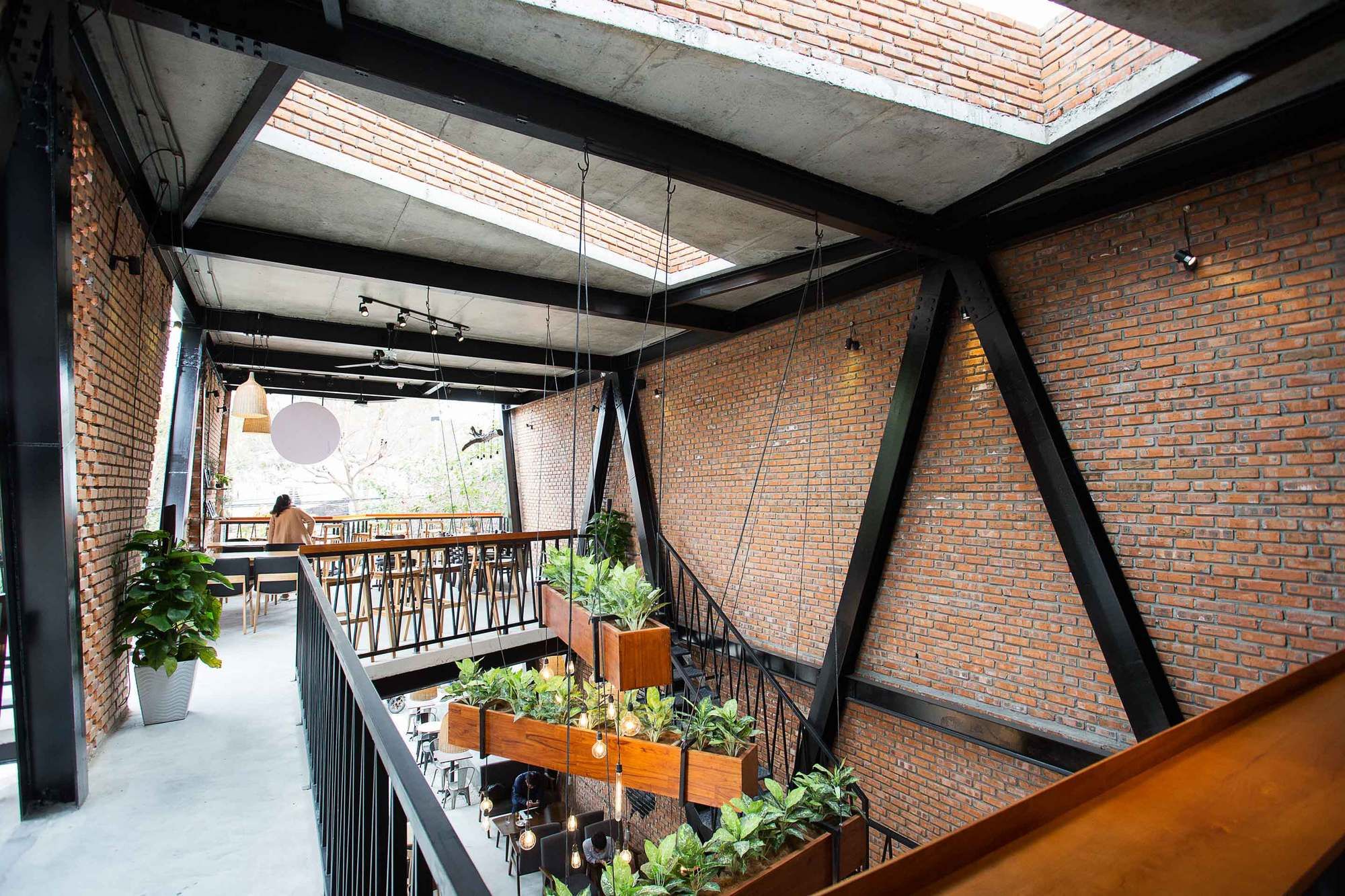
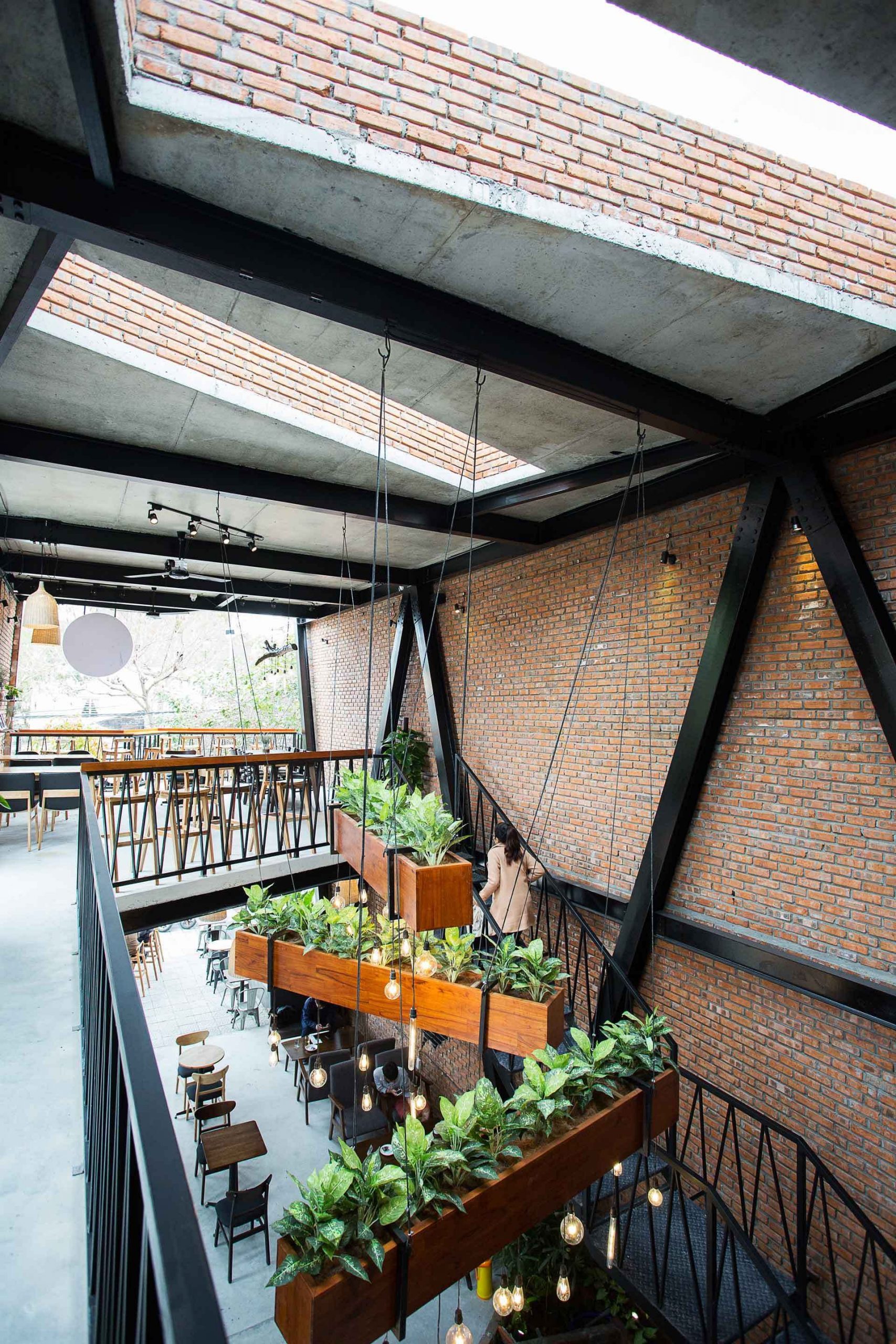
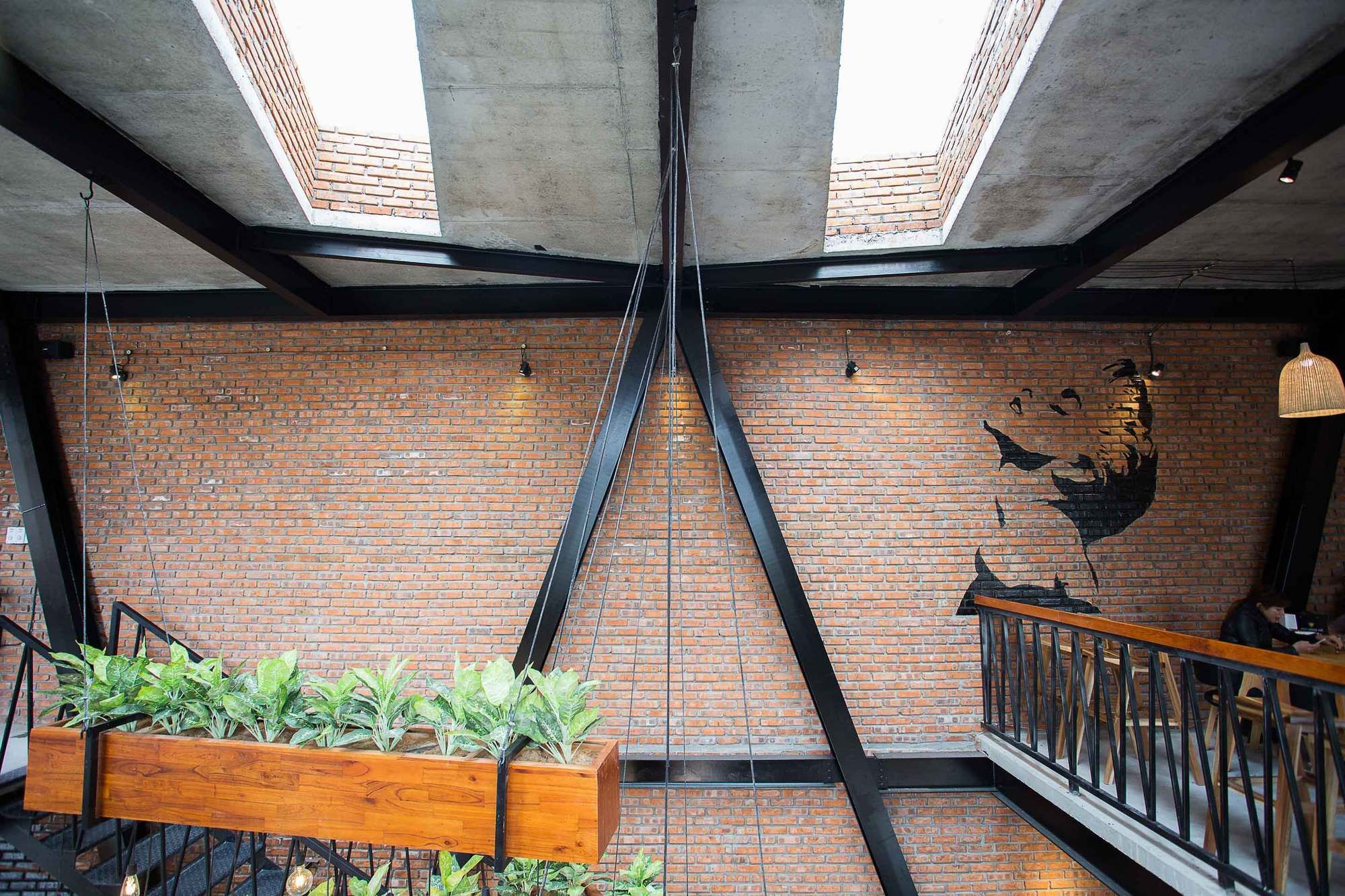
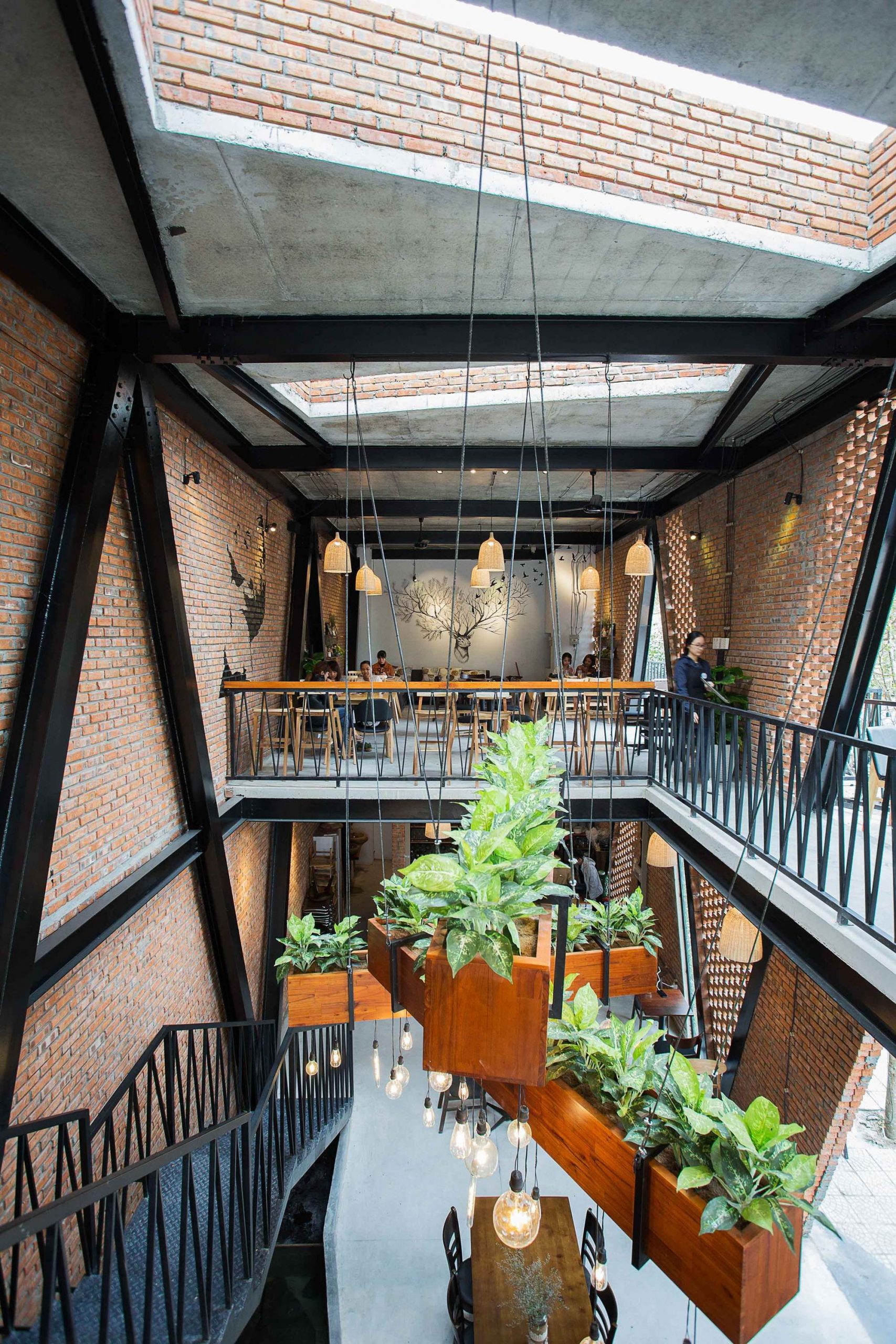
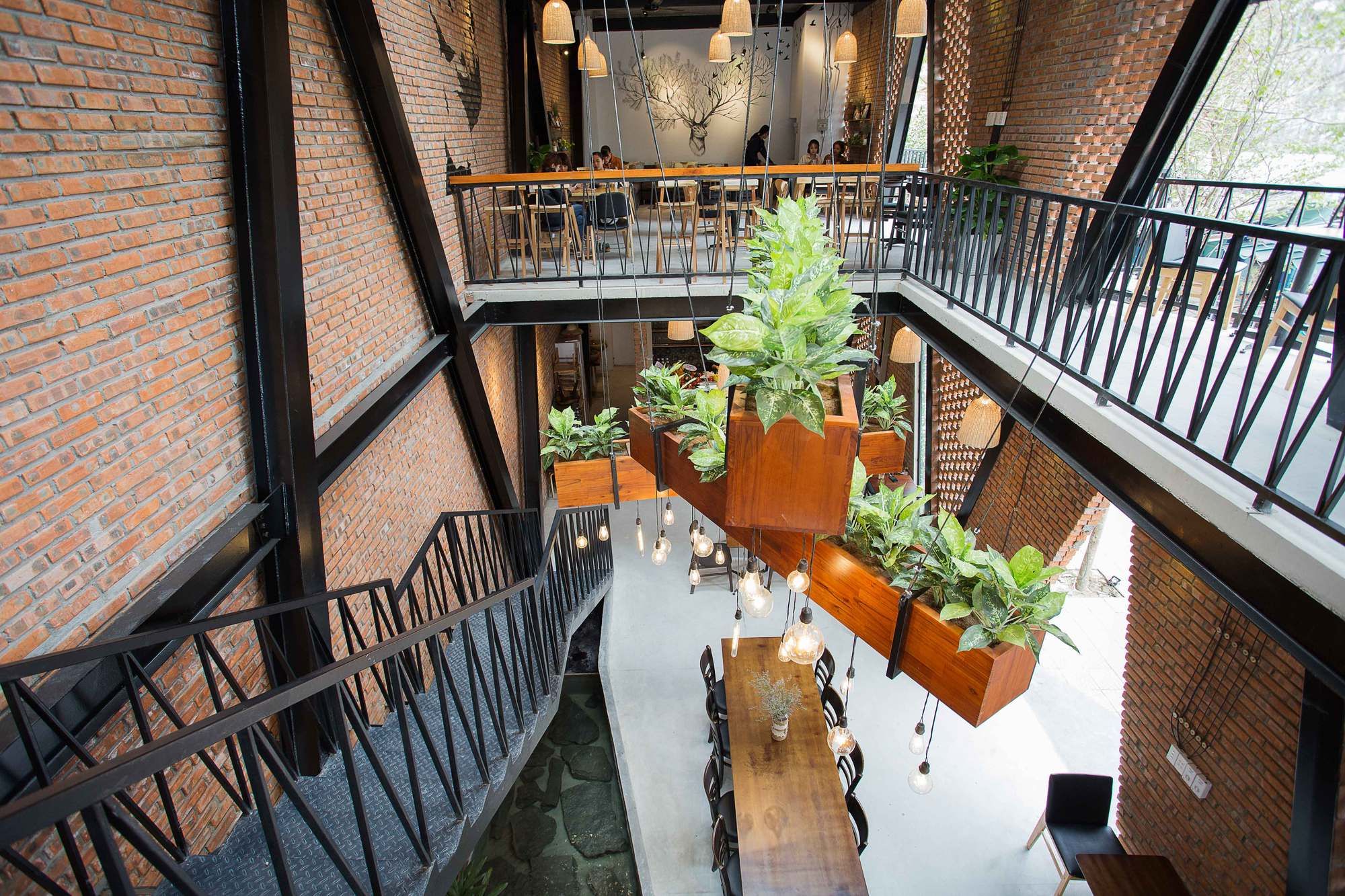
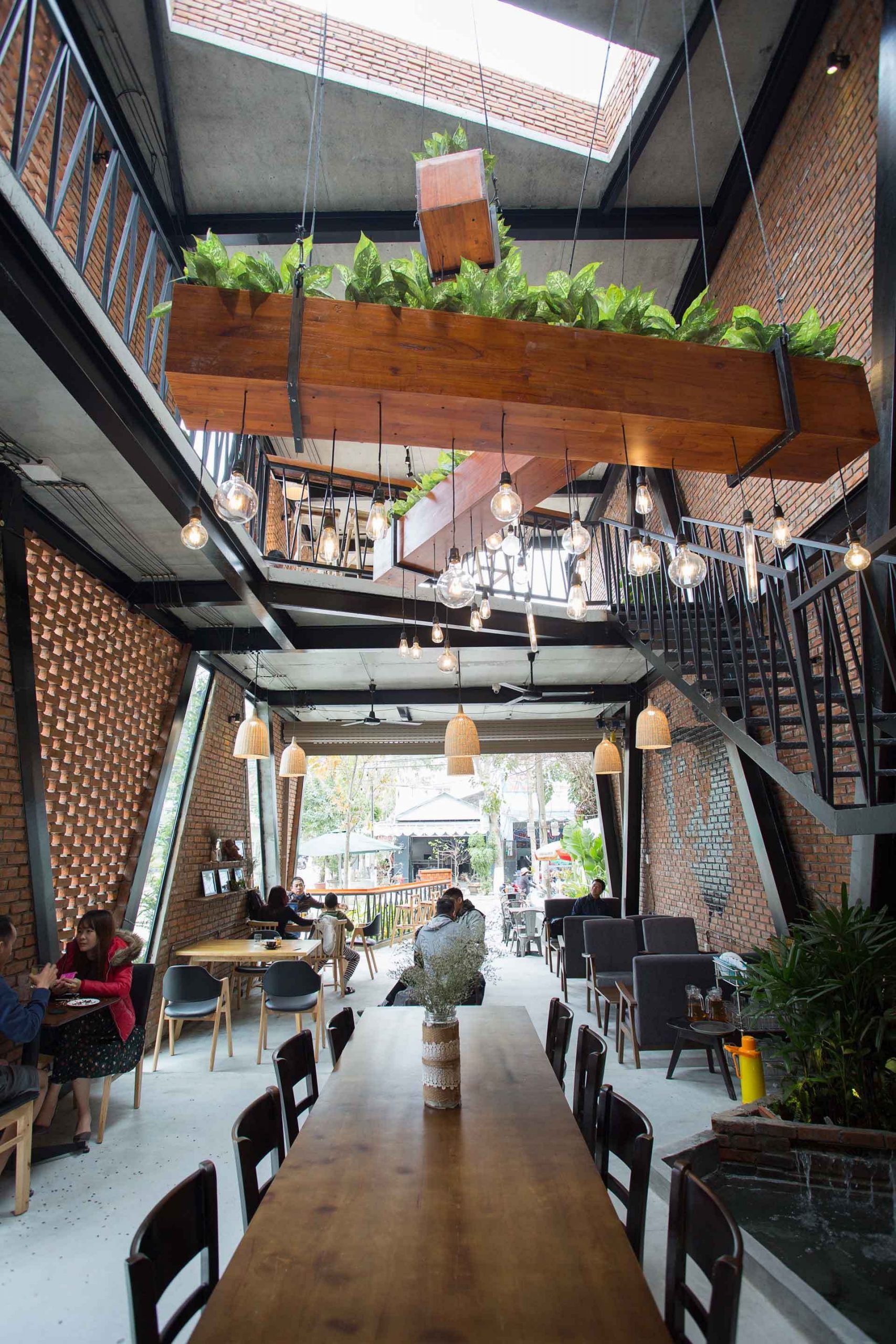
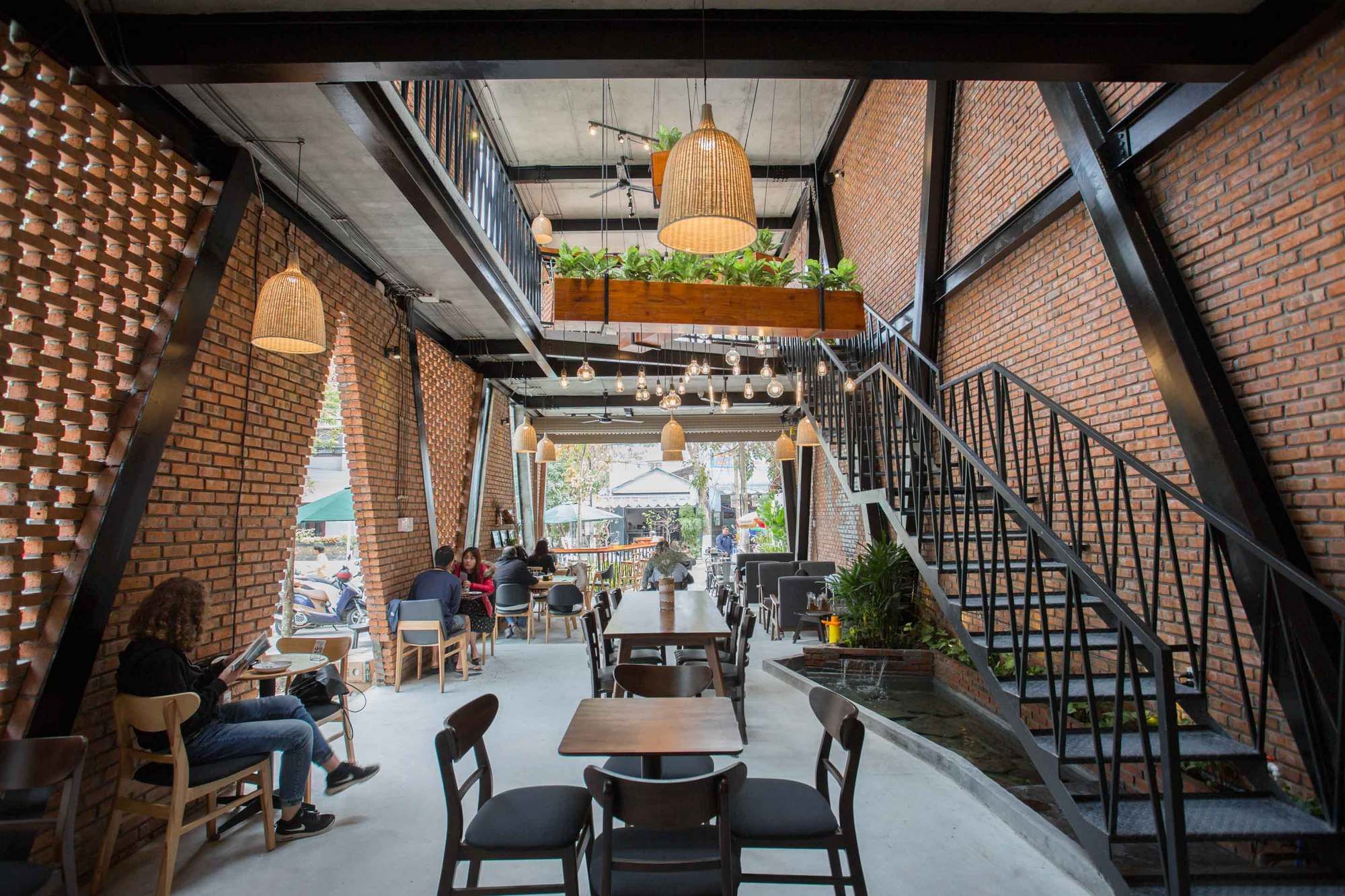
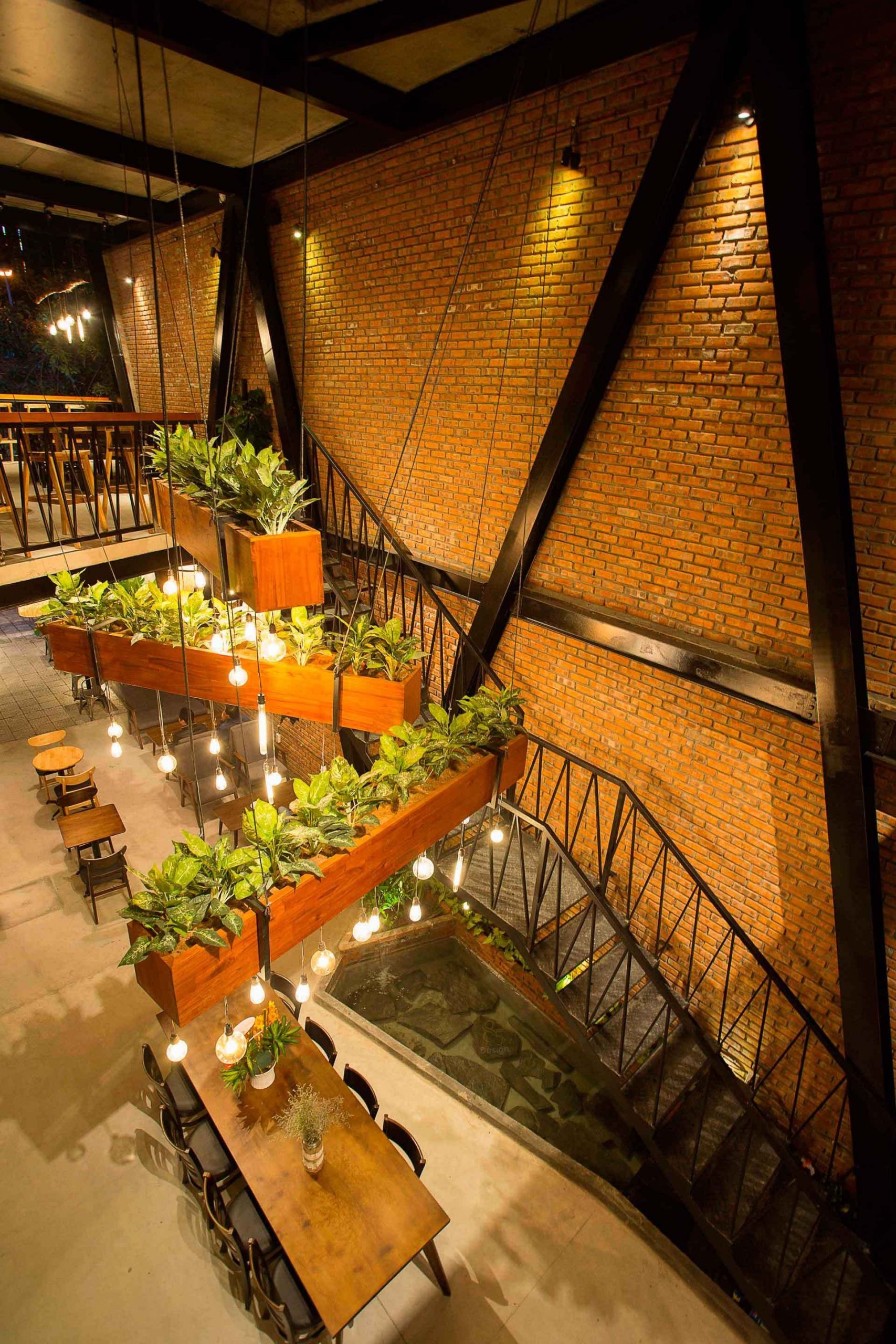
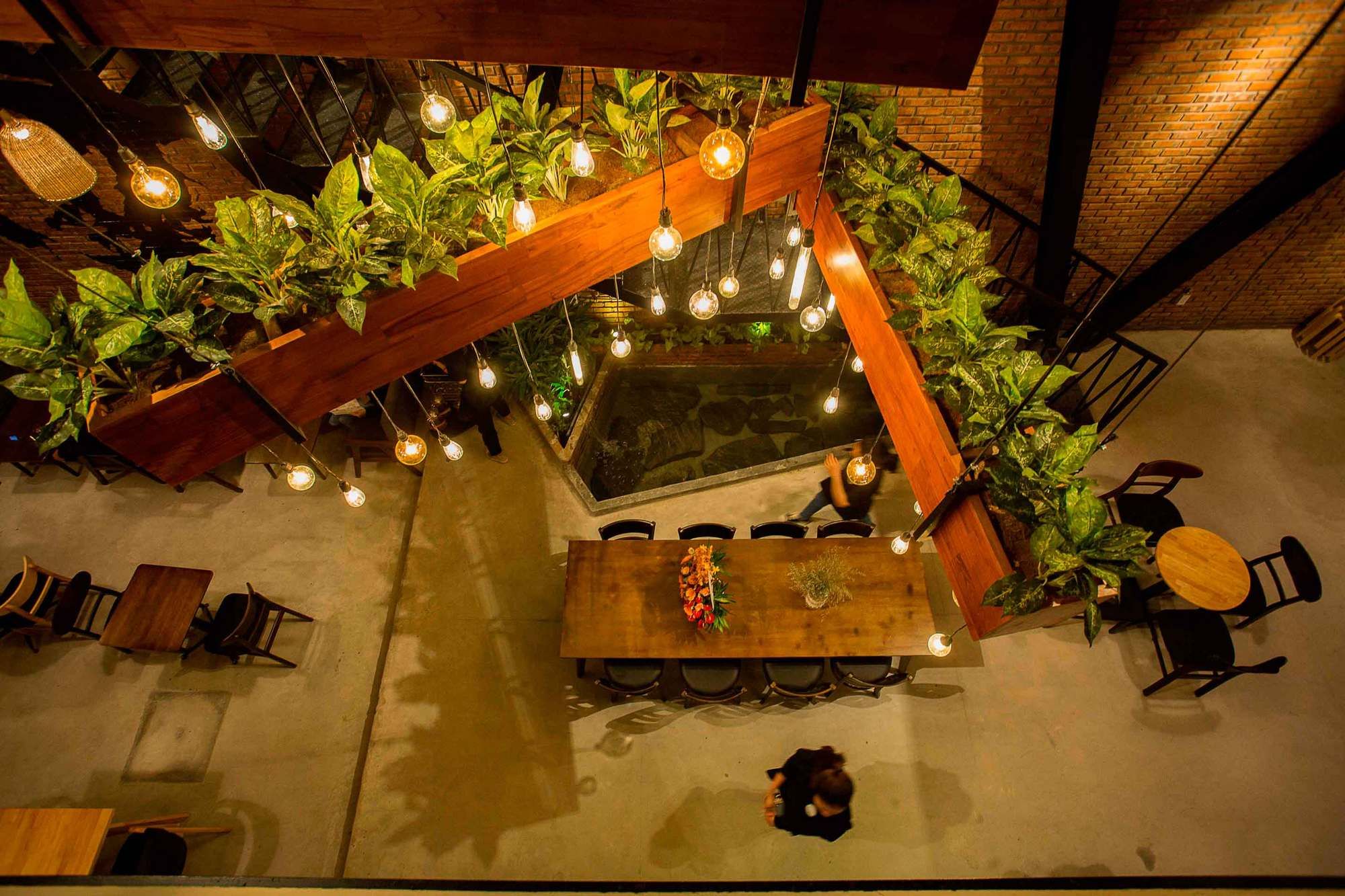
In Vietnam, there are a large number of steel buildings. They can be easily found around the country and have been built for different purposes of use. Therefore, most people still think of steel buildings as factories, temporary houses and they can hardly become a beautiful building. Thus I want to prove that: Steel buildings are neither dry nor rigid. Steel buildings can completely make attractive and high quality works
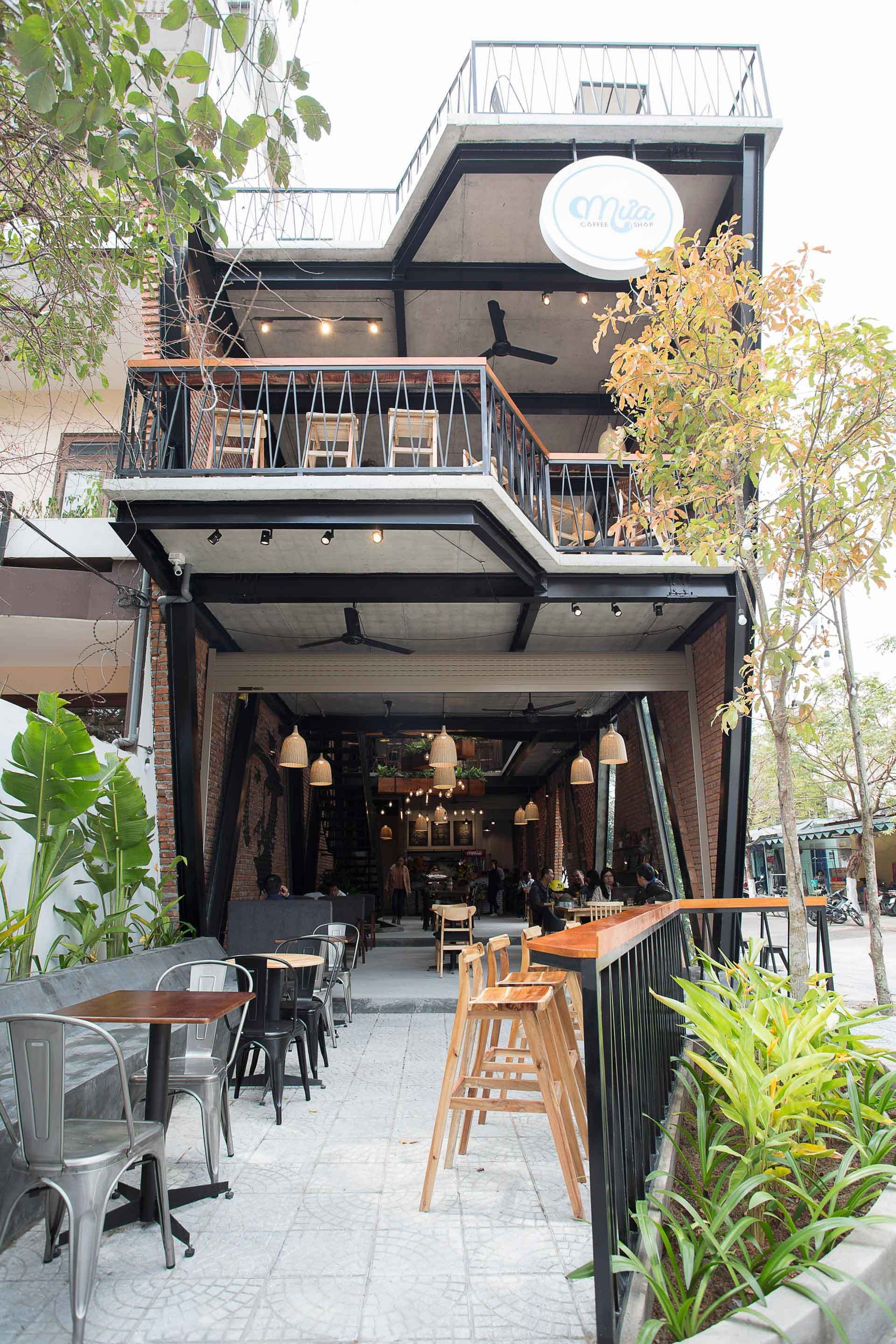
Photography by © To Huu Dung
A year ago, when I first met the owner, he wanted me to consult and design a steel-constructed coffee shop on an area of 127m2. For the very first stage, we worked very well together. However, during the construction process, the contractor did not carry out the work well enough and he changed his mind a lot from my original design. So I ended the cooperation, soon withdrew from that project. As what I expected, the completed project was not the same as the original design and the quality of the works as well as the finishing was very bad.

Photography by © To Huu Dung
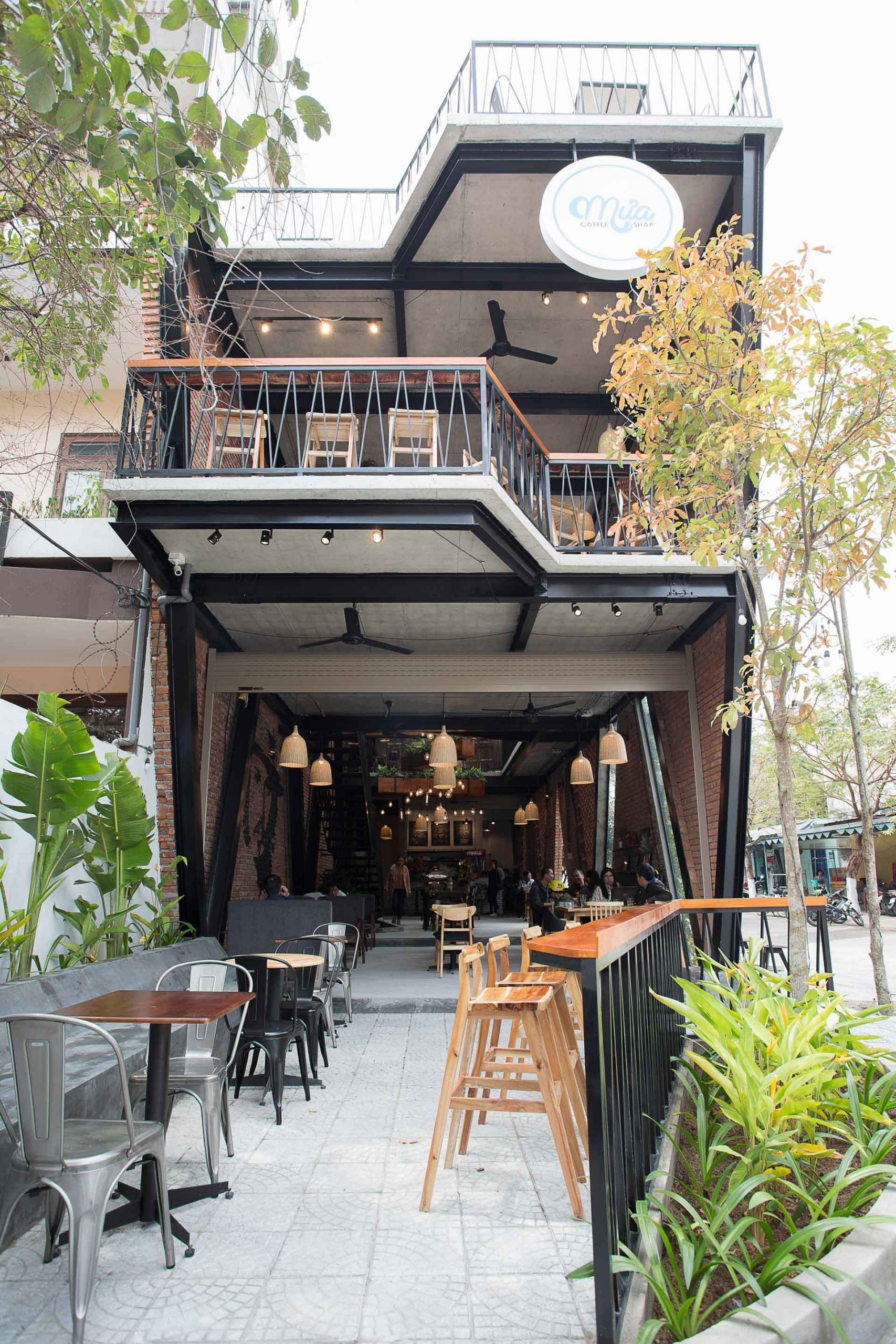
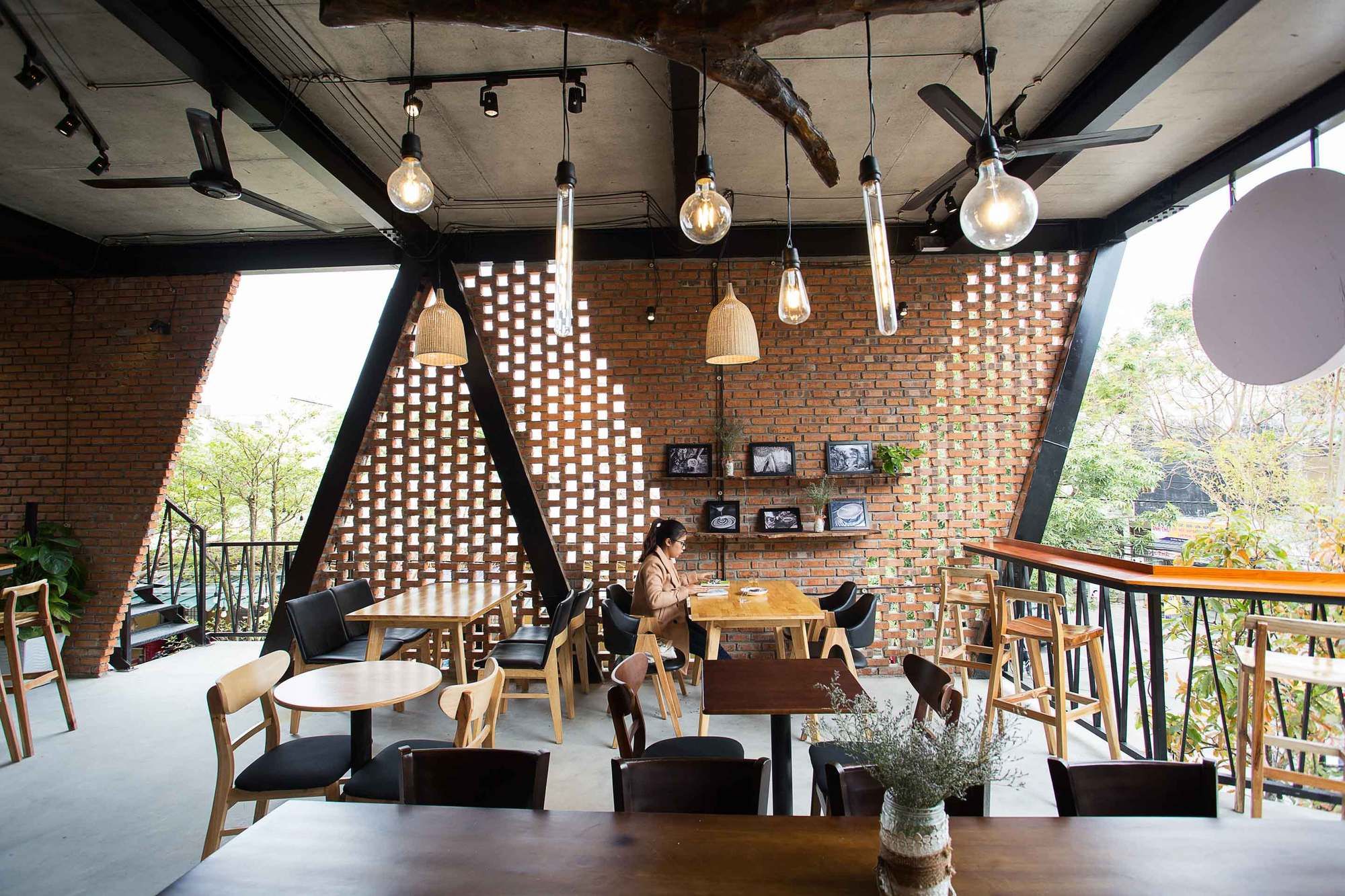
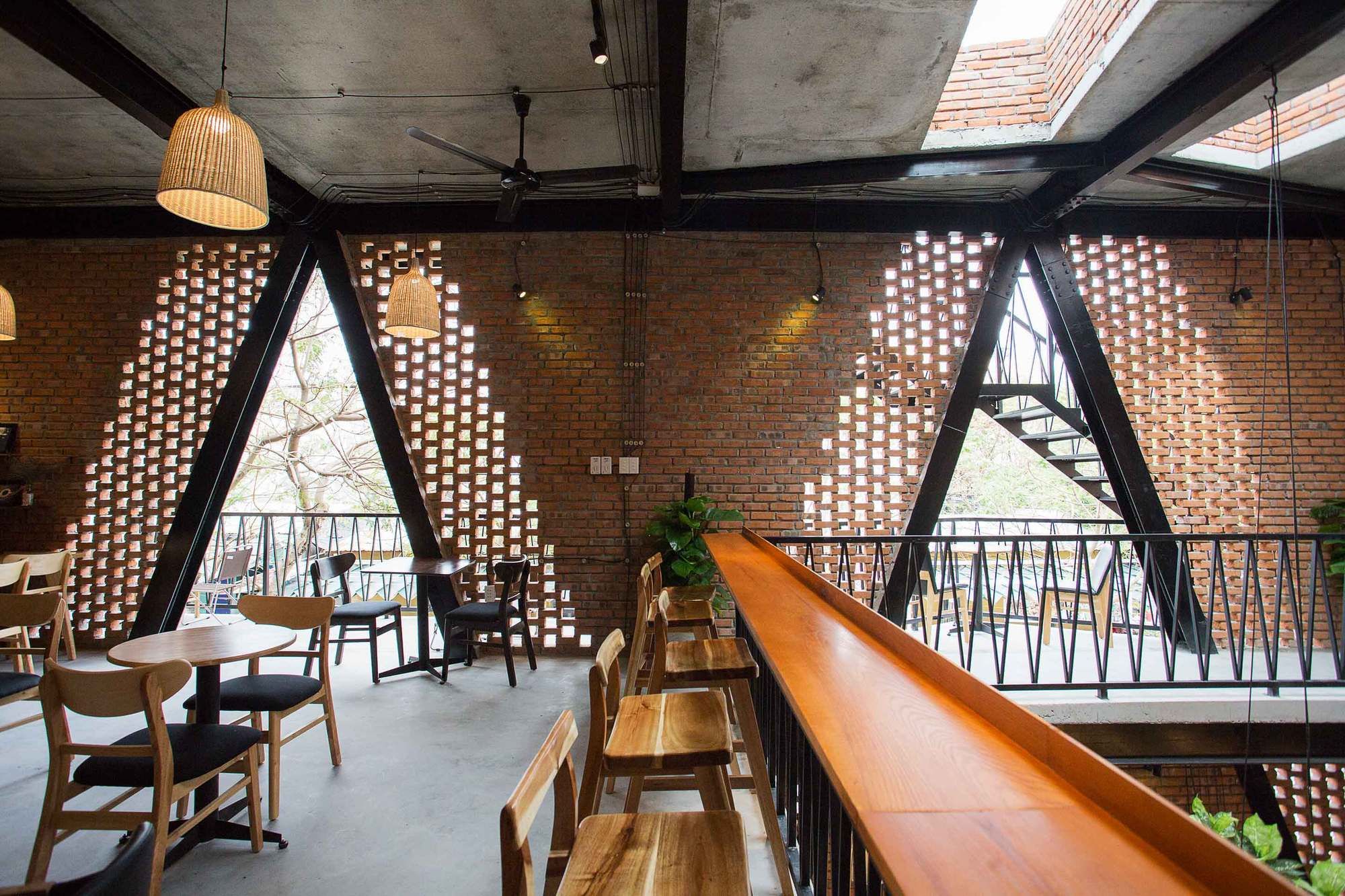
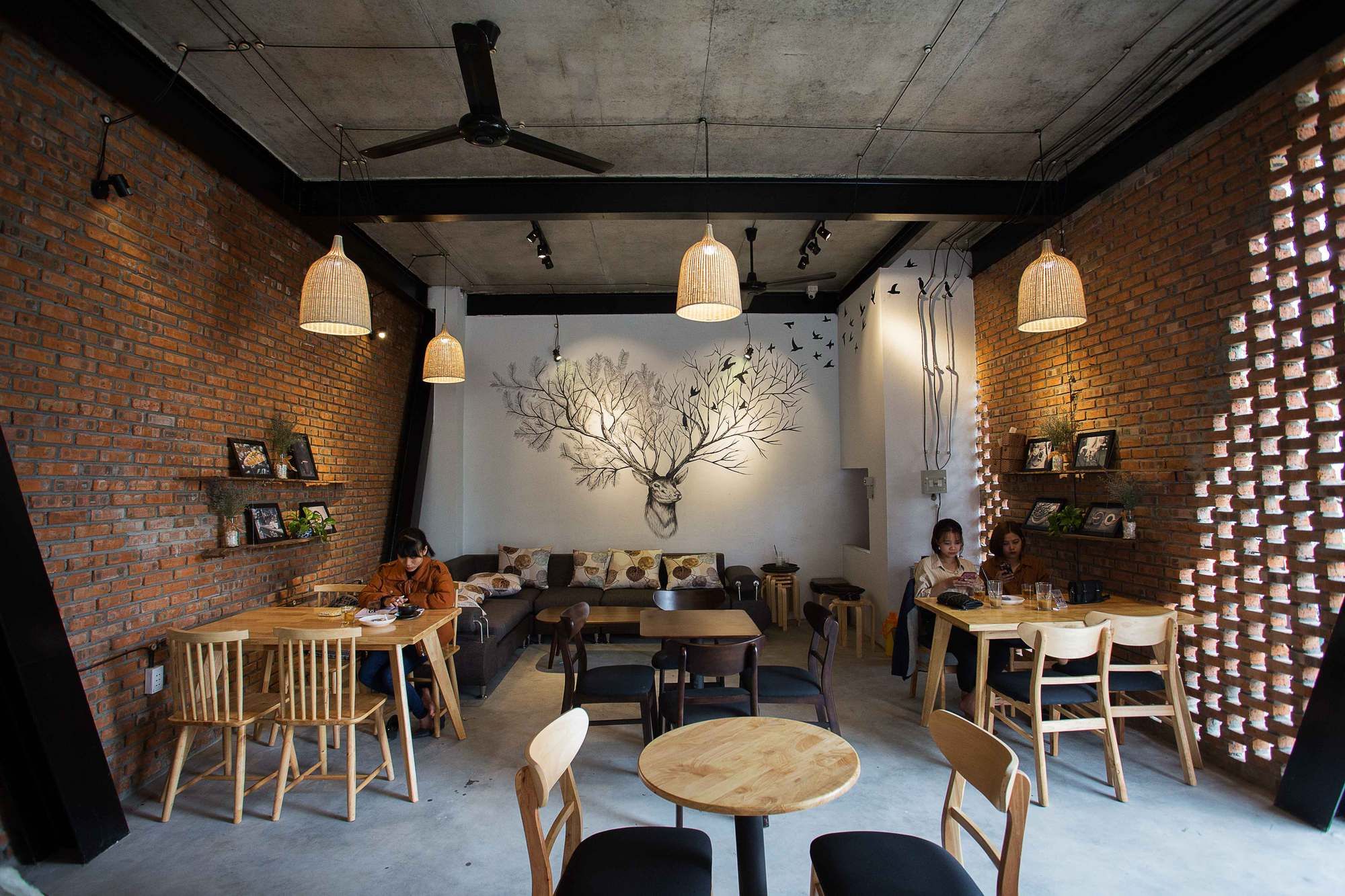
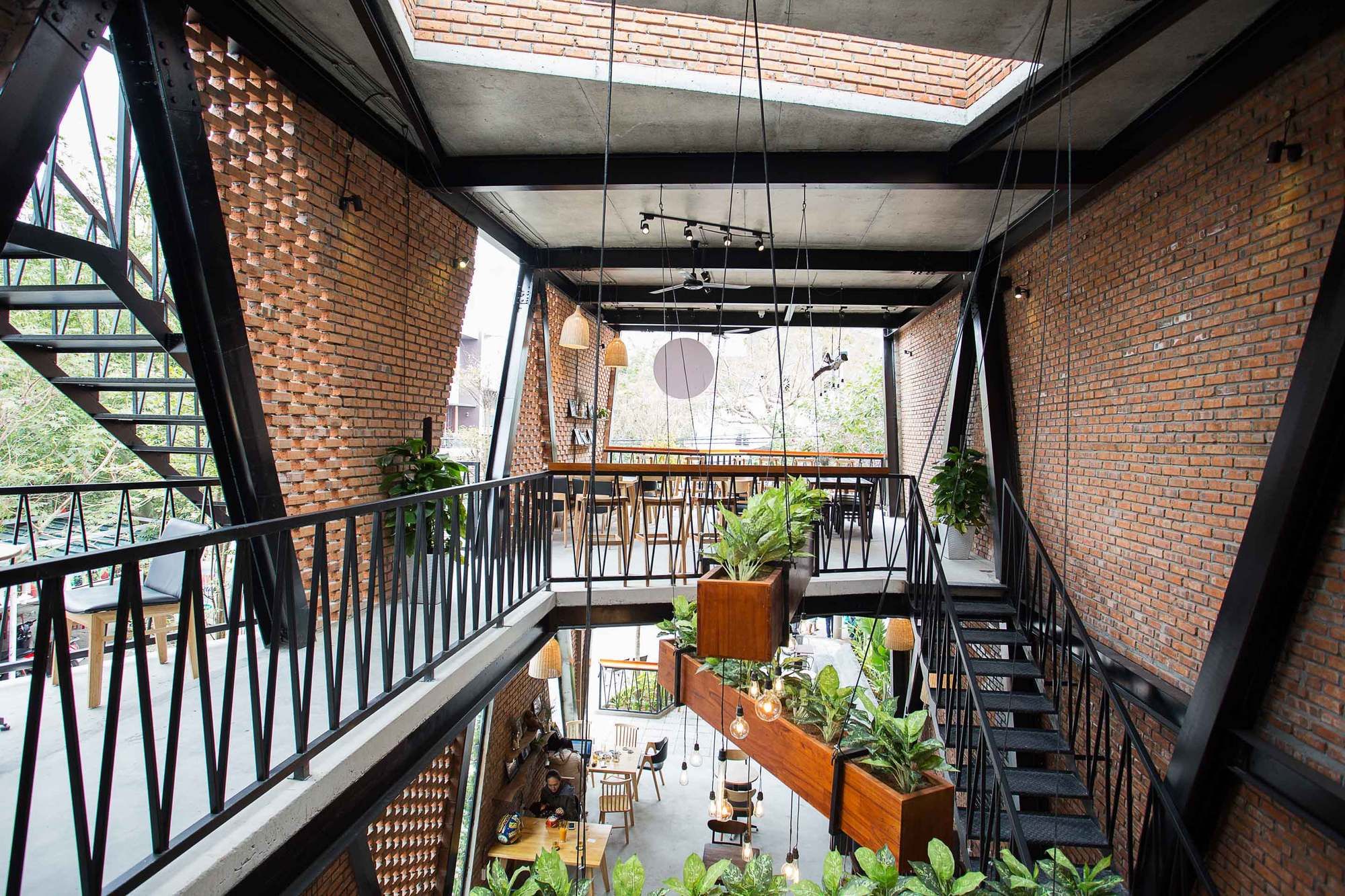
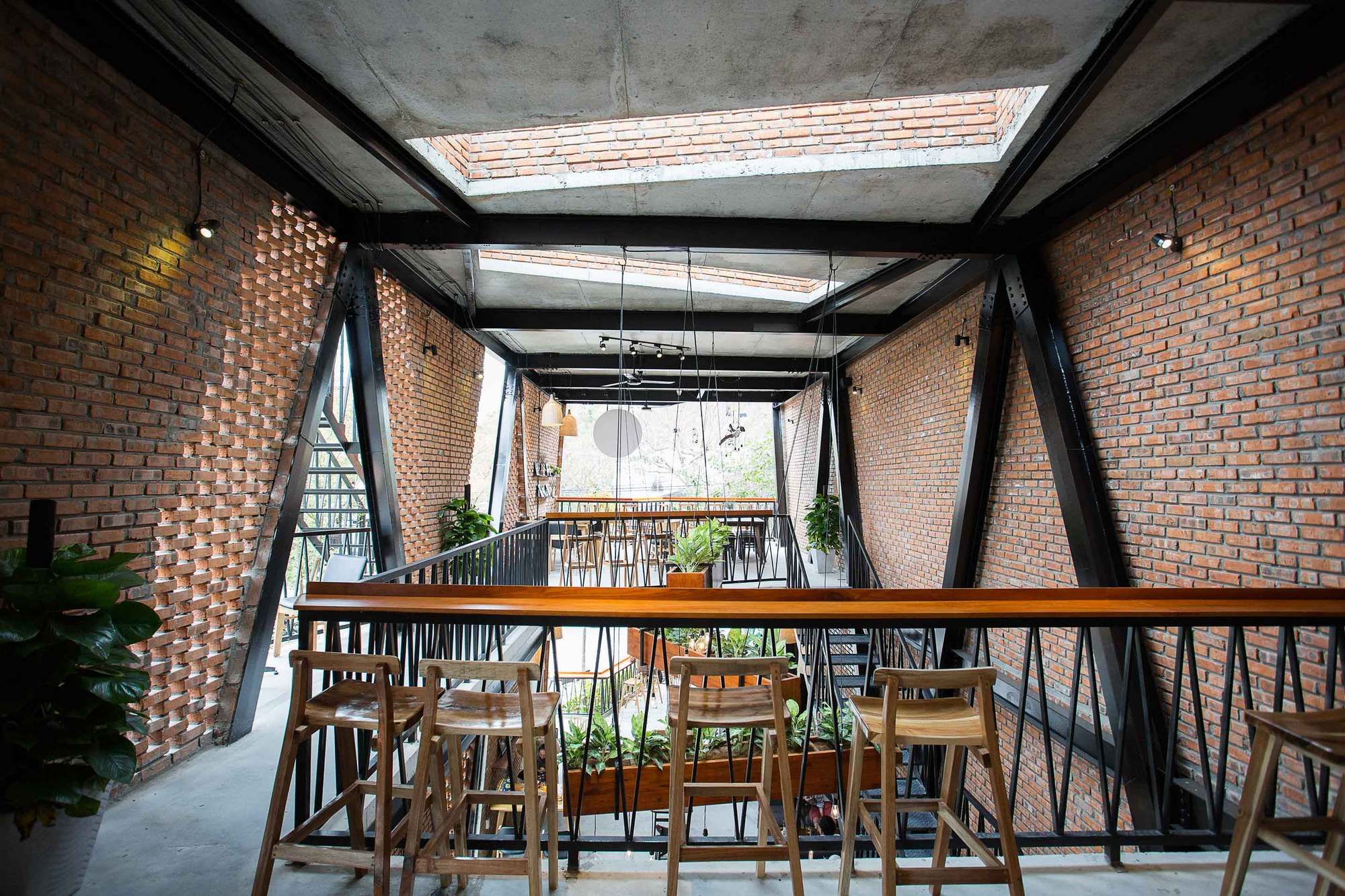
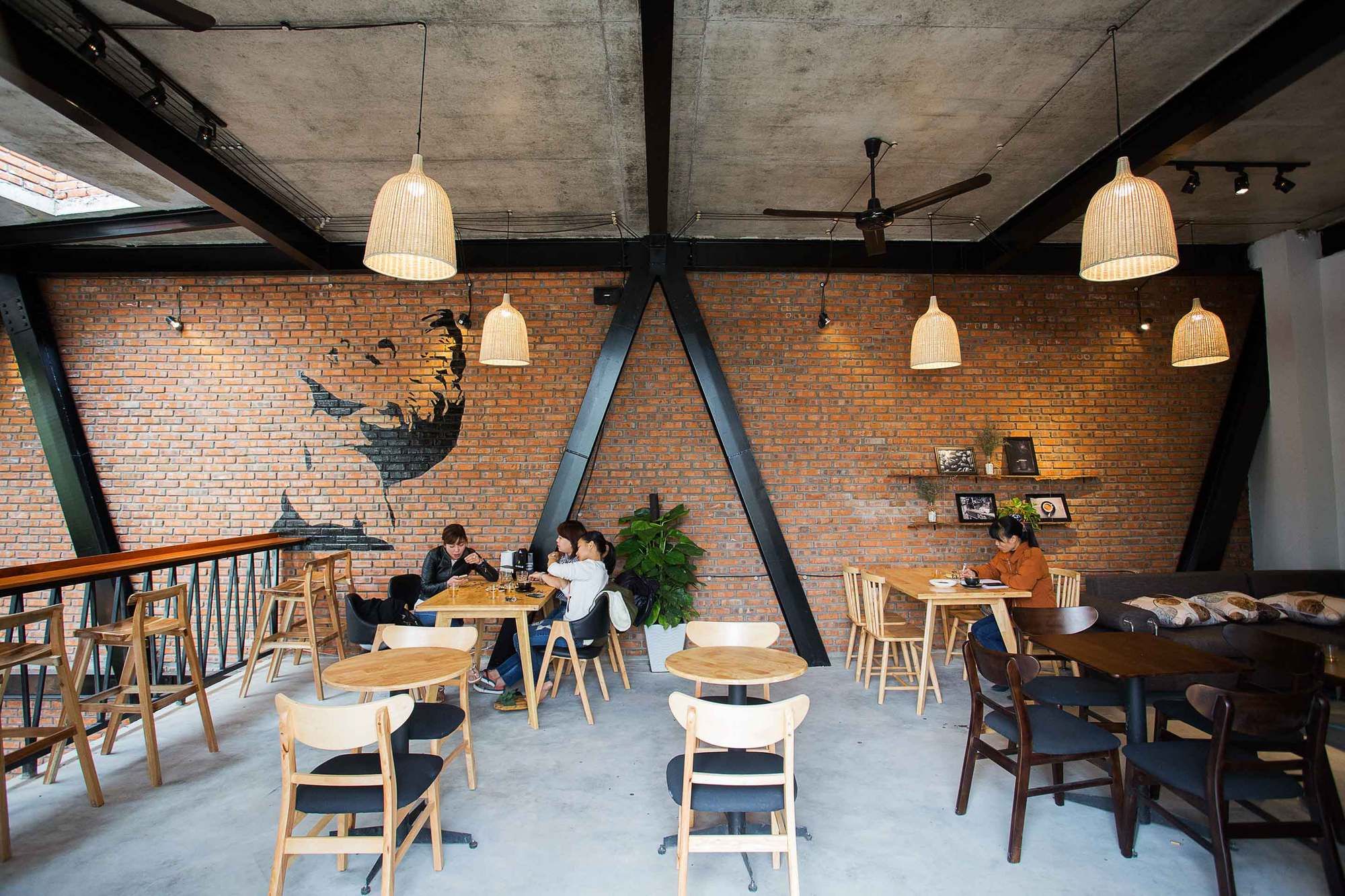
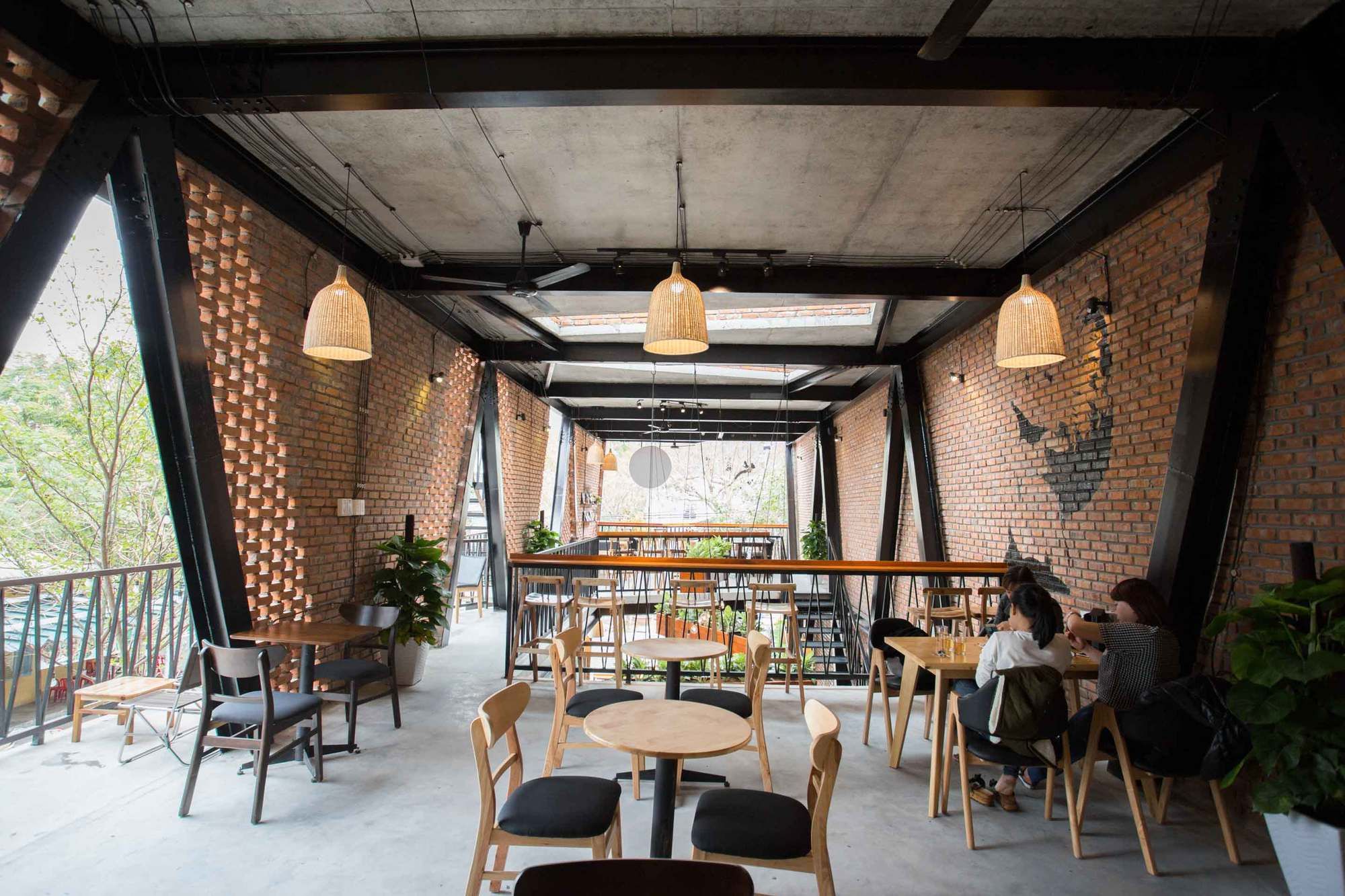
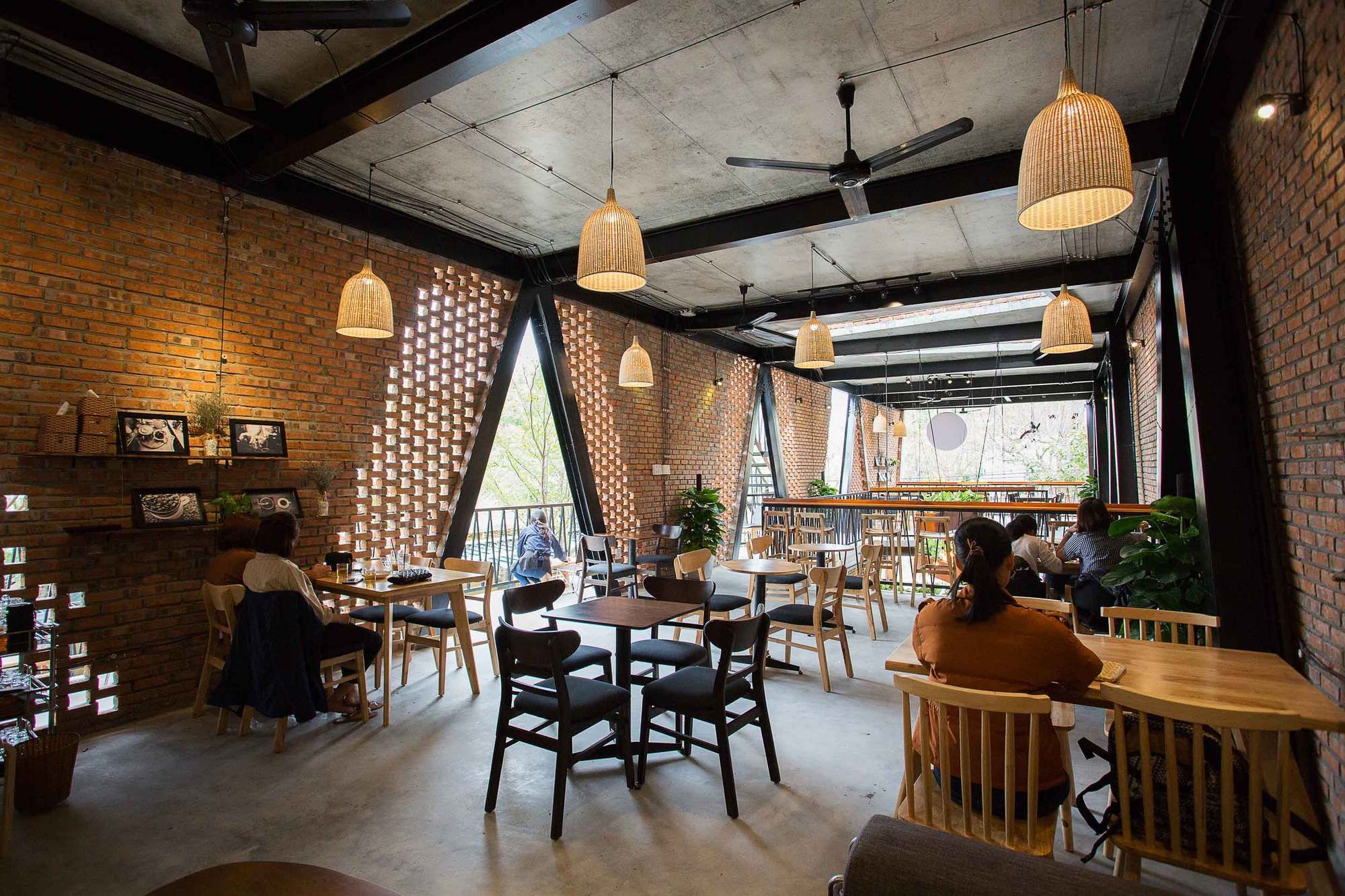
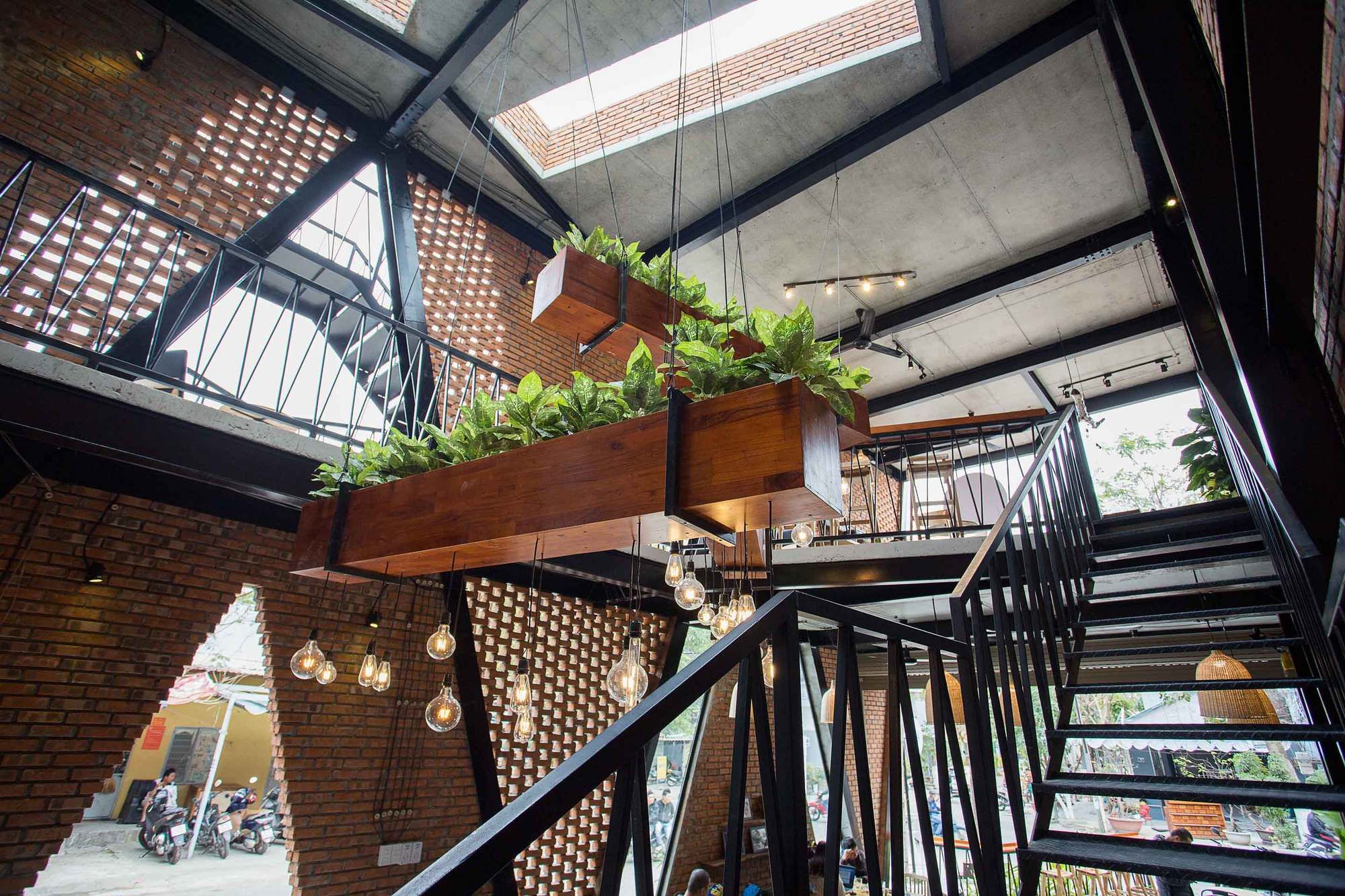
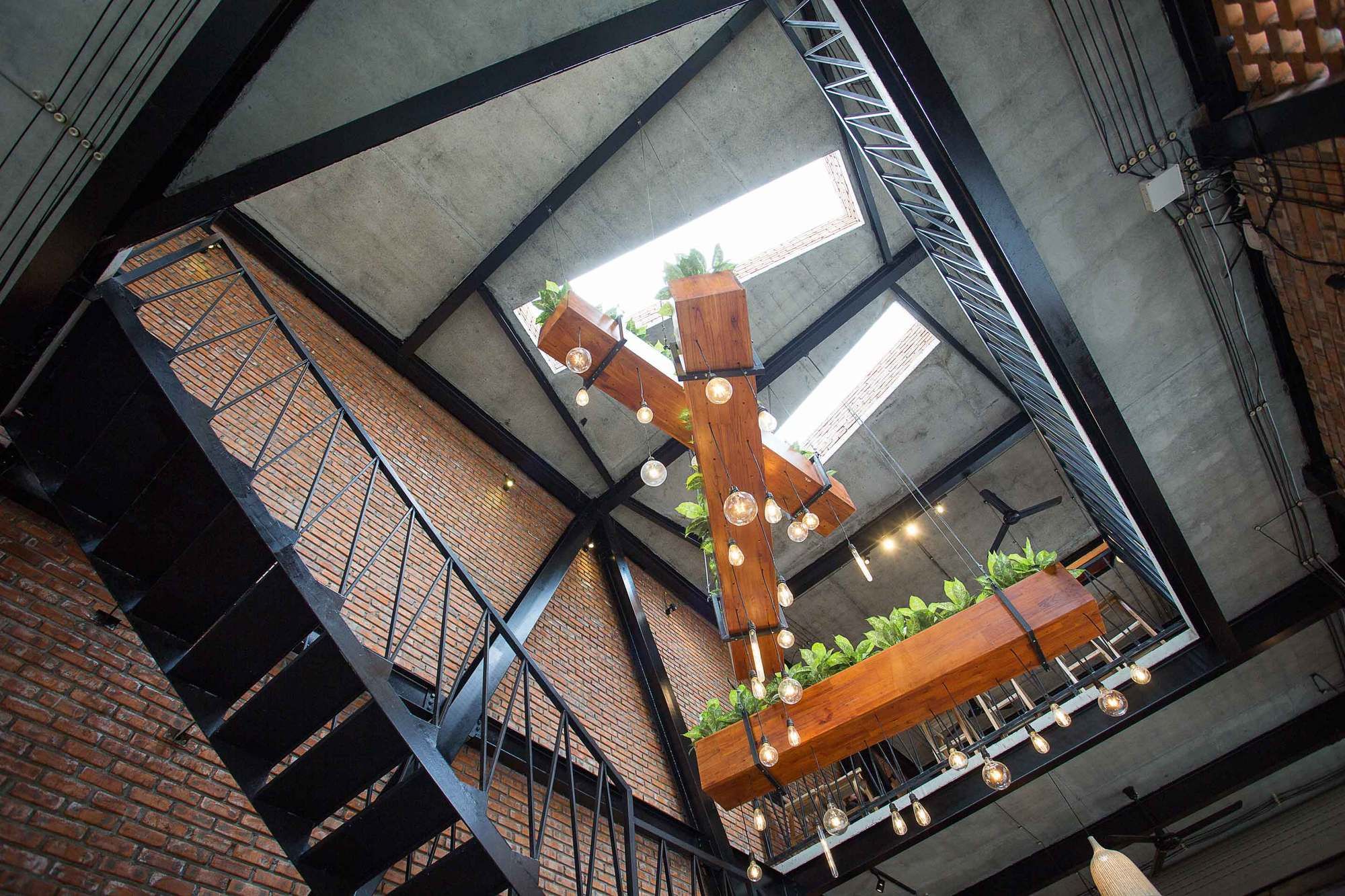
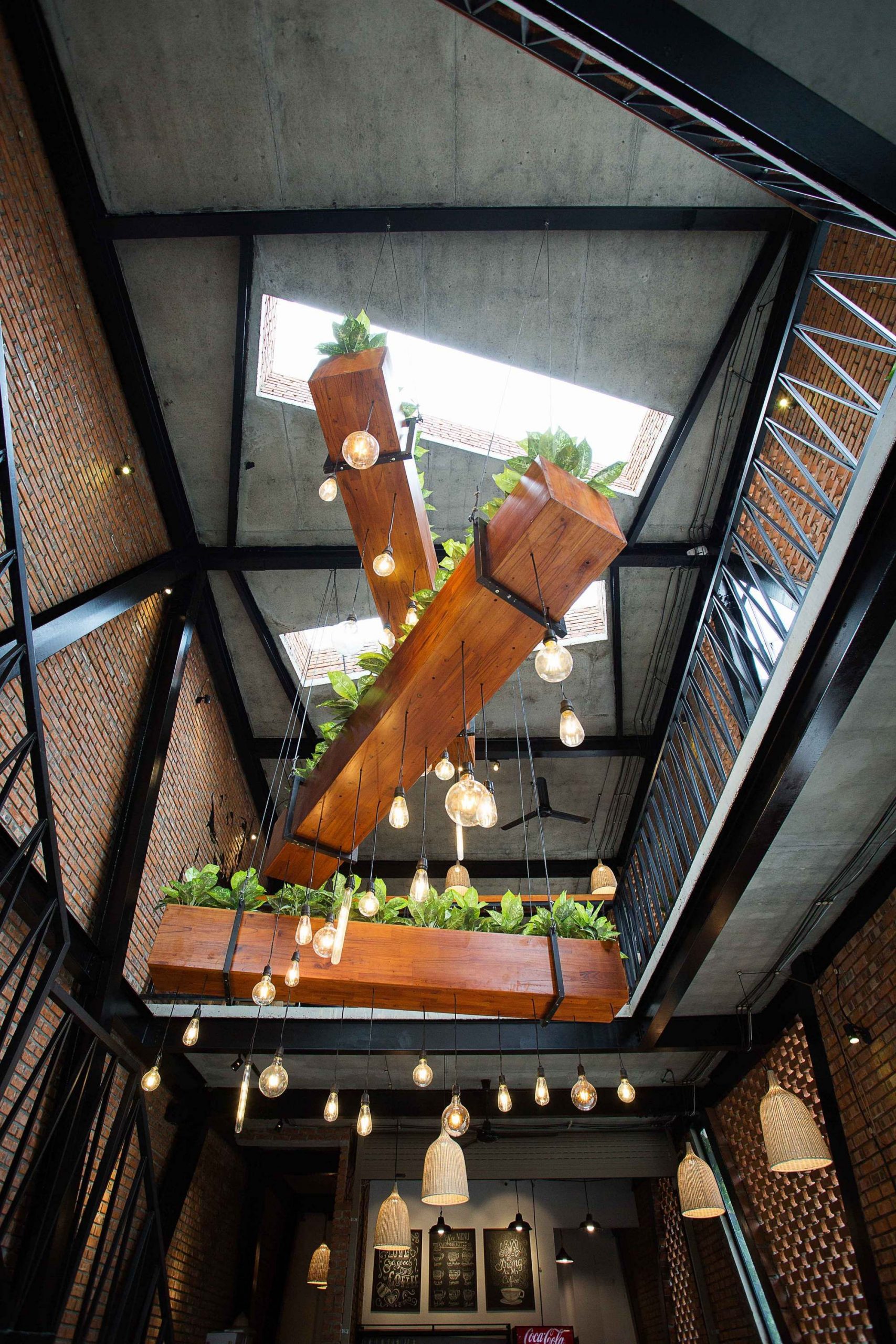
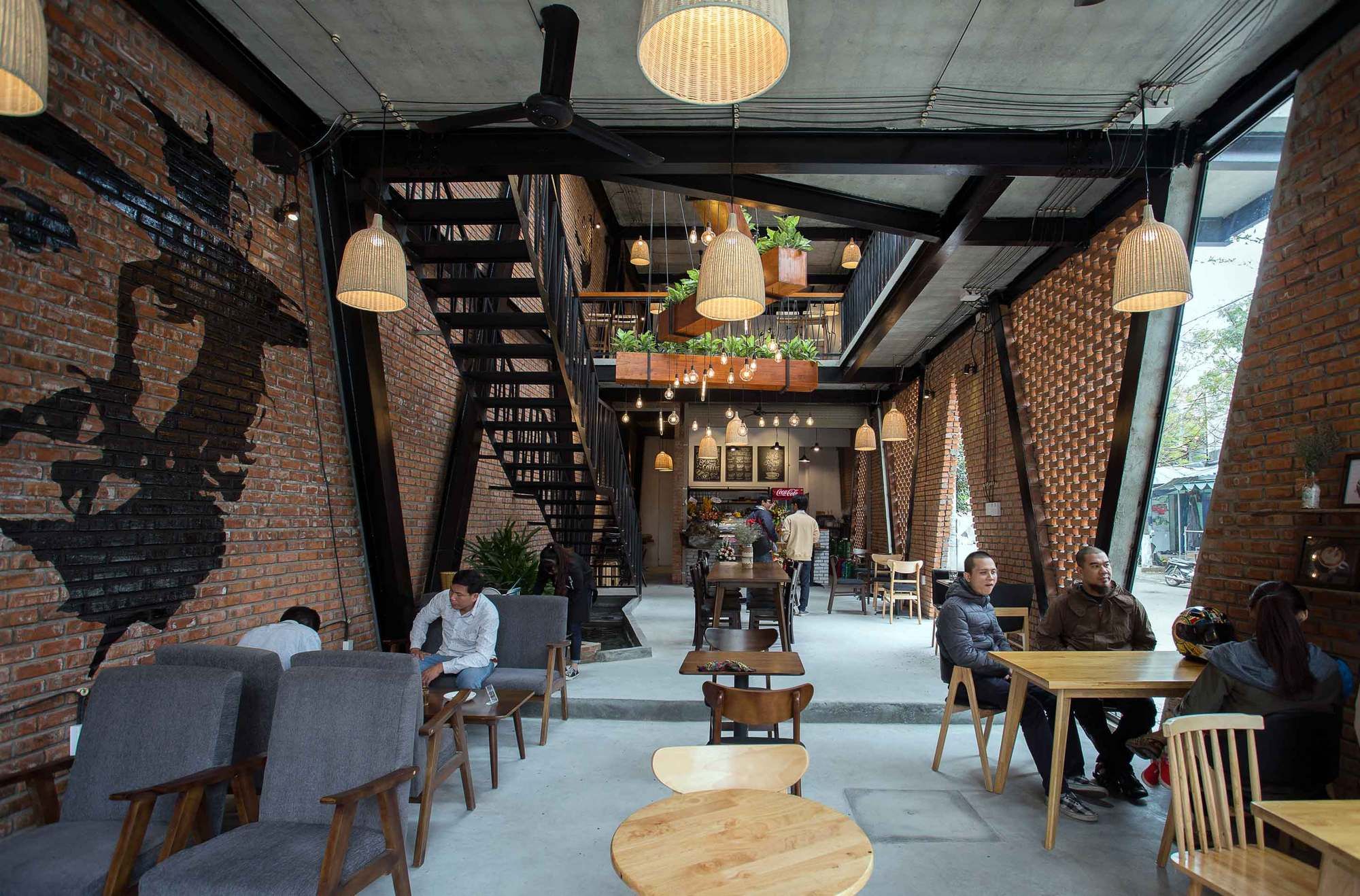
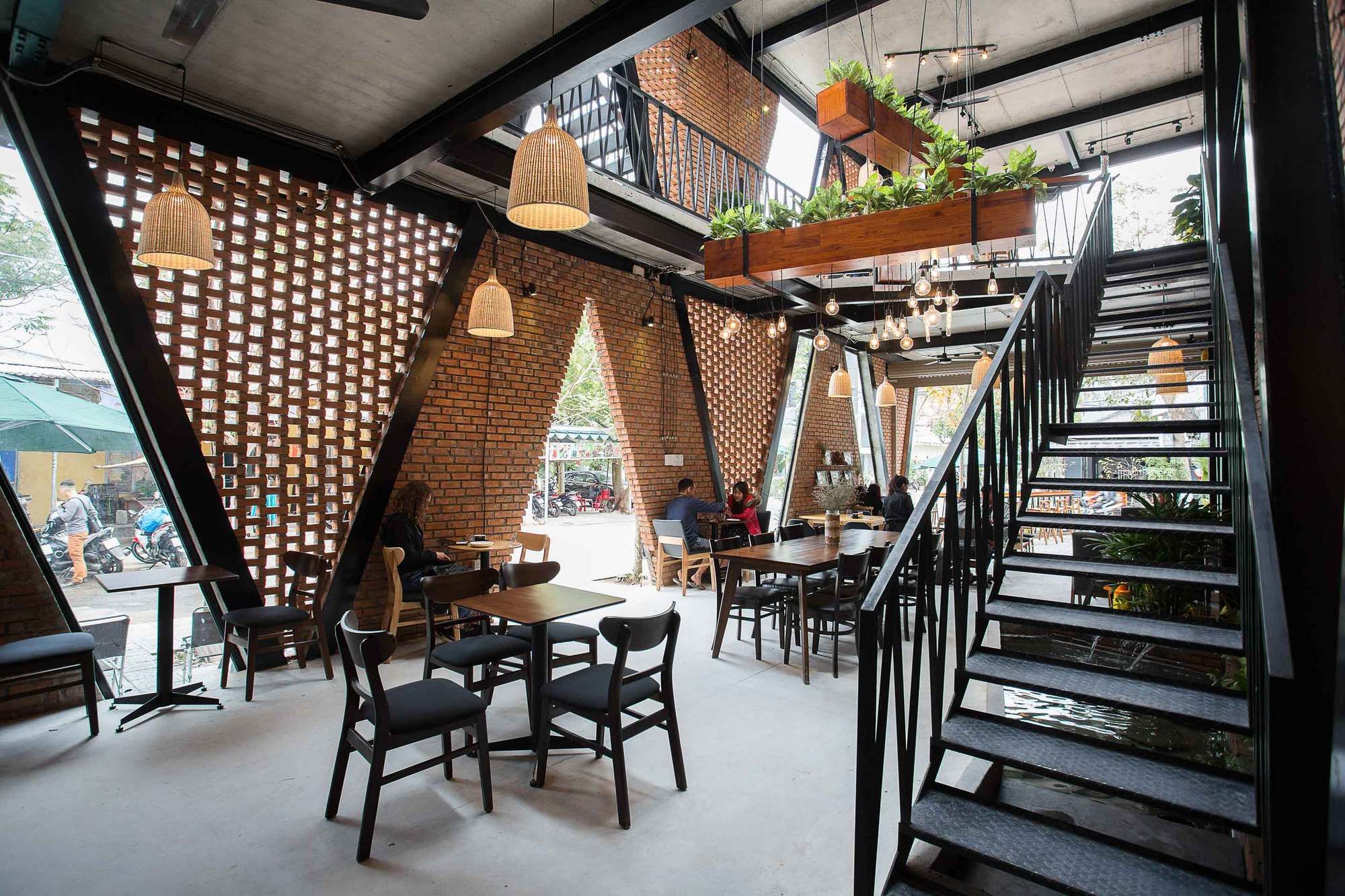
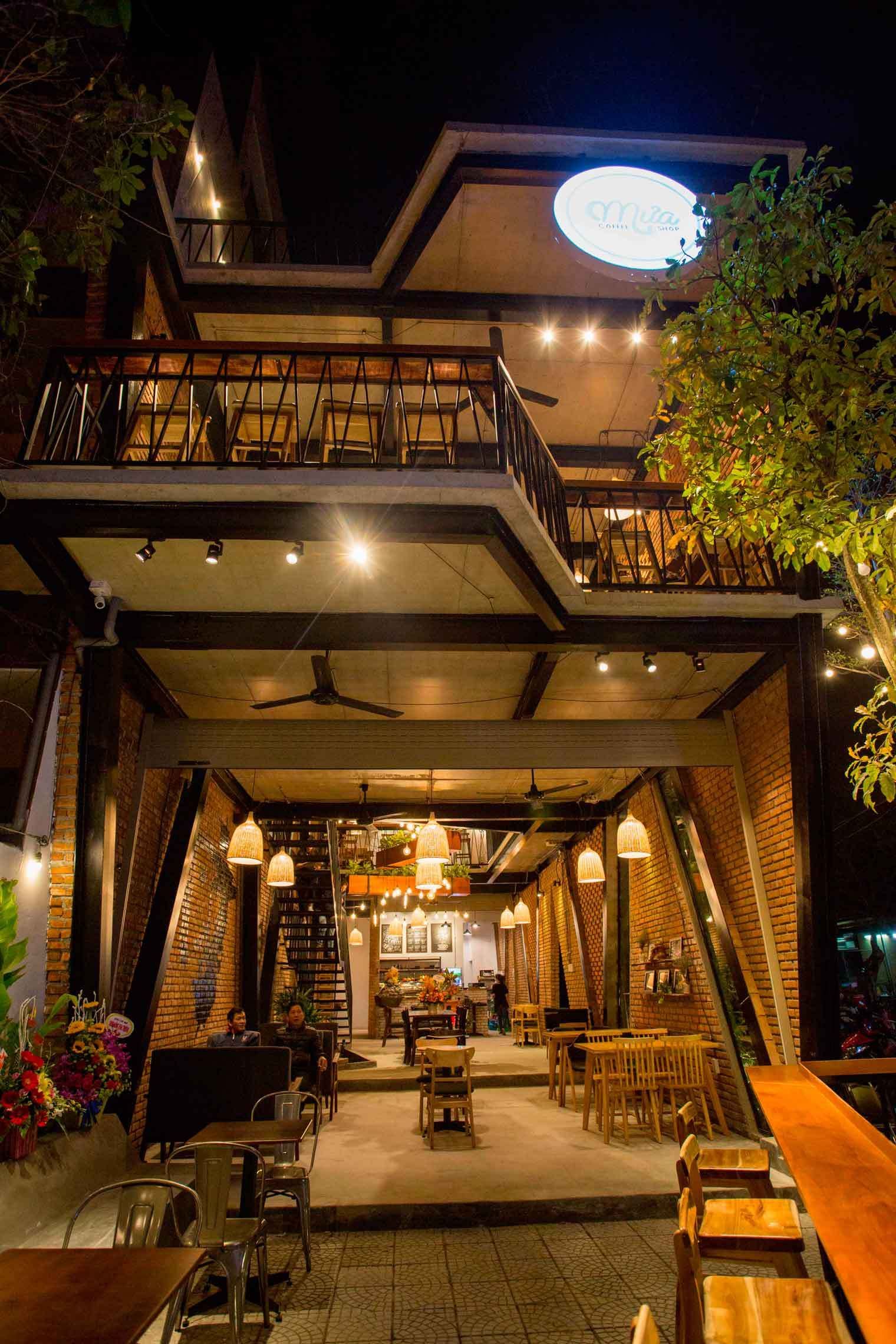
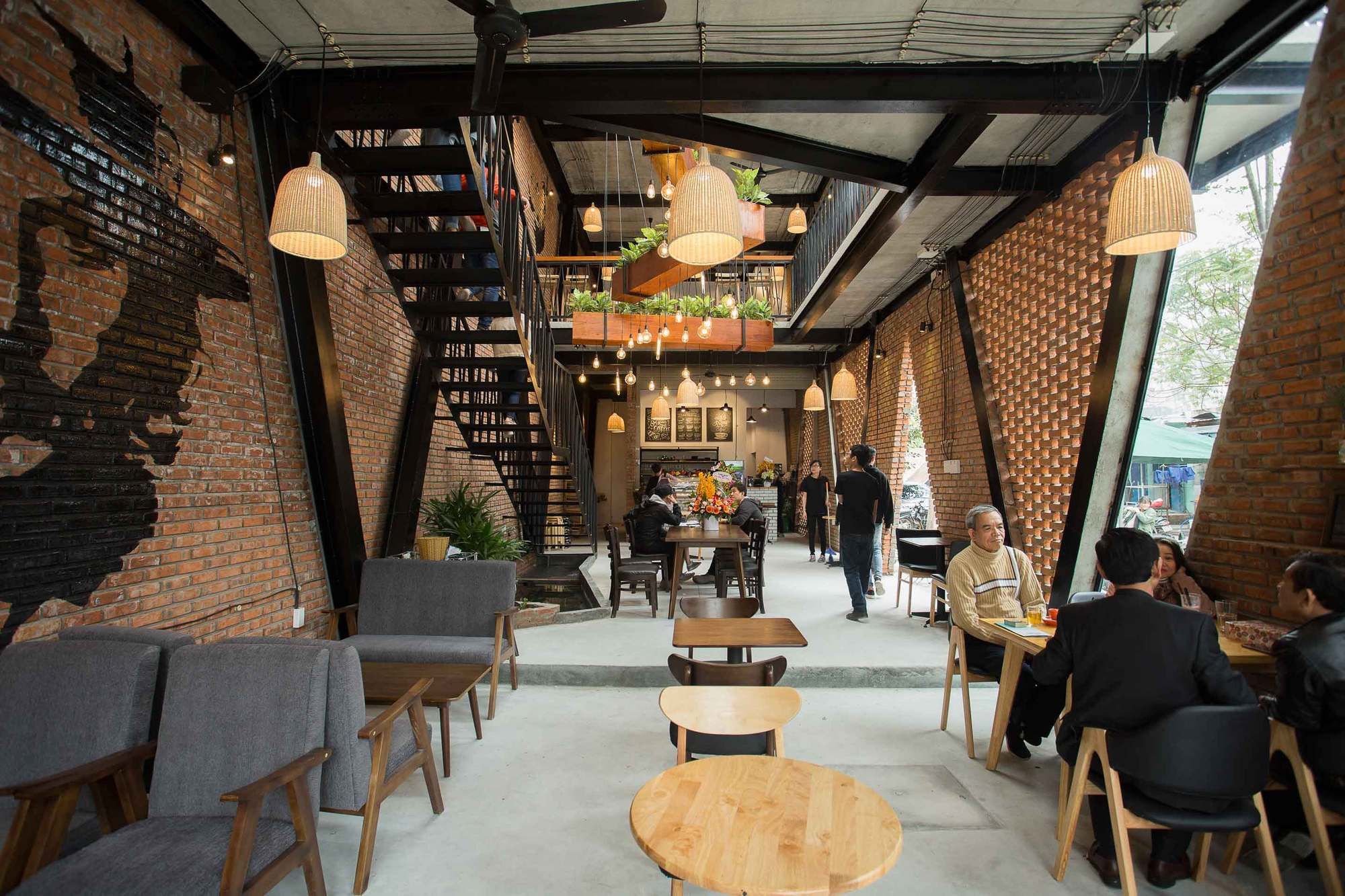
Over two months ago, he came to me again. This time, he asked me to continue to design a new steel coffee shop for $ 48,000. However, before accepting his request, I told him, “Please! Approve and follow my design, otherwise the door is just over there”. And of course he apologized for the last time and totally agreed with my condition. This time, he wanted me to design a coffee shop in the Vietnamese sidewalk style, which meant it had to be airy and bright, bringing the feeling of sitting outdoors while staying indoors. However, the rain and sunlight were unable to affect the customers

Photography by © To Huu Dung
Project Info:
Architects: 85 Design
Location: MỸ AN, Vietnam
Area: 130 m²
Project Year: 2018
Photographs:To Huu Dung
Manufacturers: Dai Duong, Dai Hiep, Duc’s, Sagitta, THANH THU, VinPro