


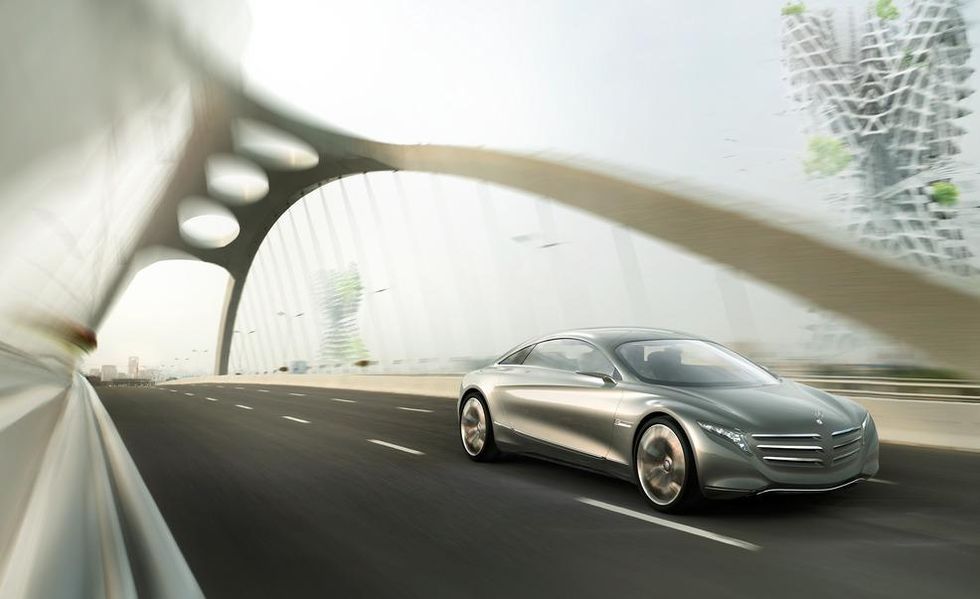
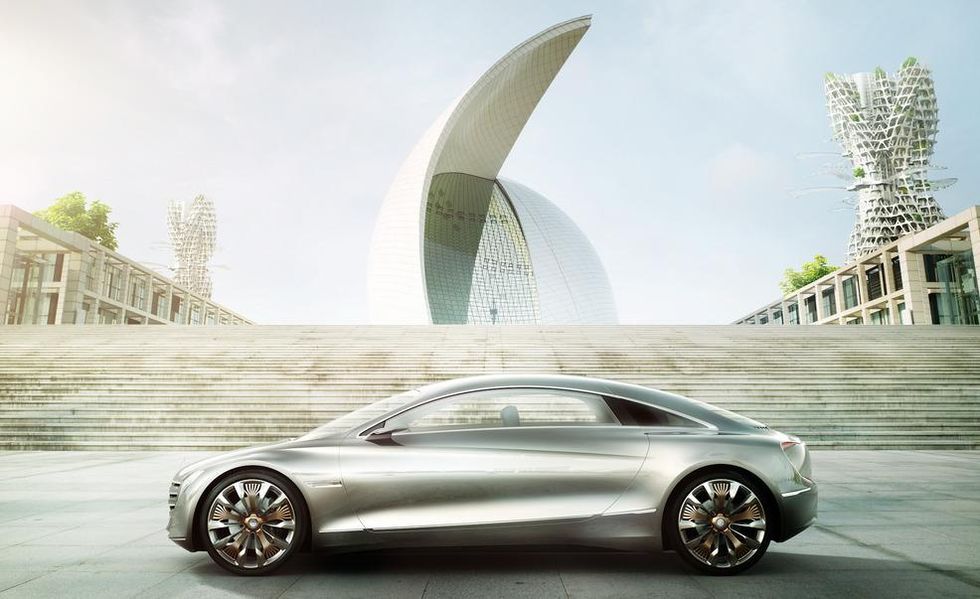
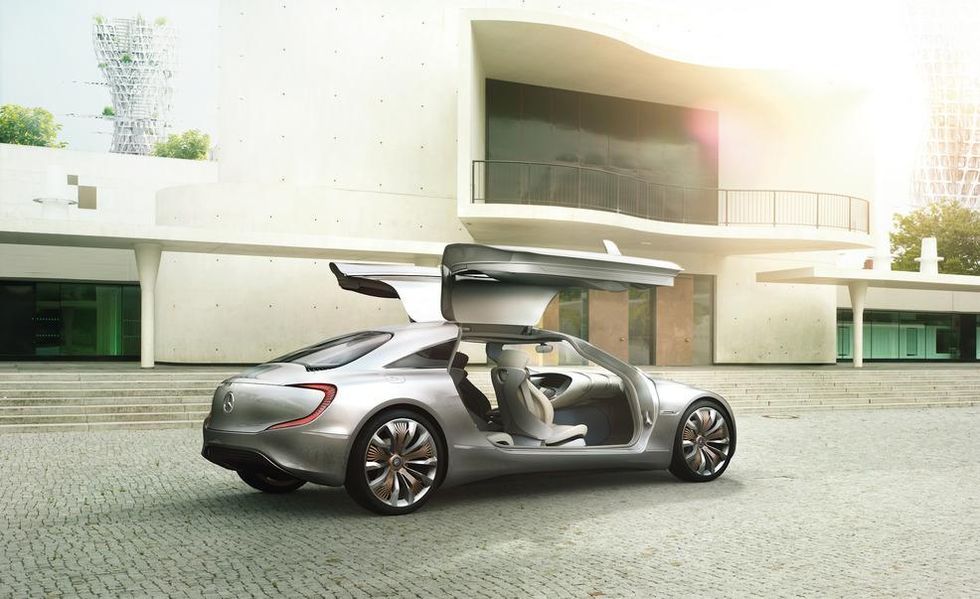
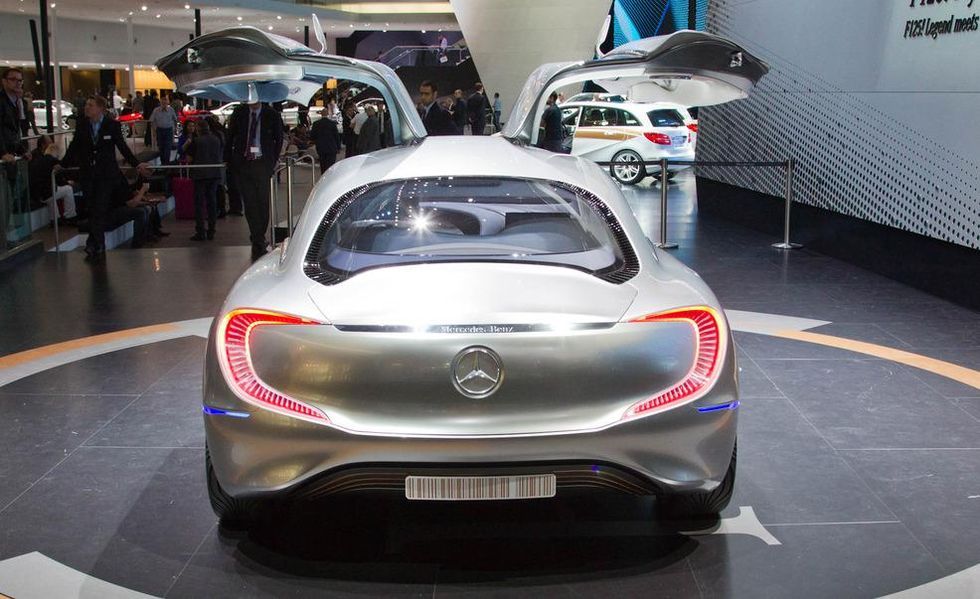
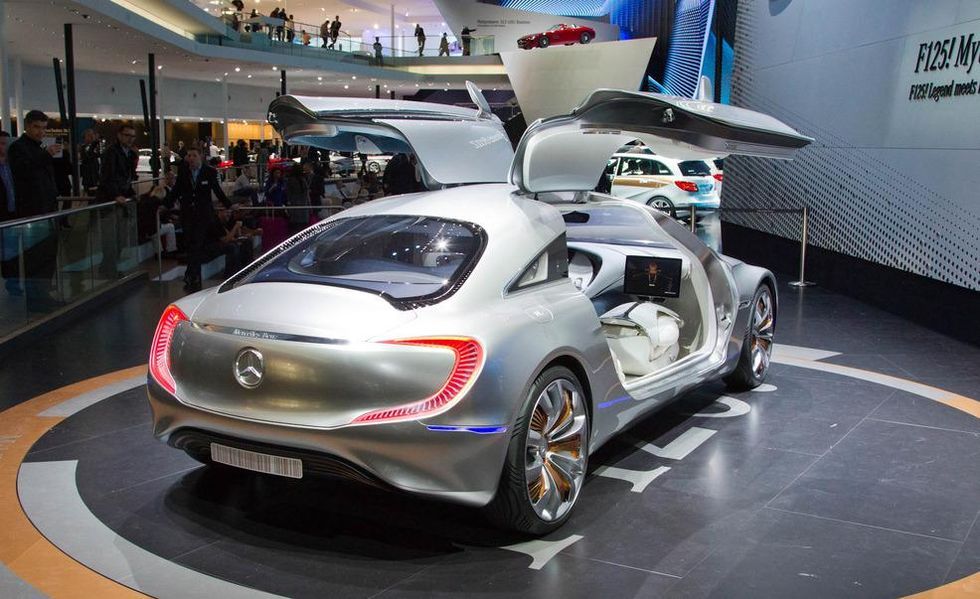
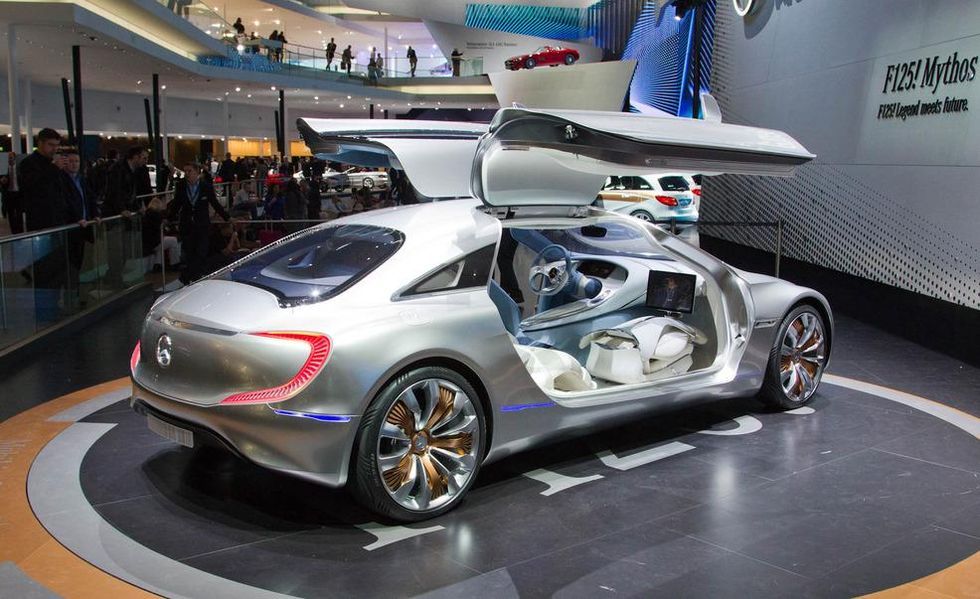
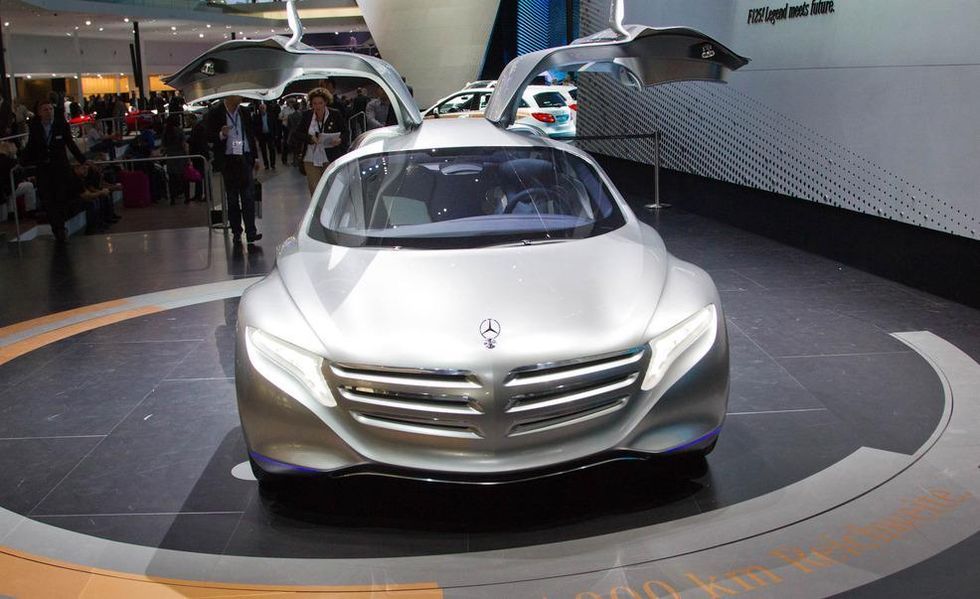
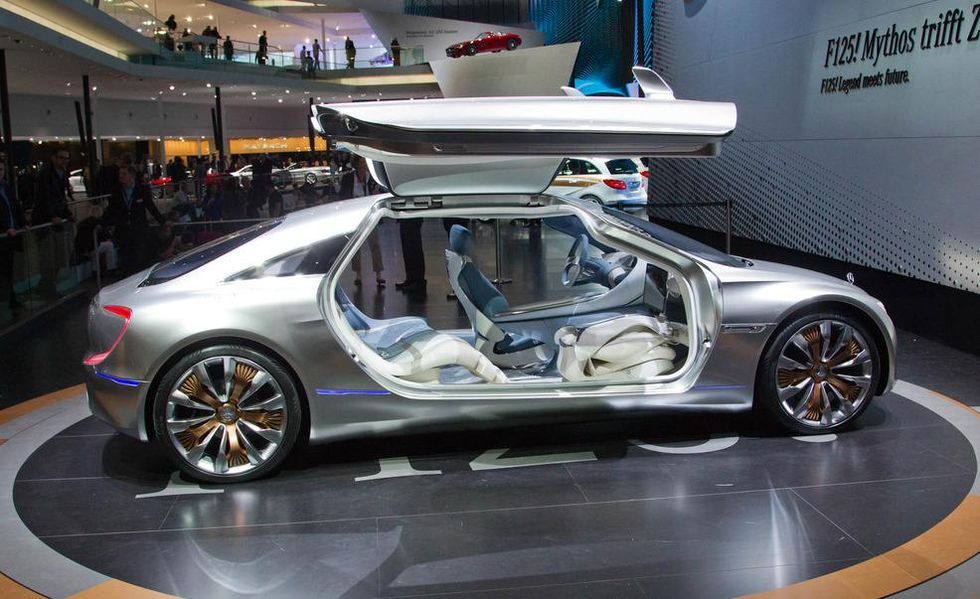
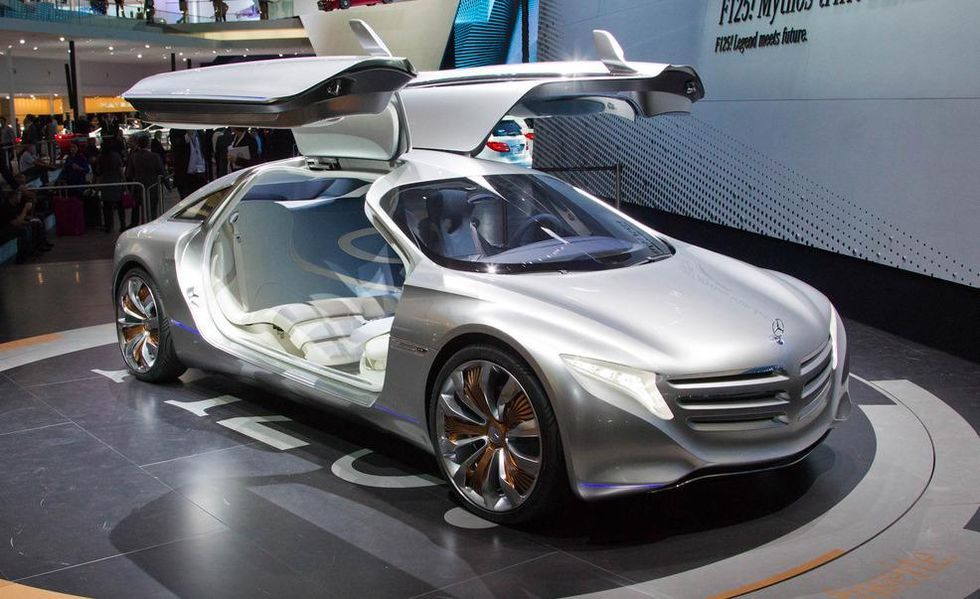
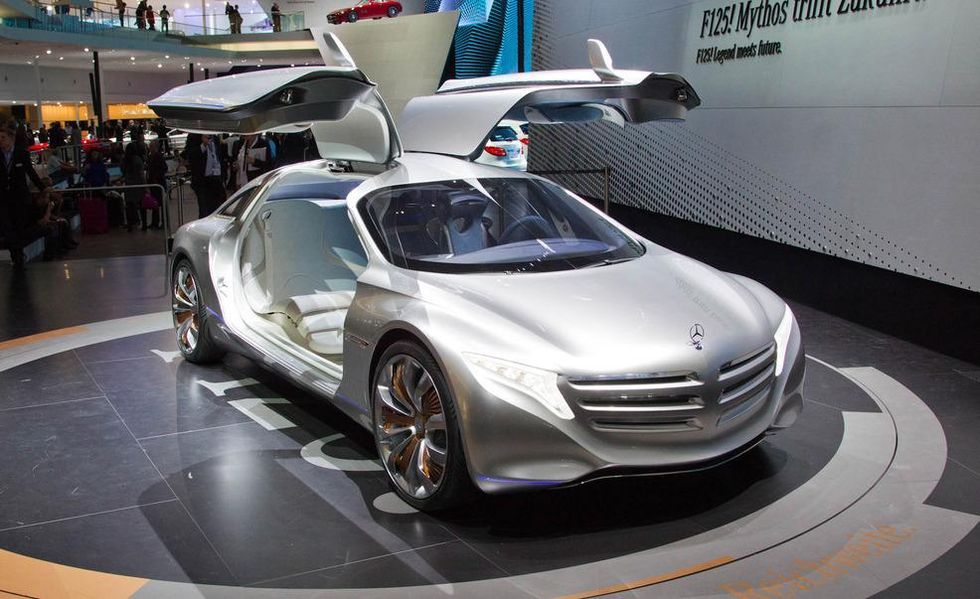
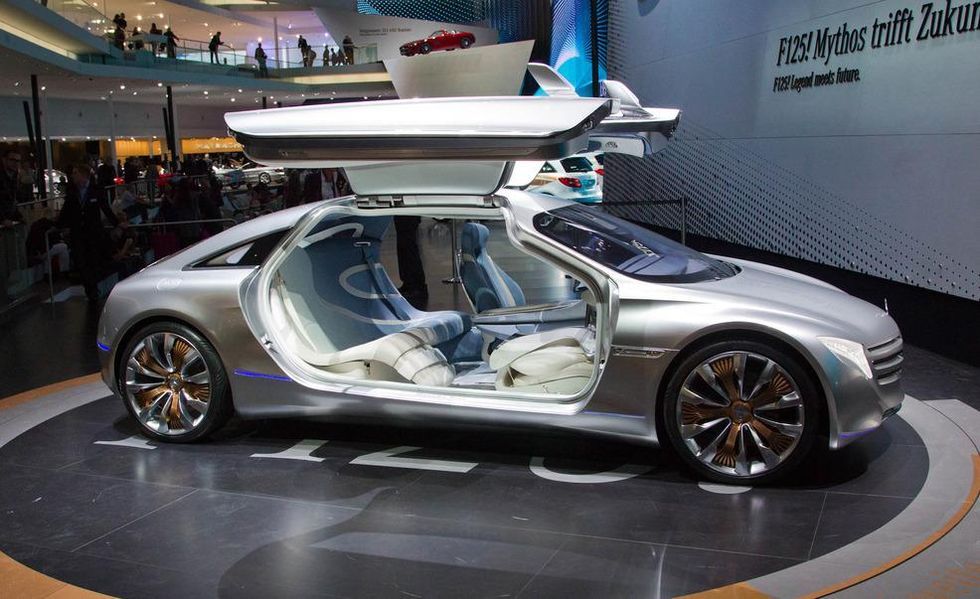
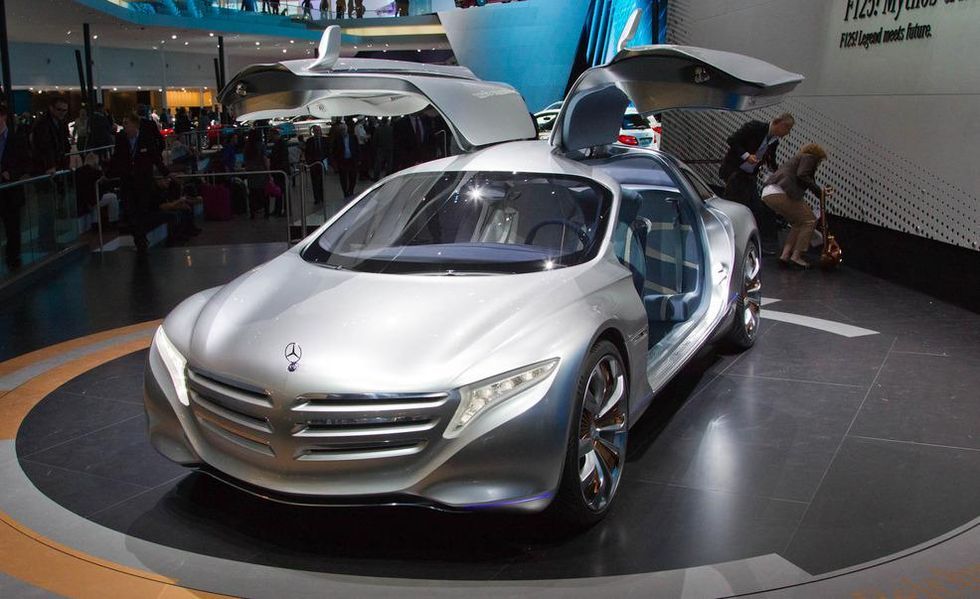
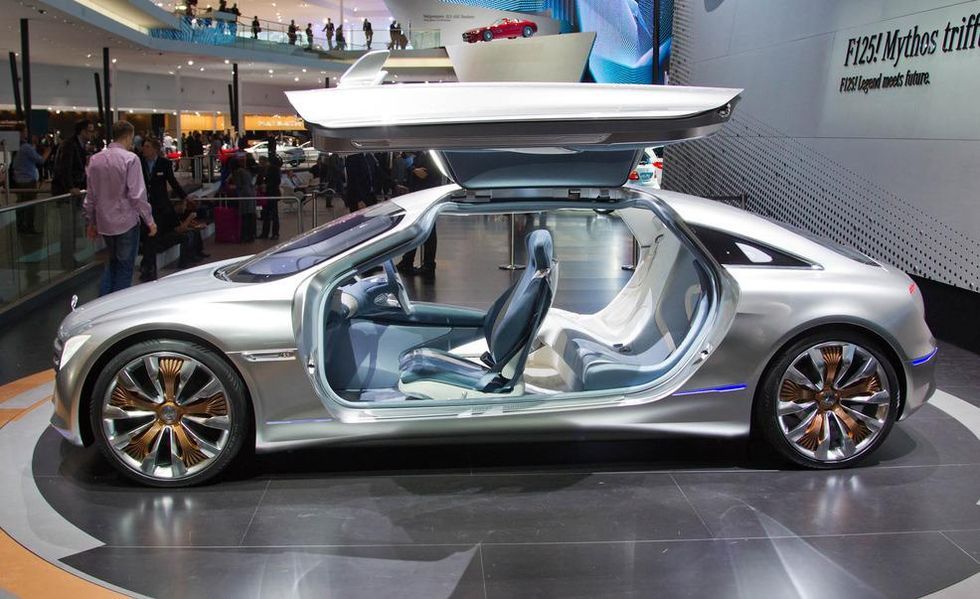
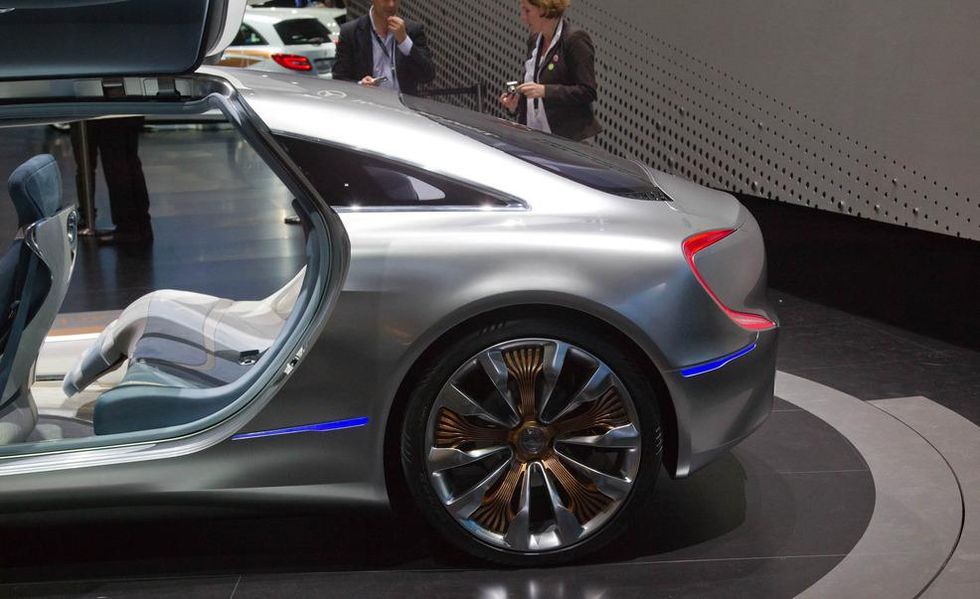
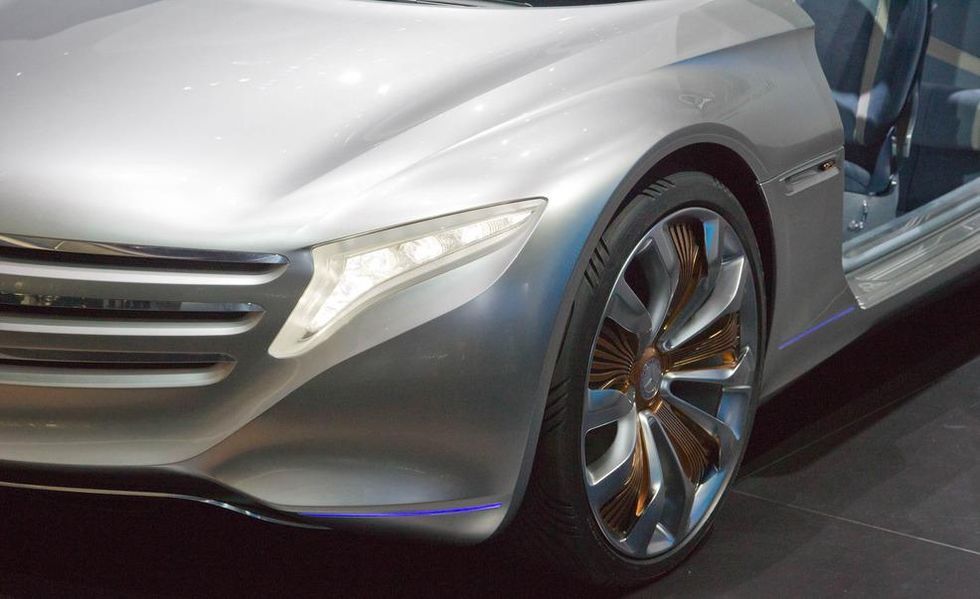
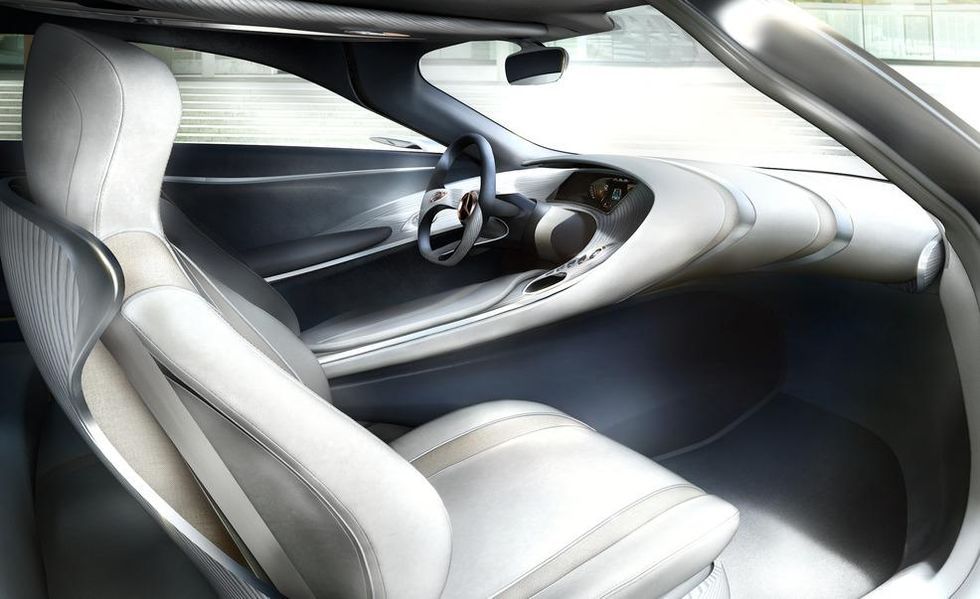
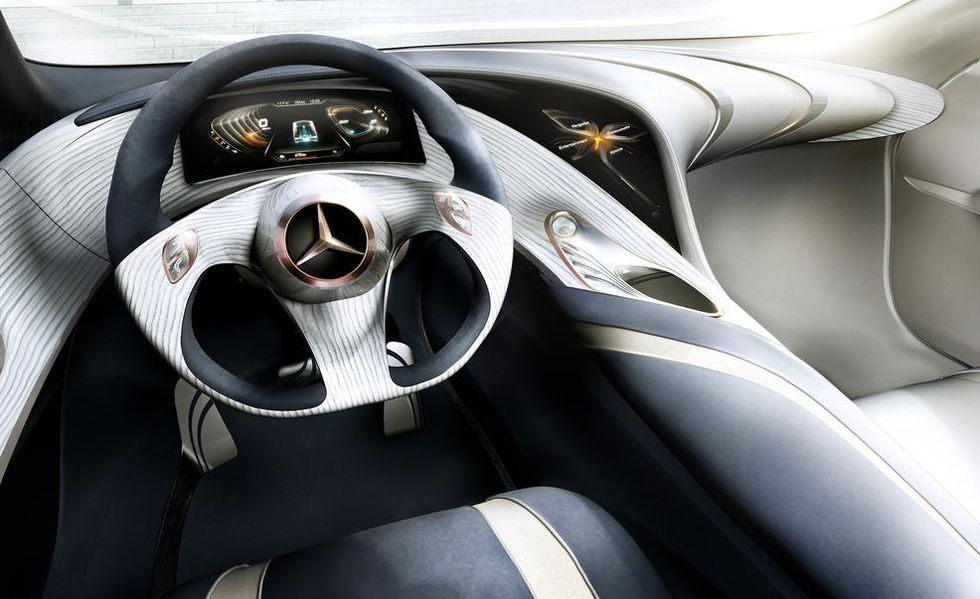
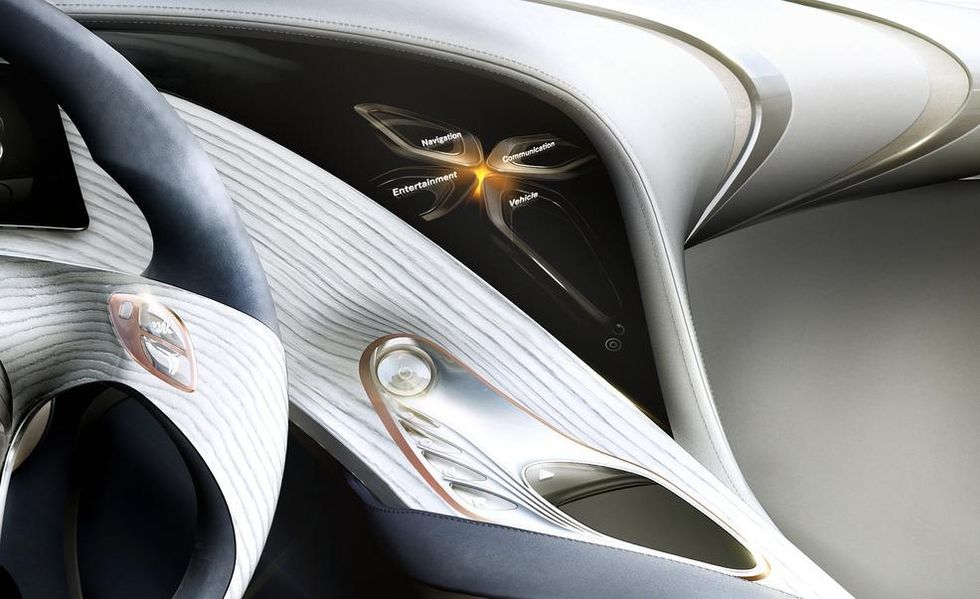
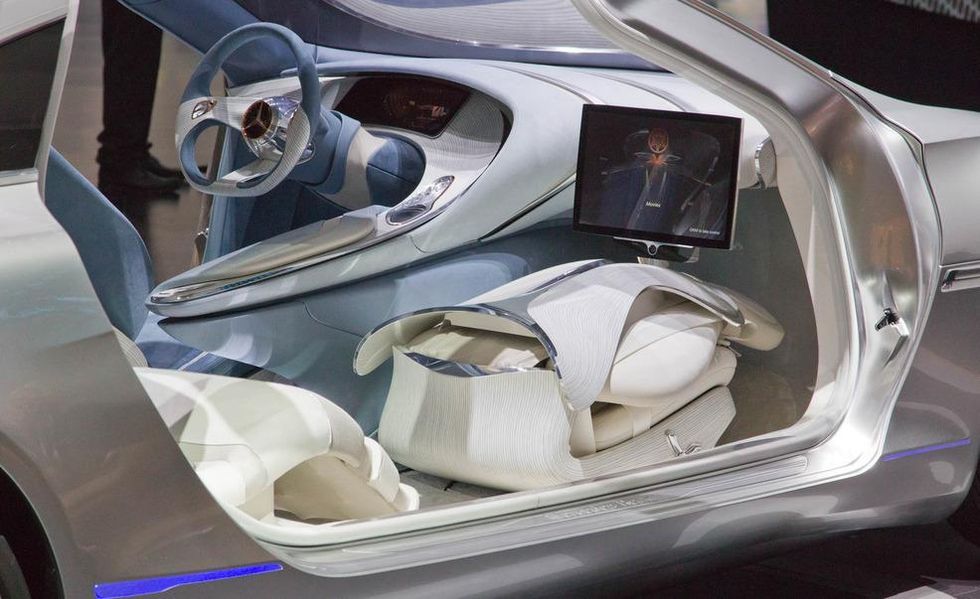
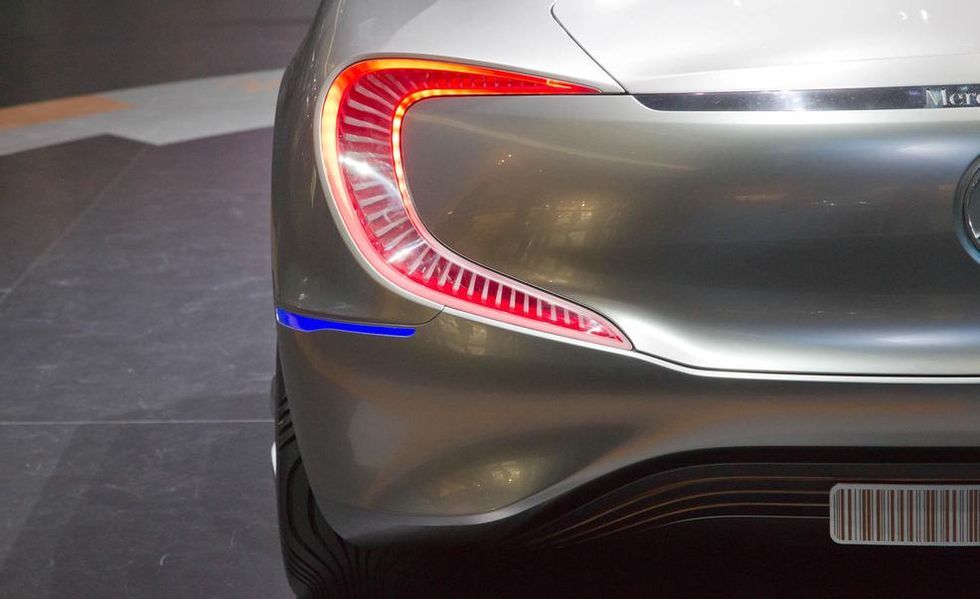
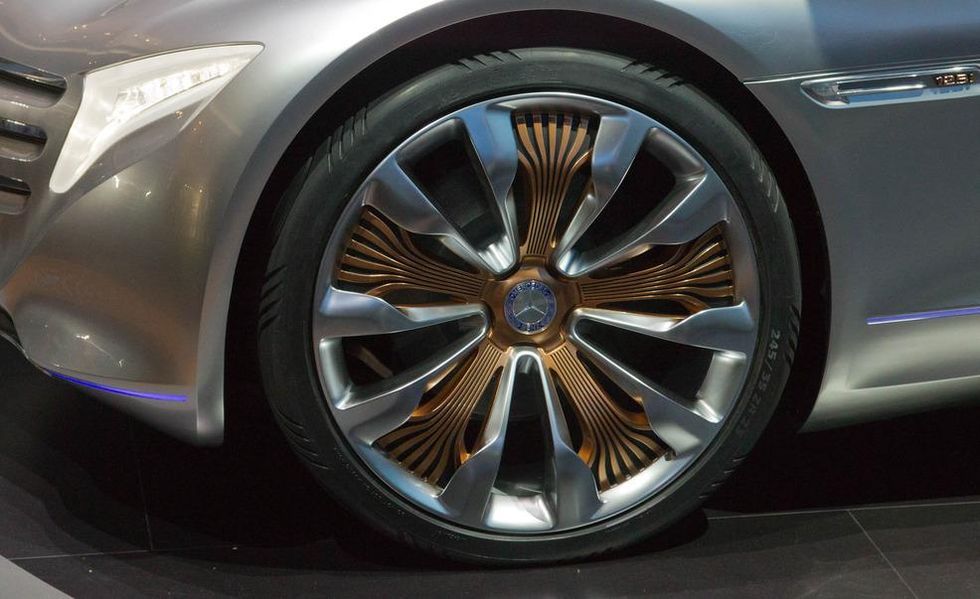
Mercedes-Benz is marking 125 years of the automobile by presenting a visionary outlook on future technical developments in the mercedes F125 car! Mercedes-Benz rigorously follows its vision of emission-free driving with hydrogen power, underlining the potential of hydrogen as an energy source for the future. Also, Check the Mercedes-Benz Biome.
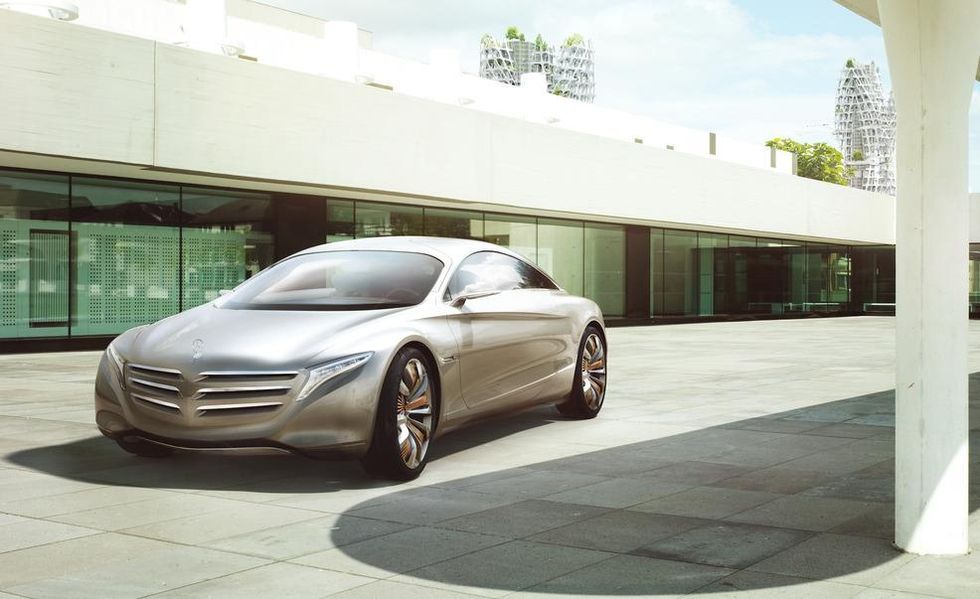
Mercedes-Benz F 125 Concept Car
While previous Mercedes-Benz research vehicles have “looked ahead” by roughly one vehicle generation – seven to eight years – the Mercedes F125! as the latest technological visionary goes a whole step further, by more than two generations to the year 2025 and beyond.
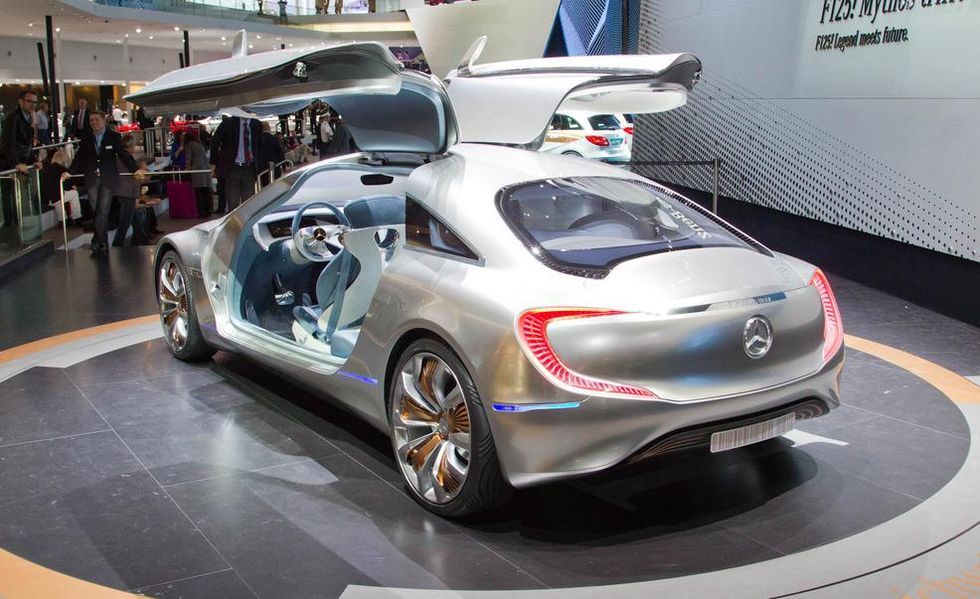
Mercedes-Benz F 125 Concept Car
Mercedes F125 Concept Car:
“With the Mercedes F125! we want to show that large, comfortable and safe saloon cars have an excellent future, partly because they are able to operate with no emissions. The legend that is the S-Class will continue into the future thanks to intelligent solutions that always have the customer’s needs in mind. The new research vehicle illustrates and underlines this claim to leadership with innovative ideas and traditional Mercedes strengths in the areas of design, safety, comfort and performance.” says Prof. Dr. Thomas Weber, member of the Board of Management of Daimler AG, responsible for Group Research and Mercedes-Benz Cars Development.
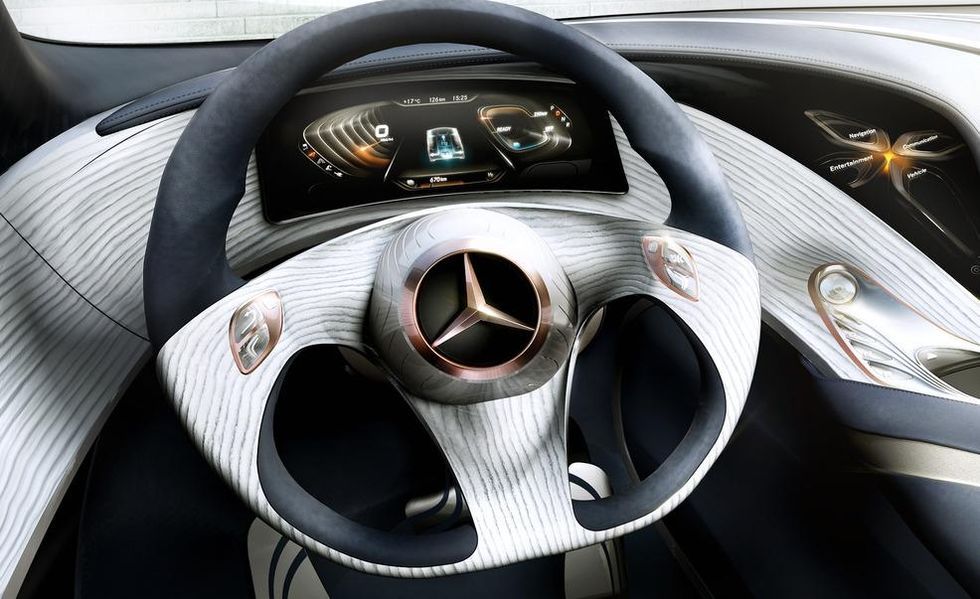
Mercedes-Benz F 125 Concept Car

Ibrahim Abdelhady is an architect, academic, and media entrepreneur with over two decades of experience in architecture and digital publishing. He is the Founder and CEO of Arch2O.com, a leading platform in architectural media, renowned for showcasing innovative projects, student work, and critical discourse in design. Holding dual PhDs in Architecture, Dr. Abdelhady combines academic rigor with industry insight, shaping both future architects and architectural thought. He actively teaches, conducts research, and contributes to the global architecture community through his writing, lectures, and media ventures. His work bridges the gap between practice and academia, pushing the boundaries of how architecture is communicated in the digital age.