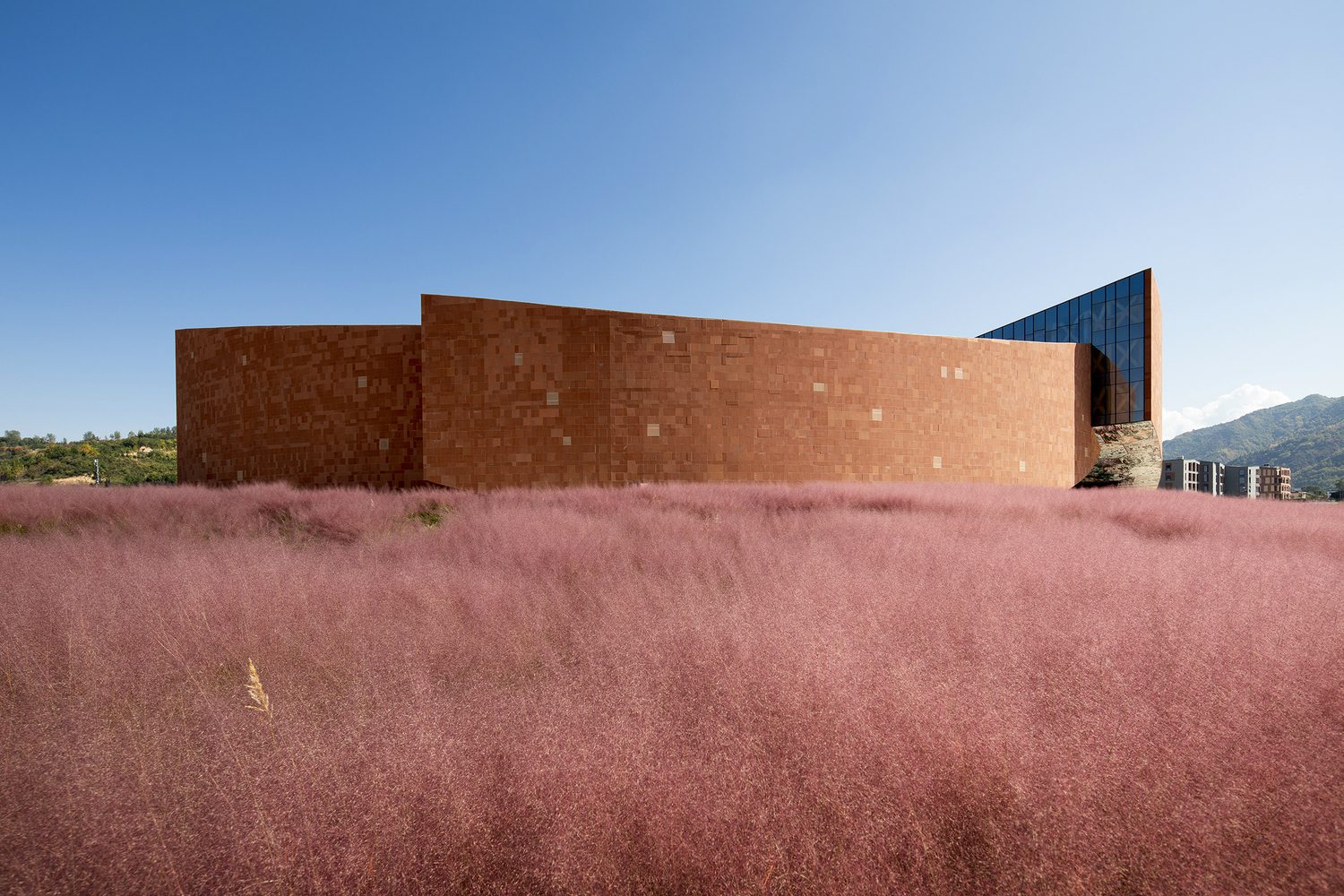
To explore the significance of Maiji Mountain culture and art, we must first consider the influence of Buddhism, and design begins from here. Circumambulatory structures are the most common and primitive form of space used for ceremonial and commemorative purposes after the awakening of human consciousness, corresponding to the Buddhist concept of reincarnation. All living things, if they do not seek ‘liberation’, will forever be in the cycle of life and death in the ‘Six Paths’, with no end. Of course, these concepts and annotations have undergone changes through cultural integration in the long river of history, especially in the process of communication and integration with the native culture of the Han ethnic group, and even in the process of modernization. They have surpassed the original meaning of Buddhism and have a more contemporary interpretation, which will foreshadow the realistic power of sustainable development and affect our life experience.
© Xiangdong Wang
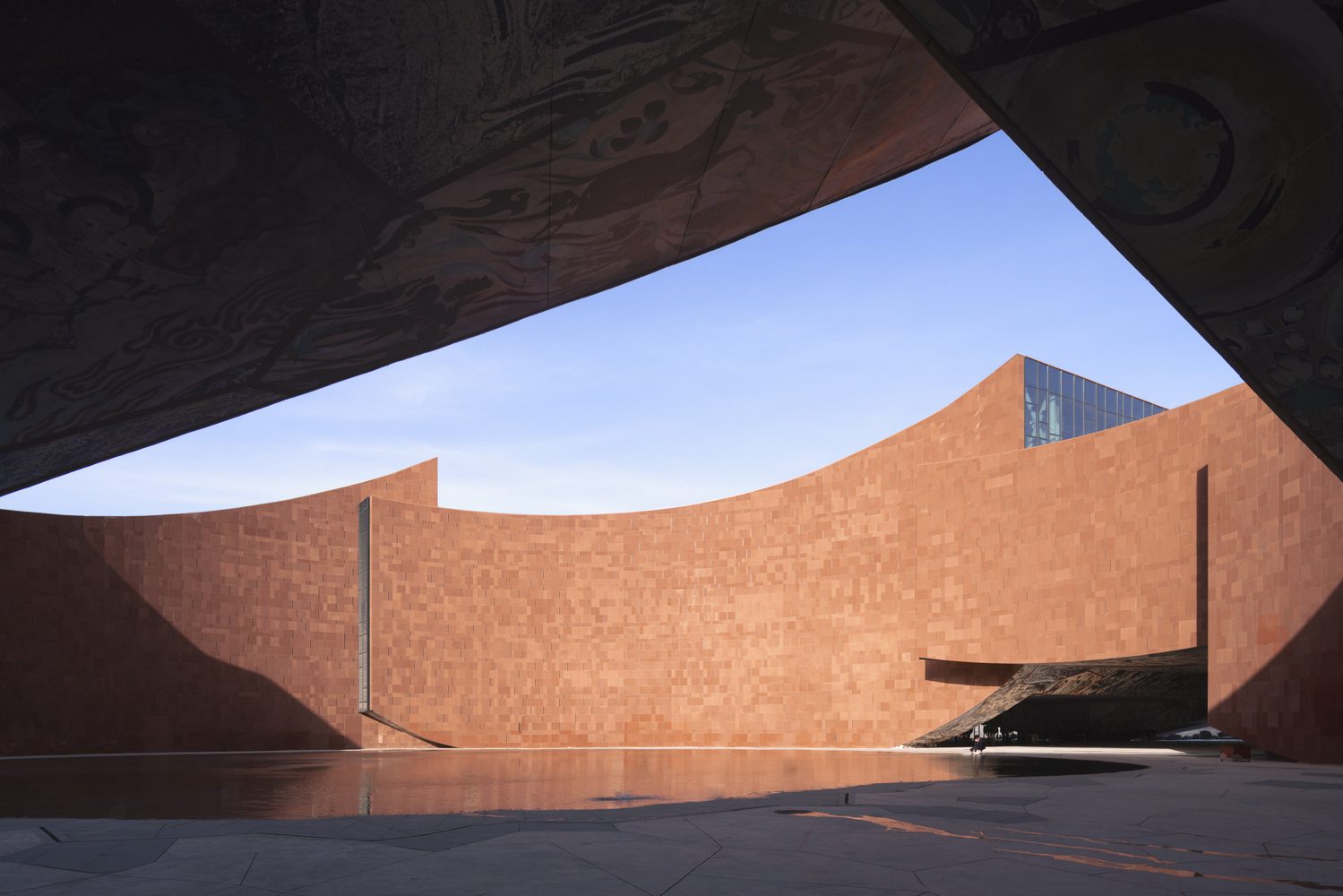
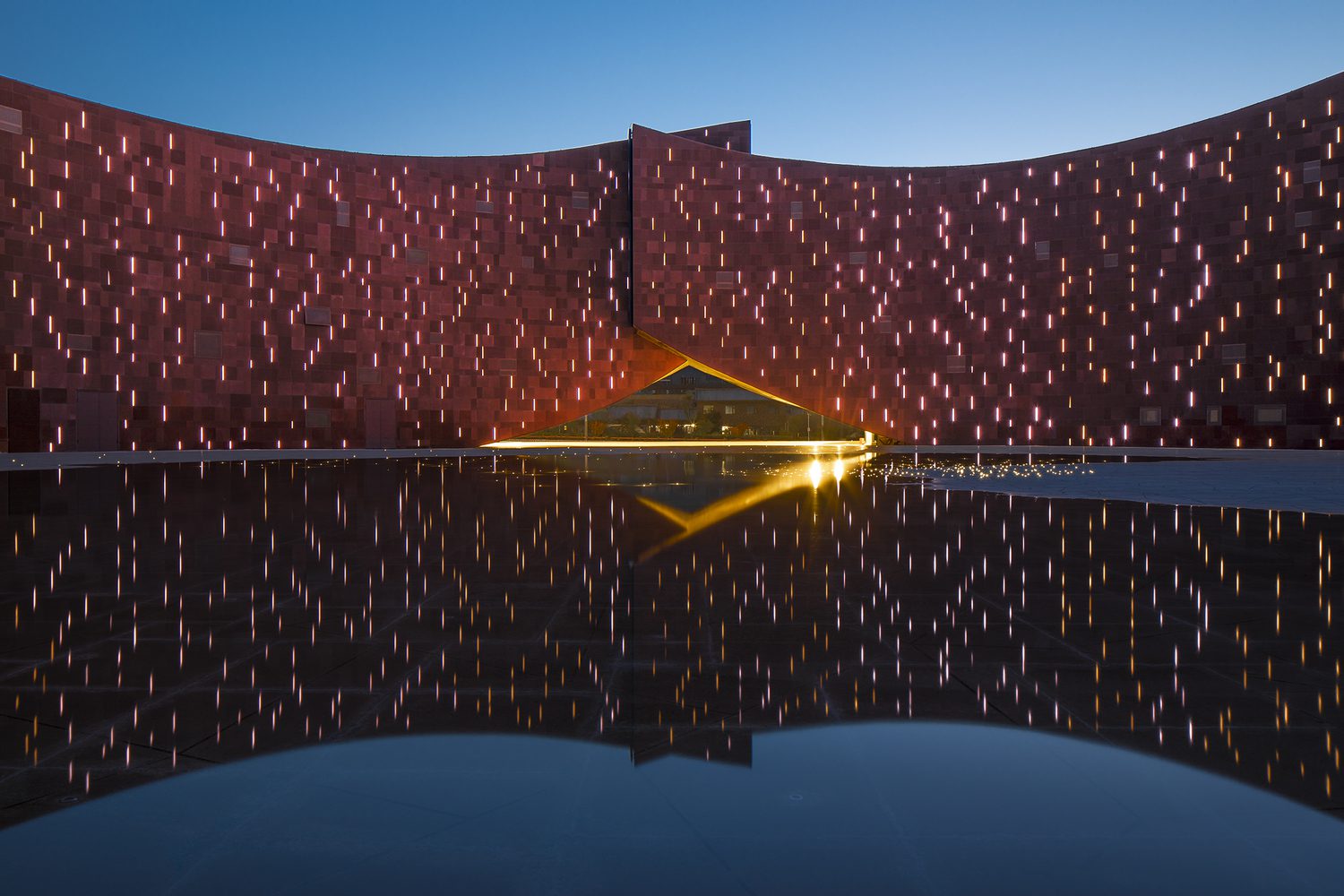
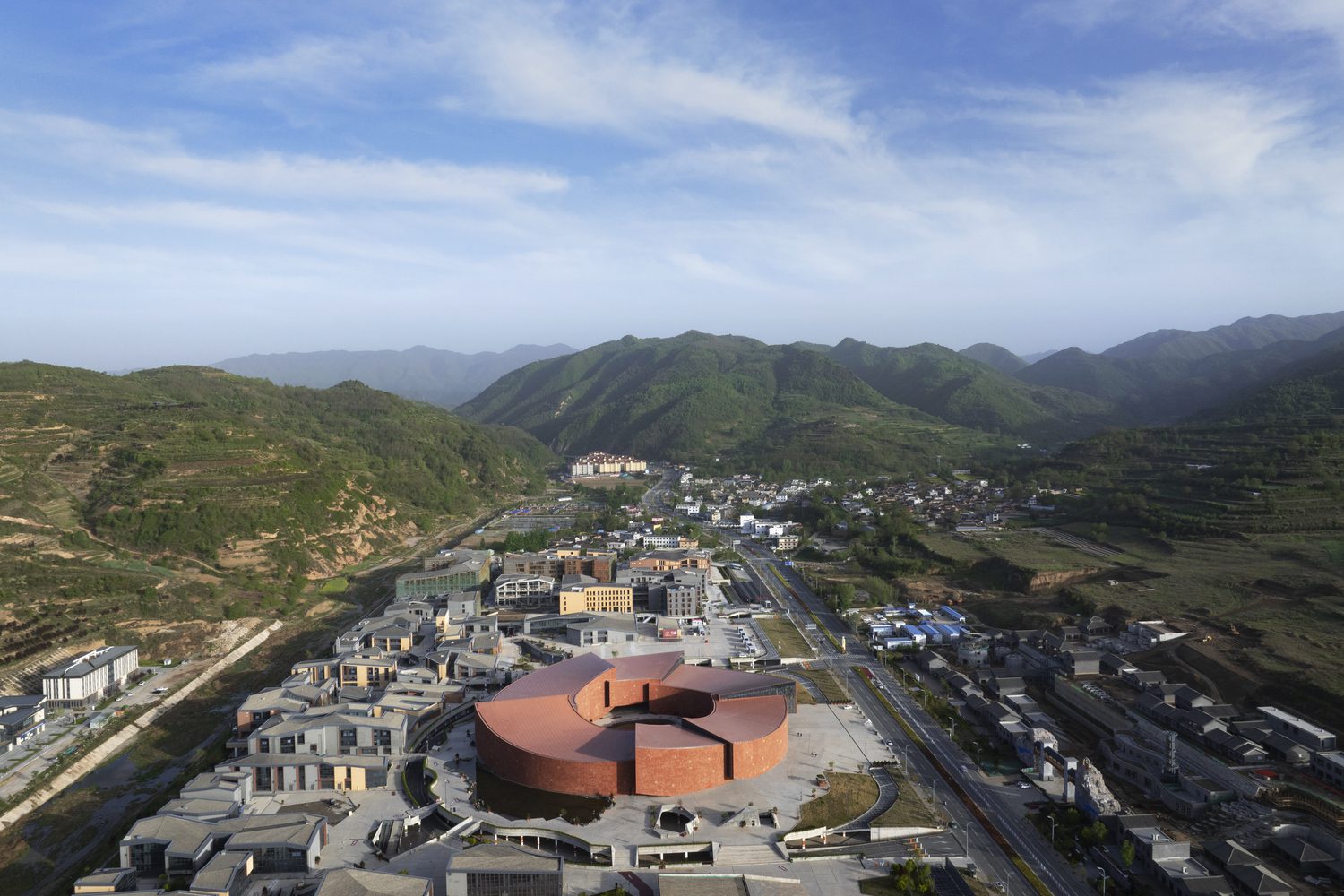
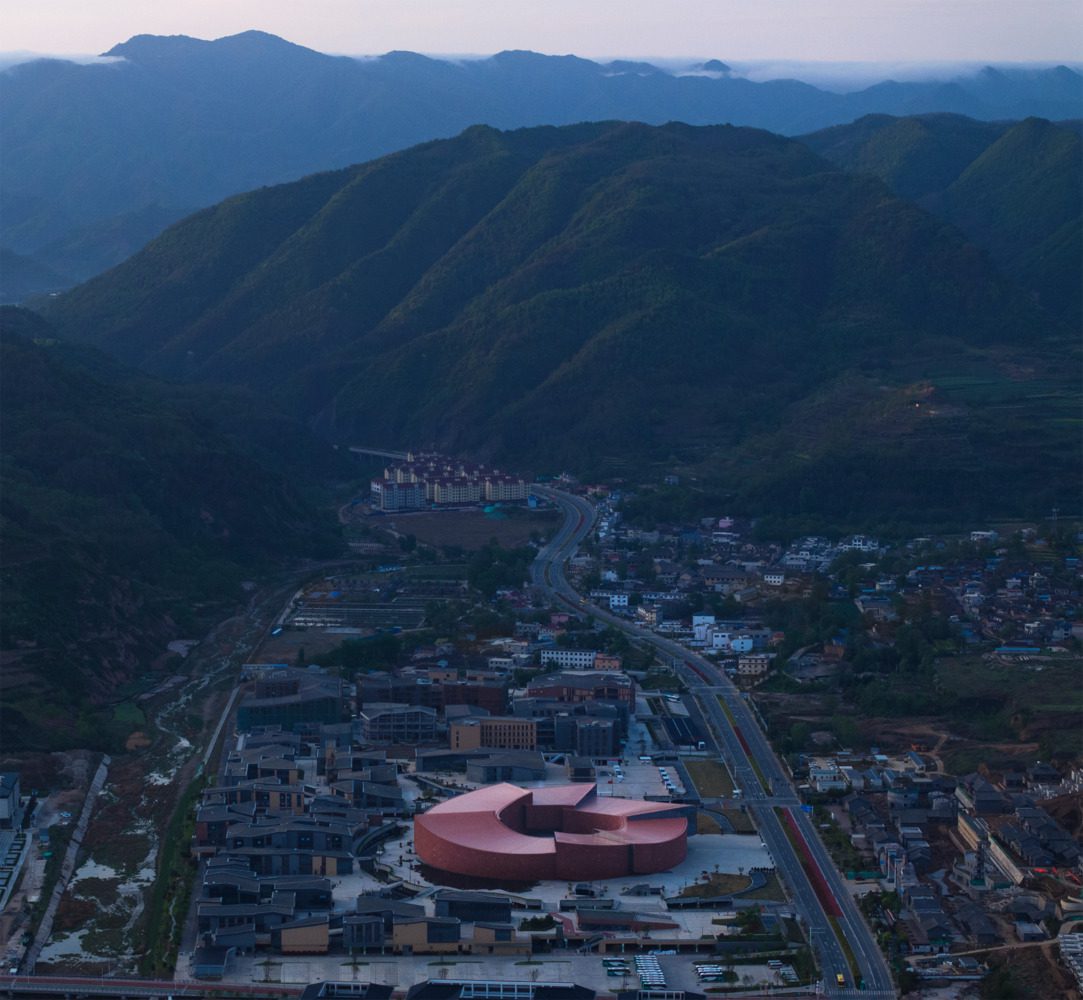
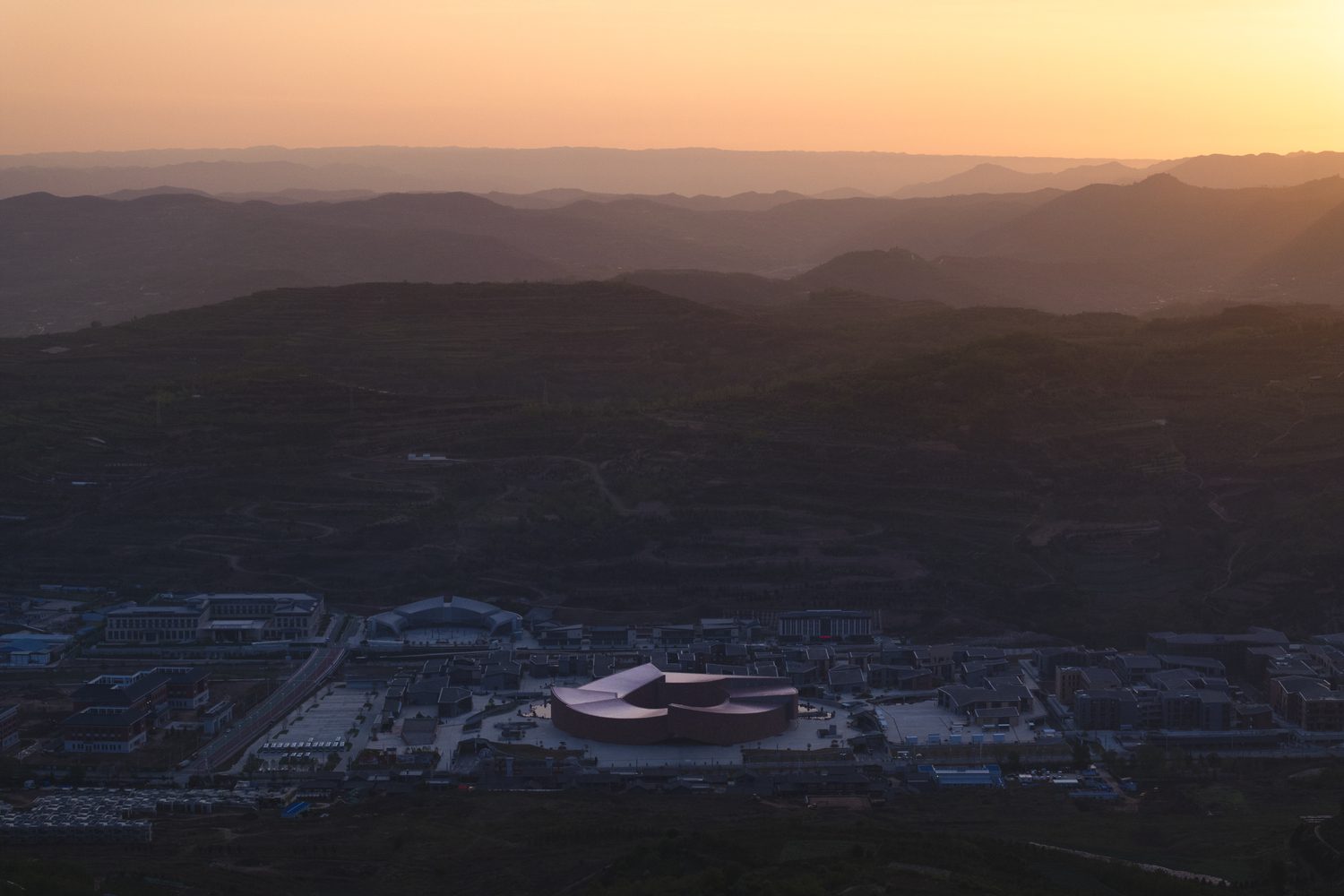
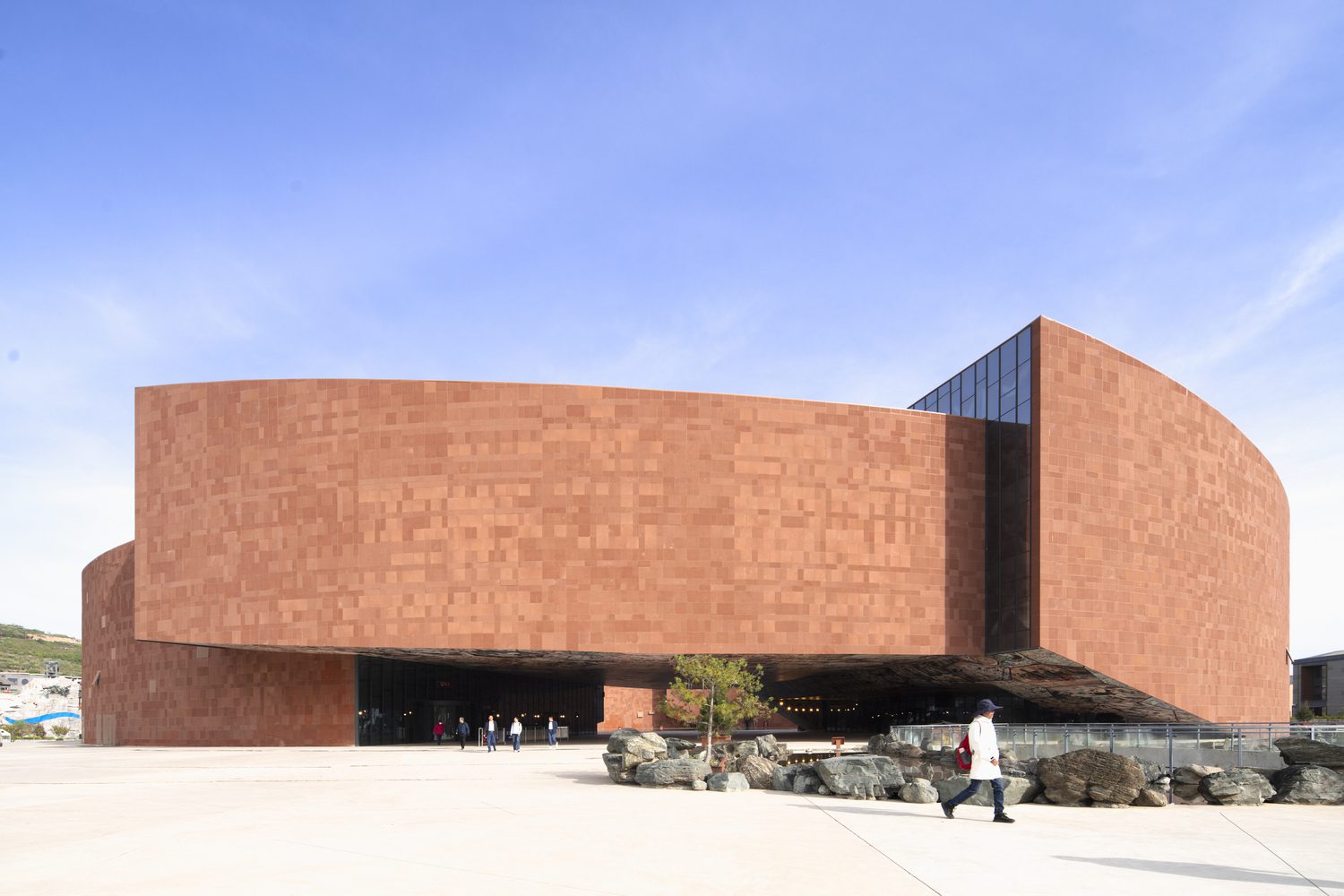
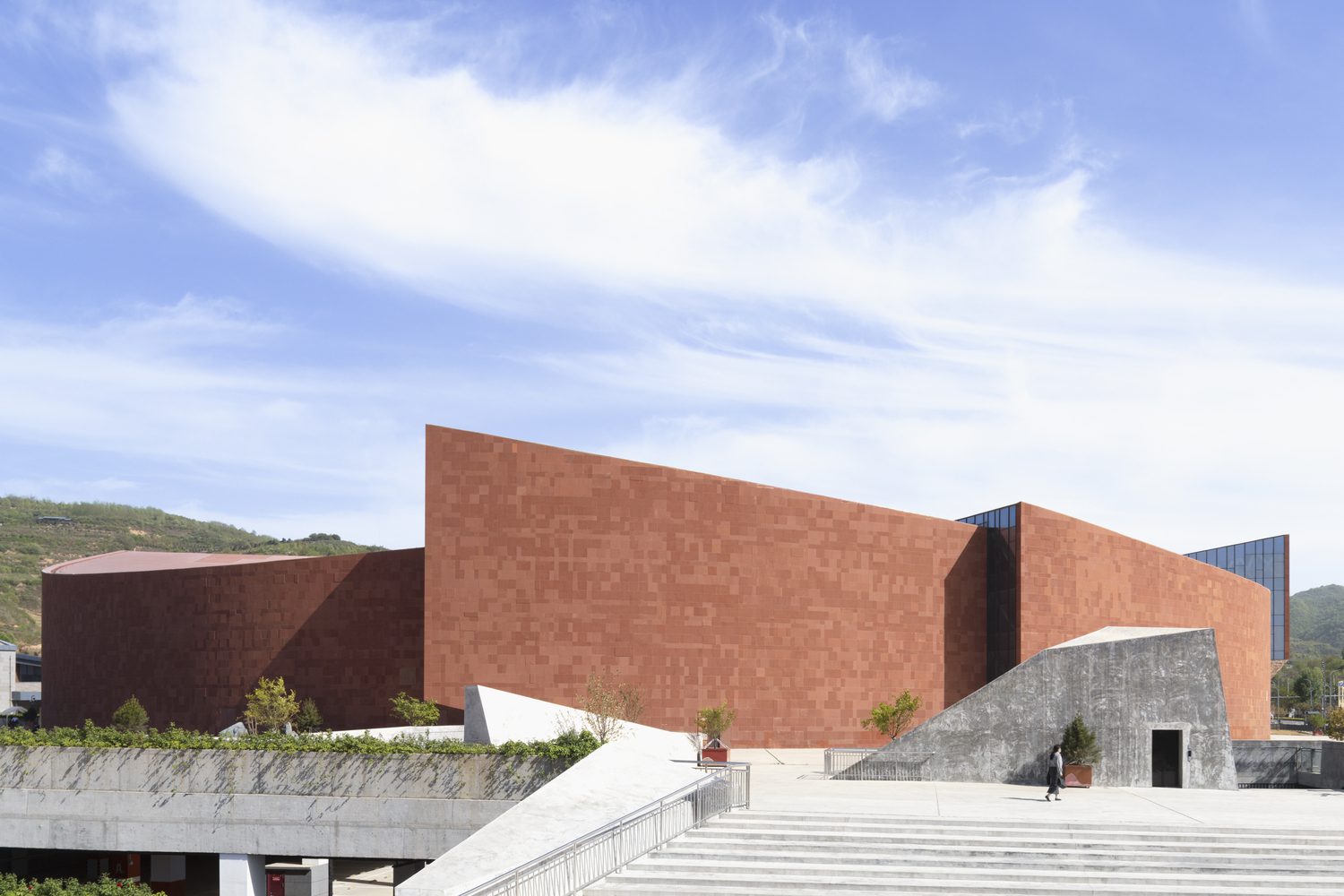
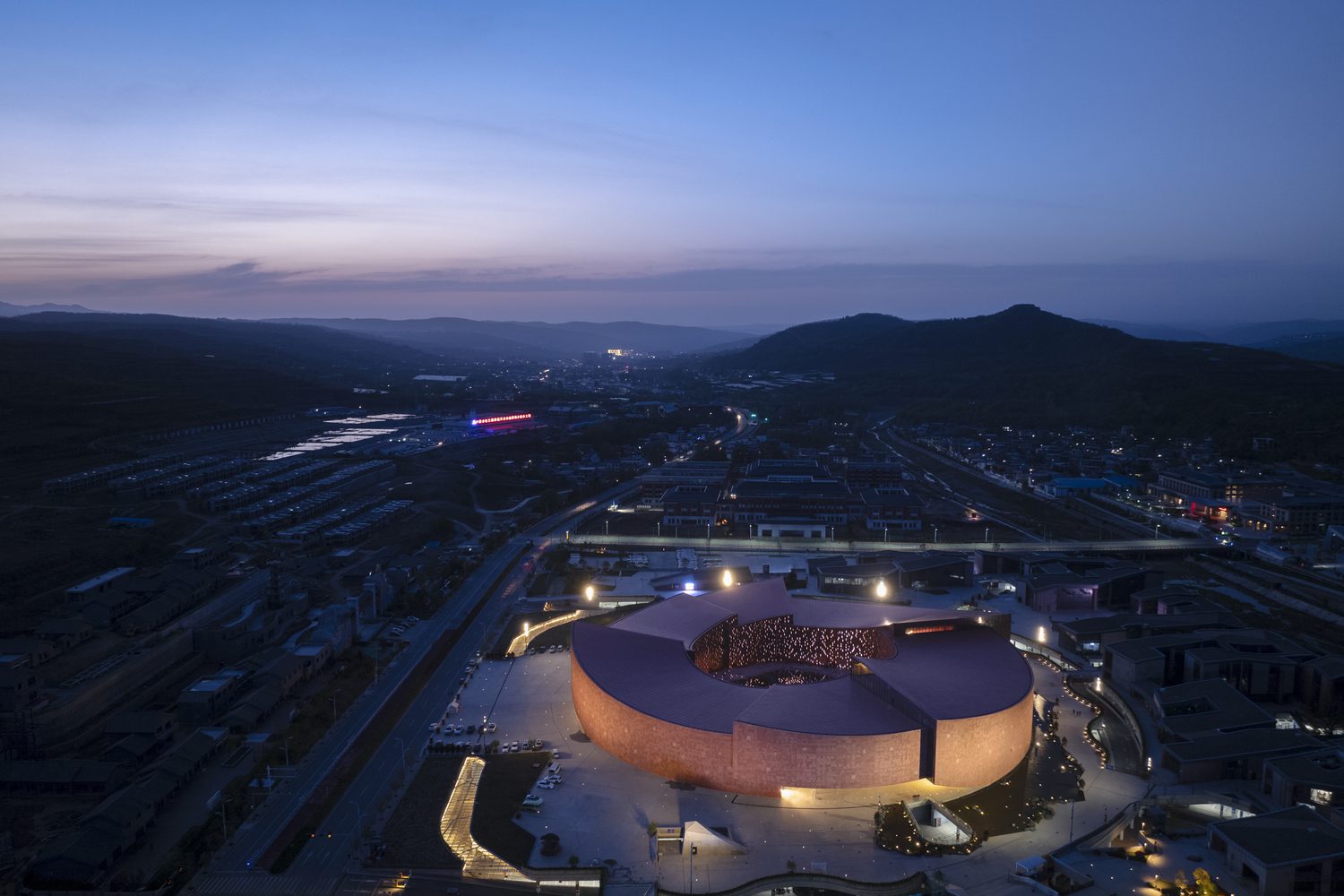
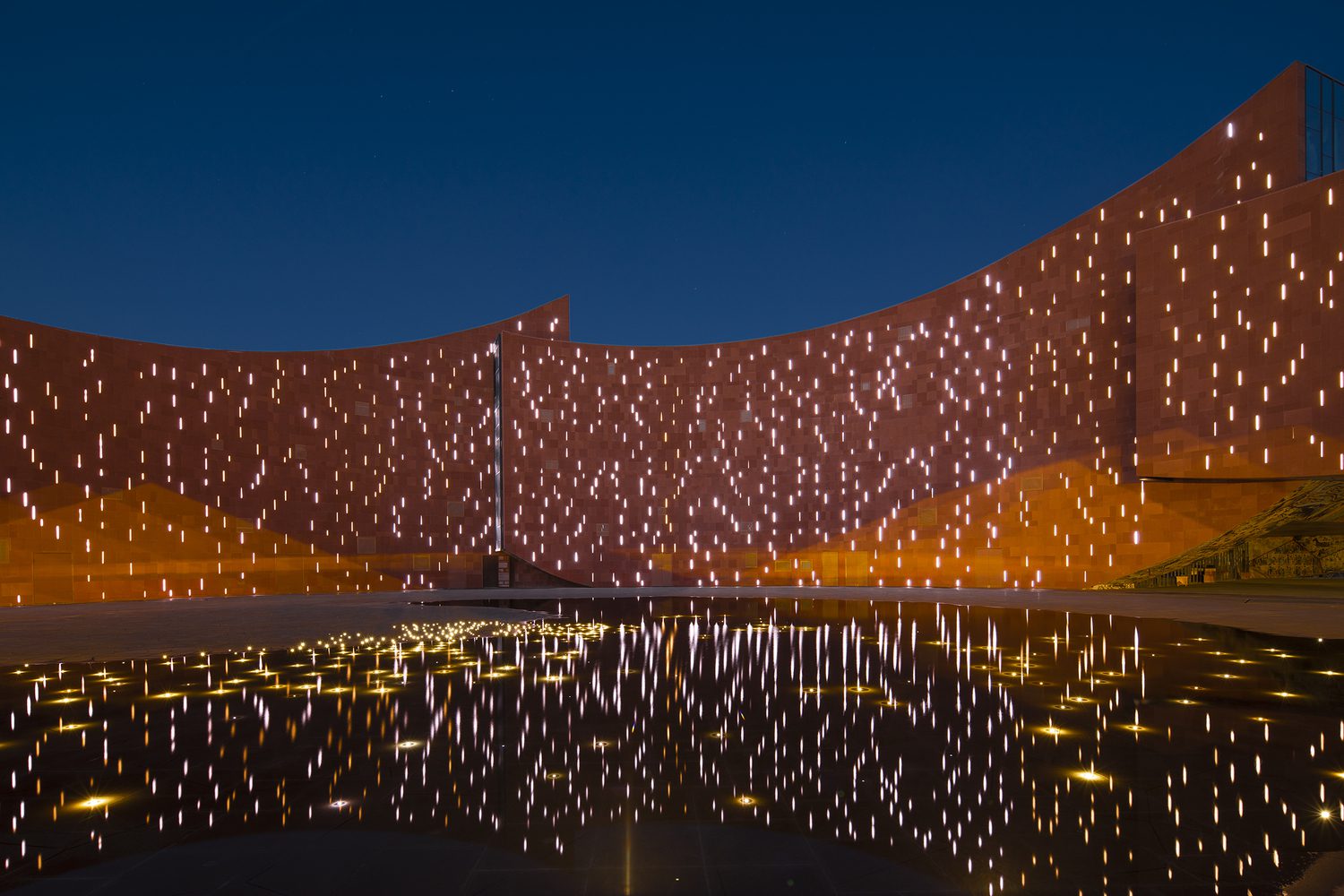
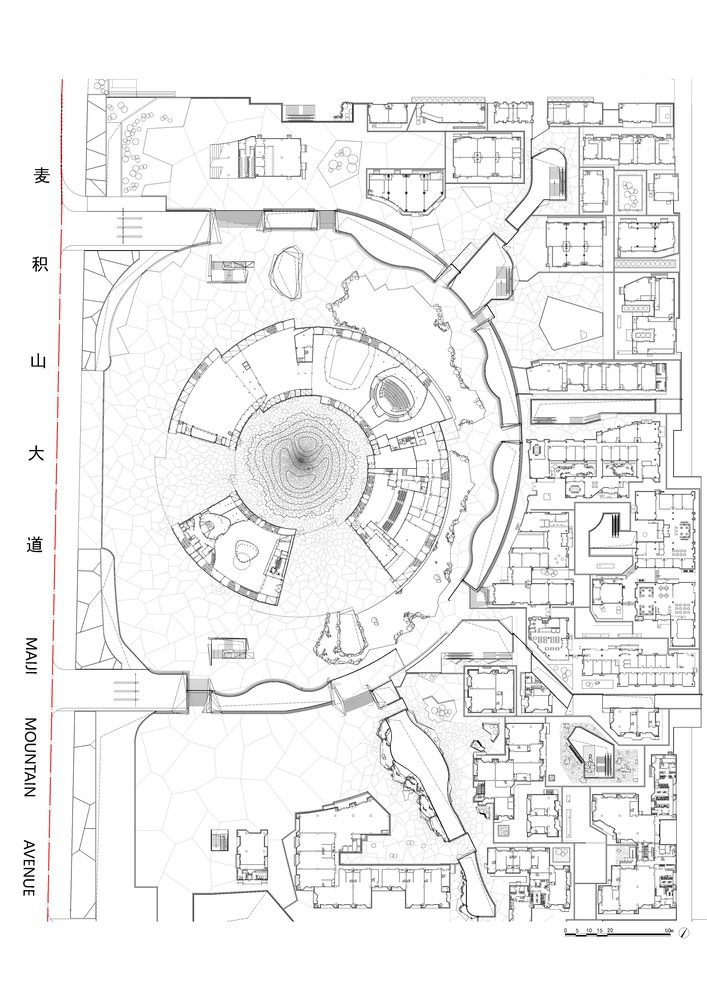
The annular space is the fundamental feeling of the architectural experience. Meanwhile, the undulating mountain terrain of the surrounding natural environment is integrated into the overall design, enabling the humanistic sentiment and the power of the environment to overlap and form an energy field with contemporary spirit. It acts as a participant in the public space with environmental power, and extends this momentum throughout the entire site design.
© Arch-Exist
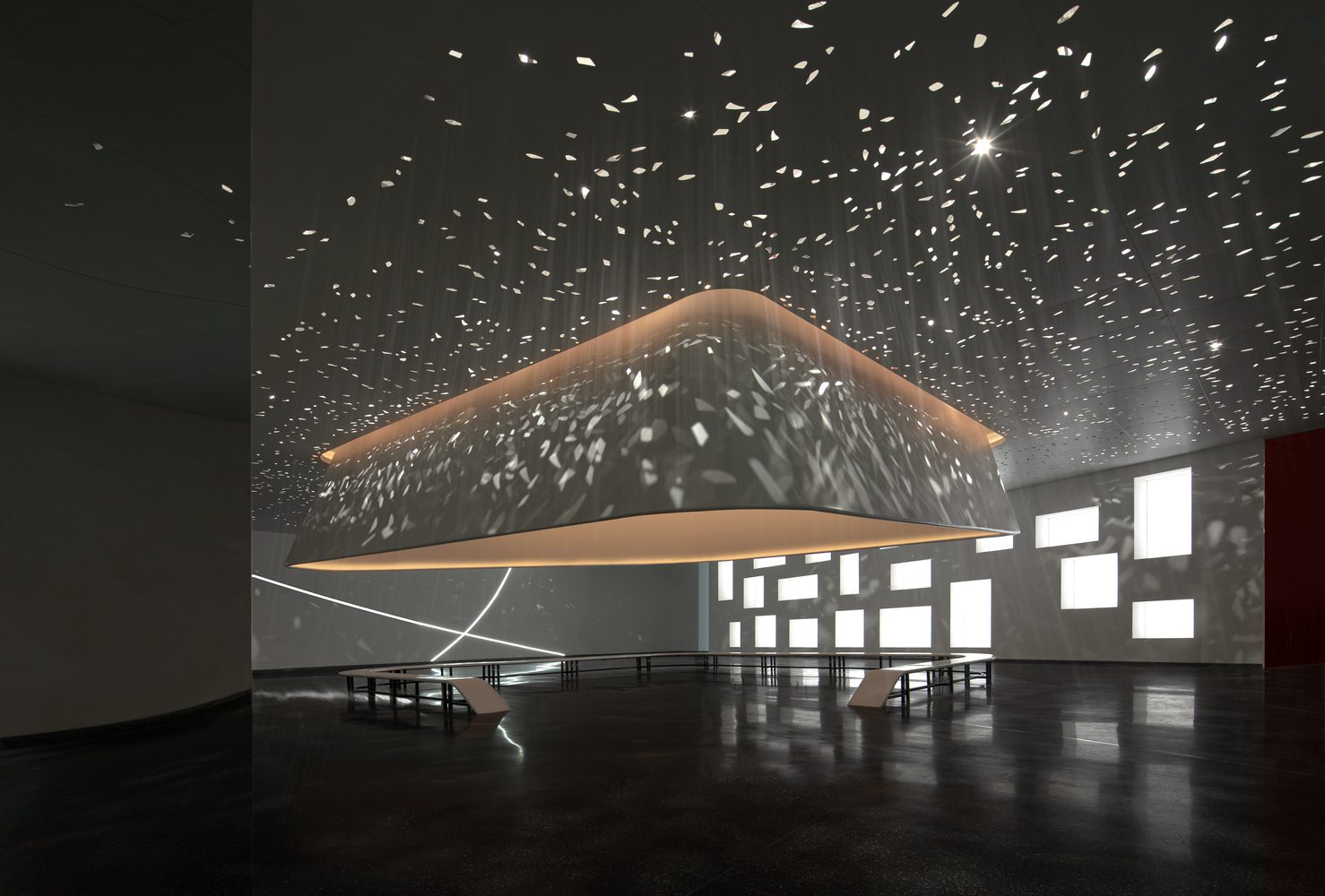
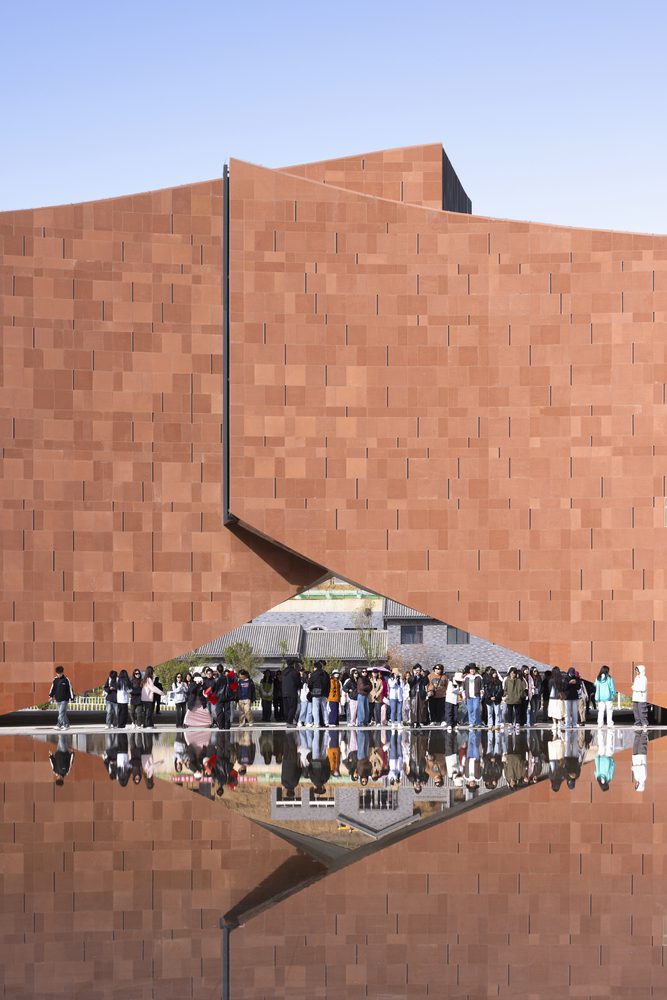
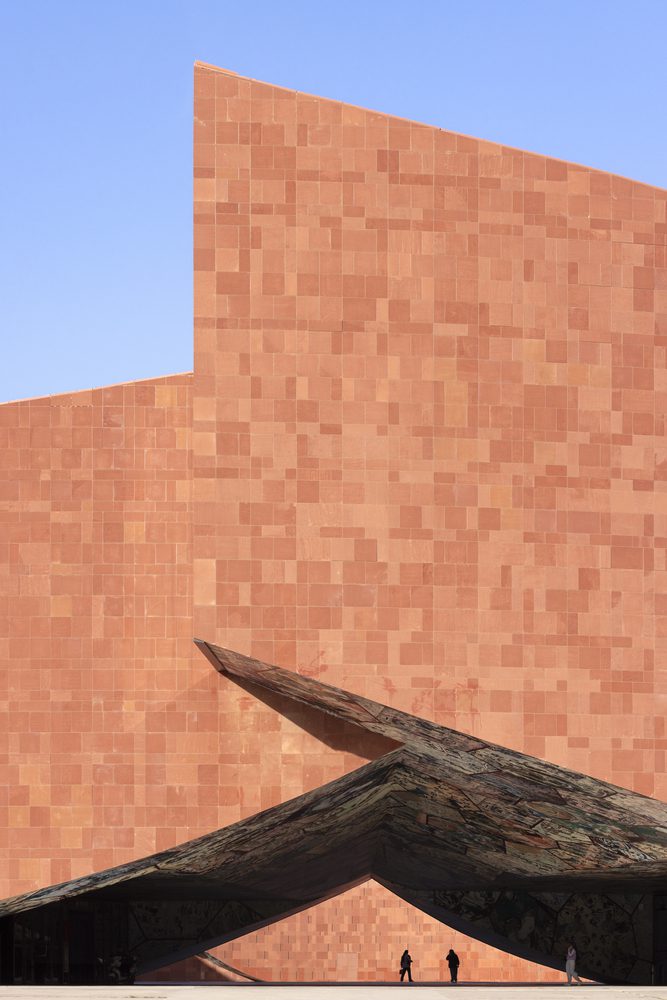
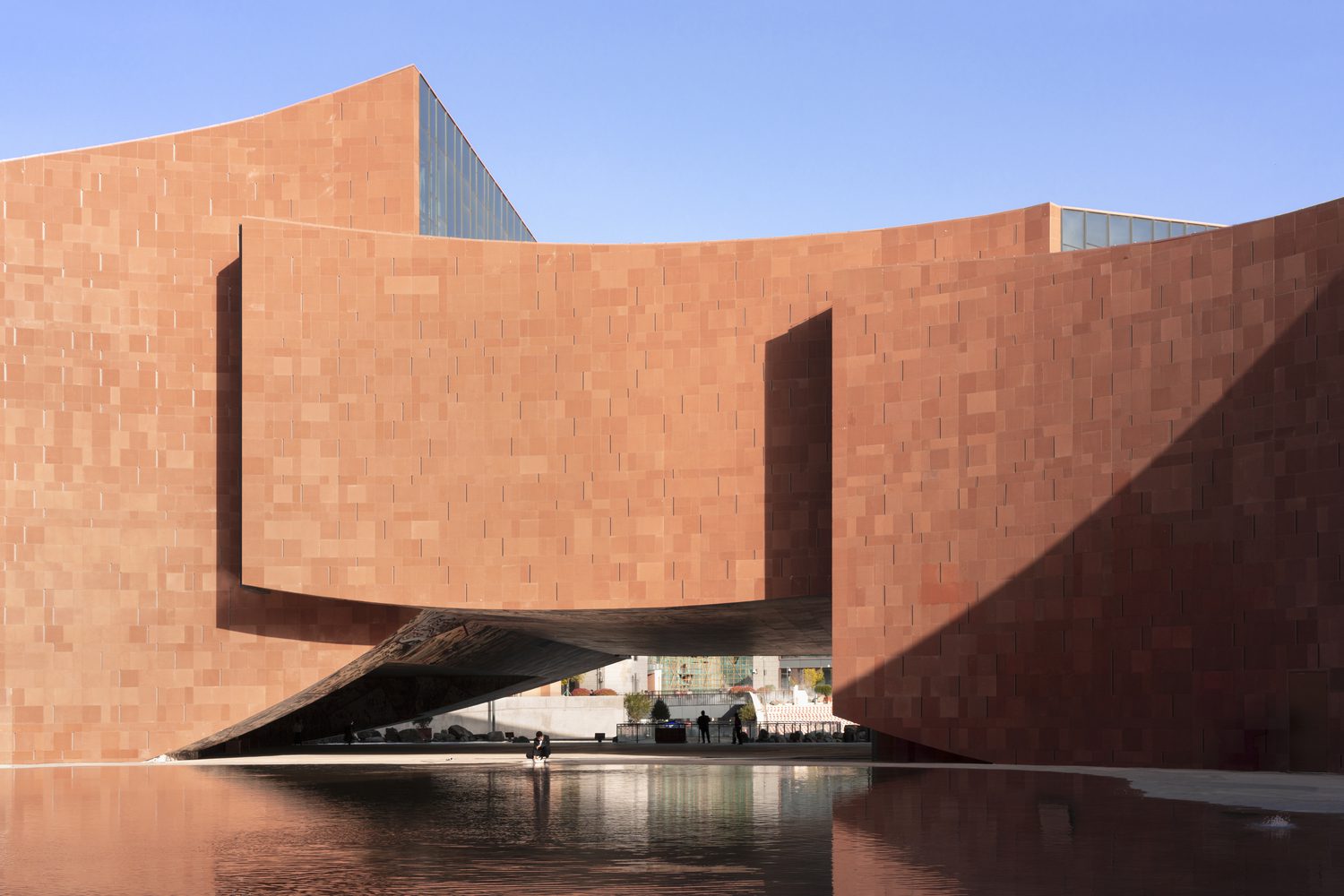
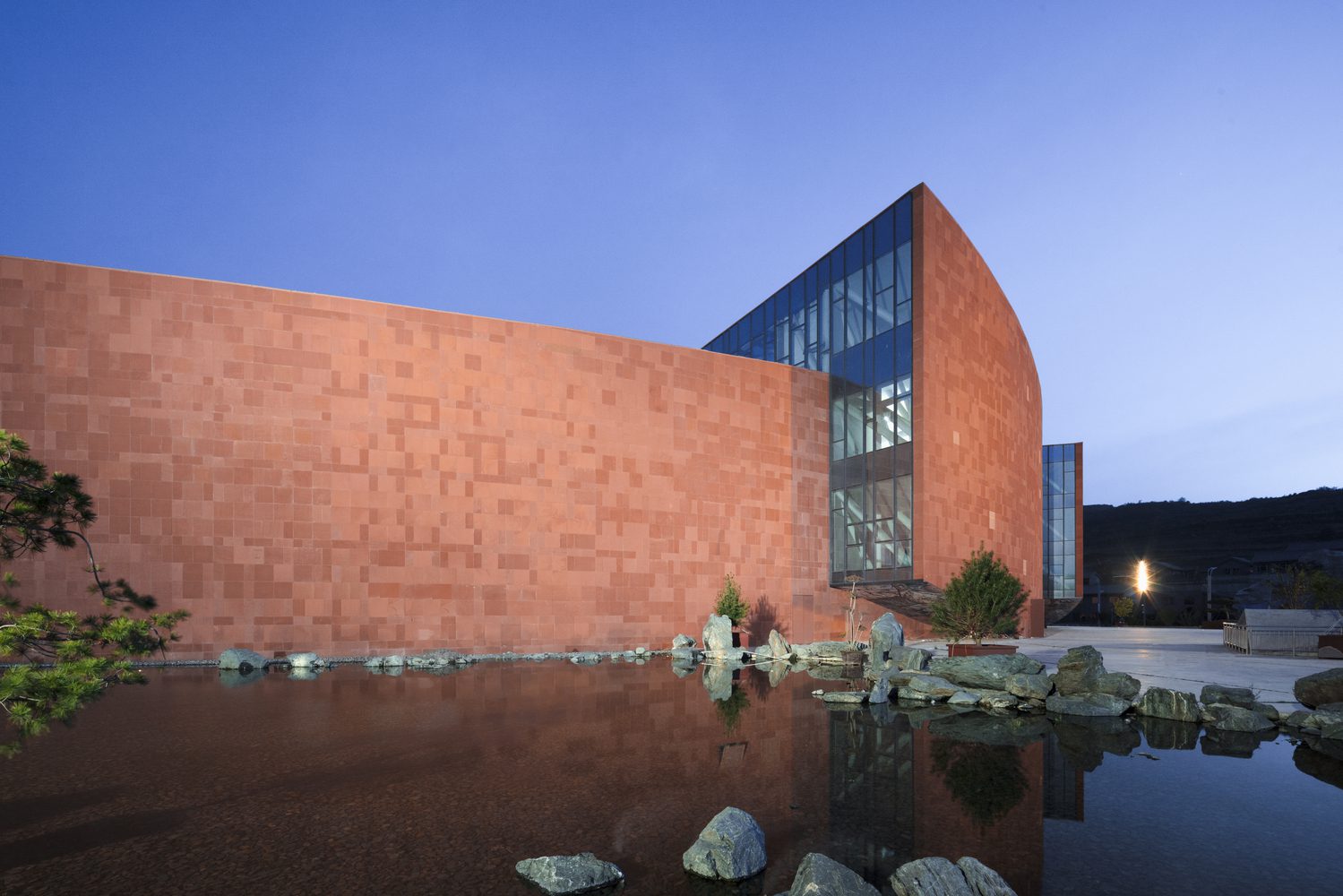
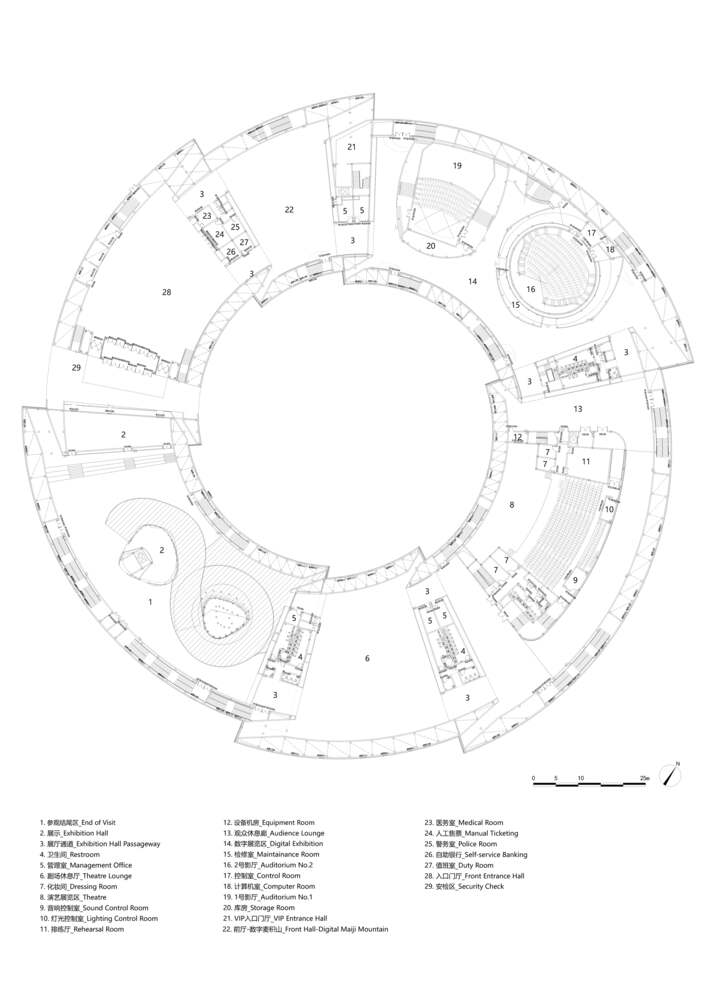
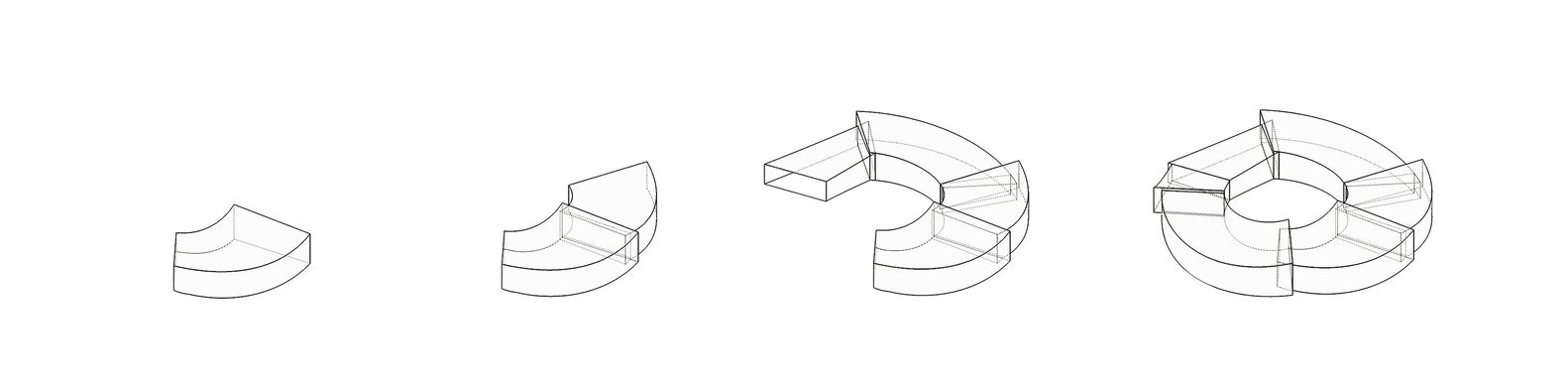
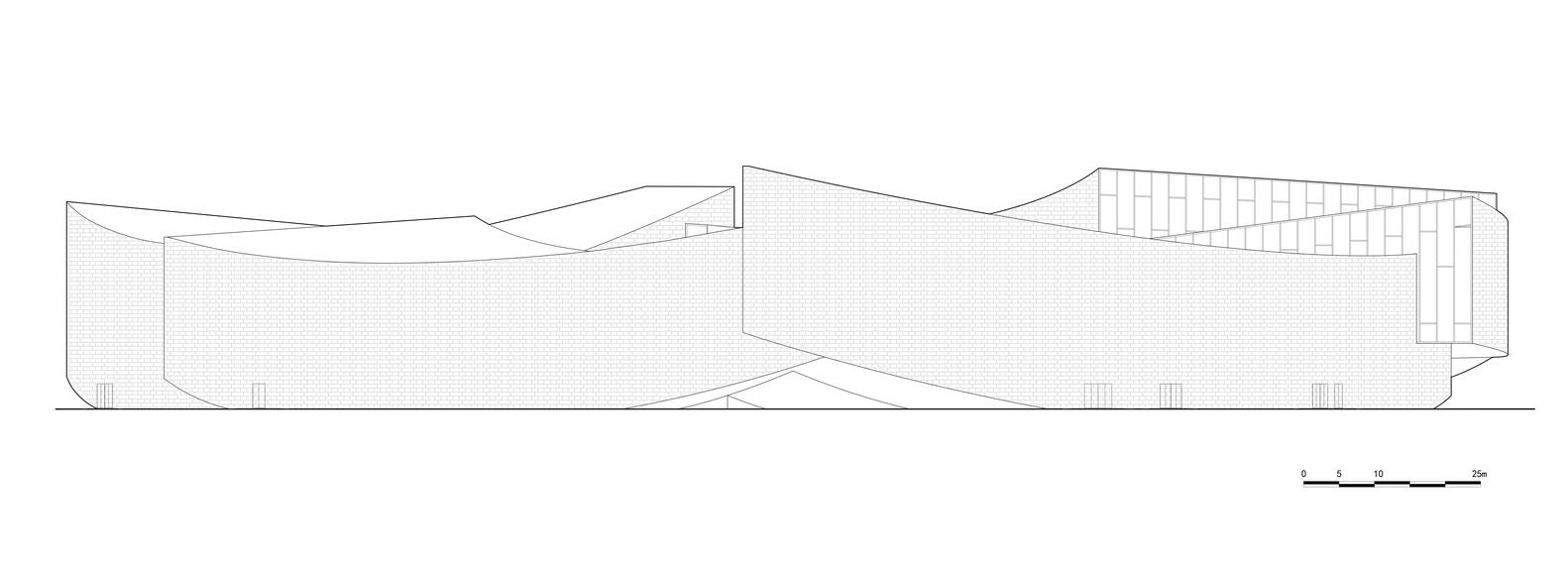
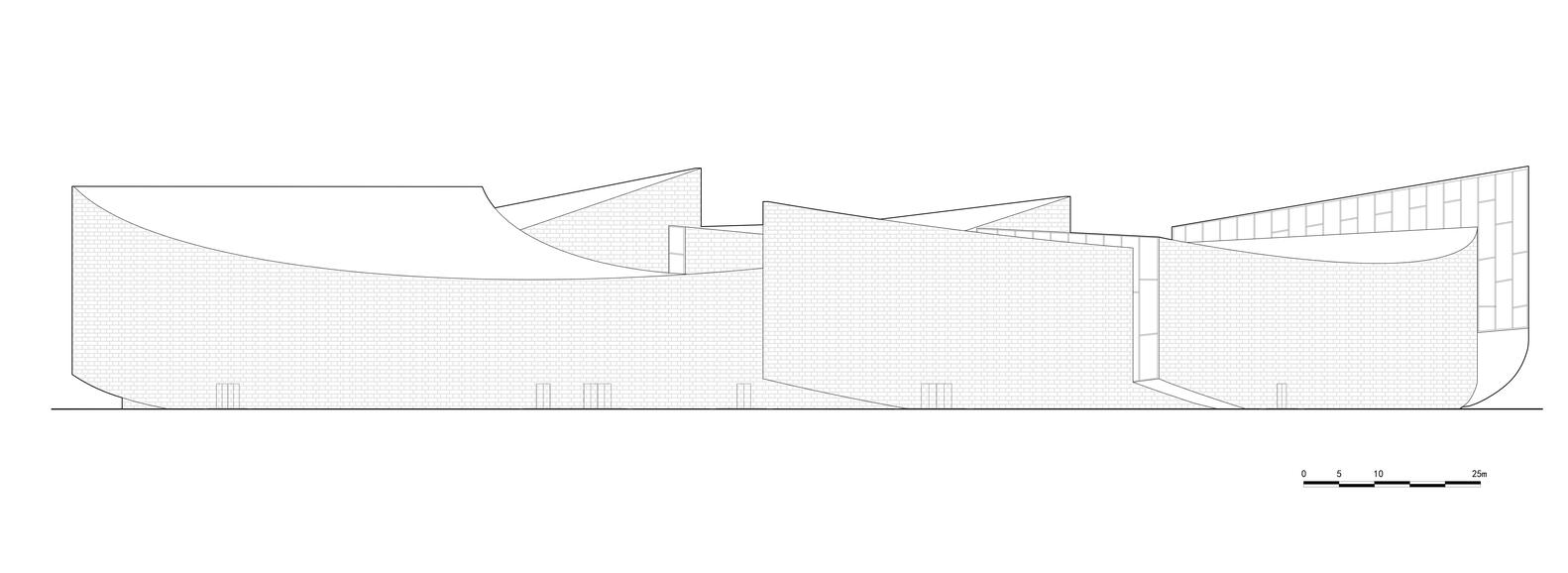
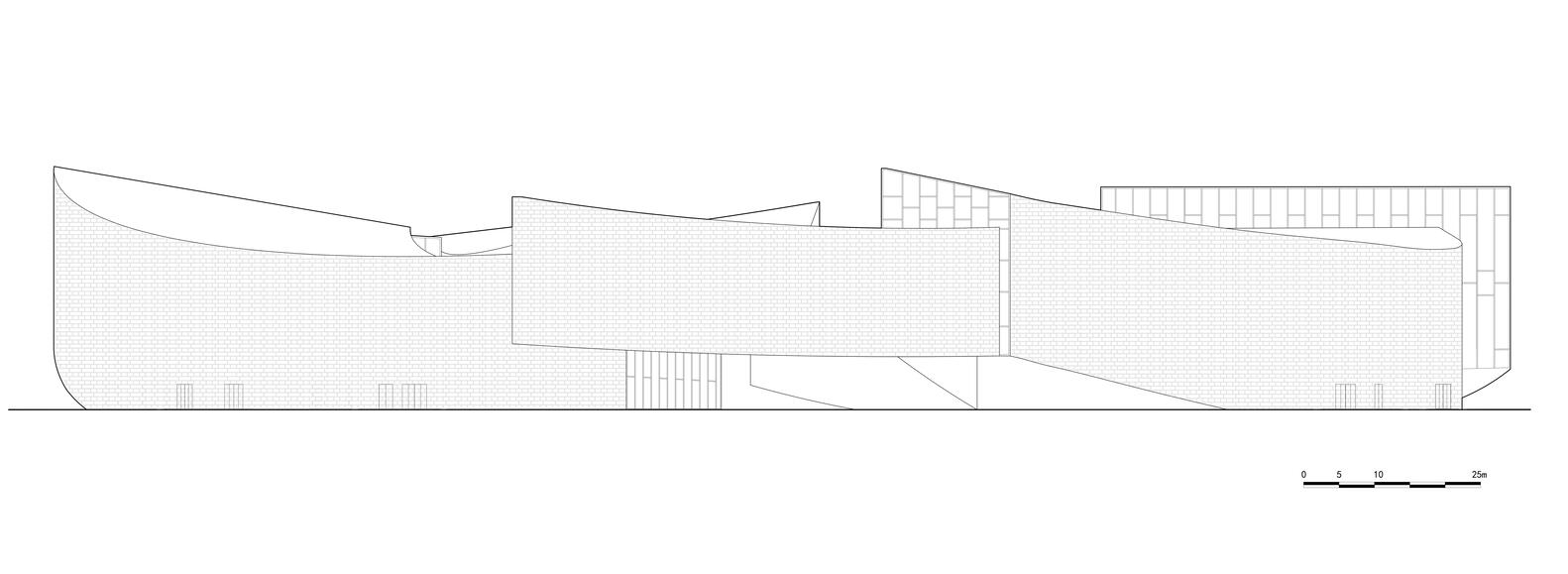
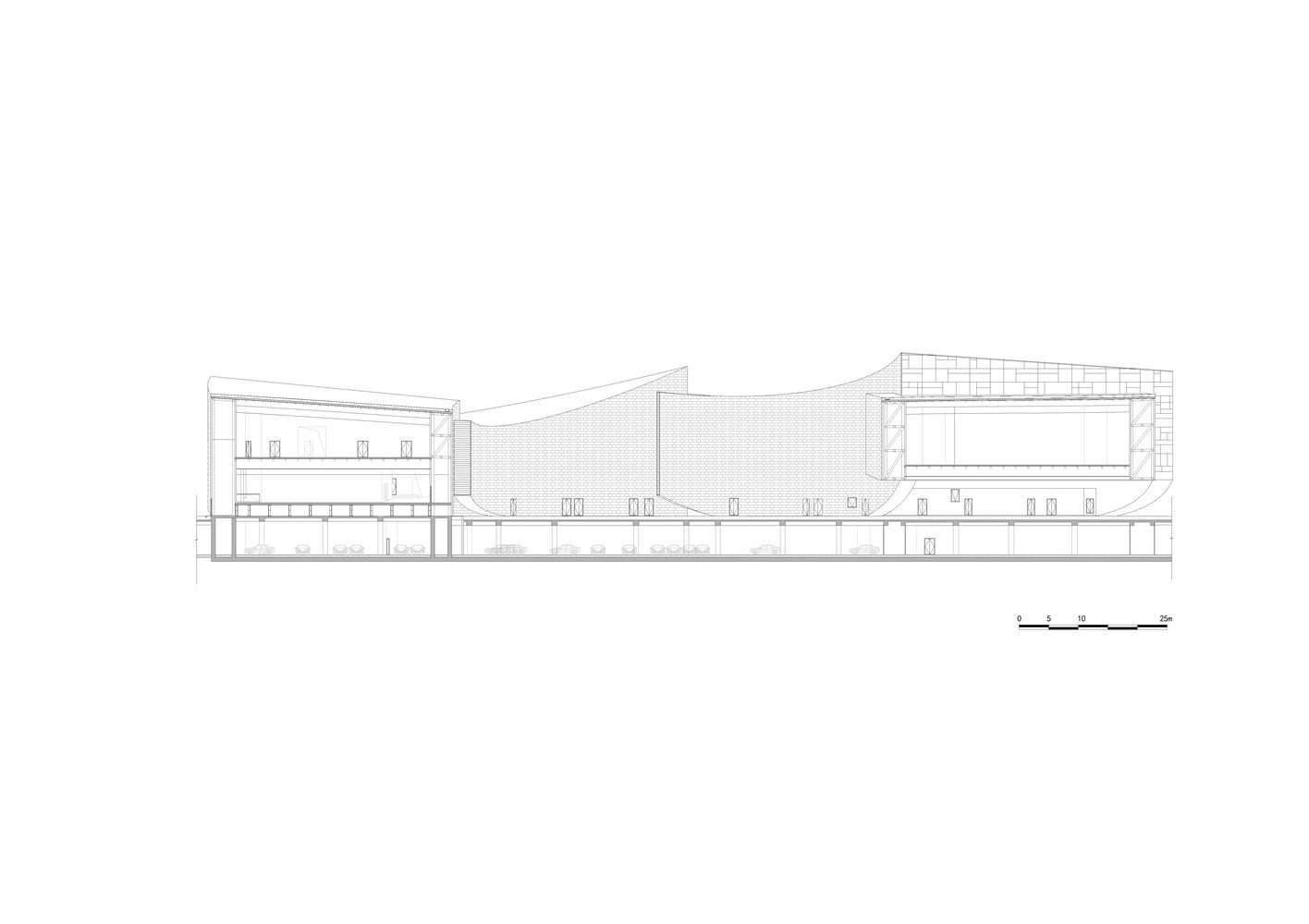
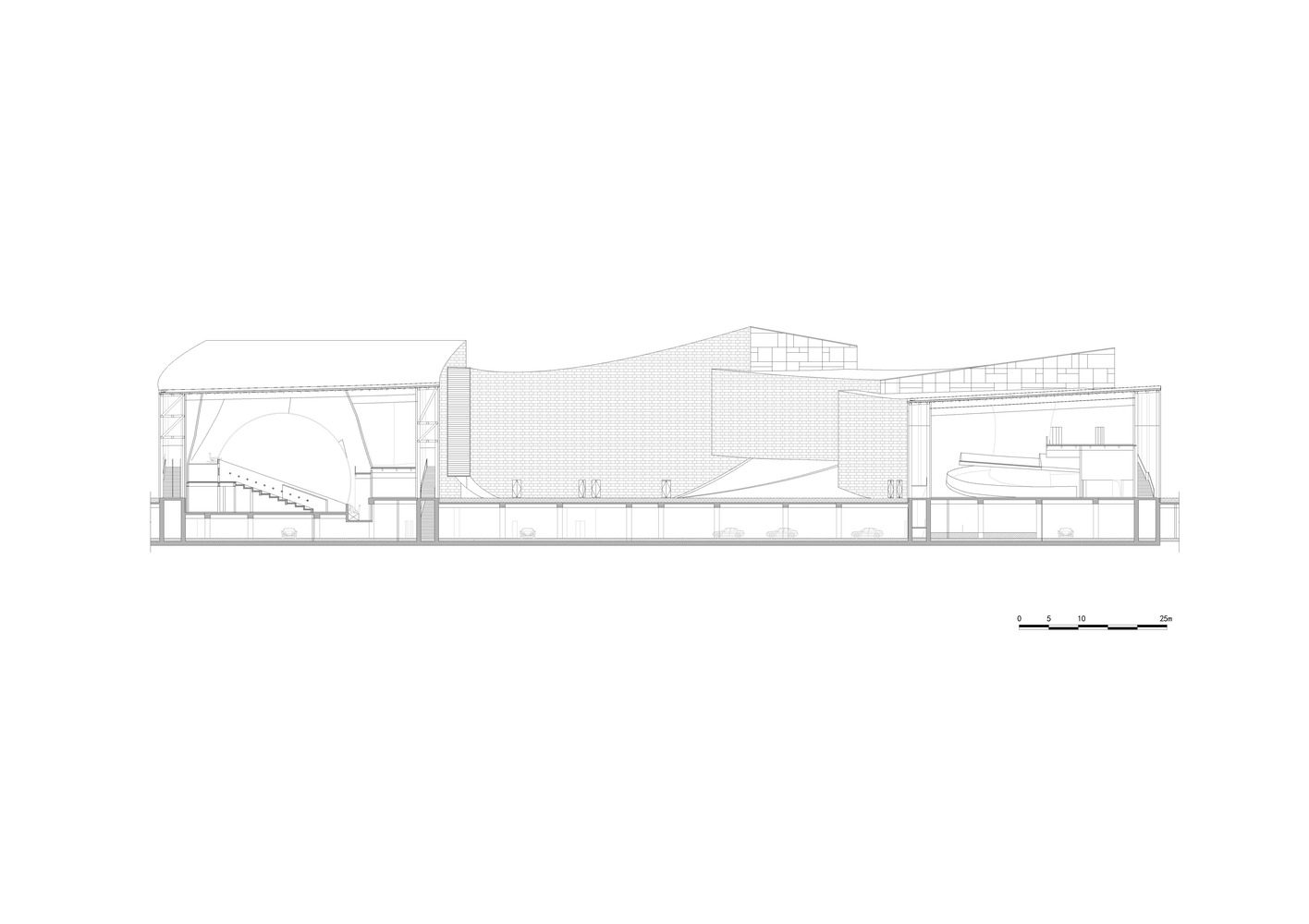
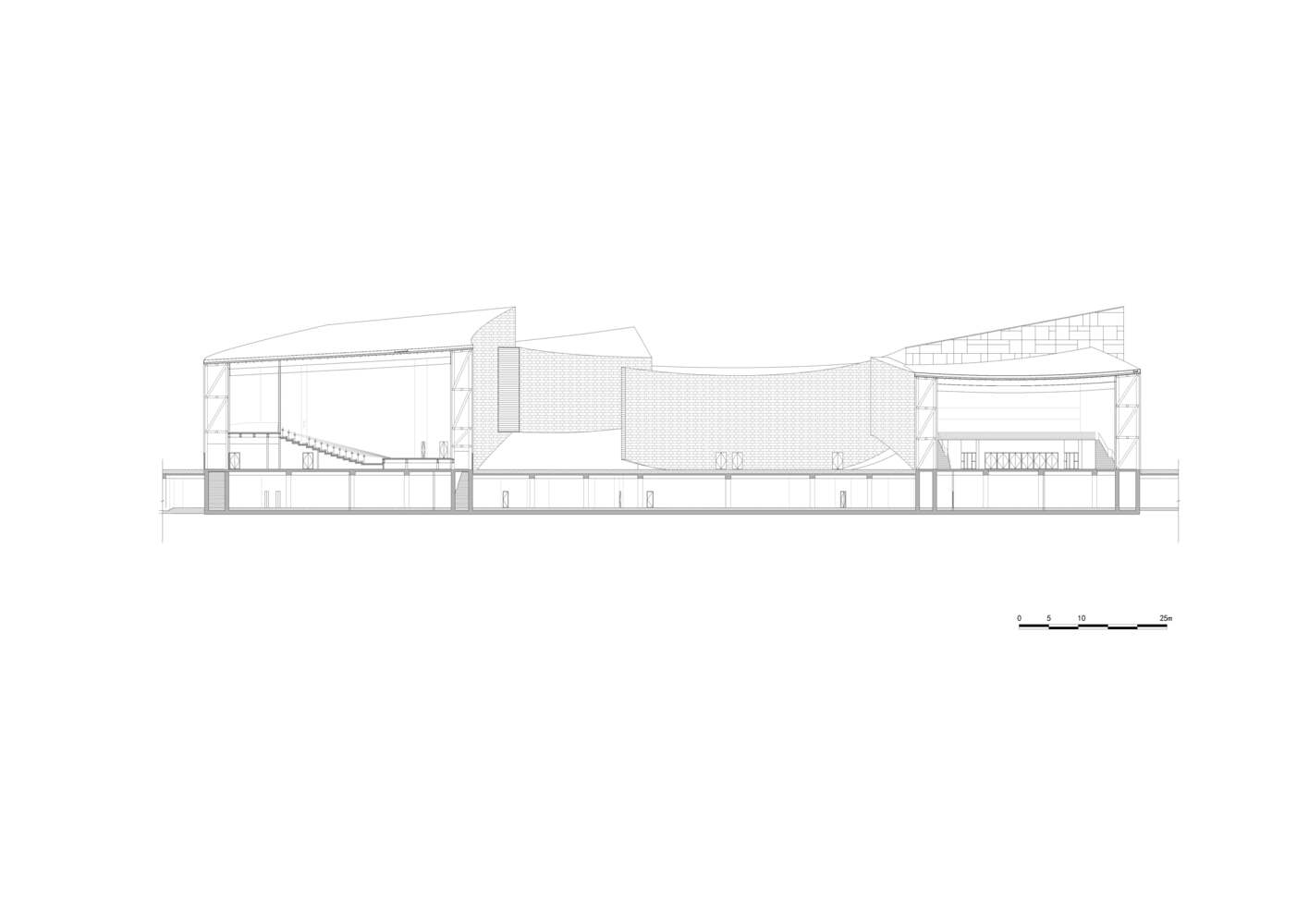
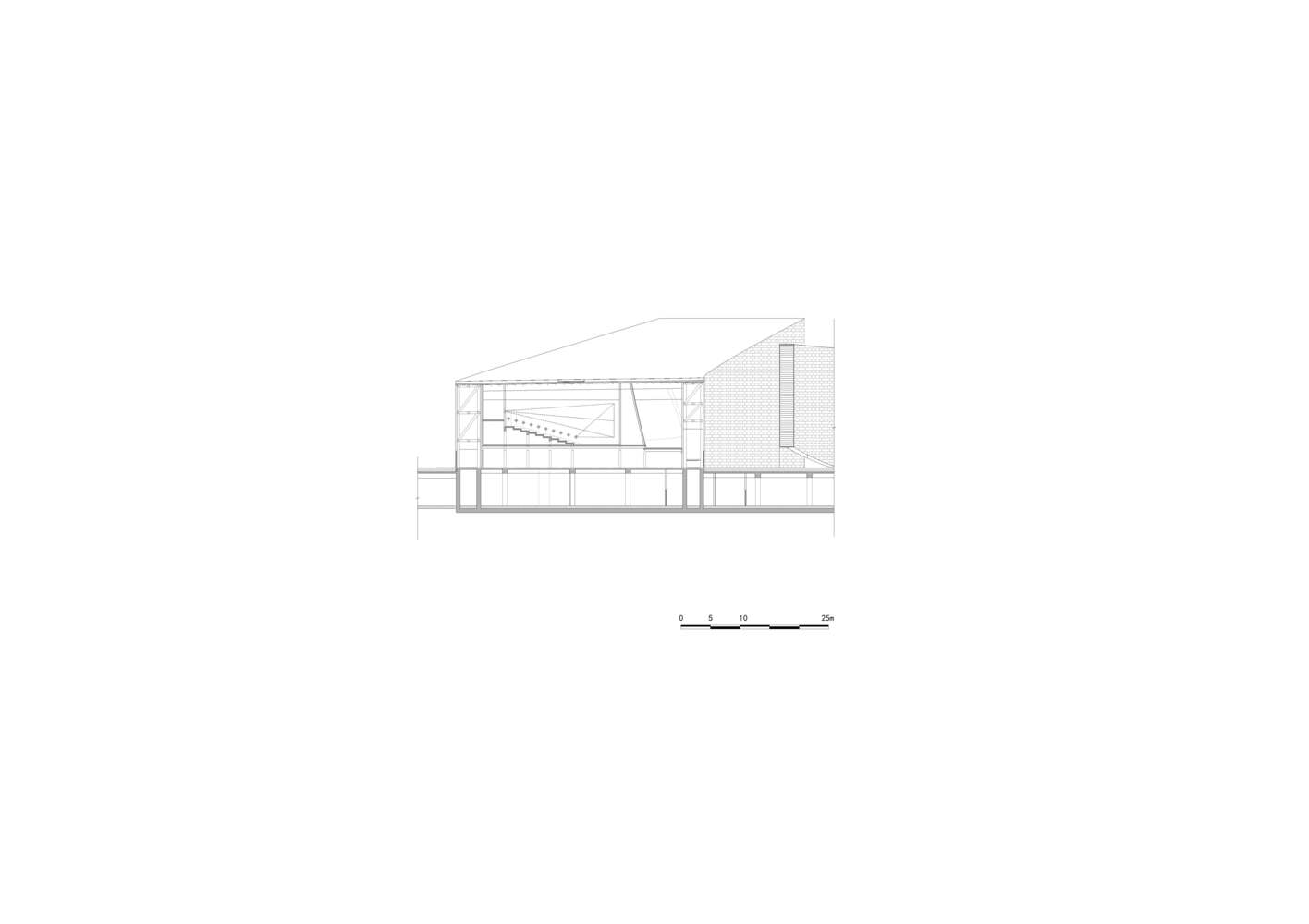
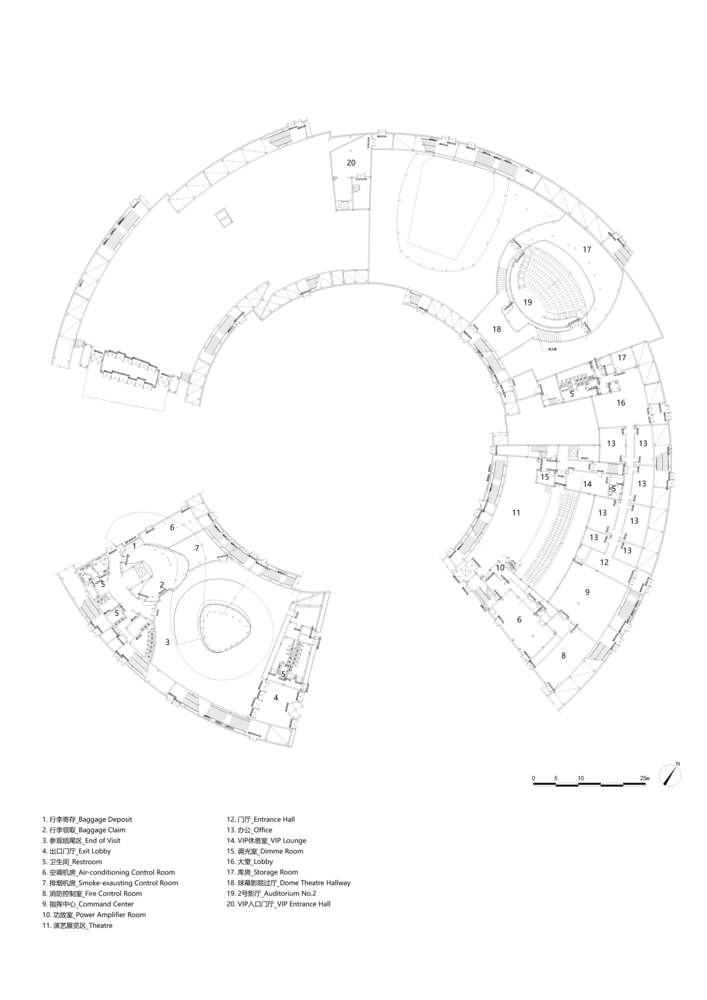
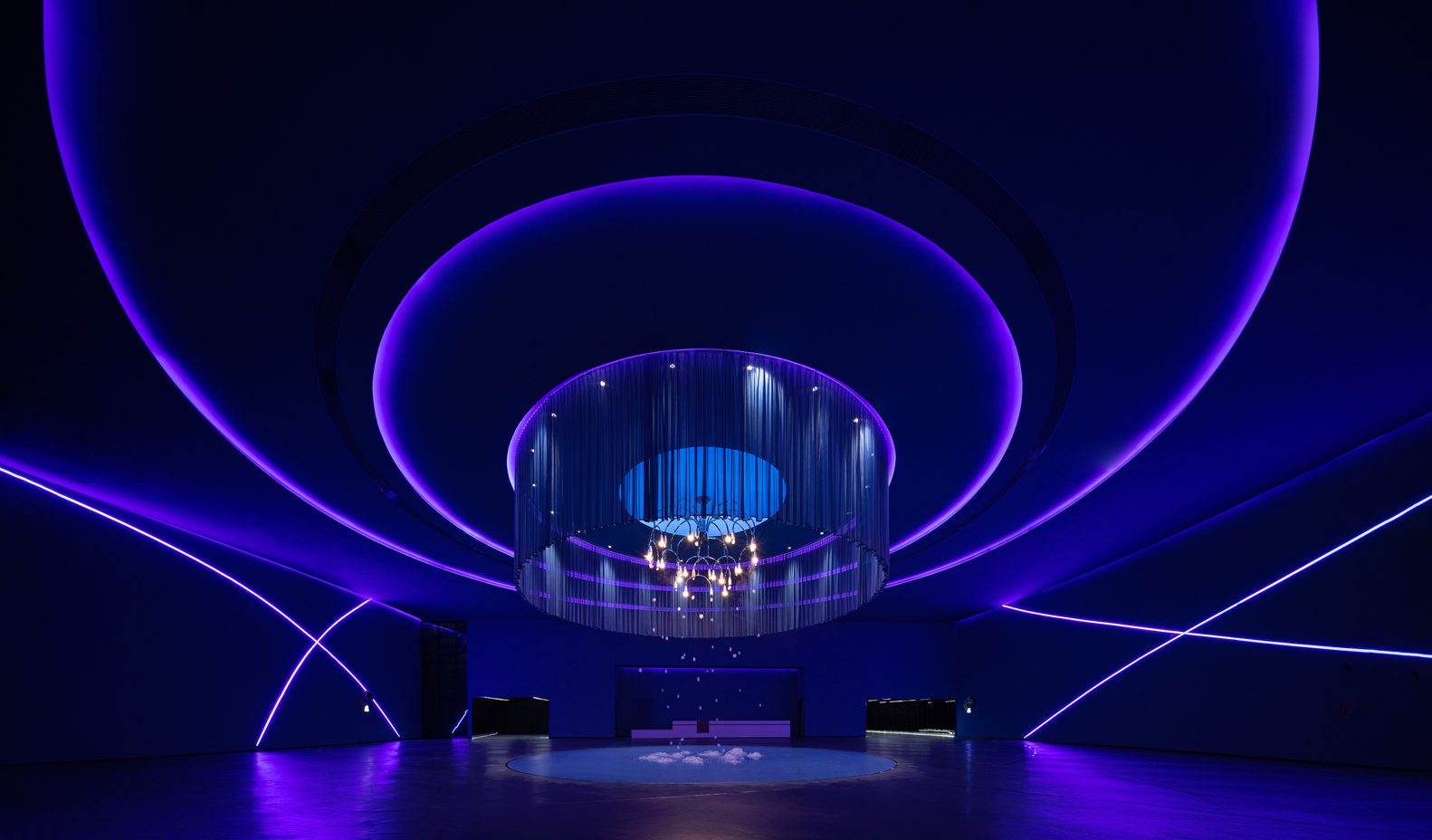
The circumambulatory structure is divided into six volumes, all of which are in trapezoidal shapes and interpenetrate each other. “Gaps” appear at the junctions of the volumes. From the outside, these can be regarded as the nodes of the shape, while inside, they form openings for outdoor light. The light shines into the building with a mysterious power and serves as a summons that guides the audience from one space to the next. The various exhibition functions of the visitor center unfold continuously under such spatial arrangements.
© Hanmo Vision
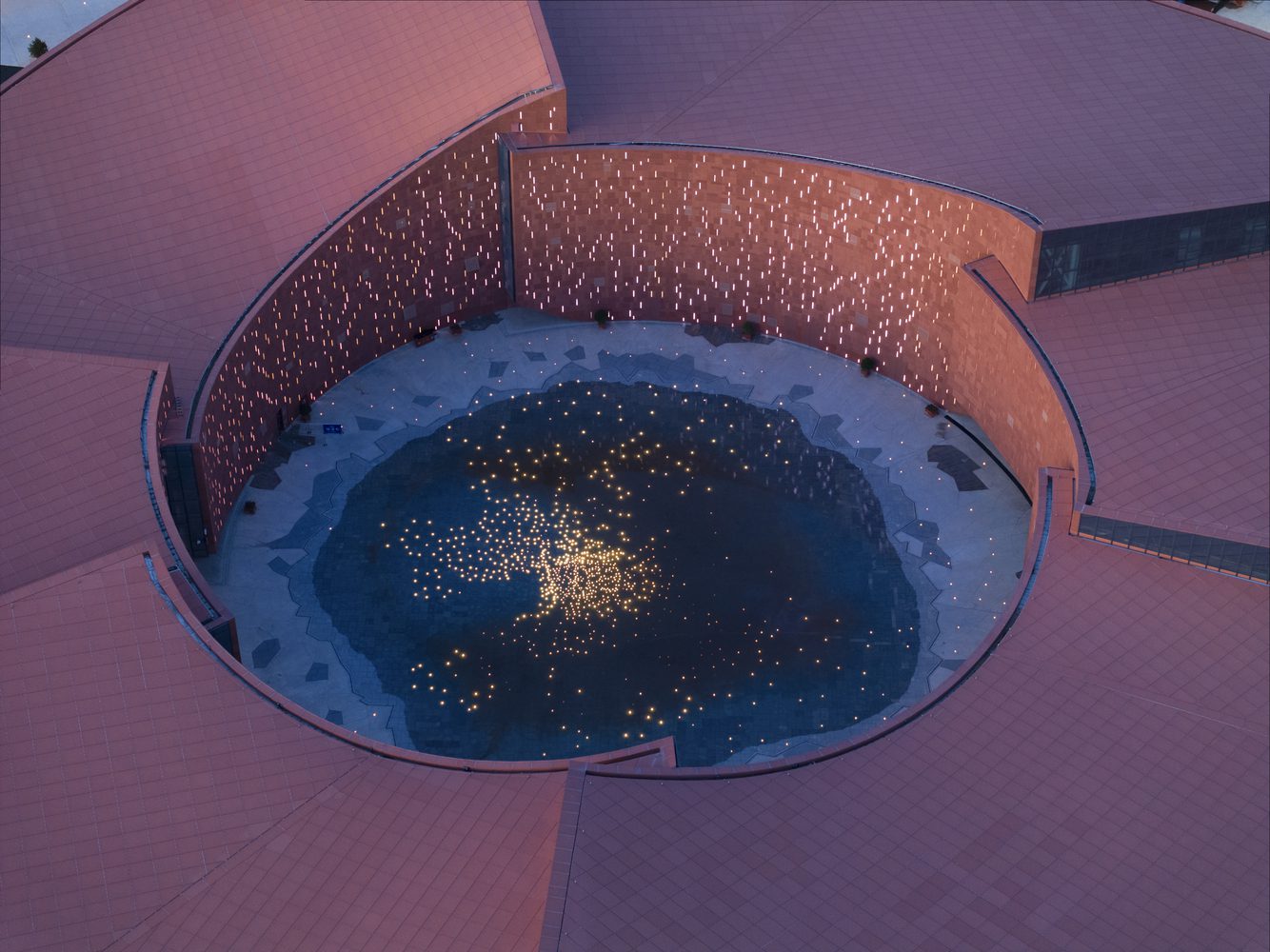
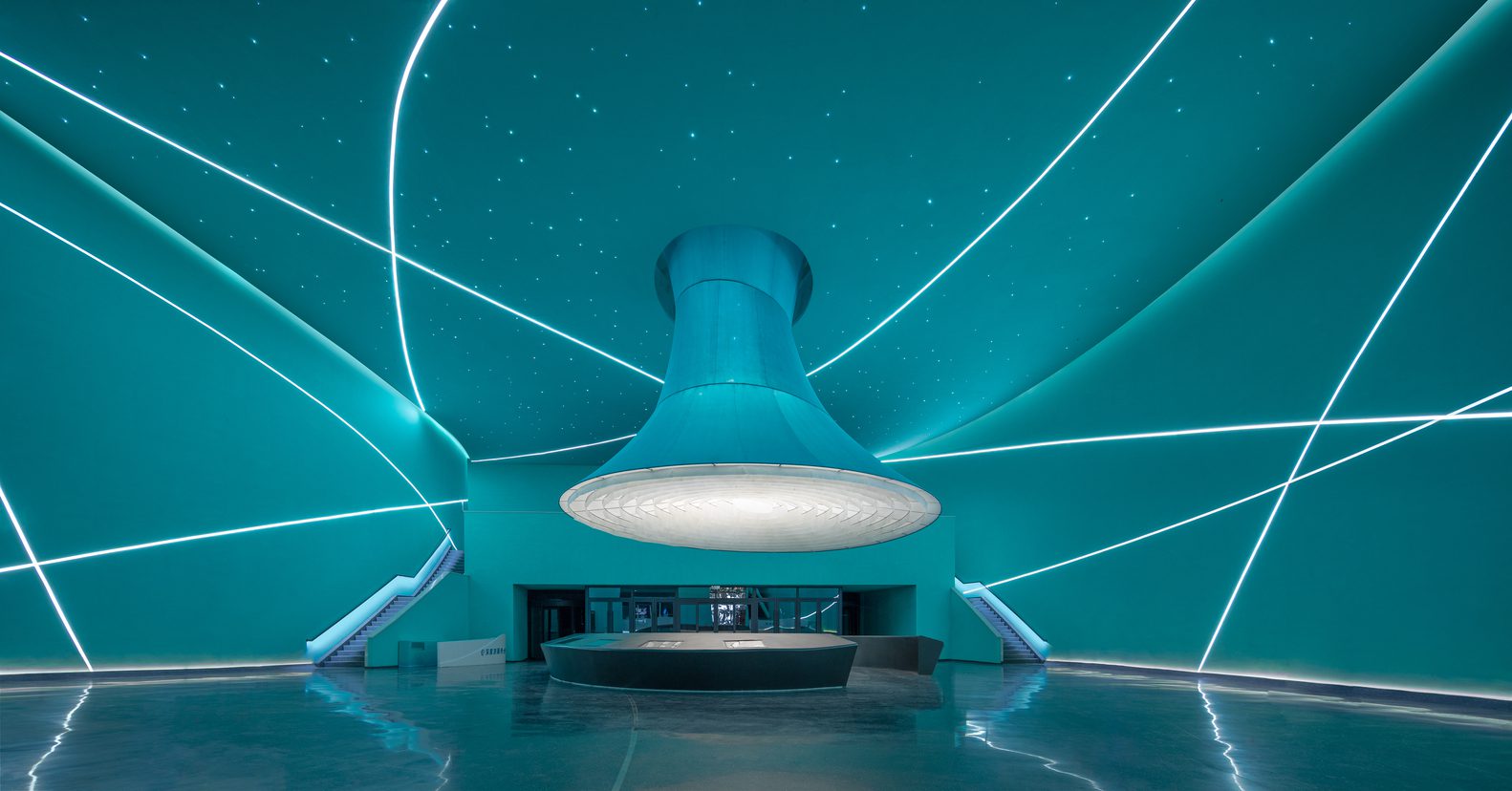
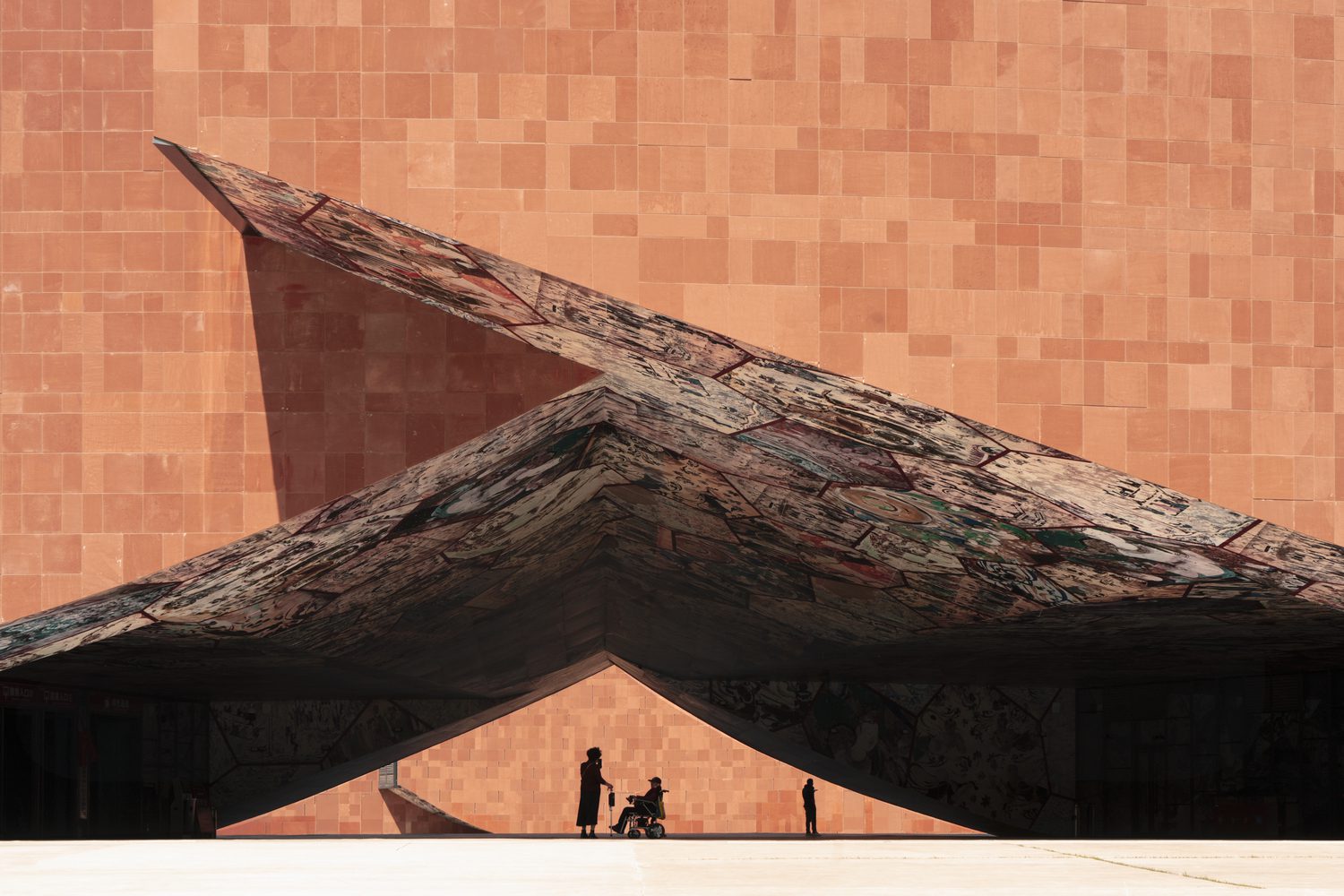
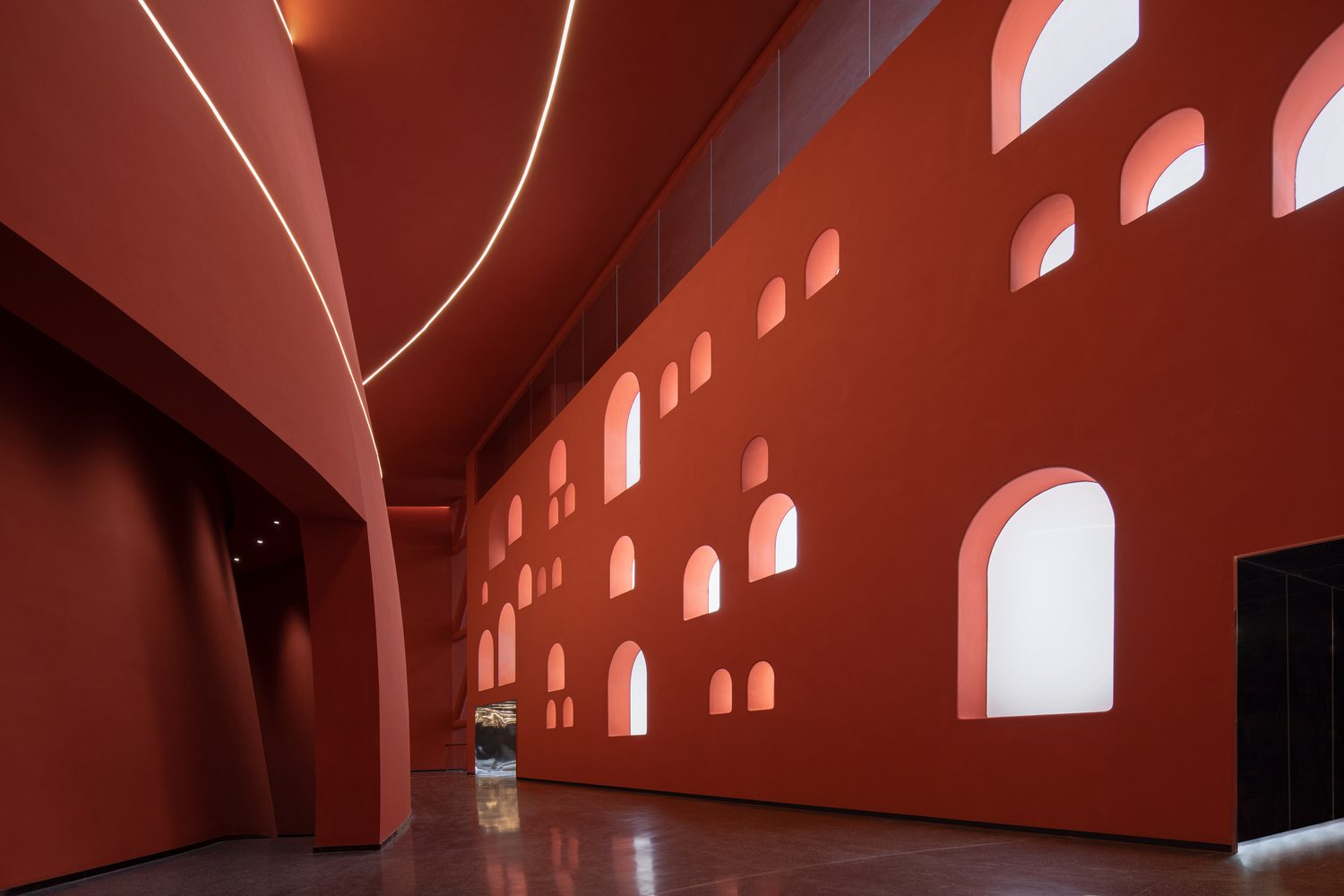
The interior of the building is unfolded under such special light guidance. The main entrance of the building faces the west side road, and under the collision of two volumes, a gray space is formed. Here, you can directly see the courtyard in the circumambulatory structure, with the mural content from the Maiji Mountain Grottoes presented by a metal plate painted ceiling at the top. The colors are both bright and quaint, giving people a strong cultural atmosphere. From here, you enter the interior of the center and walk clockwise along the gentle slope. First, there is the reception space, followed by the Digital Maiji Mountain front hall, 5D digital cinema, performance theater front hall, exhibition and leisure area, and finally the cultural and creative center, totaling six themed spaces. At the same time, this space is also above the departure front hall, completing the closed-loop of the circulation.
© Hanmo Vision
The biggest feature of interior is that it consists of six relatively enclosed and huge column free spaces separated by six trapezoidal cores, four of which serve as structural support and seismic resistance, with various function spaces arranged in each core. The six freely arranged spaces and colors are inspired by the harmonious integration of Central Plains culture in the eastern Hexi Corridor with Buddhist culture. There are no obvious edges or corners in the ring-shape, it is a perfect shape with strong inclusiveness, no clear directionality or boundary limitations, and can accommodate and accept various things.
Plan – Site
Just as Buddhism accepts sentient beings with a broad mind, the shape of the building also symbolizes inclusion for tourists from different cultures and backgrounds, providing a space for harmonious coexistence. The fluent toroidal streamline gives a soft and soothing feeling, which can make people feel calm inside, as if they are outside the hustle and bustle of the world, creating an environment that is in line with the peaceful atmosphere pursued by Buddhist practice, allowing tourists to feel inner peace when entering it. It has created favorable conditions for communication and interaction among tourists, greatly enhancing their travel experience and becoming a landmark building that combines cultural deposits and modern functions.
Project Info:
-
Architects: BIAD, ZXD Architects
- Country: Tianshui, China
- Area: 16154 m²
- Year: 2024
-
Photographs: Arch-Exist, Xiangdong Wang, Hanmo Vision
-
Lead Architect: Zhu Xiaodi
-
Architecture Team: Dawei Wang, Hua Fan, Zaijian Zhang, Jian Wang, Xiang Li, Xiaoyong Cui, Zheng Zhang, Wei Jiang, Yiwei Li, Yuanyuan Song, Kun Liu, Haonan Wang, Wenjuan Fan, Wenjing Liu, Yanan Cheng
-
Structures: Yi Yang, Keyu Gai, Shaoxue Tang, Qing Geng, Chunyang Song, Zhongyi Zhu
-
Equipment: Liang Sun, Jie Li, Peng Liang, Guocheng Zhao, Jiecong Liu, Hanlin Shi, Pengfei Bai
-
Electrical Engineer: Wei Liang, Xu Wang, Yang Gao, Shuochen Liu, Lingli Wang
-
Interior Design: ZXD Architects + Wu Yanming Studio
-
Landscape: BIAD + Green Alliance (Beijing) International Engineering Design Co., Ltd
-
Lighting Design: Tsinghua University Planning and Design Institute Co., Ltd. Zhe Wu, Li Tang