

Lincoln Plaza in London received Building Design’s 2016 Carbuncle Cup, a critical award concerned with the perceived quality of a building. That is an attributed judgement by an award jury, not an objective measurement that a building is universally “Britain’s ugliest.” A useful account distinguishes the criticism from the facts of the project.

Lincoln Plaza and the 2016 Carbuncle Cup debate
The controversy is a starting point for discussing how tall residential buildings meet the city. Facade composition, massing and the street edge are related but different subjects. A close-up photograph may emphasise surface patterns while concealing the entrance, surrounding streets or the way residents use the building.

Turning a judgement into an architectural argument
To make an architectural criticism useful, state the criterion and identify the evidence. If the concern is scale, show the relationship with neighbouring buildings. If it is material coherence, explain the junctions and proportions being criticised. If it is public space, examine access and the ground floor. Strong adjectives cannot replace that work.
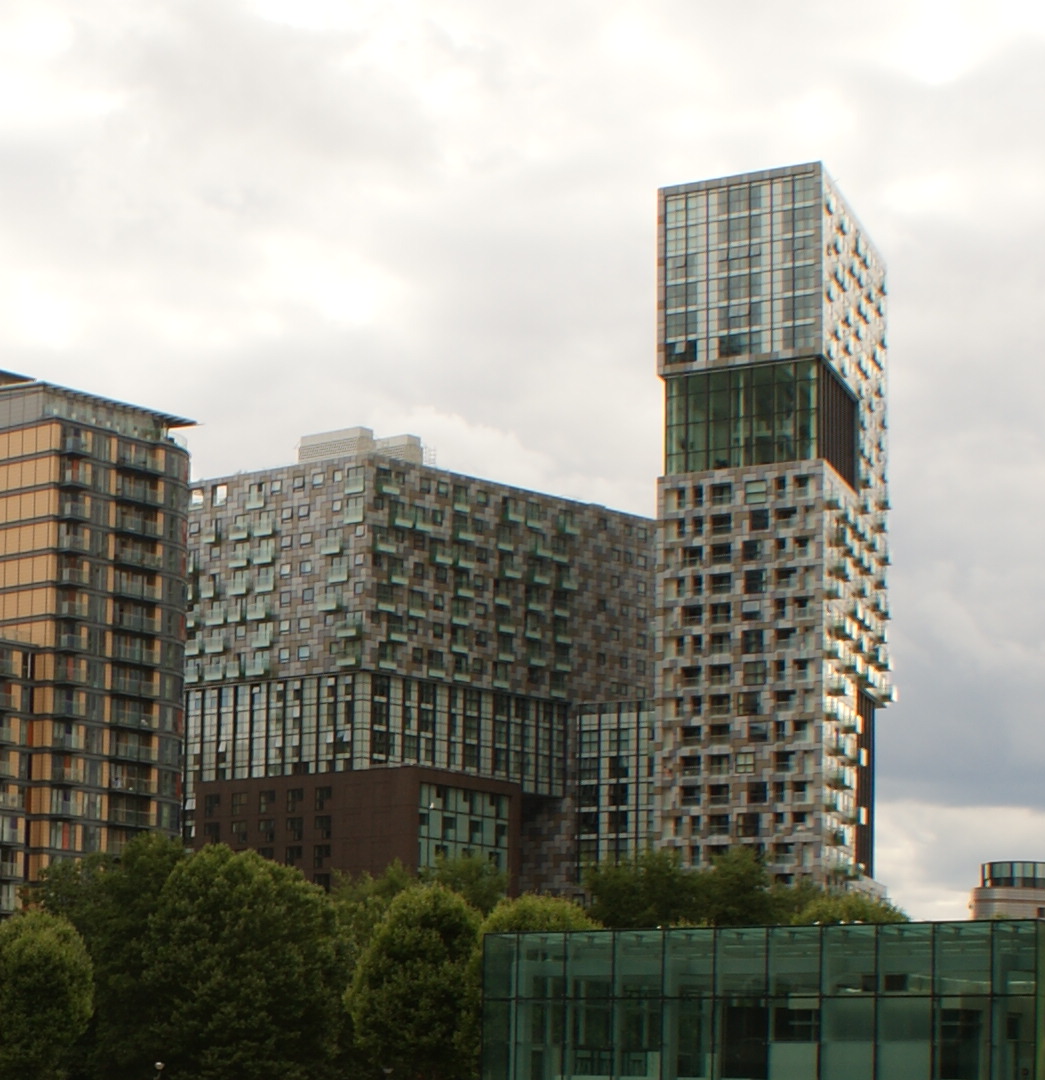
Readers can use the debate as an exercise in separating taste from analysis. Personal responses are legitimate, but they become more informative when connected to a specific experience or design decision. The purpose is not to replace one absolute verdict with another. It is to explain what a building does, how it is encountered and why different observers may judge it differently.
Place the visual language in a broader historical context with our guide to architectural styles: architectural styles and their histories.
Key takeaways
- Attribute the award and criticism to Building Design’s 2016 jury.
- Separate visual preference from documented design consequences.
- Use contextual views when discussing massing and the street edge.
Related reading on Arch2O
Sources and further reading

Ruba Ahmed, a senior project editor at Arch2O and an Alexandria University graduate, has reviewed hundreds of architectural projects with precision and insight. Specializing in architecture and urban design, she excels in project curation, topic selection, and interdepartmental collaboration. Her dedication and expertise make her a pivotal asset to Arch2O.