

Within the growing sector of construction, new Concrete Blocks systems have been developed not to only reduce construction times and costs but to also solve housing problems in Mexico. There is a new Earthquake-resistant concrete that was engineered to respond in the same way to steel regarding malleability, ductility, and strength.
New models of construction, originated from previous construction techniques, are embarking into the international market. The new models use fewer materials, have high strength and durability while providing maximum comfort. The market is also witnessing smart materials that are flexible to any constructional need. In the hope of reaching sustainability in the architecture engineering and construction industry, the research for the development of “self-healing” materials is ongoing. One of its latest innovations is concrete that can heal itself; saving billions in construction costs.
What are concrete blocks used for?
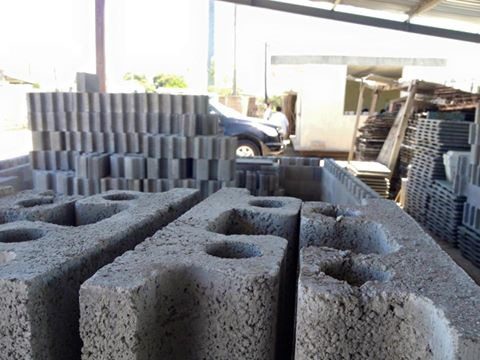
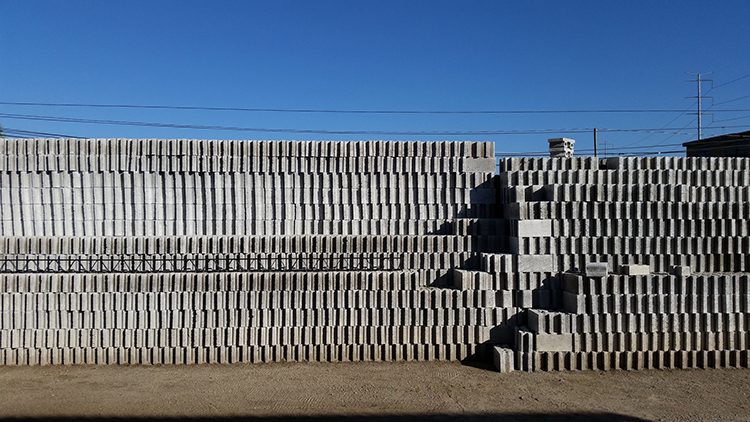
One of the new models developed within the industry is the new, low-construction system originated by Juan Manuel Reyes from Armados Omega and architect Jorge Capistrán. Their new system does not only reduces the construction process down by half of the usual time, but it also has a new form where it uses single module blocks that require no binders, mixtures or skilled labor during the construction process. The concrete blocks are manufactured using recycled materials and low-water consumption methods of production.
Courtesy of techBA
Block ARMO Company, developed by Armed Omega, was introduced in 2015 with a goal “to provide new construction systems to further contribute to Mexican society meeting the demand for decent housing.”
The innovative new model or system was initially adopted and used in 2009 for a project developed by the Ministry of Social Development (SEDESOL) where more than 300 homes were built in Sierra Negra, Puebla, according to Jorge Capistran.
Courtesy of techBA
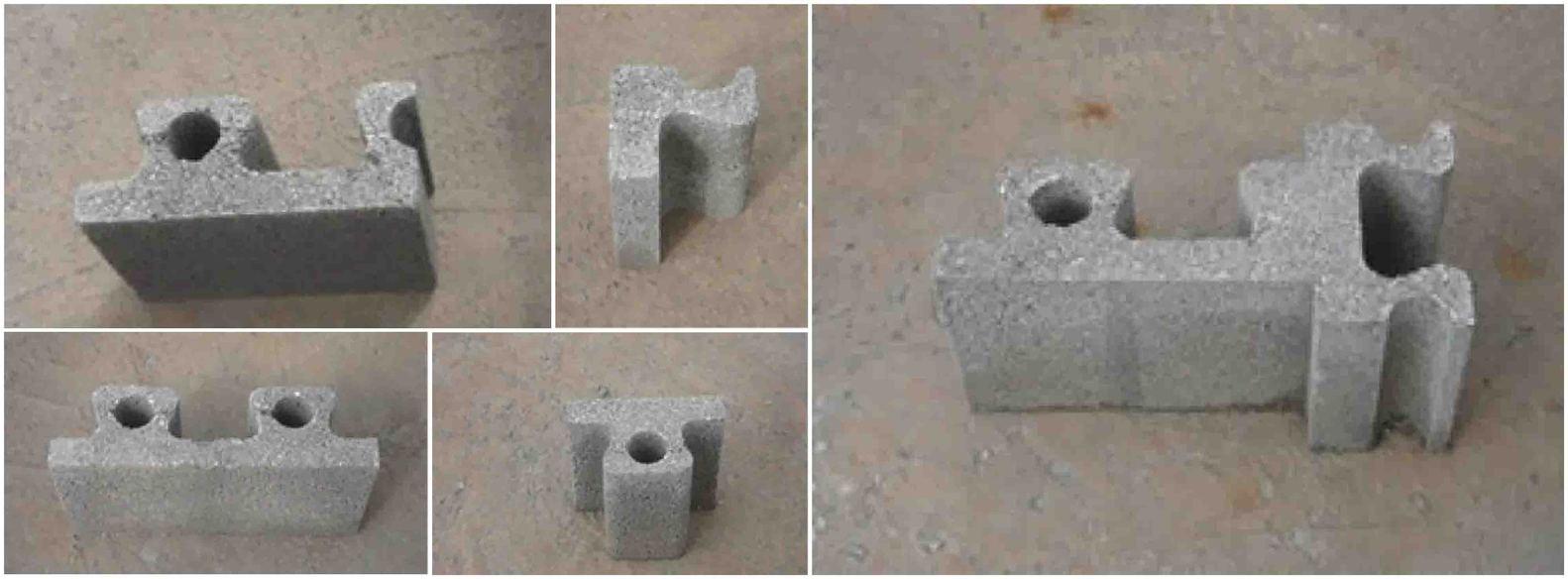
The self-built system assembly is similar to a puzzle with blocks module. Blocks that require no binders, mixtures or skilled labor. Armandos Omeha’s Juan Reyes explained that “the system consists of six pieces of self-assembly that are self-supporting. A metal rod is inserted every 80 centimeters, with no need for a special foundation, creating a structure where you can install pipes and wiring without any problems.”
Courtesy of ARMADOS OMEGA
“This construction method helps workers because they don’t need any extensive training to implement the system”, he added.

The Mexican company, which has a manufacturing plant in Cholula, Puebla, continues to add and develop new elements to their products such as decorative elements with different finishes, colors and textures. The team of developers intends to release new self-building systems at different scales and functions.

Isabelle Laurent is a Built Projects Editor at Arch2O, recognized for her editorial insight and passion for contemporary architecture. She holds a Master’s in Architectural Theory from École Nationale Supérieure d’Architecture de Paris-Belleville. Before joining Arch2O in 2016, she worked in a Paris-based architectural office and taught as a faculty adjunct at the École Spéciale d’Architecture in Paris. Isabelle focuses on curating projects around sustainability, adaptive reuse, and urban resilience. With a background in design and communication, she brings clarity to complex ideas and plays a key role in shaping Arch2O’s editorial