


Le Mouvement De l’air
Artists from every period in time try to employ the latest and most advanced techniques and technology that are available to them at that phase. In order to create art that is relevant as well as inspiring, artists today are using advanced computing techniques and in turn redefining the “stage” as well as the” artists canvas”. Claire Bardaine and Adrien Mondot are one such group of artists who have been exploring the vast realm of virtual art merging with traditional art forms.
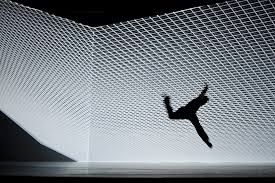
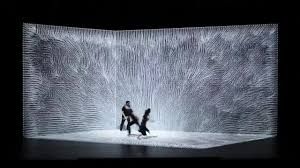
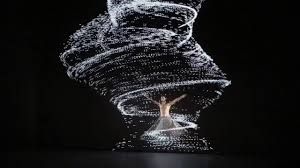
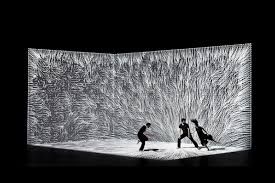
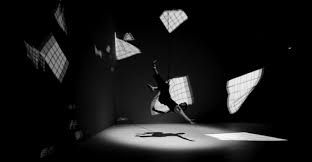
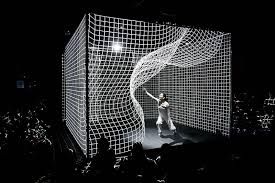
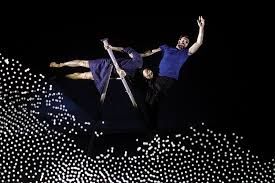
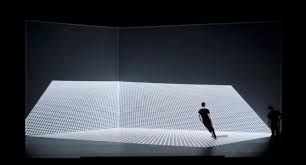
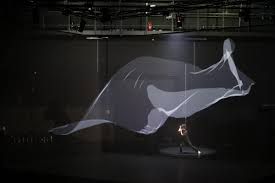
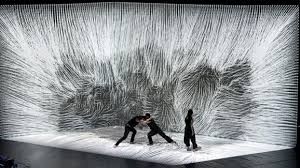
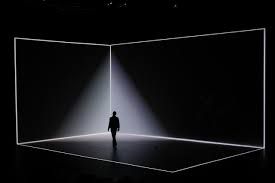
The Romaeuropa festival this year features their show called ‘Le mouvement de l’air’ or the Movement of Air. The performance employs a set that is a basically the physical rendition of a virtual environment that Adrien and Claire have themselves developed. The performers interact with this digital environment in turn creating an exquisite and rhythmical display of song, dance and computer generated graphics.
The artist celebrates the human form by allowing the virtual environment to build upon the movements of the performers, and in turn to create fluidic and transcendent displays of light and colors. The aerial dance, synchronized with the digital effects takes the audience into another dimension and instills a sense of curiosity and awe.
The work of these two revolutionary artists is uniquely inspiring and has all the potential to redefine live performances as we know them.

Ibrahim Abdelhady is an architect, academic, and media entrepreneur with over two decades of experience in architecture and digital publishing. He is the Founder and CEO of Arch2O.com, a leading platform in architectural media, renowned for showcasing innovative projects, student work, and critical discourse in design. Holding dual PhDs in Architecture, Dr. Abdelhady combines academic rigor with industry insight, shaping both future architects and architectural thought. He actively teaches, conducts research, and contributes to the global architecture community through his writing, lectures, and media ventures. His work bridges the gap between practice and academia, pushing the boundaries of how architecture is communicated in the digital age.