

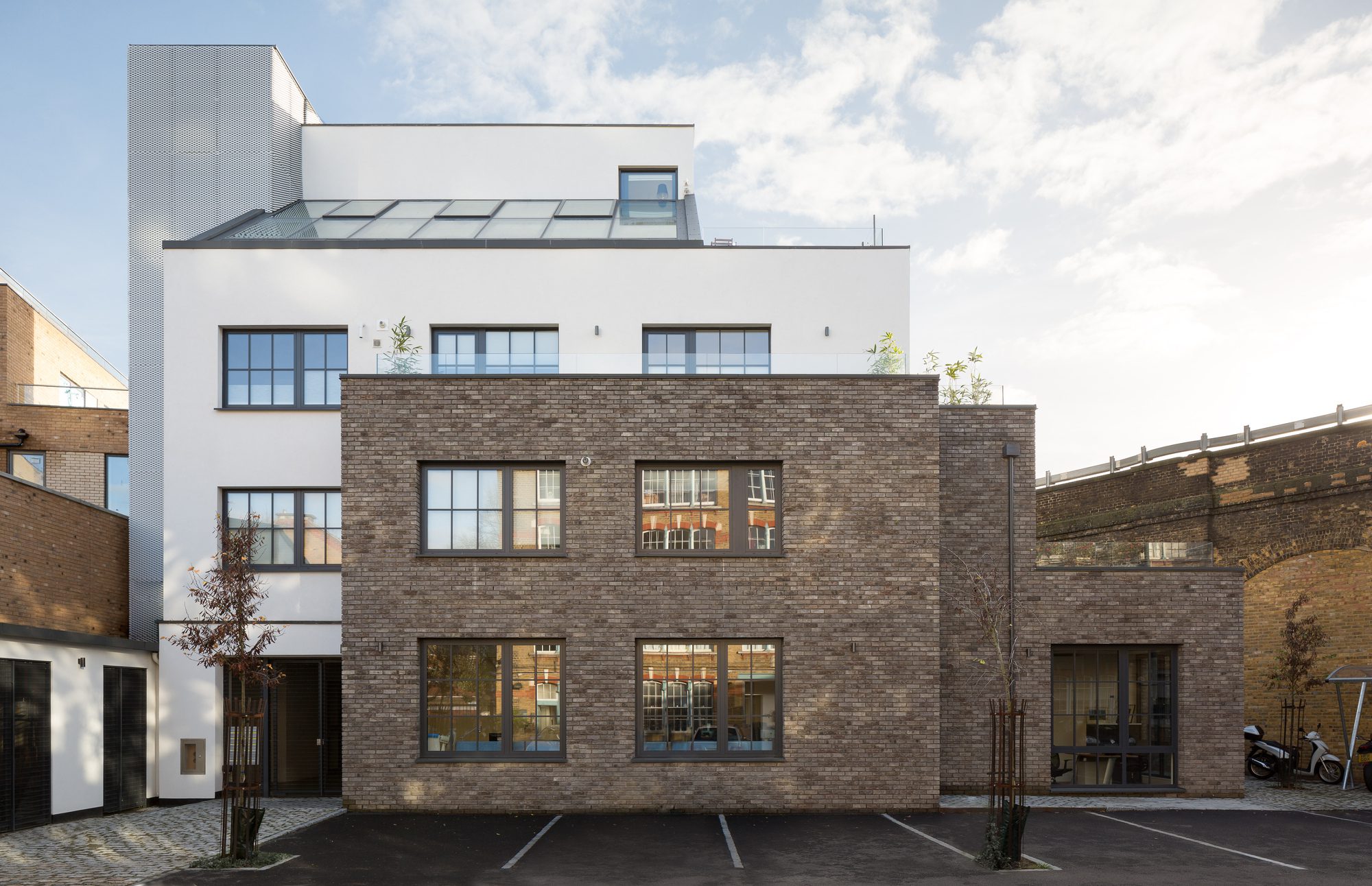
The development, Koops Mill, successfully resolves the complex historic and industrial context in the heart of the Capital. The ‘brownfield’ development is a template for successful urban design at a time of acute housing shortage. The building provides innovative high quality contemporary accommodation of excellent value for money within a competitive market place.
© Adam Scott
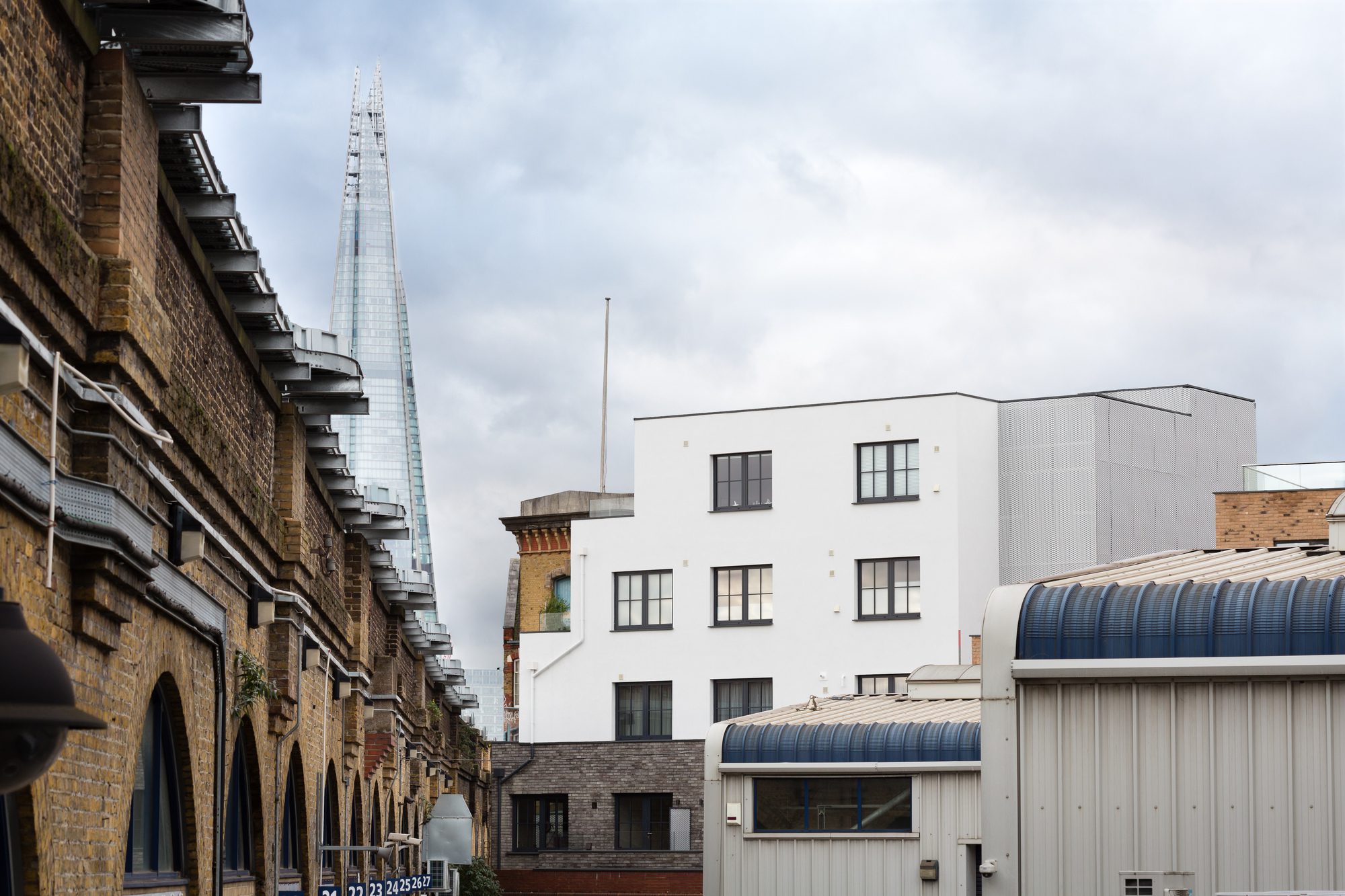
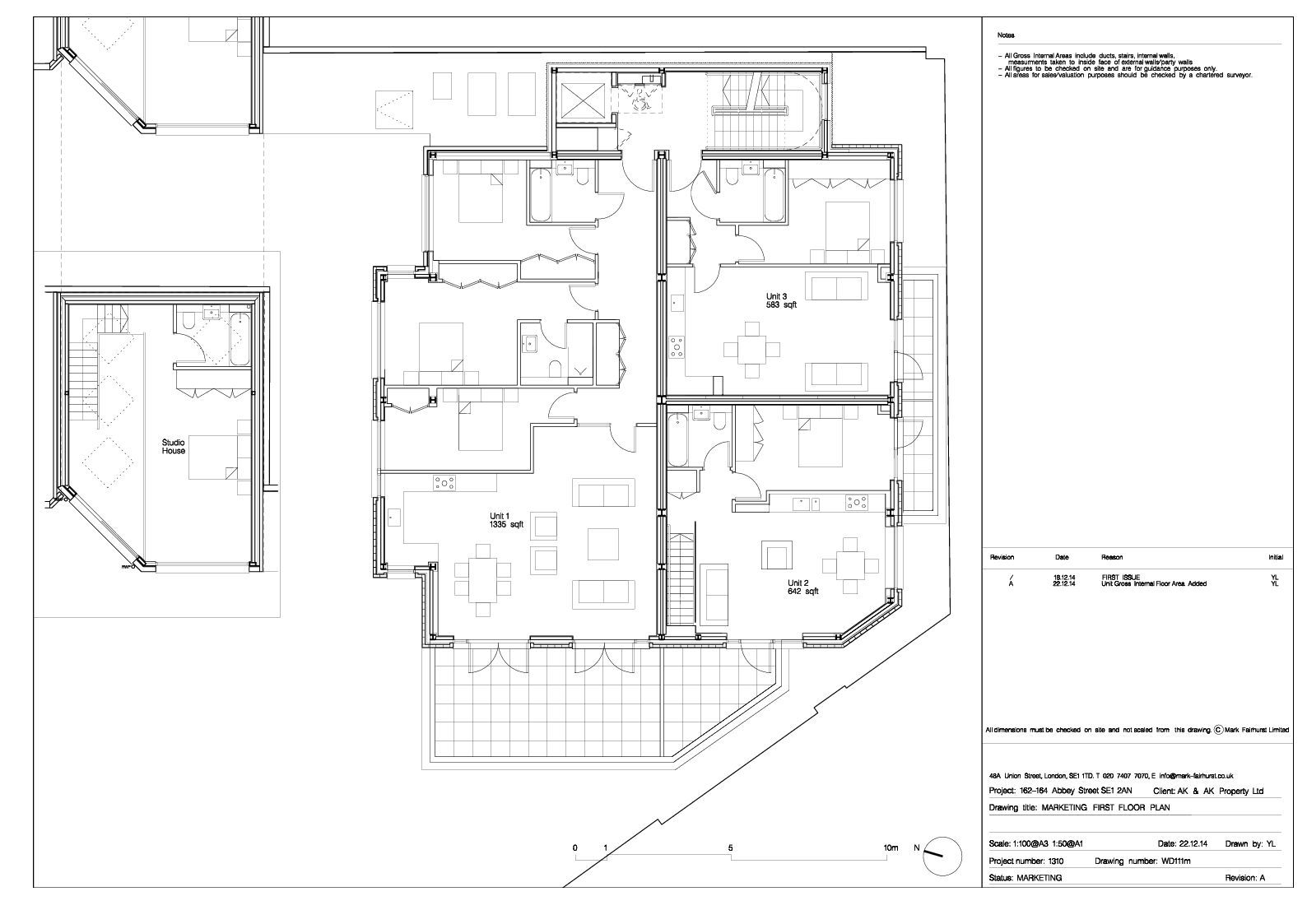
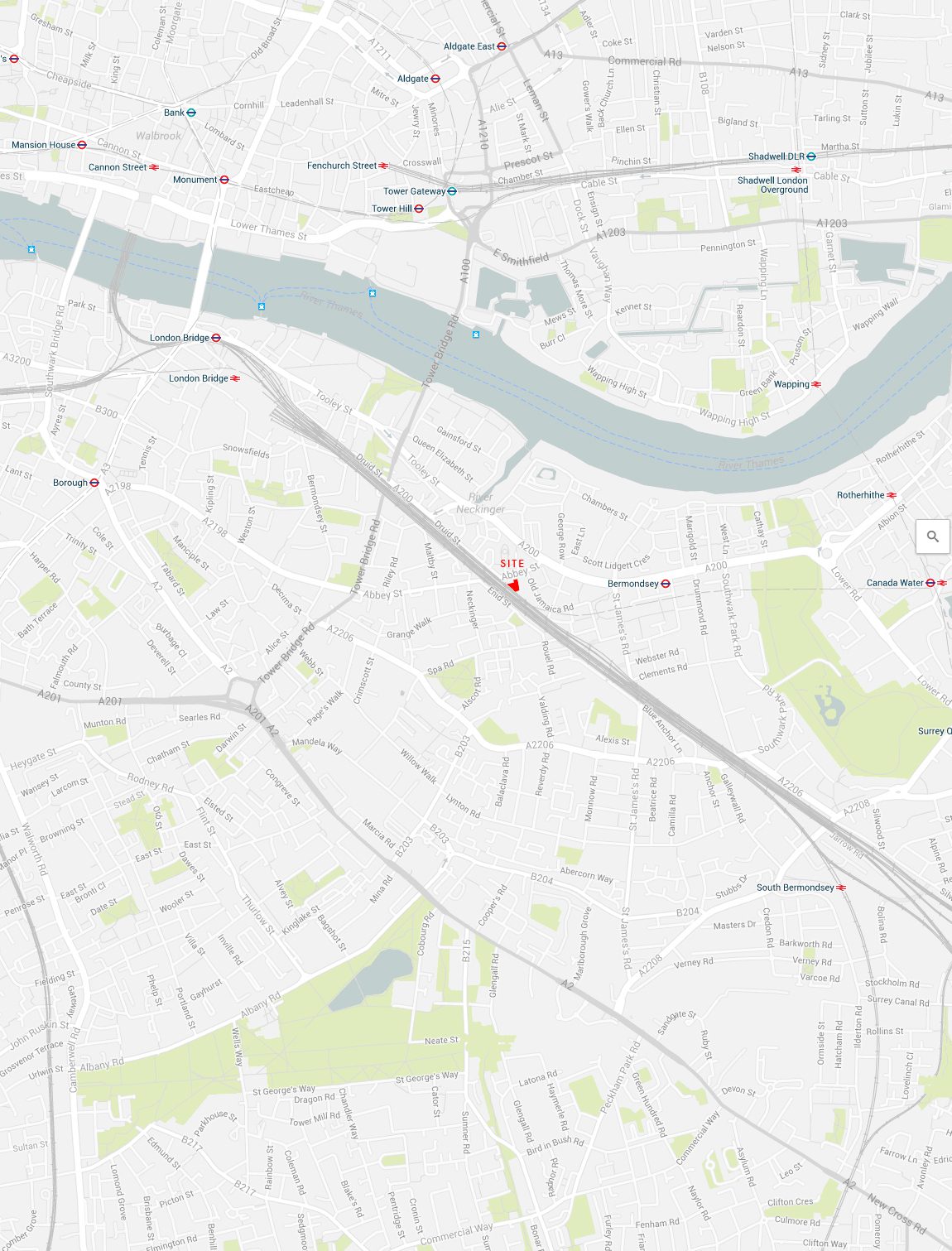
A mixed use development comprising two ground floor commercial units totalling 2,475 sq/ft, two 1-bed, three 2-bed, two 3-bed residential flats and a standalone studio house. The ‘brownfield’ development is located to the rear of Neckinger Mills at 162-164 Abbey Street. The site is within 10 minute walk to Bermondsey Station and the Design Museum on the river front, and walking distance to London Bridge and Borough Market.
© Adam Scott
The project is built within the curtilage of the Grade II Listed 19th Century former tannery mill. The building represents the last surviving Victorian mill building in Bermondsey following the Blitz. Victorian tanning pits were originally located to the rear of the mill adjacent to the Greenwich railway viaduct and later developed with a mid-20th Century prefabricated ‘Atcost’ shed used as a commercial workshop, which fell into disrepair. The former warehouse was converted in the early 1980’s into some of the first warehouse ‘loft’ apartments in London providing large open plan living spaces within an existing industrial building along with studio accommodation where Mark Fairhurst Architects was first established. In 1994 the Jubilee Extension Underground line was constructed 26 metres directly under the site which along with the heavily used railway viaduct, into London Bridge, created a significant design challenge.
© Acorn Estate Agent
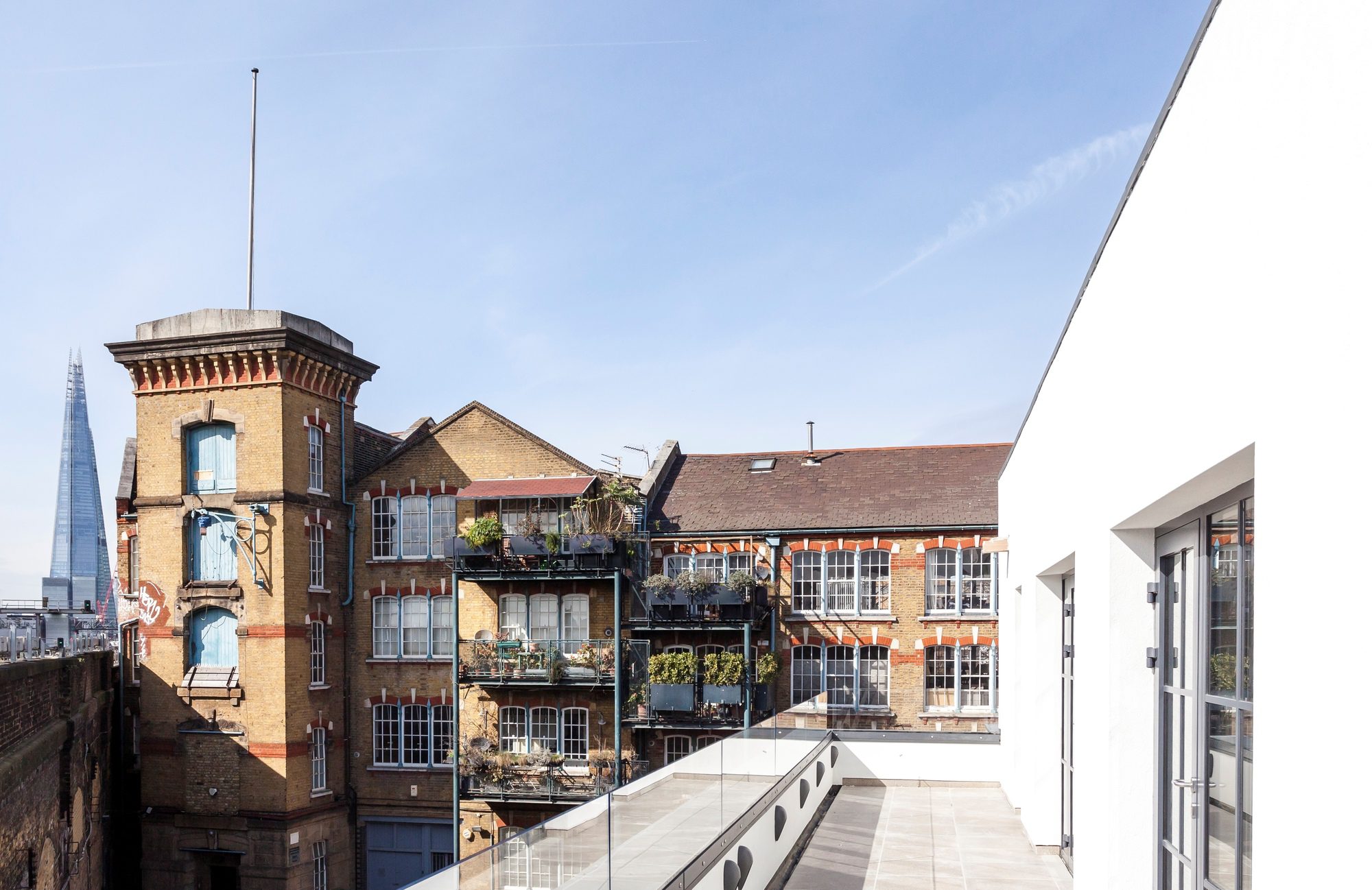
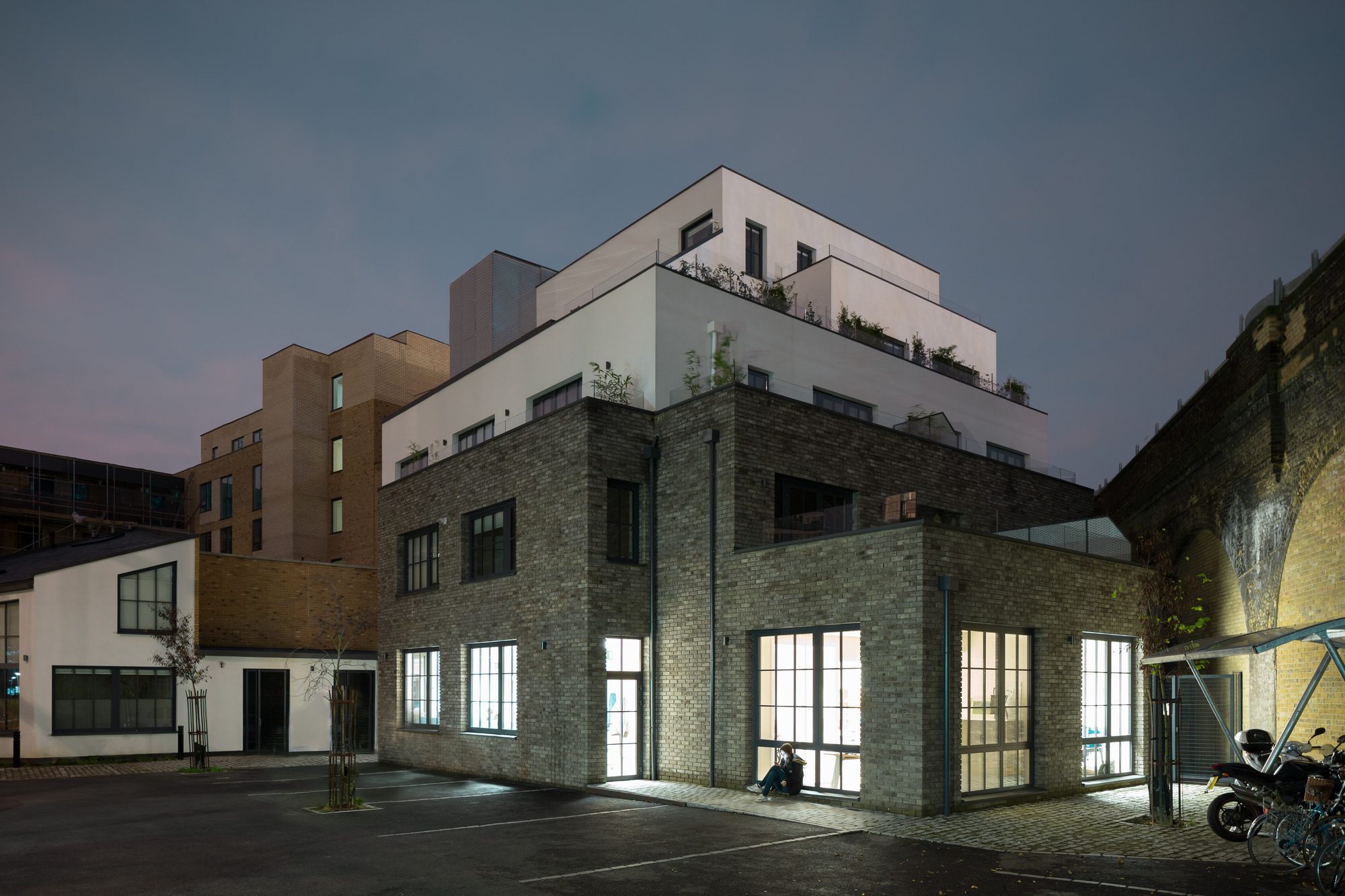
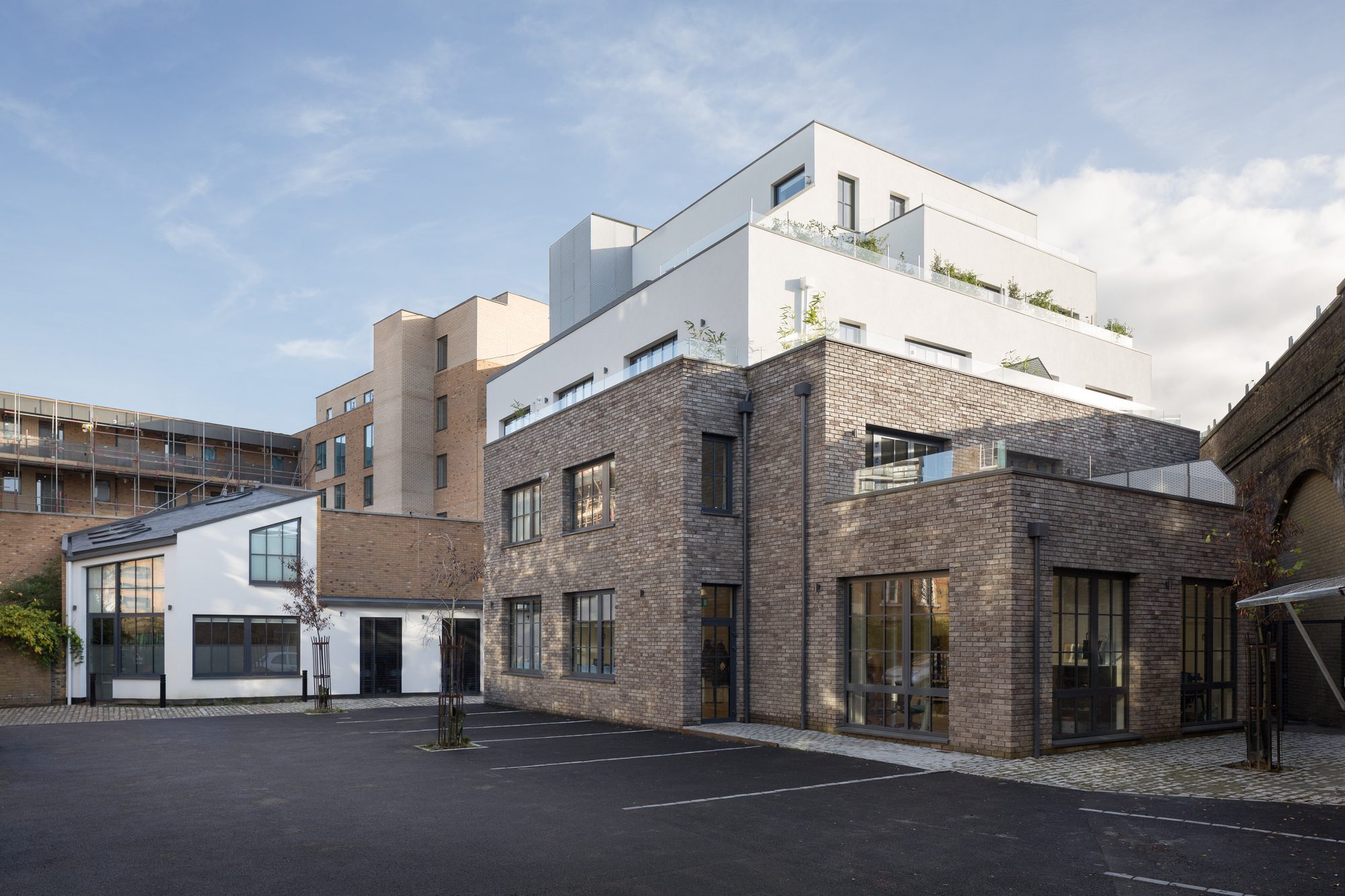
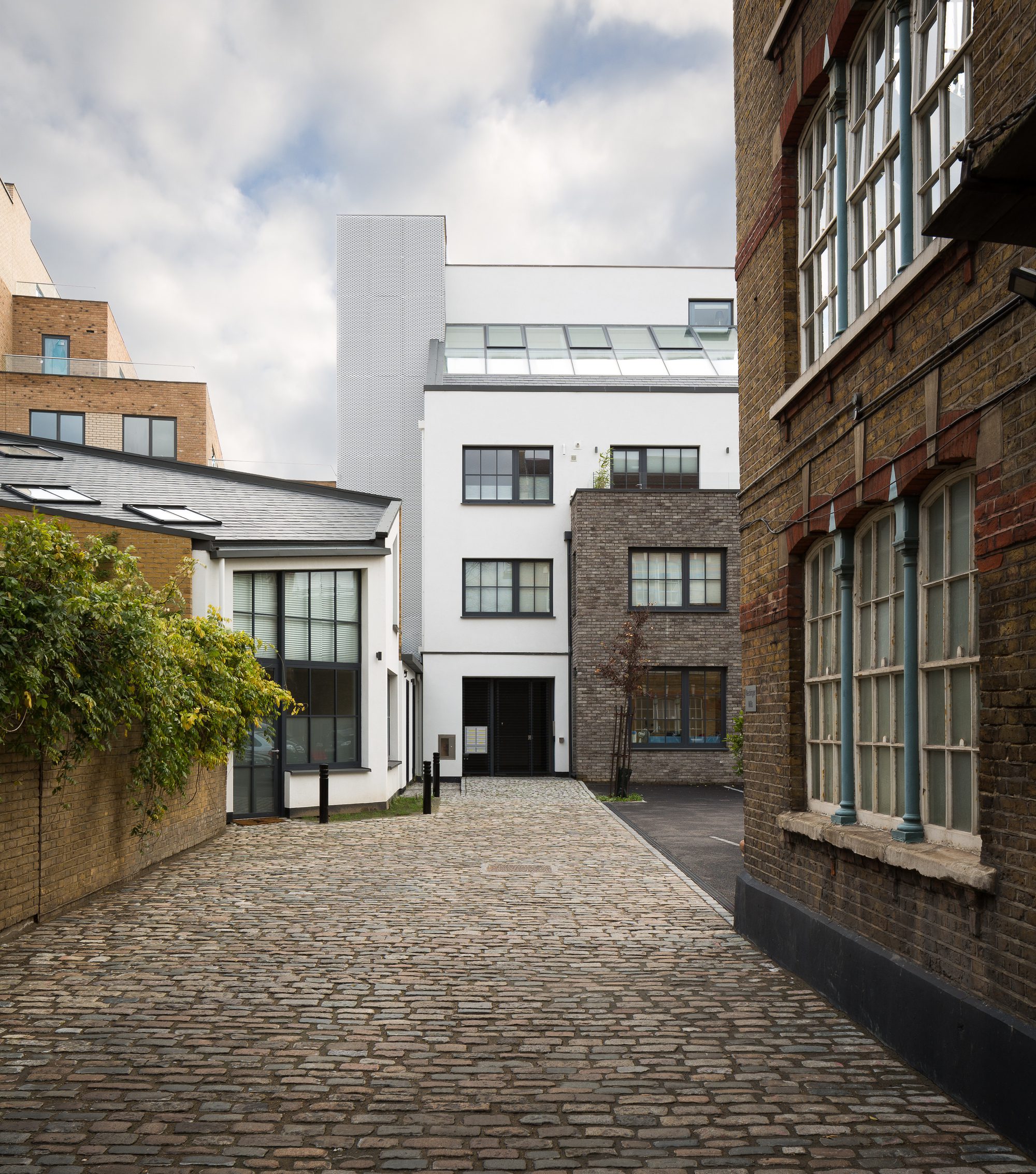
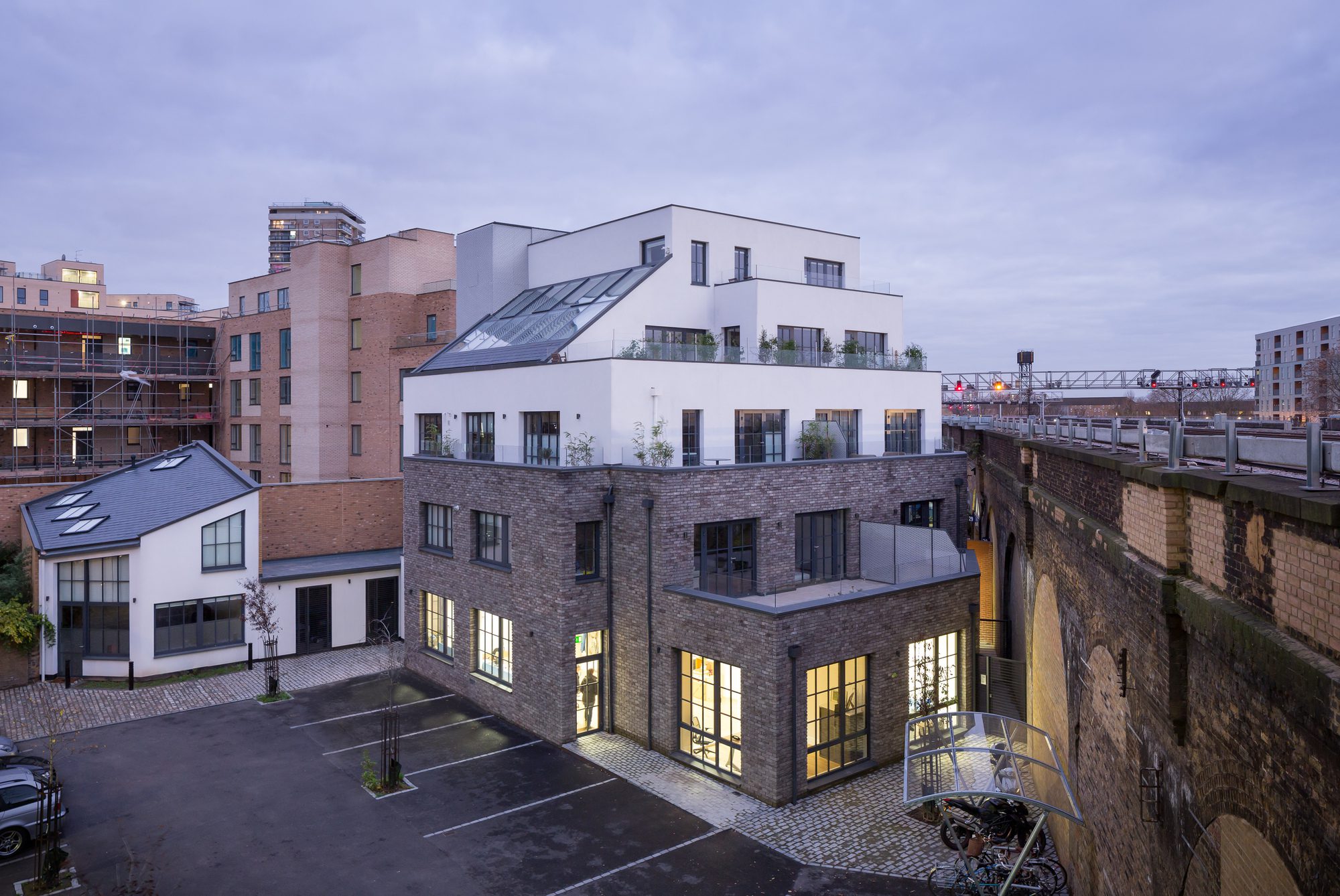
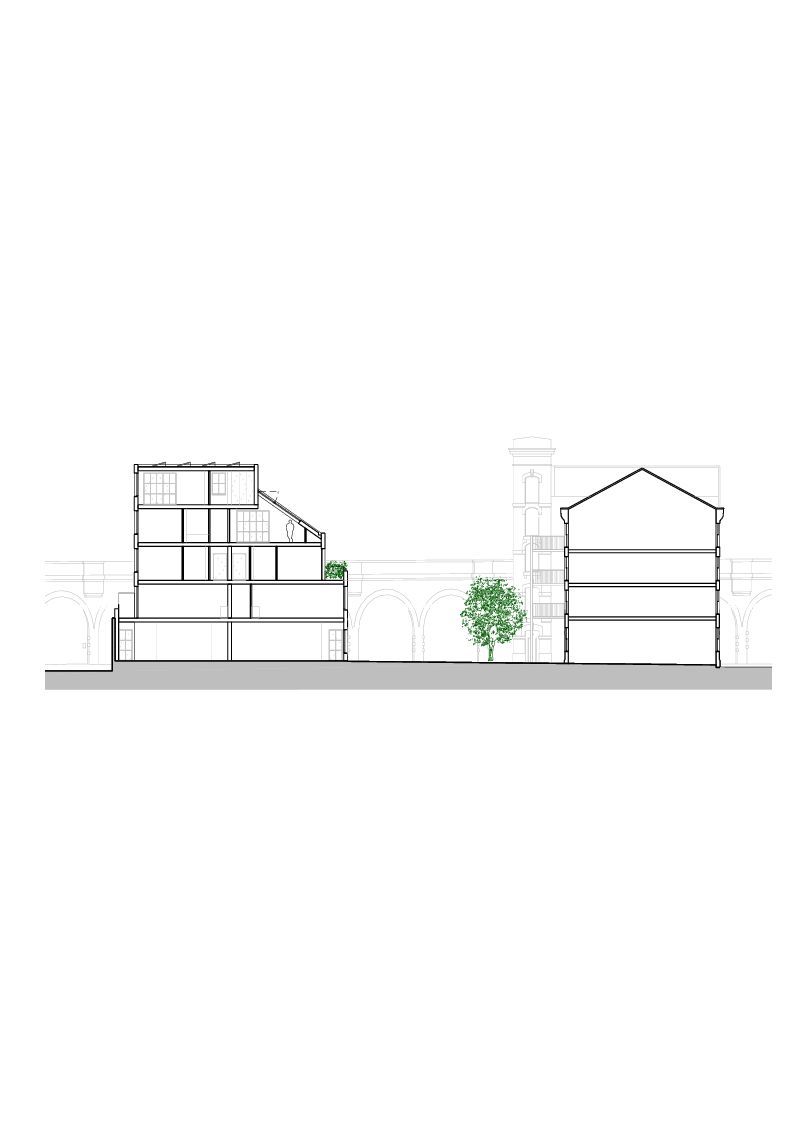
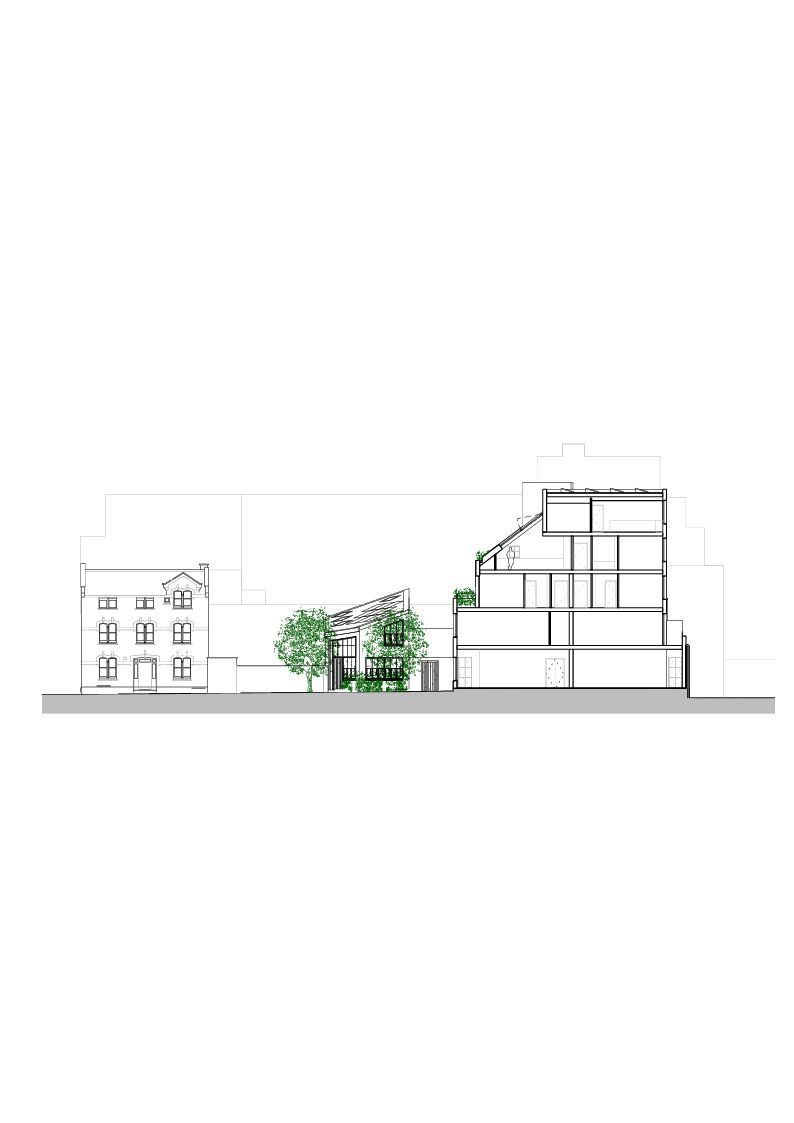
The building is approached via a gated courtyard, paved with recycled cobbles, providing communal access and parking to the building and existing development. The massing is stepped backed at each ascending floor creating private landscaped terraces for the apartments reducing the visual impact on the existing tenants.
Courtesy of Mark Fairhurst Architects
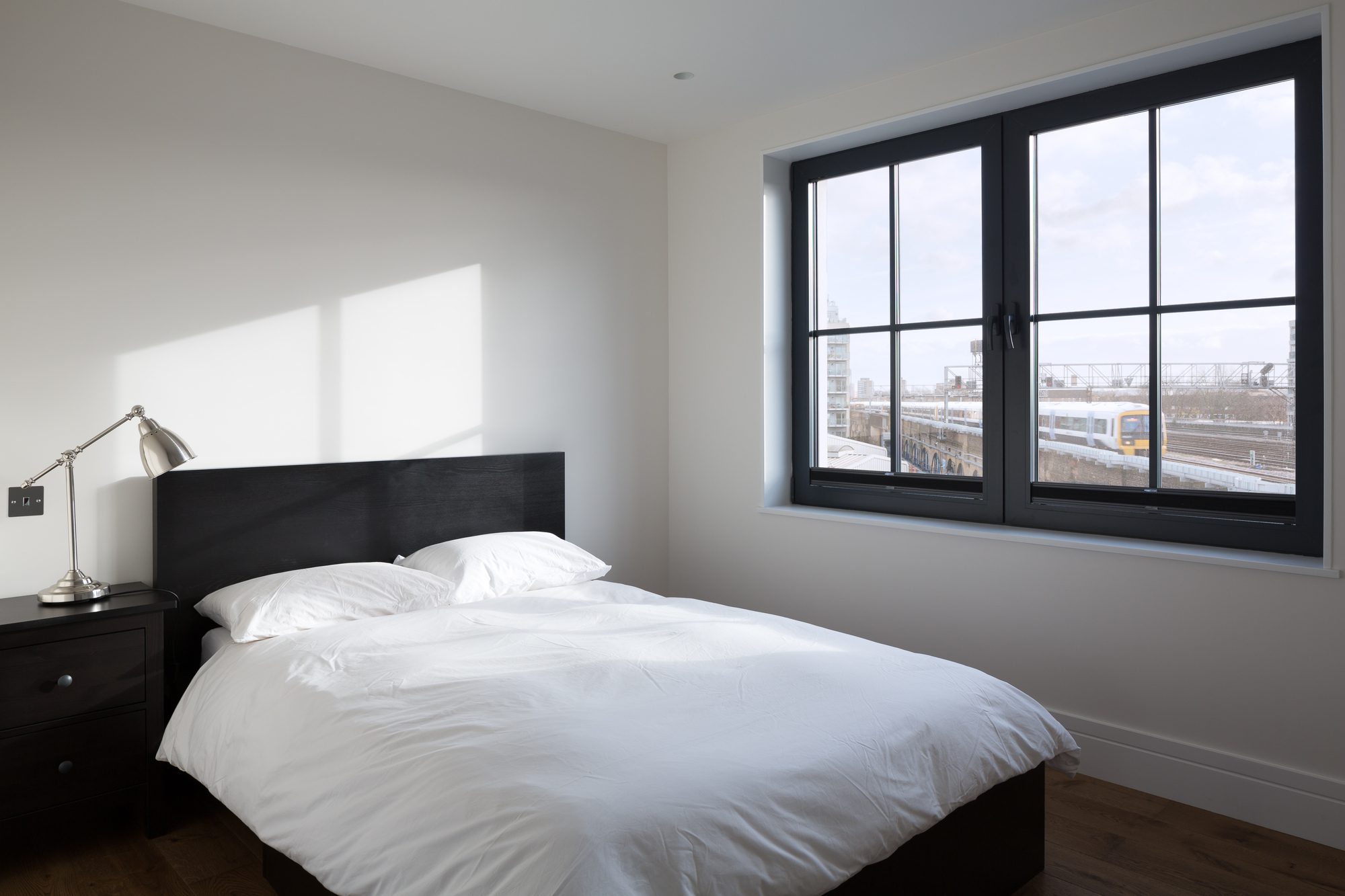
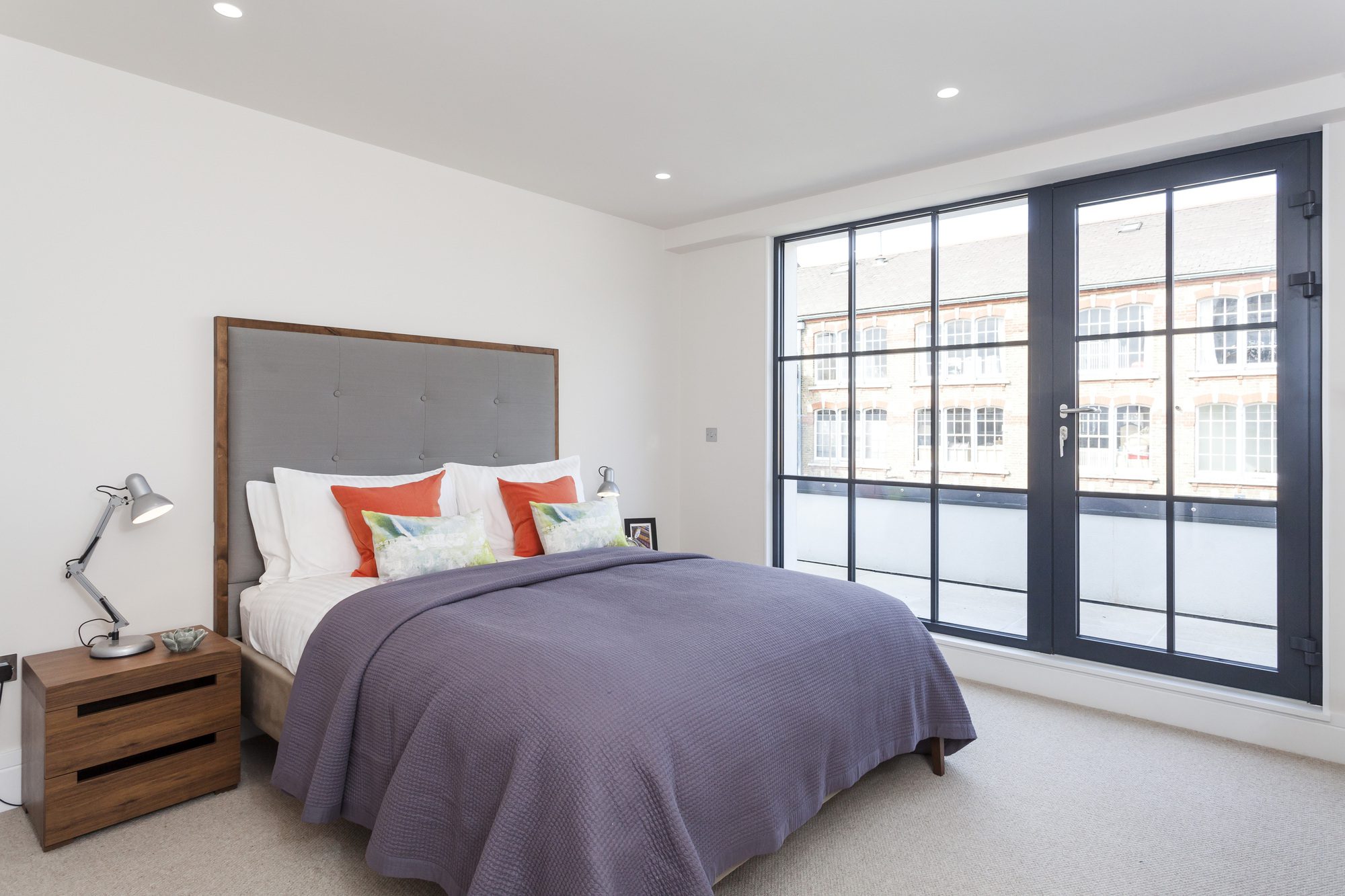
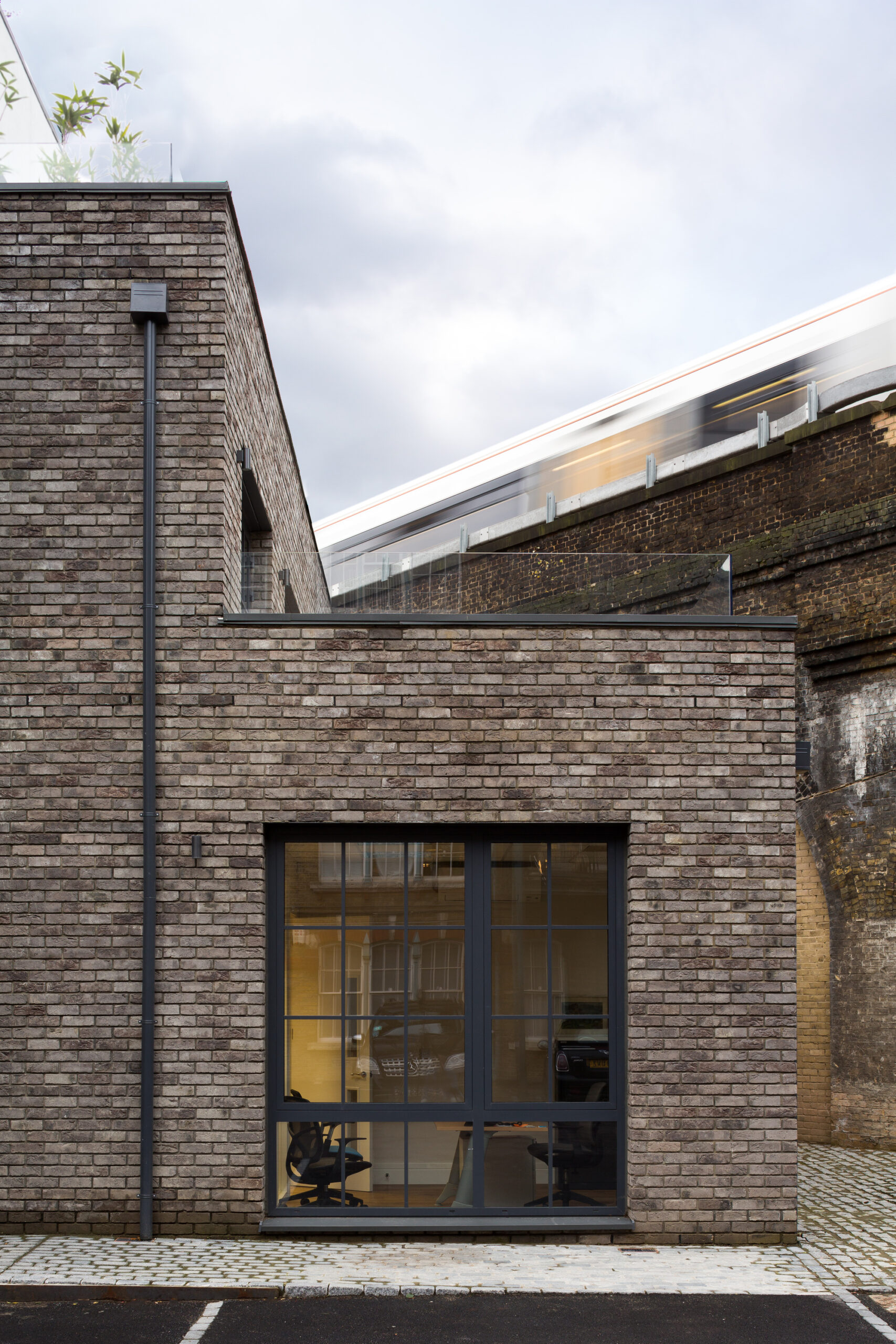
The large double glazed aluminium windows, with subdivisions, mirror the existing cast iron Victorian warehouse windows; structural glass balustrades, rustic dark grey bricks, render and aluminium mesh cladding accentuate the new massing.

© Adam Scott
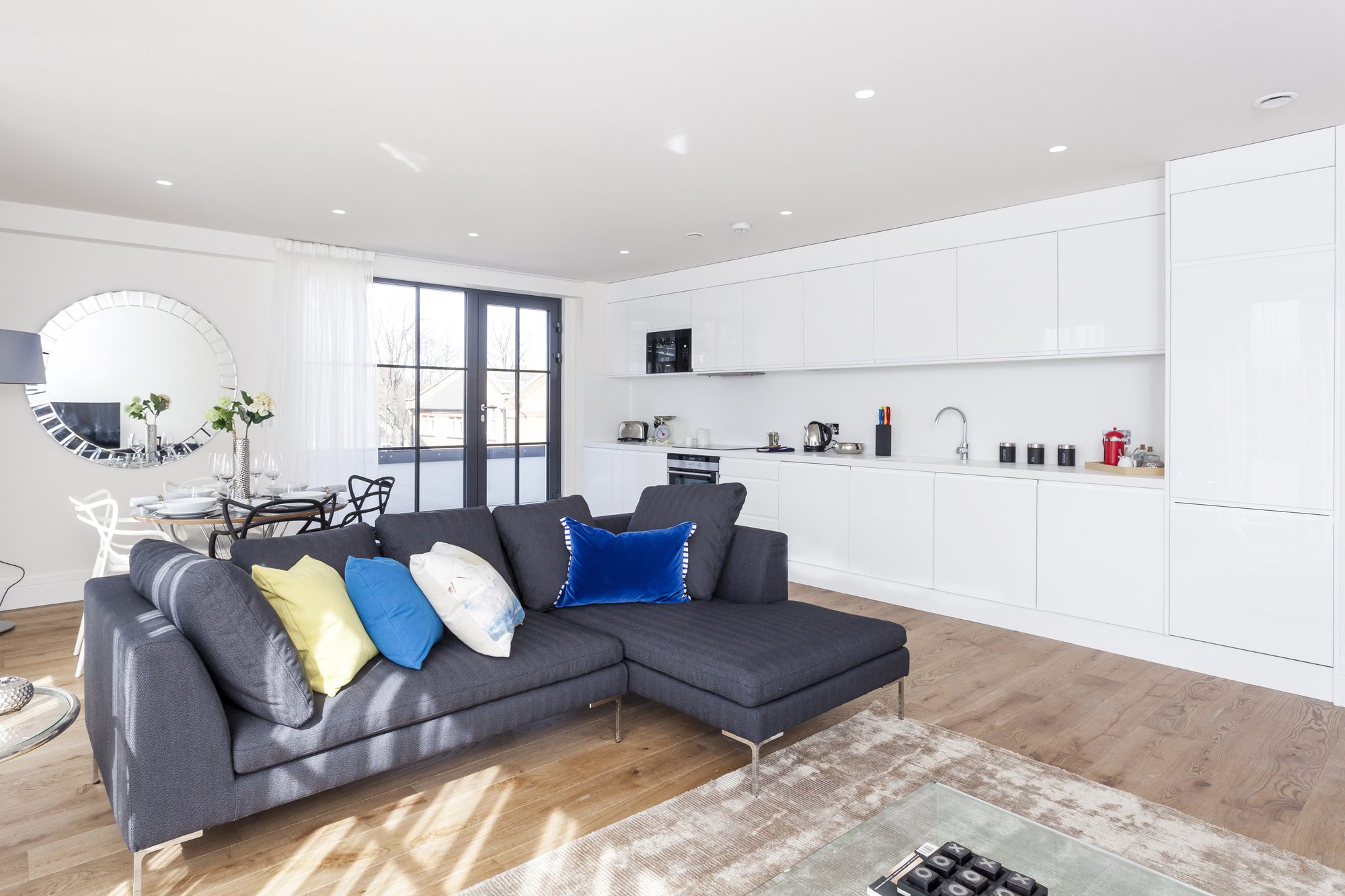
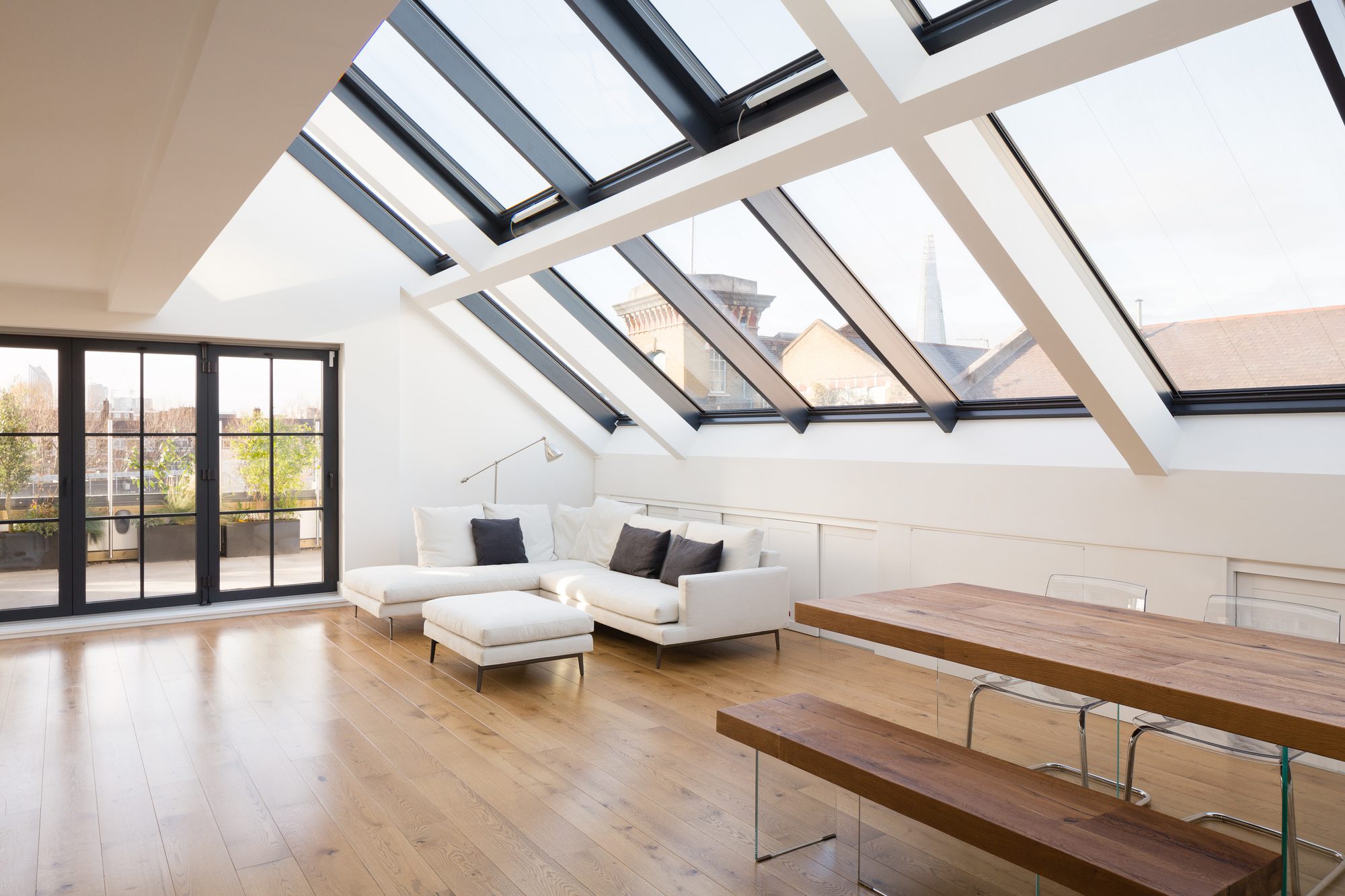
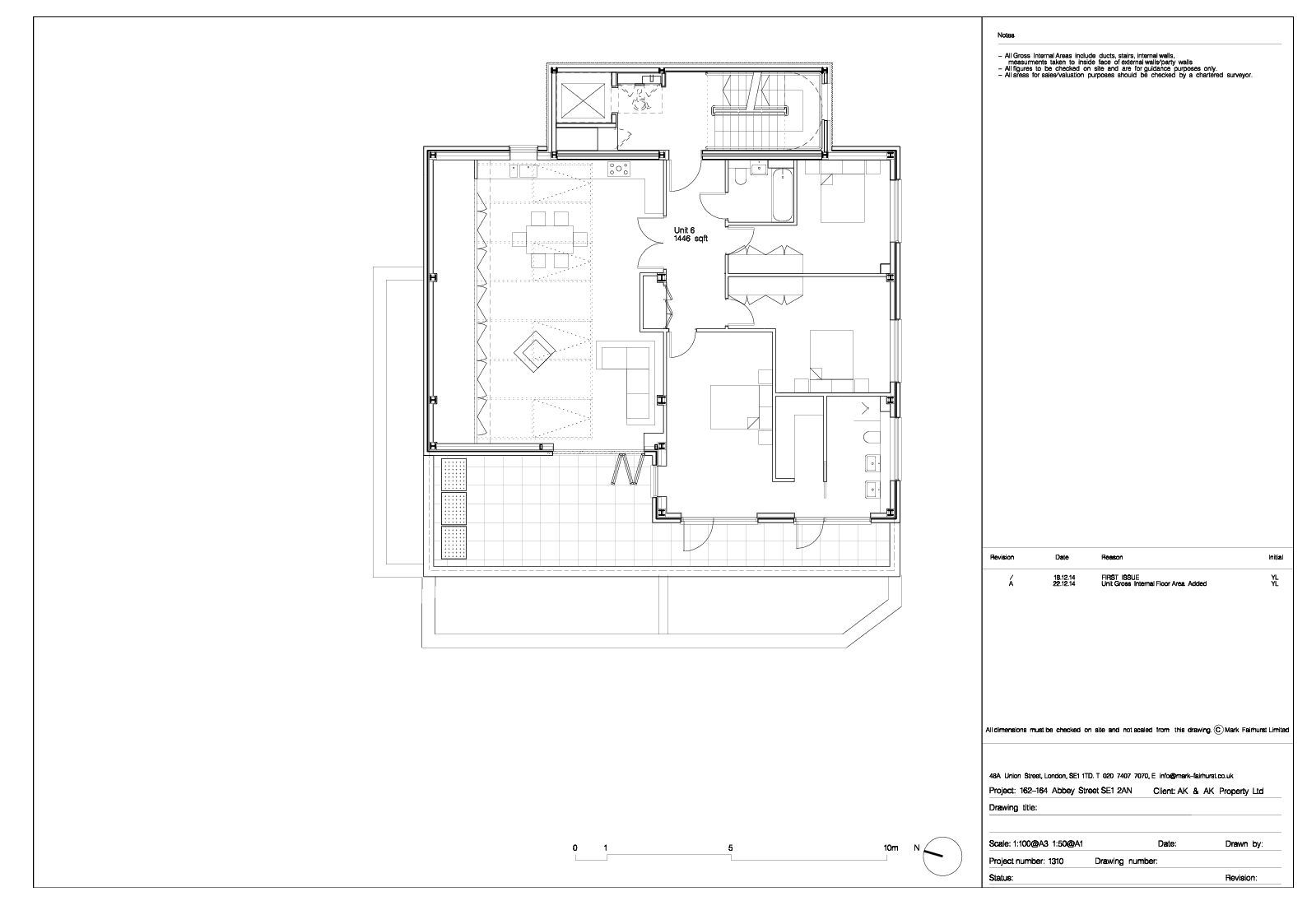
To complement the scale of the existing warehouse apartments the client was keen to provide generous sized units to maintain the character and quality of the existing development. The project features a 3-bedroom penthouse on the third floor with an atelier scaled north facing glazed sloped roof over the living space offering an uncompromising amount of natural daylight and exceptional view to the Shard.

© Adam Scott
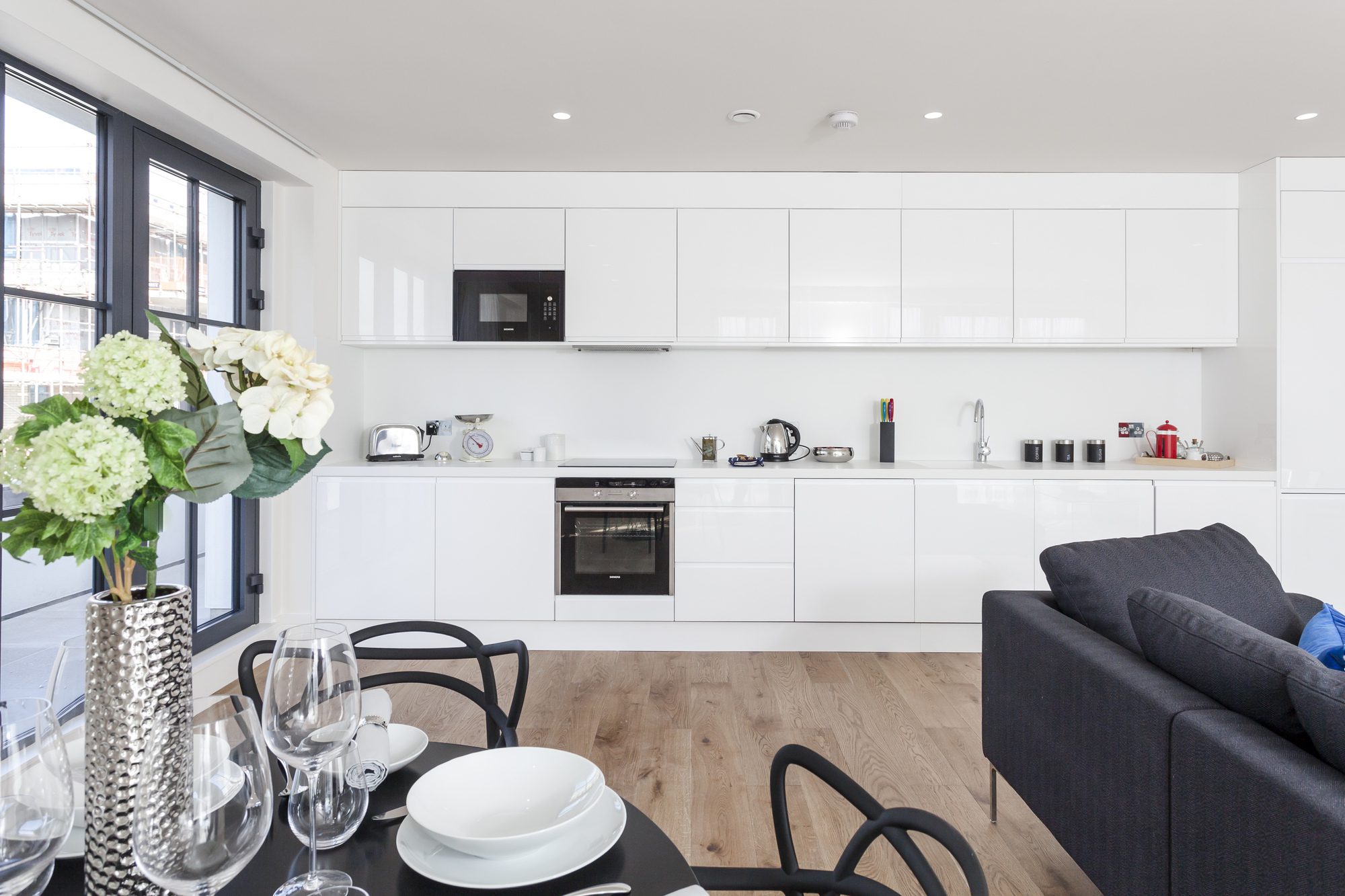
The building was constructed from a steel framed structure with precast concrete hollow-core floor planks and an in-situ composite reinforced concrete topping to reduce the building weight and temporary support during the construction. A reinforced concrete deep strip foundation bears into gravel designed to minimise the bearing stress on the underground tube line directly below the site.
© Acorn Estate Agent
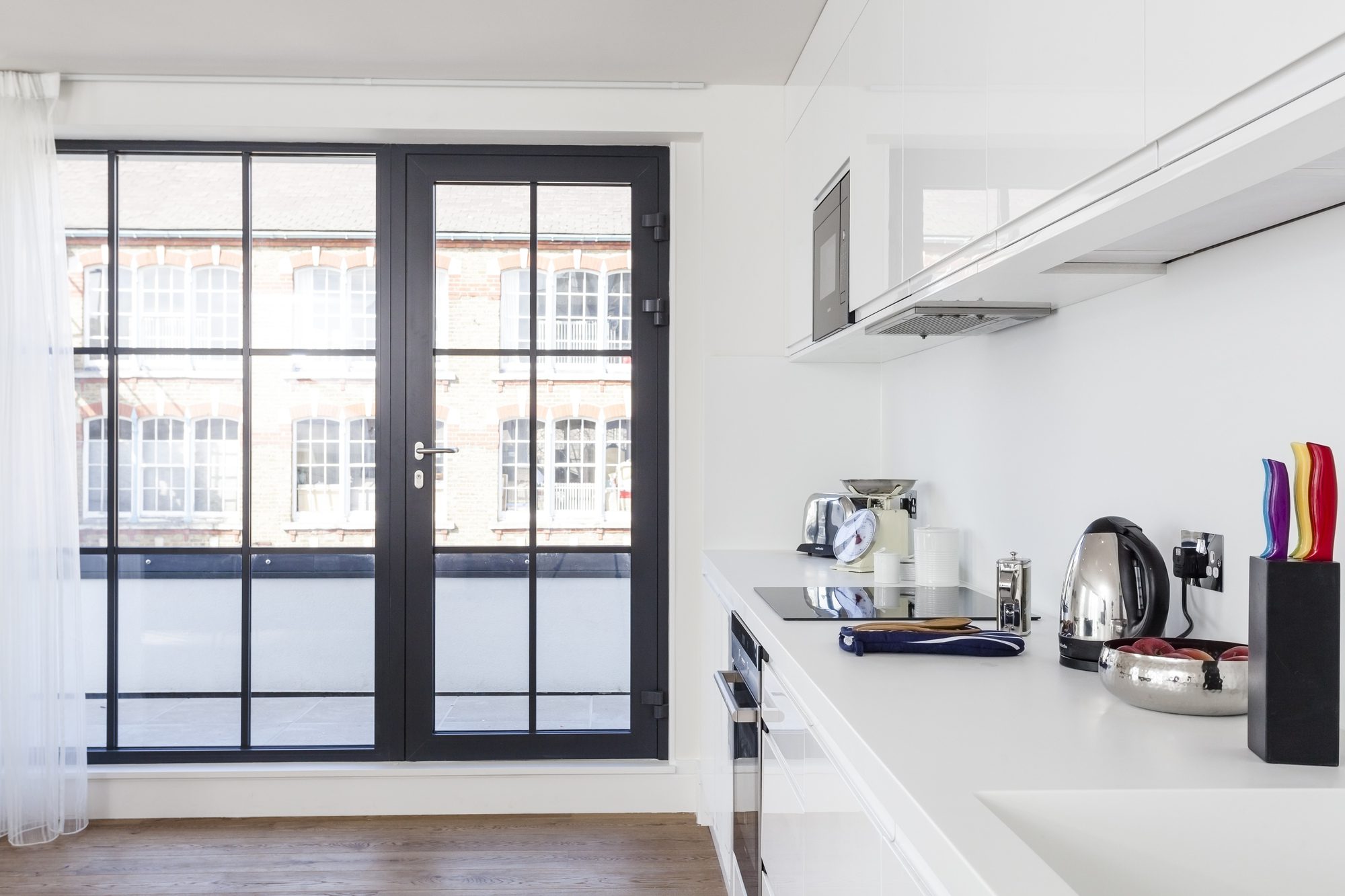
The foundation strips have been cut short with a cantilevered reinforced concrete slab arrangement along the western elevation facing the railway viaduct to prevent undermining the historic viaduct foundation. A brick cavity wall has been used at the ground and first floor to maintain the acoustic integrity of the flank details while a light gauge galvanised steel framing system supporting the insulated render finish has been used to the upper floors to reduce the dead load onto the steel beams as the massing cascades inwards.
© Adam Scott
The residential units have achieved Code for Sustainable Homes Level 4 rating and EPC A or B ratings while the ground floor office unit has achieved the BREEAM ‘Excellent’ rating. 13 enclosed residential bicycle storage spaces and 4 secured commercial bicycle storage spaces are provided on site to encourage cycling. The building is substantially thermally insulated and has windows and cladding systems with high thermal and acoustics performance. A mechanical heat recovery ventilation system is standard to all apartments maintaining energy efficiency as well as acoustic protection to the occupiers.
Project Info
Architects: Mark Fairhurst Architects
Country: United Kingdom, London
Area: 7188 ft²
Year: 2015
Photographs: Acorn Estate Agent
Developer/ Contractor: Kuropatwa Limited
Concept Architect On The Initial Planning Scheme: Chassay Studio
M&E Engineers: Dee Environmental Solutions Limited
Cdm Coordinator: GKR Associates
Party Wall Surveyor: GKR Associates
Residential Area: 7,771 ft2
Commercial Area: 2,465 ft2
Landowner Client: Obenshaw Ltd
Developer & Contractor: Kuropatwa Limited



Isabelle Laurent is a Built Projects Editor at Arch2O, recognized for her editorial insight and passion for contemporary architecture. She holds a Master’s in Architectural Theory from École Nationale Supérieure d’Architecture de Paris-Belleville. Before joining Arch2O in 2016, she worked in a Paris-based architectural office and taught as a faculty adjunct at the École Spéciale d’Architecture in Paris. Isabelle focuses on curating projects around sustainability, adaptive reuse, and urban resilience. With a background in design and communication, she brings clarity to complex ideas and plays a key role in shaping Arch2O’s editorial