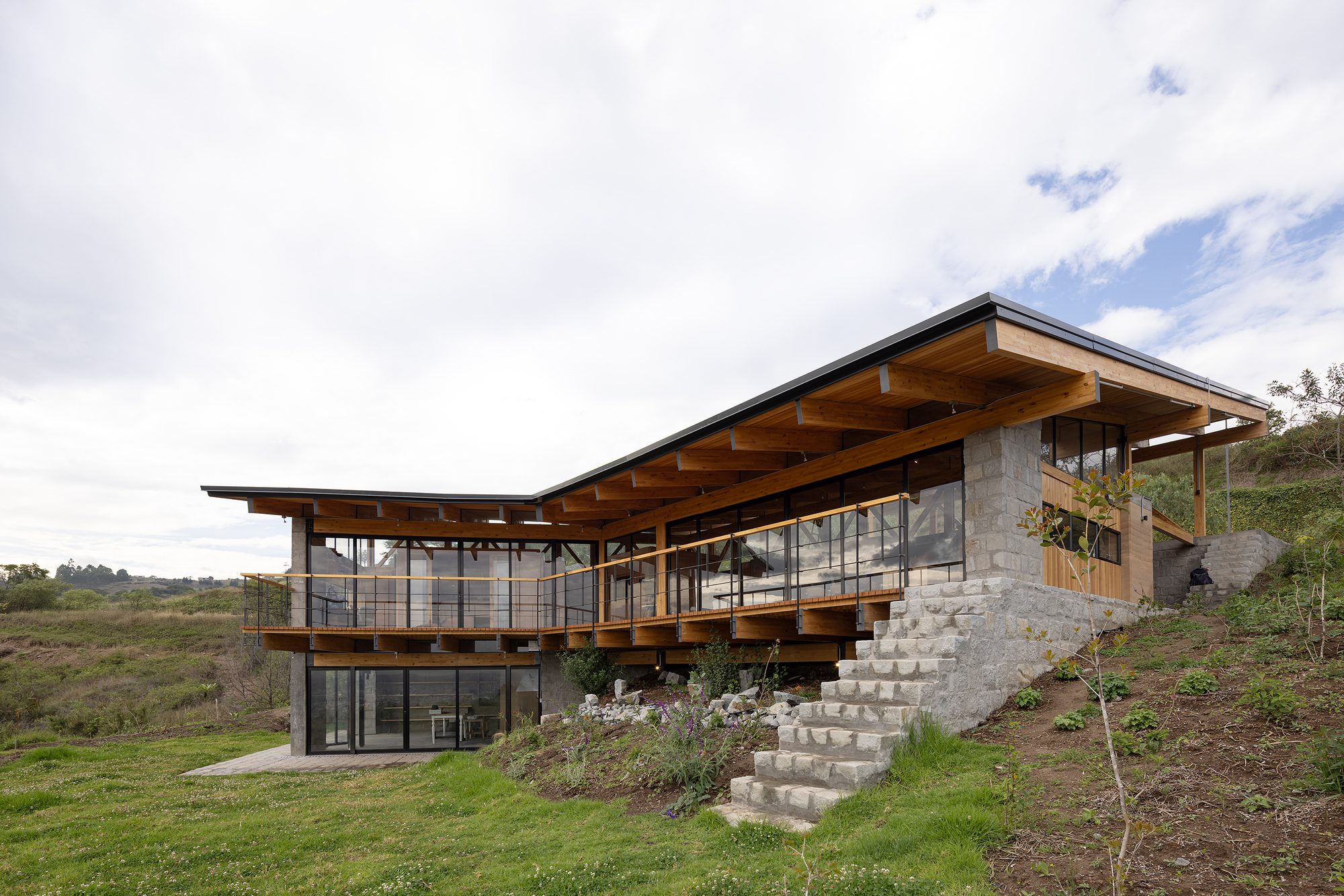
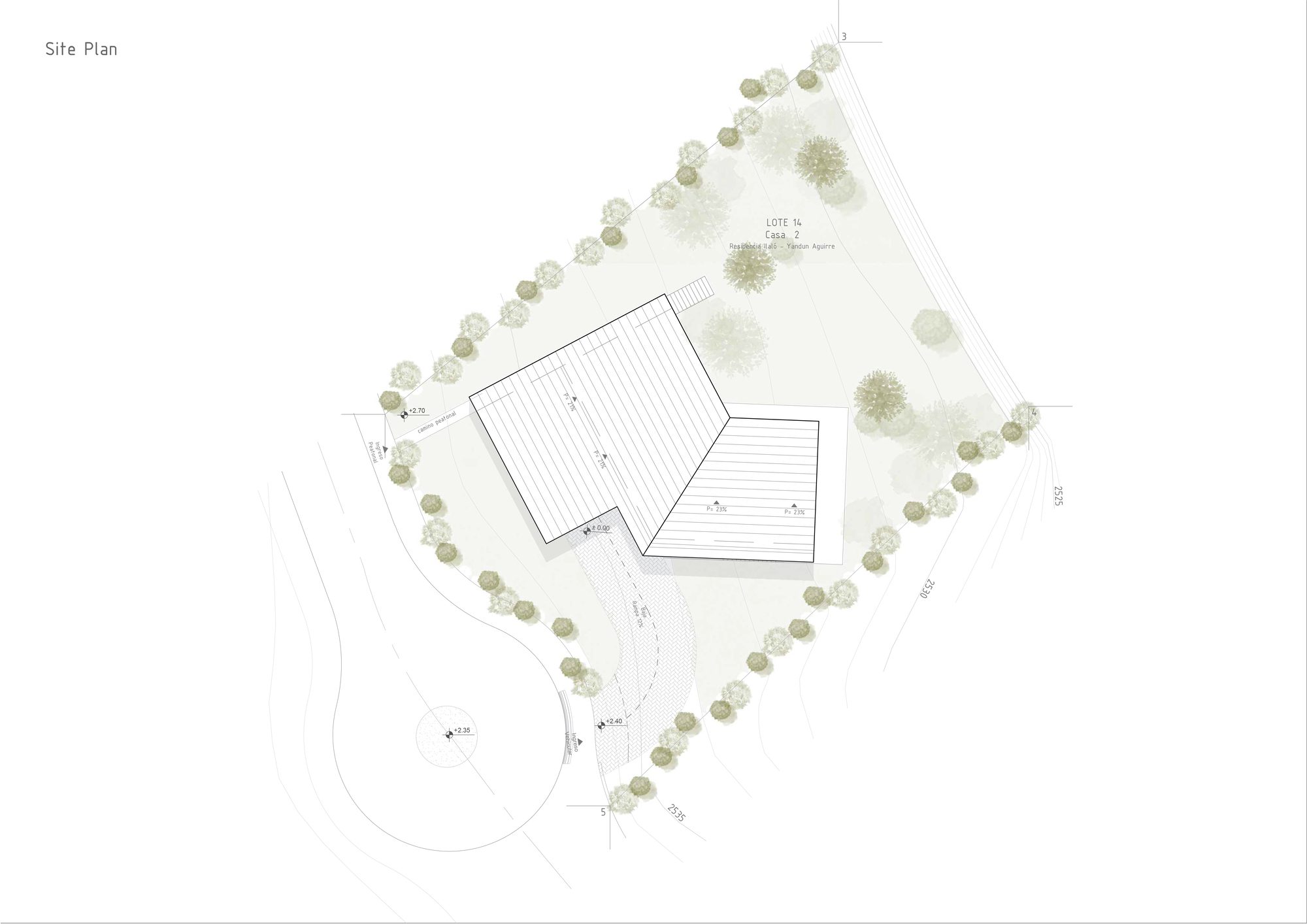
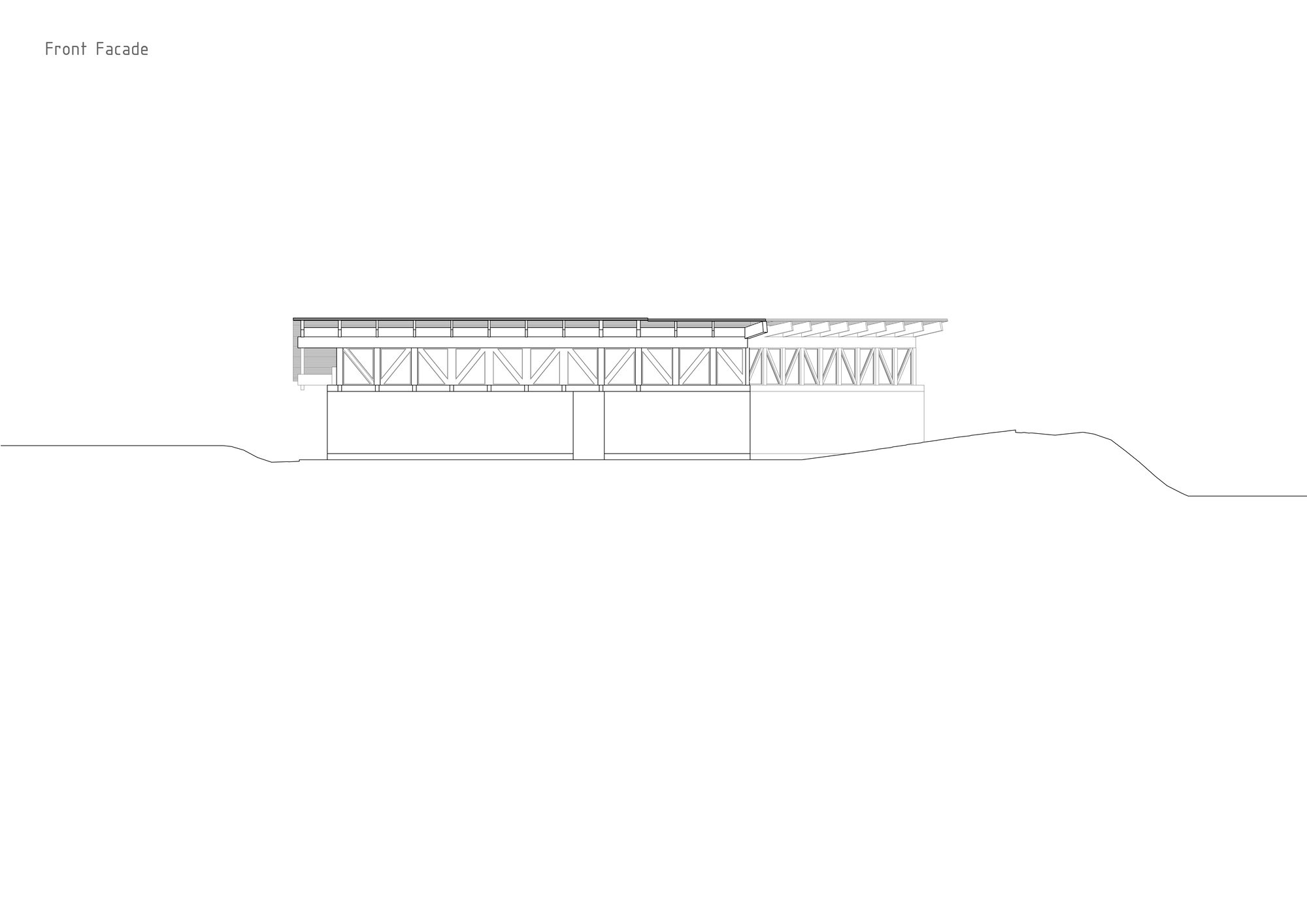
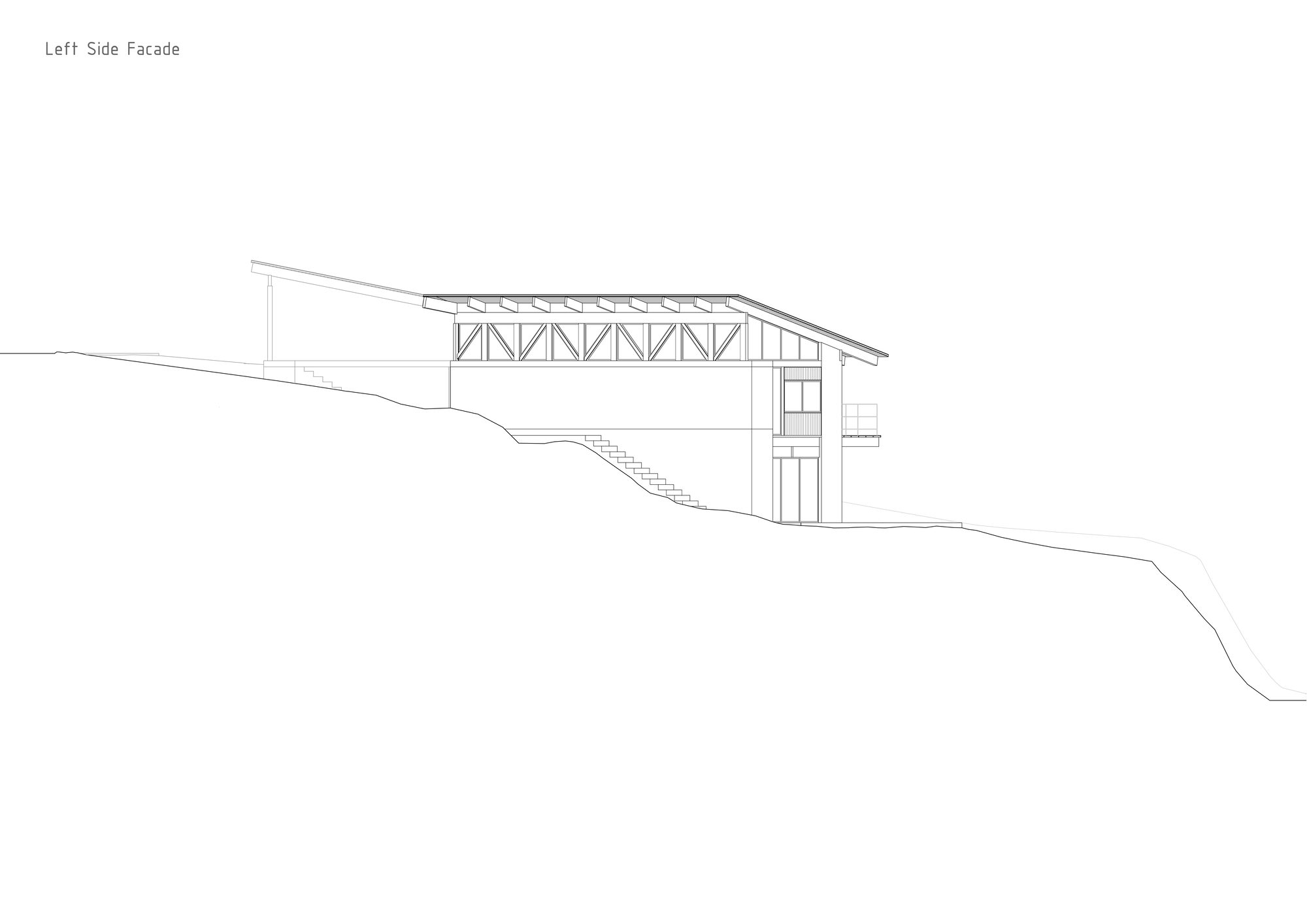
House of the Rolling Rooms, On a slope of Ilaló, within a community committed to responsible water management, native vegetation, and landscape integration, the House of Rolling Rooms is situated. Designed for a young couple with a sensitive vision of living, this home is proposed as a conscious alternative to traditional construction models in rural areas of urban expansion. From its inception, the goal was to create a home that integrates with respect and economical means.
© JAG Studio
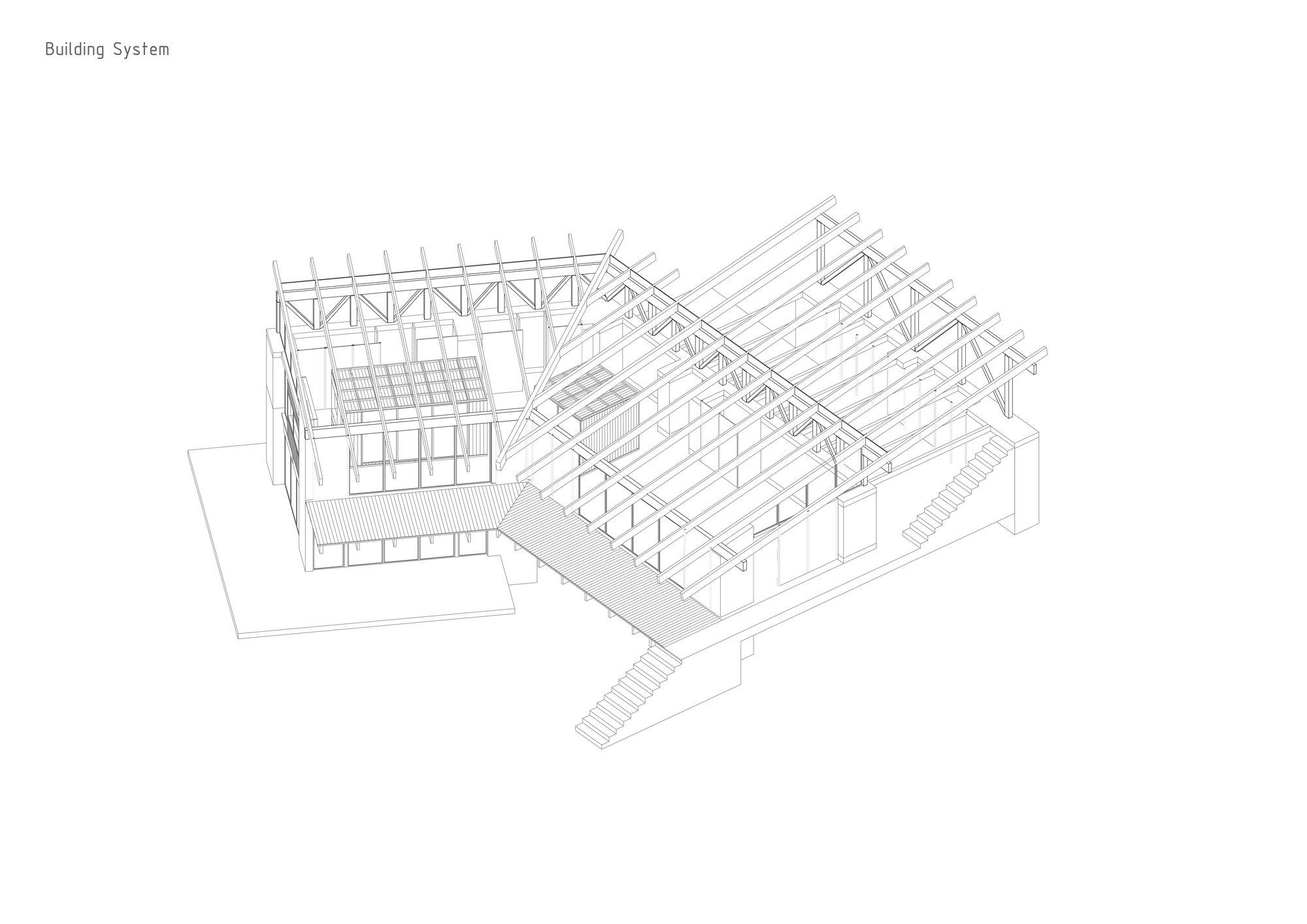
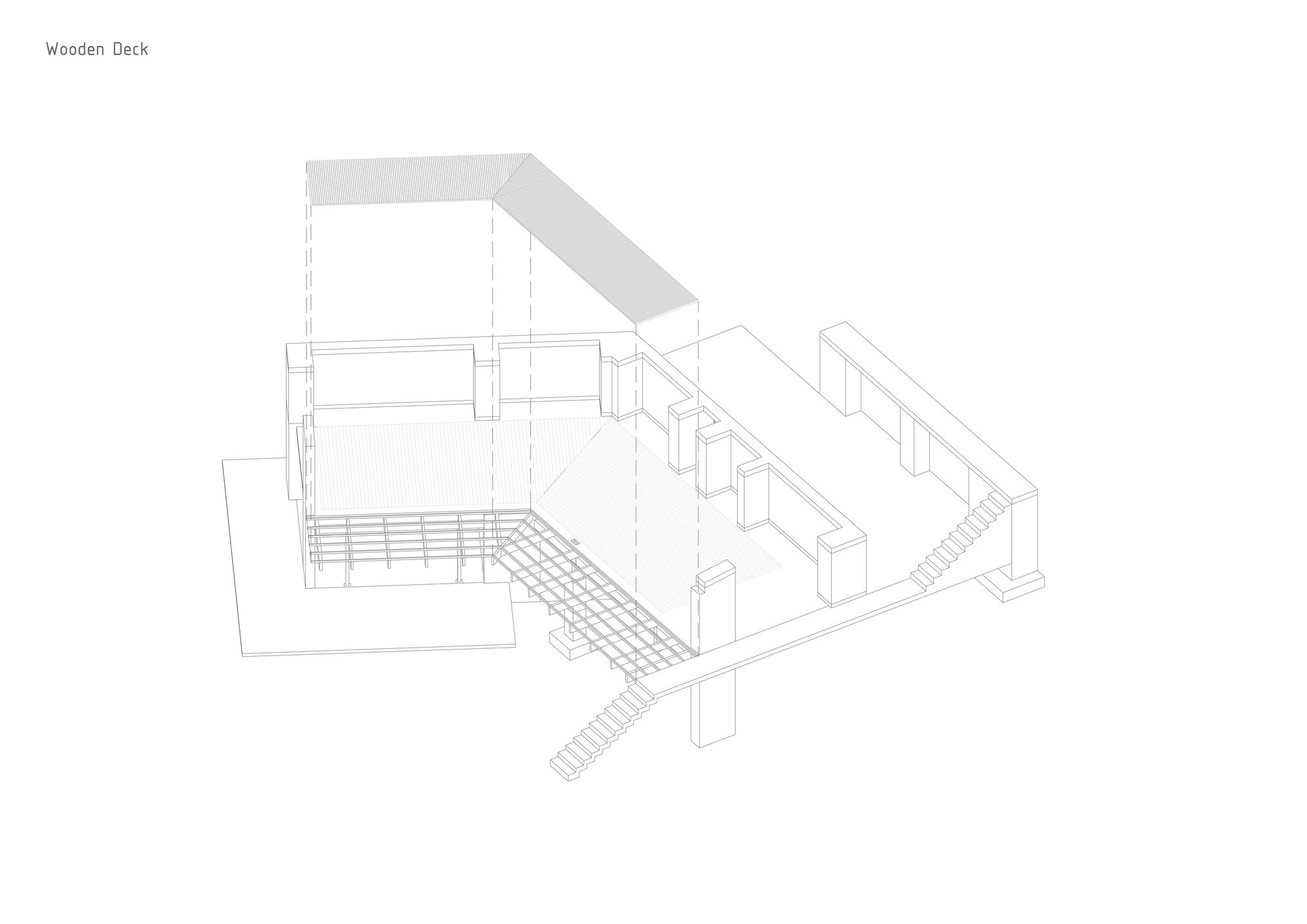
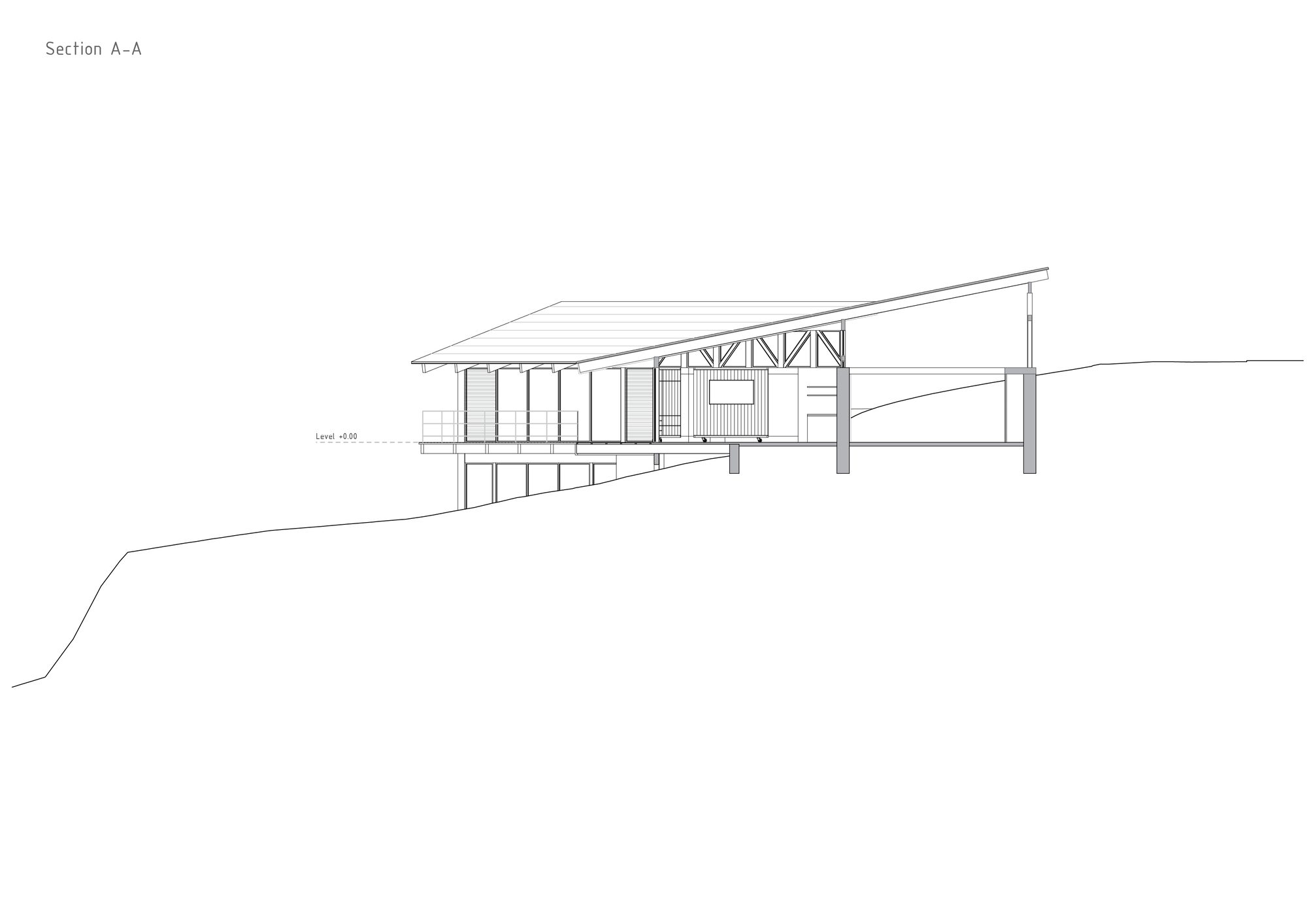
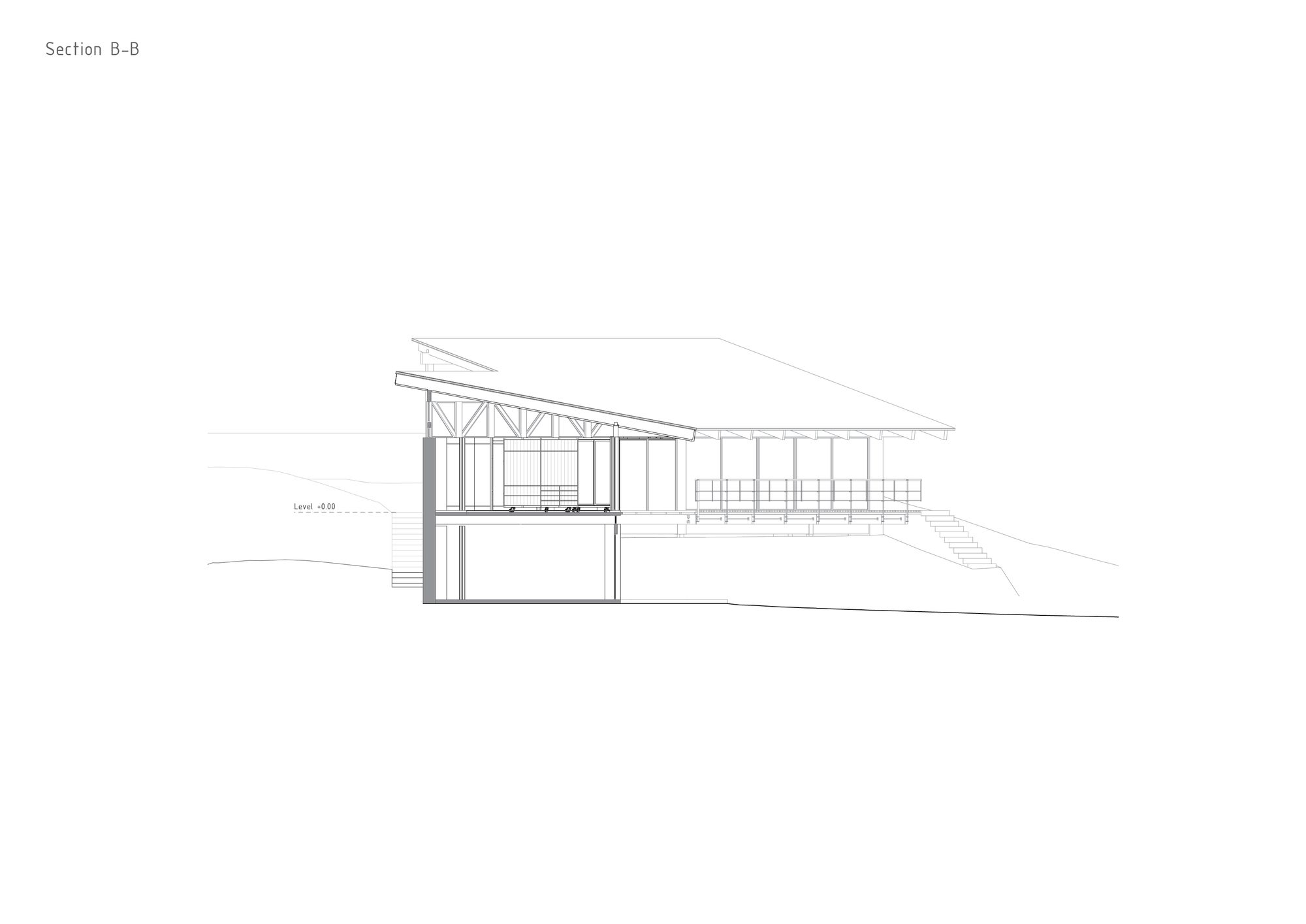
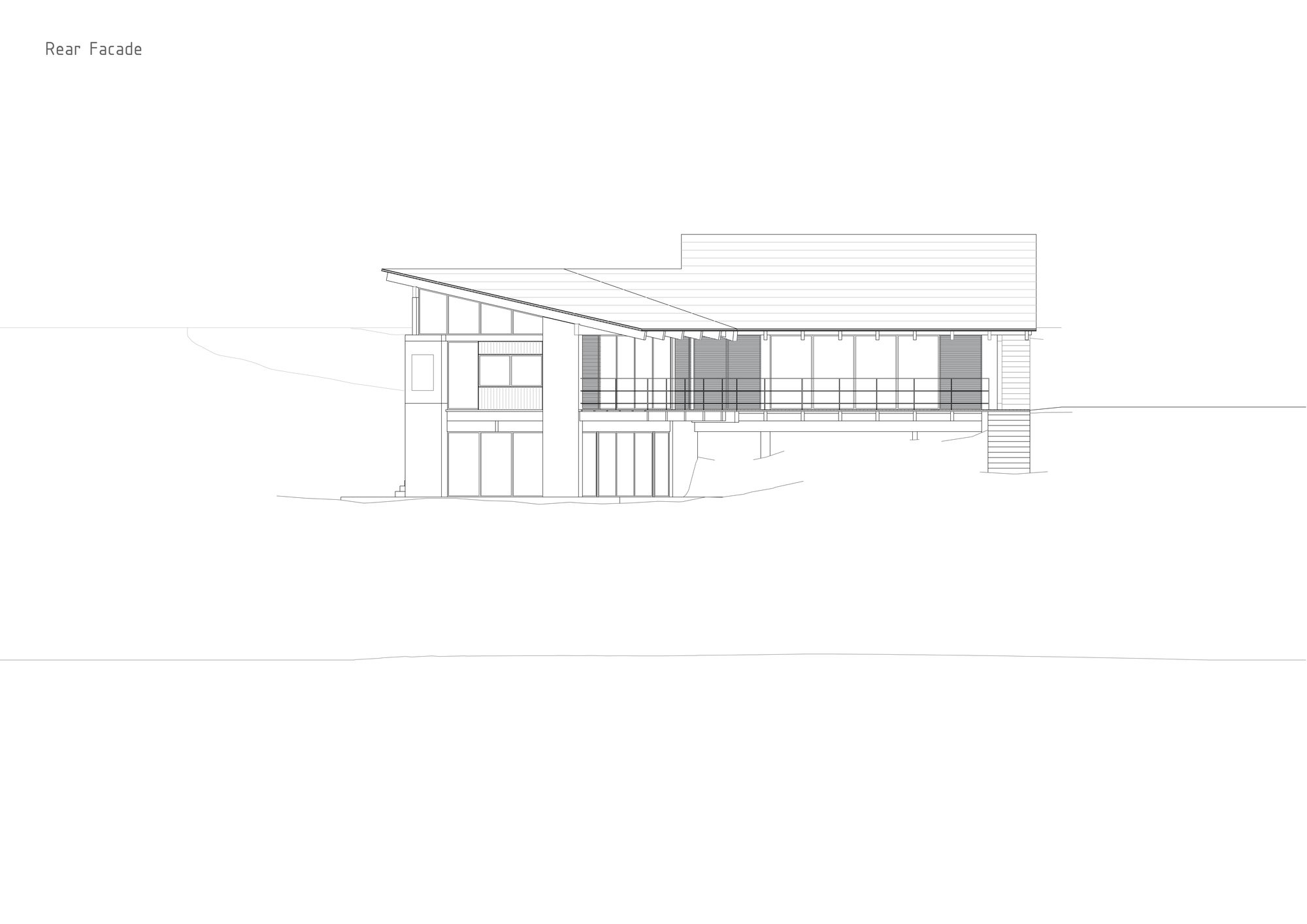
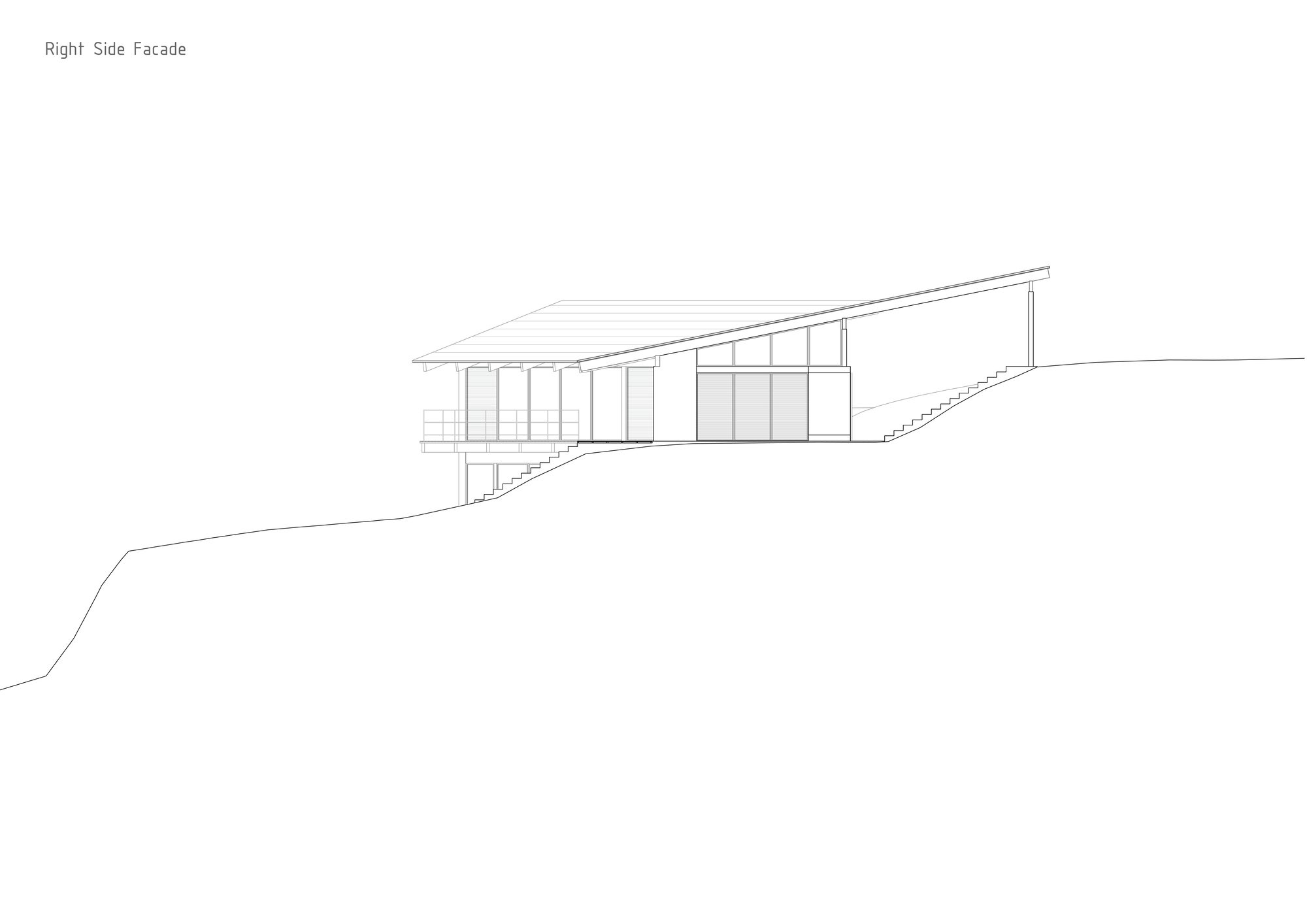
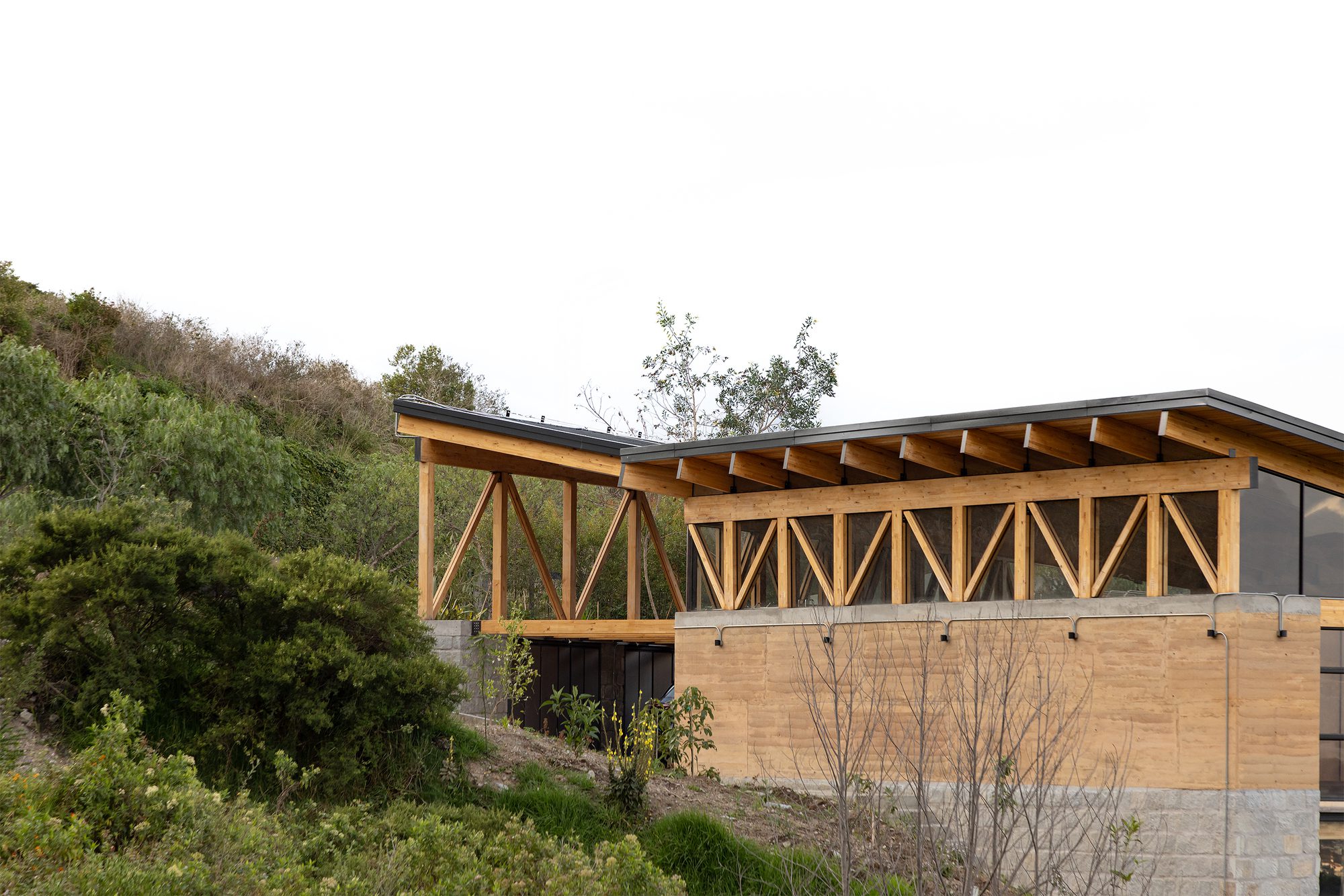
The main strategy was to read the land with precision: topography, orientation, views, and vegetation. The slope was not modified, adapting the volume to the contour lines and avoiding cuts or fills. The foundation and the first walls are made of local stone, providing thermal mass and continuity with the environment. Above these stands a rammed earth wall, an ancestral technique of stabilized compacted earth, which serves structural, thermal, and programmatic functions.

© JAG Studio
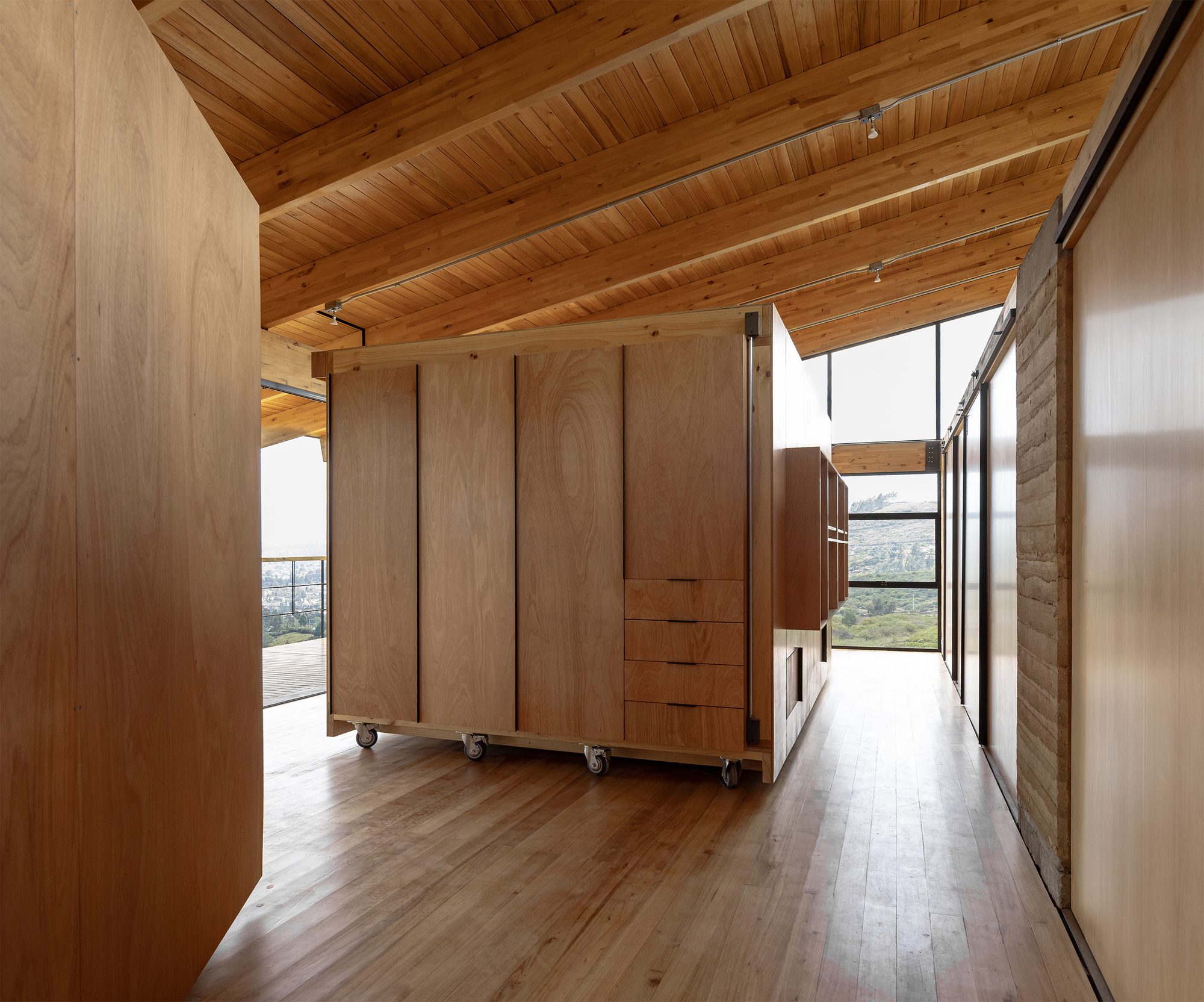
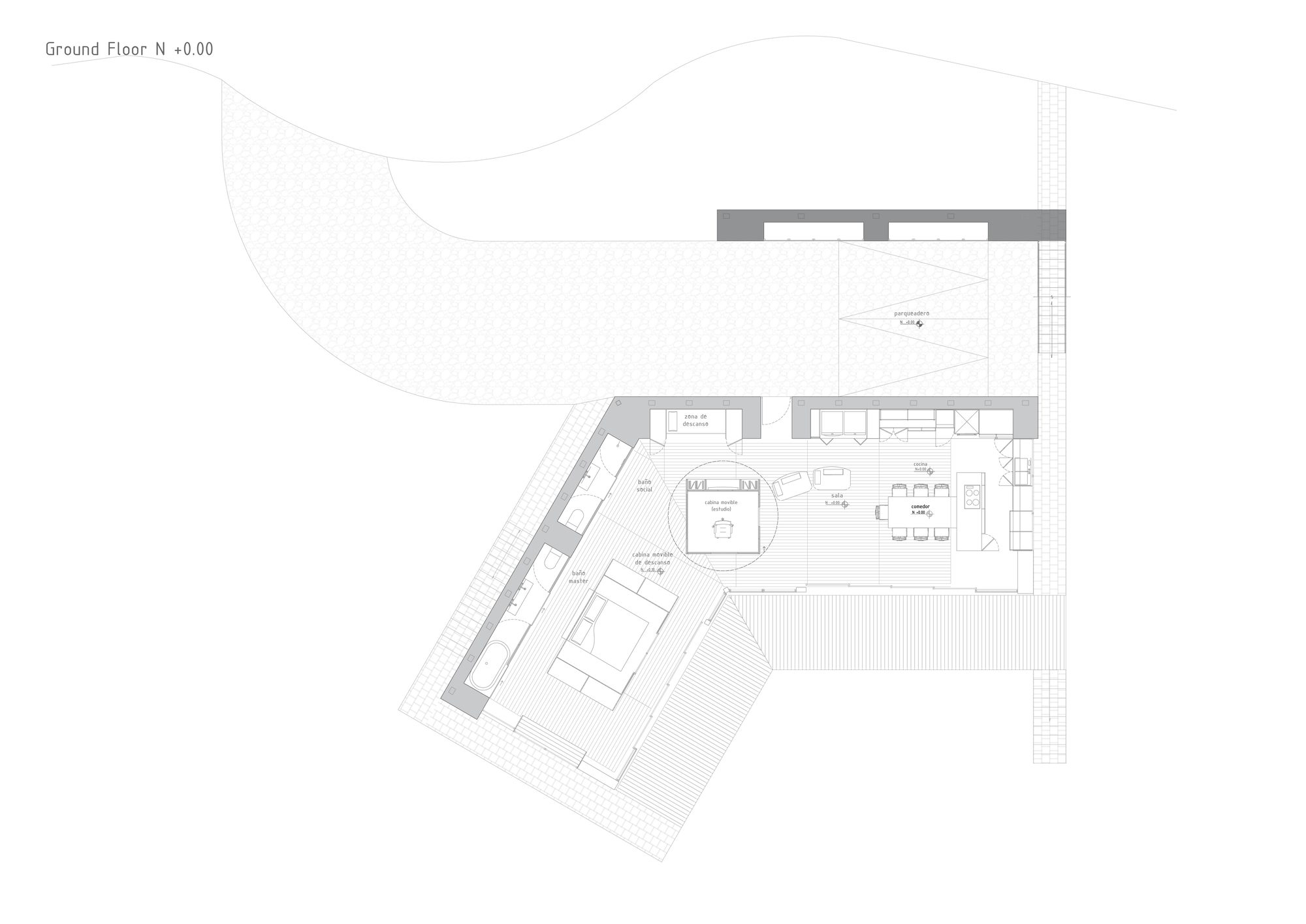
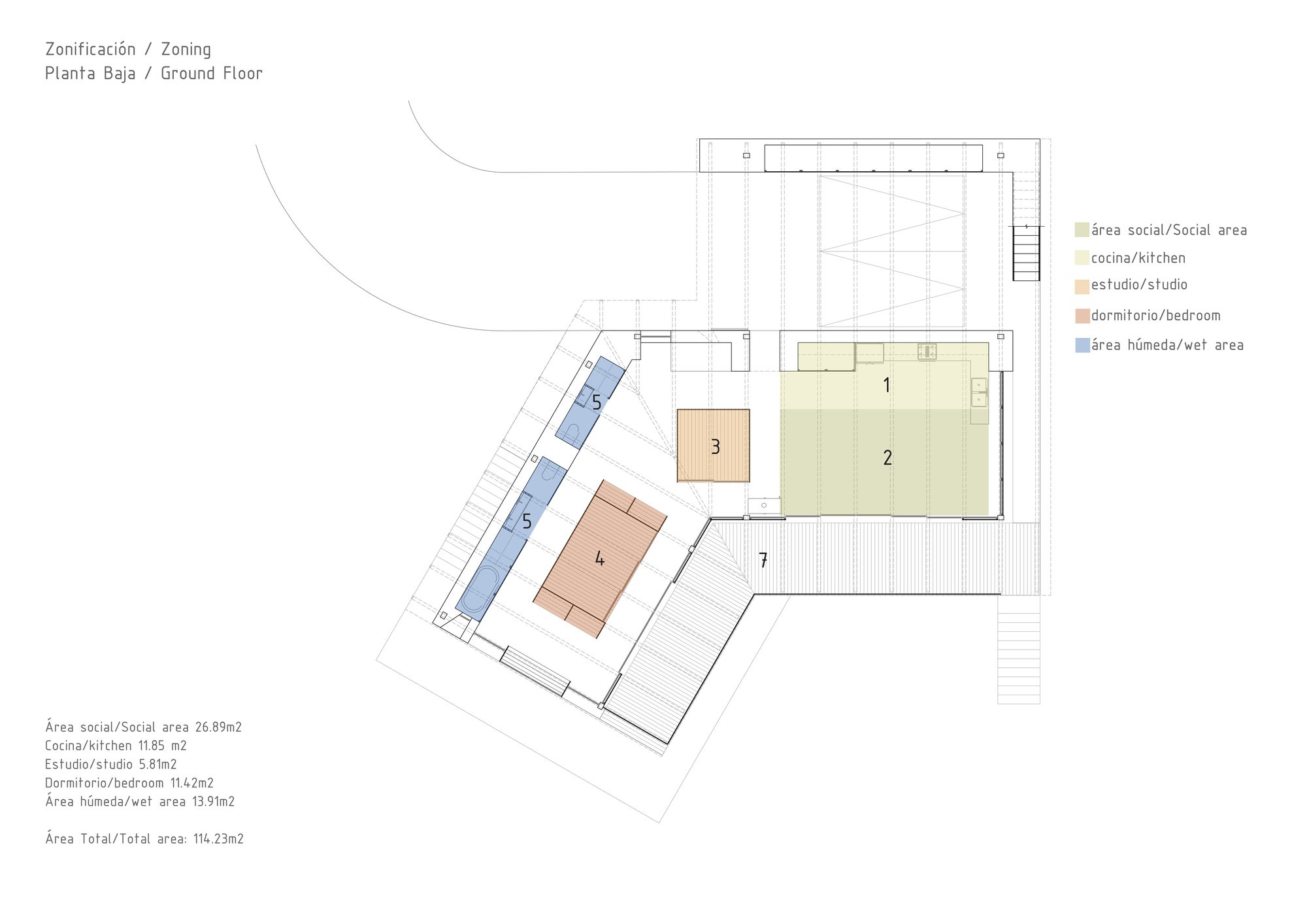
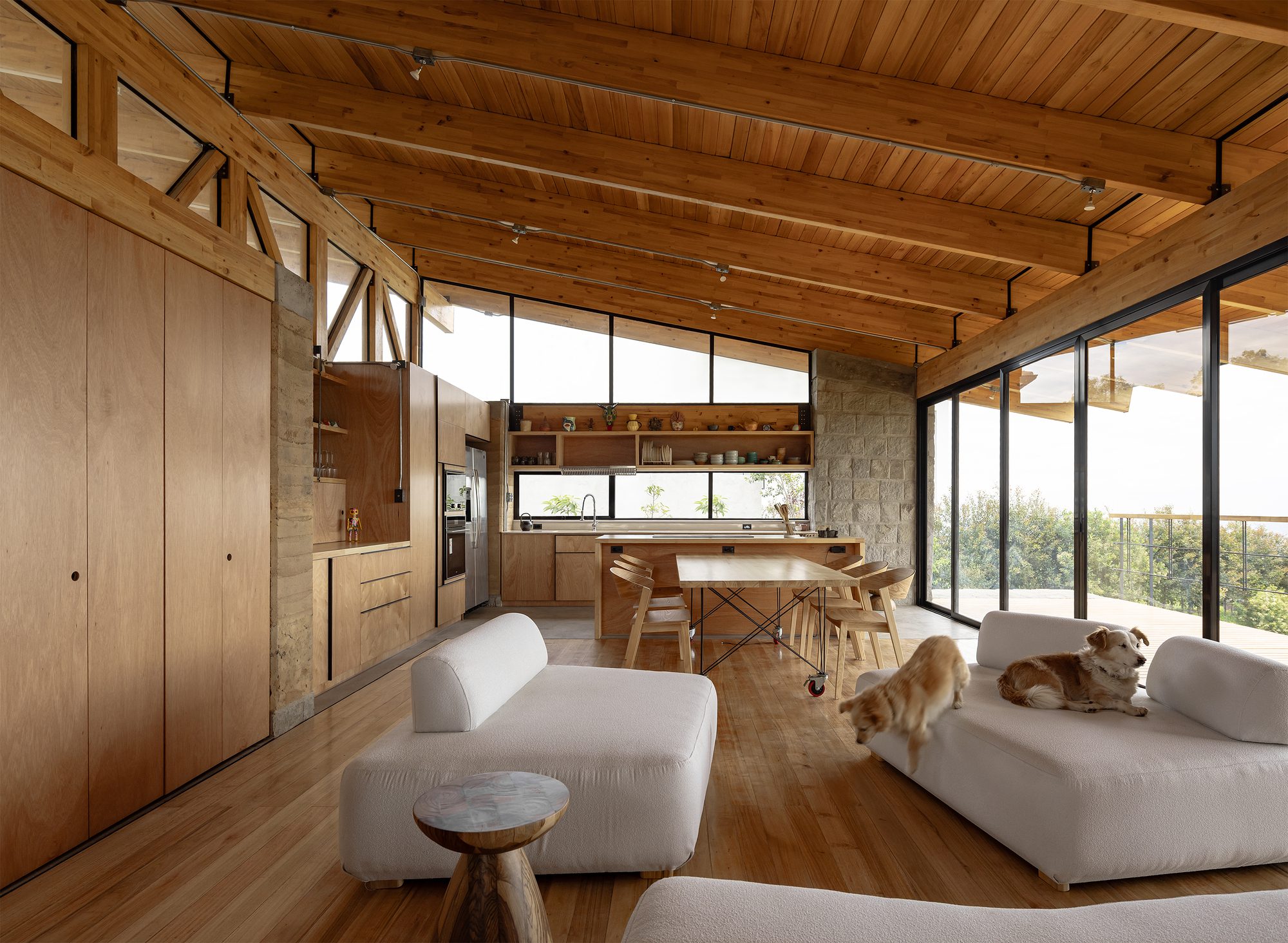
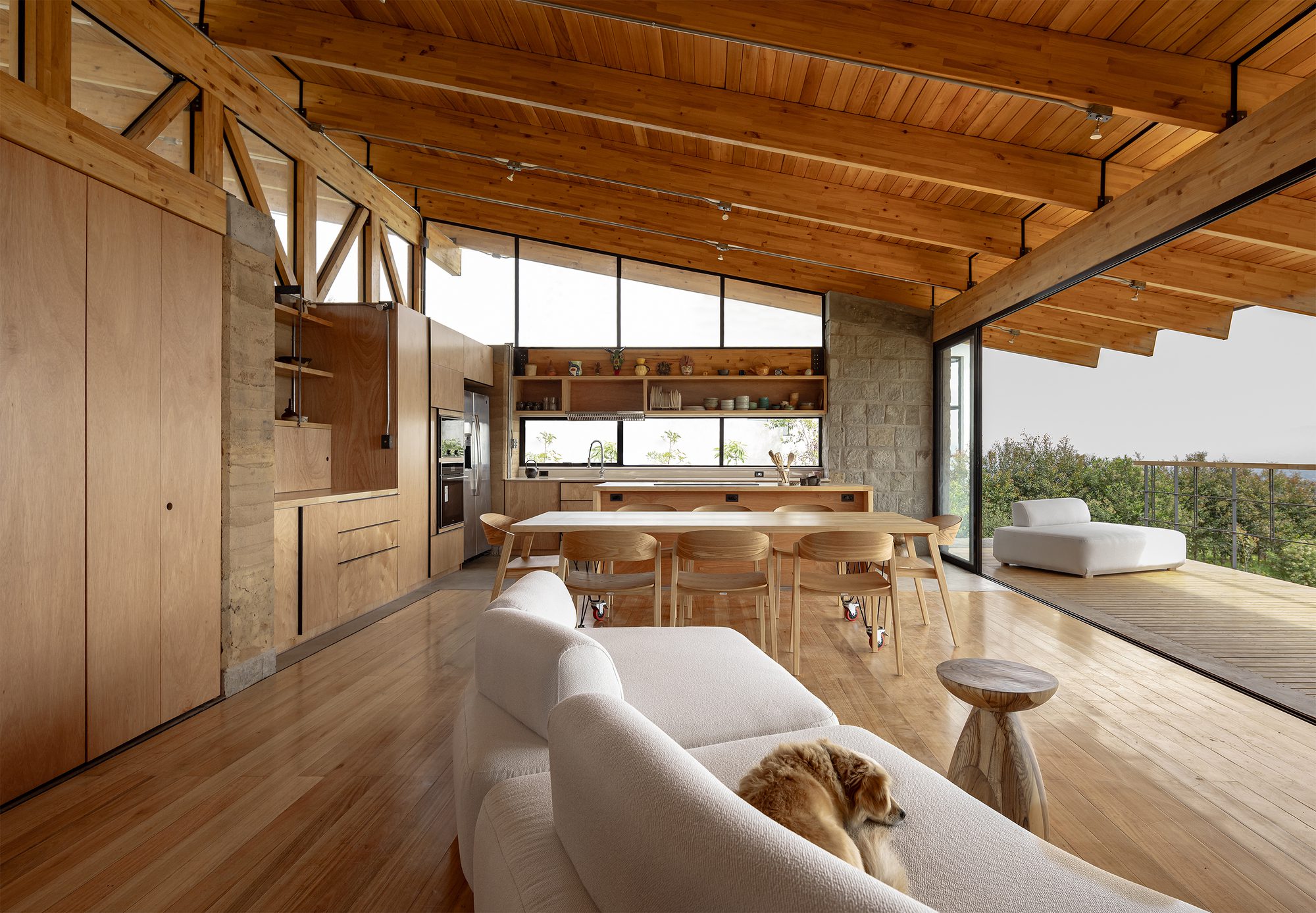
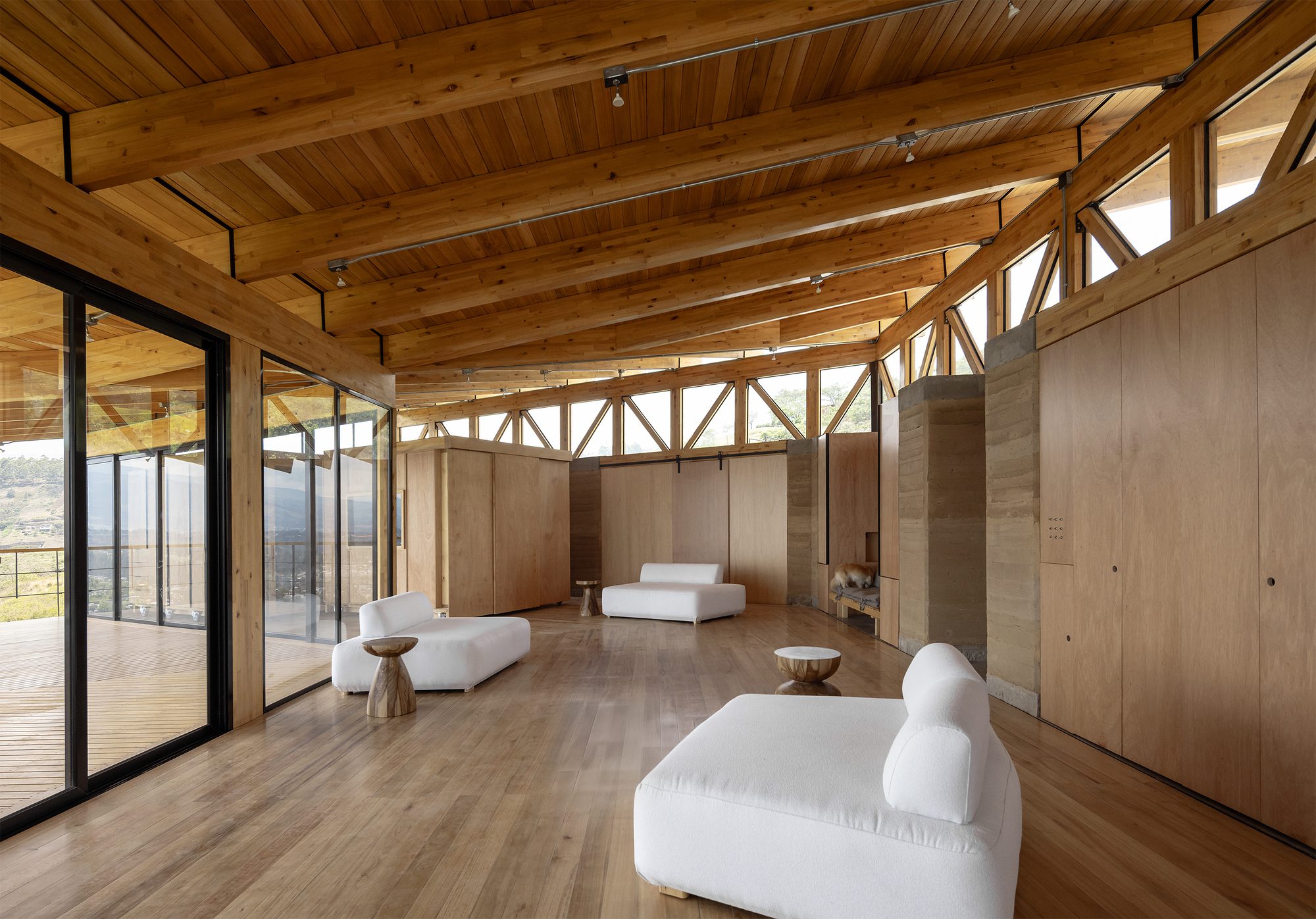
Under a large sloped roof supported by the rammed earth wall and a laminated wood structure, a continuous and flexible space is generated. This roof not only provides protection but also allows for multiple forms of use. The house has no fixed partitions; everything is organized around a service wall and a series of movable elements that transform the space as needed.
© JAG Studio
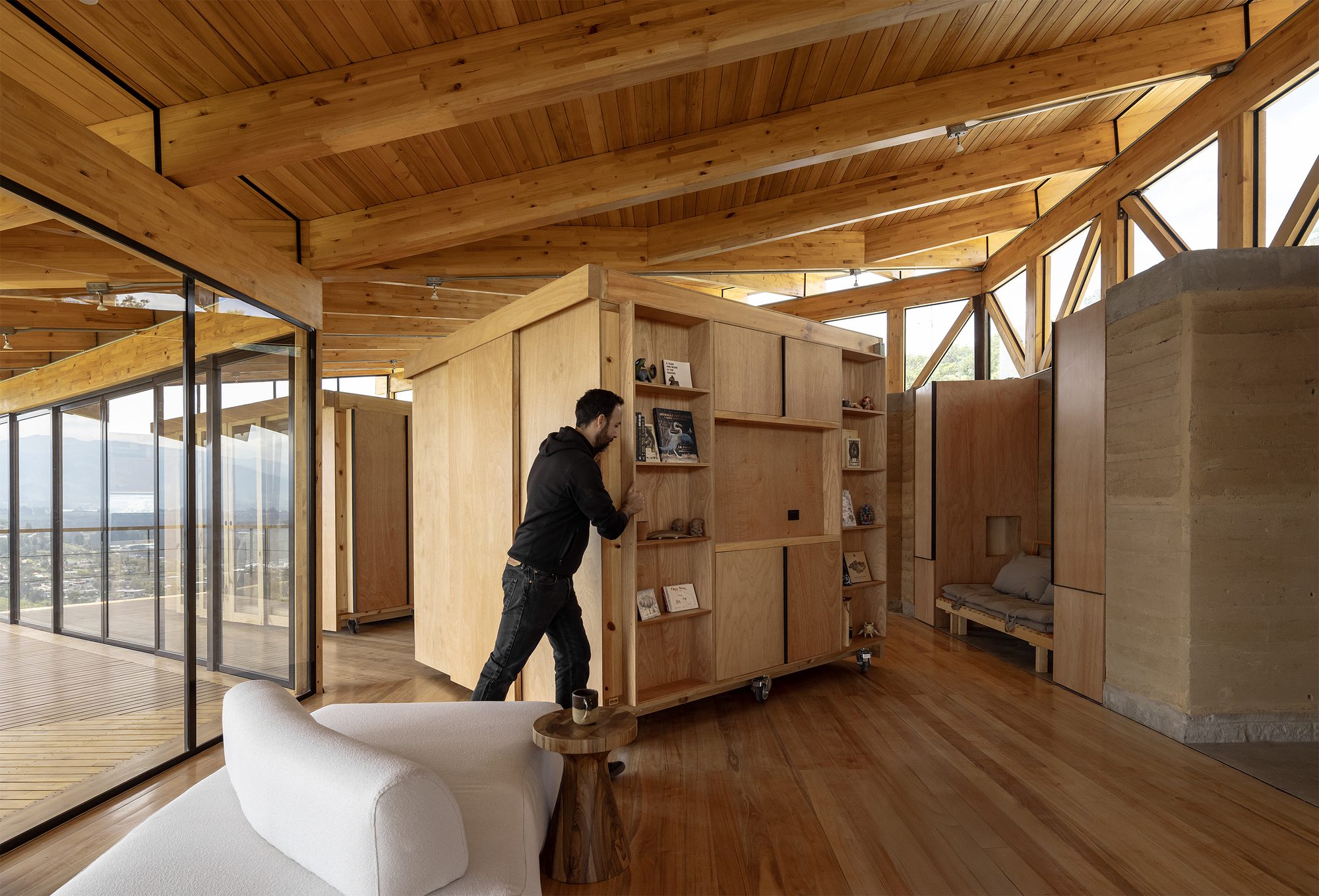
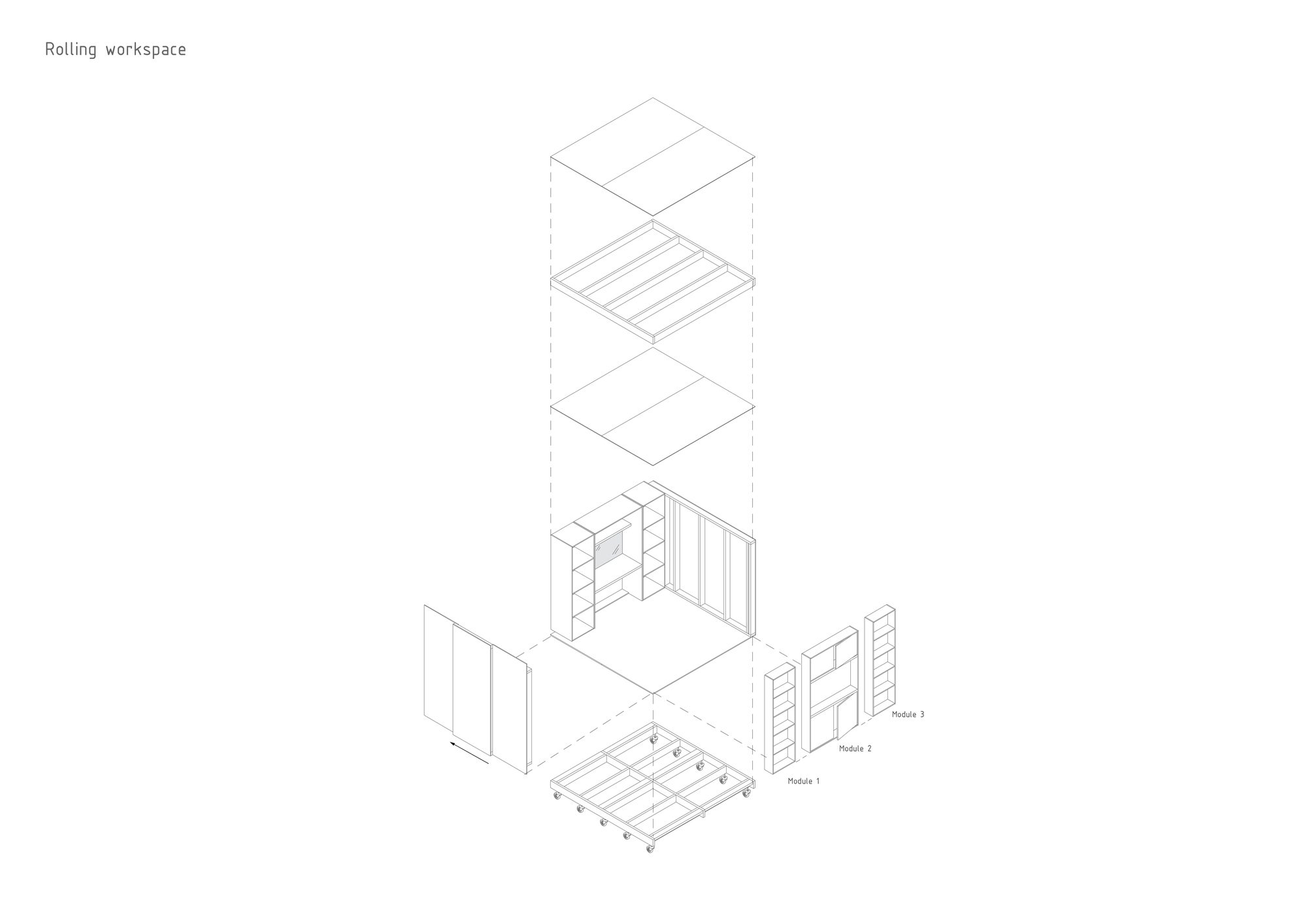
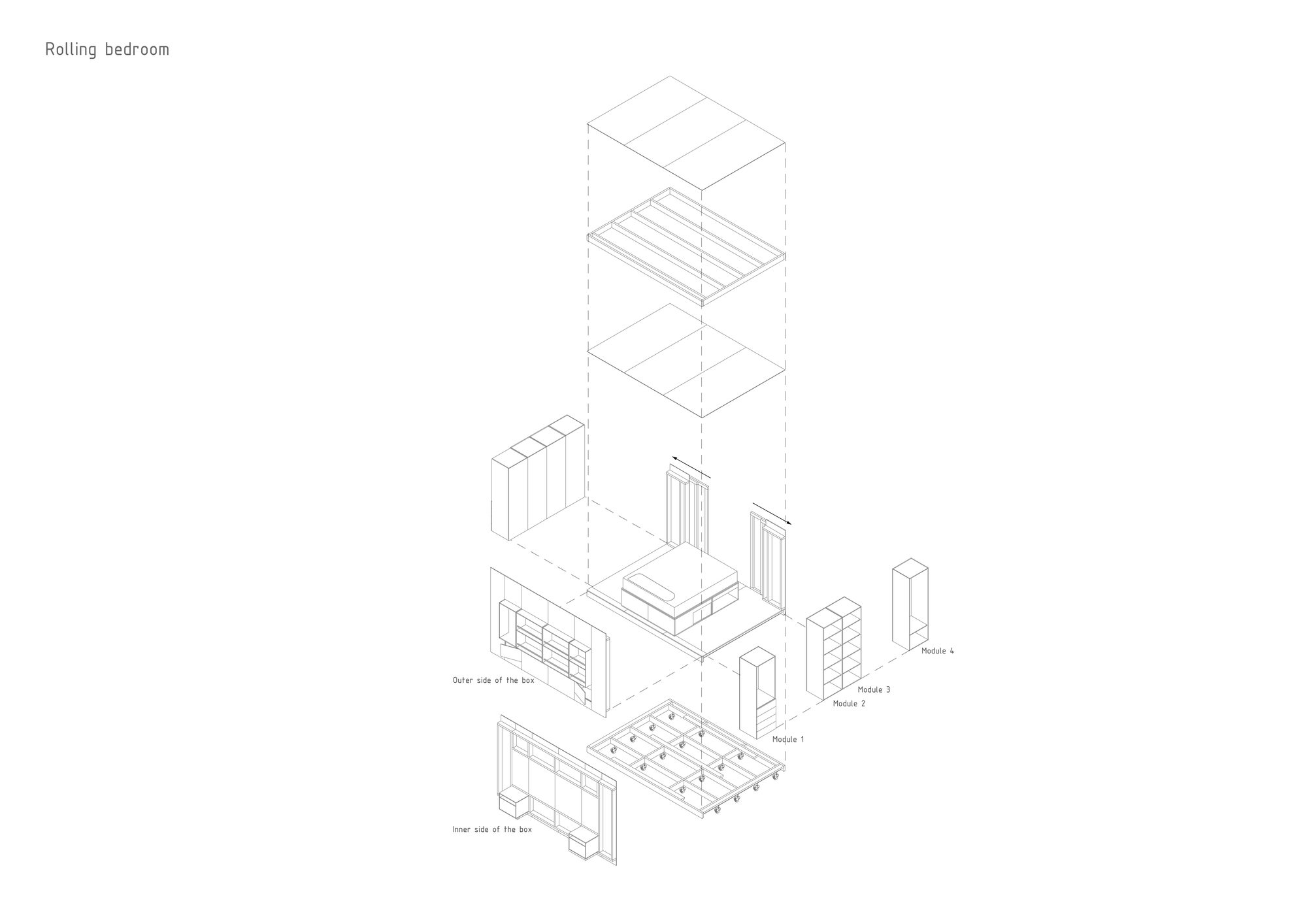
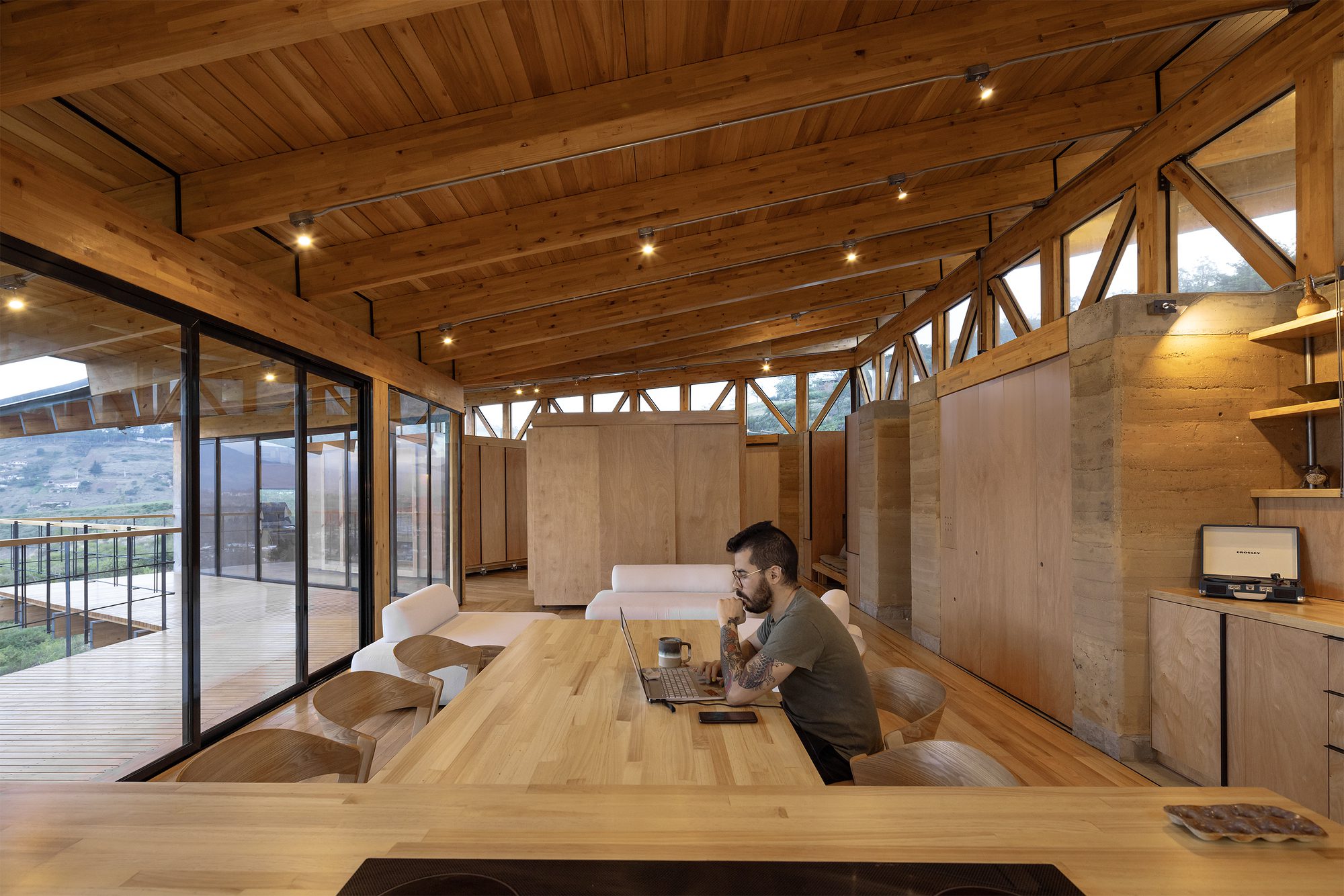
Two large rolling wooden boxes contain the private spaces: a master bedroom with closets and a dressing table, and a study that also functions as a TV room with a built-in sofa bed. These boxes move within the volume, allowing for different spatial configurations: opening for gatherings, closing for privacy, reorganizing according to light, climate, or mood.

© JAG Studio
The living area consists of low modules with movable backs; the dining room has a rolling table and lightweight chairs. The kitchen island is the only fixed element and serves as a visual finish. The services are housed between the buttresses of the rammed earth wall, freeing up the rest of the floor plan.

© JAG Studio
The house establishes a complex relationship with the surroundings: to the north, it protects visually, while to the south, it opens up to the valley landscape through a continuous deck. There is no defined main entrance; access is fluid, blurring the boundary between architecture and landscape.
© JAG Studio
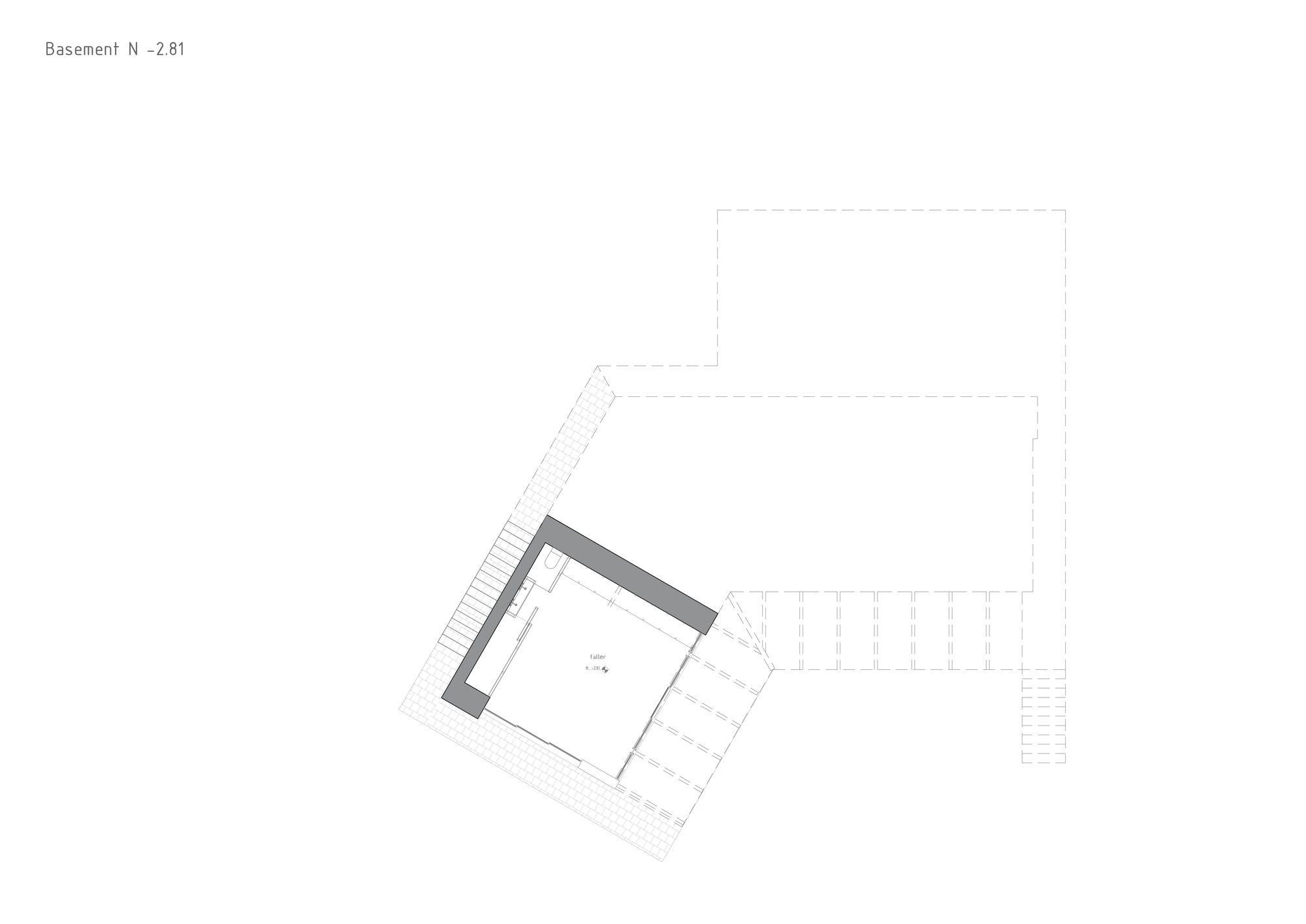
An independent volume houses the pottery workshop, intentionally separated to differentiate creative activity from domestic life. This is set on a slope without modifying the terrain and is connected to the complex through stone walkways that articulate parking, stairs, storage, and a garden.
© JAG Studio
The landscape is envisioned as an extension of the local ecosystem: native species, minimal grass, and a garden integrated into the living system. Water is managed with infiltration systems, separation, and biological treatment, complemented by thermal and photovoltaic solar energy.
© JAG Studio
More than a house, this project is a tool for adaptable and conscious living. A living architecture, in constant transformation, that responds to the environment, time, and people.
Project Info
Architects: Rama Estudio
Country: Ecuador, Quito
Area: 140 m²
Year: 2024
Photographs:JAG Studio
Lead Team: Carolina Rodas, Felipe Donoso, Carla Chávez
Design Team: Mária Laura Espinoza
Technical Team: Gary Rivera
Engineering And Consulting > Structural: Patricio Cevallos
Landscape Architecture: Folia – Clemencia Echeverri
Interior Design: Micra