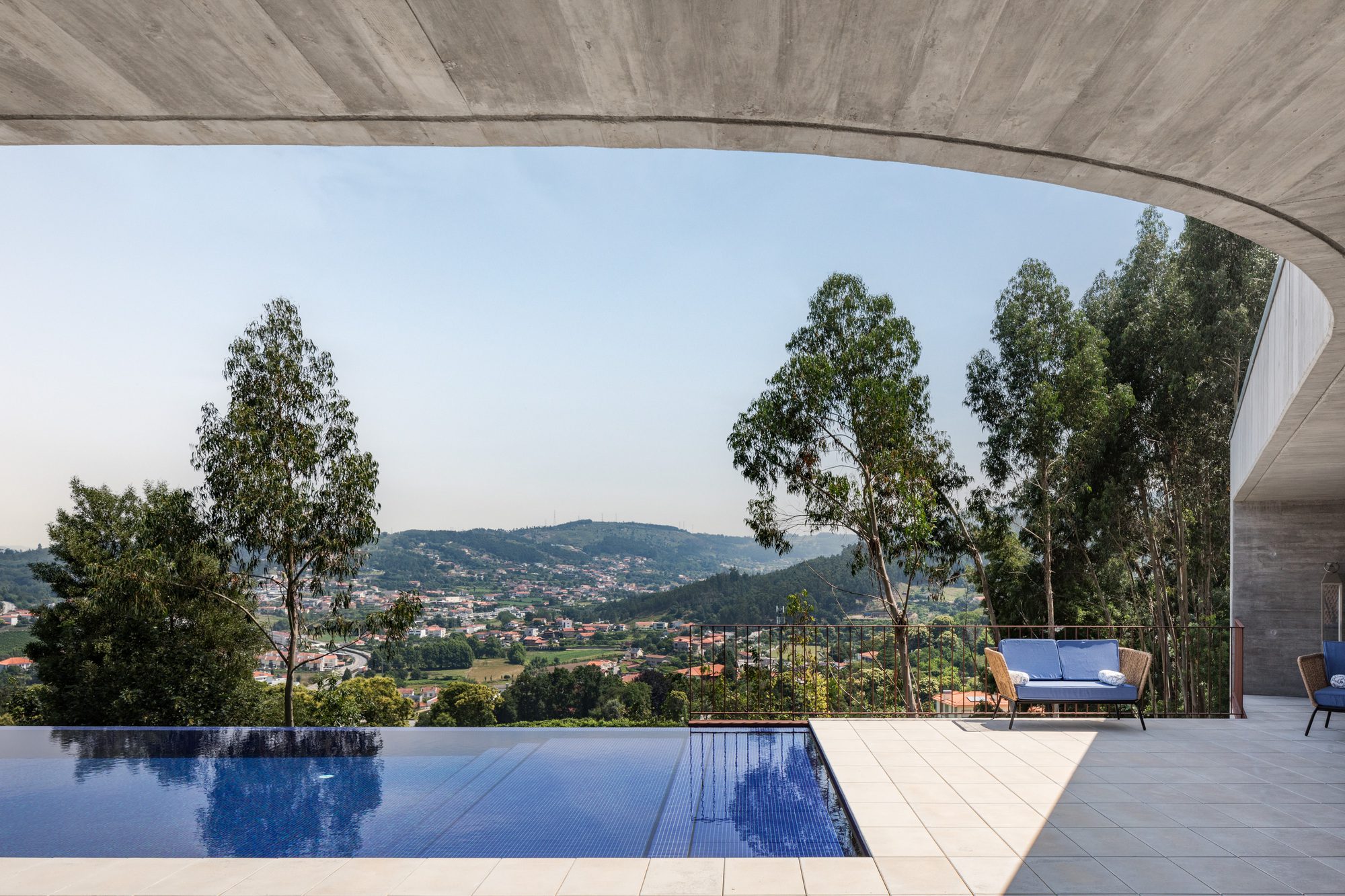
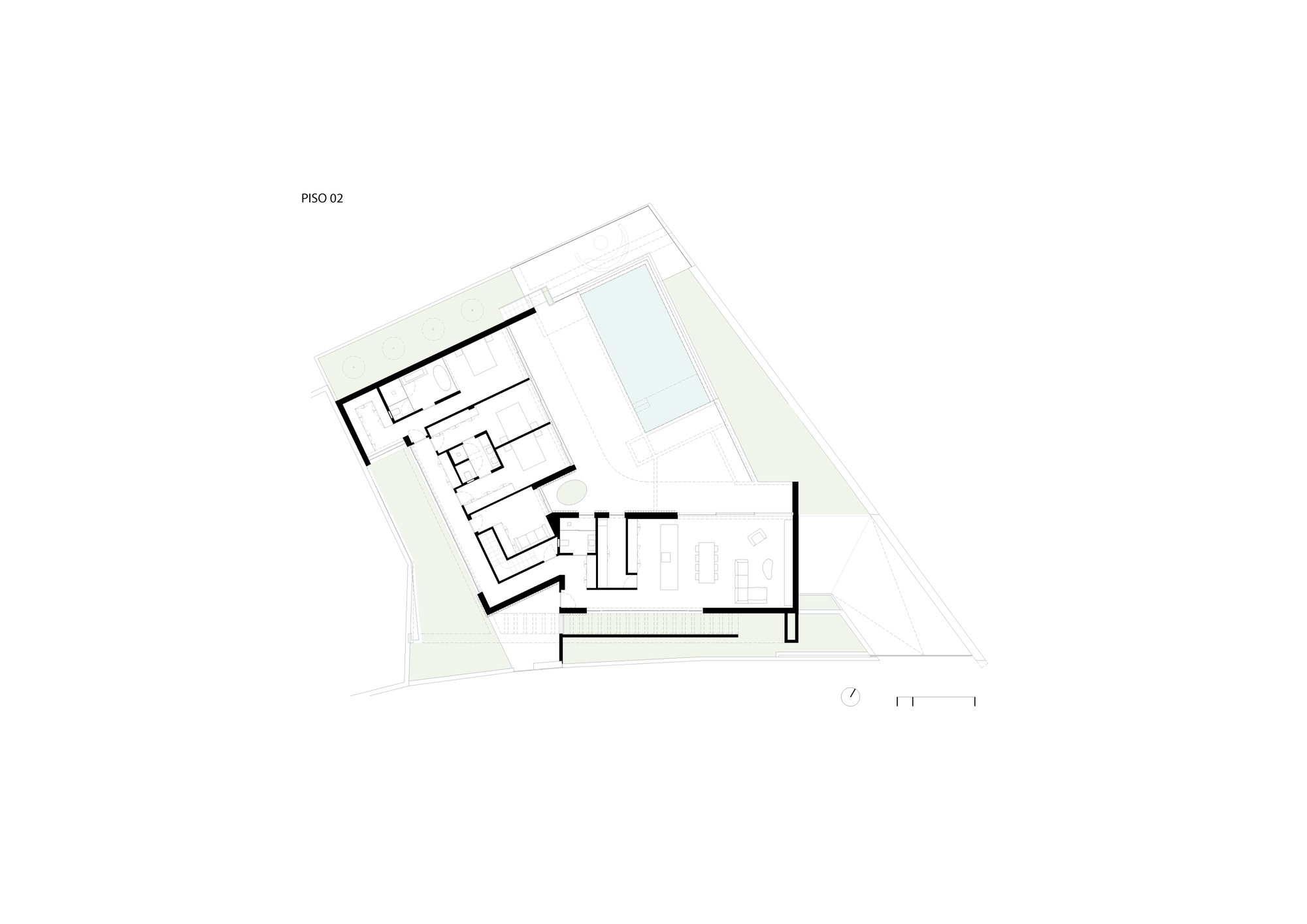
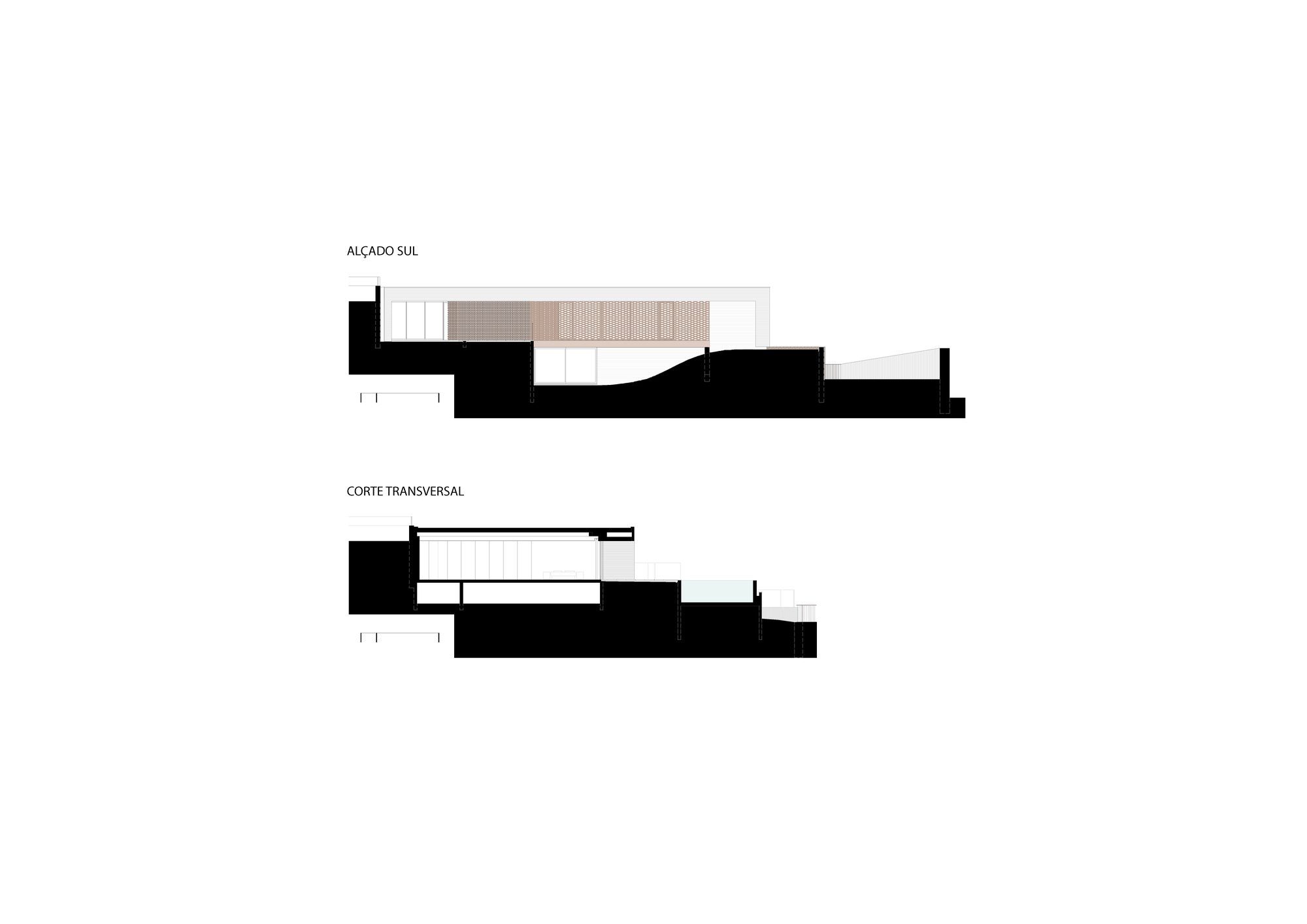
House CVV was a challenge posed by a couple who decided to swap the city of Lisbon for the city of Braga in search of a more peaceful living experience. To achieve this, they acquired a plot of land on the outskirts, with unobstructed views of the city and the surrounding natural landscape.
© Attilio Fiumarella
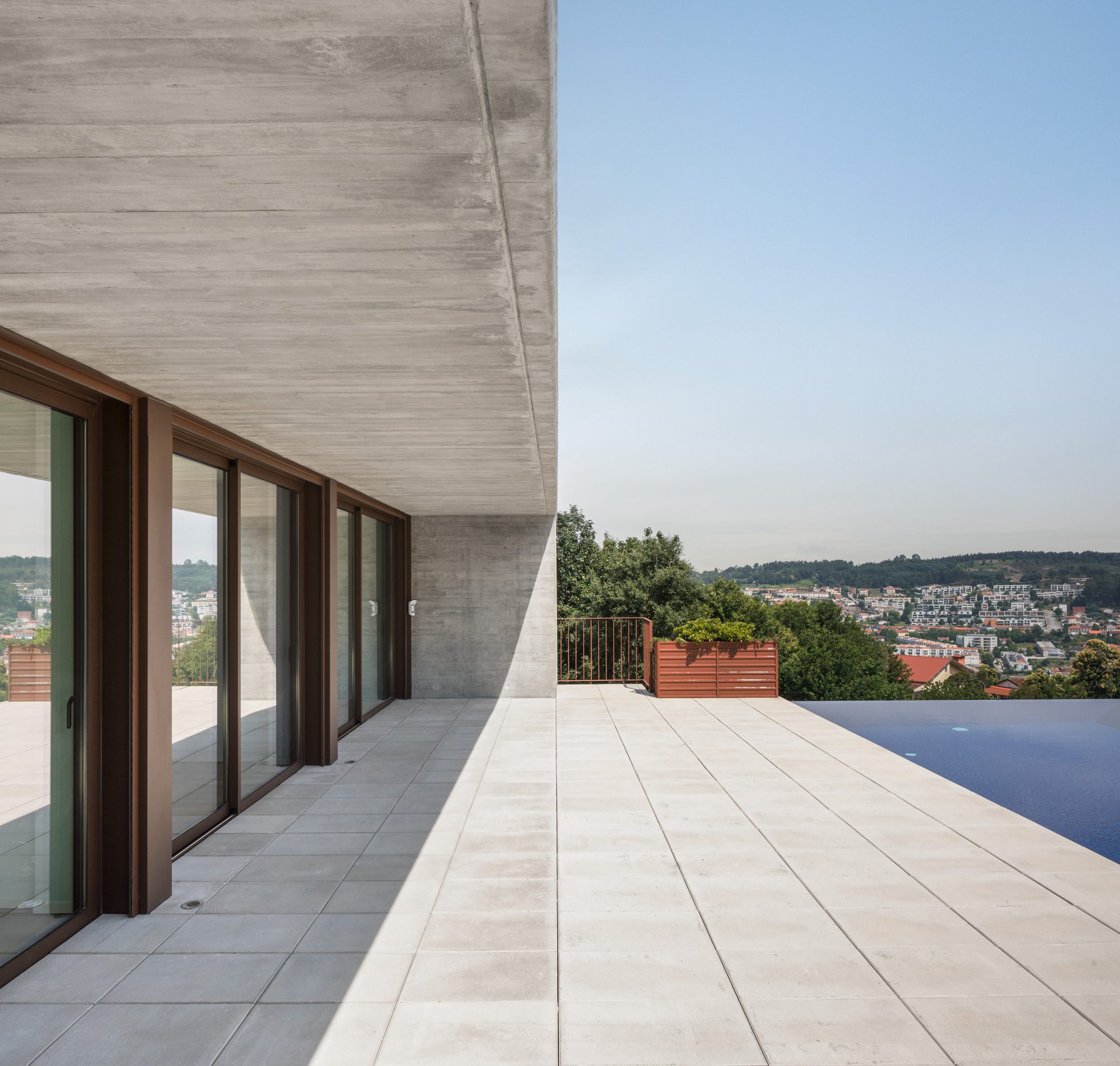
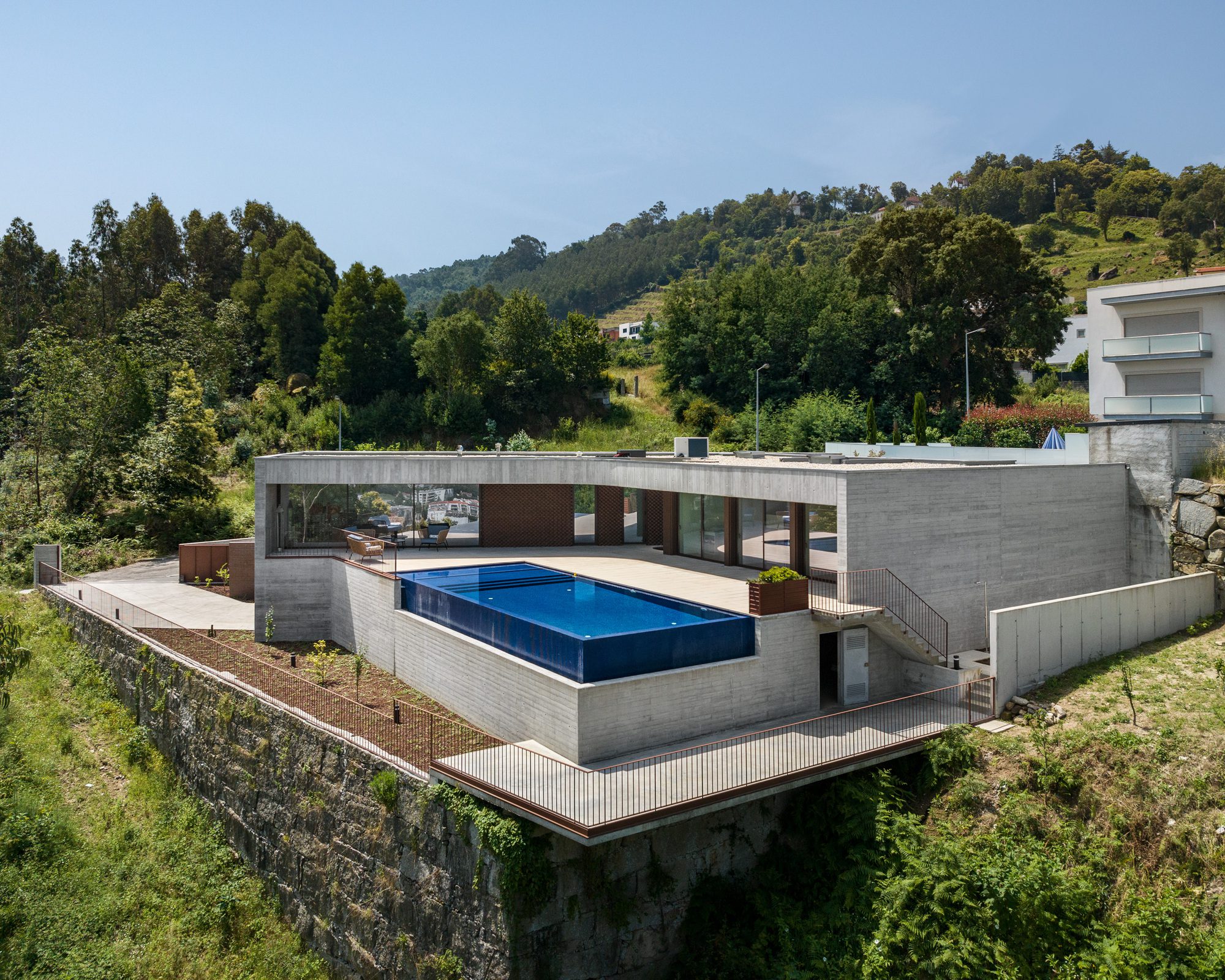
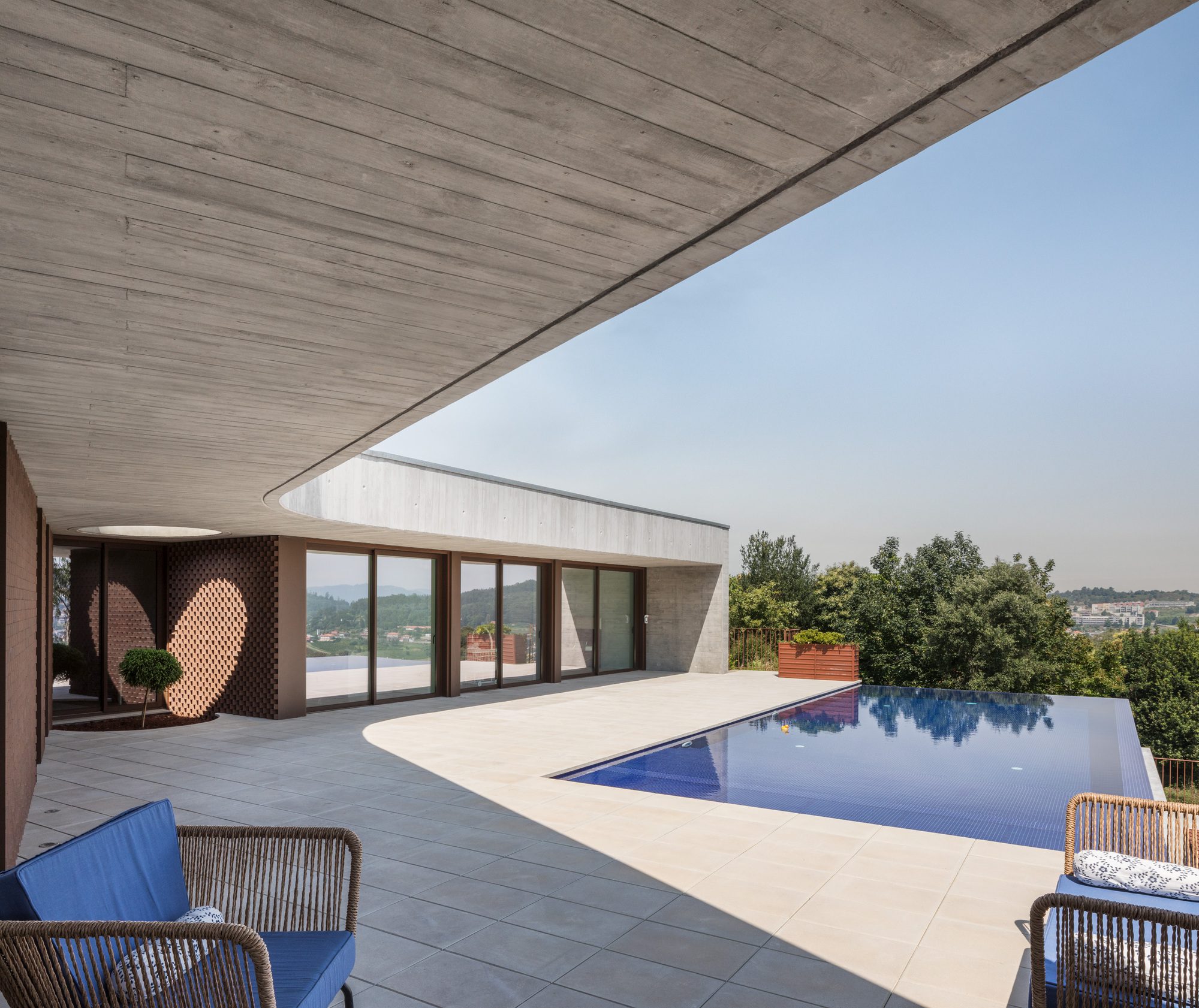
One of the main objectives of the clients was for the house to be positioned in a way that would take full advantage of the surrounding views, which presented a significant challenge since they were oriented to the north.
© Attilio Fiumarella
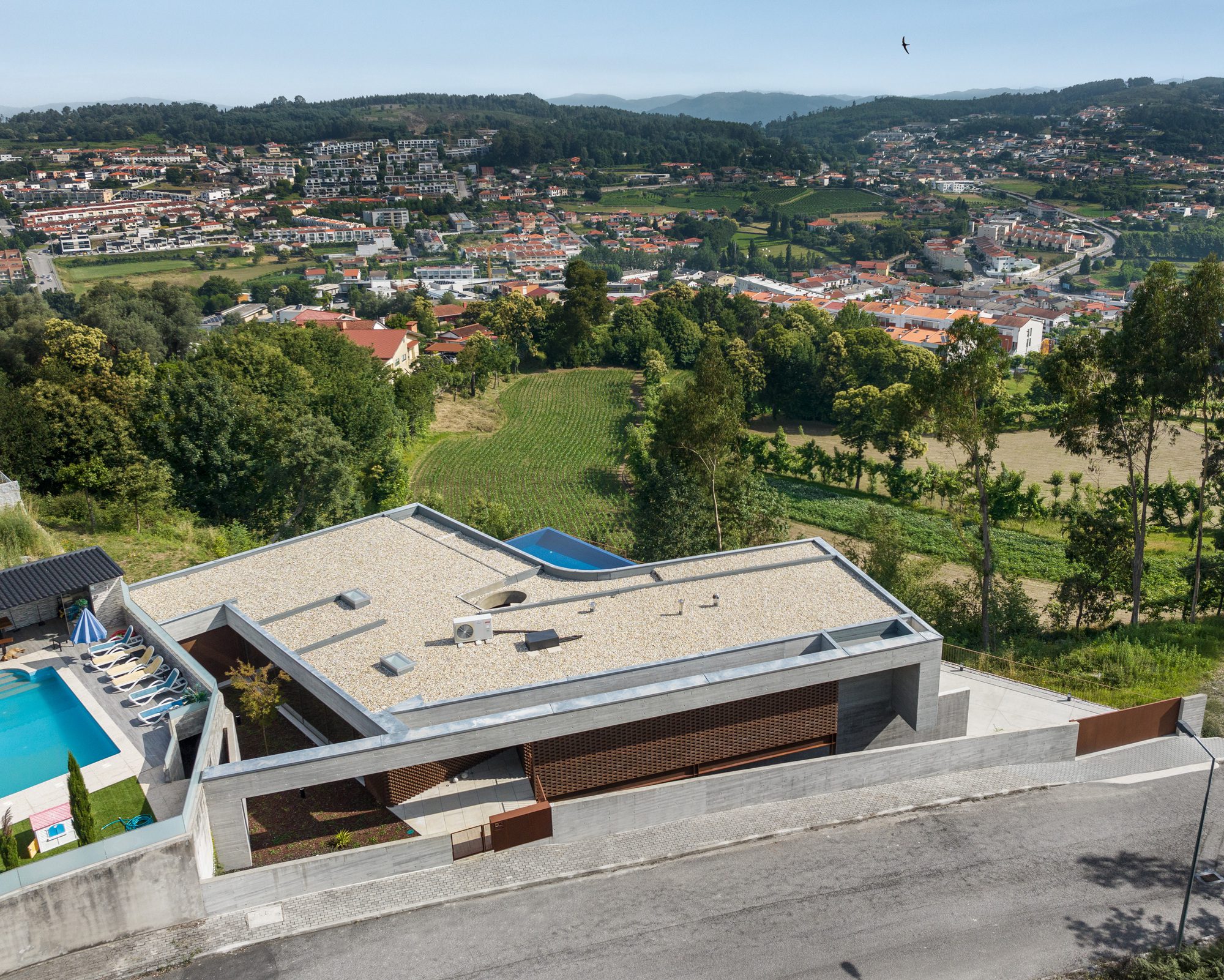
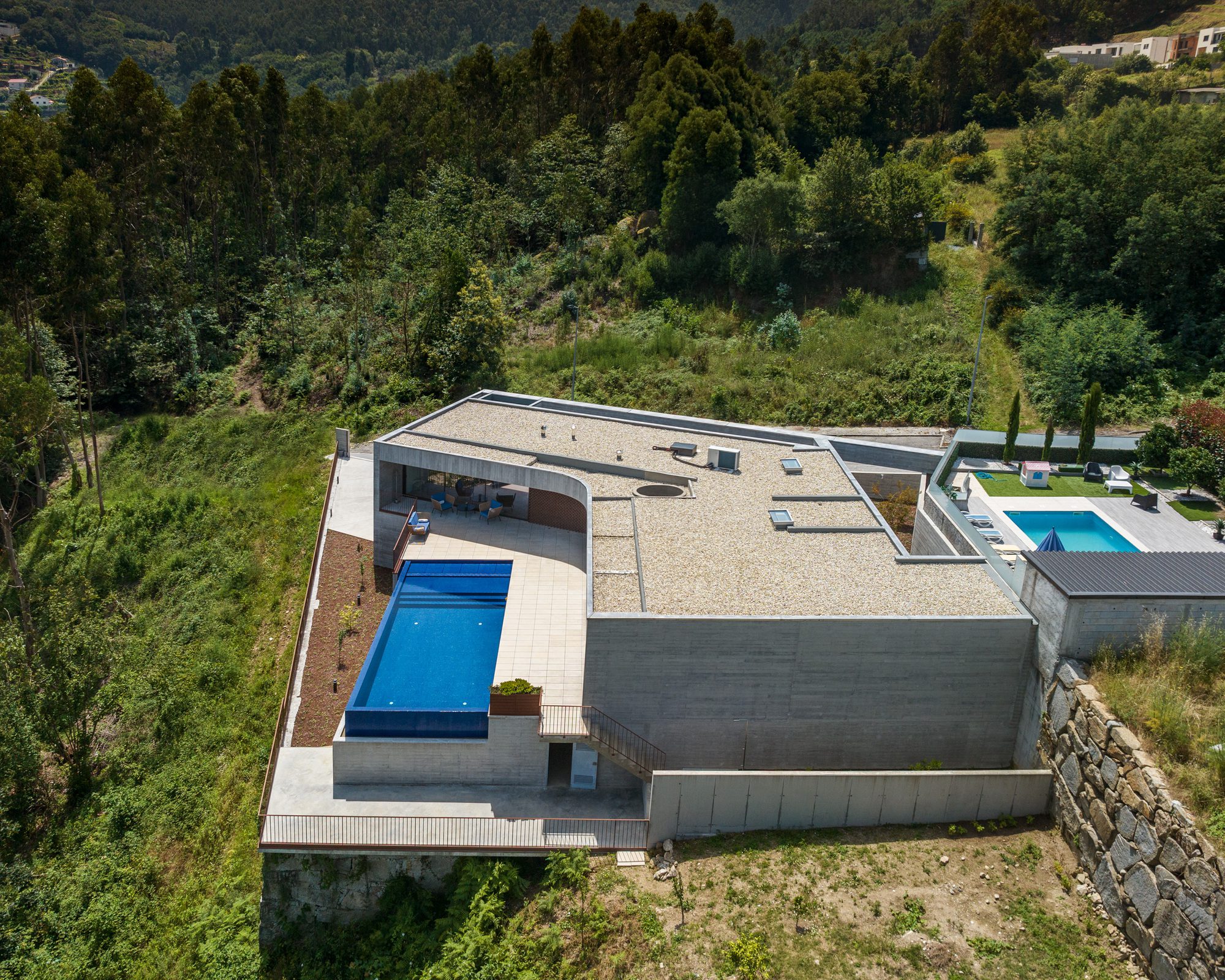
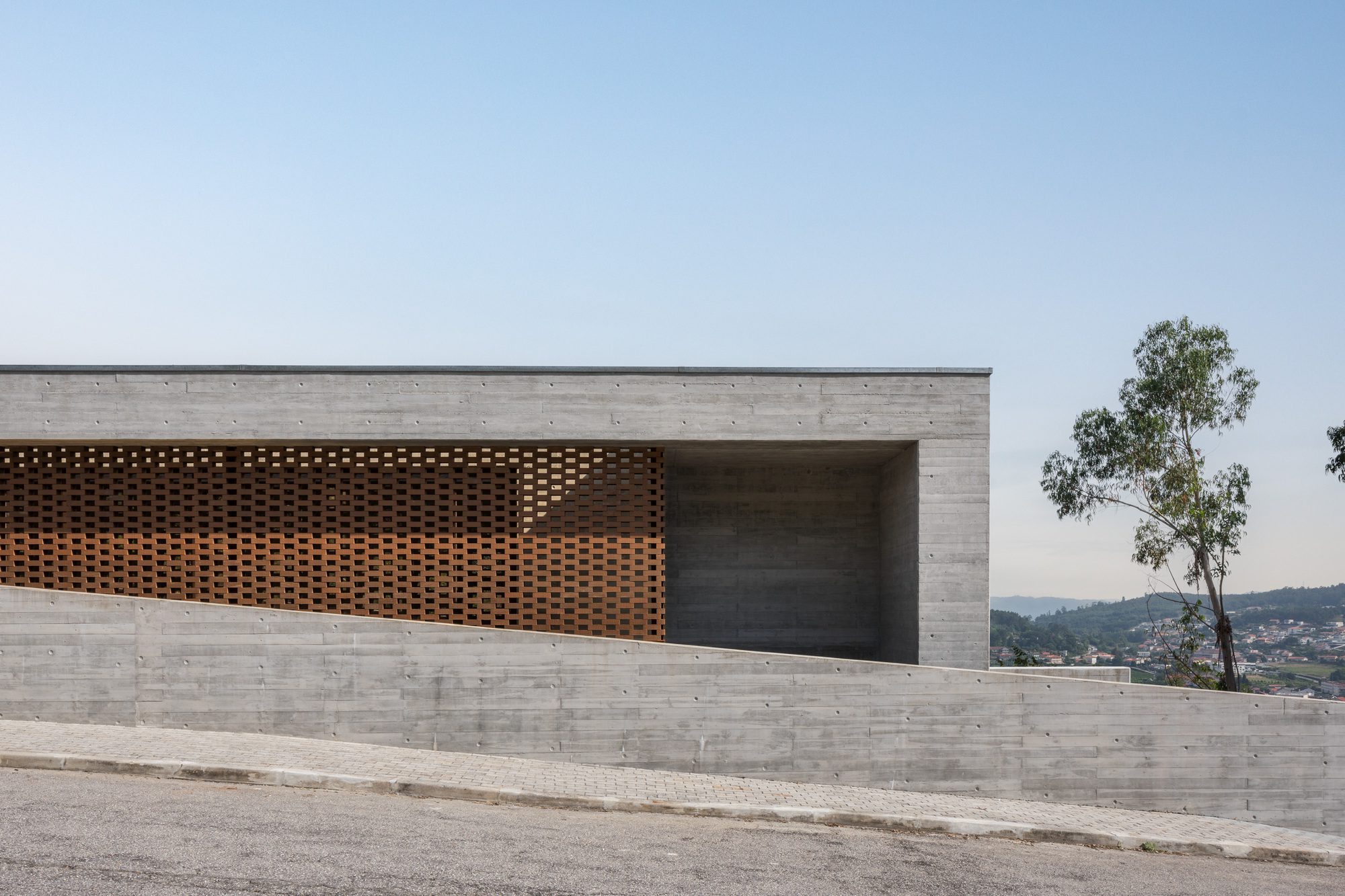
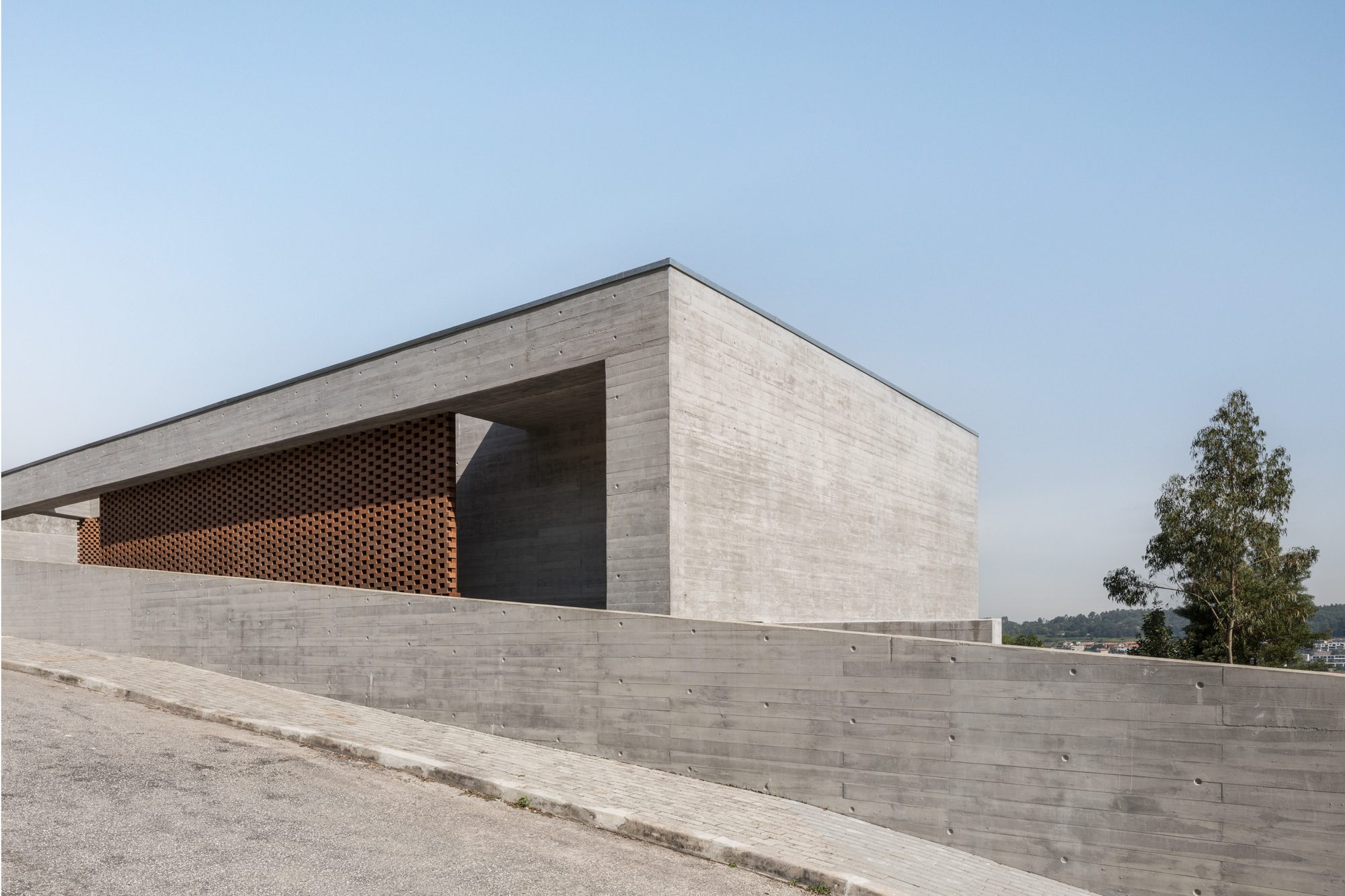
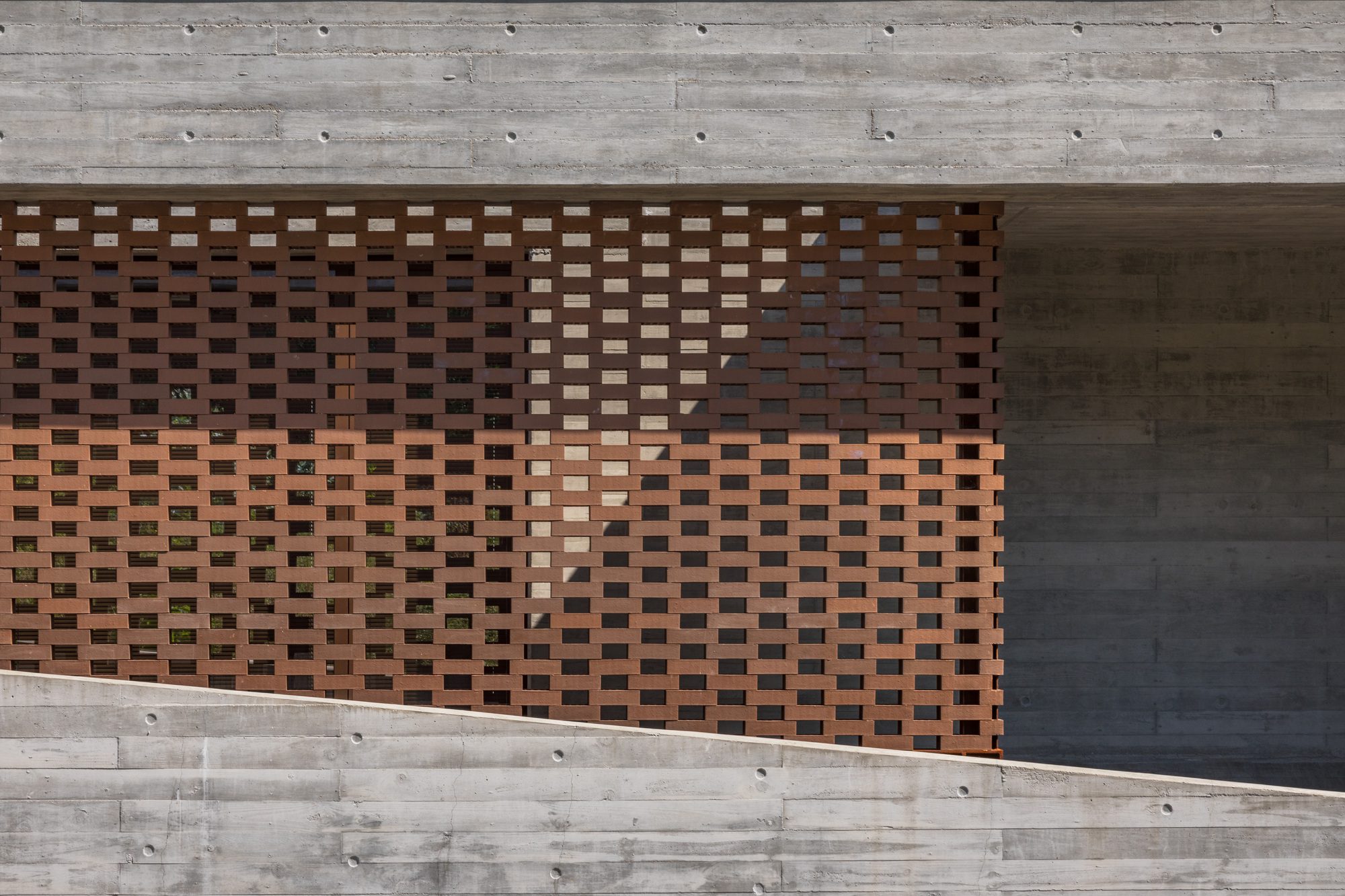
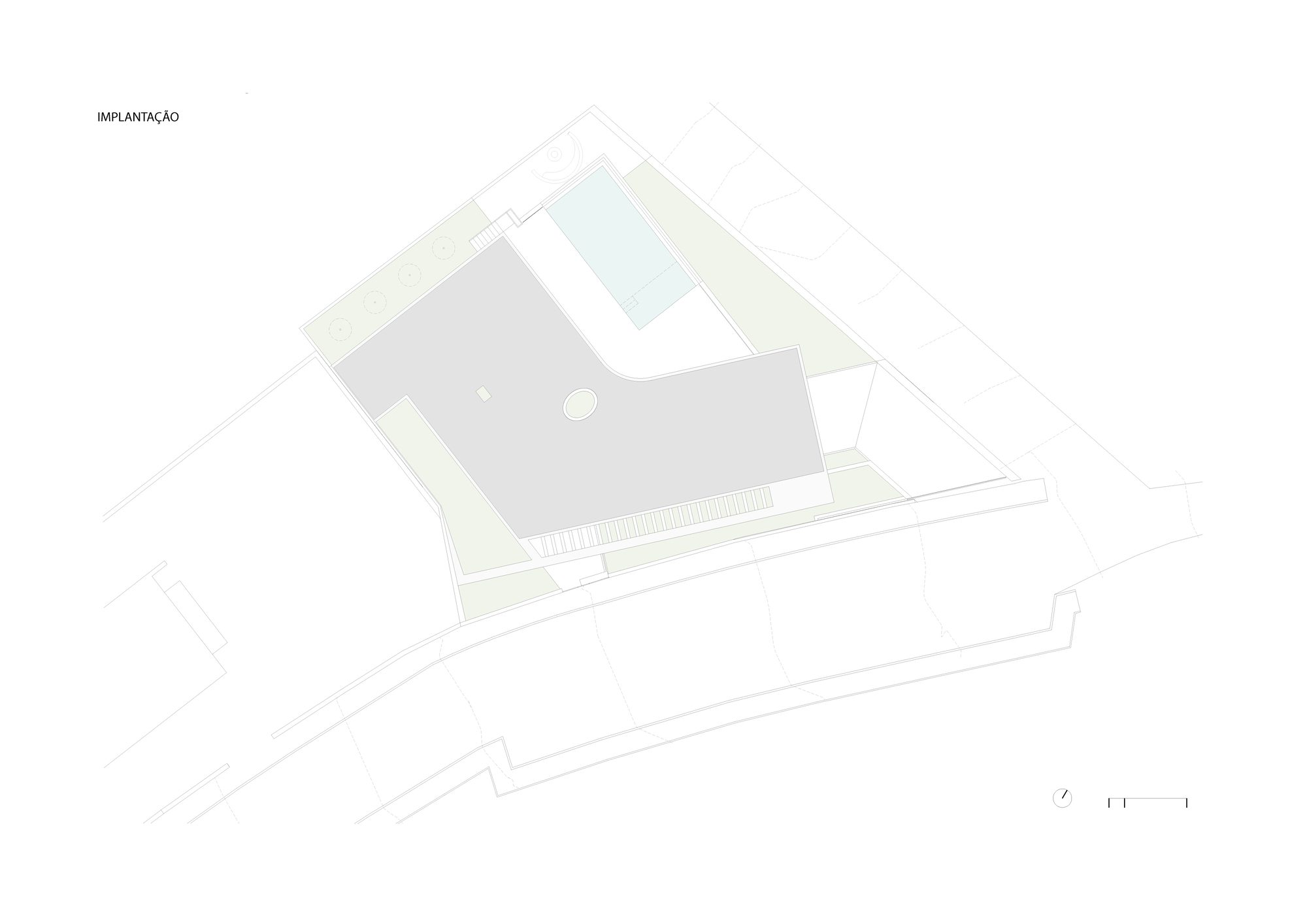
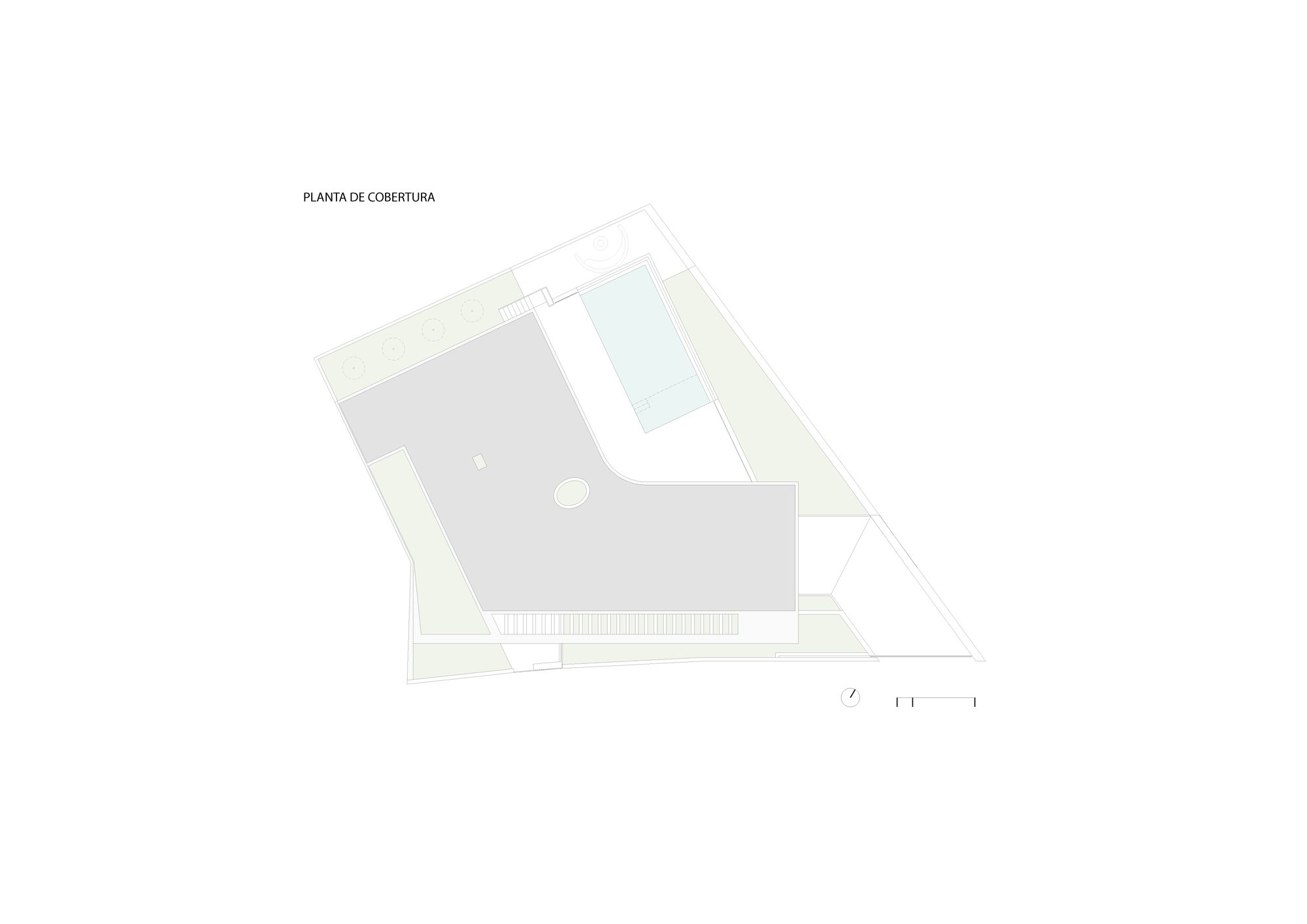
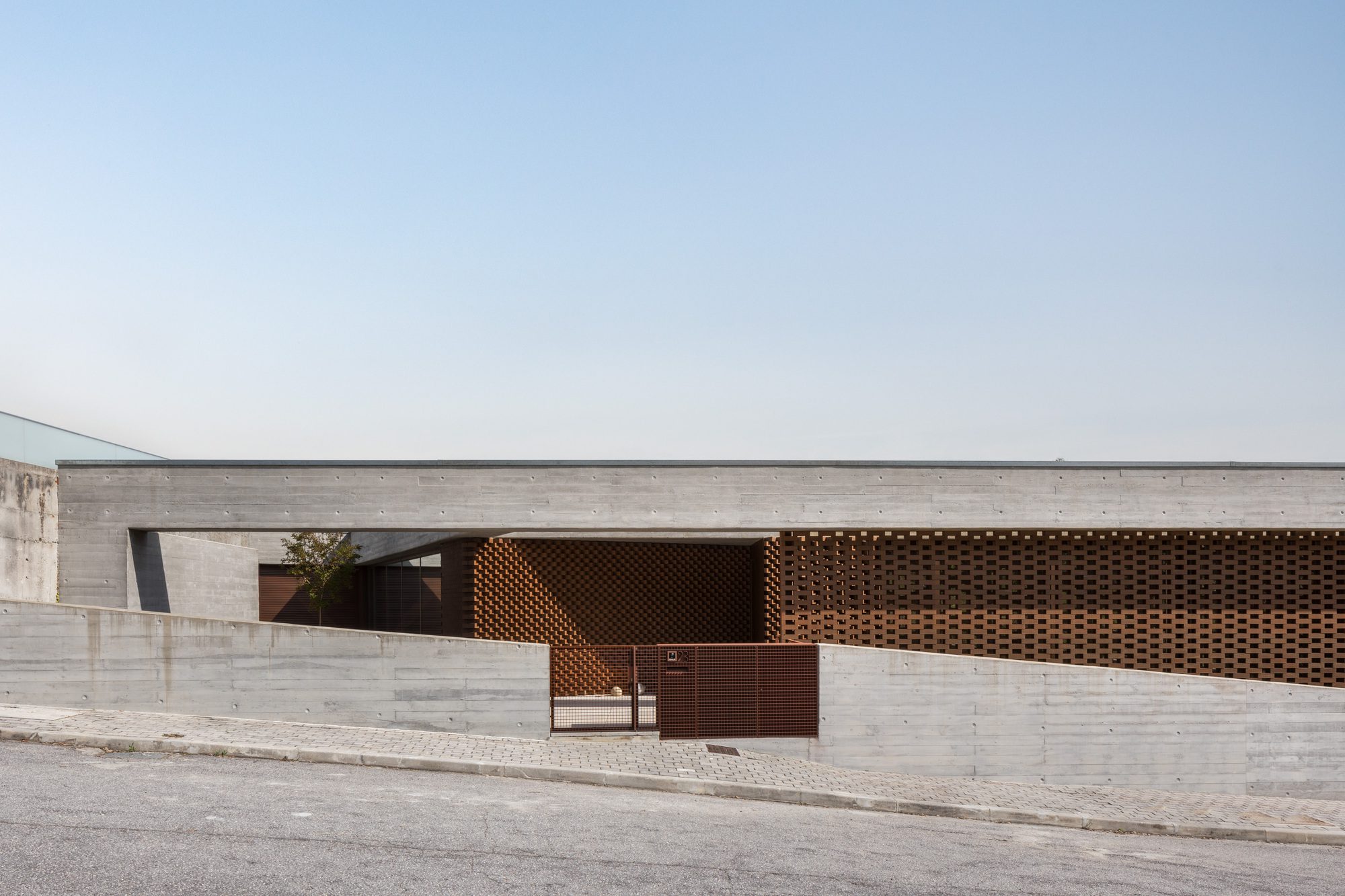
The approach to address this constraint was to design a house in the shape of a “V” – on one side, to allow natural light into the more private area to the east, and on the other, in the social area. In addition to the opening to the north to enjoy the views, a large void was created to the south facing the enabling street. This void, disguised behind a “cobogó” permeable wall, provides a sense of privacy while also creating an effect of controlled light.
© Attilio Fiumarella
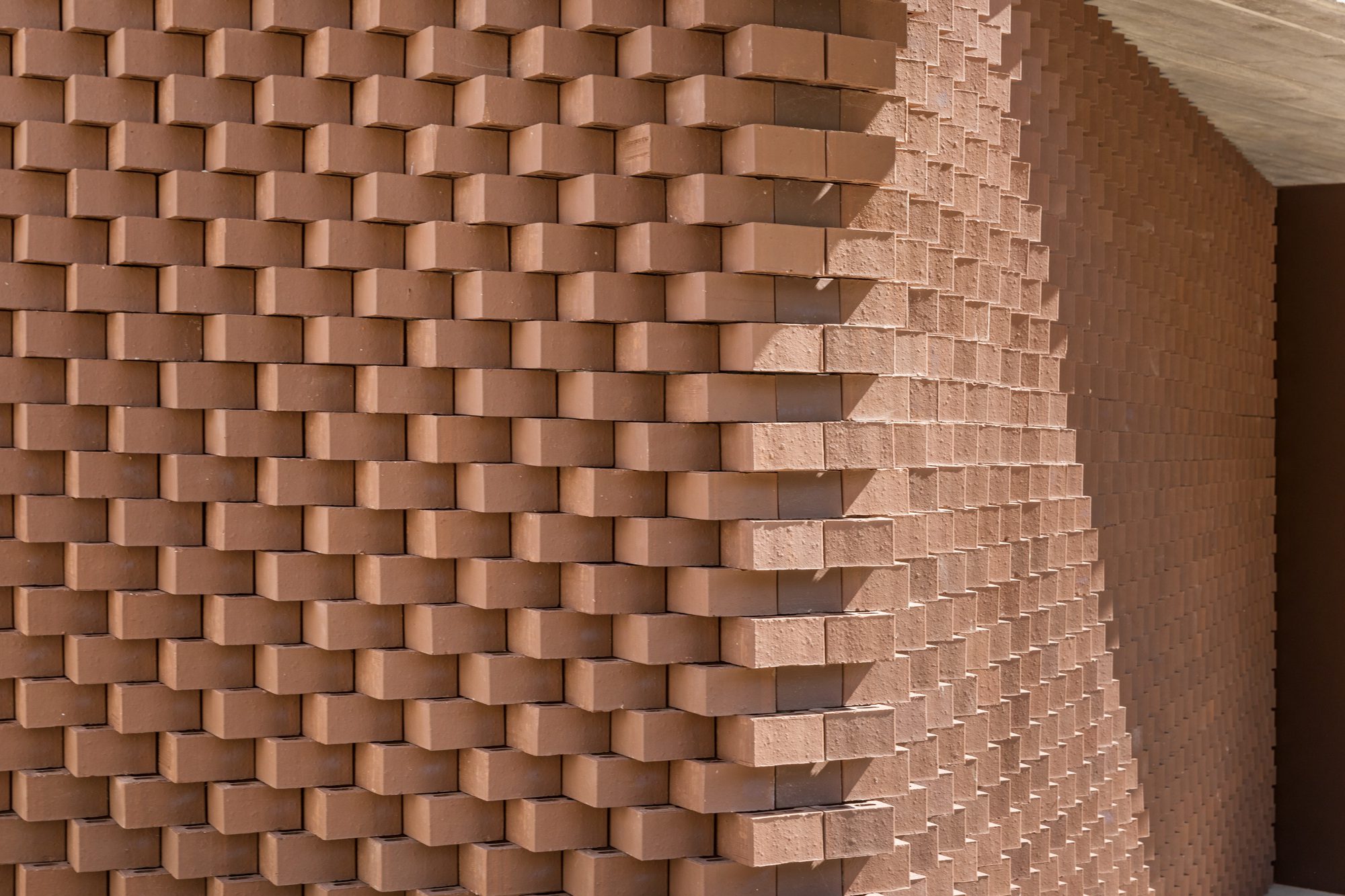
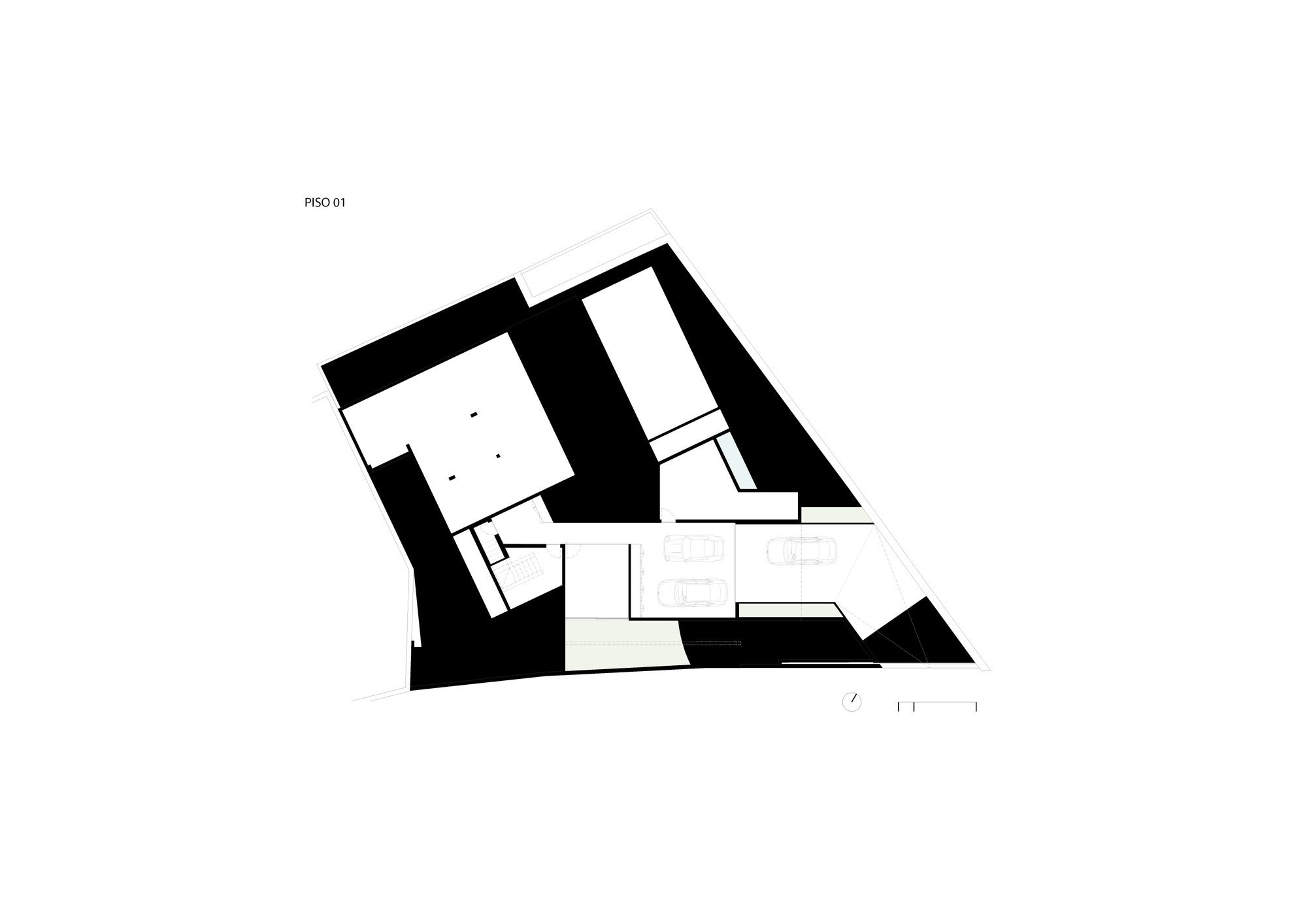
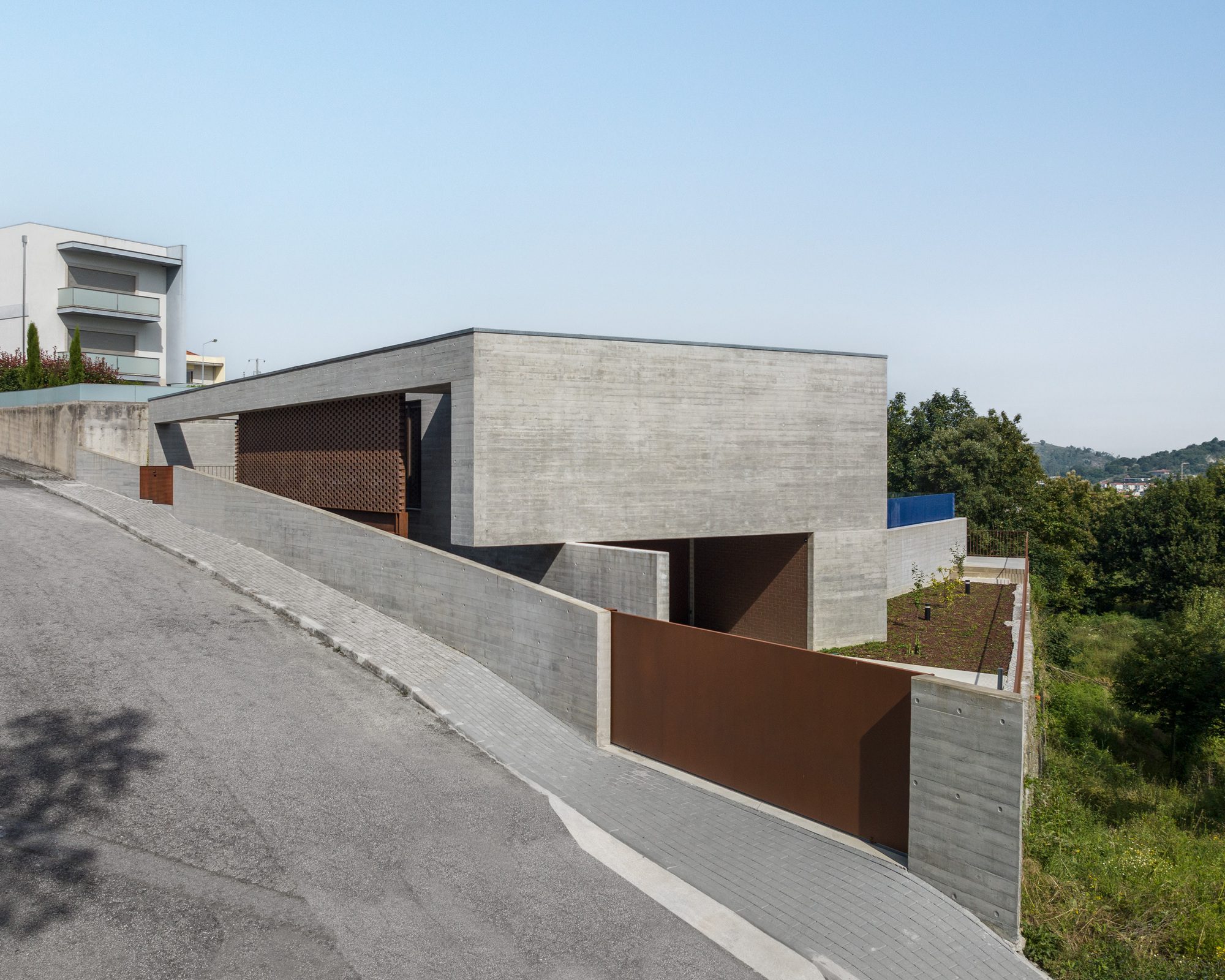
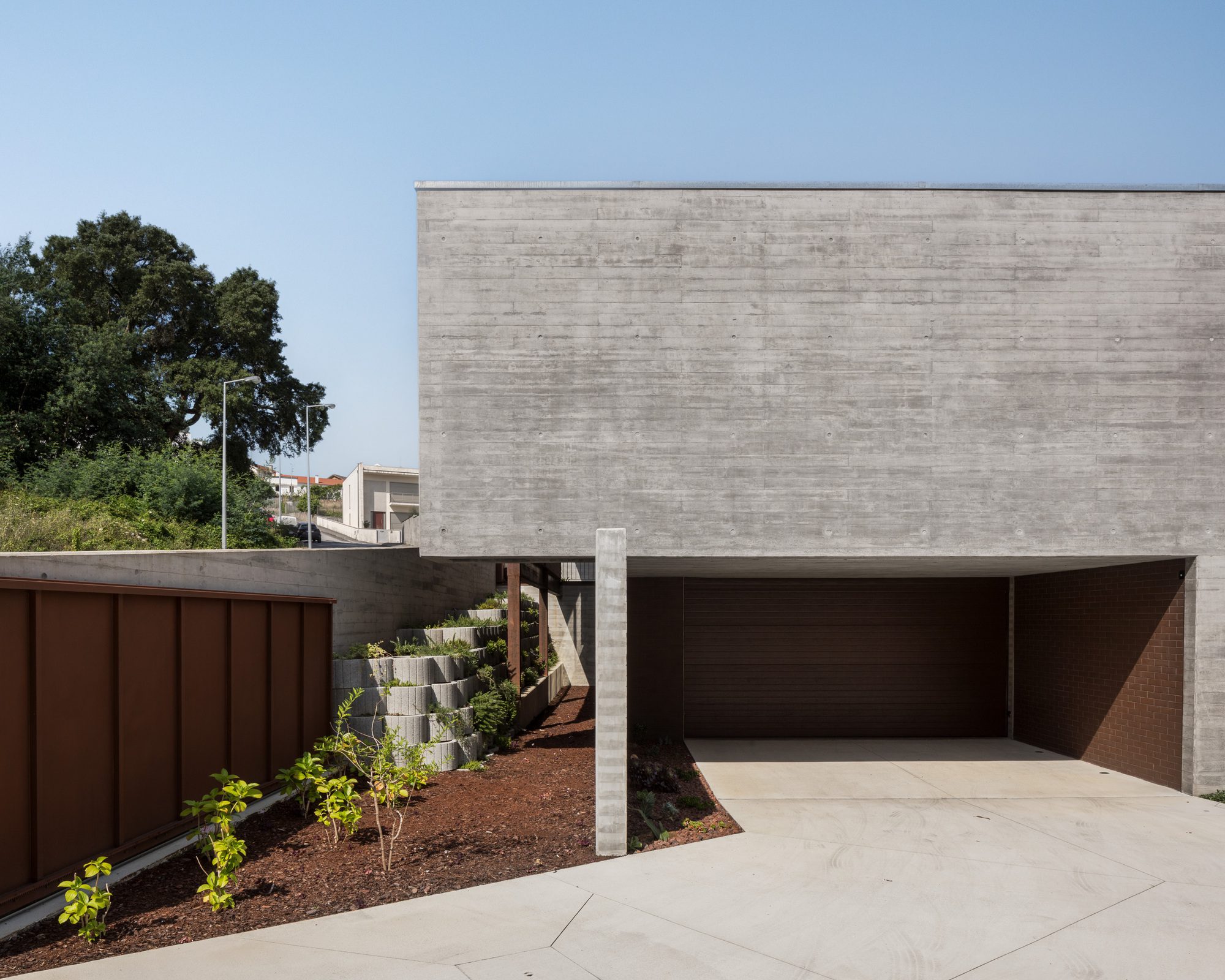
In the entrance area, part of the building was set back from the western boundary to create a landscaped courtyard, allowing natural light to enter the interior circulation spaces. The decision was made to continue the “cobogó” wall, although with a different orientation than before, to create a sense of movement in the façade.
© Attilio Fiumarella
Regarding the materiality, this project stands out for its combination of different textures and contrasts, such as exposed concrete and face-brick, expressing the importance and essence of materials in the house and their integration into the surroundings.
Project Info
Architects: TRAMA arquitetos
Country: Portugal, Braga
Area: 442 m²
Year: 2022
Photographs: Attilio Fiumarella
Coordination: Mariana Morais
Project Team: Catarina Silva, Ricardo Silva, Eduarda Pinto, Paula Martins, Ricardo Coutinho