


Hanging House
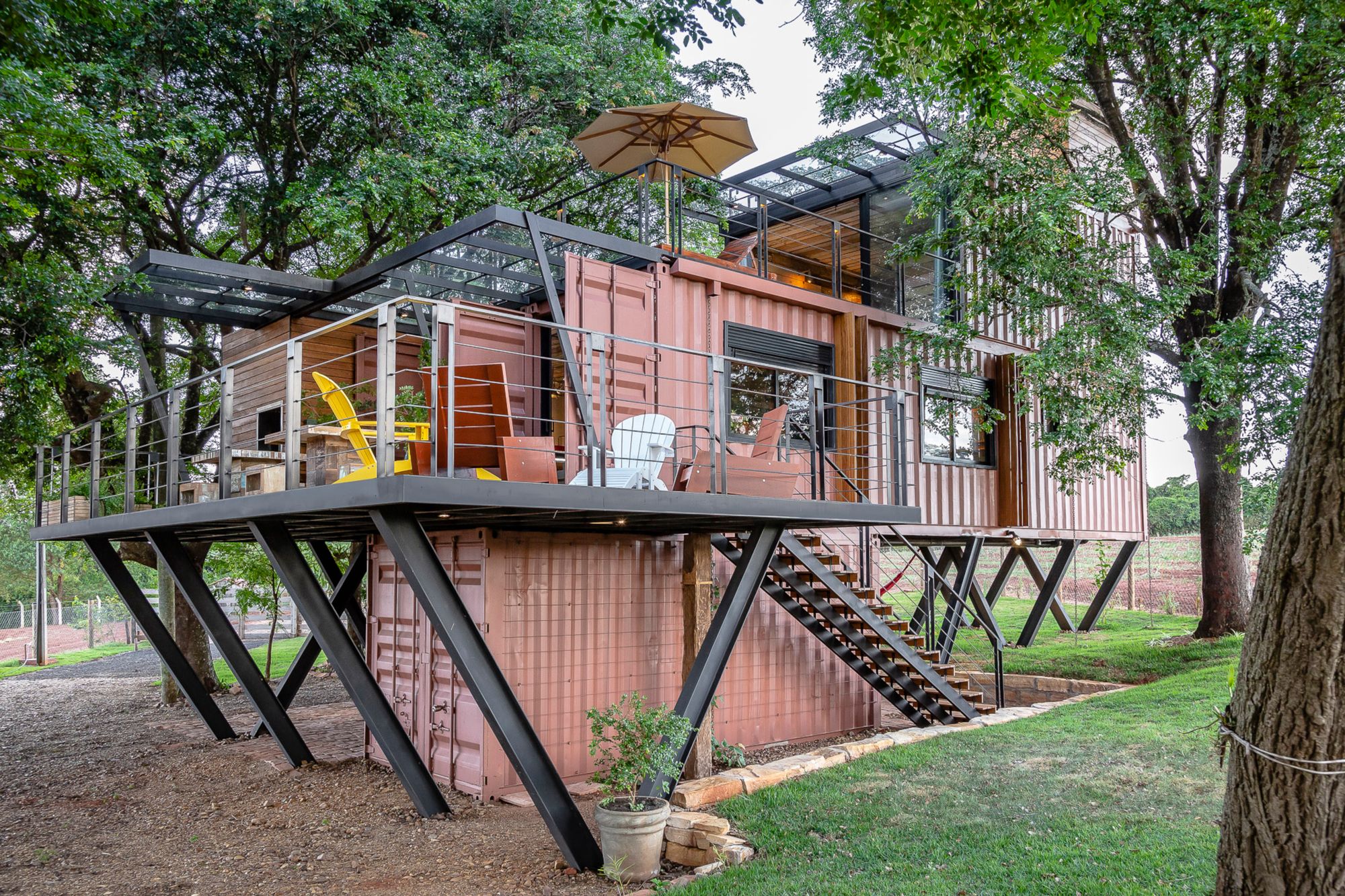
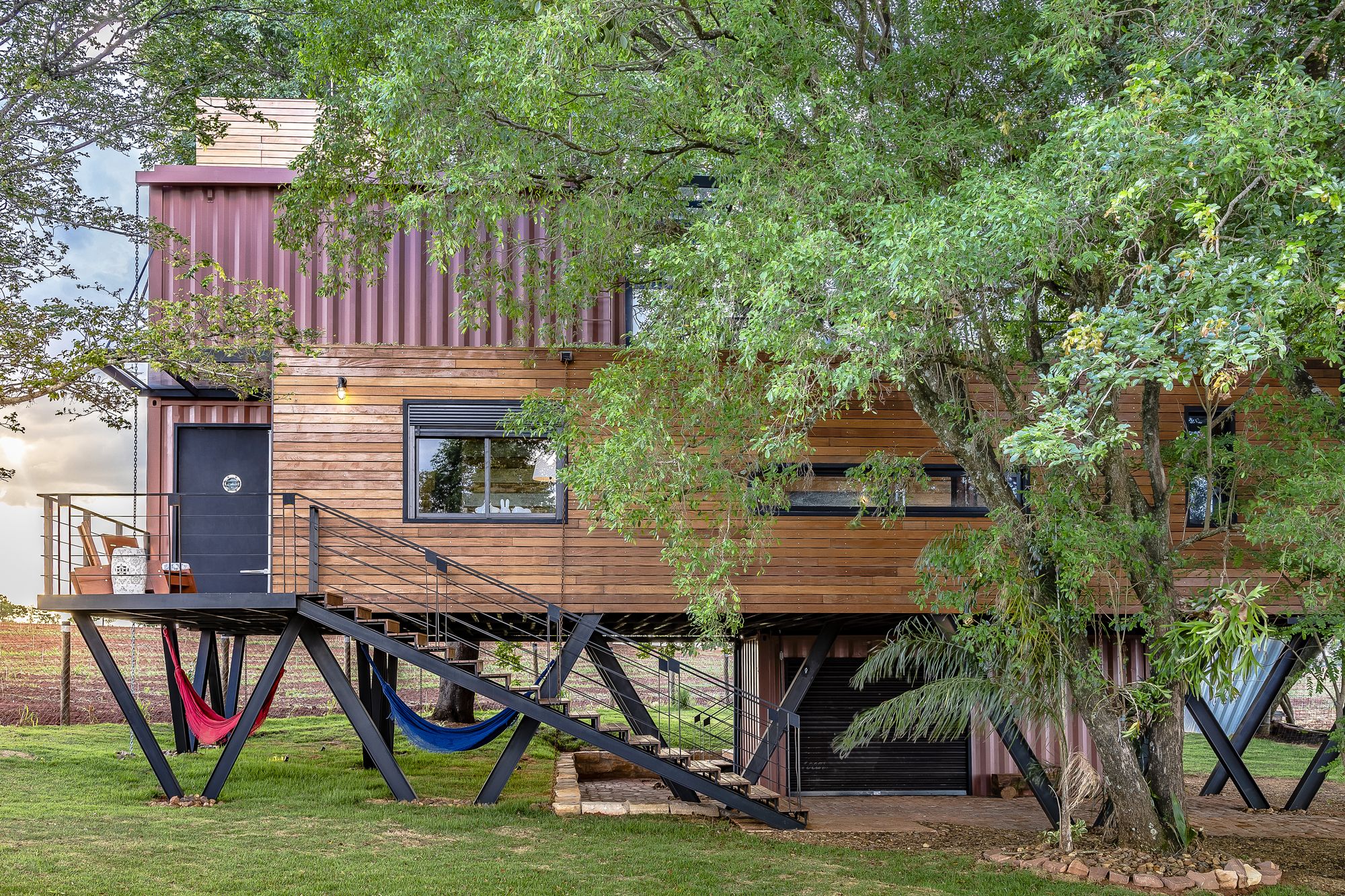
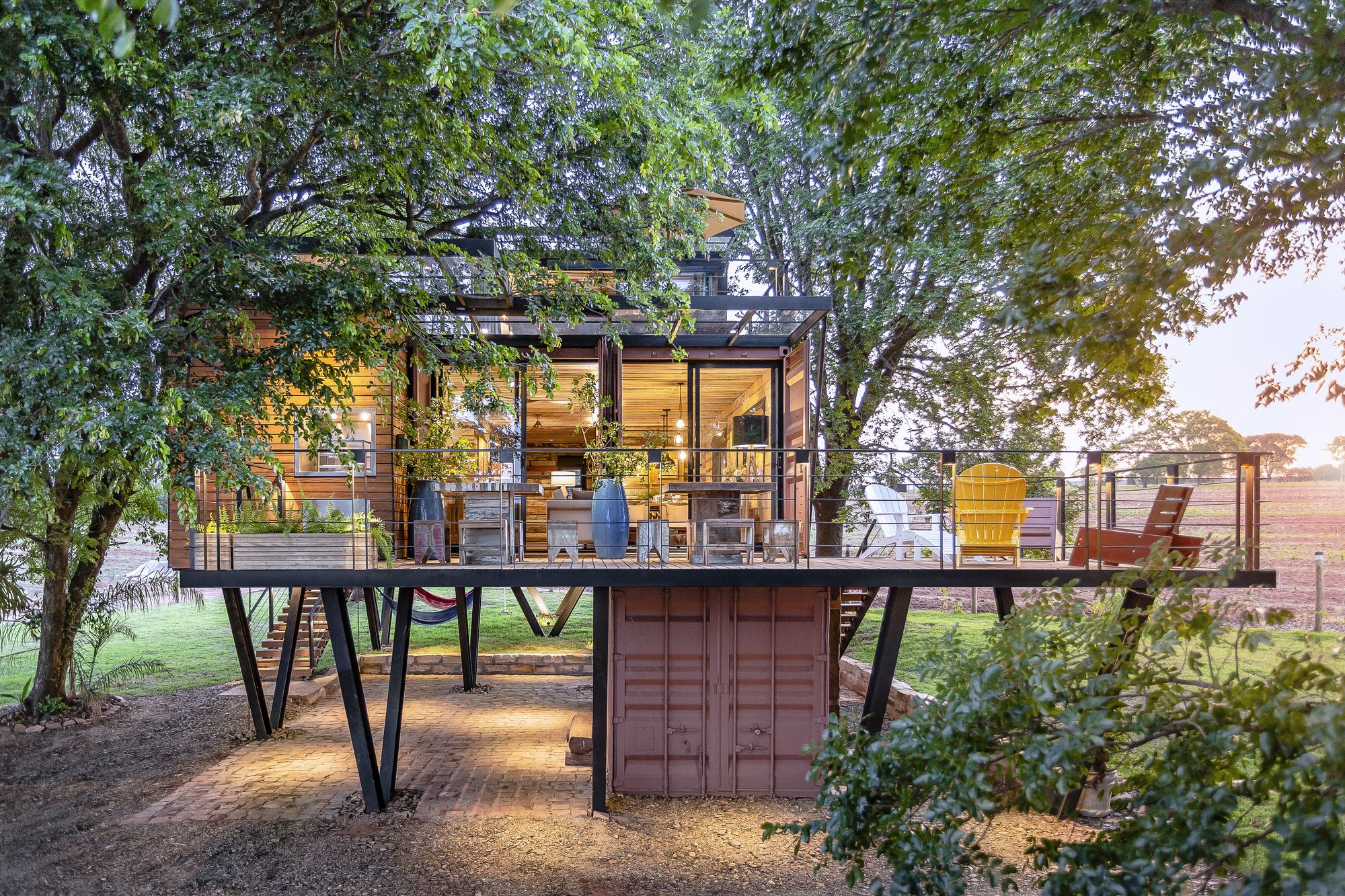
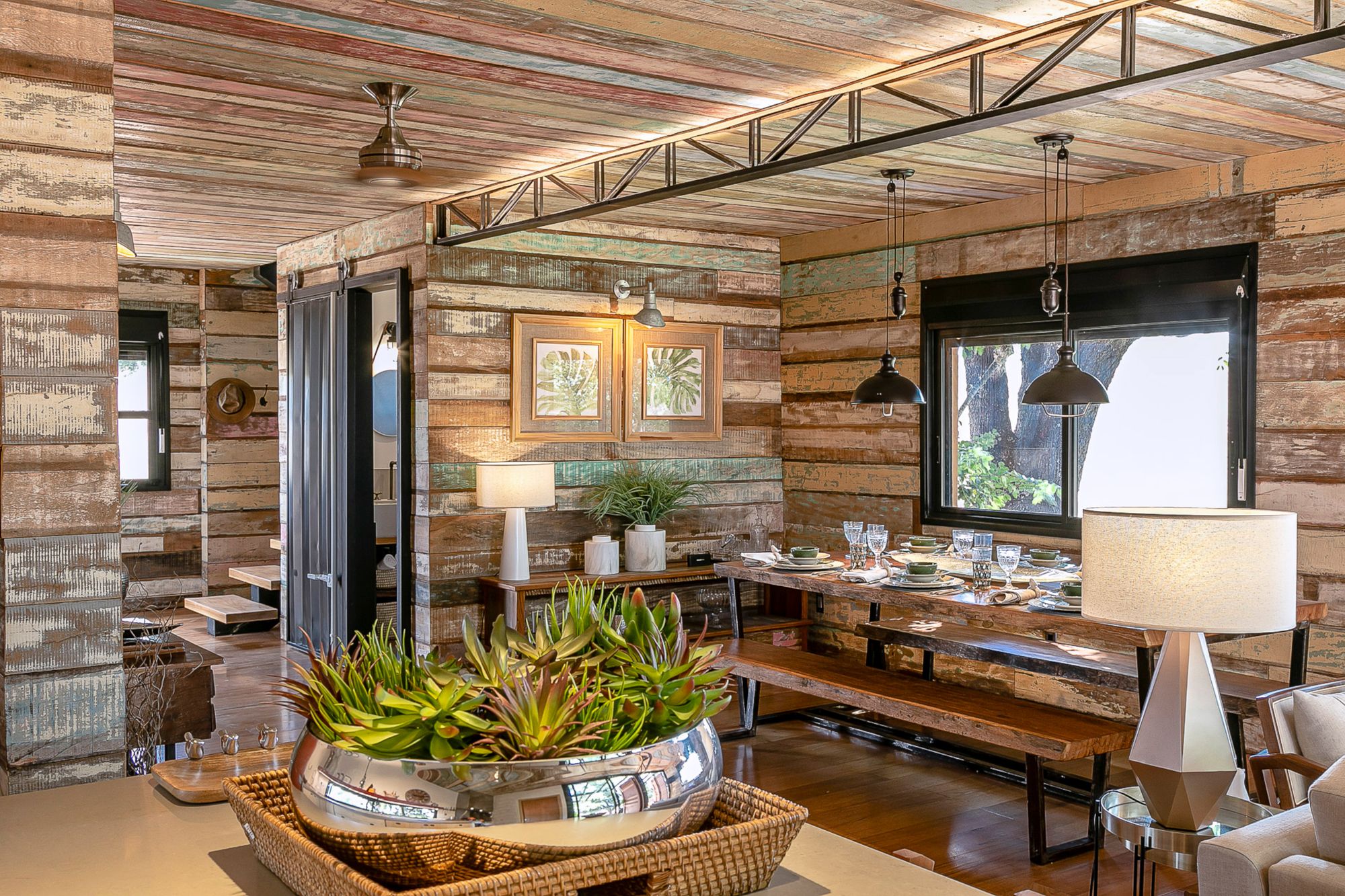
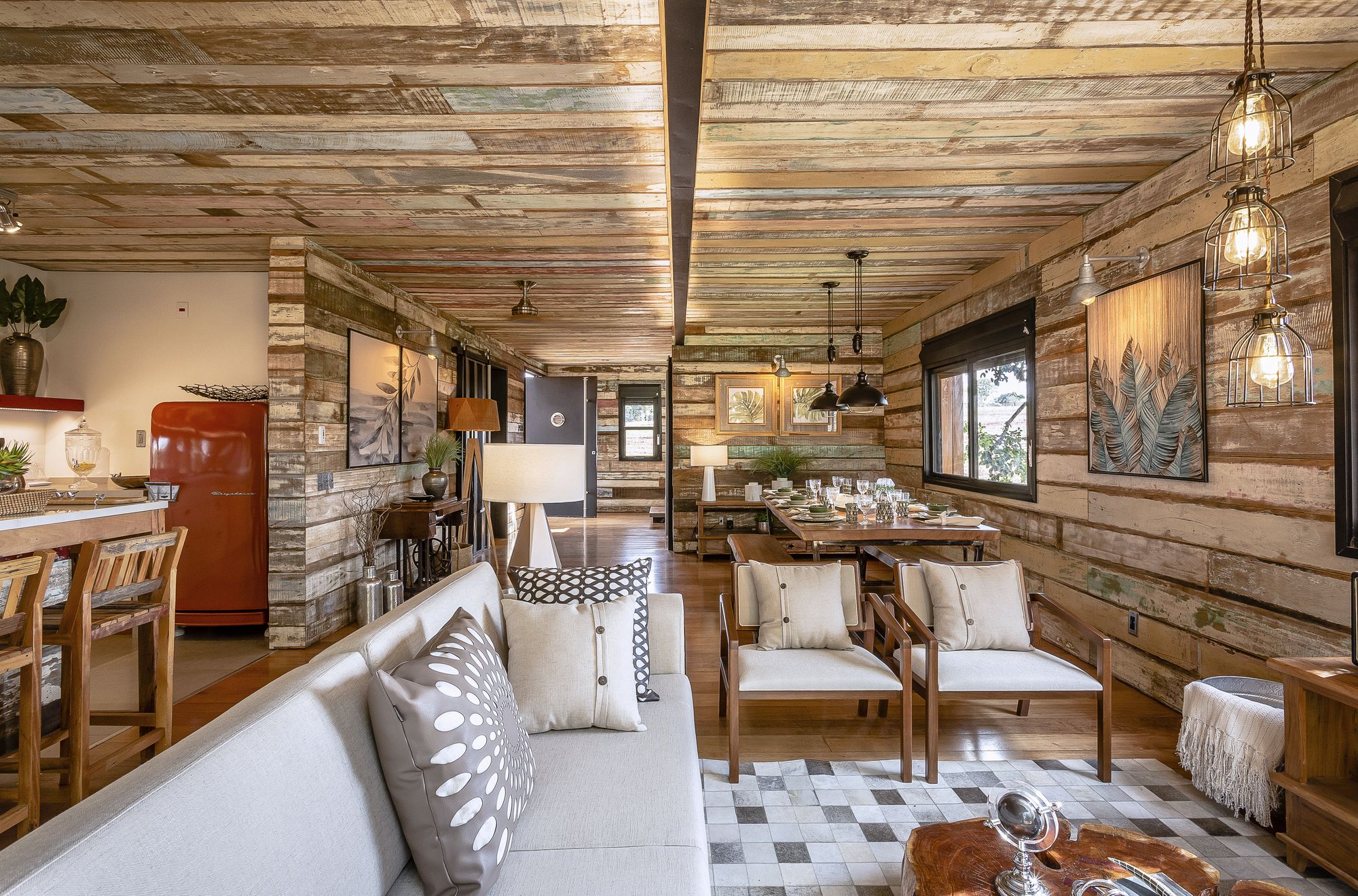
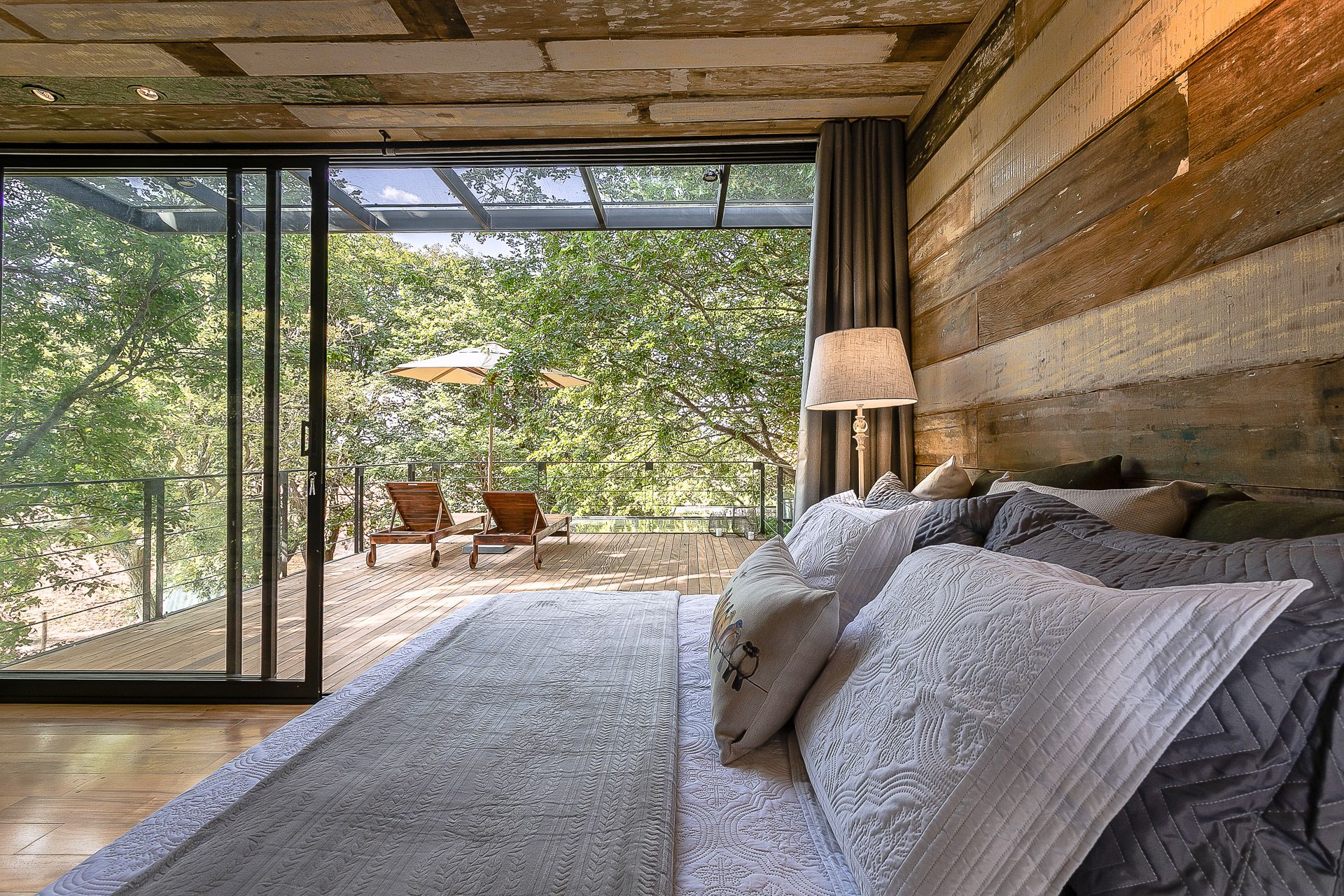
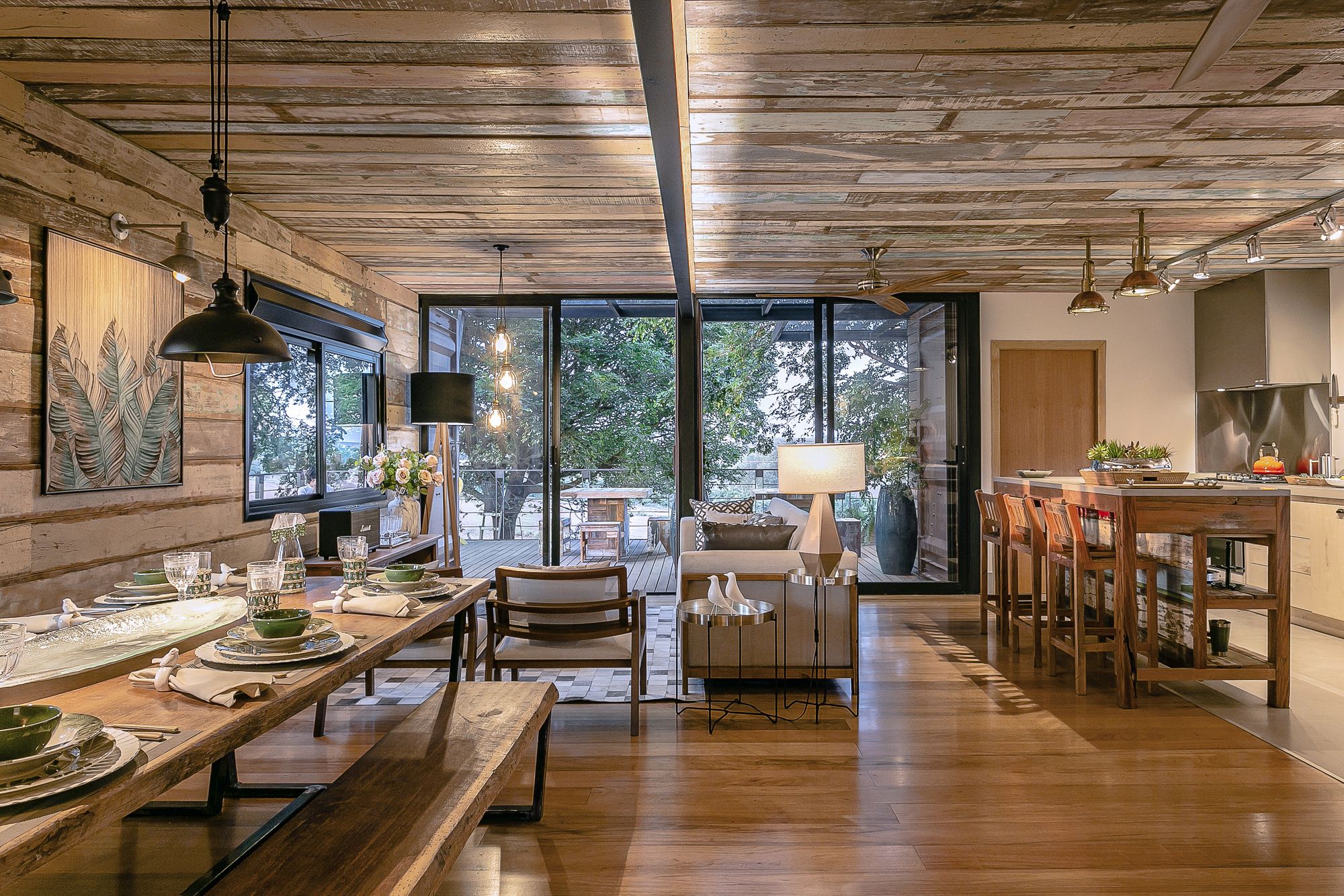
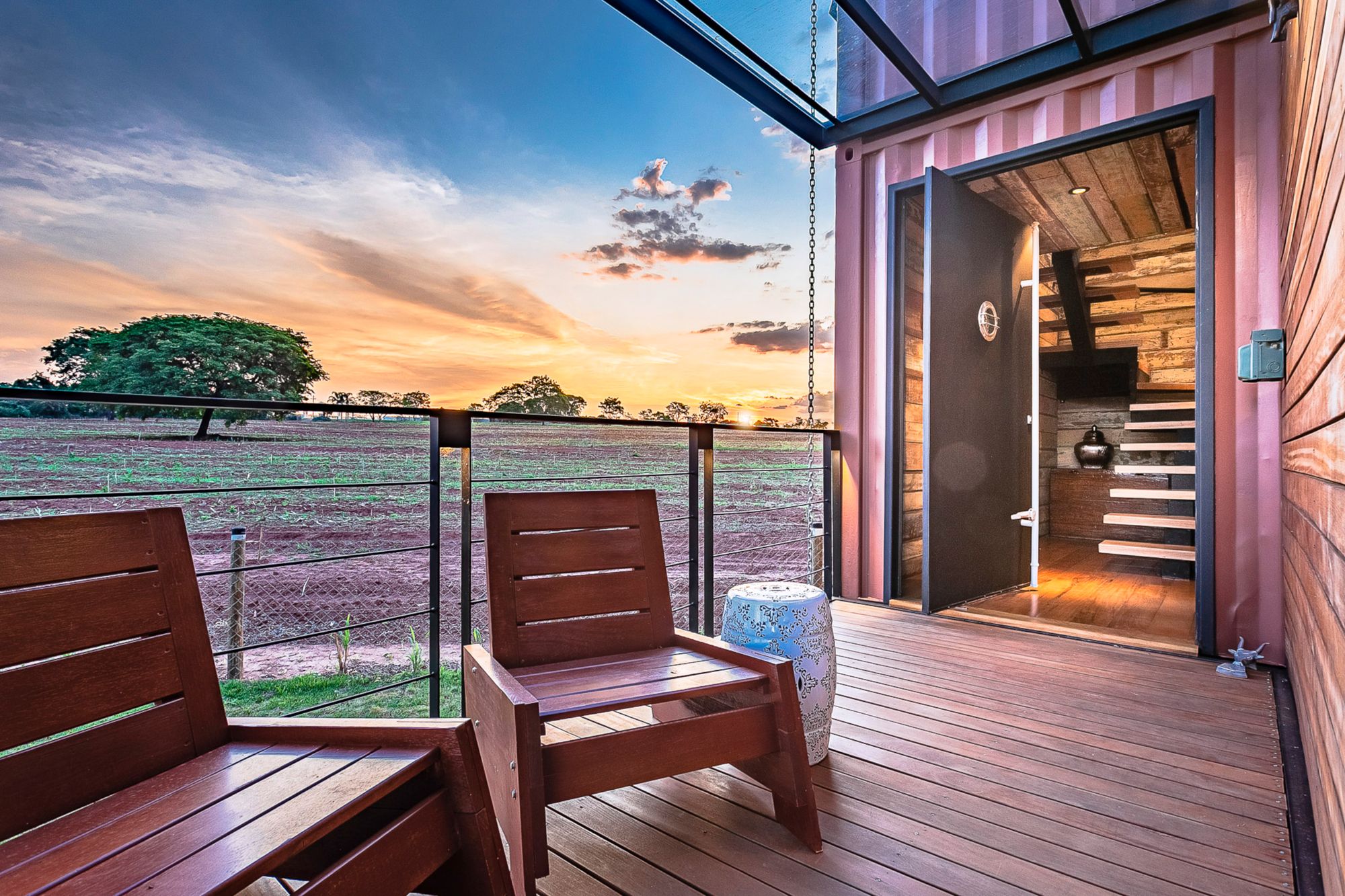
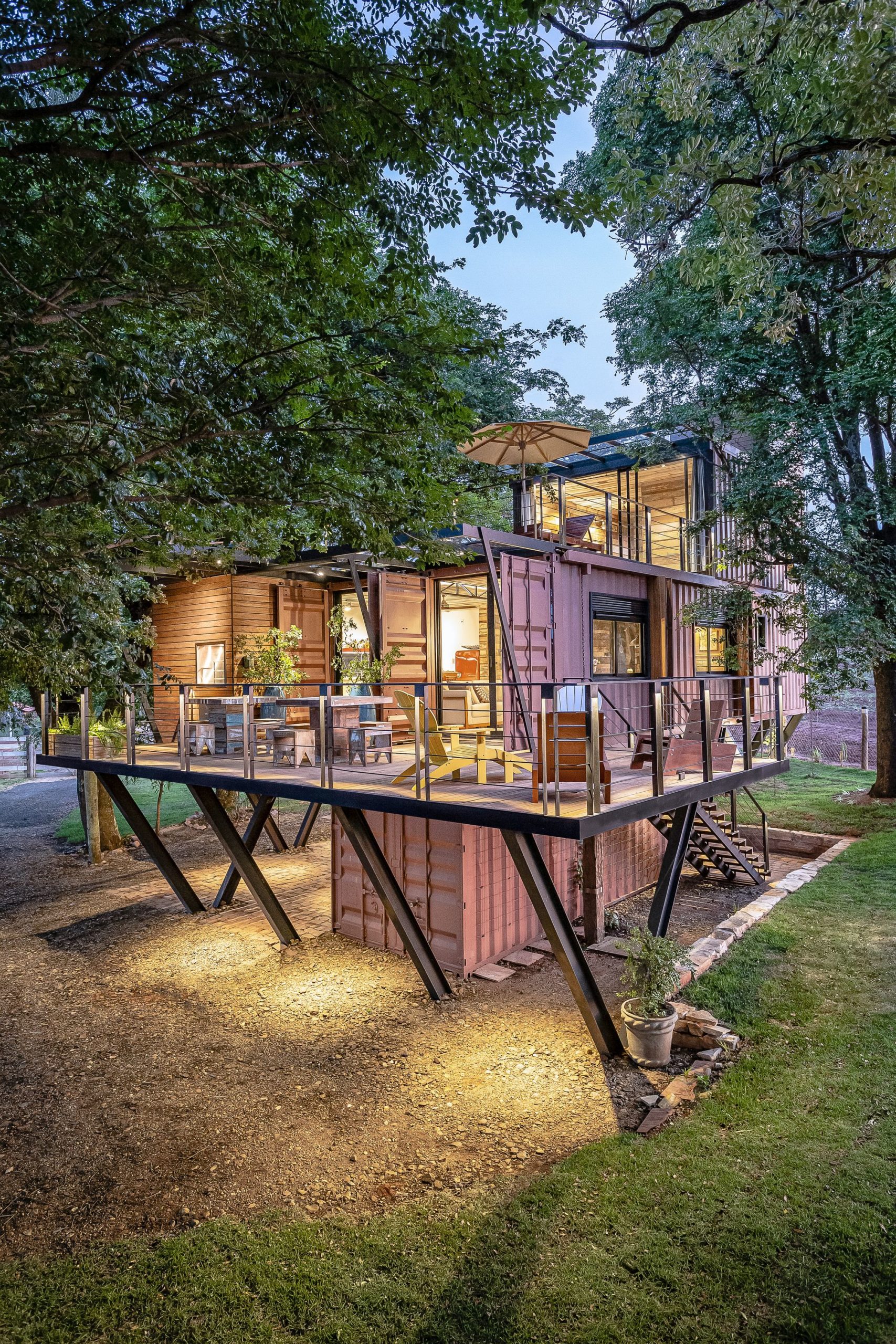
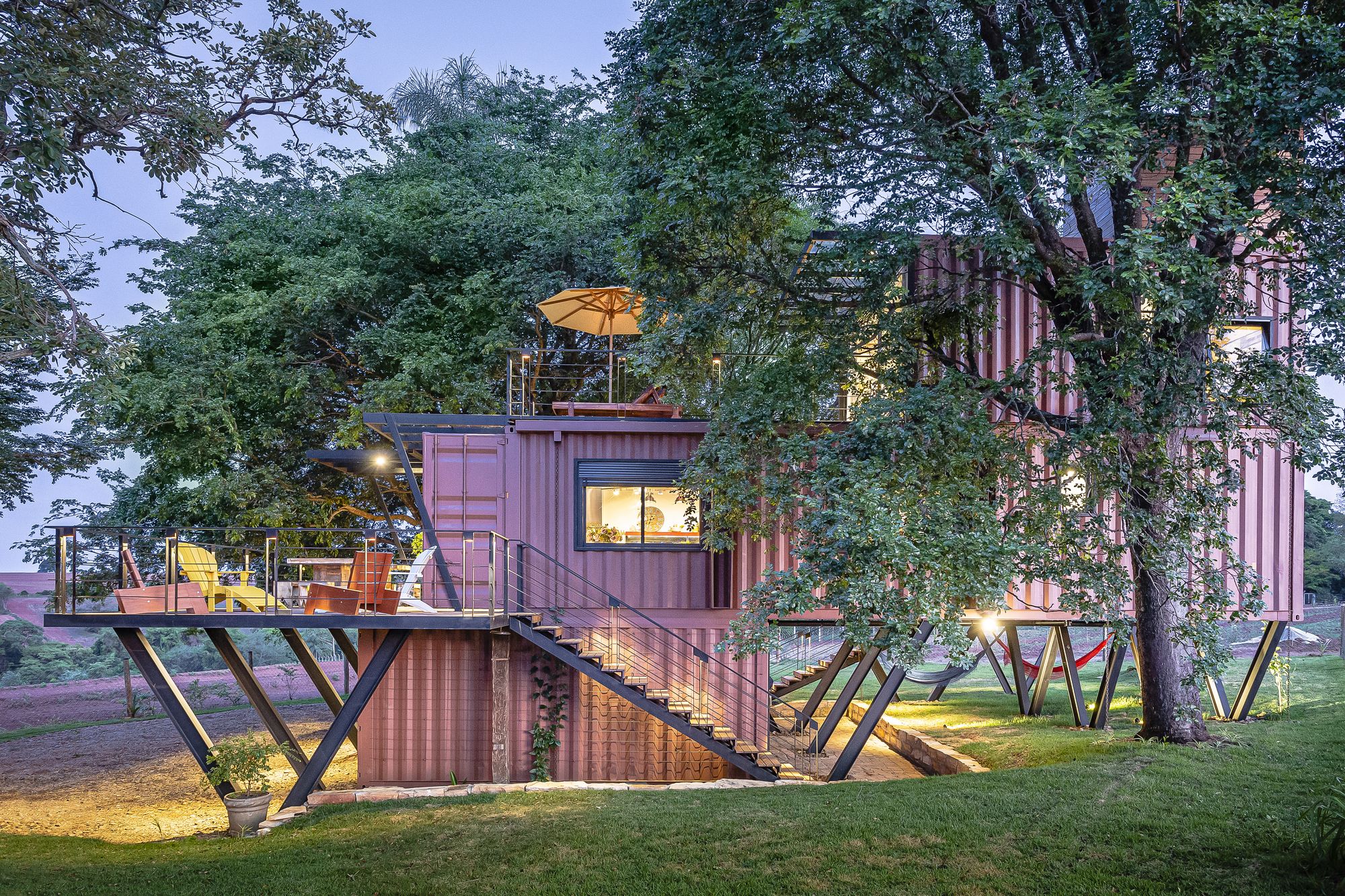
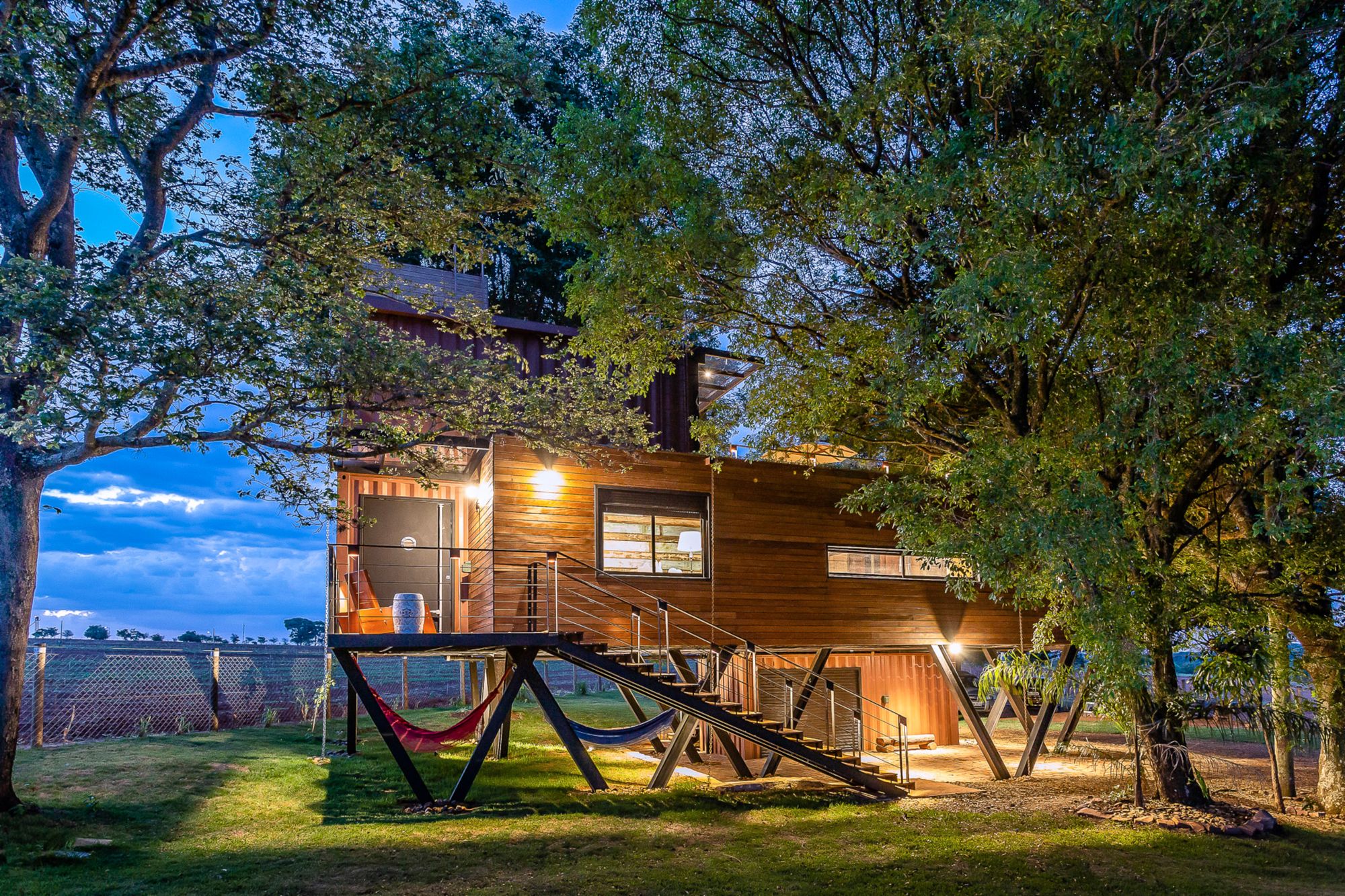
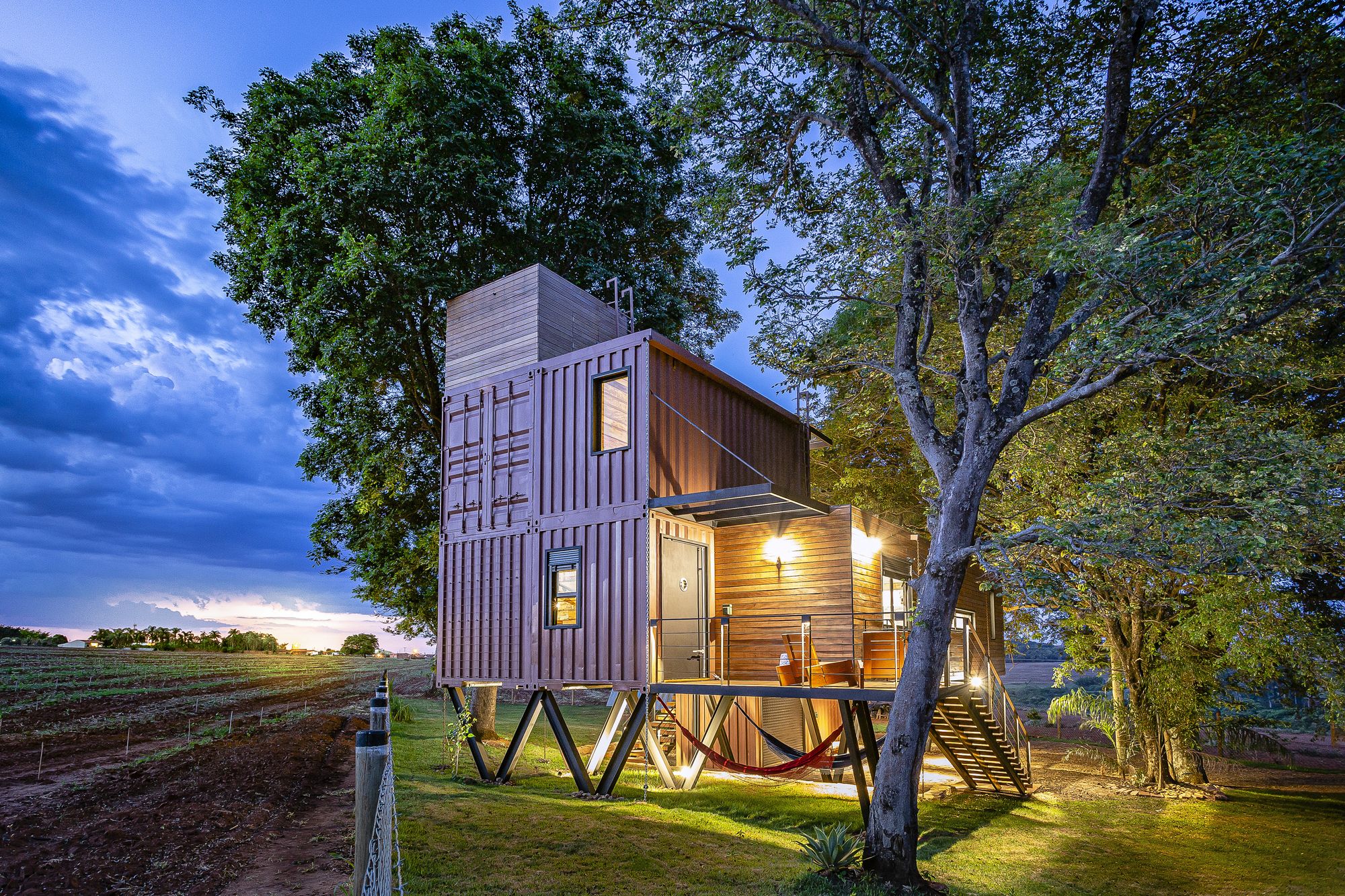
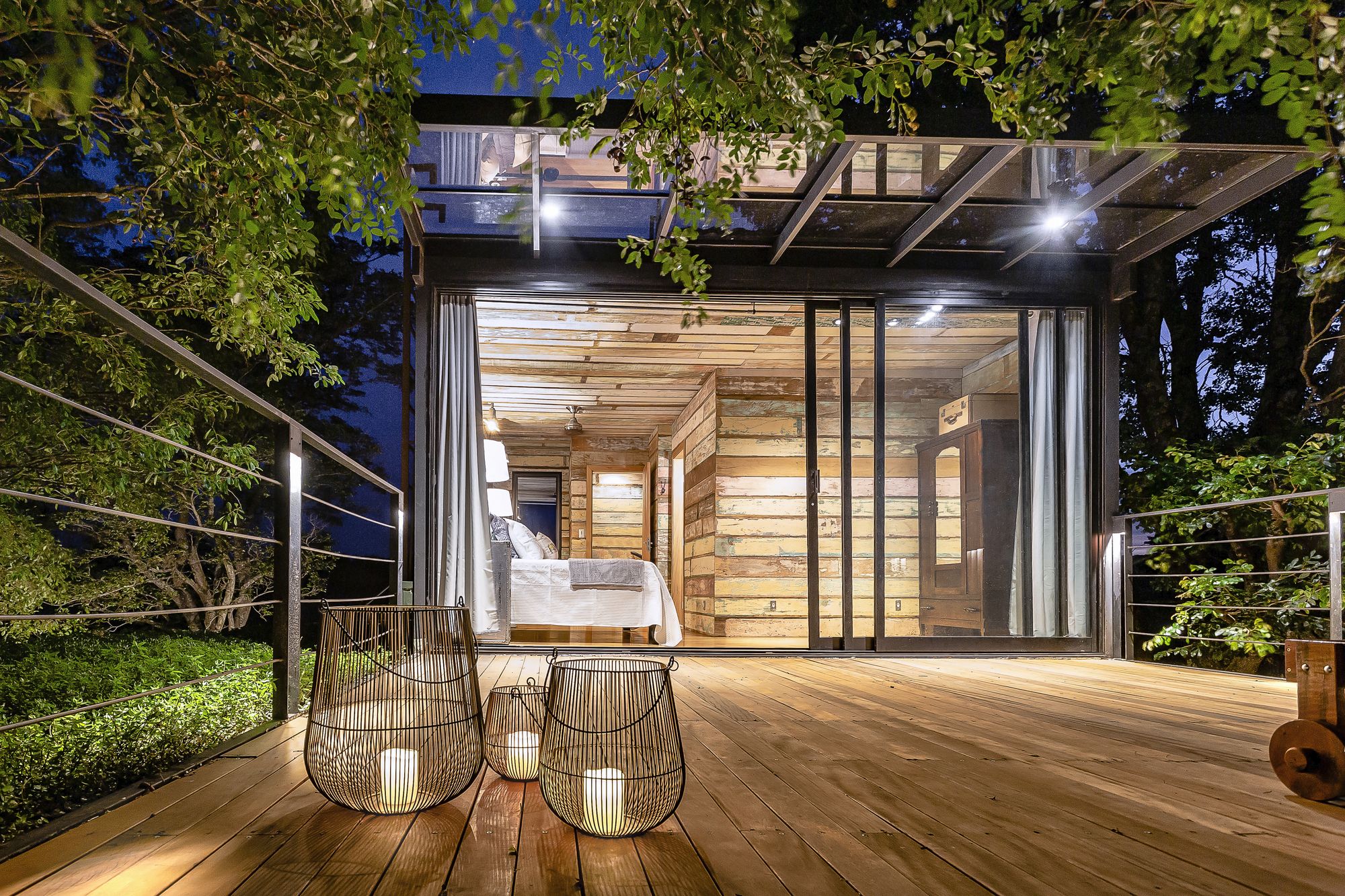
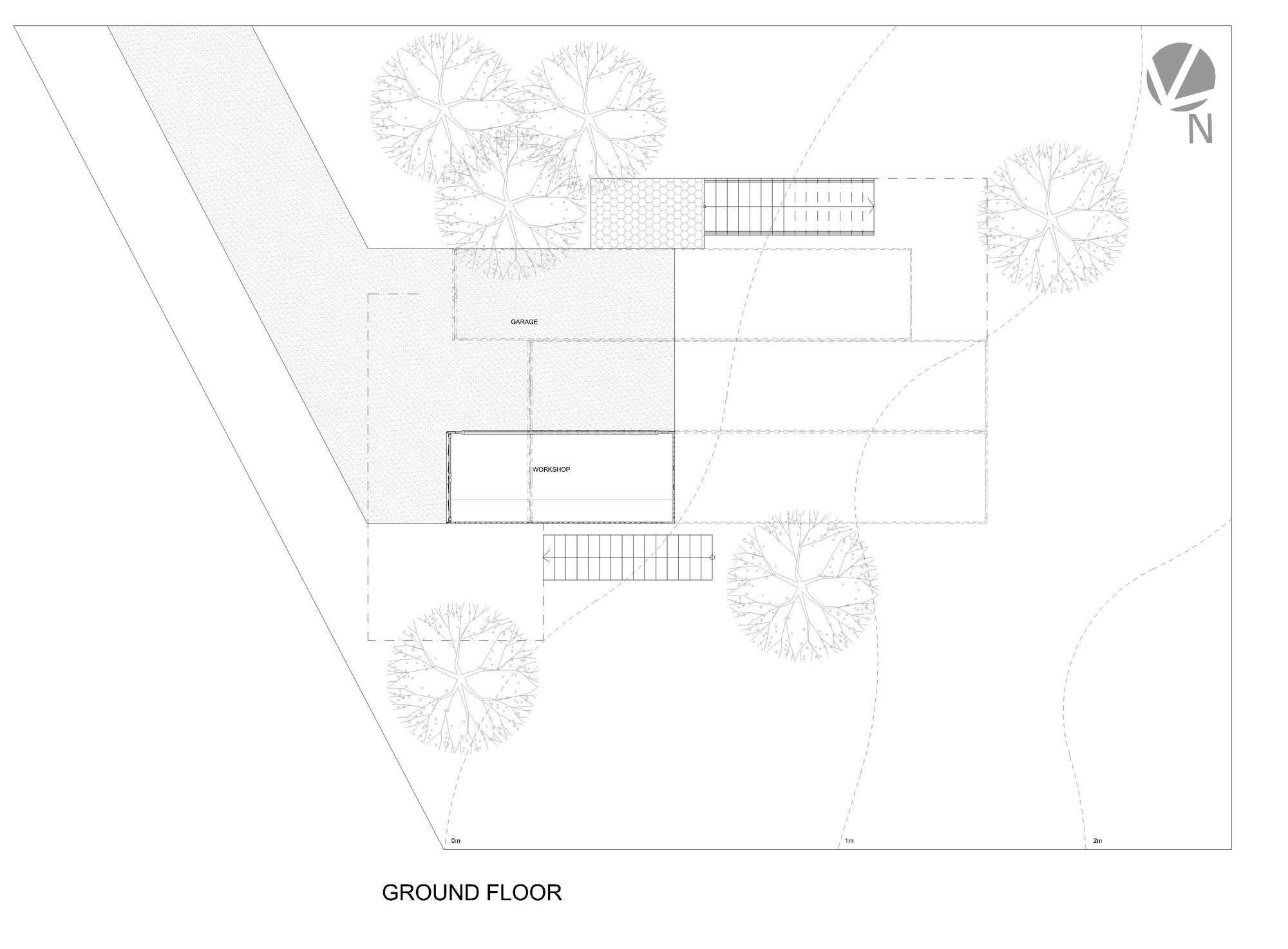
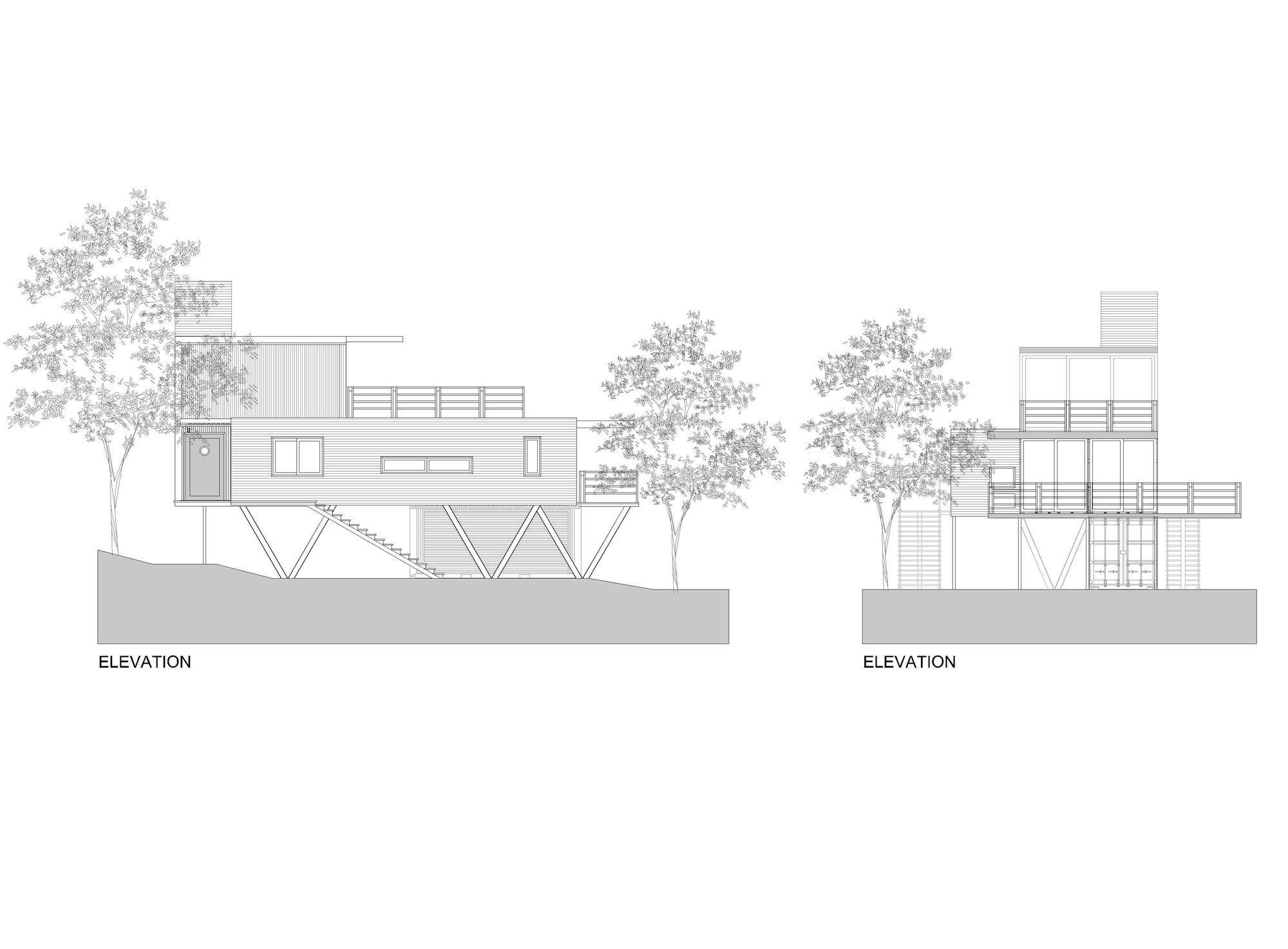
The Hanging House was named because it is elevated from the natural ground level of the site where it was located. This is because the house is surrounded by native trees, so the windows are level with the treetops and the balconies blend in with the branches. In addition, the soil remains original, preserving the drainage and root dynamics, which were not harmed because the minimum of concrete was used in the foundations. The project’s premise was a country house that integrated with the local ecosystem, with sustainability and recyclability. For this reason, the construction system with recycled maritime containers was adopted. In total 80% of the materials are recycled. Internally the demolition wood predominates in the walls and ceiling. Green roof with rainwater reuse, thermal and acoustic insulation are also the highlights of the house.
Photography by © Celso Mellani
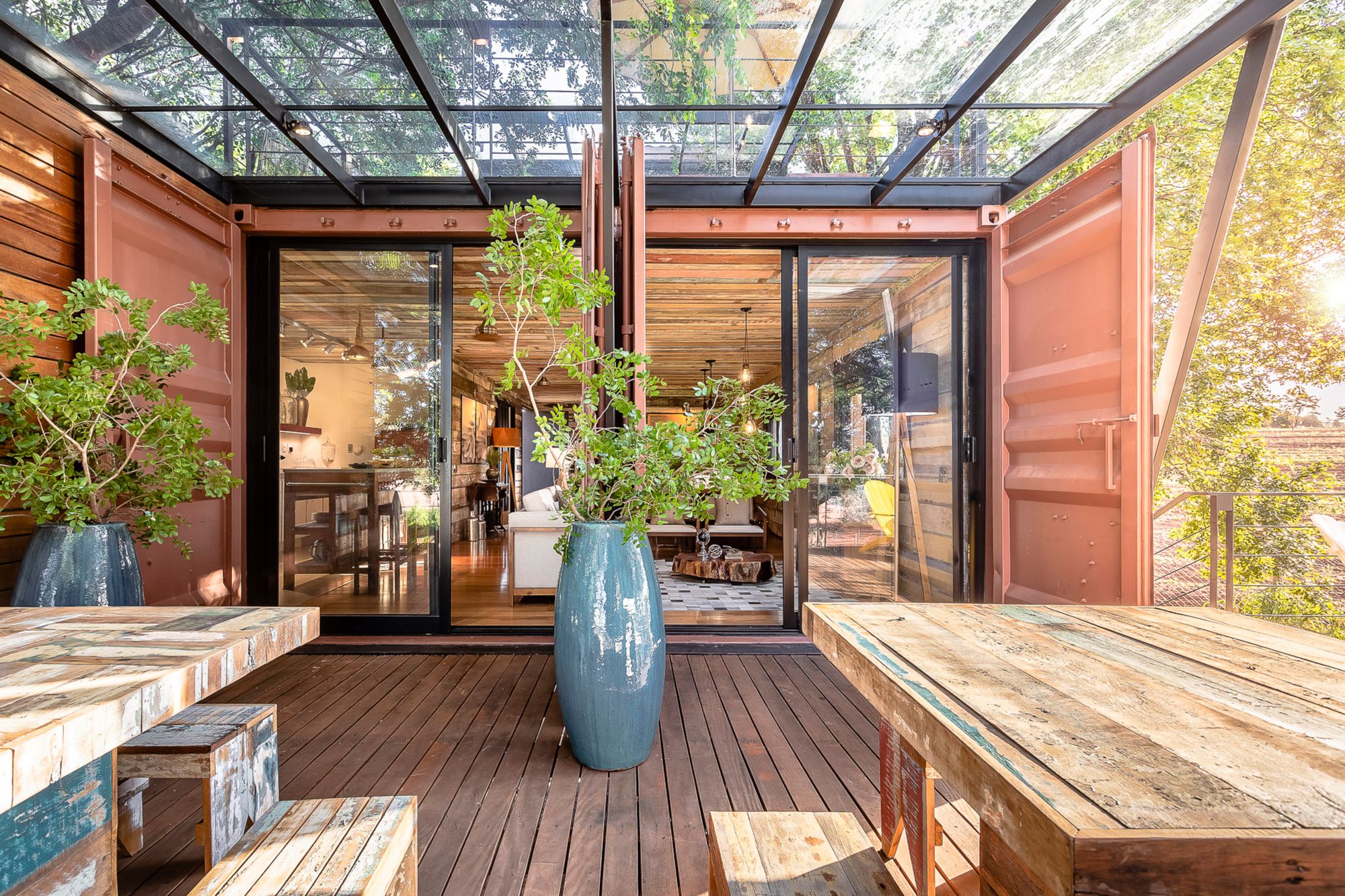
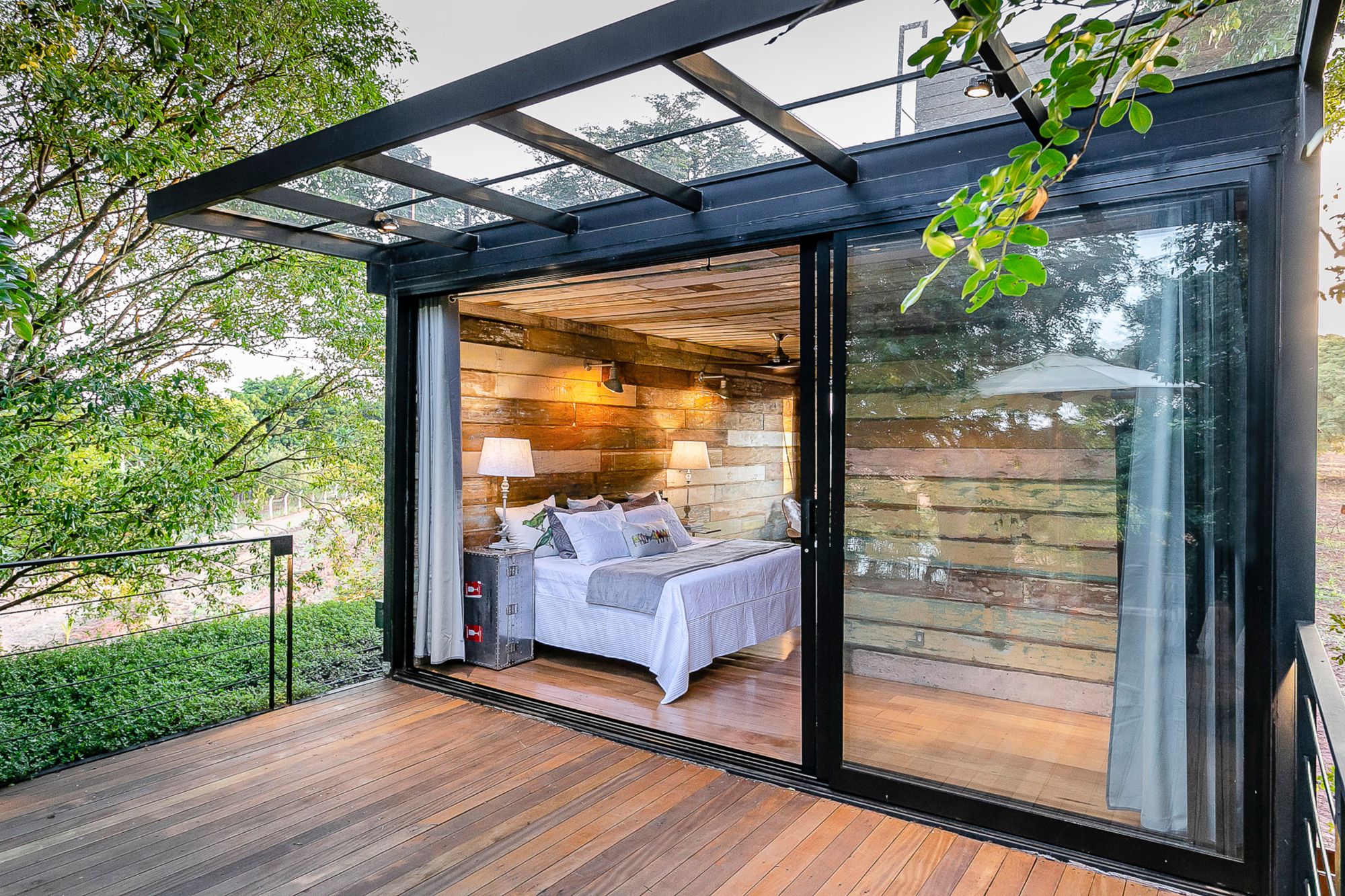
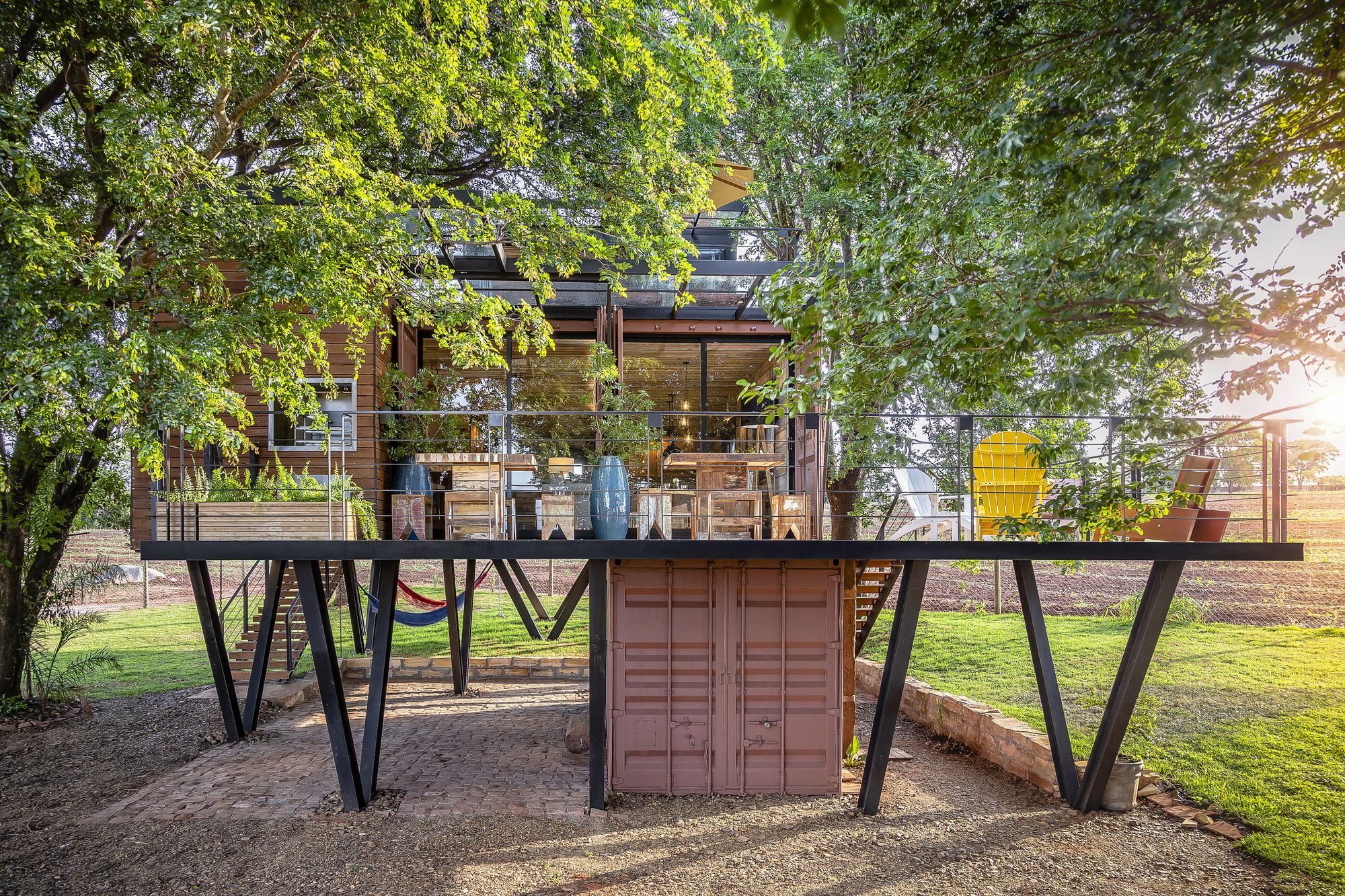
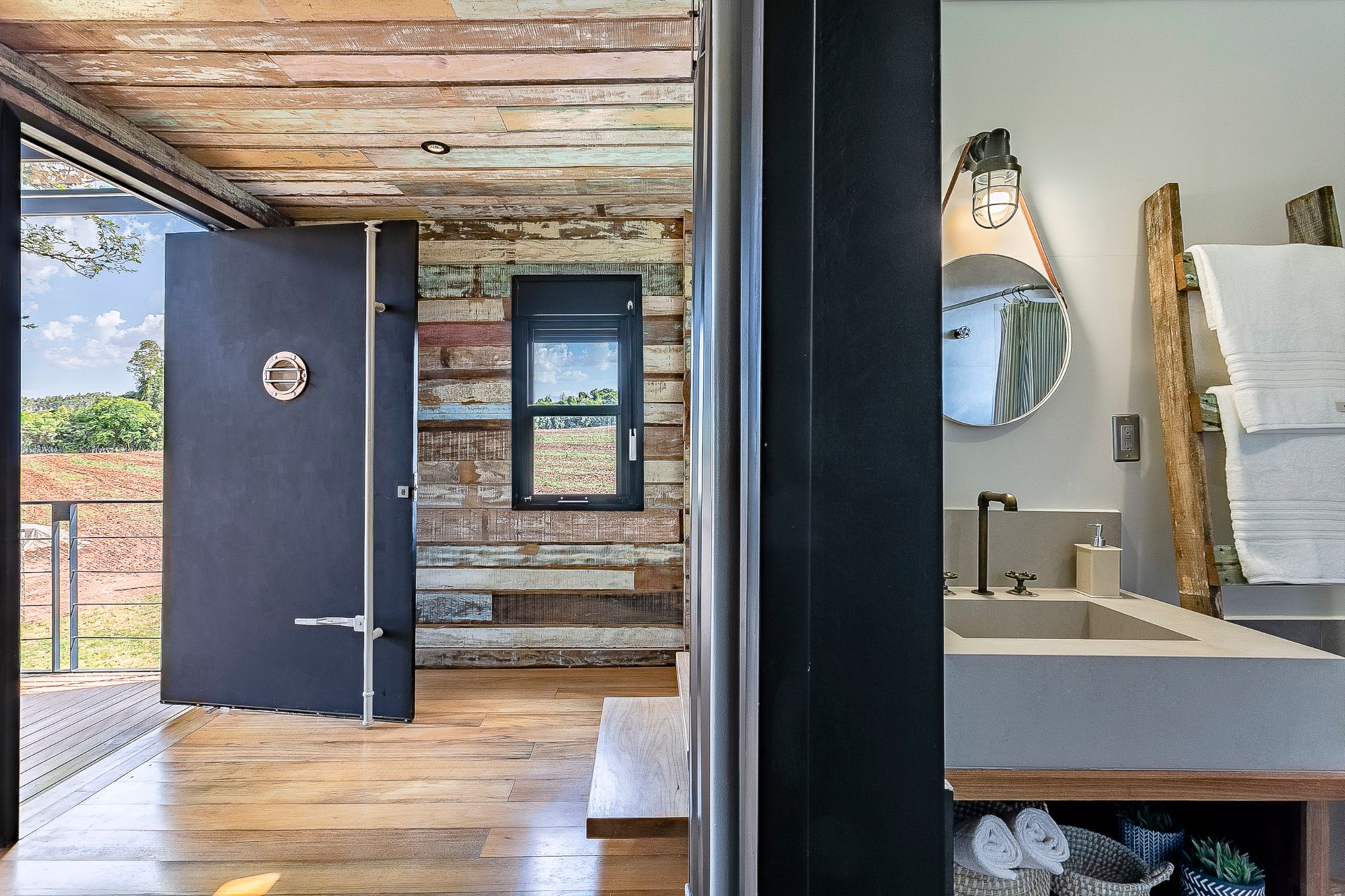
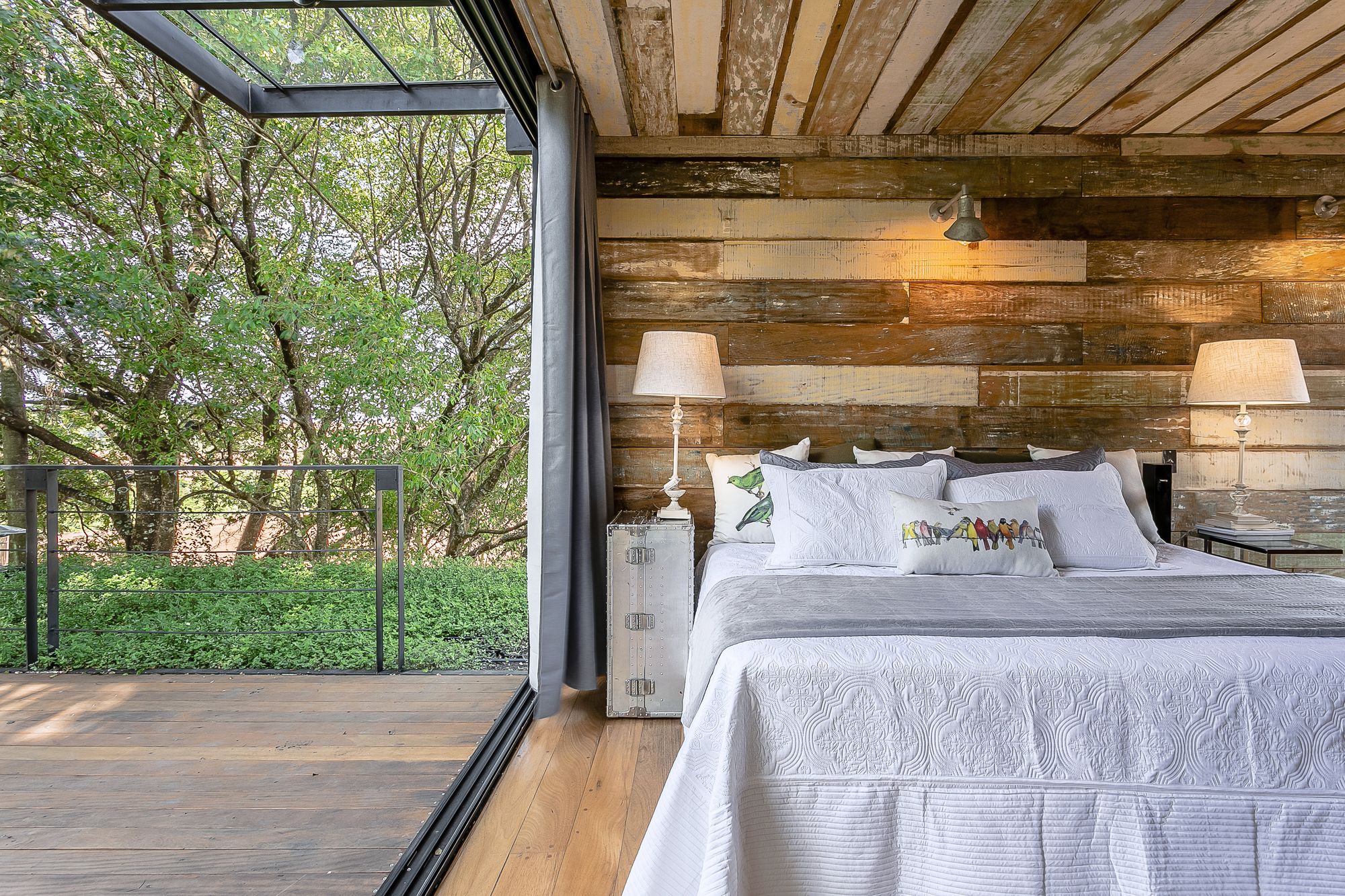
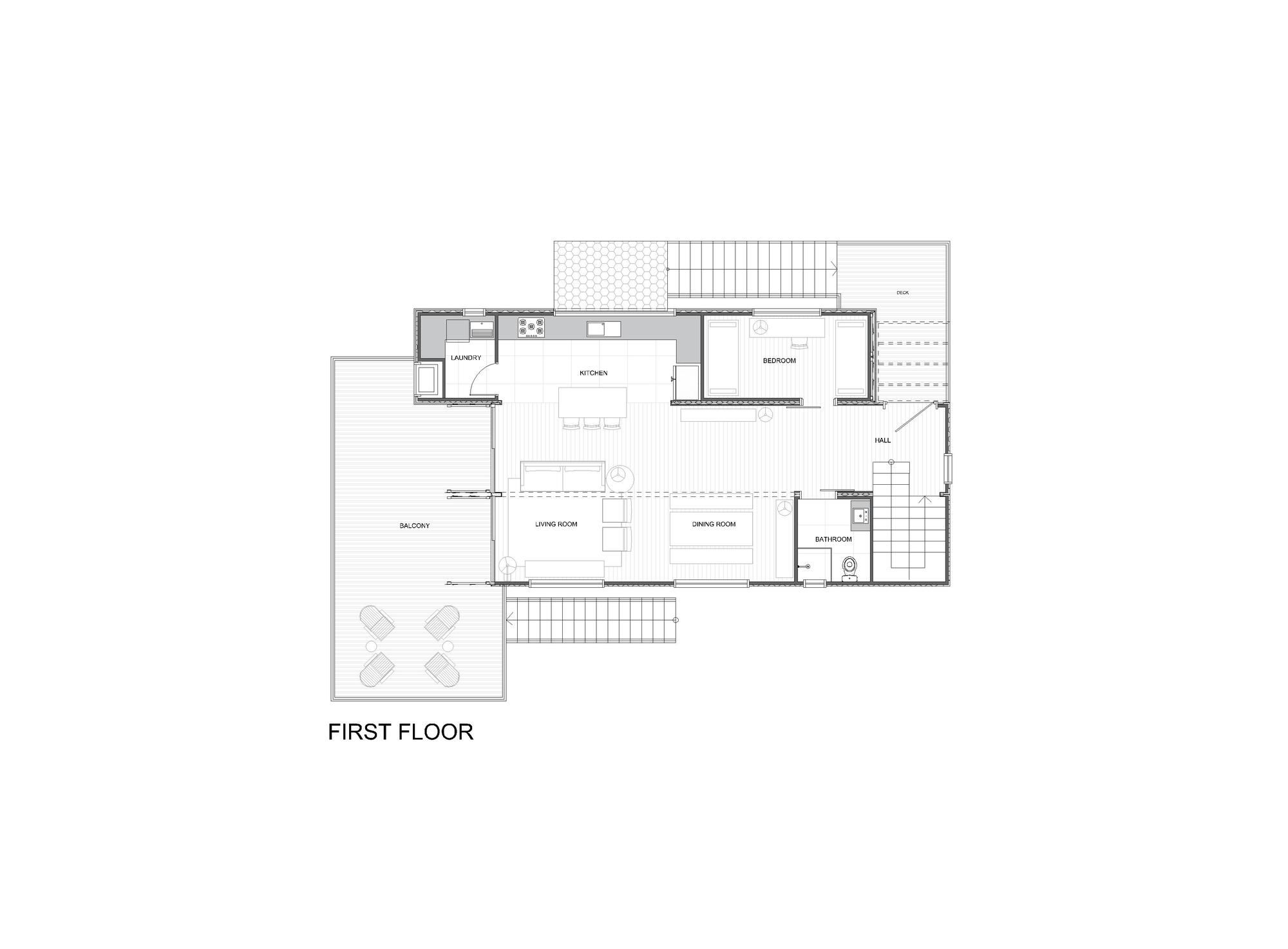
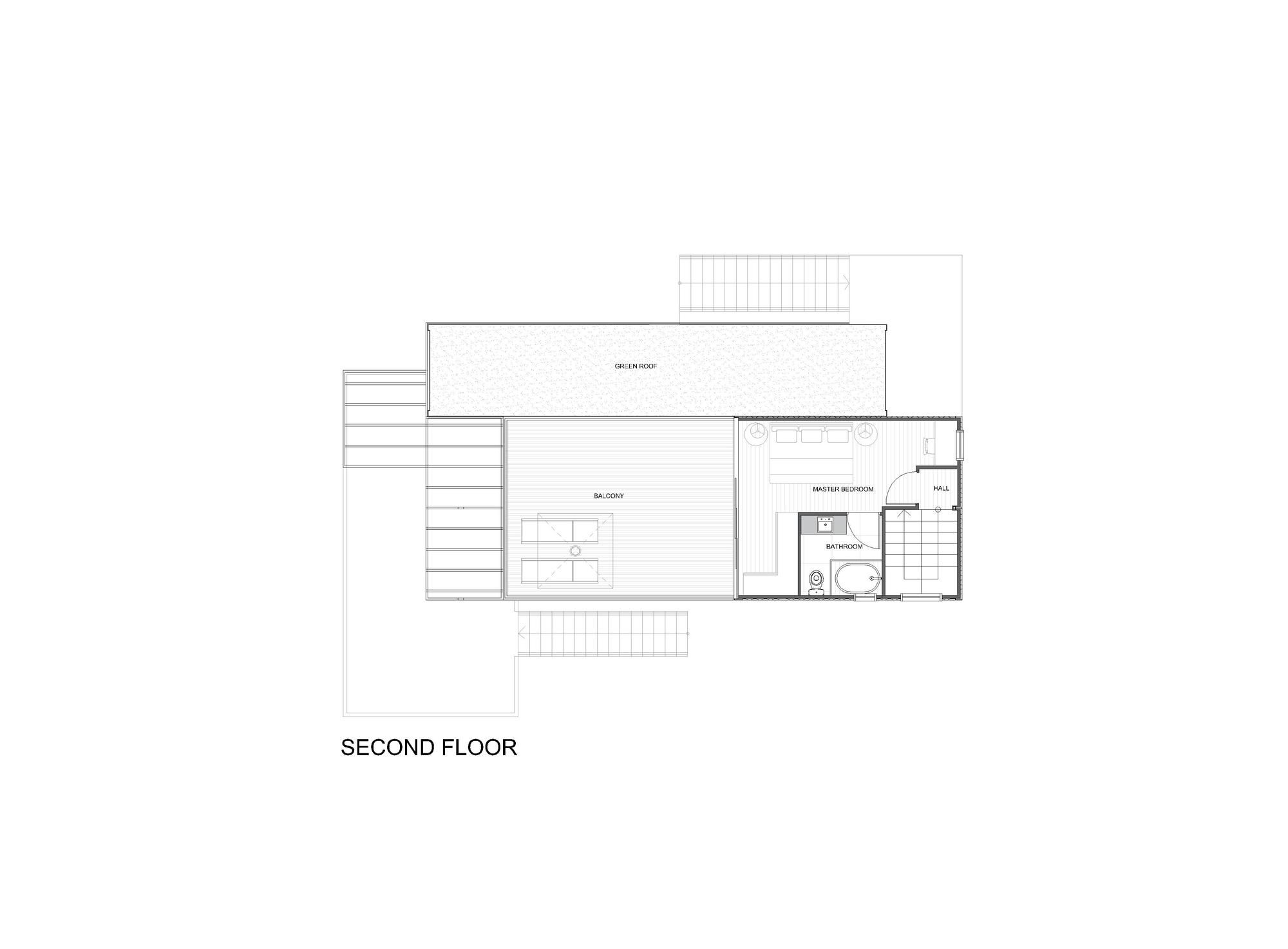
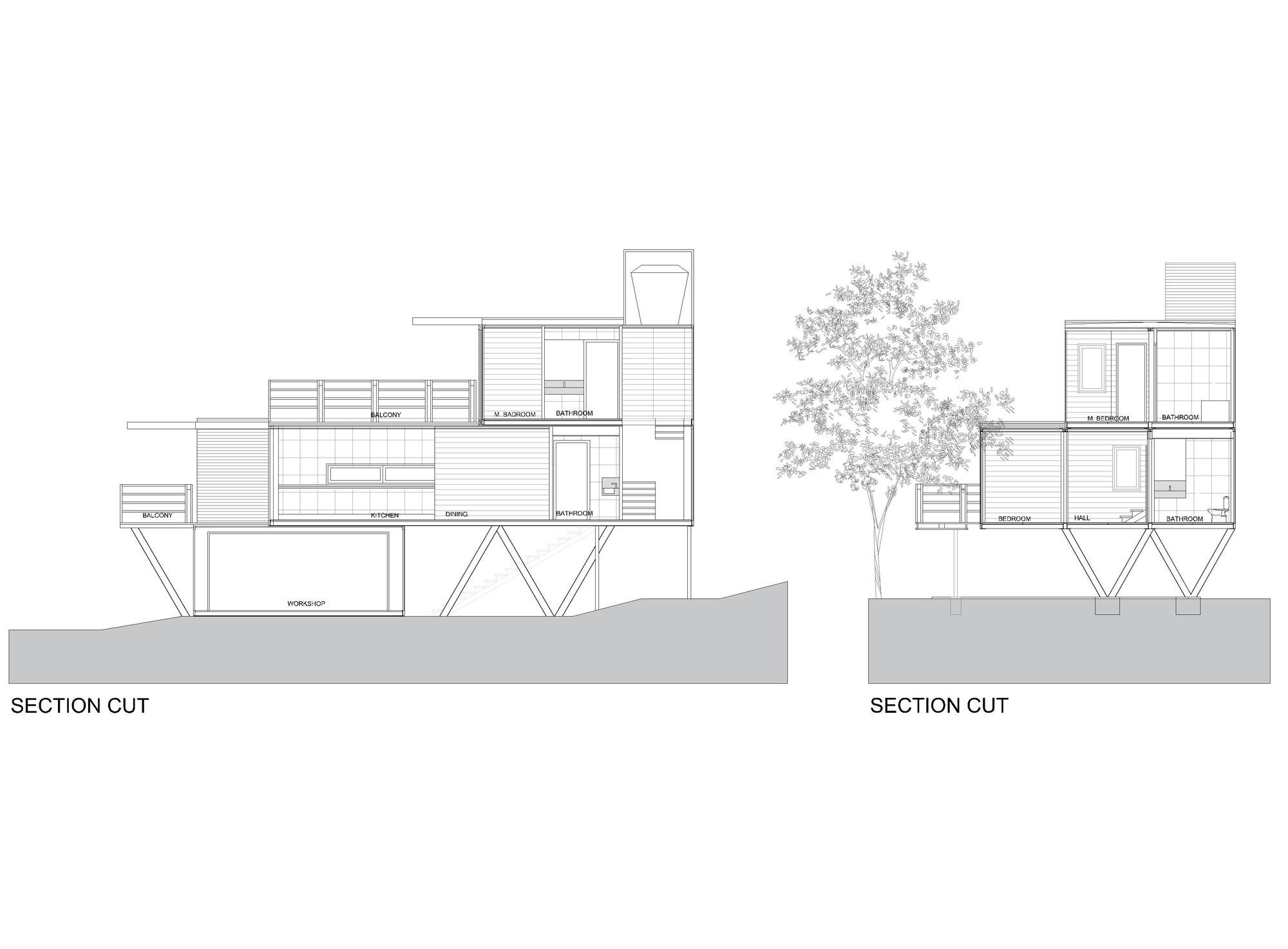
The purpose of occupation of the property is as a country house. Internally, we favored the common areas of the house, living spaces, leisure and balconies. In total there are two bedrooms and two bathrooms. The house has no television or wifi system. To inhabit it the rule is to disconnect and enjoy what nature and family life provide. Two wooden deck balconies provide interaction with native trees and fantastic views of the rural area of Campos Novos Paulista – Brazil.
The implantation of the building under the trees provides shading all day long, in addition the local winds combined with the wall insulation system provide excellent thermal comfort inside the residence.
Photography by © Celso Mellani
Metal pillars make the support of the house. The “v” system provides concrete savings and foundation area by generating a single base for two supports. The foundations are shallow because the weight of the house is relatively light and the ground is firm.
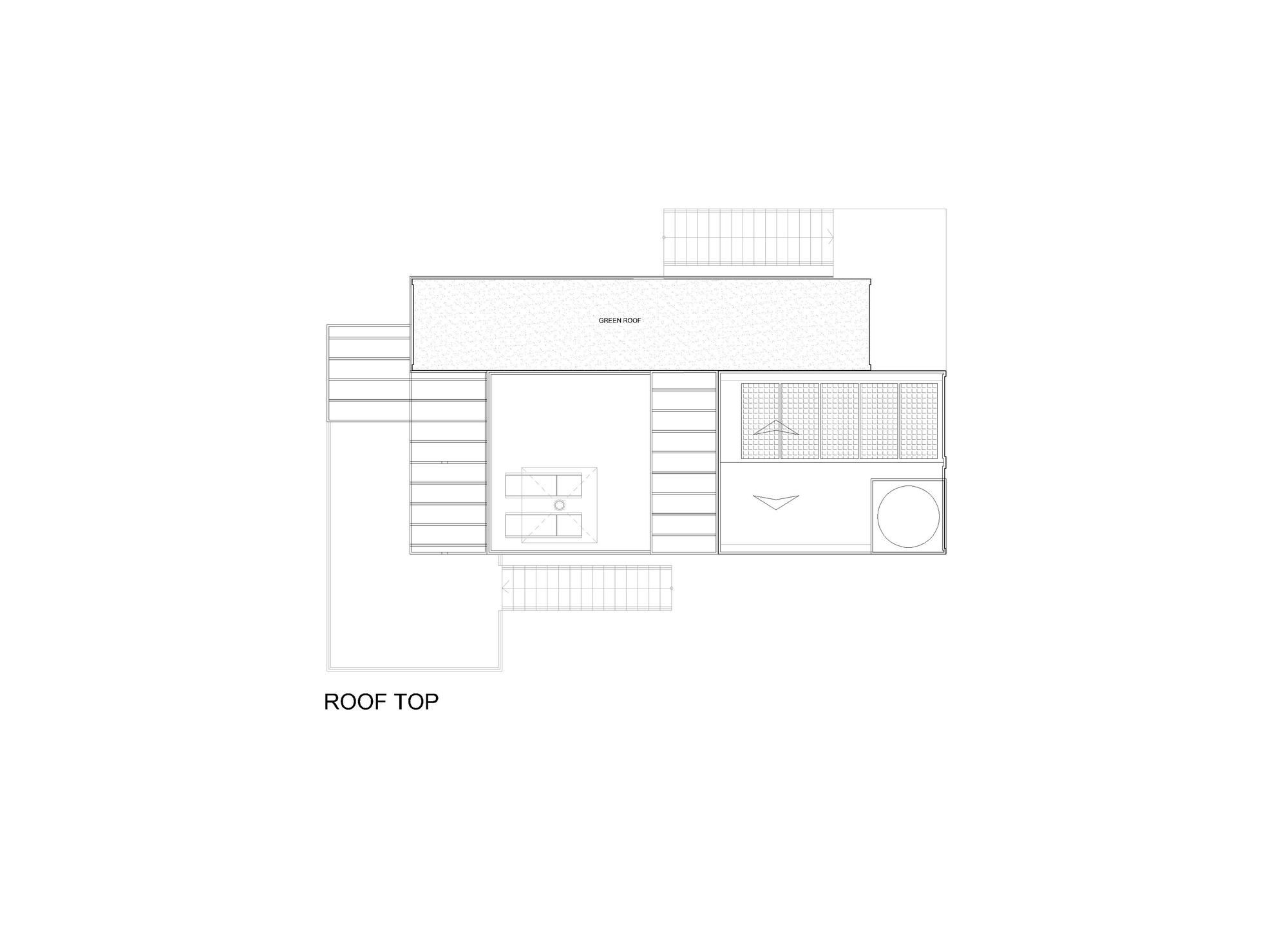
The green roof is of the modular type, which facilitates maintenance. It has a rainwater storage system to minimize the need for irrigation. This system provides greater thermal comfort inside the house, and further integrates the house with nature.
Photography by © Celso Mellani
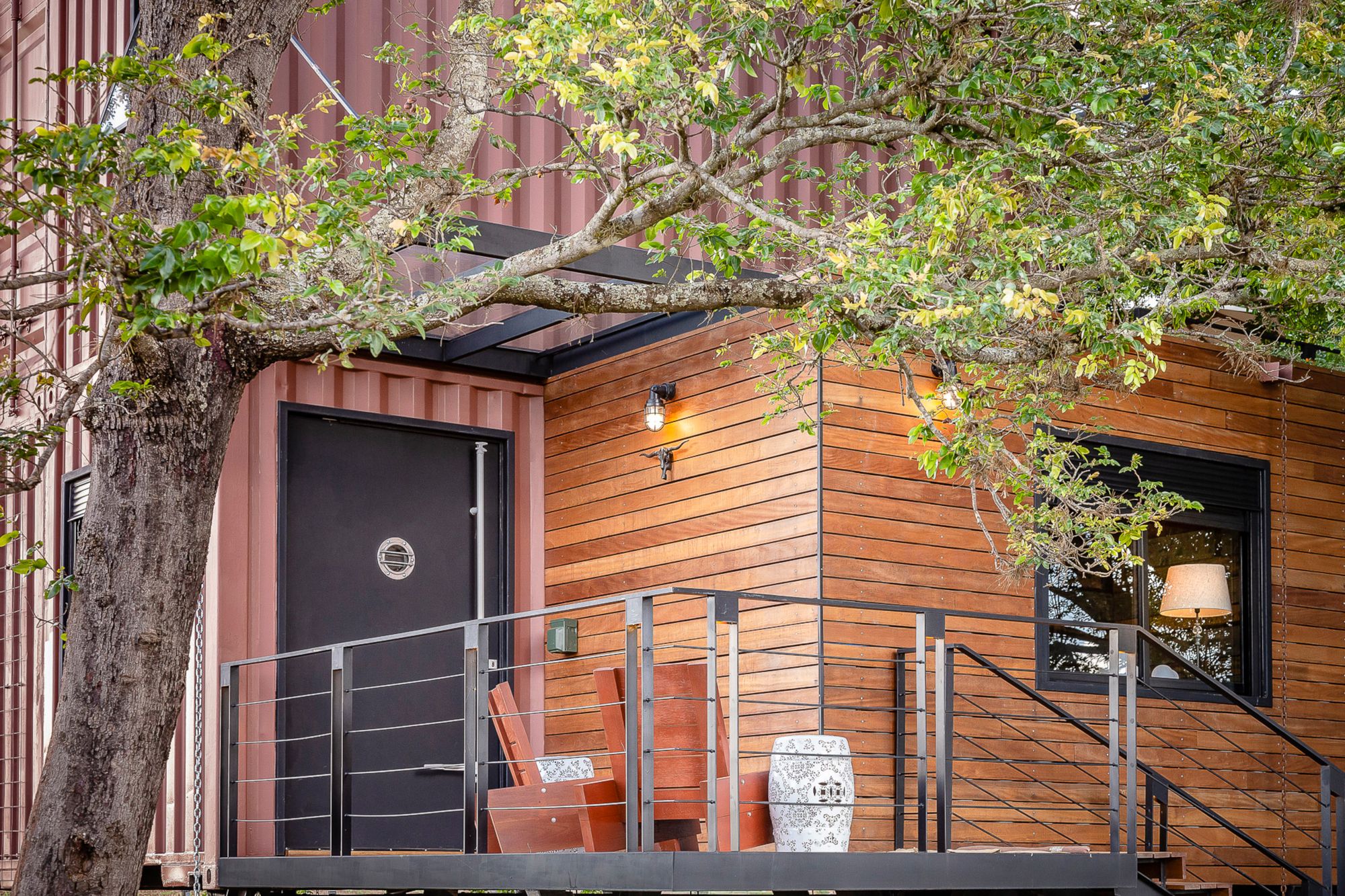
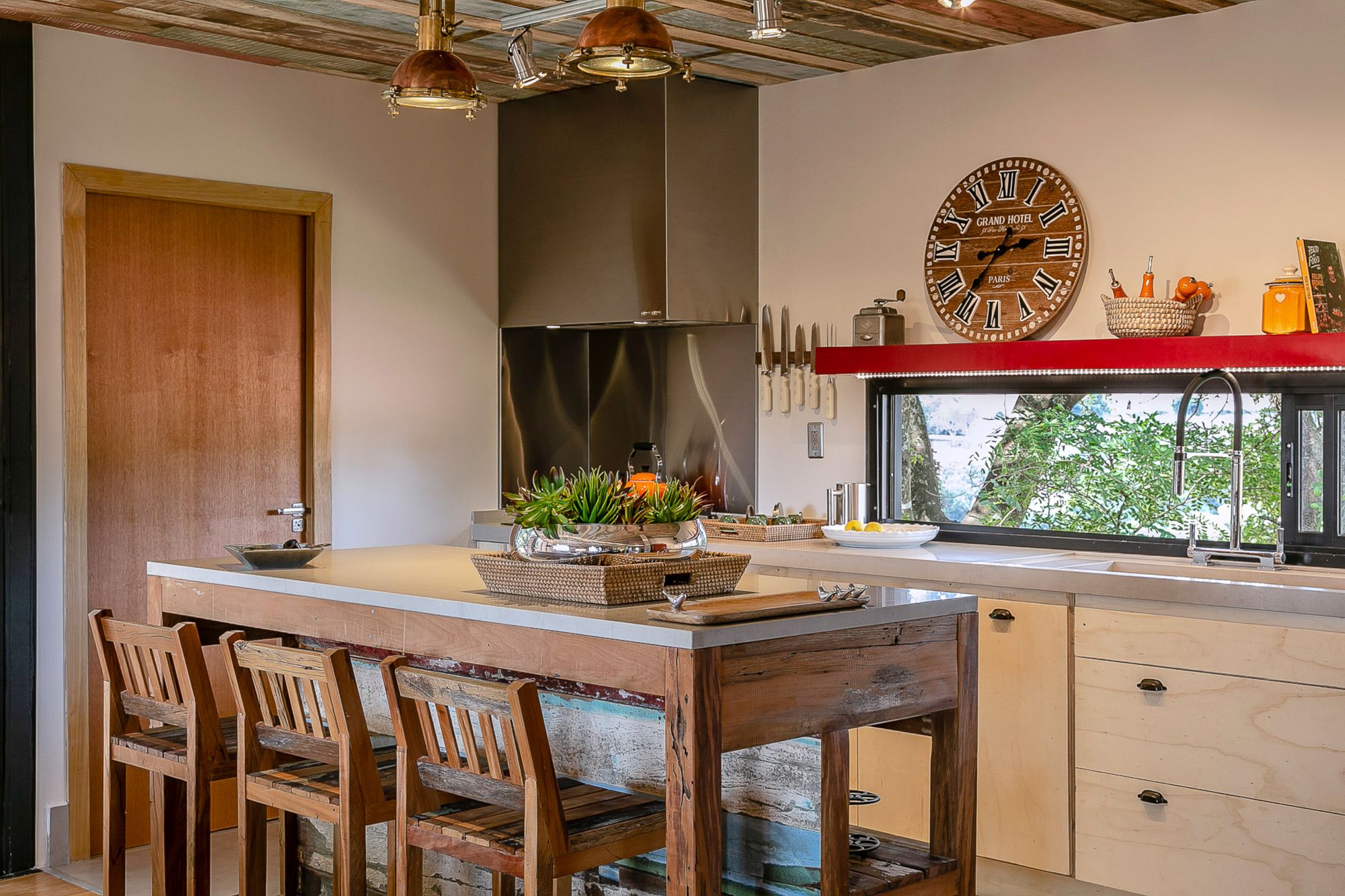
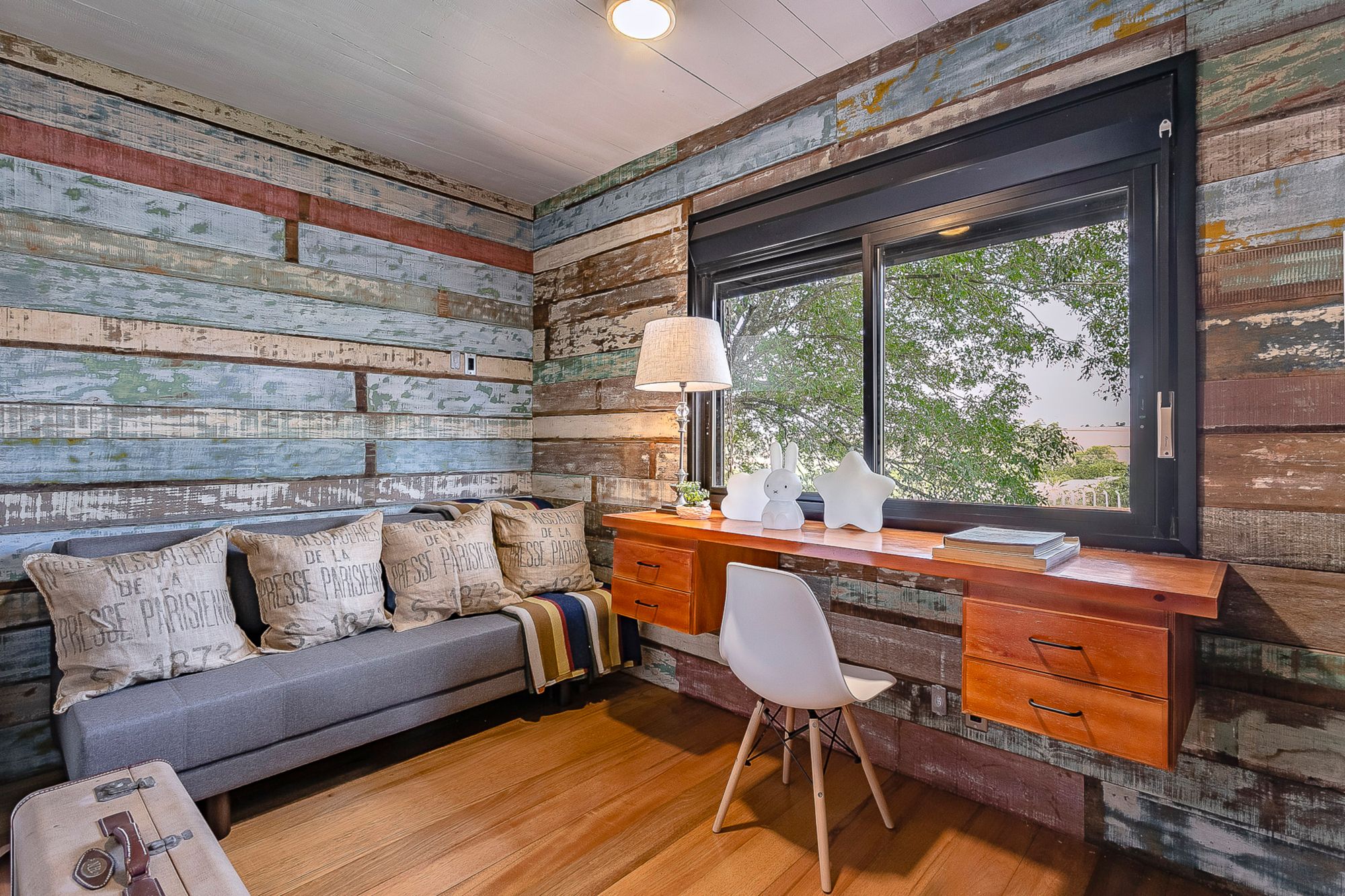
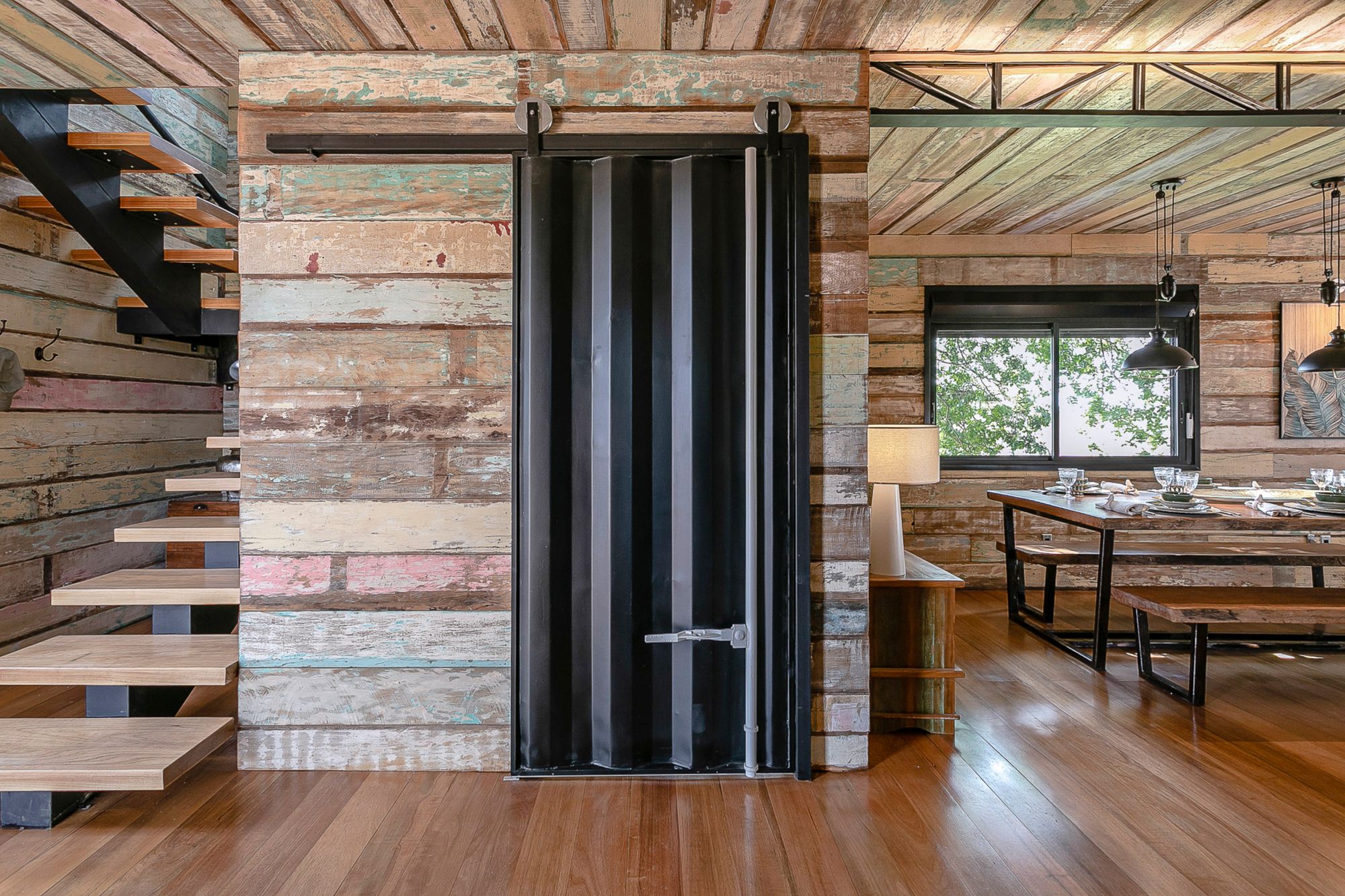
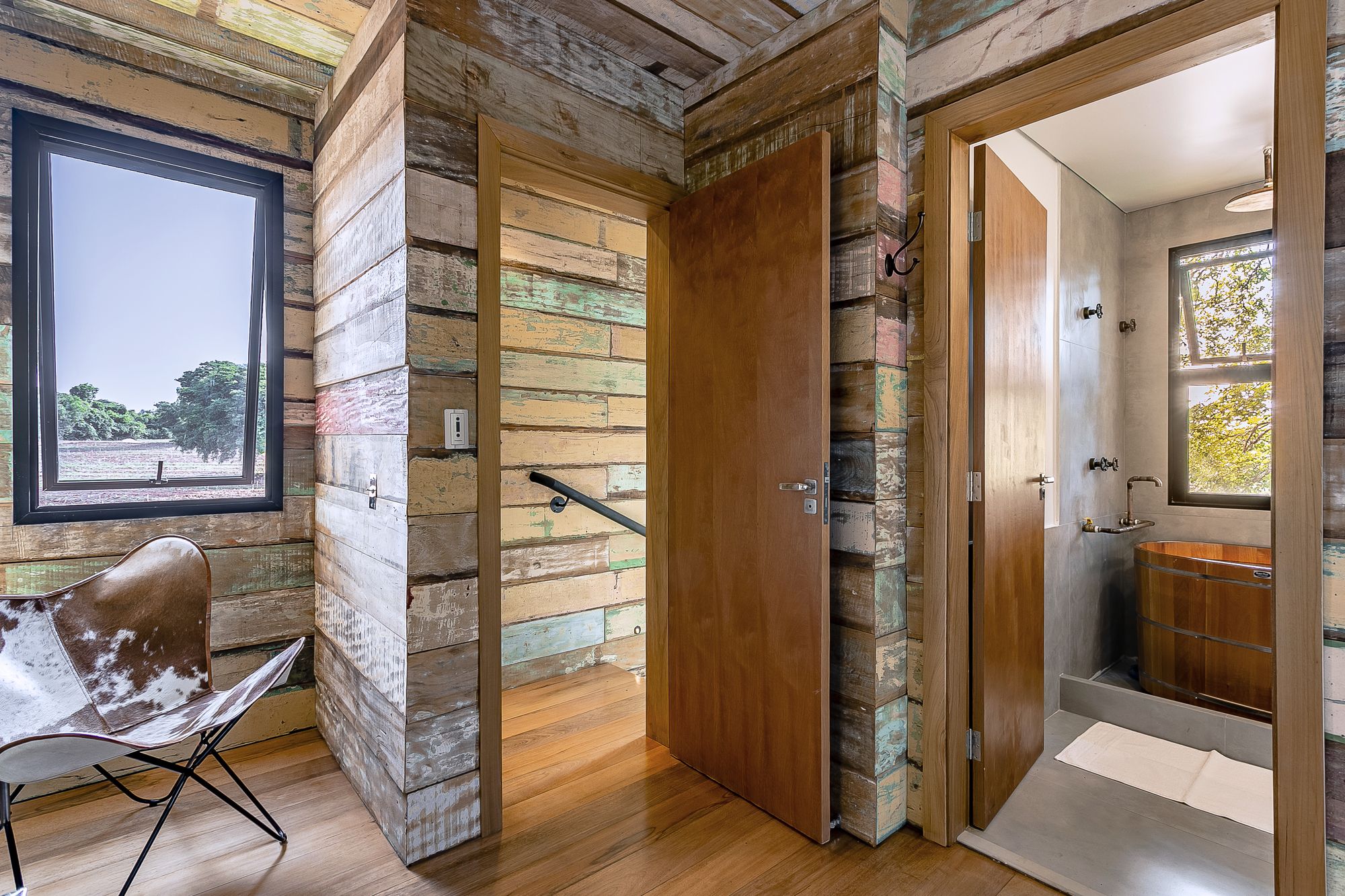
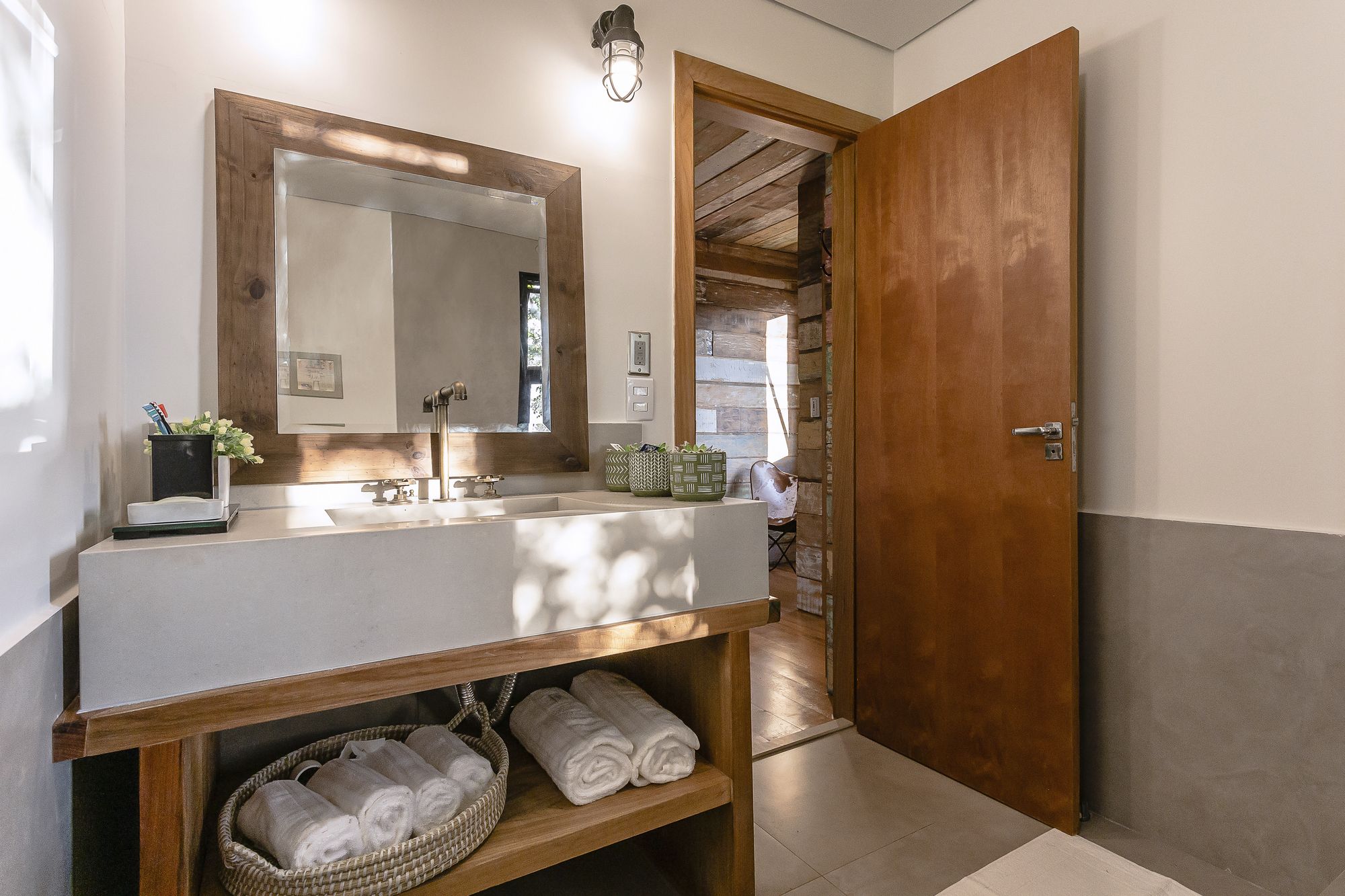
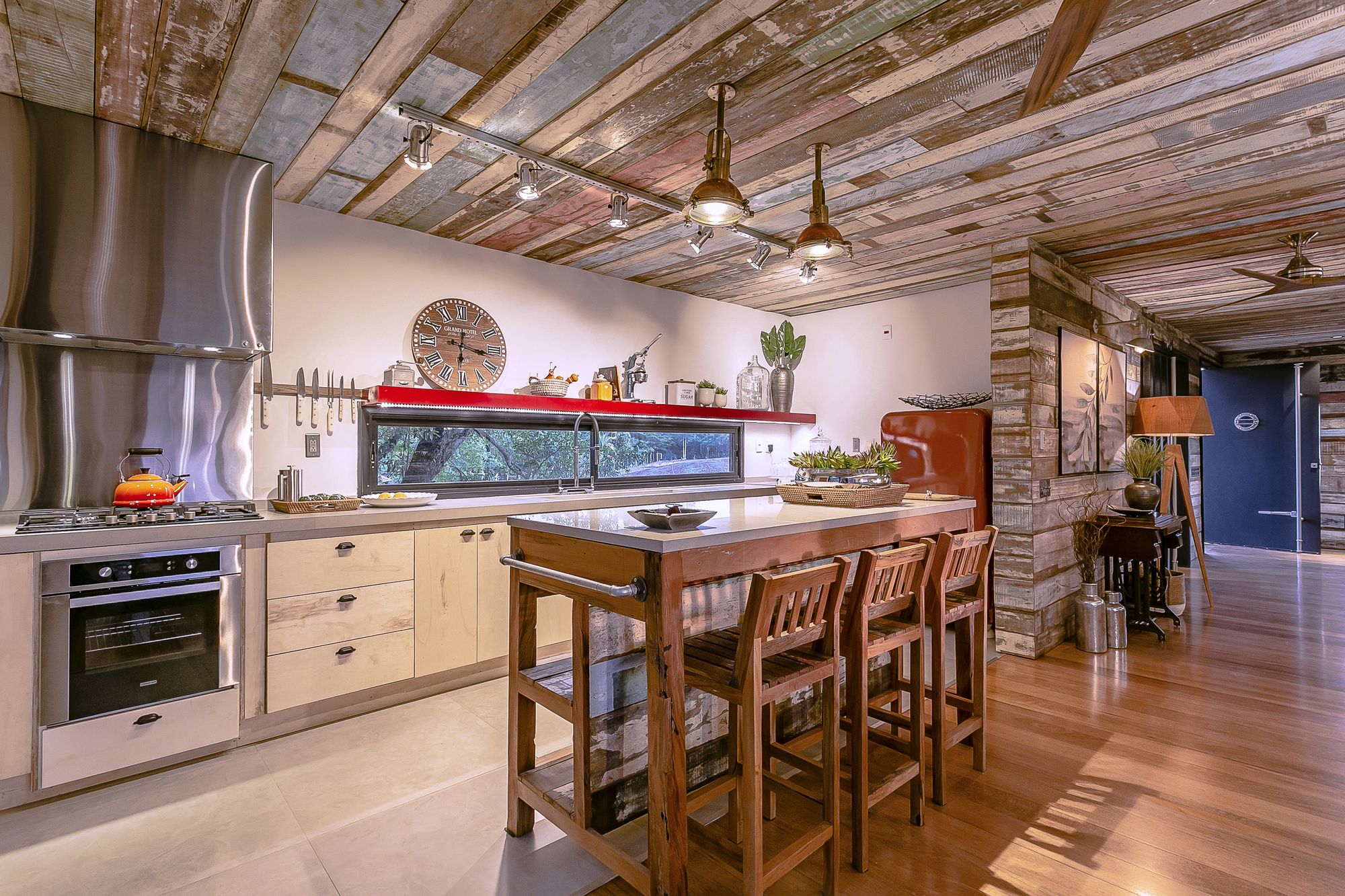
The internal divisions are in demolition wood. Besides being a recycled material, it avoids the use of internal painting, since it already has its own finish. All walls of the house are insulated with thermo acoustic blanket for thermal comfort. The environments have cross ventilation and wide openings for air exchange and thermal comfort. The house has no air conditioning system and remains pleasant even on the hottest days in Sao Paulo State. The internal doors of the first floor of the house are made with reused plates of the cutouts of the containers, minimizing the excess material.
The final residue of the work was 70% reused, basically summarized in wood and steel scraps.
Photography by © Celso Mellani
Project info :
Architects: Casa Container Marília
Area: 2766.0 ft²
Year: 2019
Photographs: Celso Mellani
Manufacturers: Lumion, AutoDesk, Saint-Gobain, Docol, Gerdau Corsa

Madeline Brooks is a Projects Editor at Arch2O, where she has been shaping and refining architectural content since March 2024. With over a decade of experience in editorial work, she has curated, revised, and published an array of projects covering architecture, urbanism, and public space design. A graduate of the Harvard University Graduate School of Design, Madeline brings a strong academic foundation and a discerning editorial eye to each piece she oversees. Since joining Arch2O, she has played a pivotal role in shaping the platform’s editorial direction, with a focus on sustainability, social relevance, and cutting-edge design. Madeline excels at translating complex architectural ideas into clear, engaging stories that resonate with both industry professionals and general readers. She works closely with architects, designers, and global contributors to ensure every project is presented with clarity, depth, and compelling visual narrative. Her editorial leadership continues to elevate Arch2O’s role in global architectural dialogue.