


Green Side-Wall, Beautiful. In a world of crumbling, aging buildings, where many times one outlasts its neighbor, this, the Green Side-Wall, designed by Capella Garcia Arquitectura is a brilliant solution.
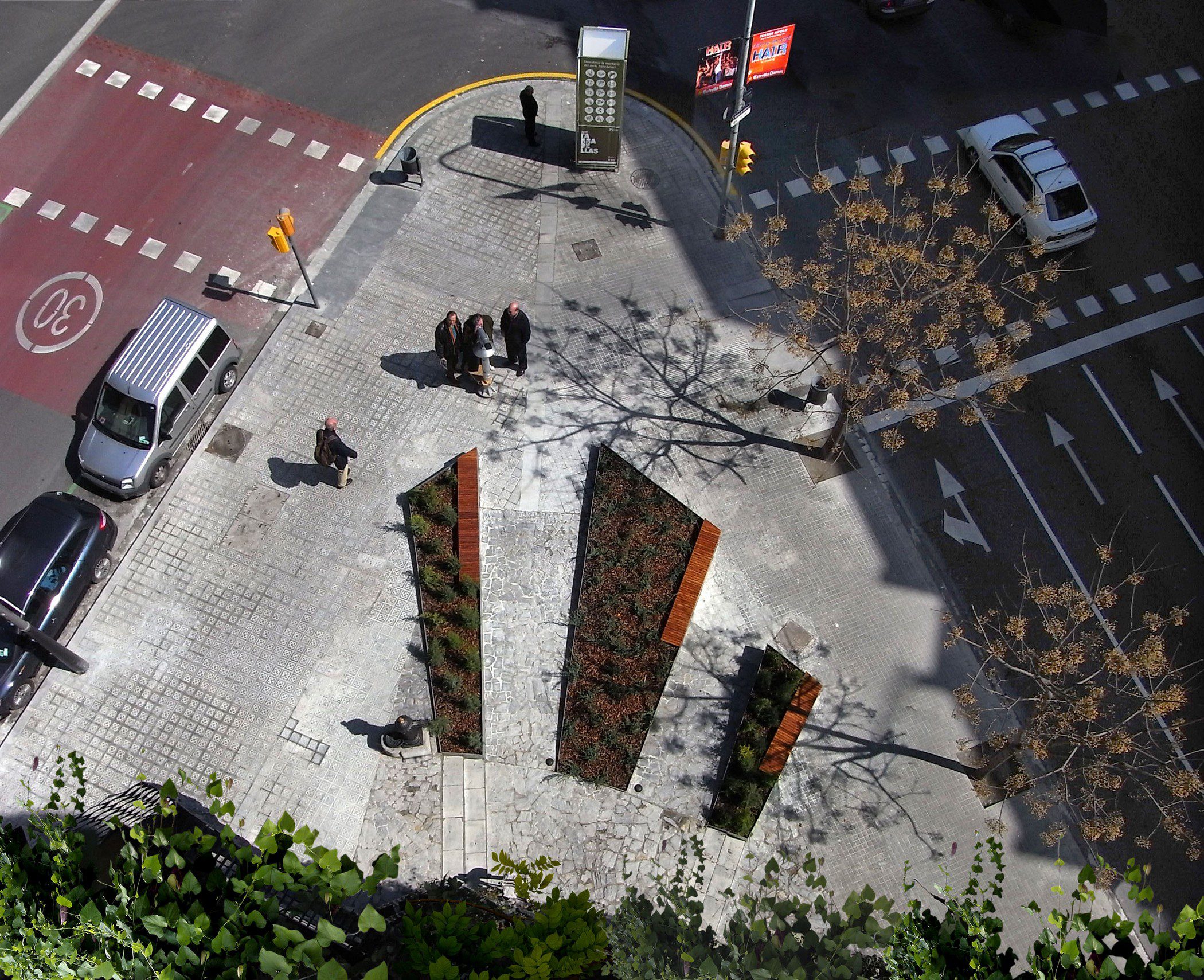
Courtesy of Capella Garcia
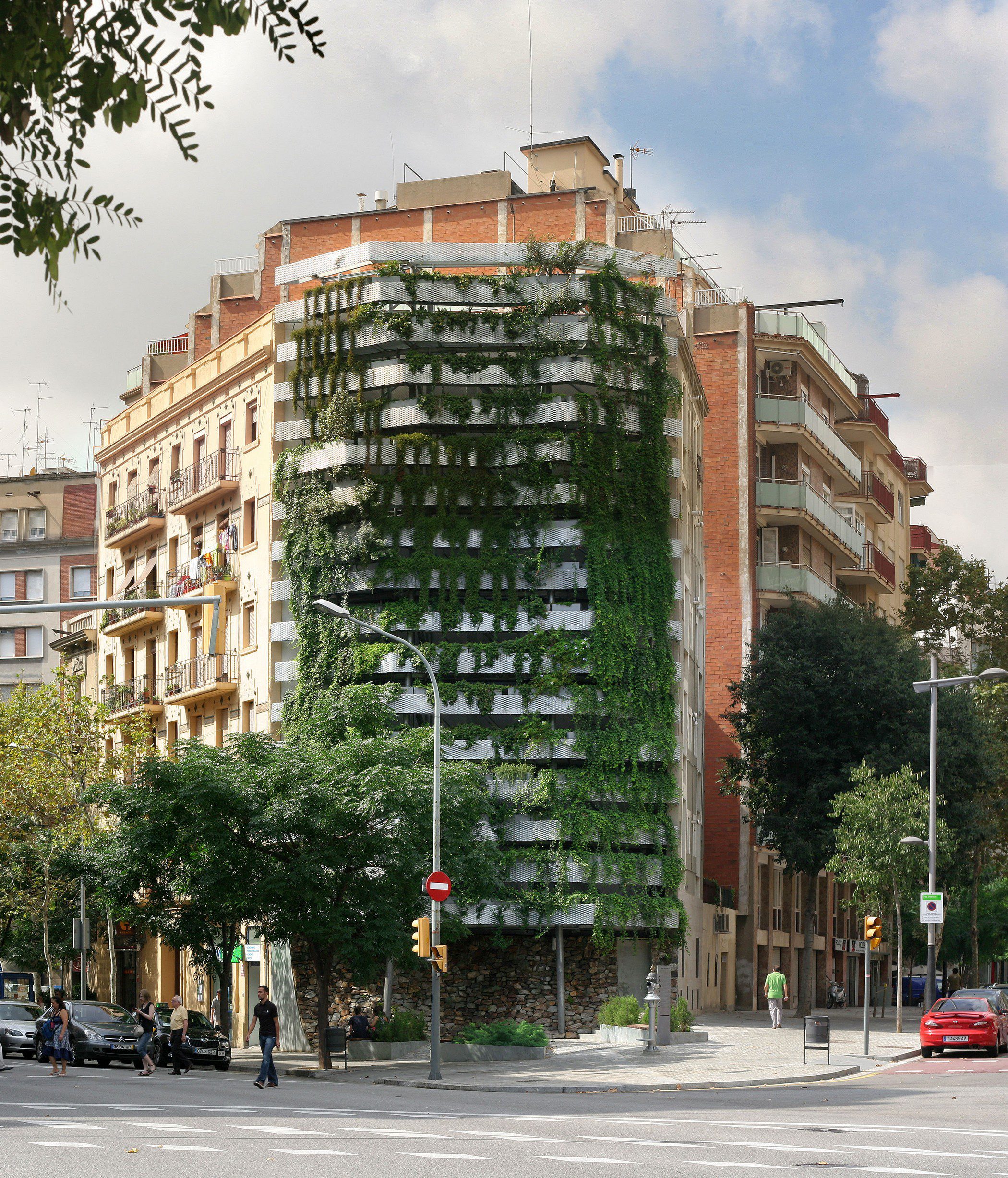
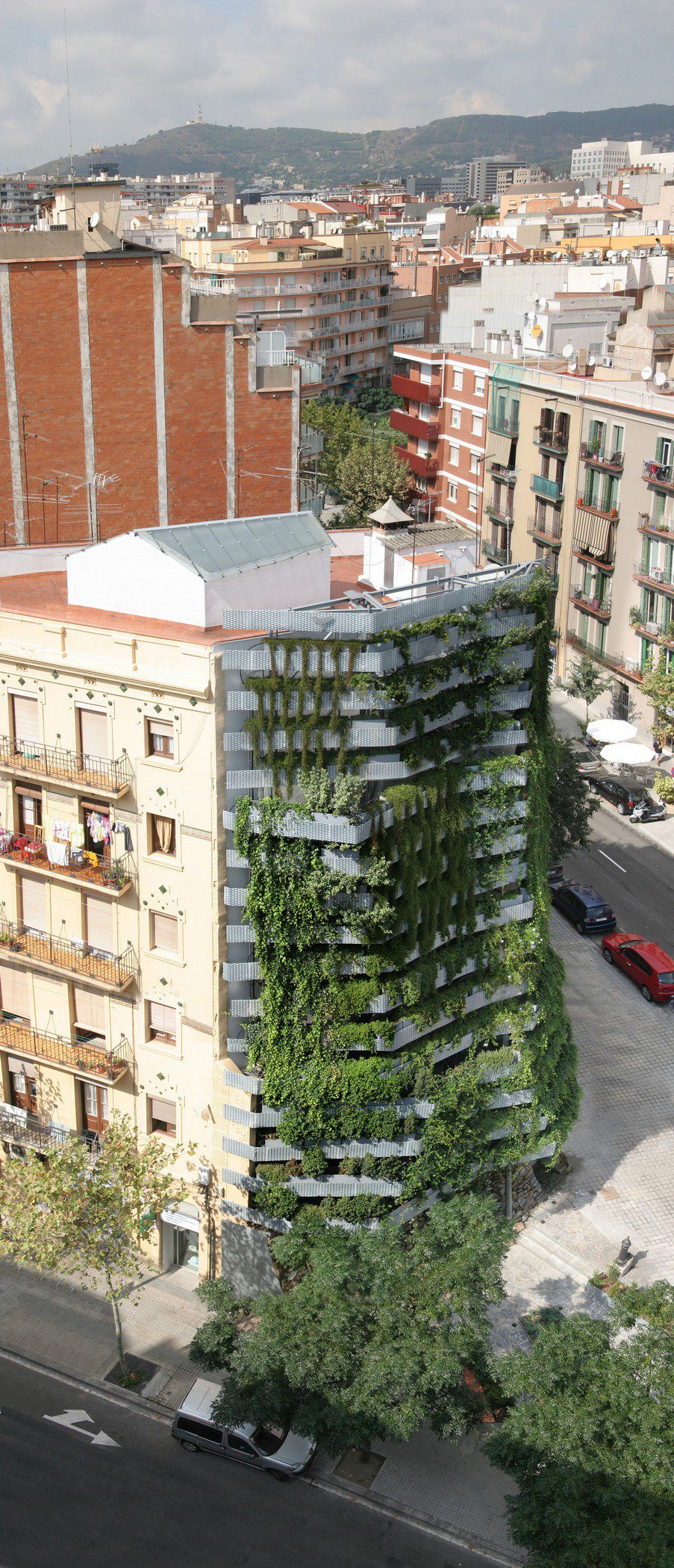
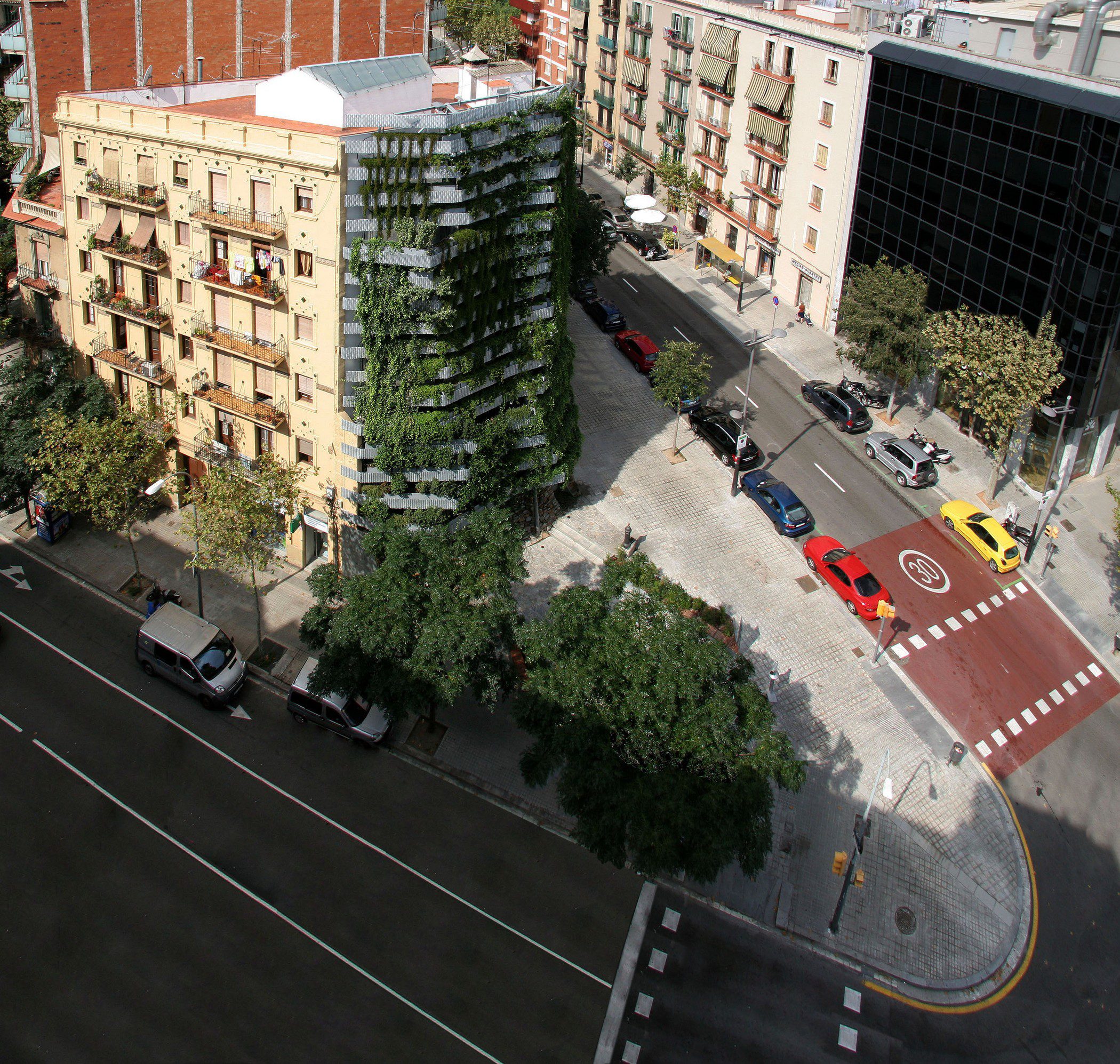
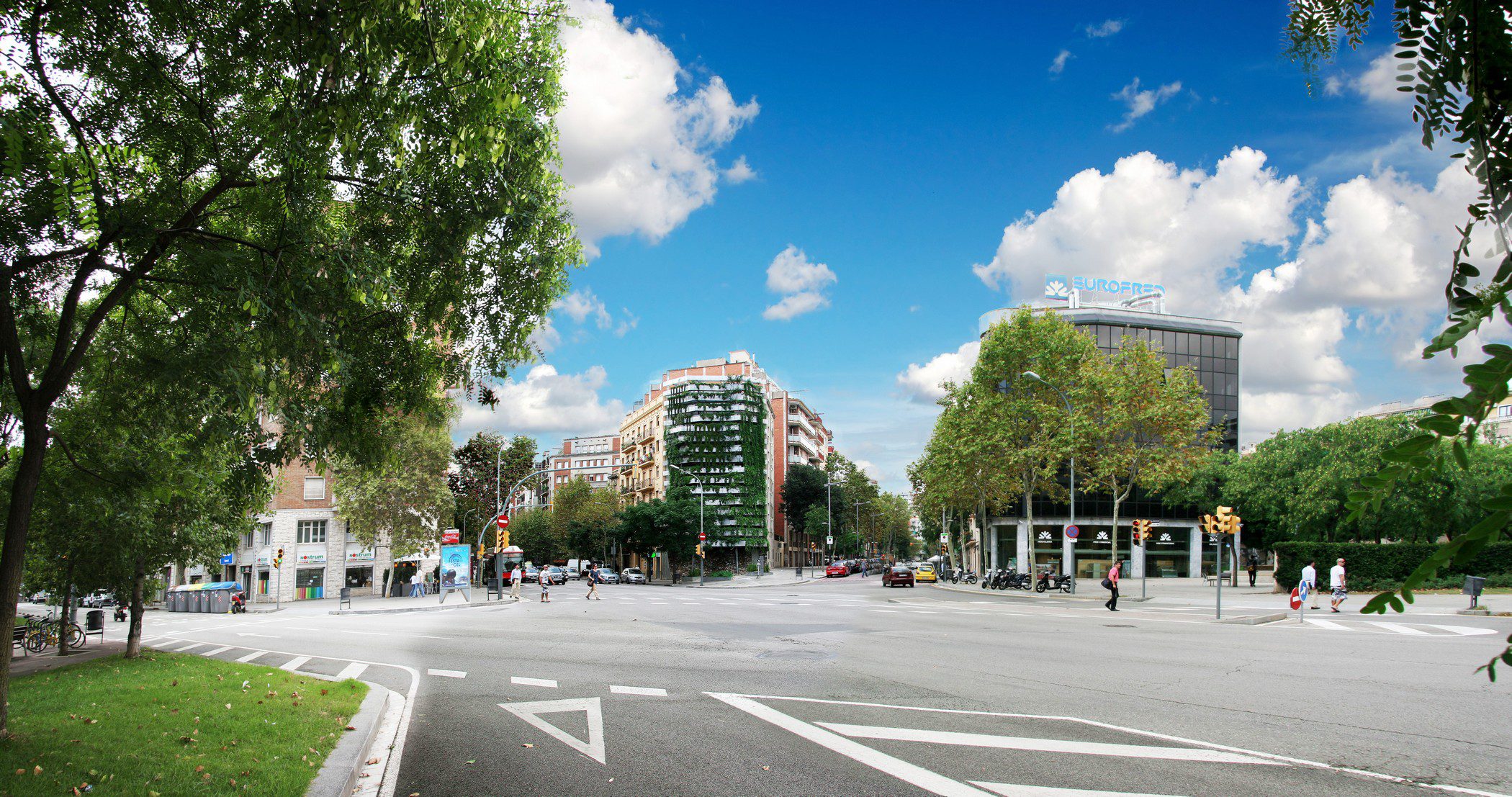
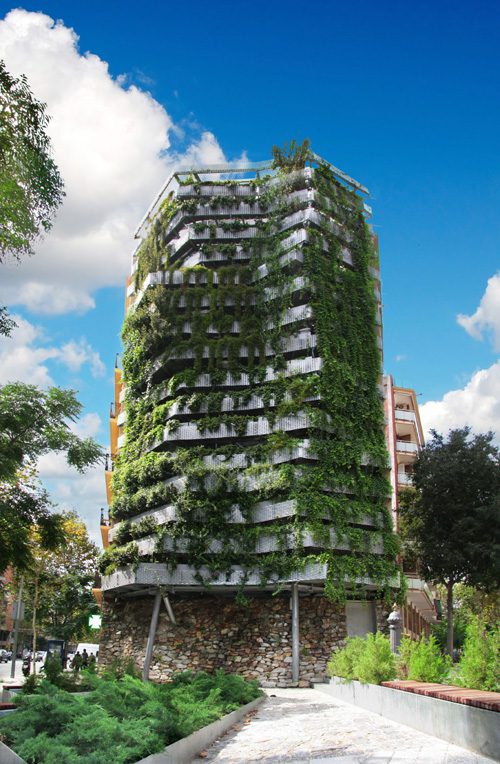
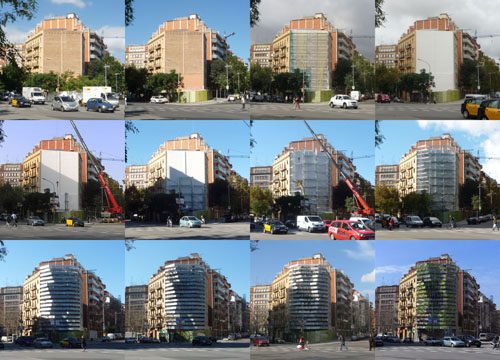
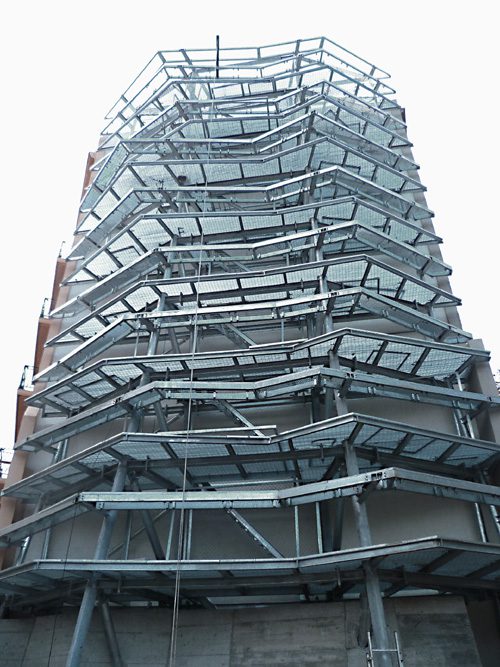
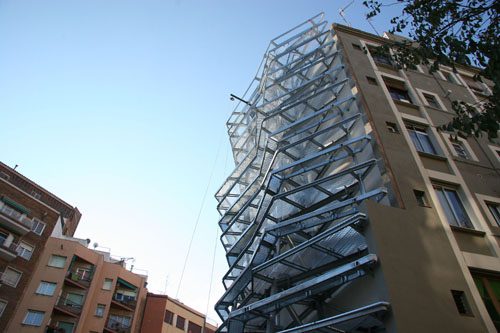
A free-standing entity in its own right, this plant support structure forms a protective mass of plant life to cover a blind wall left by the demolition of a building’s neighbor. Located in Barcelona, this project was promoted by the Barcelona City Council in order to clean away the negative visual message being sent by the significant marks of decay left behind.
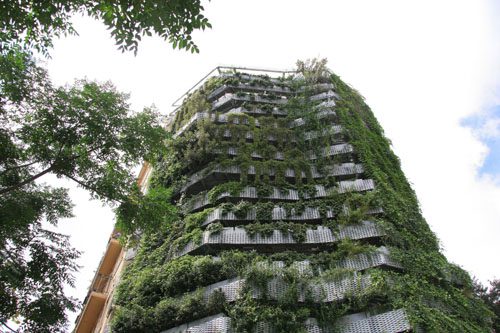
Courtesy of Capella Garcia
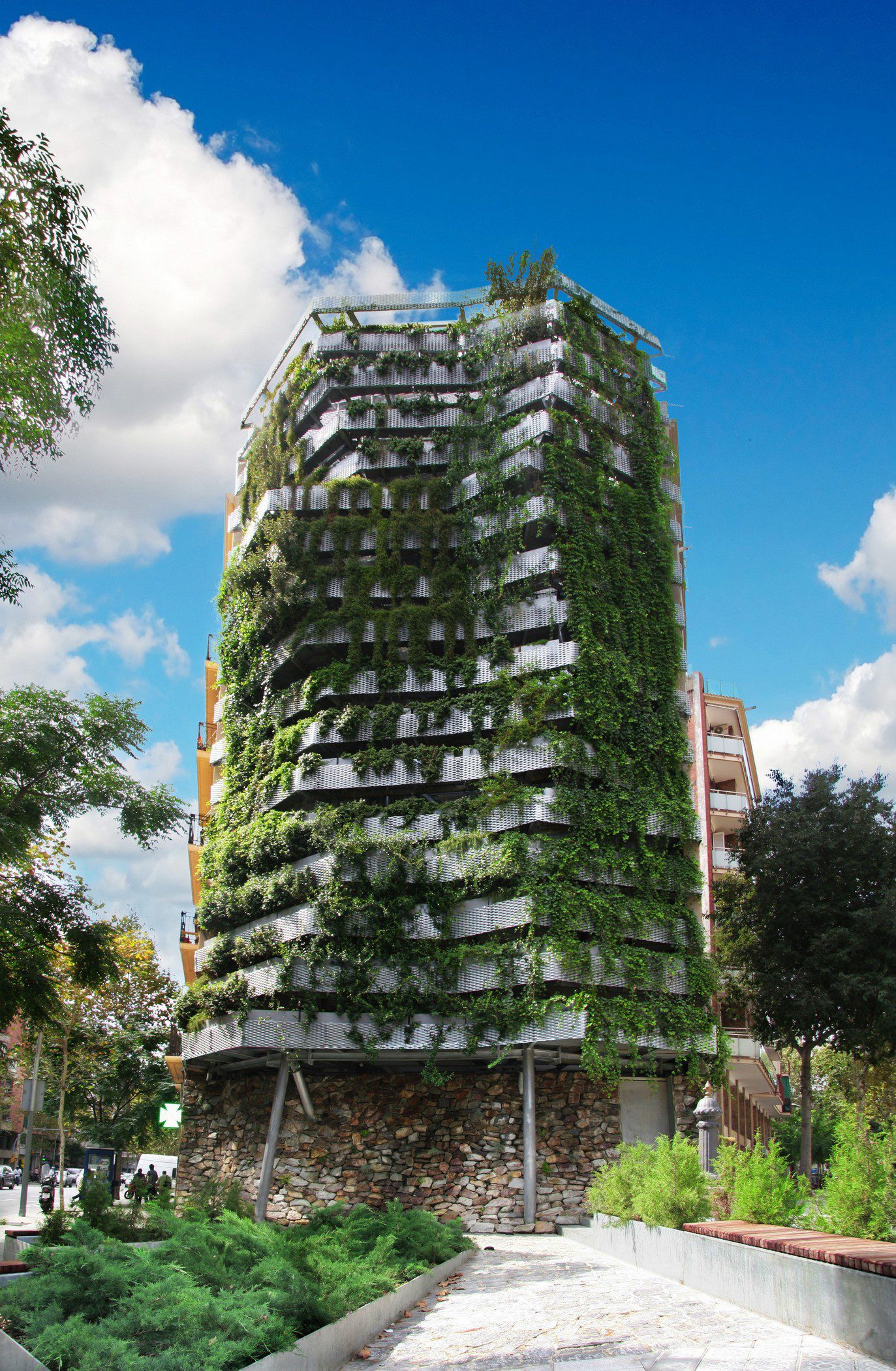
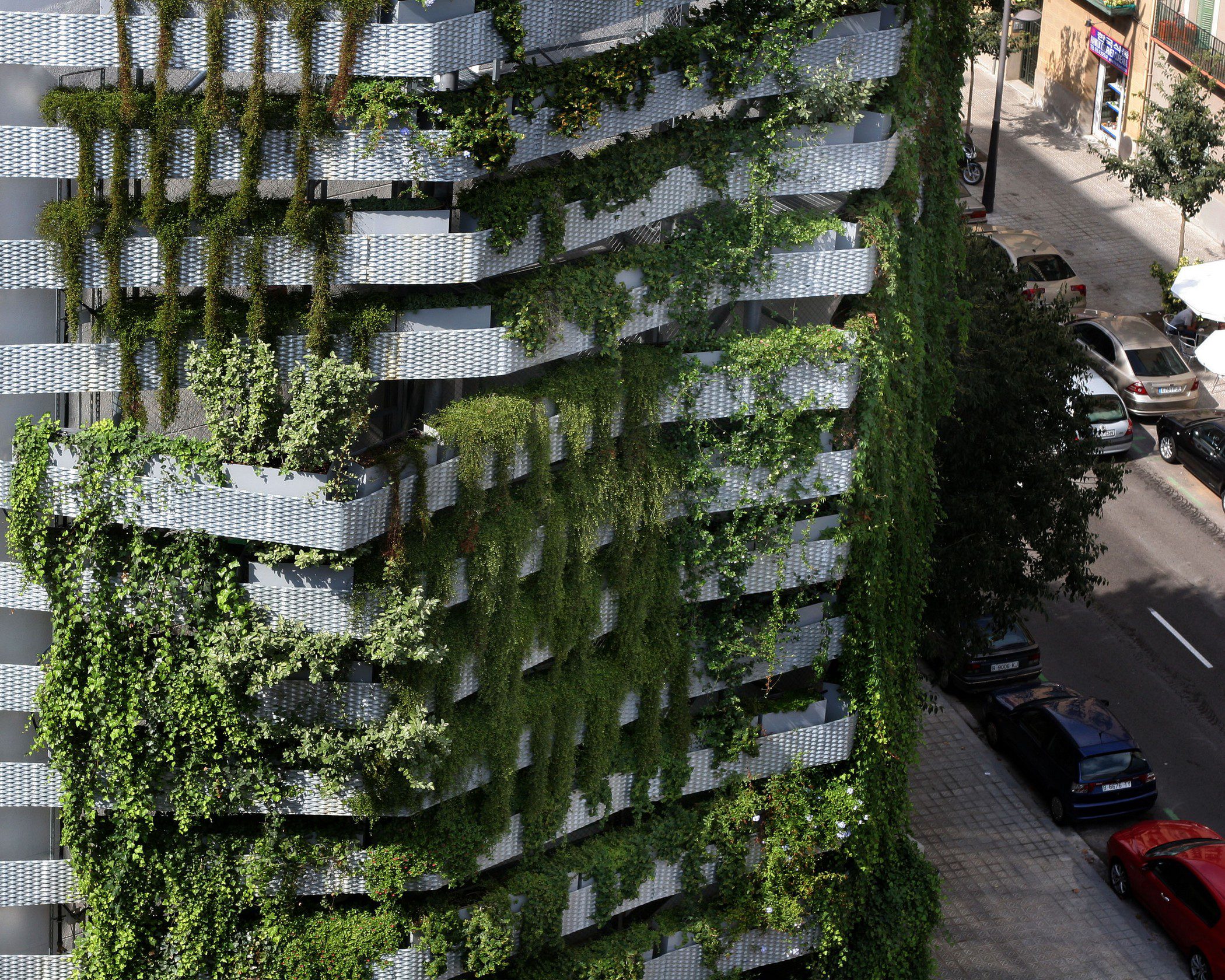
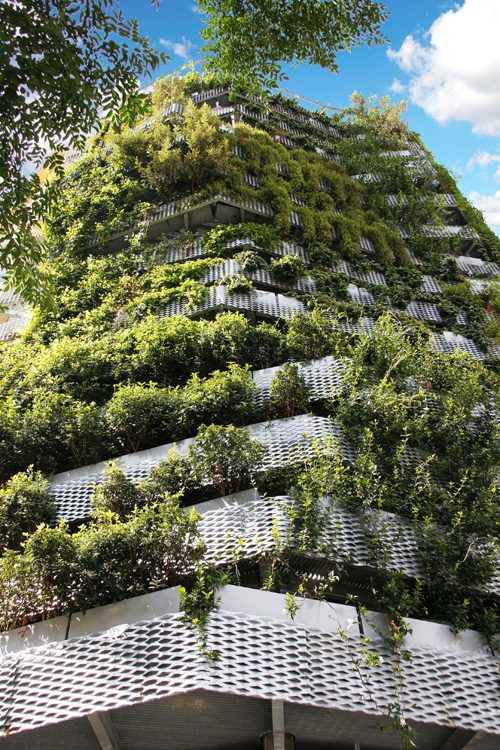
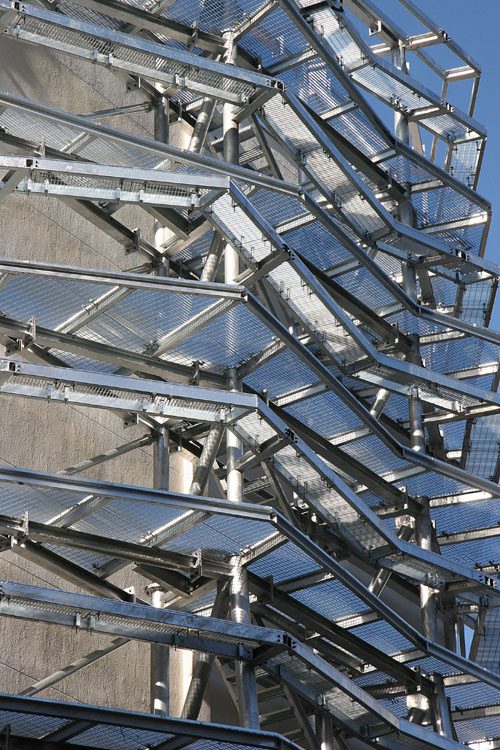
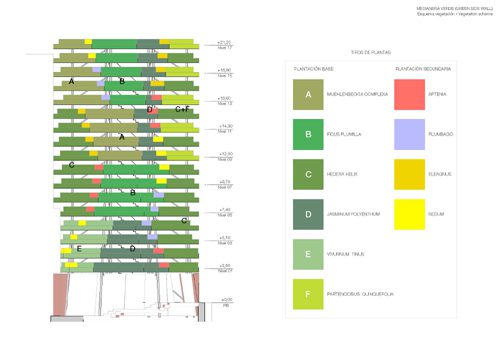
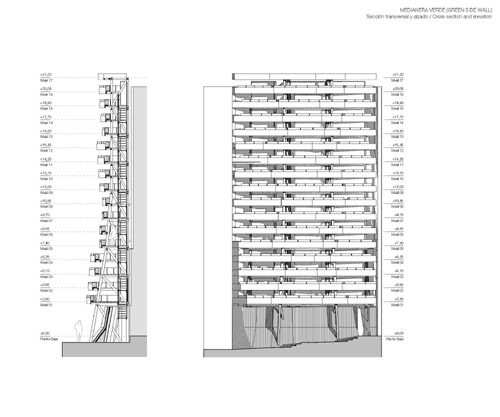
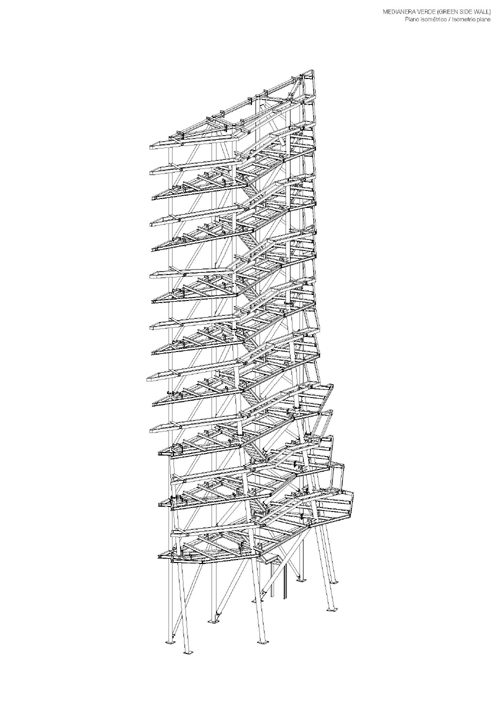
The free standing form, with its own foundation, stands close and parallel to the existing facade. As it climbs 21 metres, the form narrows slightly and gradually. Modular flower and vegetation planters are located on galvanized steel platforms from the first to the eighth floor. The are limitedly accessible by stairs climbing up behind the planters. This differentiates this green wall from other which generally require service and replanting to be performed from the outside, necessitating scaffolding and specialized labour. All requirements for cleaning, safety and timeline sustainability, are covered by the addition of these stairs. The addition of a pulley system makes transport of materials feasible as well.
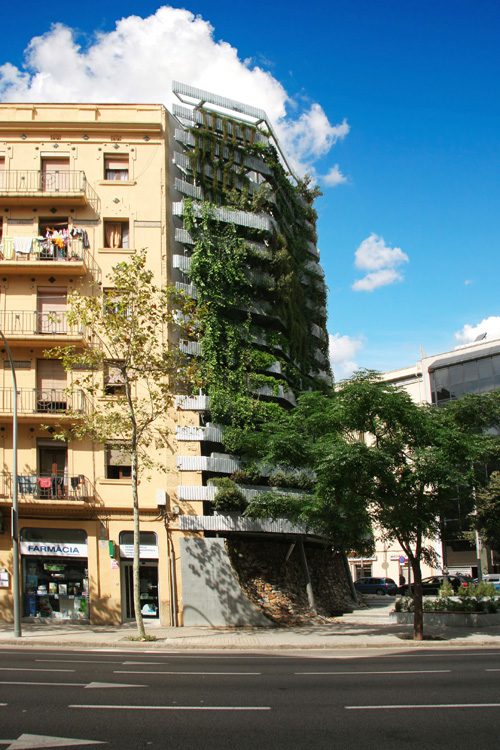
Courtesy of Capella Garcia
No only does the wall clean the air in and around the structure, but the auxiliary components built for its mainanence are also nature conscious. The irrigation is performed by a programmed, drop-by-drop system with controlled drainage and automatic doses of fertilizers. In addition, there are also nesting boxes for birds!
Project info:
Architects: Capella Garcia Arquitectura
Country: Spain, Barcelona
Year: 2011
Photographs: Courtesy of Capella Garcia Arquitectura
Architects: Juli Capella, Miquel Garcia
Other: Ajunmenta de Barcelona
Surveyors: Felix Lora
Other: Grup Constant
Other: Institut Municipal del Paisatge Urba 1 la Qualitat de vida
Other: Natur System

Matt Davis is a Virginia Tech graduate and one of the founding editors behind Arch2O. Launching the platform in mid‑2012 alongside fellow Hokies, he helped shape its identity as an international hub for design innovation and critical dialogue . With a foundation in architectural education and a passion for uncovering unconventional design approaches, Matt has contributed significantly—both editorially and strategically—to Arch2O’s growth, ensuring that emerging architects, academics, and creatives have a space to question, explore, and elevate the built environment.