

Arch2O has received this project from our readers in order to participate in the Students week 9 event. In students week 10, STUDENTS will have the chance to create thier own profile pages in arch2o.com For more details please CLICK HERE
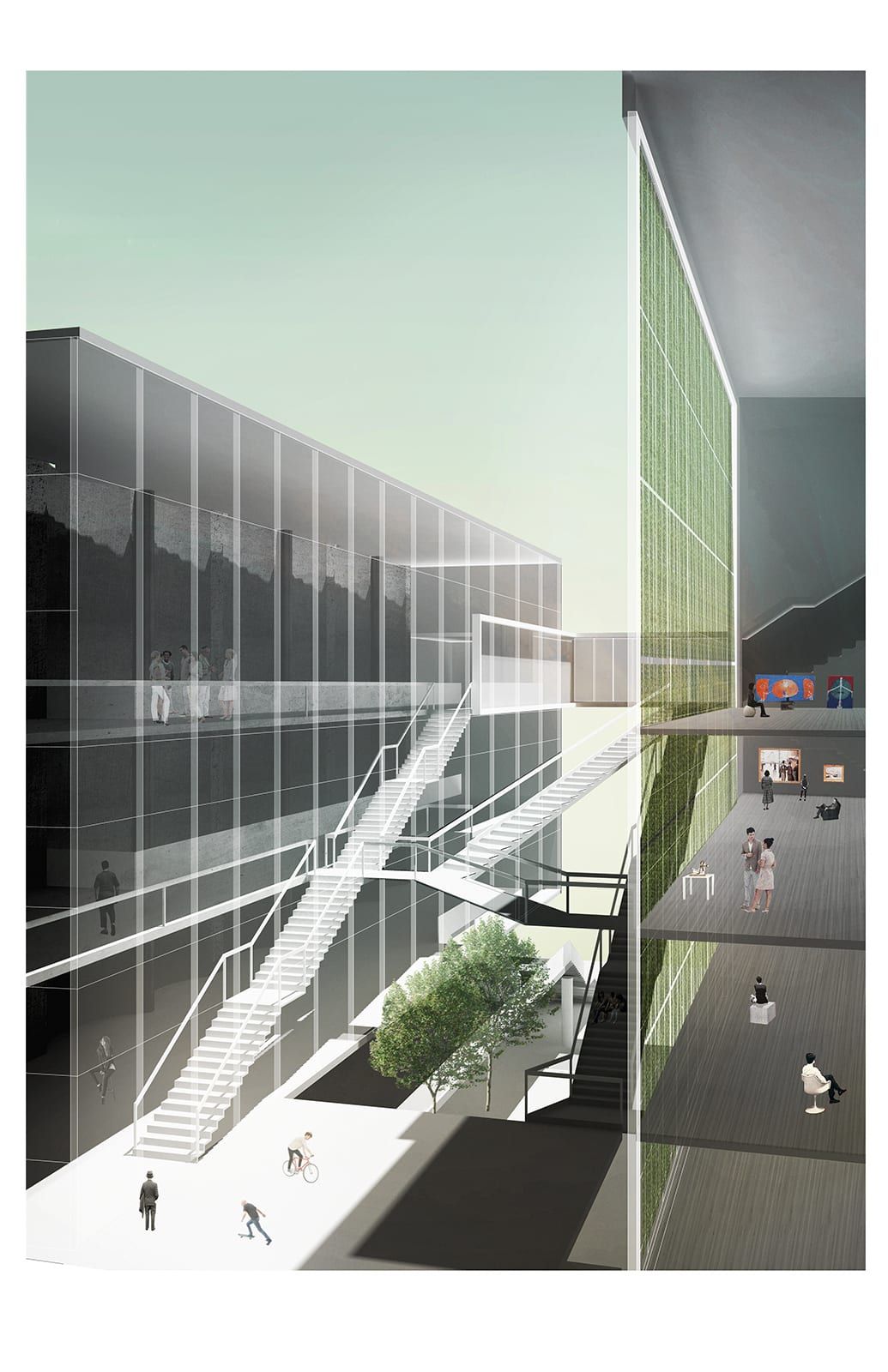
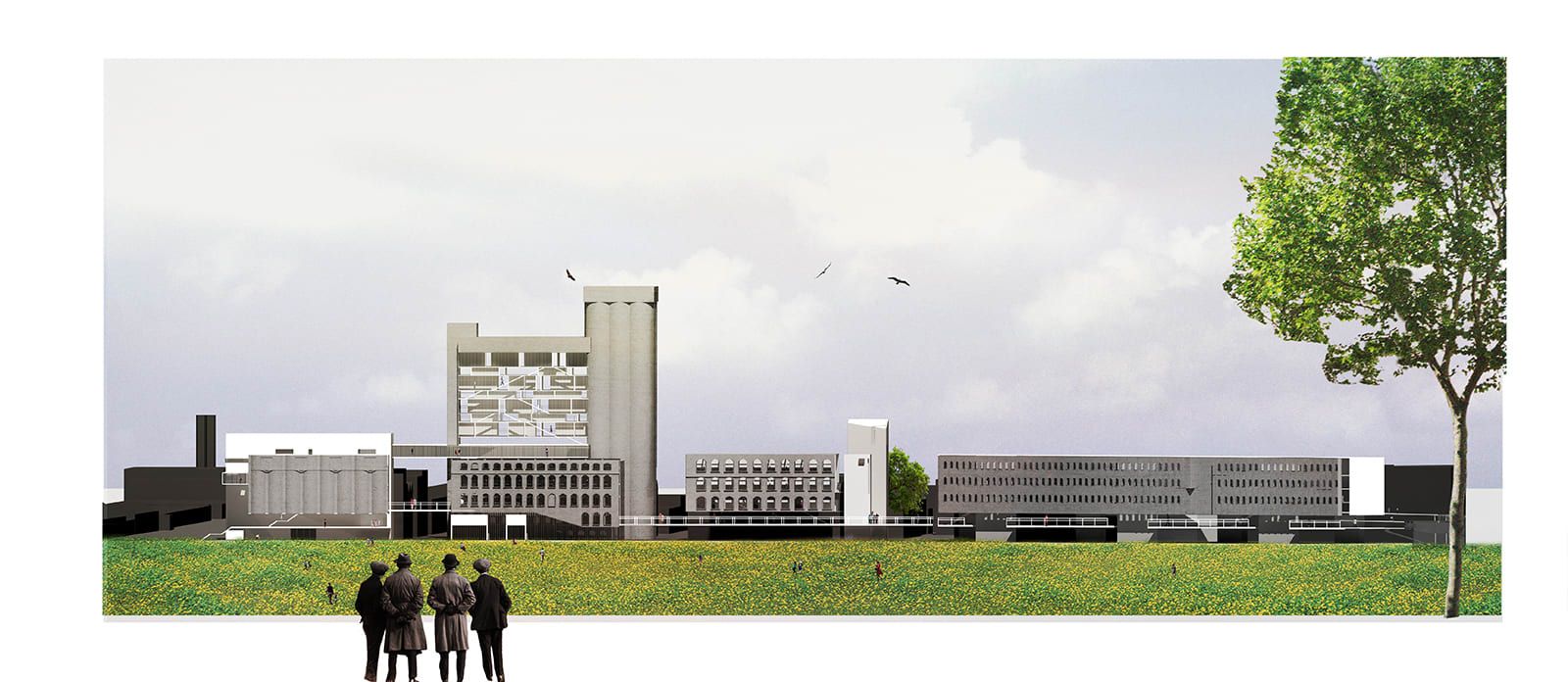
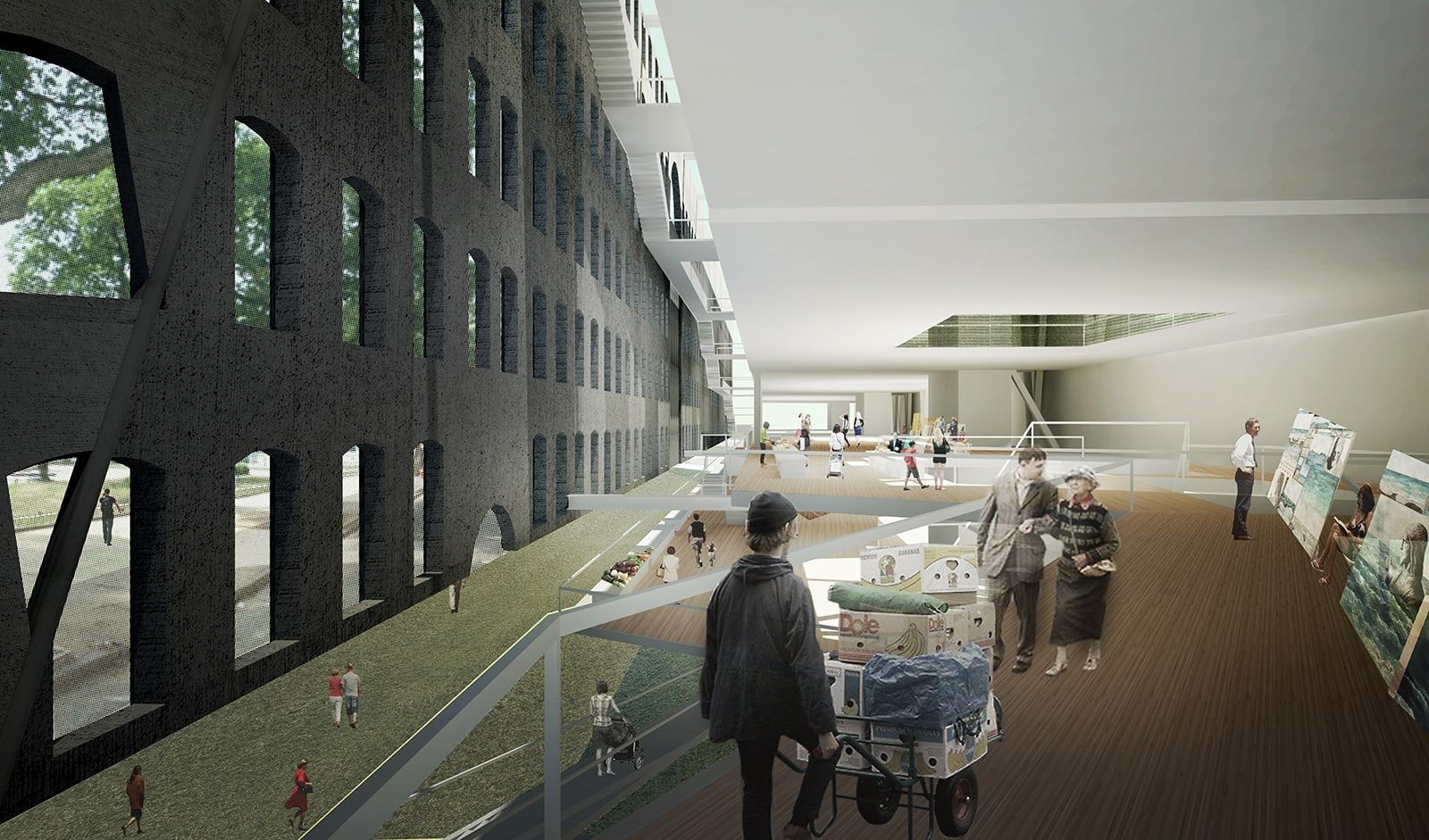
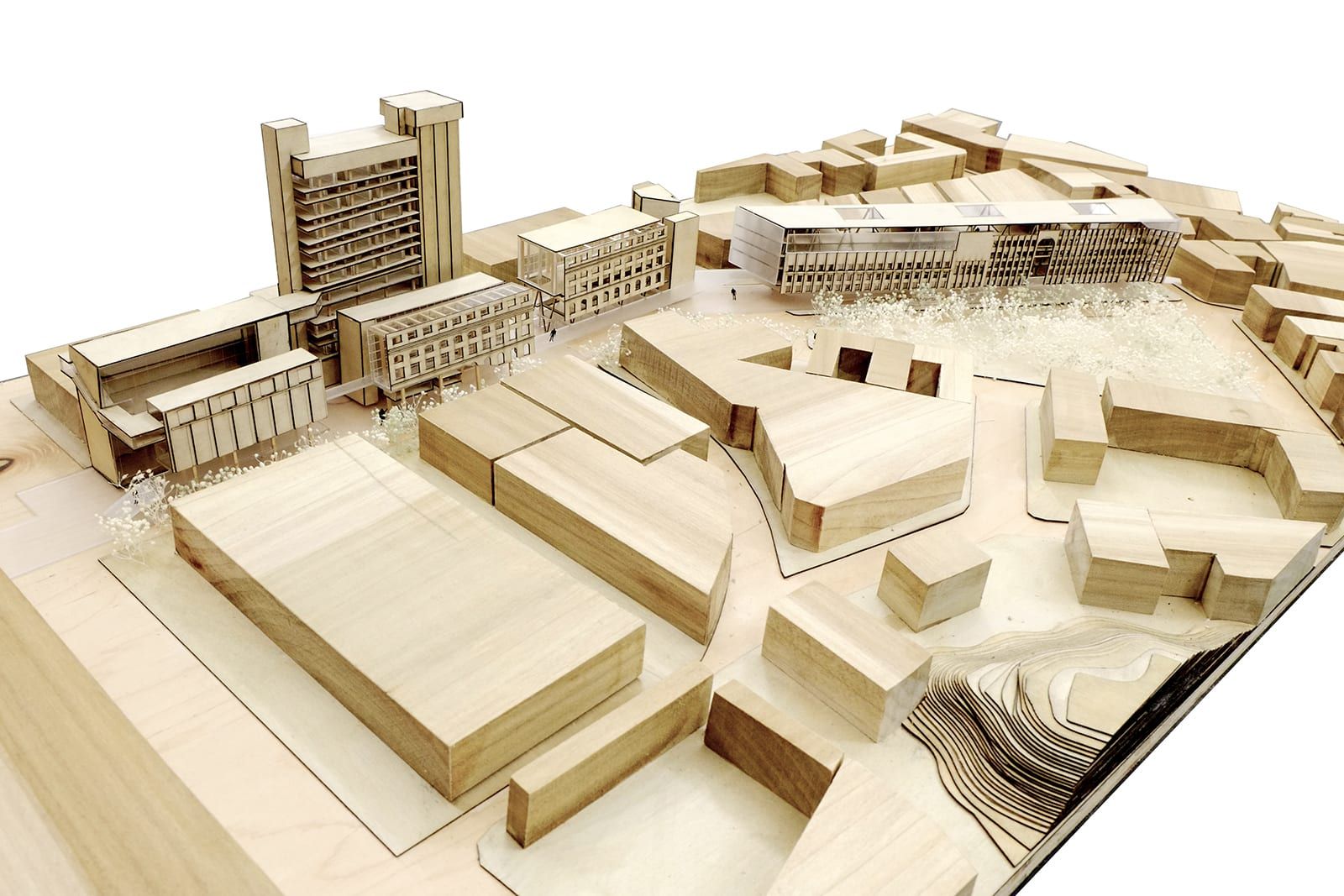
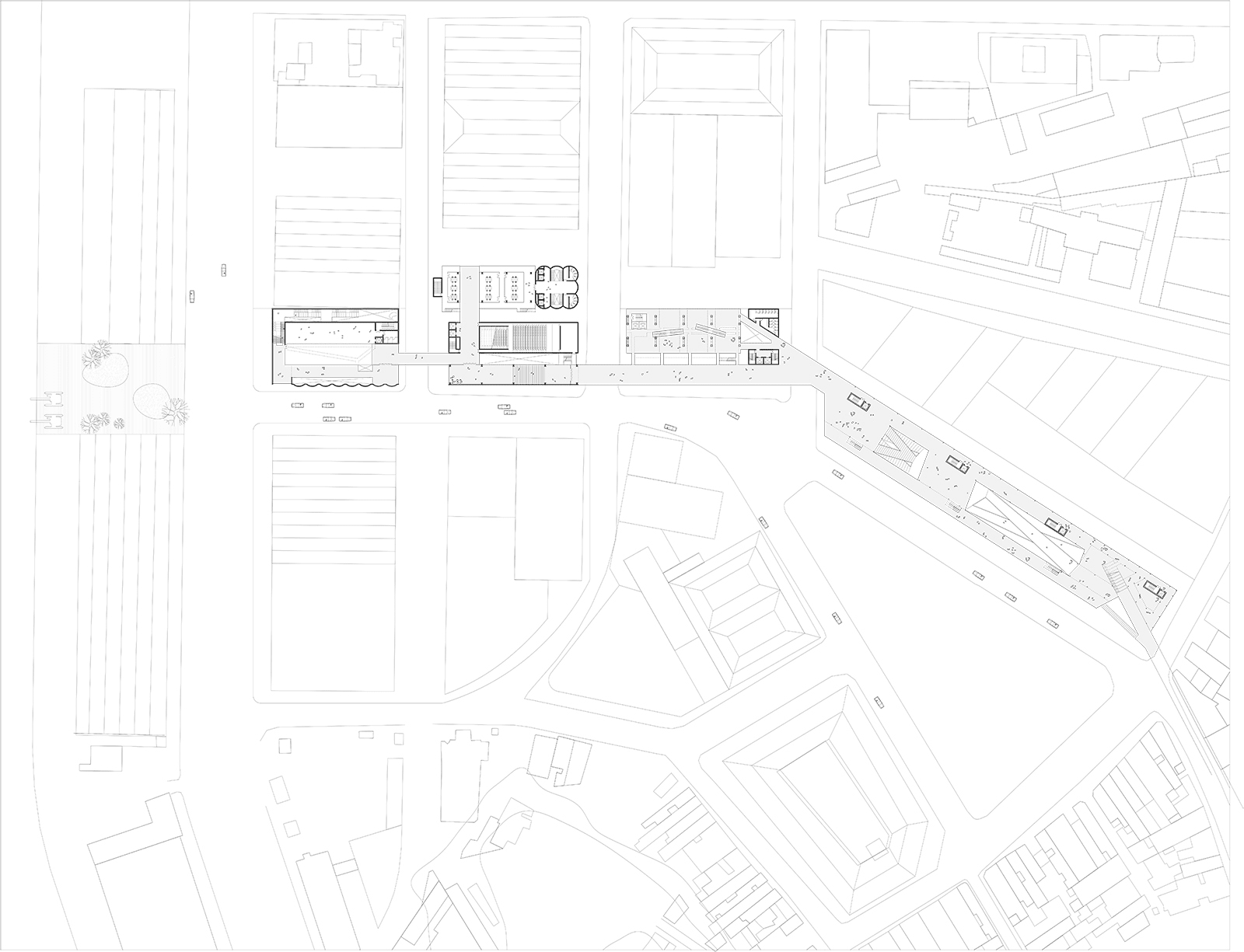
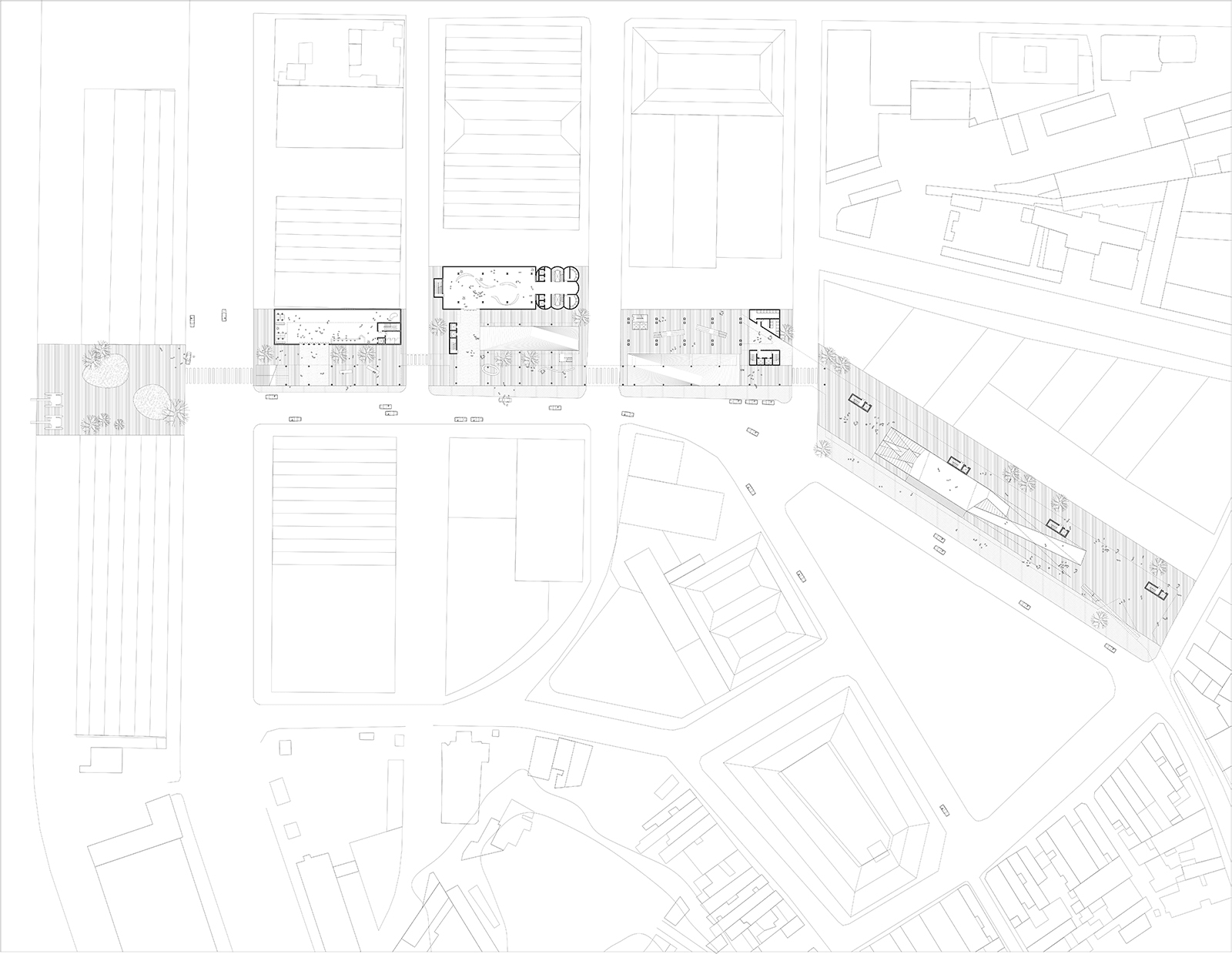
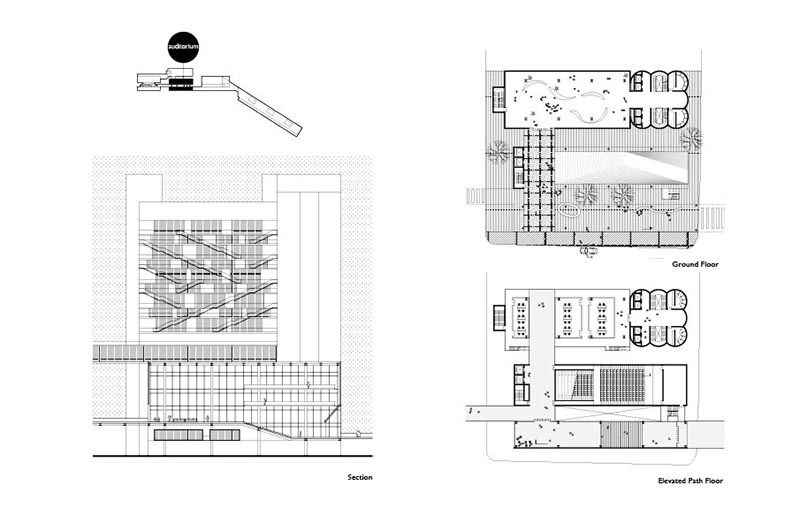
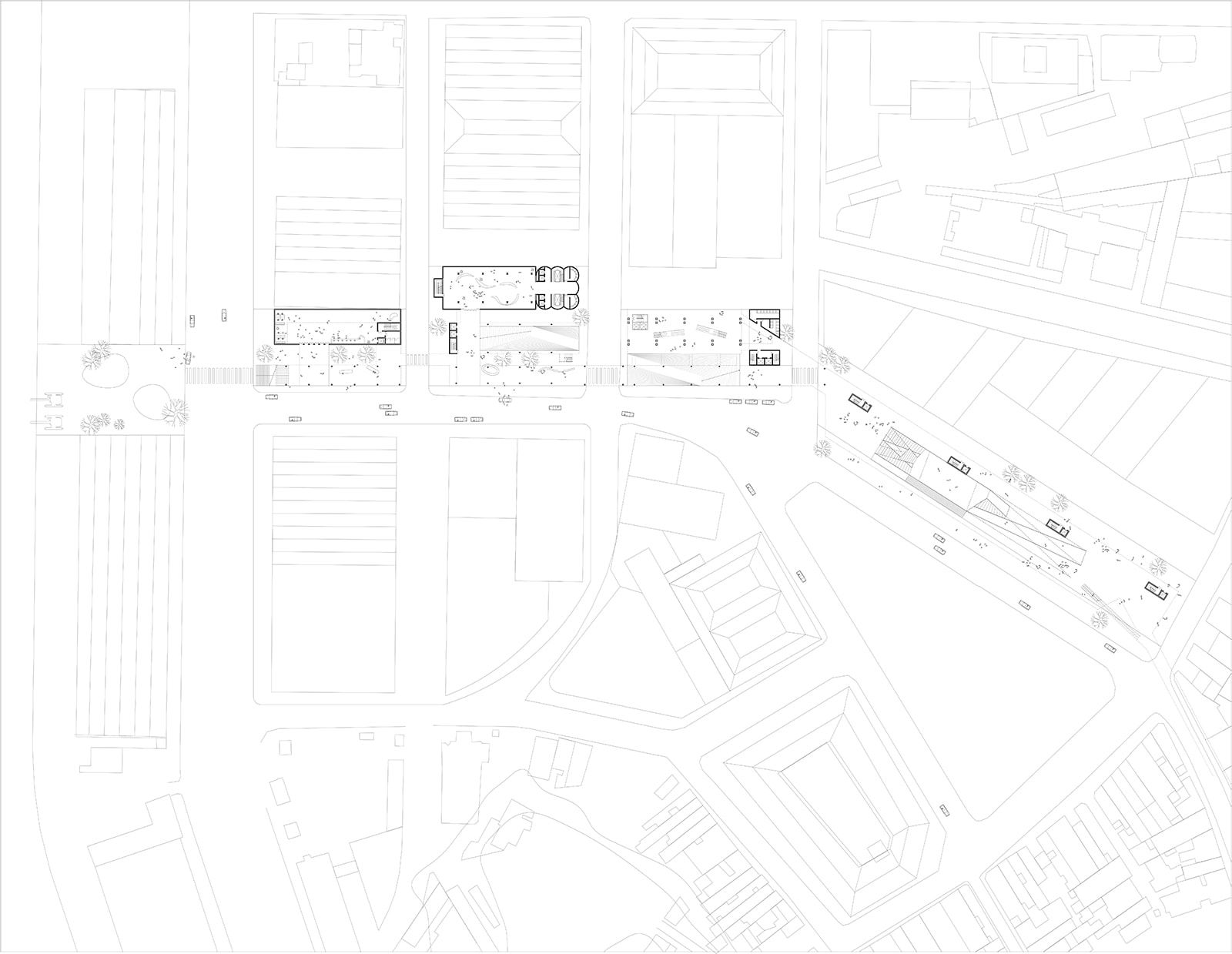
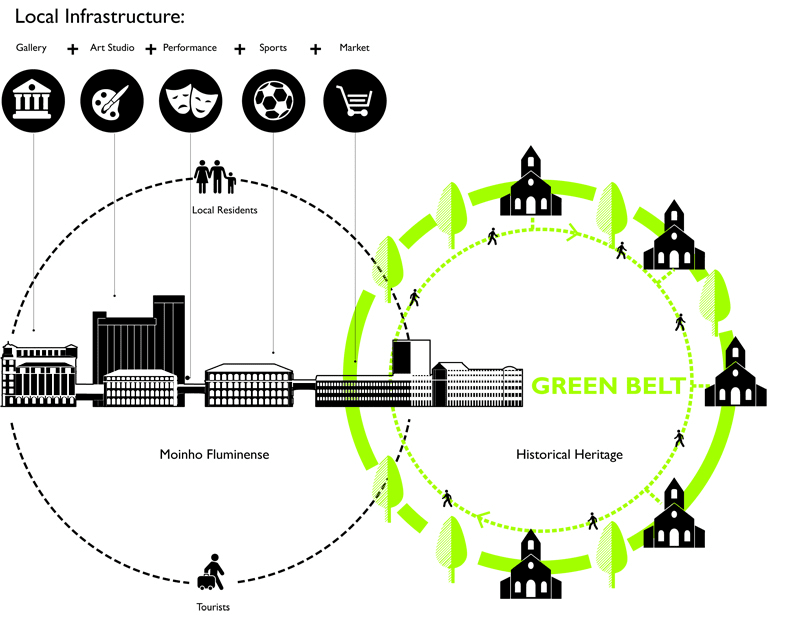
The site locates in Porto Maravilha in the centro area of Rio de Janeiro. Mill Fluminense used to be an important industry factory in Rio. As industry lost its role in history and new shipping method arises, the port becomes abandoned for decades. Rio has been famous around the world as an ideal destination for tourists both domestic and international. But people usually forget that Rio de Janeiro as a city with a history of over 450 years has tremendous sources of cultural heritage. My proposal focuses on turning Mill Fluminense from its industrial part into a infrastructure that serves the local community but also attract tourists by the means of building a green belt system that links the existing culture heritage from the port to nearby neighborhood.
© RONG ZHAO ARCHITECTURE
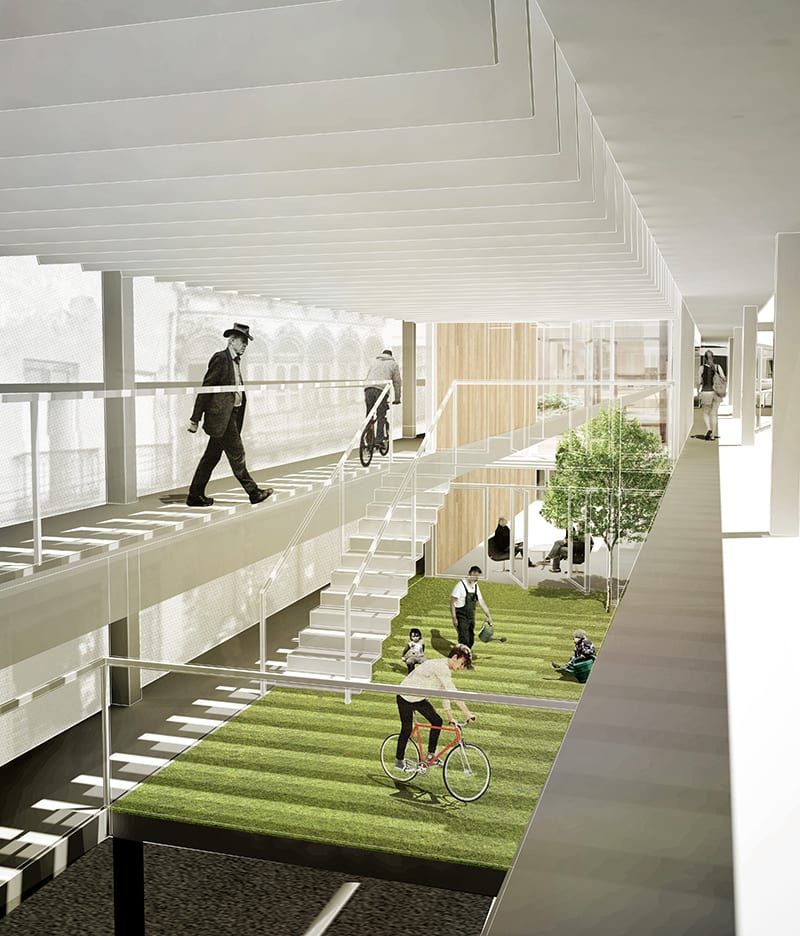
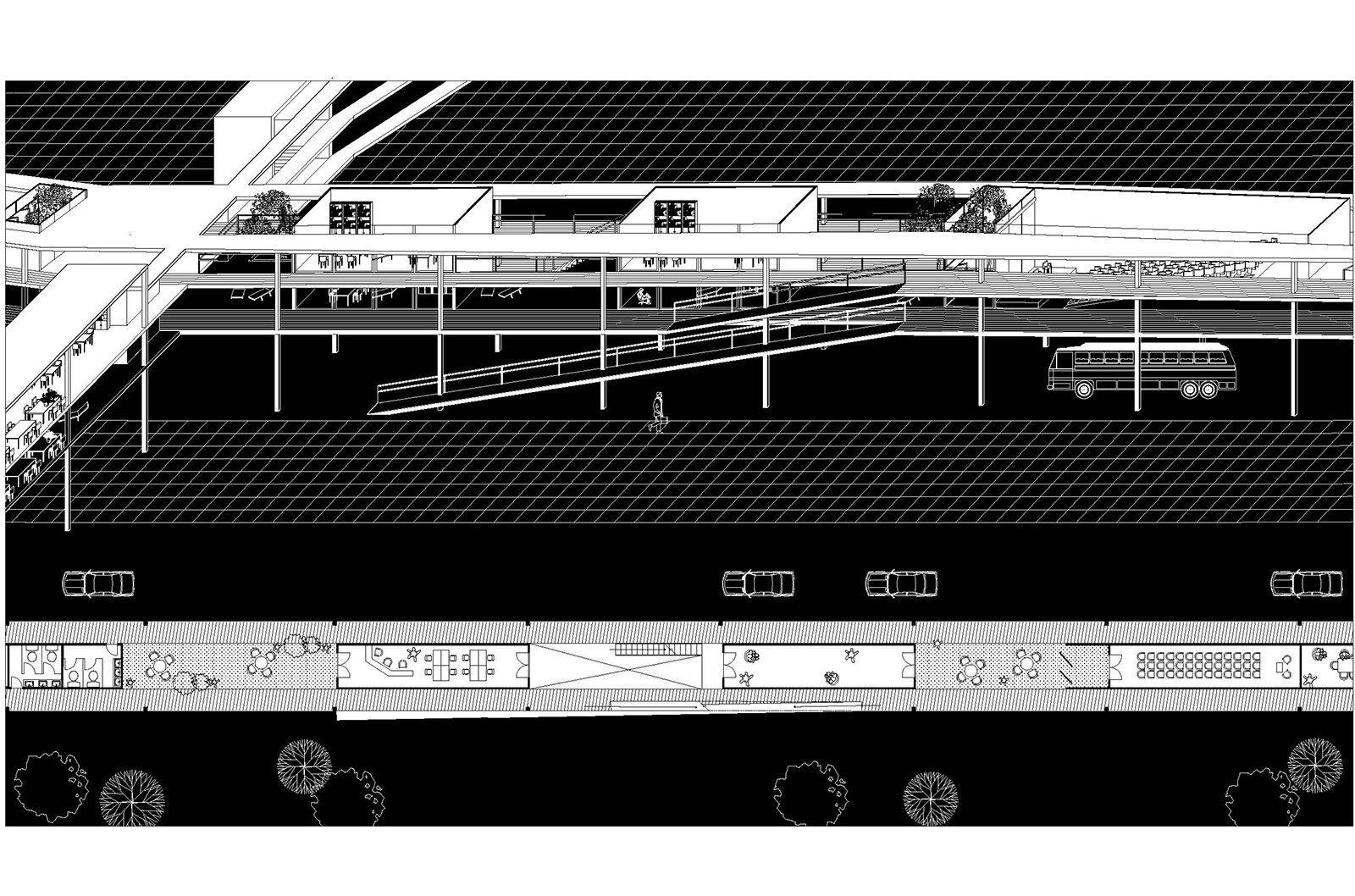
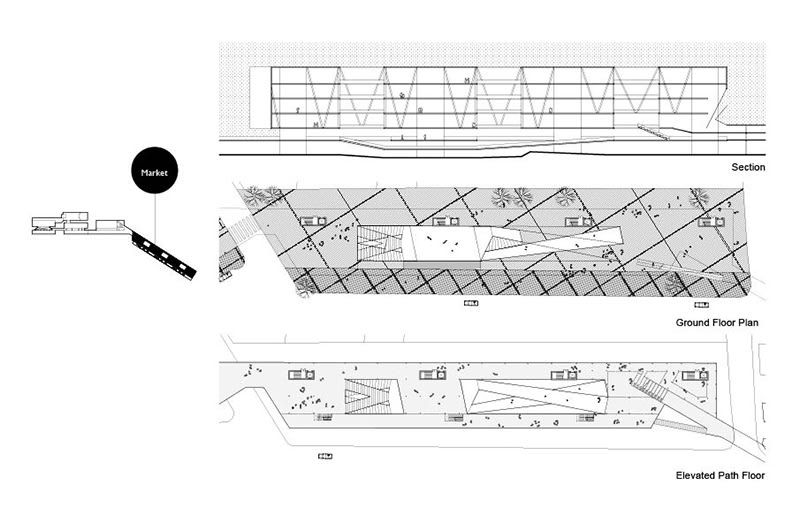
I propose a long-term ecological economy strategy for the Porto Maravilha District. My proposal starts with transforming the Port Maravilha district into a new Historical Tourism destination. In order to do that, we creates a pedestrian-friendly green belt along the port area, linking the not only the existing public open space in that neighborhood but also the main historical tourist attractions. The green belt also works as a physical barrier between the favelas and the tourist zone to guarantee the safety of the tourists, a buffer to compromise the conflicts between the formal and informal world.
© RONG ZHAO ARCHITECTURE
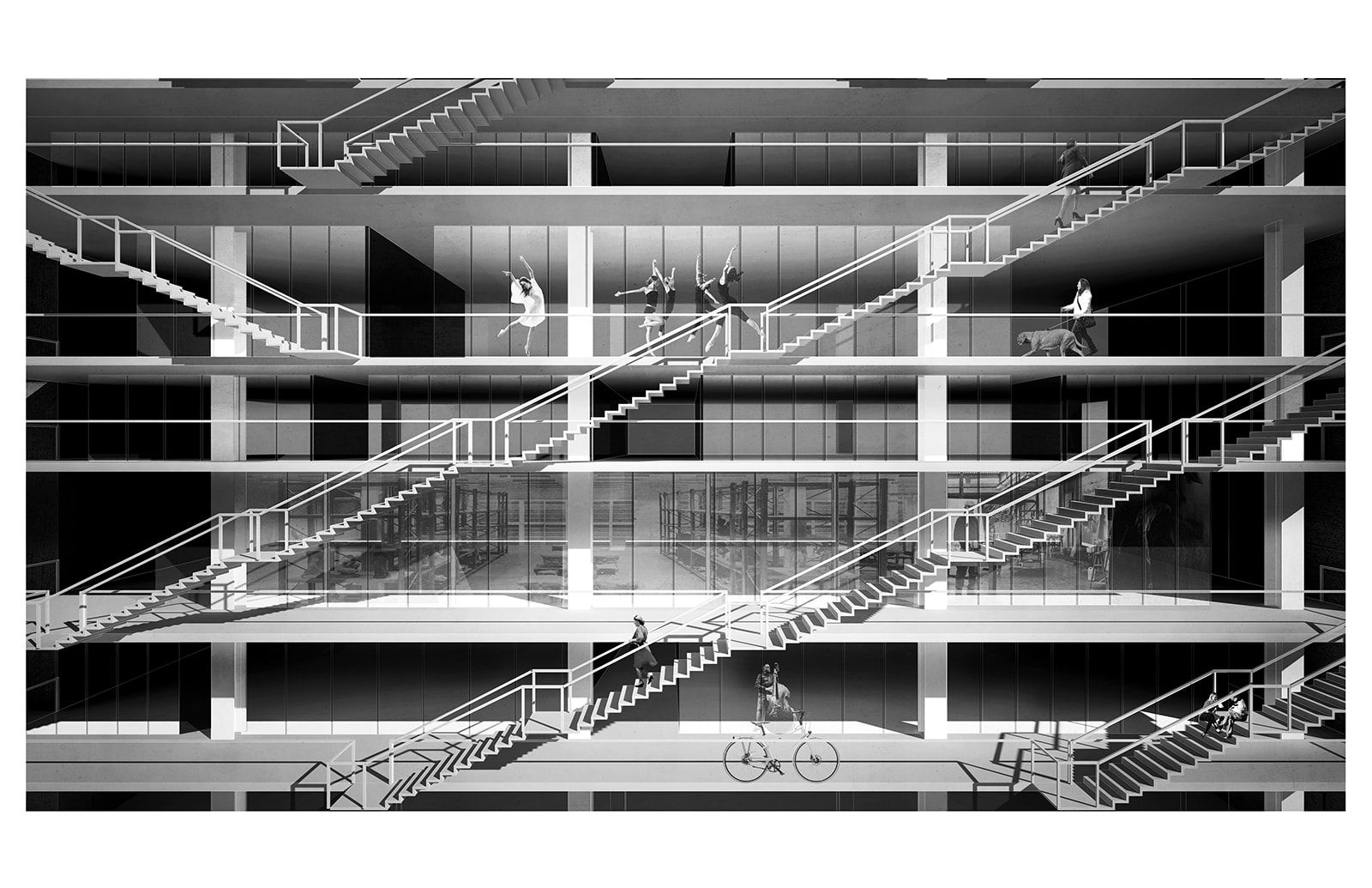
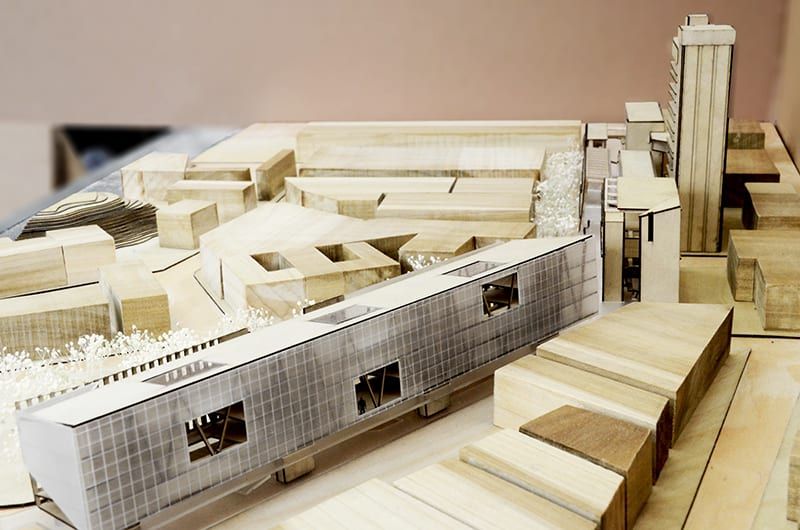
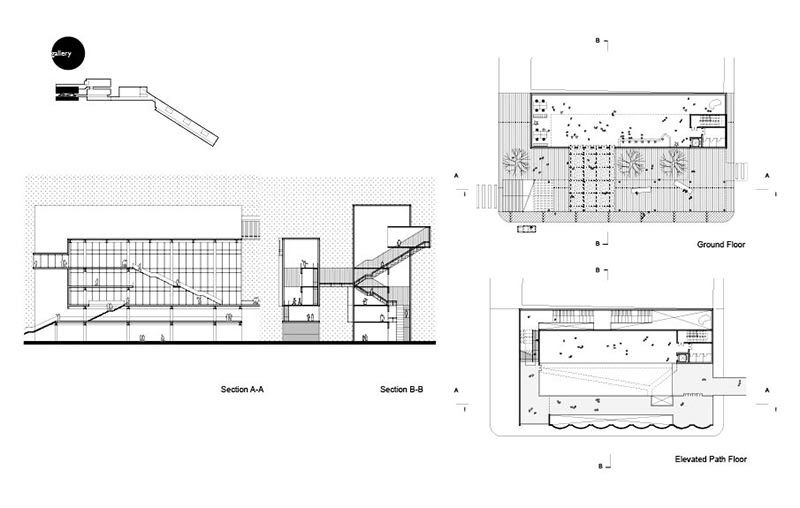
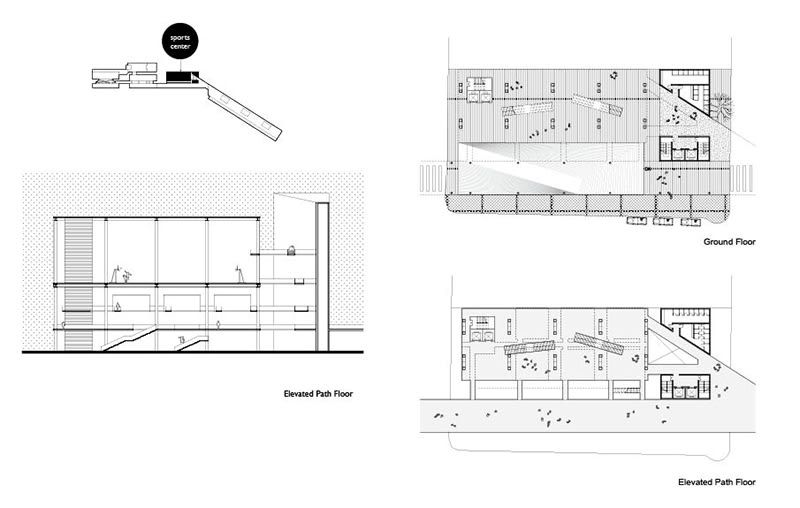
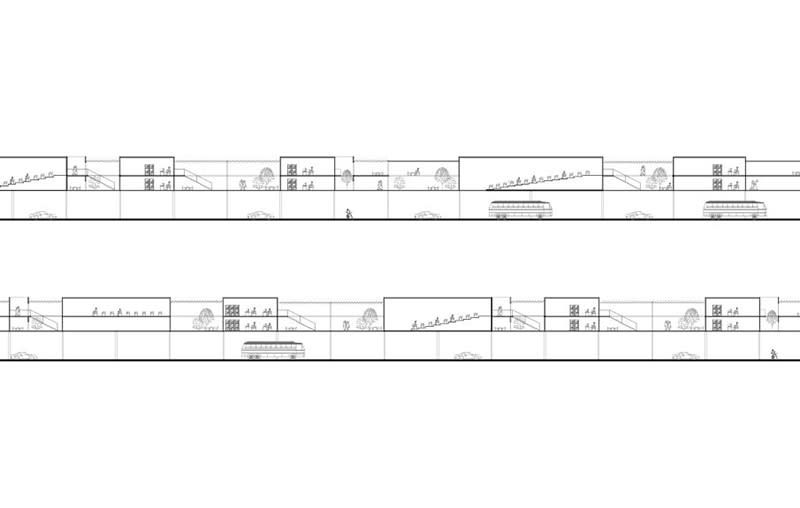
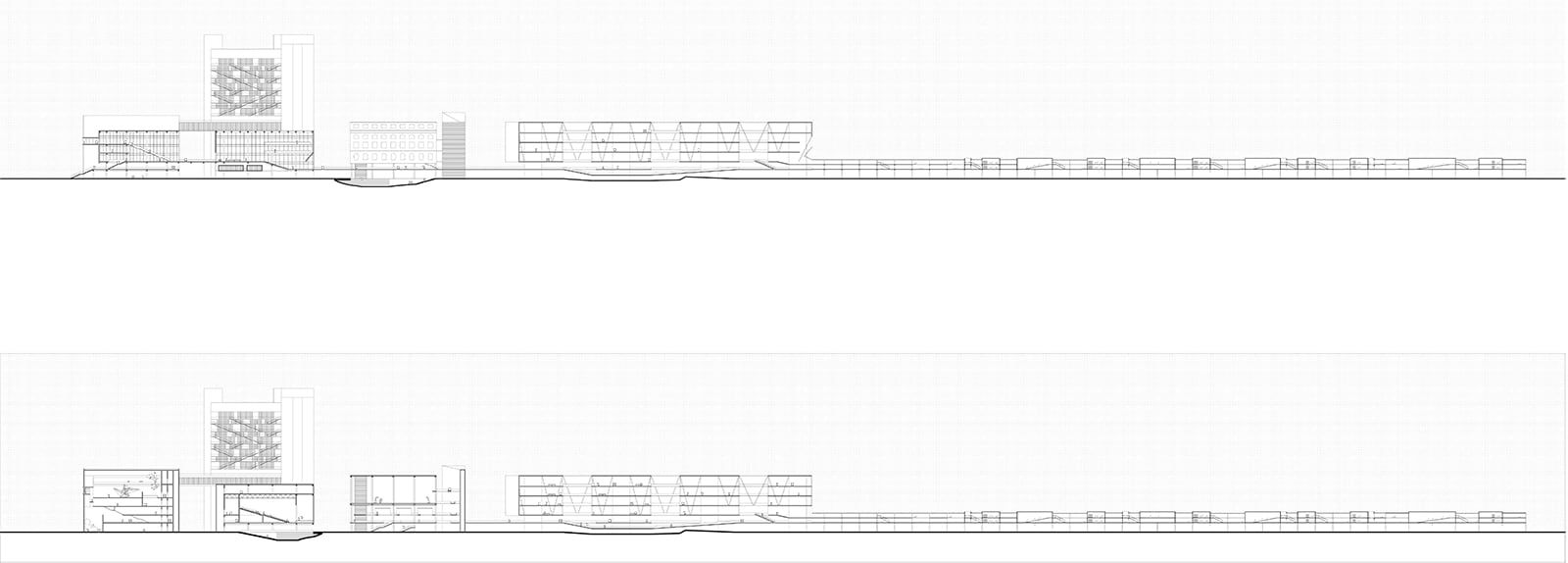
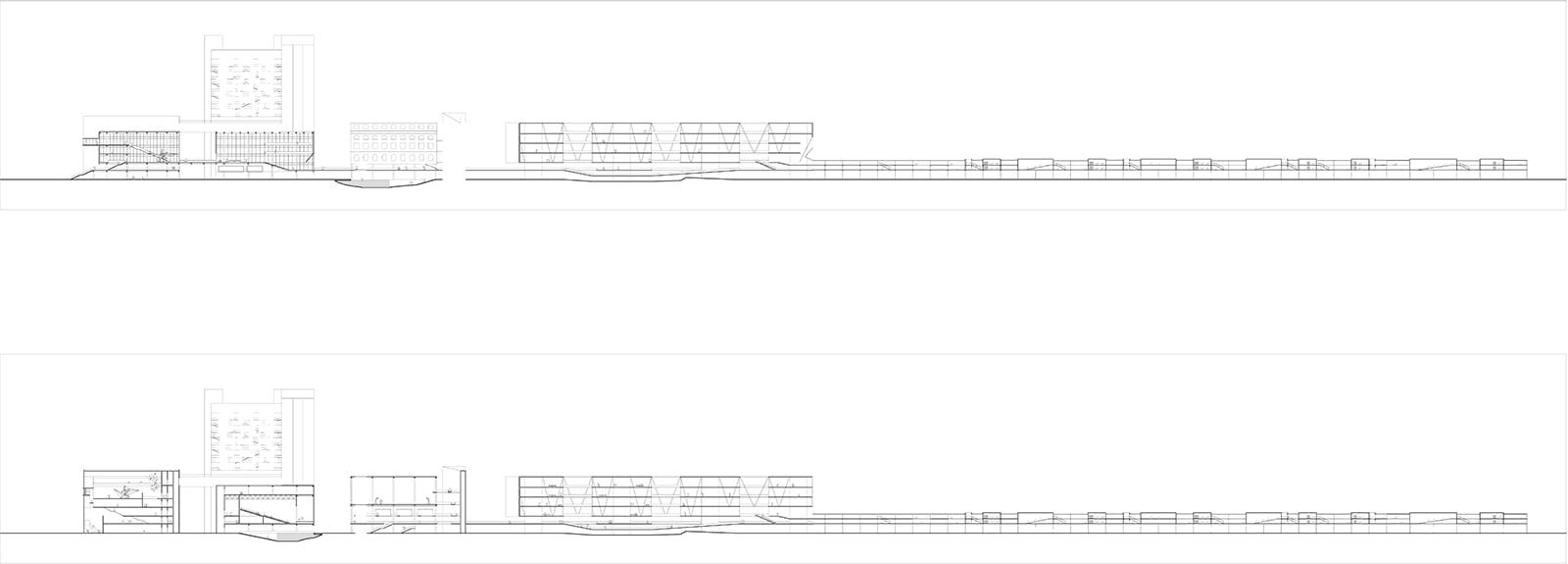
The greenbelt system link the fragmented urban fabric from port area all the way to residential neighborhood. It exists as elevated walkaway between buildings in the mill factory and becomes elevated path above the bus line in the neighborhood. It gives shape to a green network connected to the existing city parks. At the local level, single voids, together with the new paths that intercept them, are translated into a continuous system of collective green open spaces. In order to provide sufficient intensity of public use to the new hierarchy of streets, parks, etc. the strategy involves their hybridization with elements derived from the world of sport, art and urban agriculture.
© RONG ZHAO ARCHITECTURE
Project Info:
Name: Rong Zhao
School: Columbia University, GSAPP
Advisor: Galia Solomonoff


Ibrahim Abdelhady is an architect, academic, and media entrepreneur with over two decades of experience in architecture and digital publishing. He is the Founder and CEO of Arch2O.com, a leading platform in architectural media, renowned for showcasing innovative projects, student work, and critical discourse in design. Holding dual PhDs in Architecture, Dr. Abdelhady combines academic rigor with industry insight, shaping both future architects and architectural thought. He actively teaches, conducts research, and contributes to the global architecture community through his writing, lectures, and media ventures. His work bridges the gap between practice and academia, pushing the boundaries of how architecture is communicated in the digital age.