

Published: 2nd November 2024,
Across the United States, countless underutilized properties remain overlooked by investors. Kateryna Gorobets, professionally known as Kat Gorobets, founder of Kat Gorobets Design Studio, specializes in working with exactly these types of properties. She transforms abandoned buildings, distressed homes, and neglected structures into profitable hospitality assets, vacation homes, and venues for corporate and private events.
Professional Background
Kat Gorobets began her career in residential interior design and home renovation, but over the years her work has evolved. Today, she specializes in identifying hidden value in underperforming properties and transforming them into high-performing hospitality and investment assets through strategic redevelopment, thoughtful design, and market-driven planning.

Kat Gorobets
Throughout her career, Kat has worked on a wide range of projects, from distressed residential properties in need of complete renovations to high-end renovations and new hospitality plans developed from the ground up. Her methodology combines market analysis, investment strategy, hospitality-focused design, construction planning, and project management to increase property value while enhancing long-term financial performance.
One example is the Desert Inn project. Most buyers saw the property as a neglected structure with boarded-up windows located at a busy intersection and immediately dismissed it as unsuitable for residential use. Gorobets viewed the site through the eyes of a Las Vegas visitor. Suddenly, its proximity to major roads, restaurants, entertainment venues, and tourist attractions became its primary advantage rather than a drawback.
The object itself has not changed, the woman has changed her approach to understanding its market. Gorobets conducted a comprehensive analysis of the distressed asset, developed a transformation strategy, and created a redevelopment plan designed to maximize profitability and investor appeal. She led every phase of the project, from design development and material selection to contractor coordination, budget oversight, and quality control.
The scope of redevelopment was extensive. Two additional bedrooms and one additional bathroom were added, a large swimming pool was constructed, a resort-style outdoor living area was created, and both the interior and exterior were completely redesigned to meet the expectations of the premium short-term rental market.
As a result, a property purchased for $163,000 was transformed from an abandoned, uninhabitable structure into a profitable hospitality asset. Today, it generates more than $150,000–$200,000 in annual gross rental revenue. Strategic repositioning, targeted design decisions, and disciplined execution created substantial value. A building that was previously a problem for the area has become an economically useful and tourism-active property.
A Strategic Redevelopment Methodology
Gorobets explains that her approach begins with understanding why the market rejected a property in the first place. Sometimes the reason is neglect, sometimes it is poor design, and sometimes it is because the property is being valued from the perspective of the wrong usage scenario.
Therefore, Kat views the object through the prism of its capabilities. In the Desert Inn project, she recognized opportunity in an abandoned and heavily damaged home located in a challenging neighborhood and transformed it into a desirable destination for short-term guests seeking convenient access to the Las Vegas Strip and other major attractions.
According to Gorobets, abandoned buildings rarely reveal their true potential. Broken windows, outdated finishes, and years of neglect can usually be corrected. The factors that matter most are those that cannot easily be changed: location, surrounding infrastructure, market conditions, and opportunities for a more effective use.
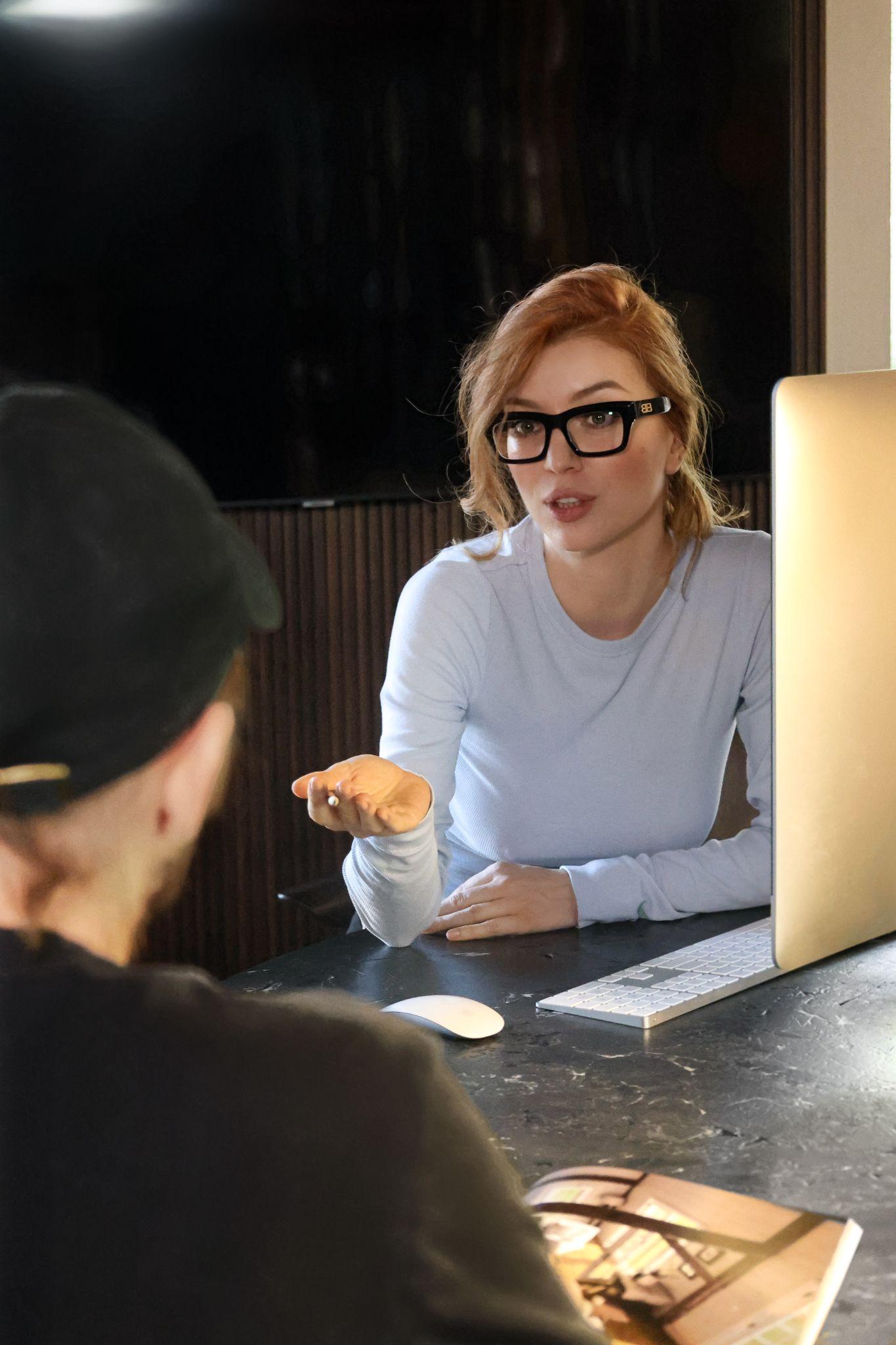
“I don’t start by asking, ‘How do I renovate this house?’” she explains. “I ask, ‘What could this property become if I stopped looking at it through the eyes of the previous owner?’”
Once she identifies the highest and best use of a property – which is not always the purpose for which it was originally built – she defines the target user. Every design decision that follows is guided by an understanding of the future guest or buyer.
Las Vegas, she notes, provides an excellent example. Visitors are not simply looking for a place to sleep. They travel for experiences, celebrations, entertainment, business events, family gatherings, and wellness-focused retreats. Once the purpose of the trip is understood, the design process becomes much more intentional, creating an environment that supports the experience guests seek.
Gorobets believes this is often where hidden value is created – not by attempting to appeal to everyone, but by identifying and designing for the right audience.
The next step involves building a financial model for the project, evaluating required investment, projected value creation, and overall economic feasibility before any design work begins. Only after answering those questions does she move into the design phase.
Naturally, redevelopment projects involve risk. Abandoned properties frequently conceal structural issues, permit complications, infrastructure deficiencies, and unforeseen renovation expenses. Investors may also focus too heavily on a property’s current appearance and overlook its true potential.
To reduce uncertainty, Gorobets avoids making assumptions too early in the process. Risk management is a critical component of her methodology. It seeks to identify key risks before significant resources are committed, ensuring that decisions are made based on analysis.
Design Decisions That Create Financial Value
According to Gorobets, the most valuable design interventions are rarely the most expensive ones.
Optimizing the layout, increasing functional capacity, adding an additional bedroom or bathroom, improving movement within the space, creating outdoor seating areas, or designing spaces around guest needs have a significantly greater financial impact than investing in expensive finishing materials.
In the Desert Inn project, the addition of extra bedrooms, the creation of outdoor entertainment areas, and the redesign of interior spaces around the needs of premium hospitality guests transformed a difficult property into a profitable asset.
“Good design means investing resources where guests will notice and value them,” she says.
Gorobets believes design becomes a tool for economic revitalization when it changes the function of a property rather than merely its appearance. For example, an abandoned building can be transformed into a profitable hospitality business. Another example is a traditional residential building converted to host corporate retreats or wellness programs.
In these cases, design not only enhances appeal but also attracts new audiences, creates additional revenue streams, and generates value that did not previously exist. This, she argues, is what distinguishes strategic repositioning from a standard interior renovation.
Impact on Local Economies
At its core, Gorobets’ work addresses a broader issue: the inefficient use of existing real estate assets and the resulting loss of economic potential in both the residential and hospitality sectors.
She points out that many properties across America remain vacant or underutilized because of outdated layouts, obsolete design concepts, poor market positioning, or a failure to meet modern consumer expectations. Investors often avoid such properties or sell them at a discount.
Yet Gorobets believes their redevelopment can generate meaningful economic benefits.
An abandoned structure contributes little to local economic activity. In many cases, it reduces neighborhood appeal, negatively affects surrounding property values, and may become associated with vandalism or other problems.
After redevelopment, however, the same property generates work for architects, contractors, suppliers, landscape designers, cleaning companies, maintenance providers, and numerous other local professionals.
When operated as a short-term rental or hospitality asset, a successful property also attracts visitors who spend money at local restaurants, retail stores, entertainment venues, supermarkets, and transportation services. These expenditures support small businesses.
Successful projects can also demonstrate the profitability of investing in a neighborhood, encouraging additional private investment and contributing to broader community revitalization.
According to Kat Gorobets, that’s one of the greatest values of this work. In addition to restoring a building, it creates an asset that continues to generate economic activity long after construction is complete.
Looking Ahead
Gorobets plans to continue partnering with private investors, developers, and hospitality operators to create innovative, high-performing real estate projects throughout the United States.
She is particularly focused on developing a new generation of hospitality assets designed to meet growing demand for travel focused on unique experiences, corporate retreats, wellness programs, and professional networking events.
Her long-term objective is to scale her redevelopment methodology, creating new opportunities for investors while supporting the continued growth of America’s tourism infrastructure, entrepreneurship, and hospitality industry.

Ruba Ahmed, a senior project editor at Arch2O and an Alexandria University graduate, has reviewed hundreds of architectural projects with precision and insight. Specializing in architecture and urban design, she excels in project curation, topic selection, and interdepartmental collaboration. Her dedication and expertise make her a pivotal asset to Arch2O.