


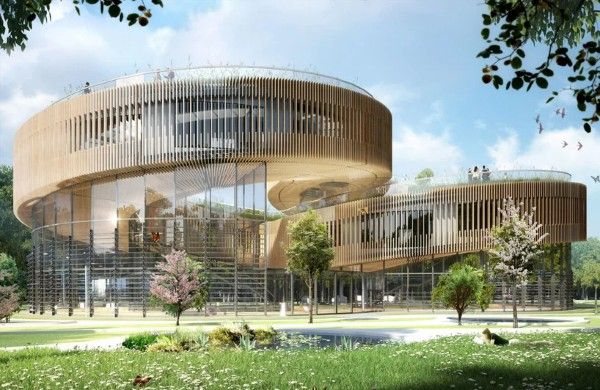
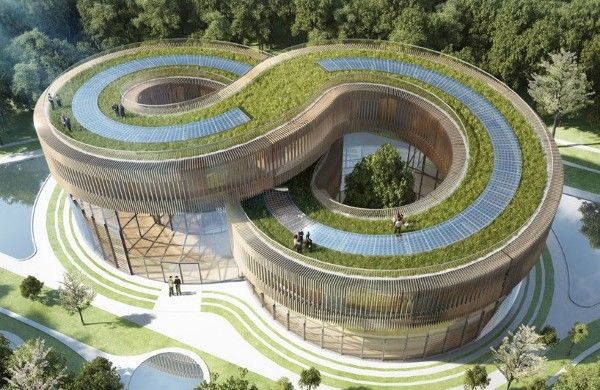
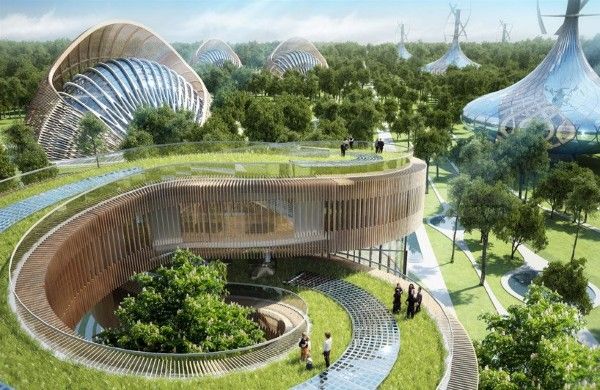
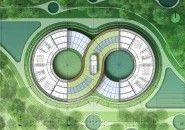
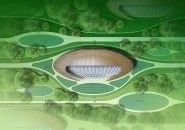
Flavours Orchad, Vincent Callebaut Architecture prosed the residential designs of Flavours Orchards located near Dianchi Lake in Kunming, China. It focuses on building a neighbourhood relationship through implementing social and communal facilities such as community gardens. The concept of generating sufficient amounts of energy to regulate residential usage was also essential.
Courtesy of Vincent Callebaut Architecture
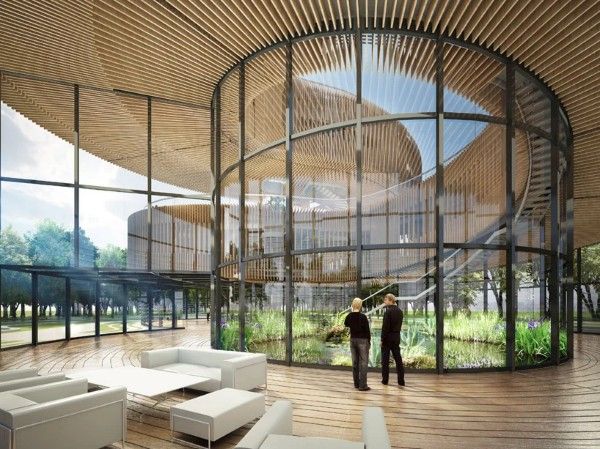
The project was meant to alter settings of an industrial dump sites and convert them into a more environmental atmosphere. The residential complex uses grey water collection for reuse on its organic agriculture fields and also organic compost as fertilizer for its gardens.
Courtesy of Vincent Callebaut Architecture
It is assumed that the amount of energy input would be twice as larger than the amount of energy being output. The consumption are expected to be no greater than 50kWh/sq m/year and the project is expected to produce about 100kWh/sq m/year.
Courtesy of Vincent Callebaut Architecture
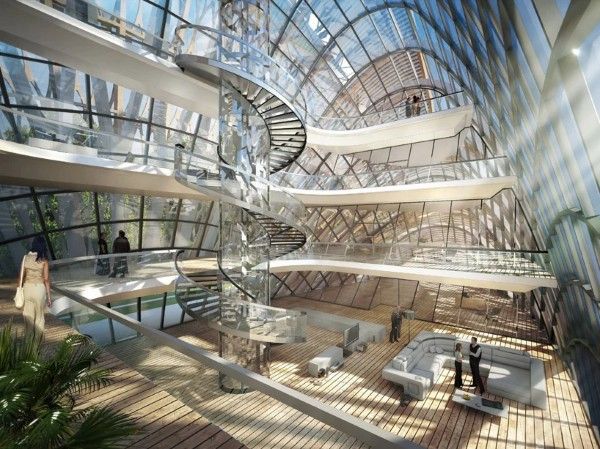
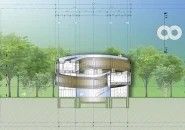
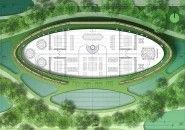
The firm has also proposed three kinds of developing units that organize the community space into tree different zones, The Mountain Villa, The Mobius Villa, and The Shell Villa. With respect to the sun’s path, The Mountain Villa has been oriented east to west and glazing covers the south facade where as a wood texture that responds to light intensities covers the north facade. A central spiral staircase makes it easier for the residence to access basic necessities.
Courtesy of Vincent Callebaut Architecture
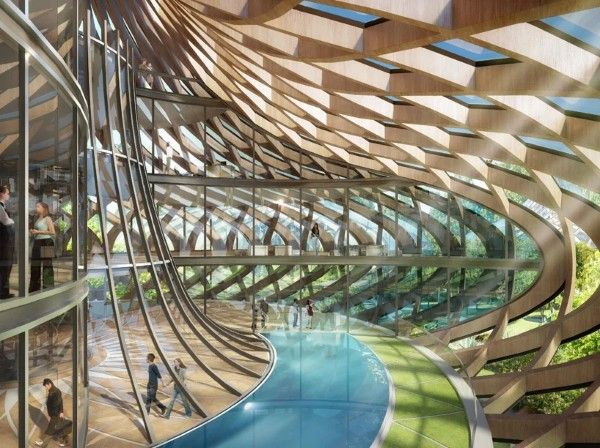
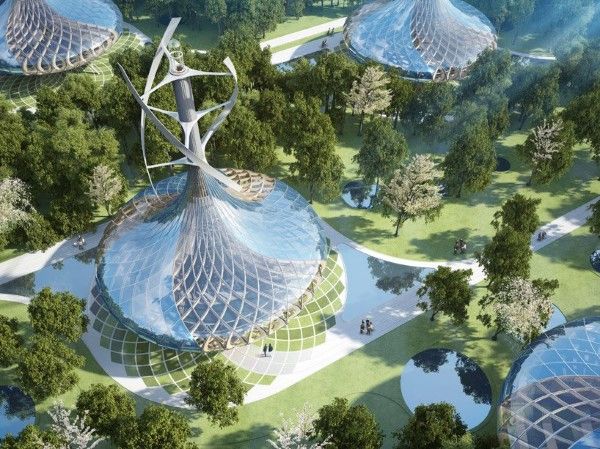
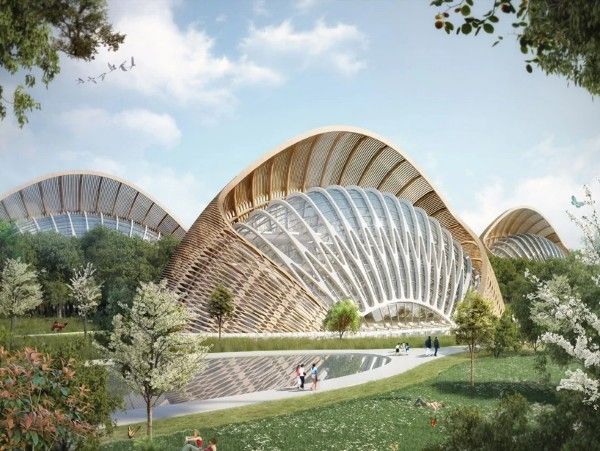
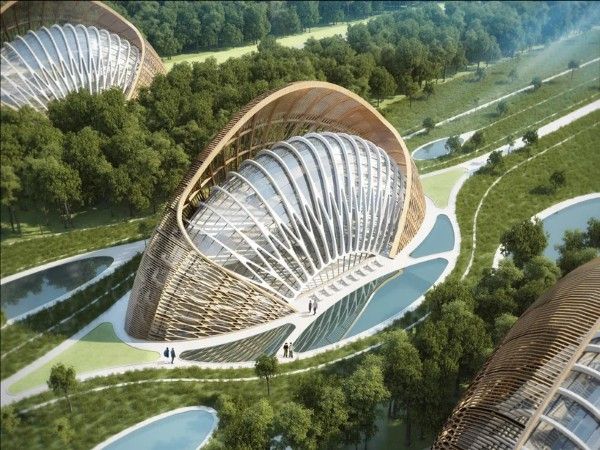
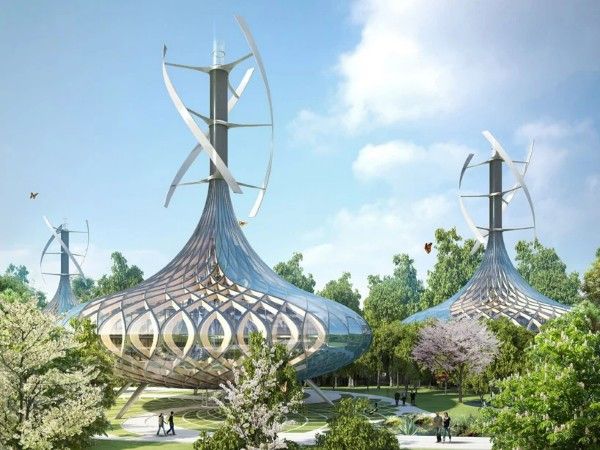
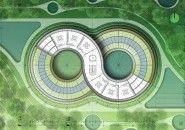
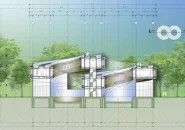
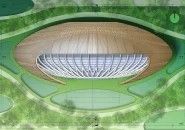
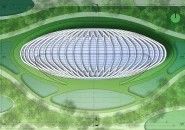
The Mobius Villa resembles a steel ribbon with an exterior wood frame and consists of a pedestrian pathway that slopes near the entrance. It also has a built in louvre system that works in relation to the suns intensity. The Shell Villa is presented as a uniques form, it is separated from the ground level by steel piles and also supports a wind turbine on top of its residences. The developing designs illustrate a kind of self sustaining structural network that examines beneficial strategies in order to sustain not just the inhabitants but collaborate with the environment as well.







Anastasia Andreieva is an accomplished Architectural Projects Editor at Arch2O, bringing a unique blend of linguistic expertise and design enthusiasm to the team. Born and raised in Ukraine, she holds a Master’s degree in Languages from Taras Shevchenko National University of Kyiv. Her deep passion for architecture and visual storytelling led her to transition from translation and editorial roles into the world of design media. With a keen eye for conceptual clarity and narrative structure, Anastasia curates and presents global architectural projects with precision and flair. She is particularly drawn to parametric and digital design, cultural context, and emerging voices in architecture. When I’m not analyzing the latest architectural trends, you’ll probably find me searching for hidden gems in cityscapes or appreciating the beauty of well-crafted spaces. After all, great design—like great connections—can be found in the most unexpected places. Speaking of connections, because architecture isn’t the only thing that brings people together.