Filsø Visitor’s Center, The Assignment – The visitor’s center at Filsø is a part of the campaign ”Places in the Landscape”, initiated by Realdania, as part of the campaign “The Place Counts”. The visitor’s center was realized in a collaboration between Realdania, The Danish Nature Agency and Aage V. Jensen’s Nature Foundation which also financed the school building/educational facilities. The visitor’s center at Filsø was to become a central hub for the many nature routes in the area as well as an easily recognizable point of departure for visitors to Filsø.
© Carsten Ingemann
The Location – Located near Henne on the Danish west coast, Filsø was originally one of Denmark’s largest lakes, however, between the years 1852 and 1951 the area was drained and used for agricultural purposes along the impoverished coastal area. In 2011, Aage V. Jensen’s Nature Foundation acquired the area for the purpose of restoring it to its original state for the benefit of local residents and tourists.
© John Colin Seymour
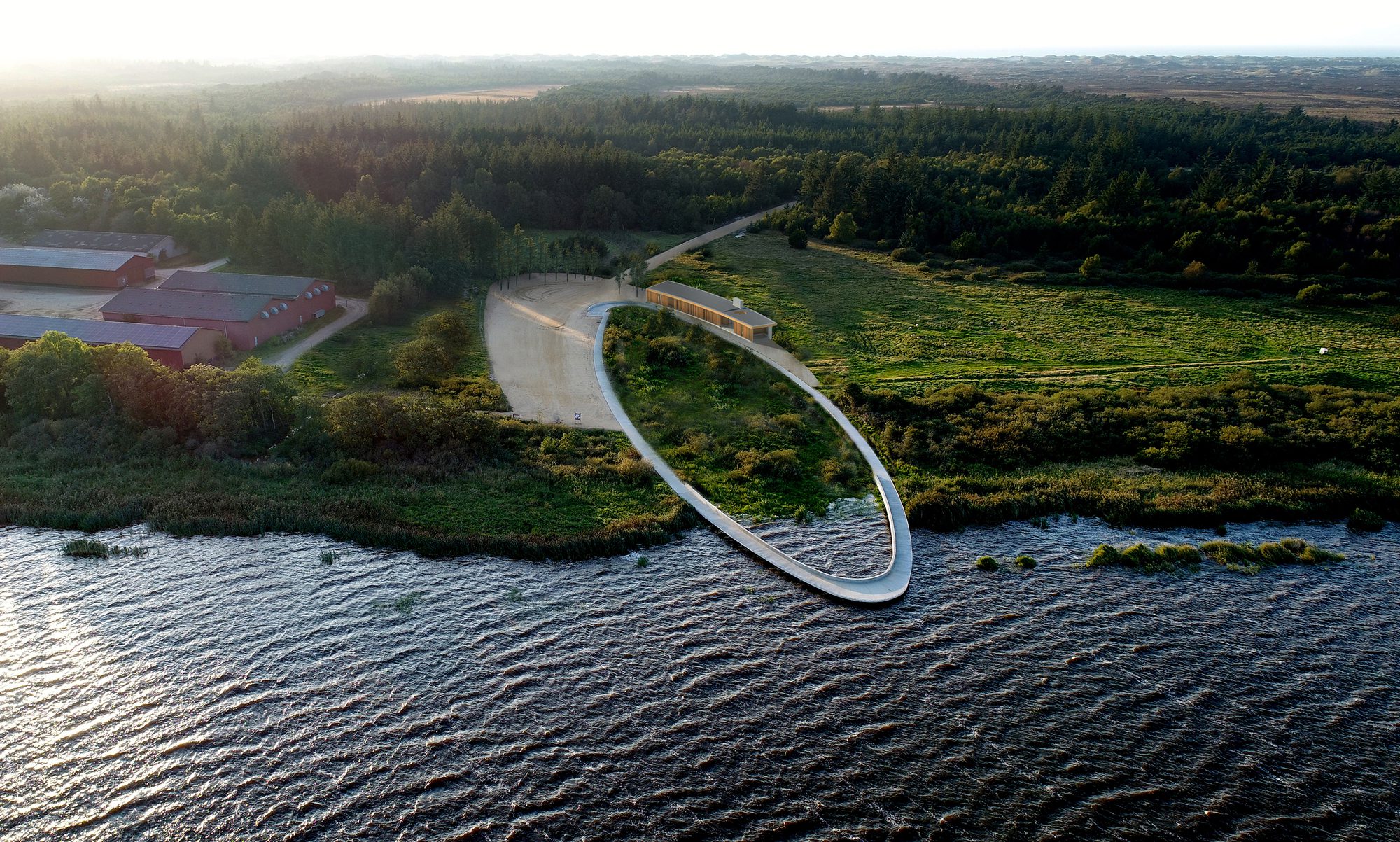
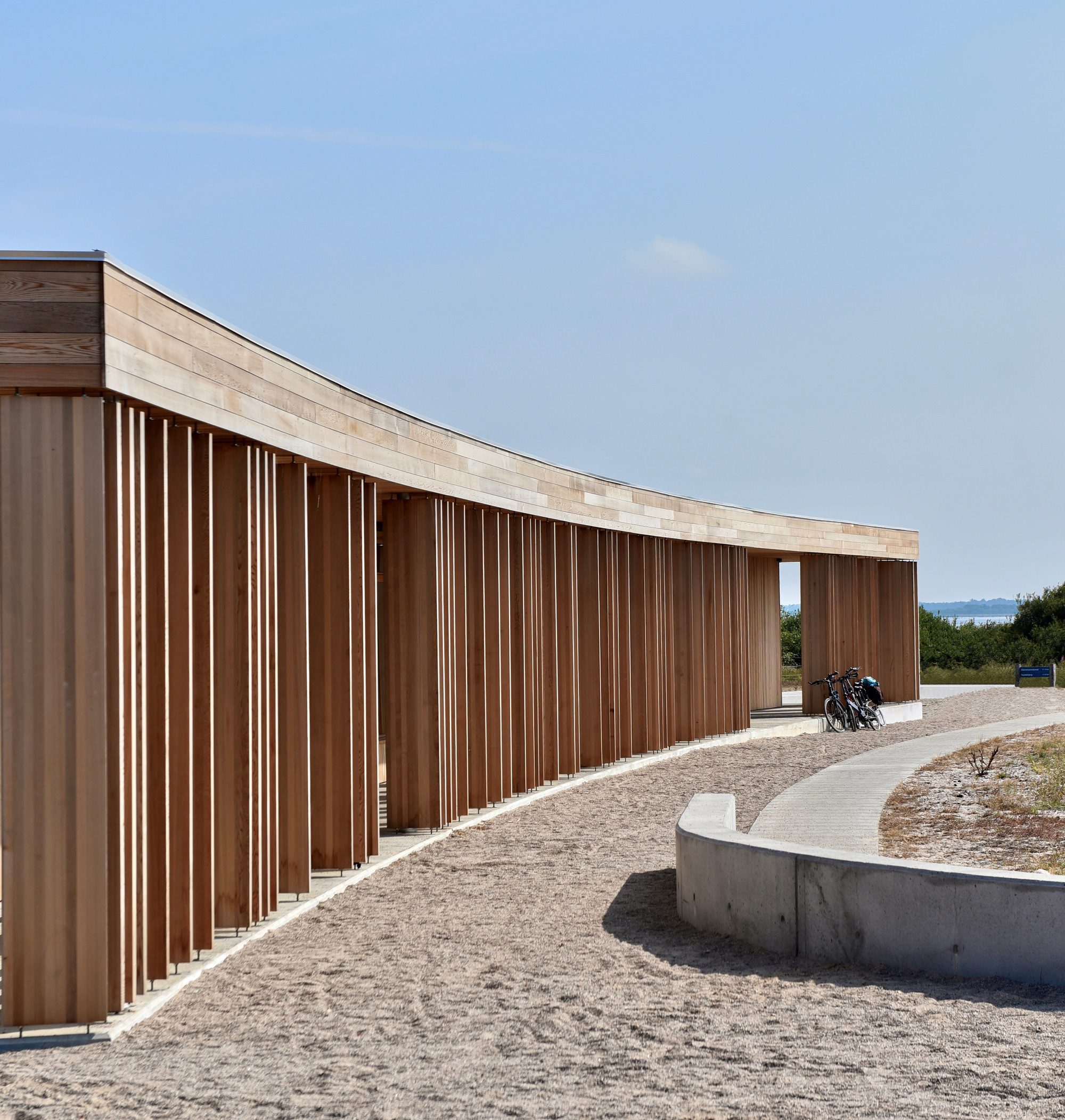
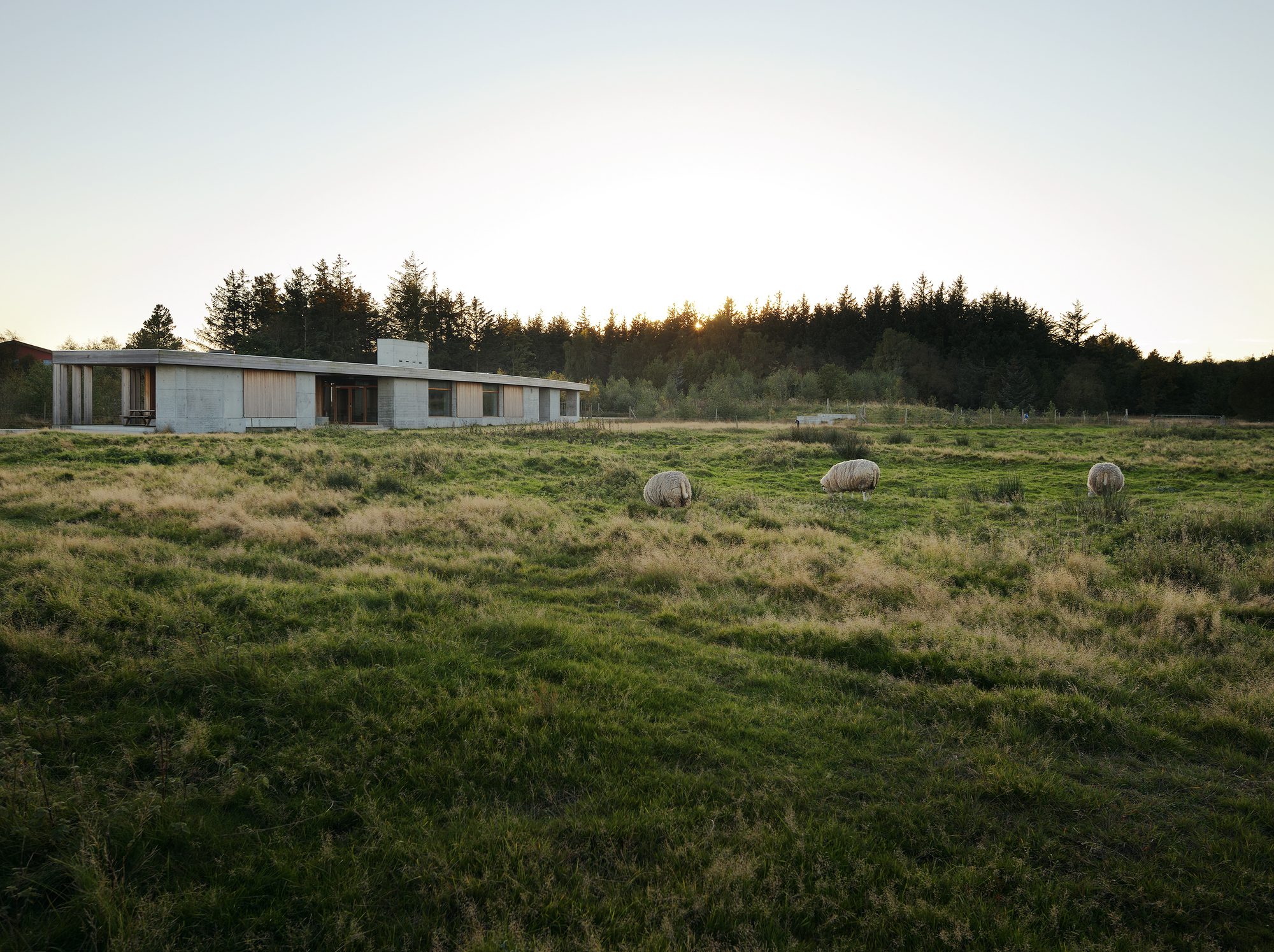
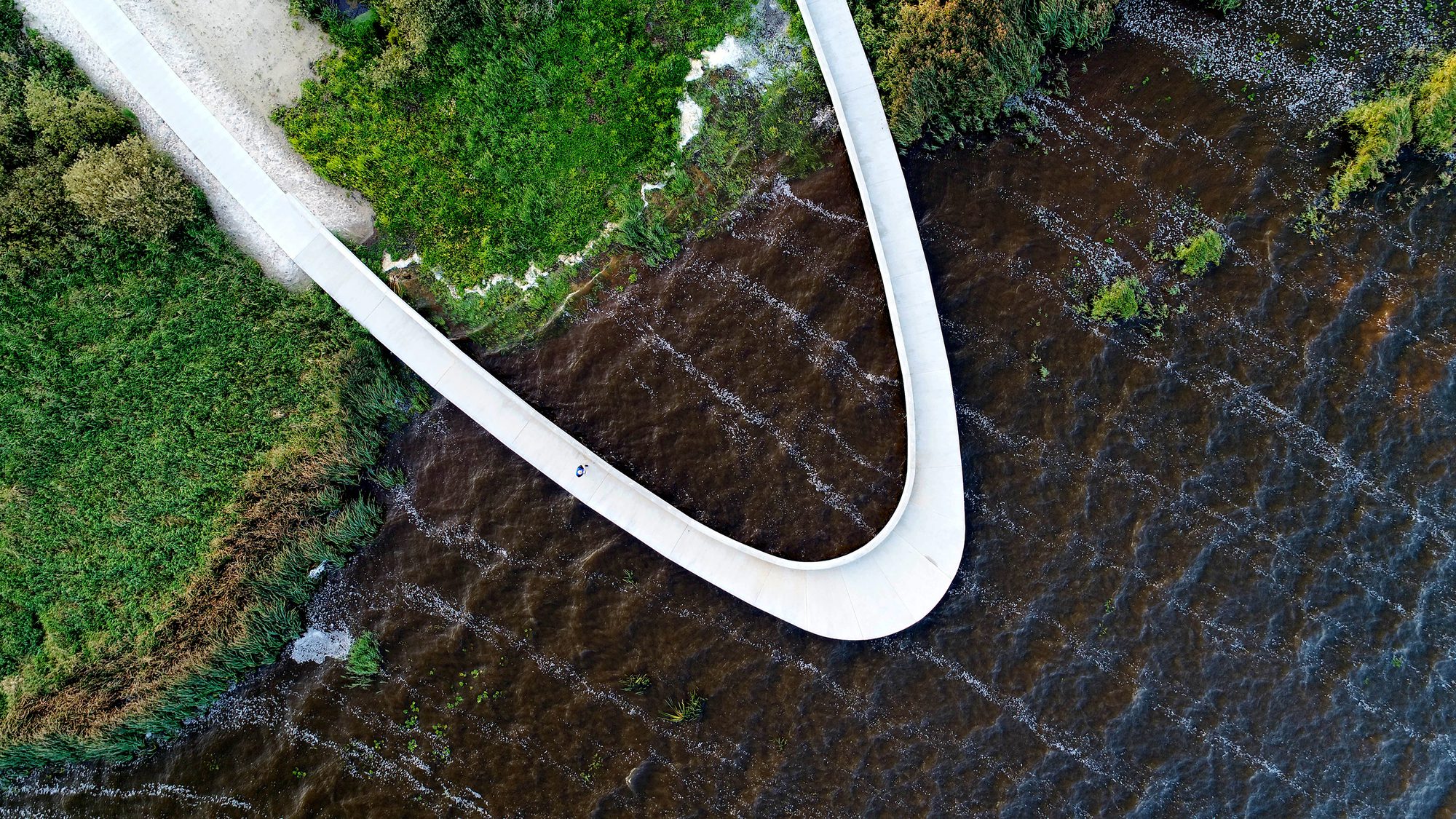
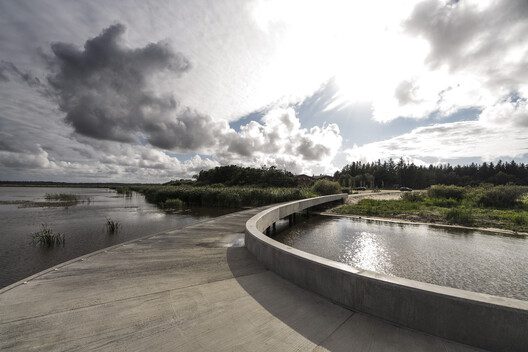
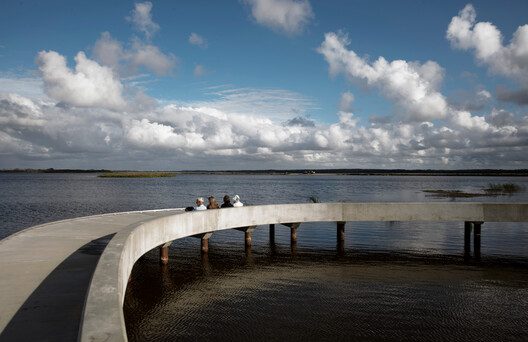
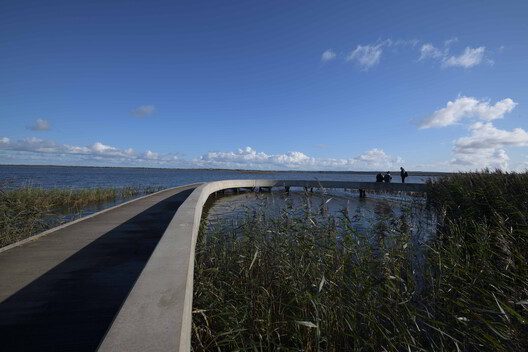
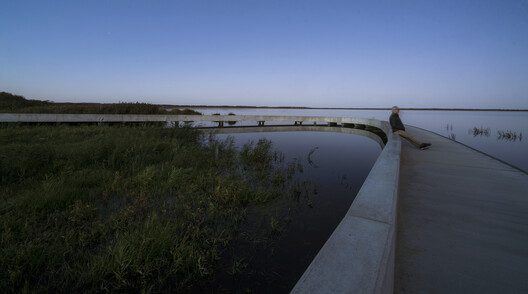
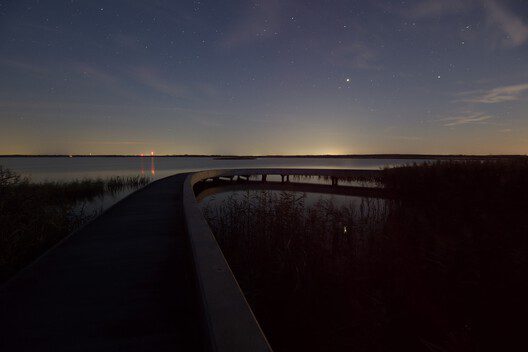
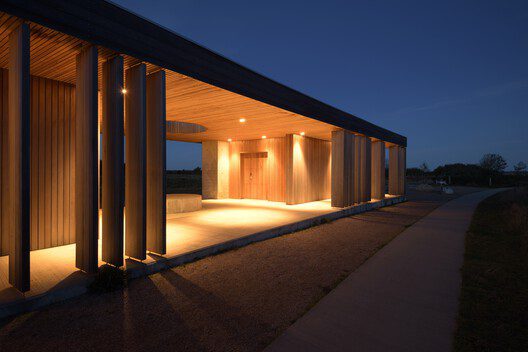
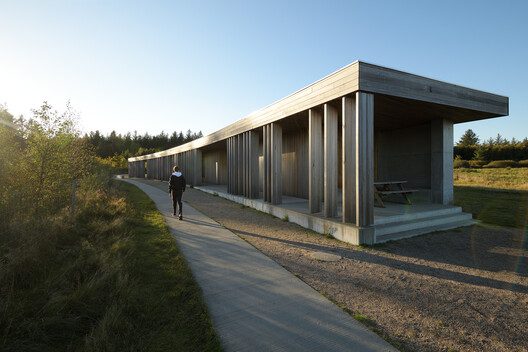
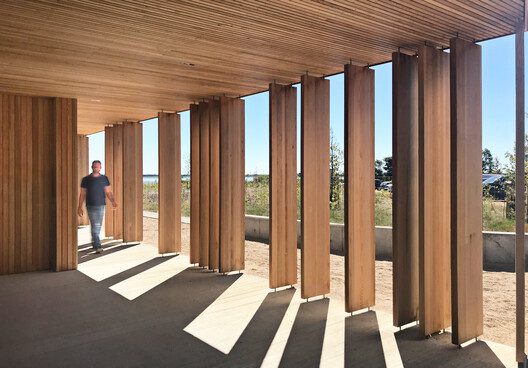
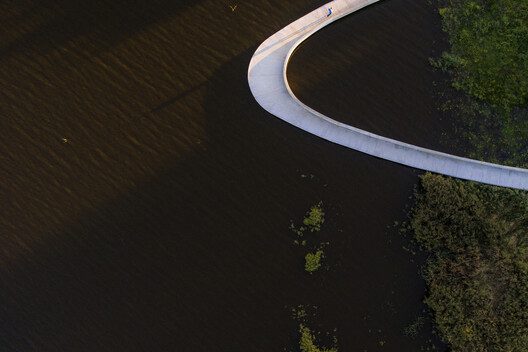
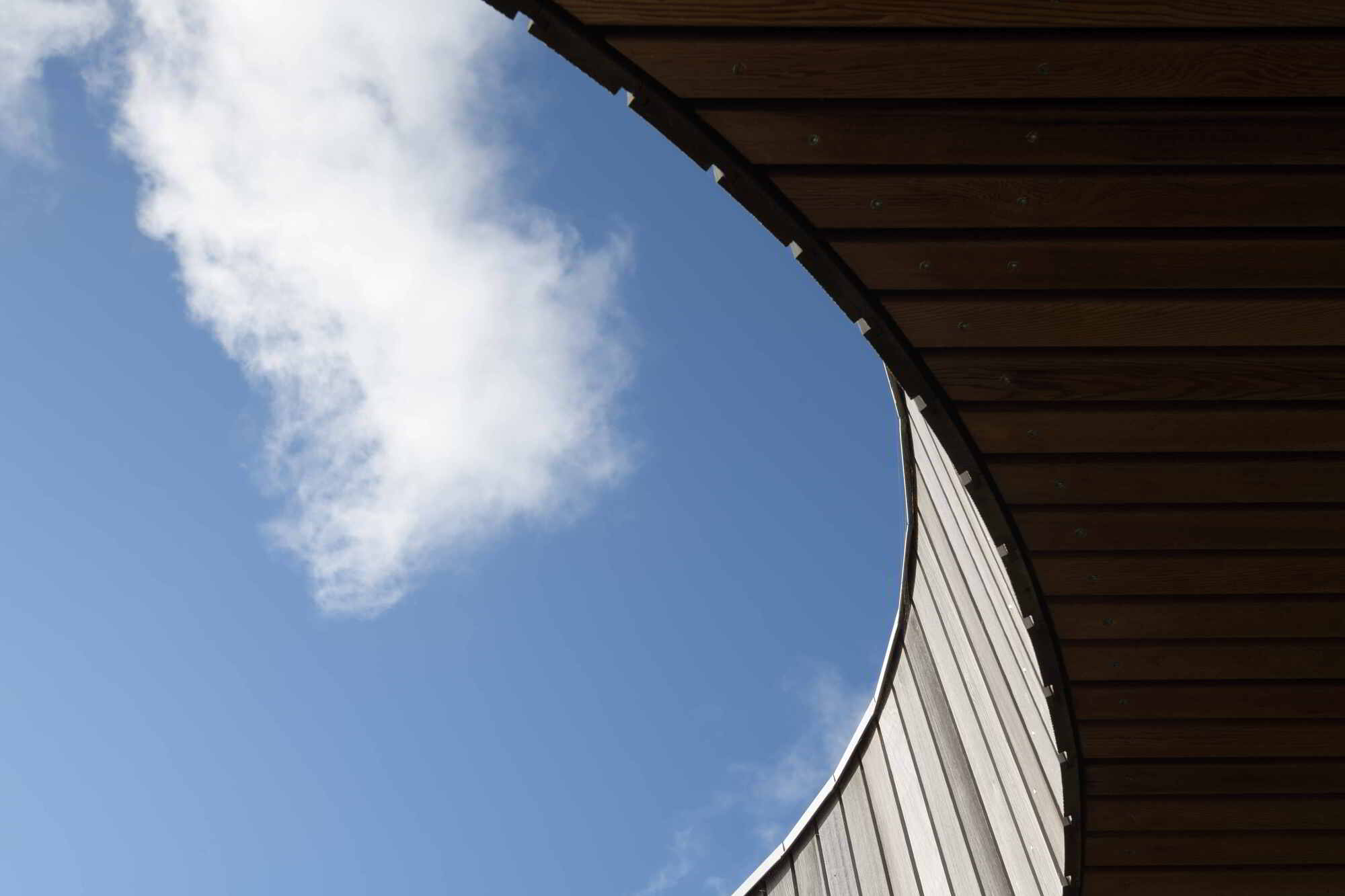
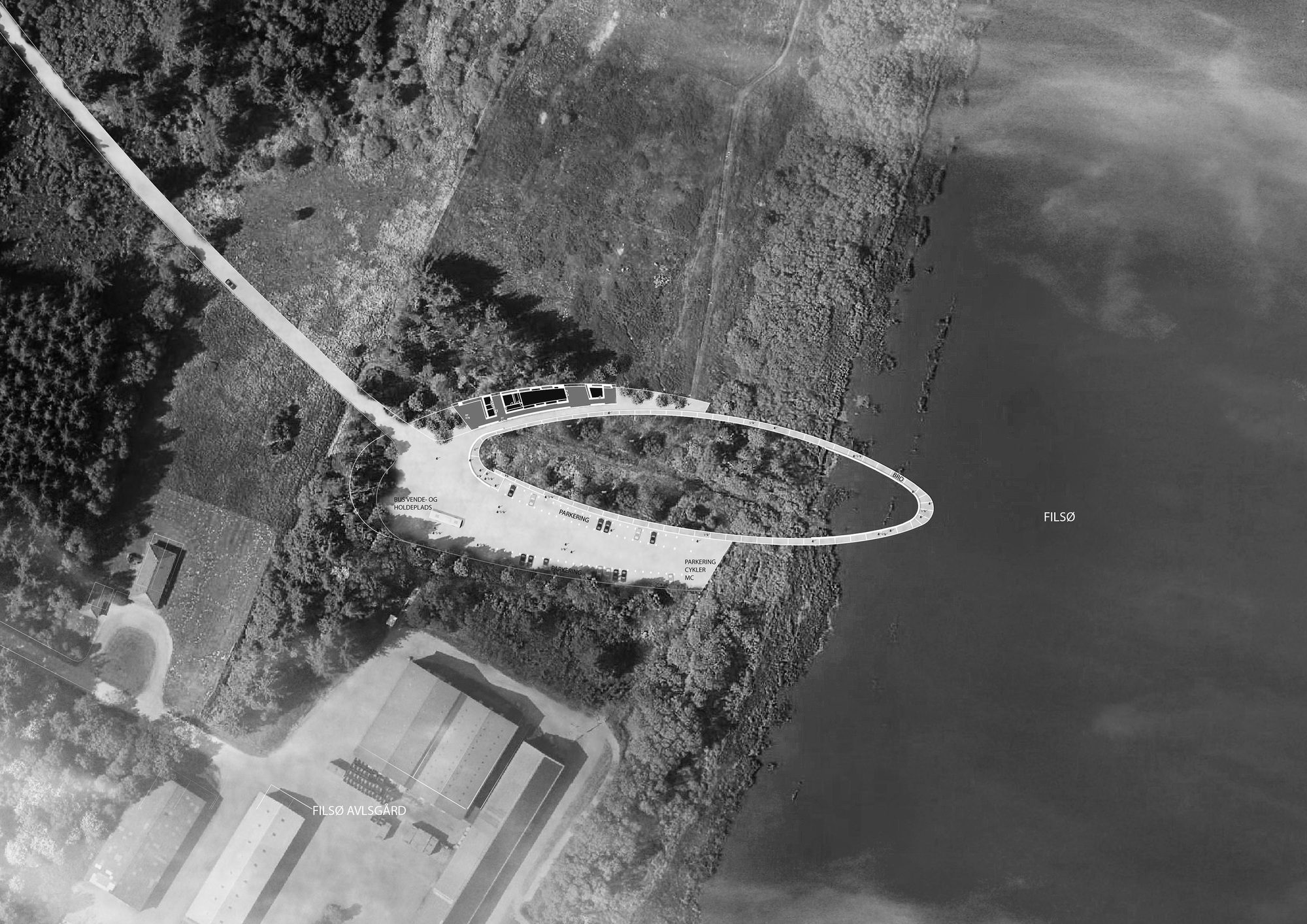
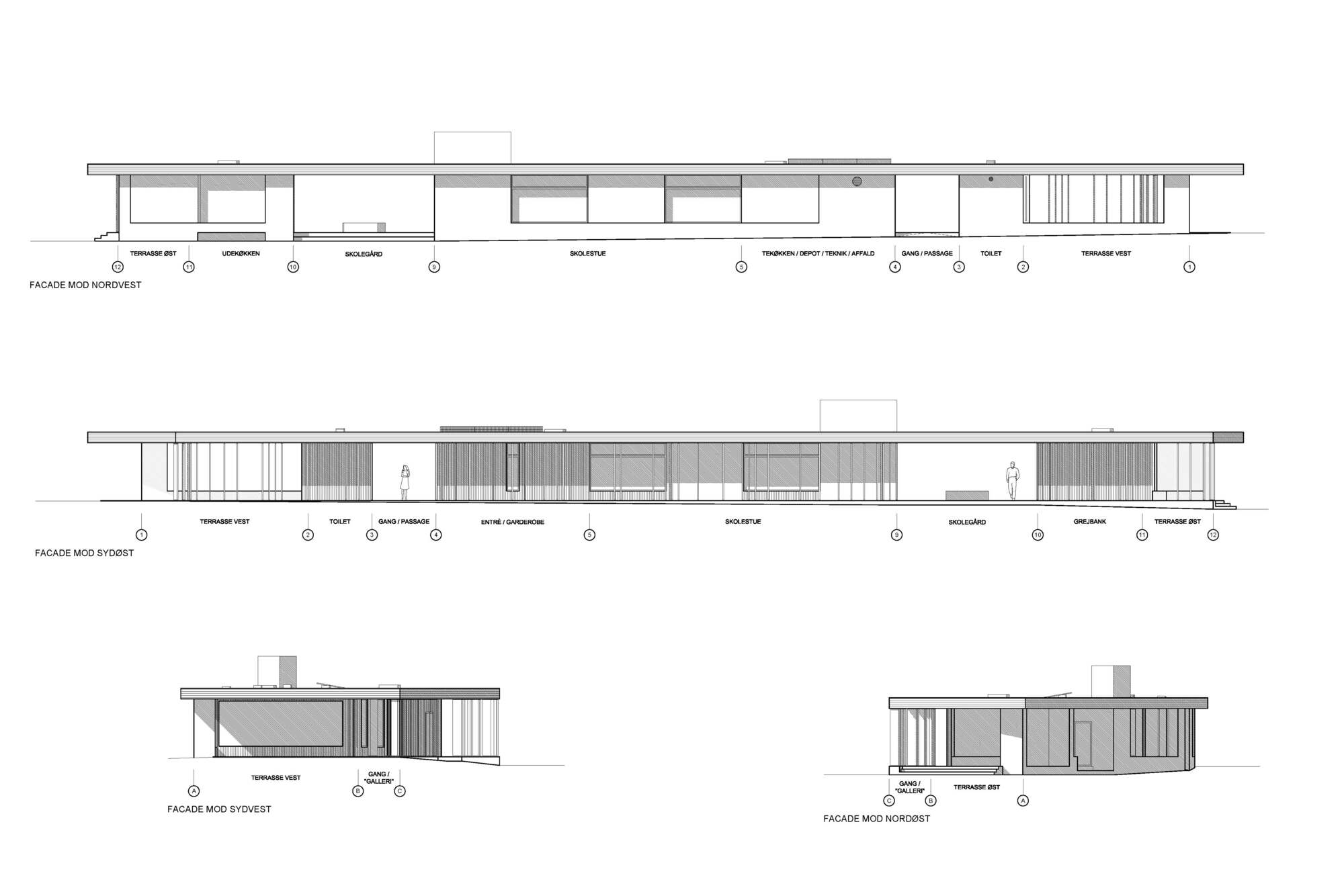
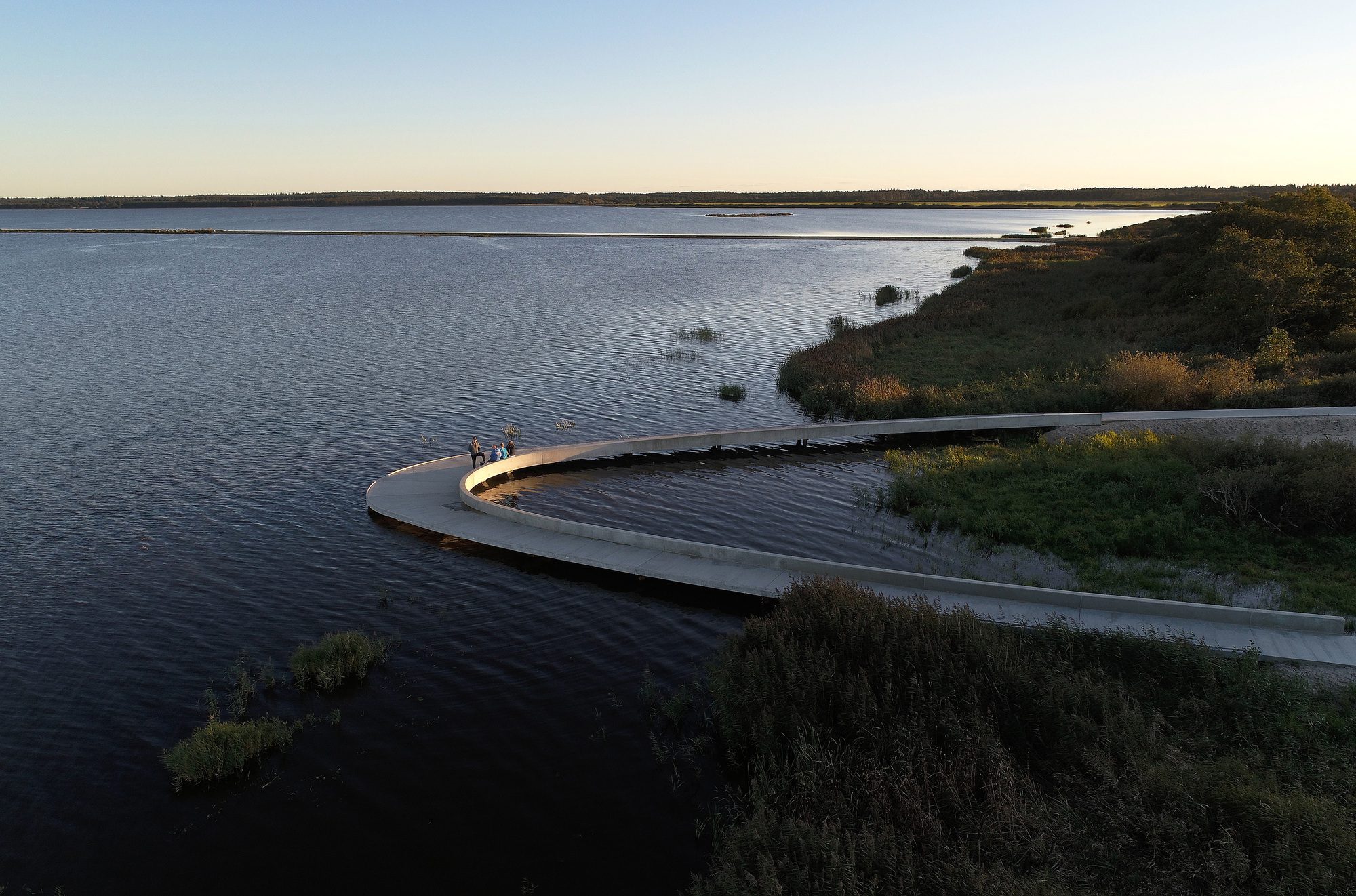
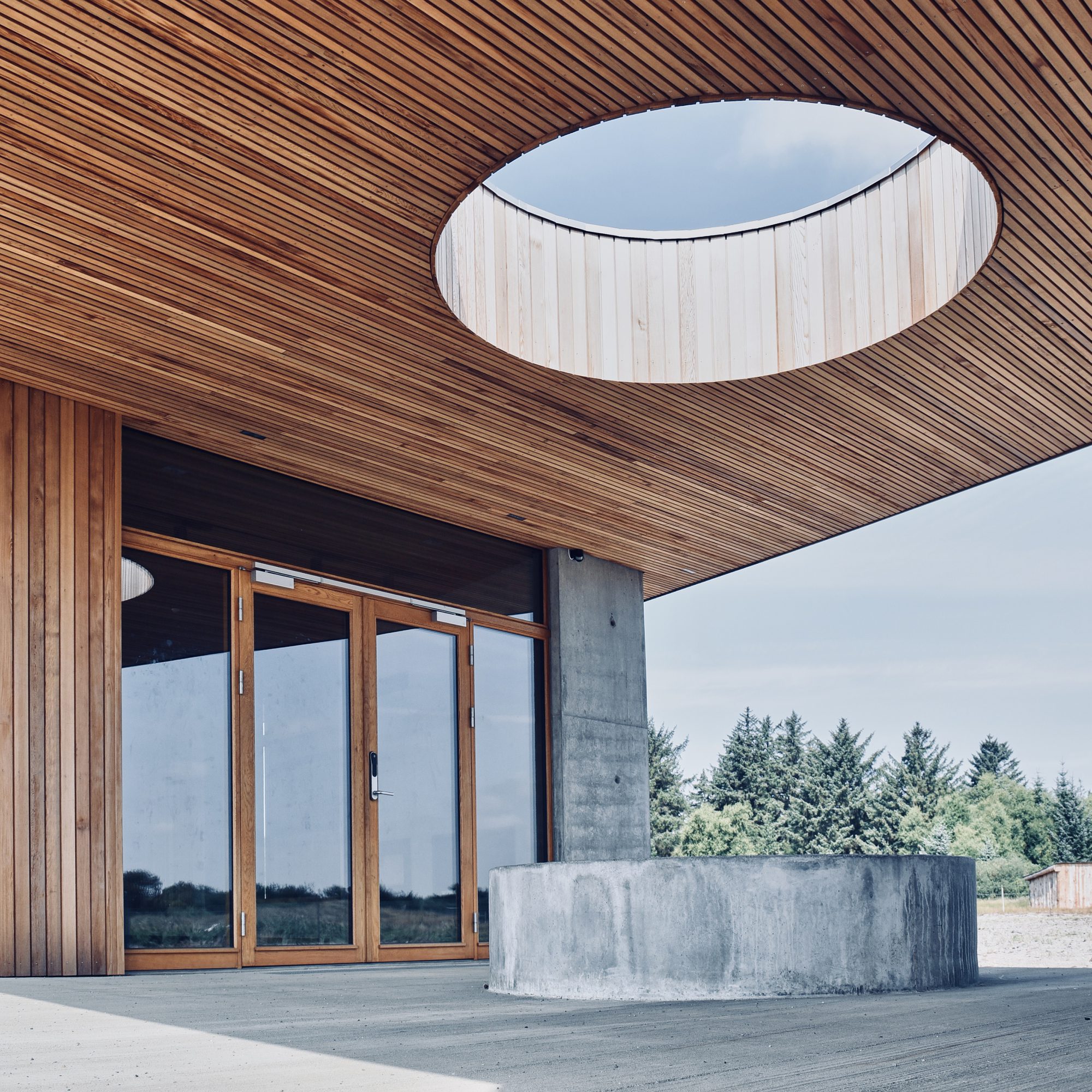
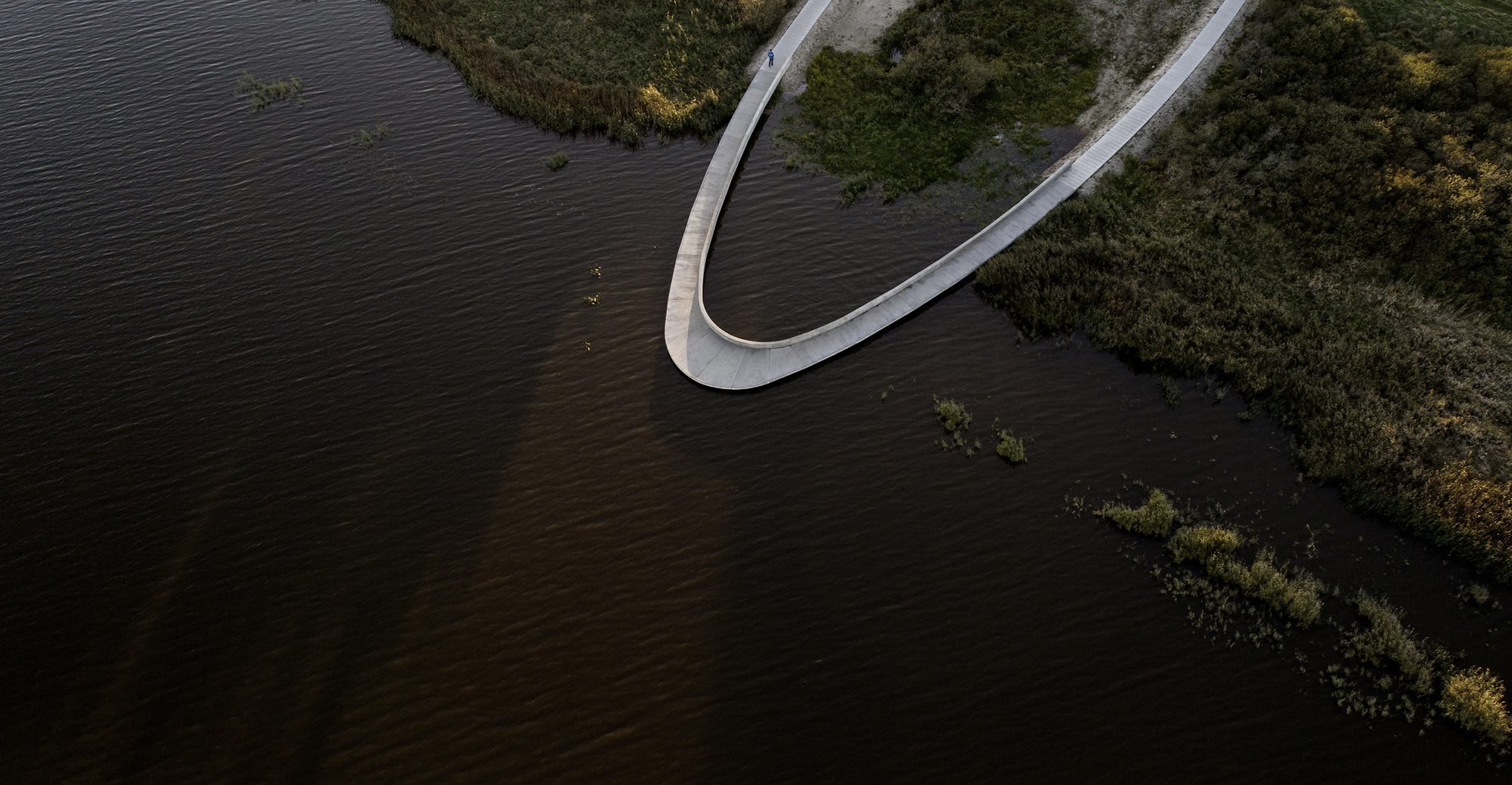
The Solution – The visitor’s center consists of an access road, educational facilities, a landscape bridge, and a parking lot for visitors. The access road winds its way through a spectacular and protected landscape towards the parking lot and the large ellipse-shaped bridge, which in a single gesture anchors the building and unfolds the large horizon, created by the reflection in the water. From the bridge, it is possible to experience Filsø and the vast and spacious landscape. In a single, panning movement, visitors can get very close to the water’s surface and the unique nature of the area. The ellipse shape accentuates the continuous movement through the area from arrival to departure. The bridge is designed with a solid seating edge, which offers visitors the possibility to take a break, sit down and enjoy the view. The school building, which functions as an anchor for the ellipse and counterpoint to the lake, follows the curved structure of the visitor’s center and thus becomes a natural part of the unity – and the movement in the landscape. The vertical shutters of the building mirror the nearby forest.
© Carsten Ingemann
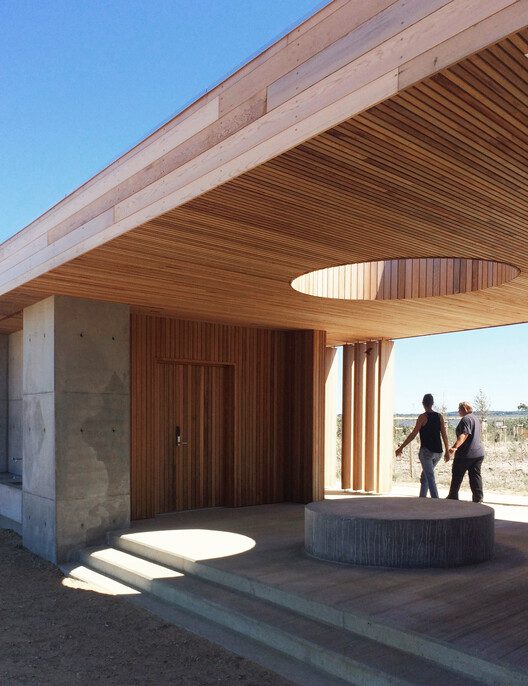
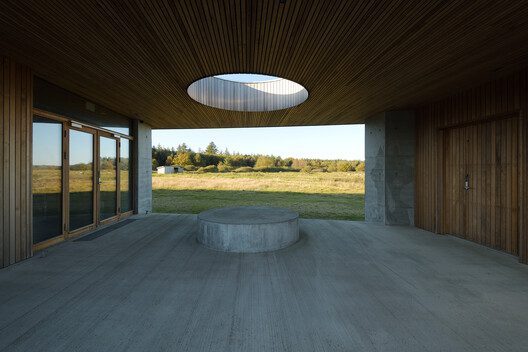
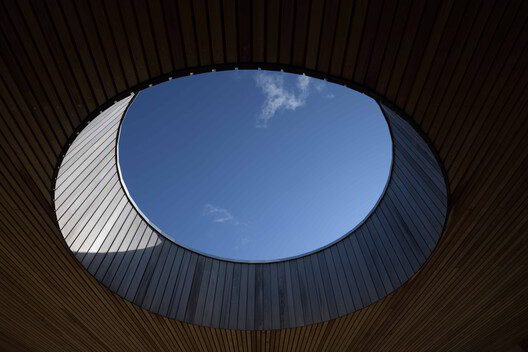
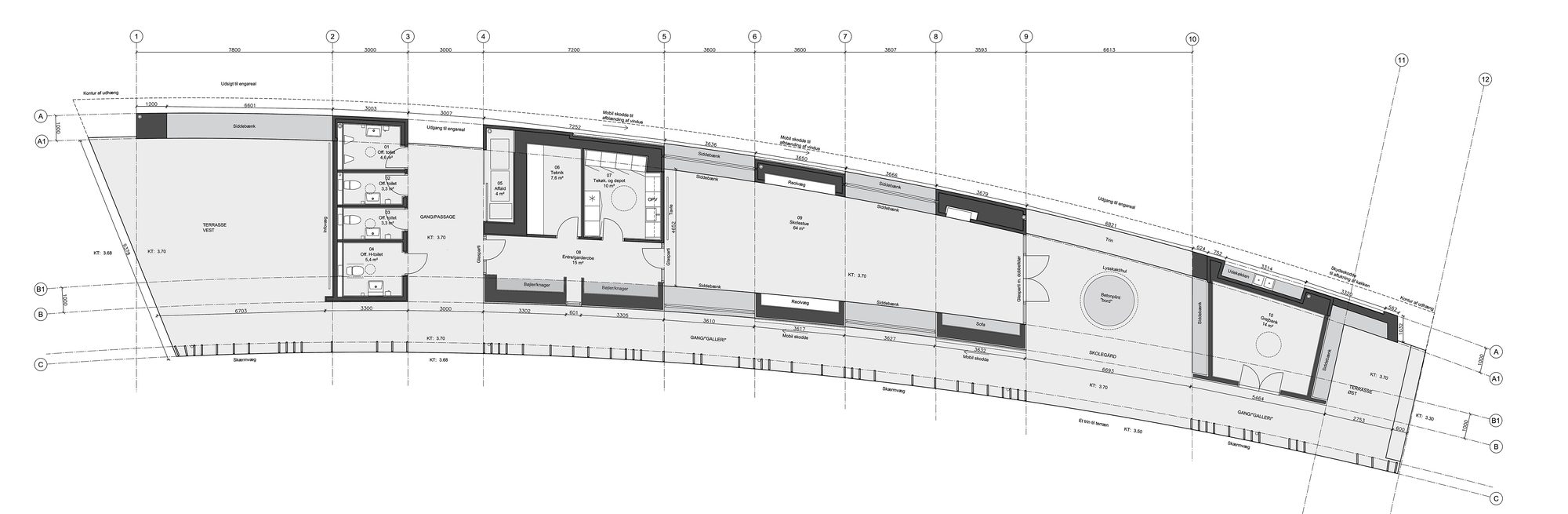
Upon arrival, visitors first encounter a sheltered information area, with a view to Filsø. Inside the building, there are toilets, a technical room, a kitchen, and the actual classroom, a room with large windows, a fireplace and niches for storage and resting. From the classroom, there is direct access to the schoolyard, which functions as the outdoor educational area and an integrated equipment storage. There are two exits from the schoolyard towards the north and south – towards the north there is also an outdoor kitchen. From the start, the project has been a great success with over 100,000 visitors in the first year – a large number for such a small municipality. At the same time, the nature restoration has been equally successful with the registration of 242 species of birds, 14 species of fish and 62 species of different aquatic plants – a great improvement compared to the monoculture that ruled the lake area until 2012.
Project Info
Architects: Schønherr
Country: Denmark, Henne
Area: 4960 m²
Year: 2018
Photographs: Carsten Ingemann, John Colin Seymour, Schønherr, Martin Schubert
Manufacturers iGuzzini, Annebergs Limtræ A/S, KG Beton, Krone Vinduer A/S: iGuzzini
Project Lead: Rasmus Stougaard
Design Responsible: Rikke Juul Gram
Project Manager: Rasmus Holm
Engineering Company: Fuldendt
Client Advisor: Niras
Restoration Consultants: Natur Rådgivningen v. Niels Riis
Client: Naturstyrelsen, Aage V. Jensens Natur Fond
Contributers: Realdania Byg A/S