


We live in a period of many references to earlier times, many objects and icons of the last century are being recovered and brought back to life with the XXIst century lines achieved through technological innovation today. In the automobile sector those were the stories behind great reference models like the Volkswagen Beetle and the Mini by BWM.
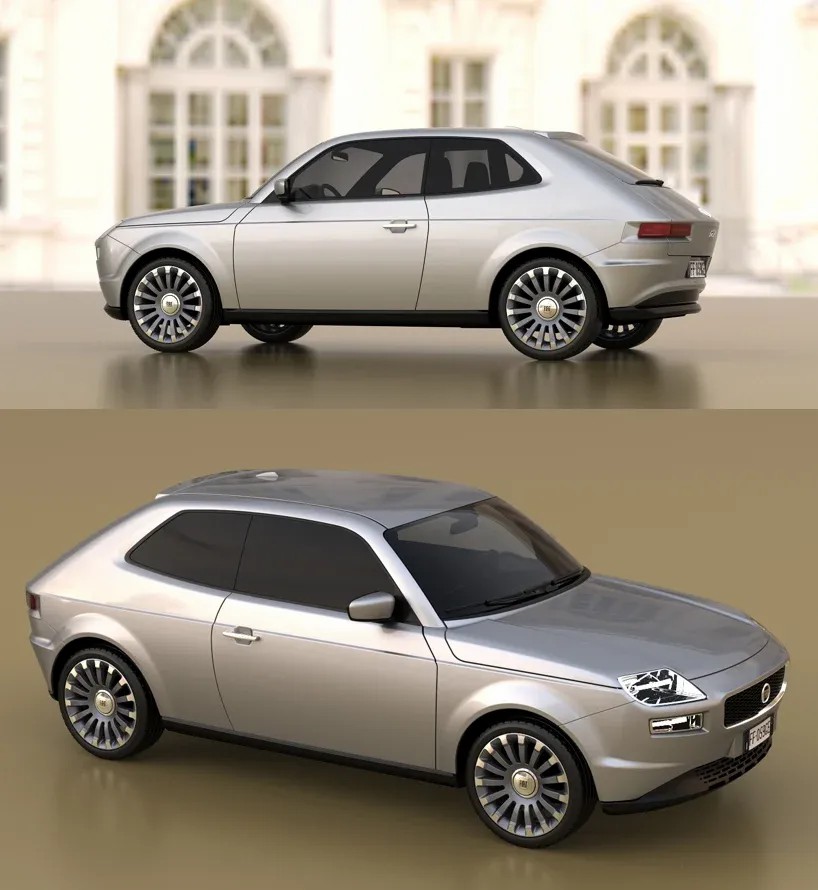
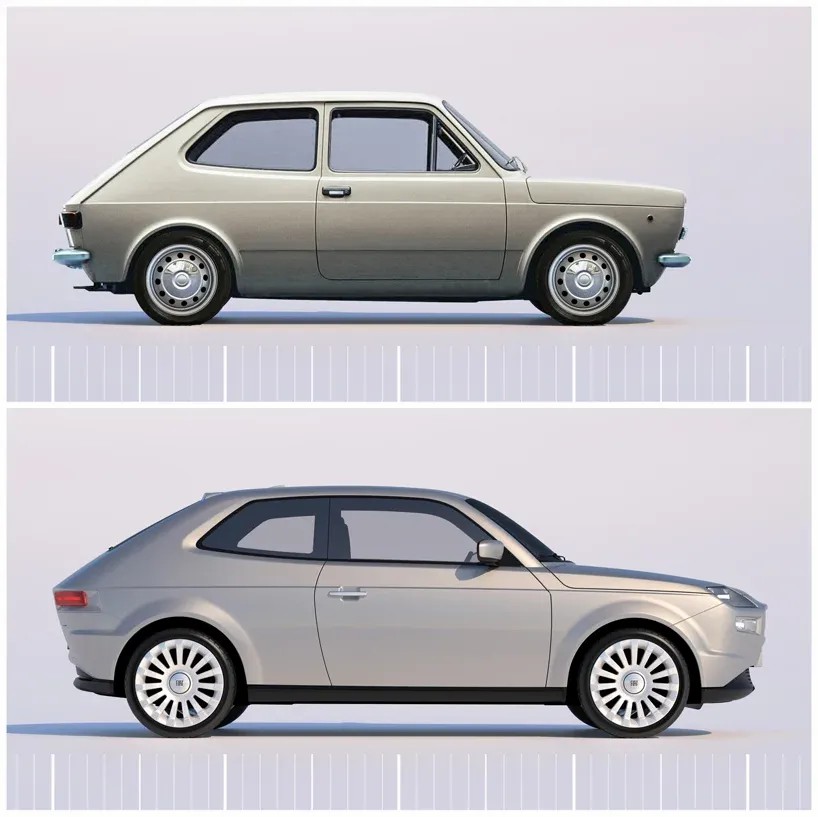
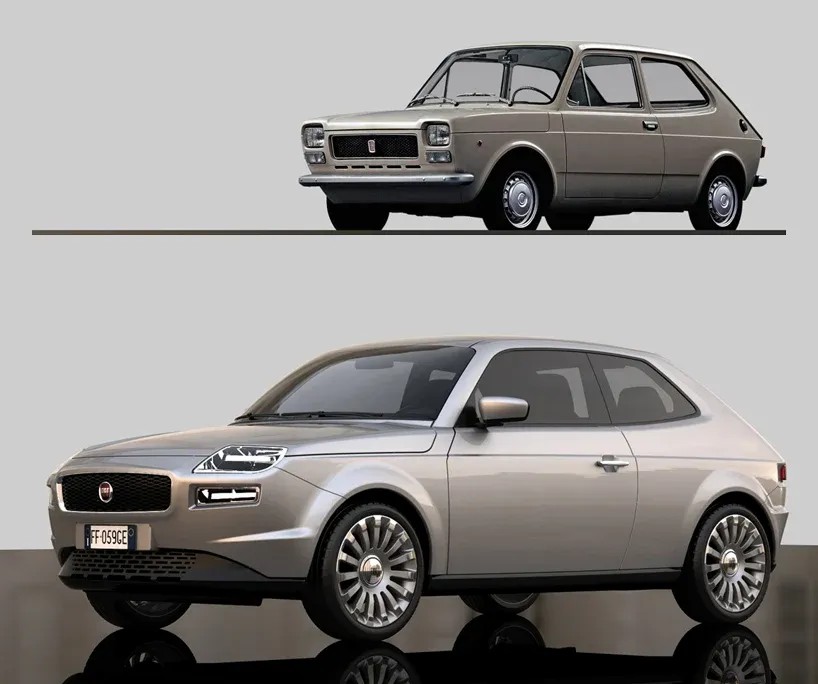
The Fiat 127, Pio Manzu is also one of these examples. A car of the 70’s (1971) groundbreaking in its time, sober, very rational and designed to be a quintessential citycar. Like other Fiat, the 127 showed distinct lines of cars at the time, showed already a sign of what it would be and was the Italian design.
Courtesy of David Obendorfer
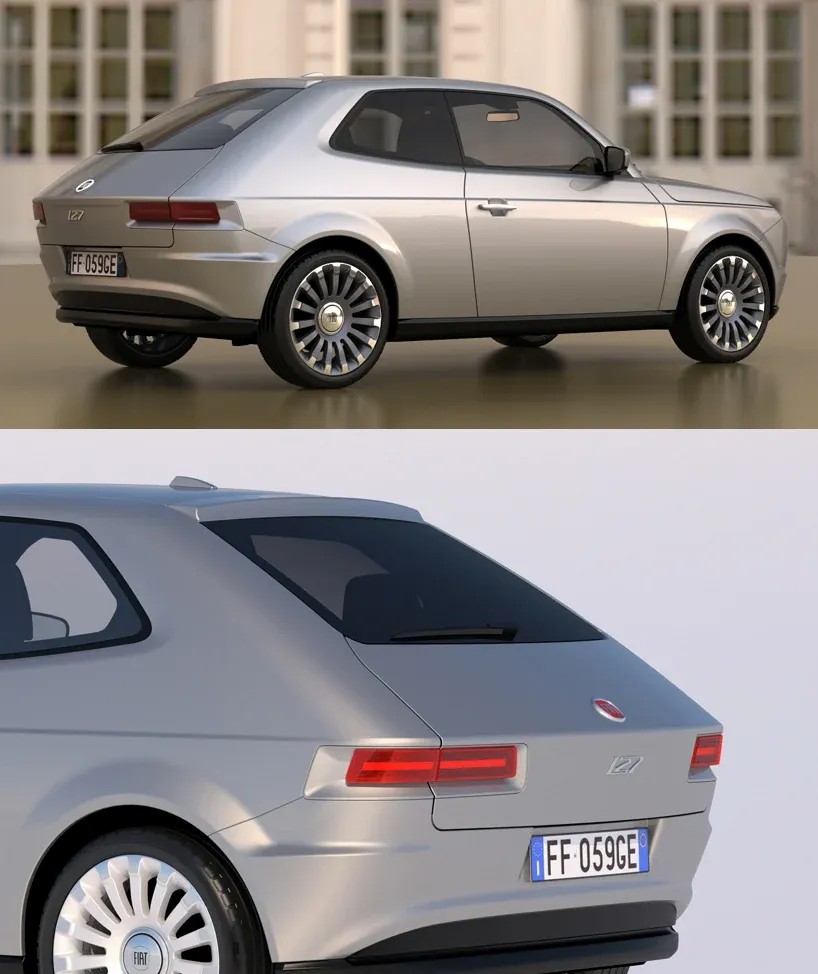
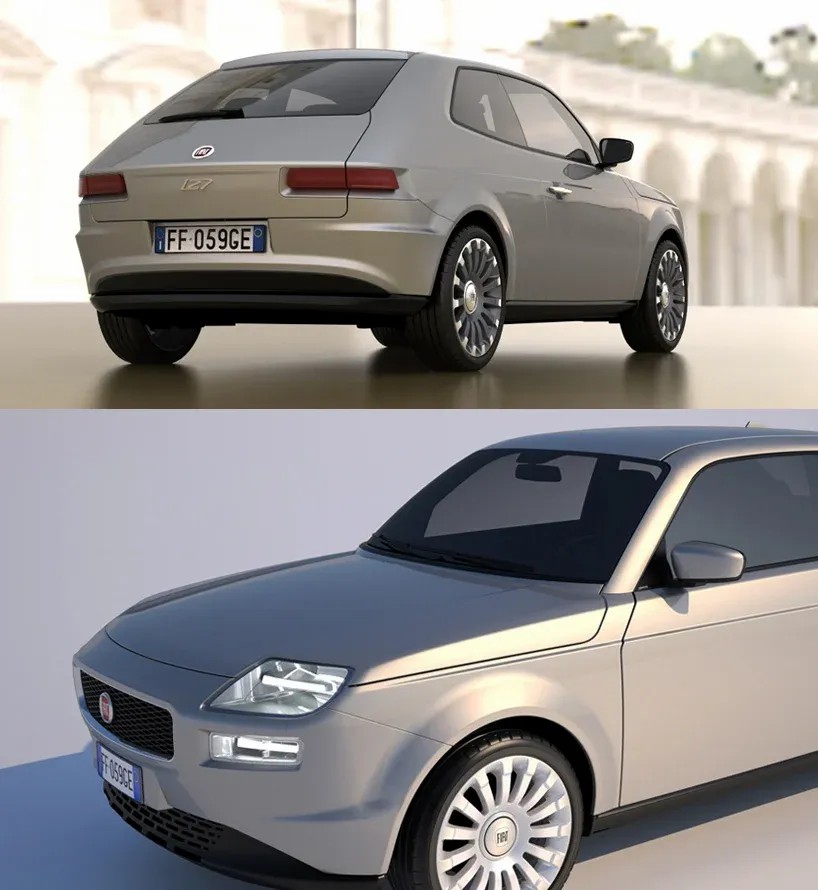
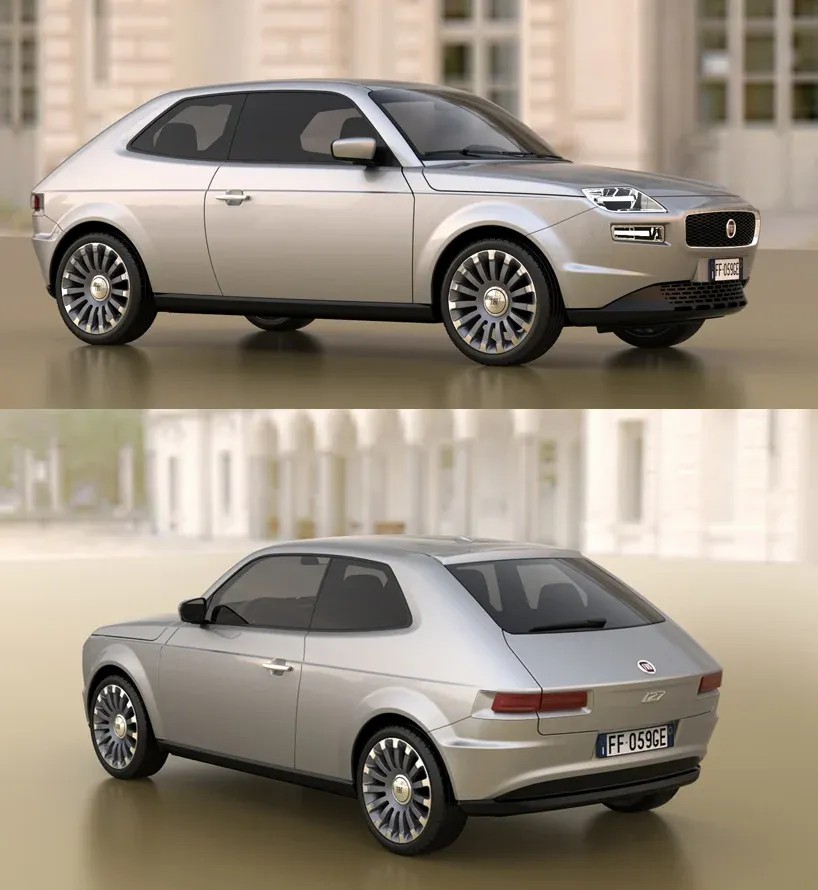
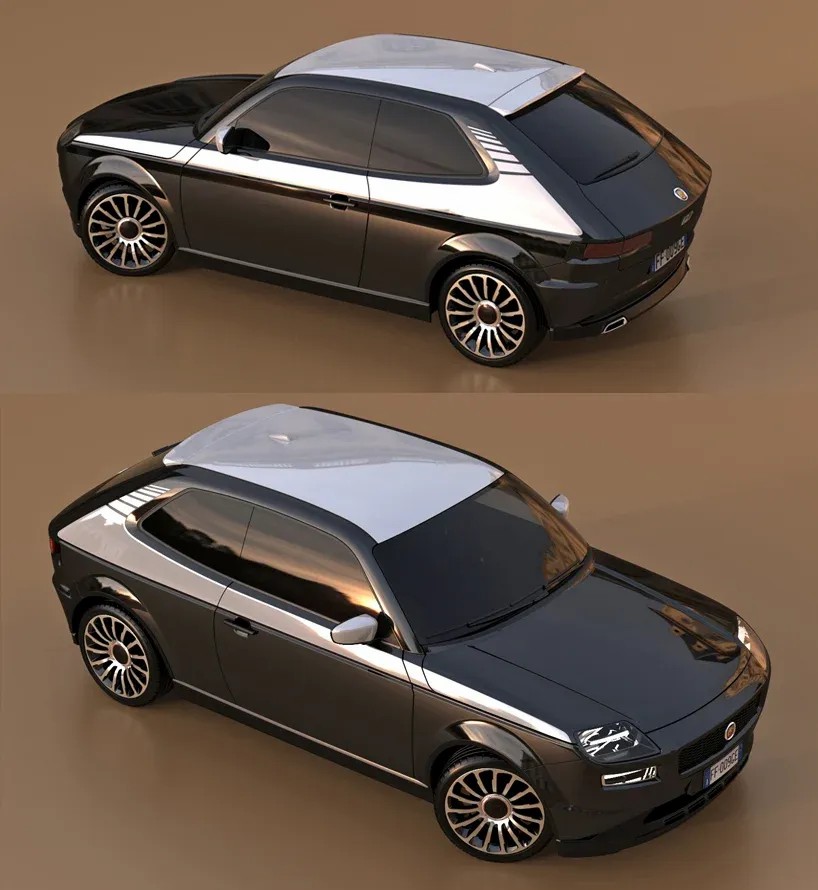
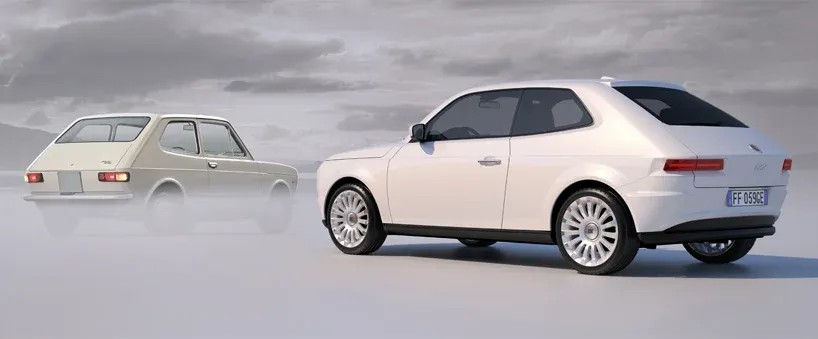
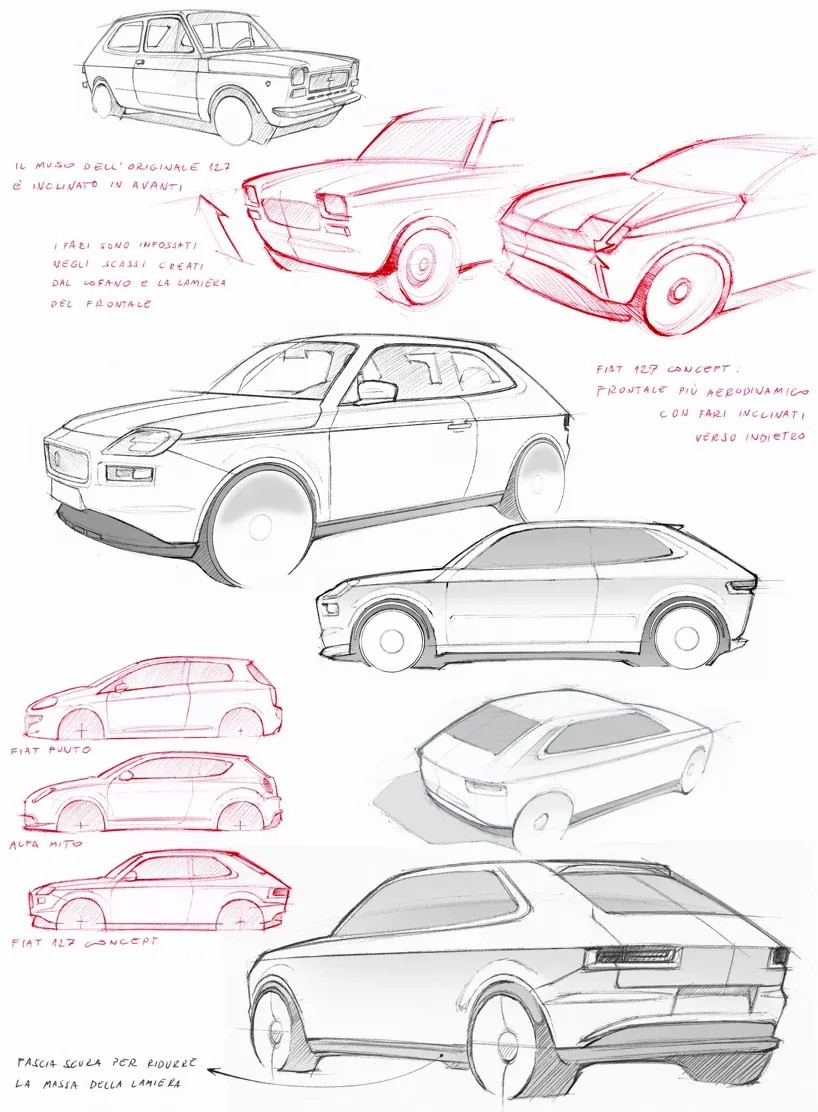
Make a restyling of a car with such nostalgic lines attractive for our days could mean two things, a huge commercial failure or a loss of identity of the new 127. With this in mind, designer David Obendorfer tried to recreate the 70s Fiat 127 with stylish, aerodynamical lines, showing the old 127 character design without ever losing references the old model.
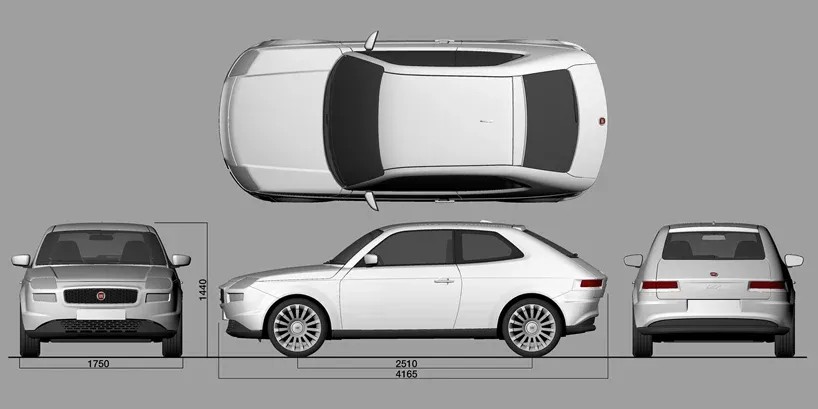
Courtesy of David Obendorfer
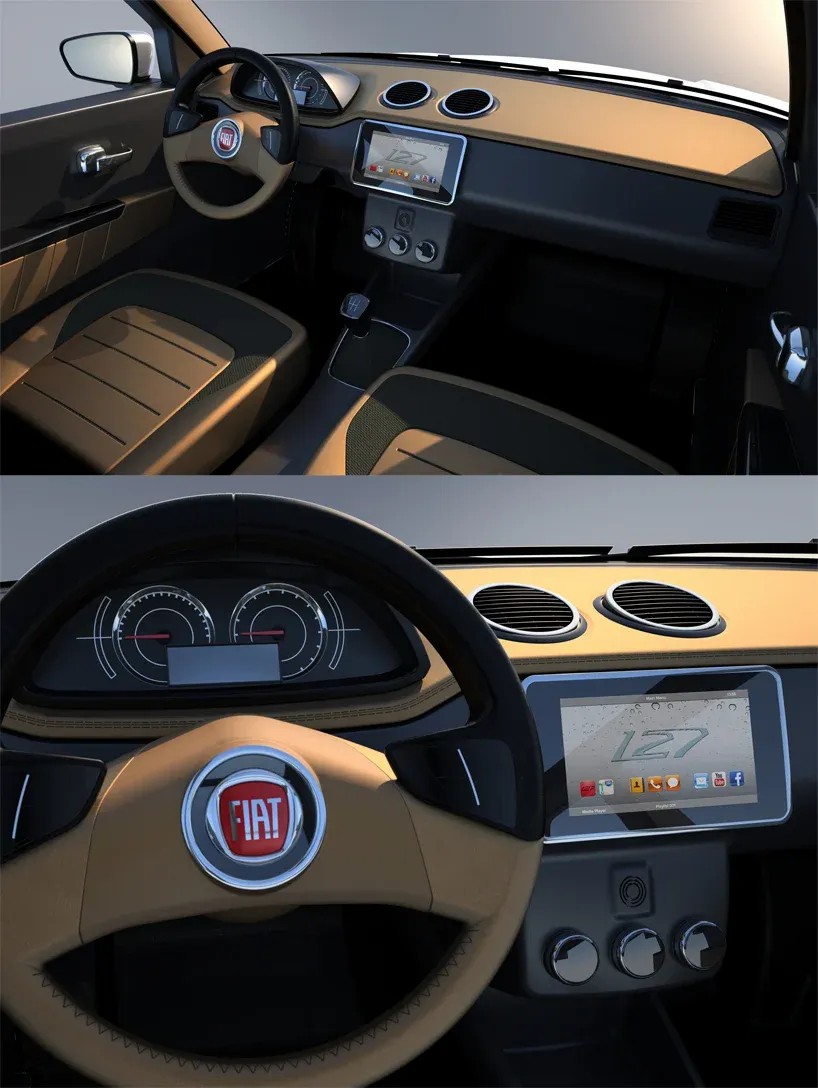
Using the same platform of other models of the Fiat group (Fiat Punto and Alfa Mito) designers created what will be the natural evolution of a model as charismatic, more streamlined, a little longer, with an interior that closely resembles the old Fiat 127, but with the technology of today.
This car can be a good surprise if it reaches the streets, although it little resembles the old 127 it can really be a top young citycar.
Courtesy of David Obendorfer


Anastasia Andreieva is an accomplished Architectural Projects Editor at Arch2O, bringing a unique blend of linguistic expertise and design enthusiasm to the team. Born and raised in Ukraine, she holds a Master’s degree in Languages from Taras Shevchenko National University of Kyiv. Her deep passion for architecture and visual storytelling led her to transition from translation and editorial roles into the world of design media. With a keen eye for conceptual clarity and narrative structure, Anastasia curates and presents global architectural projects with precision and flair. She is particularly drawn to parametric and digital design, cultural context, and emerging voices in architecture. When I’m not analyzing the latest architectural trends, you’ll probably find me searching for hidden gems in cityscapes or appreciating the beauty of well-crafted spaces. After all, great design—like great connections—can be found in the most unexpected places. Speaking of connections, because architecture isn’t the only thing that brings people together.