


Exhibition Center of Otog Kuan Wang
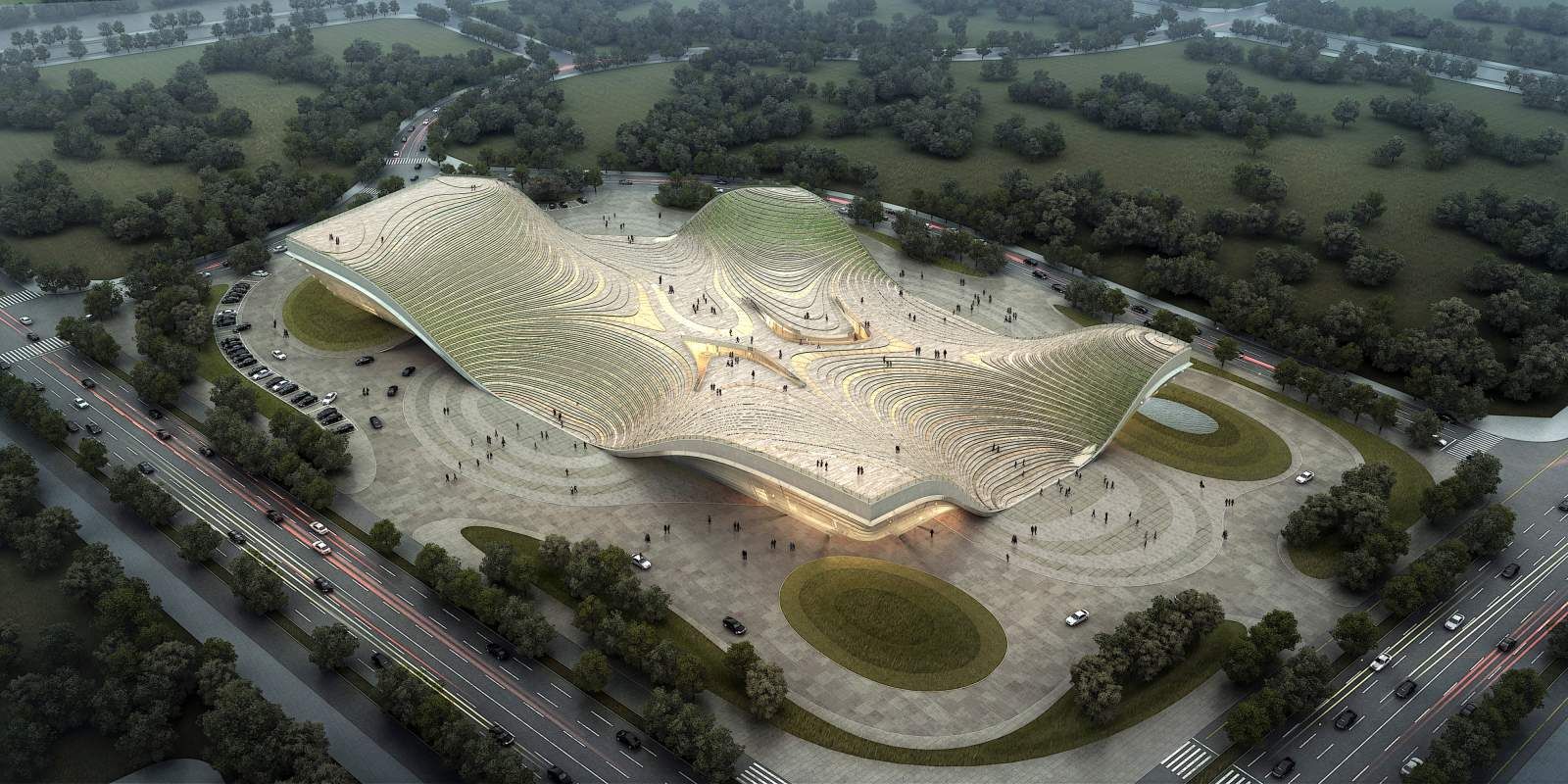
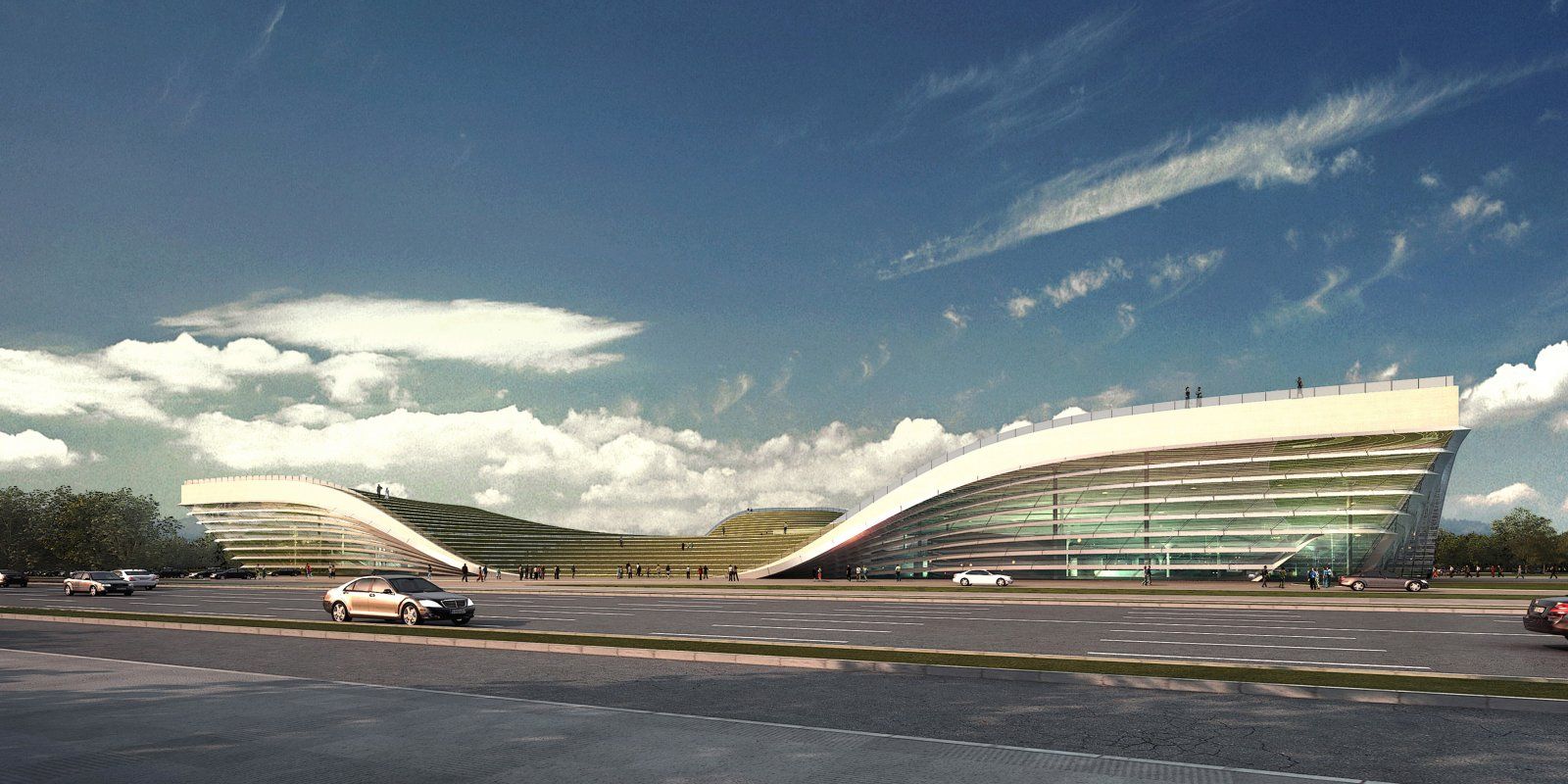
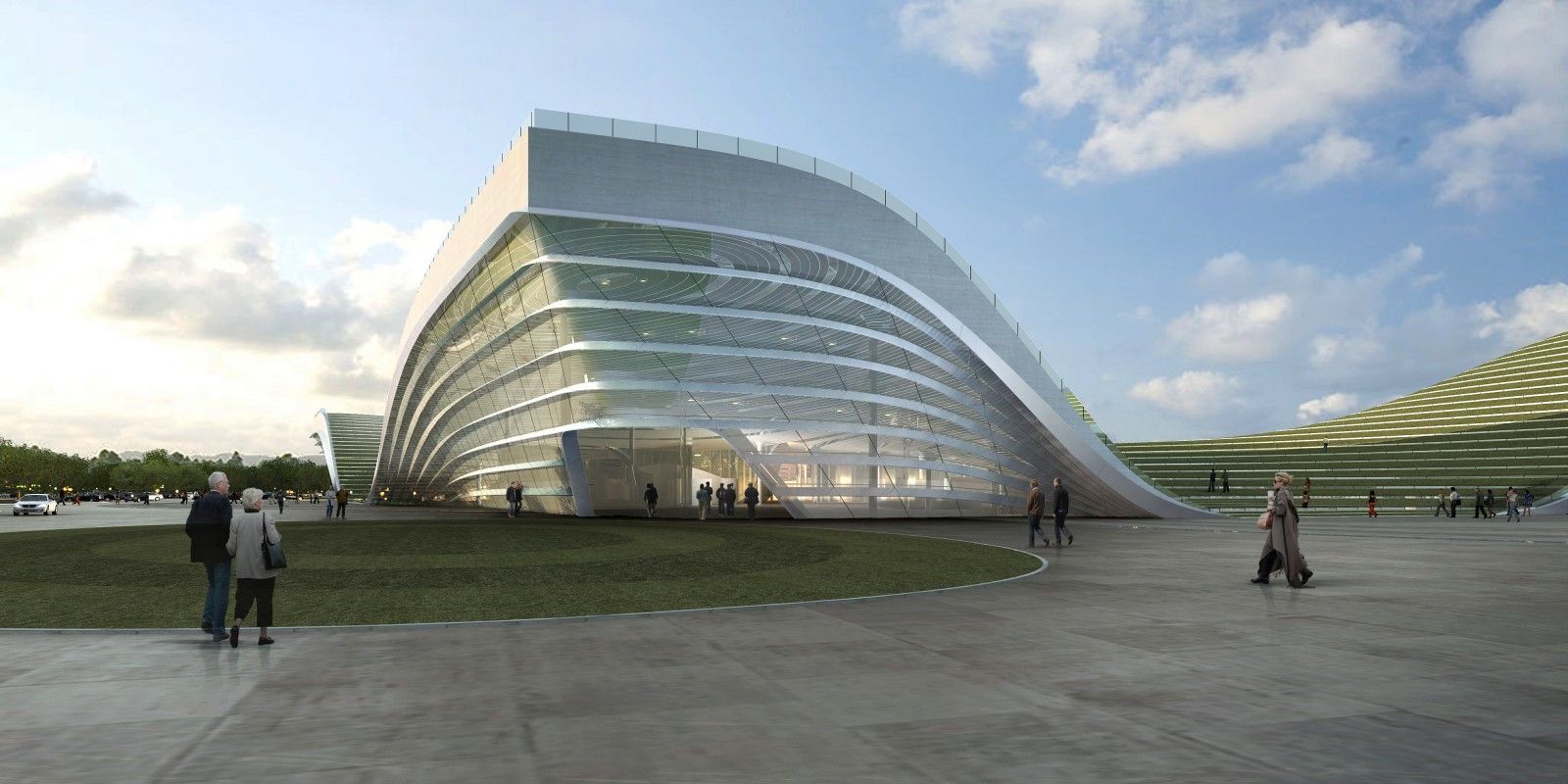
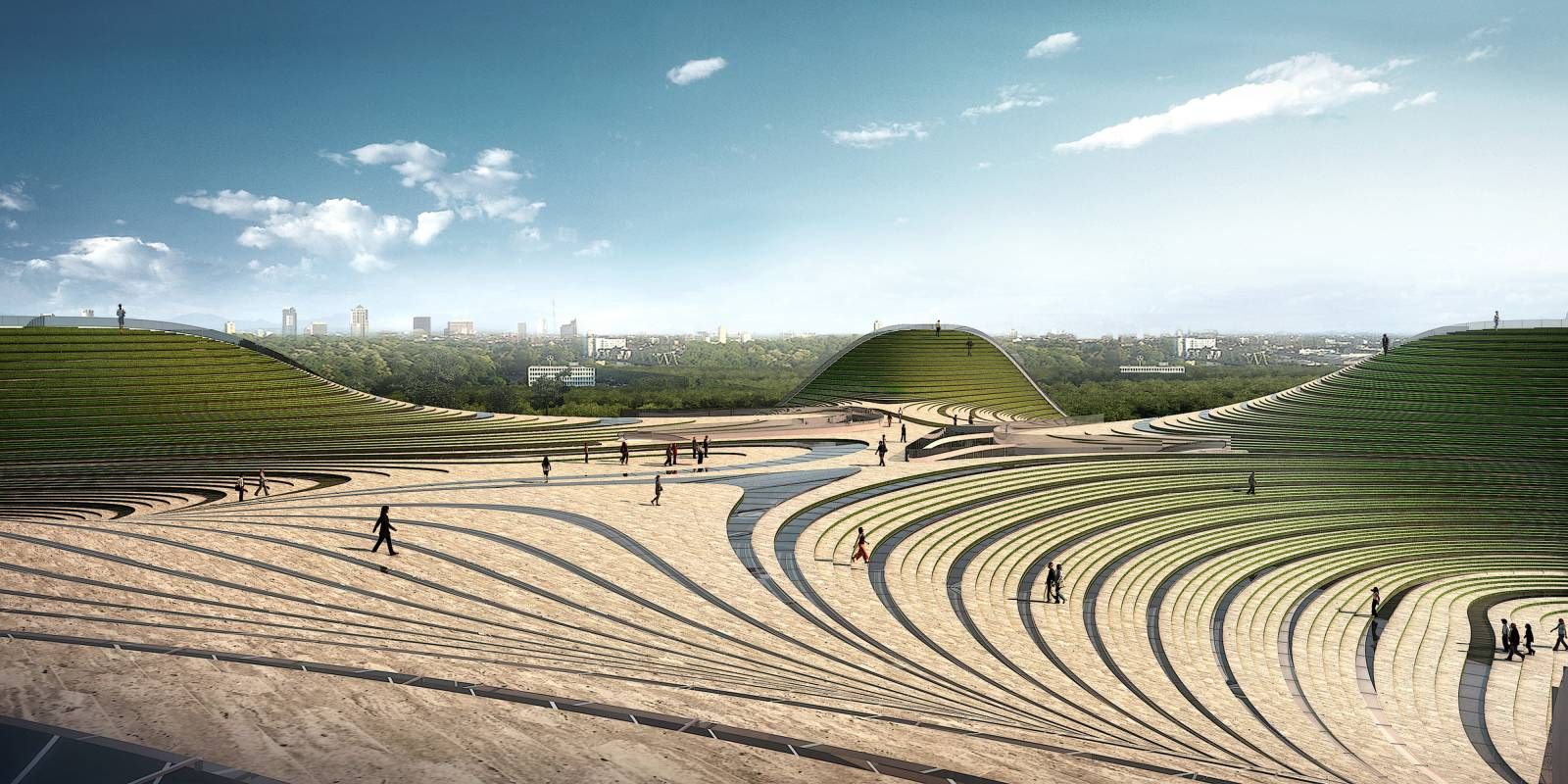
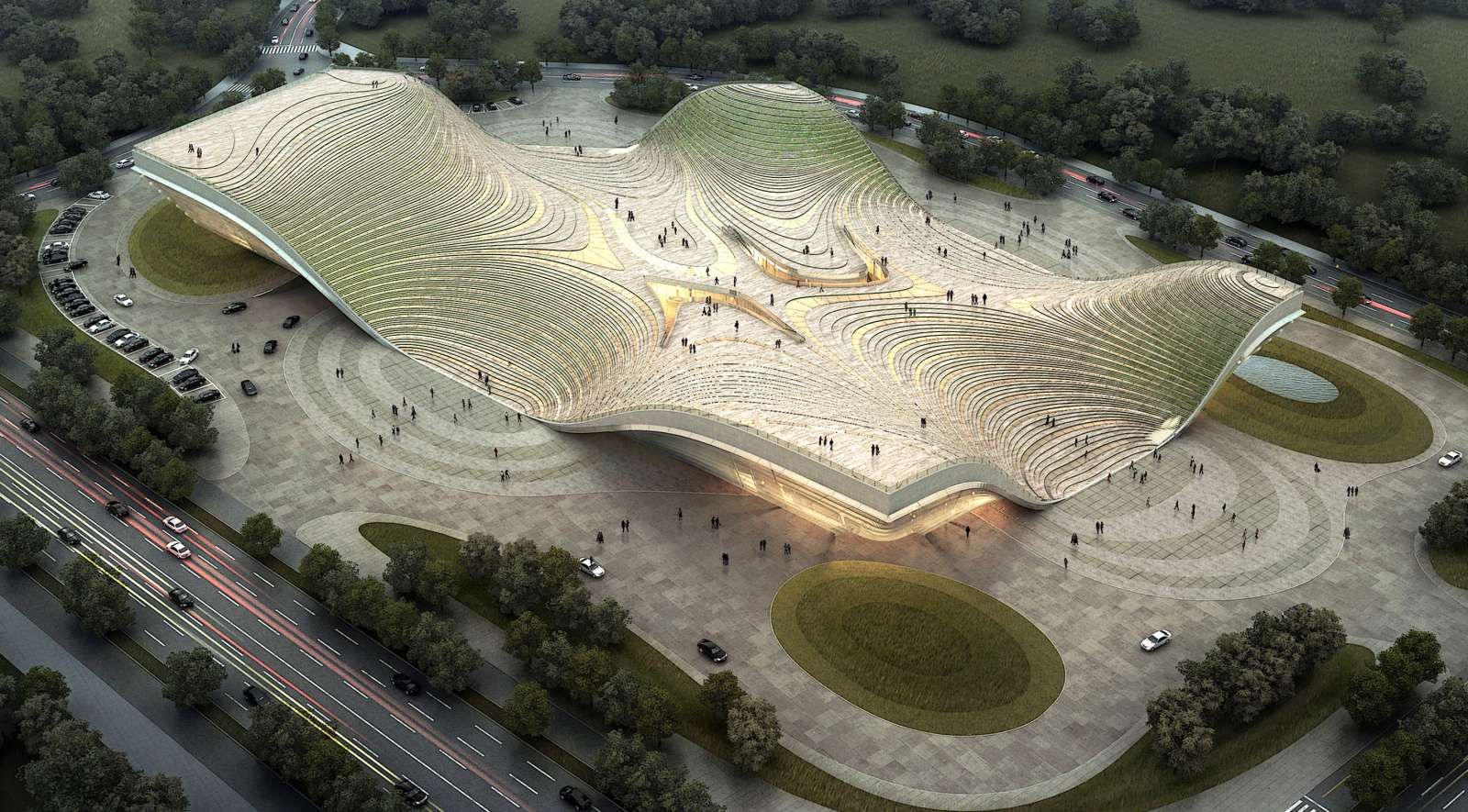
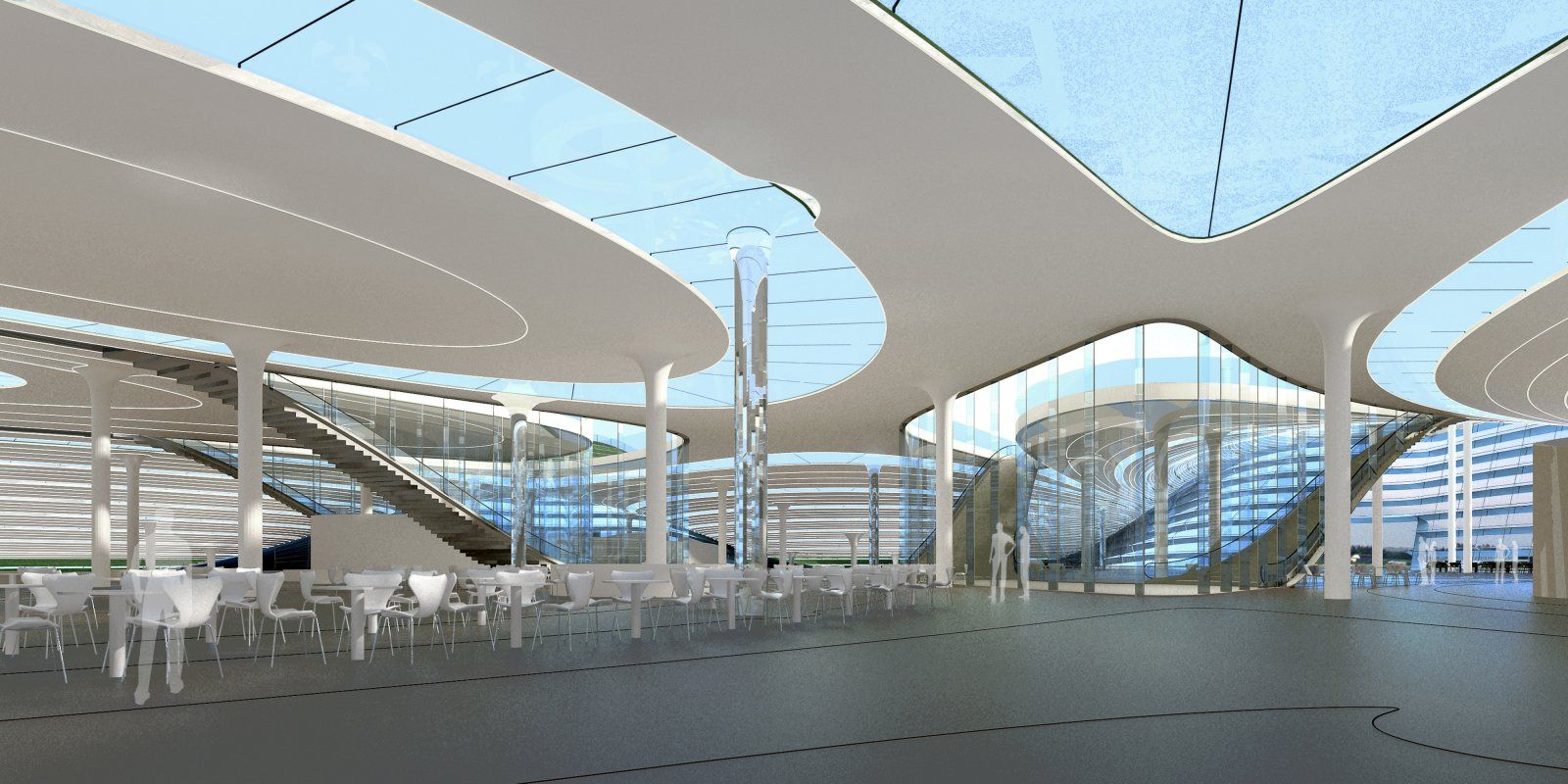
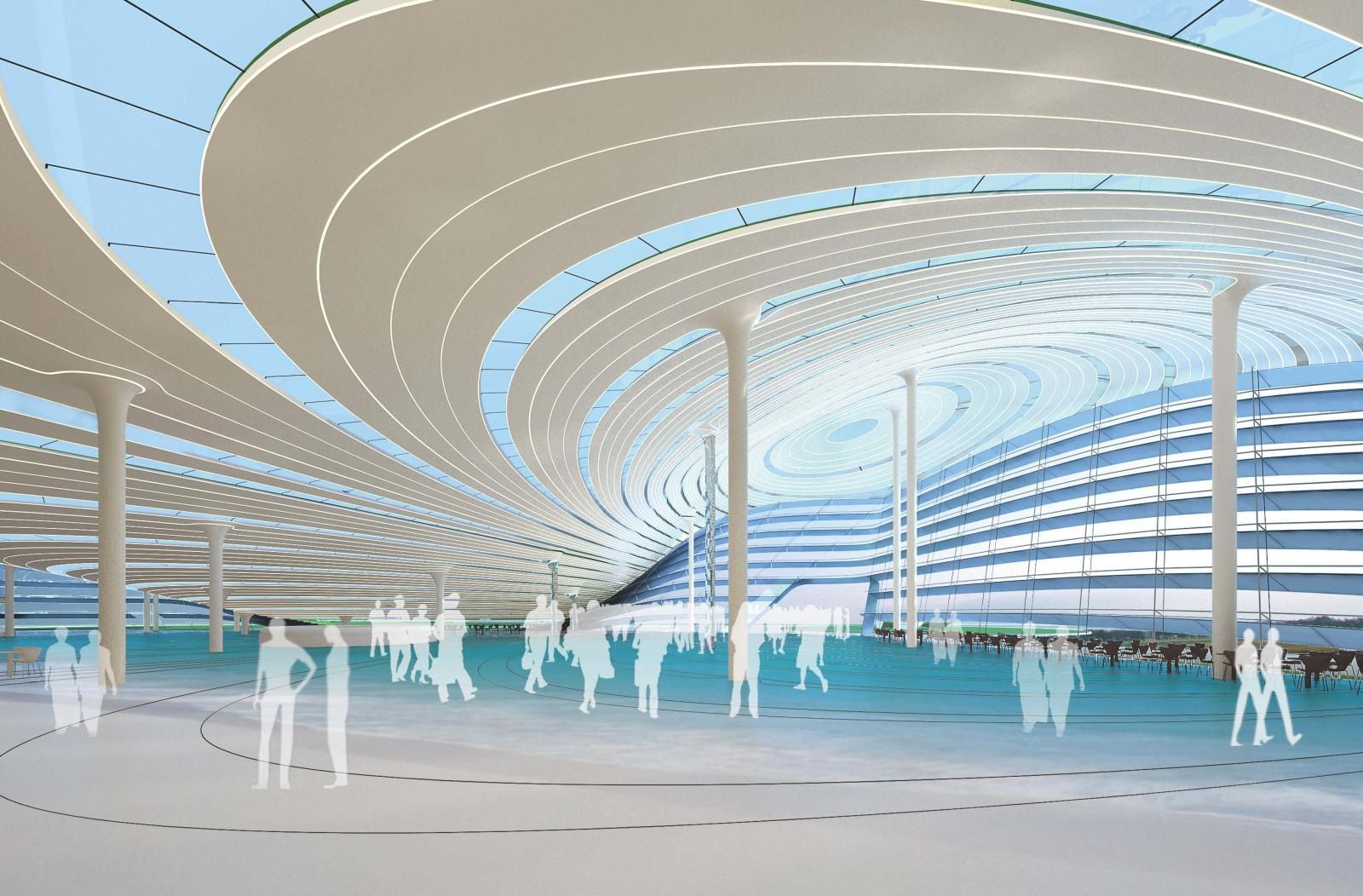
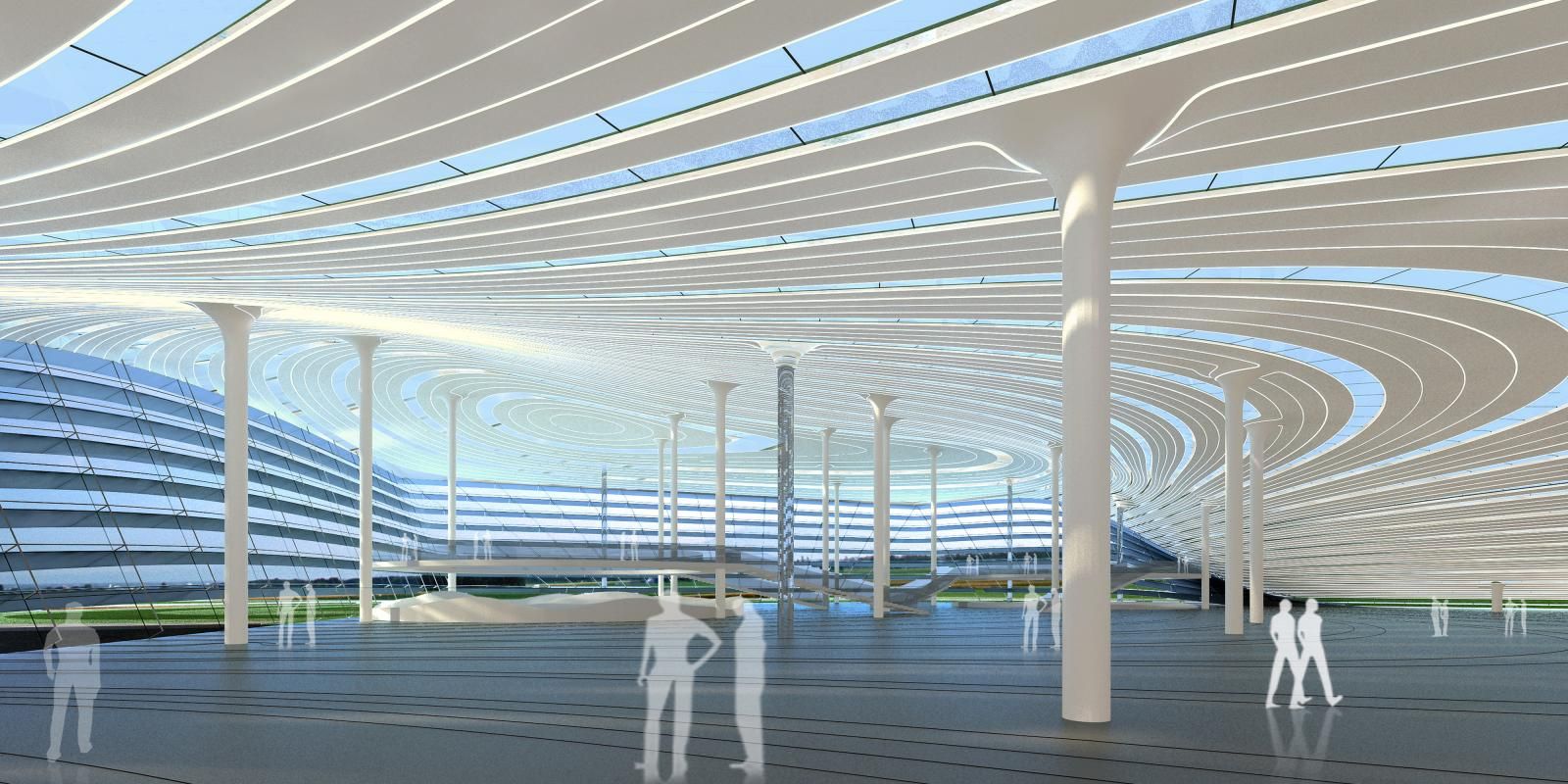
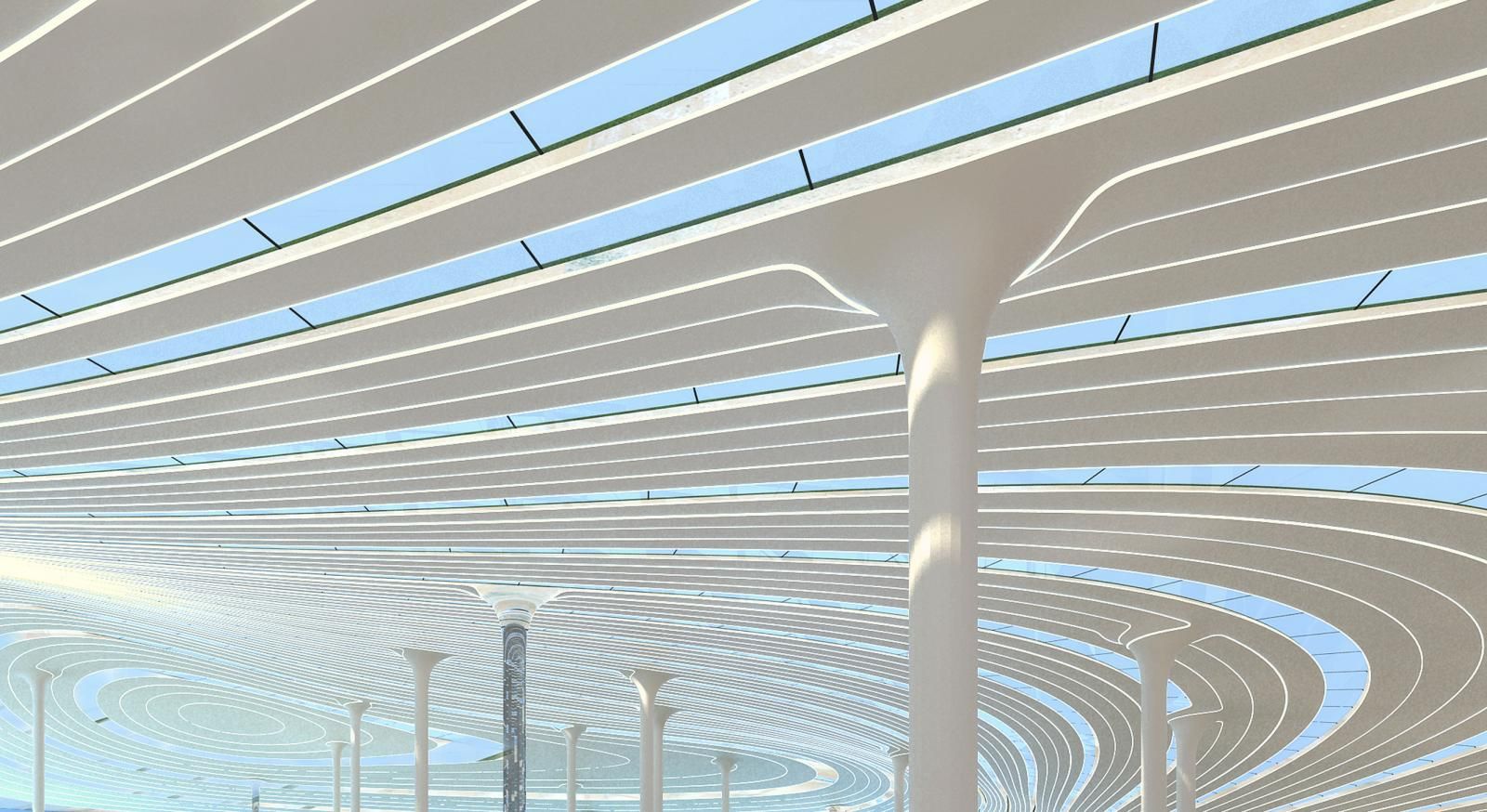
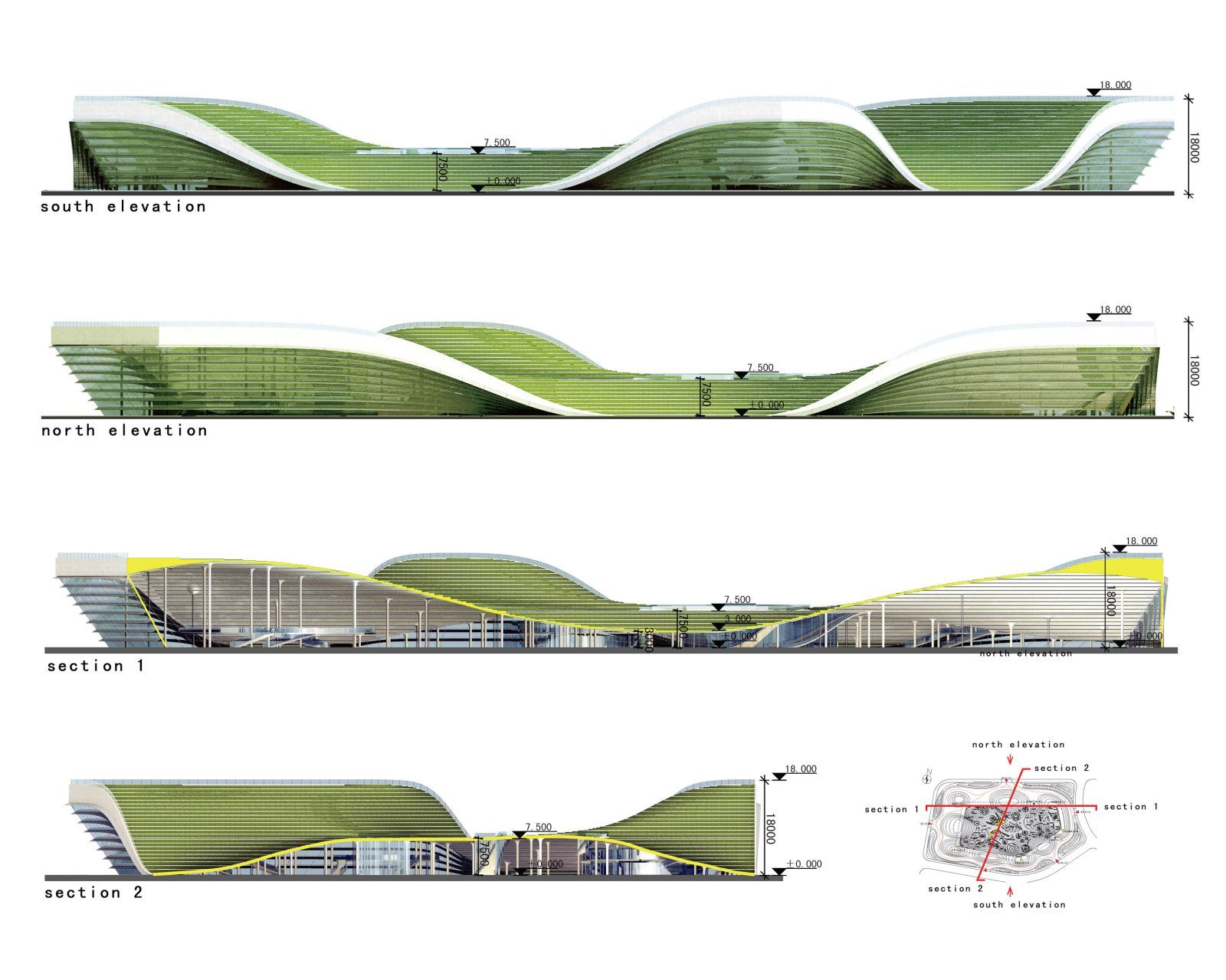
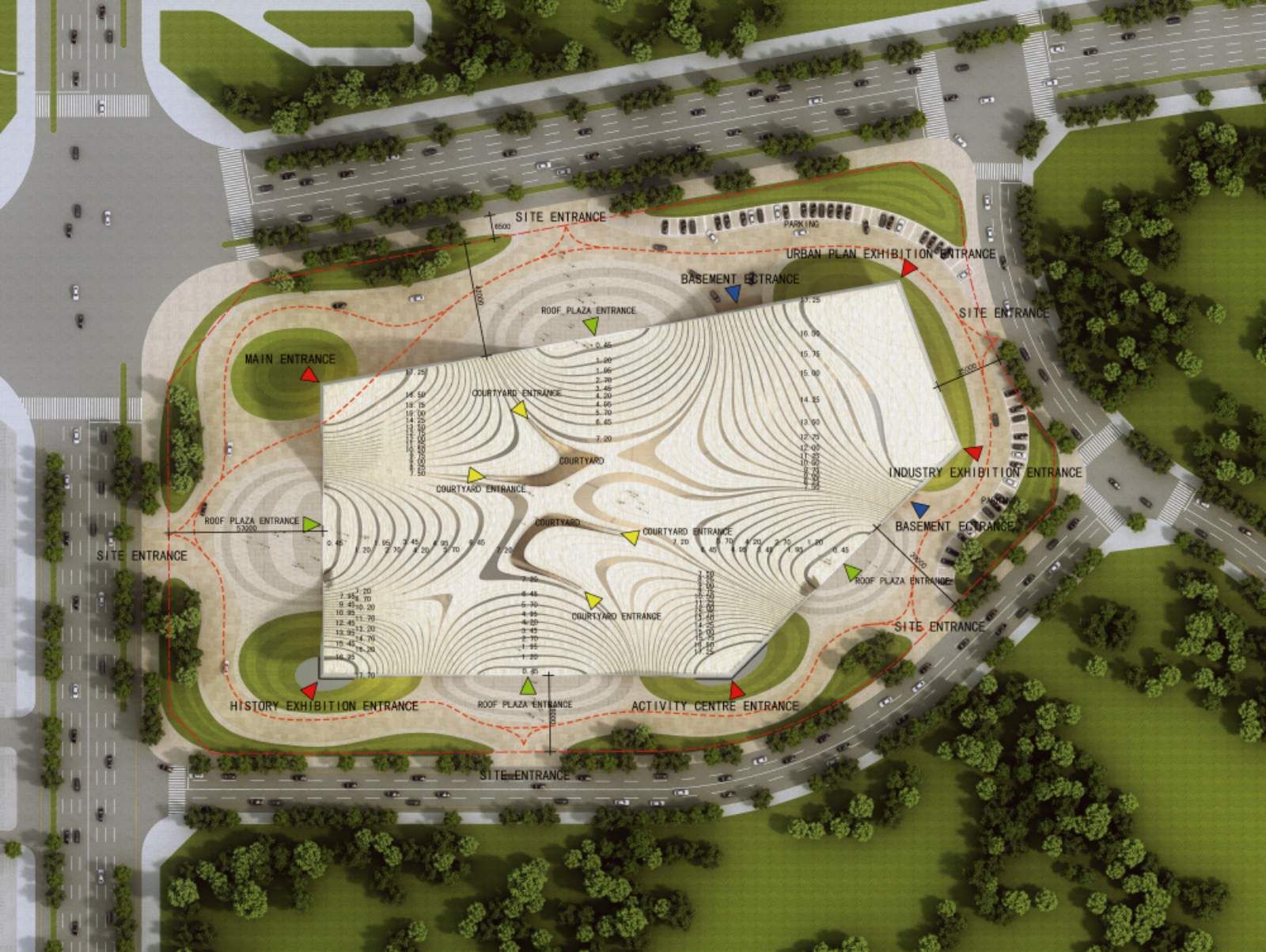
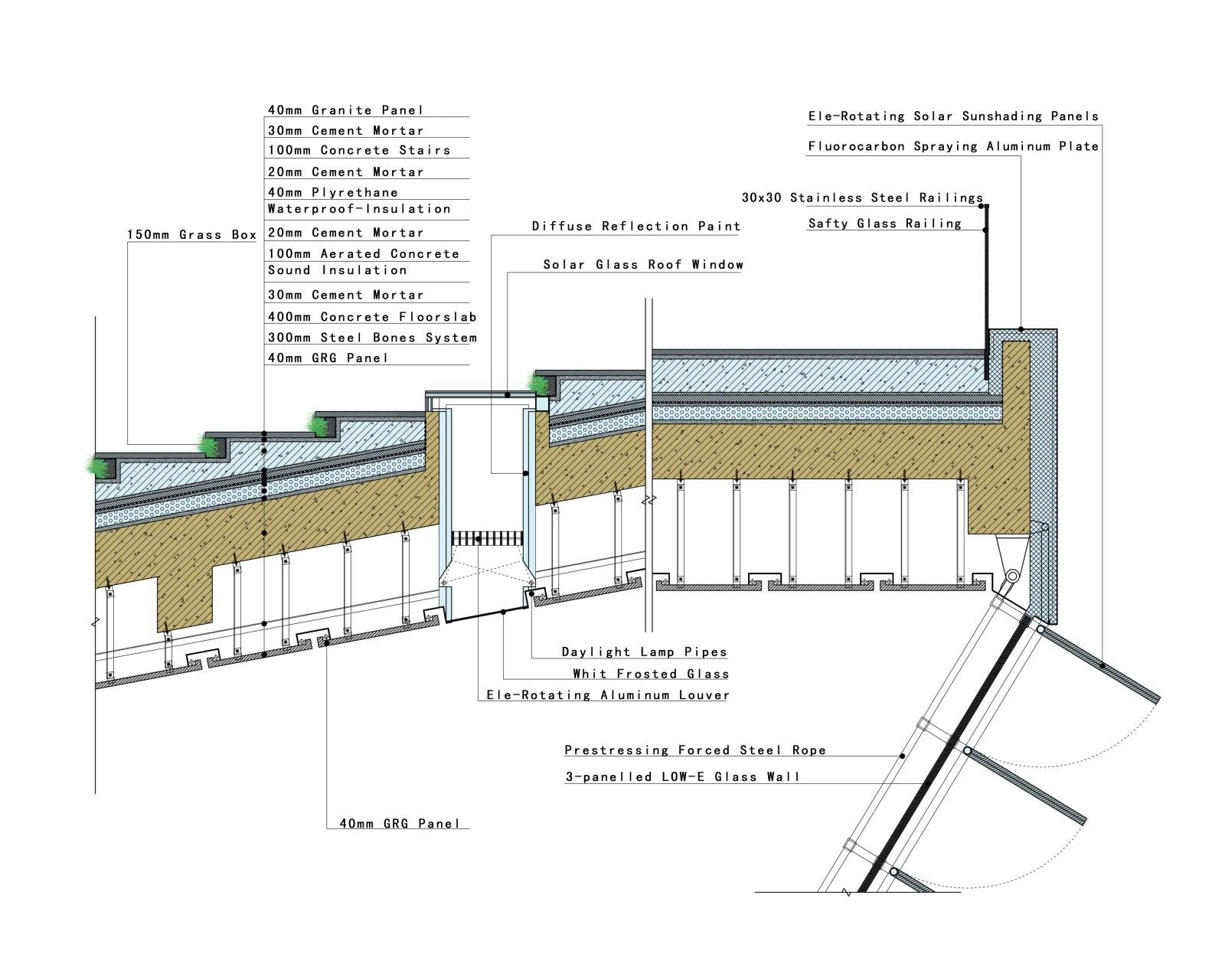
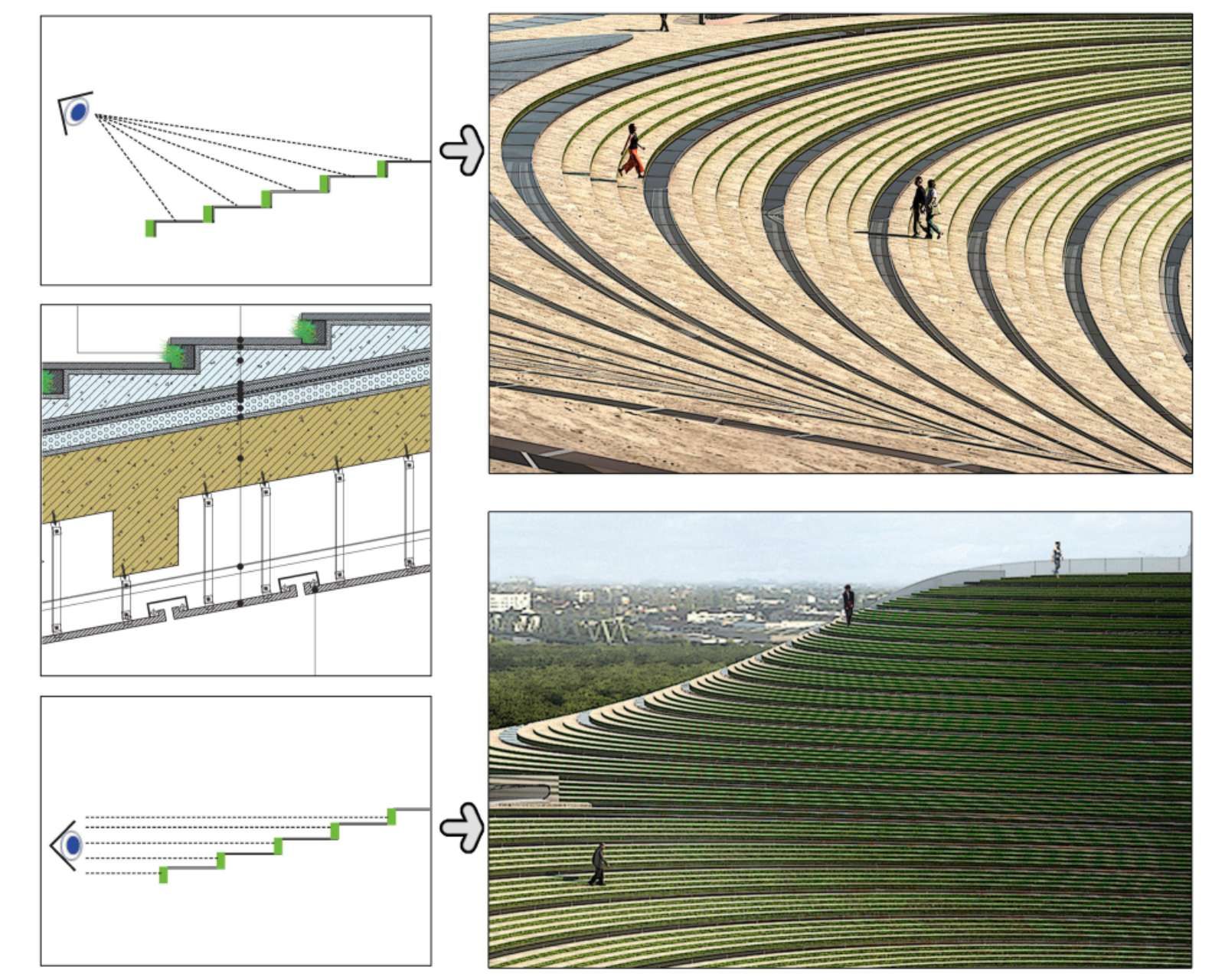
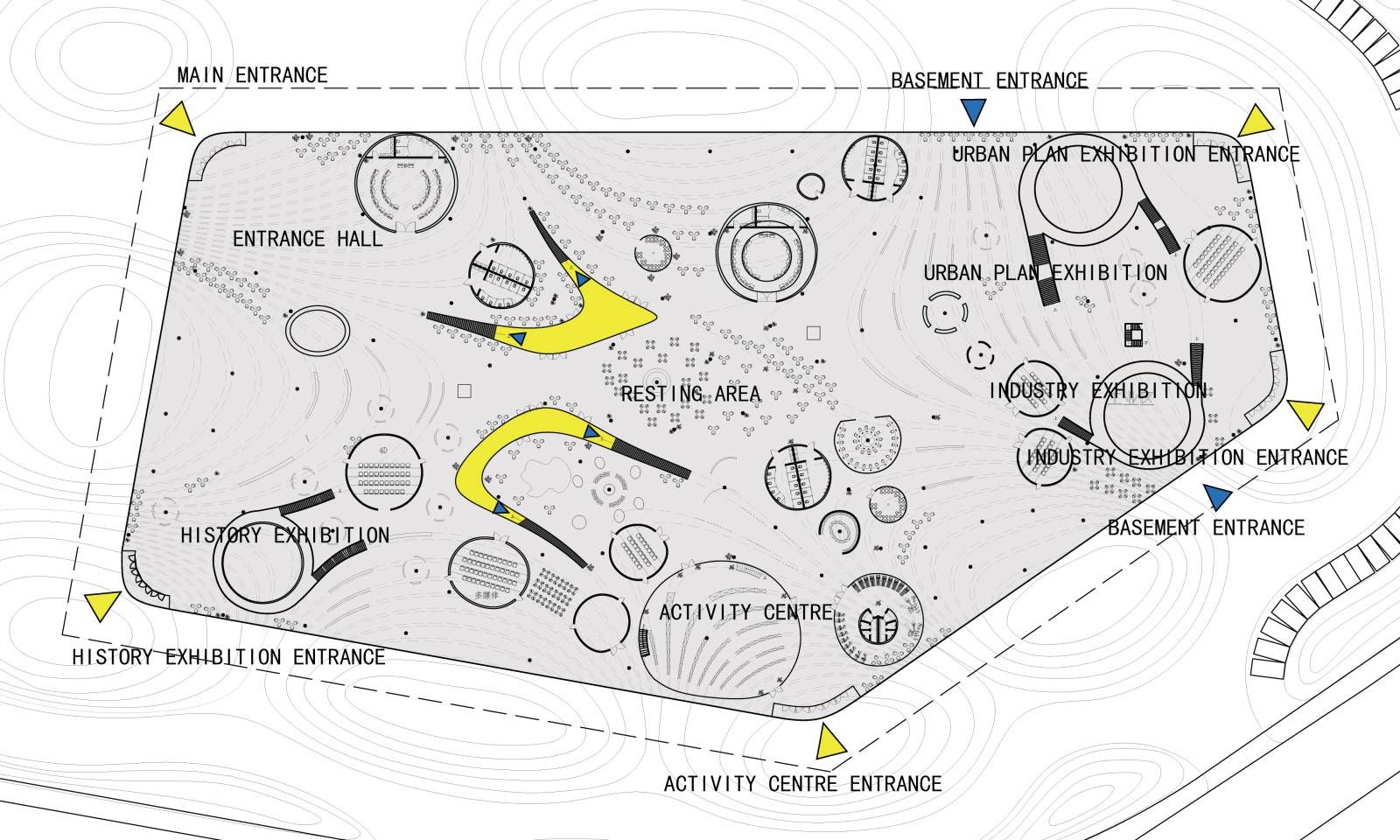
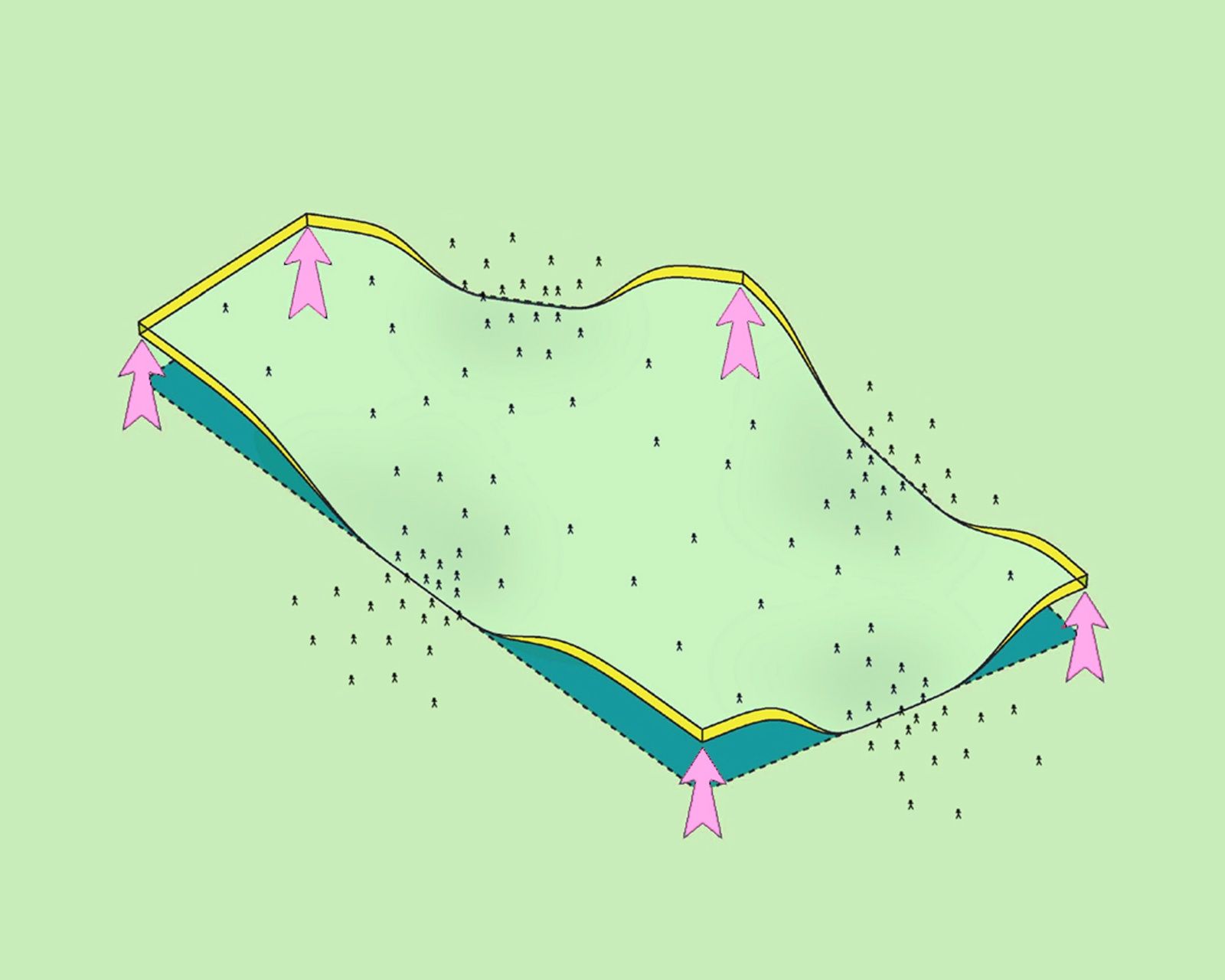
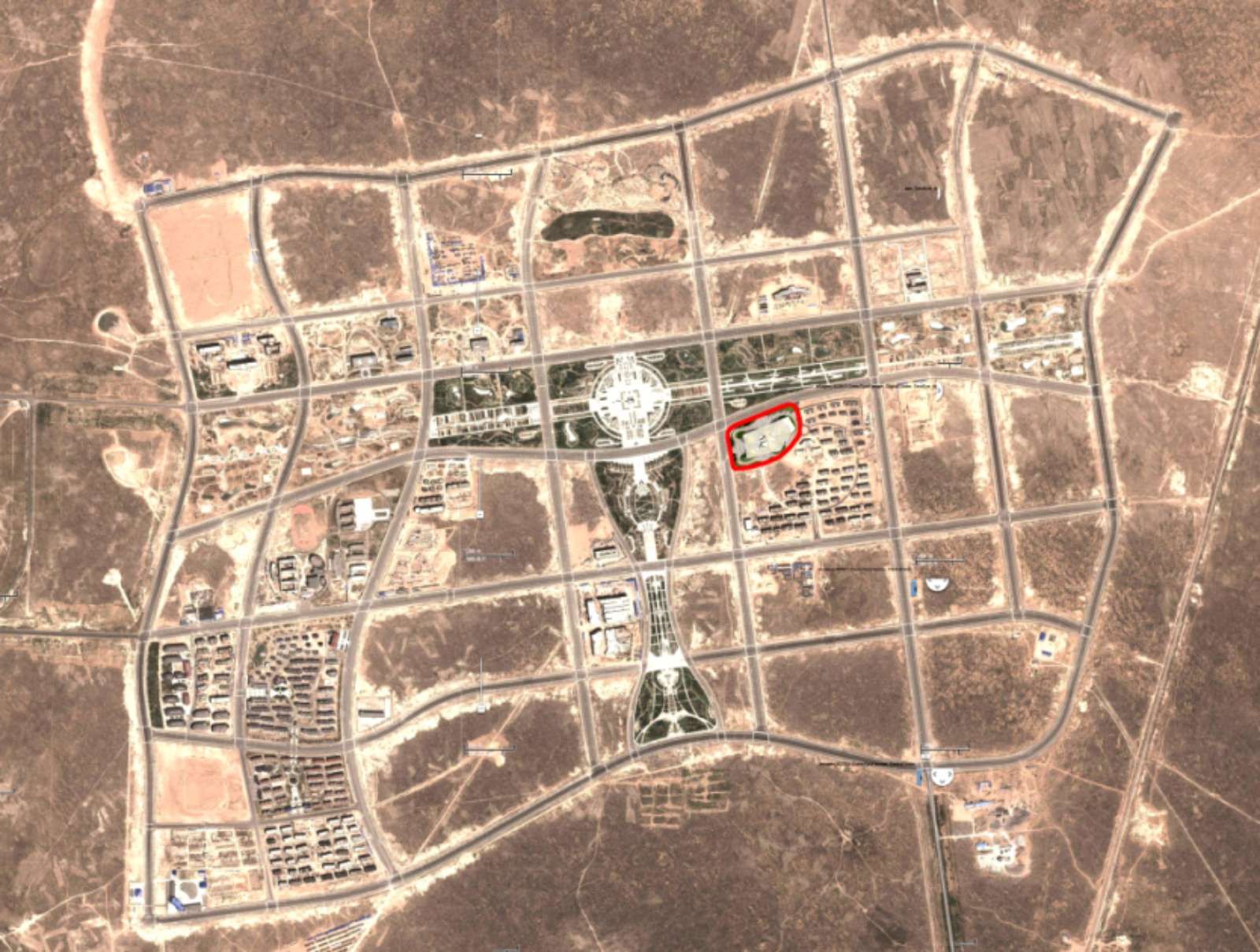
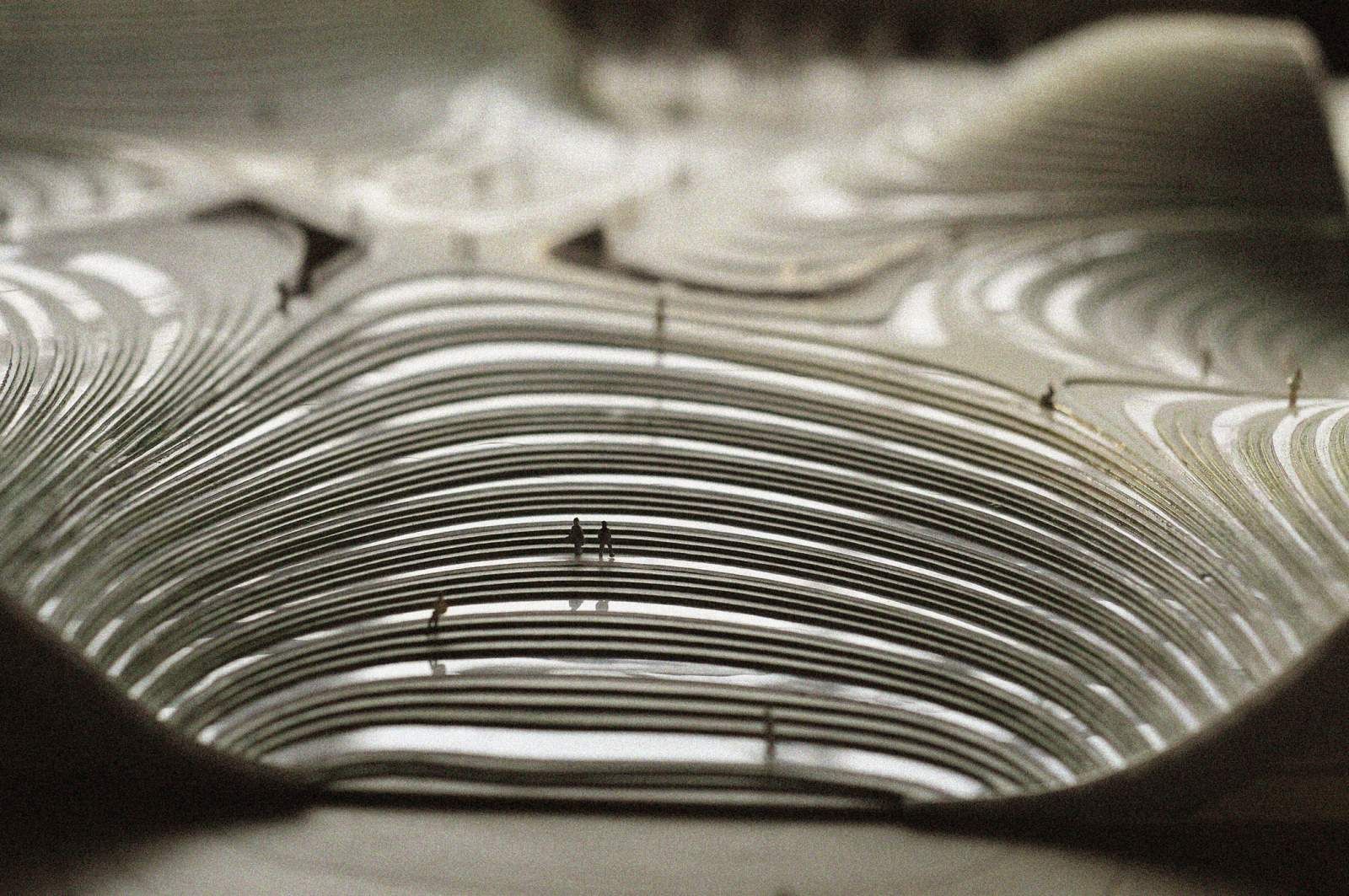
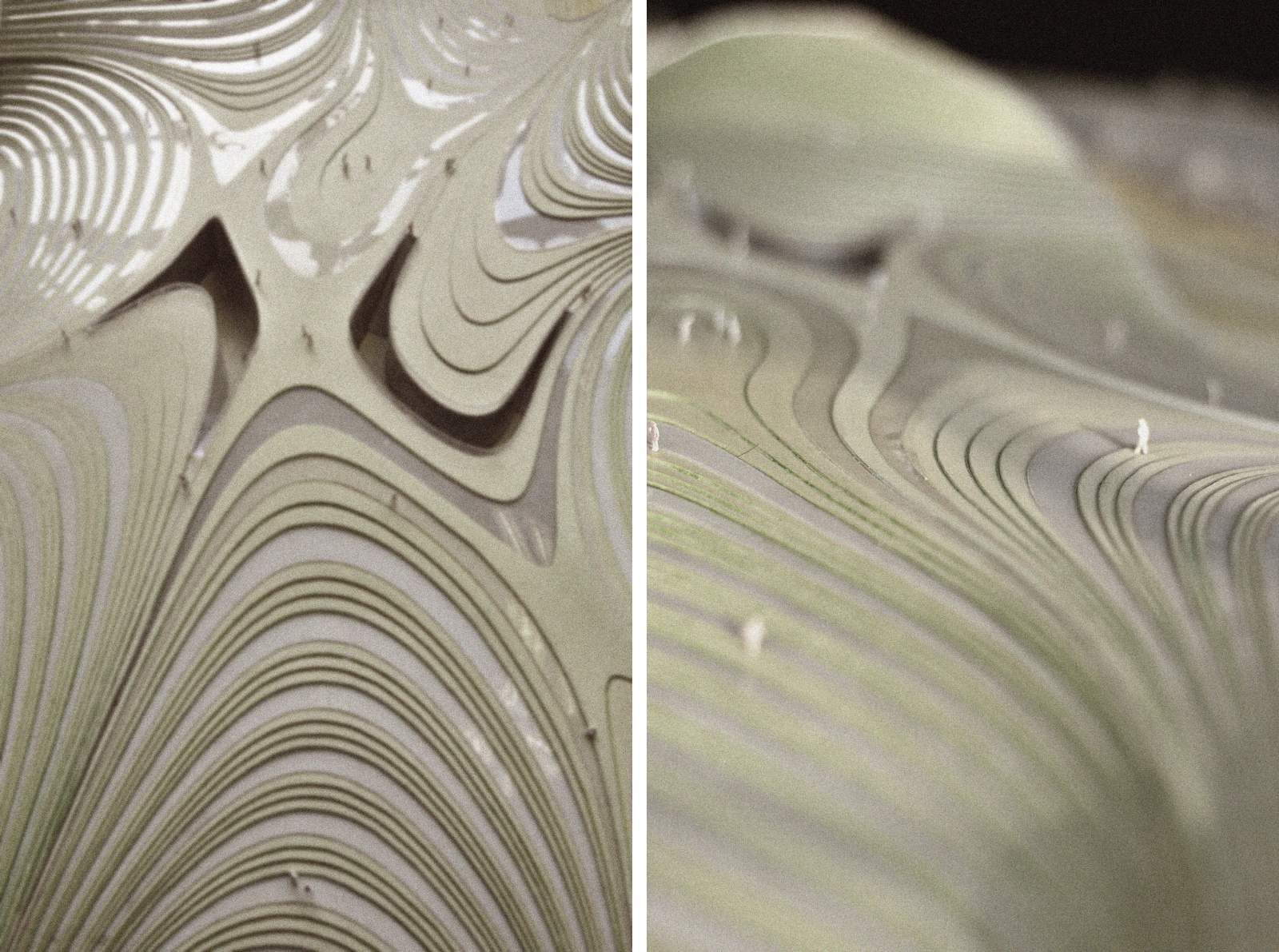
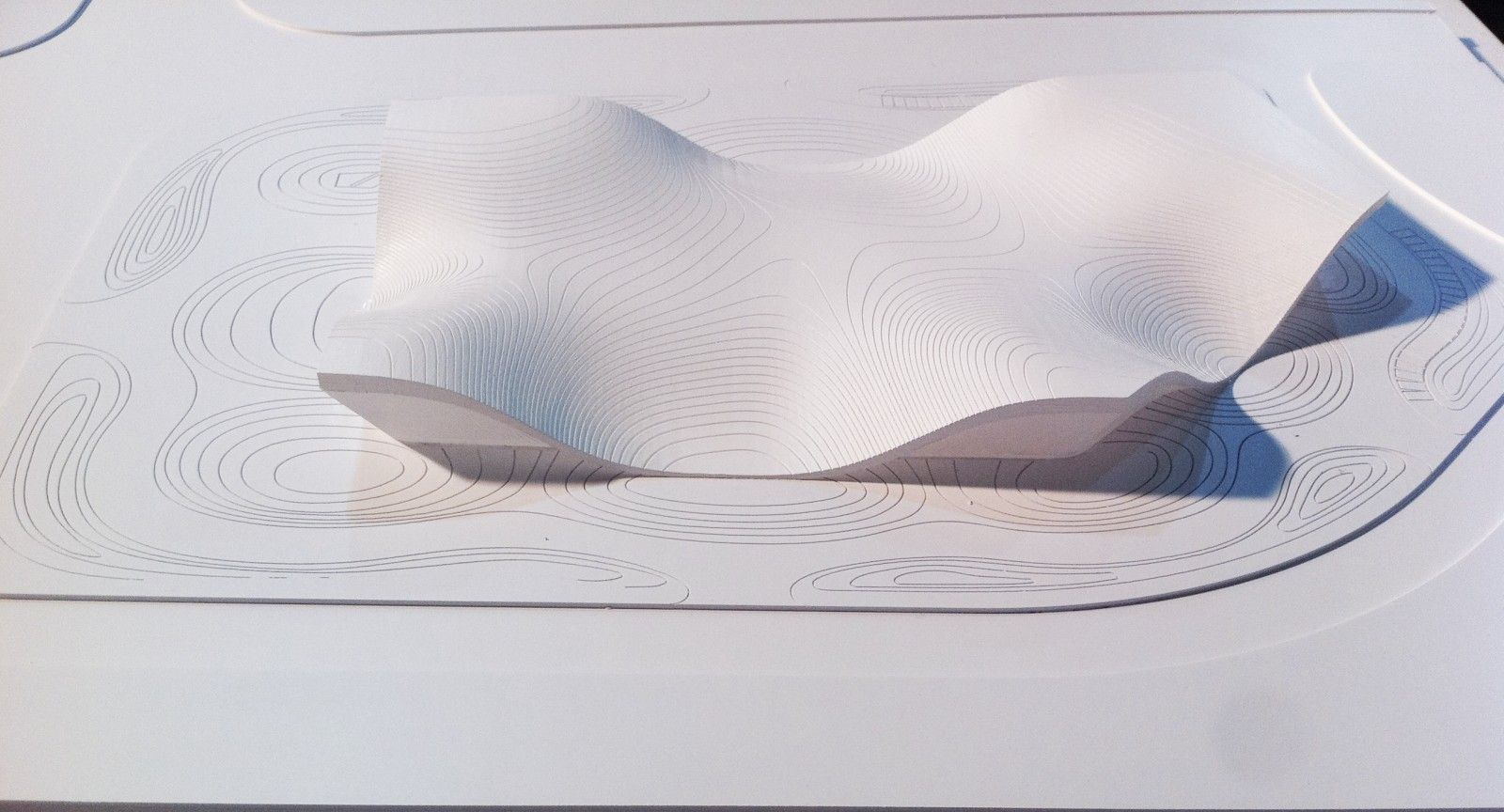
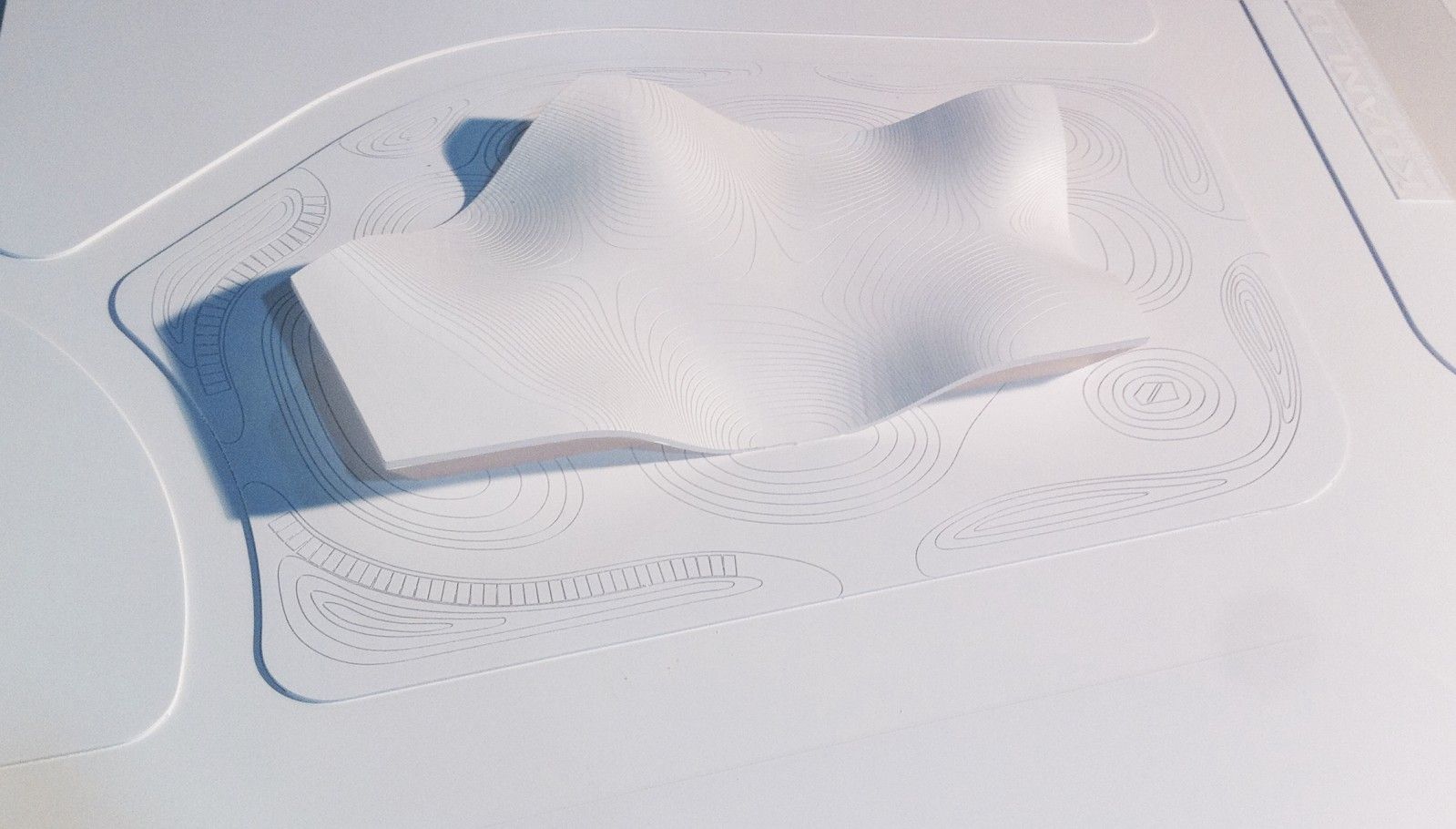
The Exhibition Center of Otog located in Erdos, China sits atop a 40,000m2 site surrounded by a public park. Kuan Wang’s goal for the design was to create a structure that would give back to the people while also blending into the surrounding landscape. The multifunctional exhibition center situated in the large grasslands of northern China houses four exhibition parts: history, culture, industry, and urban planning. It will serve as a landmark to the city while becoming an integral part of it. Systems connect to link the four exhibition spaces which ties into the concept of the structure: to fuse multiple parts of the building to blur the separation between interior and exterior. With the shading fins on the façade constantly changing to provide shading from the sun, the edifice appears to be constantly morphing to suit the demands from its surroundings. Its roof functions as a park with a large stepped topography that becomes both a resting and active place. By designing the roof to be an inhabitable space, the exhibition center continues the landscape of the park to create constant activity on the exterior and interior of the building.The constant changing of the topological roof comes with angles at which you look at the stone or grassland. Everything is merged. Even the design concept for the main façade which is inspired by the eagle spirit totem prominent in Mongolian culture. The exhibition space becomes a reflection of the functions that it houses: the integration of rich Mongolian history and culture into design and the continuation of the prominent grasslands found in northern China onto the roof.

Anastasia Andreieva is an accomplished Architectural Projects Editor at Arch2O, bringing a unique blend of linguistic expertise and design enthusiasm to the team. Born and raised in Ukraine, she holds a Master’s degree in Languages from Taras Shevchenko National University of Kyiv. Her deep passion for architecture and visual storytelling led her to transition from translation and editorial roles into the world of design media. With a keen eye for conceptual clarity and narrative structure, Anastasia curates and presents global architectural projects with precision and flair. She is particularly drawn to parametric and digital design, cultural context, and emerging voices in architecture. When I’m not analyzing the latest architectural trends, you’ll probably find me searching for hidden gems in cityscapes or appreciating the beauty of well-crafted spaces. After all, great design—like great connections—can be found in the most unexpected places. Speaking of connections, because architecture isn’t the only thing that brings people together.