

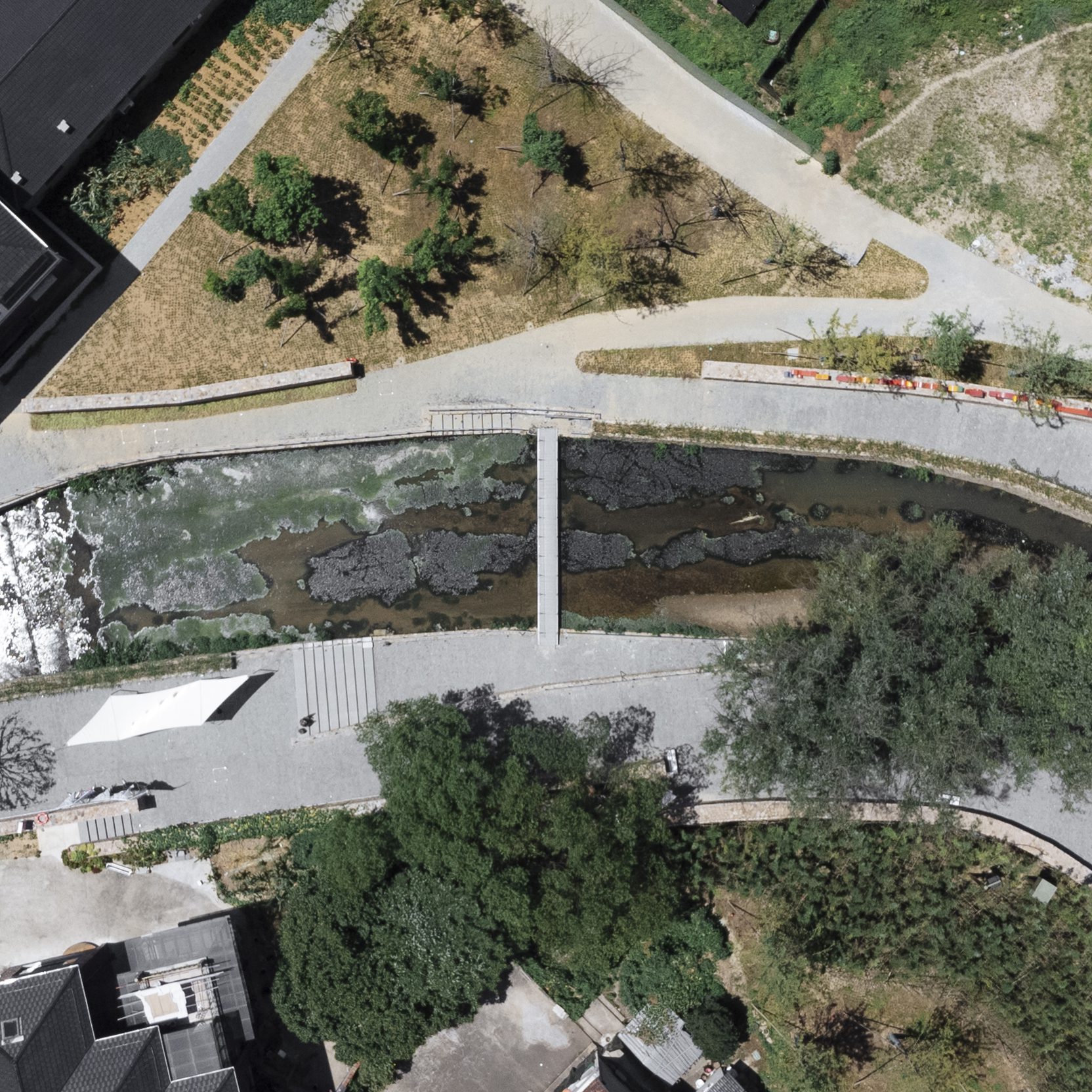
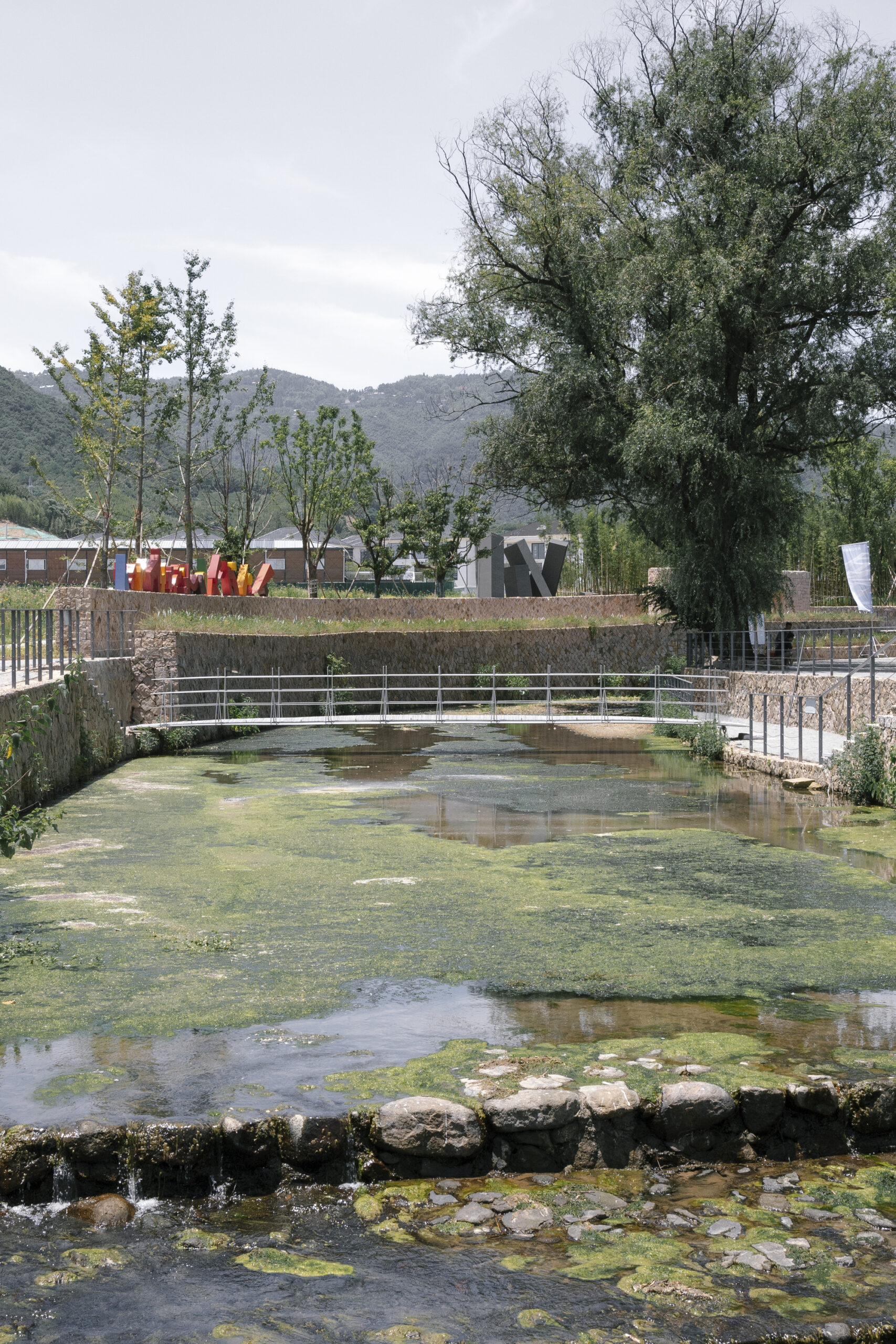
Ephemeral Bridge is one of the seven pedestrian bridges in Fuxi, Moganshan. Far Workshop won two pedestrian bridges in the 2022 Seven Bridges International Competition. Ephemeral Bridge is one of them.
© Biosphere
Time
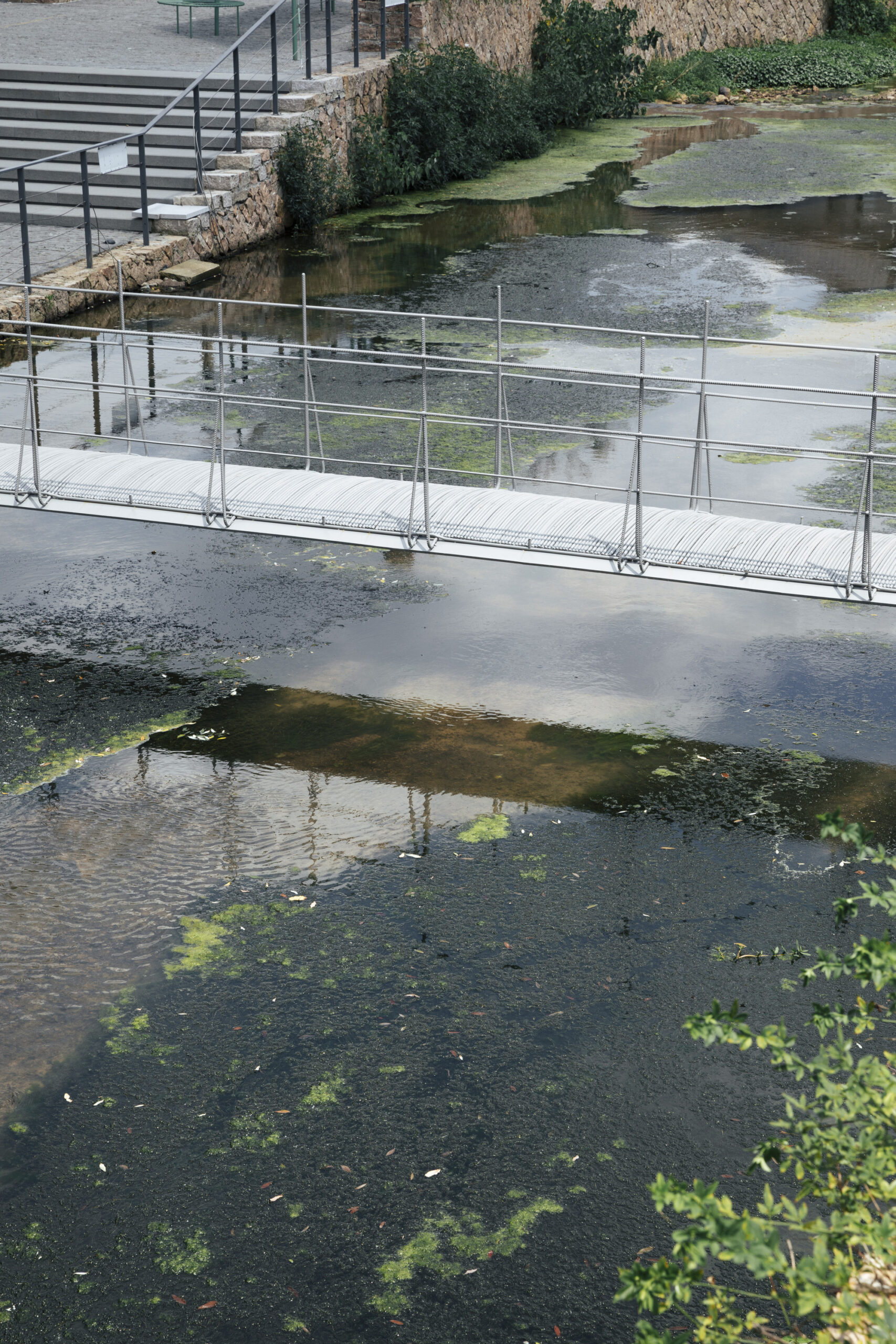
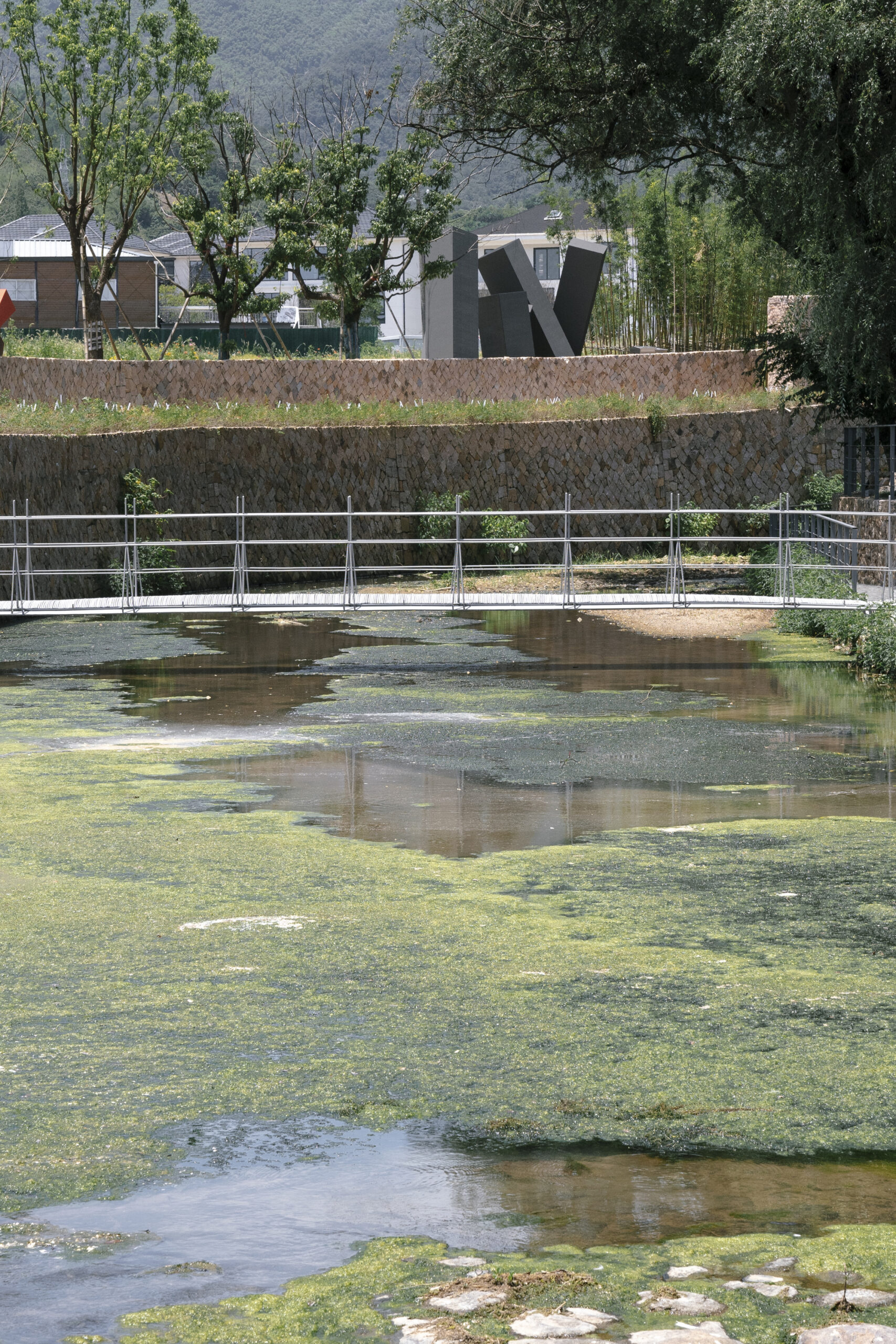
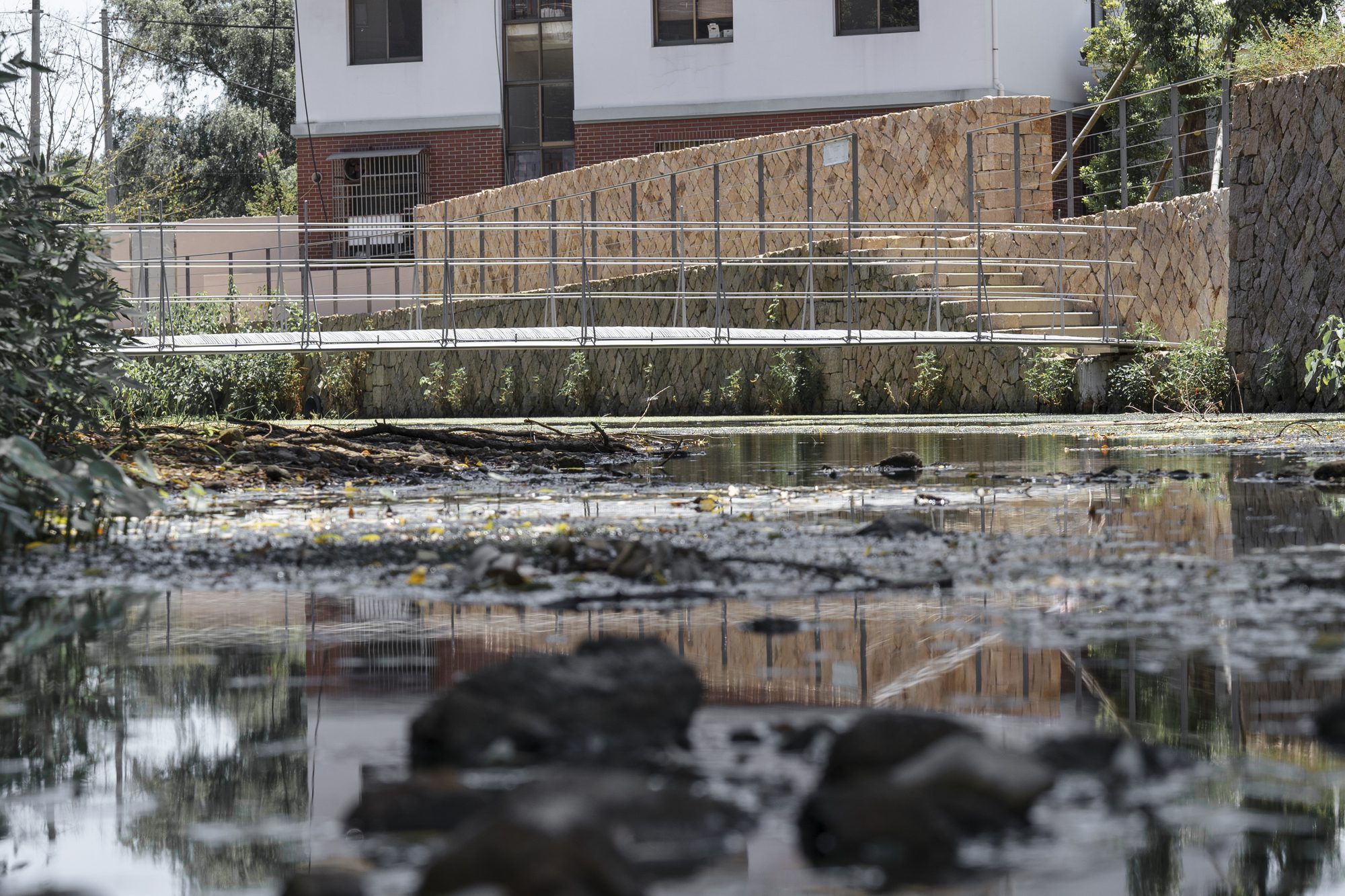
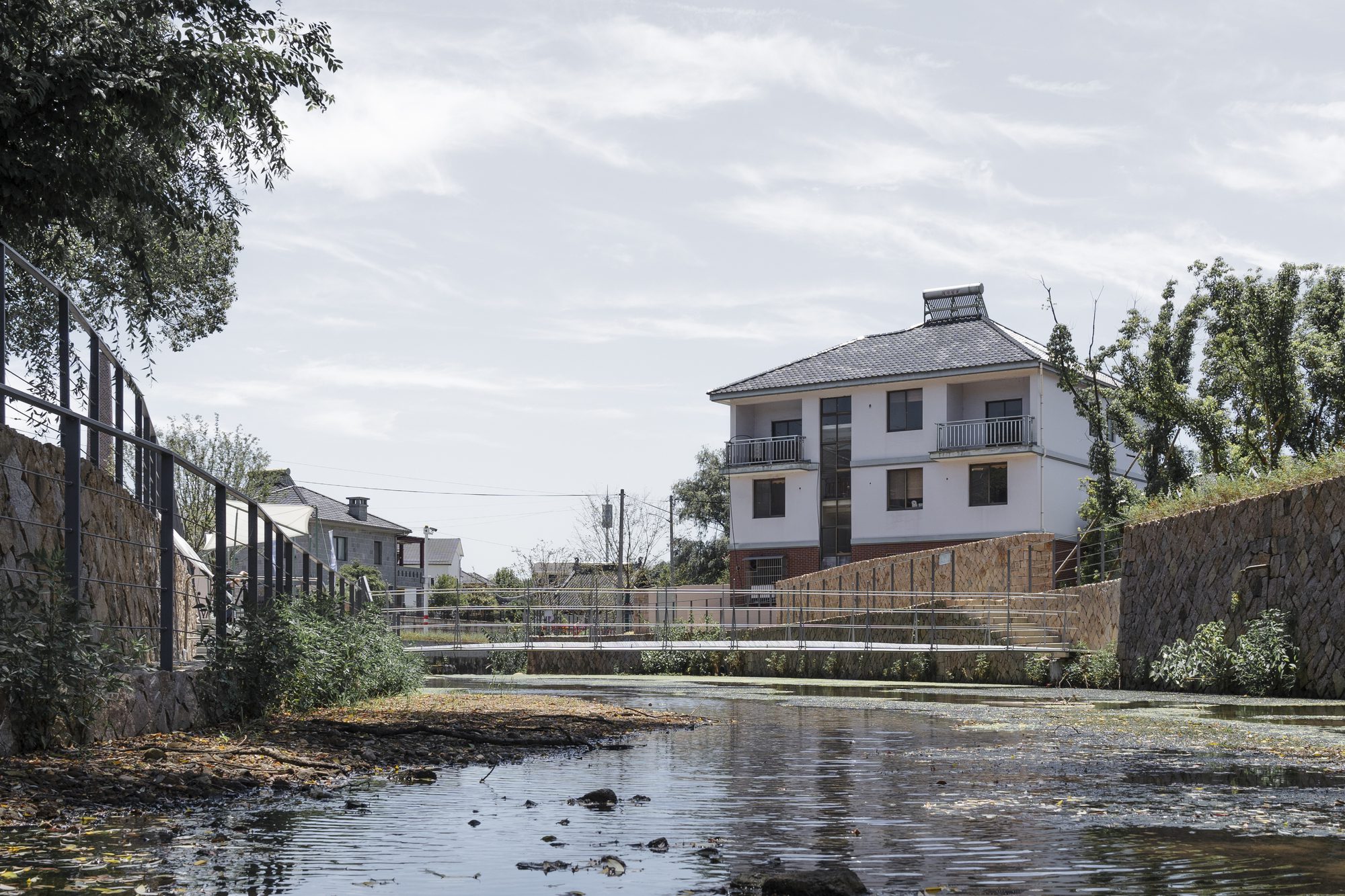
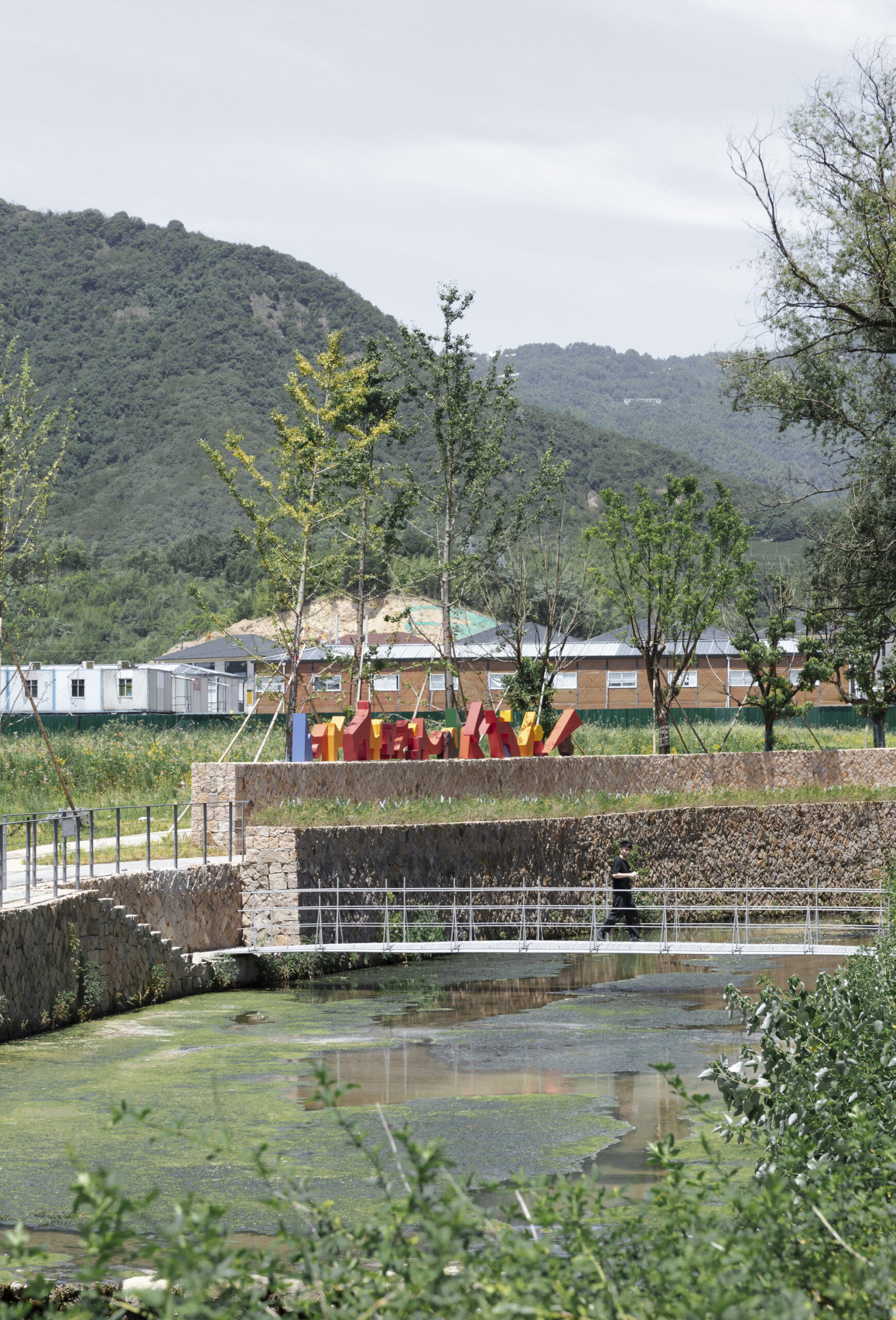
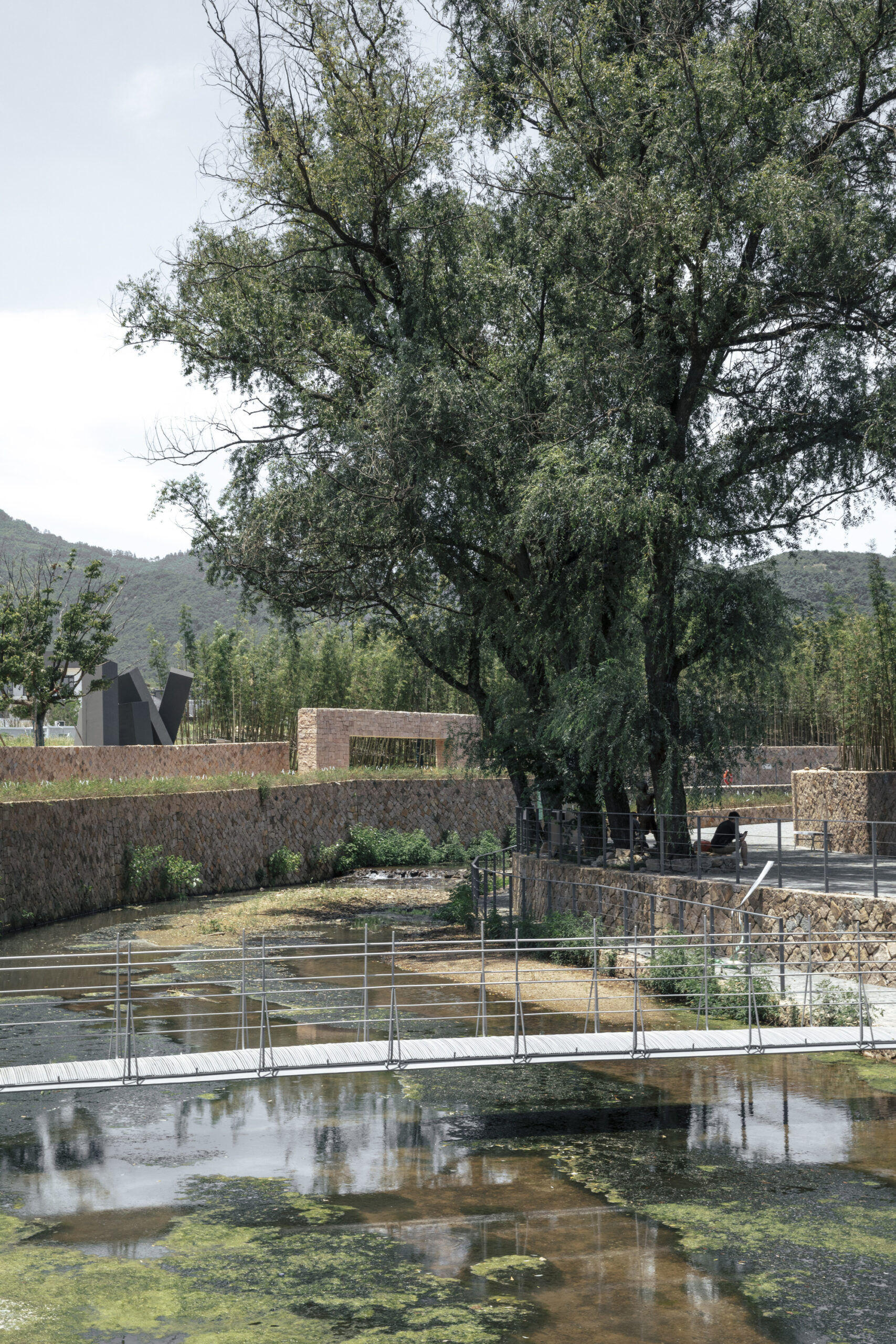
How can we bond a bridge with time? We observe the babbling stream flowing beneath. By lowering the design height of Ephemeral Bridge to be close to the water surface, the bridge cannot remain unaffected; the rise and fall of the stream constantly influence the bridge’s appearance, reminding us of Mont-Saint-Michel and its Bay in France.
© Biosphere
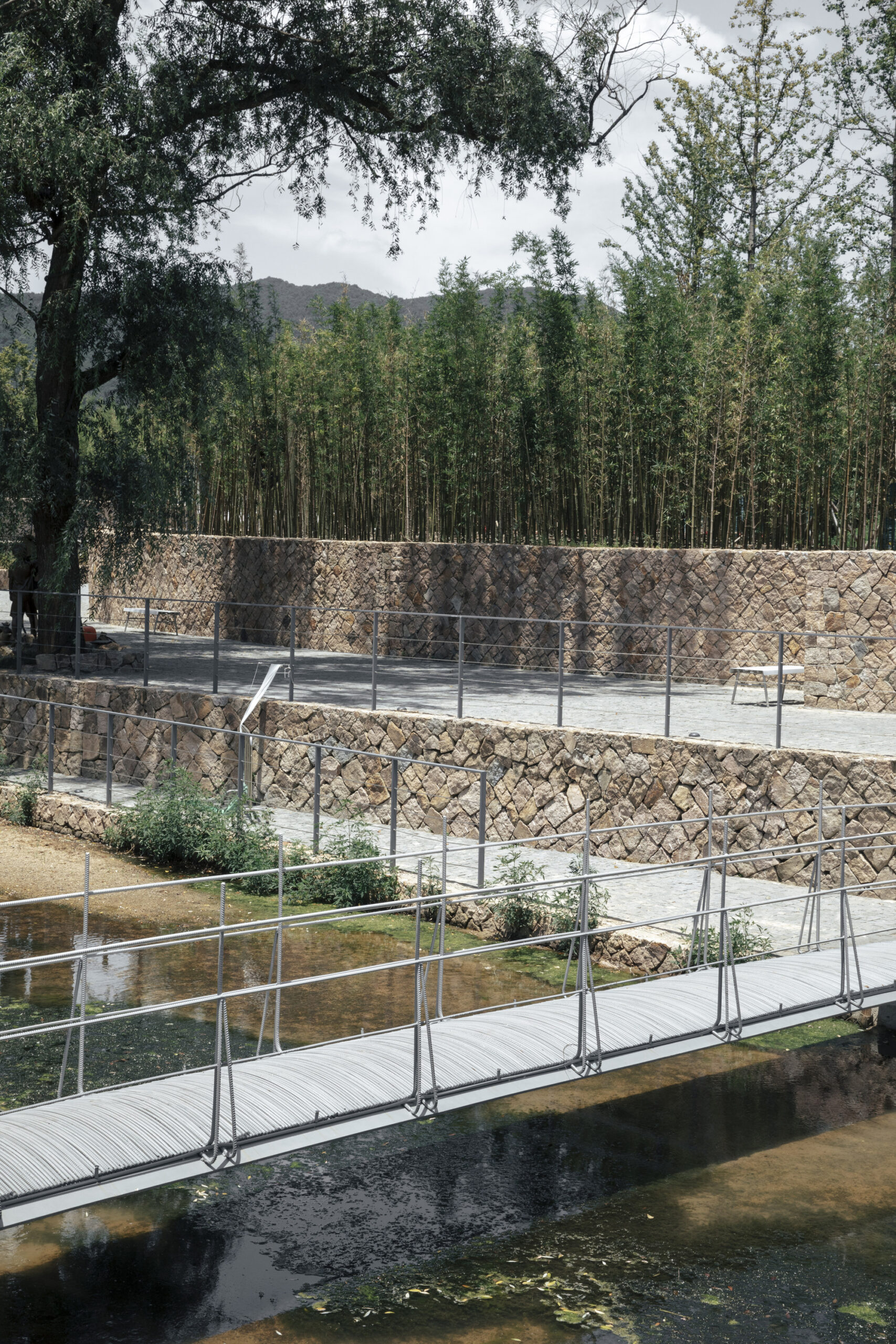
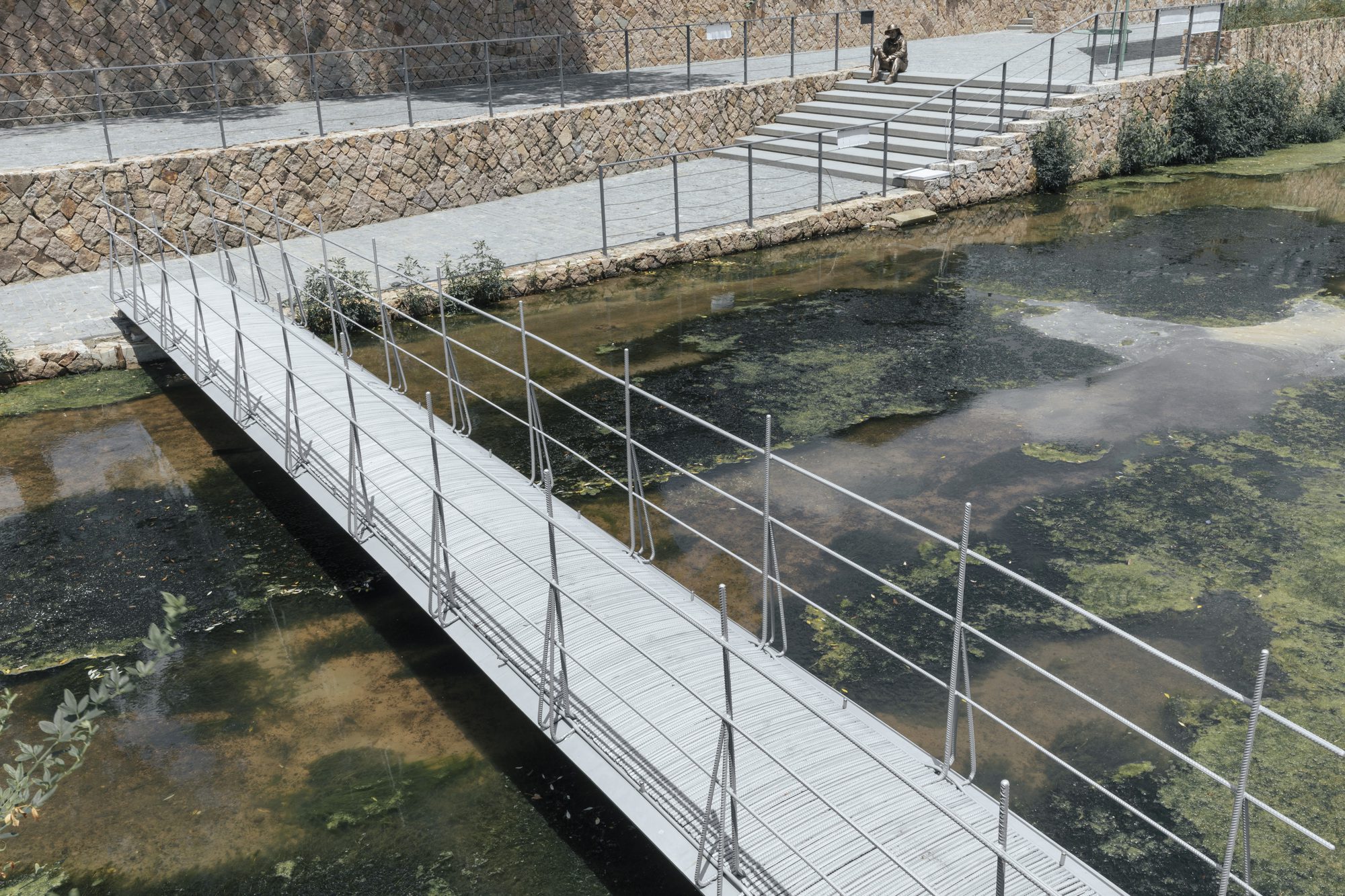
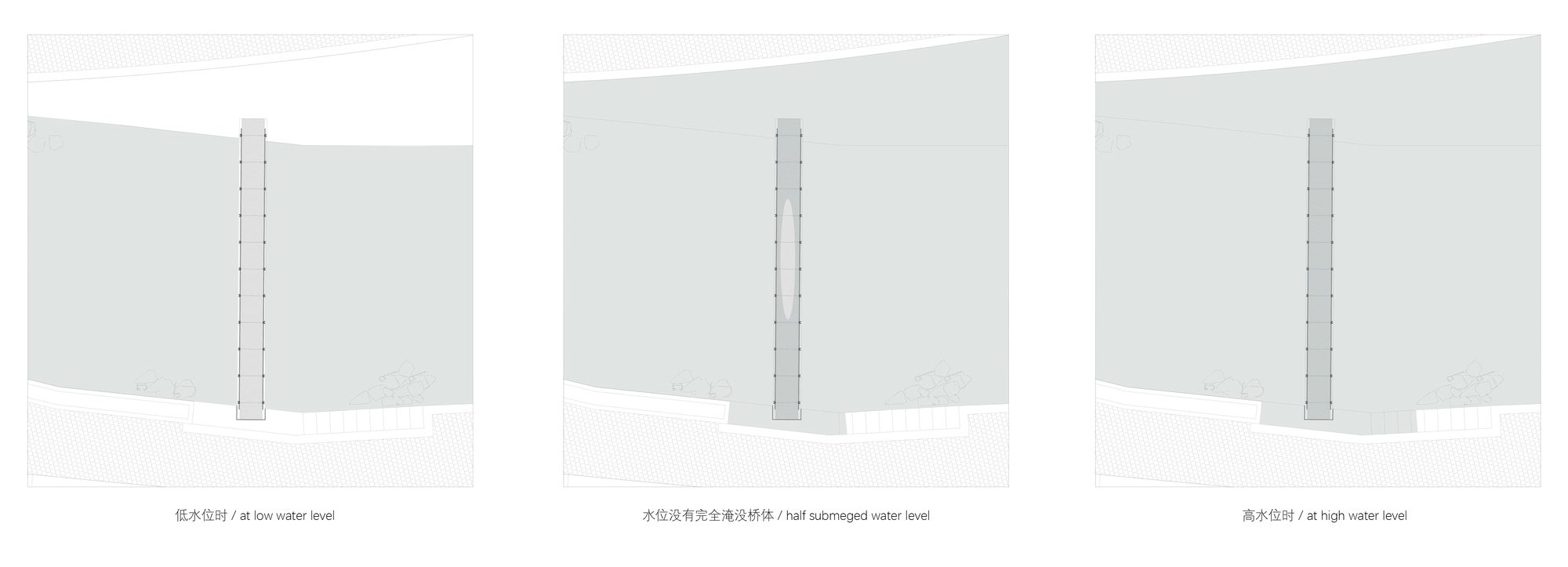
We have given the bridge a slight arch. When the stream is at a low level, the entire bridge is exposed, allowing people to pass freely. As the water level rises, the bridge surface gradually becomes submerged. Due to the slight arch of the bridge, the top part of the bridge remains above the water, like an isolated island, hinting at the existence of the submerged bridge body and also indicating that the water level is still within a safe range, allowing people to wade across the bridge. When the water level continues to rise, the bridge is completely engulfed by the water and disappears.
© Biosphere
In this way, the bridge is bound to nature, exhibiting the temporal changes akin to a natural landscape. In the pre-industrial era, people were unaware of where the boundary between nature and artificiality lay, with ambiguity becoming the keyword for this boundary. This ambiguity was dangerous, yet also mysterious and poetic. After entering the era of urban institutionalization, the ambiguous boundary was stripped away, with all spatial experiences becoming black and white, either absolutely safe or absolutely dangerous. The city does not allow for the existence of ambiguity. Our bridge attempts to challenge this absoluteness, introducing an ambiguous boundary with nature, and re-establishing a poetic relationship with nature.
© AND office
Structure and tectonics
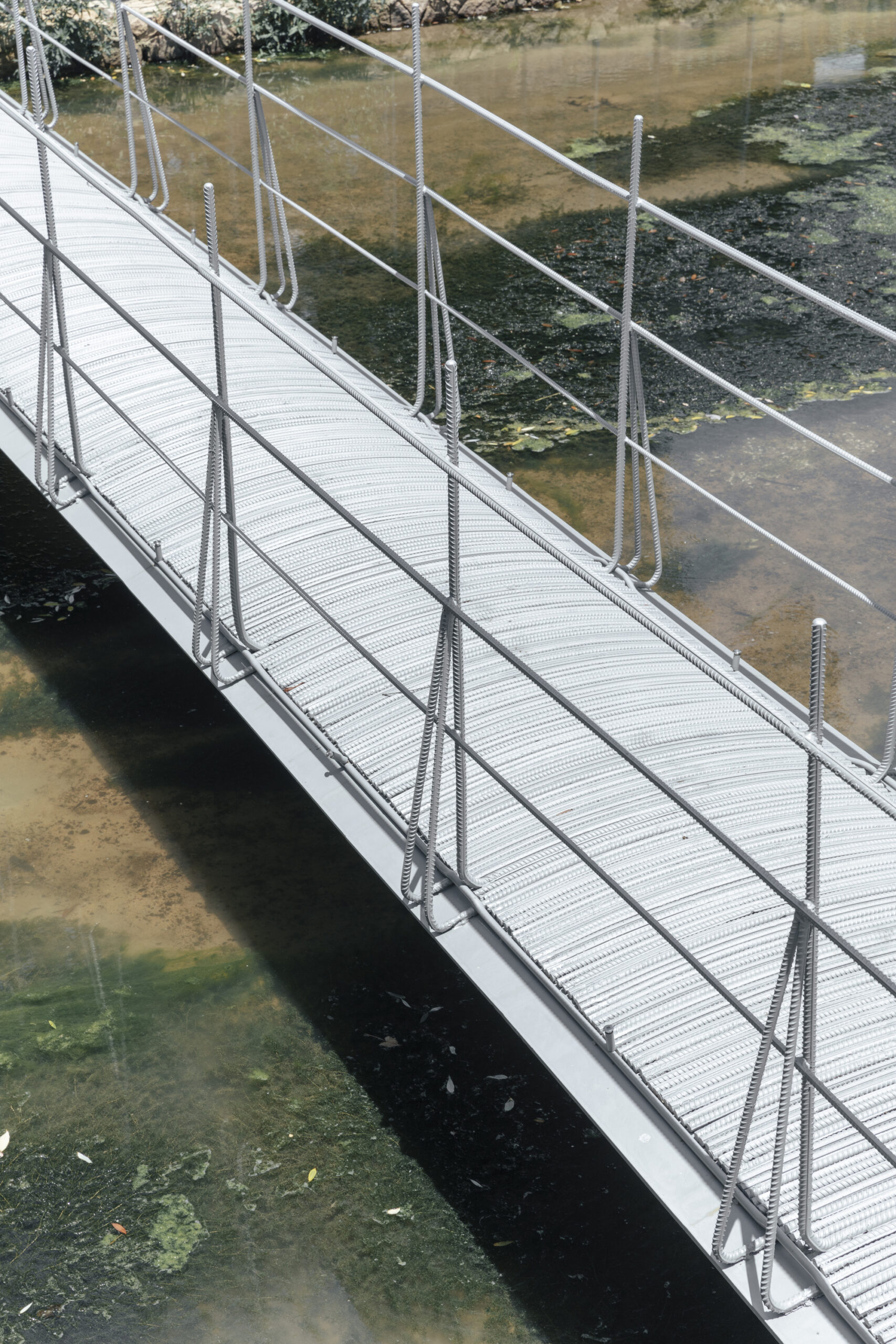
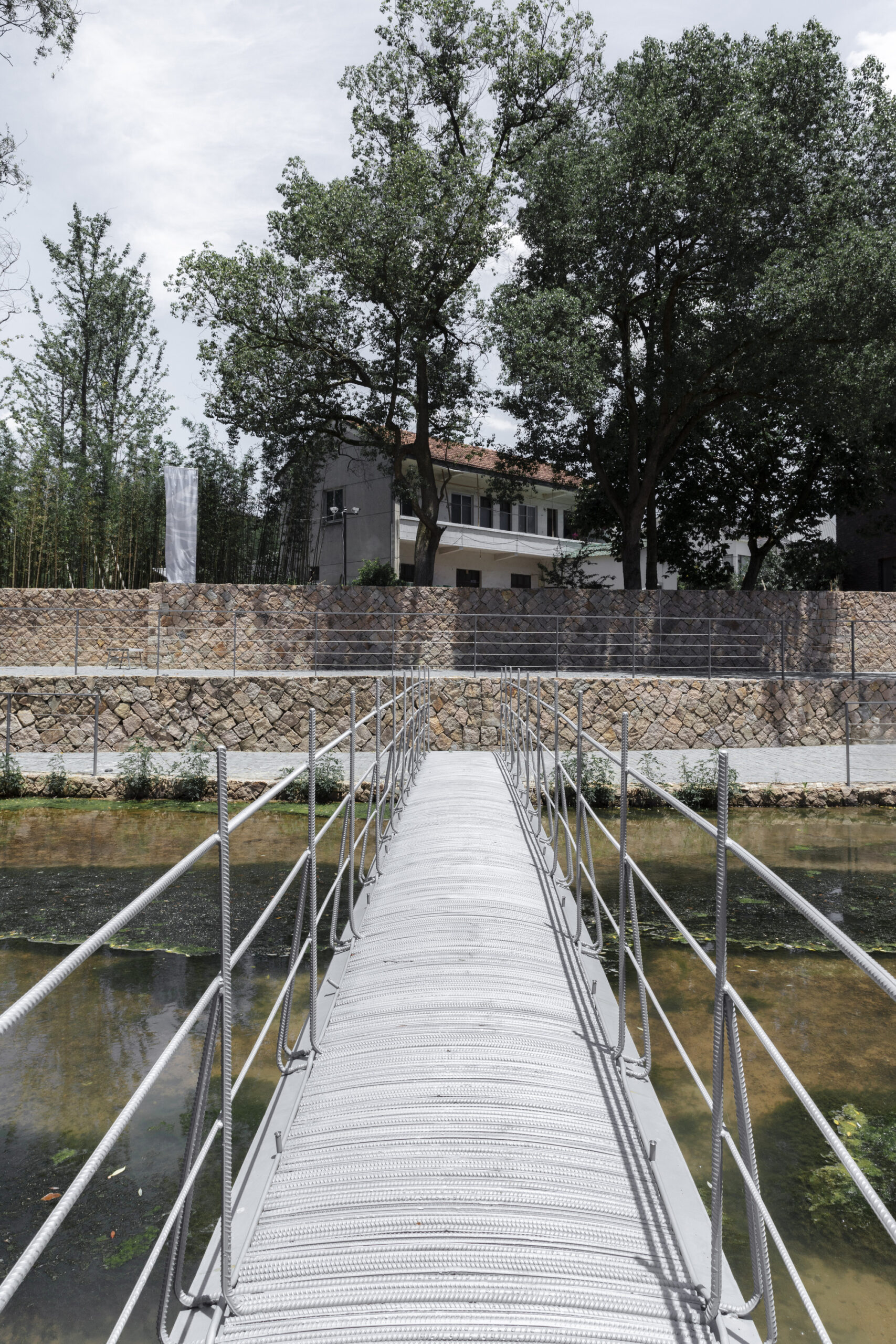
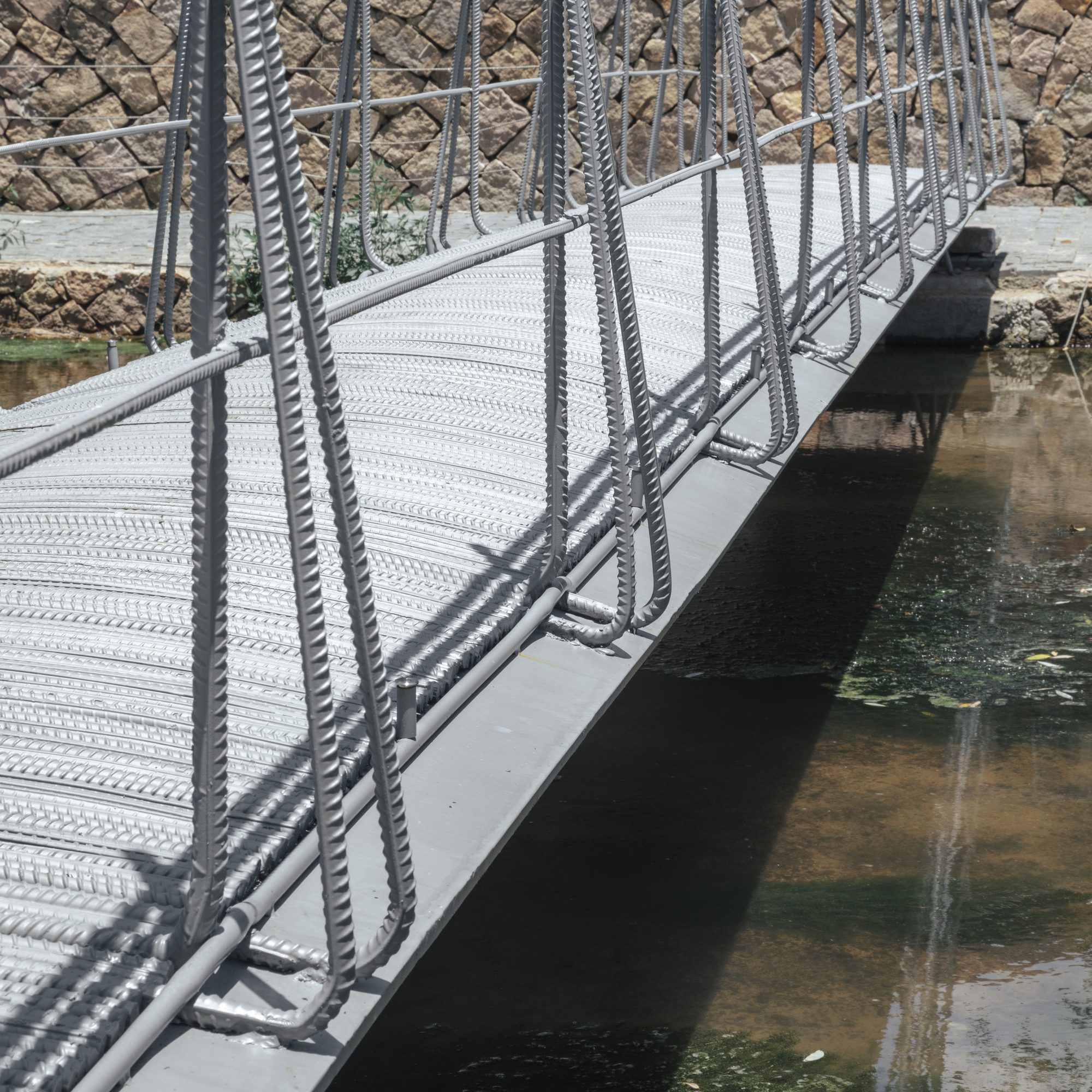
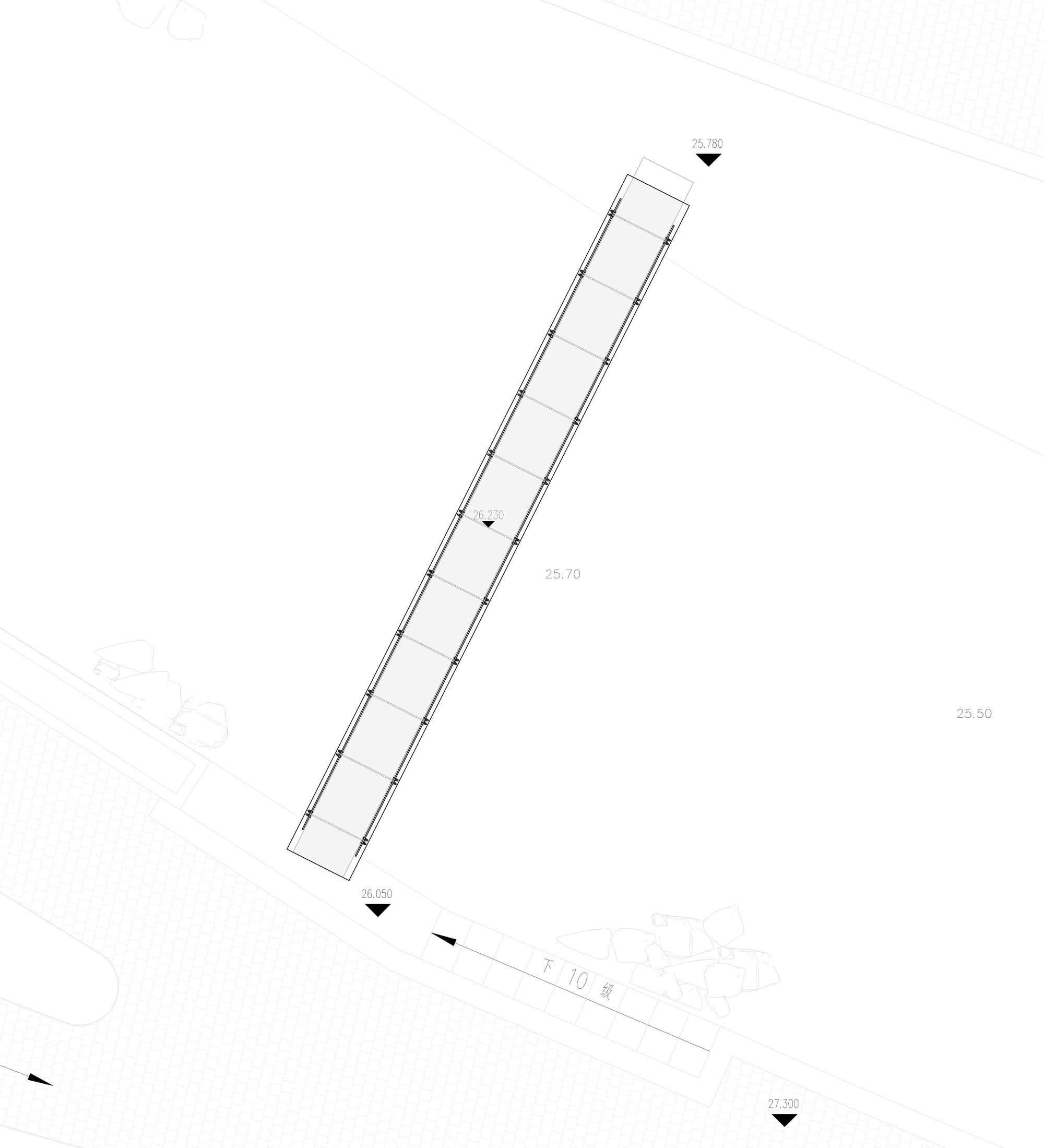
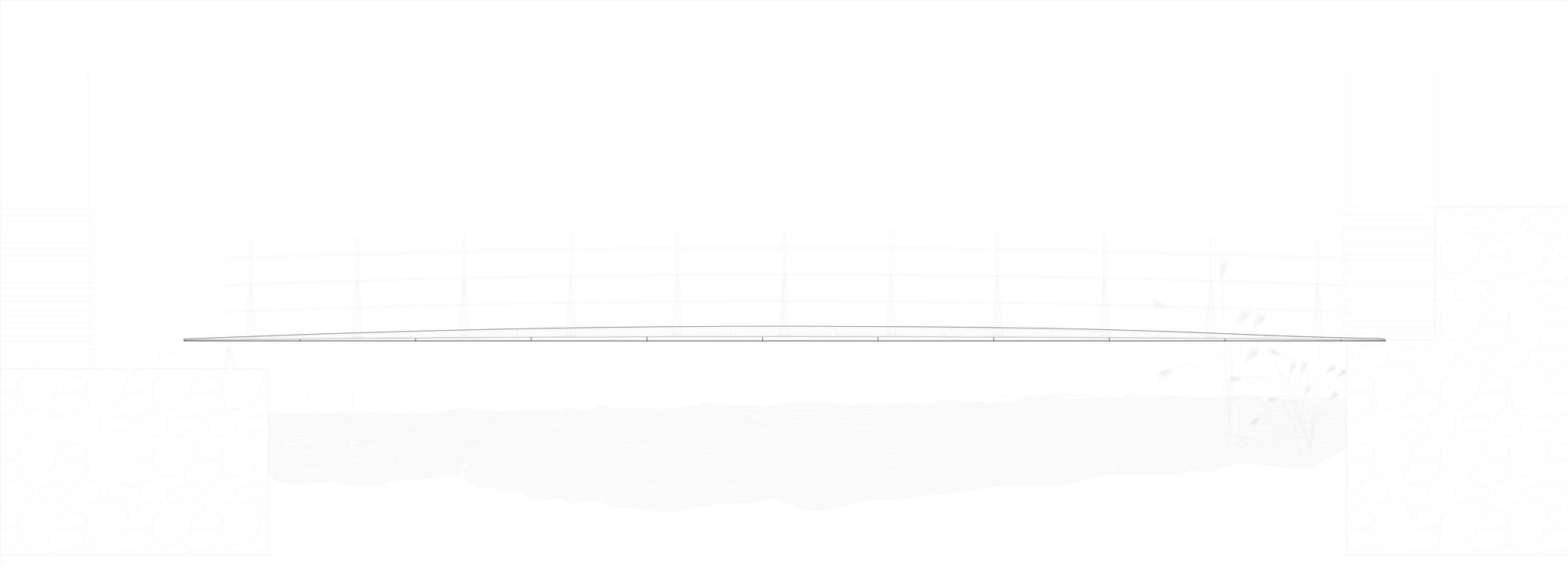
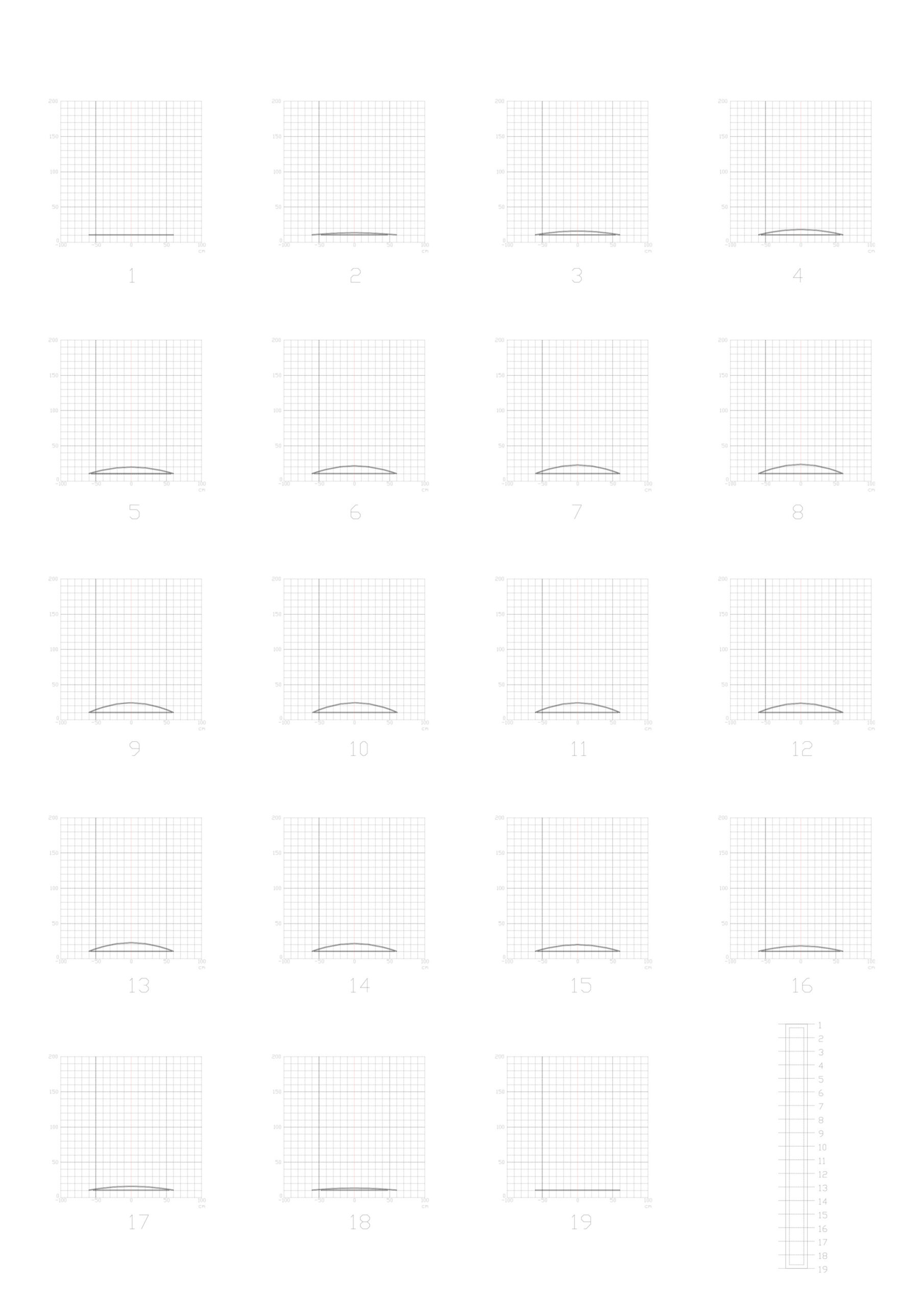
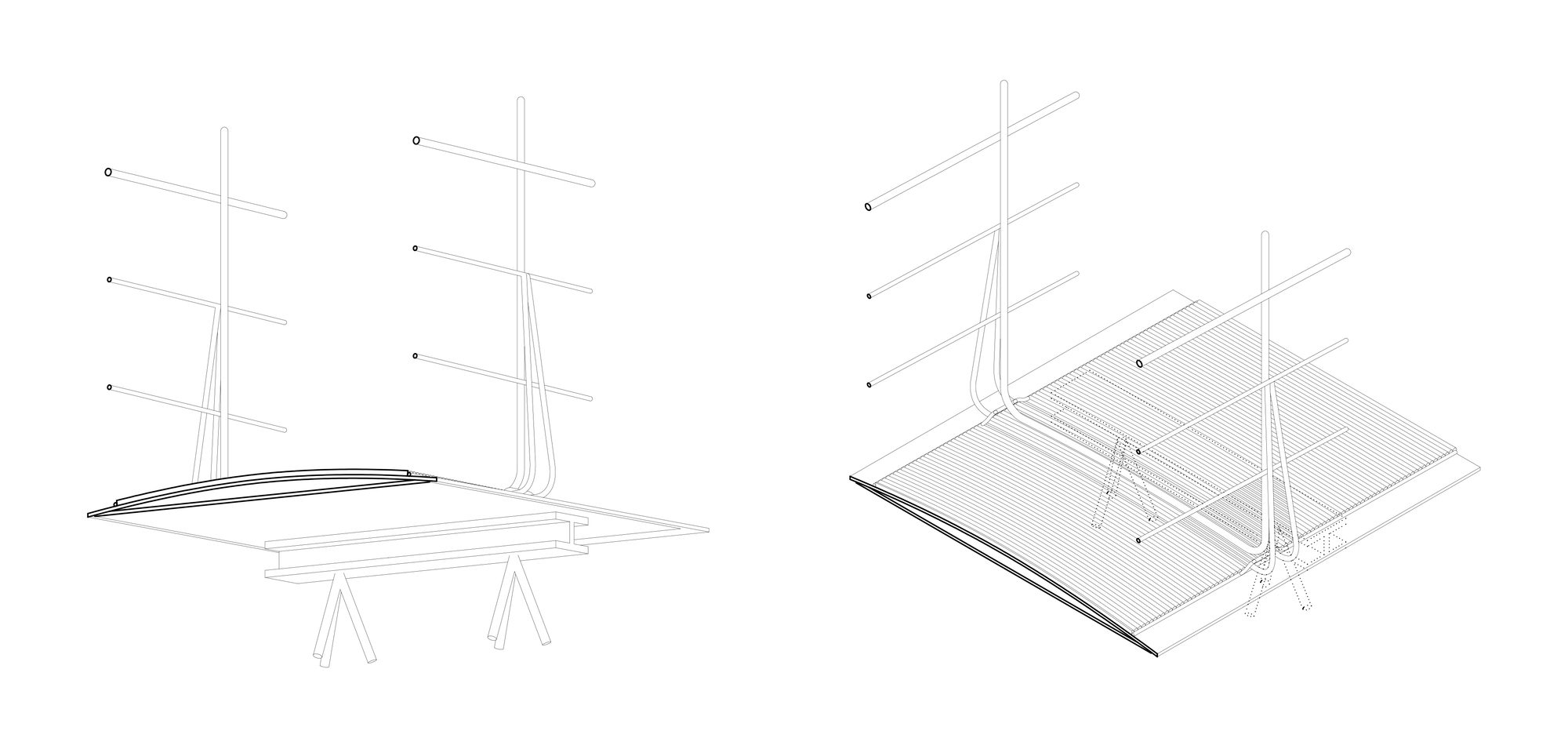
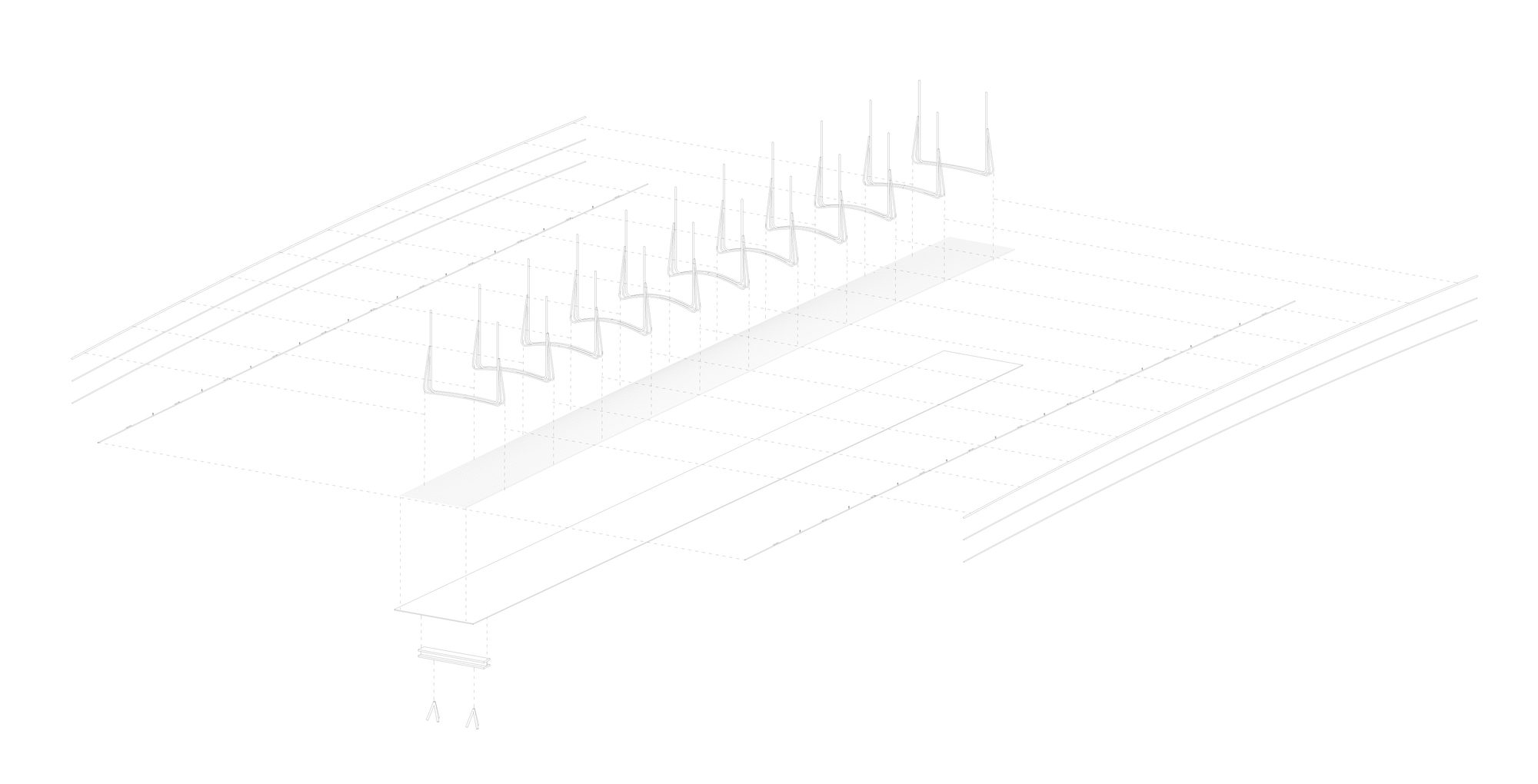
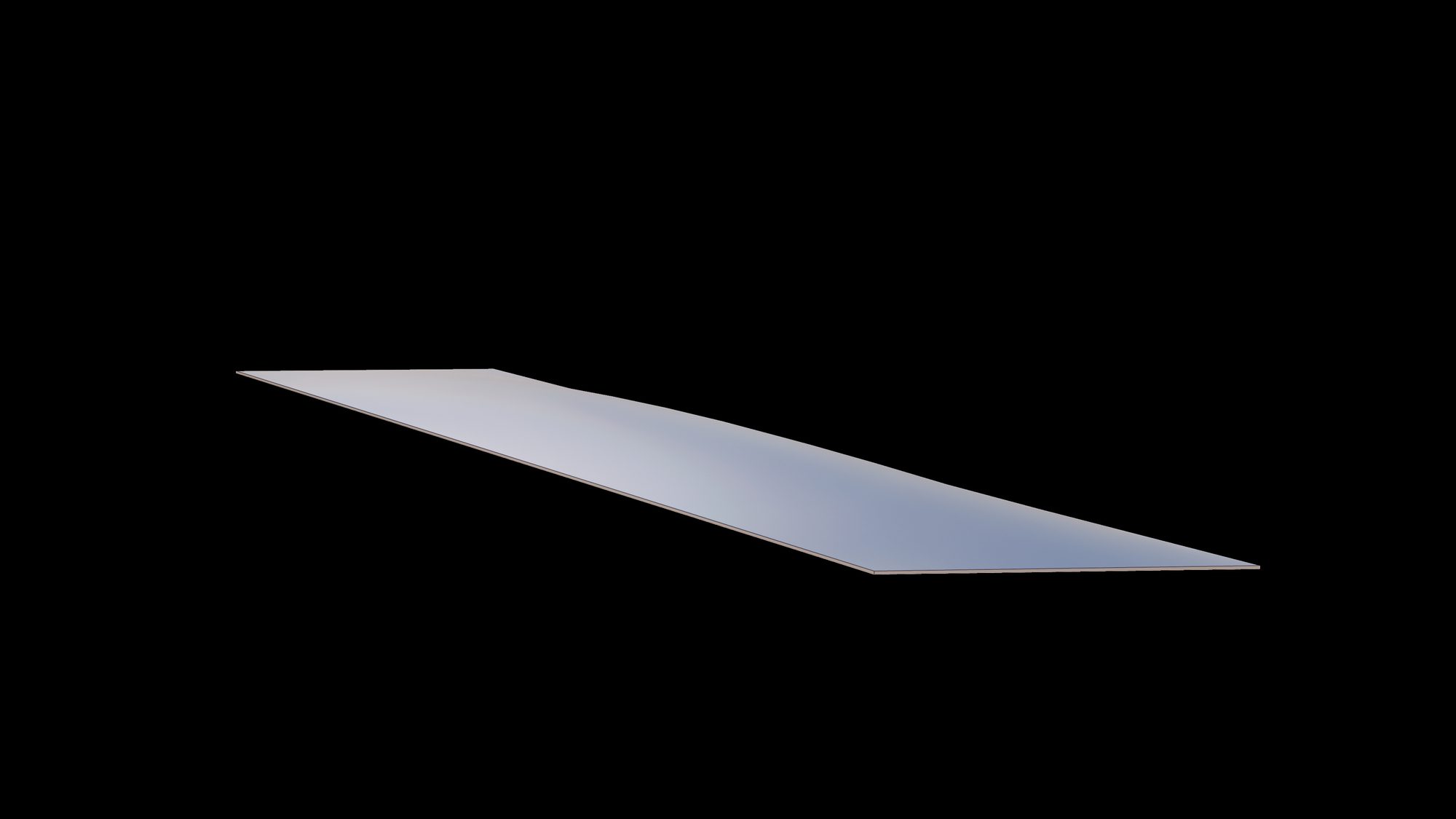
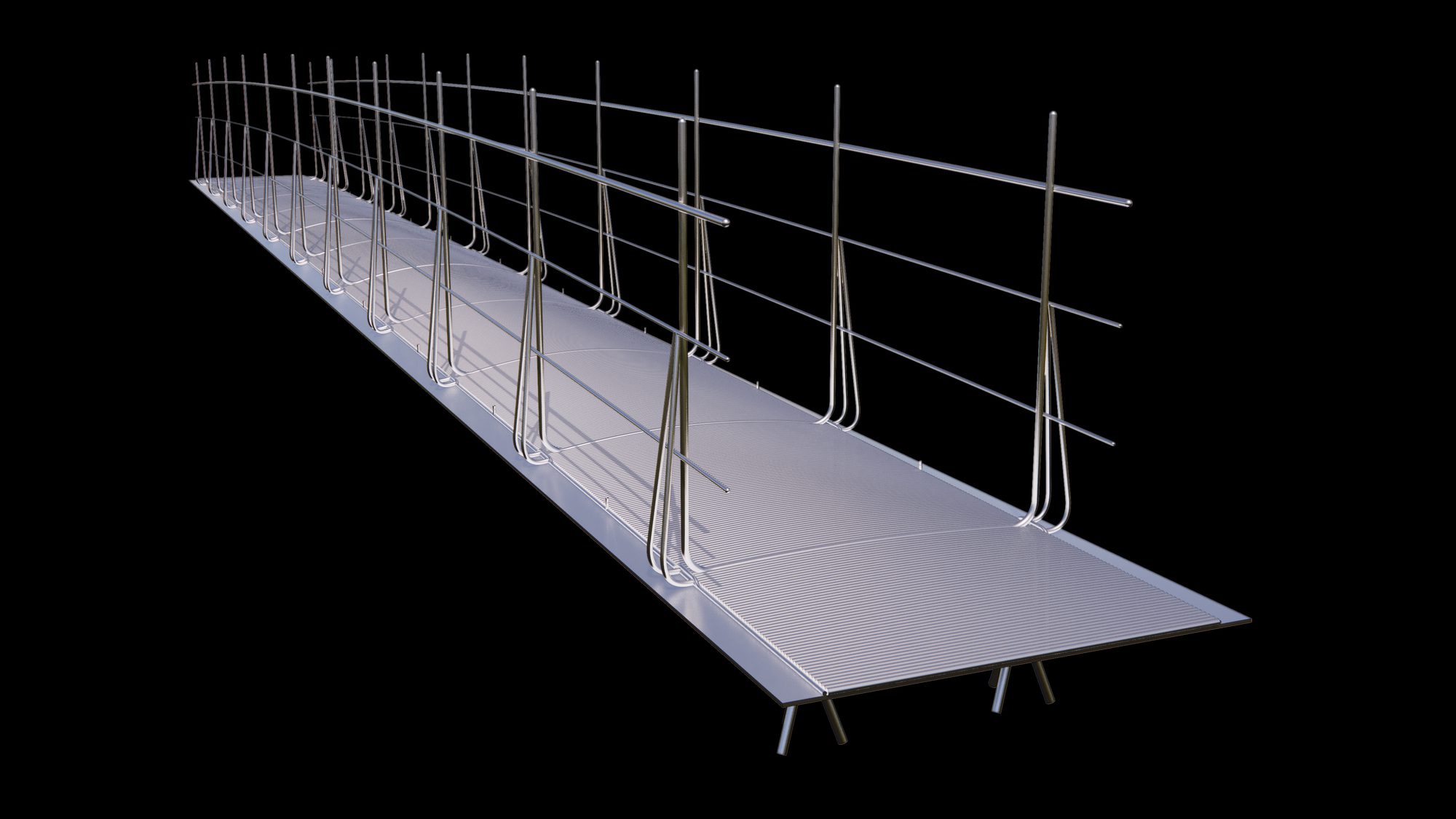
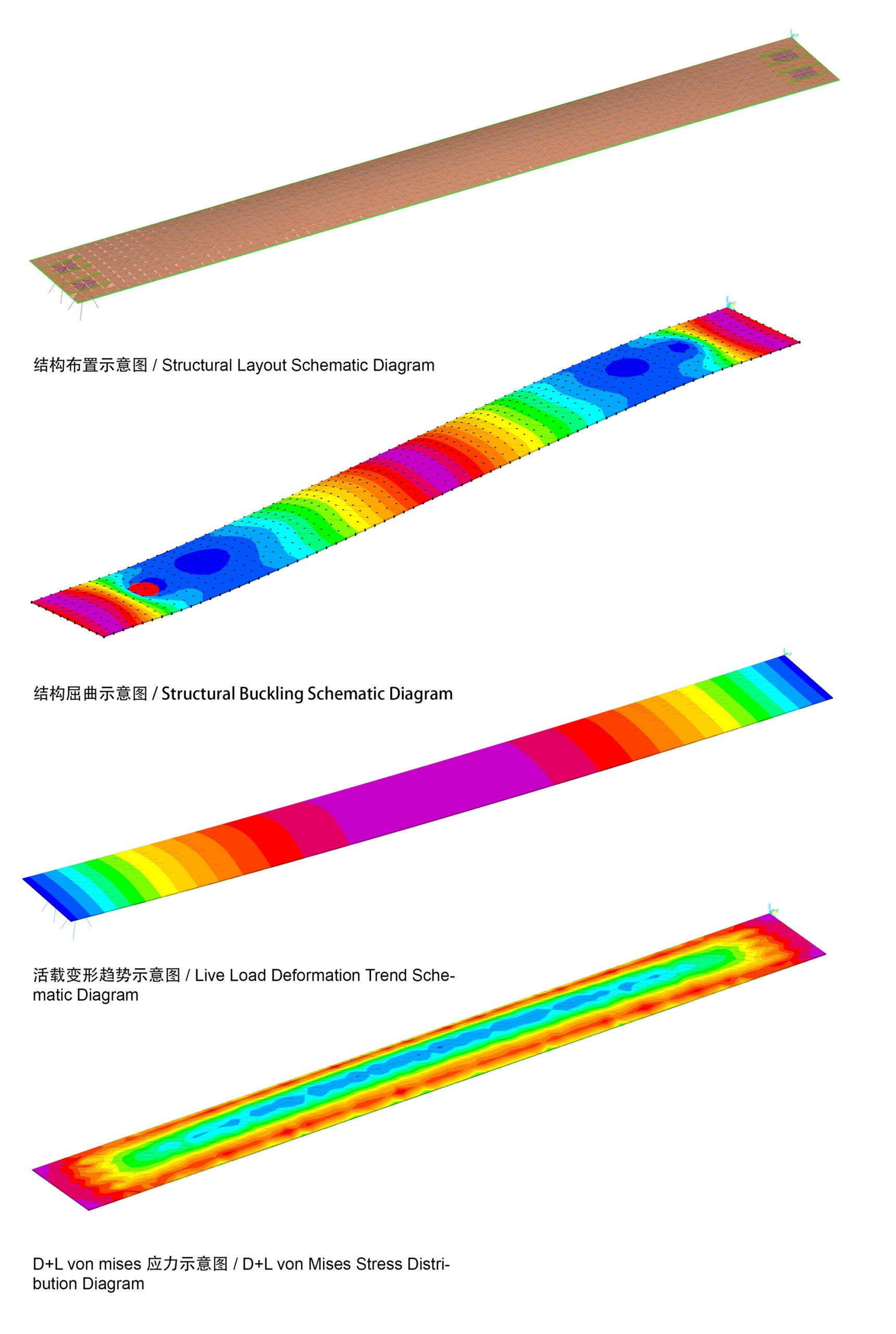
The entire bridge spans 13.5 meters, resembling a lentil pod, made from two steel plates welded together. The thickness in the middle of the span is 150mm, consisting of a slightly convex top plate and a horizontal bottom plate forming a box section. As the section extends to the support, the convex top plate gradually becomes a flat surface that adheres to the bottom plate, reducing the total thickness at the support to 32mm. Mechanically, the upper surface of the lentil plate is under compression, and the slightly convex section increases its local stability (the anti-slip steel bars attached to the bridge surface also play a supportive role). There is no need to set up transverse diaphragms or longitudinal ribs inside the box, which greatly simplifies the structure and reduces the difficulty of processing. At the same time, it forms a highly purified unity of form and structure. The extremely thin bridge body is like a piece of paper floating on the water surface. Ephemeral bridge not only merges into the water but also blends into the air. To prevent slipping, we have installed an anti-slip bridge surface made up of reinforcing steel bars. Some of these bars extend upwards to form railings and handrails.
© AND office
Construction
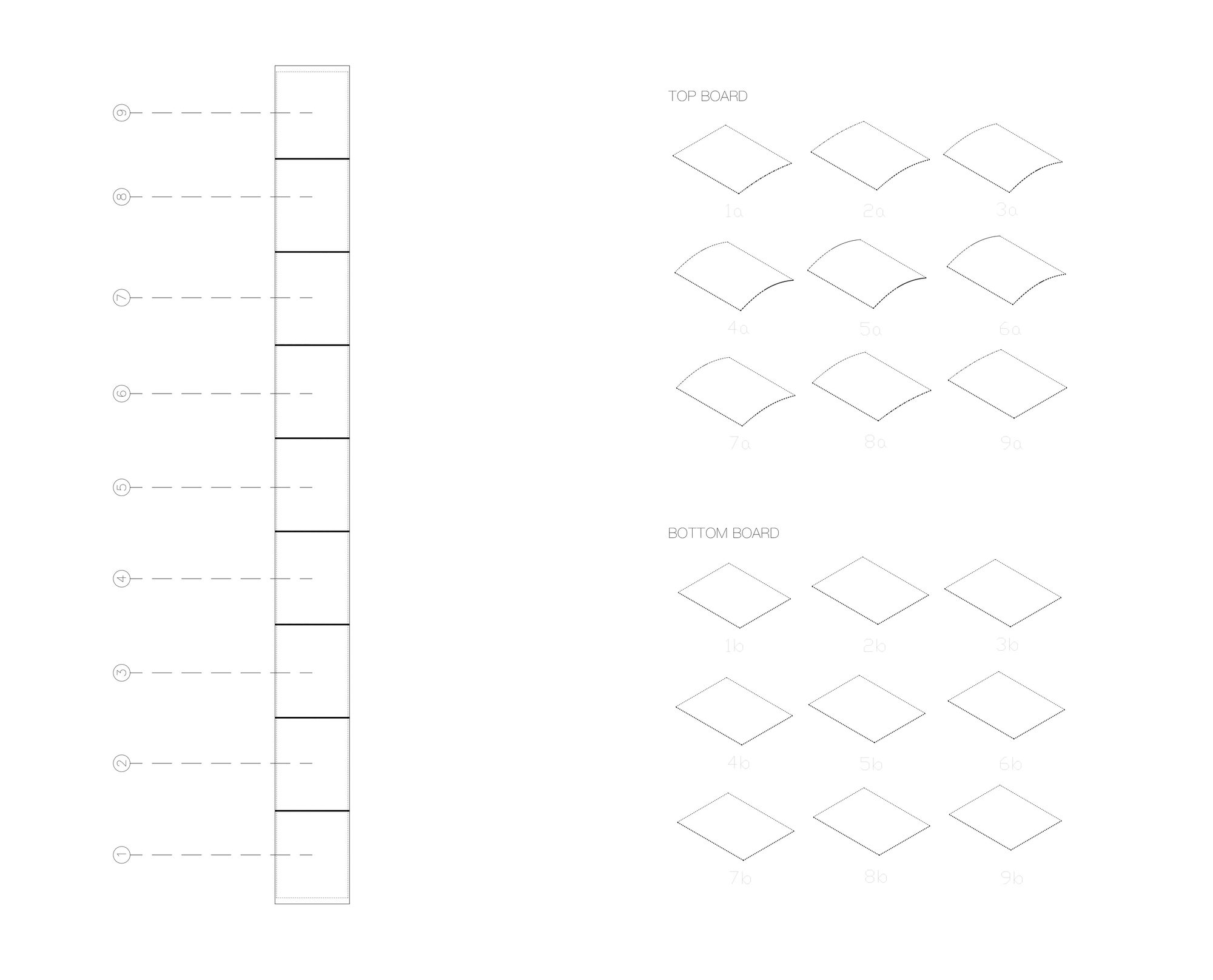
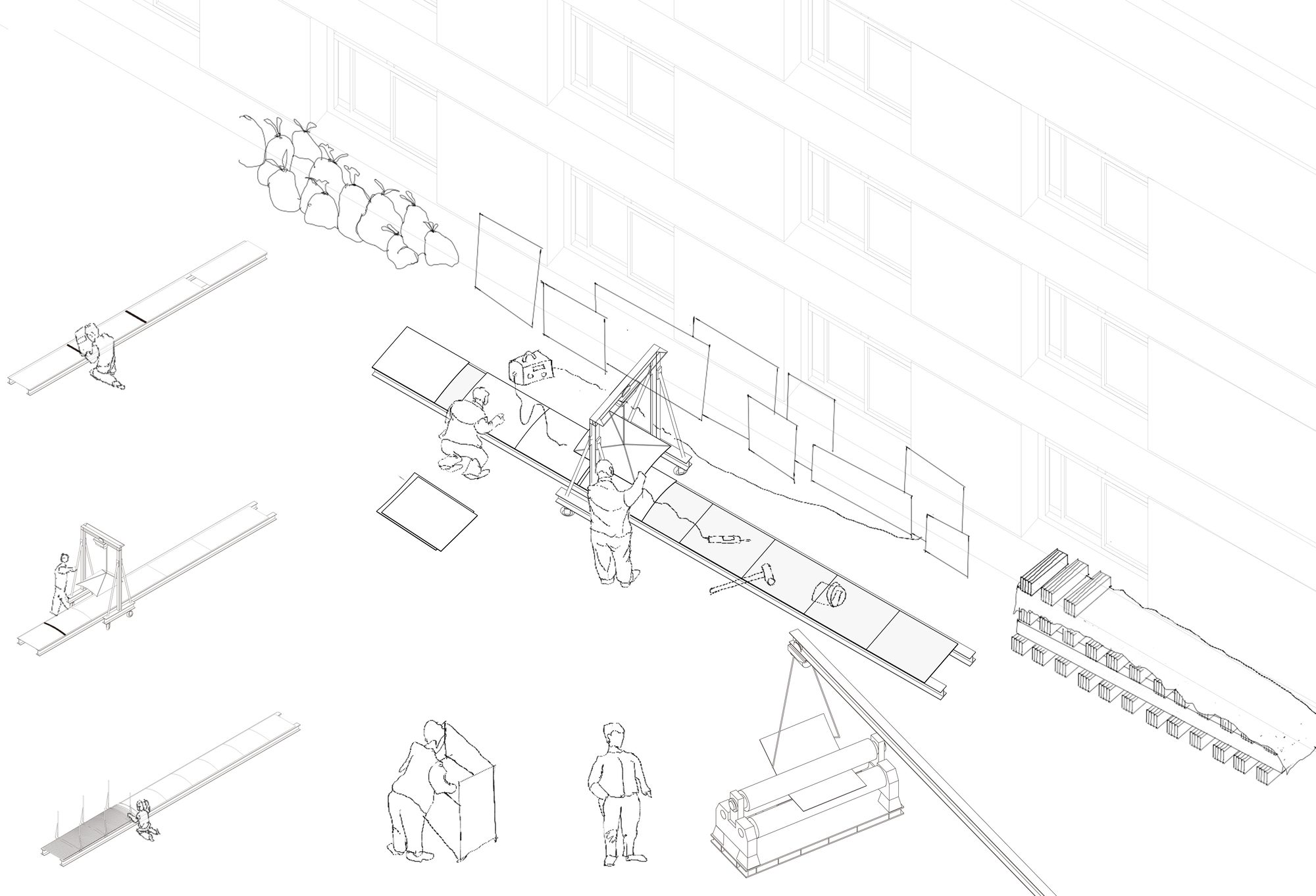
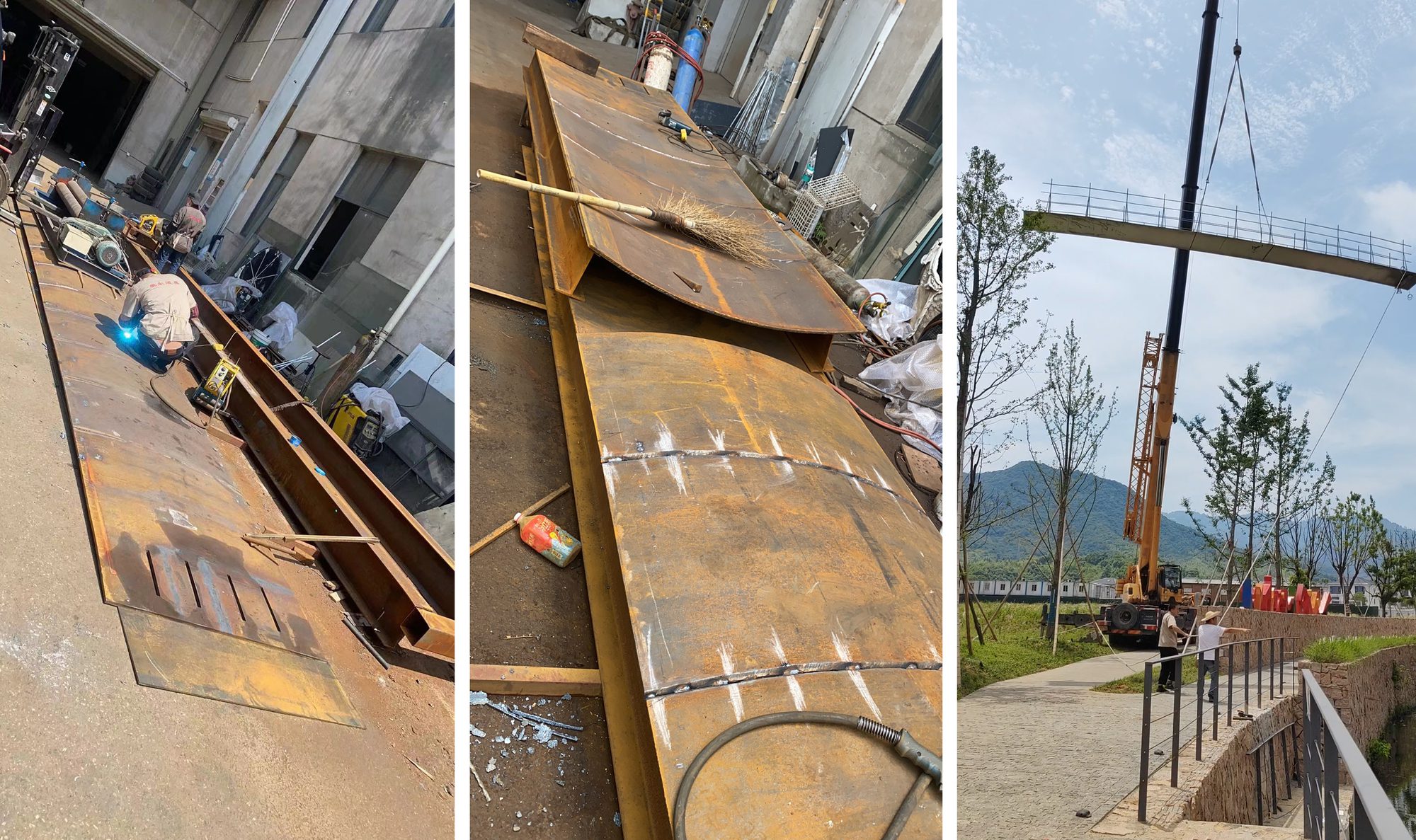
Due to the limitations of steel plate dimensions, the bridge is divided into nine sections for both the upper and lower steel plates during construction. Compared to the bottom steel plate, each piece of the upper steel plate needs to be calibrated to the required curvature using a press machine. After the bottom steel plate is fully welded, the upper curved steel plates are then sequentially edge-welded to the bottom steel plate. Finally, the bridge deck anti-slip paving and corresponding handrails are installed.
© Biosphere
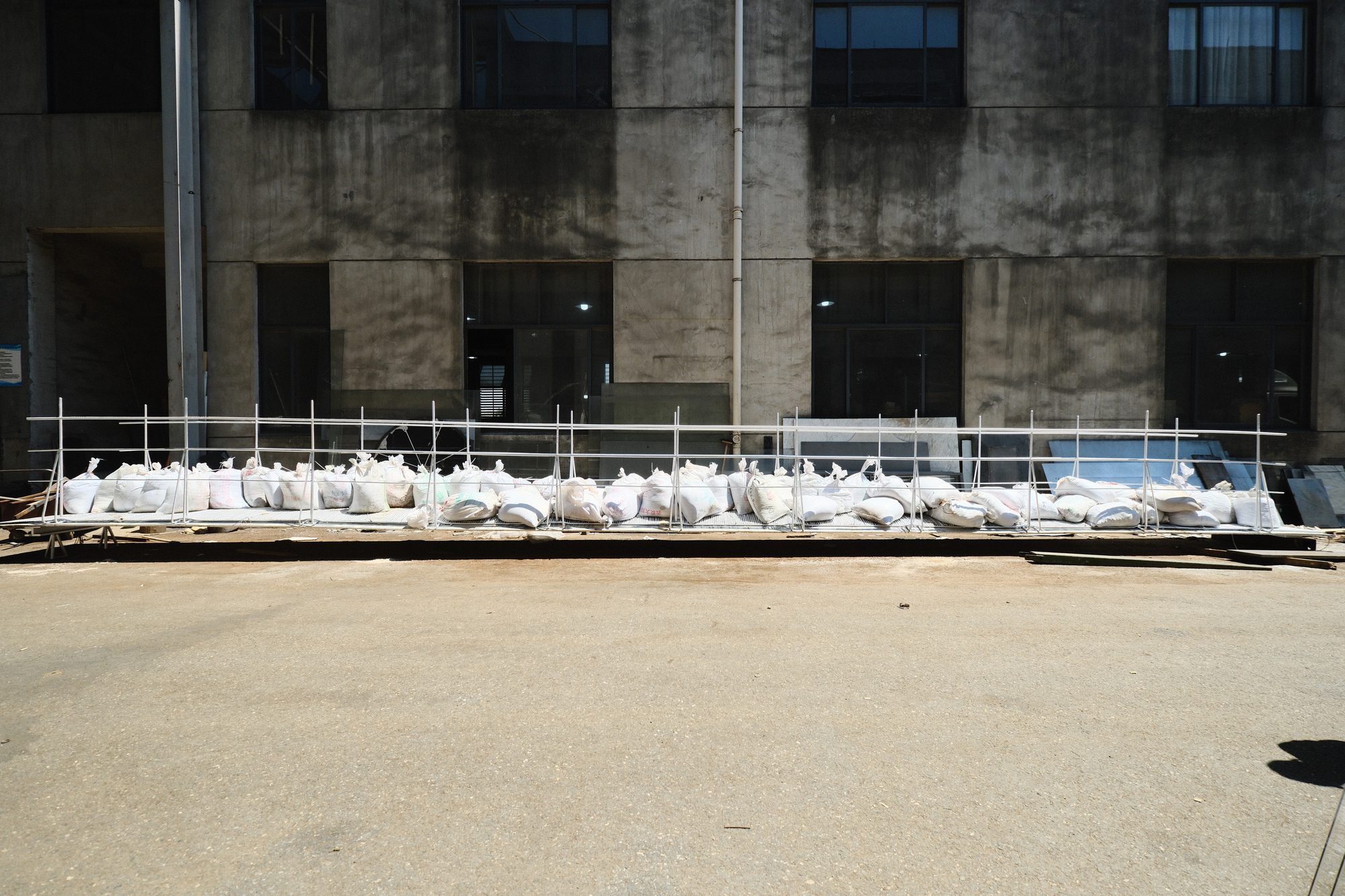
Although the structural system of the Hidden Bridge is simple, its implementation method is unconventional. To verify the structural safety, a full bridge load test was conducted before leaving the factory. At the same time, for the extremely thin structure, in addition to the static load, the comfort issue caused by its own vibration has also been paid attention to. Although the bridge body has almost no damping when working independently, after the hoisting is completed, the additional damping of the support and the foundation makes a significant contribution, and the vibration quickly dissipates to an imperceptible state.
© Biosphere
Epilogue
The extremely thin ‘Ephemeral Bridge’, with its extreme structure that feigns ‘dangerous fragility’, initially makes people tread carefully as they step onto it. However, the stability of the bridge surface quickly dispels their doubts. The bridge deck is extremely close to the water surface, making people feel as if they are walking on the water itself, yet it maintains a certain sense of security. This complex mix of physical and psychological perception continuously brings about a sense of paradoxical wonder. The ‘Ephemeral Bridge’ triggers people’s bodily perception of the space beneath their feet; the ‘Ephemeral Bridge’ is not invisible.
Project Info
Architects: mangyuan wang, Yang Yang, Rui Li
Area: 13 m²
Year: 2024
Country: Huzhou, China
Photographs: Biosphere, AND office
Lead Architects: mangyuan wang
Architects: mangyuan wang, Yang Yang, Rui Li
Structure Designer: AND Office / Zhun Zhang, Chongchong Zhang, Xiaojie Hu
Project Planning: urbaneer
Design Management: ConCom

Sophie Tremblay is a Montreal-based architectural editor and designer with a focus on sustainable urban development. A McGill University architecture graduate, she began her career in adaptive reuse, blending modern design with historical structures. As a Project Editor at Arch2O, she curates stories that connect traditional practice with forward-thinking design. Her writing highlights architecture's role in community engagement and social impact. Sophie has contributed to Canadian Architect and continues to collaborate with local studios on community-driven projects throughout Quebec, maintaining a hands-on approach that informs both her design sensibility and editorial perspective.