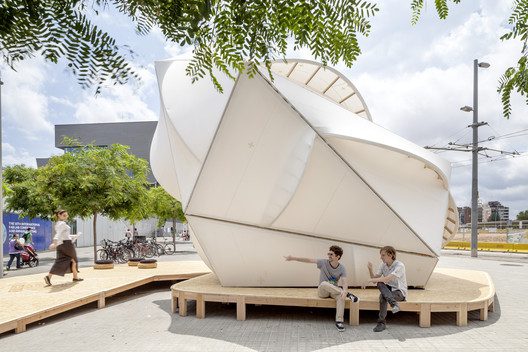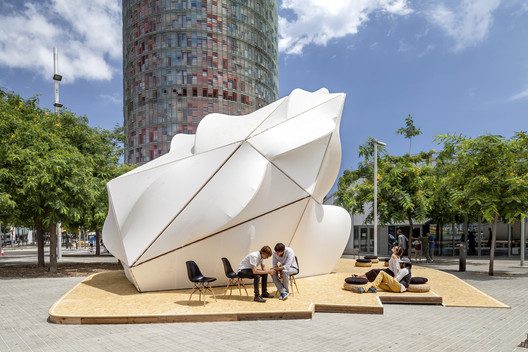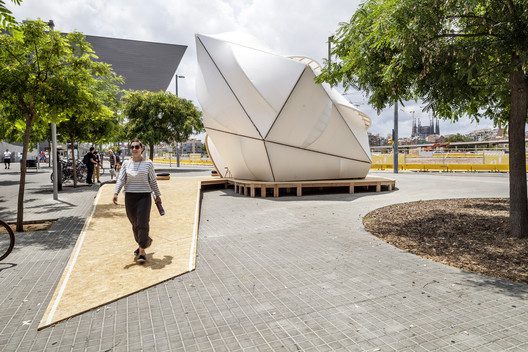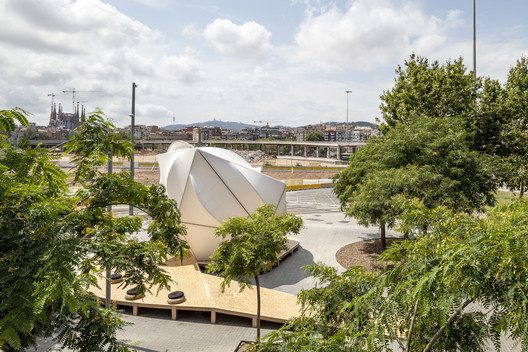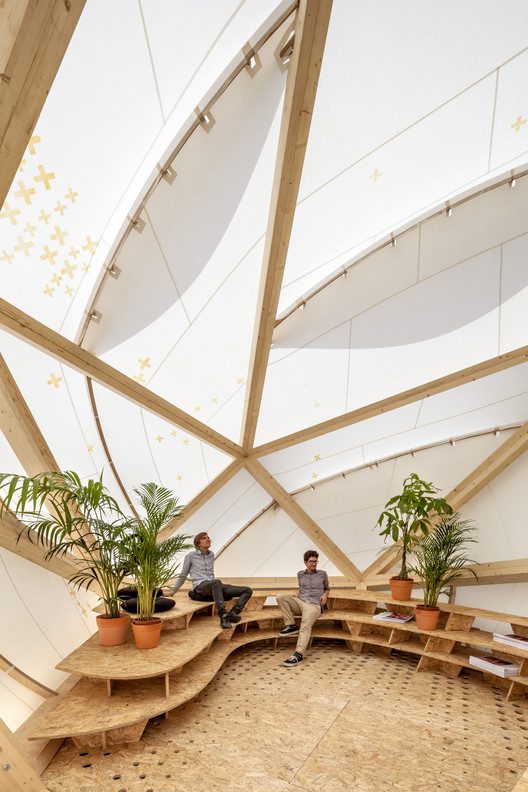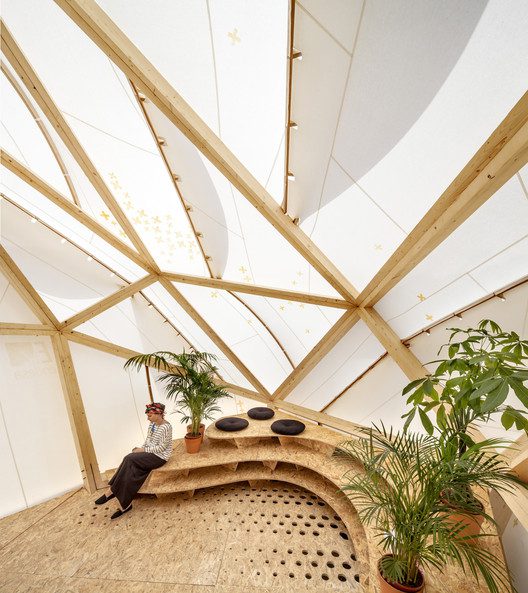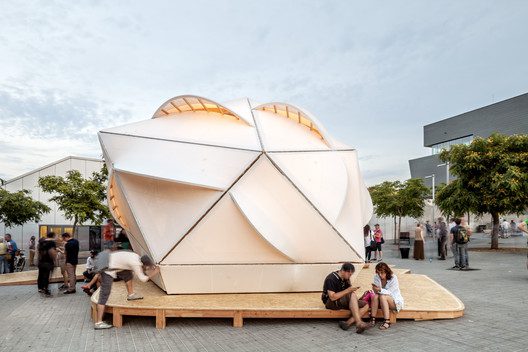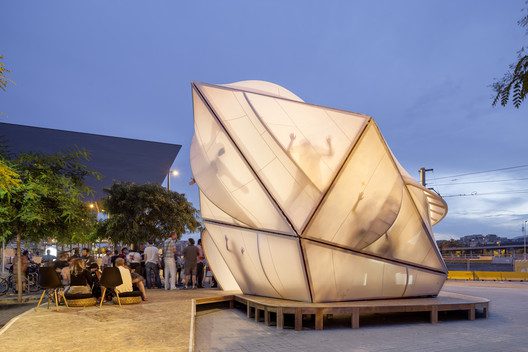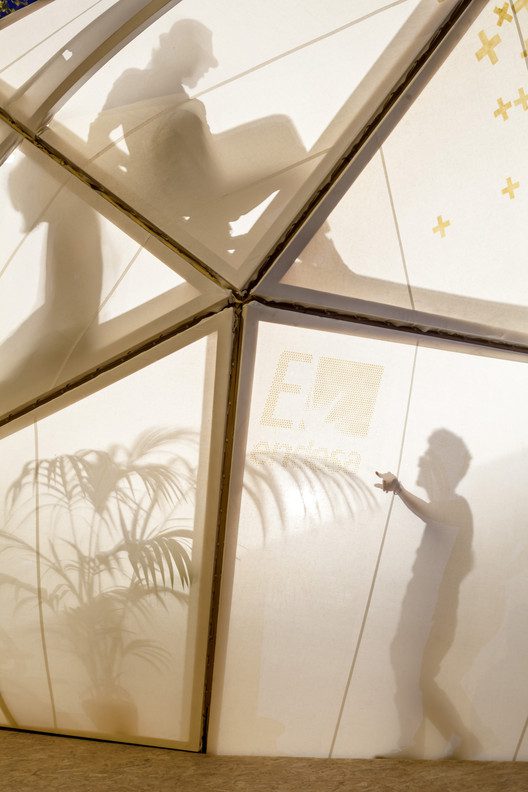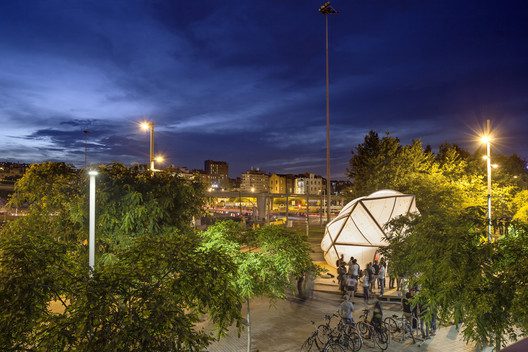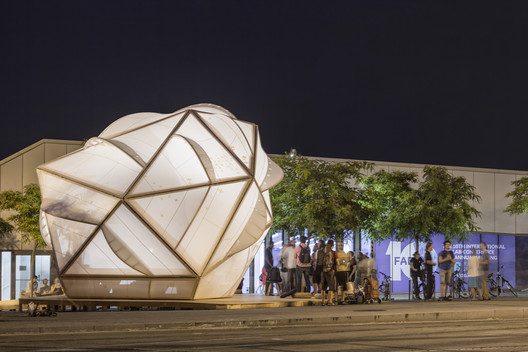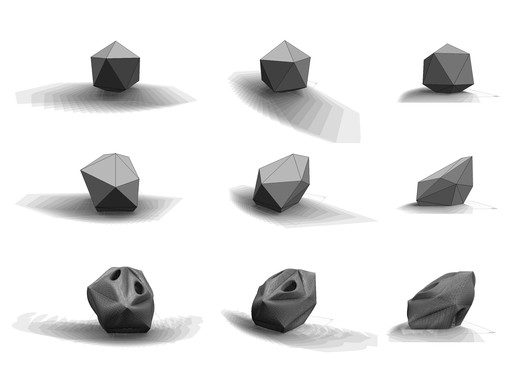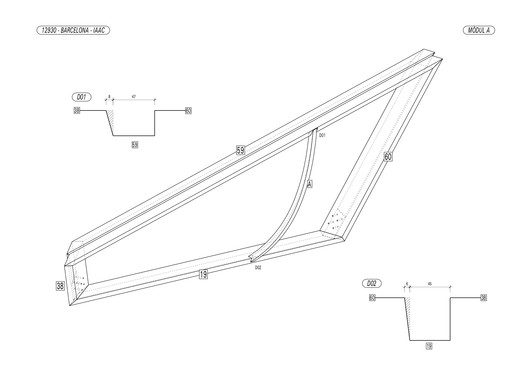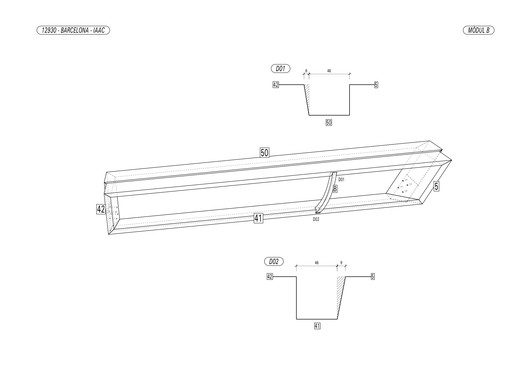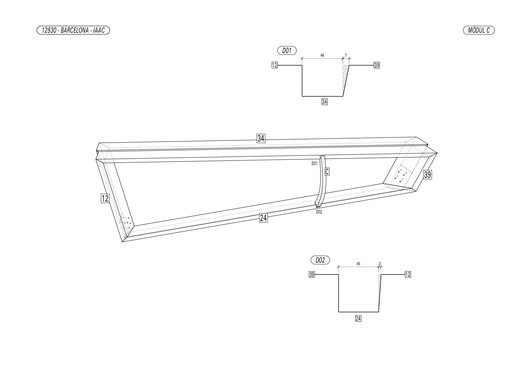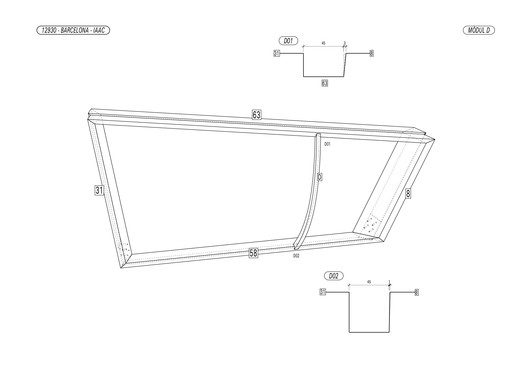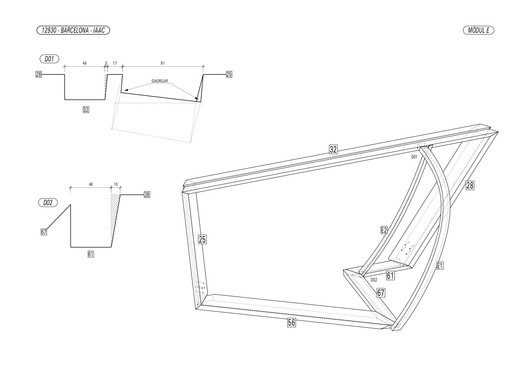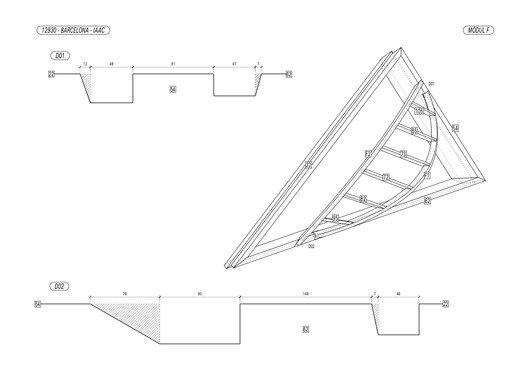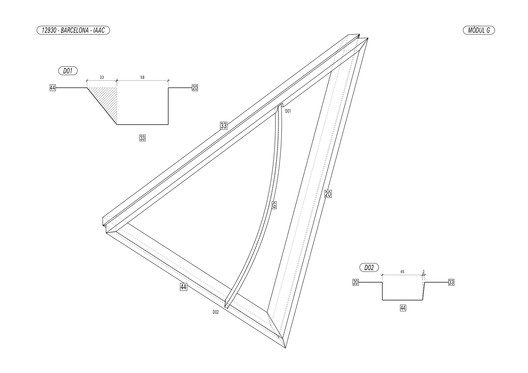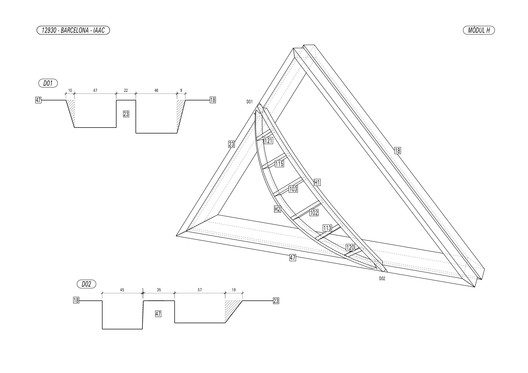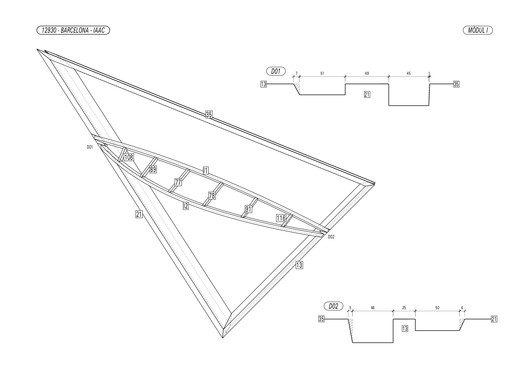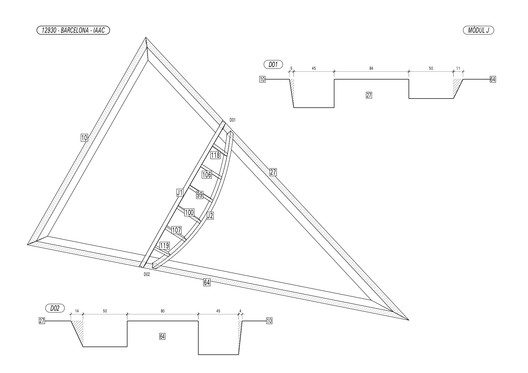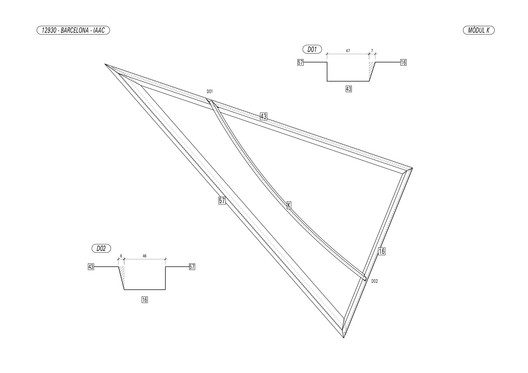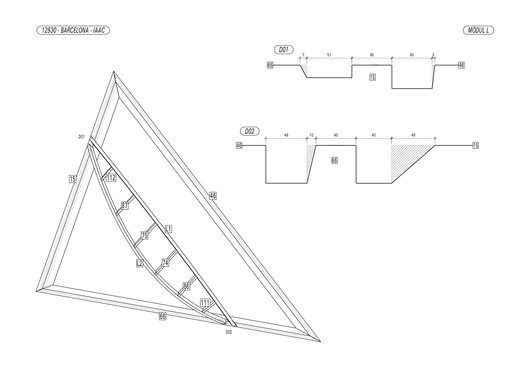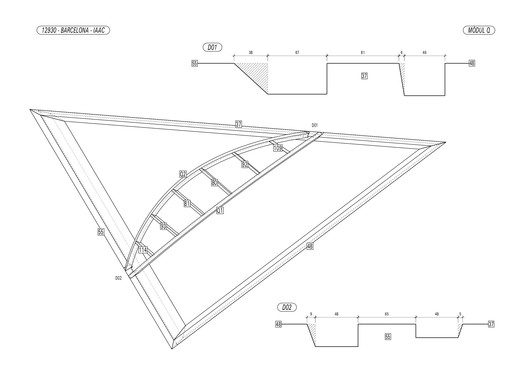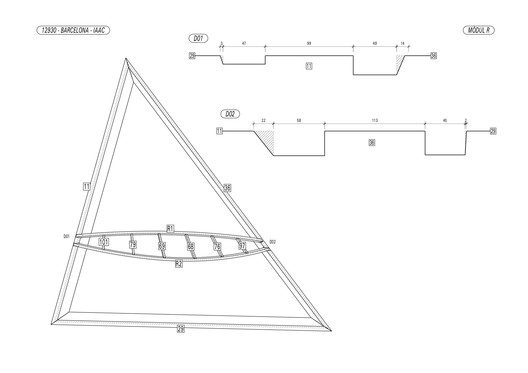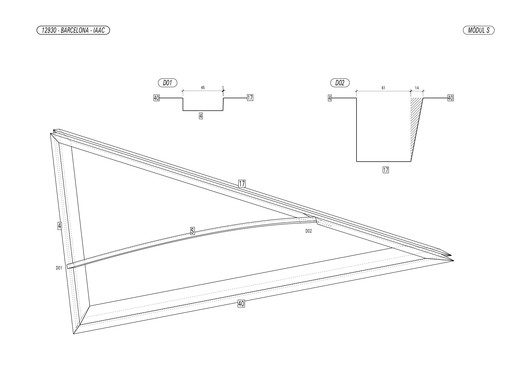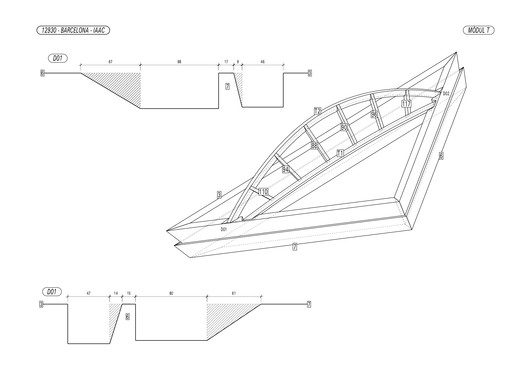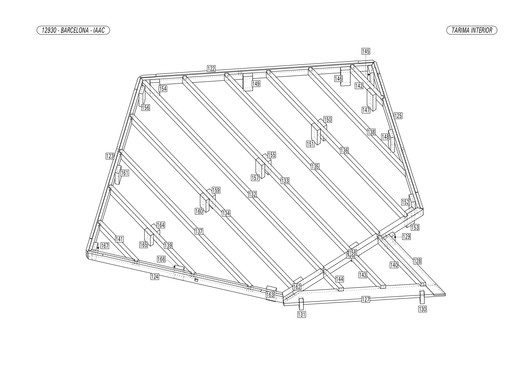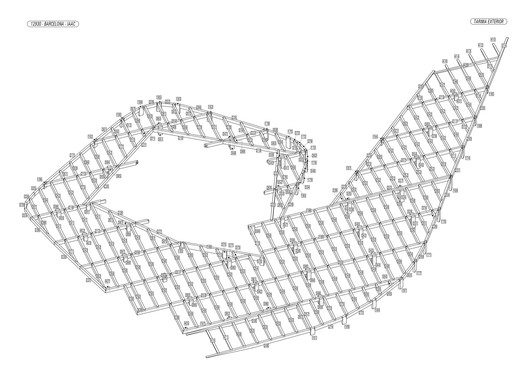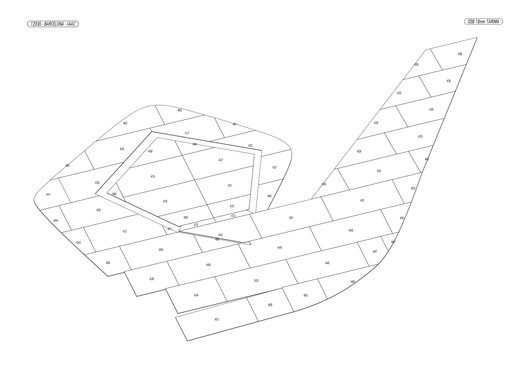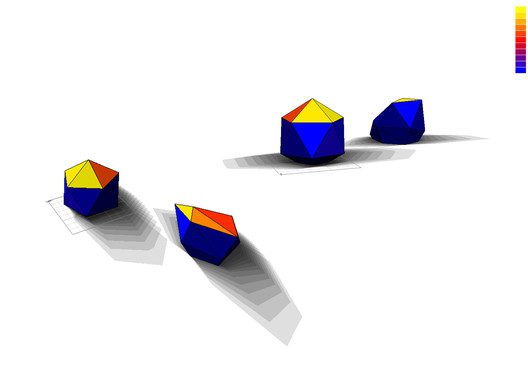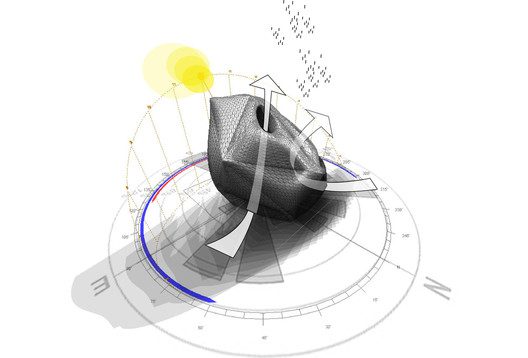


Endesa World Fab Condenser, although parametric design is still a relatively new idea in architecture, many of the studies done in this direction also incorporate elements such as sustainability or newer means of physical fabrication. The Endesa World Fab Condenser. This no exception, being also an algorithmic and scripting study, but also combining these with passive climate strategies and CNC manufacturing.
© José Hevia
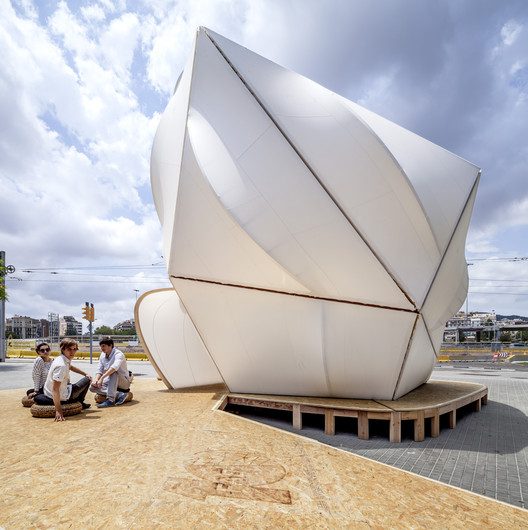
Created for the FAB 10 in Barcelona, the structure was designed in 2 months, but manufactured from renewable, organic materials in just 5 days and assembled in 4, with the help of Fab Labs worldwide, in a manner that really helps prove that parametricism is starting to present more and more interesting among architects and designers, and enables the unification of design.
© José Hevia
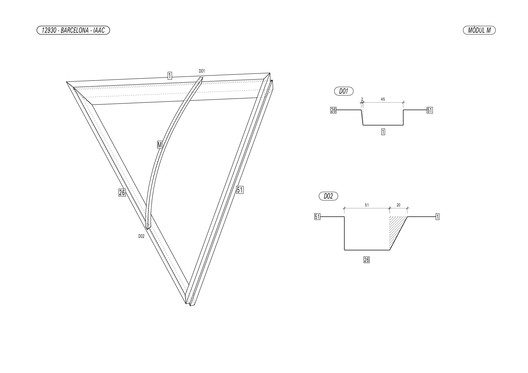
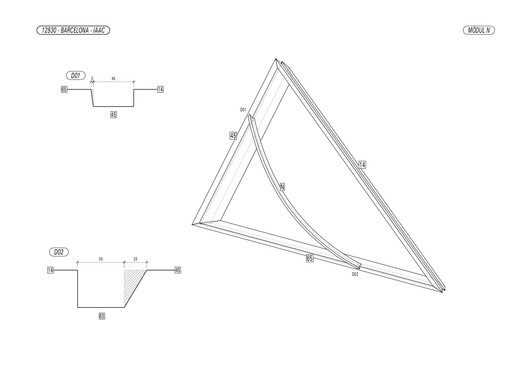
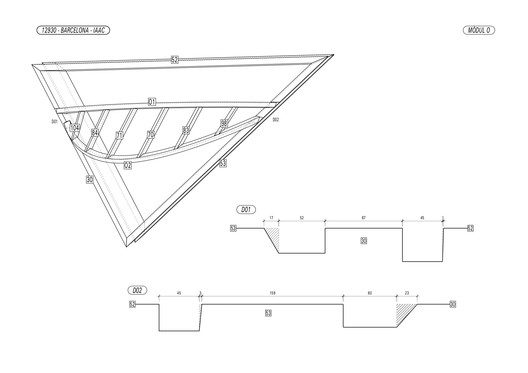
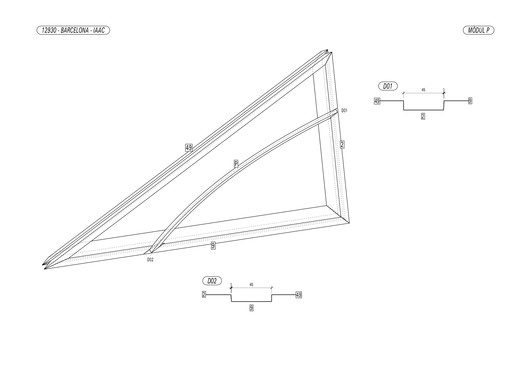
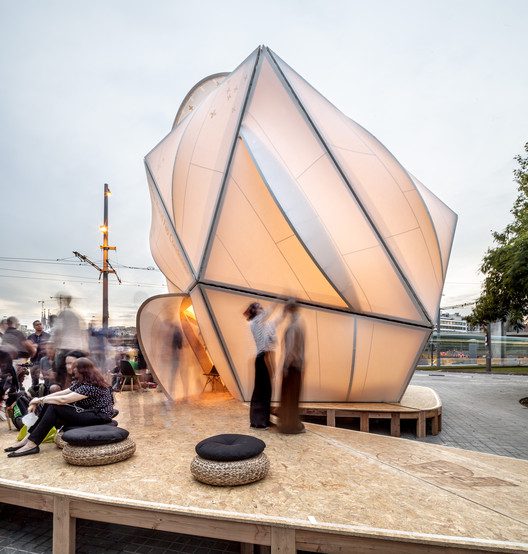
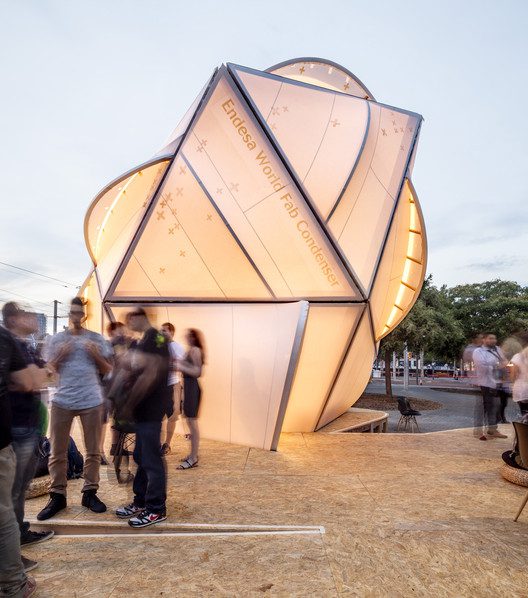
The pavilion is formed from 20 triangular modules, each different, but built from the same logic, deriving from the regular icosahedron, which eased the construction. The outer skin is similar to that of sailing geometries, in order to accelerate wind speed and enable the use of cross ventilation.
© José Hevia
The surrounding wood stage was designed to act as a reservoir of fresh air, which penetrated the main space through the perforations on the stands, whenever the wind blows. The ENDESA WORLD FAB CONDENSER is the perfect combination of digital power, manufacturing simplicity and aesthetic appeal, and a smart way to prove how design should be approached in the 21st century.
Project info:
Architects: Margen LAB
Country: Spain, Barcelona
Year: 2014
Photographs: José Hevia
Client: IAAC, ENDESA
Project Architects: Daniel Ibáñez, Rodrigo Rubio
Collaborator: FAB LAB NETWORK