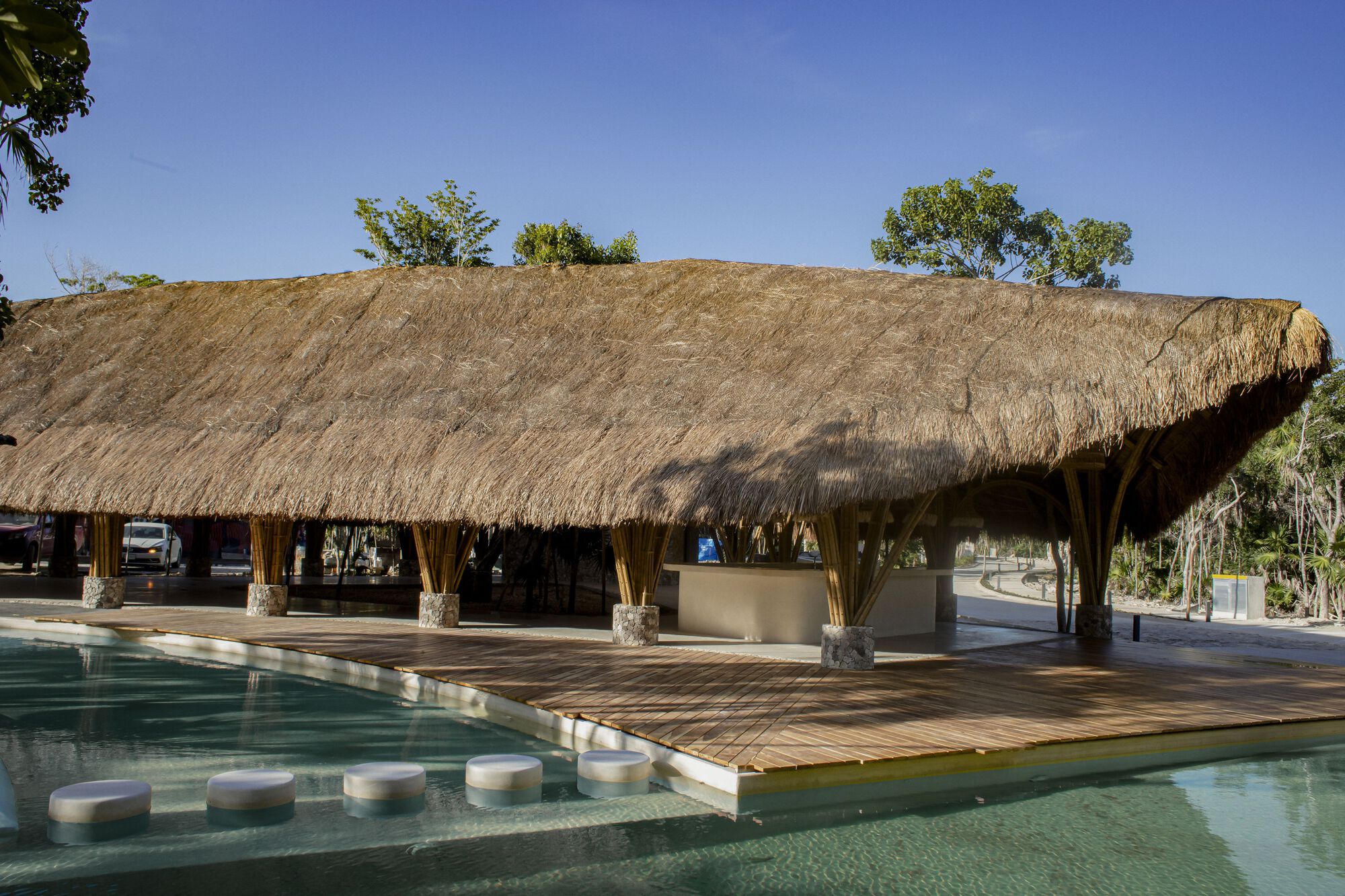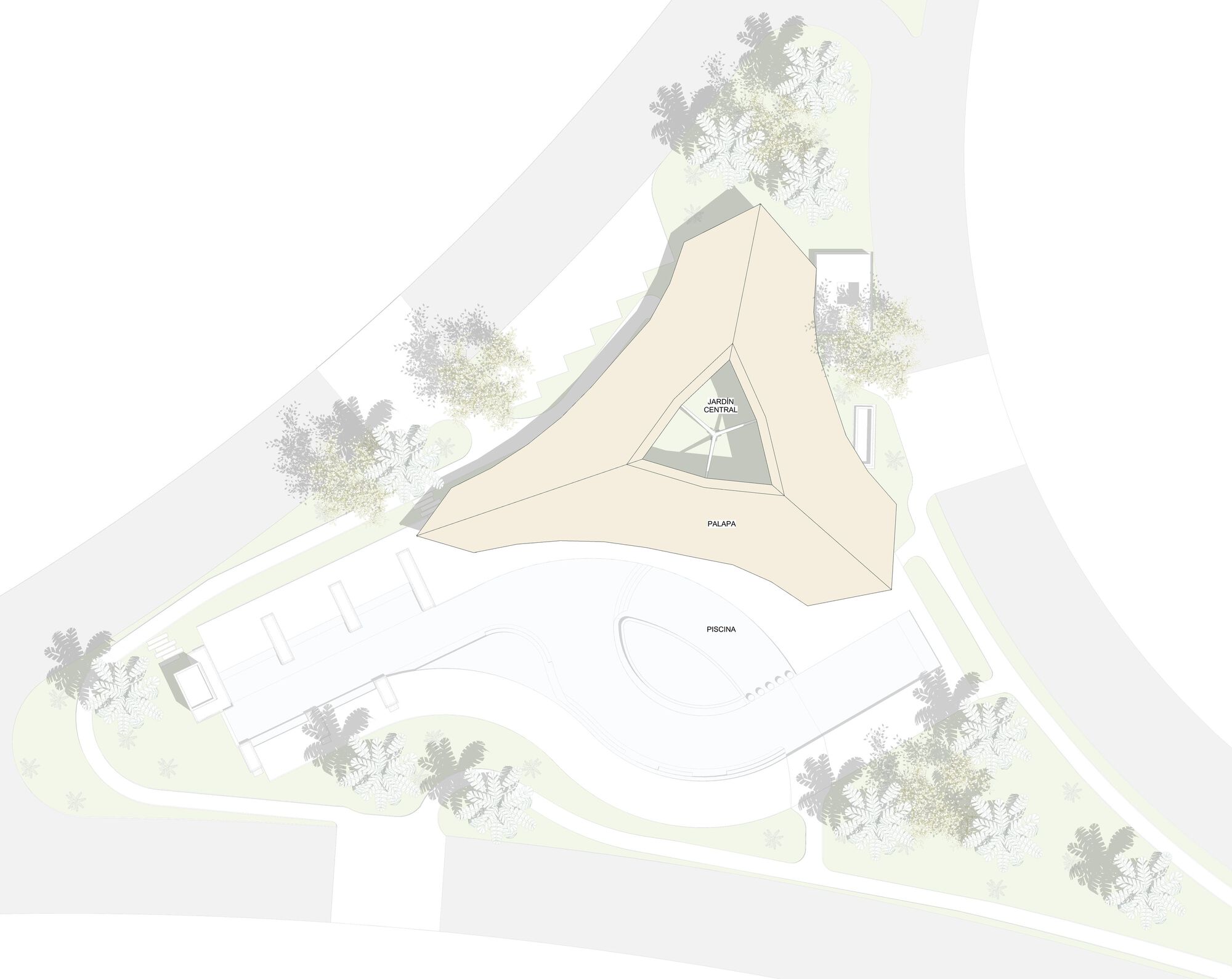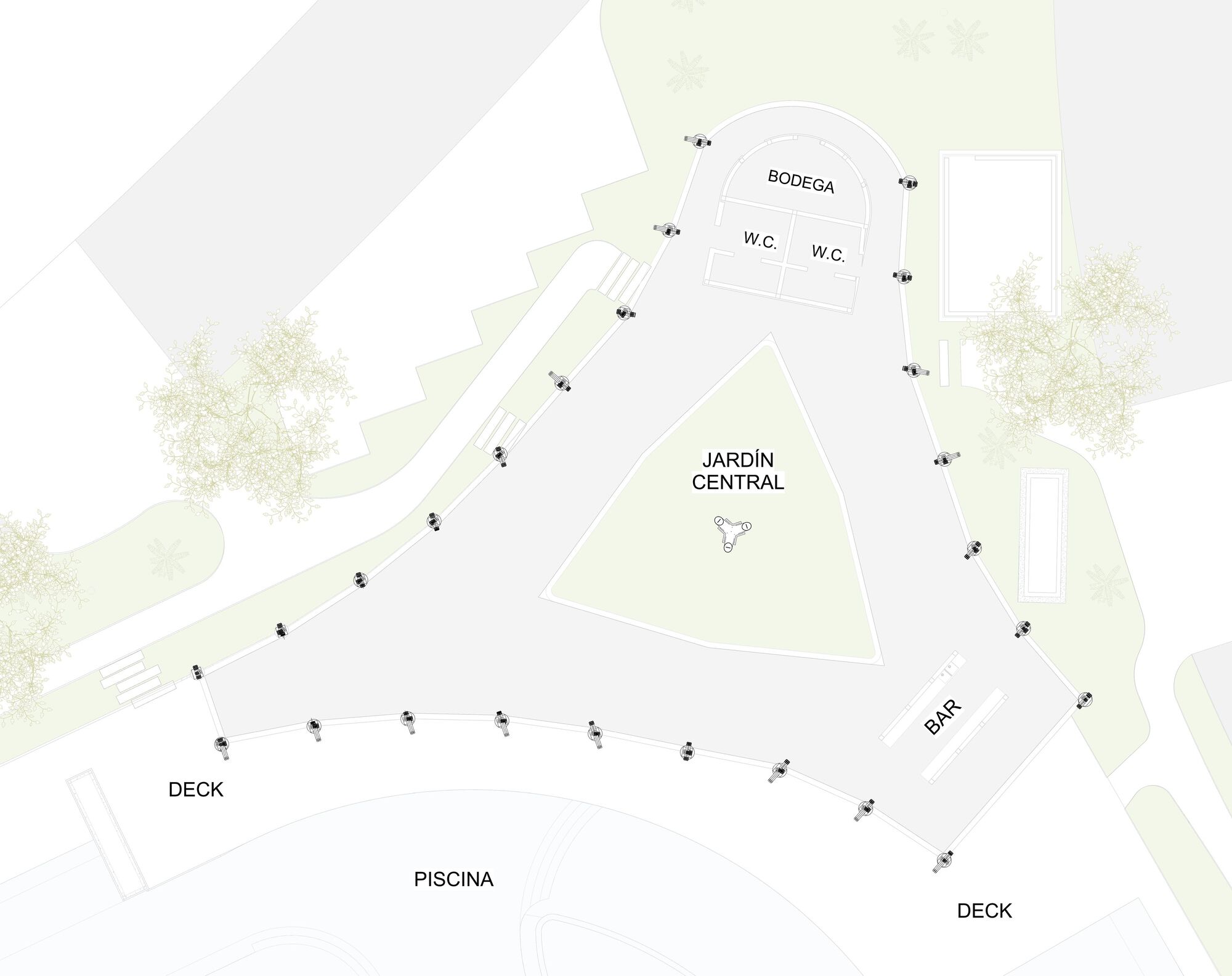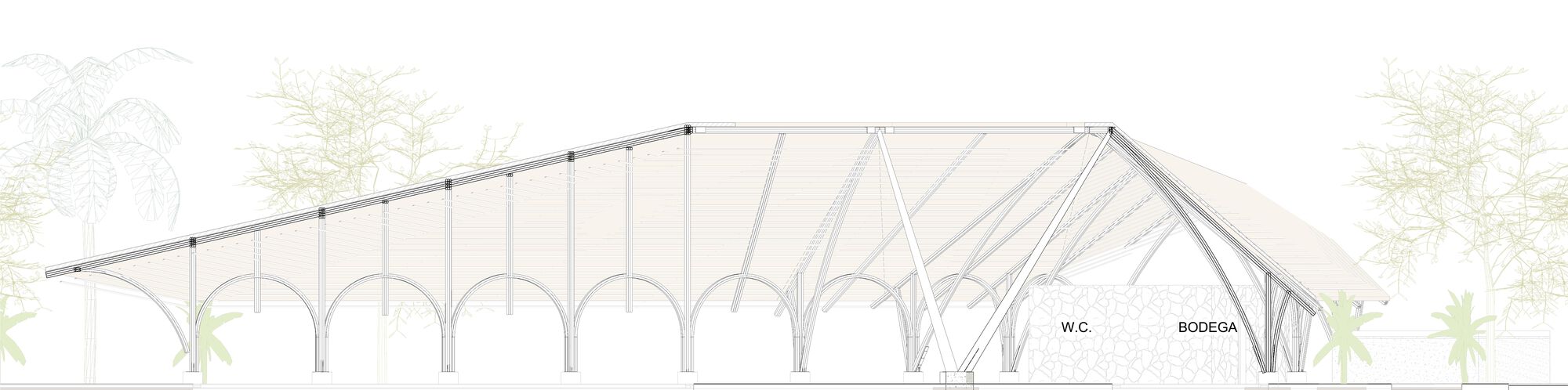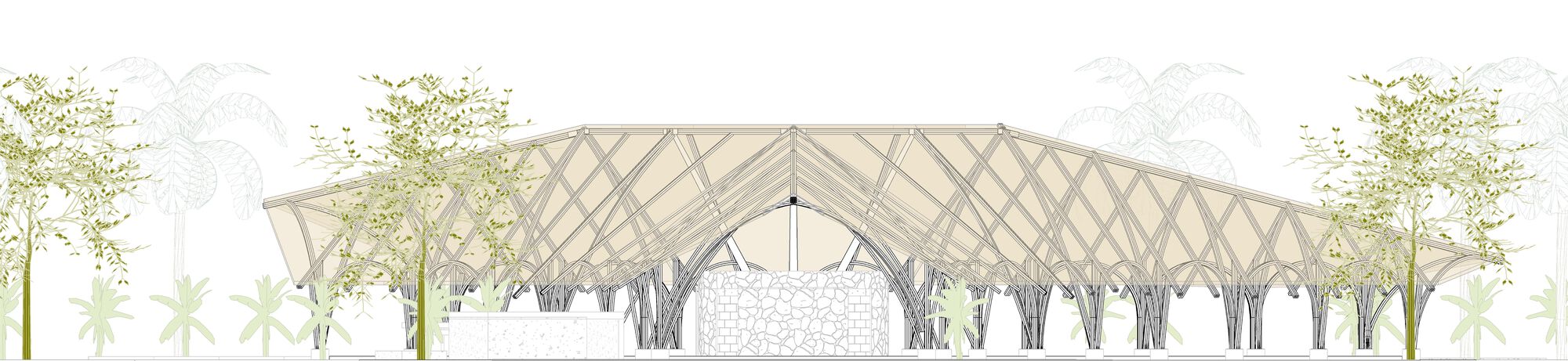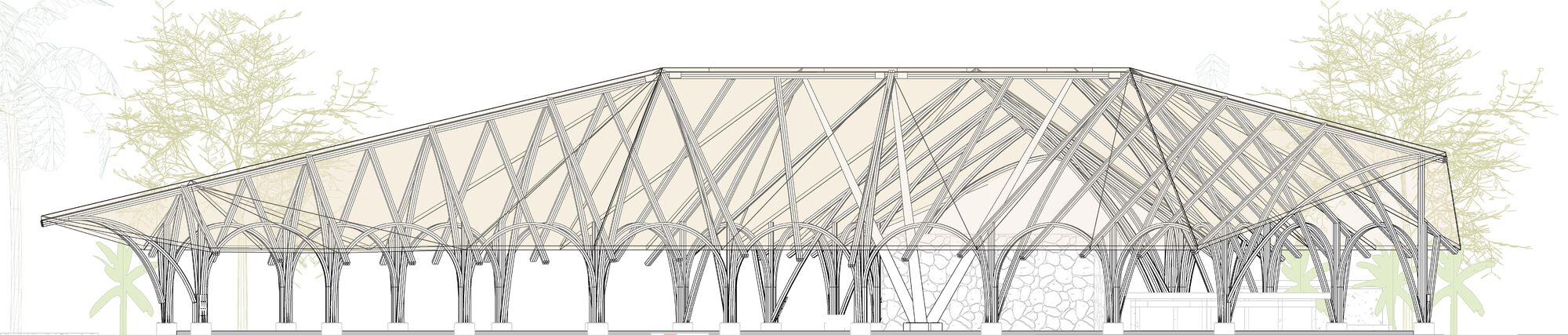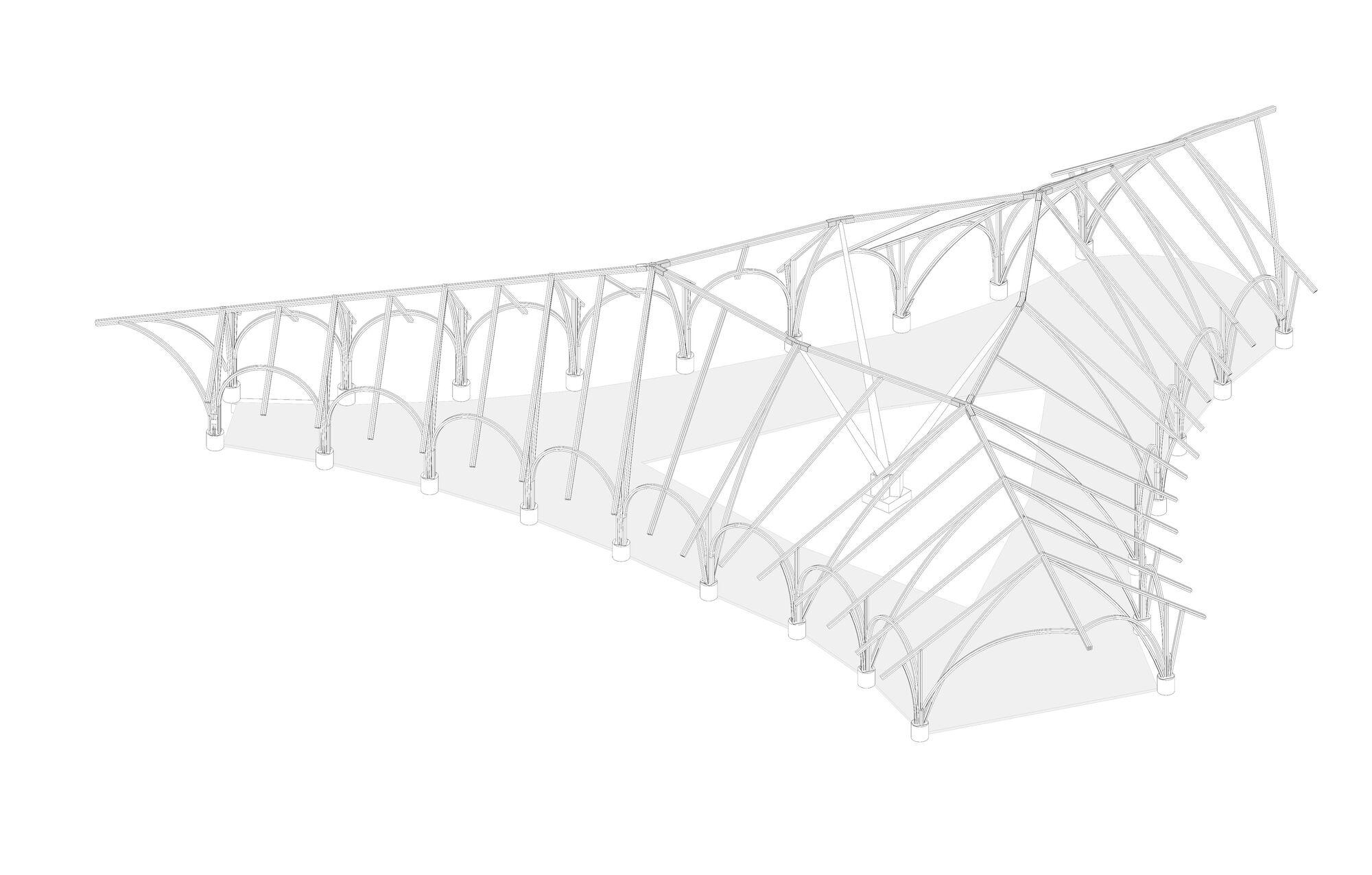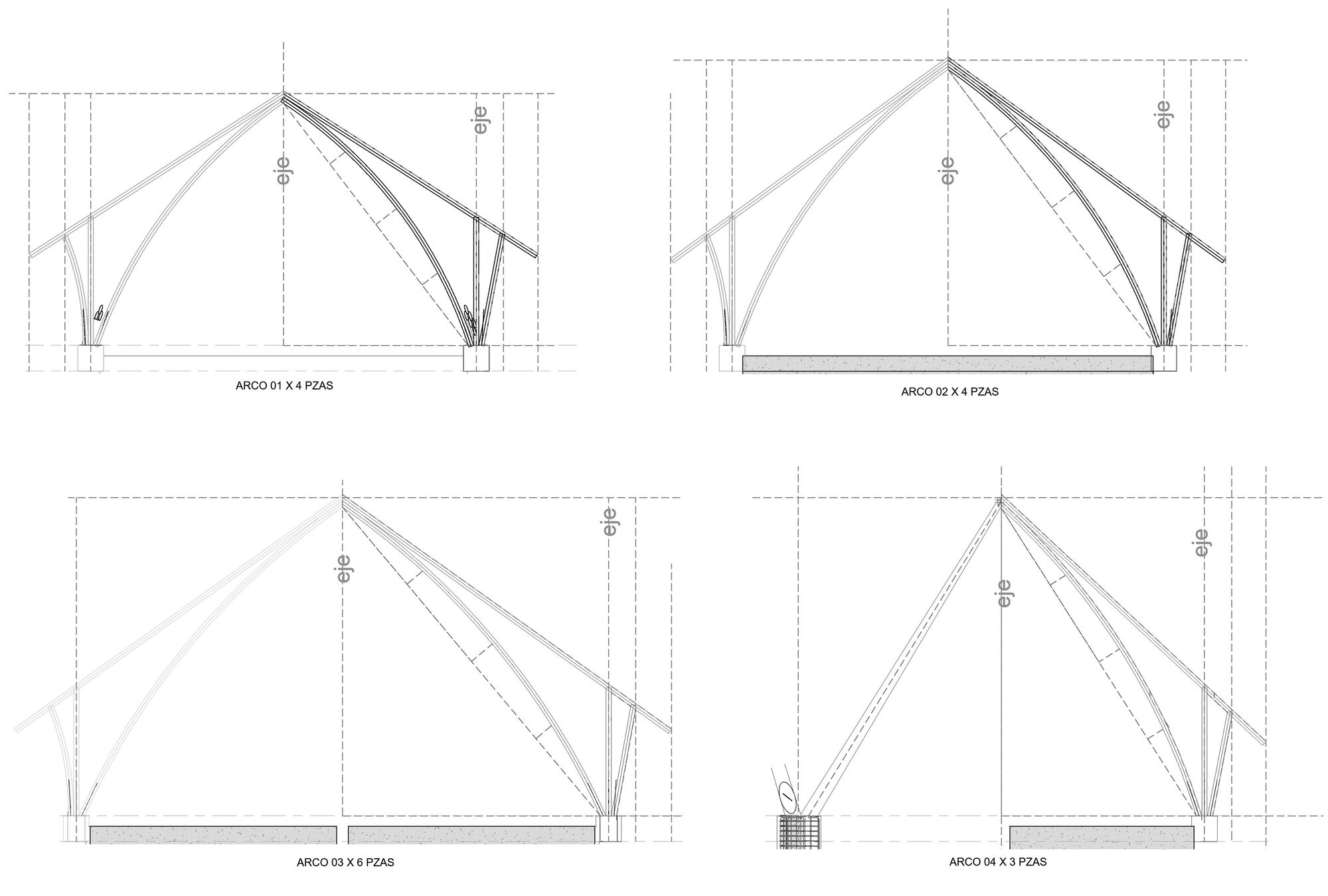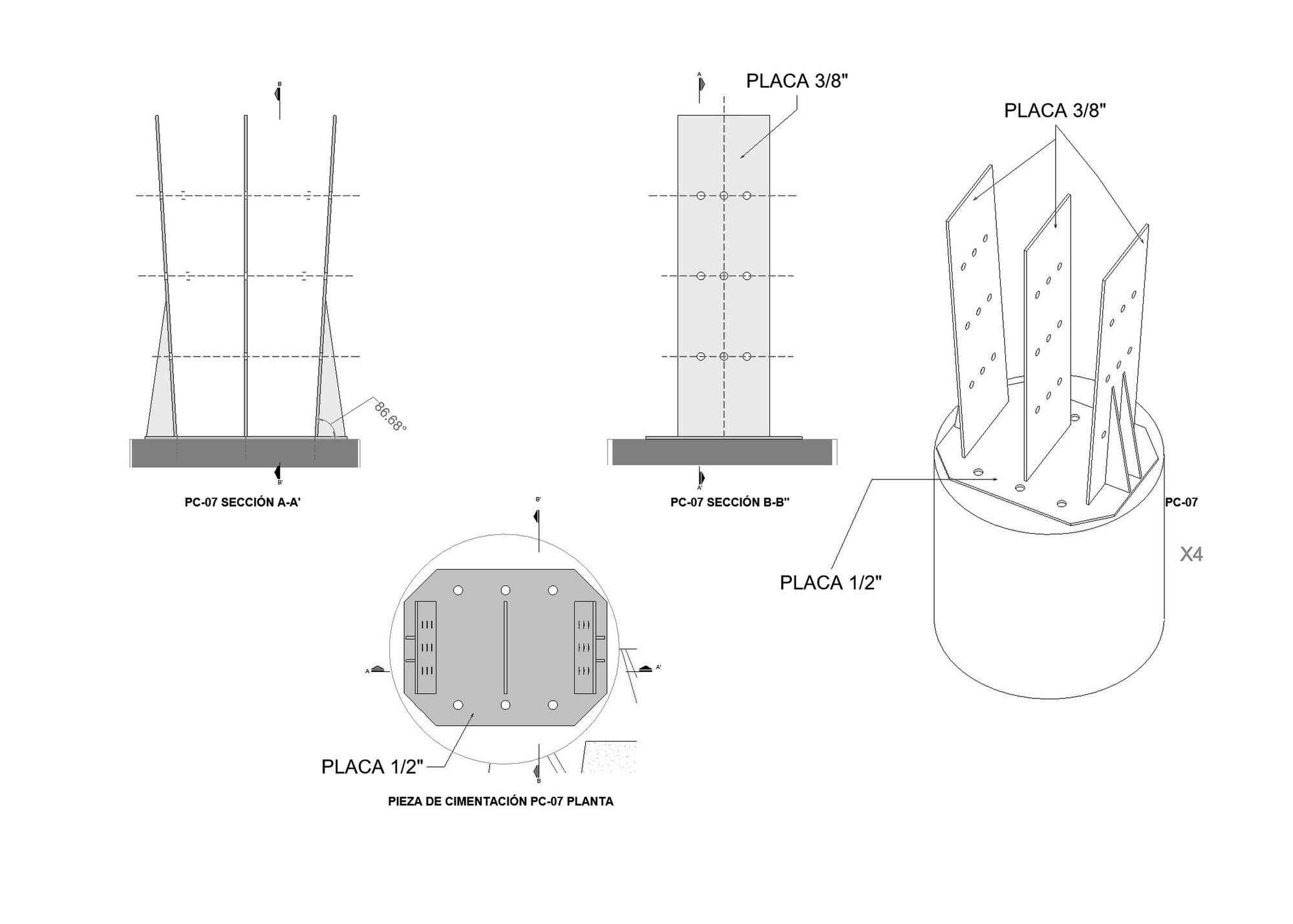

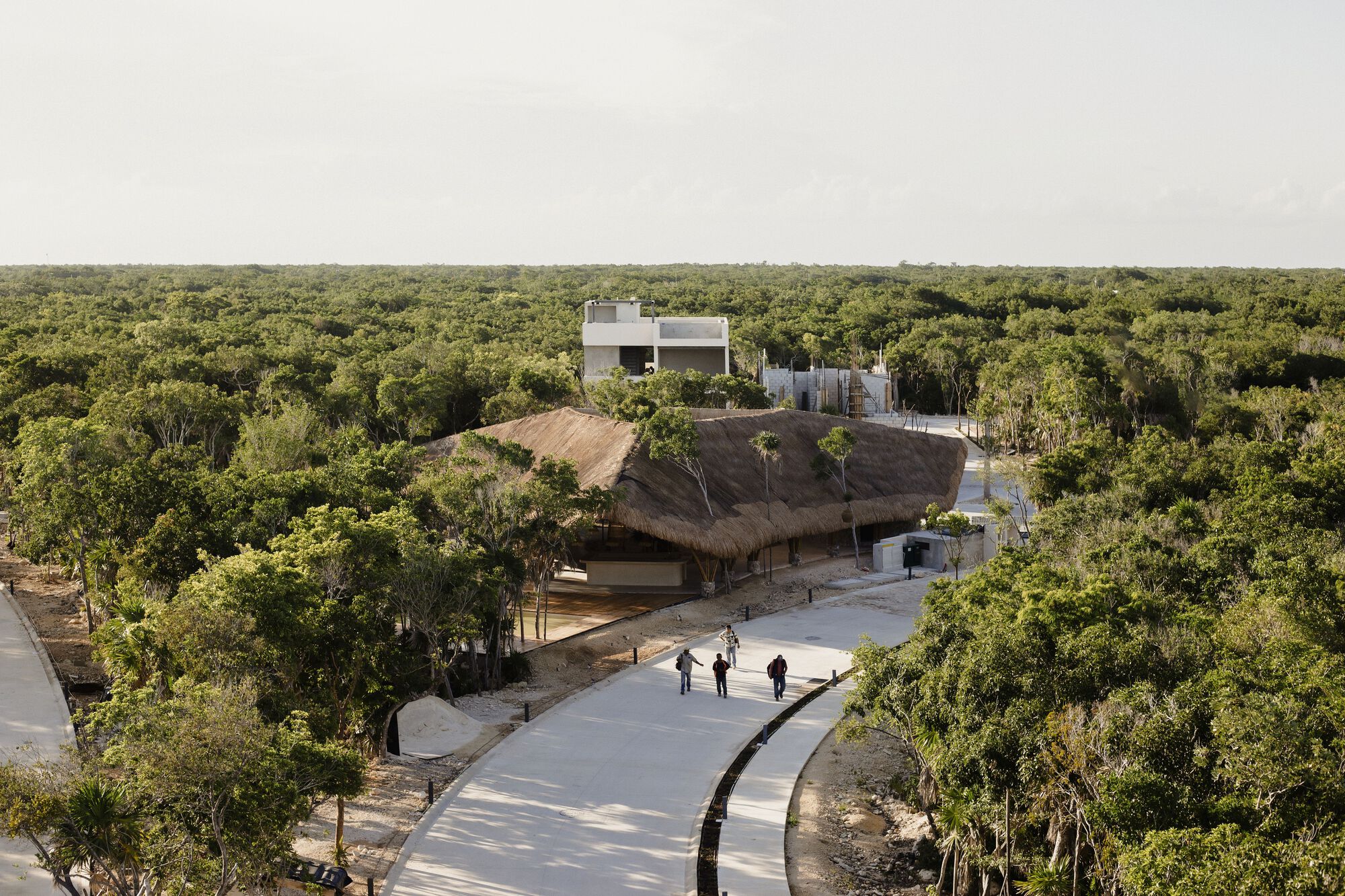
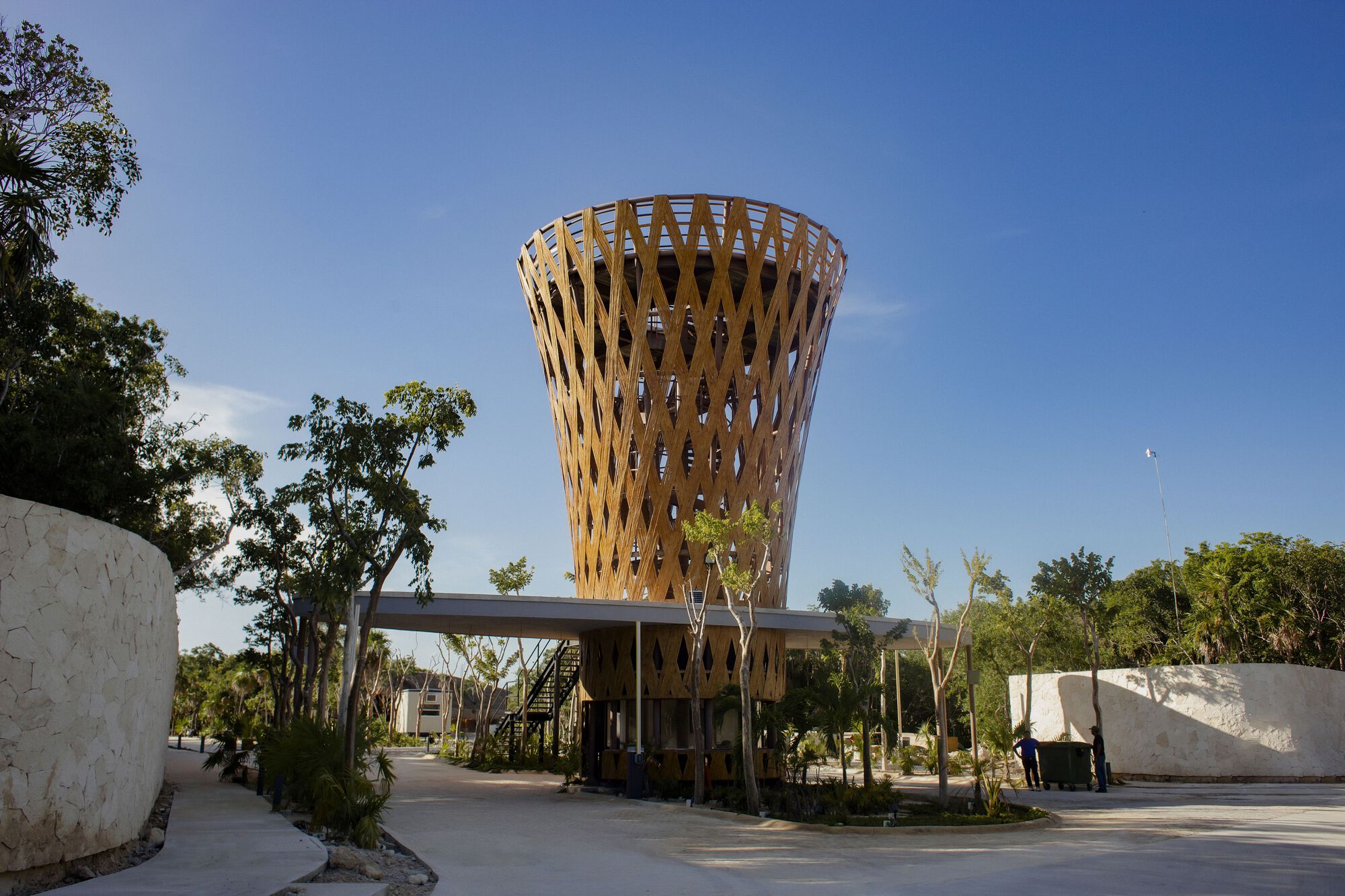
El Mirador Tulum, The Mirador is a real estate development located in Tulum, Mexico, one of the most important tourist destinations in the country, known for its natural and cultural richness. Luxury amenities using materials such as bamboo and hardwoods demonstrate their multiple benefits in construction.
© The Polf
Parametric design allows for the analysis of complex and organic shapes that were previously unthinkable. By manipulating variables such as size, shape, and geometry, and adapting them to the specific needs of the project, parameters are provided for the execution of a structure with natural fibers in this case.
© The Polf
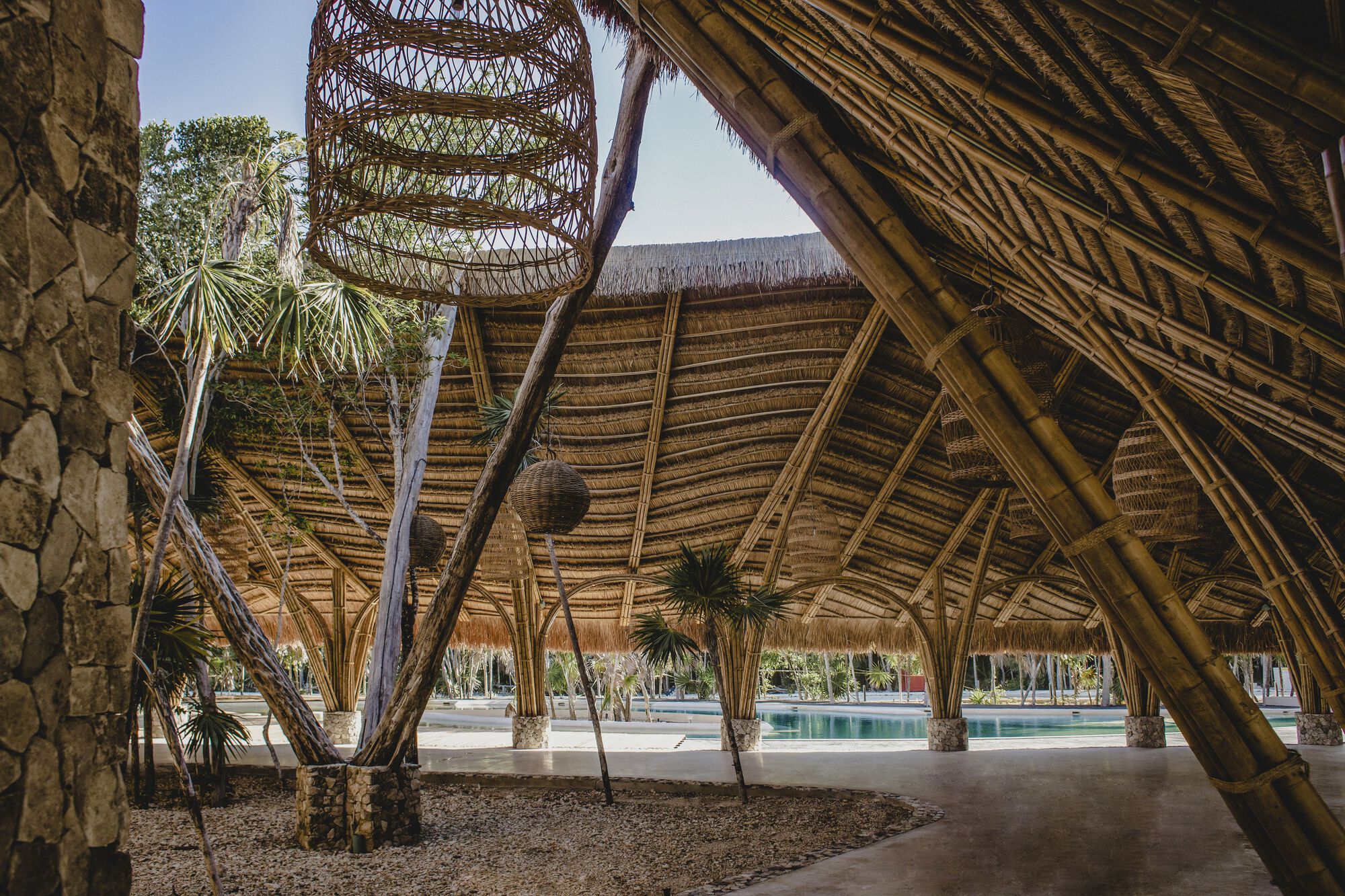
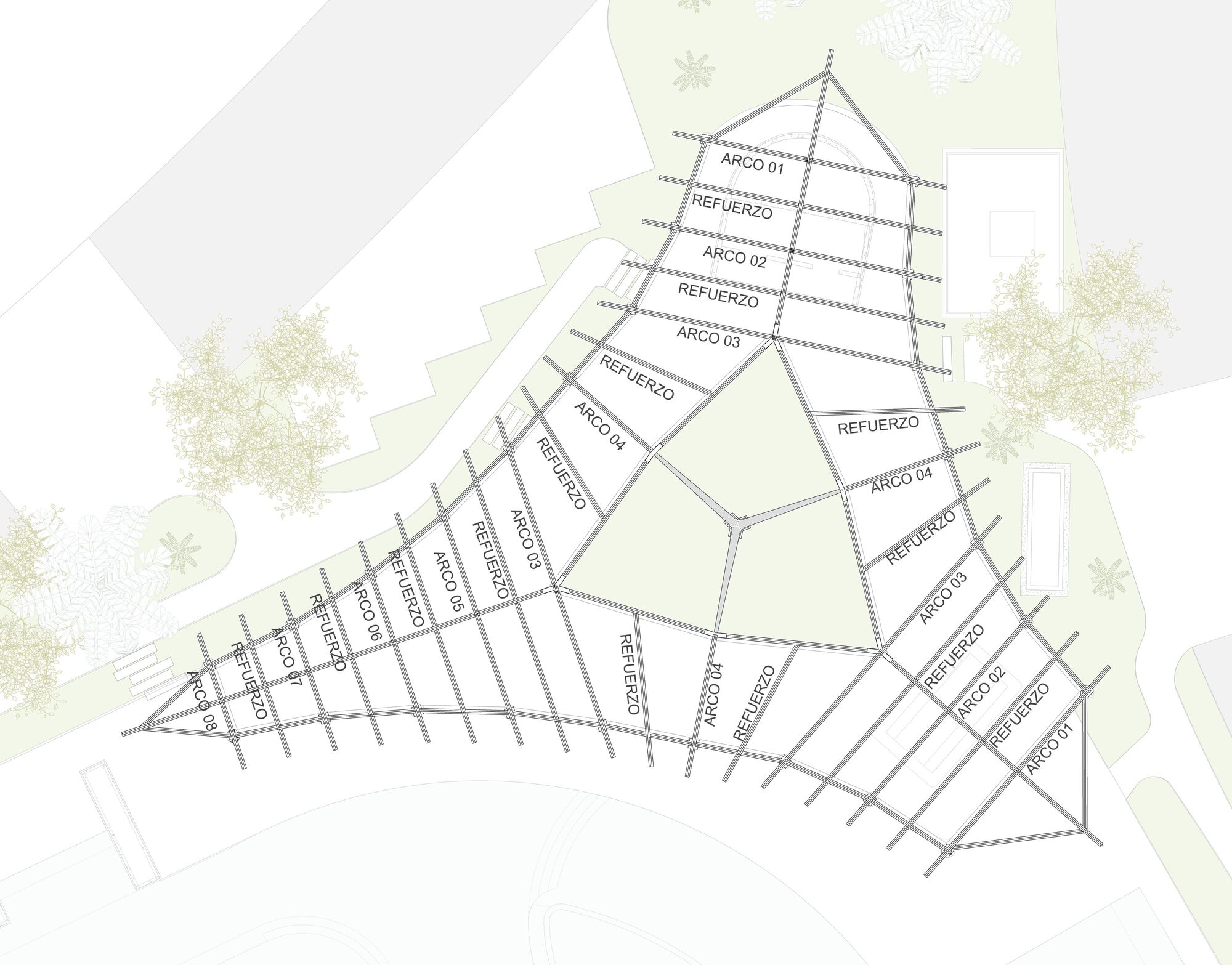
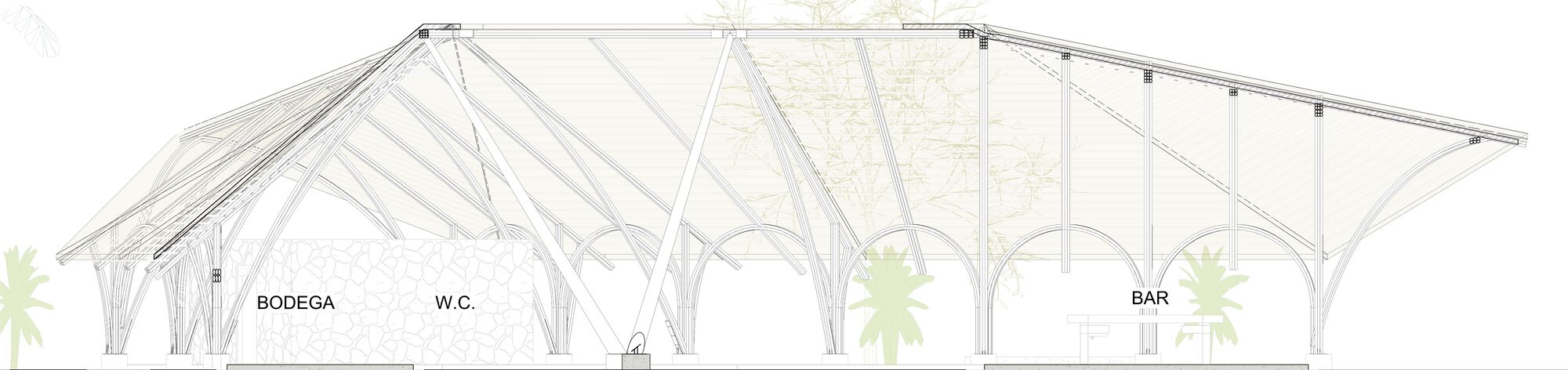
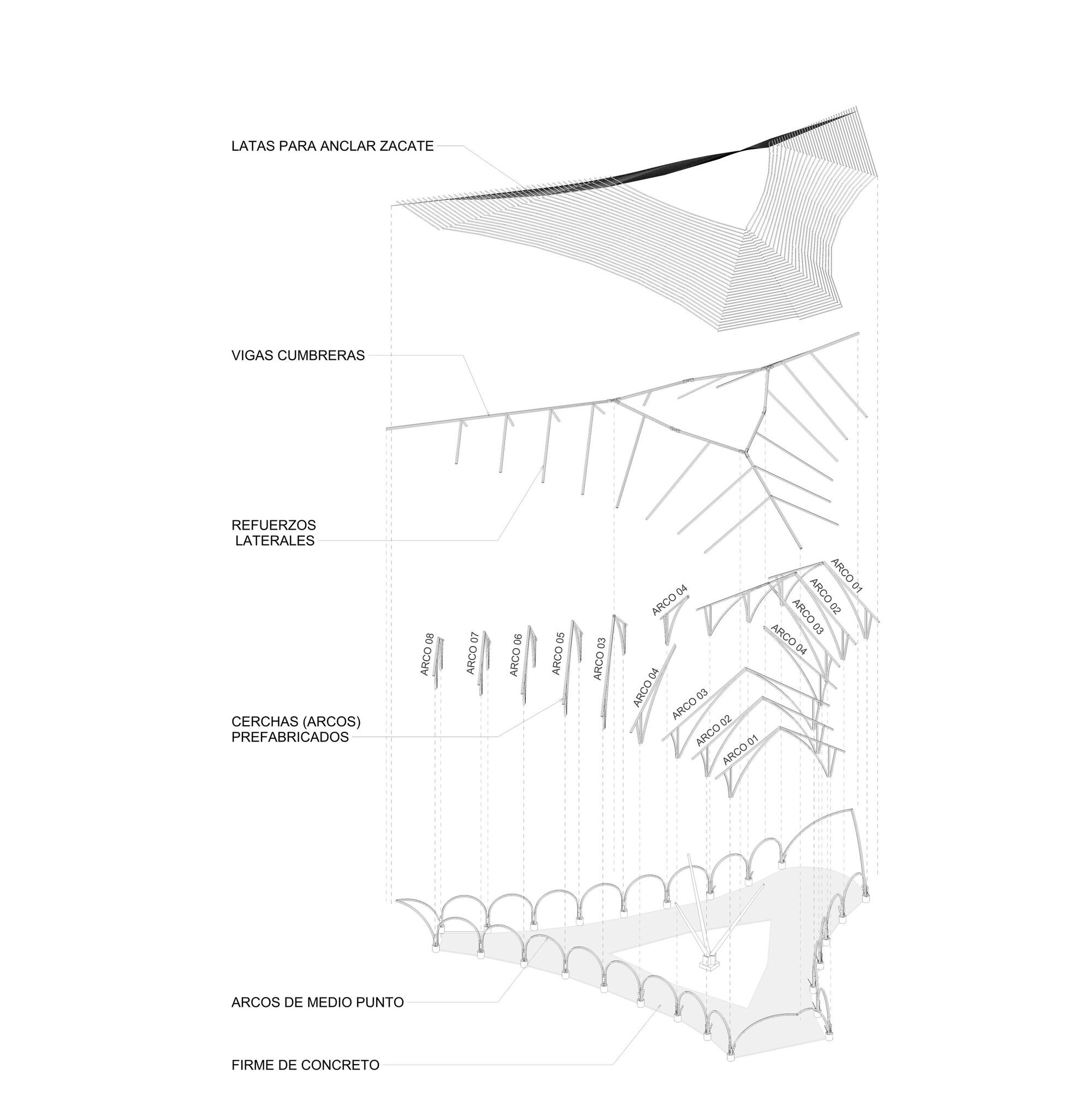
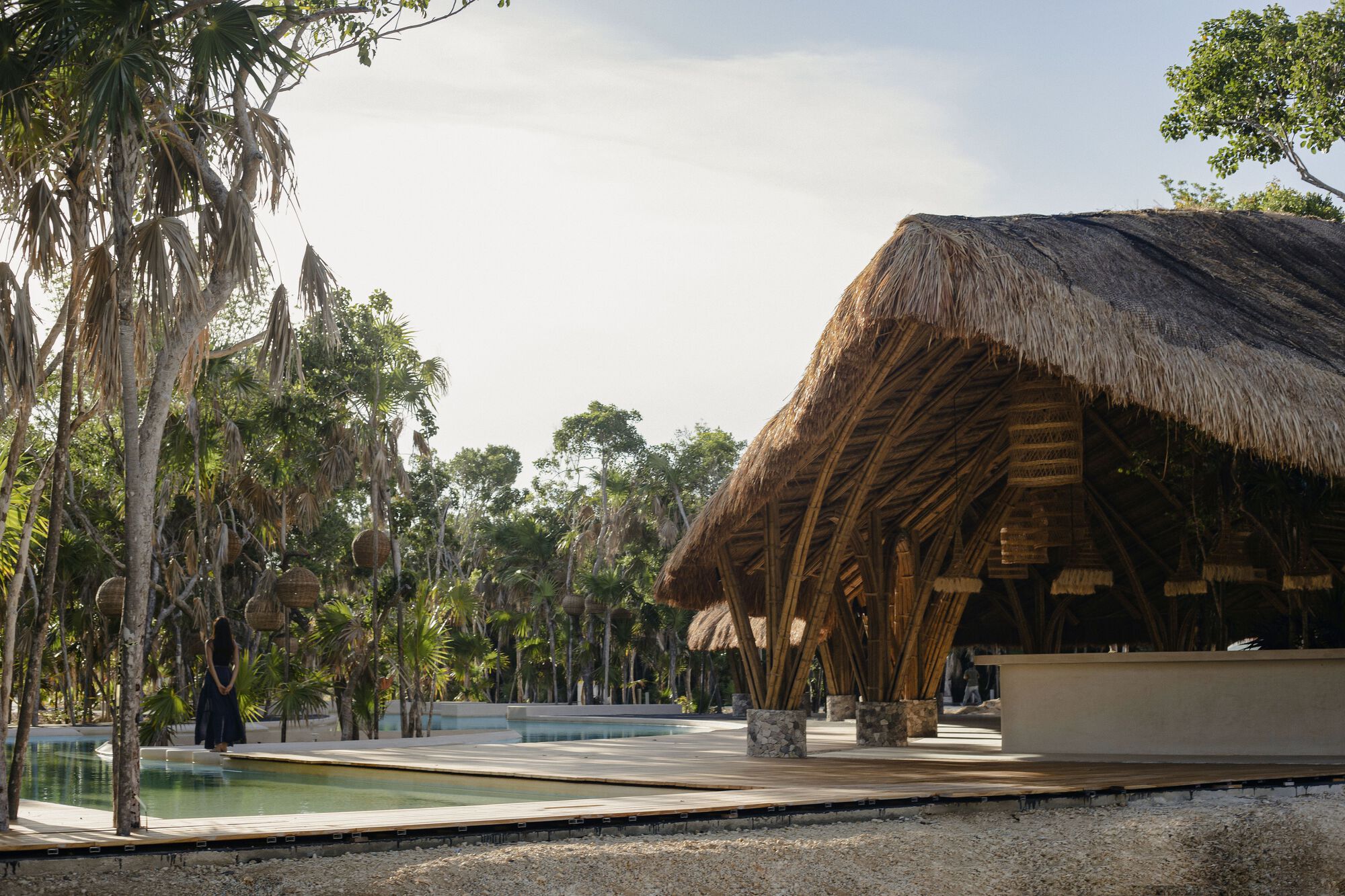
In this particular project, there was an innovation in the design, planning, and execution processes with bamboo. By using software, a system of parametric trusses was created, simulating the properties of round bamboo, and subjecting the 3D models to different analyses that resulted in the functional, structural, and formal solution that was later materialized.
© The Polf
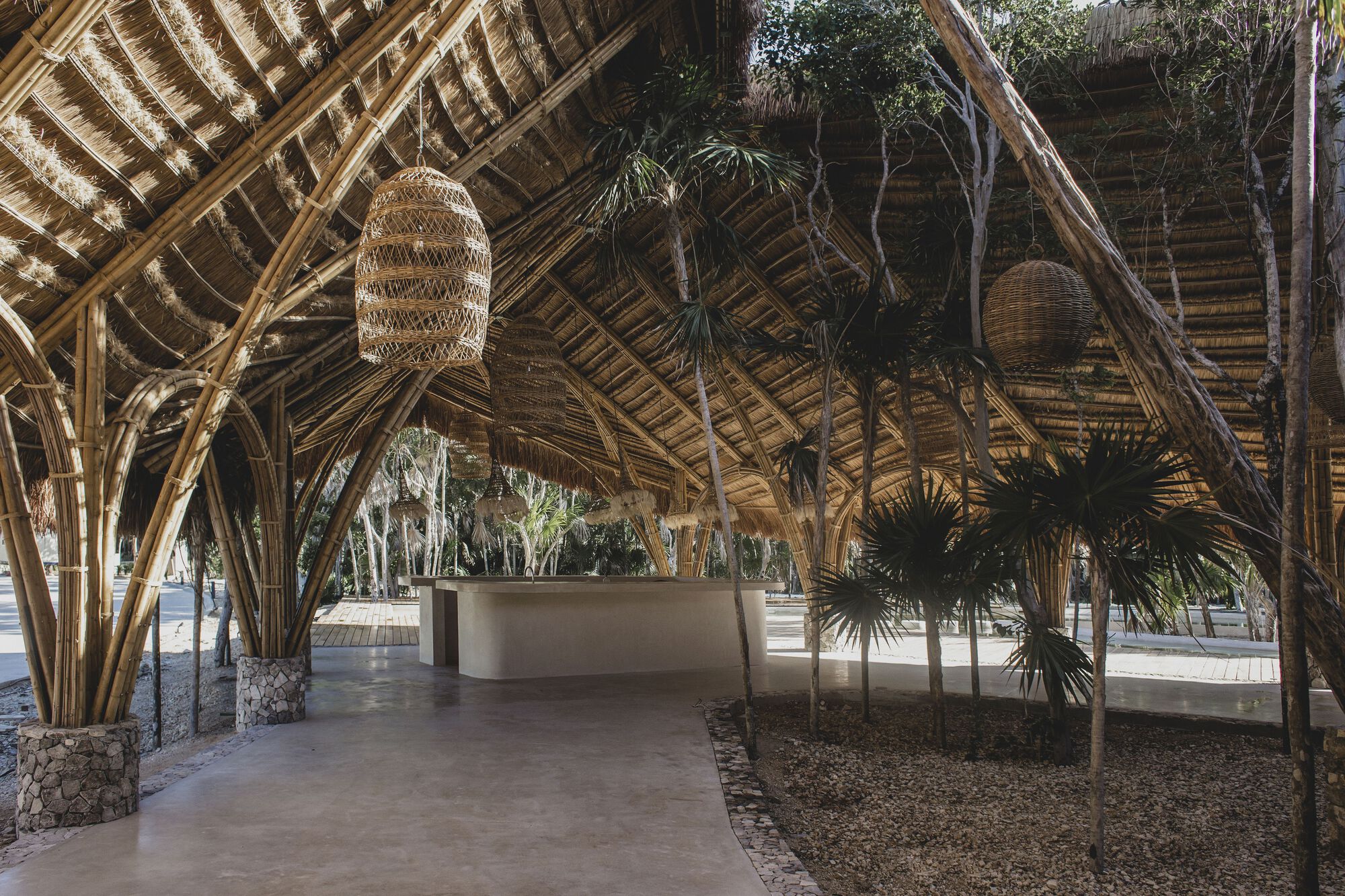
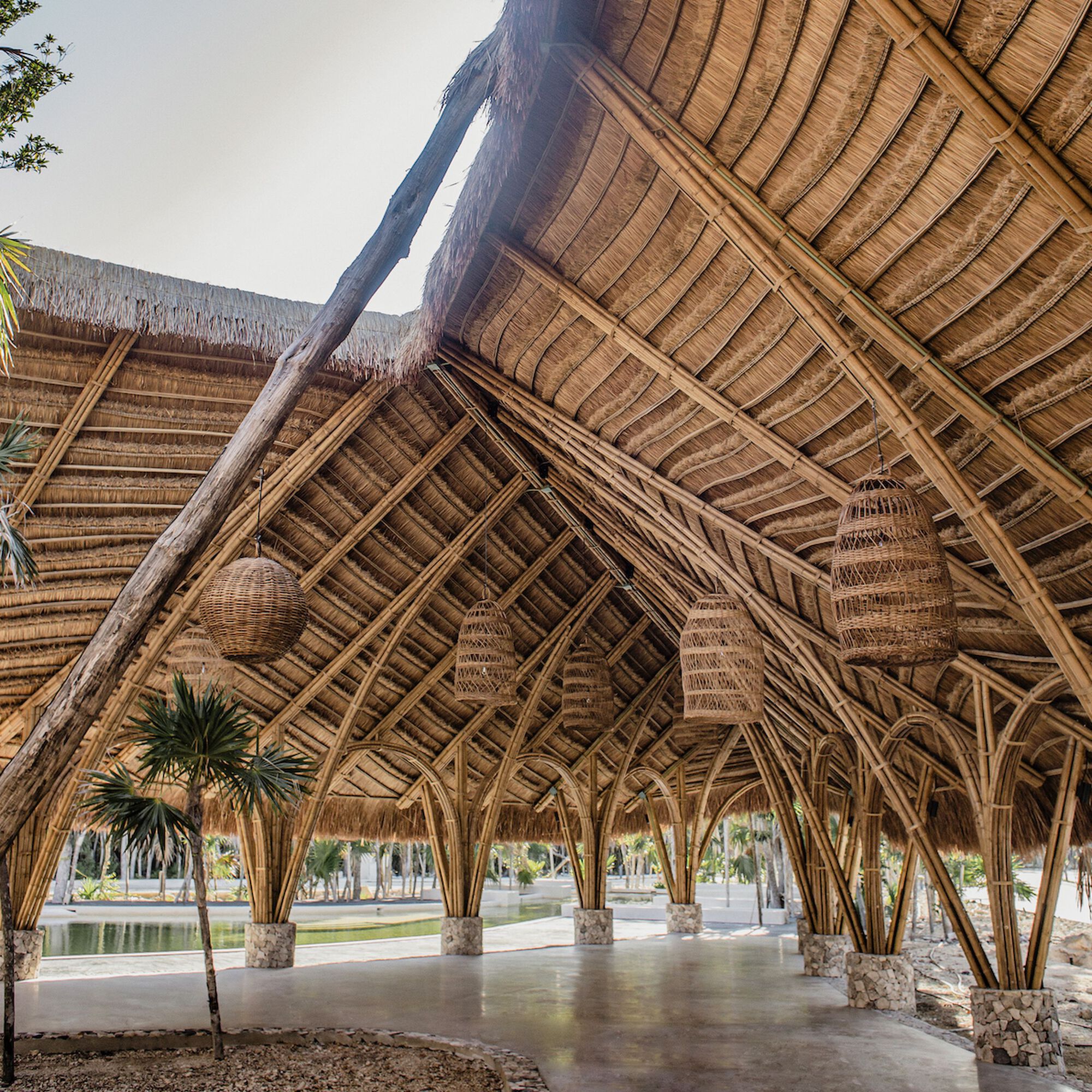
Mathematical algorithms allowed for the creation of a set of adjustable parameters fed with a database that merged knowledge from bamboo masters, engineers, and architects. In this way, the shape, measurements, heights, amount of material, and number of arches that needed to be made were simplified. It also provided invaluable technological advancement for future construction projects with bamboo.
© The Polf
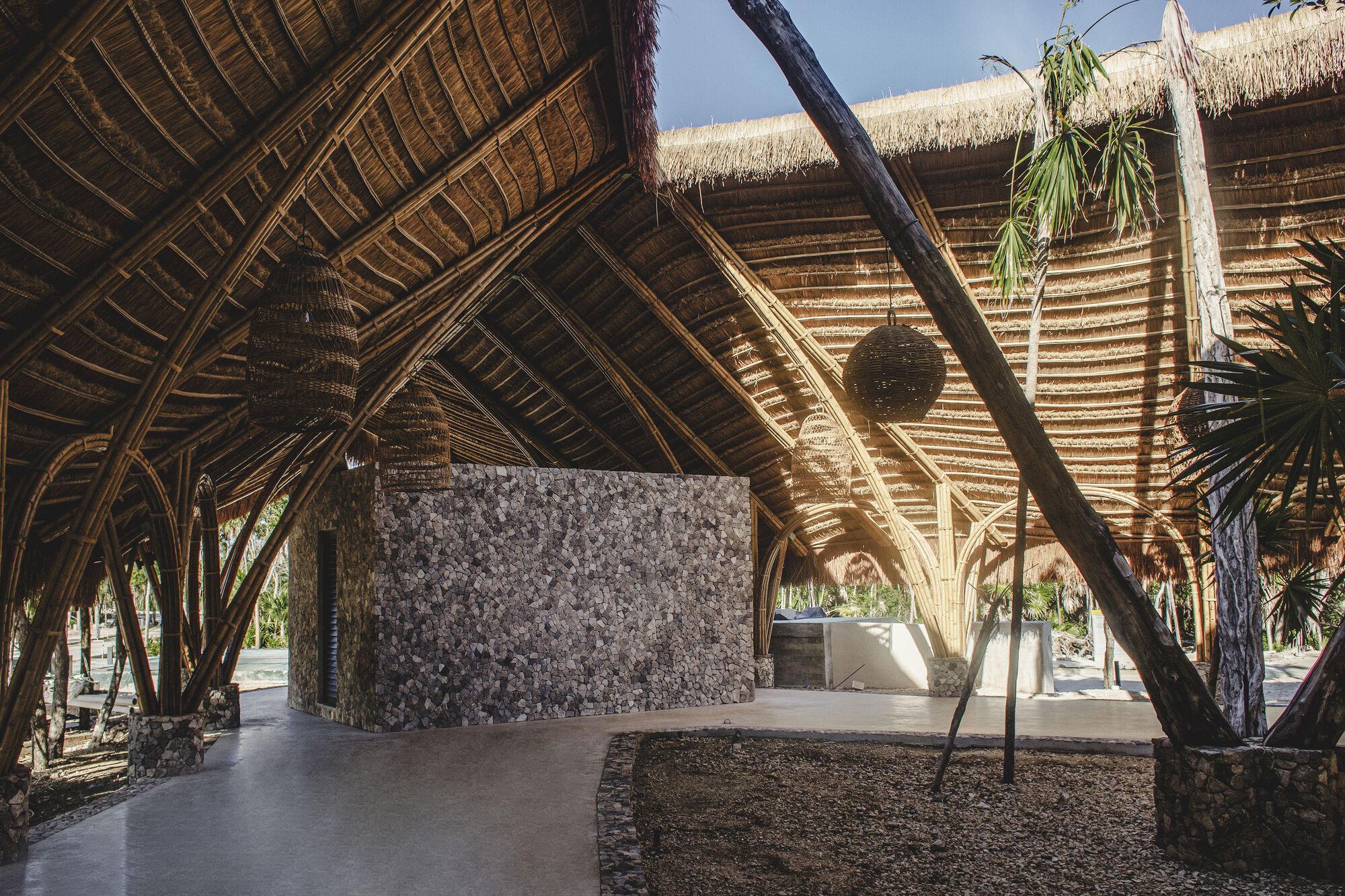
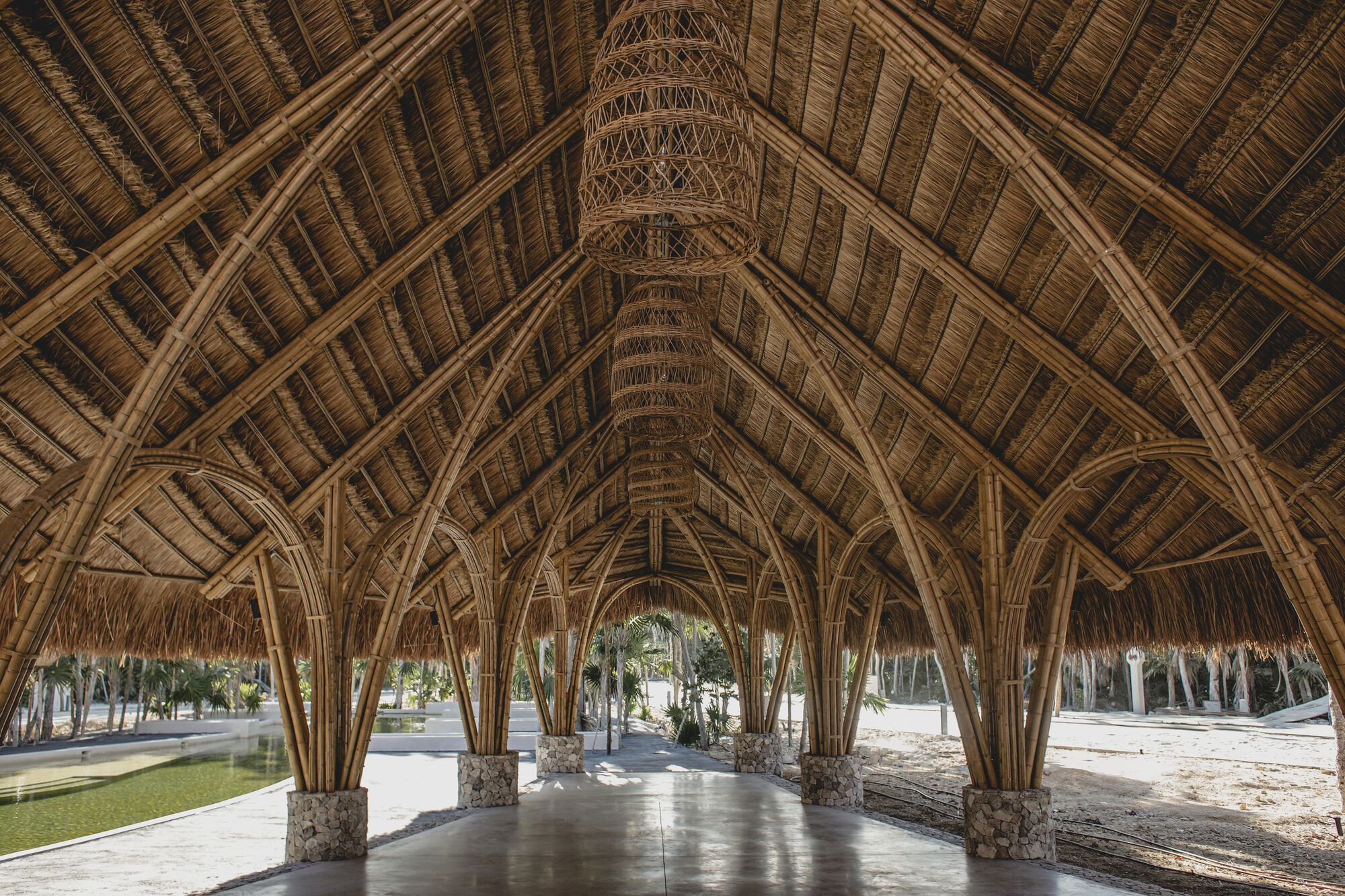
As a construction material, bamboo offers numerous advantages; it is an ecological alternative to traditional construction materials such as steel and concrete, and its lightweight nature allows for flexibility in architectural design, achieving creative, innovative, and versatile forms. Aesthetically, the inherent patterns and veins create a harmonious and visually interesting design. Bamboo regenerates quickly, making it a renewable resource that does not contribute to deforestation. Additionally, cultivation requires fewer resources and generates less waste compared to the production of other construction materials.
© The Polf
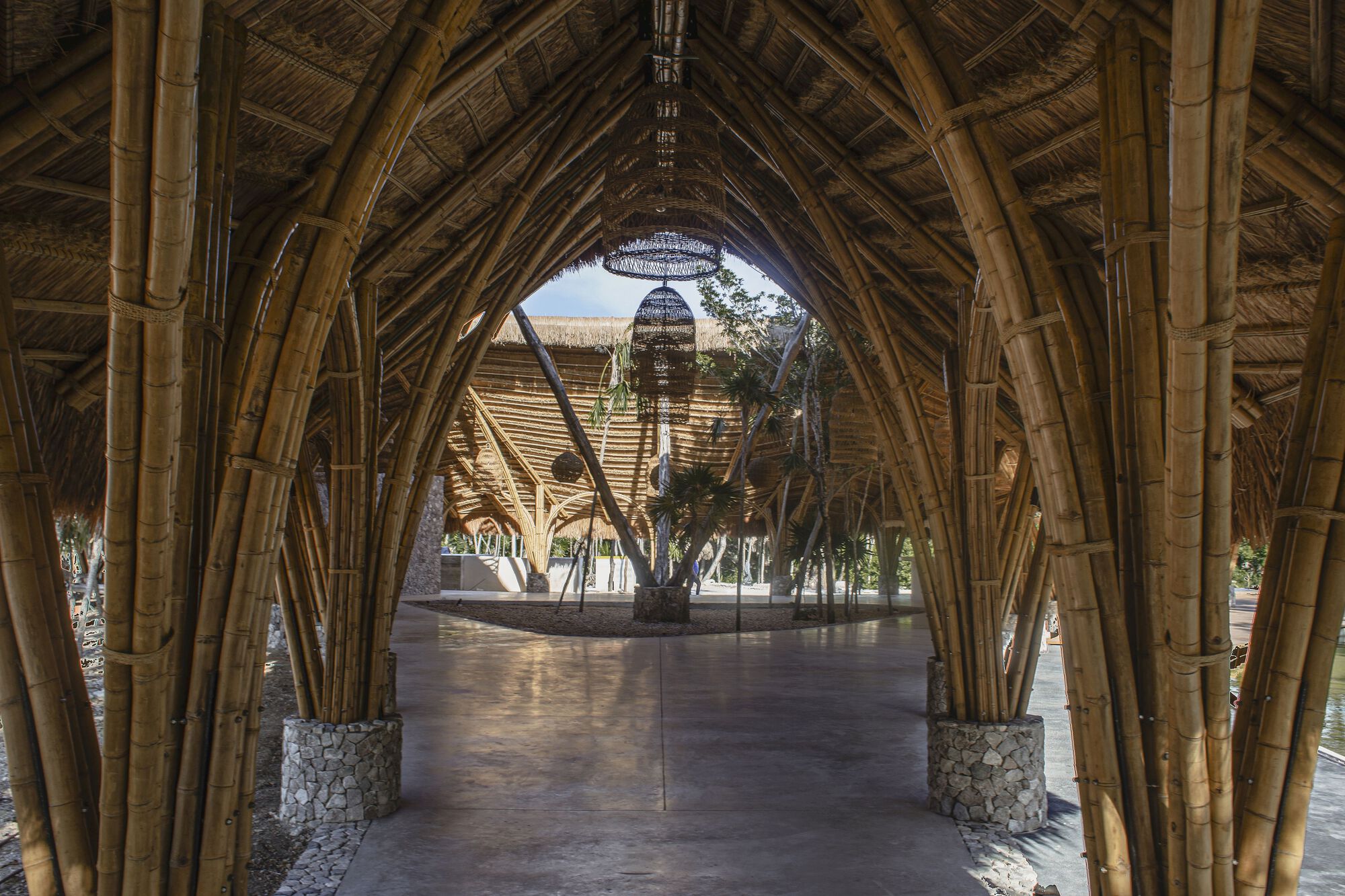
In terms of logistics and the construction process, the decision was made to prefabricate the trusses in the workshop, which were assembled prior to installation on site. In this case, metallic elements were used for the bases and connections, as well as laminated beams for the connection between trusses and the attachment of the thatched roof.
© The Polf
The naked structure is an important part of the project’s identity as it exposes bamboo elements, exposed concrete, chukum, and a unique stone carpet that undergoes an artisanal process starting with the manual selection of each piece according to its characteristics, up to the careful execution of the same. This structure, executed with round bamboo trusses, is a notable example of how nature and architecture can come together to create sustainable and aesthetic spaces.
Project Info
Architects: Jorge Kelleher, Studio Arquitectos
Country: Mexico, Tulum
Area: 375 m²
Year: 2023
Photographs: The Polf
Lead Architects: Jorge Kelleher, Diego Mendoza, Eduardo Garcia